After breakfast, we started the really long drive to the outskirts of Lusaka, where we stayed at a local campsite for one night. We arrived just after sunset after an eleven hour drive. The journey time sounds like a long time, but it didn’t feel so long because there was much more to see than just the bush this time. We drove through many small villages and towns and saw a lot of local life which made the journey quite pleasant. Since we arrived so late, we decided to take a room for the night. There was a cottage for five people available, and we took Sophie to stay with us for the night. None of us felt like setting up the tent in the pitch dark at the end of a long day’s driving. The cottage would have cost a whopping $125/night, but we managed to negotiate the price down to $80. When Sophie paid her share, we were left with $60.
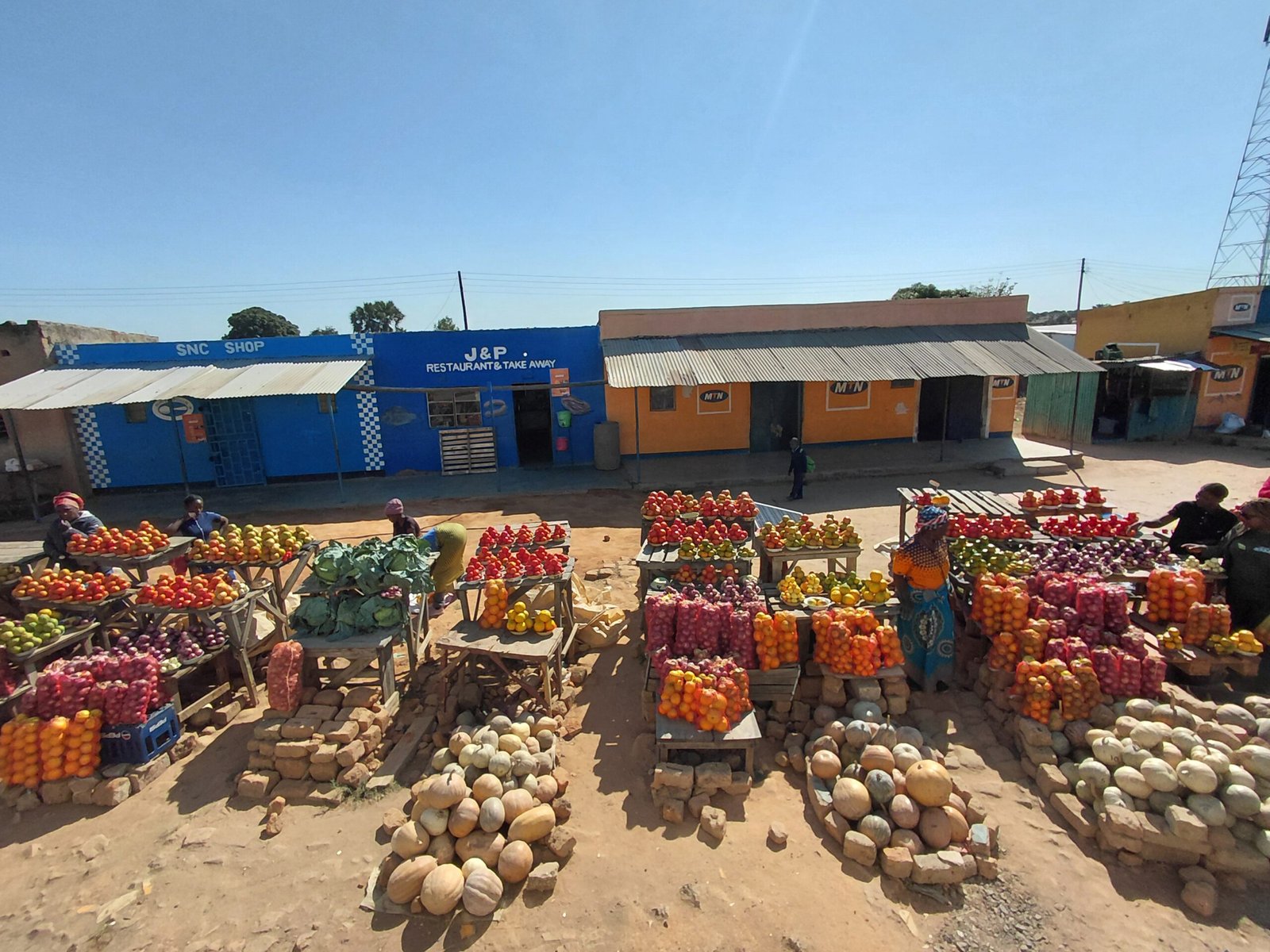
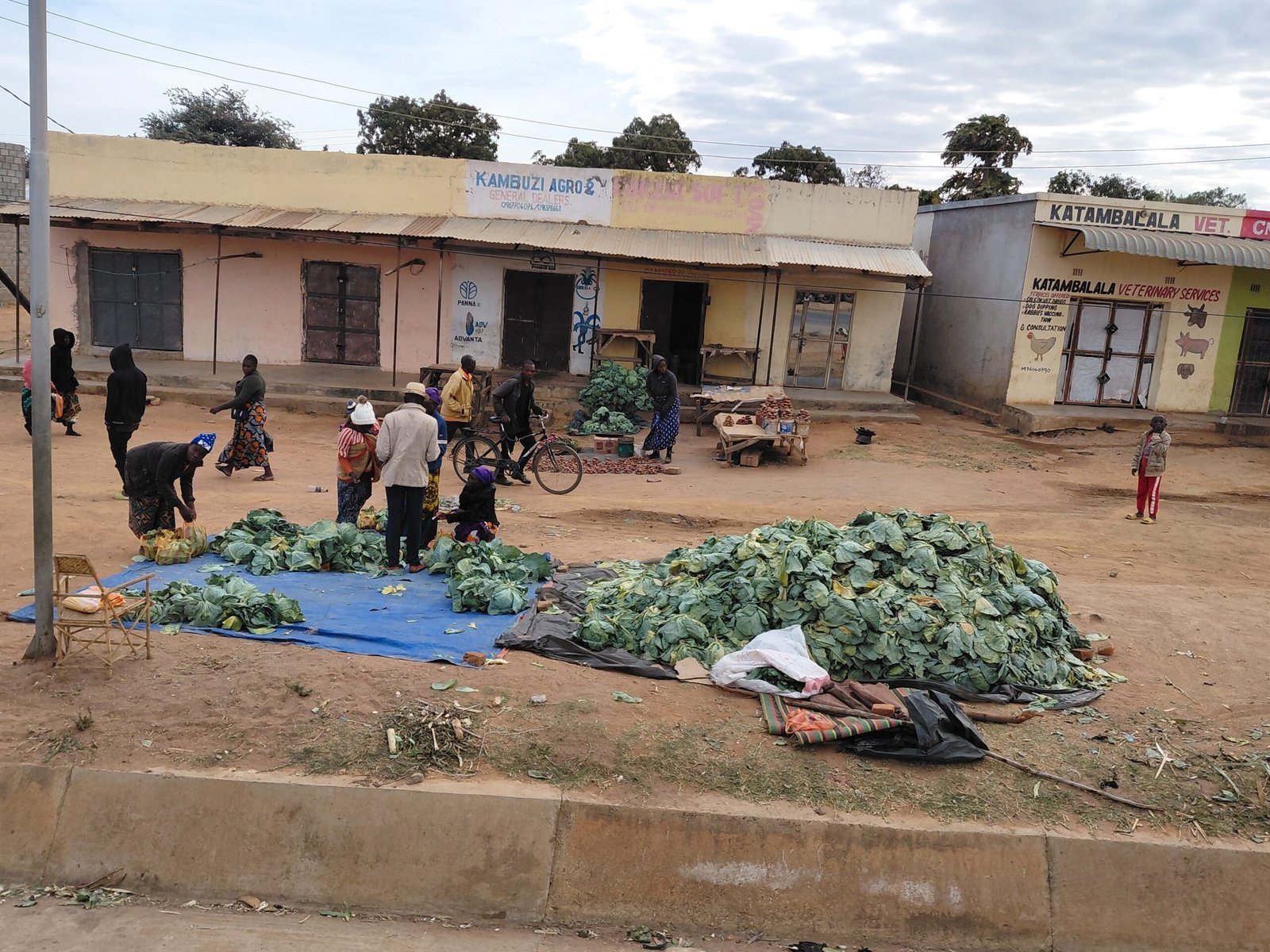
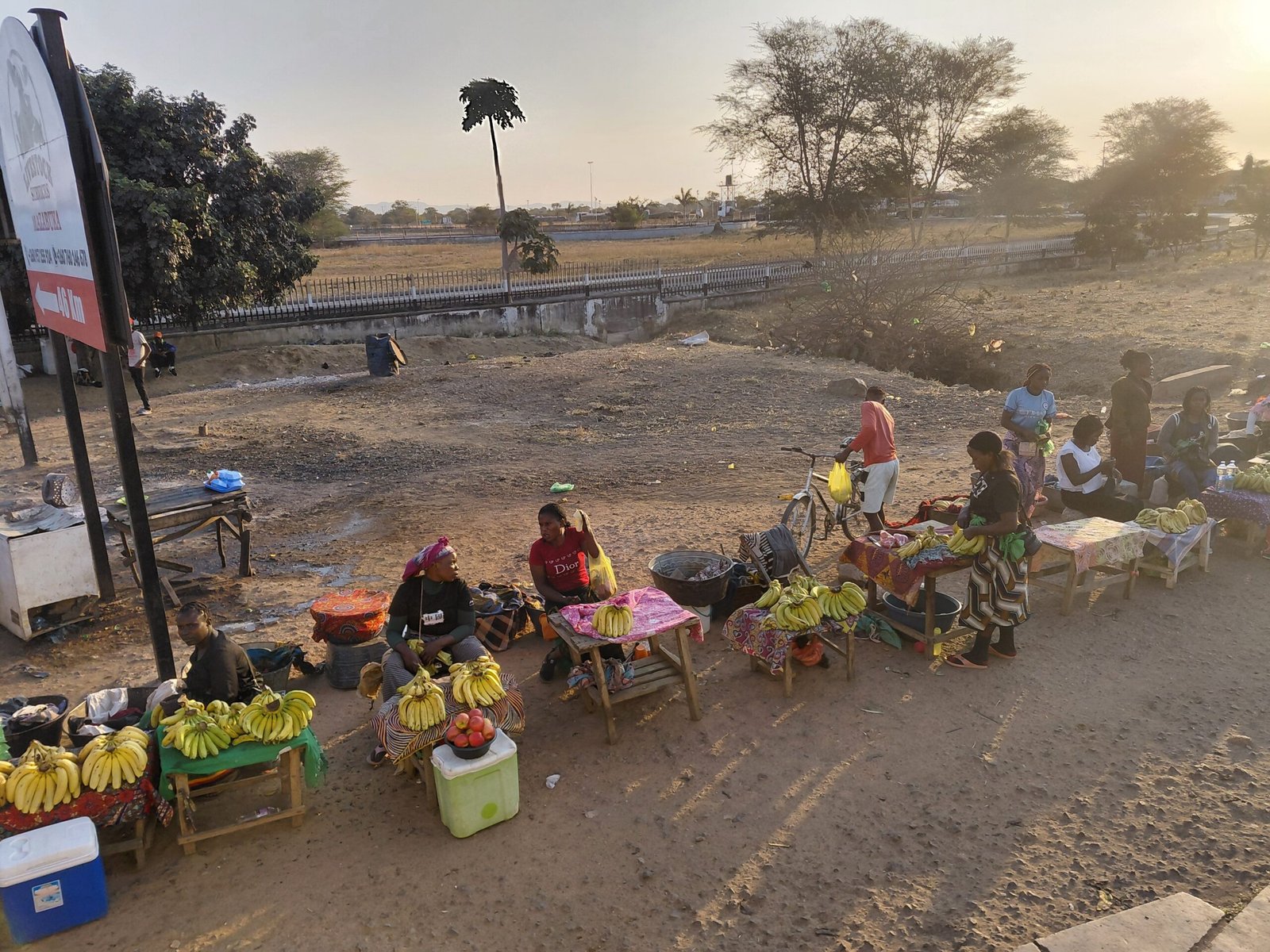
Local people sell the vegetables they have grown along the streets.
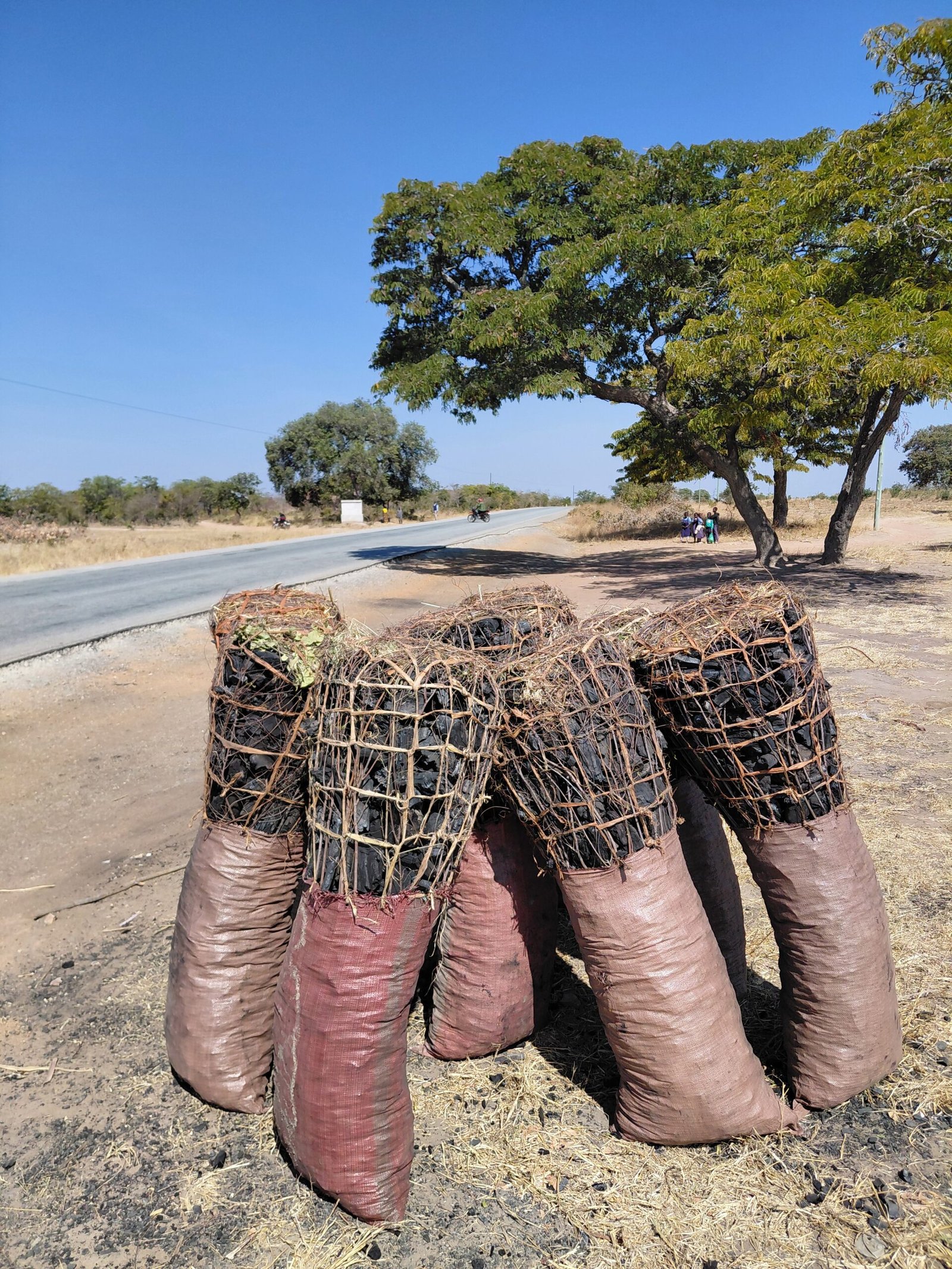
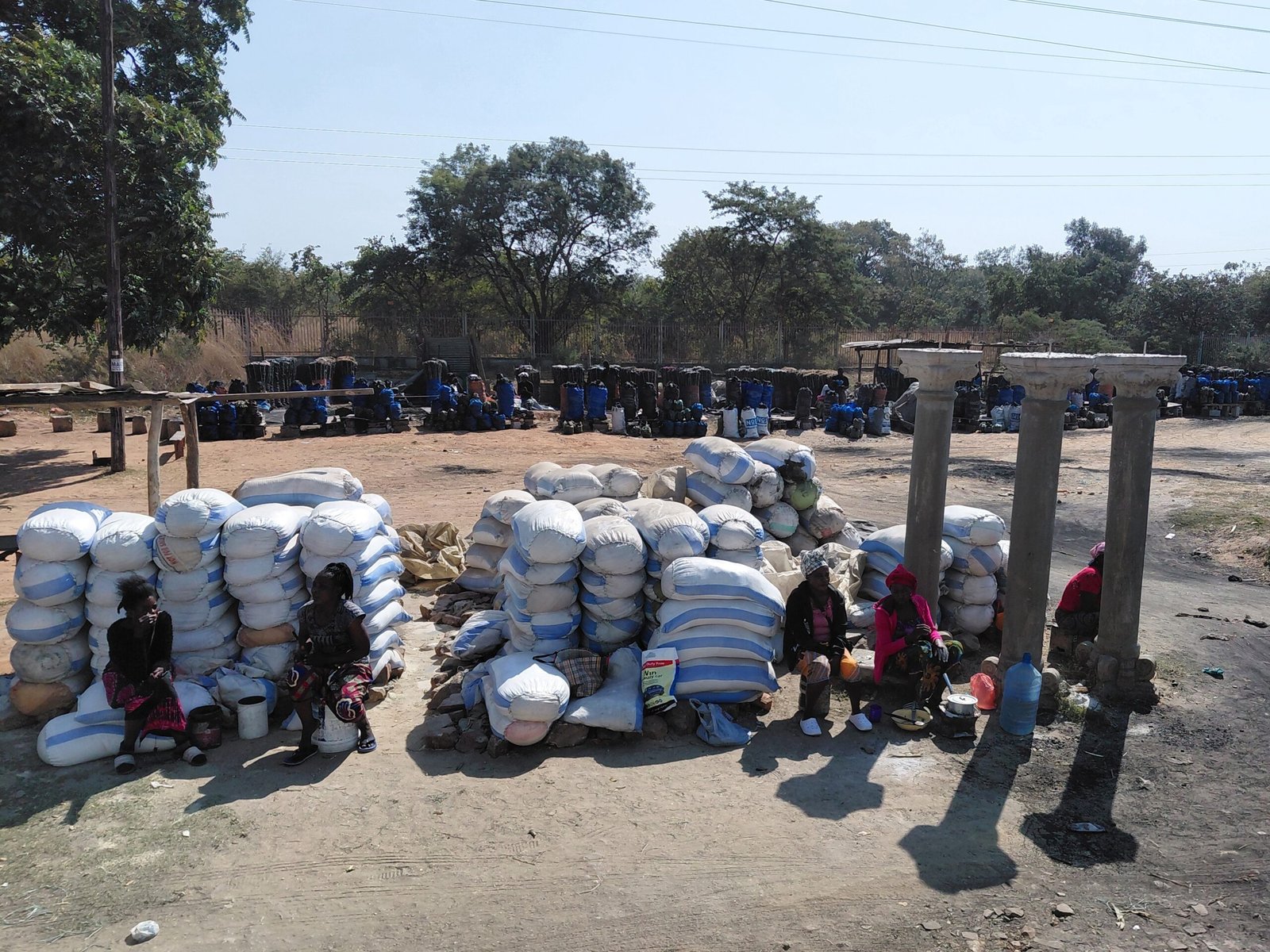
In Zambia, charcoal is often used instead of wood for cooking.
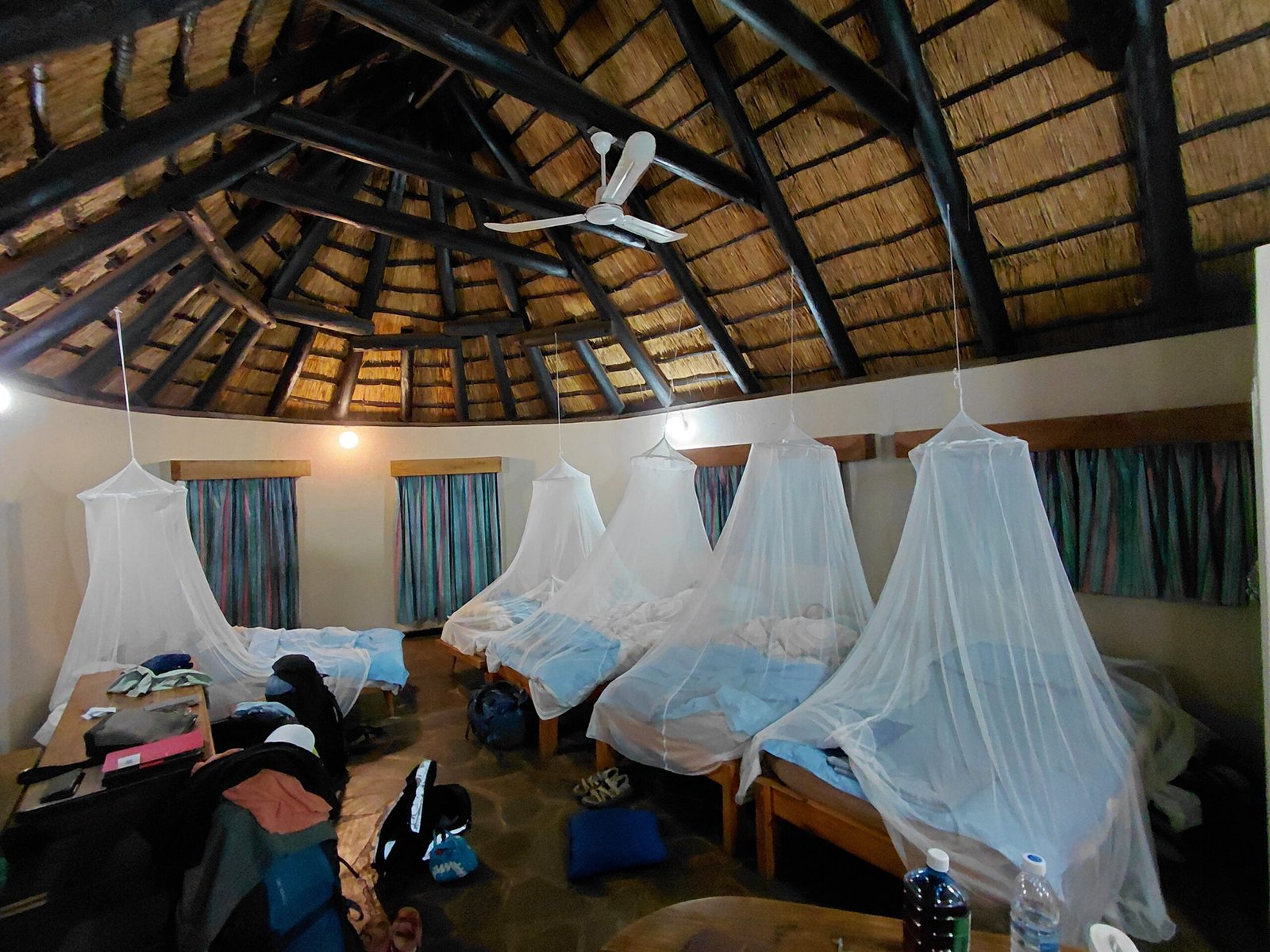
The cottage was not really insect-proof, as there was a gap of about 20cm in the roofline, which was only closed with chicken netting. This system apparently provided air conditioning in addition to the fan in the ceiling. The slits in the netting made it easy for any creature smaller than a rat to sneak into the cottage. There were mosquito nets on the beds, so there was no need to worry about mosquitoes, but Ronja was much more concerned about the large spider we saw on the wall of our cottage. We didn’t get rid of it before it managed to sneak away from us. At this point Ronja started to demand to move back into the tent. Her opinion was heard, but no action was taken. We all slept very well under our mosquito nets, including Ronja. Only a few times during the night we heard zebras galloping past our hut, but otherwise it was a very quiet, peaceful and above all warm night.
There are now five people in our family.
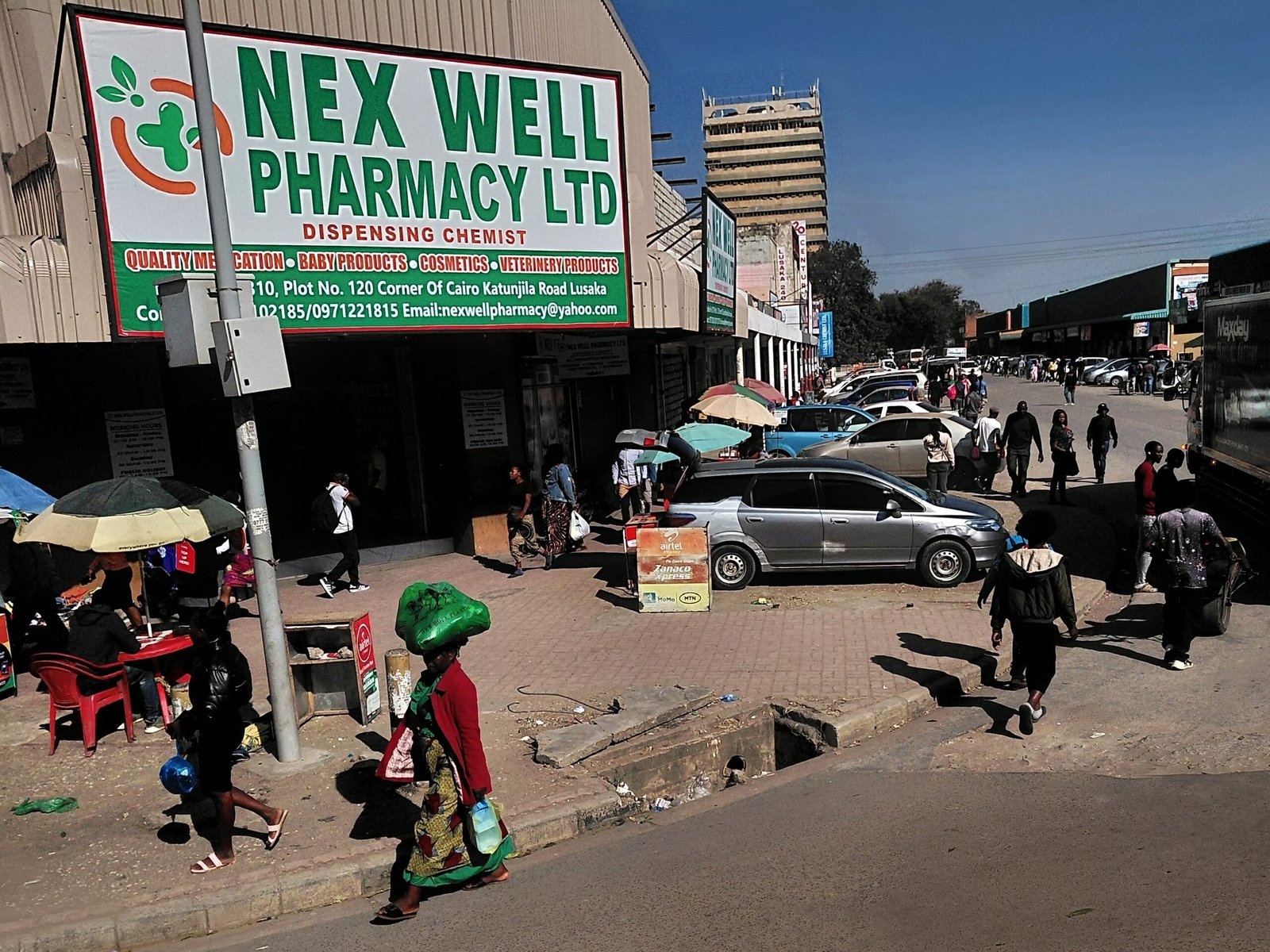
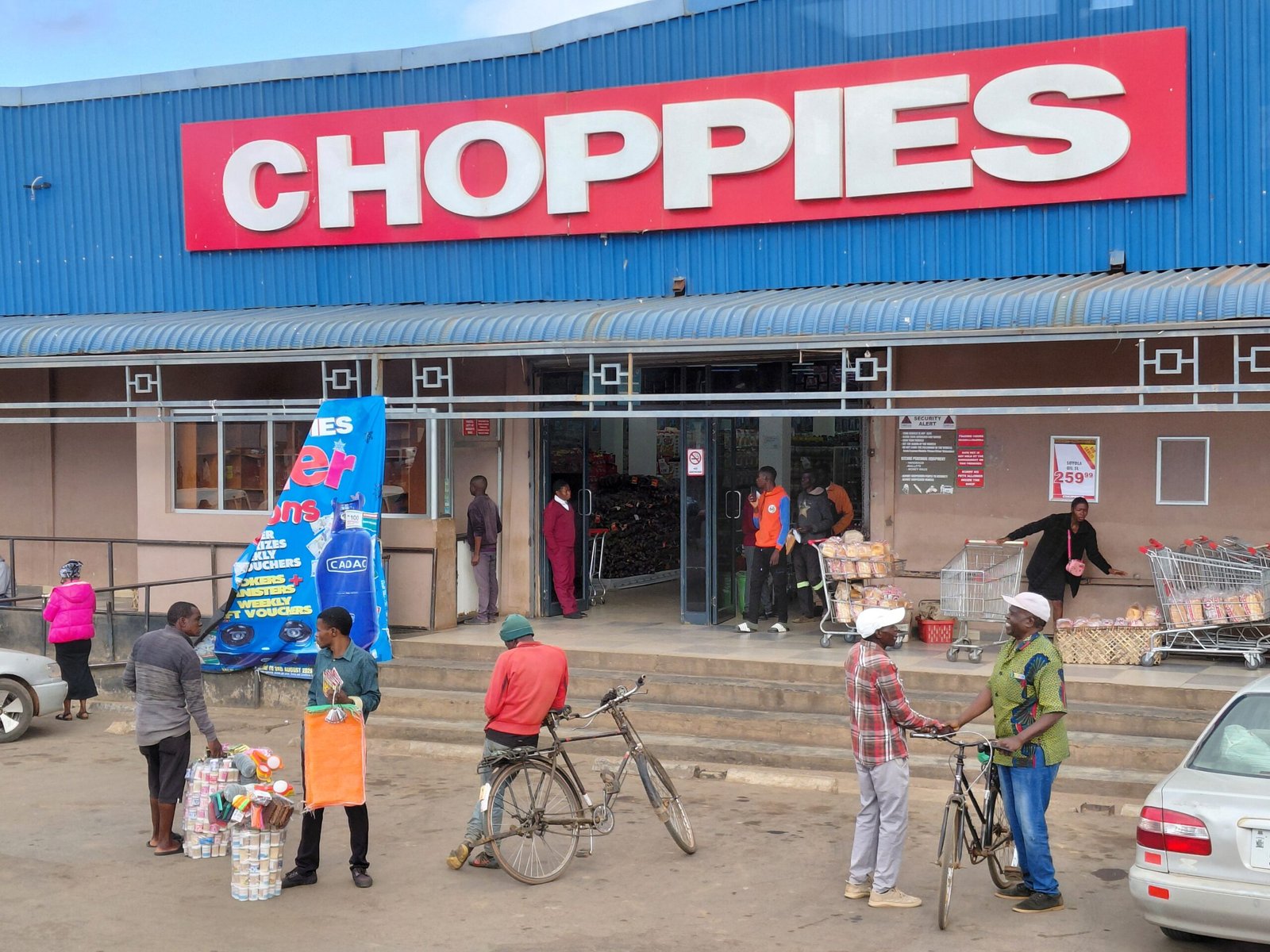
Saturday morning after breakfast we went to the supermarket in the local shopping center for groceries. At the same time, our driver Casper went to fill up the car with diesel. We were given half an hour to shop, but the truck took a long time to return, even though the diesel was supposedly booked and paid for in advance. Finally, an hour after the deadline, we were finally able to continue our journey.
We drove all day again along Zambia’s main highway towards the town of Petauke. Although it is the largest road in Zambia, the journey was sometimes very slow, as there are many trucks on the same narrow road. Especially the trucks with heavy copper loads struggled in the uphill stretches and crawled upwards at speeds around 20 km/h. Casper did his best to overtake them, but this “highway” is certainly not a four-lane motorway, so there are not always passing opportunities. When we reached the Luangwa bridge, the road suddenly improved to a perfect condition. The reason for this was that Zambia’s previous president had come from the Luangwa region, and somehow, strangely, the government had found the money to renovate the section of road through this very area.
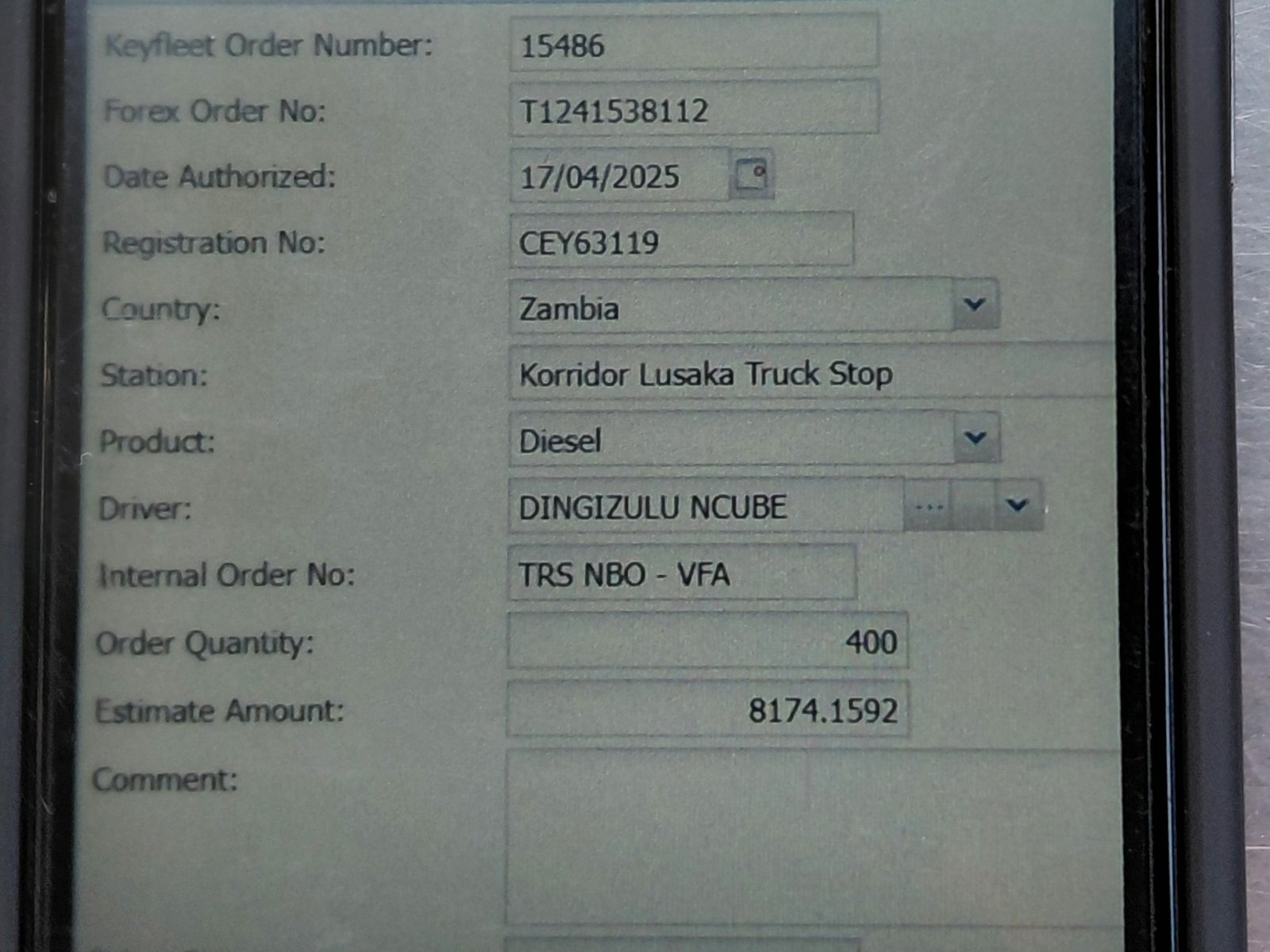
By showing this receipt, Casper was able to fill up at a local truck stop.
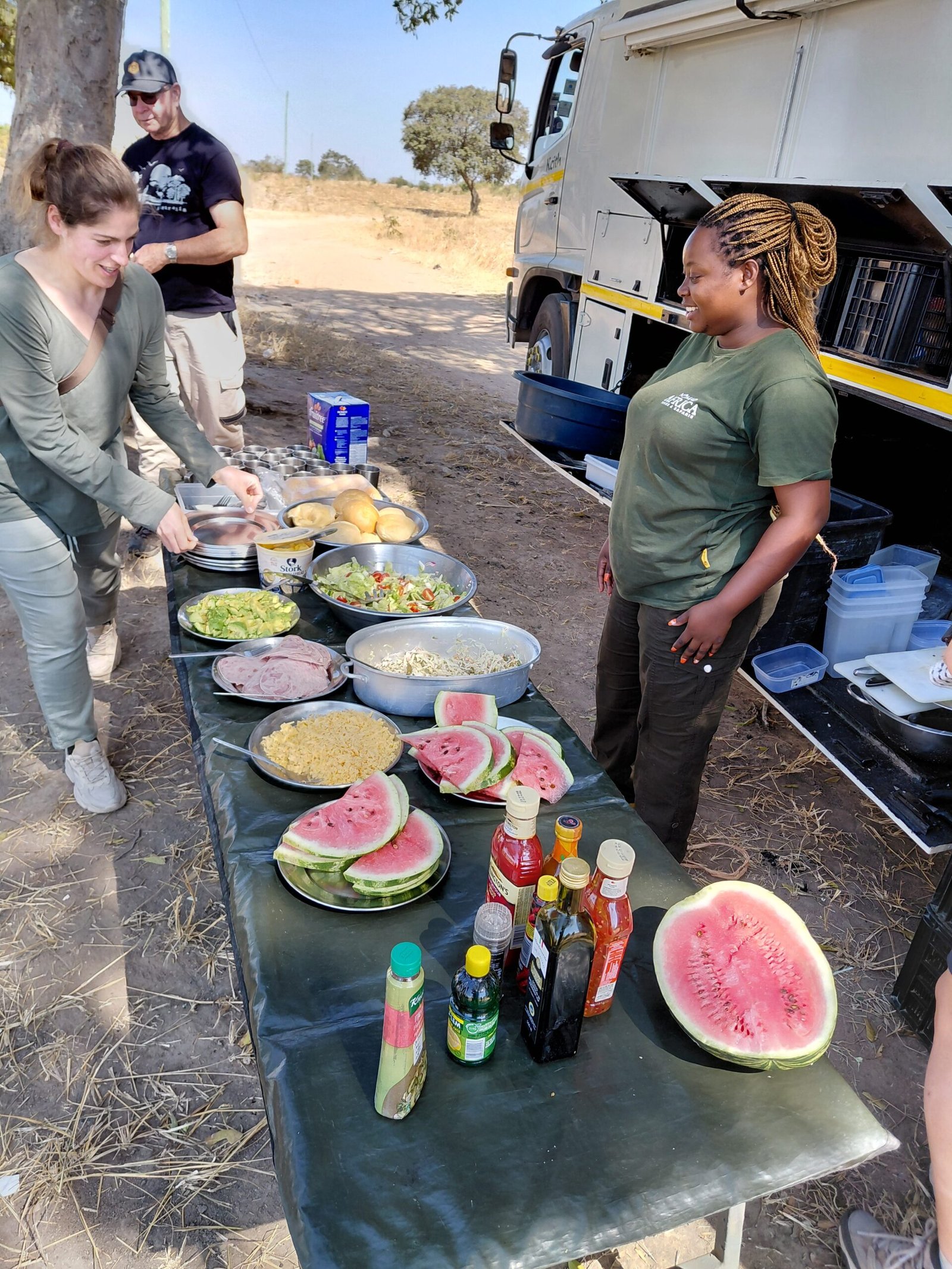
Lunch break somewhere in Zambia.
While we were having lunch, the locals came to look at what we were doing. Ronja gave the children soft toys she had crocheted as a gift. They also received the leftover food from our lunch.
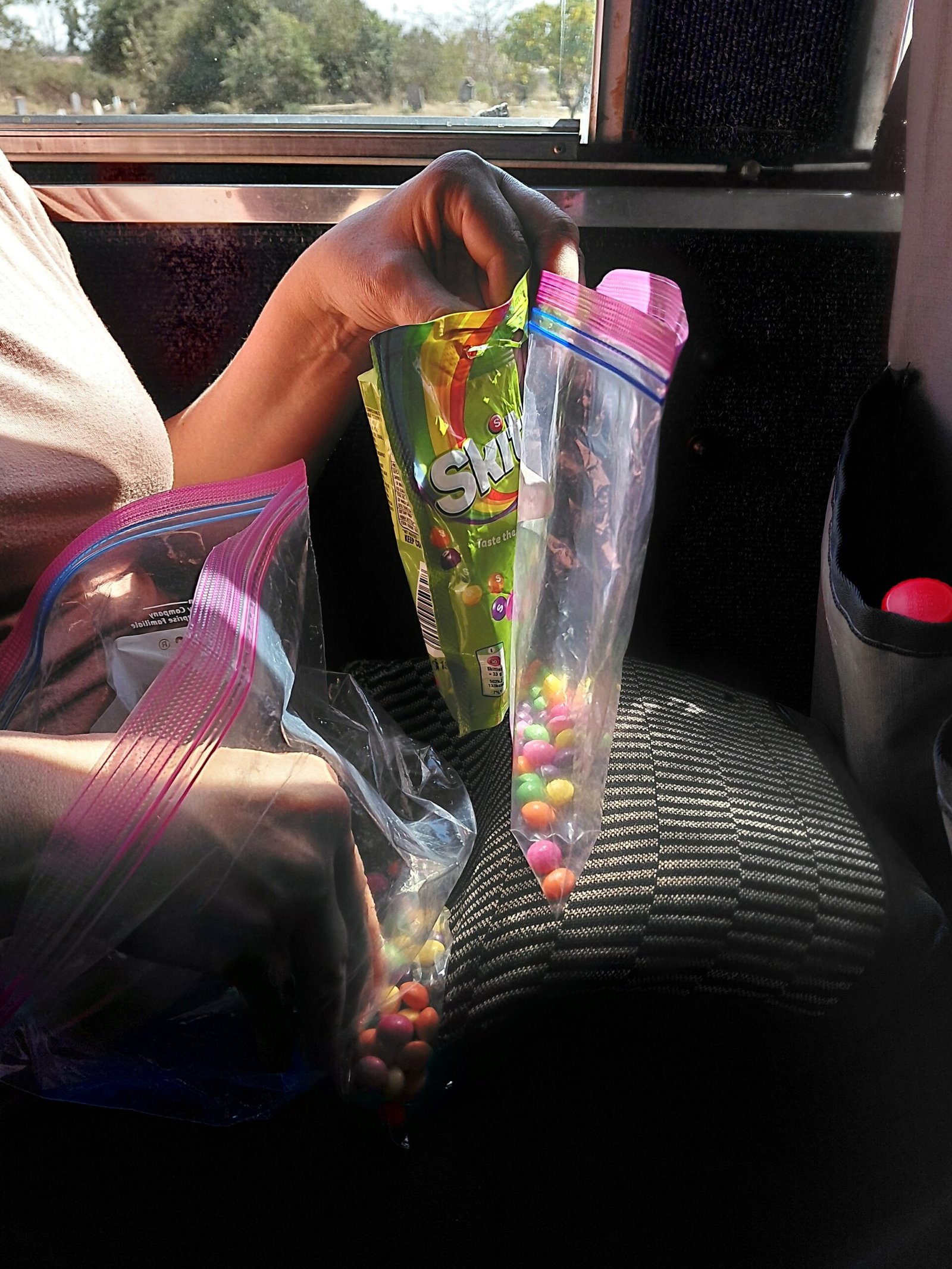
After lunch, our children were given dessert candies which were divided accurately by numbers and colours.
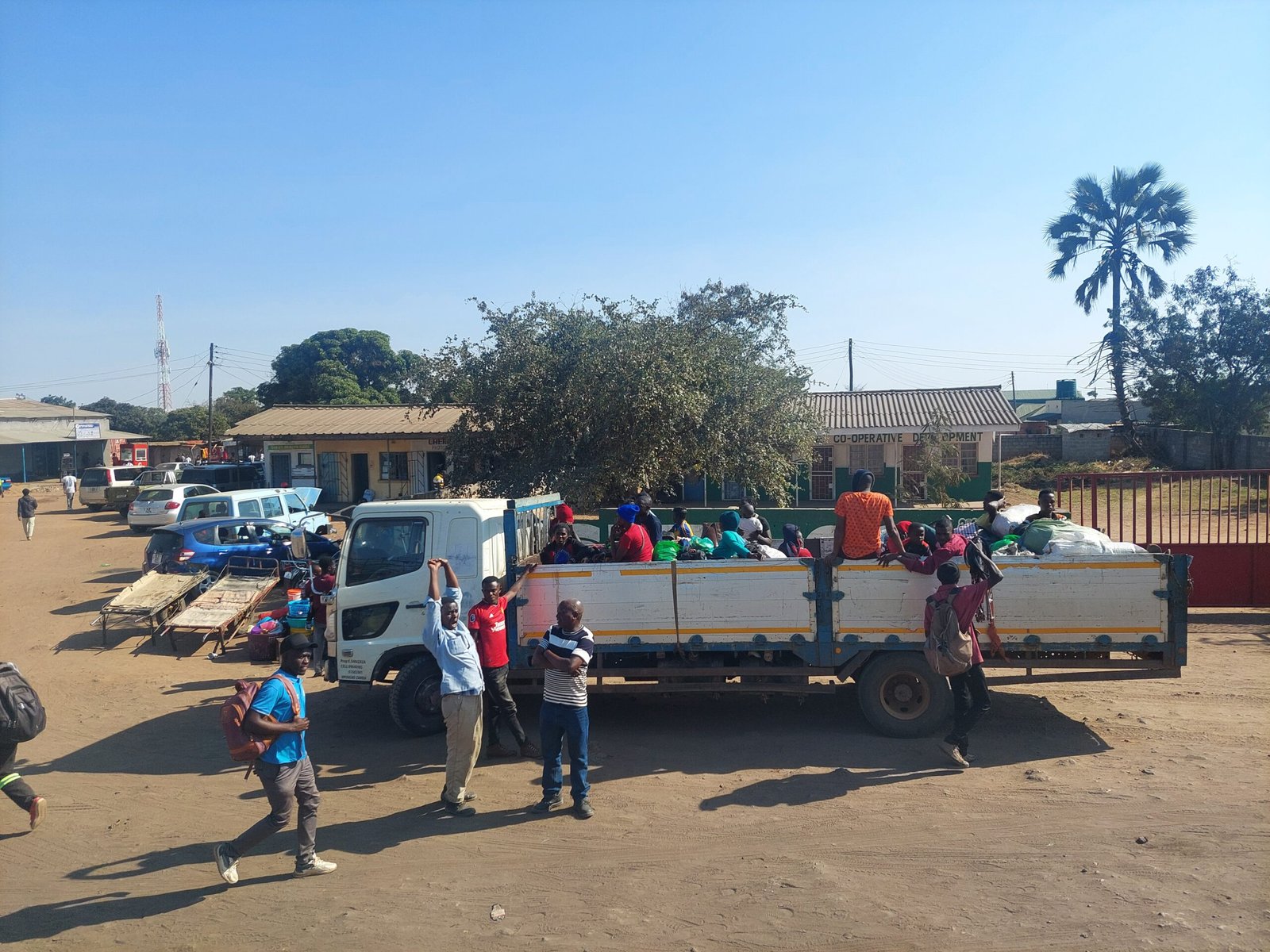
Local "bus ride"
Sights along the way
As we had left Lusaka late, we didn’t arrive before sunset, although that was our original plan. We pitched our tent in the light of the street lamps in the campsite, and then almost immediately there was a power cut. The lights in the campsite went on and off intermittently for at least a good hour before the power finally came back on completely. Ronja happened to be in the shower at the time of the blackout, and she said it was very interesting to take a shower in pitch black.
The night was warm. Certainly the warmest so far, as even Ronja was able to sleep in her sleeping bag without an extra blanket. In the morning we woke up again at 6am and after breakfast we set off for our next stop in the town of Fue. We would spend two nights at Wild Life Camp and there would definitely be encounters with animals.
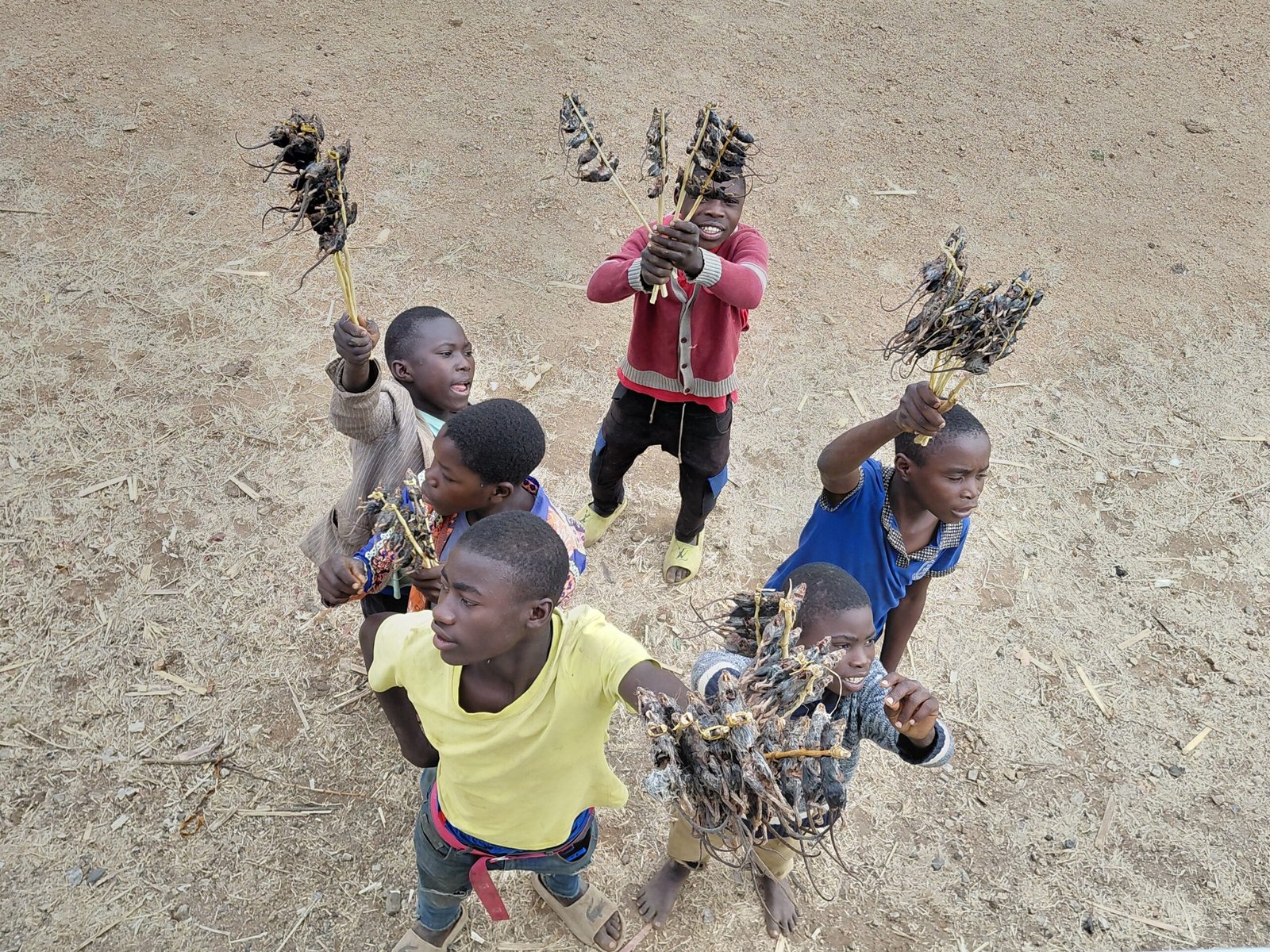
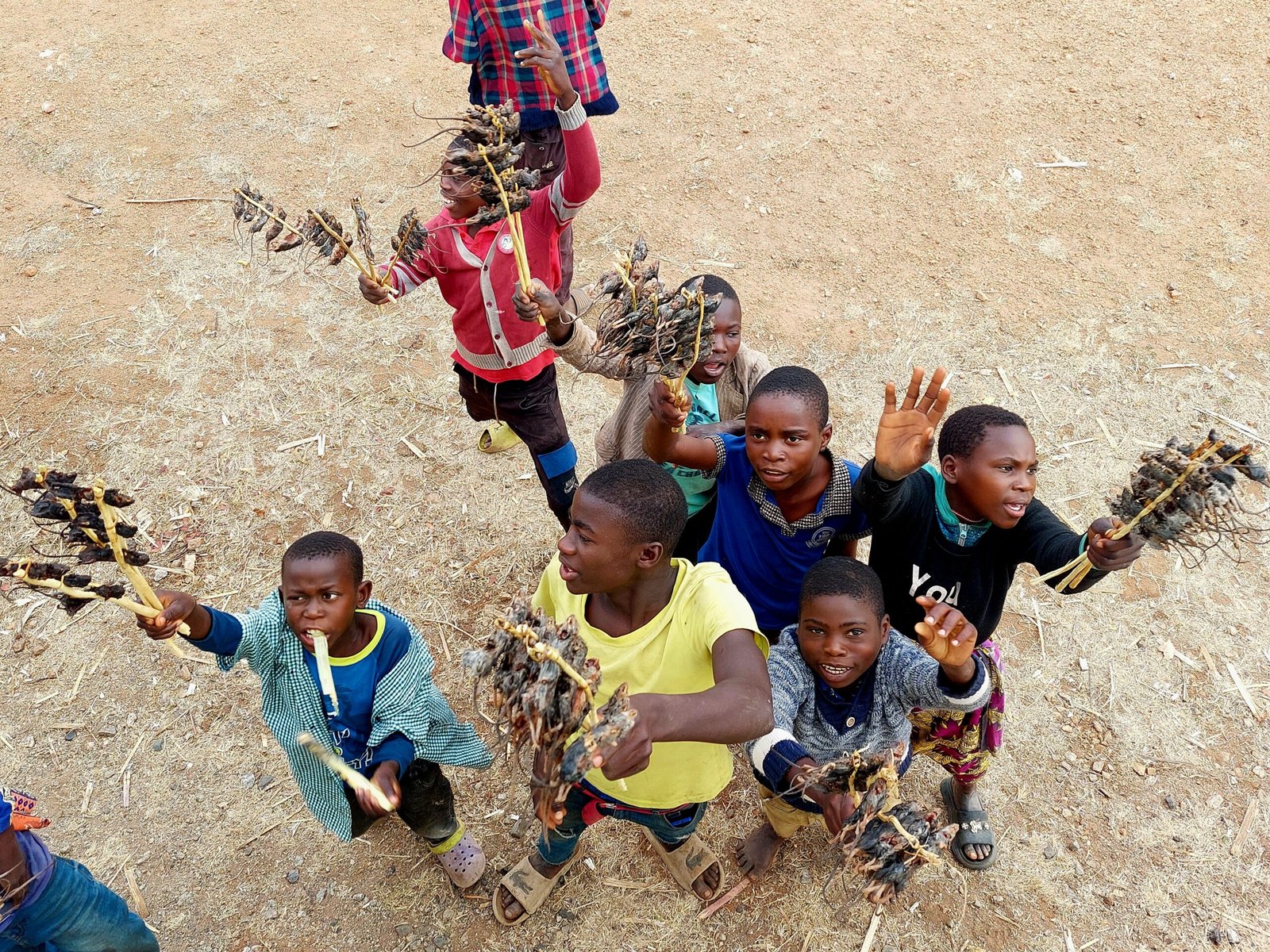
However, along the way, we first had a slightly different encounter with animals. There are 75 tribes in Zambia, of which the Nsenga have a rather special treat. They eat fried mice. Along the roadside, a group of small children suddenly appeared on the side of the truck, trying to sell us crispy, fried mice. There were no sales, but we did take photos.
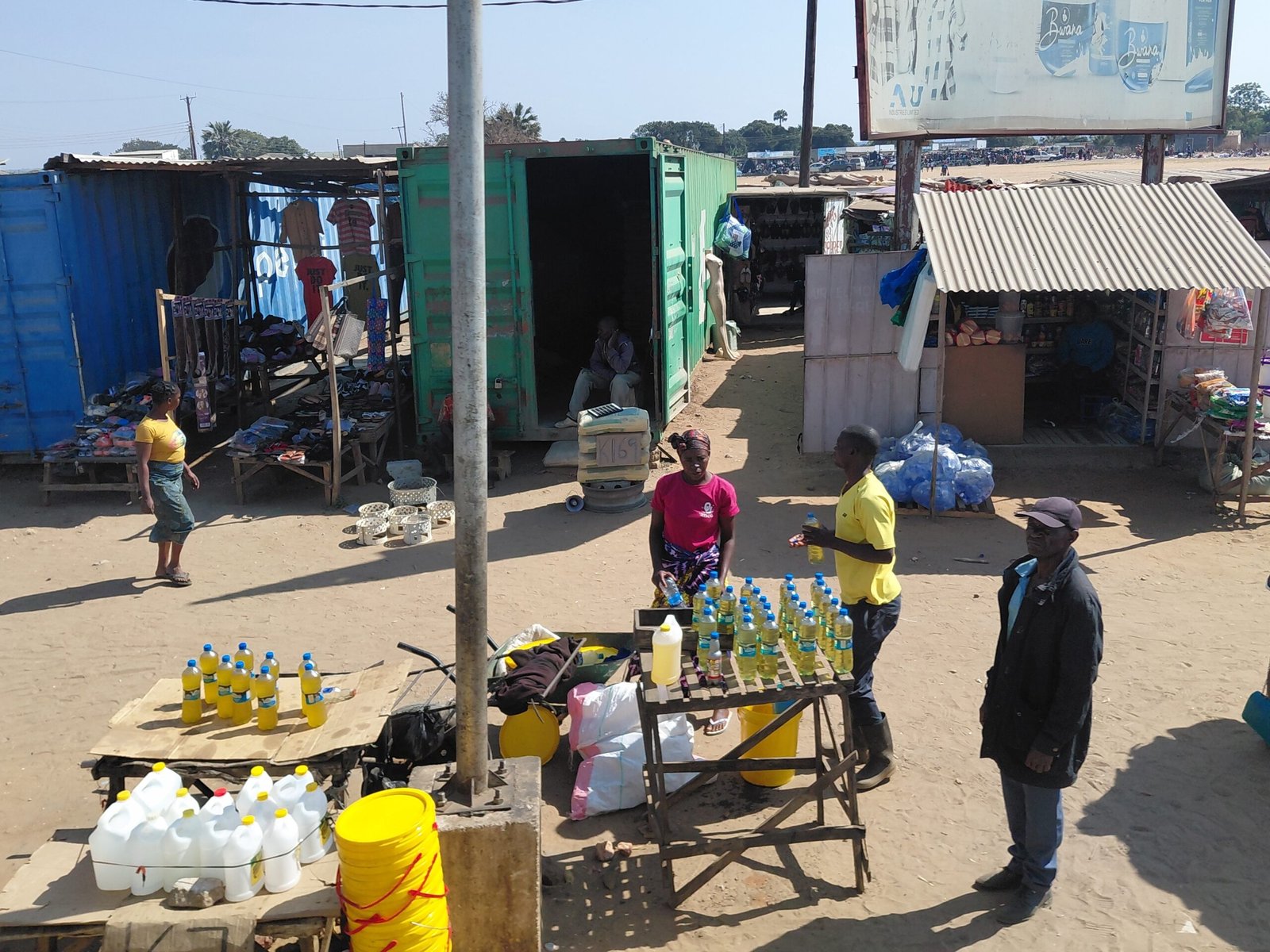
You can also buy petrol from places other than petrol stations.
Would you like a barbecue mouse?
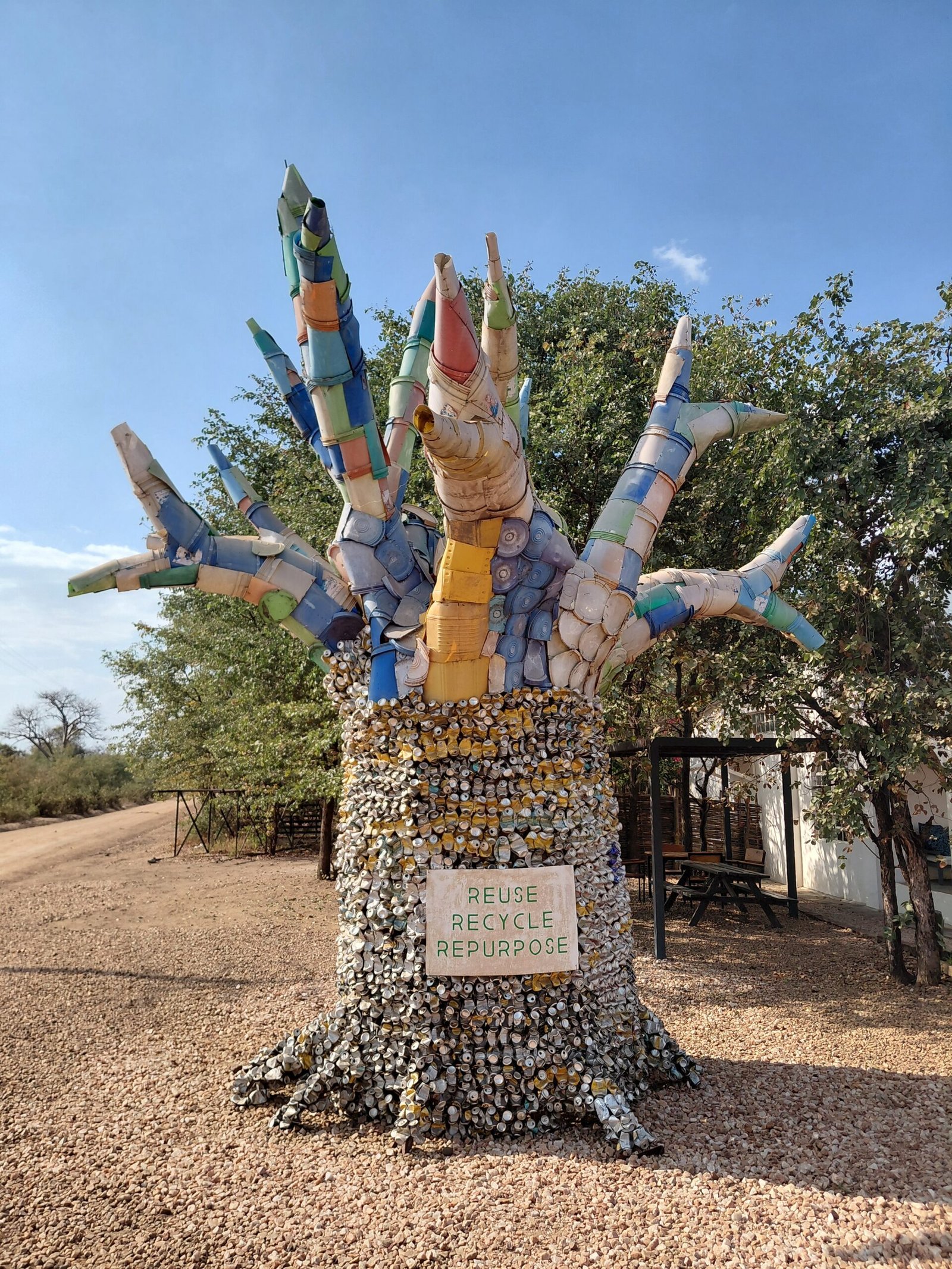
Along the way we stopped twice. First for lunch and also to check out the jewellery made by the locals. What was interesting about the jewellery workshop was that the jewellery was made partly from trap wires used by poachers. The jewellery was quite expensive, so we didn’t buy it this time. Another stop was at a local textile shop where people were dyeing and painting different fabrics by hand. They also made jewellery from recycled glass and wicker baskets. Ronja bought herself a small wicker basket to take home. The basket didn’t cost a fortune, just five dollars. What was special about the price was that if you had paid for it in local currency, kwatcha, it would have cost double.
Piles of jewellery material
Ronja and Risto also got to try their hand at making jewellery. Bending the trap wire was surprisingly hard work. It was much easier to use a hammer.
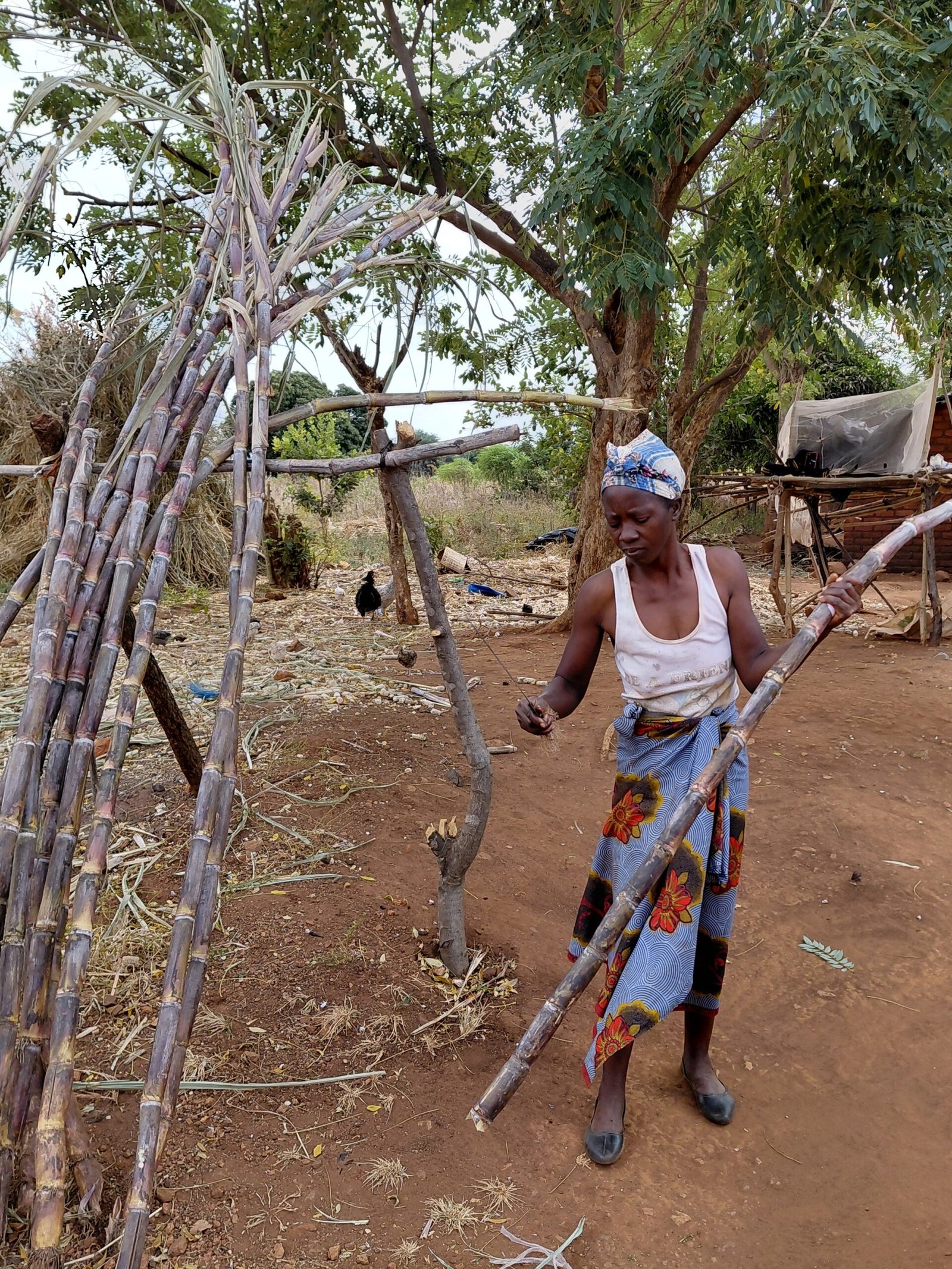
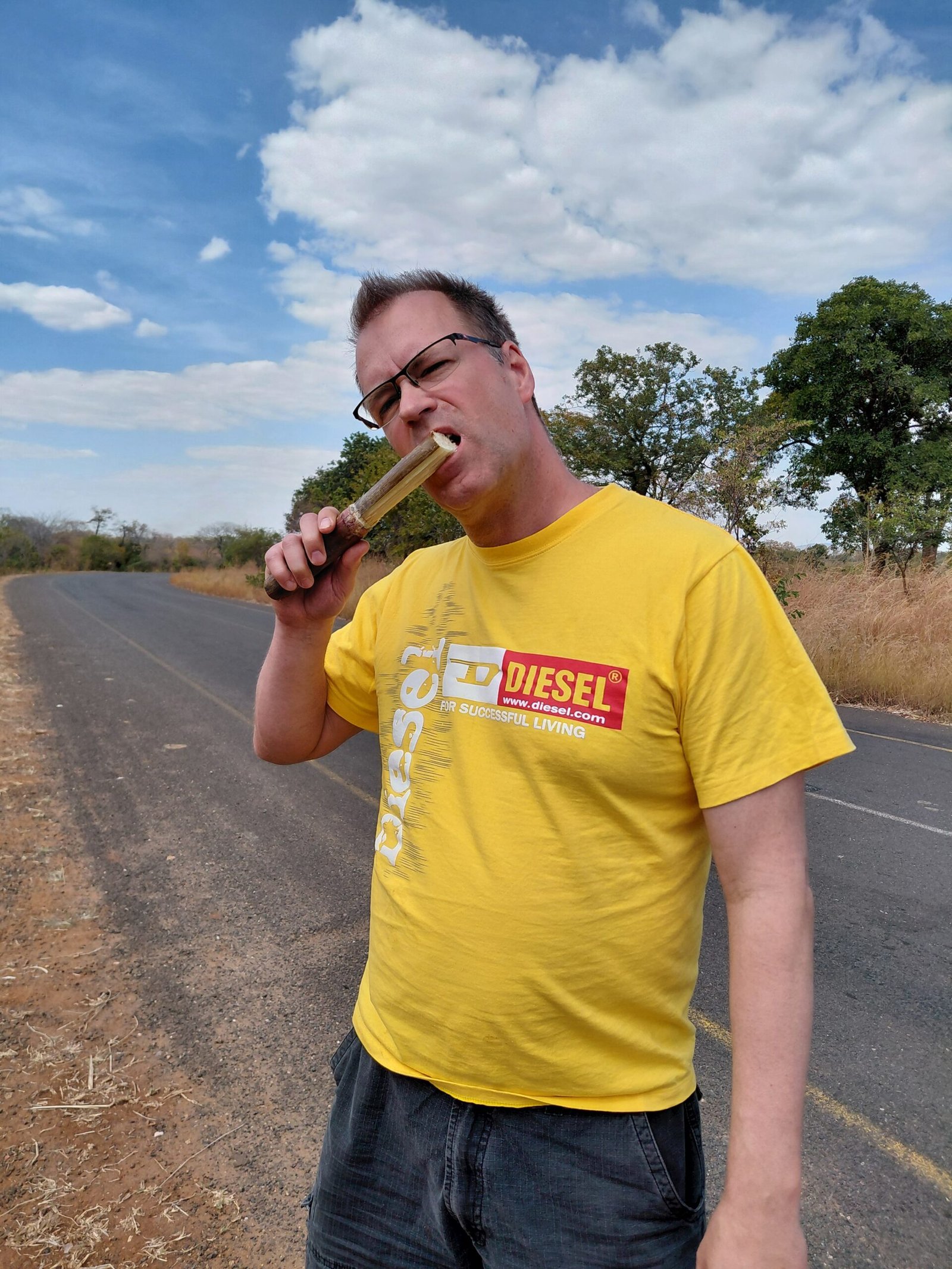
We also stopped for a taste of sugar cane.
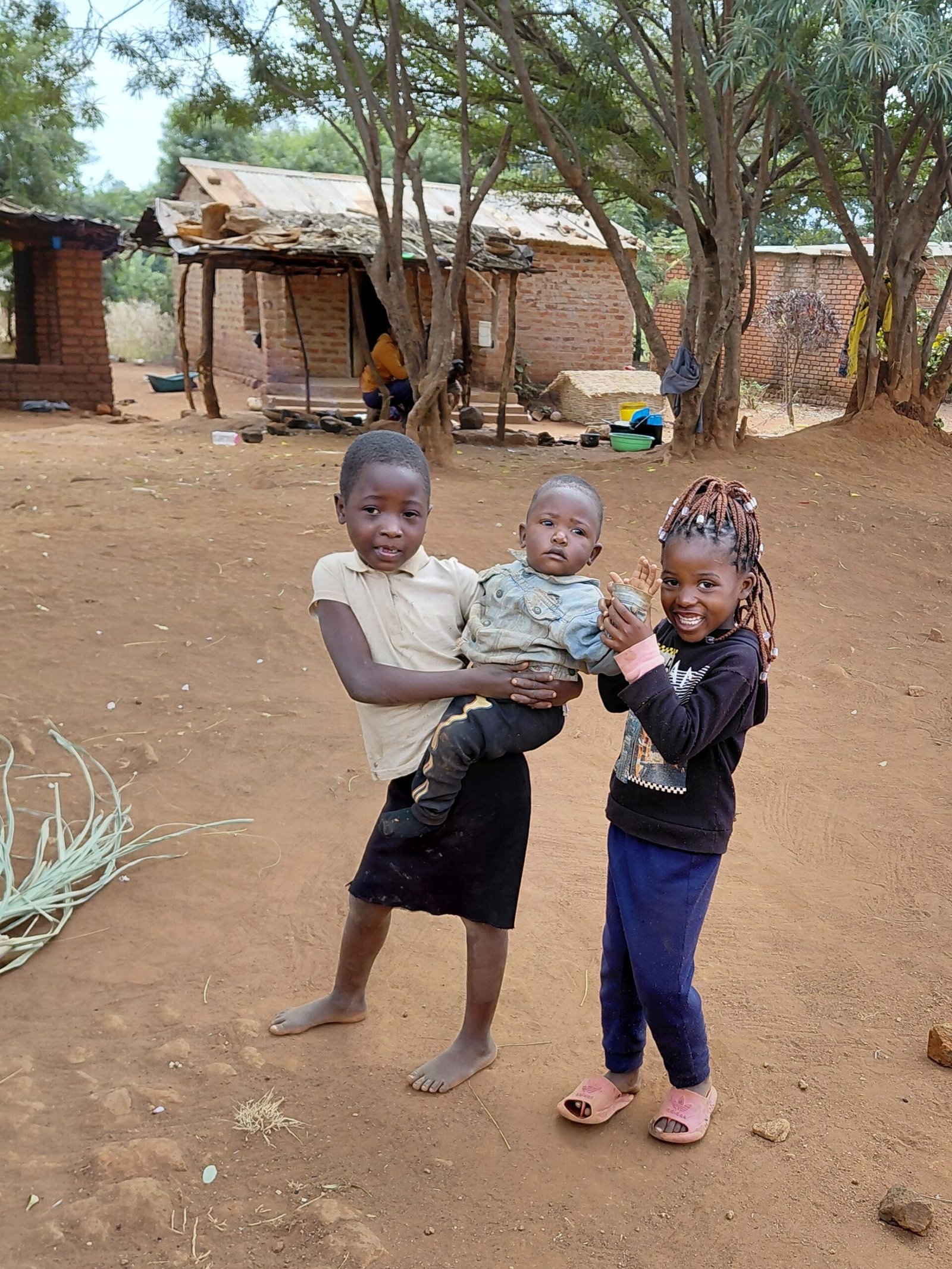
Local children came to say hello.
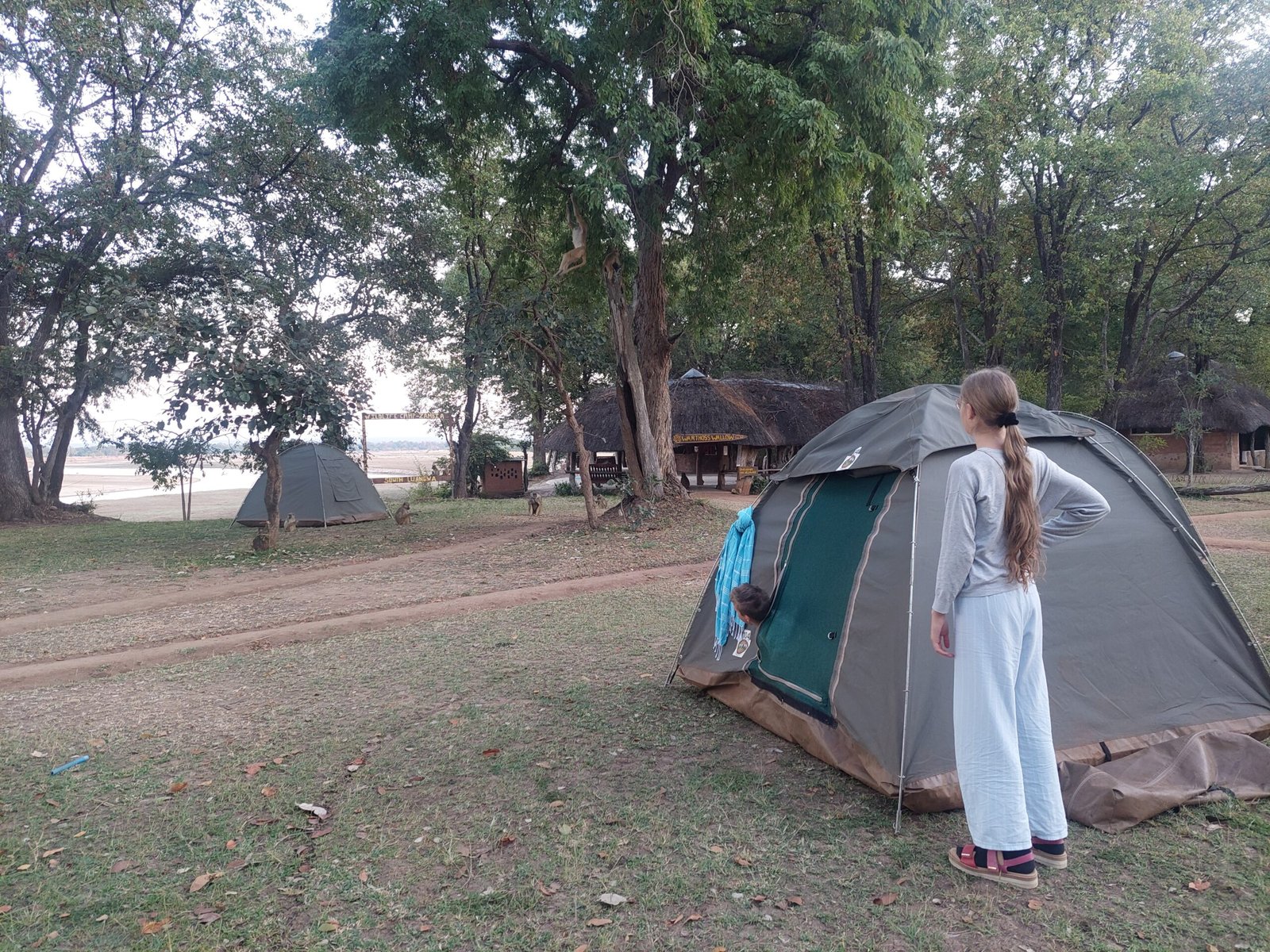
We arrived at our campsite during daylight for once. There was no programme for the rest of the day, so we had a very relaxed afternoon. We sat at the bar of the site and marveled as monkeys, hippos, antelopes, elephants and wild boars whizzed past us. Our campsite is located on the banks of the Luangwa River. A nature reserve starts on the opposite bank of the river, so that partly explains why there is also a lot of wildlife around the campsite, both day and night. It’s a pretty amazing place to stay!
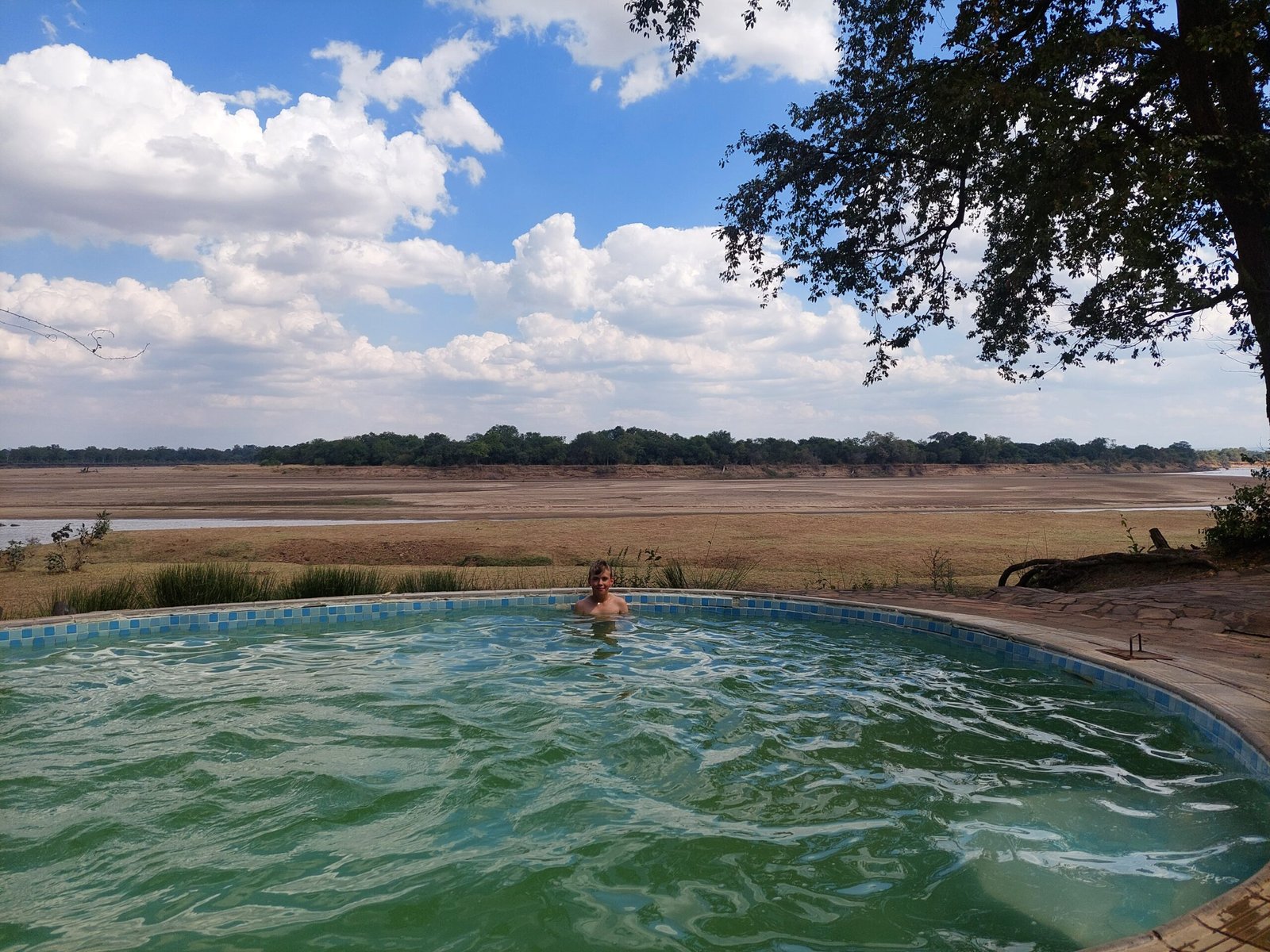
Risto tested the campsite swimming pool.
Risto and Edvin working on the campfire.
For the next morning, it would have been possible to book either a morning safari or a walk in the park, but we decided to skip both of the 6am activities and sleep in a little longer. Sleeping didn’t work out, though, as our early-morning travelling companions didn’t exactly chat quietly as they waited for the four-wheel drive to arrive. However, we didn’t get up until sometime after seven, when the camp had already quietened down. There was no breakfast this time, as we would have brunch when the other travellers returned. However, Marko and Risto grabbed some yoghurt and cereal from the back of the truck and Jaana sipped a cup of coffee. We spent a relaxed morning and midday doing absolutely nothing. That’s luxury on this trip! Risto also had time for a swim in the campsite pool with the Swedish boy Edvin, who joined us on the trip. Ronja skipped the swim because the water was a bit brownish. It didn’t smell bad, though, so there was probably nothing wrong with it.
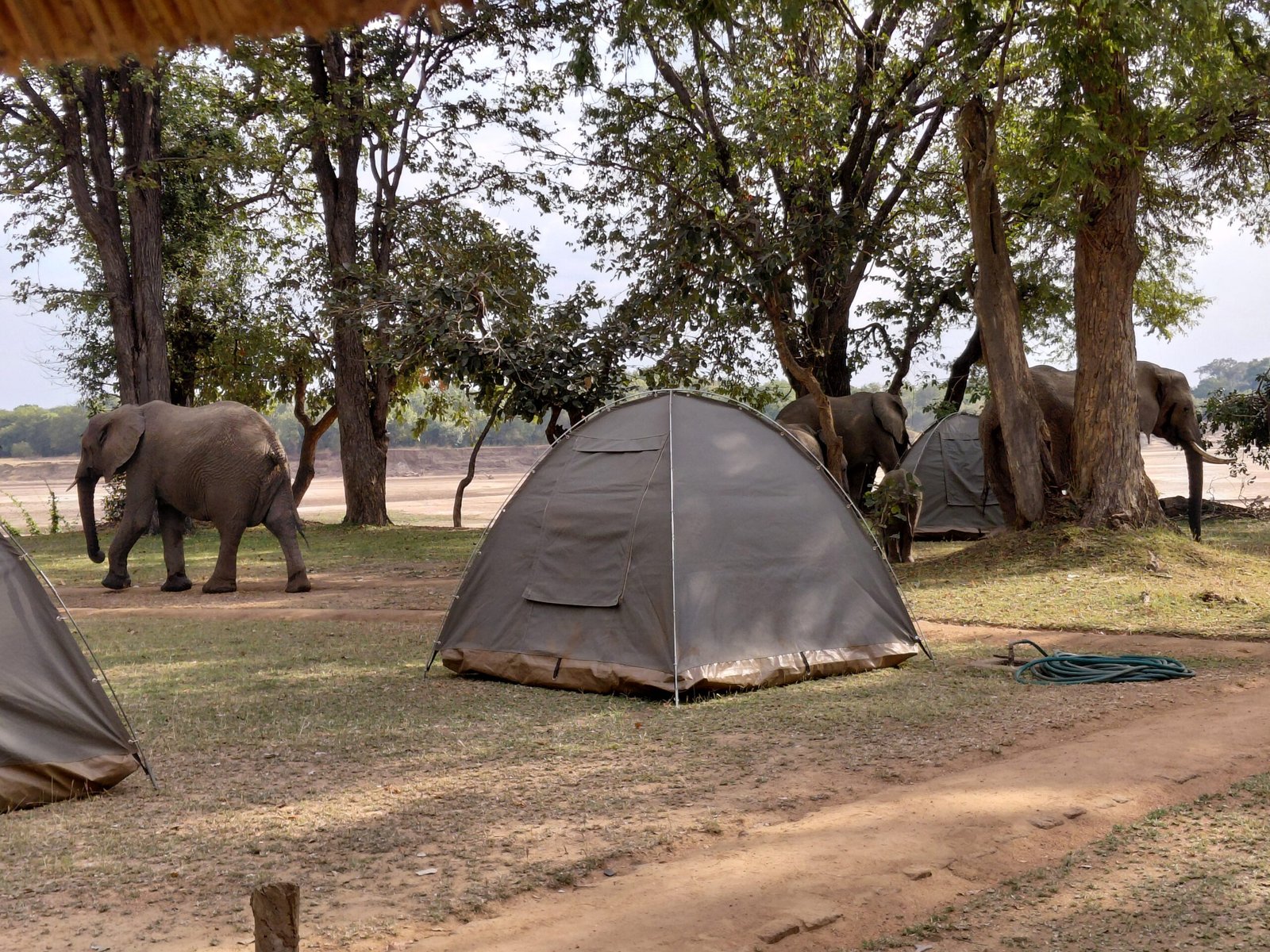
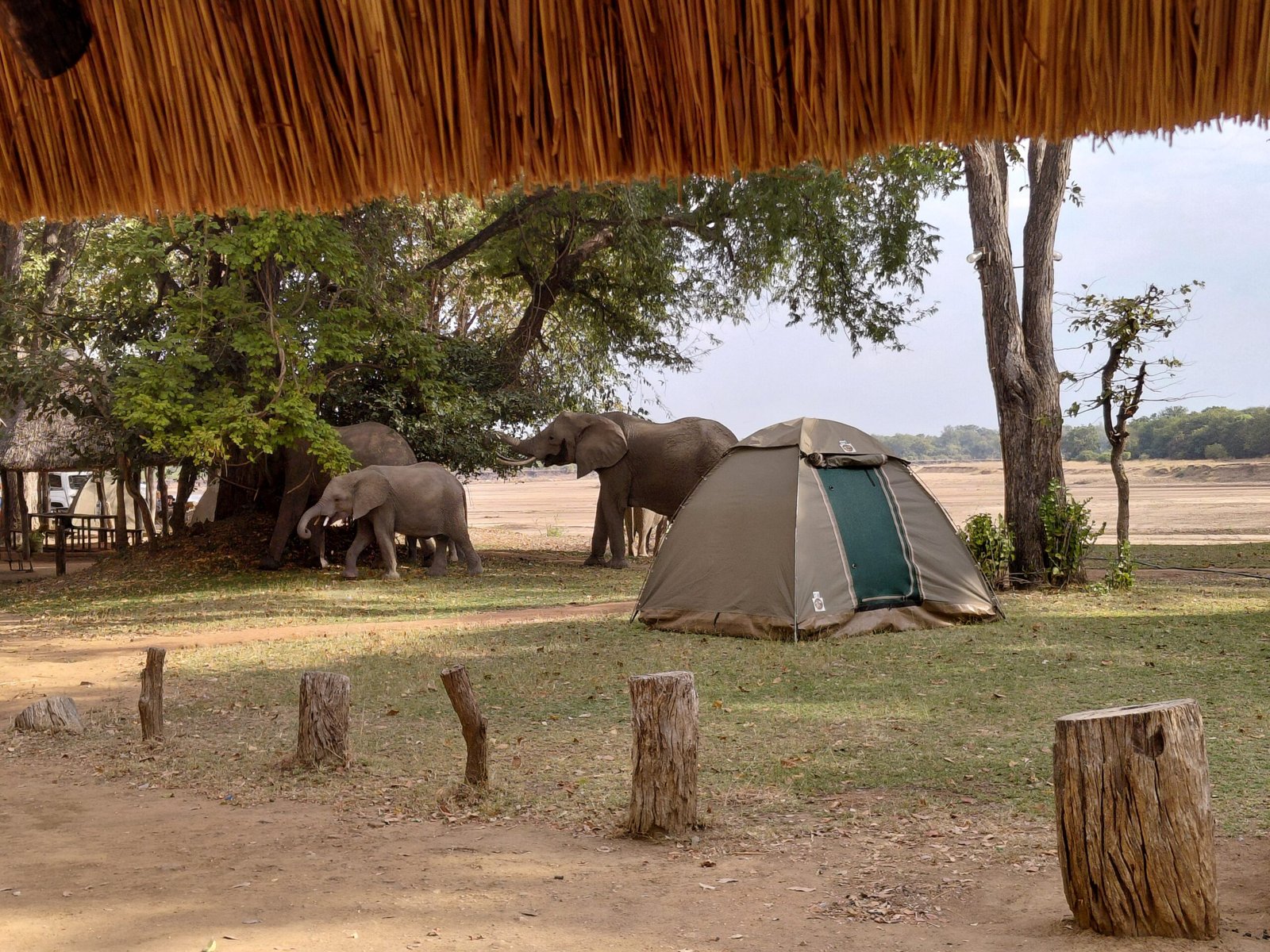
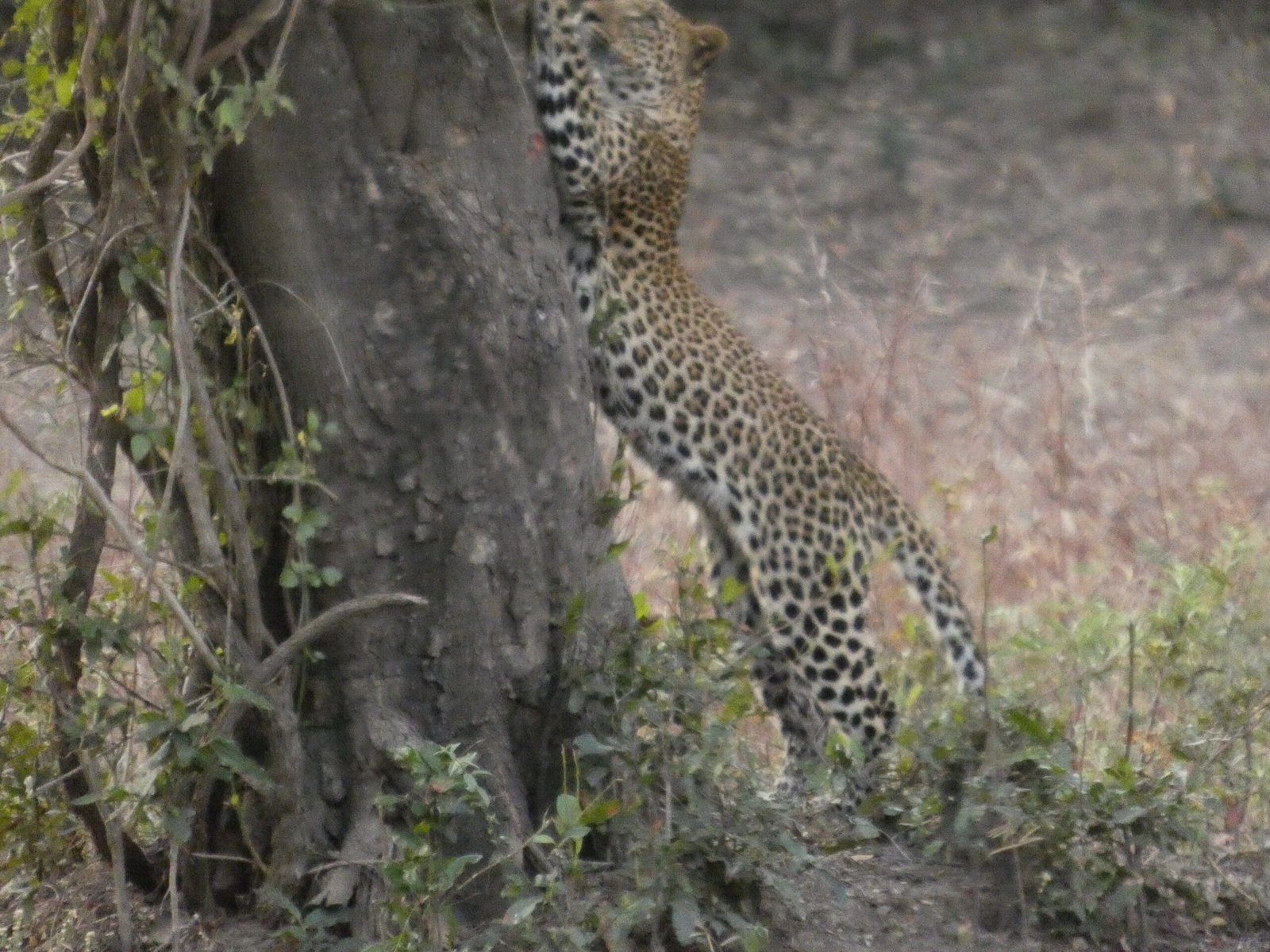
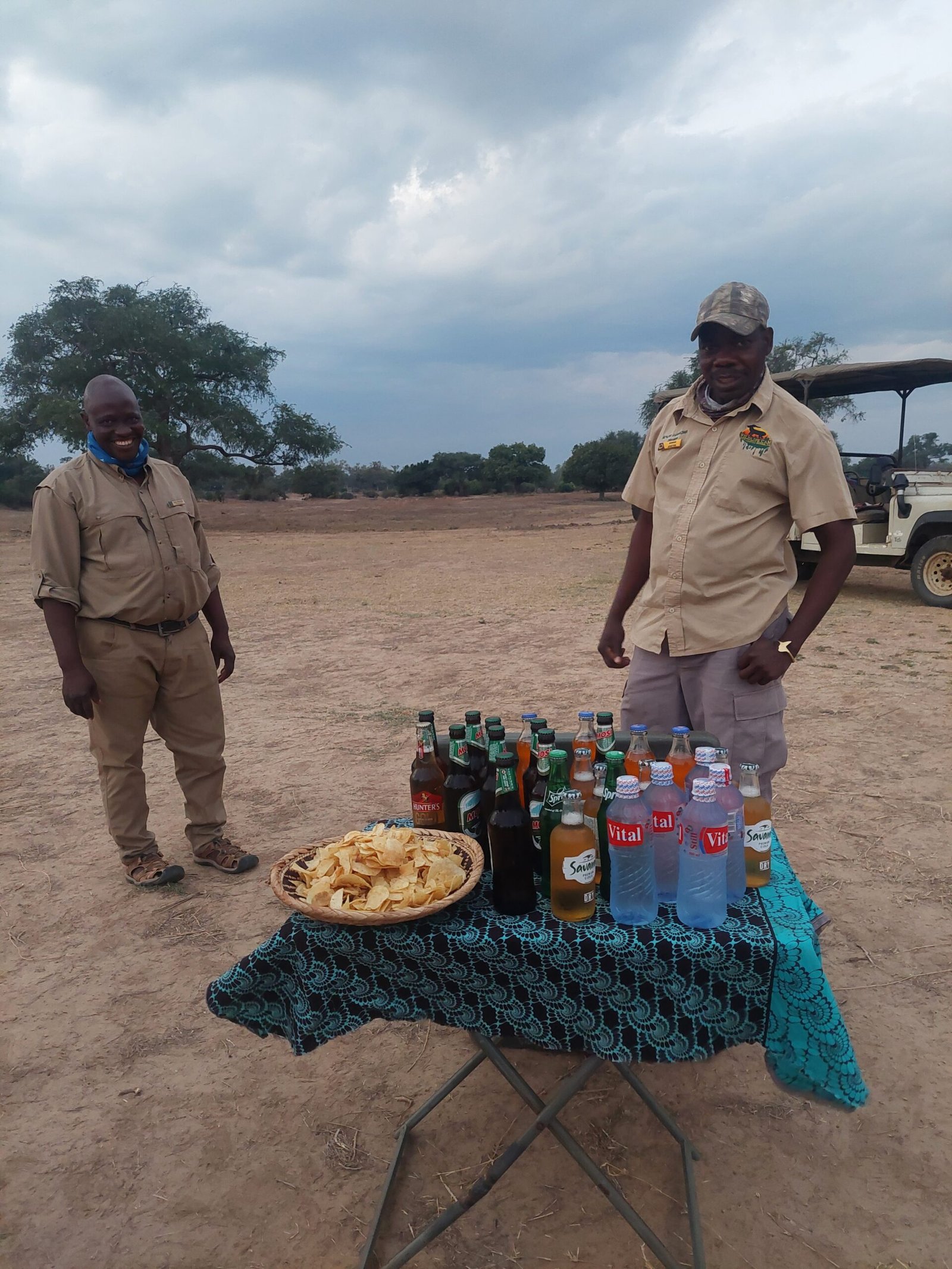
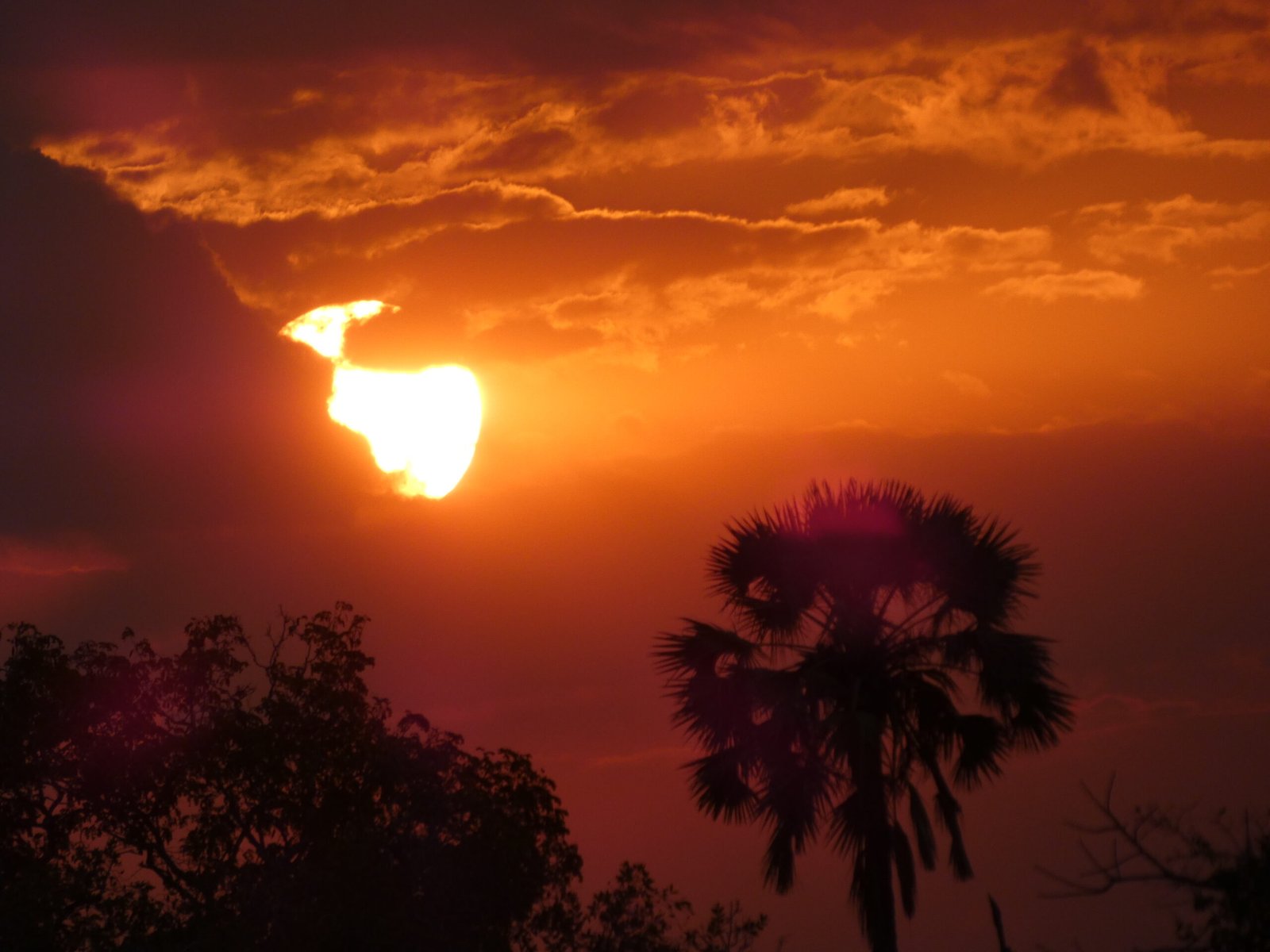
In the afternoon, we all went for an evening safari, half of which we drove in the light, and the other half we hunted for nocturnal animals with a giant spotlight. Just before setting off, a herd of elephants appeared at our camp. The elephants circled around our tents for a good while before continuing their journey towards a nearby watering hole. On the evening safari we again saw lions, hippos, various antelopes and buffaloes. The best part, however, was when we spotted a leopard. Now we have seen all the animals in the big five. Just as the sun was setting, we stopped for drinks and chips at the edge of the river. It wouldn’t have been a good idea to stand right on the edge, because if the edge formed by dried mud broke, you would fall into the river, which was teeming with hippos. Despite the hippos, some local boys were out fishing in their narrow mokoro canoes.
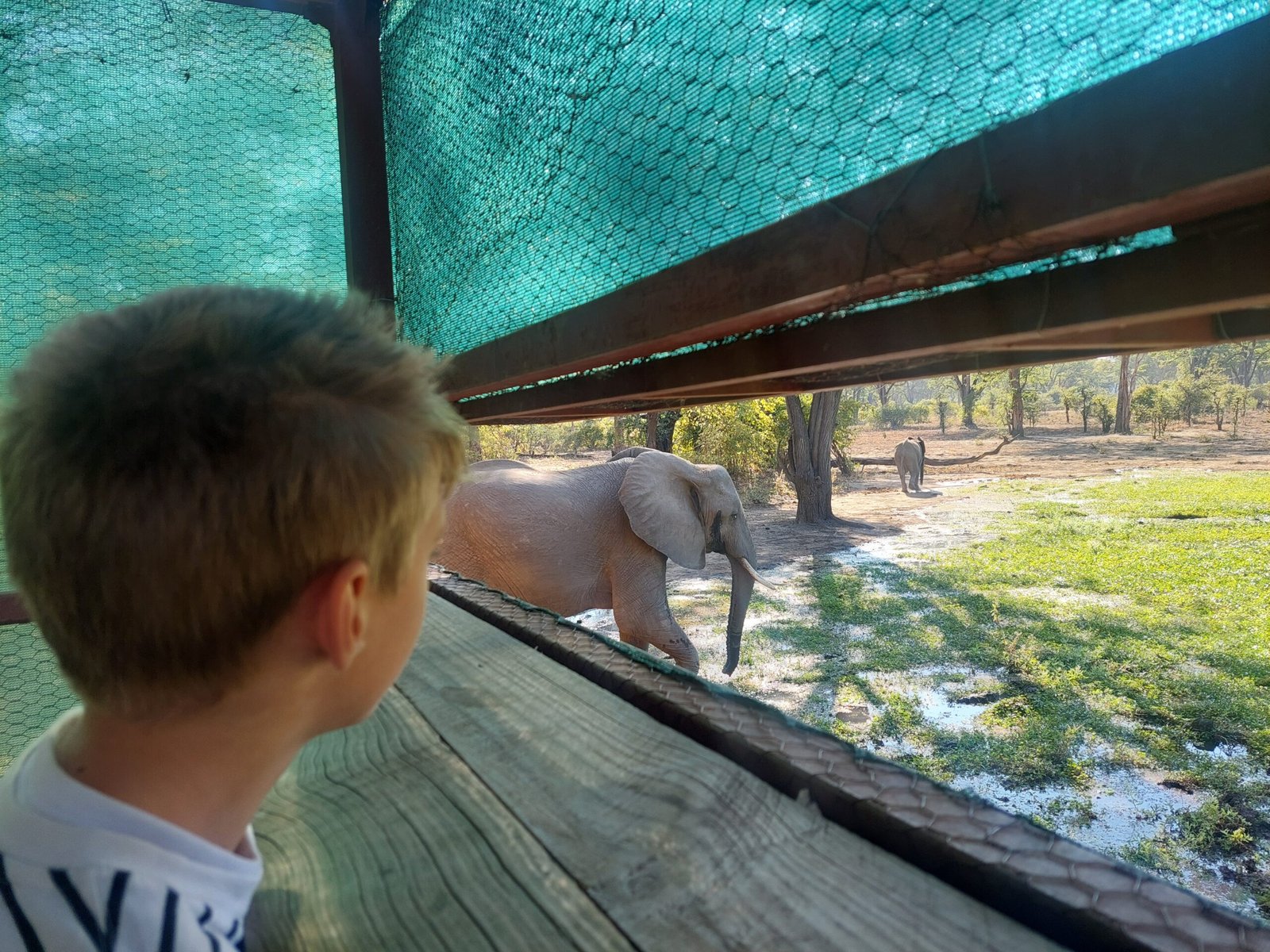
Next to the campsite was a watering hole where elephants came daily.
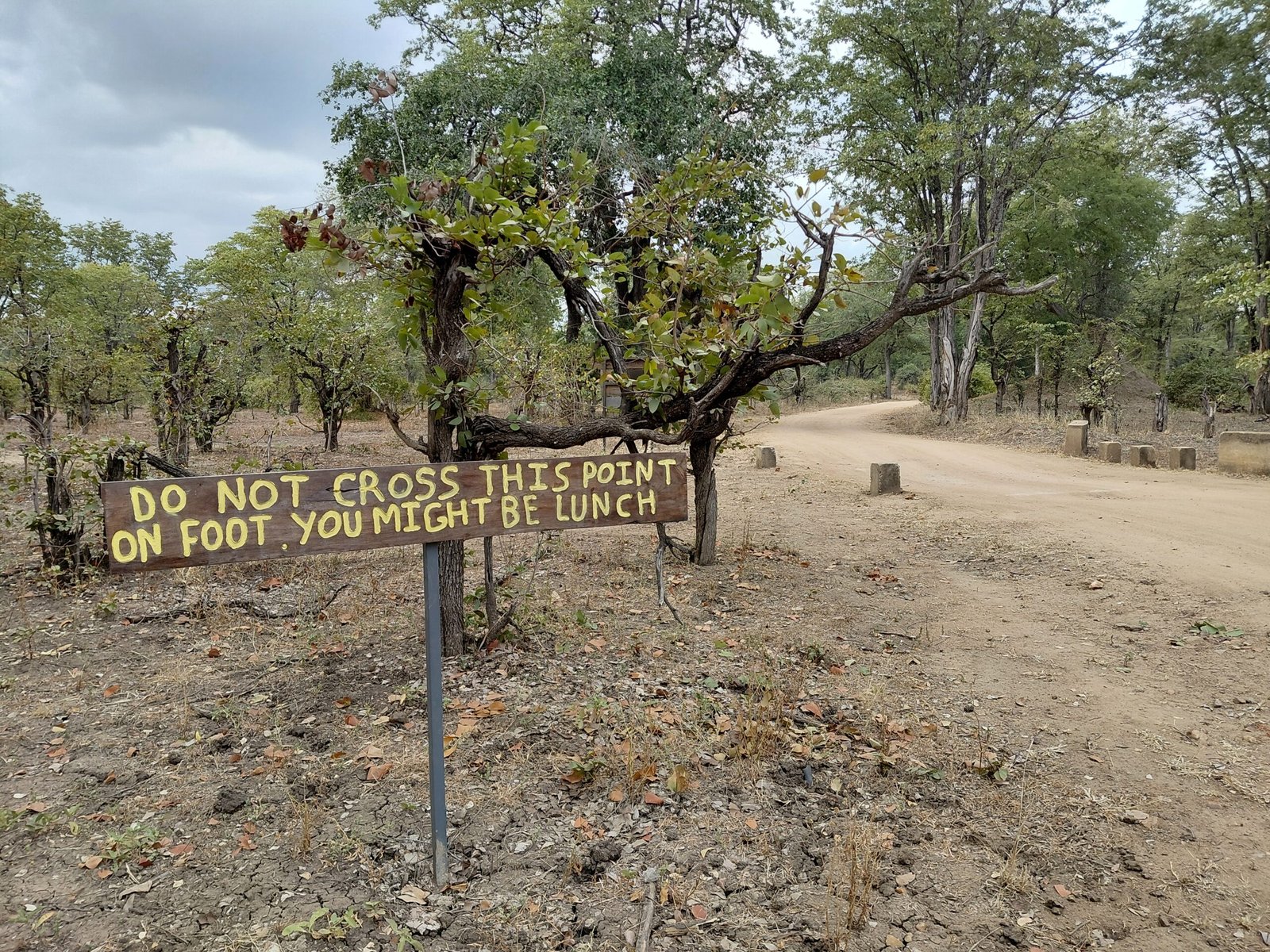
The warning on this sign was worth taking seriously.
A few days after the elephant encounter, we heard that two people had been trampled by elephants in another campsite in the same area. Fortunately, these guys stayed away from the canopy under which we went to wait for them to leave.
Elephants patrolling behind Jaana's and Marko's tent.
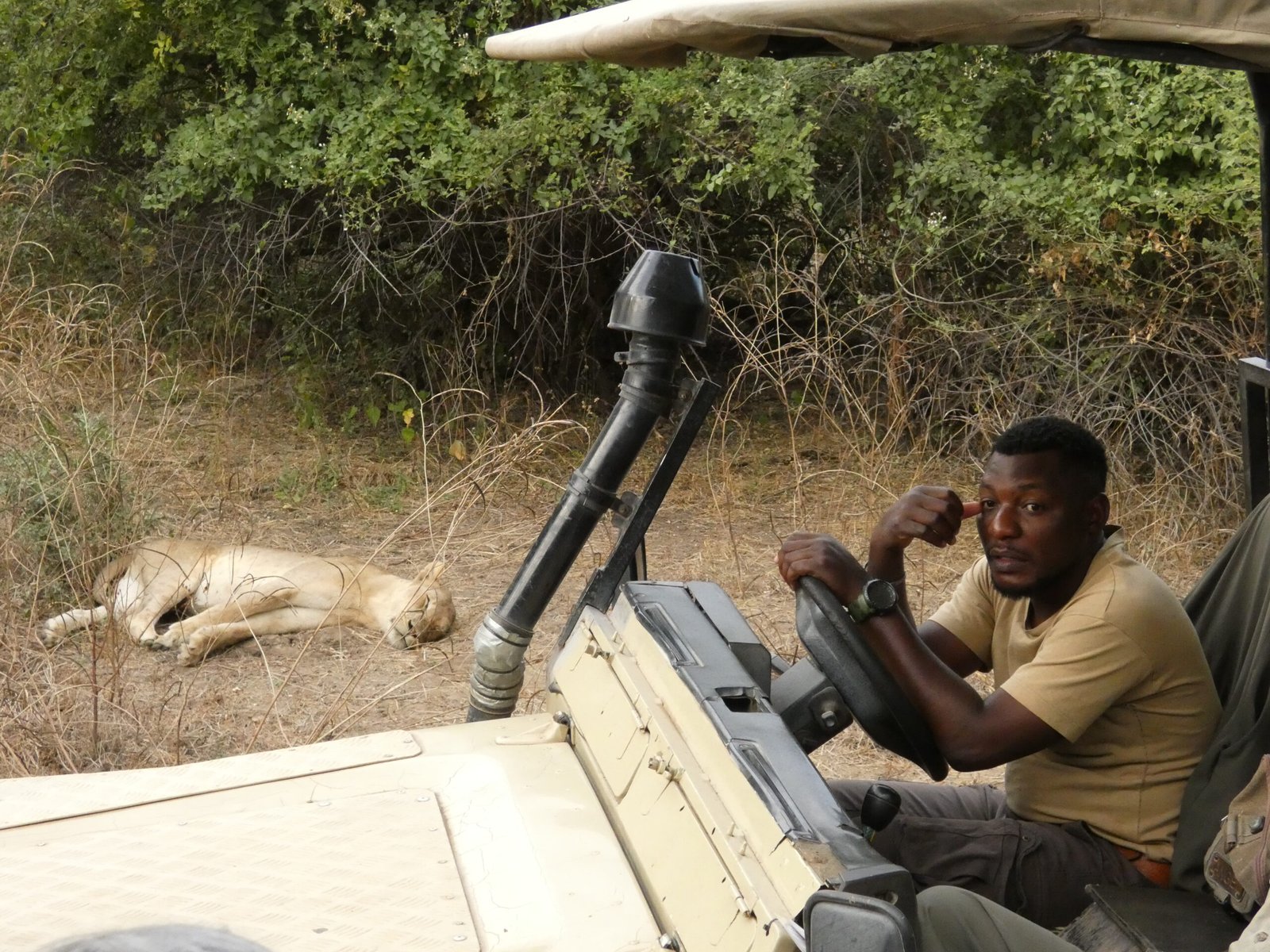
Lions aren't too bothered by safari vehicles.
Picnic just before sunset.
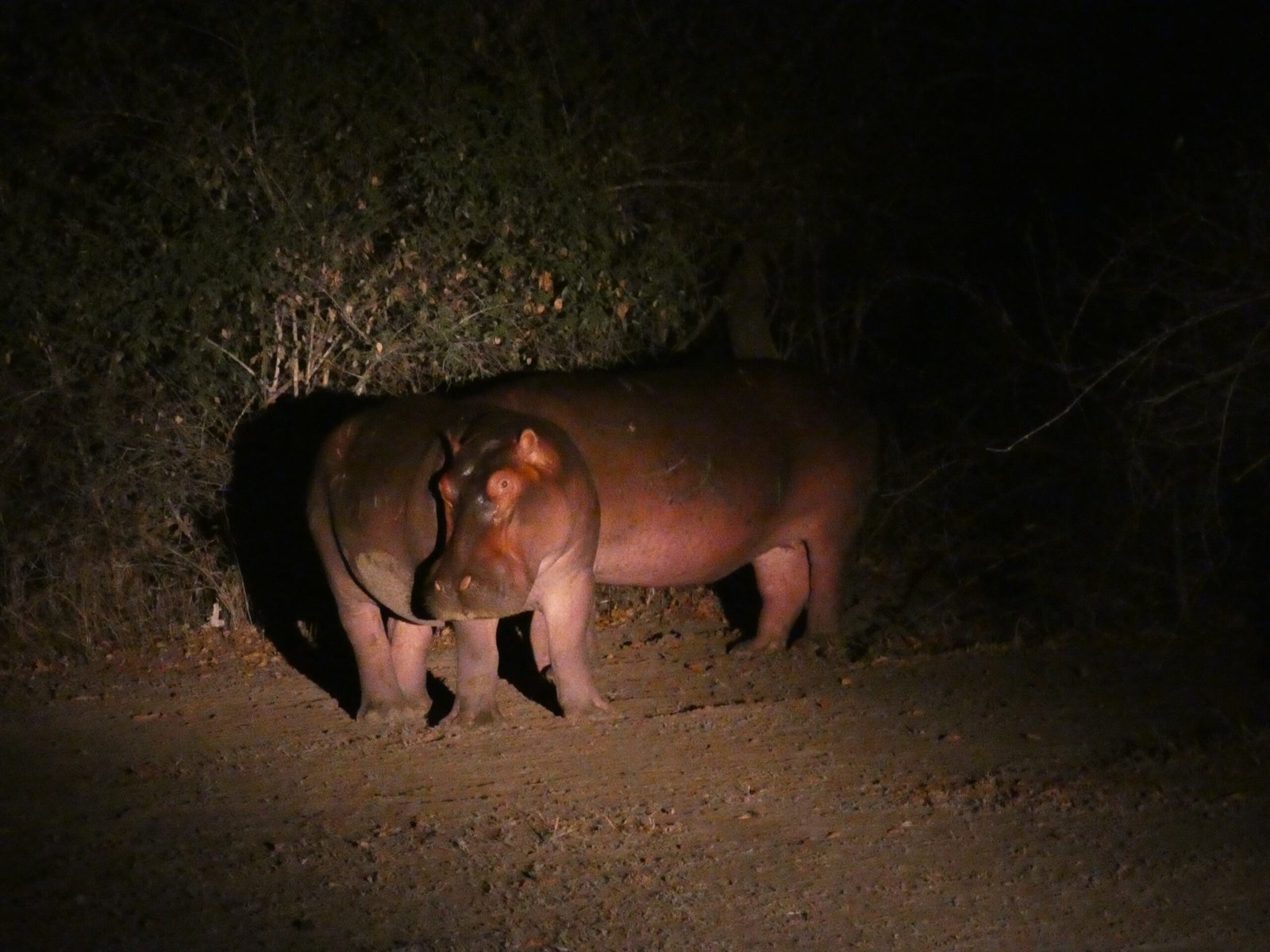
During the dark, we were supposed to focus on spotting various nocturnal animals, but all we saw were hippos emerging from the river to feed, antelope, a bush baby squirrel and gennet cats. Marko was of the opinion that they were tiger squirrels because they had tiger stripes and looked a bit like squirrels, but the dictionary does translate gennet as ‘sivettikissa’. When we returned to our camp, a busload of G-Adventures campers had literally surrounded us with their tents. It took a while to find our tent among the similar looking ones. Marko and I decided to move our tents to slightly more open waters, as it would have been quite annoying to sleep in tents that were set up side by side hardly a meter apart. All it takes is a few snoring individuals and everyone gets to listen to that all night long.
Hippos emerge from the river to feed on the grass at night.
This is one way to put up tents. A bit too compact for Finnish taste.
The monkeys also enjoyed being around the camp, especially in the mornings and at mealtimes.
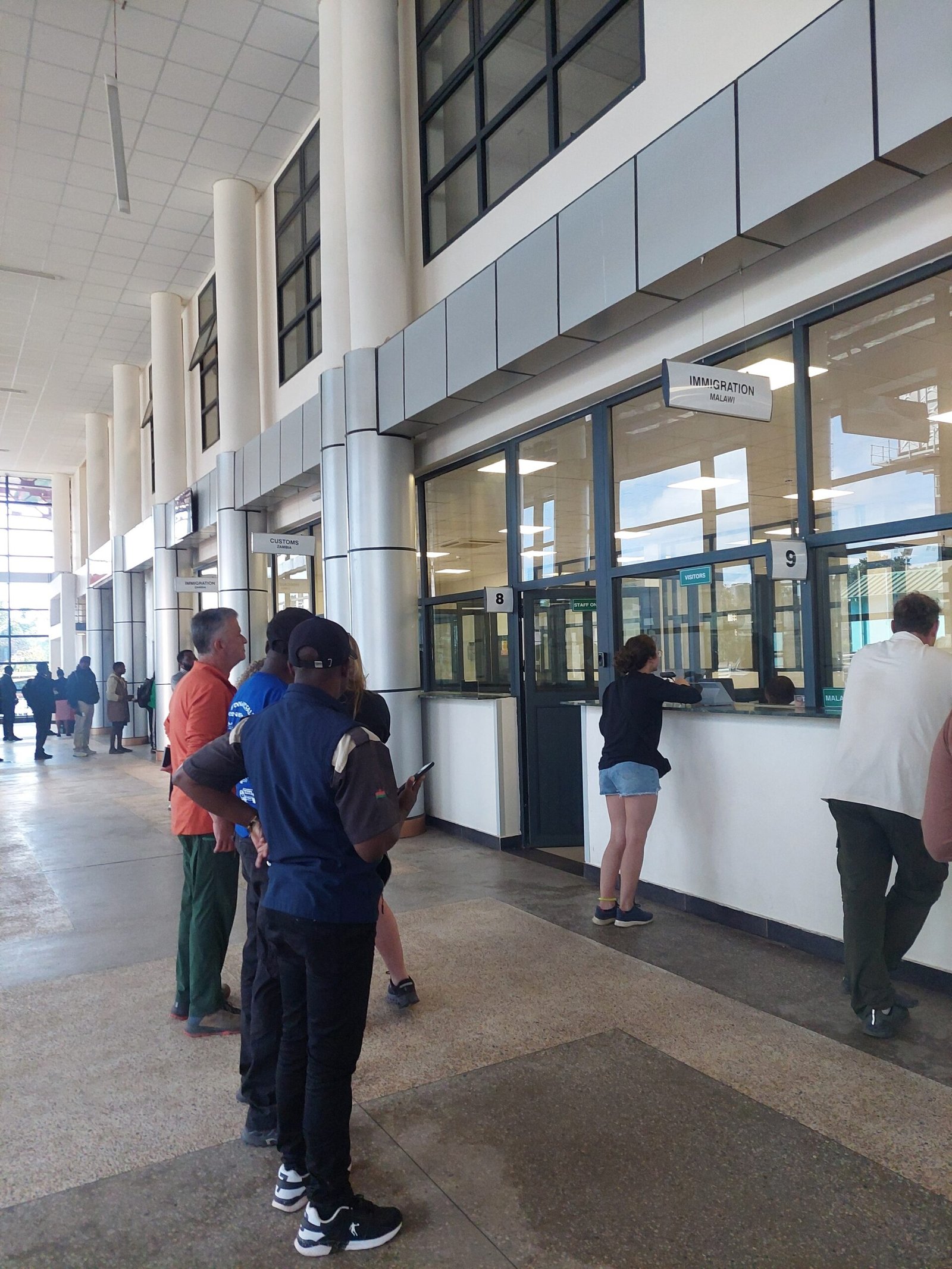
On the first day of July, we set off at 5.30am, as it was said to be a long journey to the next place on the Malawi side. Naturally, an early start meant an early wake-up call. So we got up at 4am, packed our tents, had breakfast and set off. We arrived at the Zambia-Malawi border around 10am. This was an one-stop border, as the Chinese had built a border post where both Zambian and Malawian border formalities were handled in one go. We travellers were able to complete our own border formalities relatively quickly, but it took much longer to get the truck across the border. The problem was apparently that we would have had to pay to get our truck across the border, but neither of Gift’s bank cards worked. So the problem was solved by the border post official jumping on board our truck and driving with us to the next village, where there was also an ATM. There, the card worked perfectly and Gift was able to withdraw enough money to pay for the truck’s border crossing. The border official happily accepted the money and left in search of a ride back to the border post. We continued on our way to our first night’s stay in Malawi.
Before crossing the border, we stopped for some shopping on the Zambian side, as Malawi is a very poor country.
Local motorcycle taxis waiting for customers in front of the shop.