Sunday 20.10.2024
Summary:
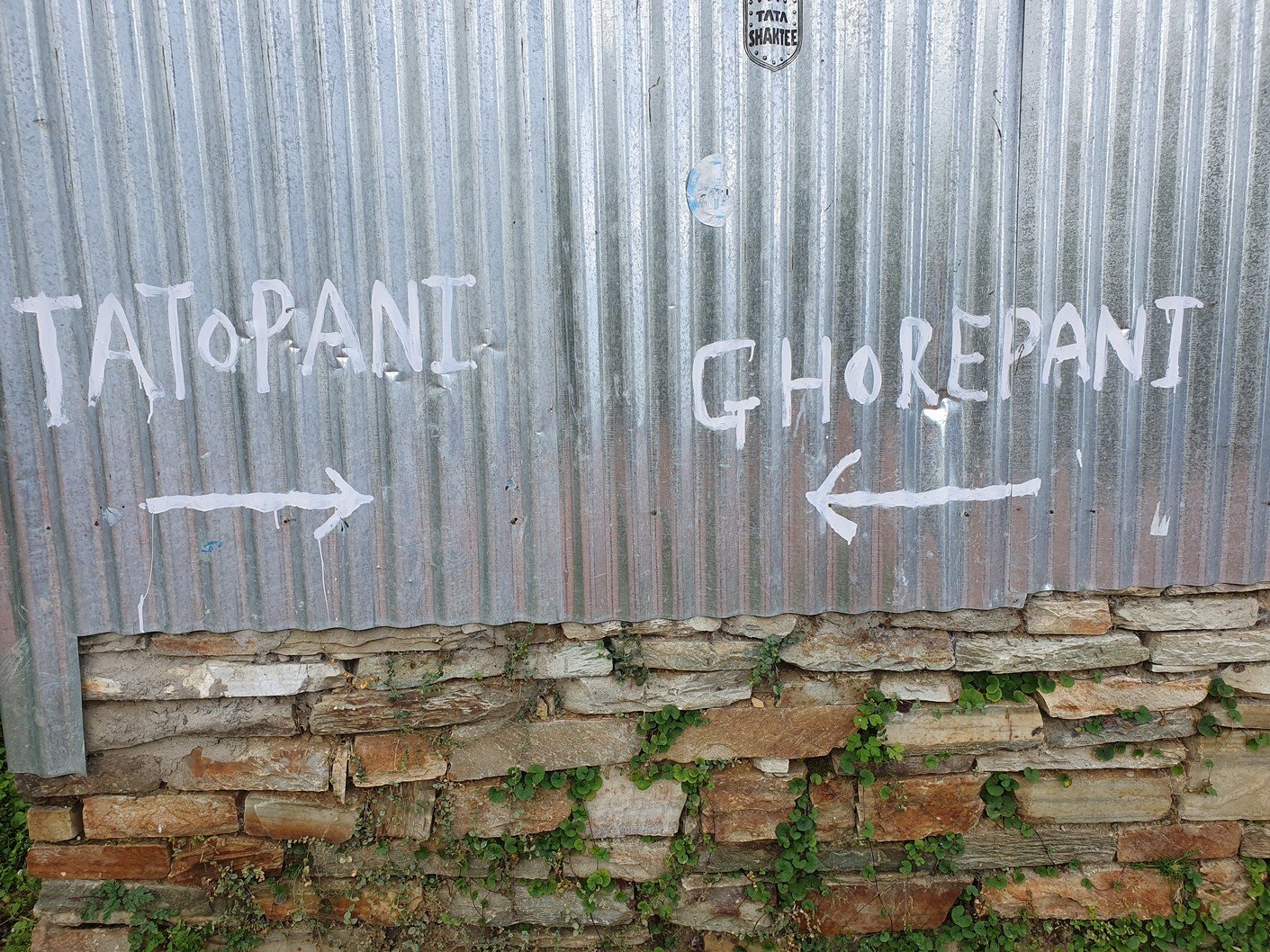
Bus Muktinath – Tatopani
Start: 09:00, 3700m
Finish: 14:30, 1150m
Weather: slightly cool in the morning, warm in the afternoon with some rain
Expenses: 330 (energy drink, water, Oreo cookies), 500 (swimming shorts), 150 (Tatopani hot springs), 200 (coke at the springs)
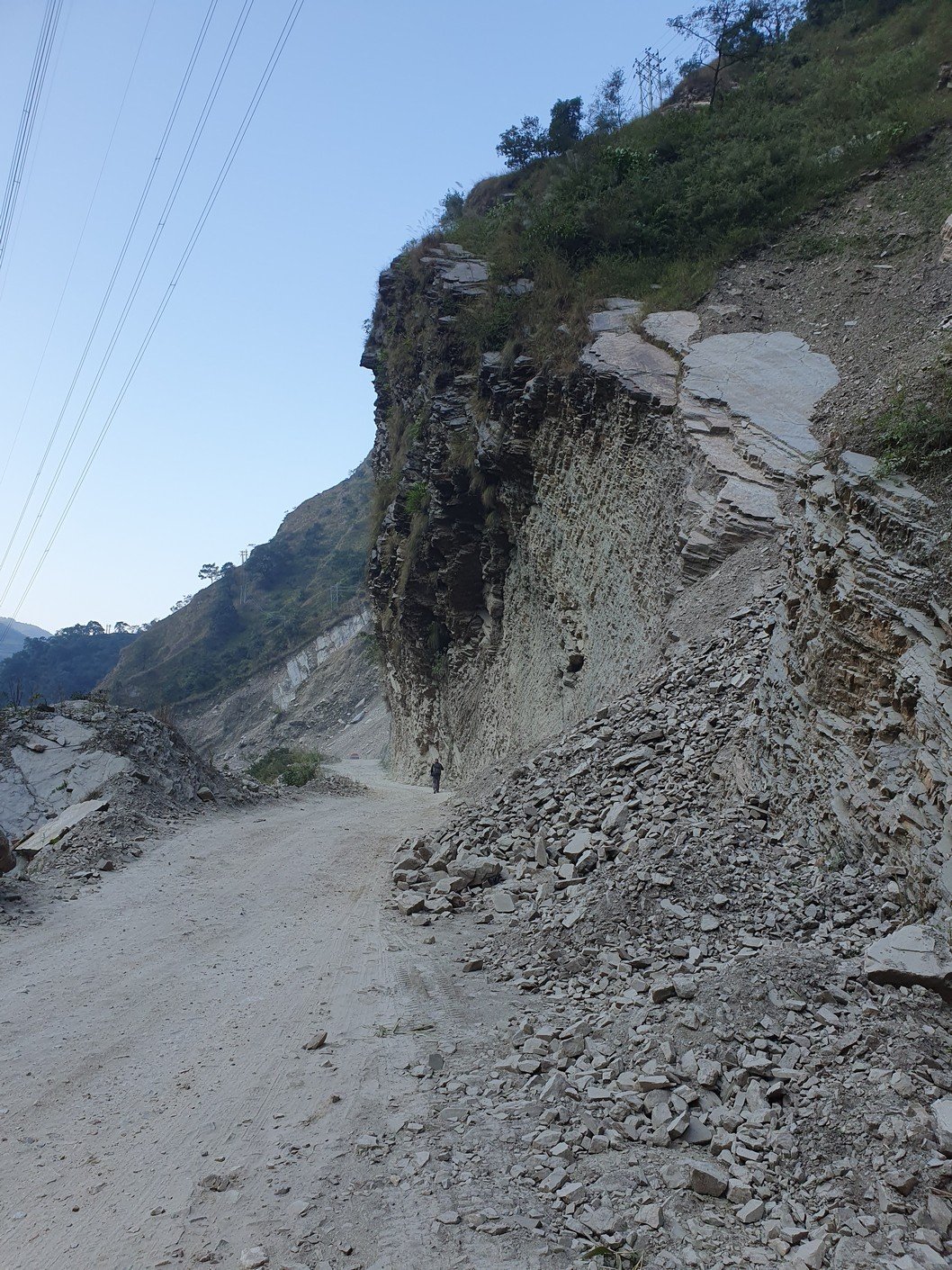
Today was the only full recovery day of the trekking section, due to the move from Muktinath to Tatopani. Roads have been built between the villages around Annapurna, and the roads now continue to Manang on the north side and to Muktinath on the south side. On the northern side, it is possible to avoid most of the roads when trekking, but the situation is apparently more difficult on the southern side. The Annapurna Circuit is often not done in its entirety anymore, if one thinks of it as a complete circuit from, for example, Besisahar to Pokhara. A large part of the southern section is bypassed by some form of motorised transport from Muktinath or Kagbeni, or by air from Jomsom. For some, a shorter tour is suitable, as it can be done in something like a week and a half. The constraint is mainly acclimatisation. To compensate for the shorter southern side, the northern side often includes a visit to Tilicho Lake, which of course plays an important role in acclimatisation. A shorter tour than the original circuit can also be extended with a trek to Annapurna base camp, as we did.
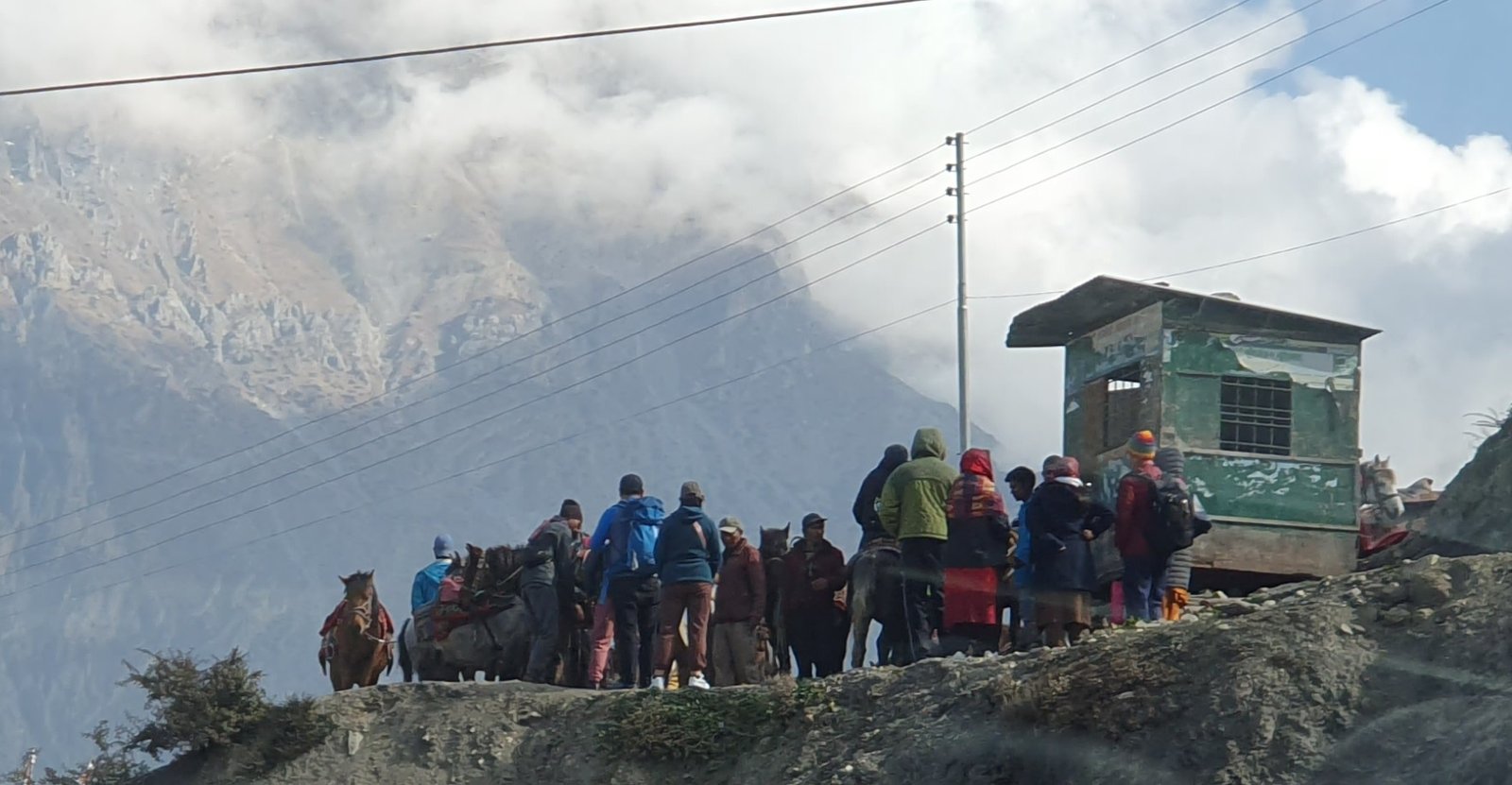
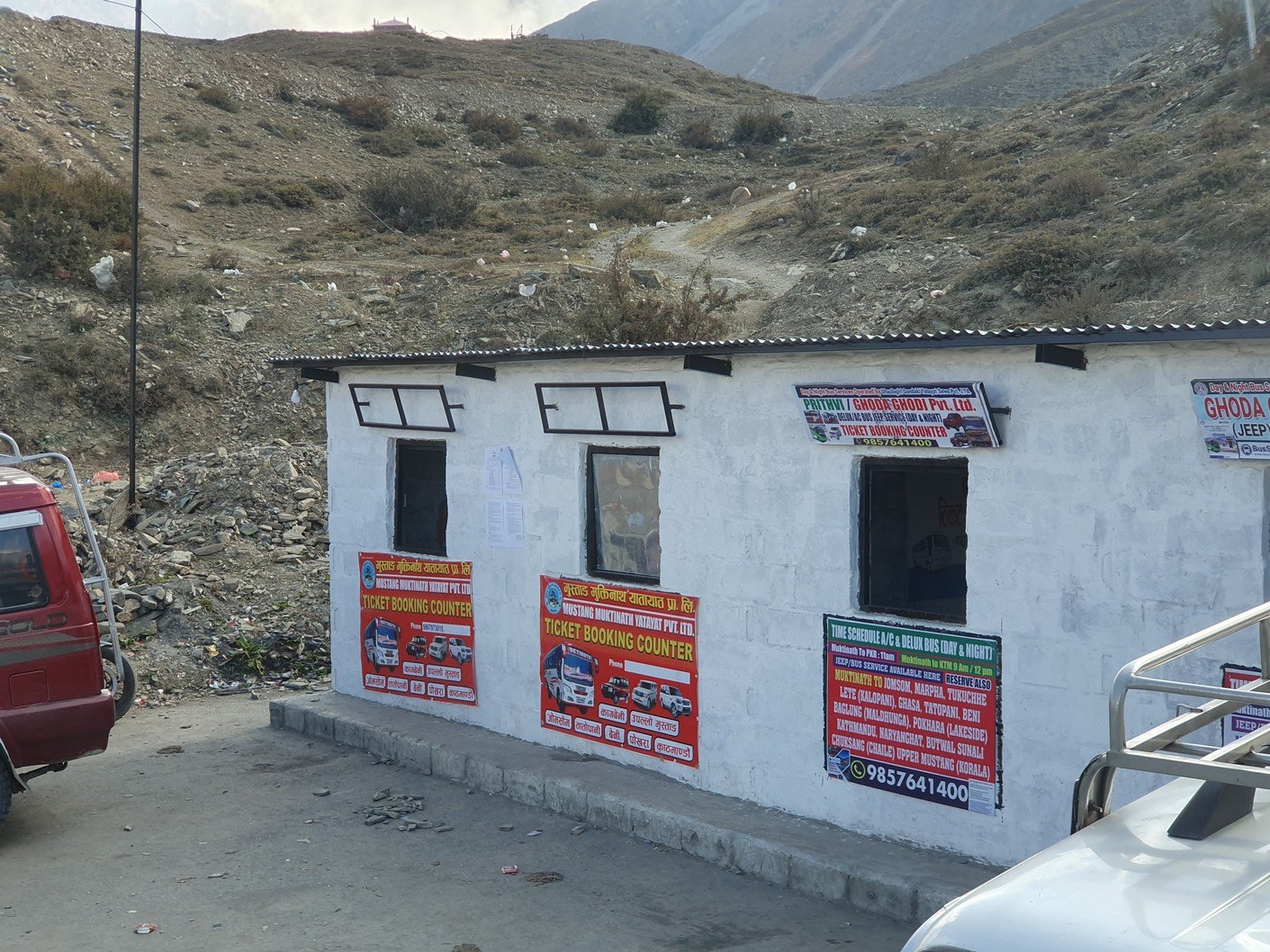
We ate breakfast at around 8am so that we could reach the bus station by 9am. The plan is to take a bus to Tatopani, from where we will start our trek to Annapurna base camp. We had missed the bus station during the previous day’s comprehensive ten-minute tour of the town. According to Amrit, you could walk there in just over ten minutes, so it couldn’t have been far. I figured it was an ‘only insiders know’ type of an affair, where the bus stops in front of some building known only to the locals when the time is right. But this was not the case at all. Behind the last houses (= 500m from the city center) a rather large bus station was revealed, where probably twenty small buses (from a Finn’s point of view) were parked. As usual, next to the bus station there was also a taxi station, but here the taxis were ponies instead of Mercedes and Volvos. A steady stream of locals poured out of the station. There were also mopeds and scooters buzzing around the station, picking up locals. A wide variety of public transport in such a small place!
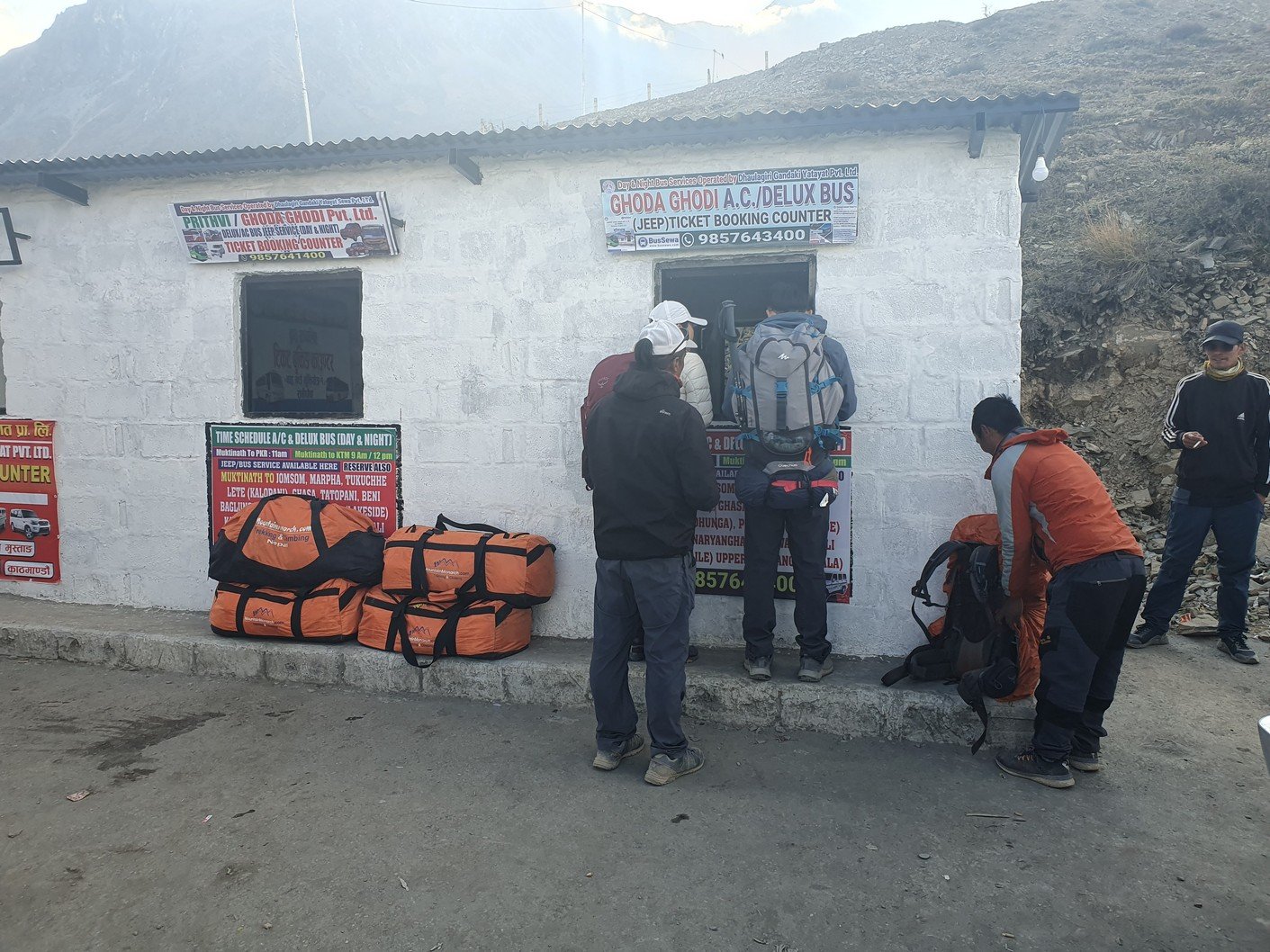
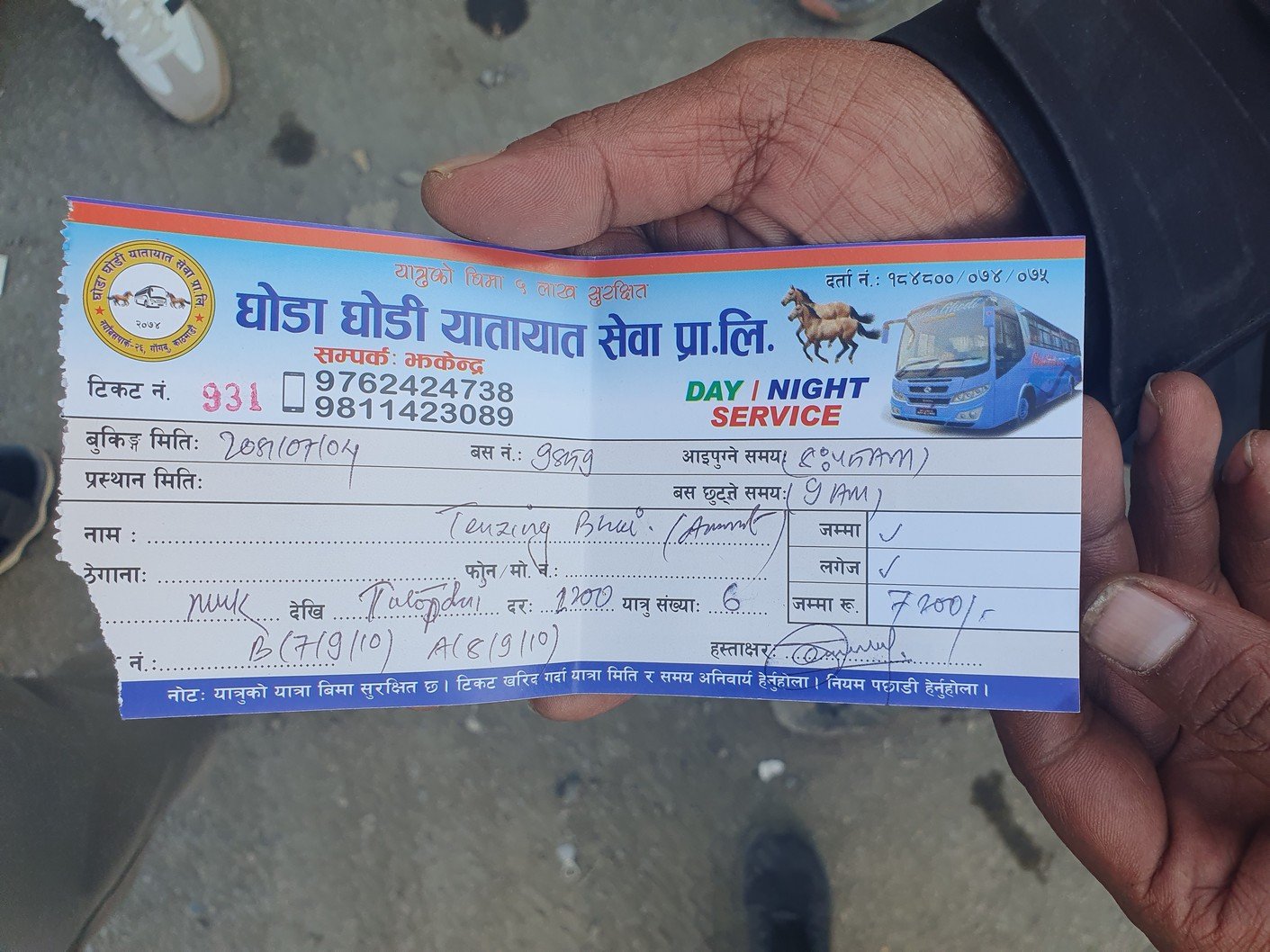
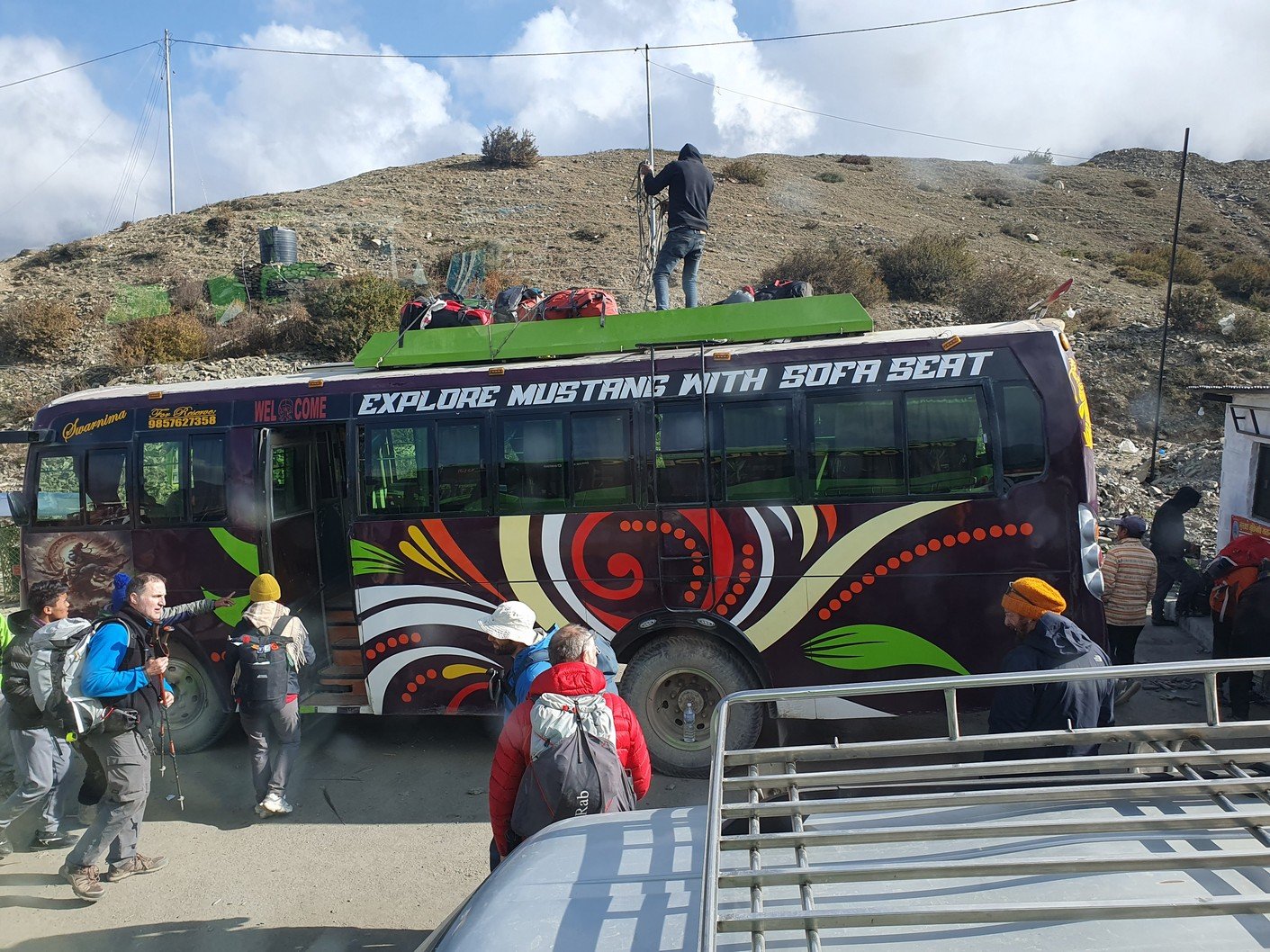
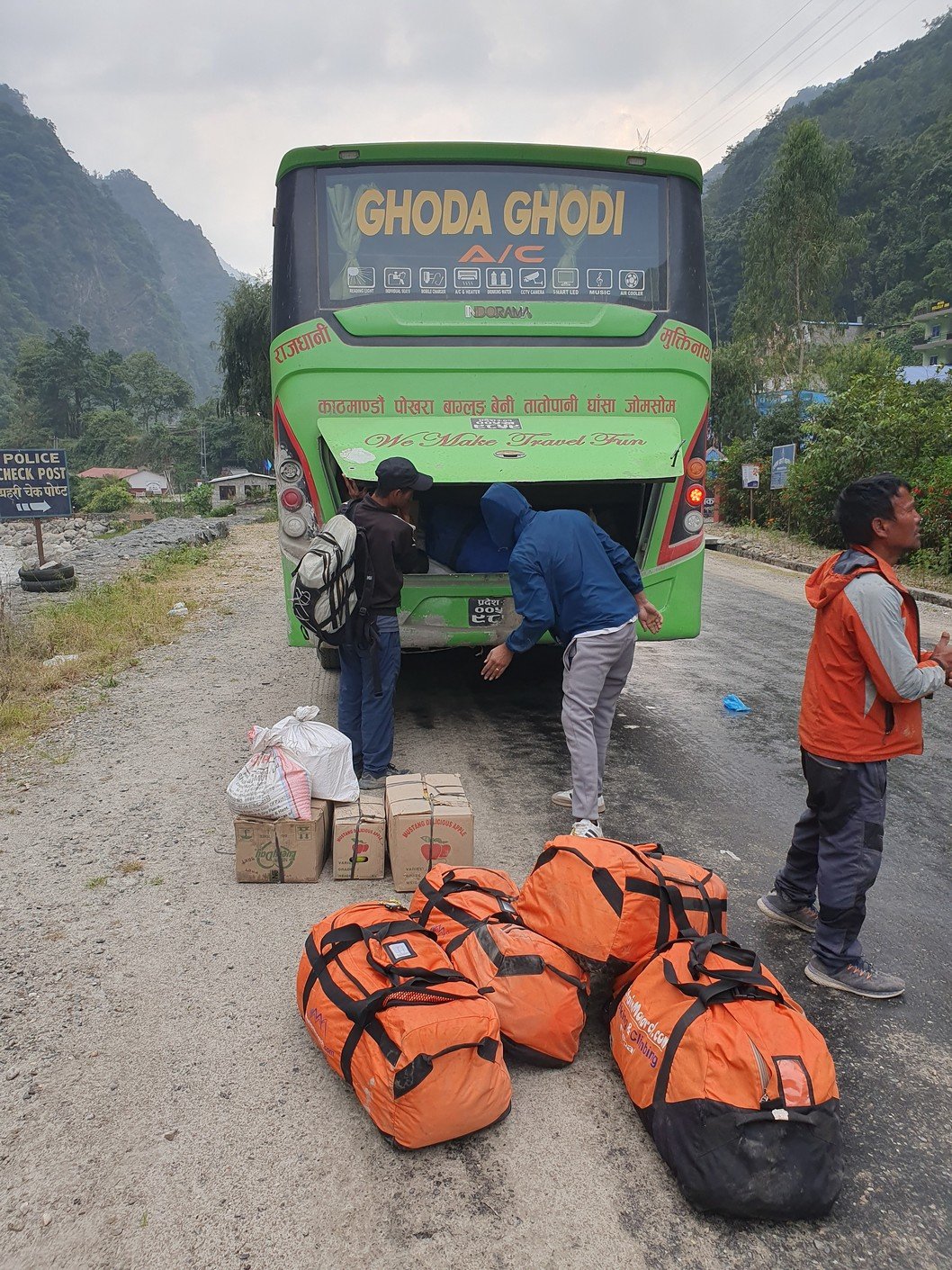
Amrit got us tickets, which cost 1200 rupees, or about 8 euros per person. Our bus was “AC deluxe” according to the large stickers, and in such a fancy vehicle, even the luggage was not packed on the roof. The bus next door was apparently not quite as deluxe, as one guy was throwing luggage to his colleague on the roof. What all the buses had in common was that they were all parked with boulders in front of their tyres. There was also a fairly large crew on the bus, including the driver, two assistants for goods and extra passengers, and a couple of unspecified other guys hanging around in the driver’s compartment. At perhaps half past nine, our bus promisingly backed up a bit, and one of the assistants went to kick the stones out of the front of the tyres. We moved twenty metres to the bus station boom and stopped there. After a while a few more passengers got on the bus and at 9:40 we were finally on our way.
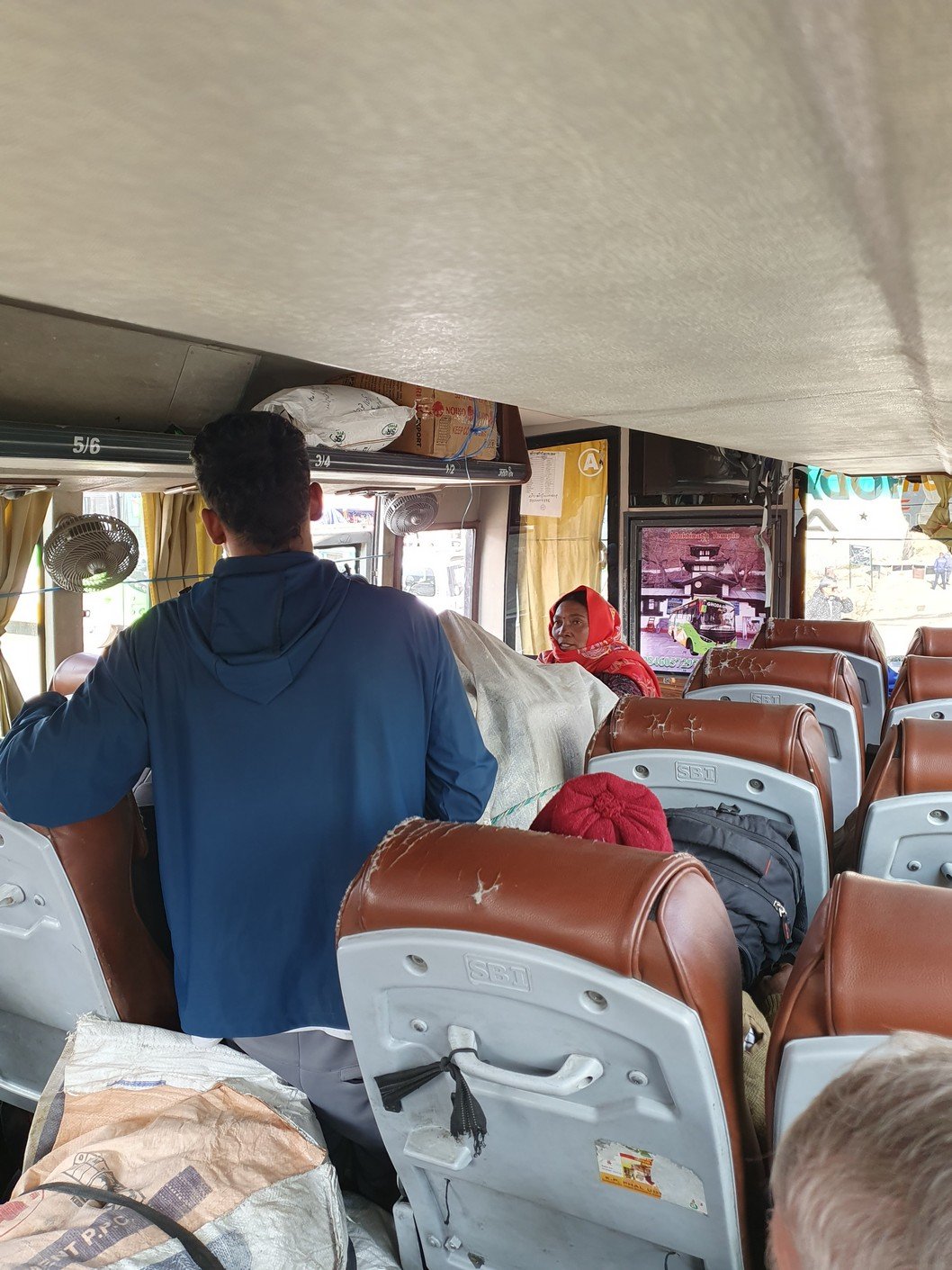
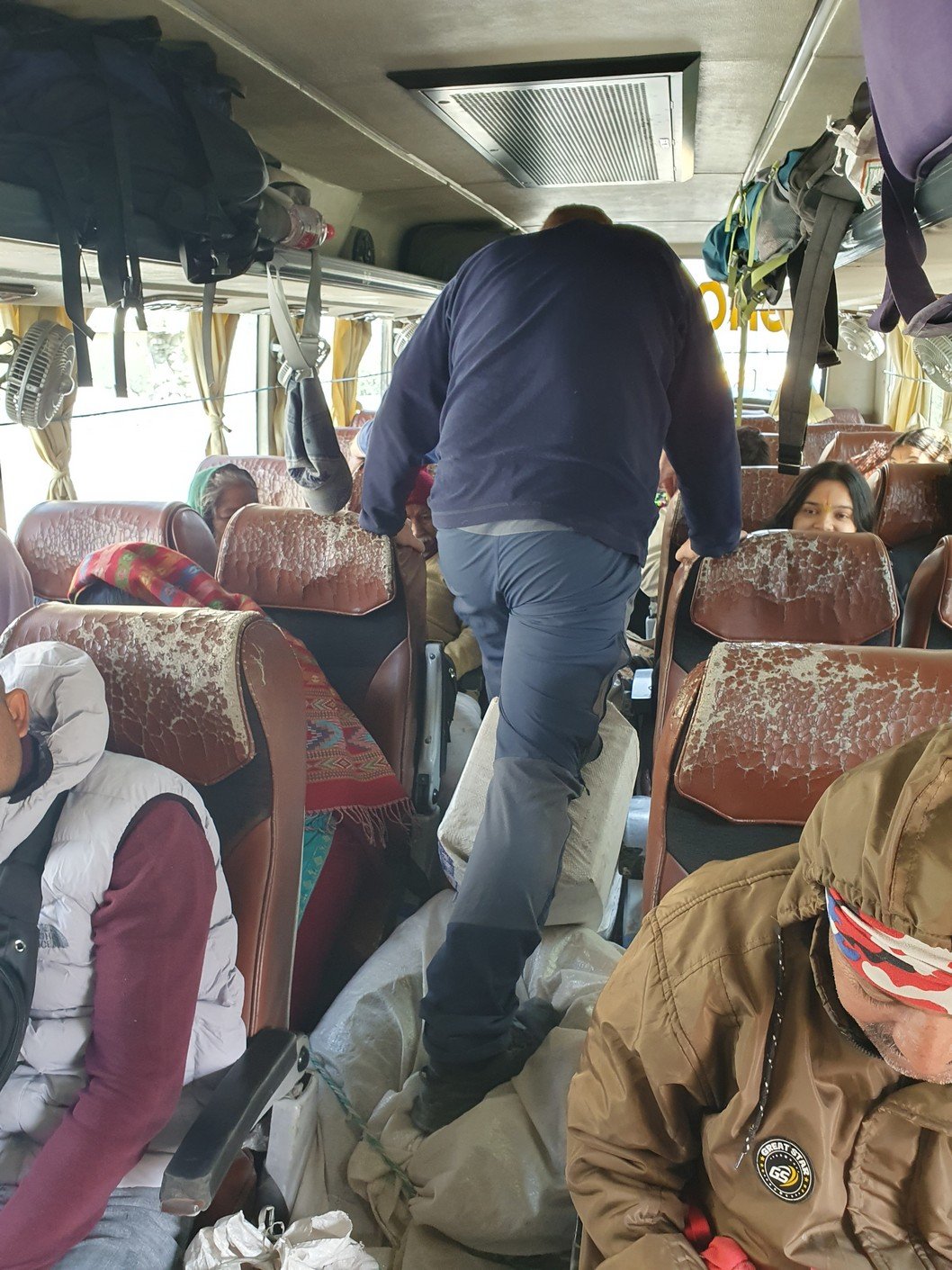
The bus seemed to be full when we started moving. Despite this, we kept stopping to pick up locals waving their hands on the side of the road. Everyone seemed to have a lot of luggage, which was piled up in the middle aisle because the trunk was apparently already full. After just over an hour, we stopped in Jomsom. Apparently it was a local bus station, as there were several bus company ticket booths on the side of the road. We were all stretching our legs around the bus when suddenly the bus started moving slowly. We thought the bus was going to make a u-turn to get us back on the road. But the bus turned onto another road and drove off. We ran behind the station building to tell Amrit and the porters what had happened. Amrit didn’t seem to be much fazed by the fact that the bus left with all our stuff. He ordered Pasang somewhere and motioned for us to start walking in the direction where the bus had gone. About half a kilometre later, the bus was parked on the side of the road, and there was a lot of people and luggage around the bus. Apparently, this really was one of those ‘only insiders know’ stations. So we didn’t end up staying in Jomsom with only our wallets and mobile phones in our pockets.
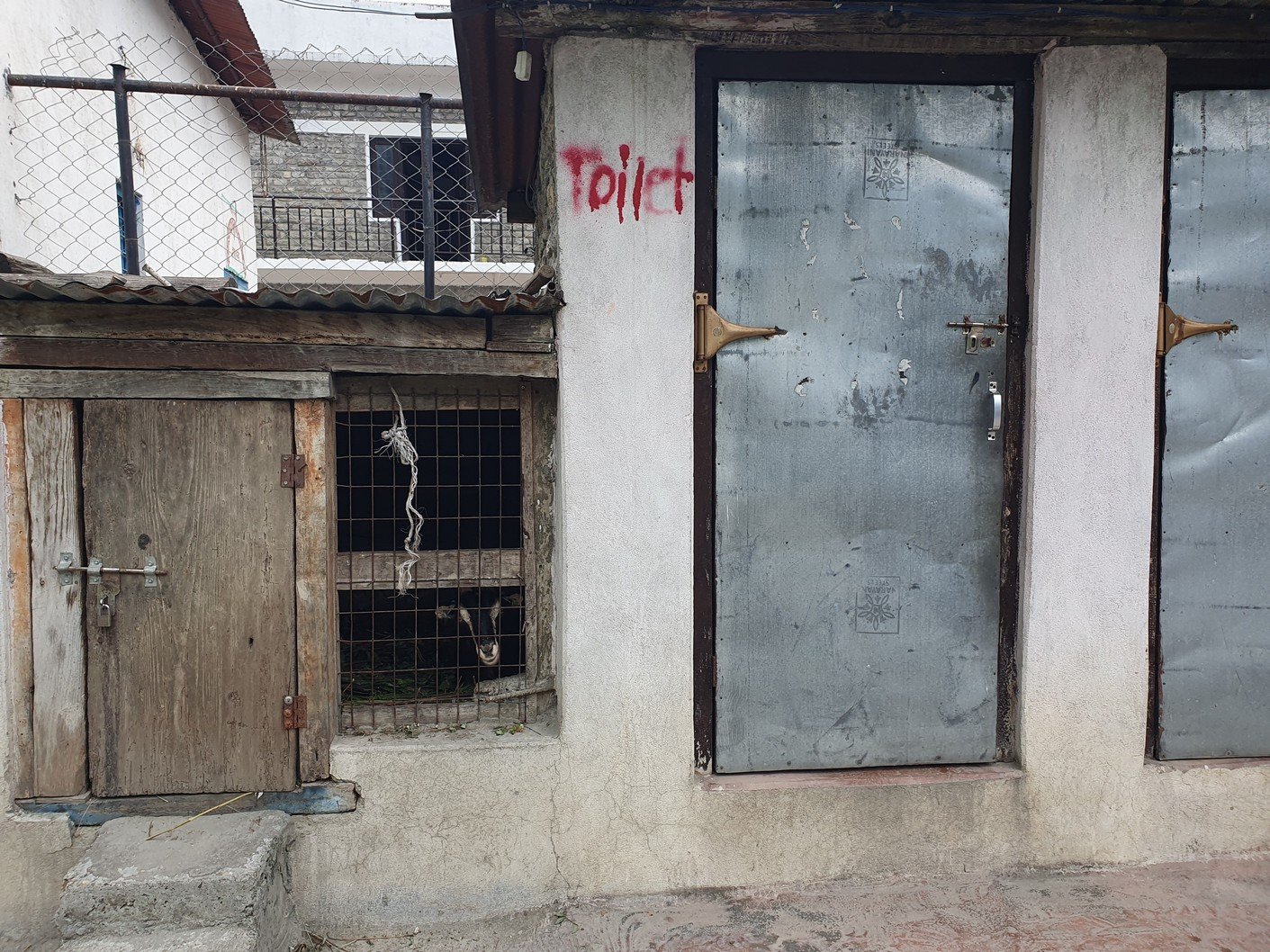
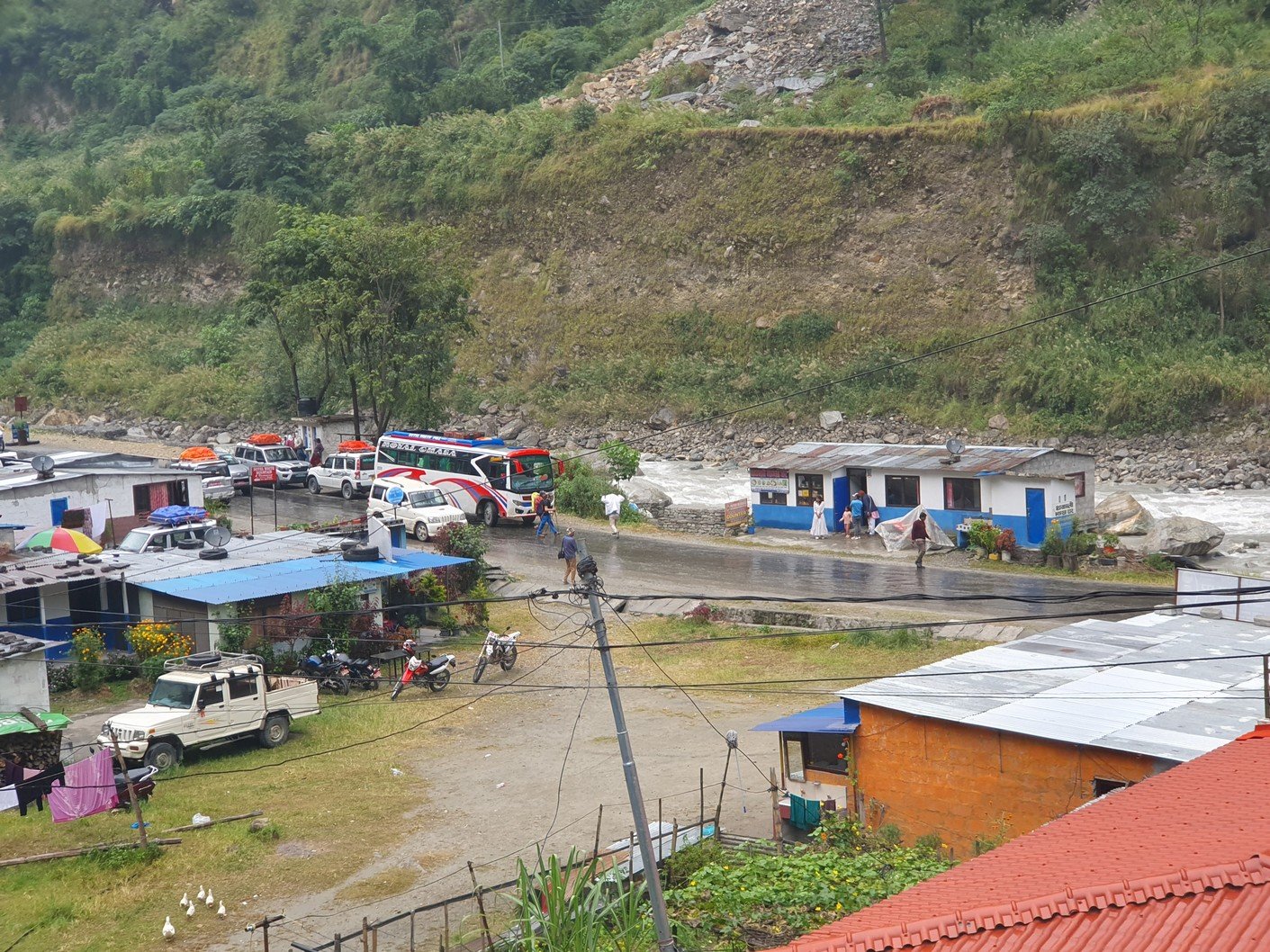
The bus picked up more people frequently along the way, and by the end of the journey there was nearly a meter high pile of stuff covering the middle aisle from the front to the rear. These were not normal backpacks, but different kinds of sacks. People simply walked over them, which was pretty much the only thing you could do. After several hours we had a toilet and lunch break. In the end we arrived in Tatopani at half past two, about five hours after departure. A relevant piece of information here is the distance between Muktinath and Tatopani according to Google Maps: 78 kilometres. Do the math.
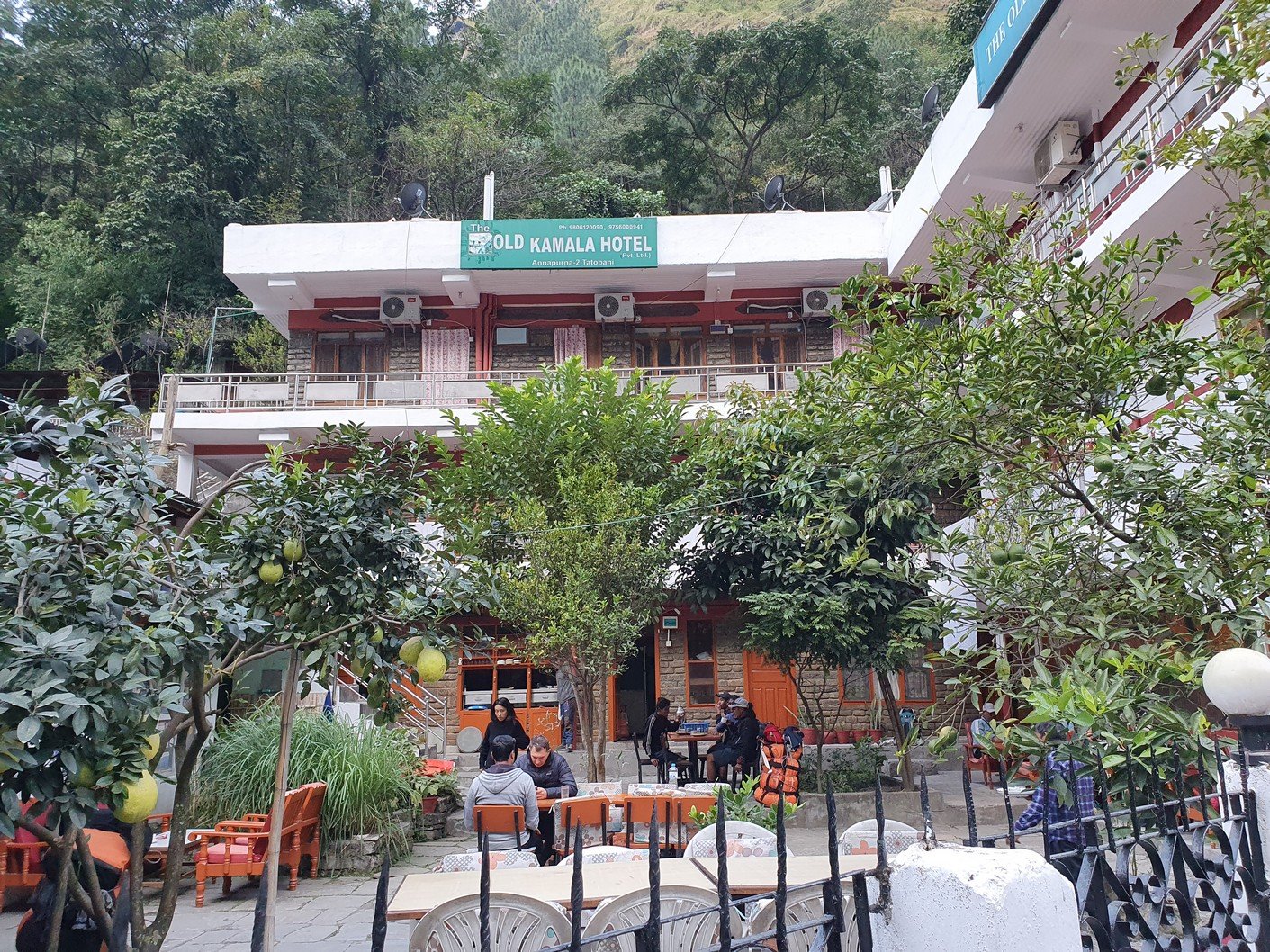
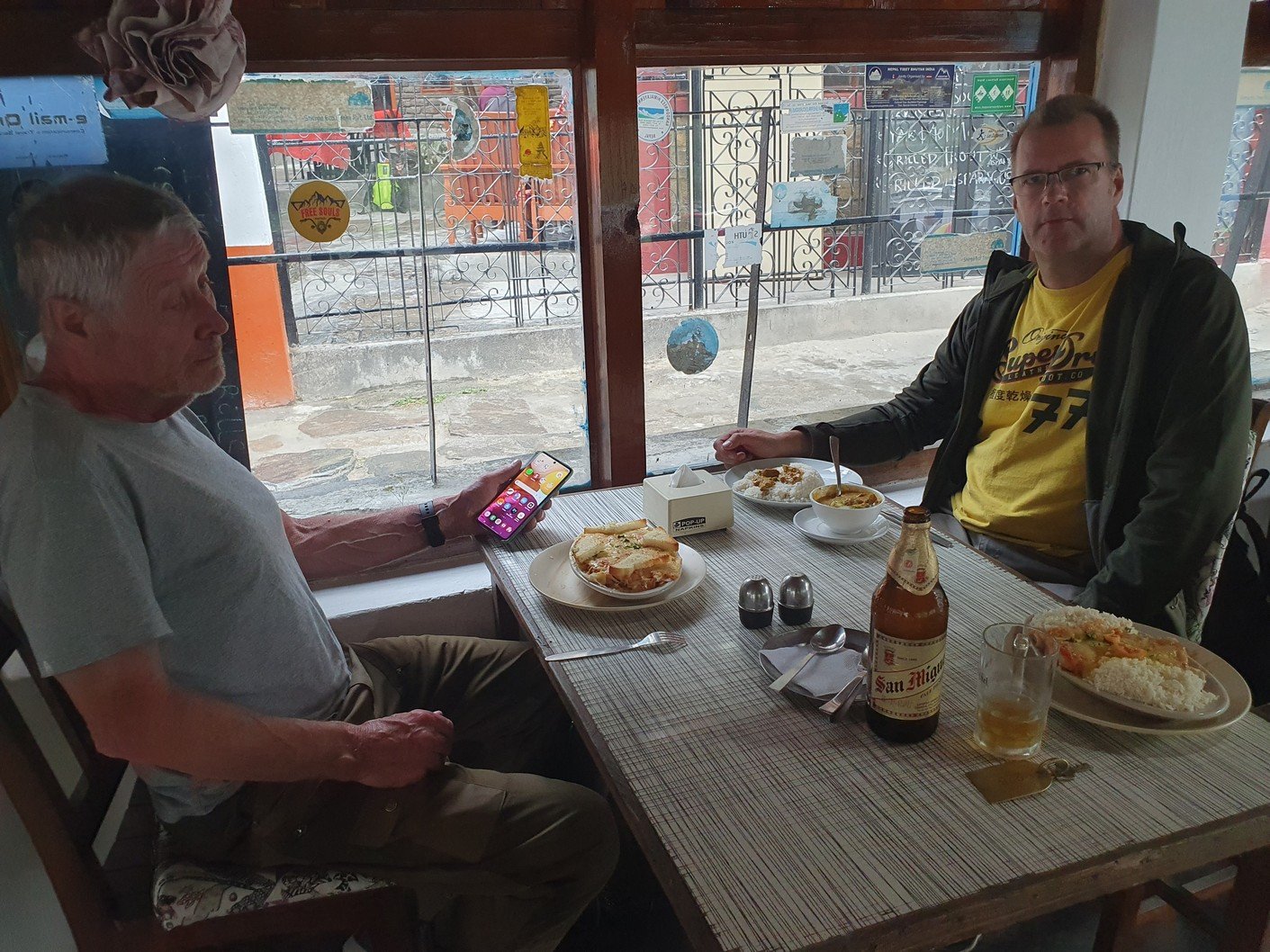
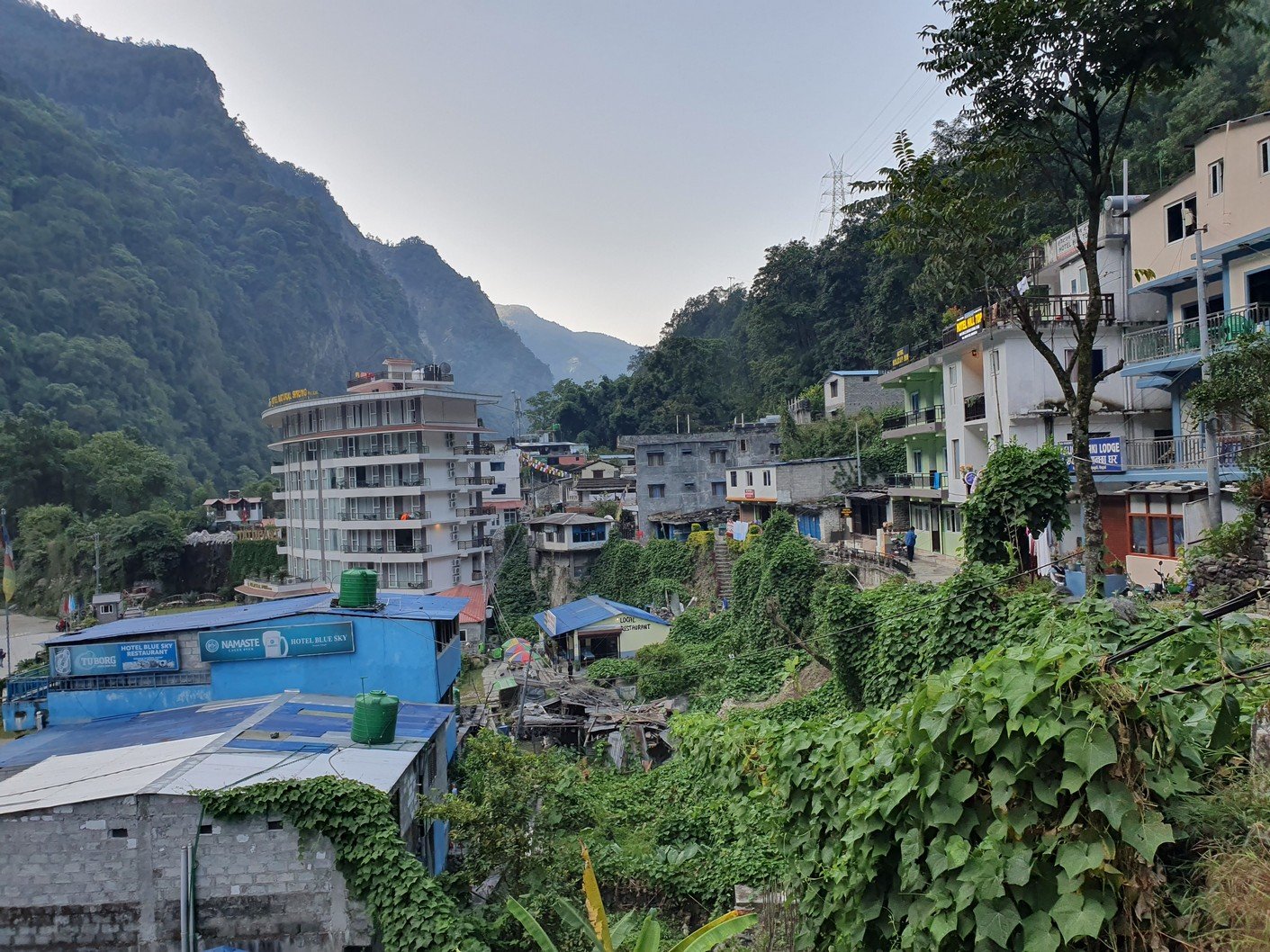
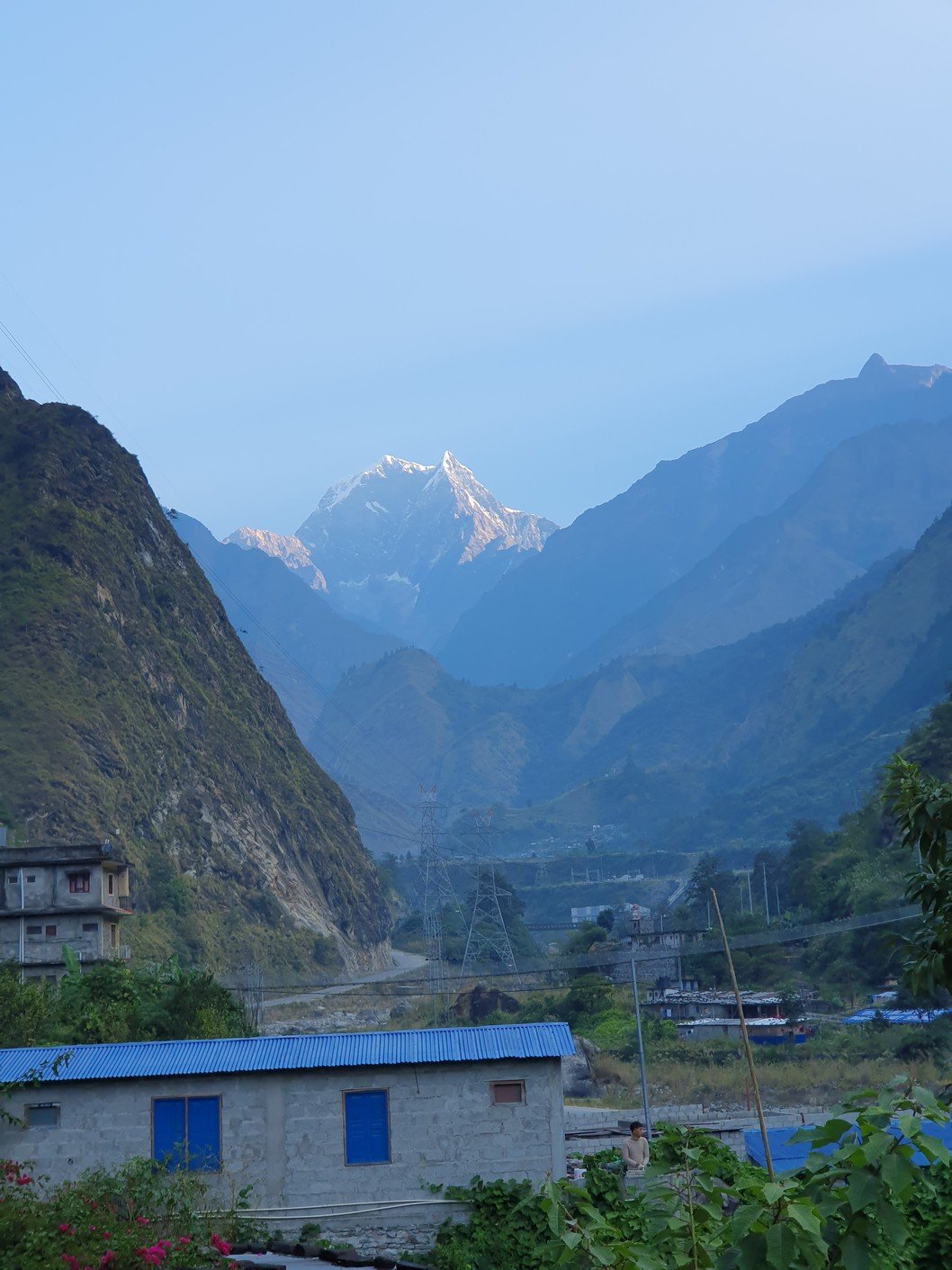
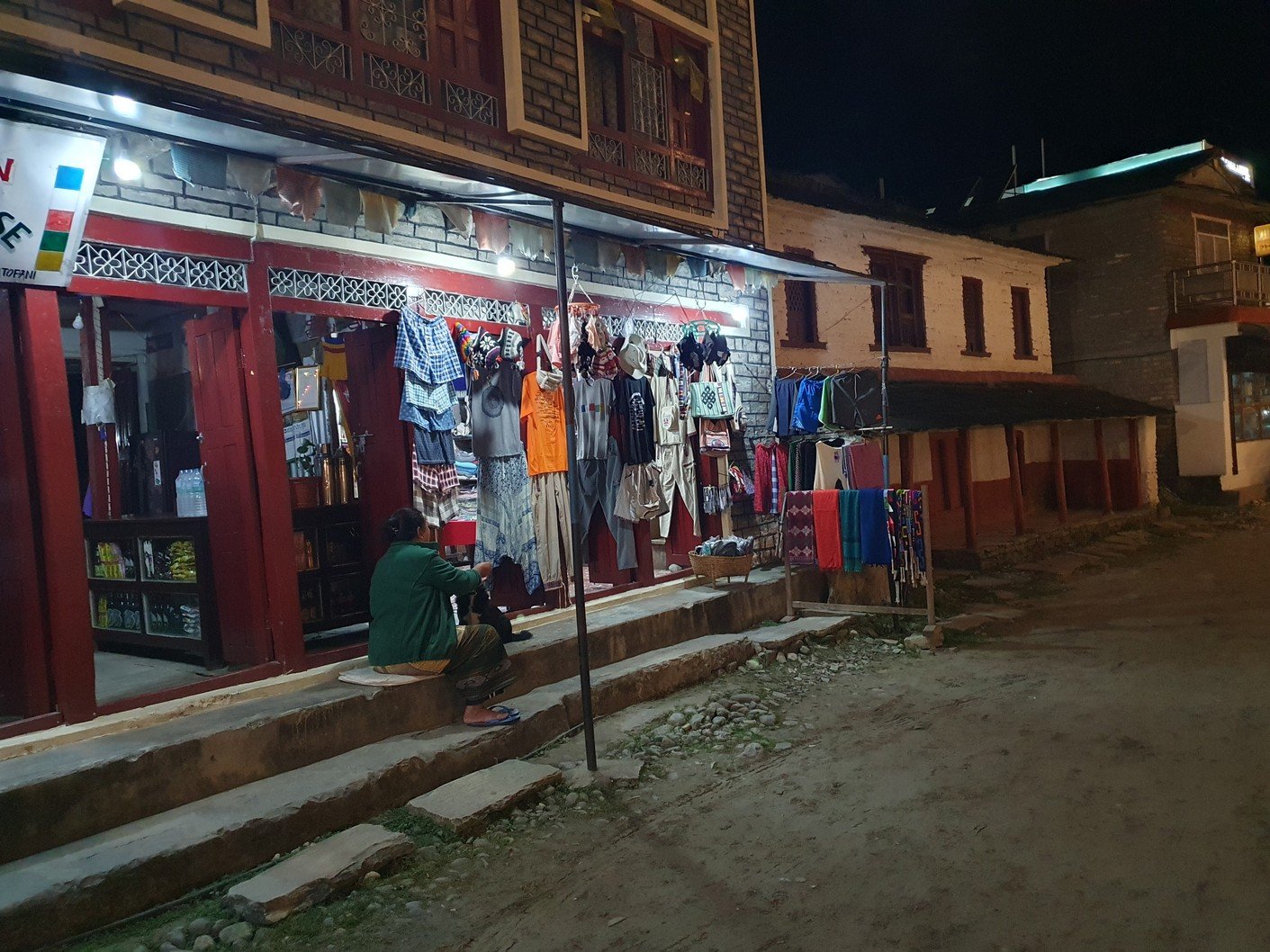
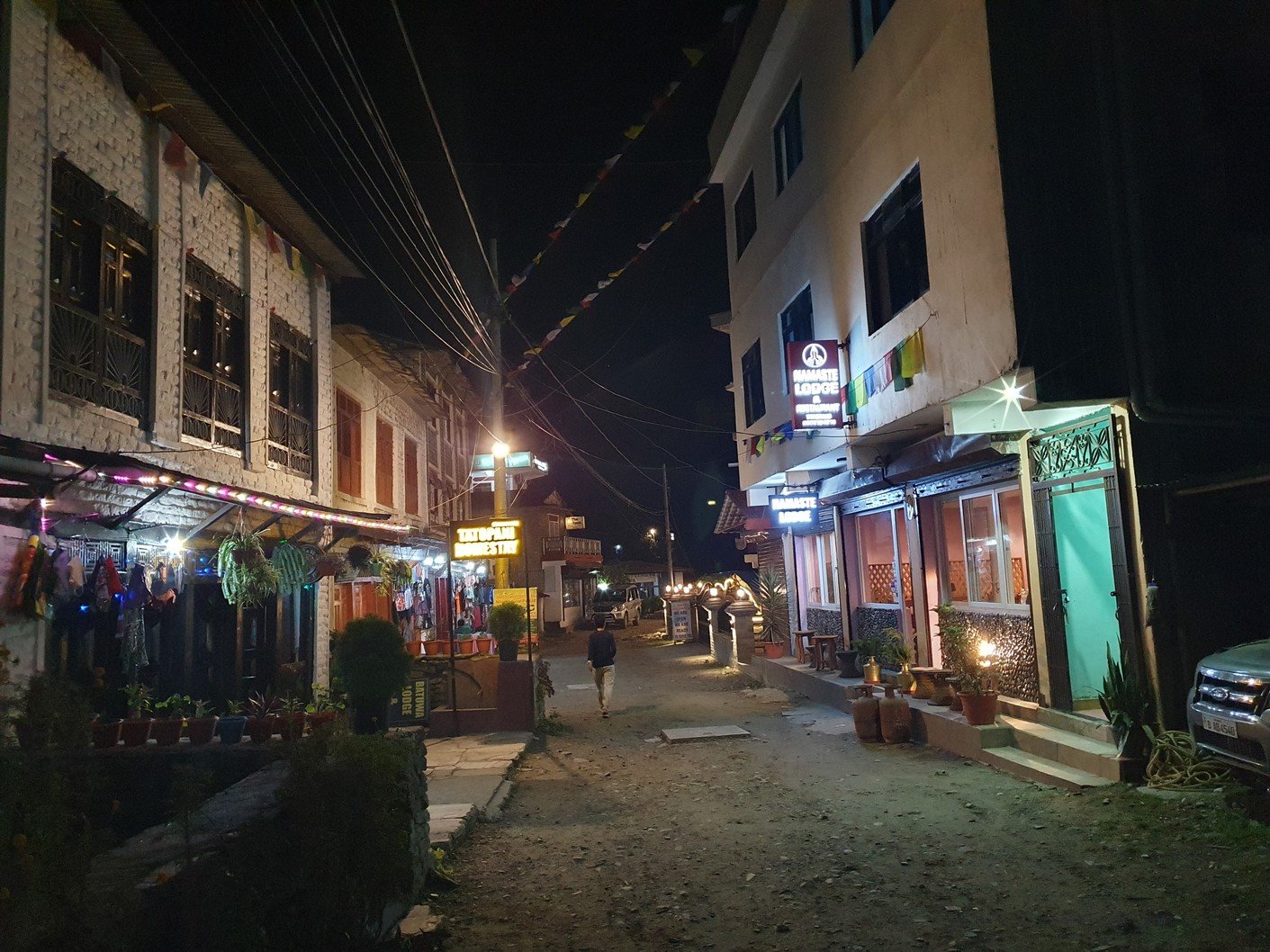
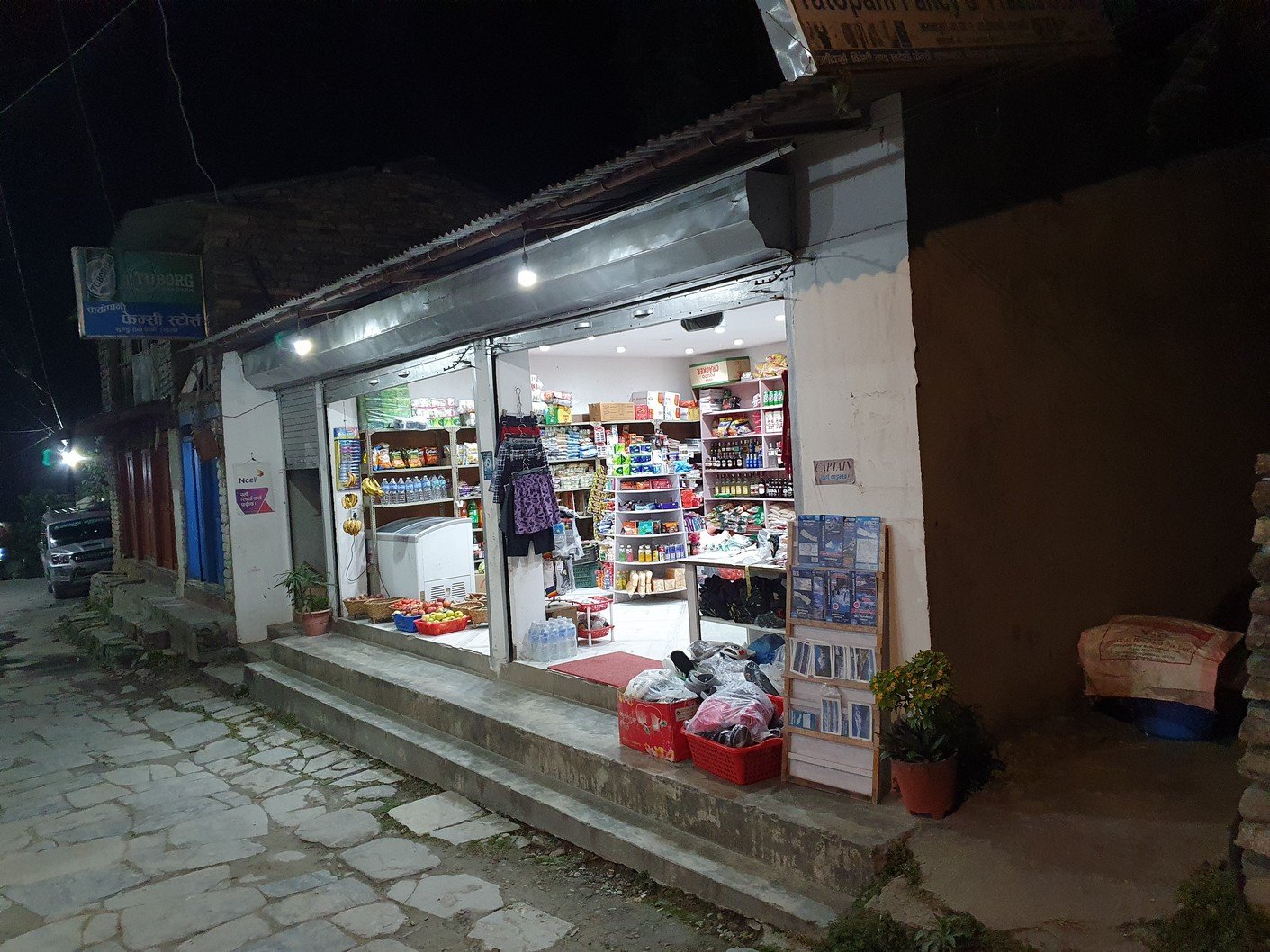
Tatopani is only 1150 meters above sea level, which means we had descended more than four kilometres from where we had dragged ourselves in the previous couple of weeks. Tatopani is also a reasonable distance from Nepal’s second largest city, Pokhara, so the menu at the guesthouse was pretty comprehensive. We were able to enjoy a very delicious lunch and dinner. Tatopani is also famous for its hot springs, which sounded very good. I didn’t have my swimming trunks with me, but Amrit said that didn’t matter at all. Boxers, he said, would be perfectly ok at the springs. I didn’t need to go swimming in boxers, though, because I went to the small shop twenty meters from our guesthouse and got a pair of basic shorts for around three euros. Pude also went to buy similar shorts. The shopkeeper must have been pleased to sell two pairs of shorts at tourist prices and get rid of two pairs of shorts too big for the local clientele.
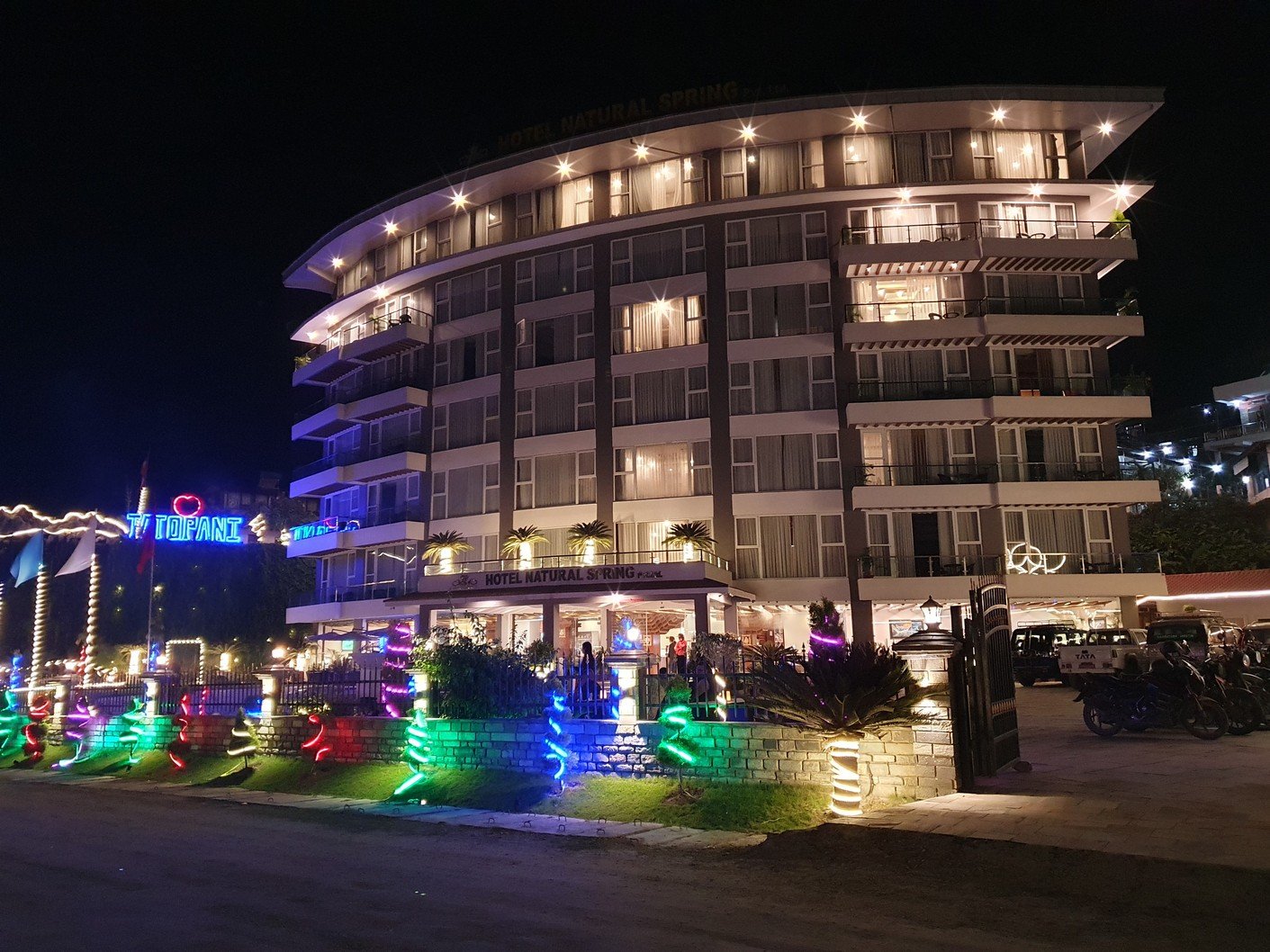
The hot springs were only a few hundred metres down the road. A sign at the gate clearly indicated (also in English) separate prices for locals and tourists: 50 rupees for locals and 150 rupees for tourists. This discrimination was not worth getting too upset about, as the prices correspond to 35 cents and one euro. If you want to get upset about spa prices, a visit to the ticket office at Flamingo Spa in Finland will surely do the trick. We didn’t bring anything but swimming shorts and a towel, so there are no photos of the hot springs. The place had two pools with really hot water. I’m sure relaxing in the pool was really good for your muscles, but you couldn’t stay up to your neck in there for terribly long before you had to get up to sit on the edge. The place was packed with people, both locals and westerners. There was a large hotel next to the springs, which was the nicest we had seen so far. We jokingly asked Amrit why we didn’t stay there. The answer, of course, was obvious: it was terribly expensive. Well, how expensive, we asked. $50. We said nothing, and just continued towards our accommodation, watching the glittering hotel and its lobby bar fade behind us…