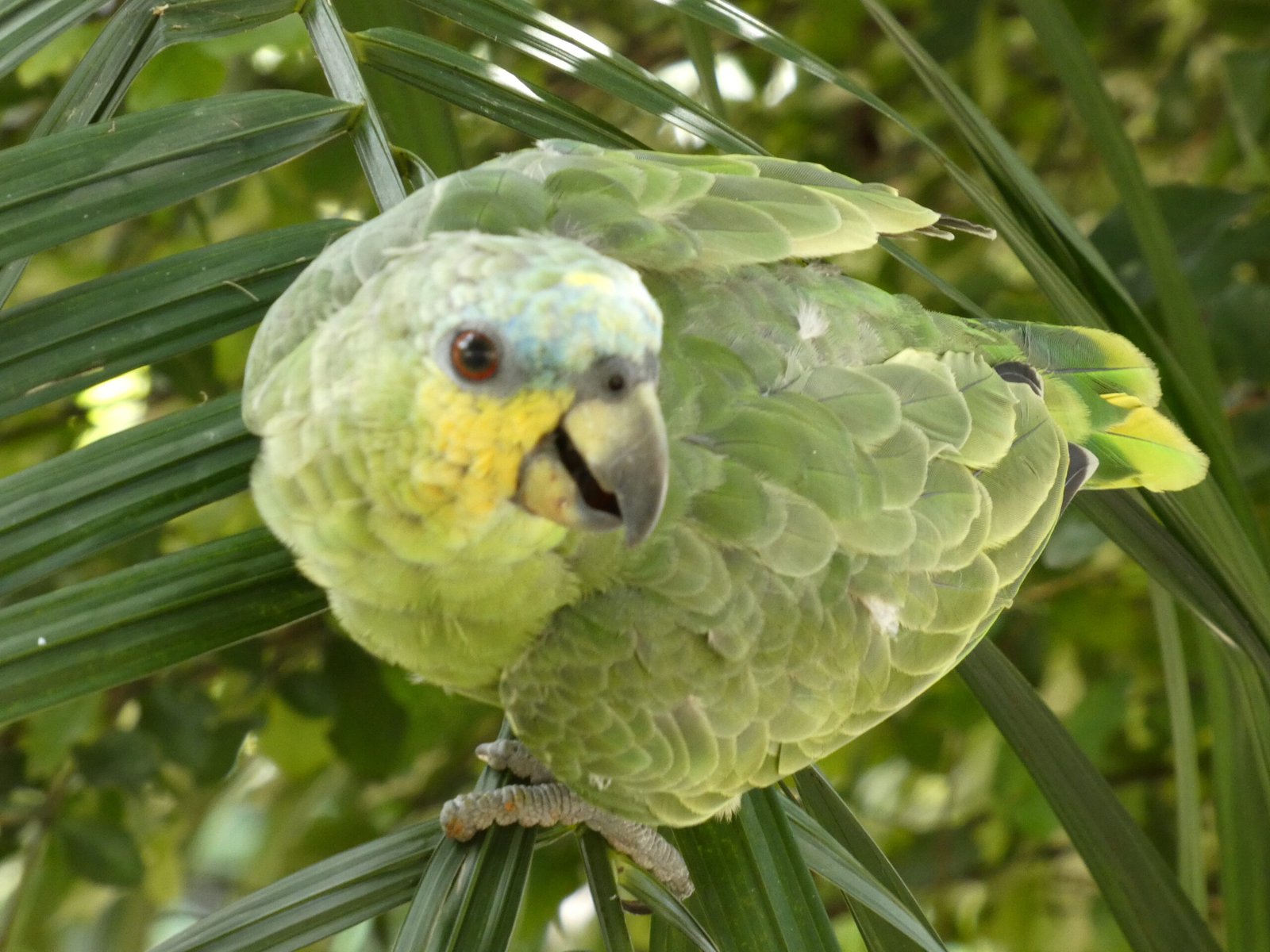
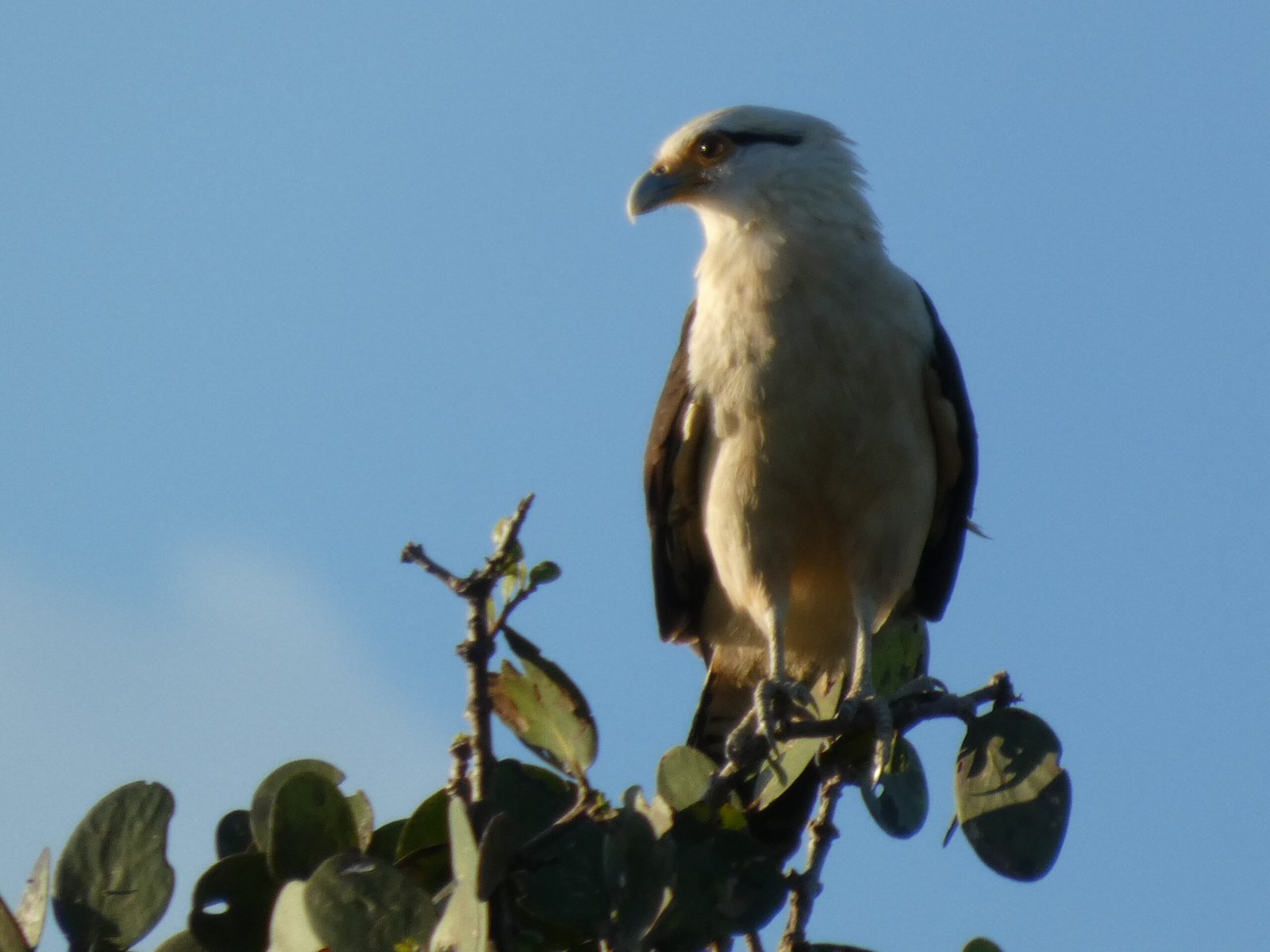
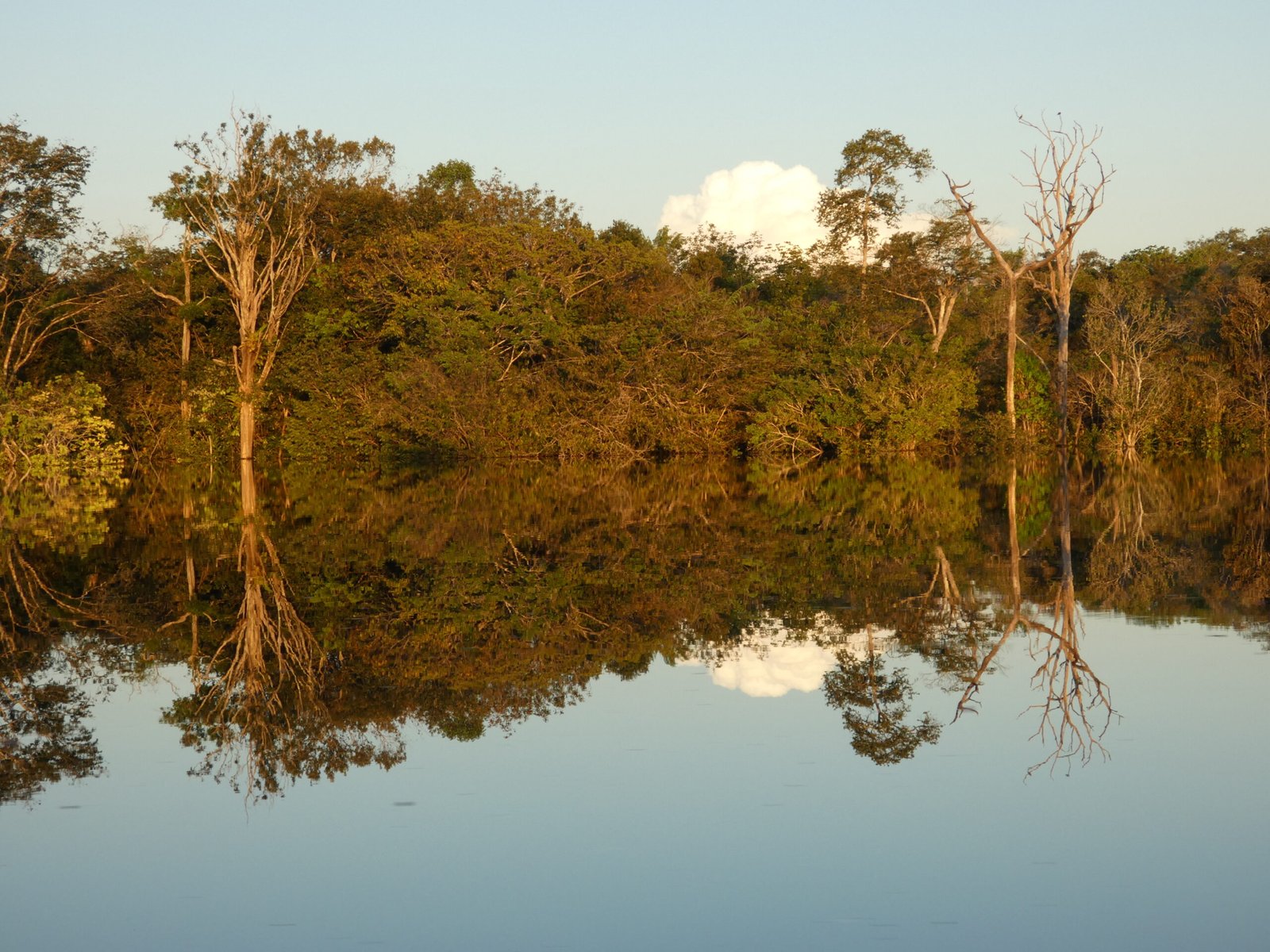
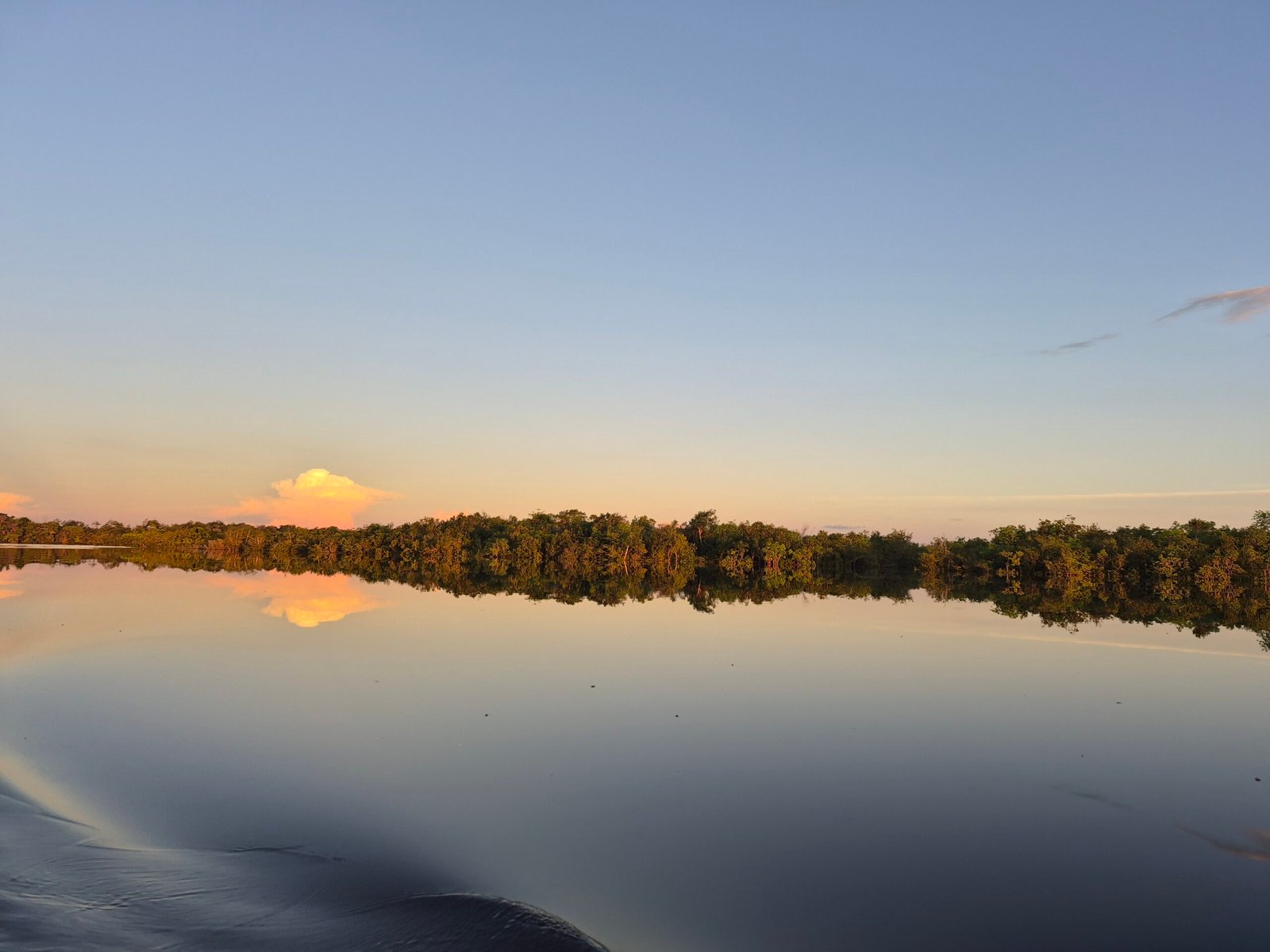
In the early hours of the morning at 1:30, we were all woken up when, one by one, a loud alert appeared on everyone’s mobile phones, reading ‘Extremely serious alert’. This was an alert issued by the local emergency services centre to warn residents of the area about, amongst other things, floods, heavy rain, landslides, extreme heat or cold, etc. As the alert didn’t prompt any major action from the other residents in the block of flats, we dismissed the alert, turned over and went back to sleep. Apparently, the children had tried for a while to Google the reason for the alarm, but to no avail. Risto said he couldn’t really get back to sleep because he was afraid that a storm gust might come and knock the whole building down. In the morning, Jaana looked into the matter further with the help of Google, and it turned out that the alarm had been triggered by mistake, so there hadn’t actually been any danger at all.
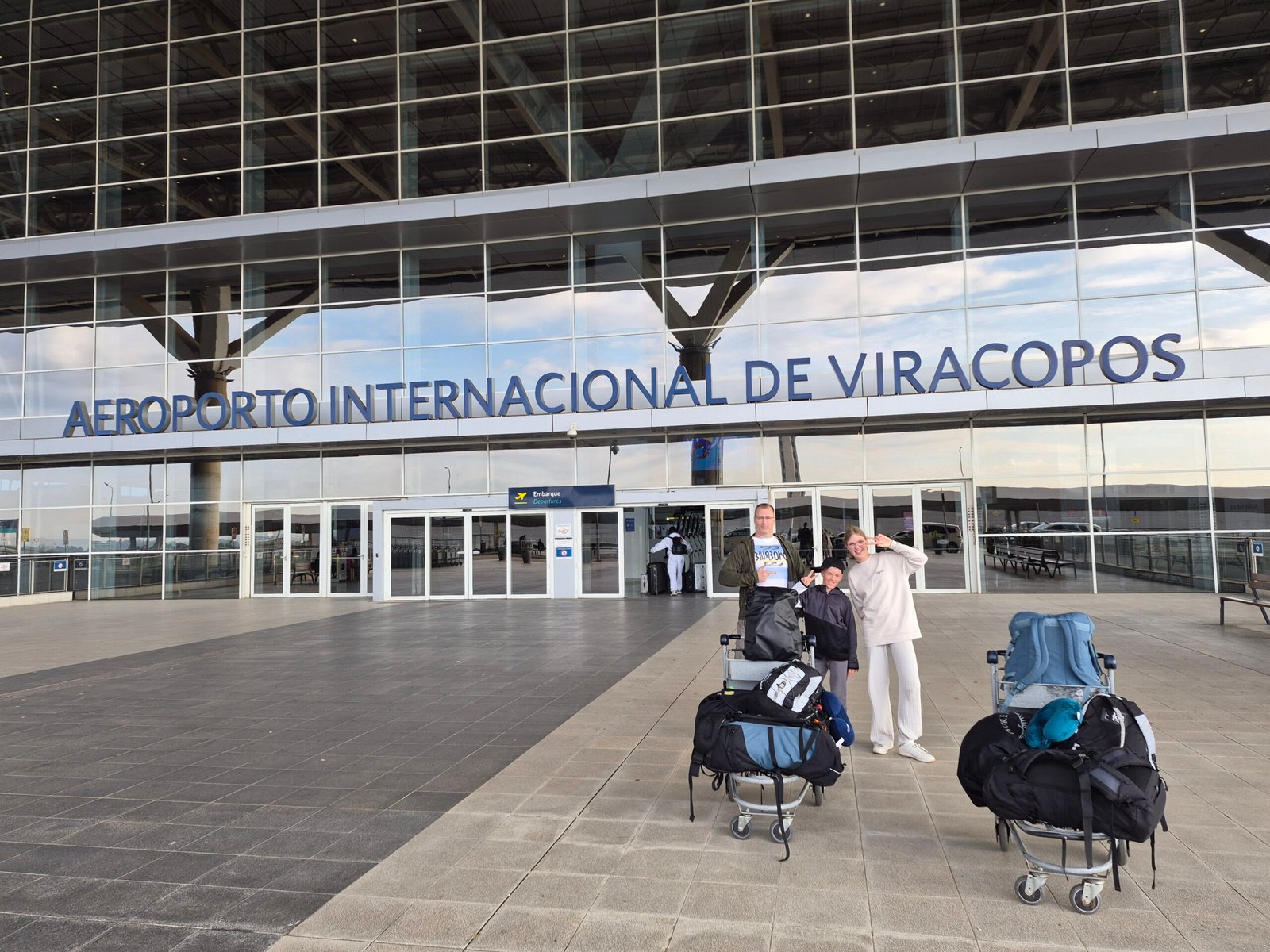
The Uber driver arrived to pick us up at 7:15 to take us to Viracopos Airport, 80 km from São Paulo. In reality, our flight didn’t leave until 13:00, but our guide had previously advised us to set off as early as 7:00, as traffic jams on the motorways could sometimes slow us down considerably. This time, however, there was no traffic at all, so we were at the airport by 8:20. Fortunately, check-in was already open, so we were able to go straight through security to wait for our flight to depart. We also found an adapter for our extension lead at the airport for half the price we’d been quoted the previous day at the shopping centre, so that problem was sorted too. There were three different lounges at the airport where we could have gone to wait for our flight. We decided to try out the Advantage VIP Lounge this time, as we’d be returning to this airport twice more during this trip, giving us the chance to try out the other two lounges.
At Viracopos International Airport for the first time.
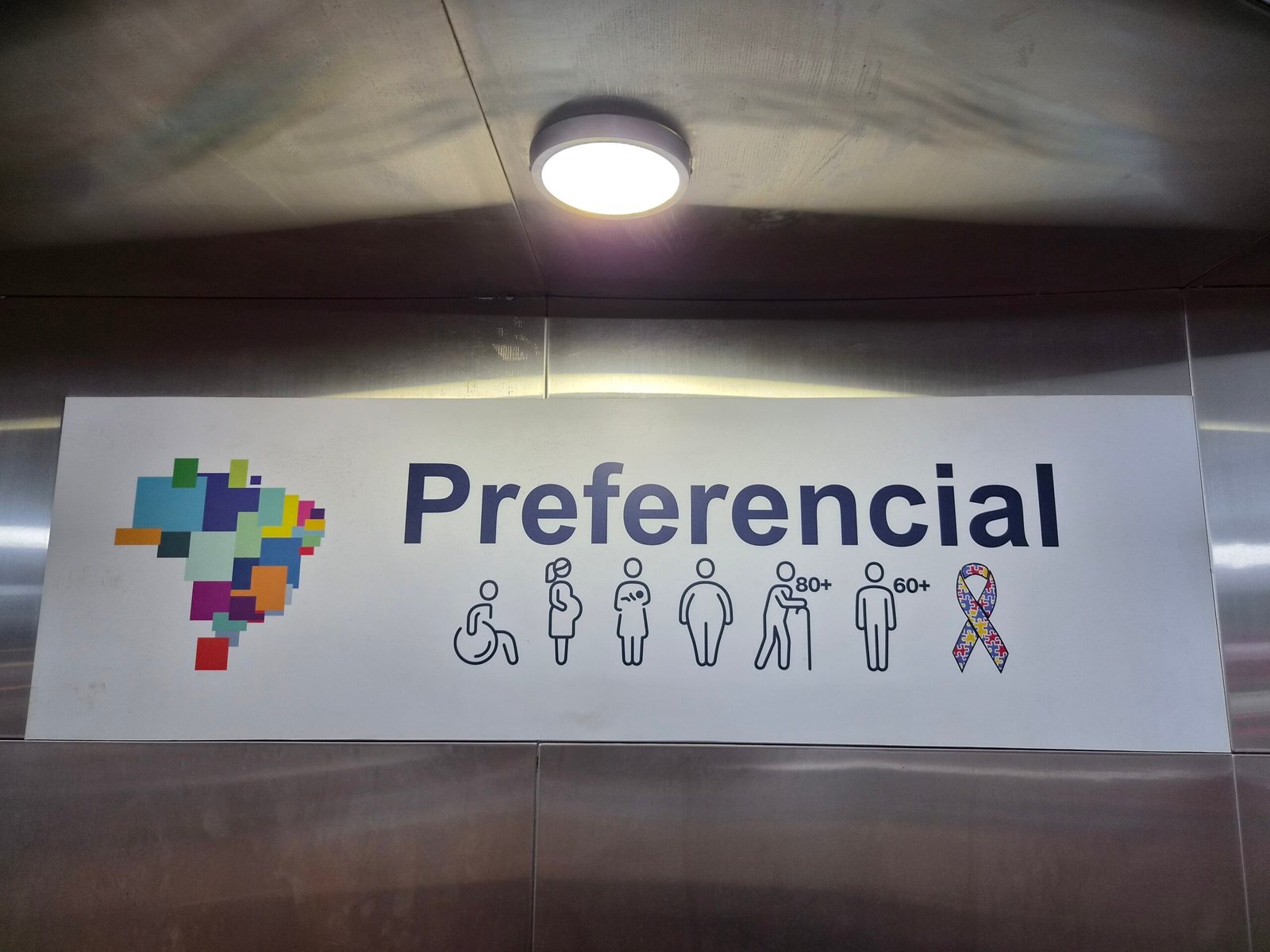
We realised that those wearing fancy scarves weren’t actually given priority seating; rather, the symbol in question apparently referred to people with autism.
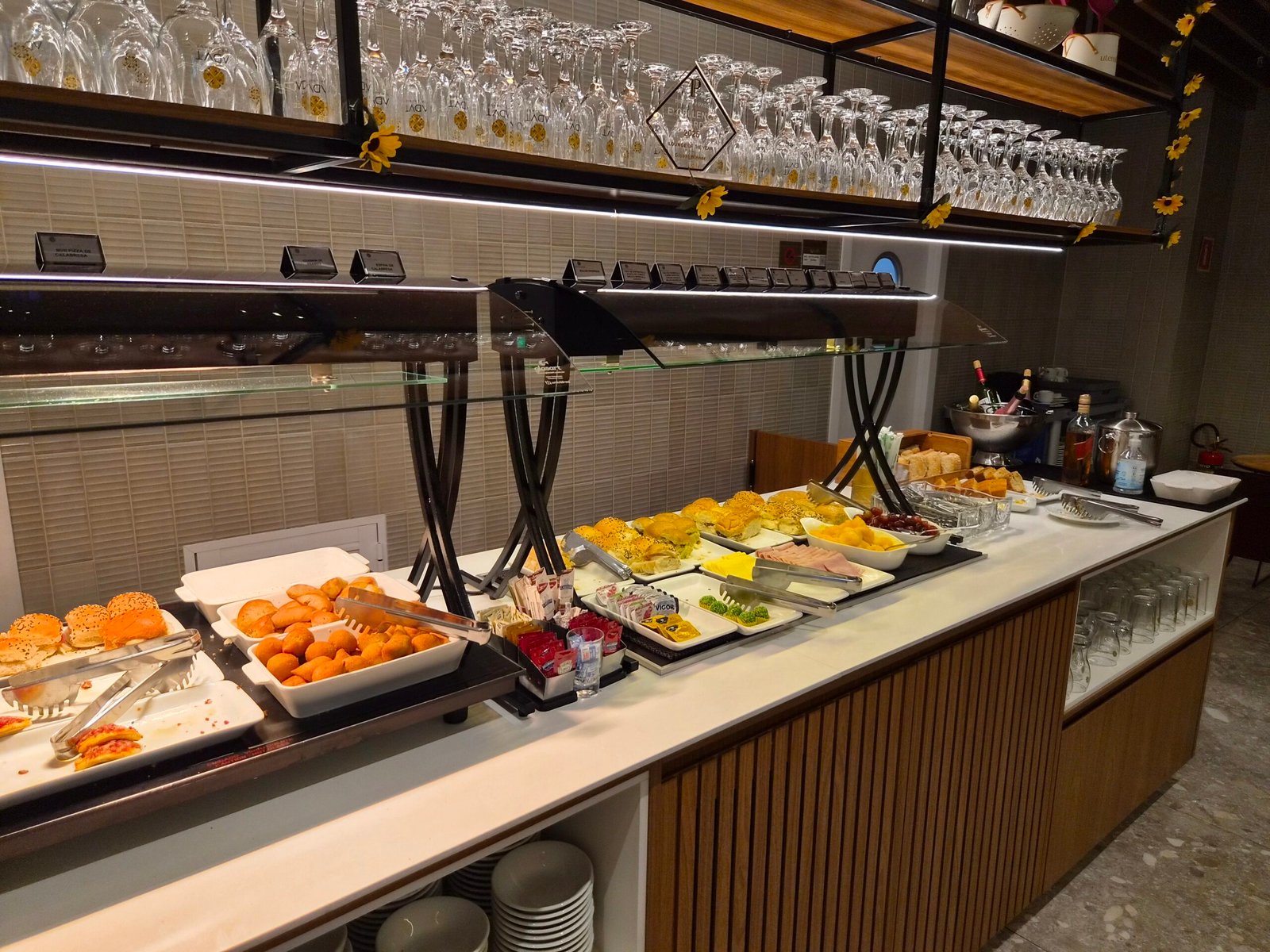
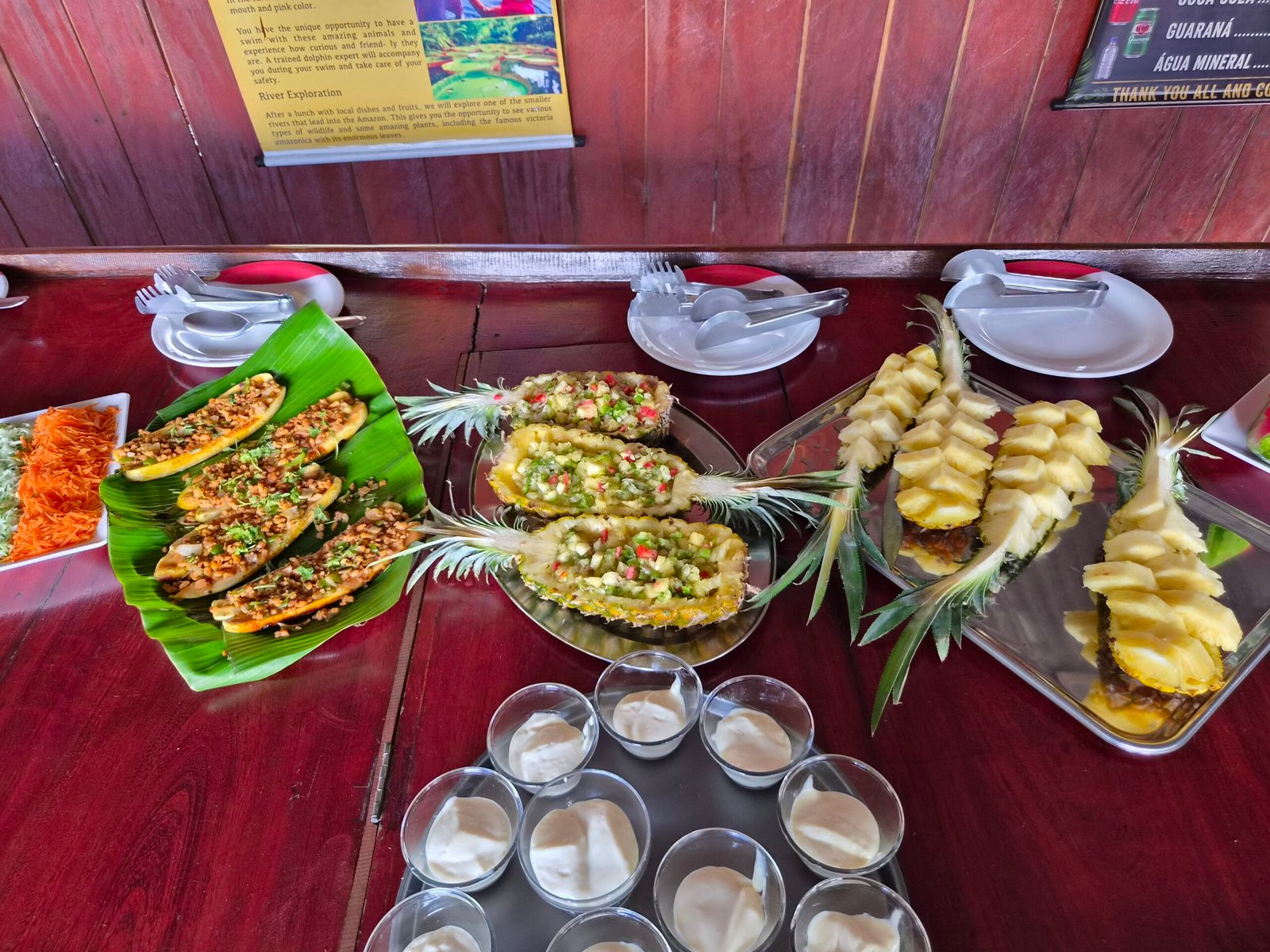
Both breakfast and lunch were served in the lounge. Naturally, we had both. The photo shows the breakfast spread still laid out.
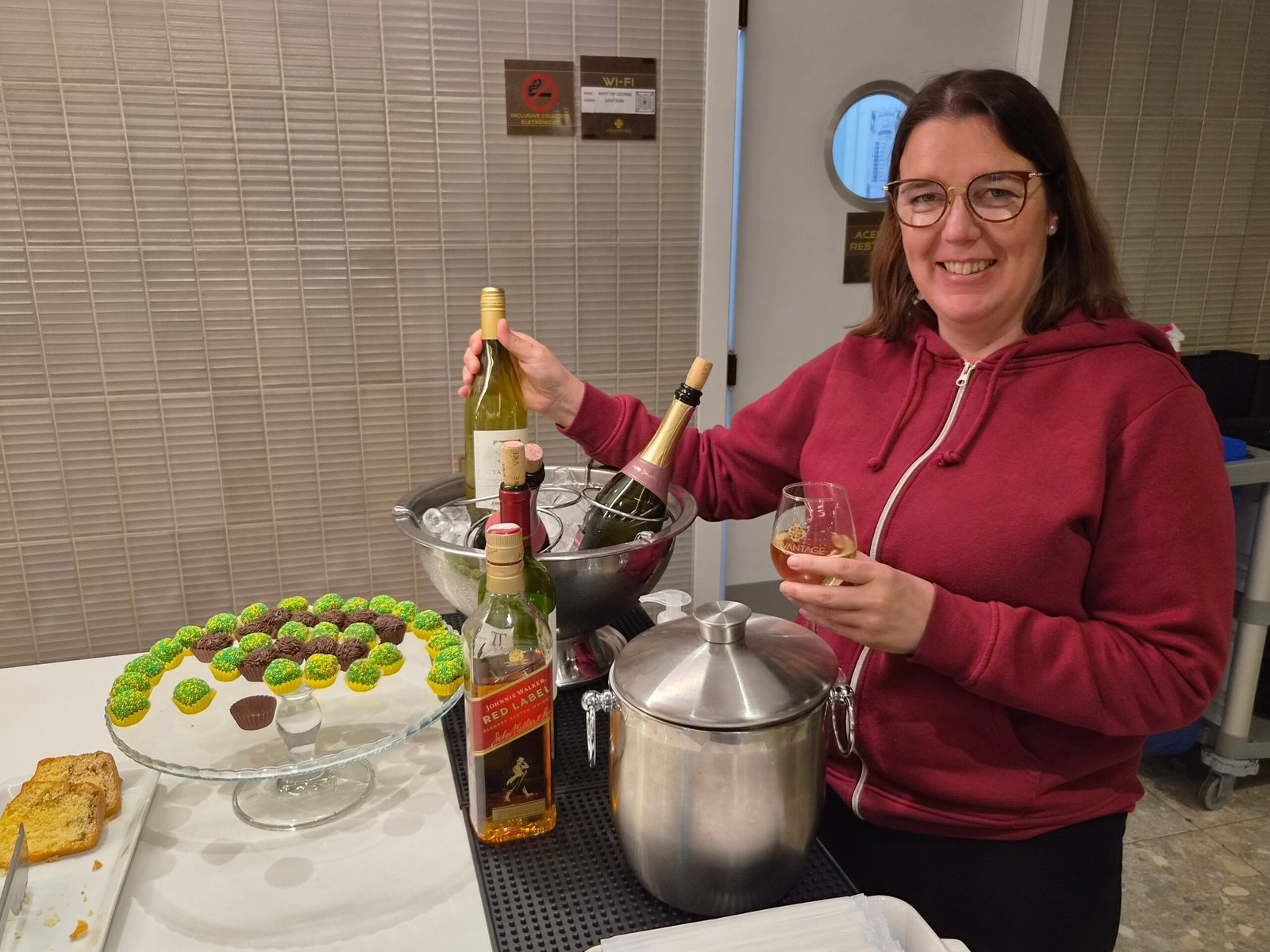
It was self-service for drinks as well. What a shame...
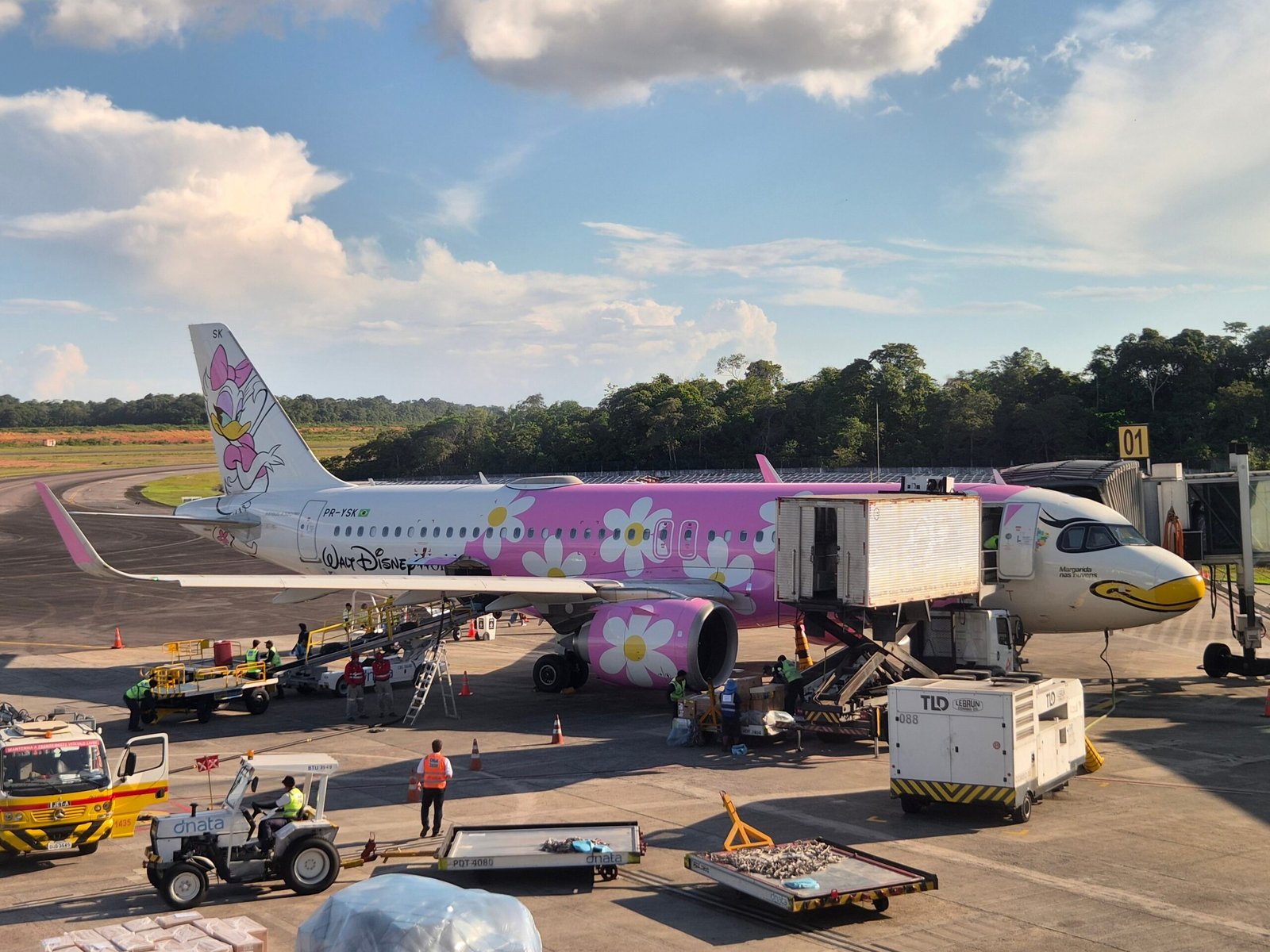
We flew on Azul’s quirky Disney-themed aeroplane.
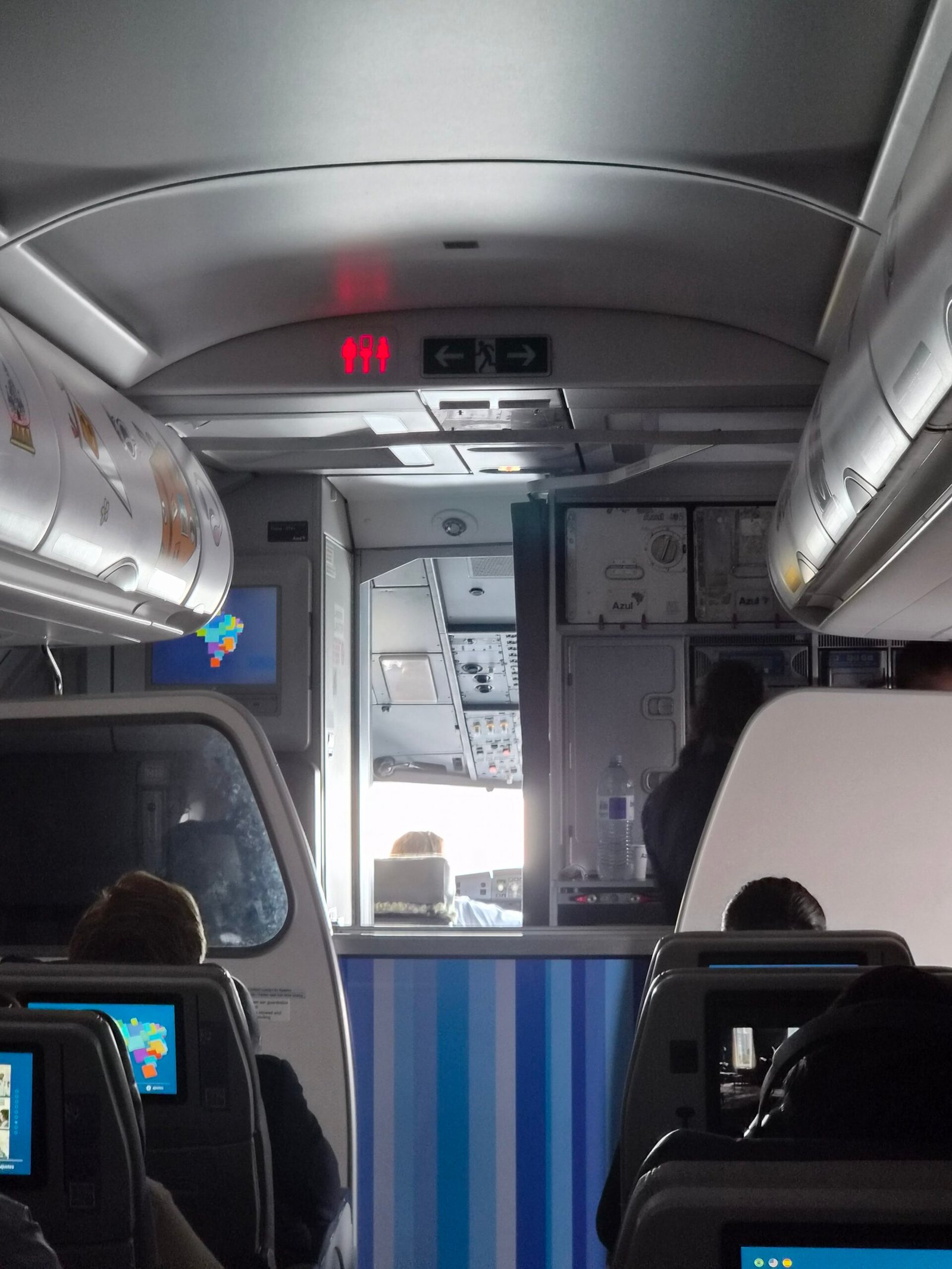
During the flight, either the captain or the first officer left the cockpit on several occasions to use the toilet or to chat with the flight attendants. On those occasions, the trolley was positioned at the front of the cabin to act as a barrier, so that passengers could not access the cockpit so easily.
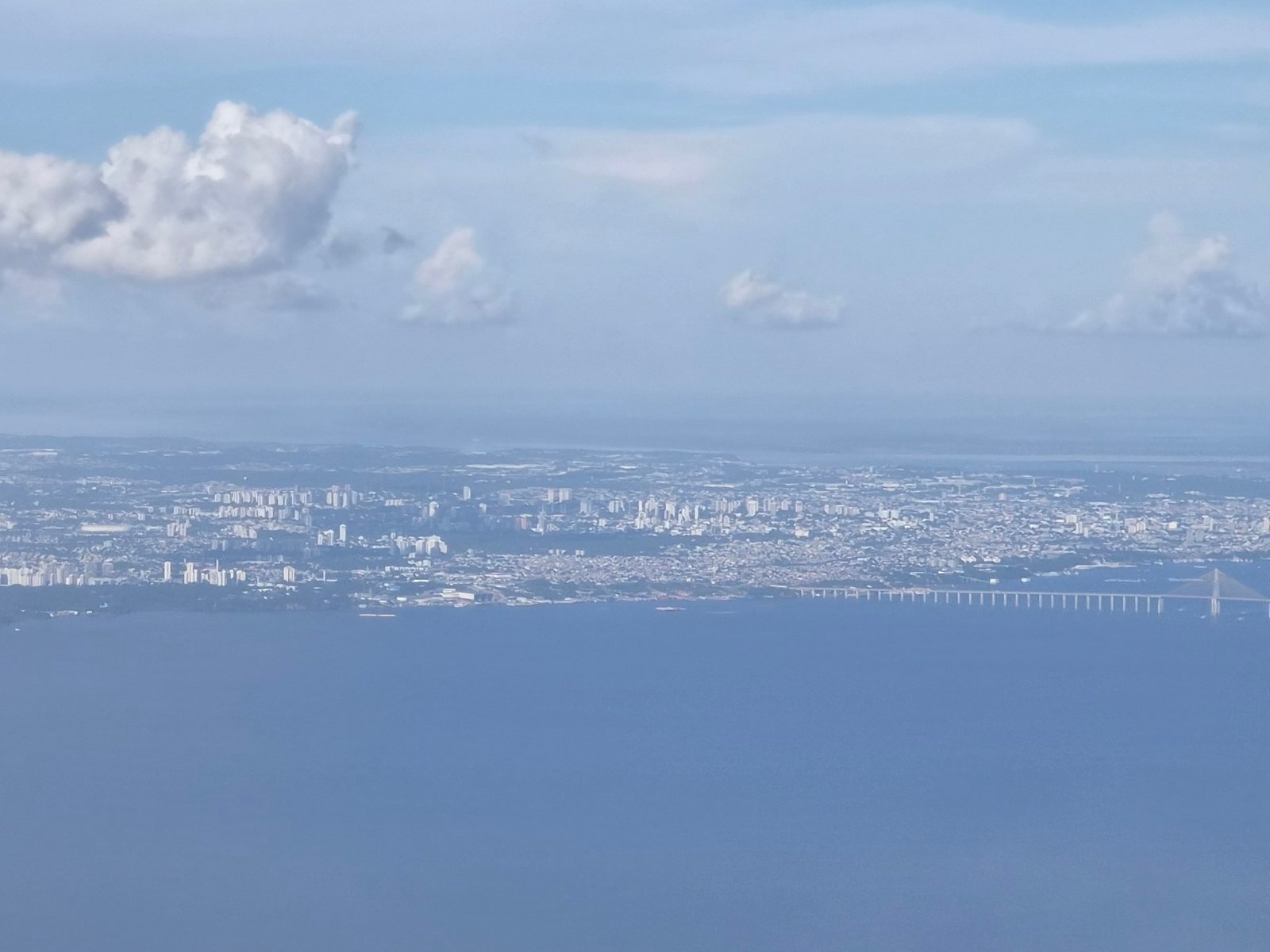
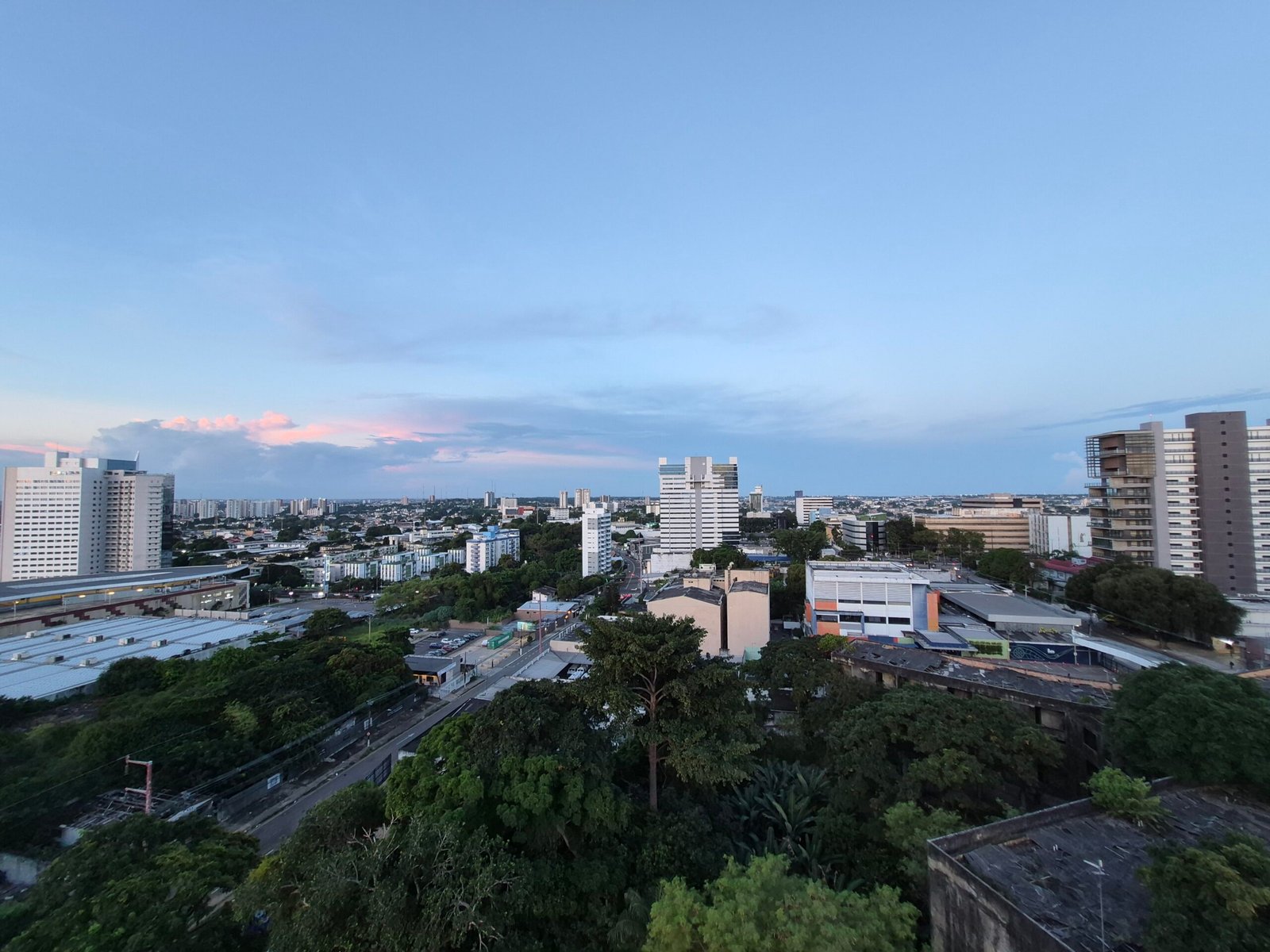
Manaus is a city with a population of around 2.3 million, situated on the banks of the Amazon River.
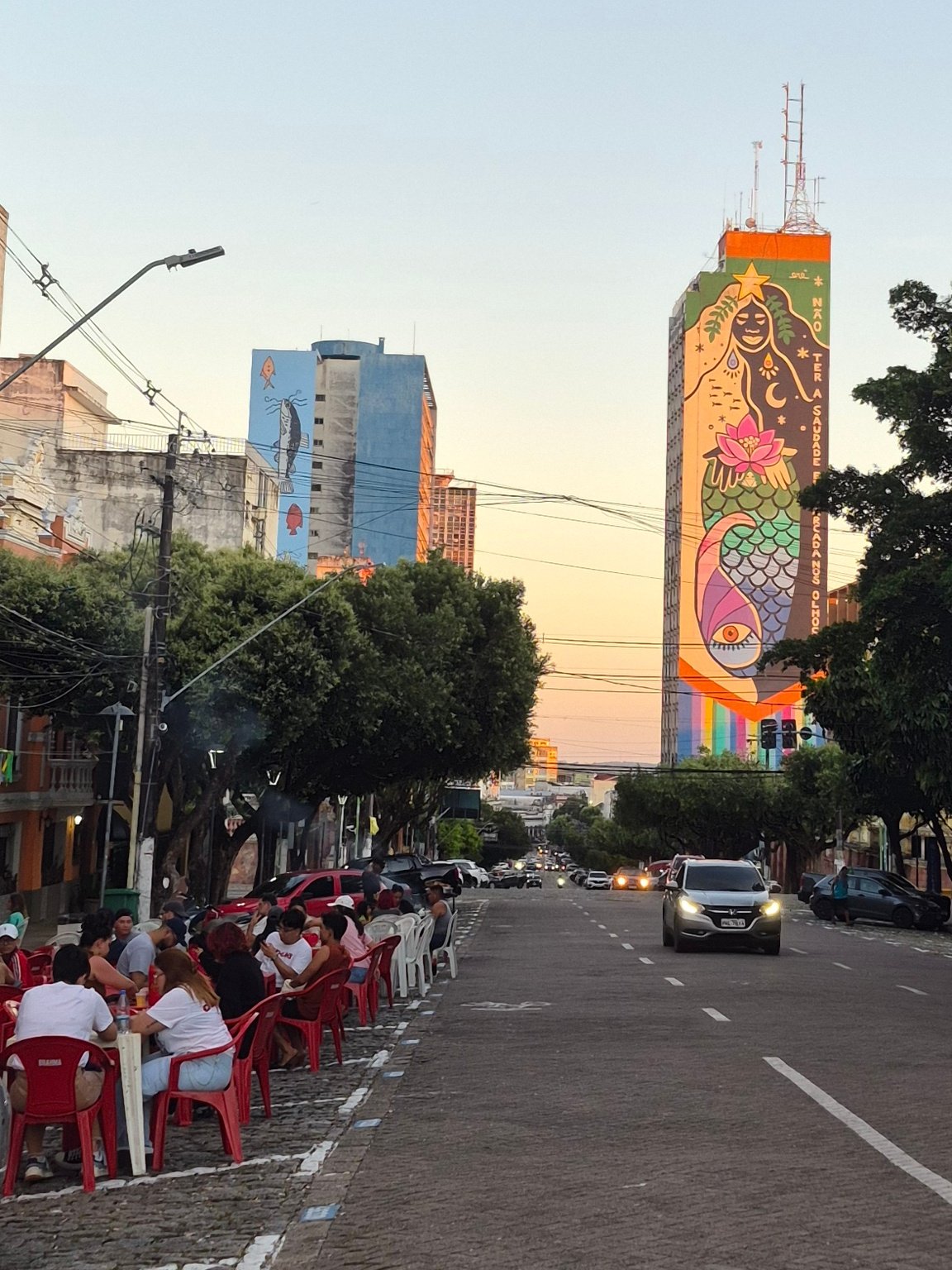
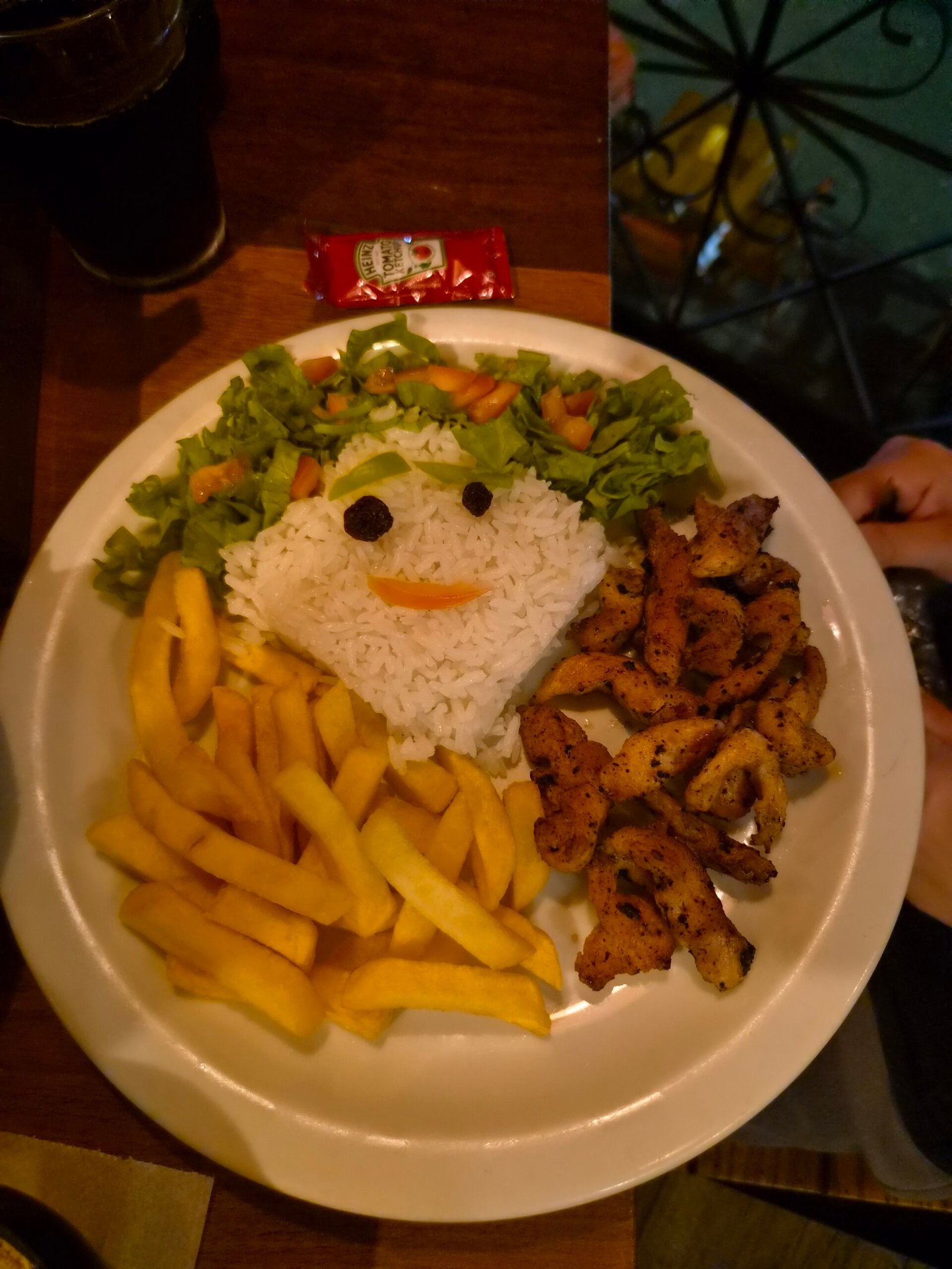
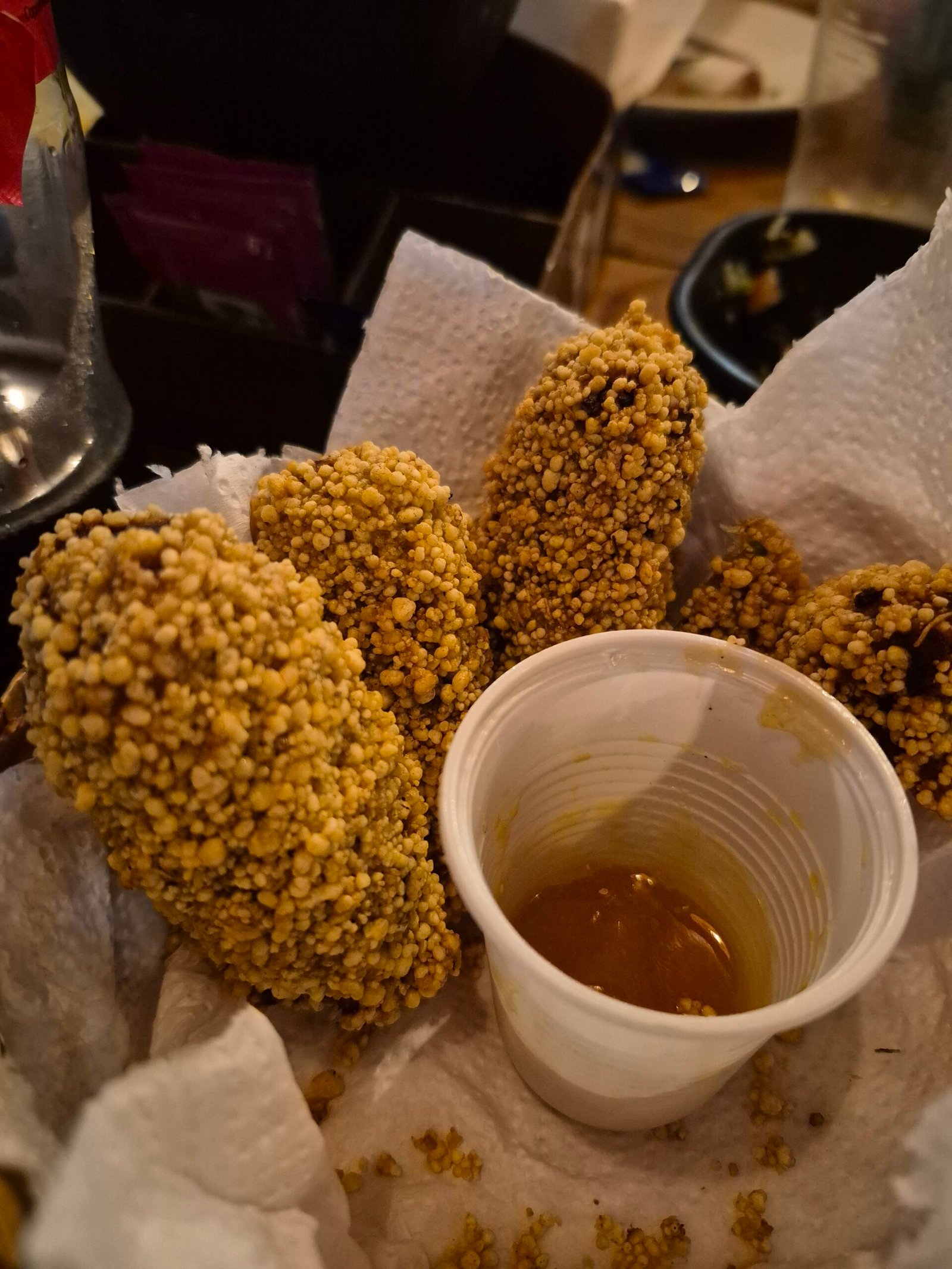
The flight to Manaus took just under four hours. As soon as we stepped off the plane, we could certainly tell that we had got considerably closer to the equator. The weather was really hot and humid! We booked a ride to our Ibis hotel, and after checking in, we set off to find some place for dinner. We ended up on the terrace of a local restaurant in the centre of Manaus, marvelling at the Saturday evening bustle and perusing the menu. The menu was brought to us in both English and Portuguese, but the English version wasn’t much help, as the names of the dishes were practically the same in both languages. Jaana thought she’d ordered fish, just like Marko, but ended up with some sort of sticks and a dipping sauce. The waiter did claim the dish contained fish, but it certainly didn’t taste of it. The meal didn’t cost much, as food and drink for the four of us came to around €30.
Risto’s children’s portion was a pleasant surprise.
These are Jaana’s mysterious bars, which may have contained fish.
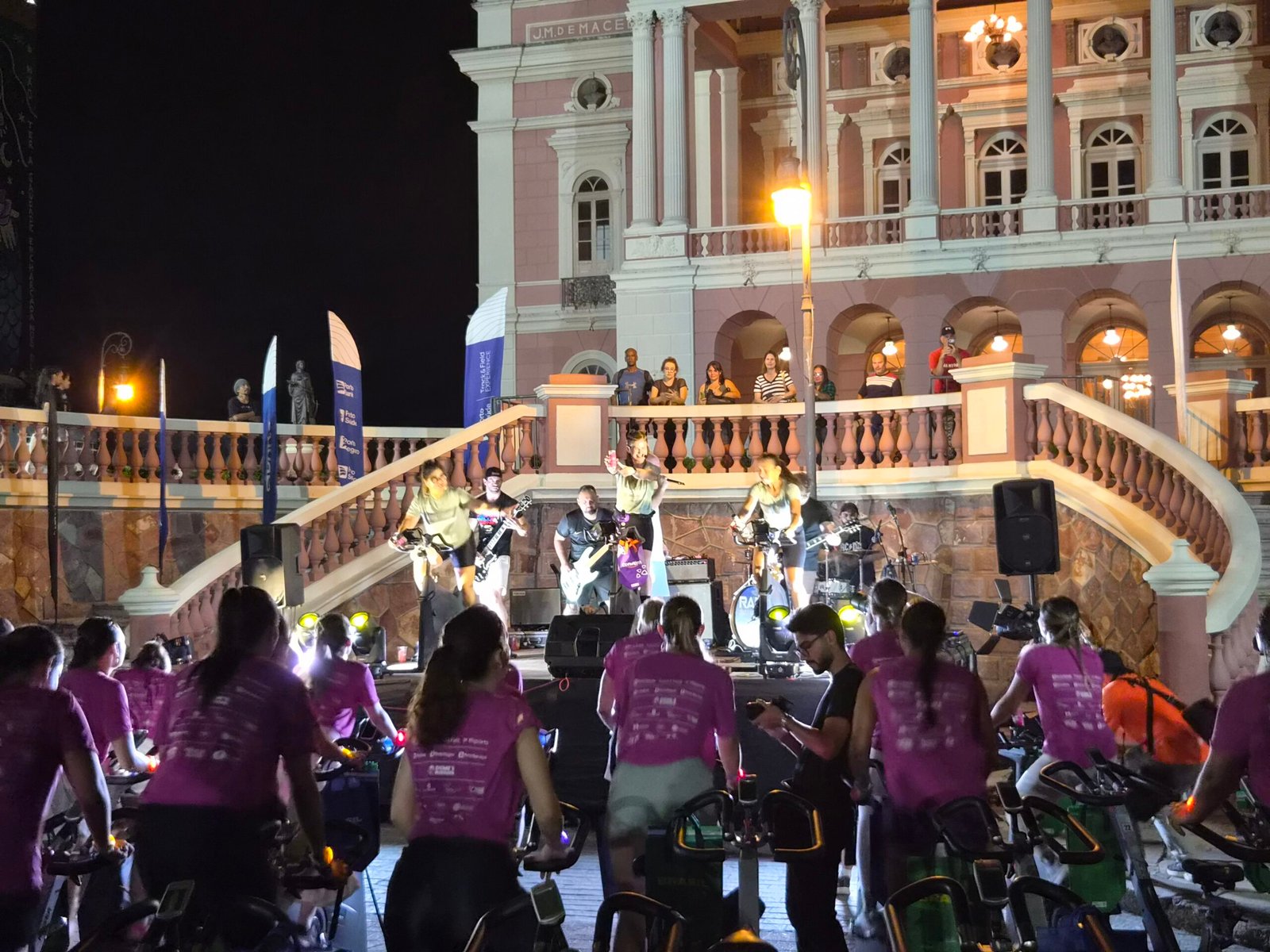
After our meal, we went to see what was actually going on in the square next to the restaurant, as loud music could be heard all the way into the restaurant. We thought there might be some sort of gig going on, but when we got there, we realised it was an outdoor spinning class accompanied by a live band. To be honest, we wouldn’t even have considered doing spinning in that heat, even though there were huge fans blowing behind the cyclists.
The next morning, just before seven, we were picked up for a trip to the Amazon rainforest. Over breakfast, we told the children a bit about what to expect from the upcoming four-day trip. “All your trips are just roughing it out! How come this doesn’t surprise me at all?” was Ronja’s comment when she heard what was in store.
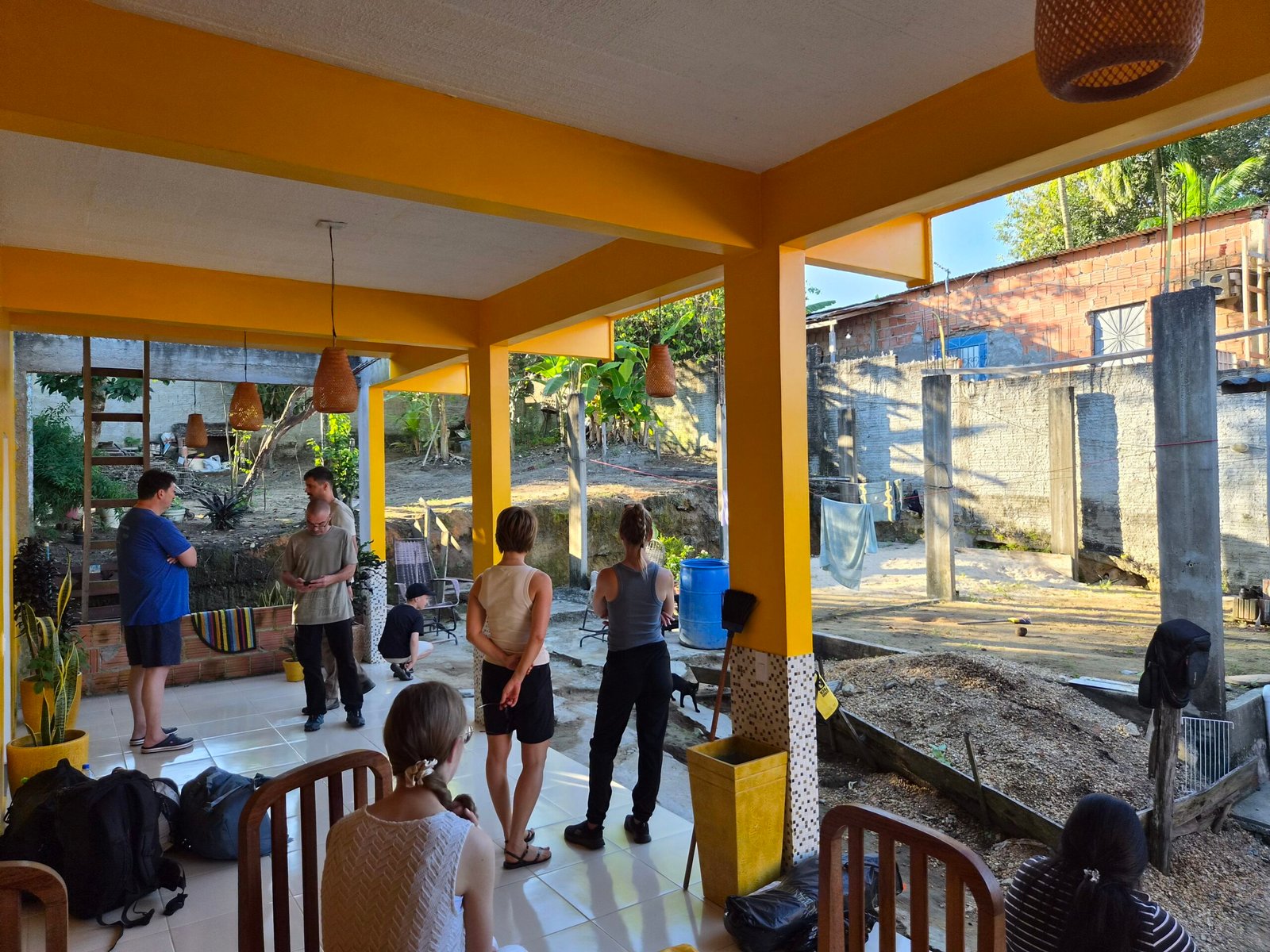
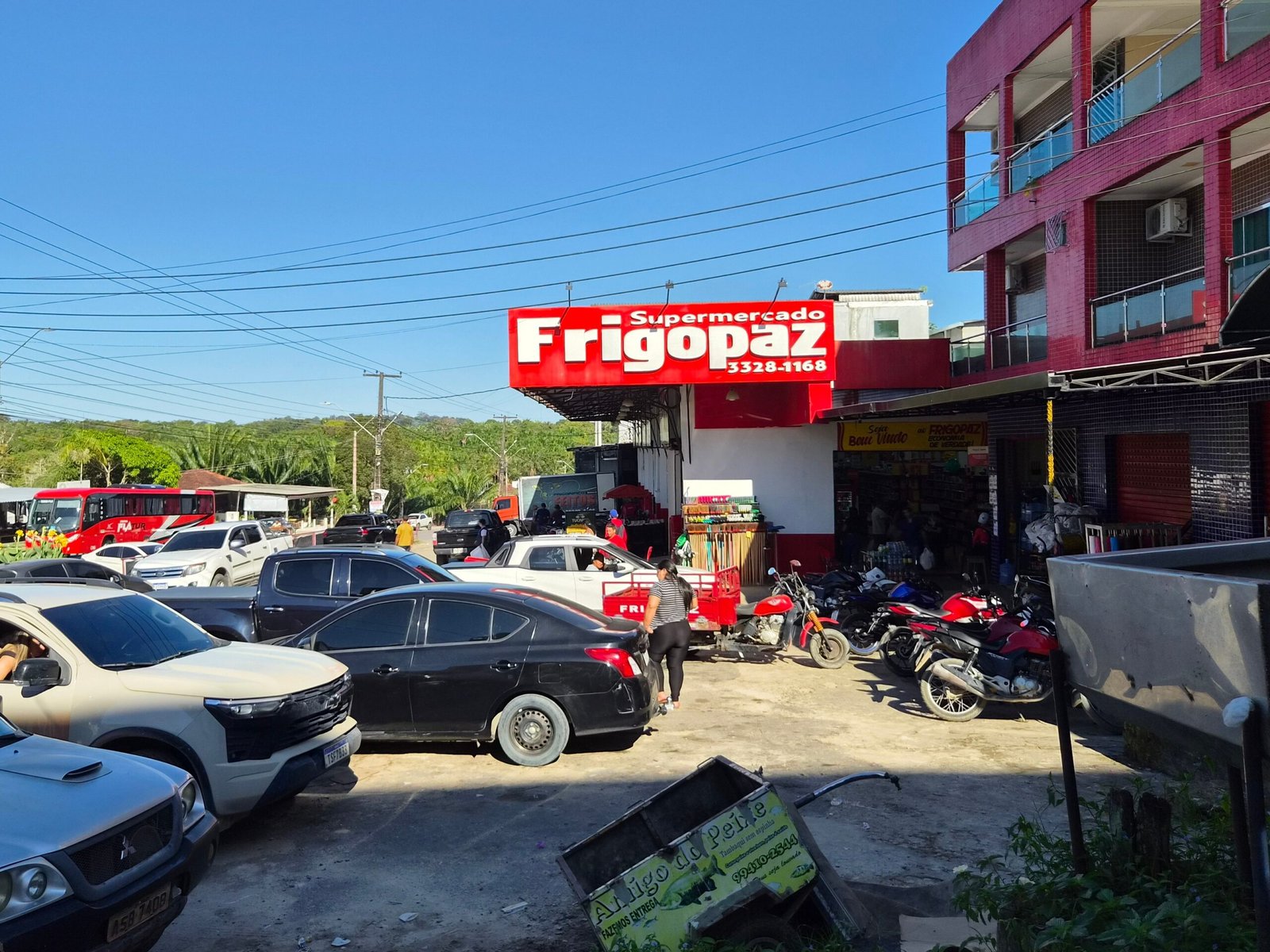
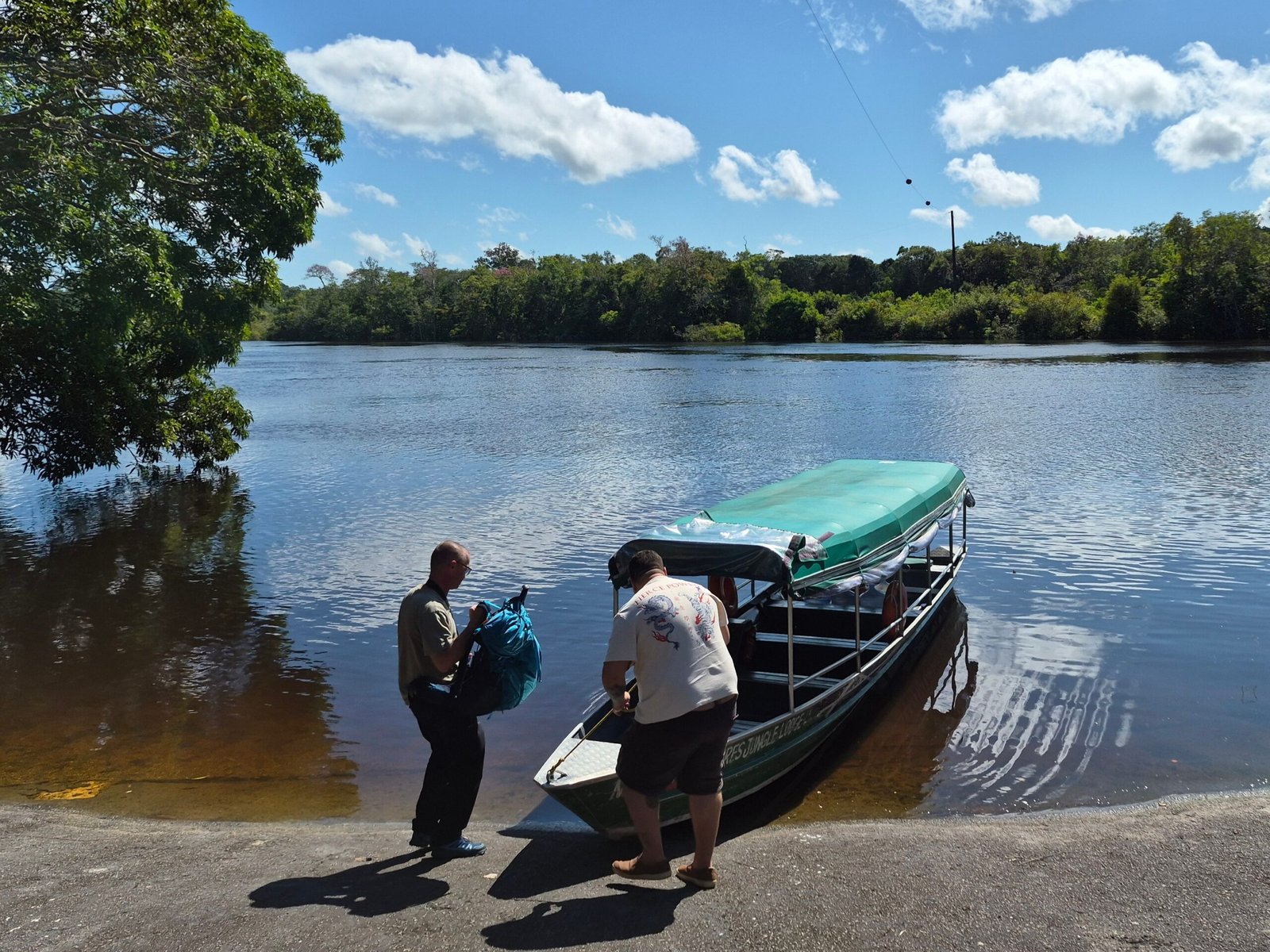
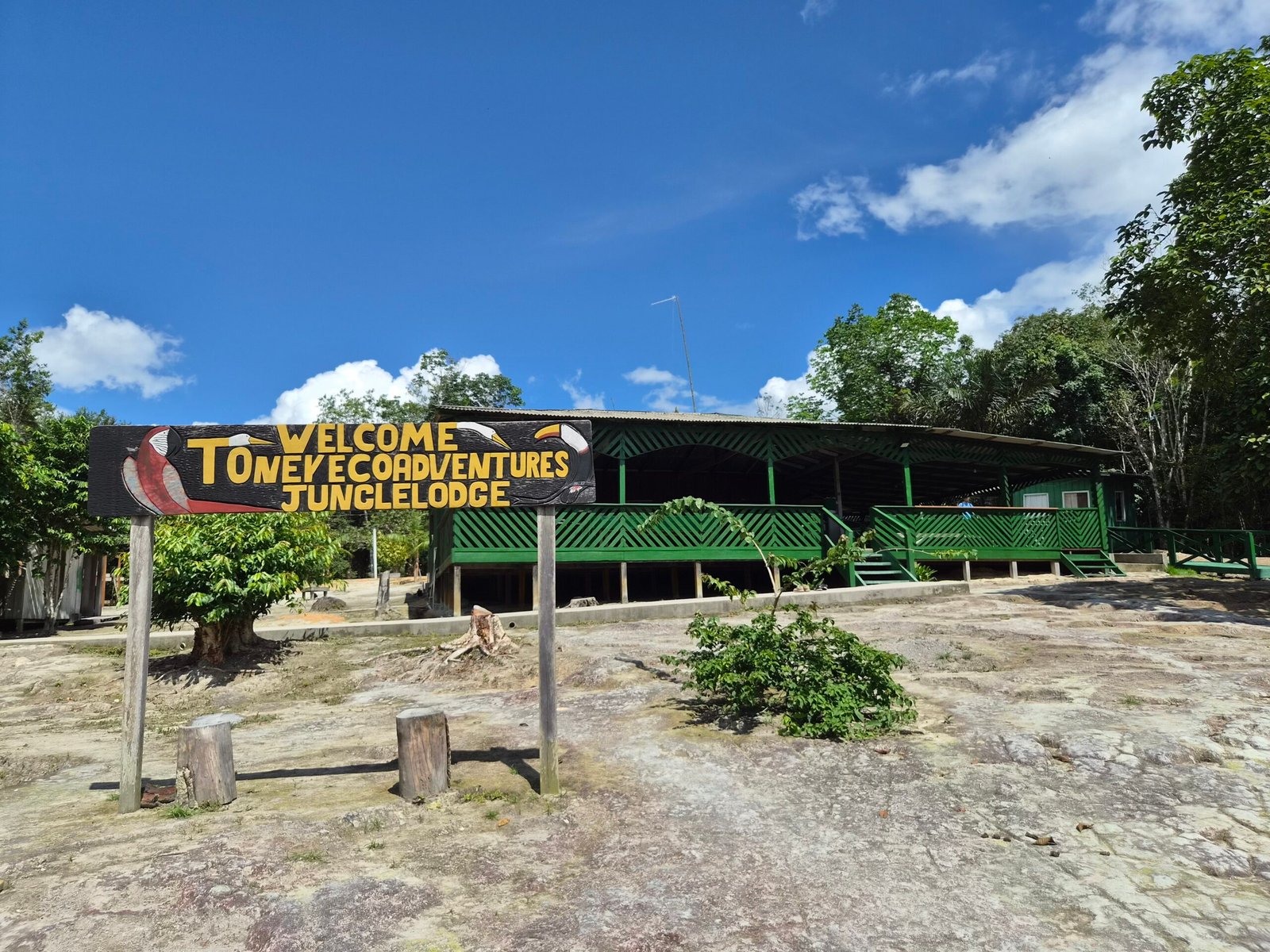
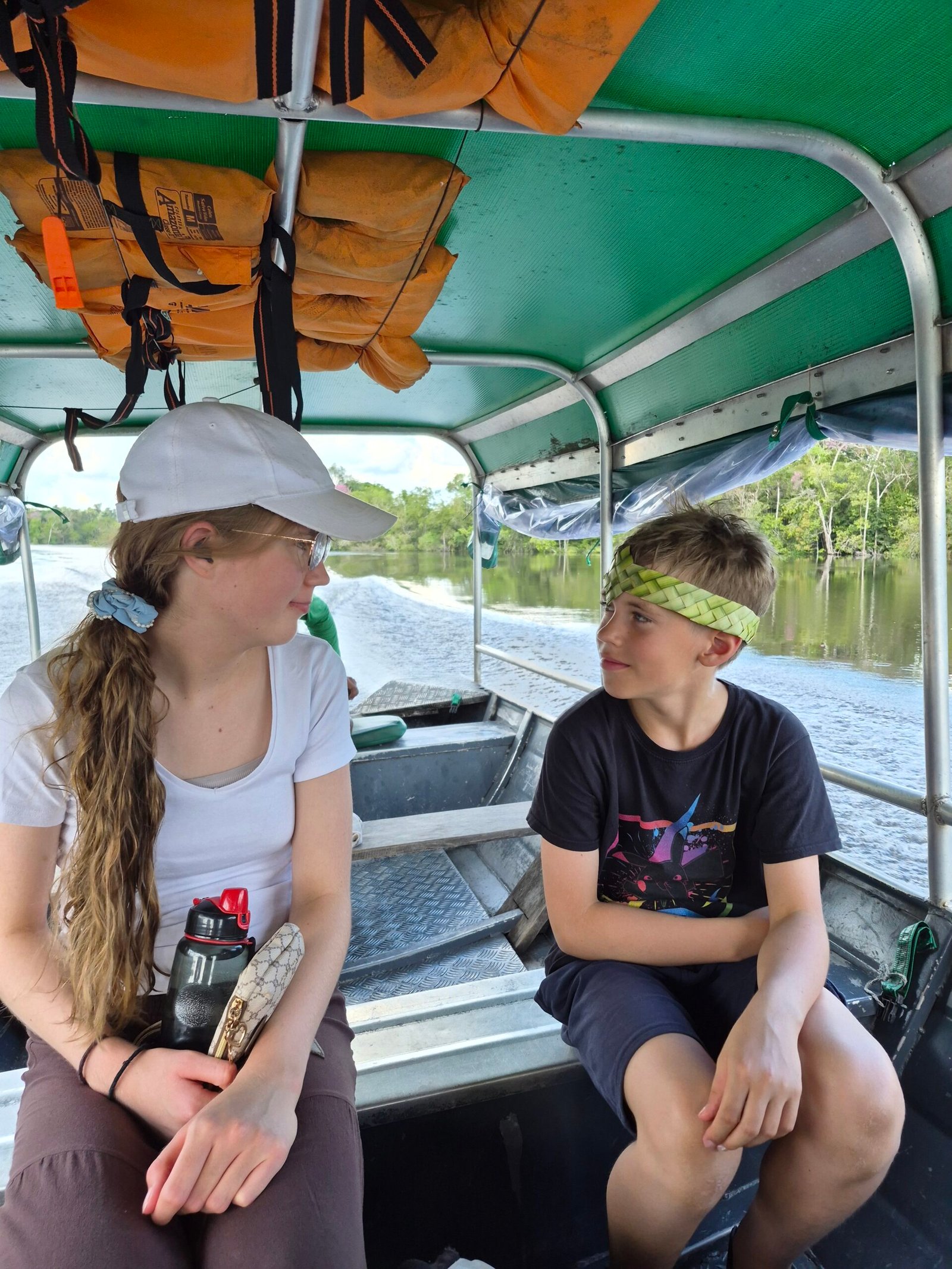
First, we drove to the ‘office’ of the tour organiser to pay the balance for the trip. The office turned out to be a sort of house, where customers were received in a side room. We, along with a group of Hungarian divers, went to pay for our trip, after which we continued our journey towards the Amazon. First, we drove for two hours – with a stop for shopping and a toilet break – to the riverbank, from where the journey continued by a small motorboat for 45 minutes to Ney Ecoadventures’ accommodation deep in the rainforest.
One wouldn't find the company’s office on the outskirts of Manaus all by themselves.
You could also have bought items such as jungle knives and rubber boots from the local K-market.
Here we’re playing the ‘The ship is loaded’ game with our belongings. We’d actually been given packing instructions for the trip, but even so, a change of clothes for four people for four days didn’t really fit into a very small space. Our Hungarian travelling companions (pictured) had slightly smaller bags.
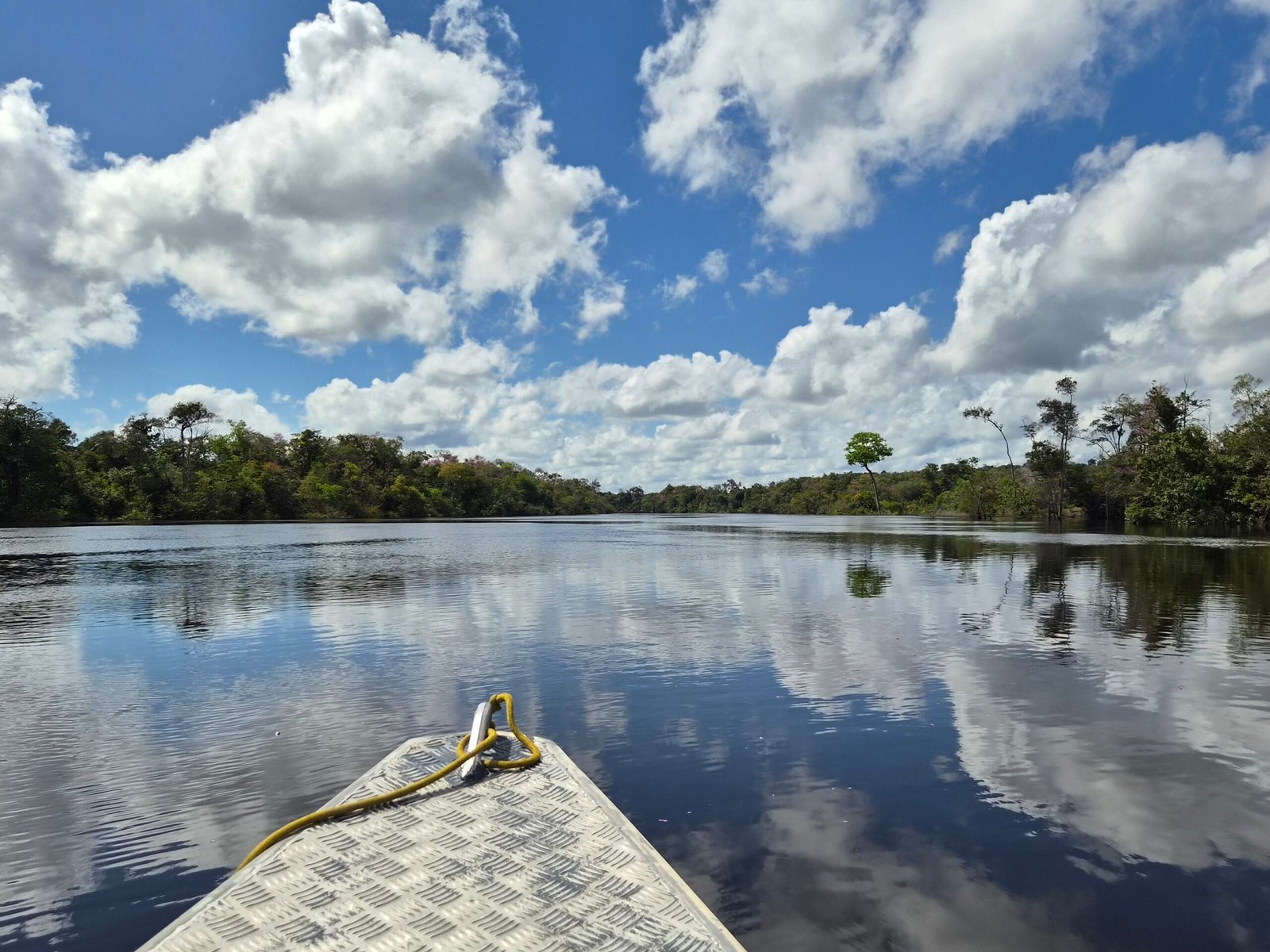
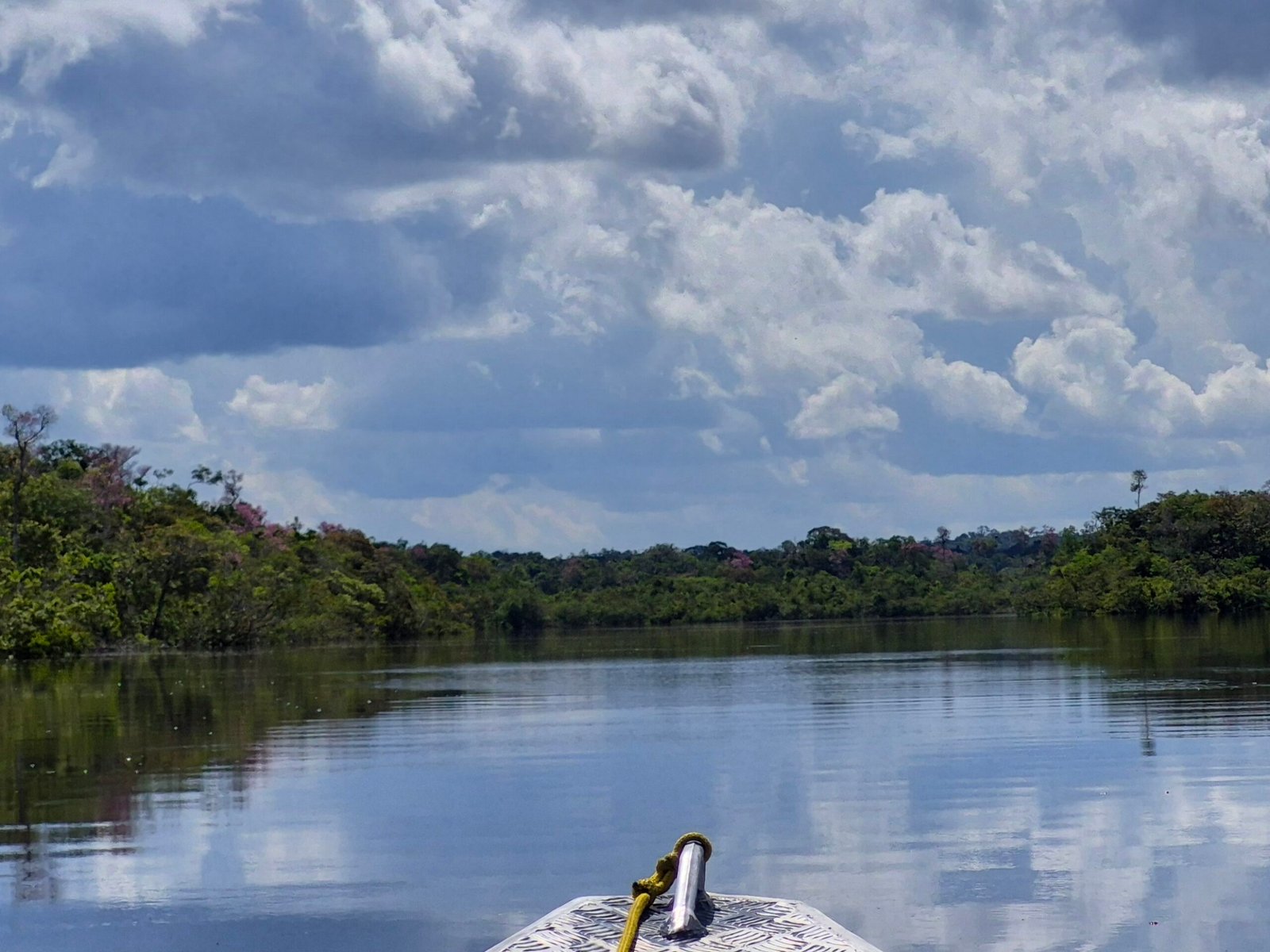
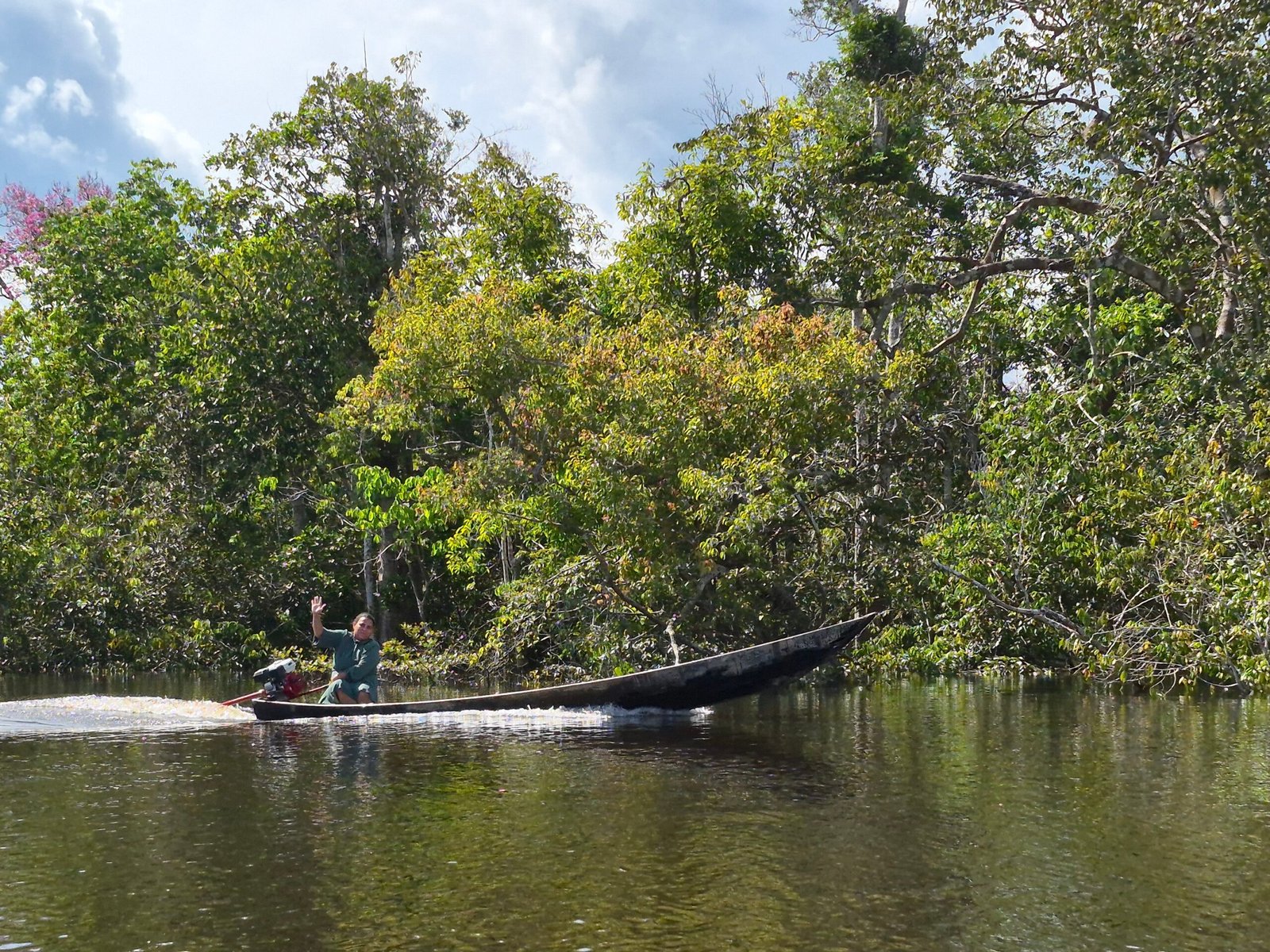
There was hardly any other traffic on the river.
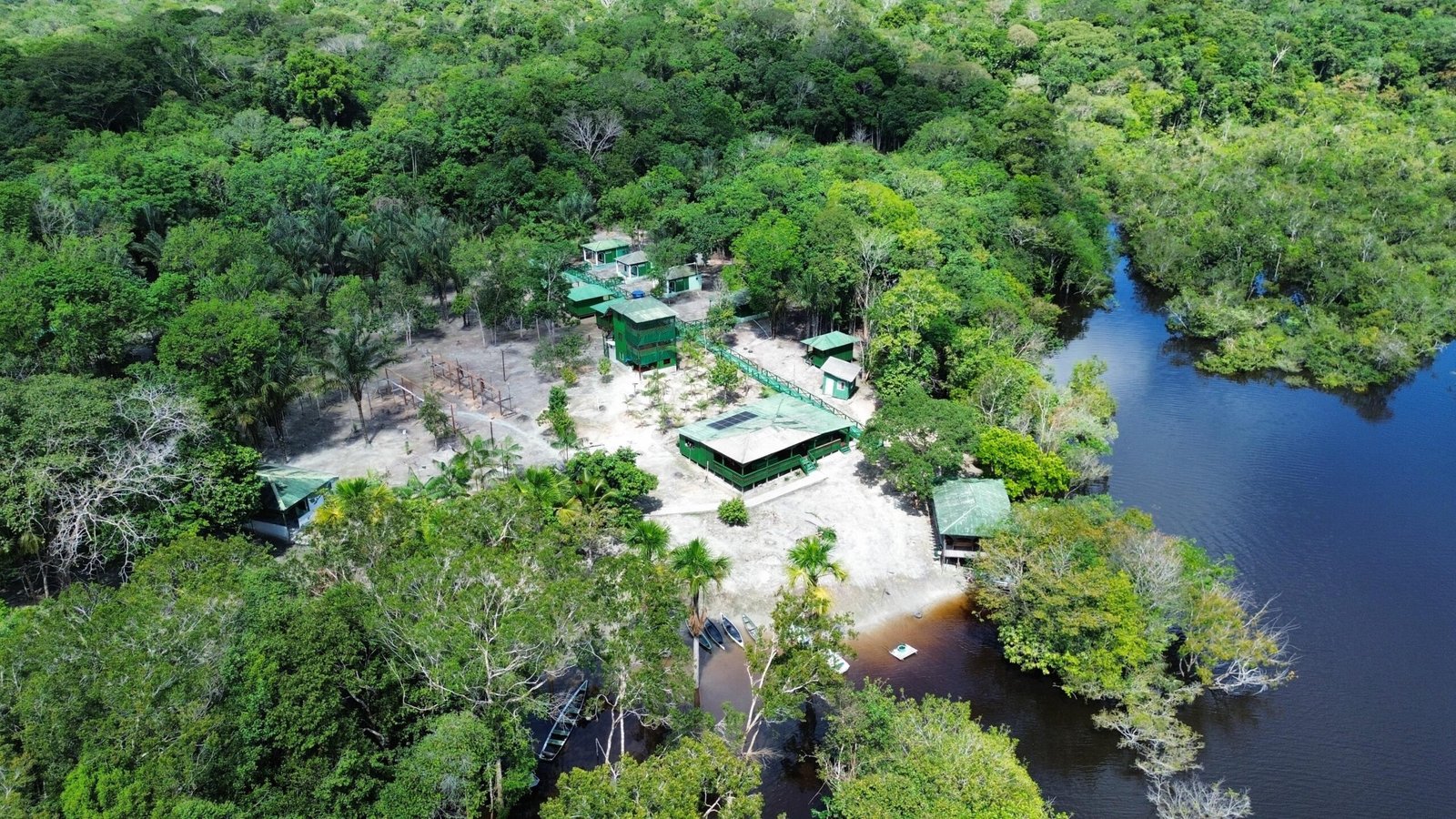
To our surprise, the area was much better equipped than we’d imagined. We were able to stay in a small cottage, where we had a double bed, a bunk bed and a toilet. There wouldn’t really have been room for much else in the cottage anyway. The cottage had heated up so much in the midday heat that we certainly didn’t fancy spending a single extra moment there during the day. That’s why we wouldn’t have needed any larger living areas there. A couple of coat hooks, or even some sort of shelf for our things, would certainly have been a welcome addition to the décor.
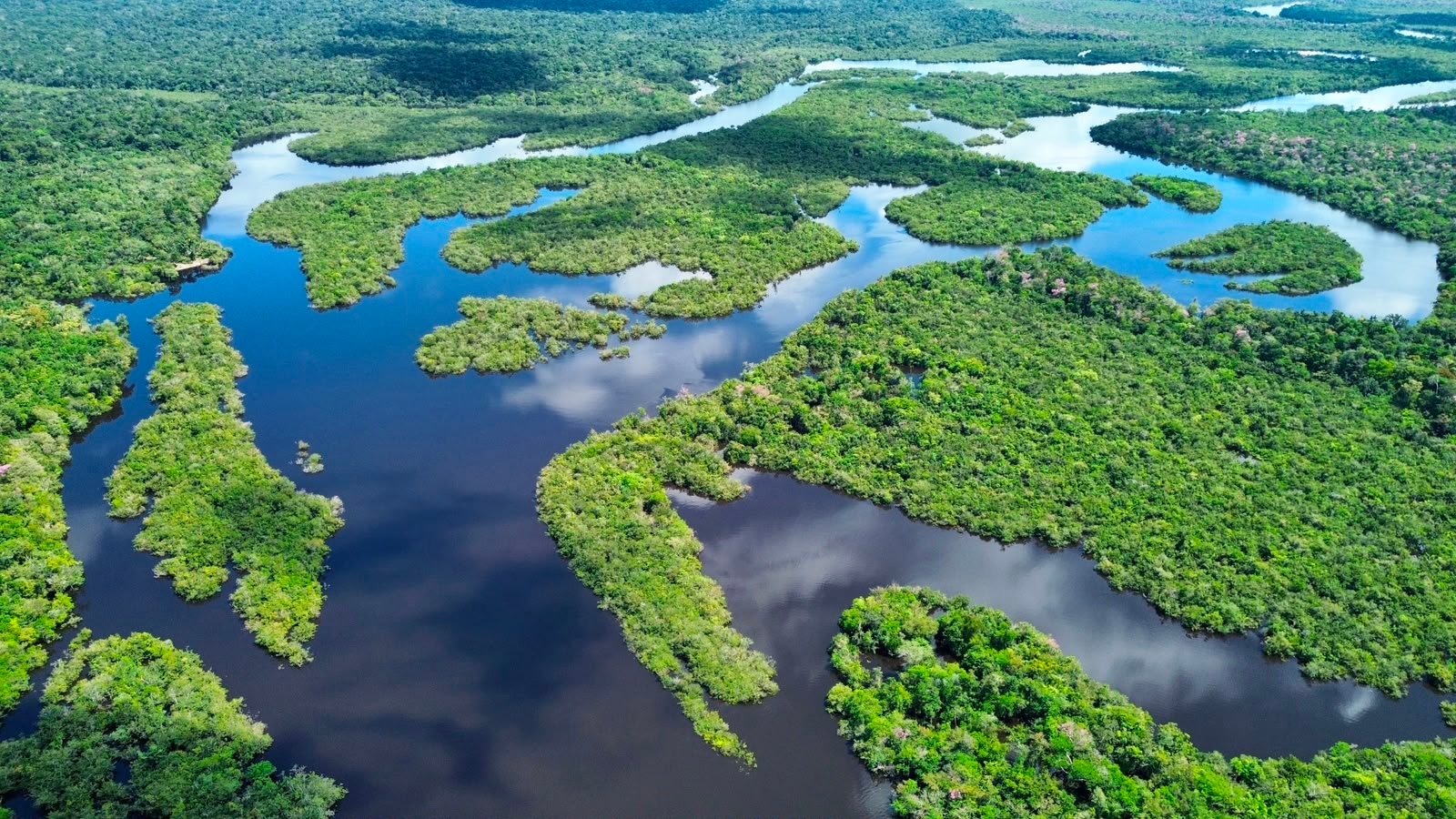
A Spanish woman had a drone with her, which she flew over our accommodation. She sent us a few of the videos and photos she’d taken. Here are a few of them.
Our favourite spot at siesta time
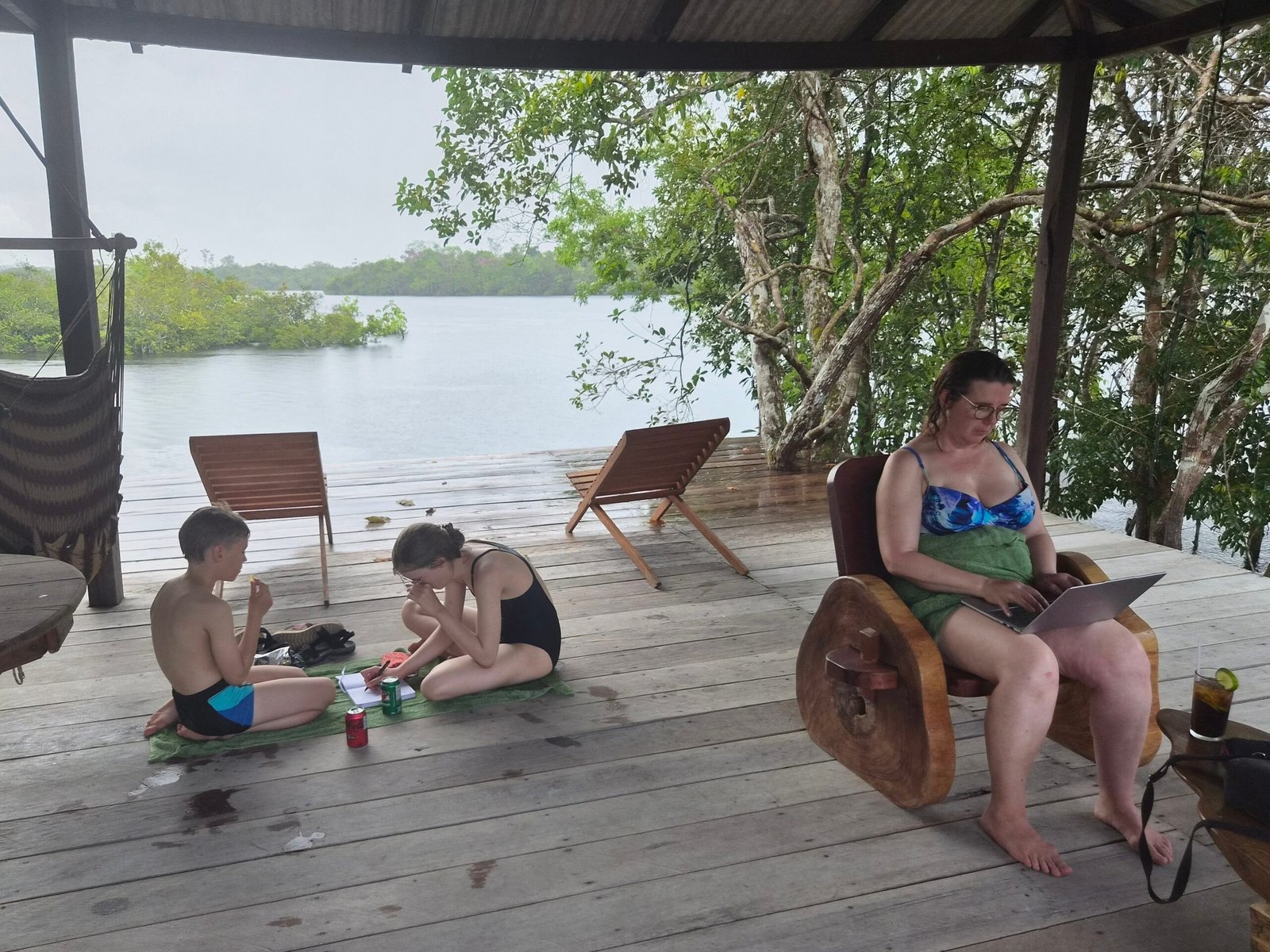
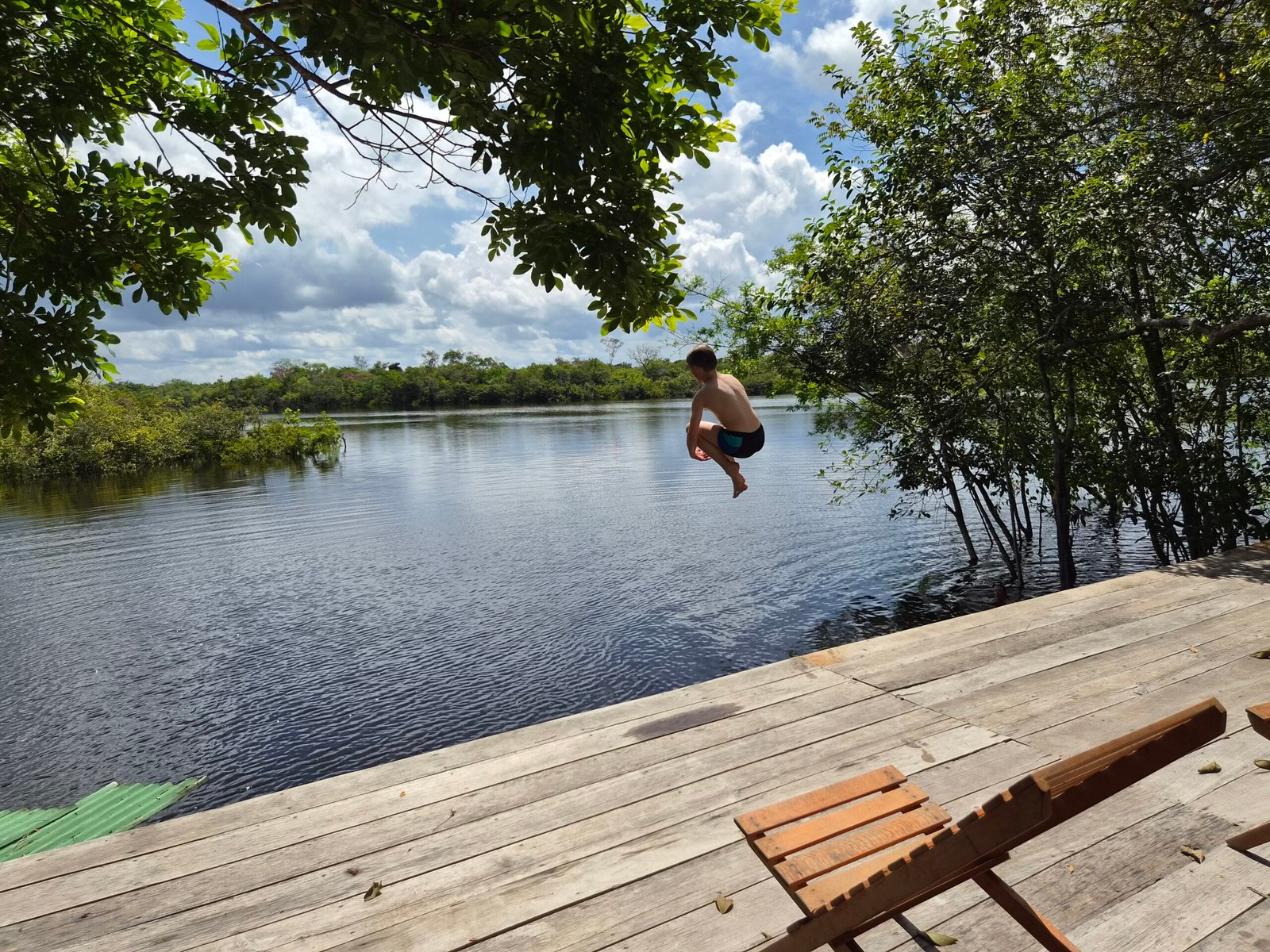
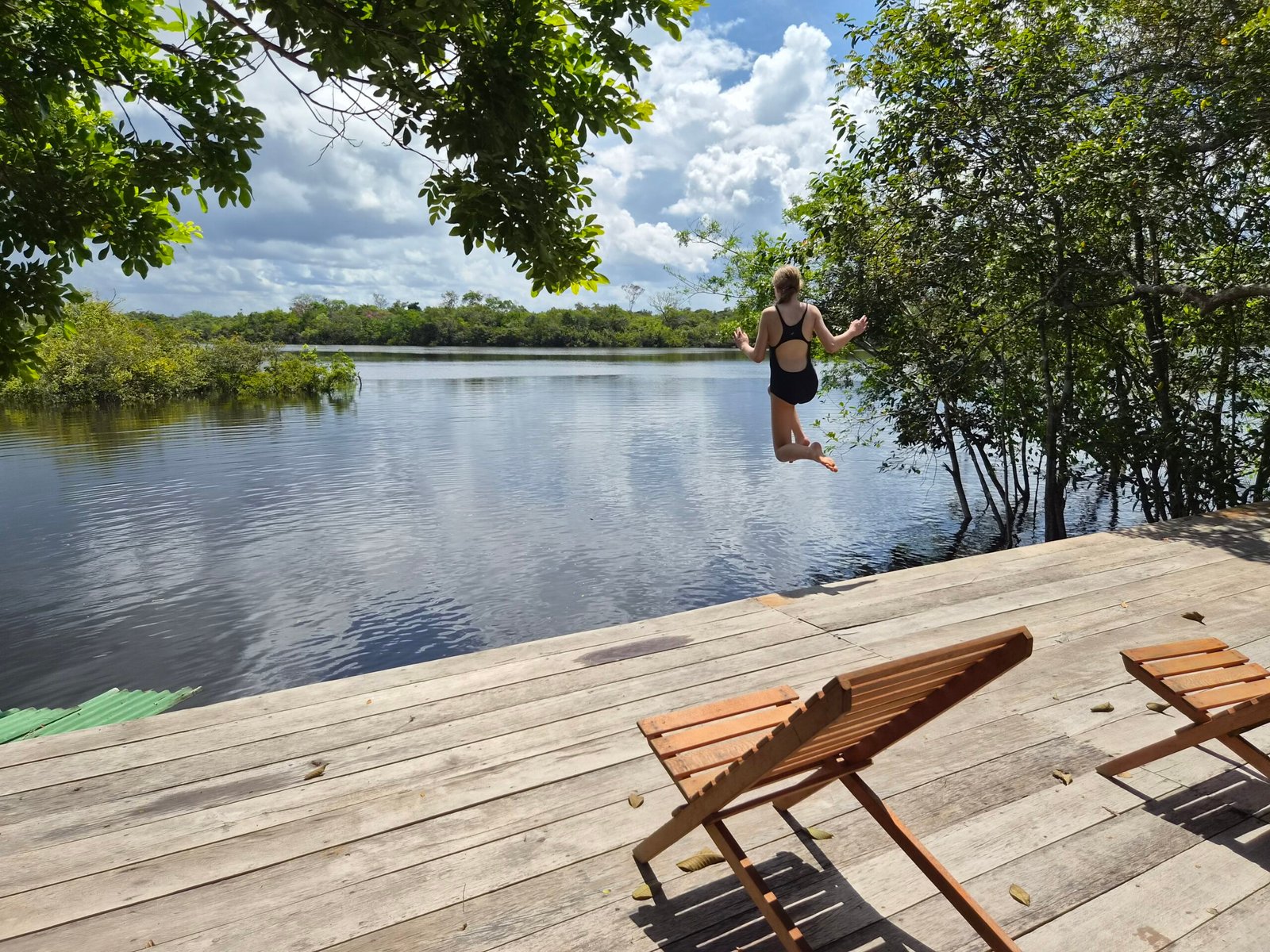
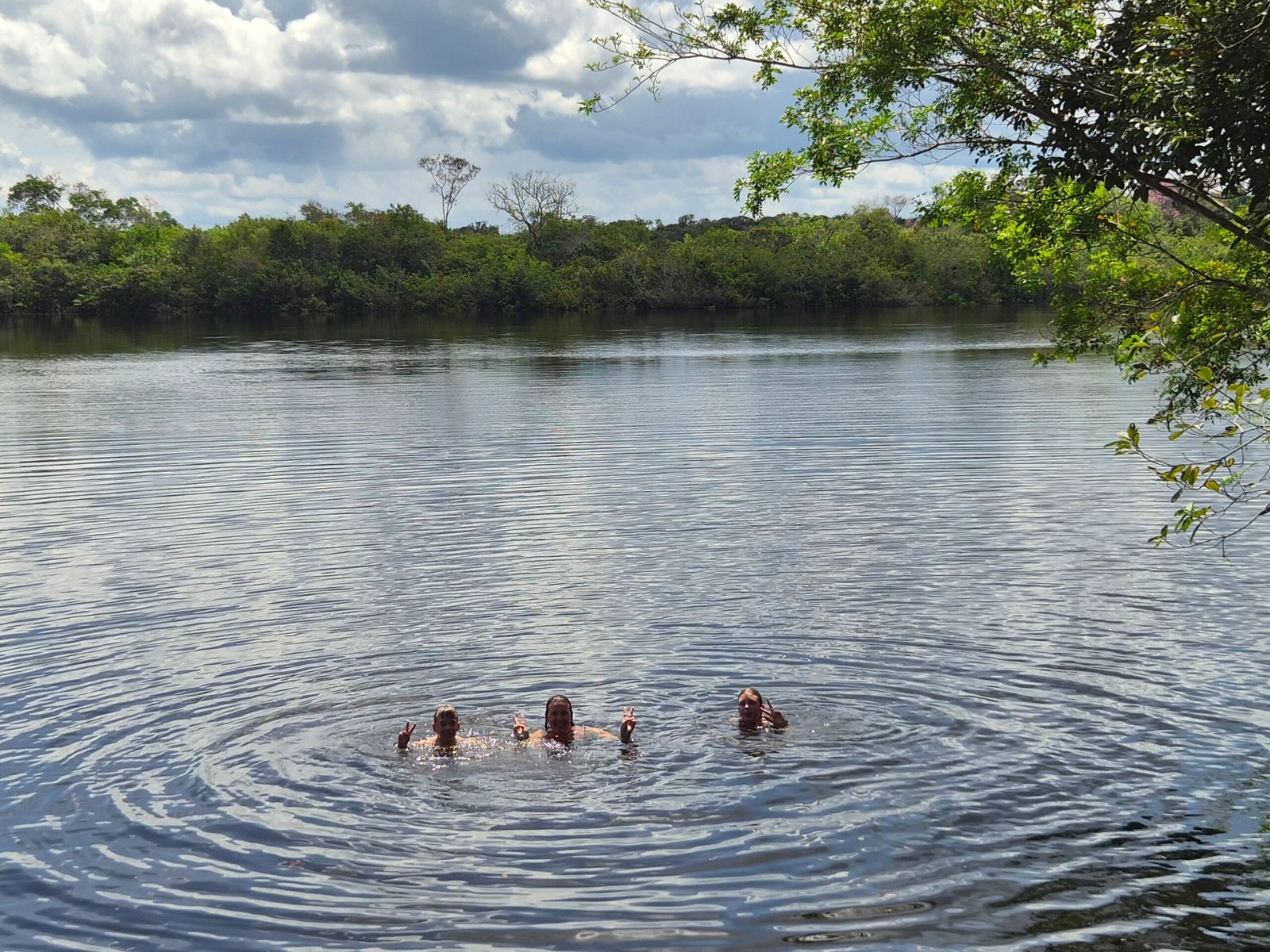
Every day also included a swim and writing the blog.
At least in our experience, it was perfectly safe to swim in this part of the river.
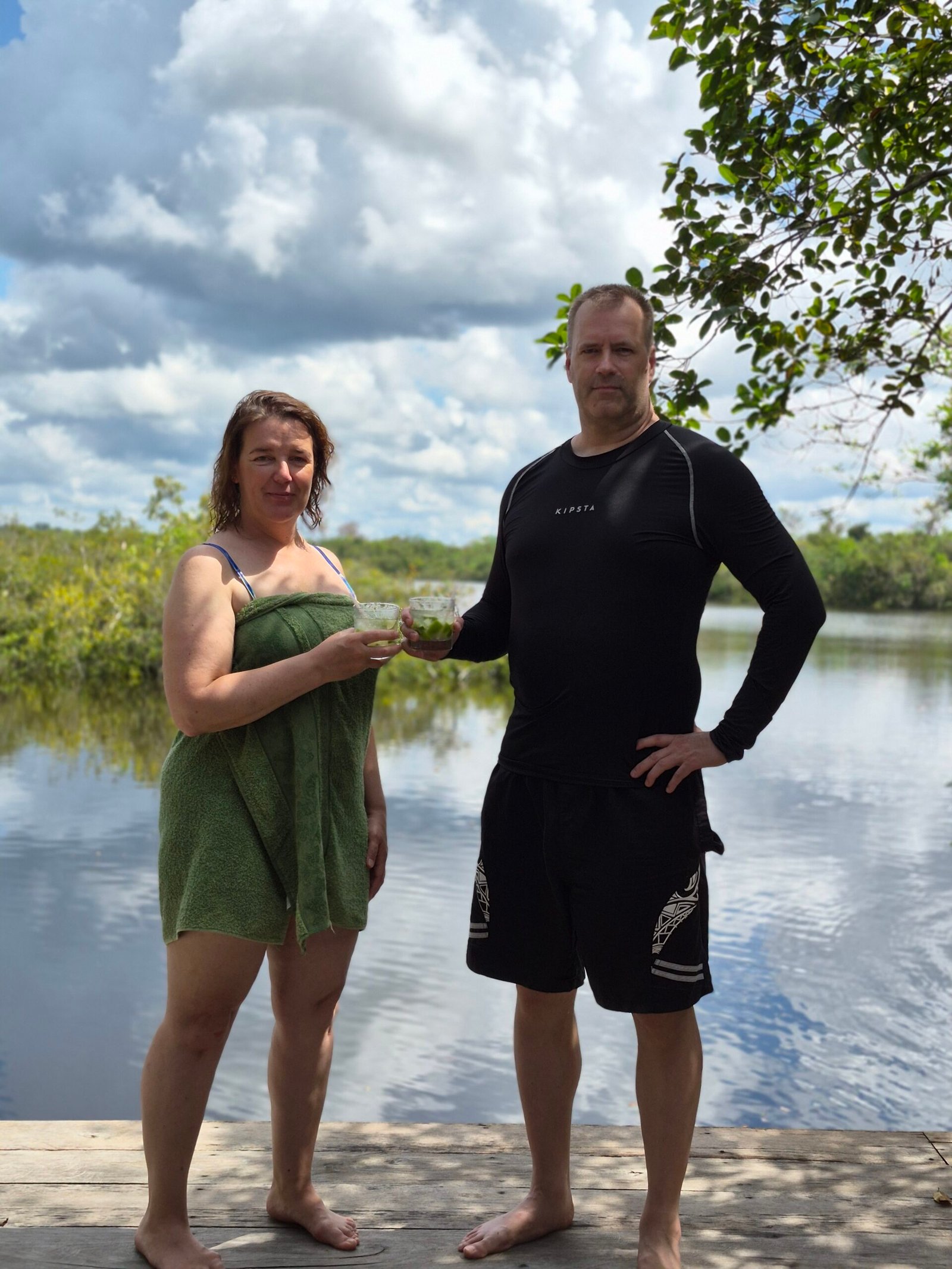
The two-euro caipirinhas were the parents’ go-to drink after a swim.
There was a restaurant area on the premises where we were served breakfast, lunch and dinner every day. You could have spent time there during the hottest part of the day. We, however, usually ended up sitting on the covered terrace by the riverbank, from where you could jump straight into the river for a swim. We were assured that there were no caimans, piranhas or anacondas in this part of the river. So we all plucked up the courage to go for a swim on the very first day, straight after an incredibly delicious lunch. The highlight of the lunch, in our adults’ opinion, was the fried tambaqui fish, which can grow to well over a metre in length. Ronja particularly enjoyed the various fruits, whilst Risto mainly ate spaghetti and rice.
The food was absolutely delicious every day. We ate plenty of tapioca in all sorts of forms every day.
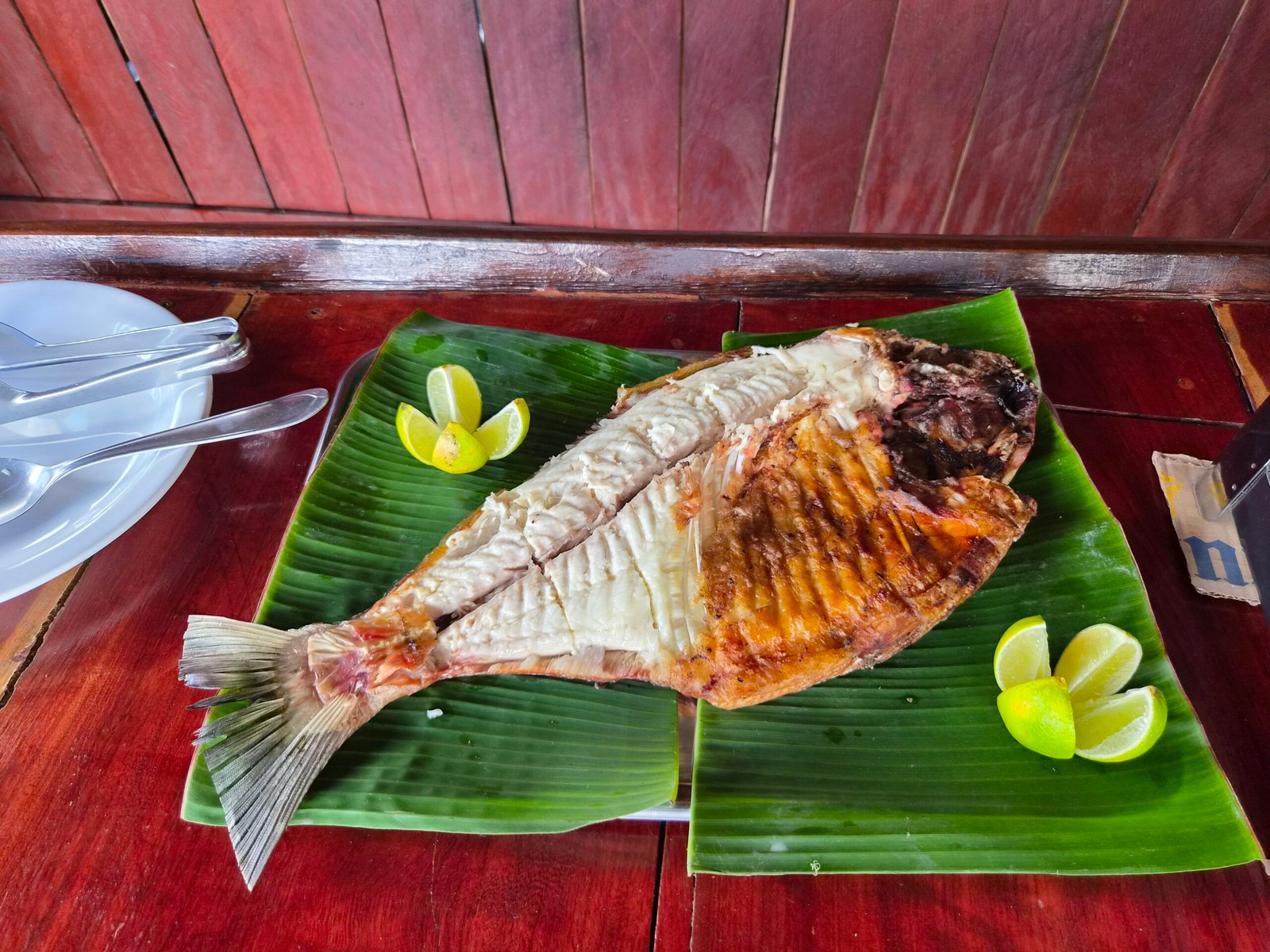
Another regular treat was fried tambaqui fish.
The daily schedule at the resort was the same every day; only the activities varied. Breakfast was at 7:00 every day, lunch at noon, and dinner at 19:00. After lunch, we always had a 3-hour siesta before the main activities resumed. On the first day, the program included a 3-hour boat ride on the river after lunch and the siesta, during which we saw many different kinds of birds, as well as a dolphin. We were told that at this time of year, the monkeys are still deeper in the rainforest, since the plants along the riverbank have only just bloomed and the fruits are still developing. On the way back, we also saw the sunset, which was truly beautiful! We returned to our lodging after six, had dinner at seven, and then headed back out to the river once it had gotten dark. Our plan was to spot snakes and caimans along the riverbank. We didn’t see any of the latter, but we did spot a few snakes. The snakes were actually really hard to spot because they blended in so well with the vegetation. Despite that, our guide managed to spot them using a very powerful flashlight.
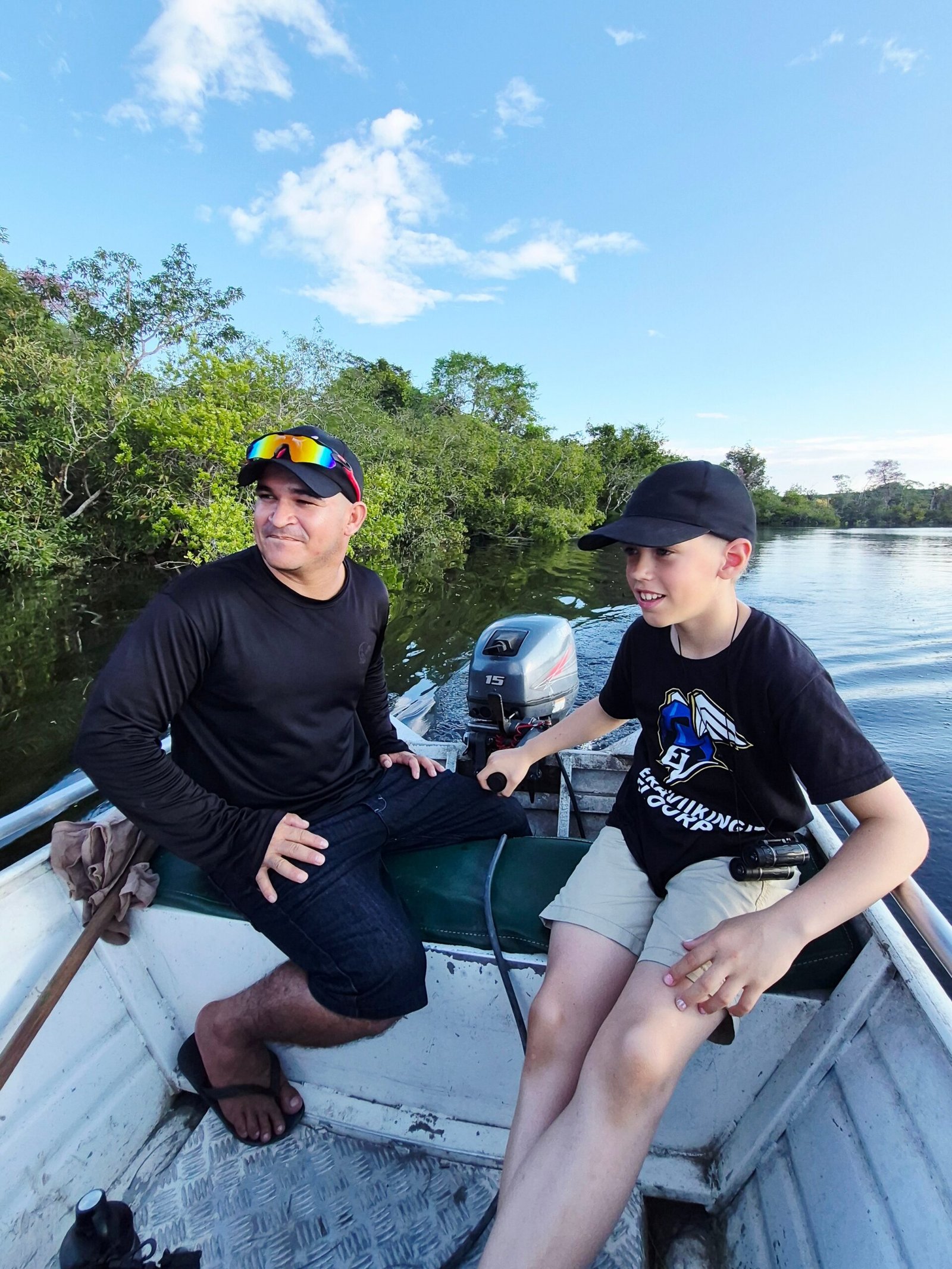
Risto also got to try steering the boat.
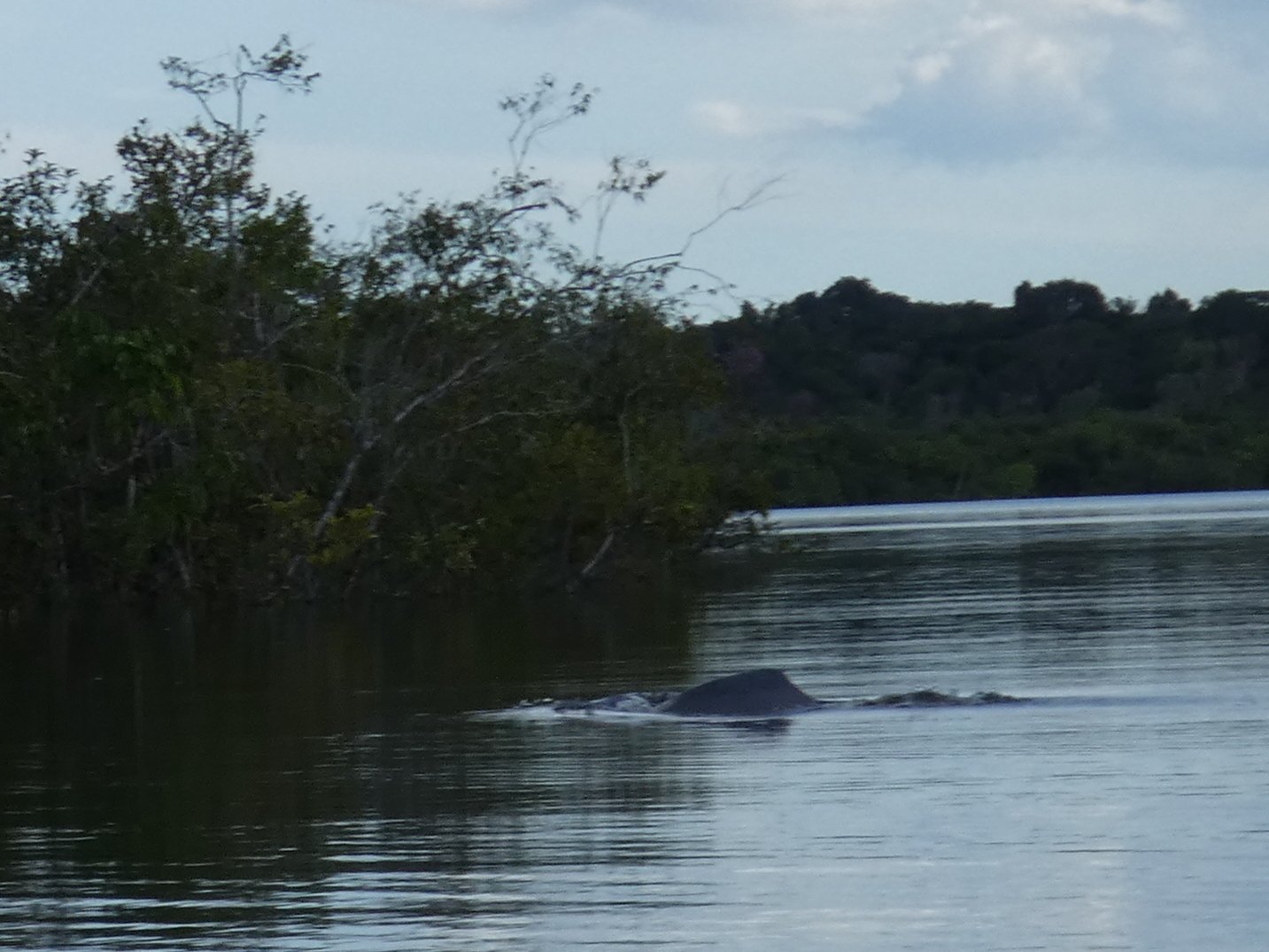
There it is—the Amazon monster, or maybe a dolphin.
There was practically never any wind on the river.
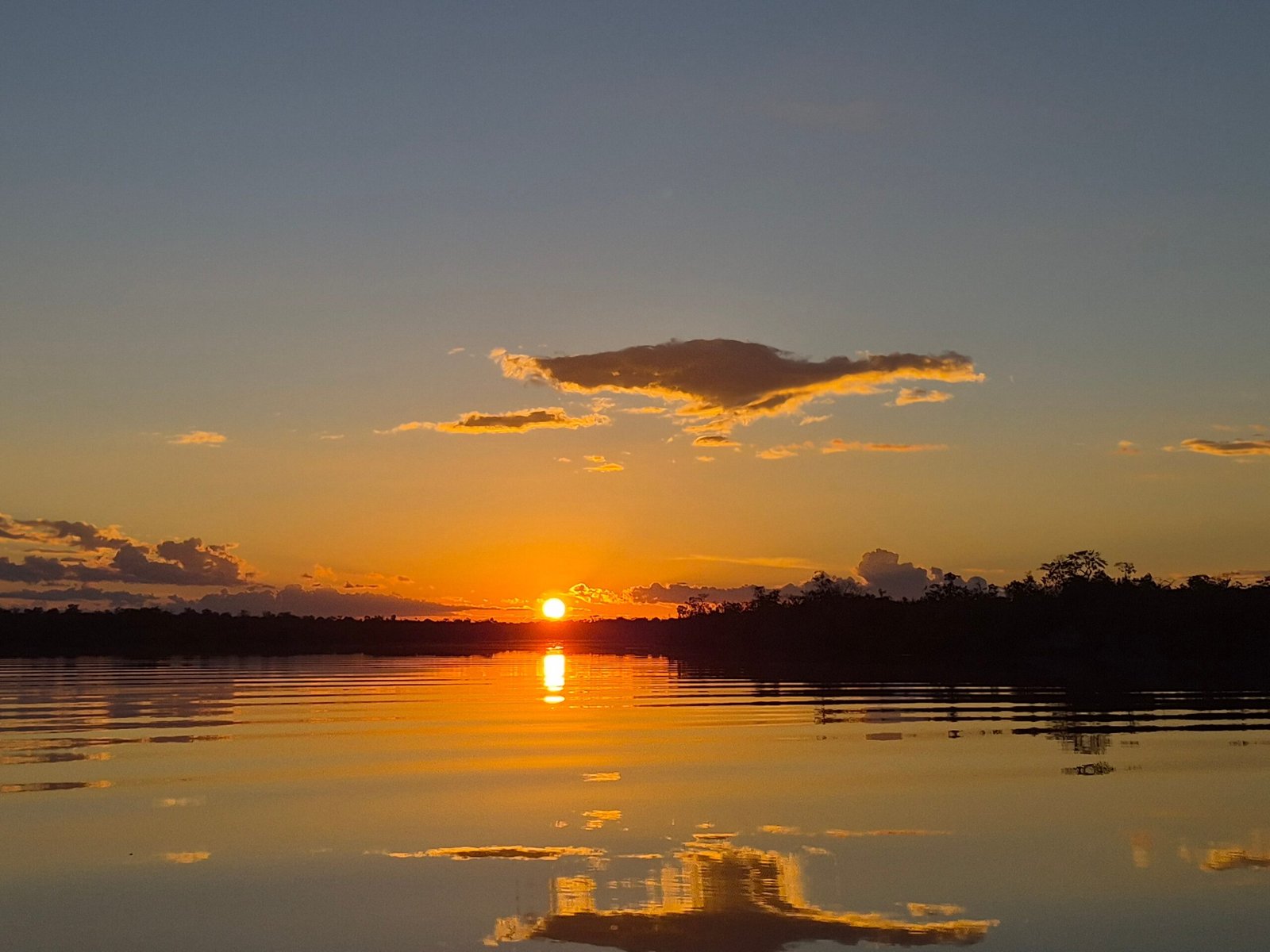
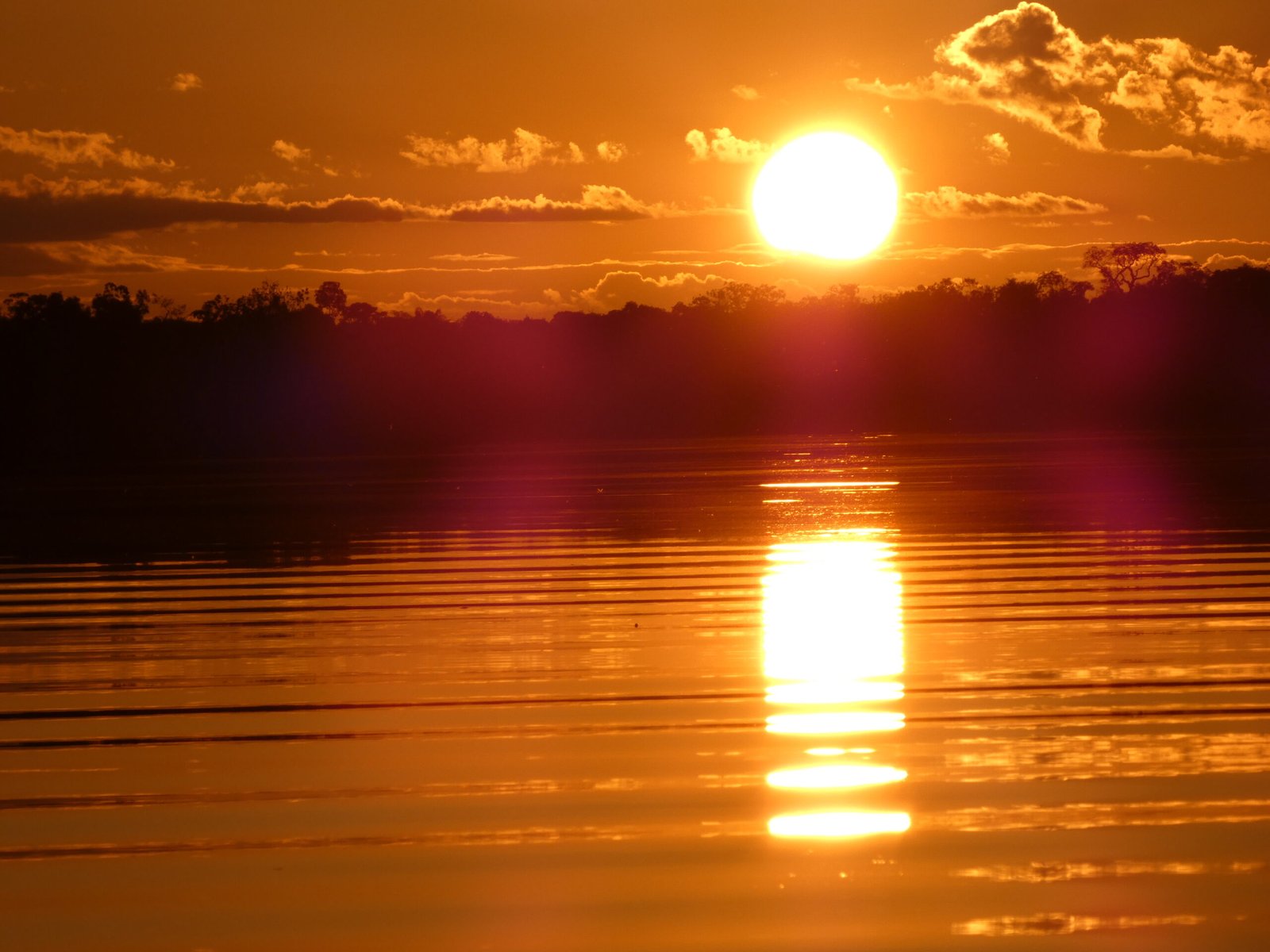
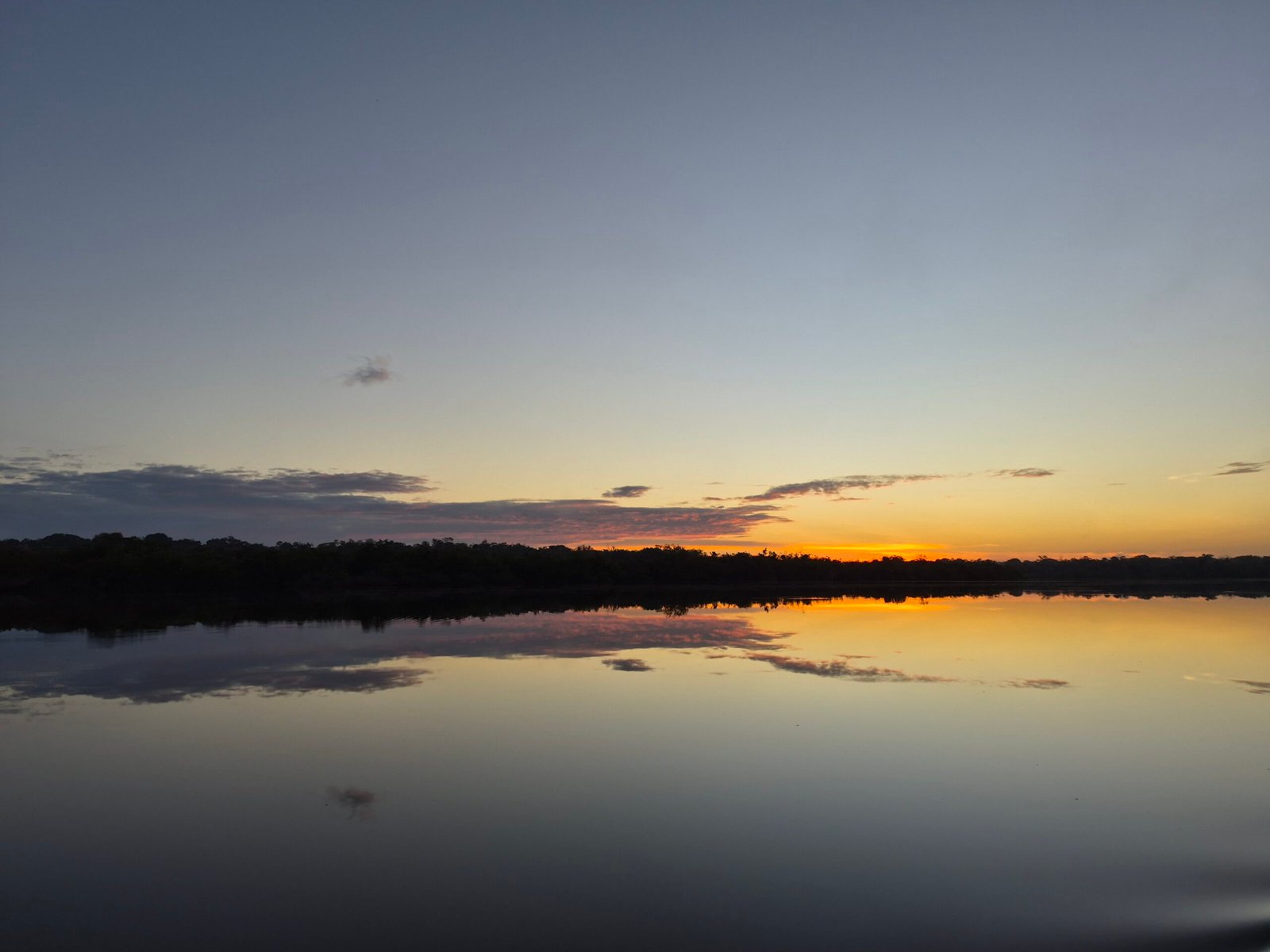
At sunset
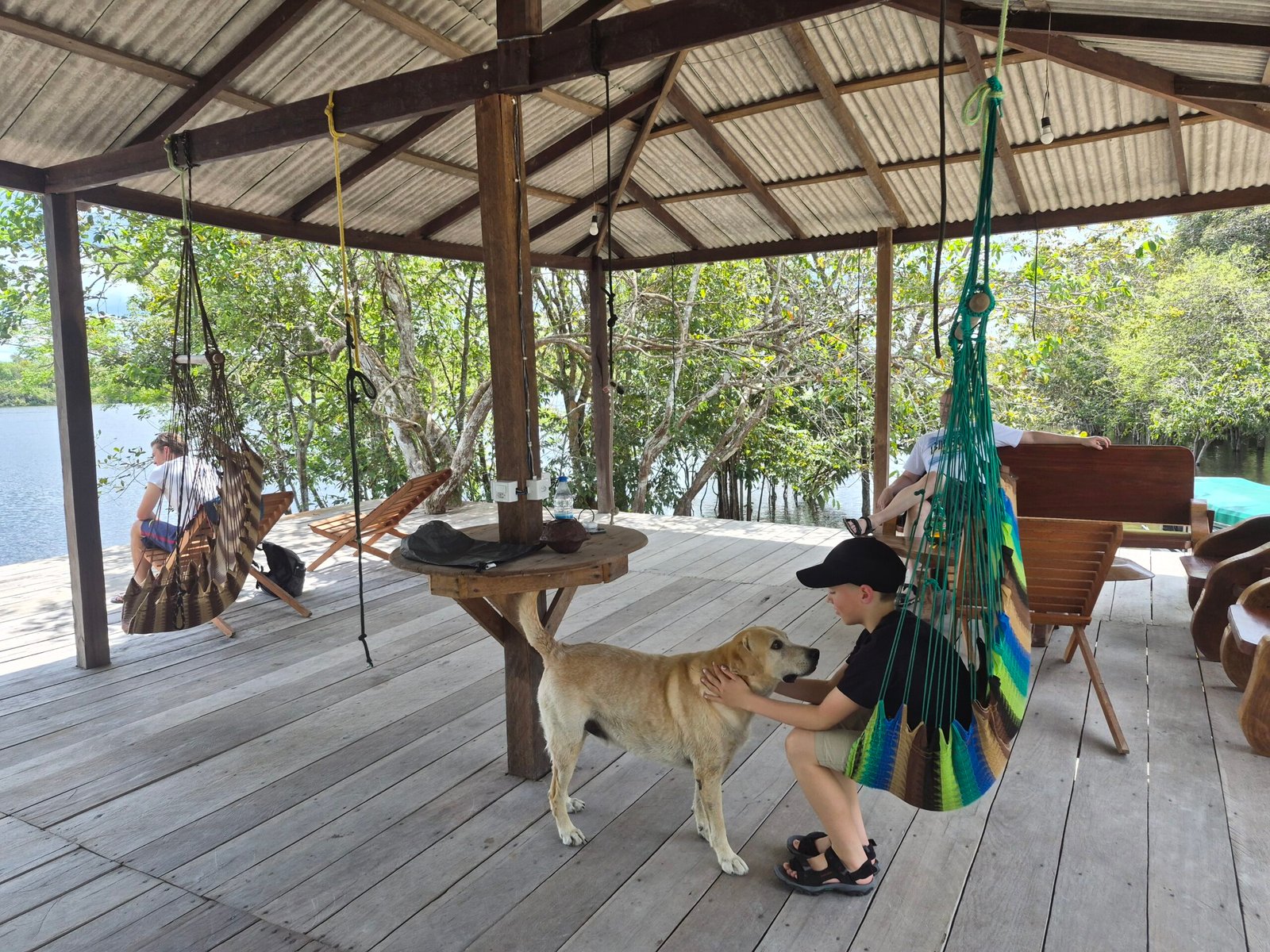
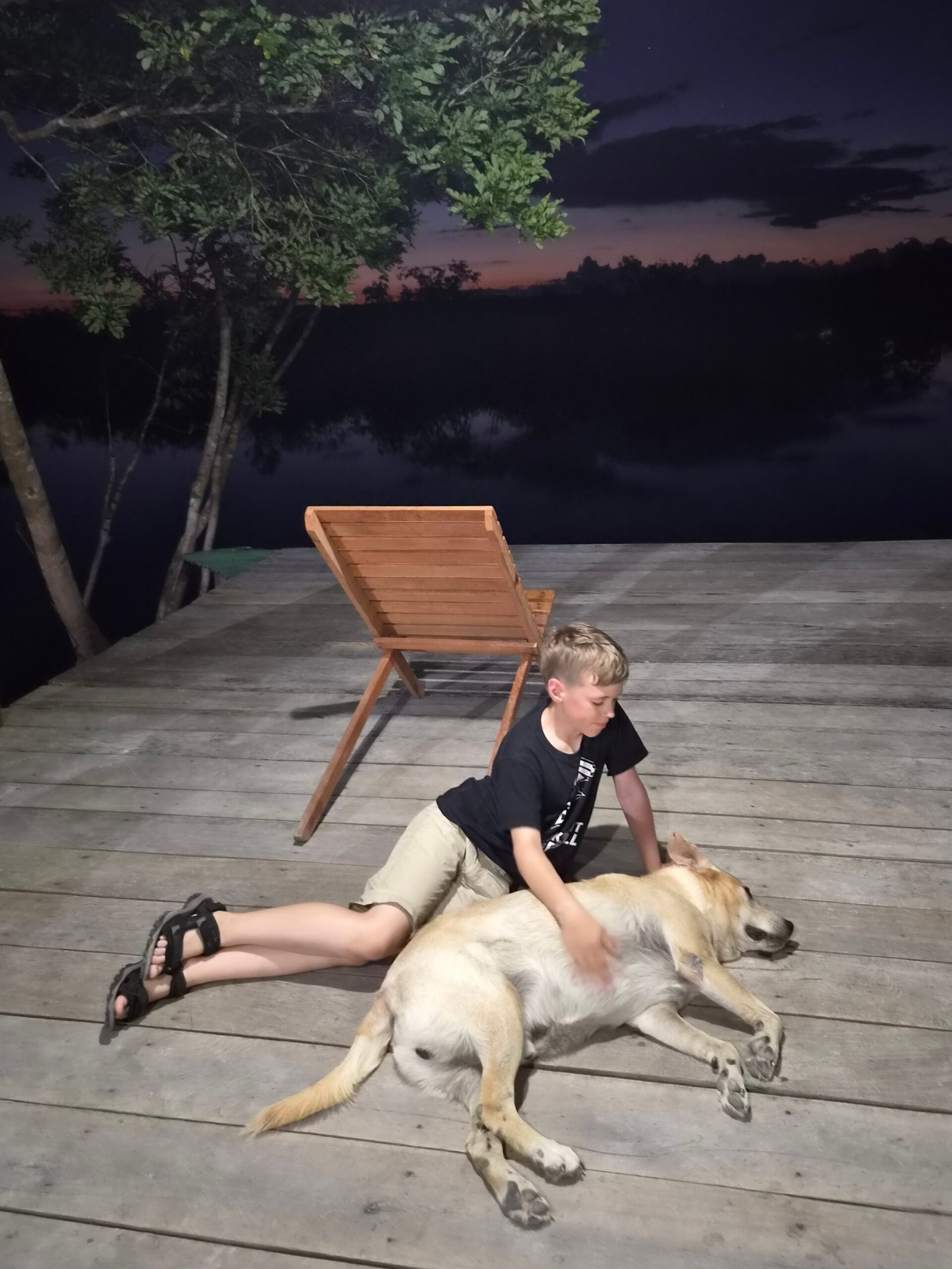
Evening pats for Capitan the dog
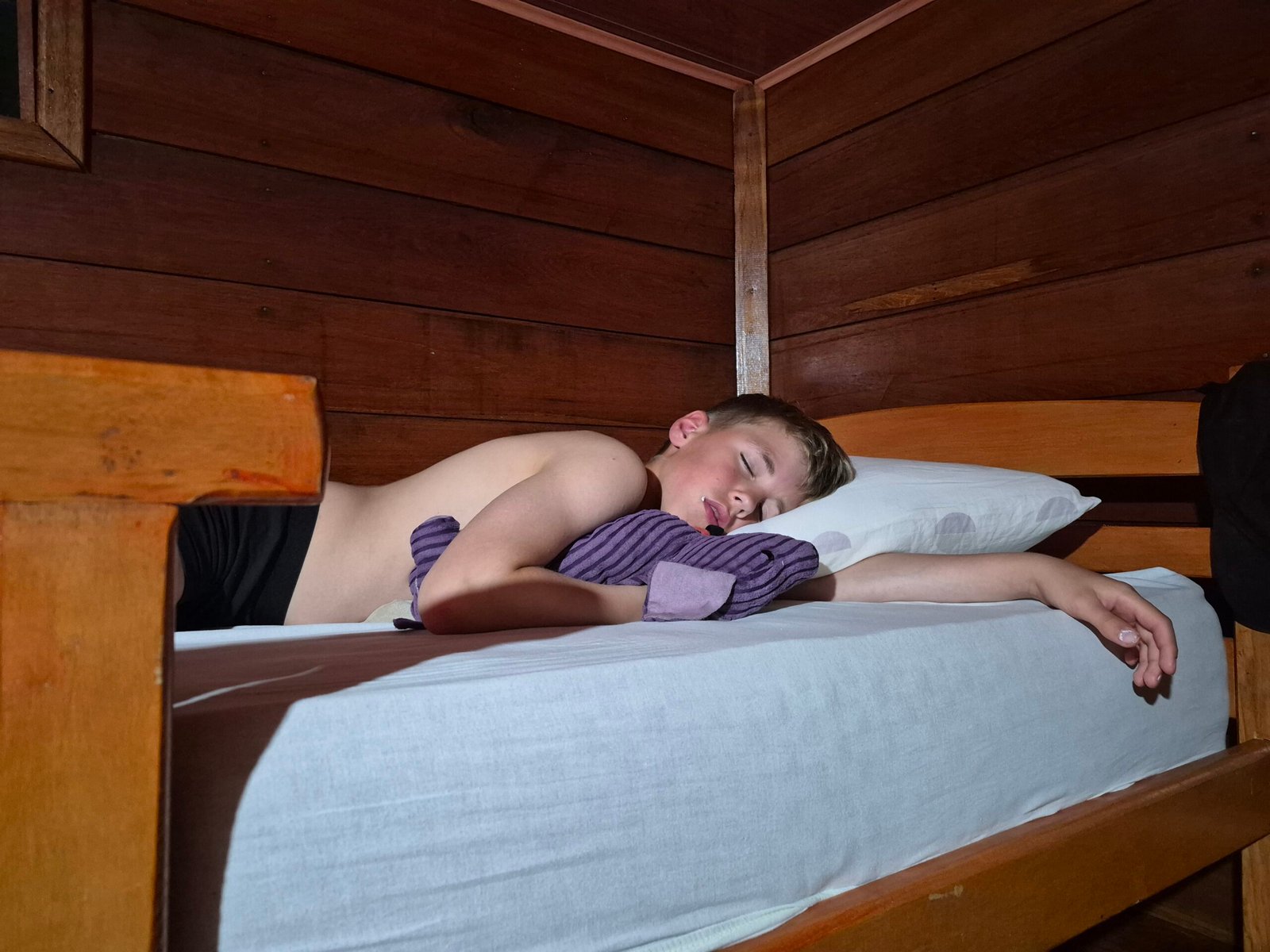
Everyone always fell asleep quickly in the evenings. Some even more quickly than others.
That evening, we went to bed around ten, since we had to wake up at quarter to five the next morning so we could experience the Amazon sunrise from the river. Before going to bed, the adults bought caipirinhas for just over two euros from a small bar, and the kids got soda. Our cabin had cooled down enough after sunset that we were able to sleep there just fine. Marko’s feet even got cold during the night, so he pulled the towel we’d brought along over himself to stay warm. Naturally, there weren’t any blankets on the beds. Marko and Risto are “boxer shorts heroes,” and “boxer shorts heroes” don’t wear any nightwear…
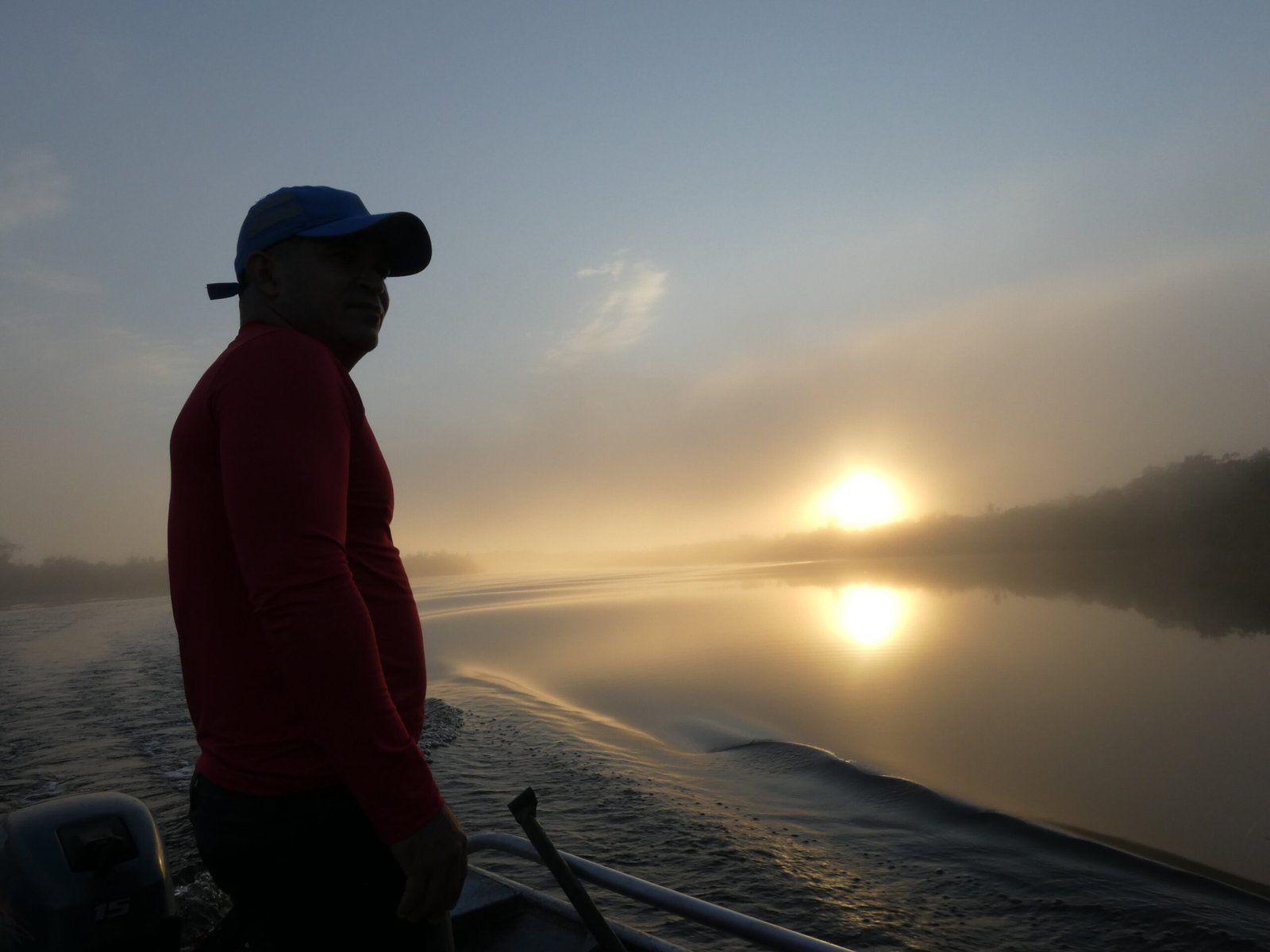
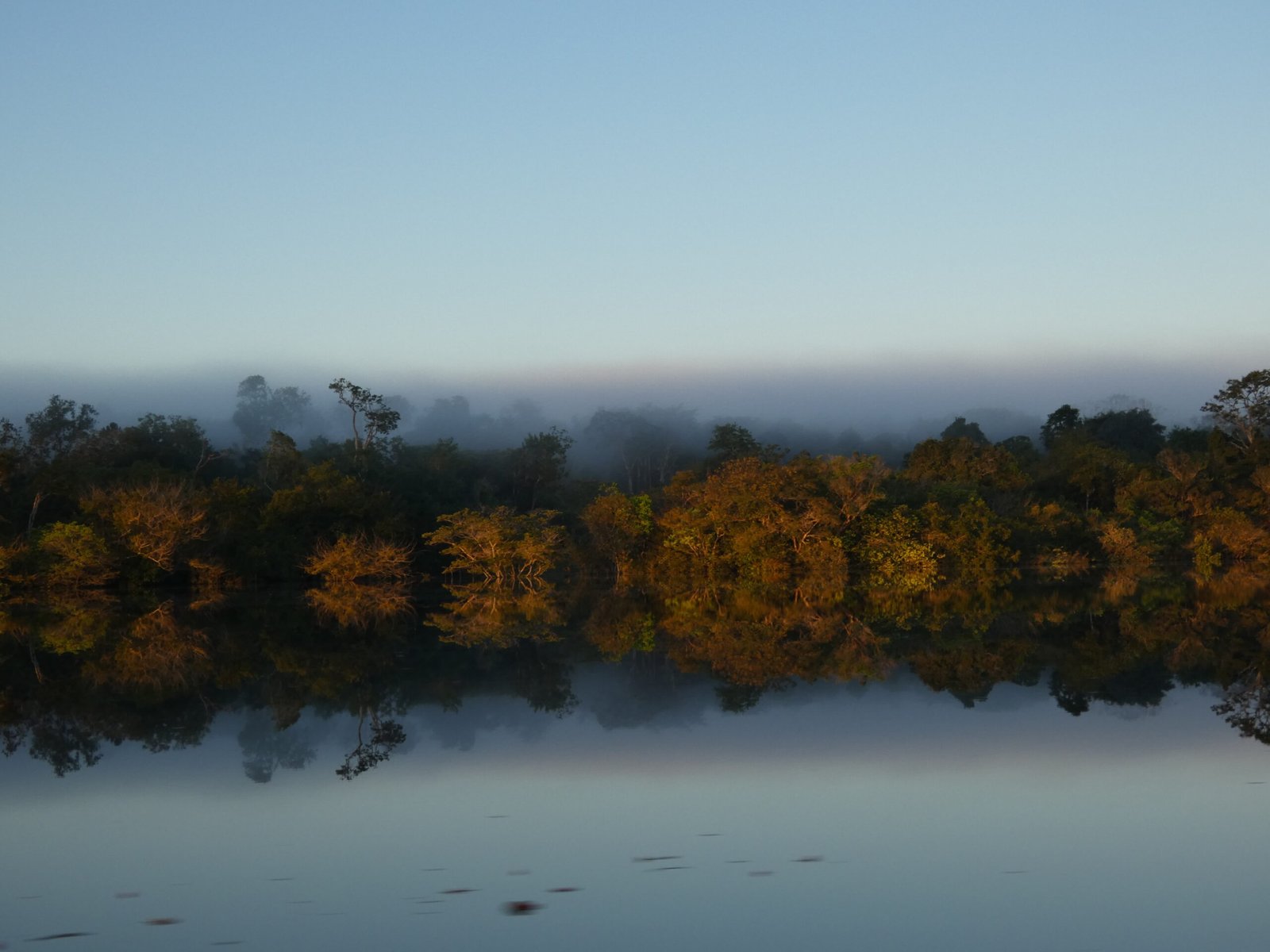
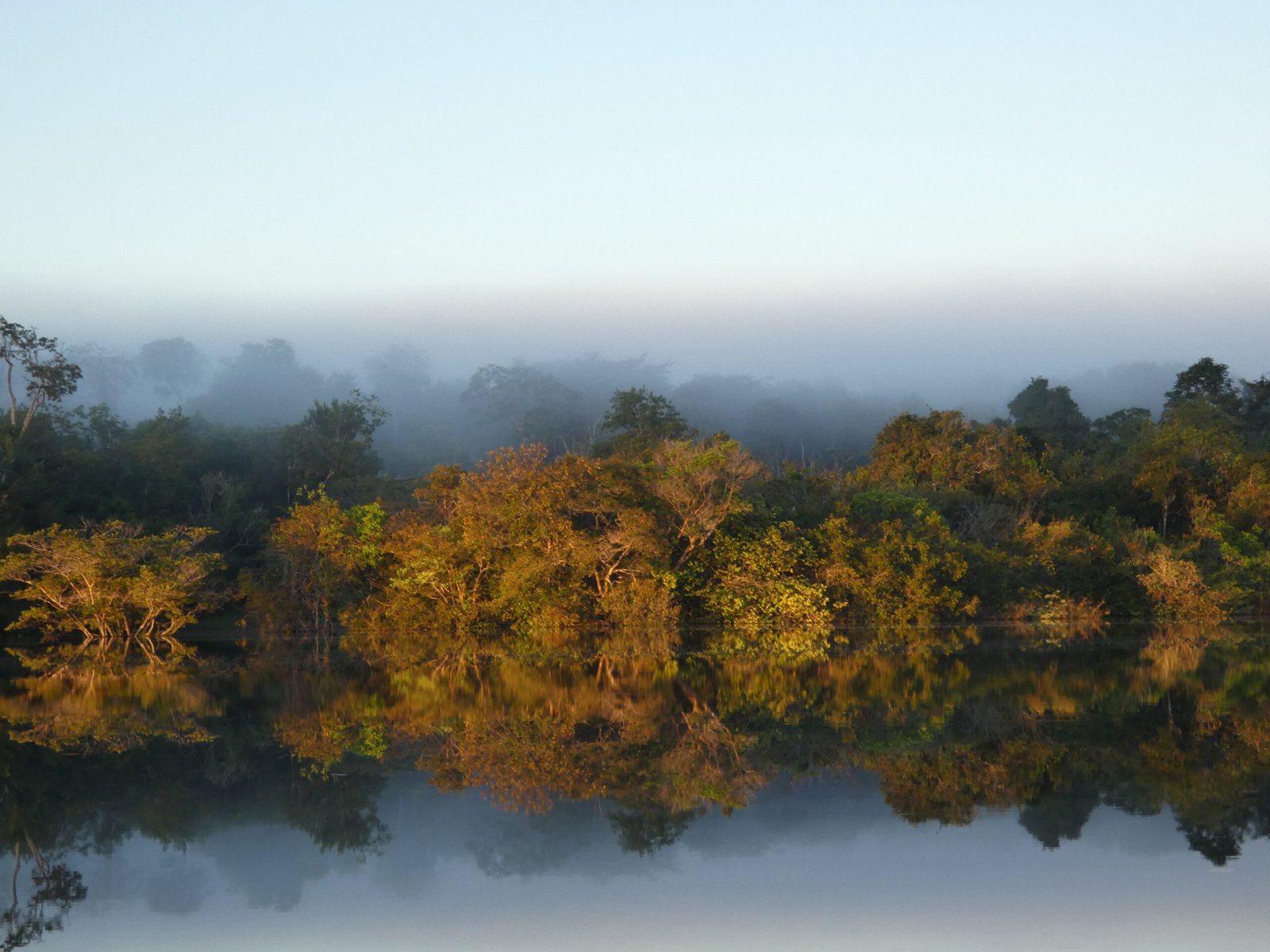
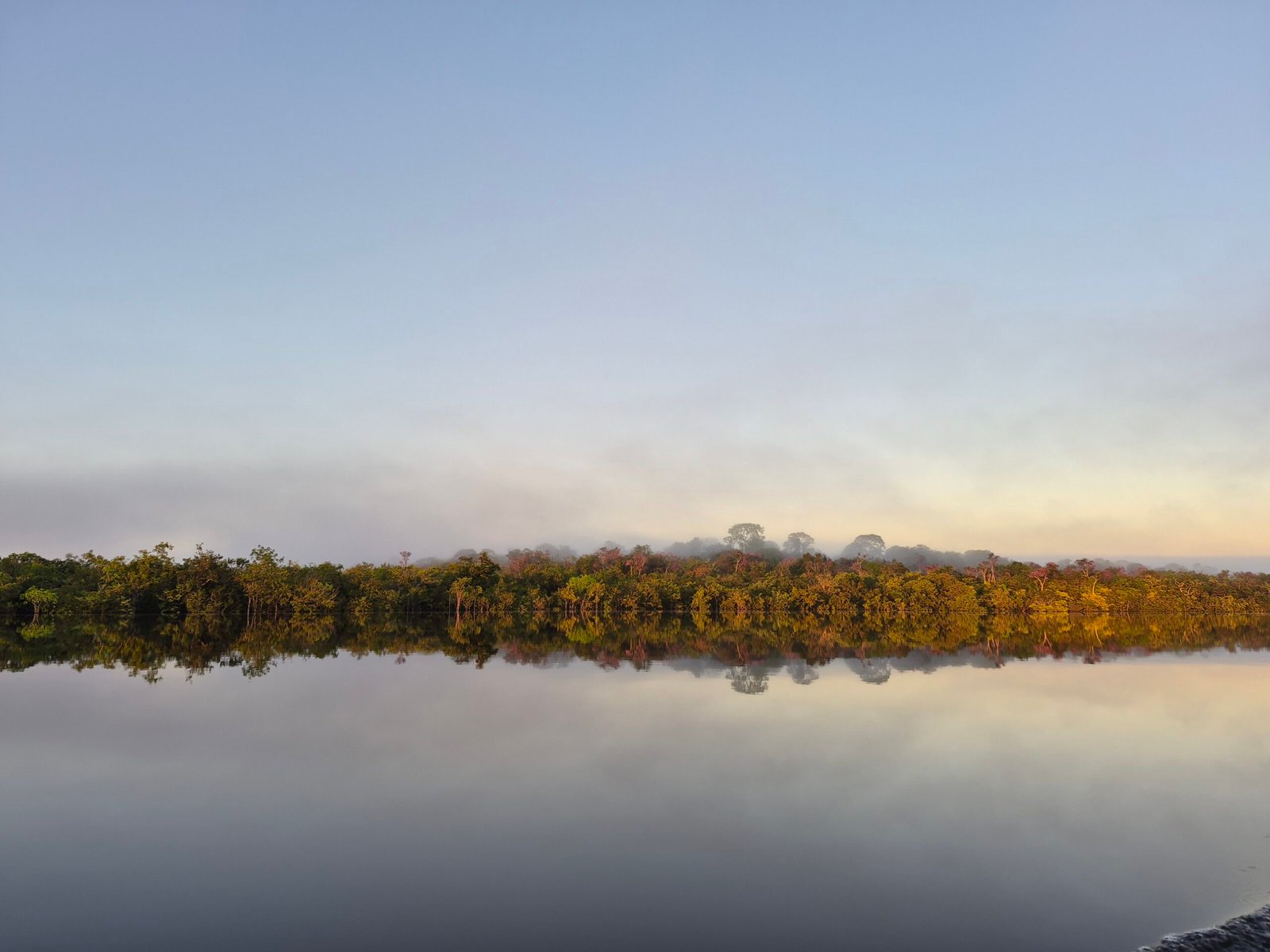
In the morning, we got up literally at the crowing of the rooster and went to watch the sunrise. It was wonderful to watch how, as the sun rose, the birds in the area woke up and put on quite a concert along the river. The sunrise was beautiful along the nearly mirror-smooth river, but perhaps the colors of the sunset were even a little more beautiful.
At sunrise, the canopy of the rainforest was shrouded in a light mist.
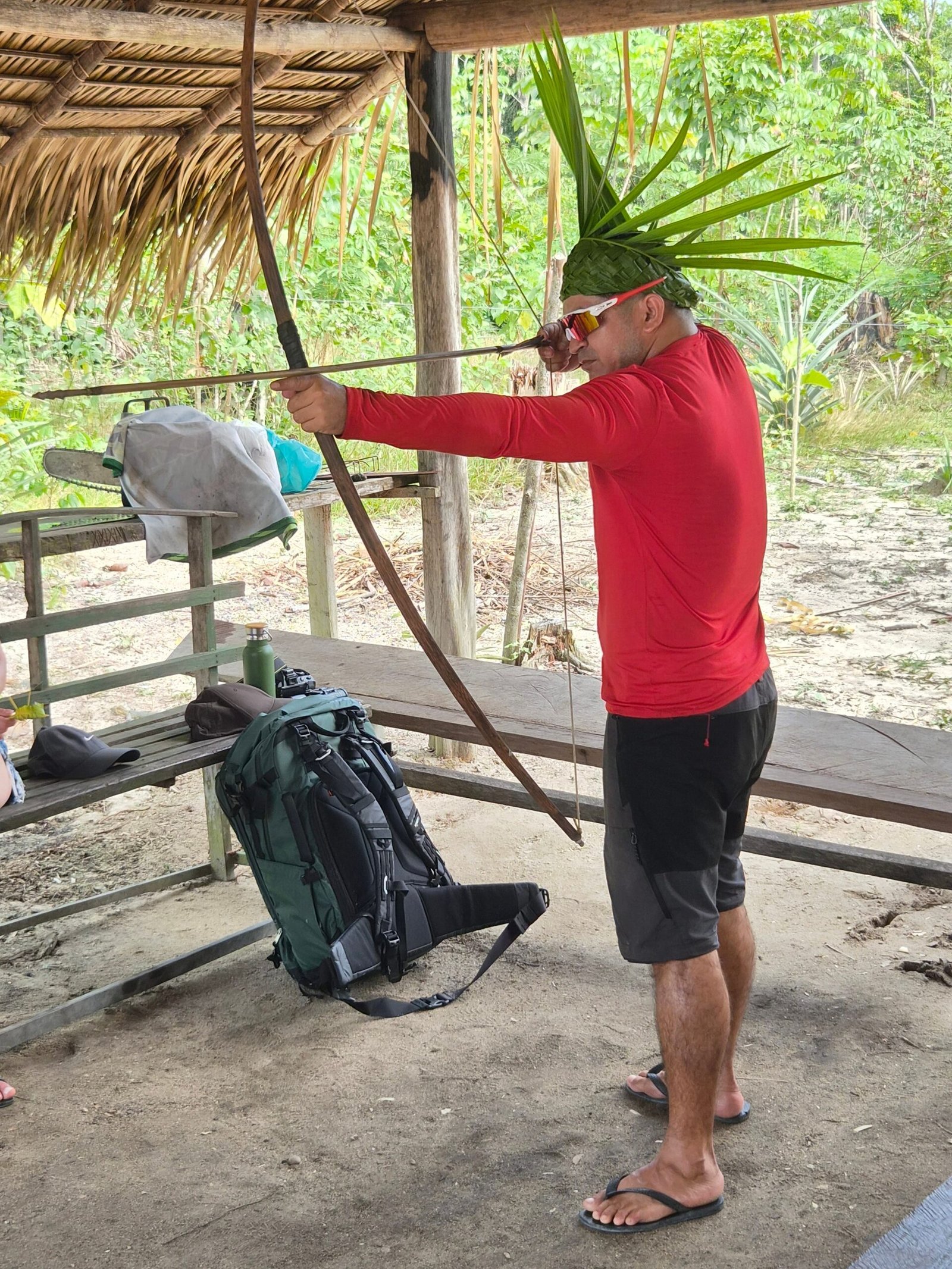
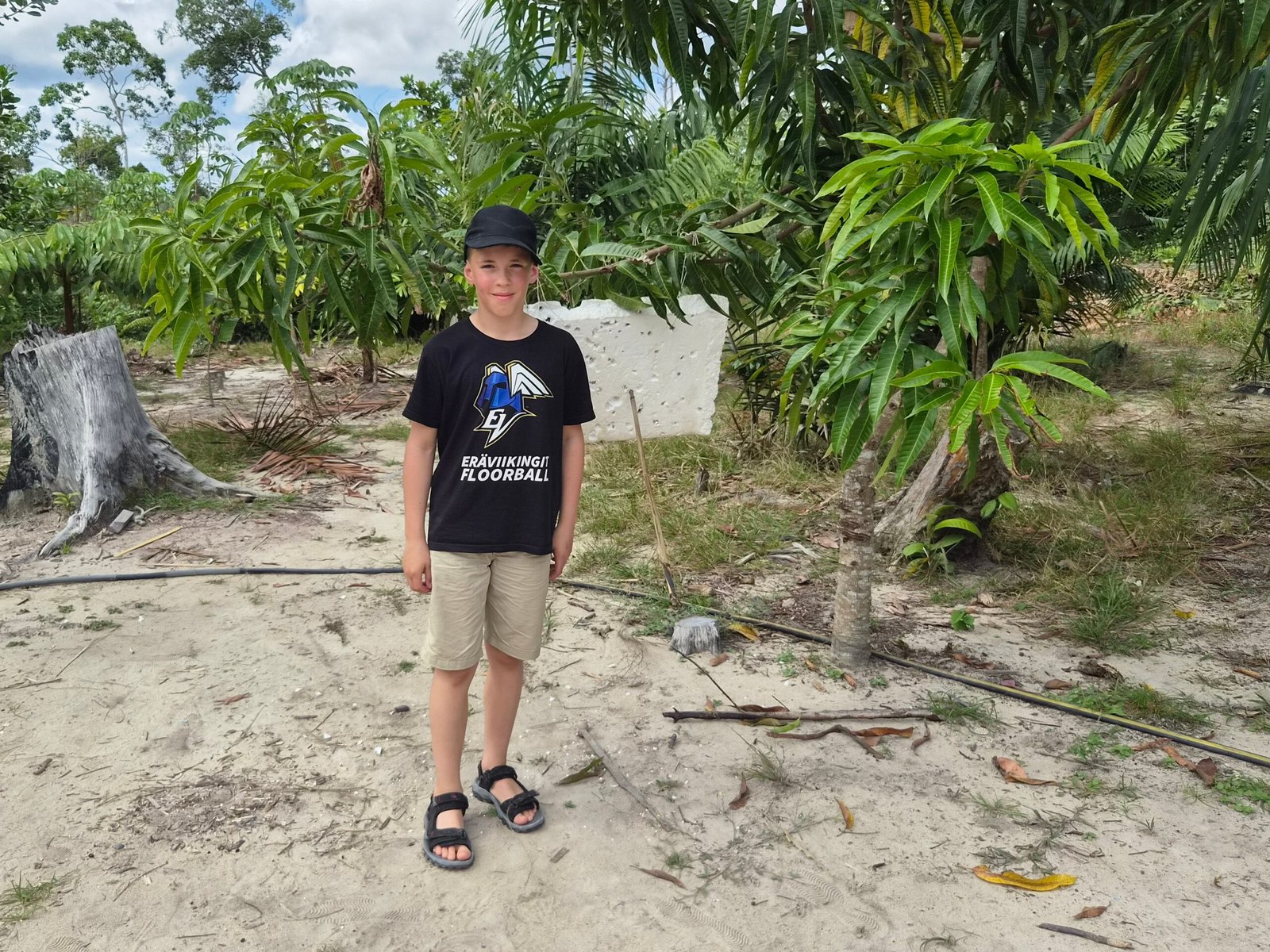
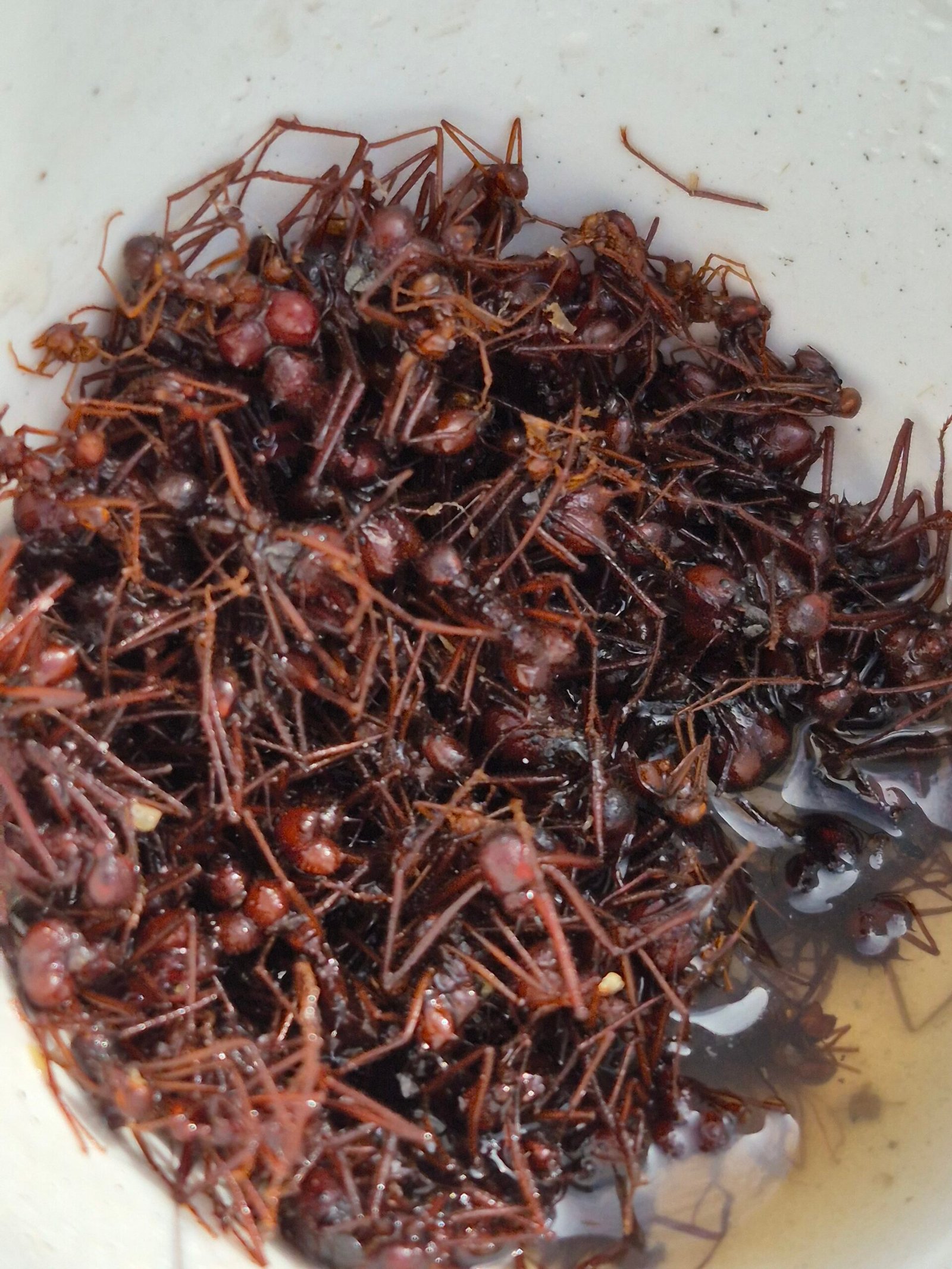
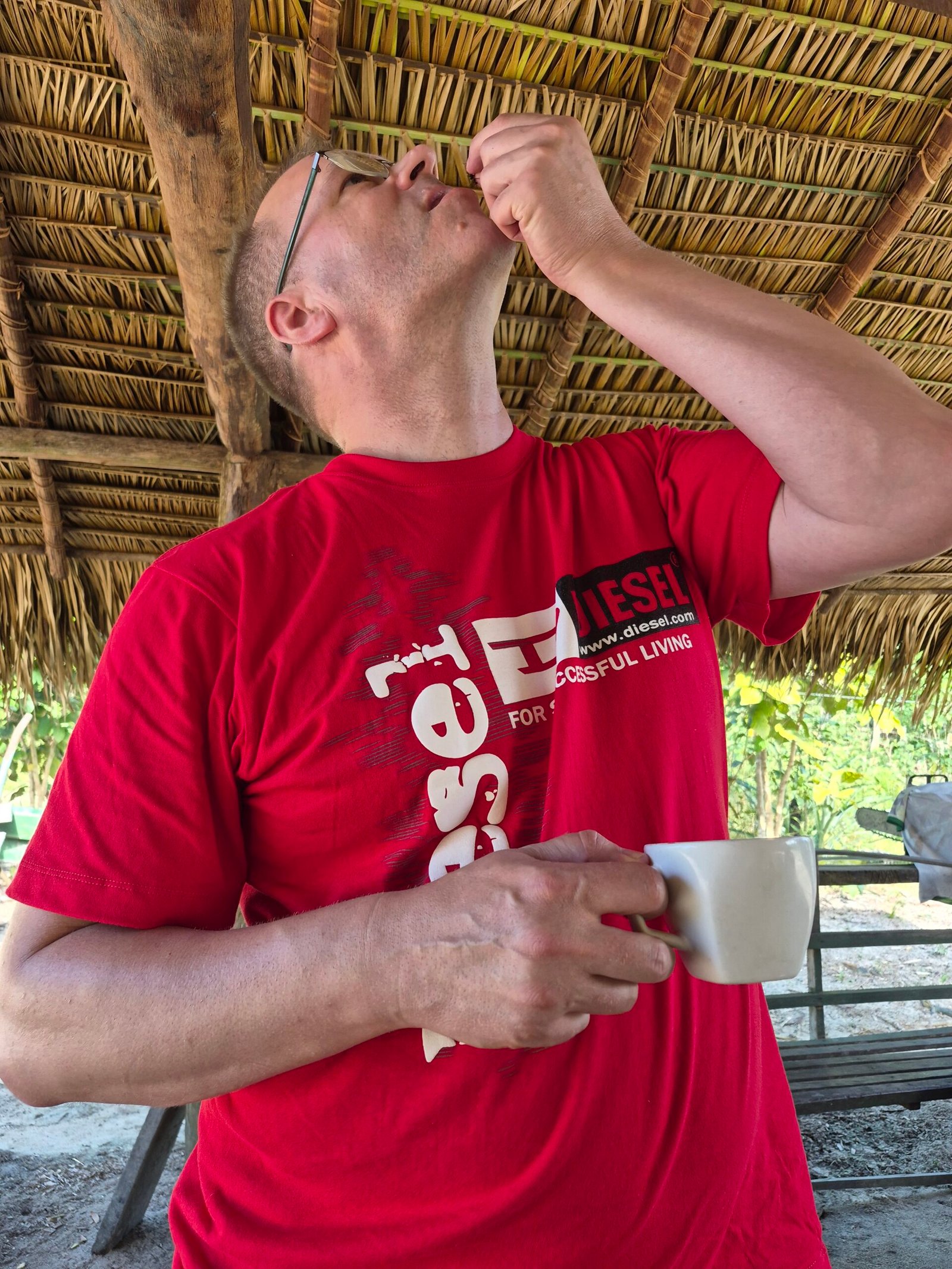
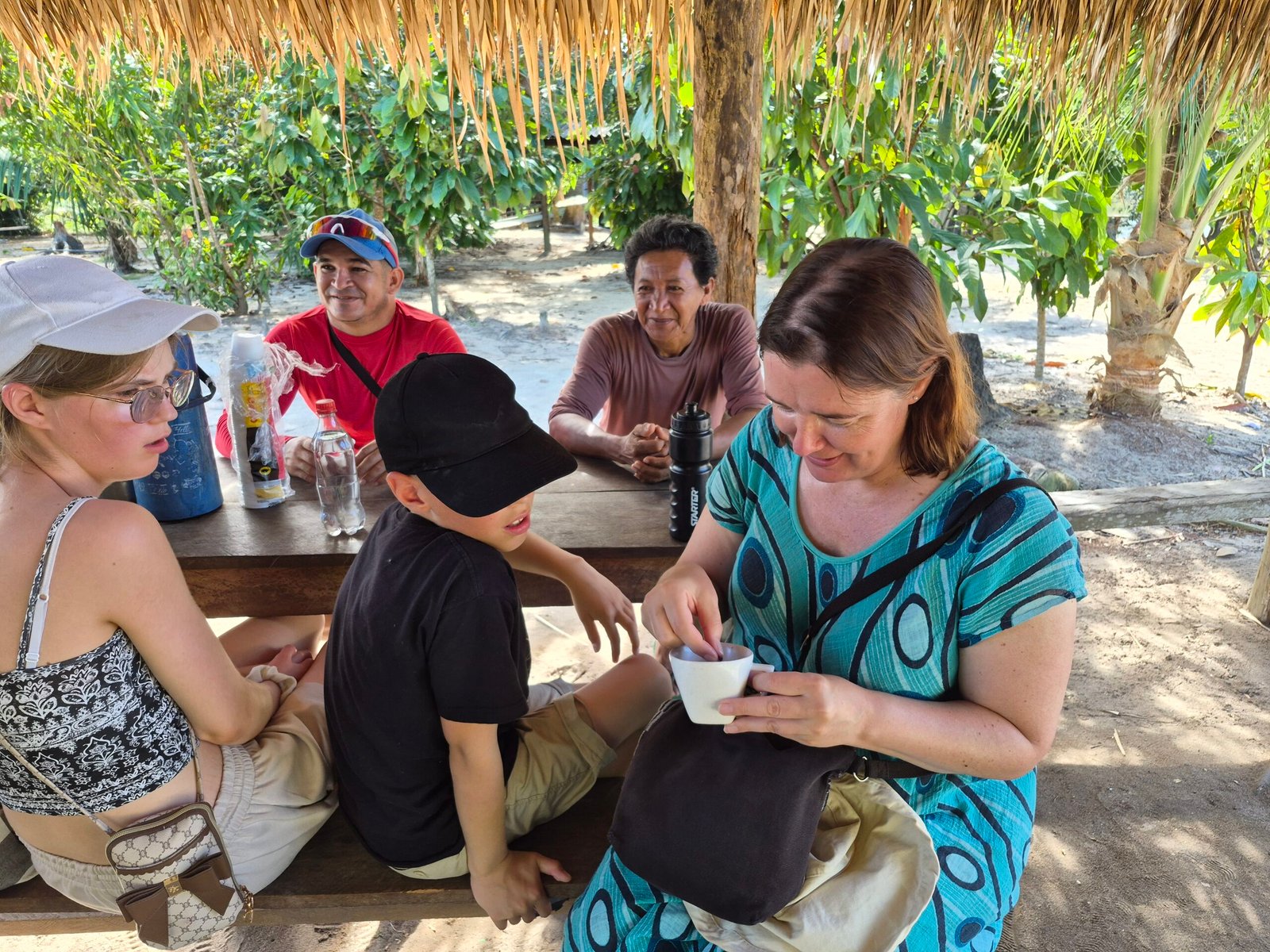
We returned for breakfast, after which we set off to visit a local family. This meant another one-way boat ride of about 45 minutes. Risto wasn’t very enthusiastic about this, since he said he’d already spent quite enough time on the boat. We obediently climbed aboard the boat, though, and chugged over to the family’s home. This family of seven (father, mother, and five children) lived along the river, far from any other settlements. They either fished, hunted, or grew everything they needed themselves. We even got to try our hand at shooting with the locals’ crossbows, which turned out to be surprisingly tricky! Ronja was the first in our family to hit the target. The rest of us shot our arrows into some thicket, where we had to search for them for quite a while. Ronja was very proud of her achievement, because when she’d tried archery with her school, she had hit the target—but it had been on the neighboring range… In addition to archery, we also got to taste a local breakfast dish: leaf-cutter ants. The family collects the ants by poking a stick into their nest, and when the angry ants start climbing up the stick, they dip it into water and drown the ants. Surprisingly, the ants actually tasted just like lemon. Apparently, the ants get their flavor from the leaves they eat. You’d have to eat quite a few ants to feel full, though, even though they were big. We settled for tasting just one. Ronja was the only one who completely refused this little bit of extra protein and watched from the sidelines as the rest of us nibbled on the ants.
Our guide, Alexander, showed us how it's done first.
Bull's-eye!
Morning snack
Marko tastes an ant.
Risto is being served an ant breakfast.
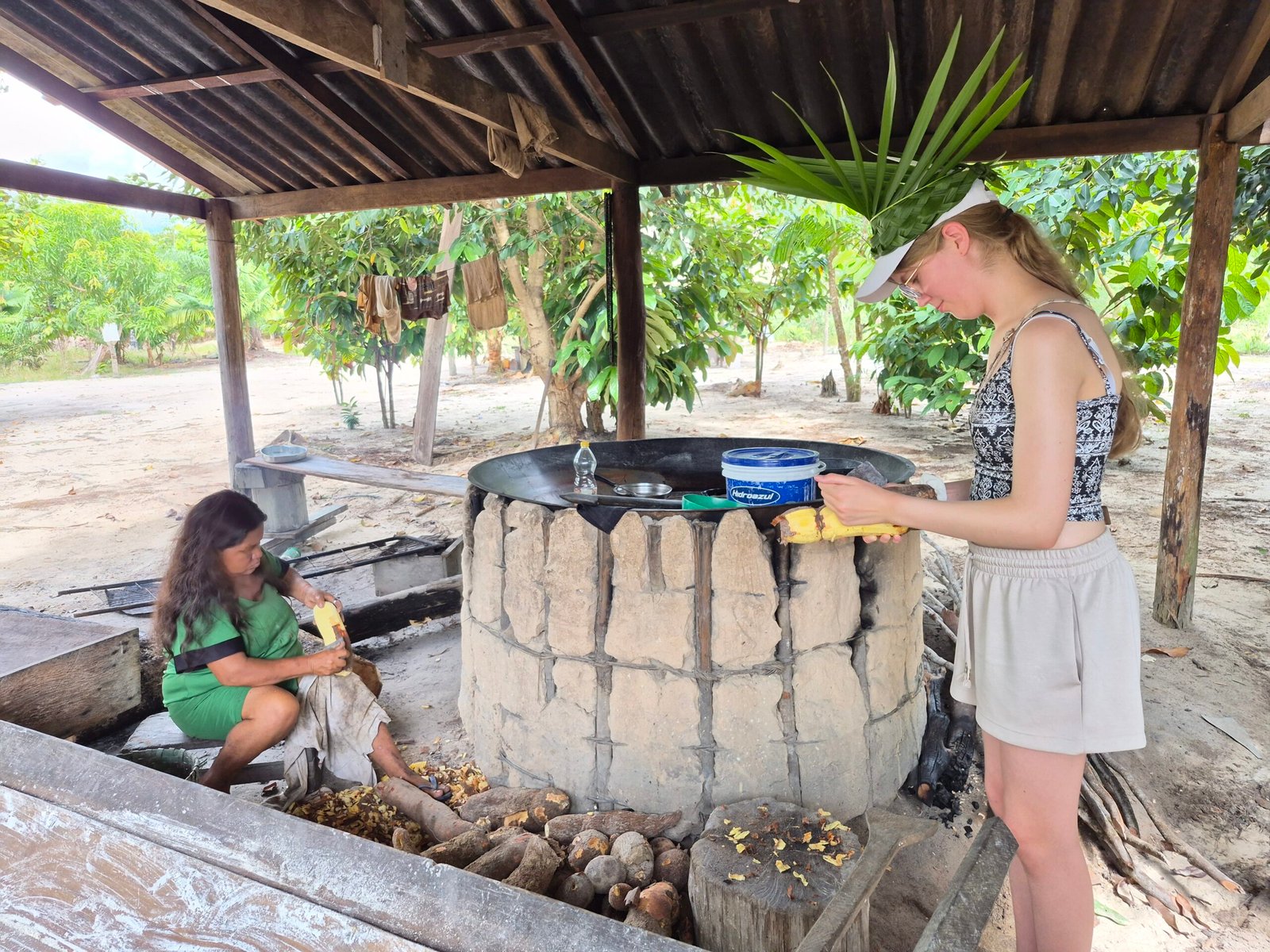
Here, tapioca is being peeled in the outdoor kitchen.
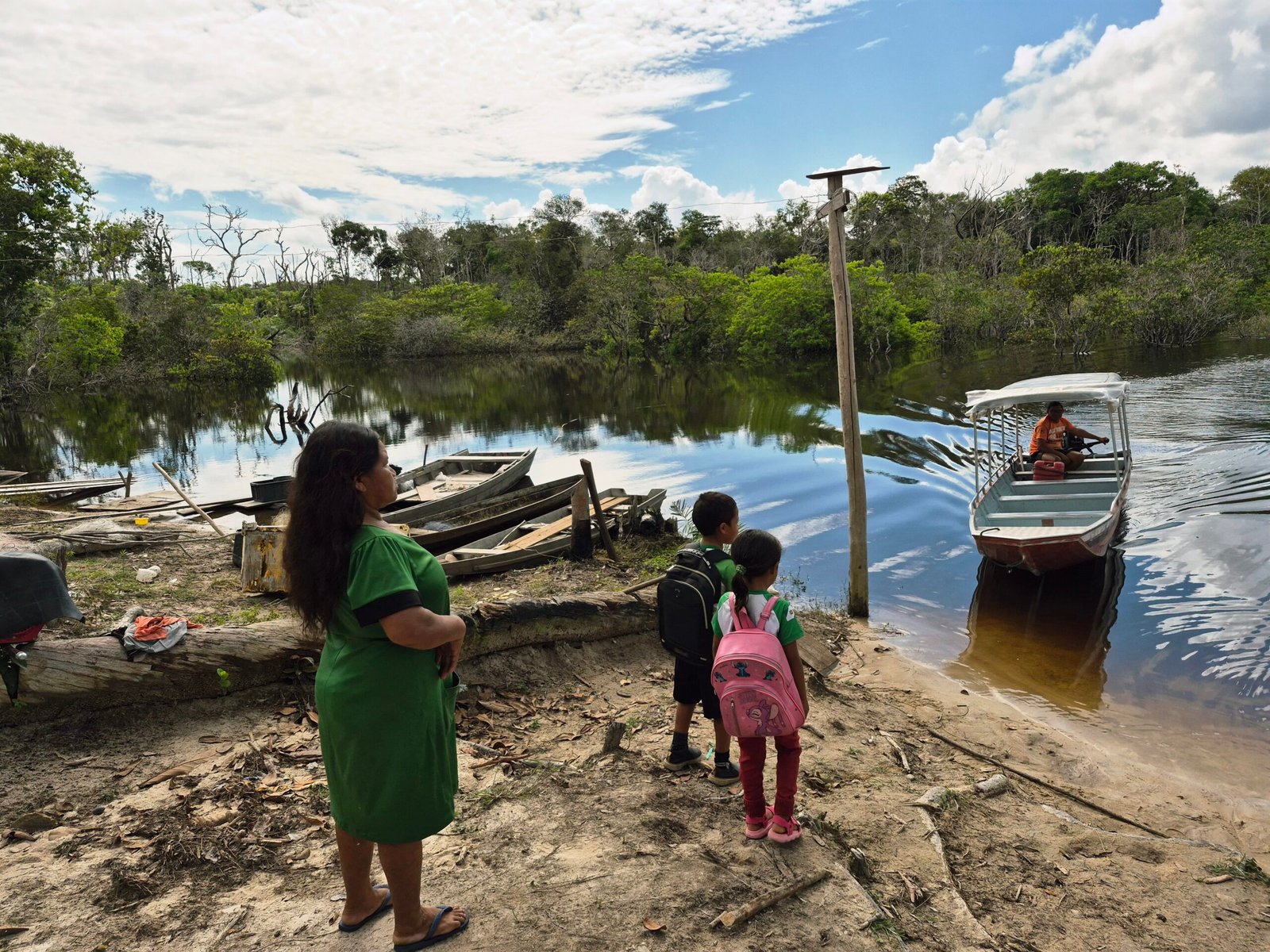
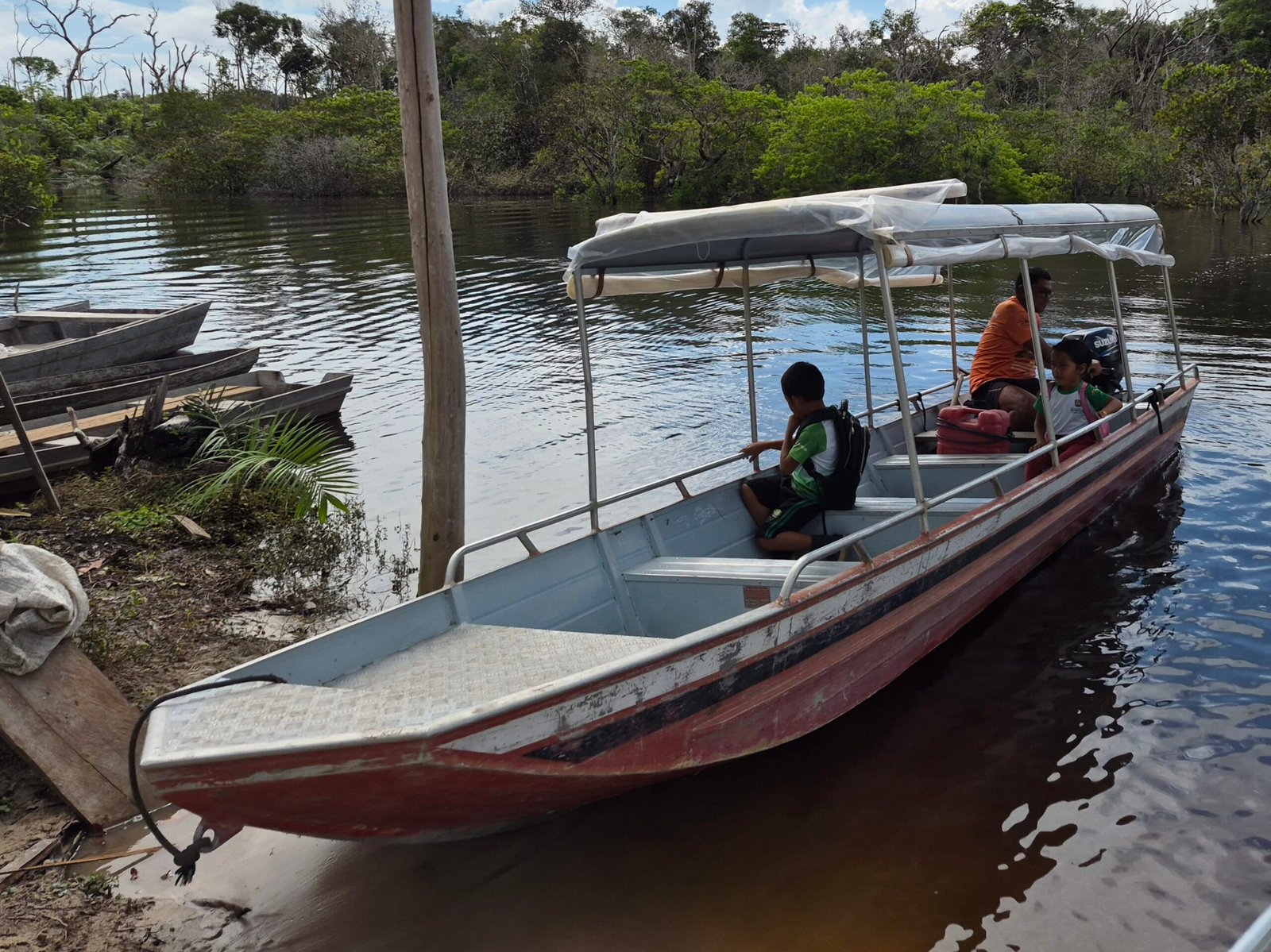
Just as we were heading back to our lodging for lunch, someone came to pick up the family’s children to school. They made the trip to school first by boat and then took a short ride on the school bus. I heard the boat ride took 30 minutes, but the bus ride was only about ten minutes. The children were picked up around 10:30, and they return home as darkness falls, around five or six in the evening.
Waiting for the school ride.
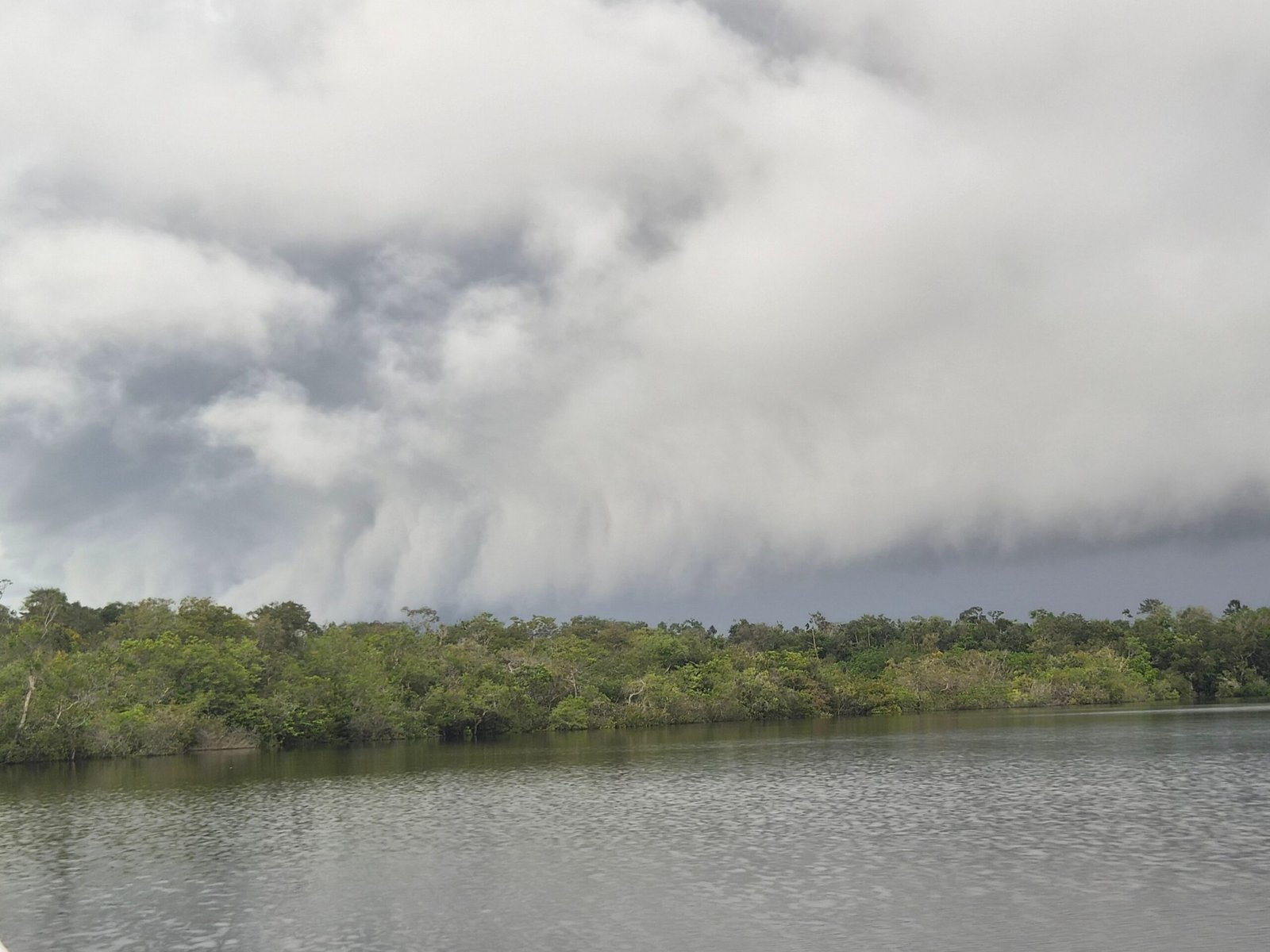
Before lunch and even after lunch, Jaana and the kids went back to the river to cool off, but that wouldn’t have been absolutely necessary, since it started raining in the afternoon, with the rumble of thunder echoing from somewhere in the distance. Fortunately, the rain stopped just in time before we were set to go fishing for piranhas for dinner. Apparently, if we didn’t catch any fish, there wouldn’t be any dinner either.
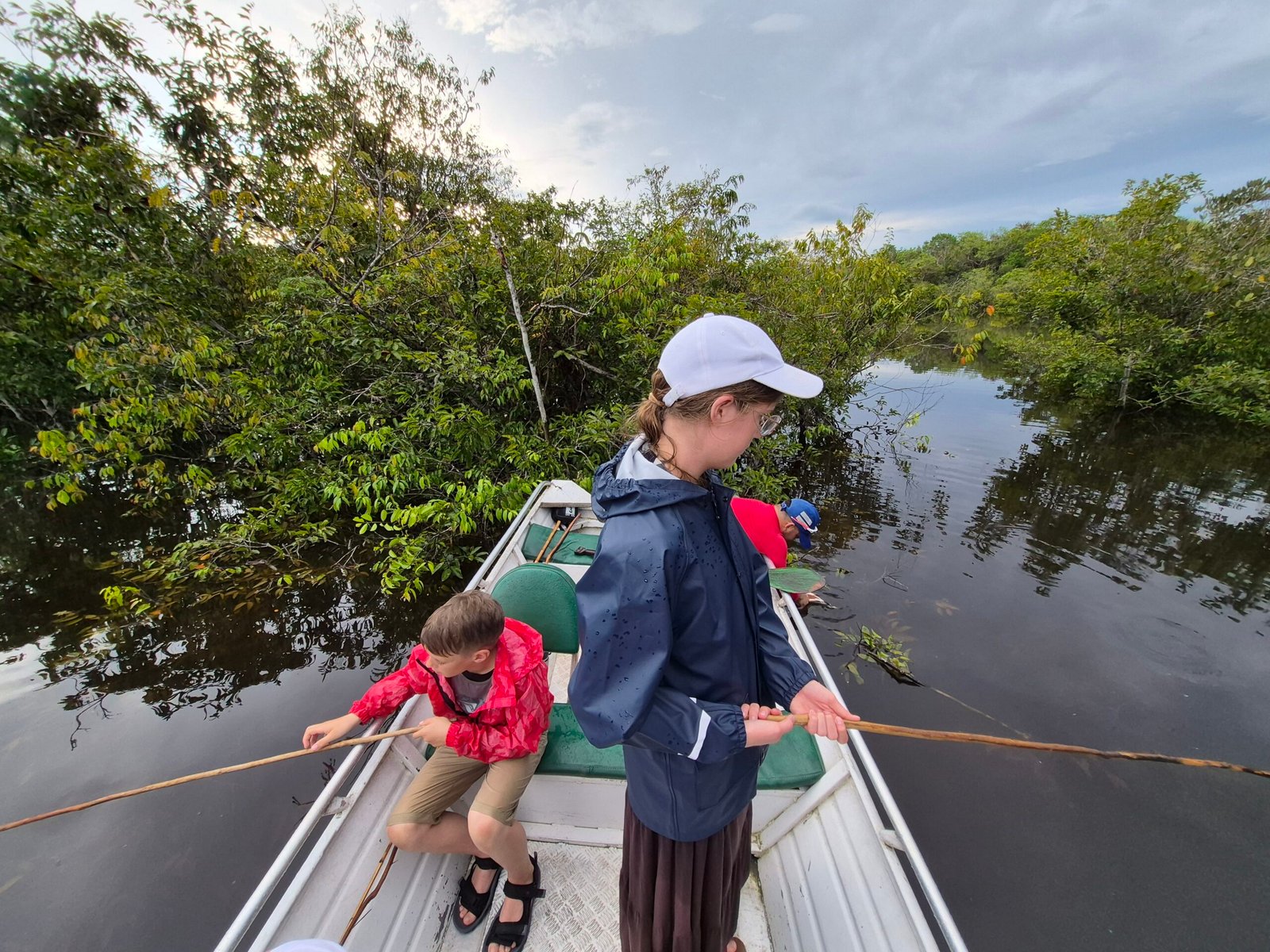
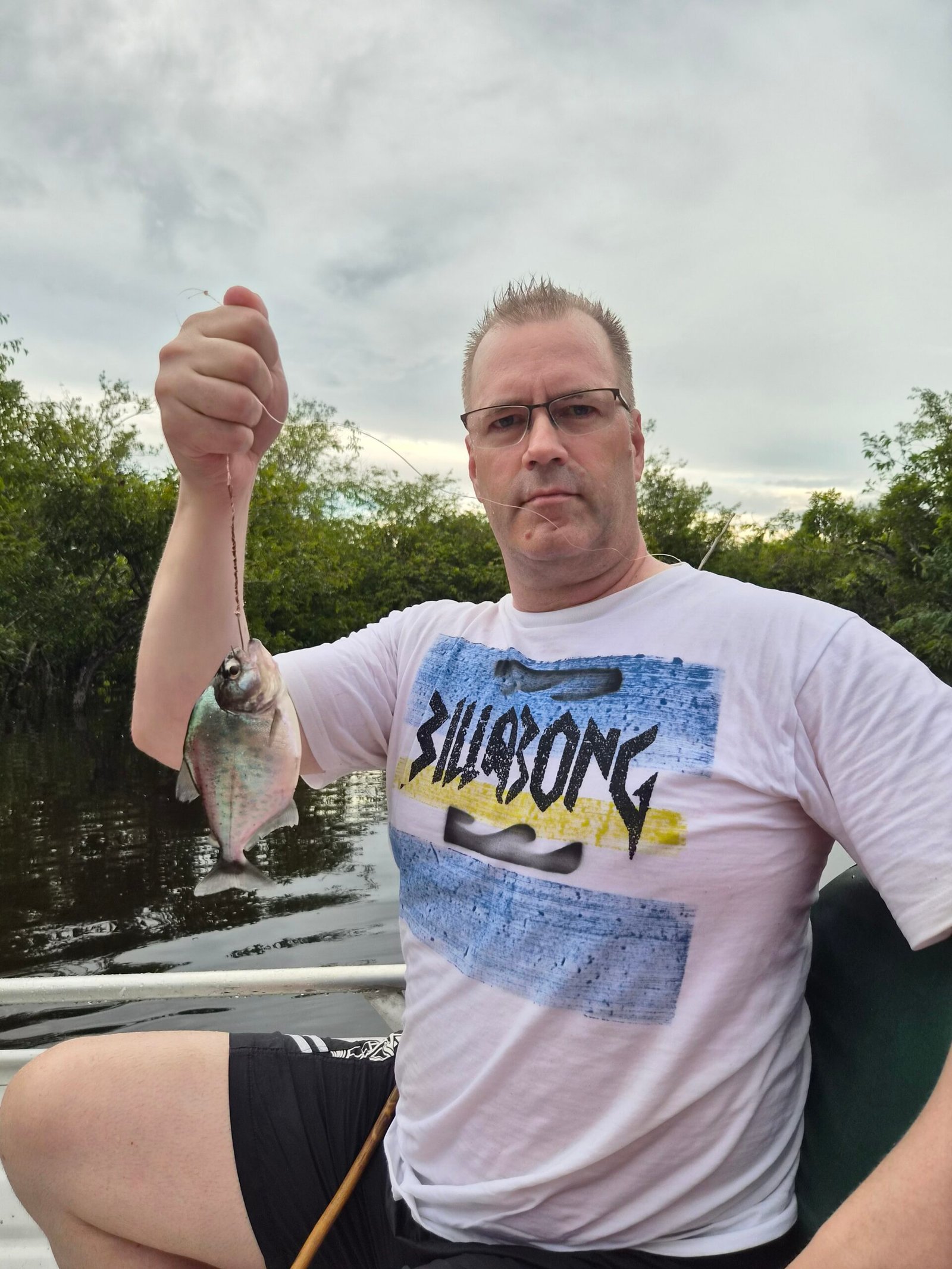
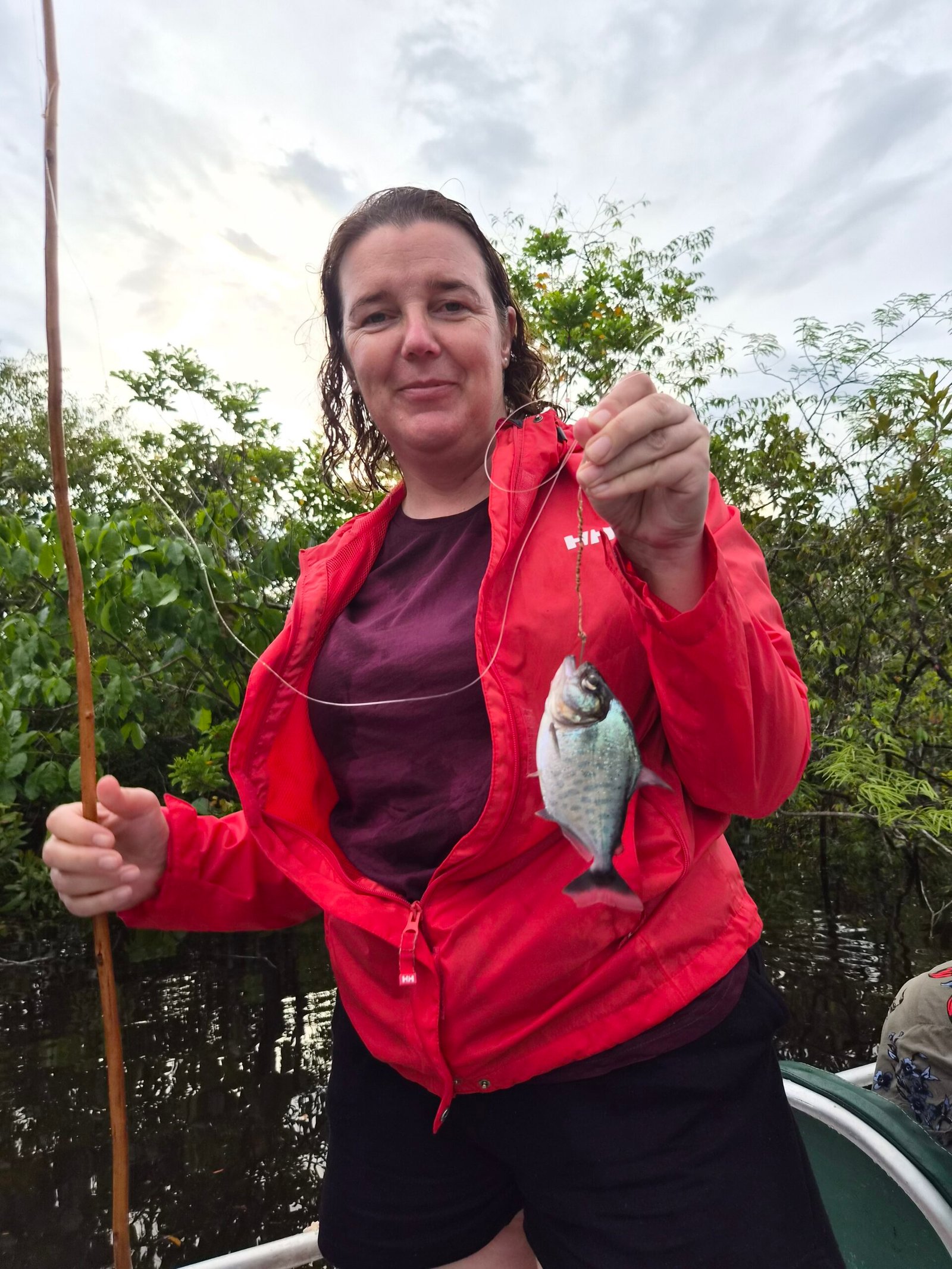
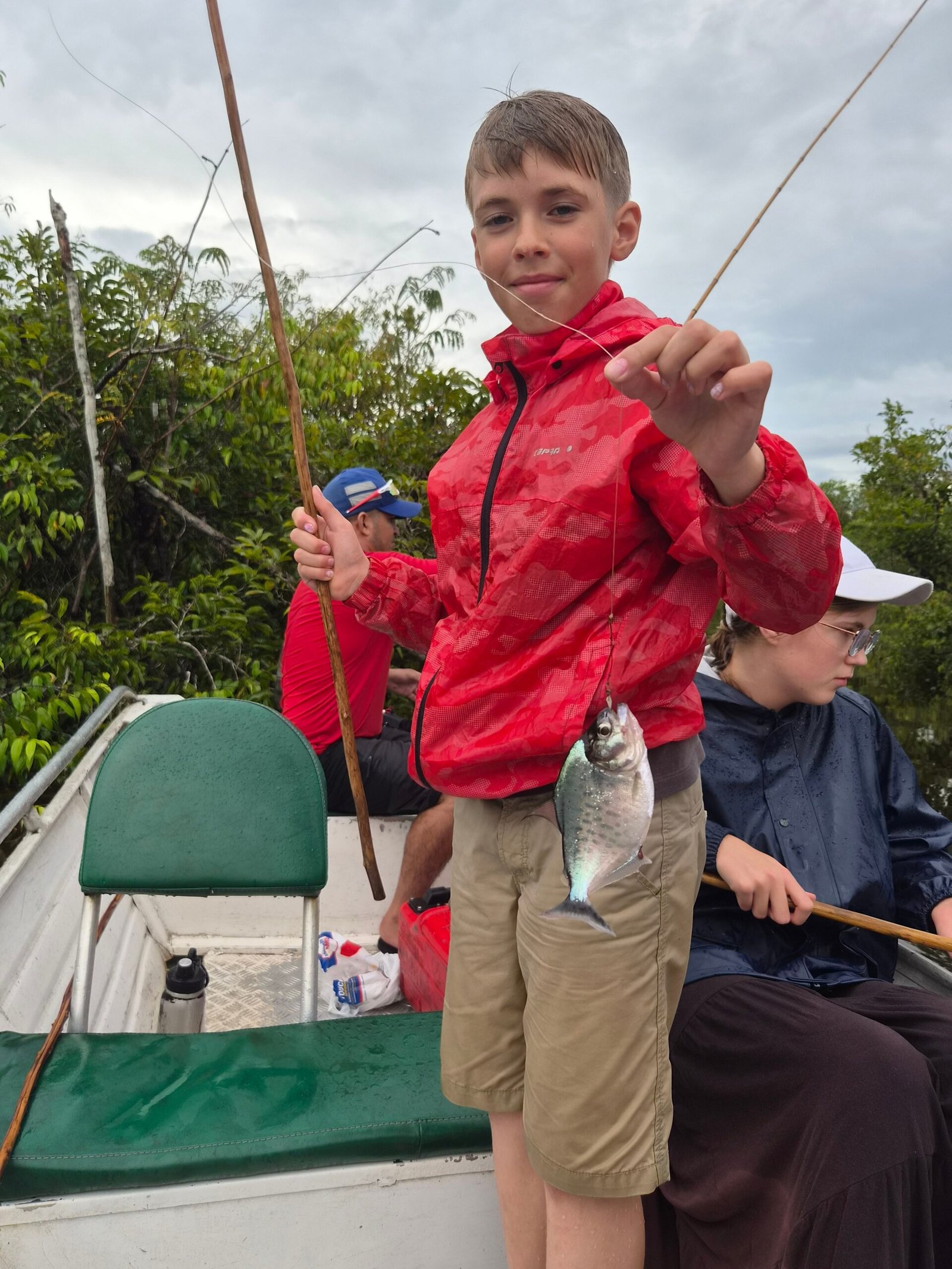
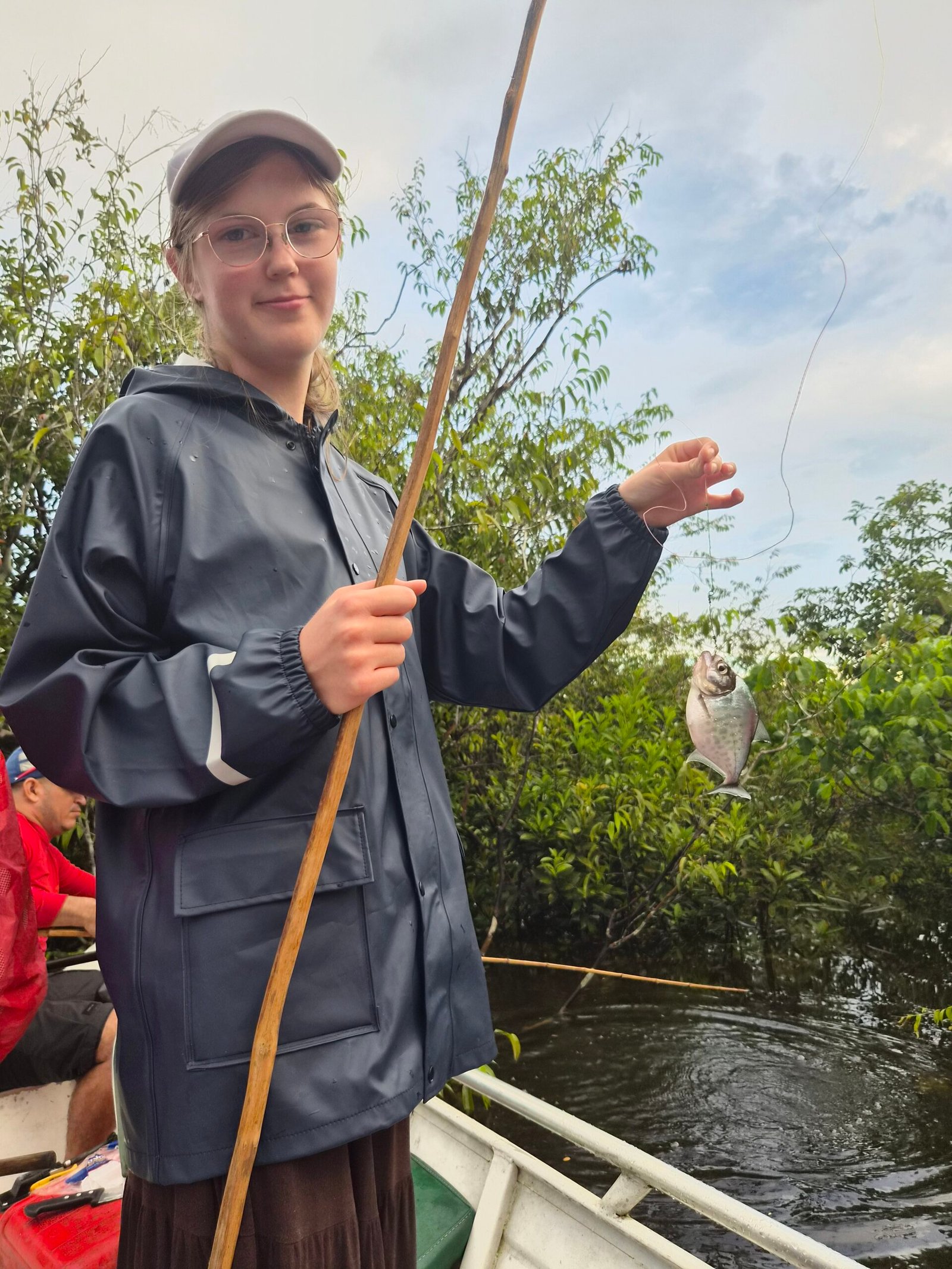
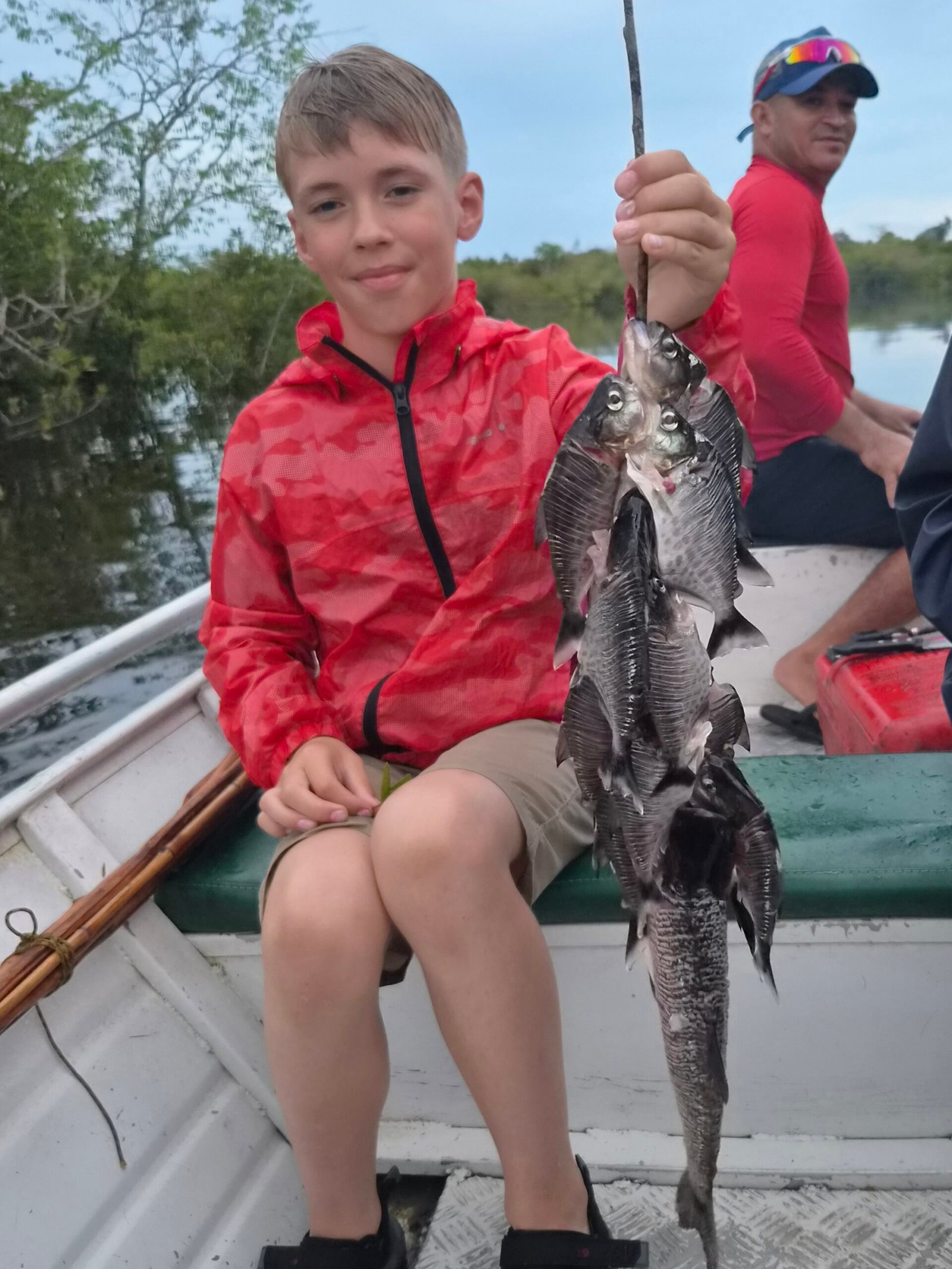
We caught plenty of fish, but it also started to rain. Luckily, the rain was warm, so it didn’t bother us much. I don’t know if our good luck with the fishing was due to the rain or our own skill, but our whole group (9 people) probably caught about thirty fish. All the others were piranhas, except for one matrinxã, which was a bit bigger, but according to our guide, it was also a relative of the piranha. Marko was the best angler in our family with four piranhas; Risto caught three, Jaana two, and Ronja one. One of Risto’s piranhas was really tiny and ended up going straight back into the river. Fortunately, there were other dishes served for dinner, because even though the fish were a decent size—and not just tiny little ones—there wasn’t much left to eat in a single piranha after removing the bones.
Fortunately, the worst of the rain passed us by, but we got our share of it, too. Well, apparently the fish bite better when it's raining.
In some places, the fish were biting better than in others.
Marko was the first to catch a fish.
Next, the piranha snapped at Jaana's chicken bait.
Soon thereafter it was Risto's time to catch a fish.
Finally, a piranha took the bait on Ronja's piece of beef, too.
Here's the whole group's catch at the end of a couple of hours of fishing.
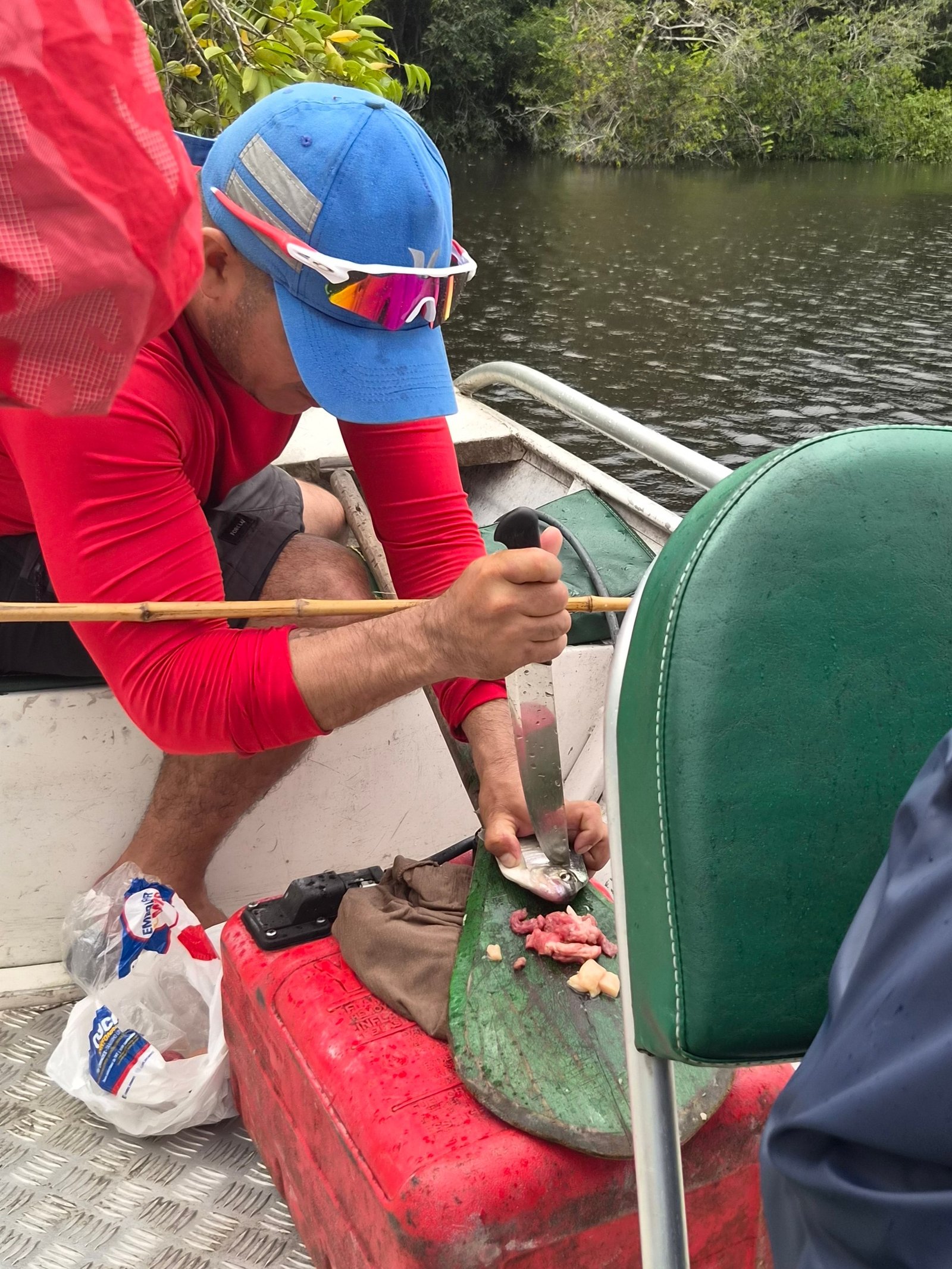
The fish were already prepared for frying while still on the boat.
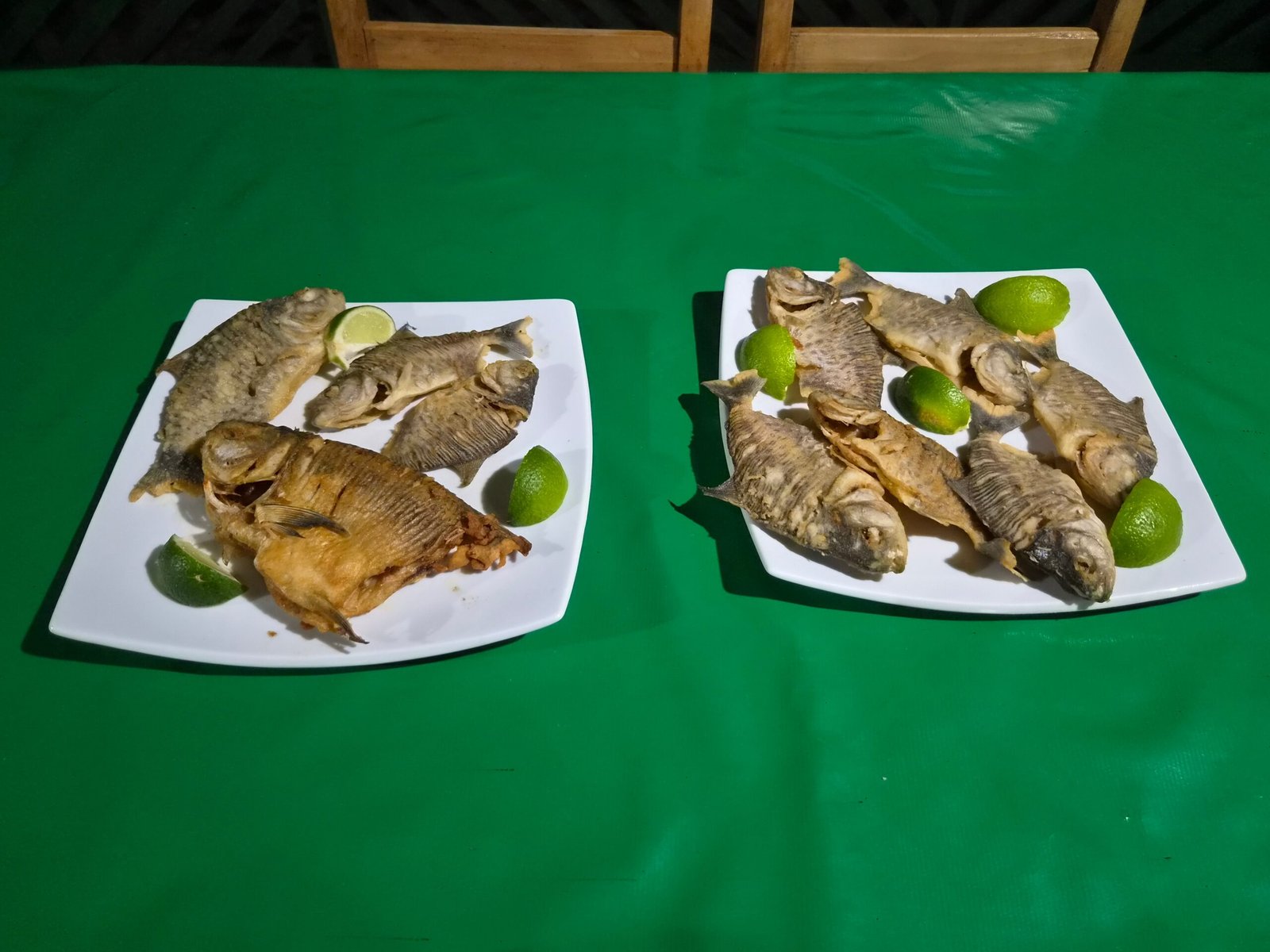
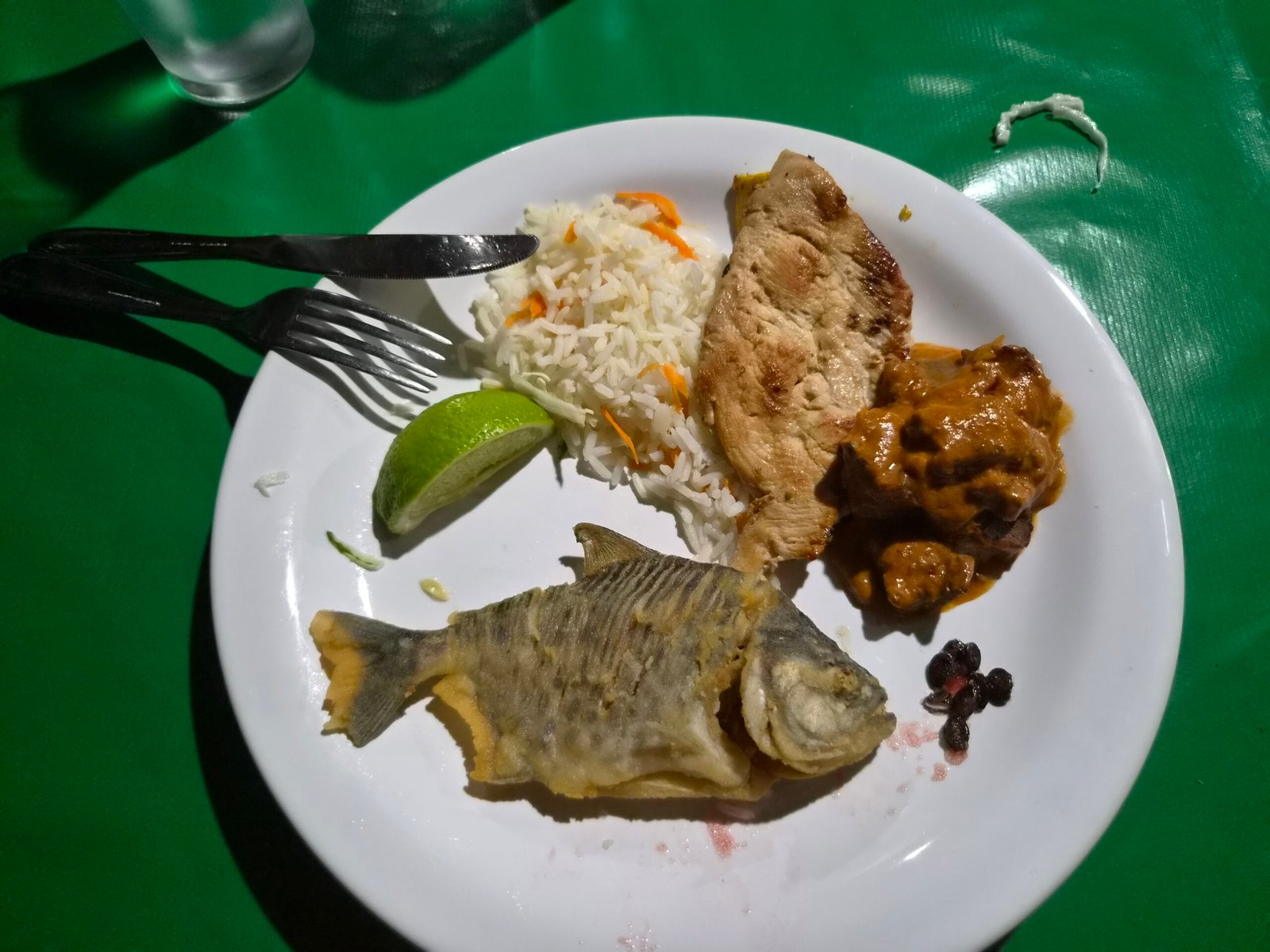
Piranha does taste good, but there's a pitifully small amount of meat on the smaller ones.
Apparently, there wasn't any more room for vegetables on Marko's plate.
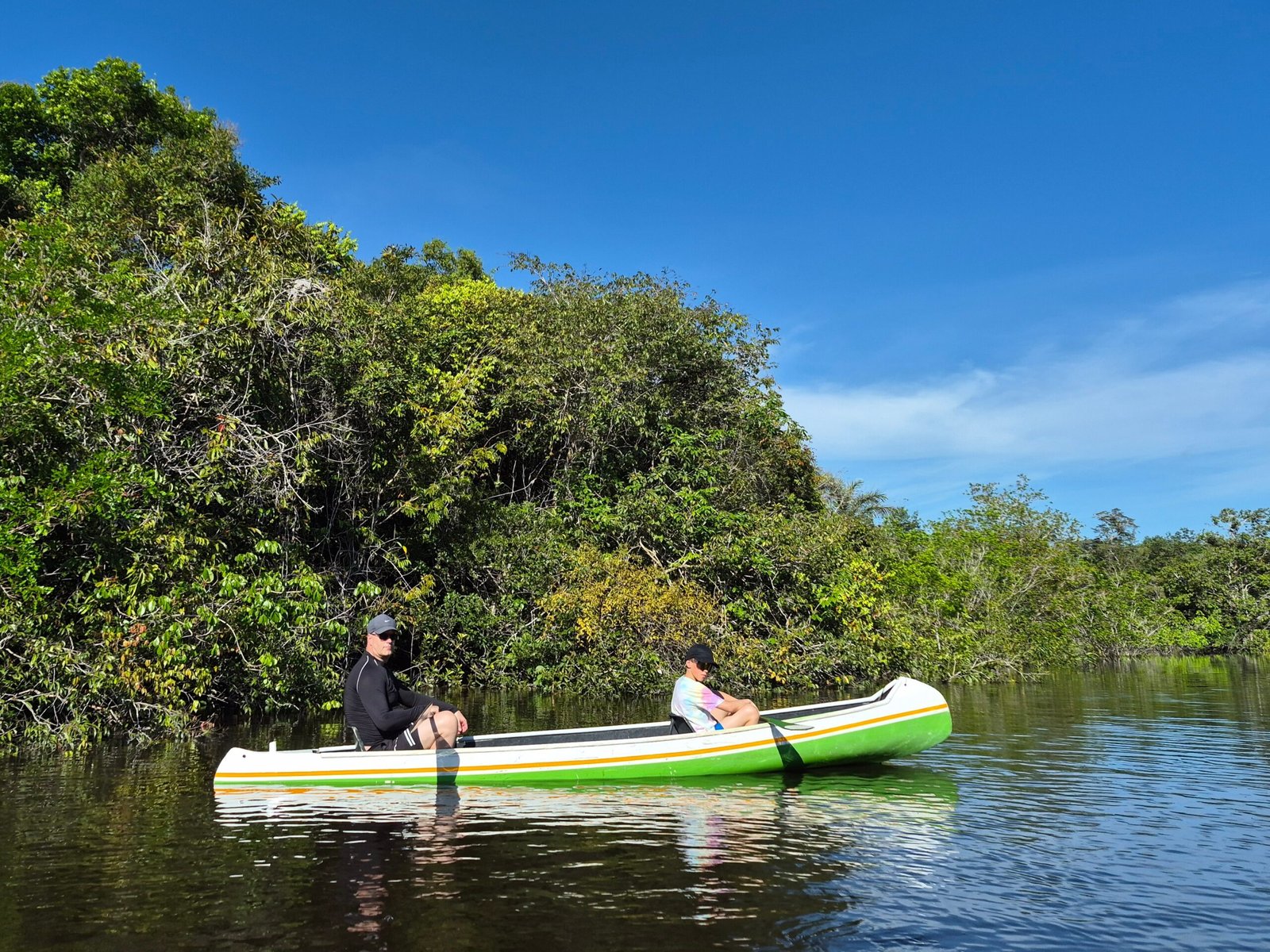
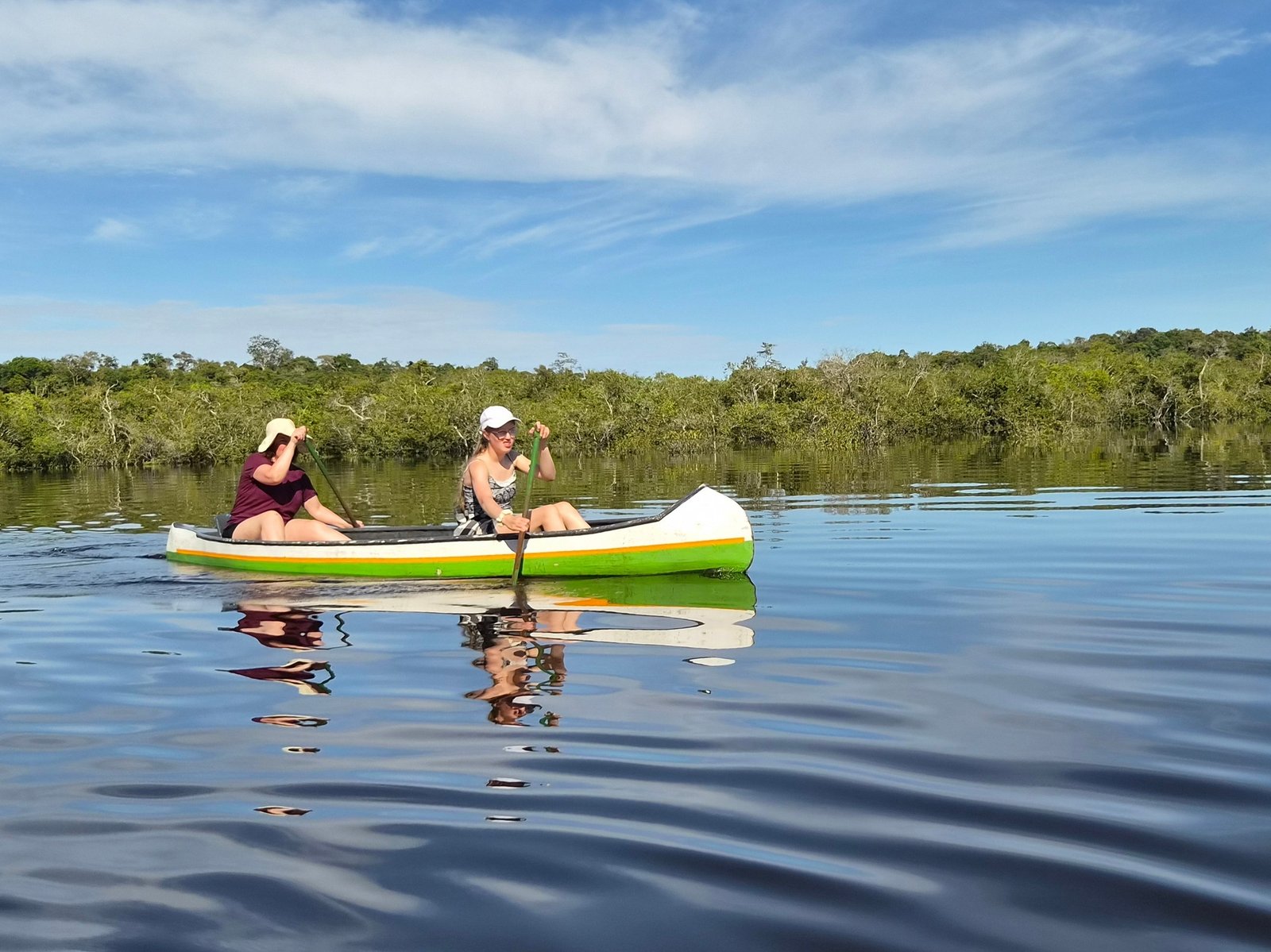
On our last full day, we set out to paddle down the river after breakfast. It wasn’t exactly a short trip—we were out on the water for a good two hours. Marko and Risto got into one canoe, and Jaana and Ronja into the other. At first, steering the canoe in the right direction was a bit tricky, but once we got the hang of it, paddling on the calm river went smoothly. We weren’t the only ones who had a bit of a rough start, as one couple capsized in their canoe before we’d even managed to get moving from the shore near our lodging. The Spanish couple traveling with us also seemed to disagree more than once about how to steer the canoe.
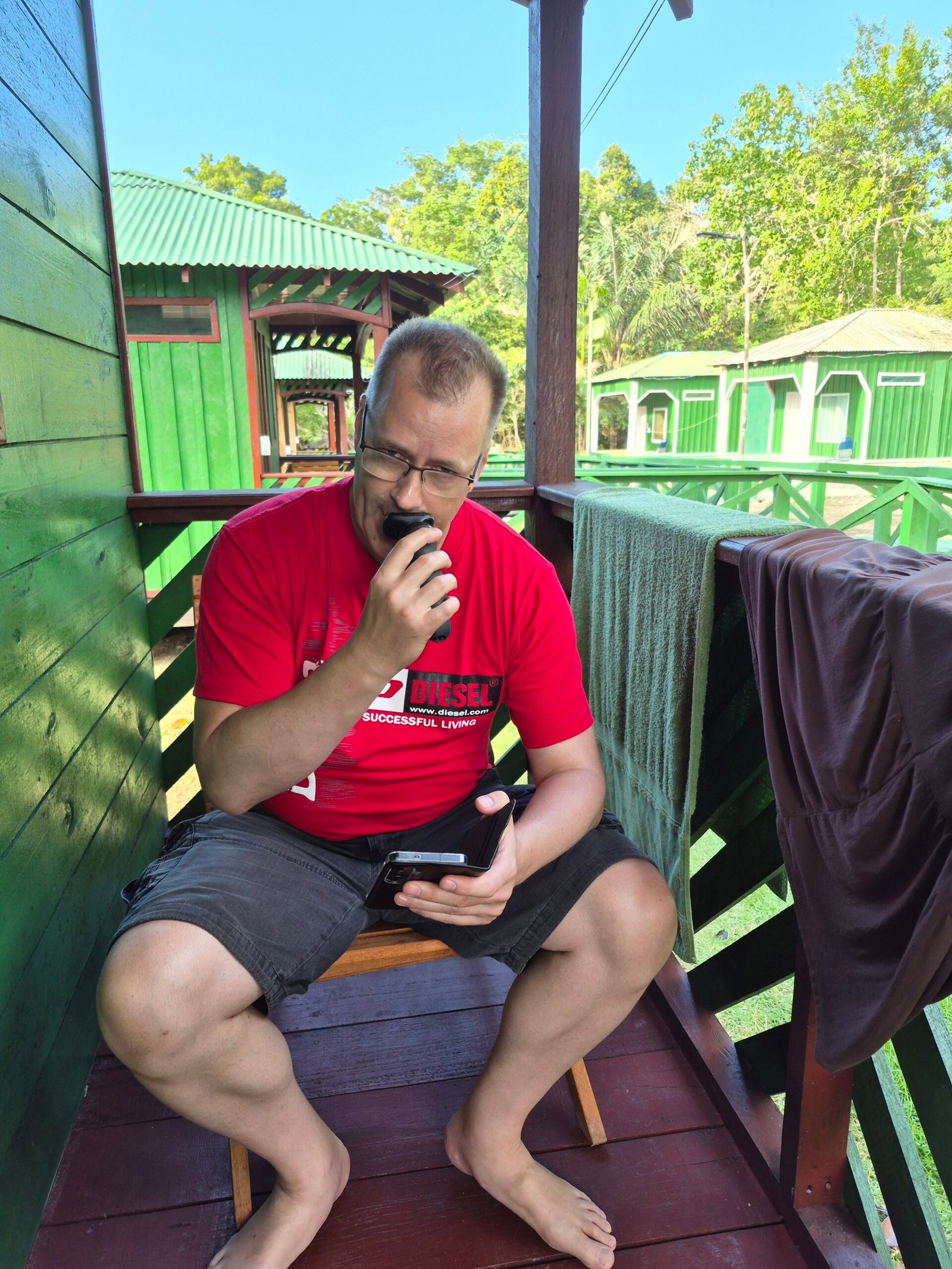
Marko also had to learn how to use the selfie mode so he could shave his beard.
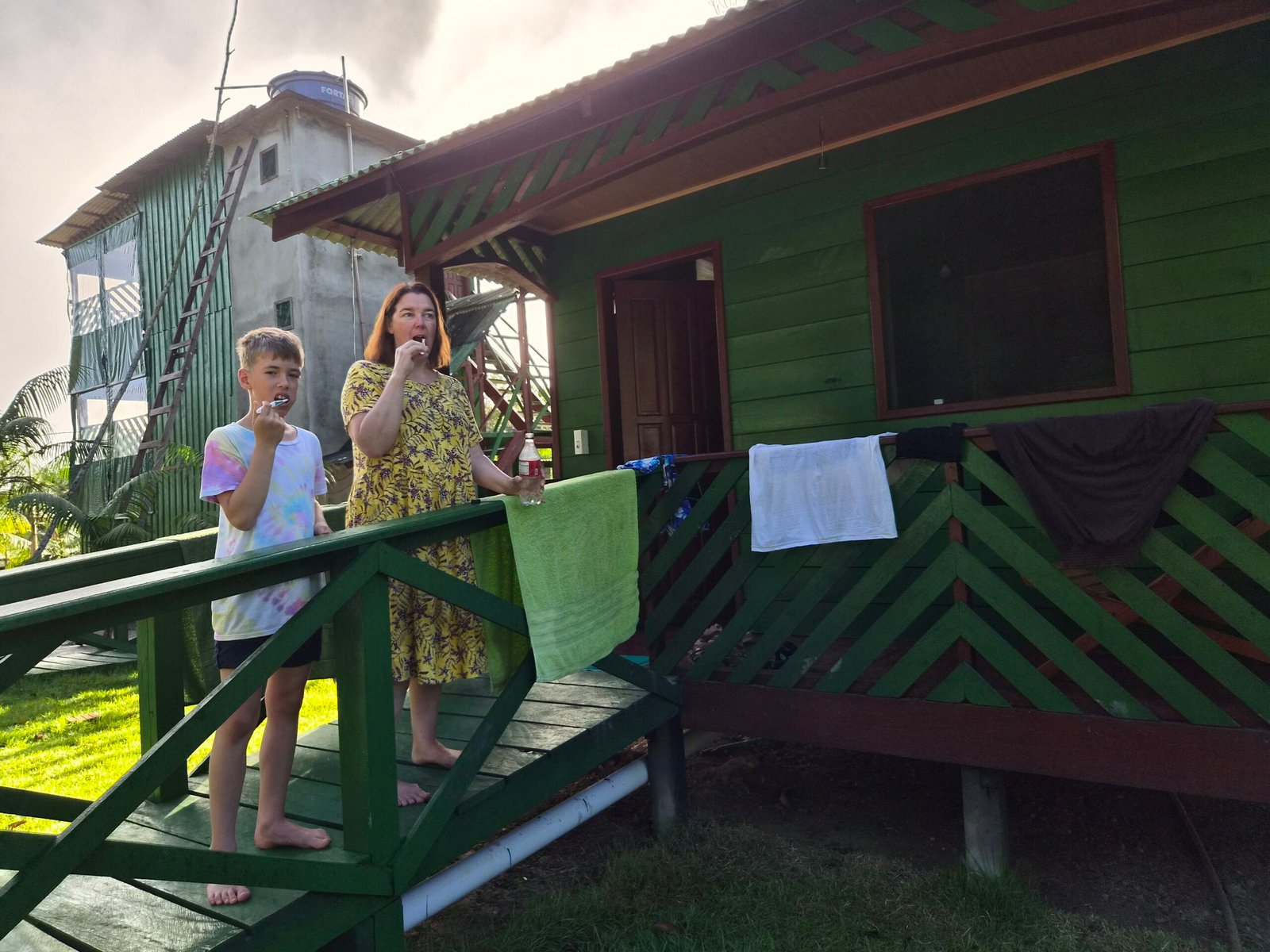
Morning chores in front of the cabin.
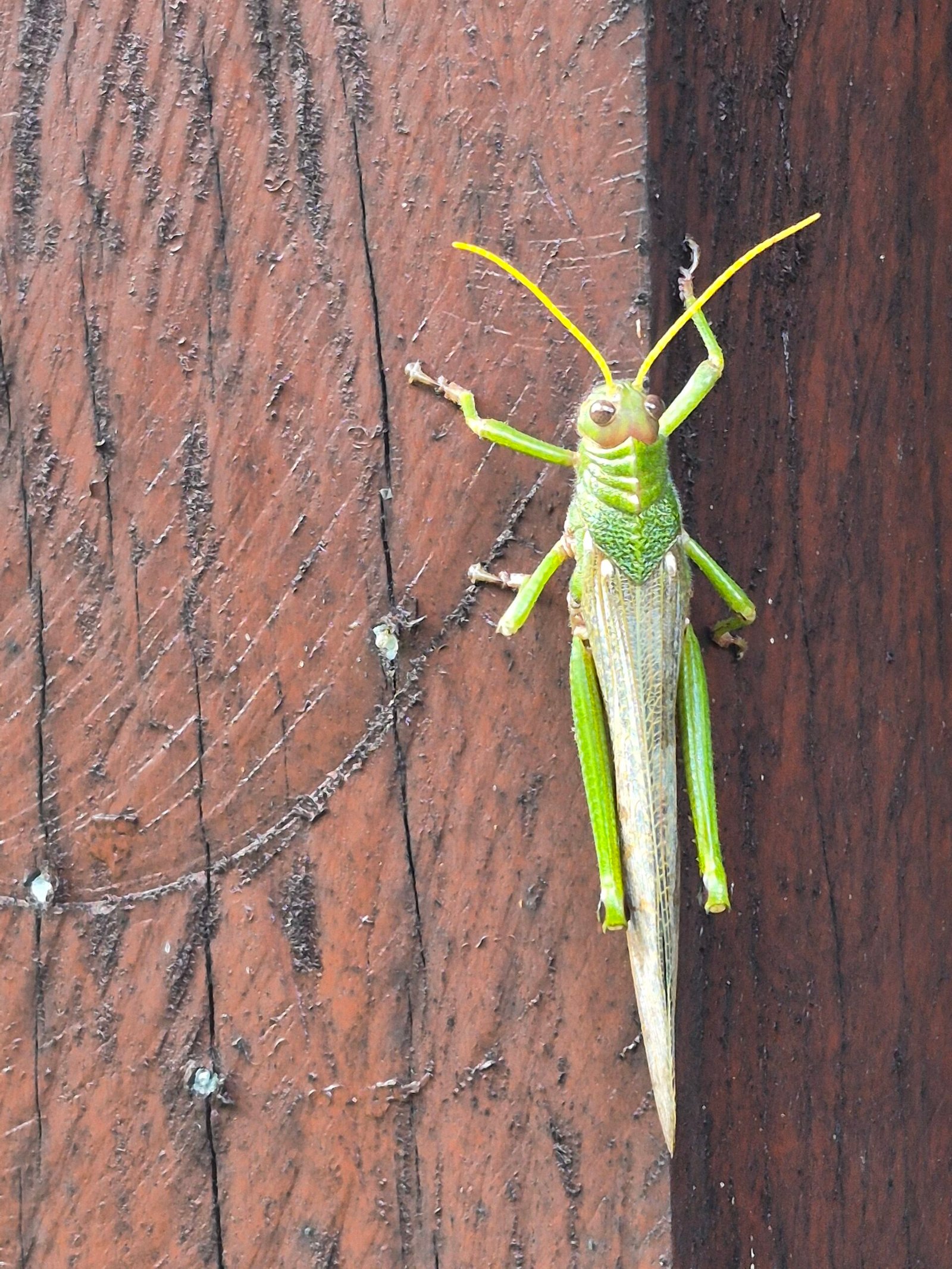
Even a grasshopper, about ten centimeters in size, came to watch us go about our morning routine.
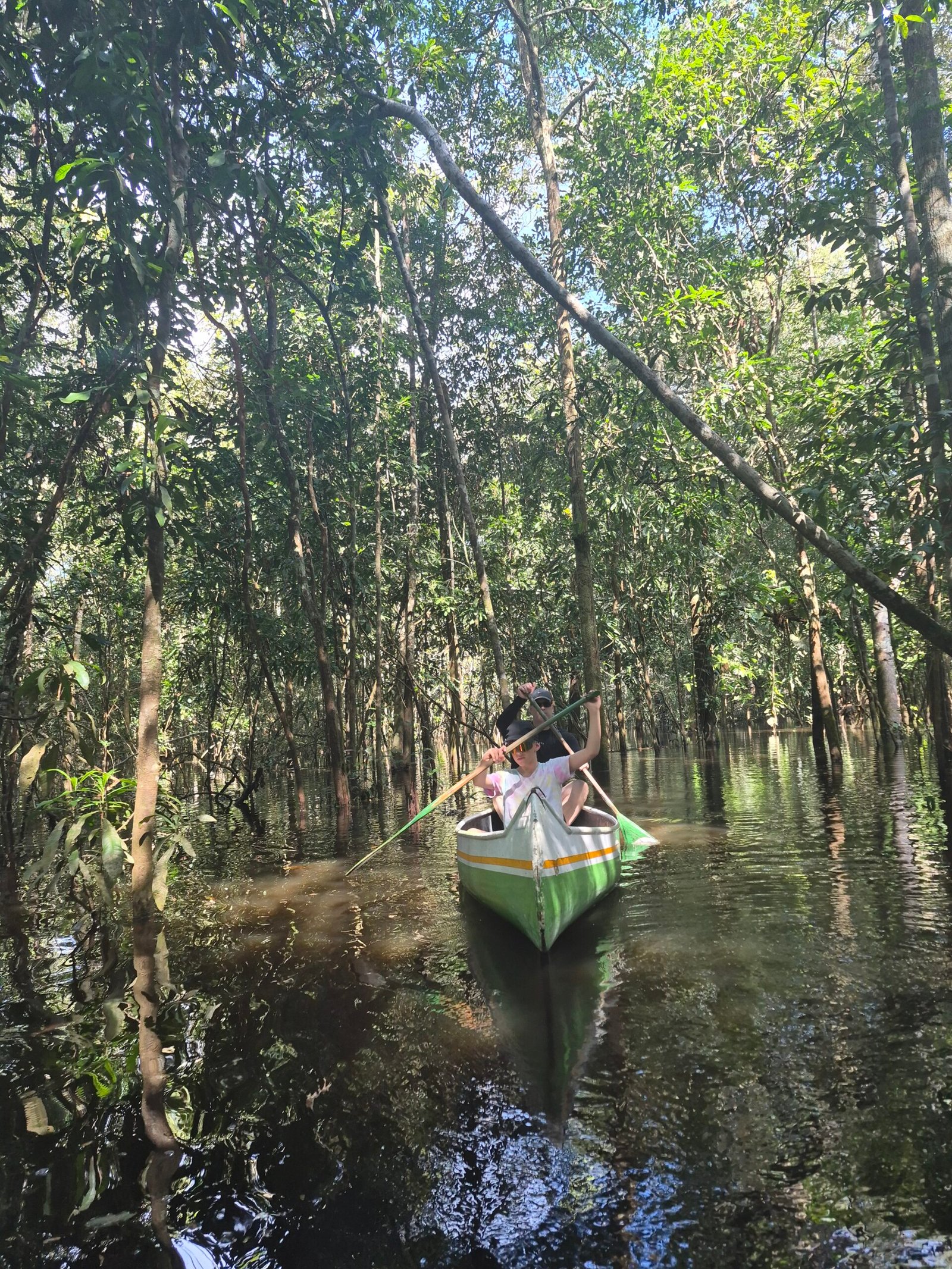
The boys were paddling so hard that the canoe pitched upward.
Here's a look at the girls' style.
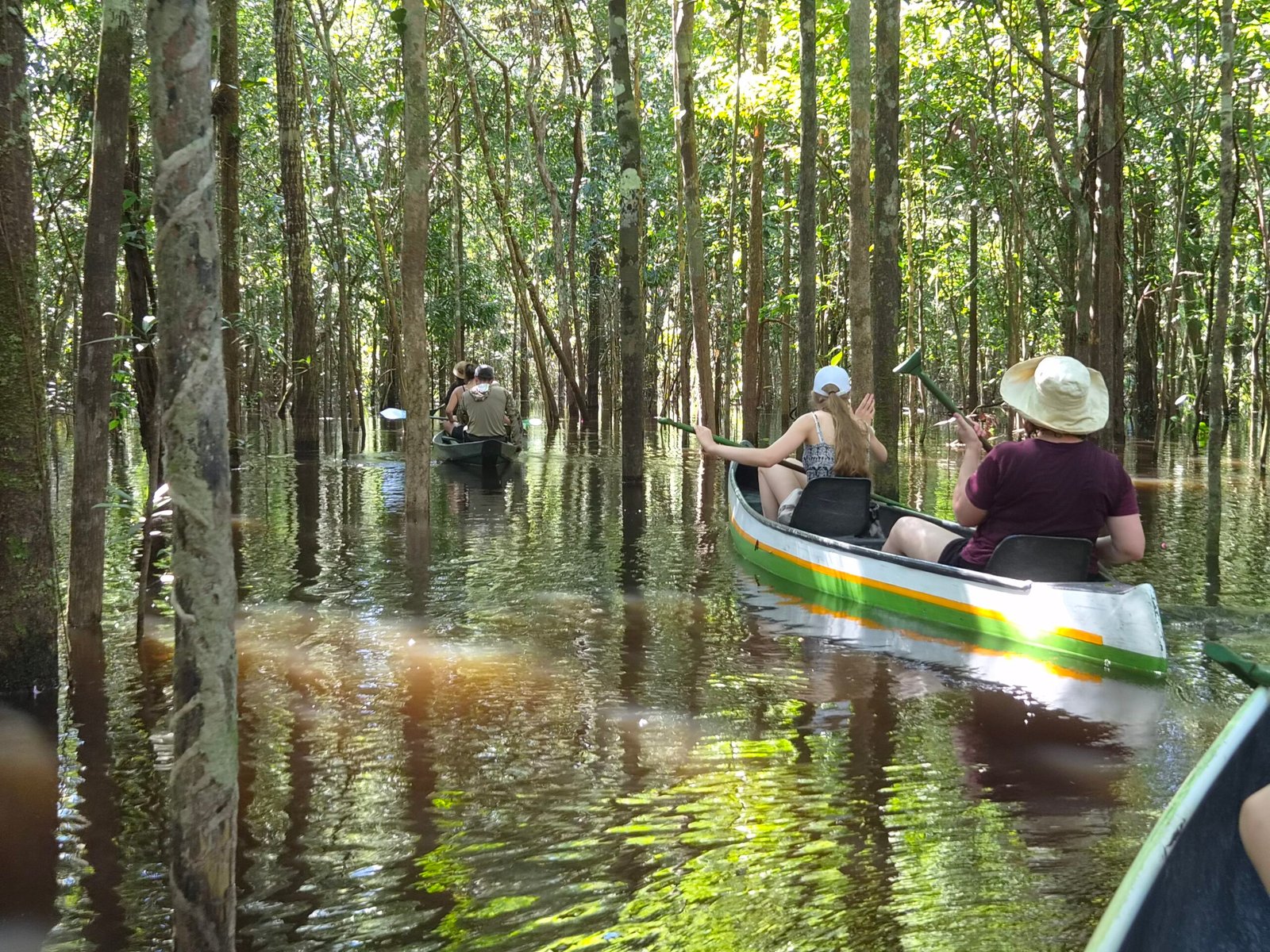
On the way back, our guide asked if we wanted to take a shortcut back to our lodging through the forest, and of course we answered “yes” to that question. Paddling through the forest was quite a different experience from moving along the river. On the river, we had to paddle really hard, but in the forest, it was enough to use the paddle lightly to steer the canoe. Jaana and Ronja settled on a solution where Ronja, sitting in the bow, paddled the canoe by herself, because from that position the canoe seemed to respond better to her steering. The maneuverability was apparently better when paddling from the bow, or maybe Ronja had just discovered a new sport at which she’s really good.
Before we figured out how to paddle in the woods, we sometimes had to steer the canoe in the right direction by pushing against the trees with our hands.
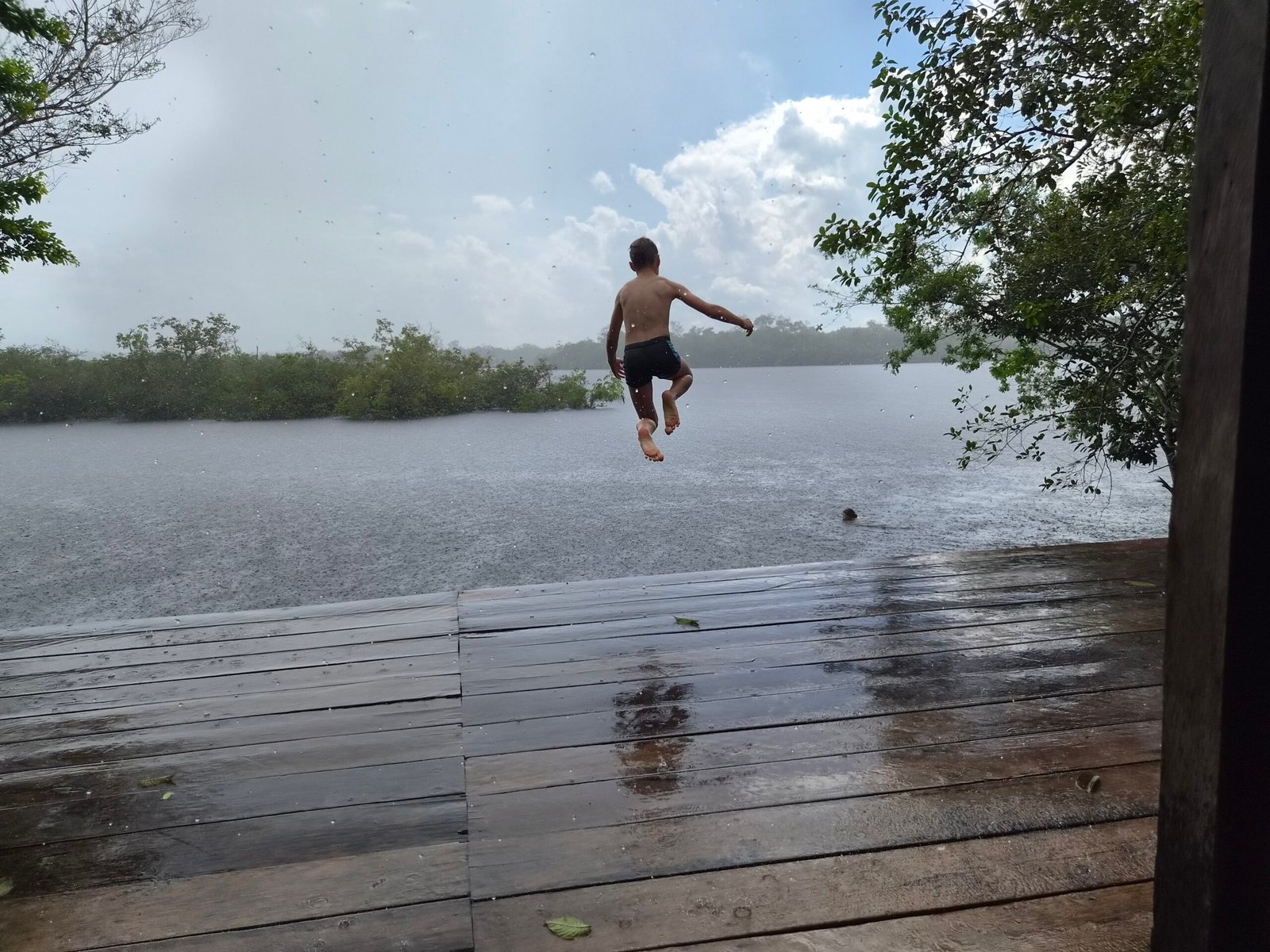
After the canoe trip, we still had time to go swimming, have lunch, go swimming again, and pack our things for the night in the rainforest. During our last swim, we were caught in a heavy afternoon downpour, but that didn’t bother our younger swimmers. You’re getting wet in the river anyway. We sincerely hoped that this afternoon’s downpour would be a one-off, so we wouldn’t get too soaked while spending the night in the forest. Risto even remarked between swims, “Now I understand why this place is called a rainforest.” Travel broadens the mind, and so on.
"The sun is shining, and it's raining. I guess summer is coming." (Finnish children's song)
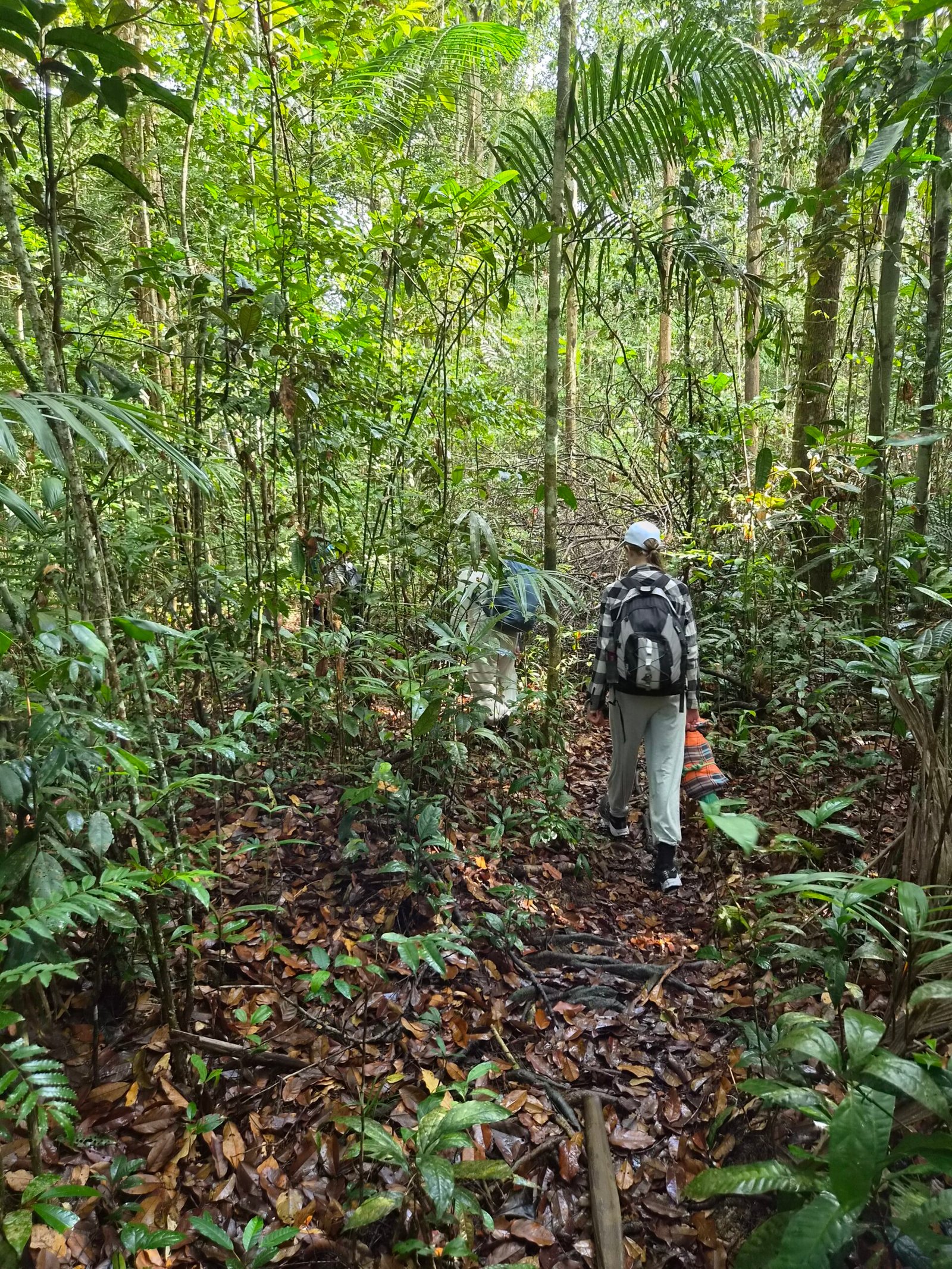
At three in the afternoon, we set off on foot toward the spot where we would spend the next night in hammocks. Luckily, the walk was only about 45 minutes, but trudging through the forest dressed in long pants, a long-sleeved shirt, and closed-toe shoes was quite a sweaty affair! In addition to our own belongings, each of us had to carry a hammock, a mosquito net, and some of the food we’d be eating in the woods. Luckily, our backpacks would be a little lighter on the way back, since the food would then be in our stomachs.
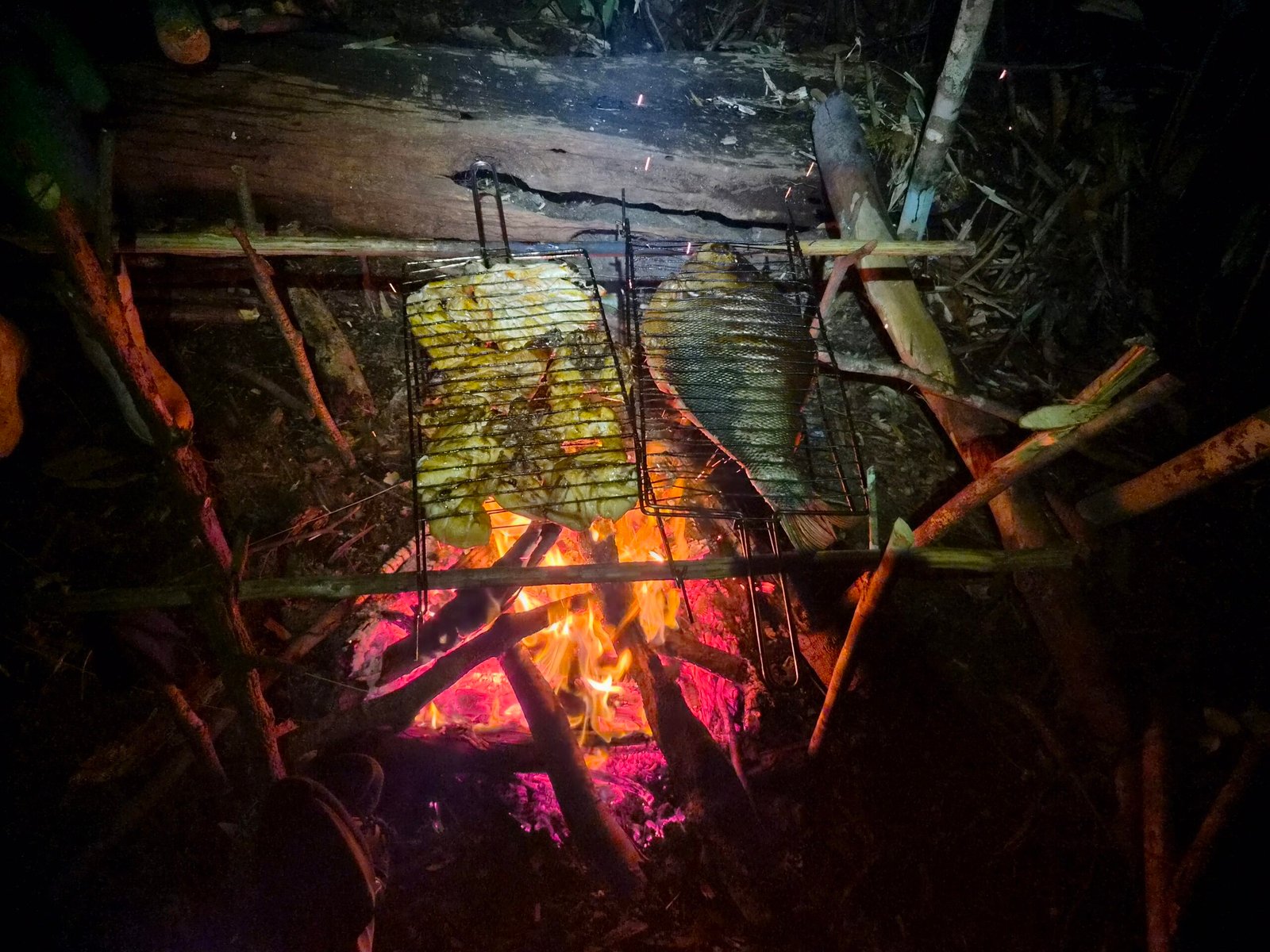
There were a total of eight tourists and two guides on the trip, so the load per person wasn’t too heavy. Ronja actually managed to get by without carrying any food at all, and Jaana, too, made her way through the rainforest carrying nothing but the tambaqui fish that would be served for dinner.
You didn't have to fall too far behind before the group had already disappeared from view behind the rainforest vegetation.
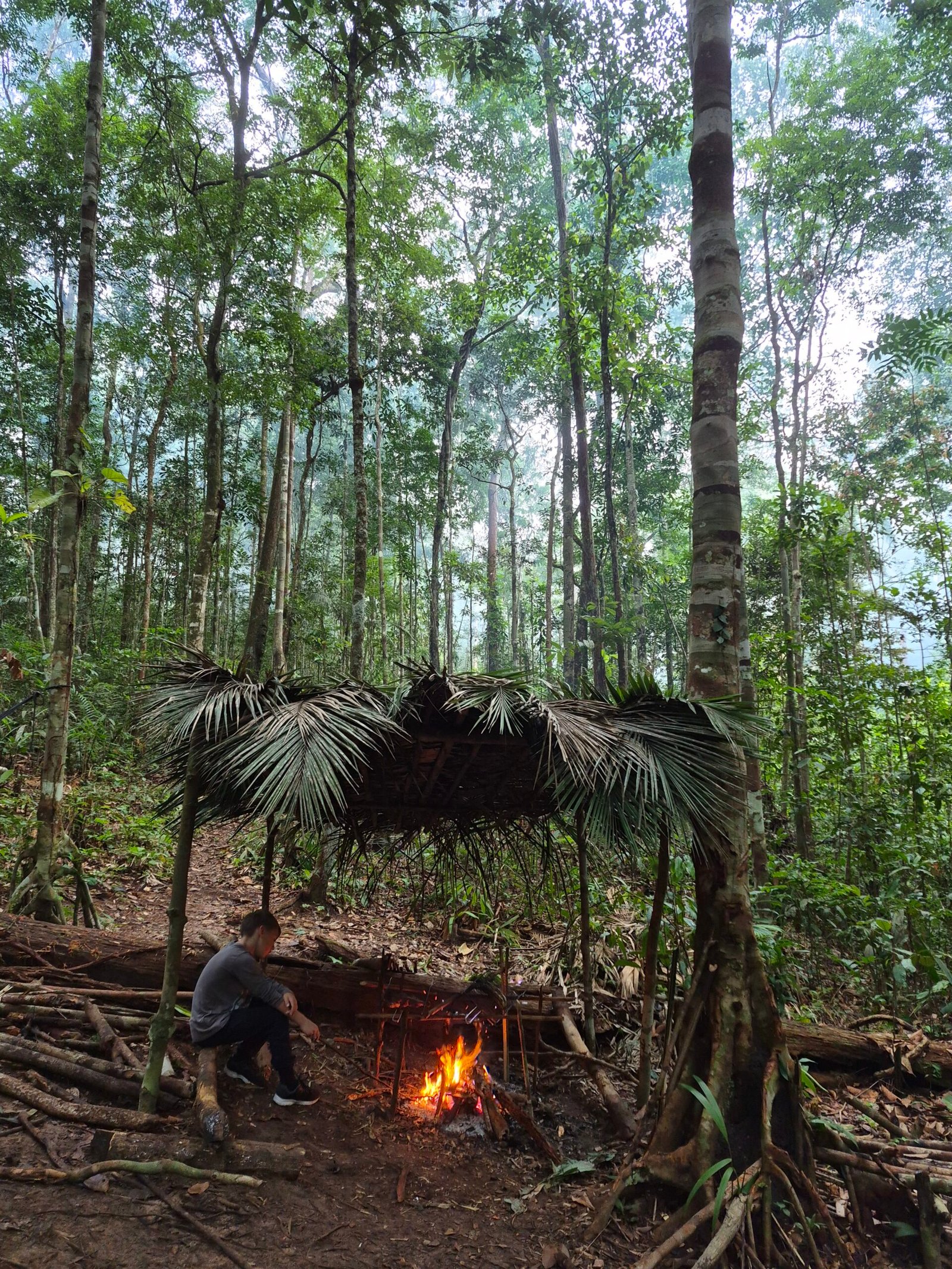
After about a 45-minute walk, we arrived at the campsite, which had been cleverly set up on a steep slope in anticipation of possible rain. A small stream ran below the campsite, from which we drew water for cooking and other purposes. We were told the water was even safe to drink, but we had brought drinking water with us from our actual lodging. We had to cross the stream by walking along slippery and wobbly tree branches. Ronja had already made it across two crossing points with flying colors, but at the last one, her shoe slipped, and suddenly her entire other leg was submerged up to her calf. Luckily, we were already close to camp, so Ronja was able to switch to the sandal she’d brought along for her other foot.
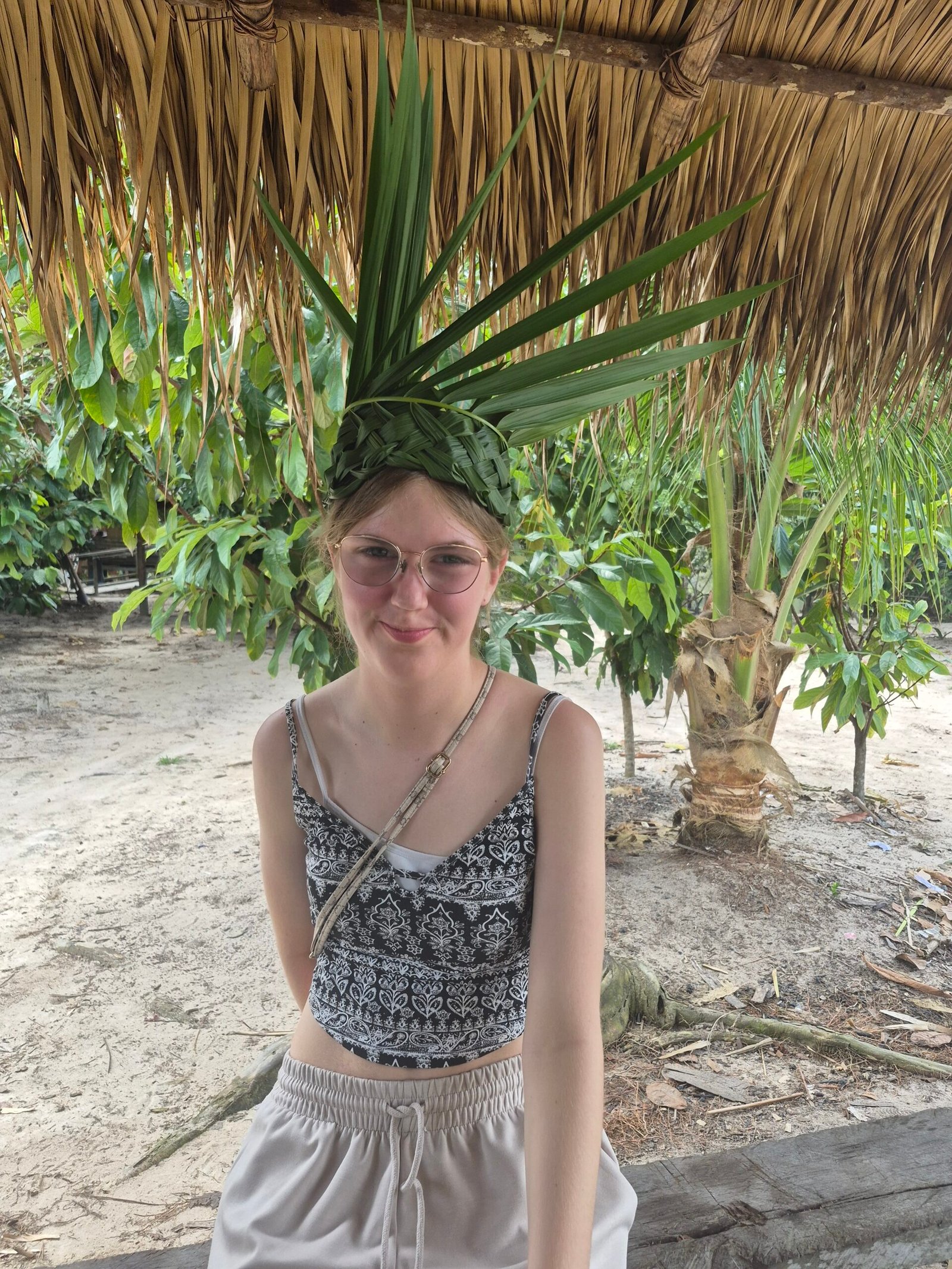
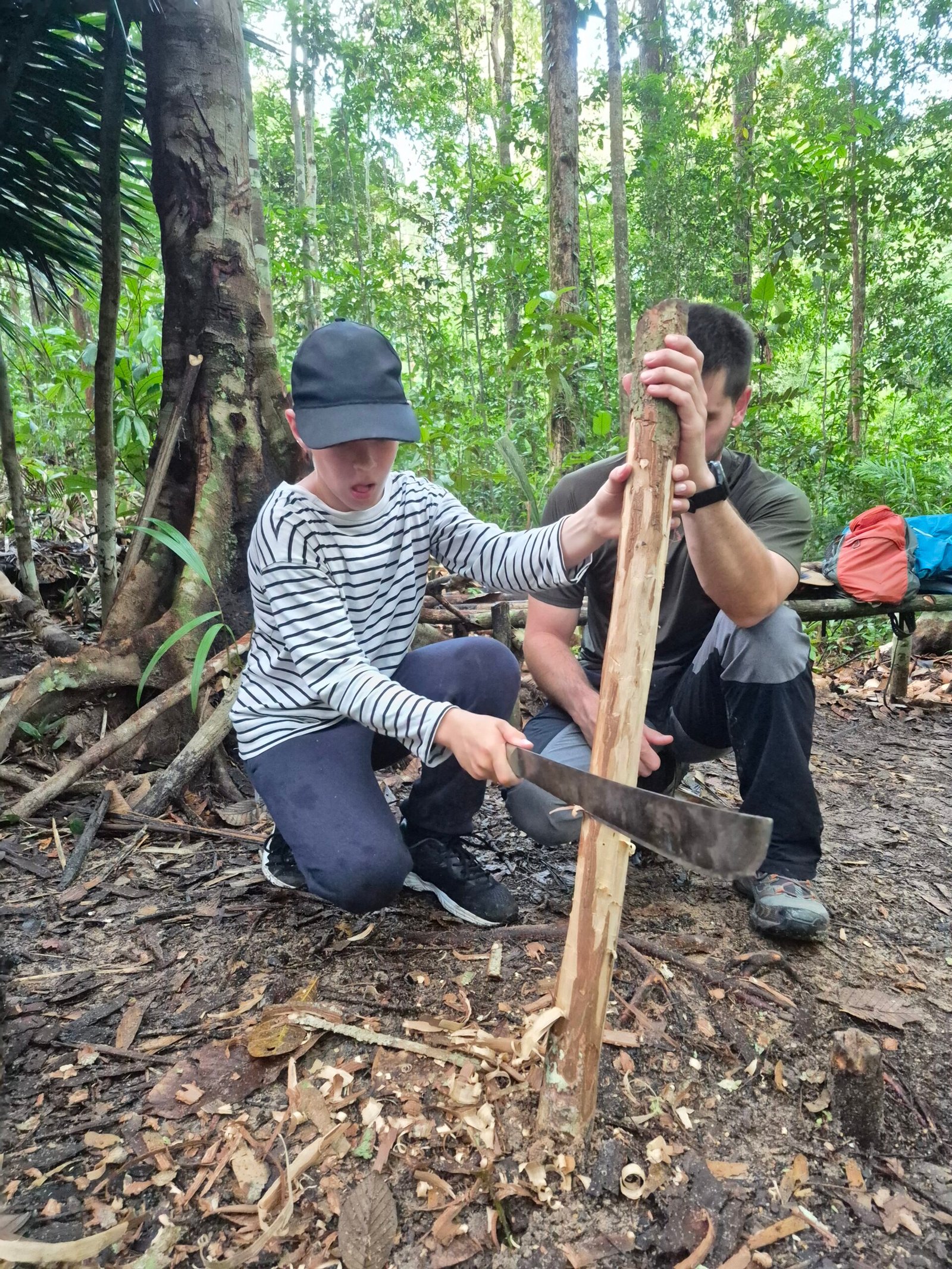
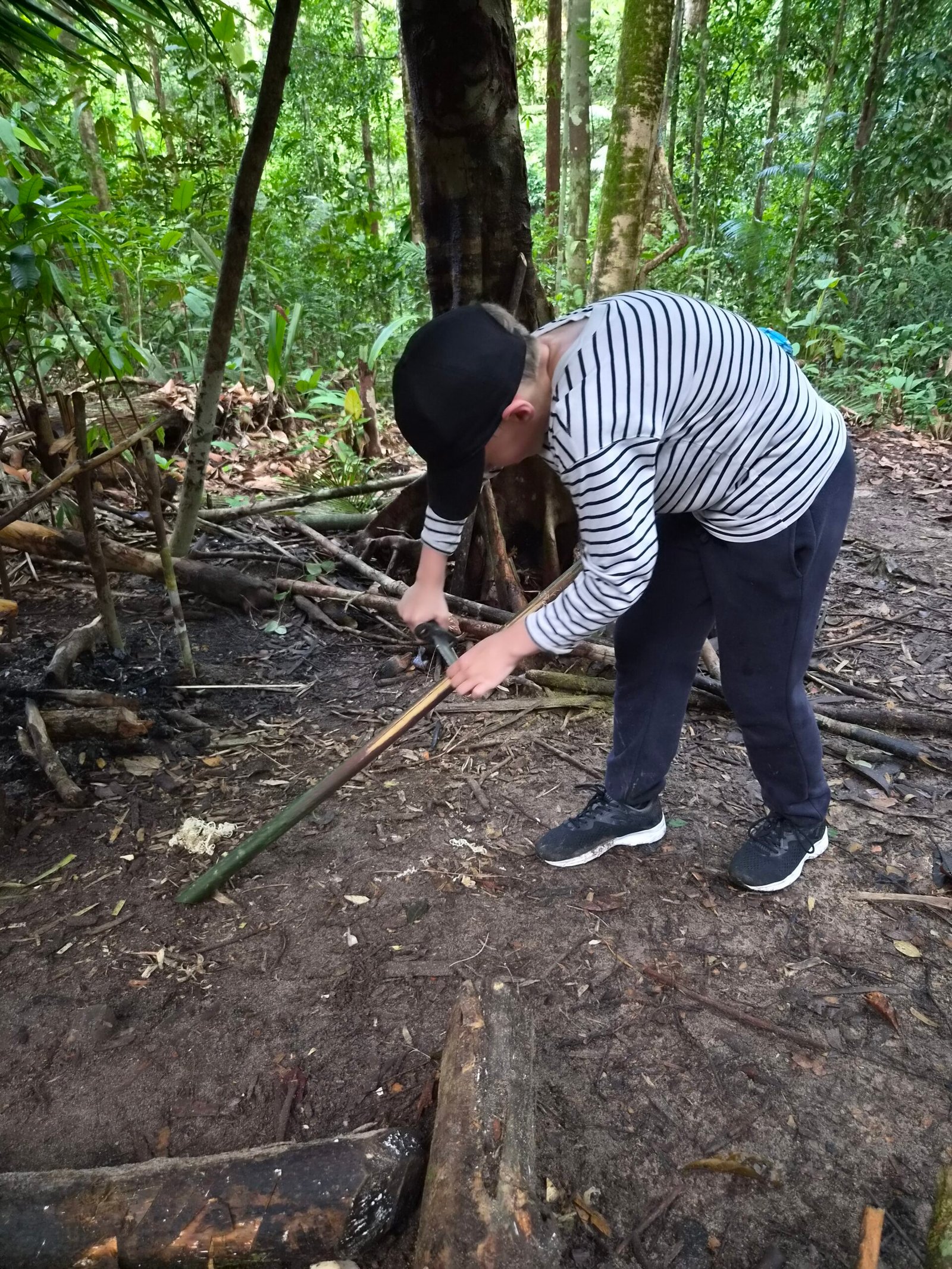
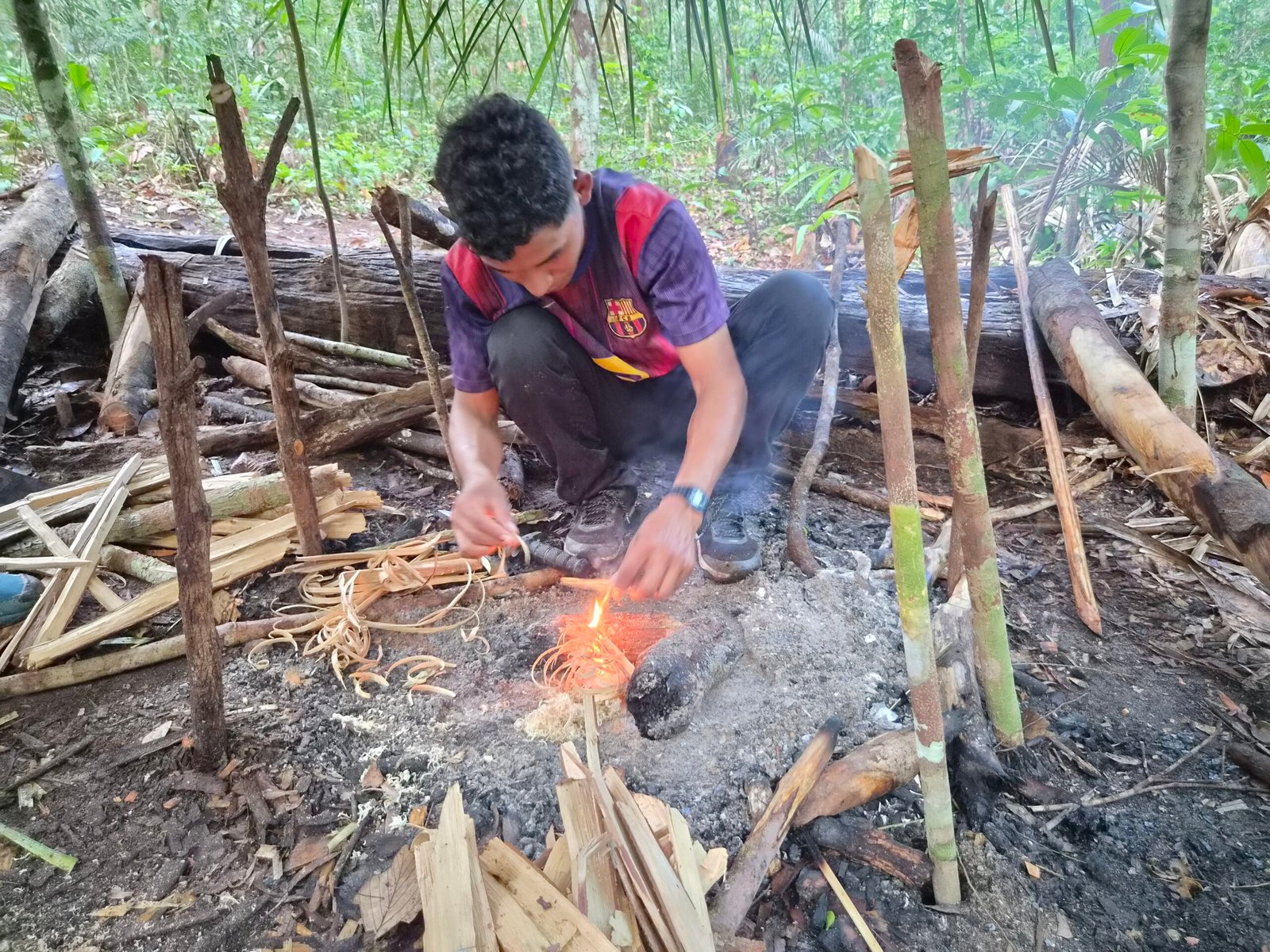
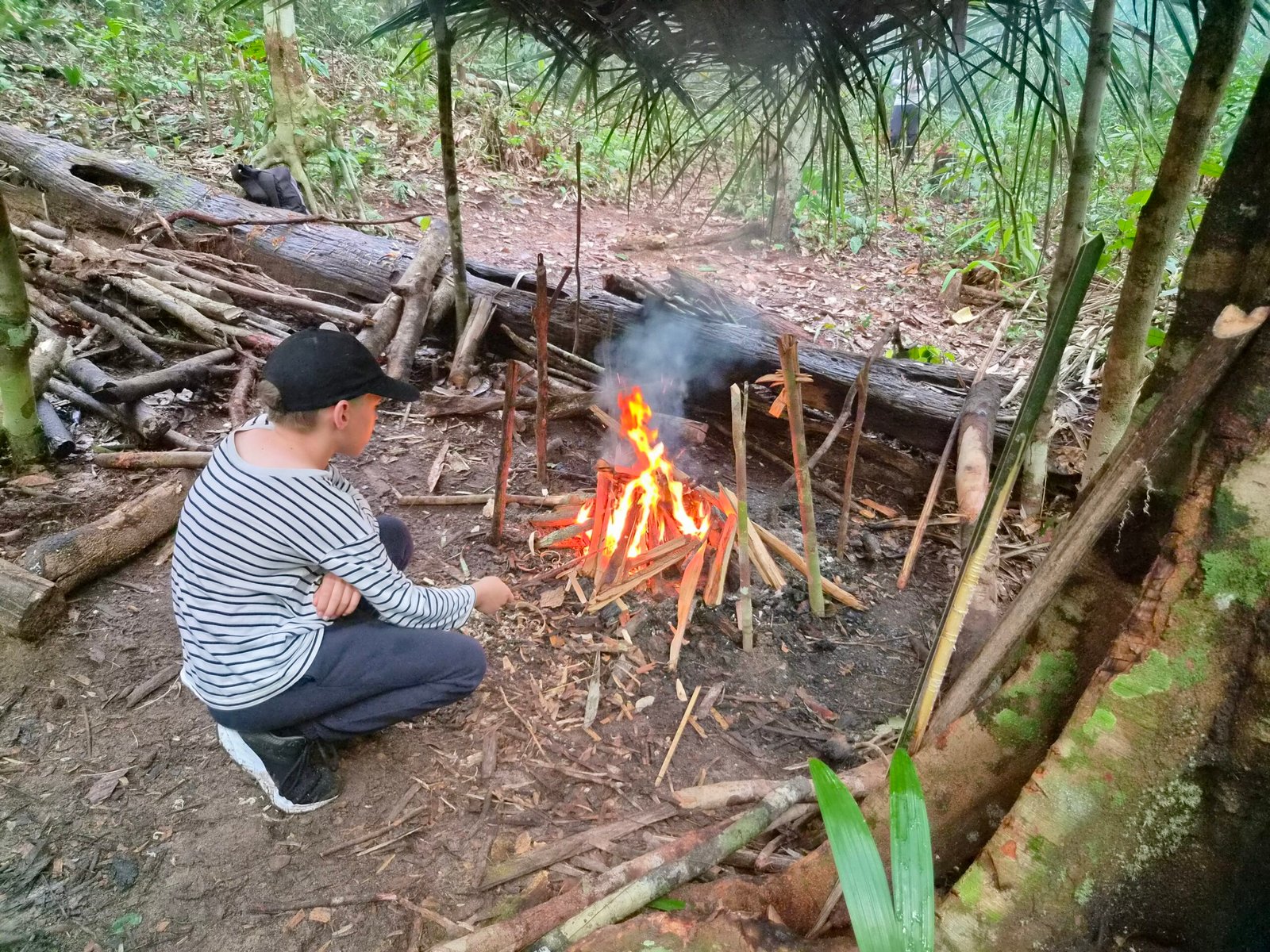
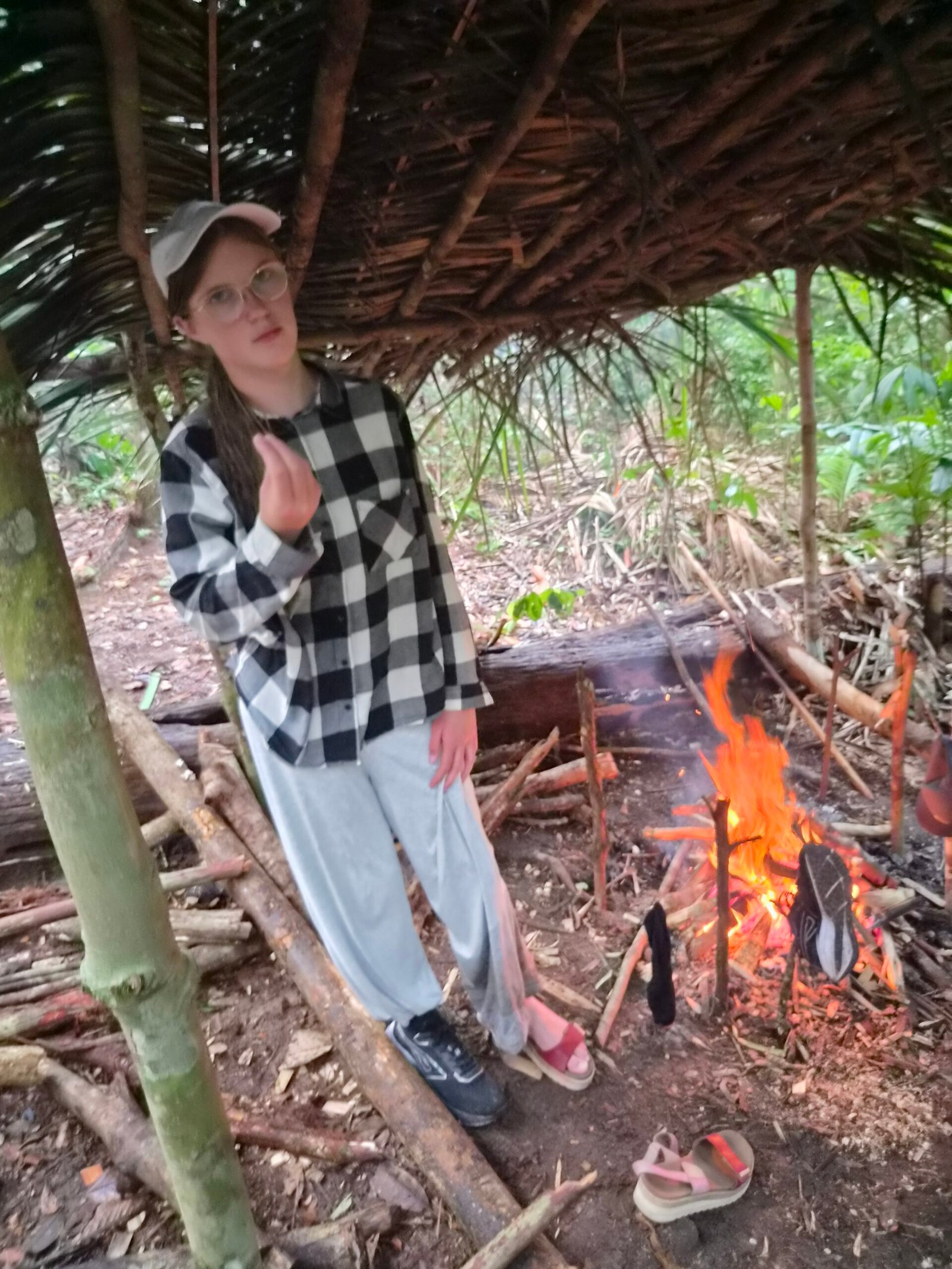
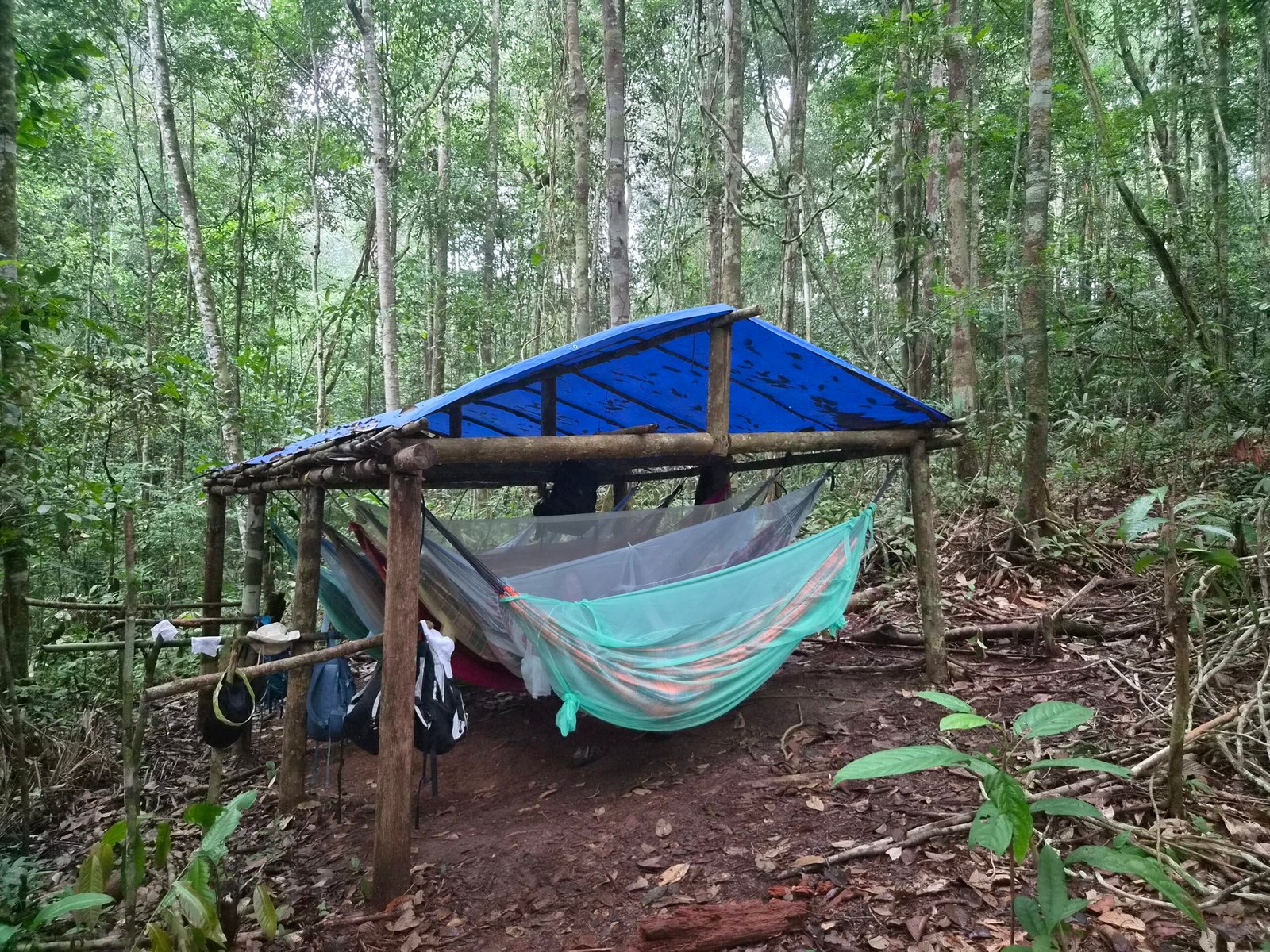
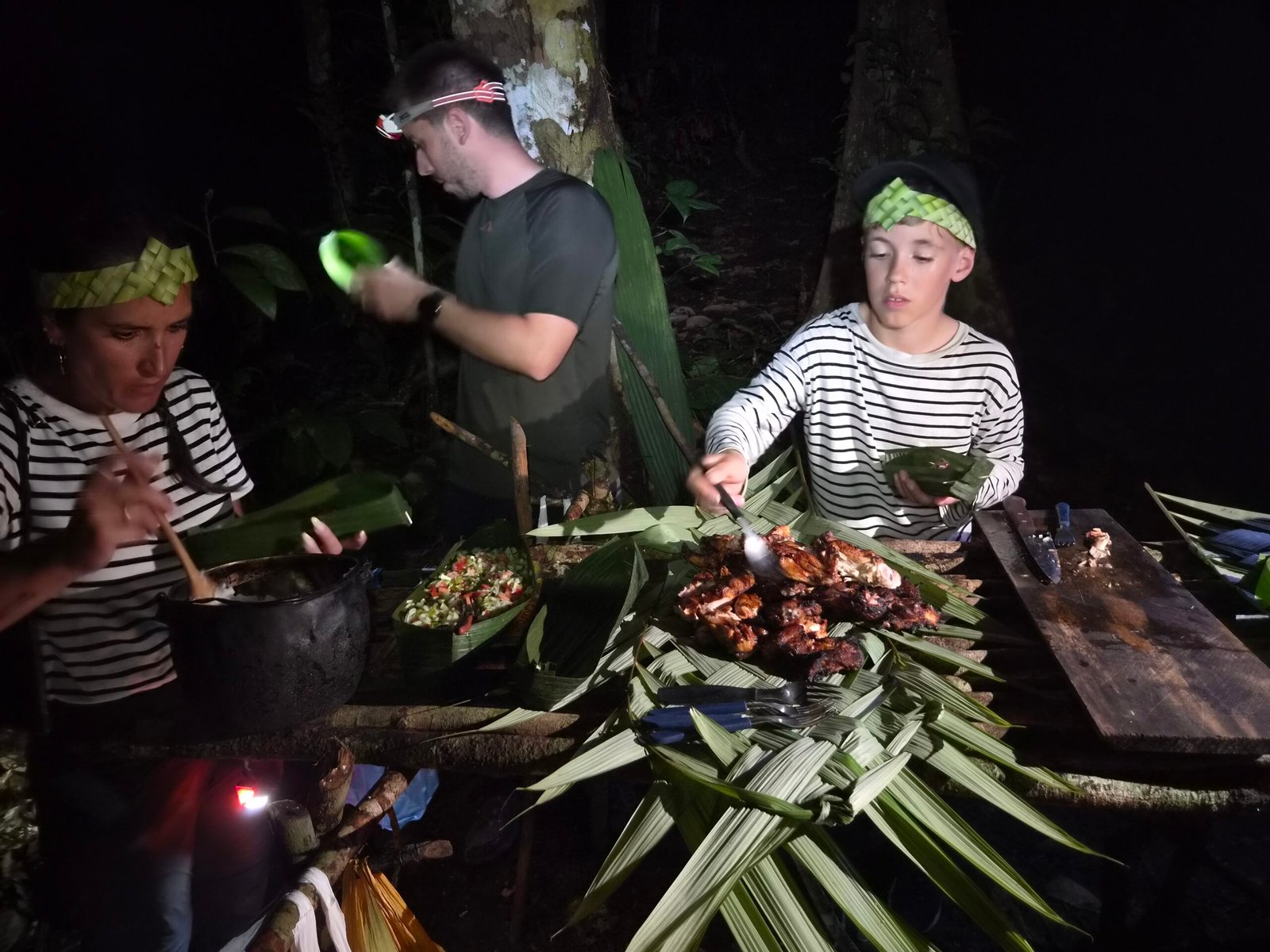
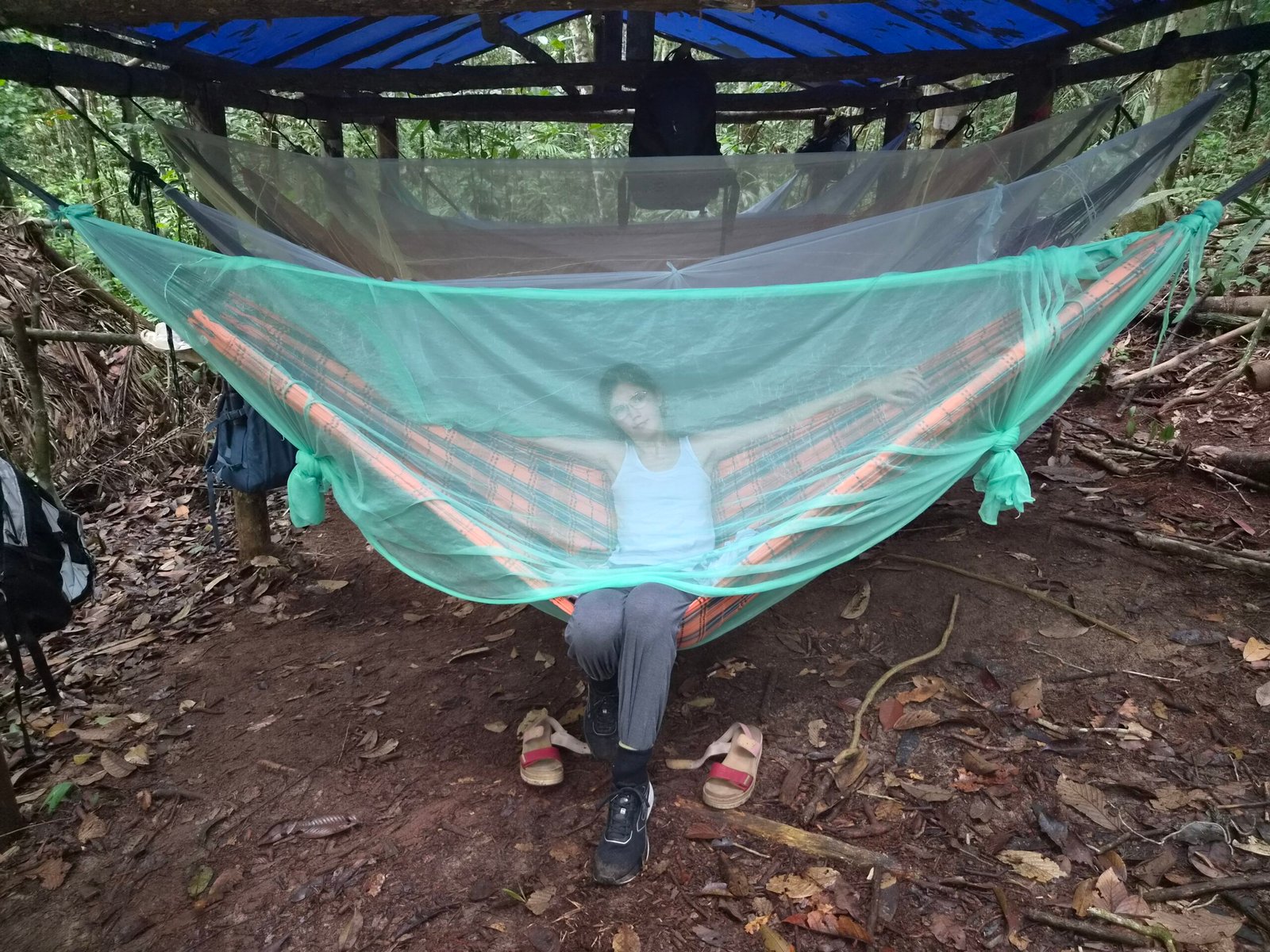
With the guides’ help, we hung the hammocks and the mosquito nets in a small shelter, after which we set out to gather firewood from the forest for the campfire. It wasn’t a very difficult task, since there was plenty of wood in the forest. We had to use a jungle knife to chop the wood into various smaller and larger pieces to make it easier to light the fire. Once we’d made enough kindling, our guide lit the fire using flint, after which we placed a rice pot on the fire to simmer. We also hung Ronja’s sock and shoe on a stick to dry. A moment later, the fish and chicken pieces found their way onto the fire as well. Our group of women folded plates and wove a tablecloth from palm leaves.
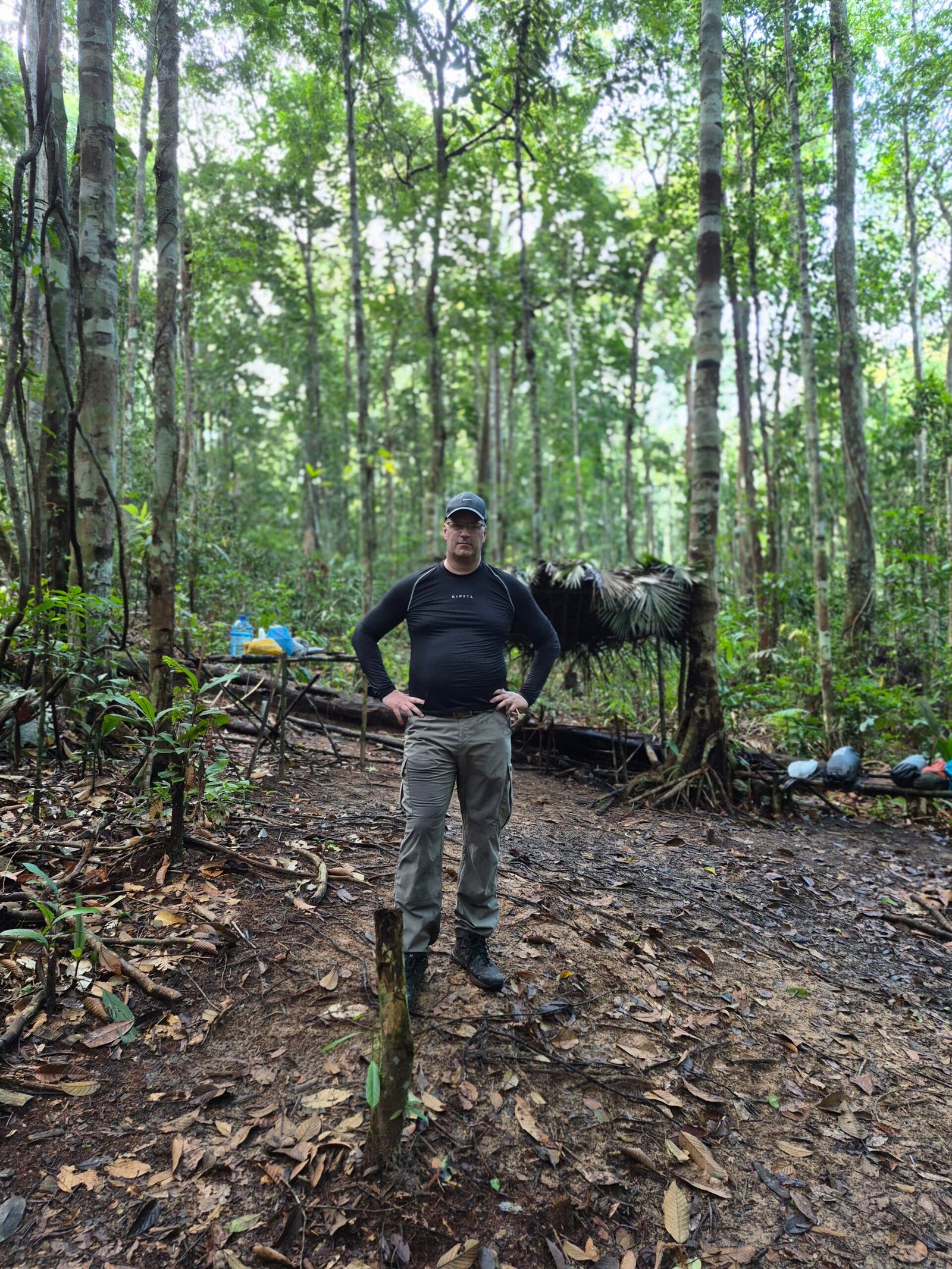
Marko, the King of the Forest
Risto is definitely quite the handyman!
It's no surprise that Risto was nicknamed "Fireman" on our trip to Africa.
Ronja doesn't appreciate roughhousing.
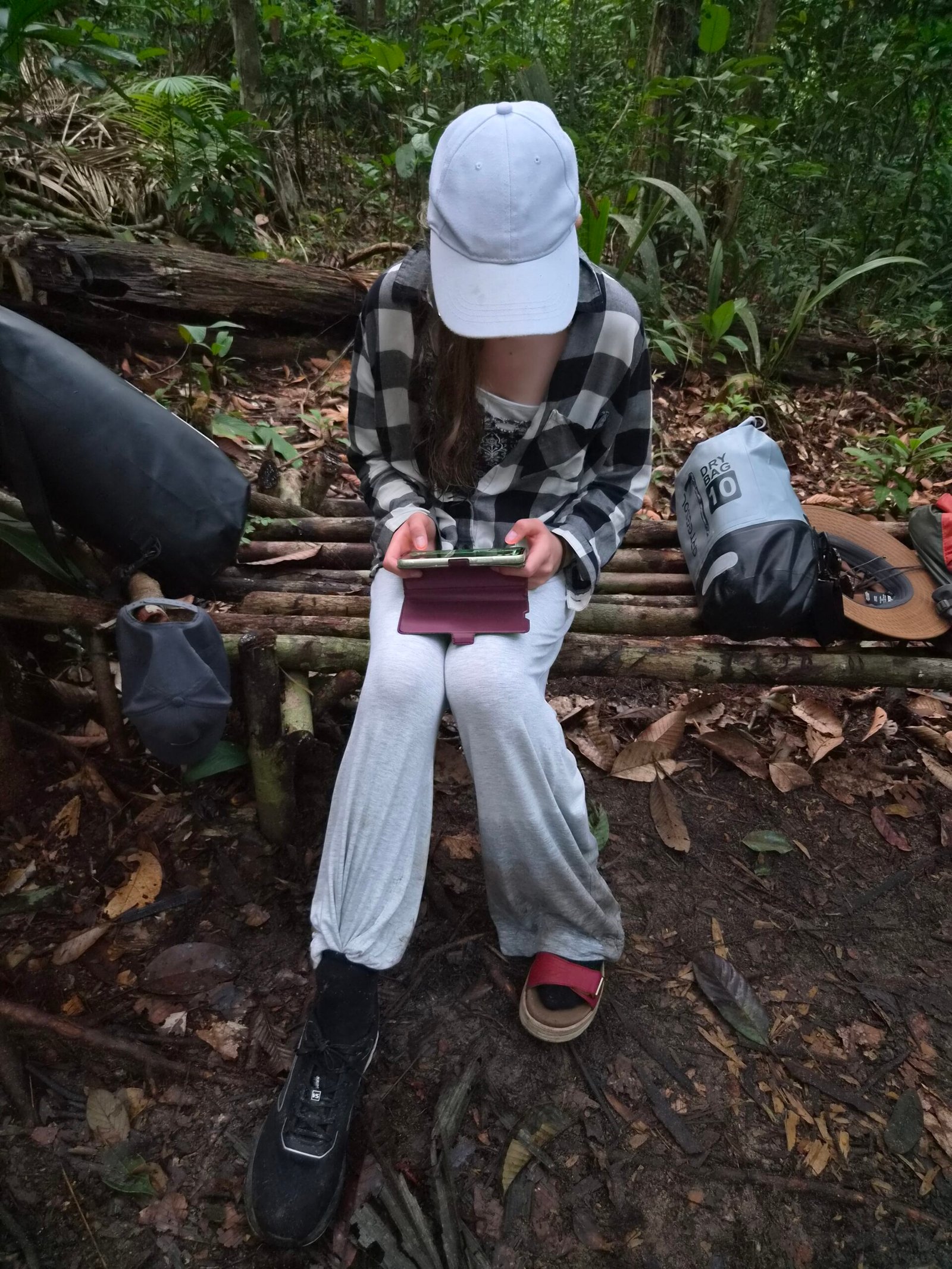
"I'm gonna play Robbery-Bob! I'm not interested in this nature stuff right now."
Backpacks and shoes had to be hung up overnight so that uninvited guests couldn't crawl into them so easily.
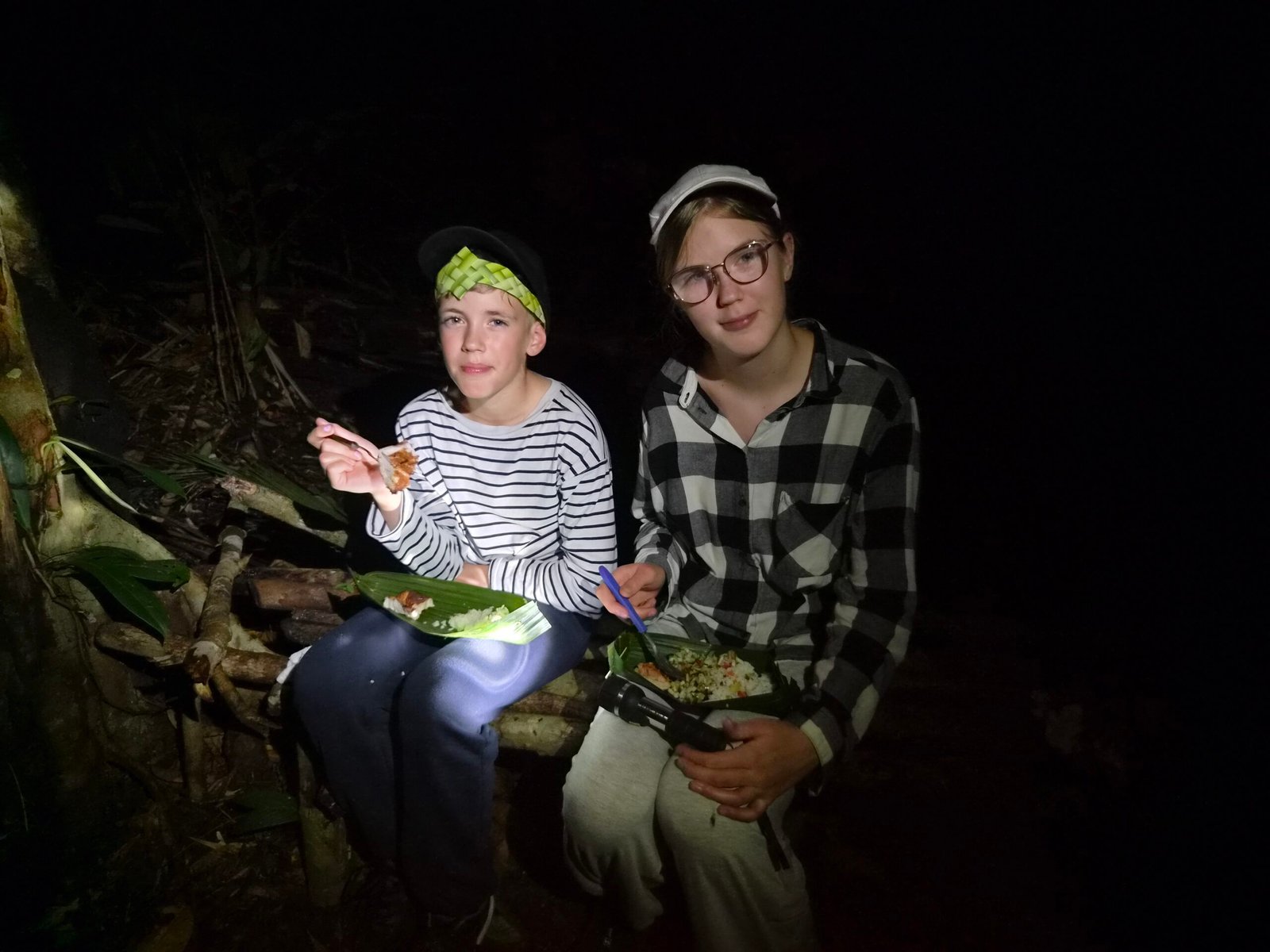
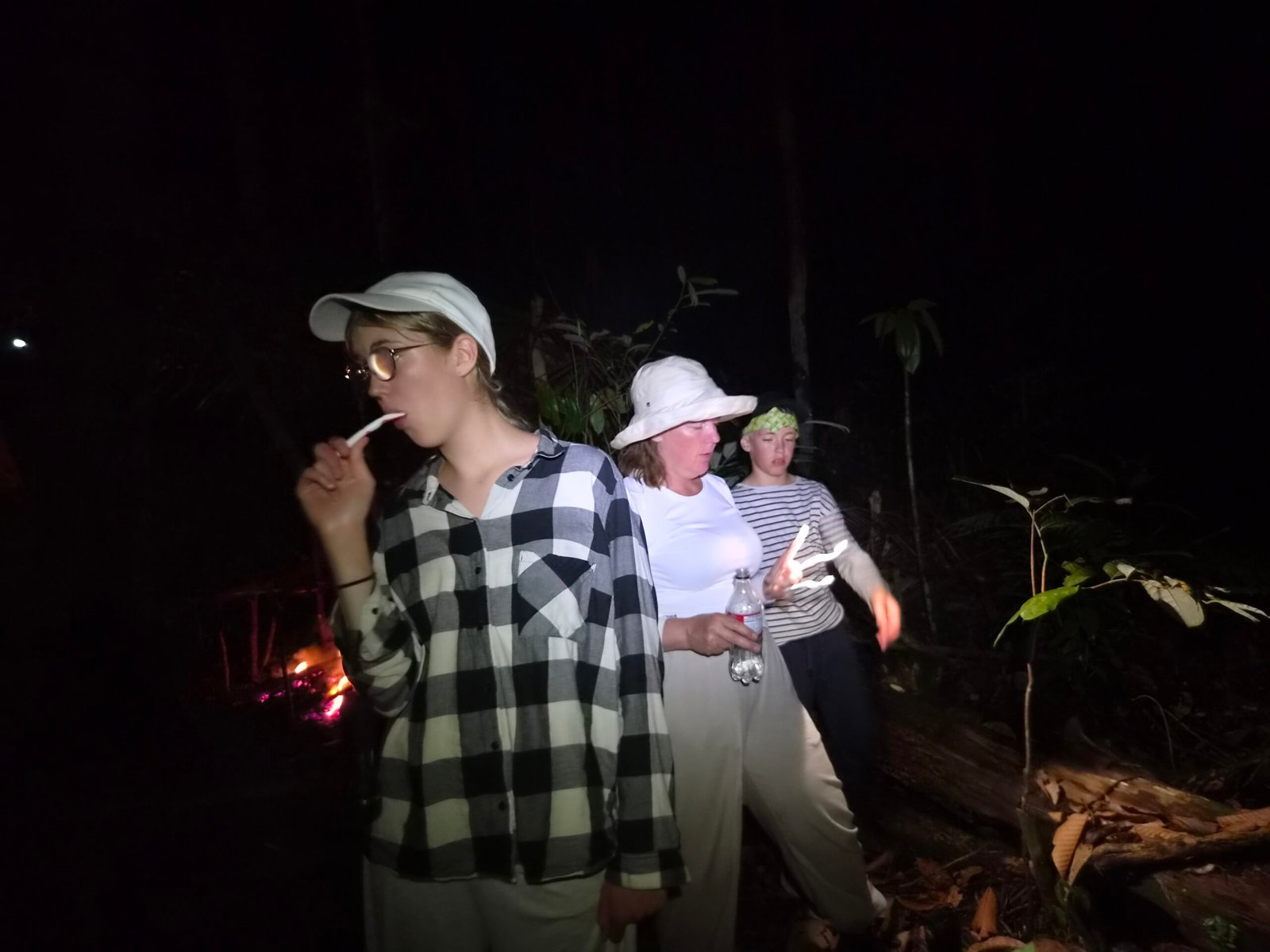
Darkness had already fallen by the time the food was finally ready and Ronja’s sneakers had dried. So we ate dinner by the light of our headlamps while bats flitted overhead. To our surprise, there were hardly any other flying insects, such as mosquitoes, in the forest. Still, just to be safe, we applied a bit of the stronger mosquito repellent we’d bought at the vaccination center, though we probably didn’t really need it. Our guides, at least, slept in their hammocks without any mosquito nets at all and even walked through the forest in T-shirts. We had been advised to wear long sleeves. Apparently, though, that was mainly so that long sleeves and pants would protect us from any scratchy branches as we walked through the rainforest, rather than from insect bites.
Dinner will be ready soon.
After dinner, we all retired to our hammocks to sleep. Much to Ronja’s “delight,” there was no bathroom, so that part of the evening routine had to be taken care of in the bushes. It wasn’t worth going too far, though, since you couldn’t be entirely sure what was waiting in the darkness. Ronja managed to get through this little ordeal without any problems, though. Apparently, the “bushy bushy” from last summer’s trip to Africa had been a learning experience.
Evening chores were also done by the light of a headlamp.
In the video below, you can hear what it sounded like in the rainforest at night.
Everyone else in our group slept well in their hammocks, but Marko couldn’t find a comfortable position at all, and after just half an hour in the hammock, his legs started to go numb. So Marko went to sit on a tree stump a couple of times in the dark rainforest when sleep just wouldn’t come. Early in the night, on his way back from the tree stump, Marko managed to sit right past his own hammock and plopped down on the ground behind it. Luckily, the hammocks weren’t very high off the ground, so the fall wasn’t too bad. The fall was accompanied by the sound of a mosquito net tearing, so at that point we already knew this wasn’t going to be Marko’s best night’s sleep. Marko somehow managed to put the mosquito net back over his hammock, though, and climbed back in to try to get some sleep.
We’d all been asleep for quite a while when Jaana was startled by a sound nearby that resembled the flapping of wings. After that, Ronja’s scream echoed through the forest. Apparently, this flying creature (in the dark, we never could tell whether it was a bird or a bat) had swept right past Ronja’s hammock and startled her. Everyone else woke up at Ronja’s scream, but Risto just snored contentedly in his own hammock. One of our guides—in the dark, we couldn’t tell if it was Jefferson or Miuson—went over to ask Ronja if everything was okay. When Ronja replied in the affirmative, our guide tried to peer into the depths of the rainforest with his headlamp, but the source of the sound was no longer visible. So we all went back to sleep.
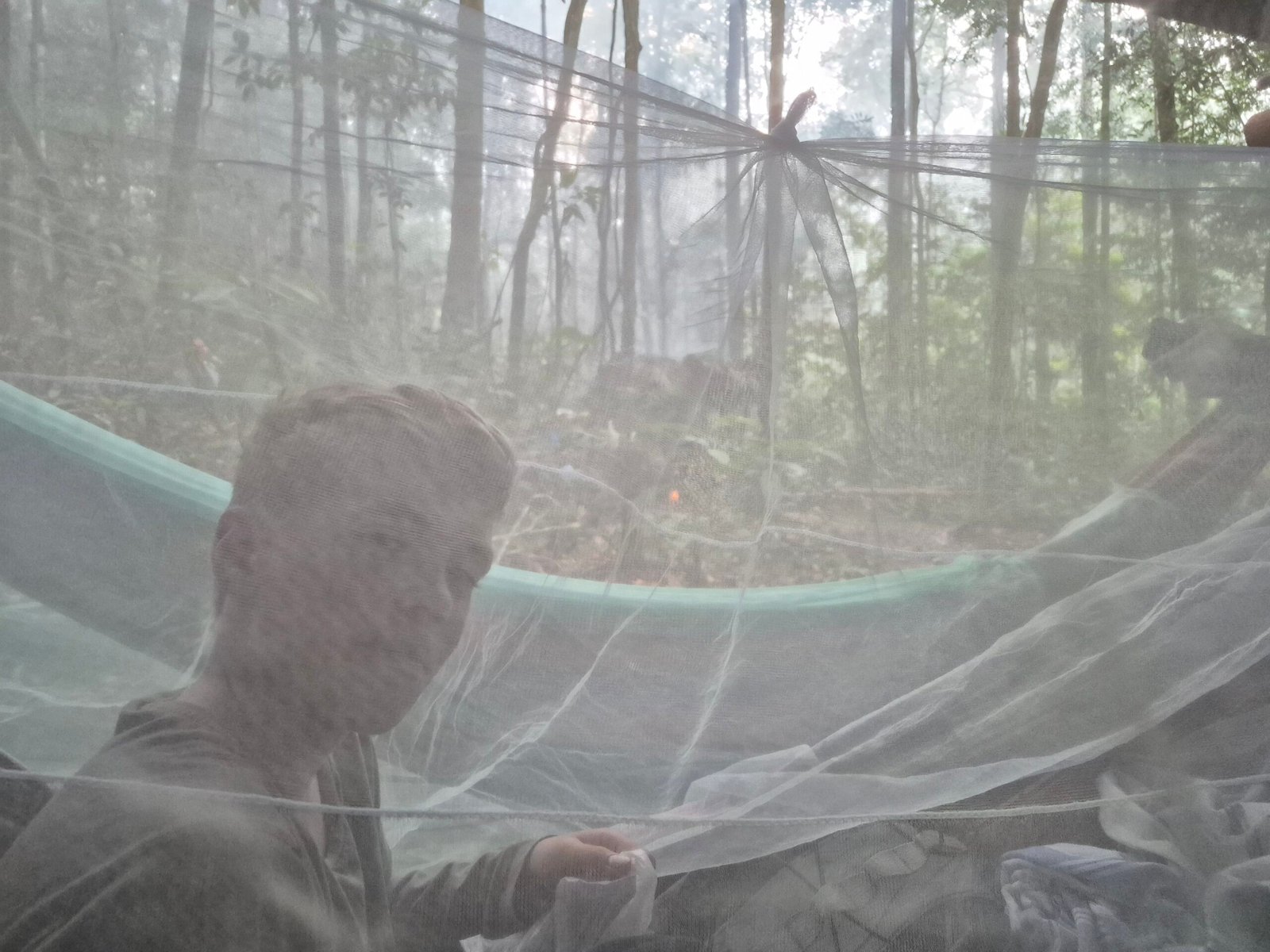
We didn’t wake up again until the next morning, when the sun was already beginning to rise. It was surprising how quickly one gets used to the constant chirping of crickets, the croaking of frogs, the nighttime hooting of birds, and all sorts of rustling sounds in the rainforest. These nighttime rainforest sounds didn’t disturb our sleep at all. In fact, quite the opposite. It was also warm to sleep in at night. The constant humidity of the rainforest brought a refreshing coolness, but I didn’t feel cold while sleeping. Risto probably slept all night in just his underwear with a towel draped over him as a blanket, but the rest of us were all wearing long pants and either a T-shirt or a long-sleeved shirt on top.
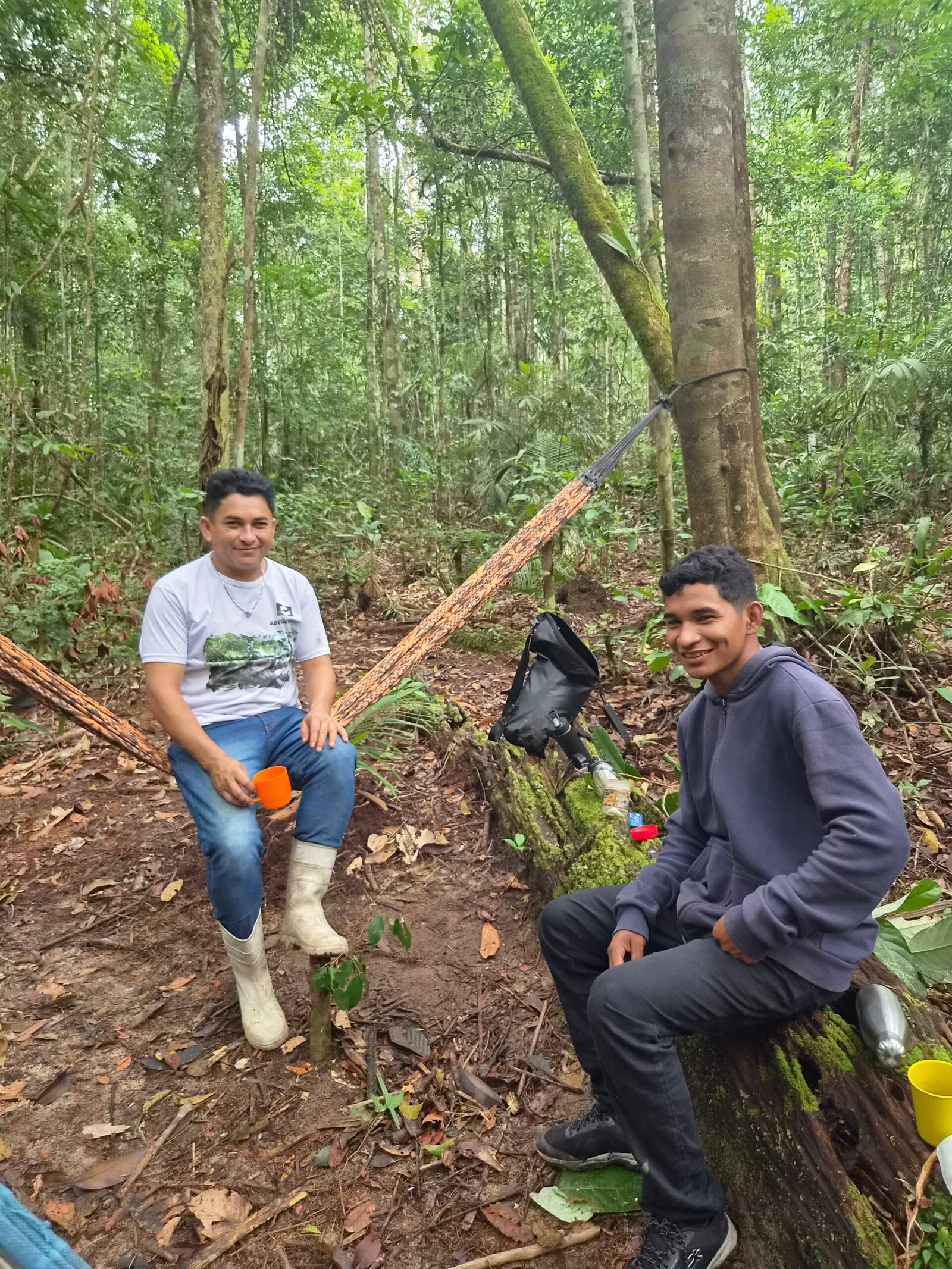
A happy camper in his hammock.
Even Ronja had a bit of a smile on her face in the morning.
Risto is in his element when he gets to go hiking.
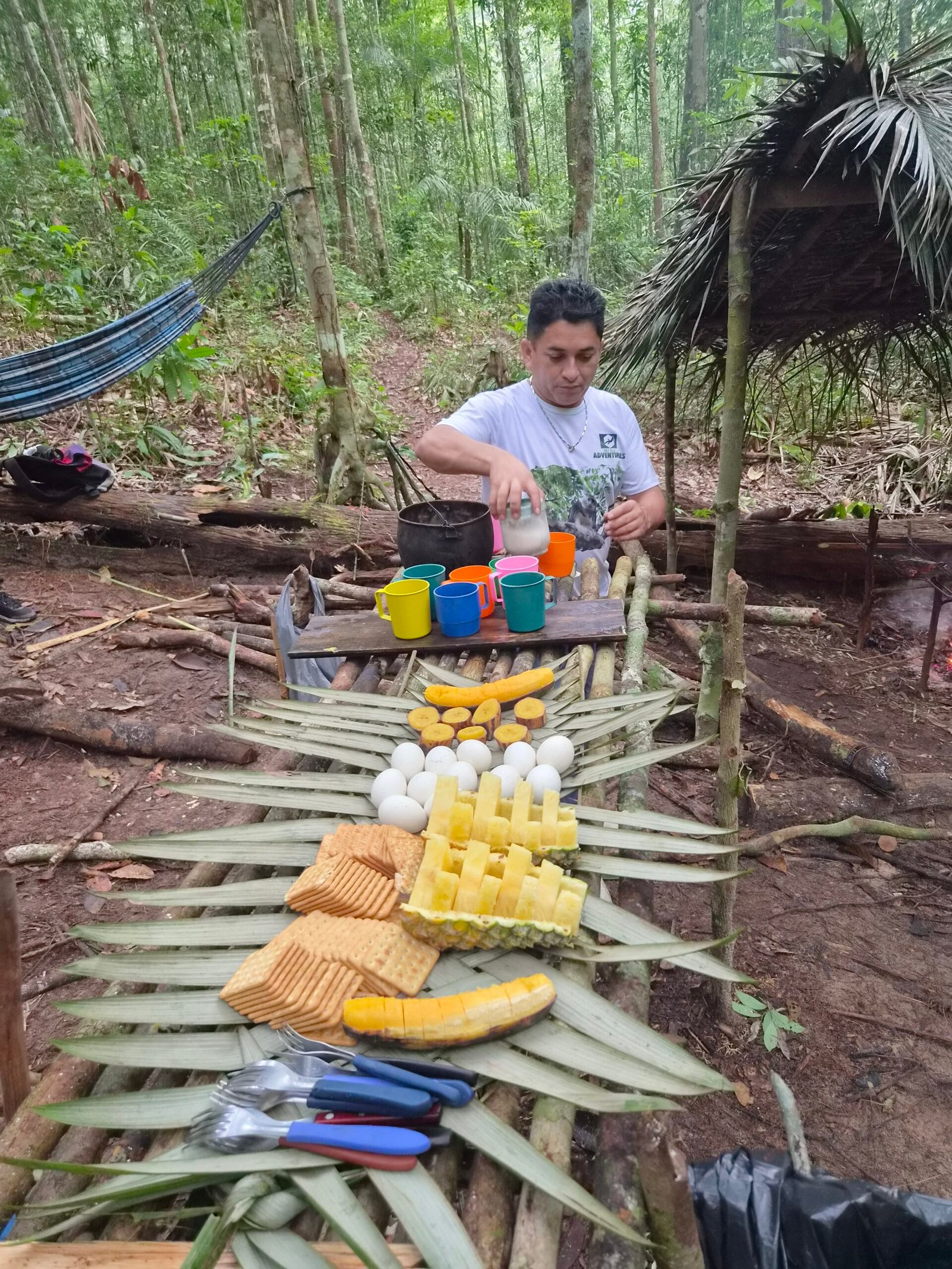
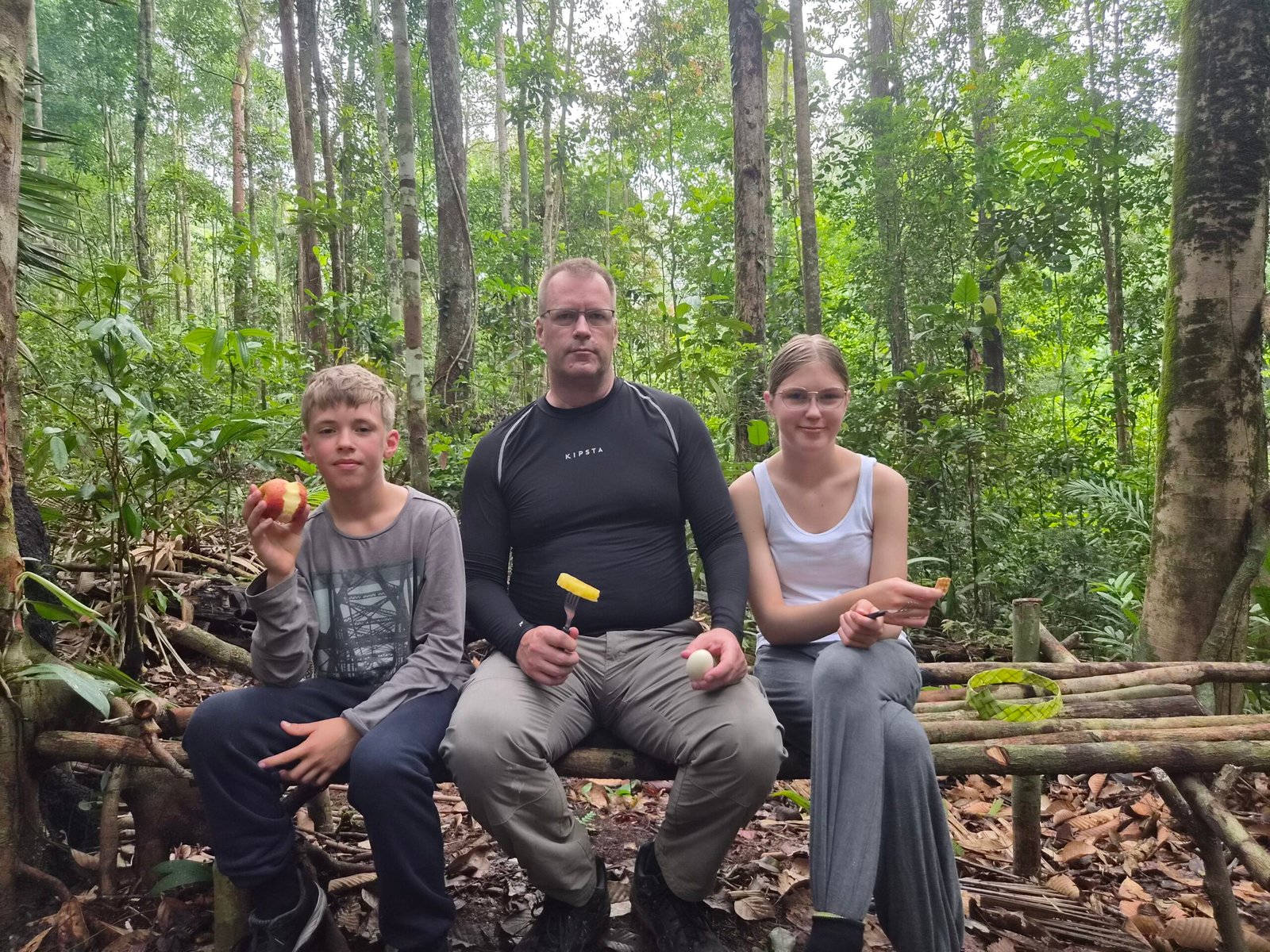
Our guides served us breakfast around 7:30. The spread included hard-boiled eggs, fried and boiled bananas, pineapple, saltine crackers, and coffee. Luckily, we had brought a couple of apples with us, because otherwise Risto would have mostly just snacked on bananas and saltine crackers—he’s not a big fan of eggs or pineapple. After breakfast, we packed up camp, carried our gear a short distance from the campsite, and set off on an hour-long walk into the rainforest.
Miuson and Jefferson
A light breakfast.
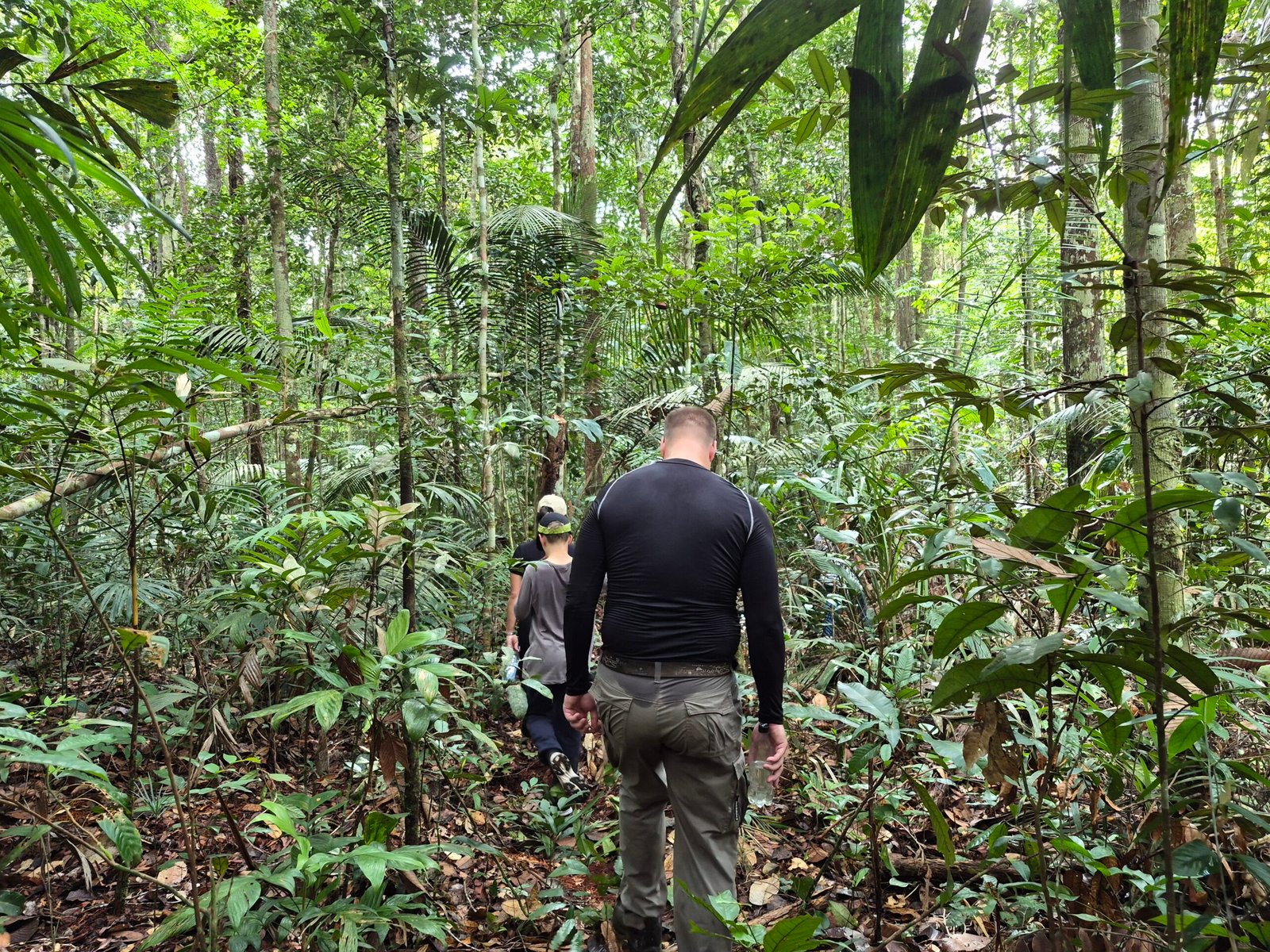
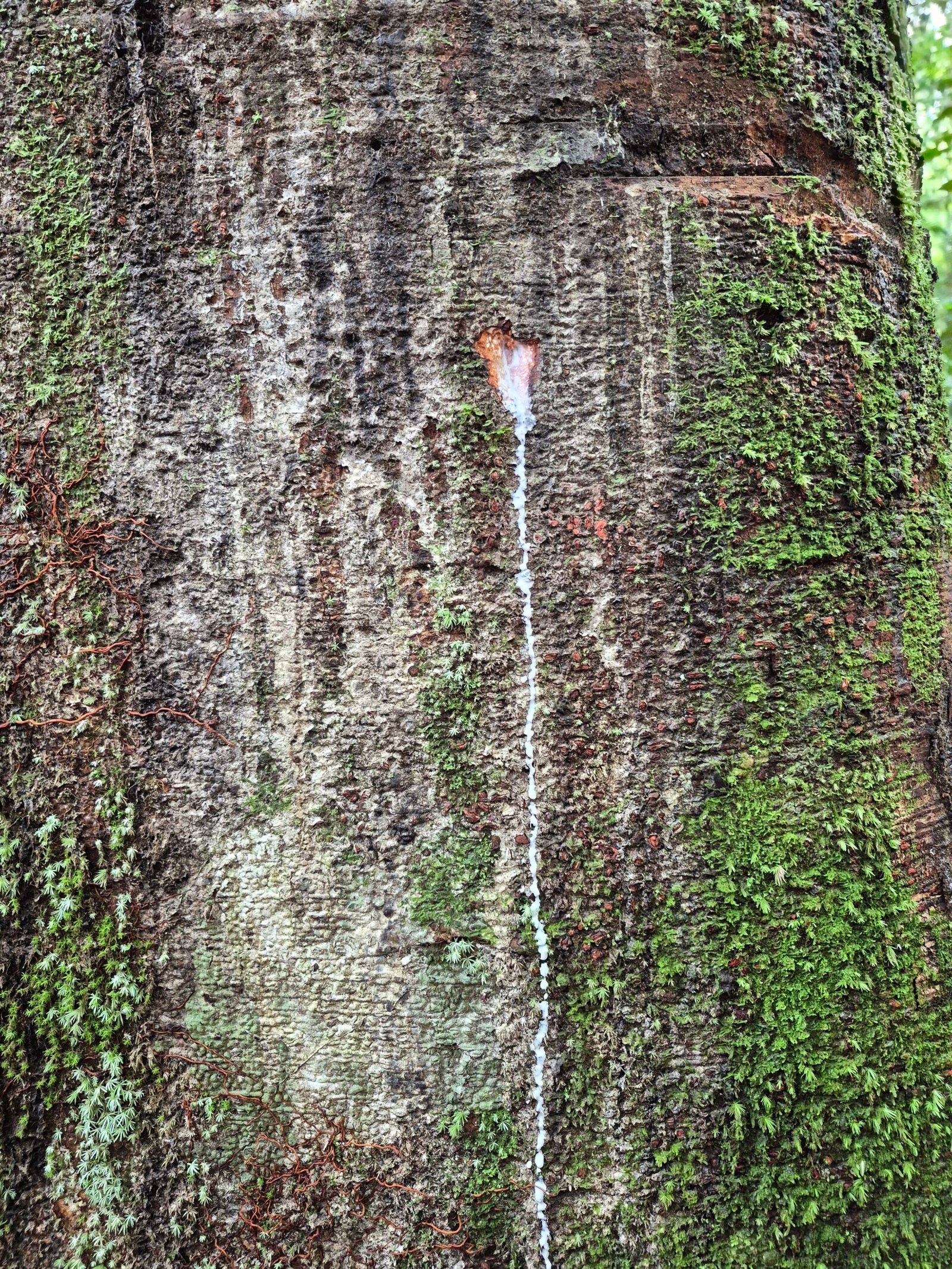
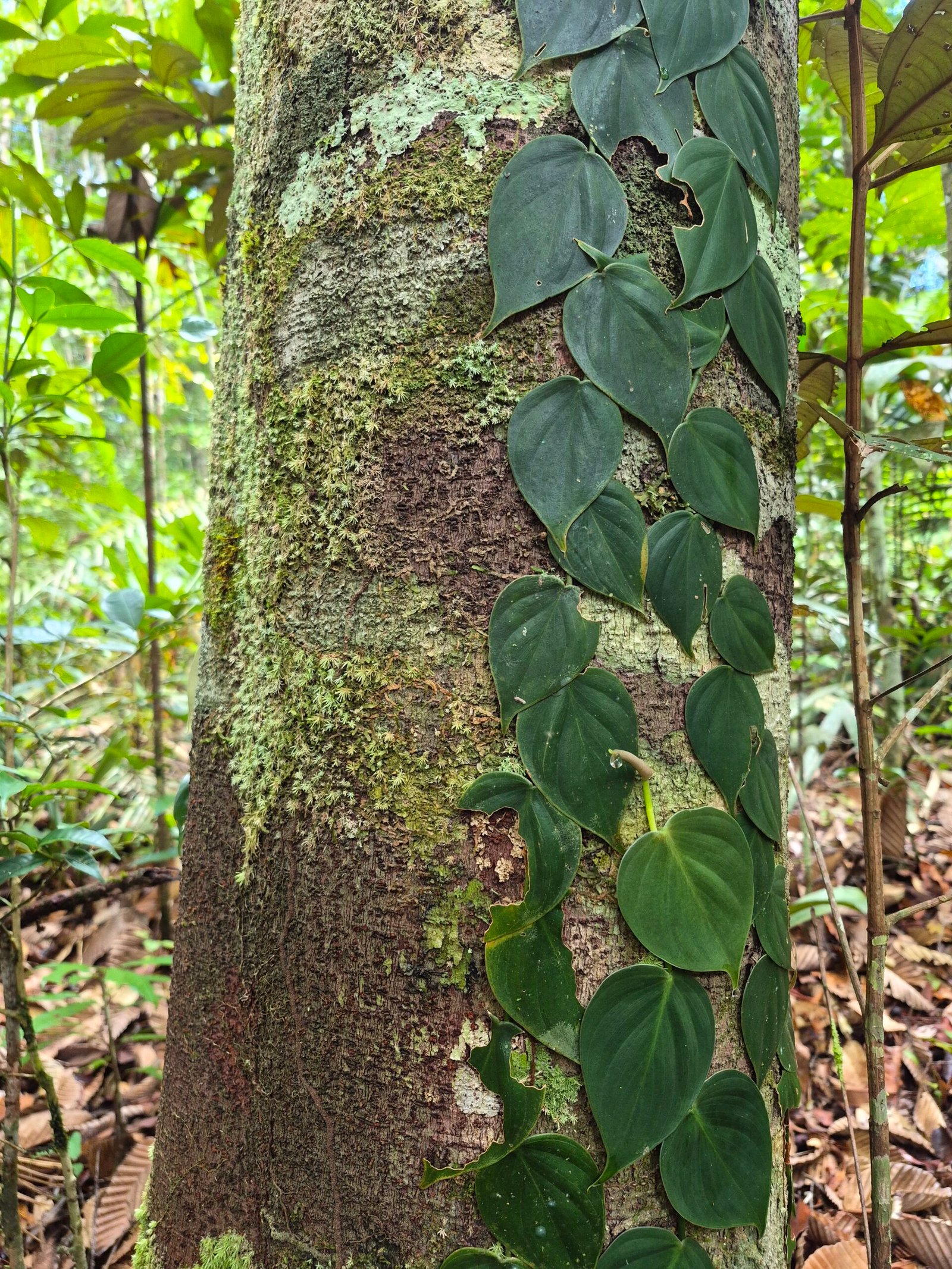
We stopped several times during our walk to take a closer look at the various plants growing in the rainforest. To us, they all looked pretty much the same, but our guides were able to explain the specific uses of each plant. There were plants used for perfumes, to clear the sinuses, to treat malaria, and even for stomach ailments. We also saw a tree whose sap the locals called “milk” because of its white color. Apparently, you could drink it. We even tasted a little bit straight from the tree trunk, but to us it tasted pretty bitter. So, we’ll pass on that. Along the trail, we also found a nest of bullet ants. Apparently, a bite from one of these creatures—which is about a couple of centimeters long—hurts quite a bit, and the pain is at its worst a couple of hours after the bite. The pain can last up to a full day. Fortunately, the ants left us alone this time, so we didn’t get to test the truth of these claims firsthand.
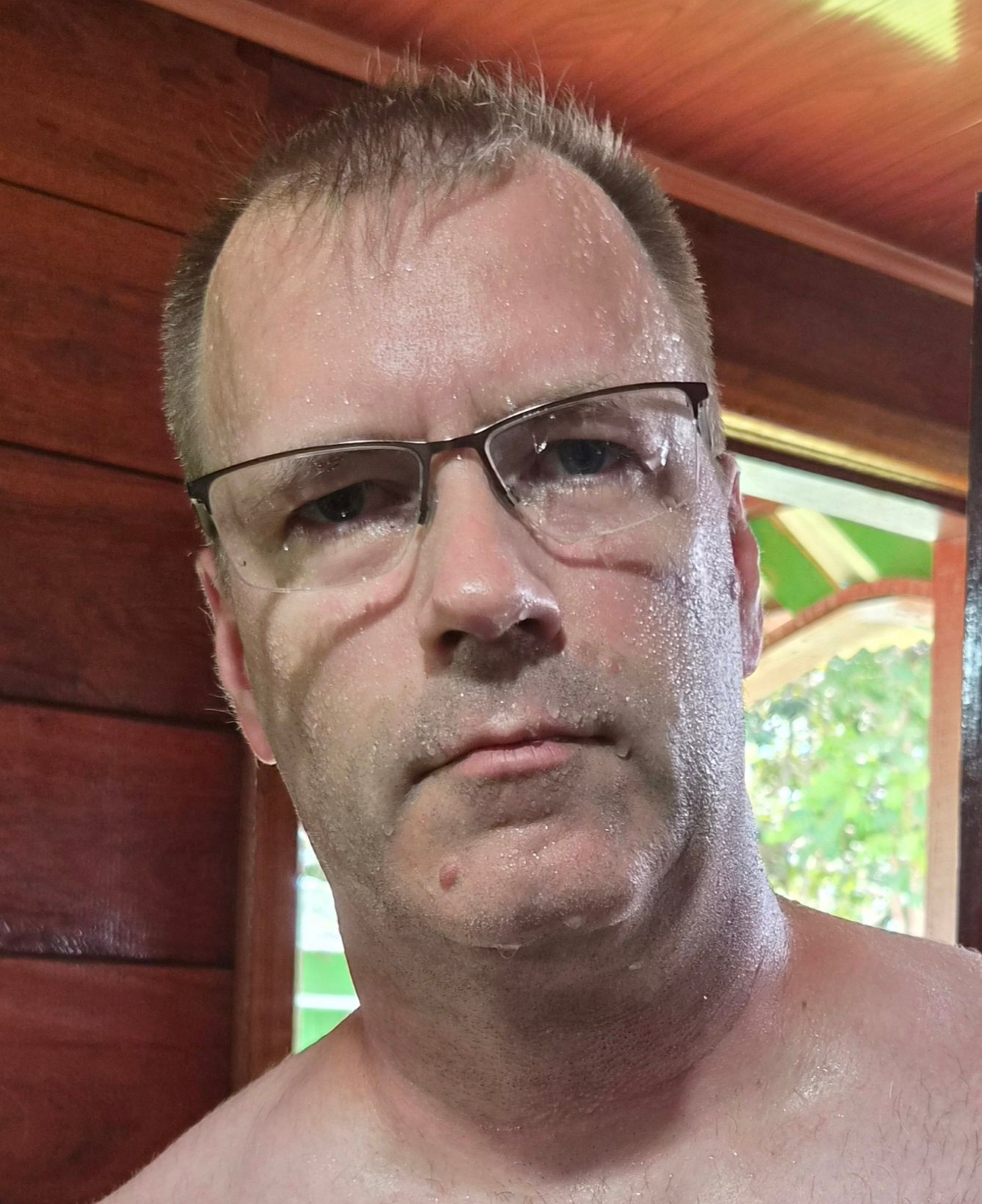
You can already tell from the top of Marko's pants how humid and sweaty it is in the rainforest.
How about a glass of milk?
Near a certain tree, our guide pointed out some scratch marks on it and said they were made by a jaguar. Judging by the marks, it had apparently climbed the tree to hunt monkeys. When we asked if there were many jaguars in the area, we received an affirmative answer. It was actually nice to hear this after spending the night in the rainforest, rather than before… Just before we returned to camp, our guide stopped us by another tree. We weren’t sure what the tree’s actual name was, but our guide called it the “forest horn.” If you struck its trunk with, say, a jungle knife, a mighty sound would carry far into the jungle from the largely hollow tree. Apparently, this was something worth taking advantage of if you got lost in the jungle. By making sounds by striking the tree’s trunk, someone lost in the forest would be easier to find. One of our guides, Jefferson, had actually gotten lost in the rainforest as a child and had been missing for three days before his parents found him. Jefferson had survived in the forest by sleeping in trees, drinking water that had collected in the foliage, and eating plants and fruits from the wild that he knew were non-toxic. So it’s no wonder that the other guides praised him as the best guide in the area, even though he was only 20 years old. The guy seemed to know the rainforest’s survival tactics quite well.
It was a sweaty trip, but we got it done.
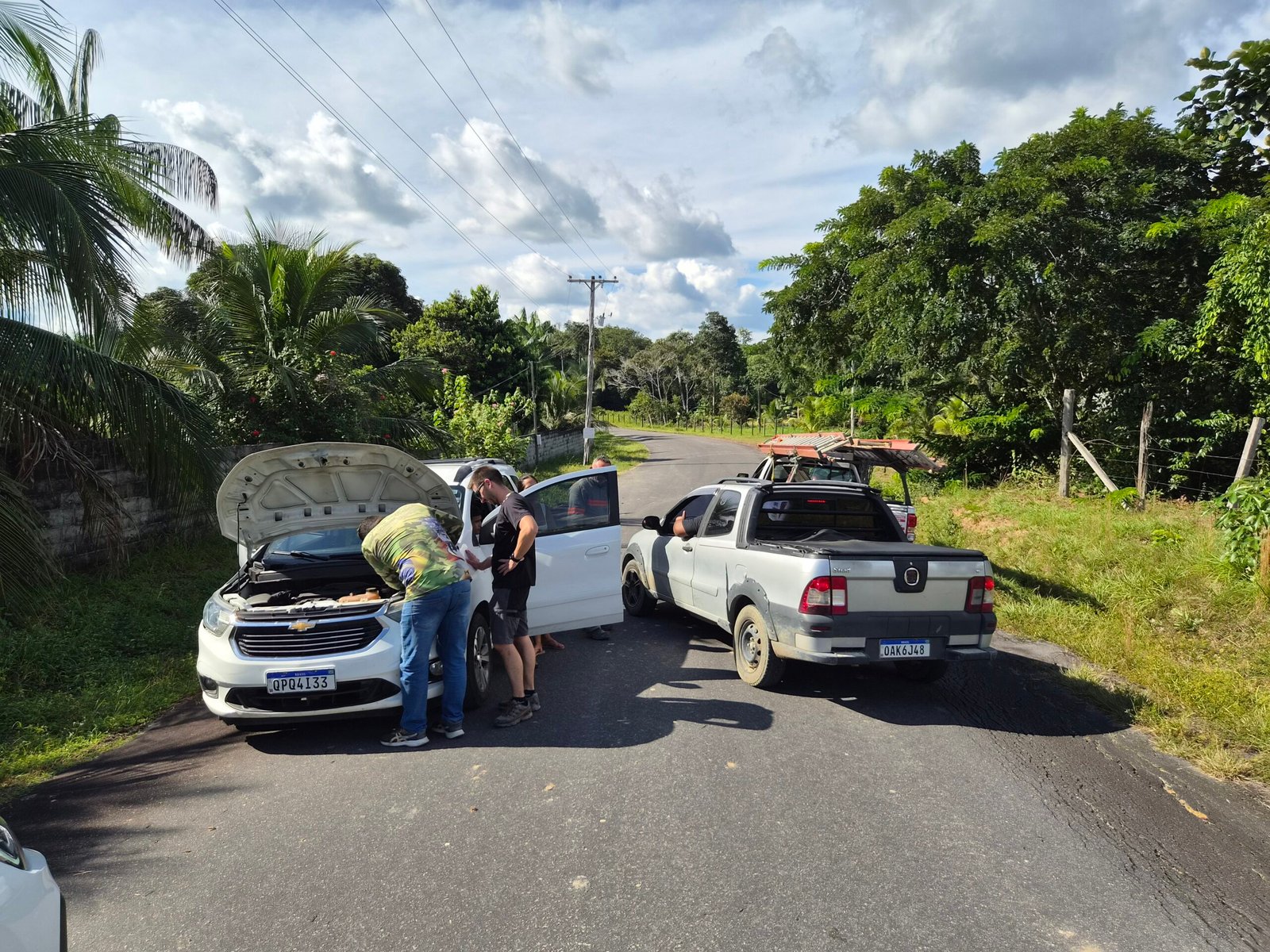
When we got back to our lodging, we went for one last swim in the river. After that, we had to pack our things, grab some lunch, and hop on the shuttle boat. There was actually a lot of traffic on the river on the way back. On the way there, we hadn’t seen many other people, but now the river was so crowded it was almost a traffic jam. When we reached the shore, we said goodbye to our Spanish travel companions, who were returning with us at the same time, and hopped into our own driver’s car. We’d been driving for maybe fifteen minutes when the driver started texting frantically with someone else. Suddenly, we turned the car around toward the direction we’d come from, but no explanation was given. Then a car came toward us, and a young man was waving his arms from the back. We stopped, picked up the guy, and continued on our way. Since the car was, of course, already completely full, this guy hopped into the trunk and slammed the lid shut. We cautiously asked if we’d be taking him all the way to Manaus in there, but apparently not. Soon we saw a car ahead of us with its hood up. As we got closer, we realized it was the car belonging to our Spanish travel companions. They’d just replaced the car’s battery, but for some reason it wasn’t holding a charge, and the car had stalled right at the start of the trip. We dropped off the man who had been riding in our trunk at his car, turned our car toward Manaus, and continued on our way. Hopefully, our travel companions’ car was fixed, since they still had a flight booked from Manaus to Rio de Janeiro that evening.
We went to the Ibis Styles hotel to pick up the rest of our luggage that we’d left there, and moved to the nearby Mercury Hotel. We switched accommodations because we had a two-bedroom apartment reserved at the Mercury, so we’d have a little more space. The hotel was really nice, and to our surprise, the staff actually spoke English. At first, our apartment looked really nice, but a closer look revealed that many things were a bit run-down. The air conditioner in the living room made an absolutely deafening noise, the door to the rooftop terrace wouldn’t open properly, and the door to the second bathroom wouldn’t close properly either. The remote control for the air conditioner in the kids’ bedroom didn’t work, and we couldn’t even use the remote from the master bedroom to turn it down so it would be a bit quieter. So we decided to turn the whole thing off once the kids went to bed.
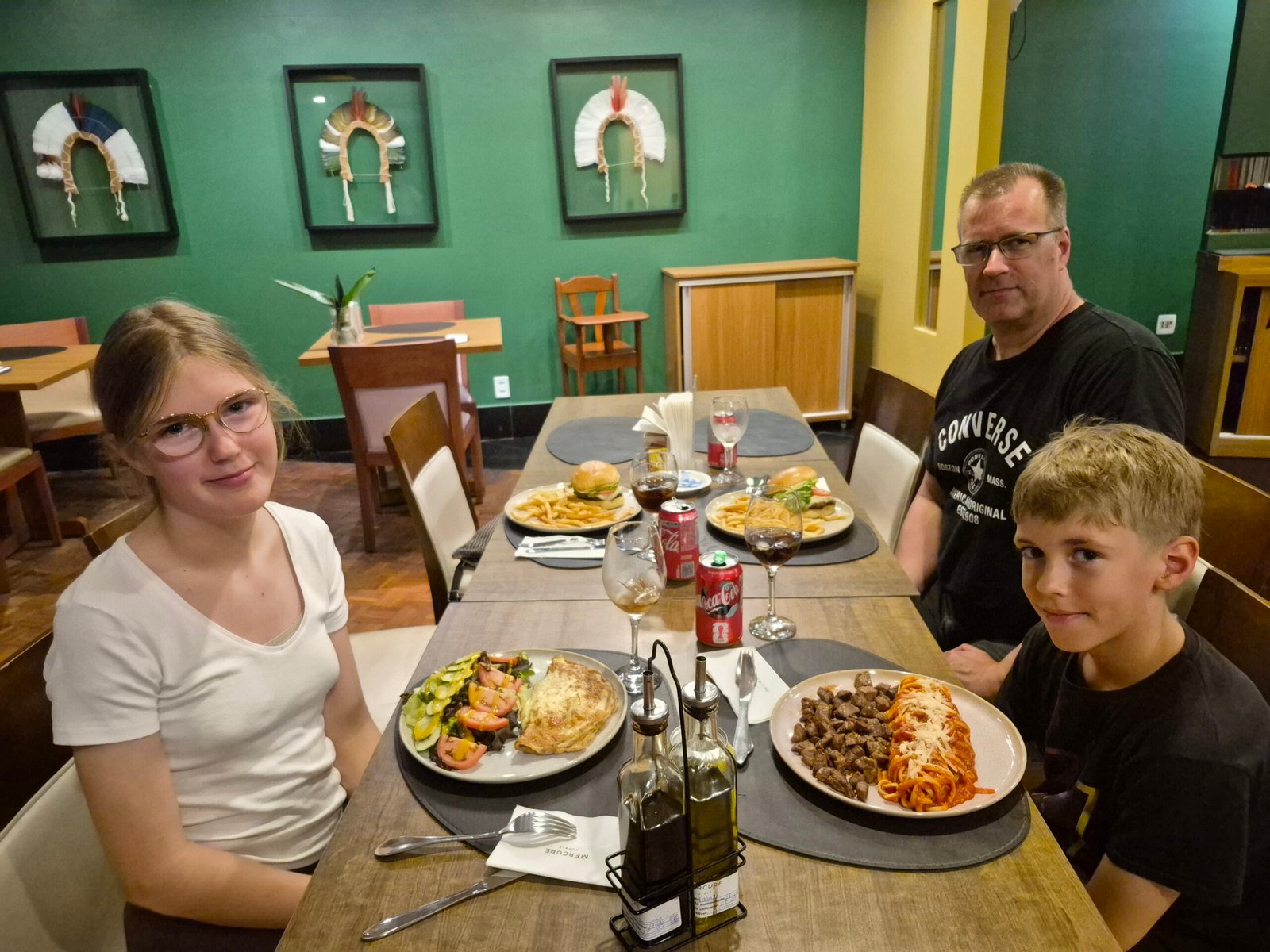
Before going to bed, we thought we’d stop by the nearby shopping center for a bite to eat, after which we planned to pick up breakfast supplies for the next day at the supermarket right next to it. However, we were a little surprised to find out that around six o’clock on Wednesday evening, both the mall and the supermarket were closed. The reason for this was a Brazilian soccer game. Apparently, it’s customary for places to shut down when Brazil is playing, and only a few restaurants remain open. Even those restaurants all have huge screens where you can watch the game while you eat. As a European, I might understand this if it were the final match, but these were just the first games of the group stage. So we had no choice but to head back to the hotel and eat at the hotel’s own restaurant. We’d been worried that at a fancy and slightly pricier hotel, the restaurant’s food would also be on the expensive side, but fortunately that wasn’t the case. The portions were huge and delicious. The total cost for this meal, including drinks, came to just over forty euros for the four of us. So it certainly wasn’t a rip-off, and Brazil even beat Scotland 3-0 in the soccer match.
The view from our apartment's balcony.
Eating at the hotel. Notice the size of Risto's kids' meal.
The next morning, Risto went into the bathroom in our apartment, but came back pretty quickly to report that there was a big cockroach in there. Jaana set out to hunt down the cockroach, armed with a sandal, and sure enough, there was a cockroach—probably over three centimeters long—scuttling around on the shower floor. A few swats with the sandal, and the cockroach ended up floating in the toilet bowl. It was quite a tough little guy, because it was still bobbing around there even after we flushed the toilet. Yet another small downside to our apartment.
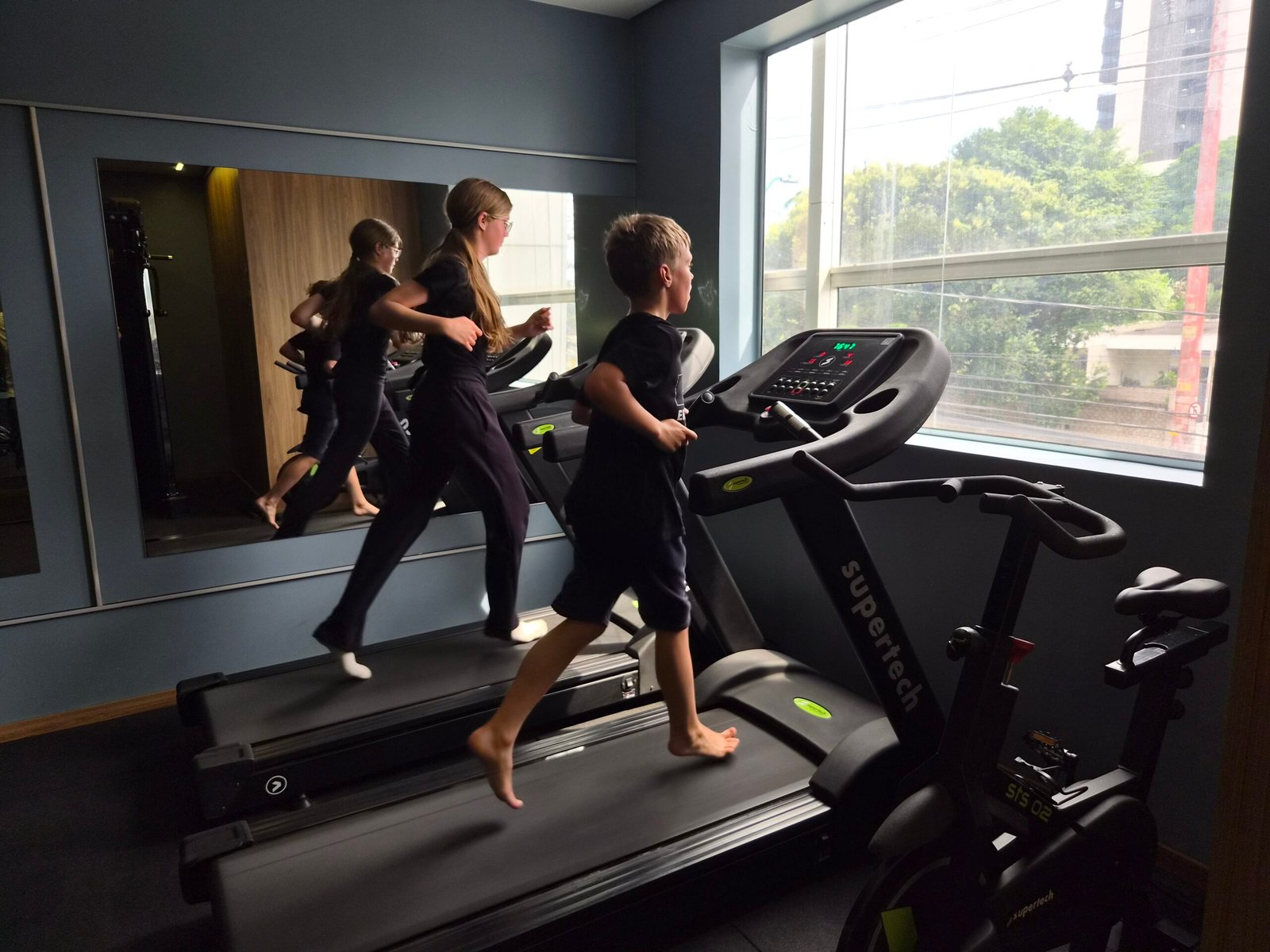
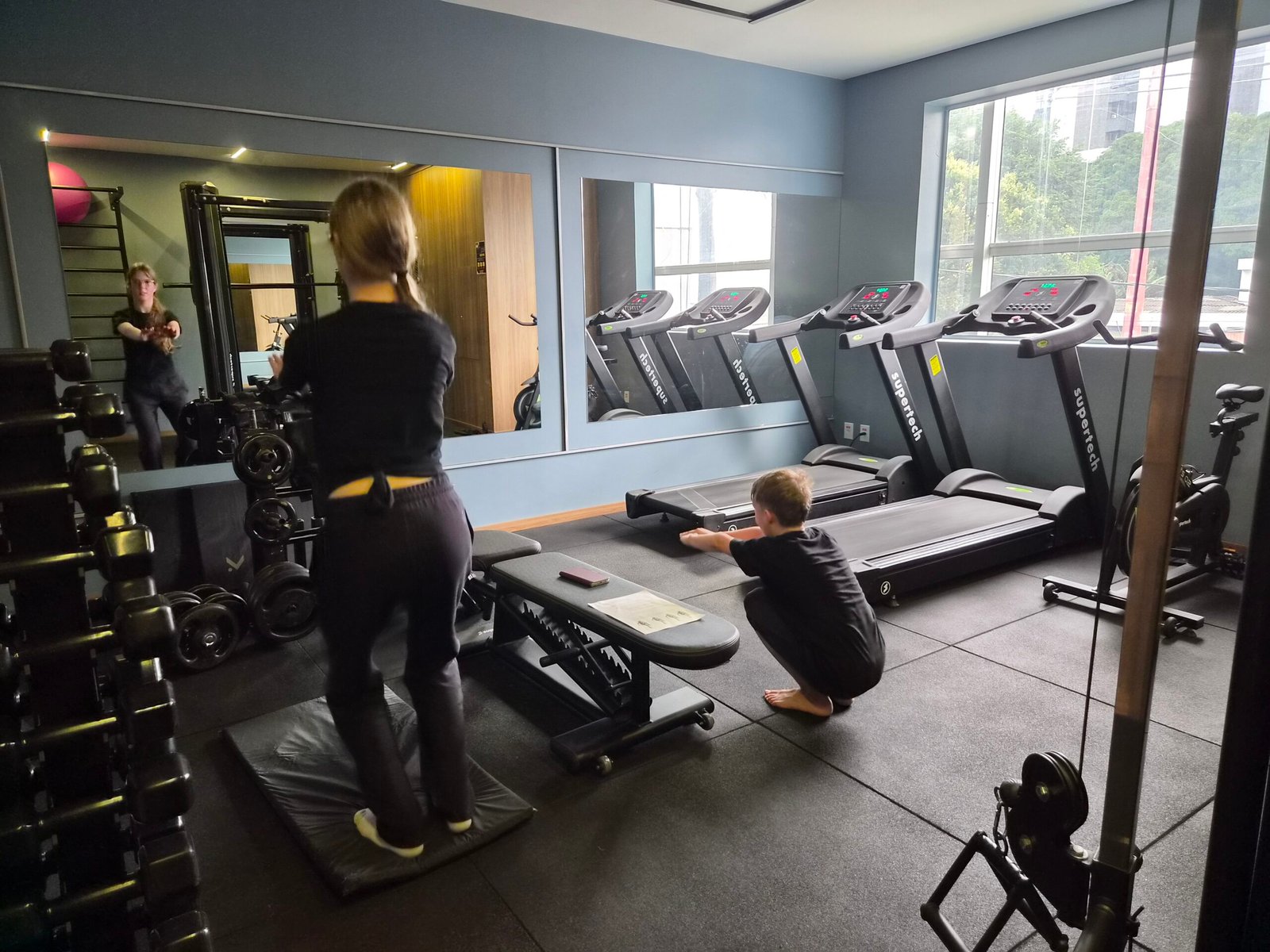
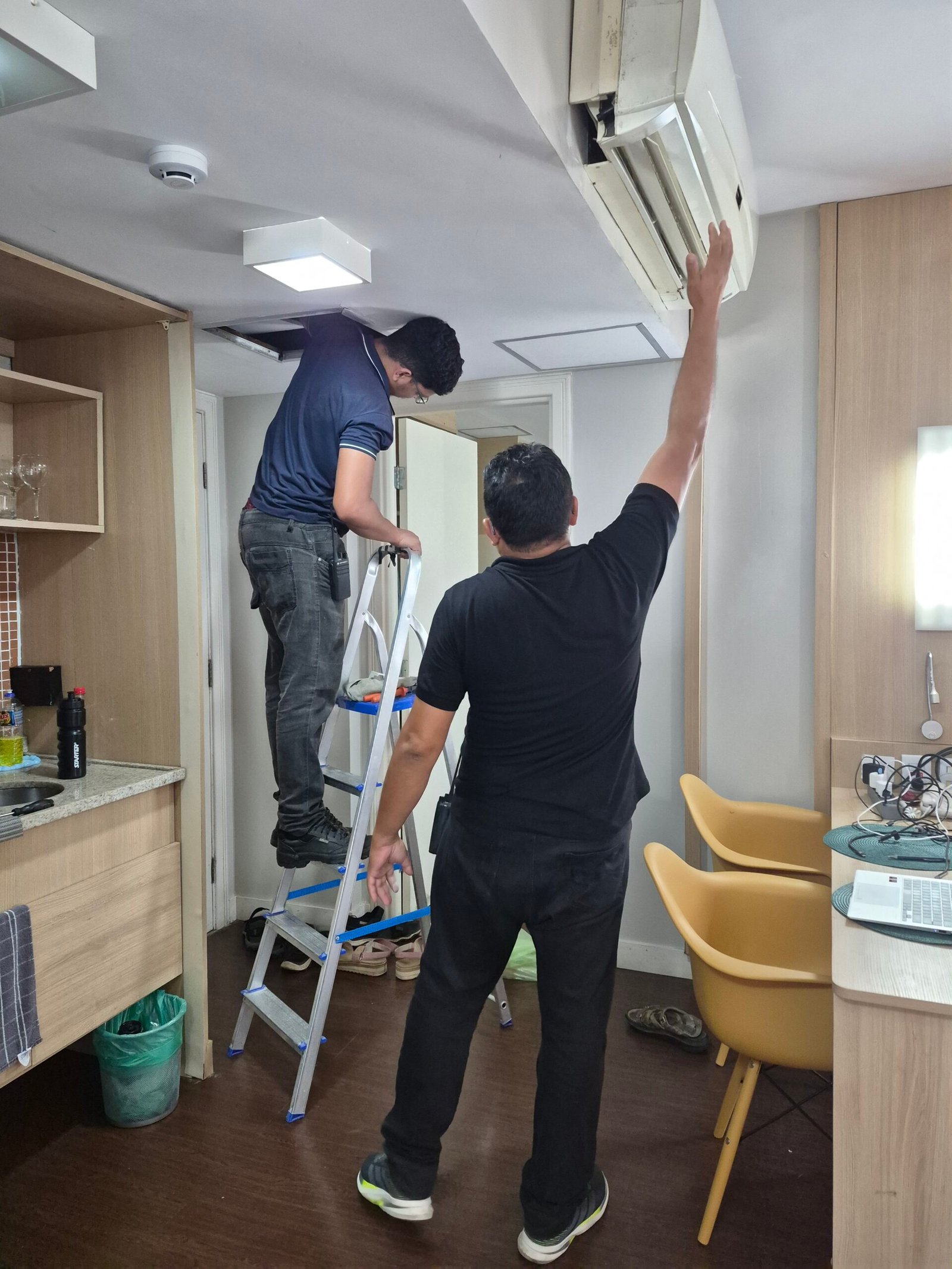
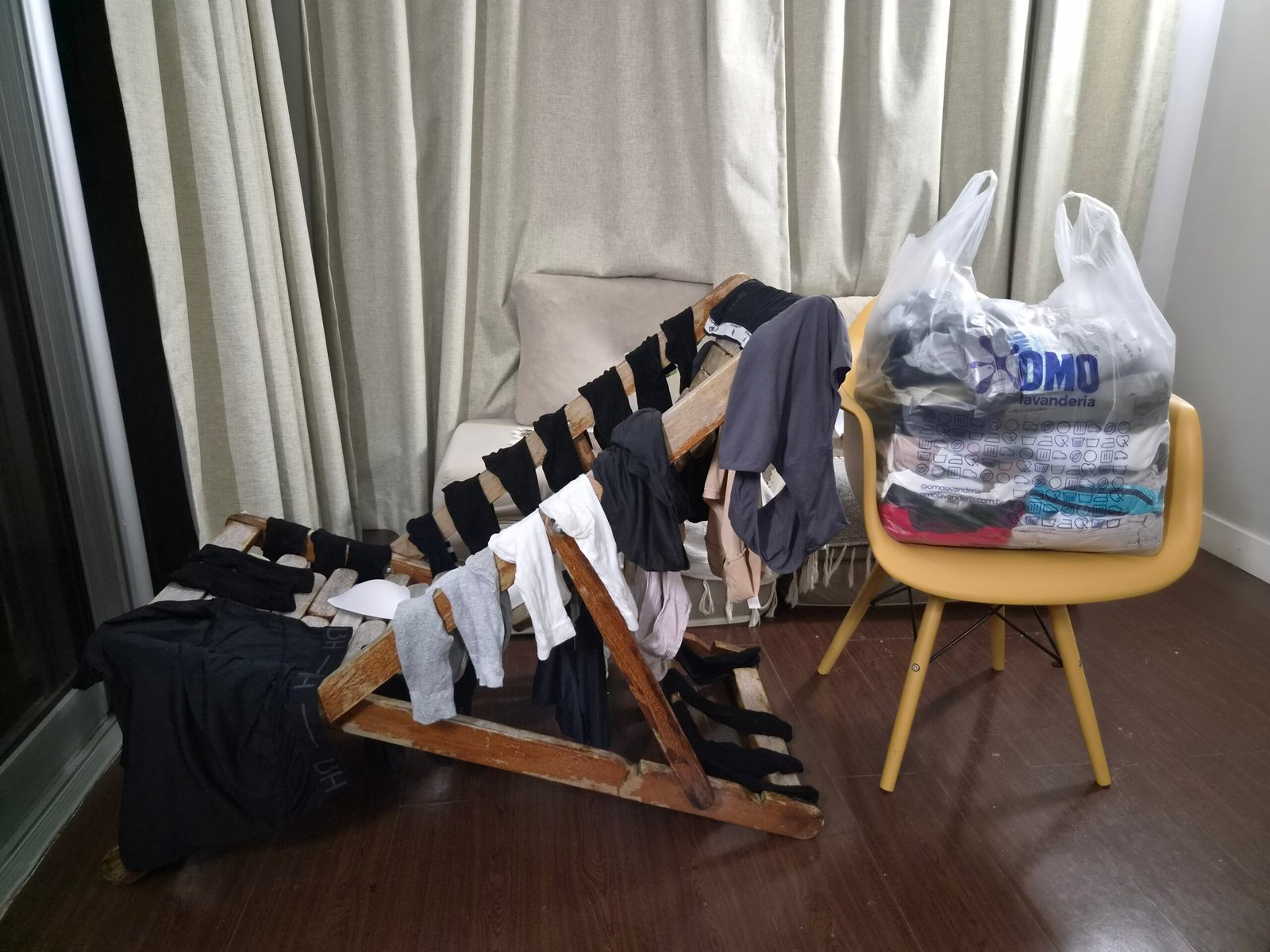
Marko and Jaana went to ask about laundry facilities at the nearest laundromat, since the hotel’s laundry service charged per item and was outrageously expensive anyway. This laundromat wasn’t exactly free either, but a “basketful of everyday clothes” (21 items, according to the specifications) cost about ten euros. We took two basketfuls of clothes to be washed there, and decided to wash the rest in the sink in our apartment. On the way back, Jaana and Marko stopped by the store (now that it was open) to buy us breakfast supplies, and we enjoyed a very late breakfast. While the parents were away, the building’s maintenance man had come by to fix the air conditioner in our living room so it wouldn’t whine as much. The kids and the maintenance man had a bit of a language barrier, but they managed to work it out with the help of Google Translate. After breakfast, Risto and Ronja headed to the resort’s gym to work out together as part of Risto’s summer training program. Jaana and Marko updated the blog and read the news online. There was a big story about an earthquake that had struck Venezuela the previous evening. The newspaper reported that the quake had been felt in some parts of Manaus as well—and that was indeed true. The night before, Jaana and Marko had noticed that the entire building seemed to be swaying slightly. We were a little puzzled by this, since the wind wasn’t particularly strong, and the hotel was only 13 stories tall, so it shouldn’t have swayed even in a strong wind. We didn’t think much of it, though, because the sensation of swaying stopped pretty quickly. In the morning, as we were reading the news, we realized that it had actually been the aftershocks of an earthquake that had caused our hotel to sway. If the quake was noticeable even thousands of kilometers away in another country, one can only imagine what it must have felt like right there in Caracas!
Working up a sweat at the gym.
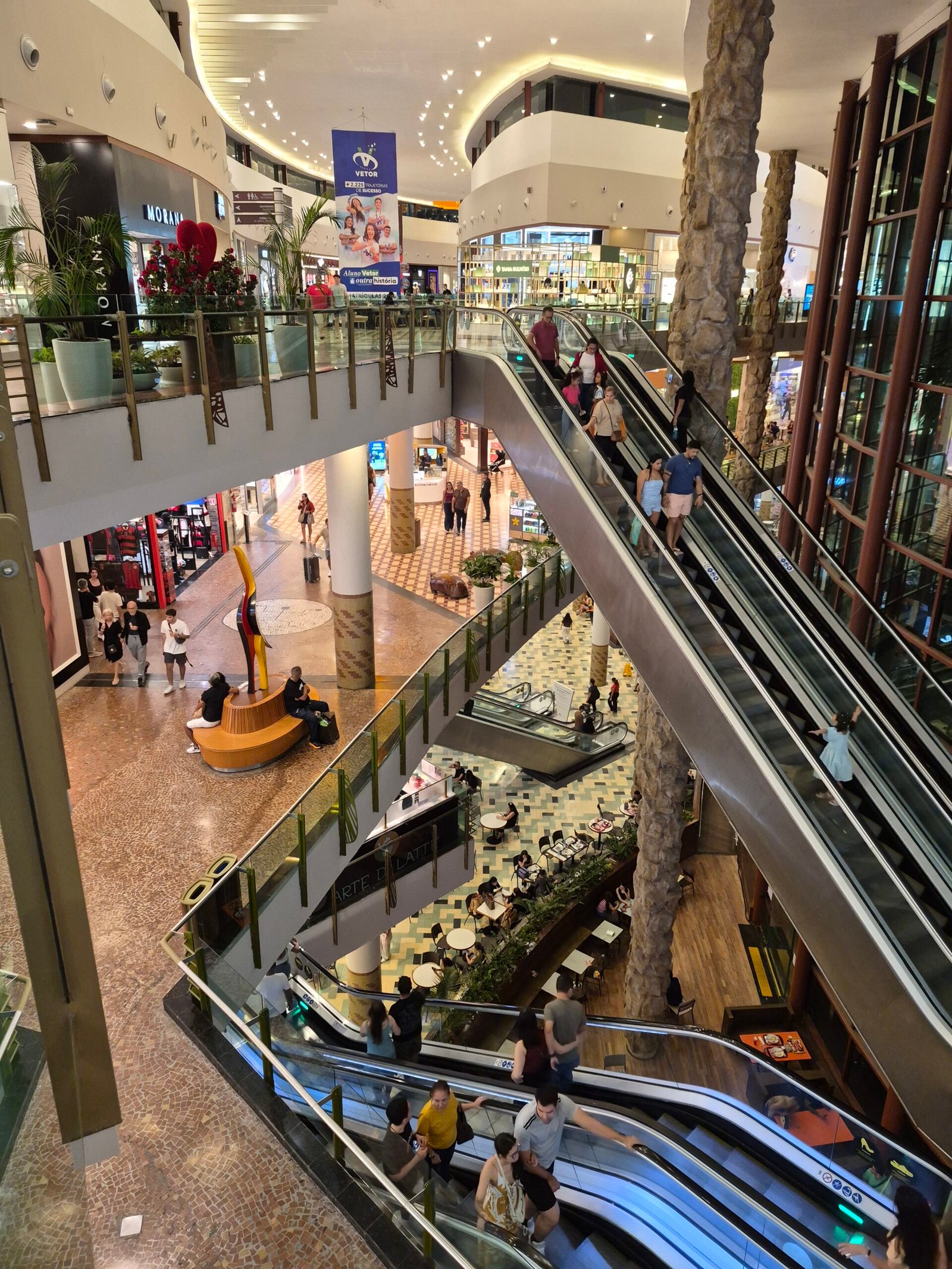
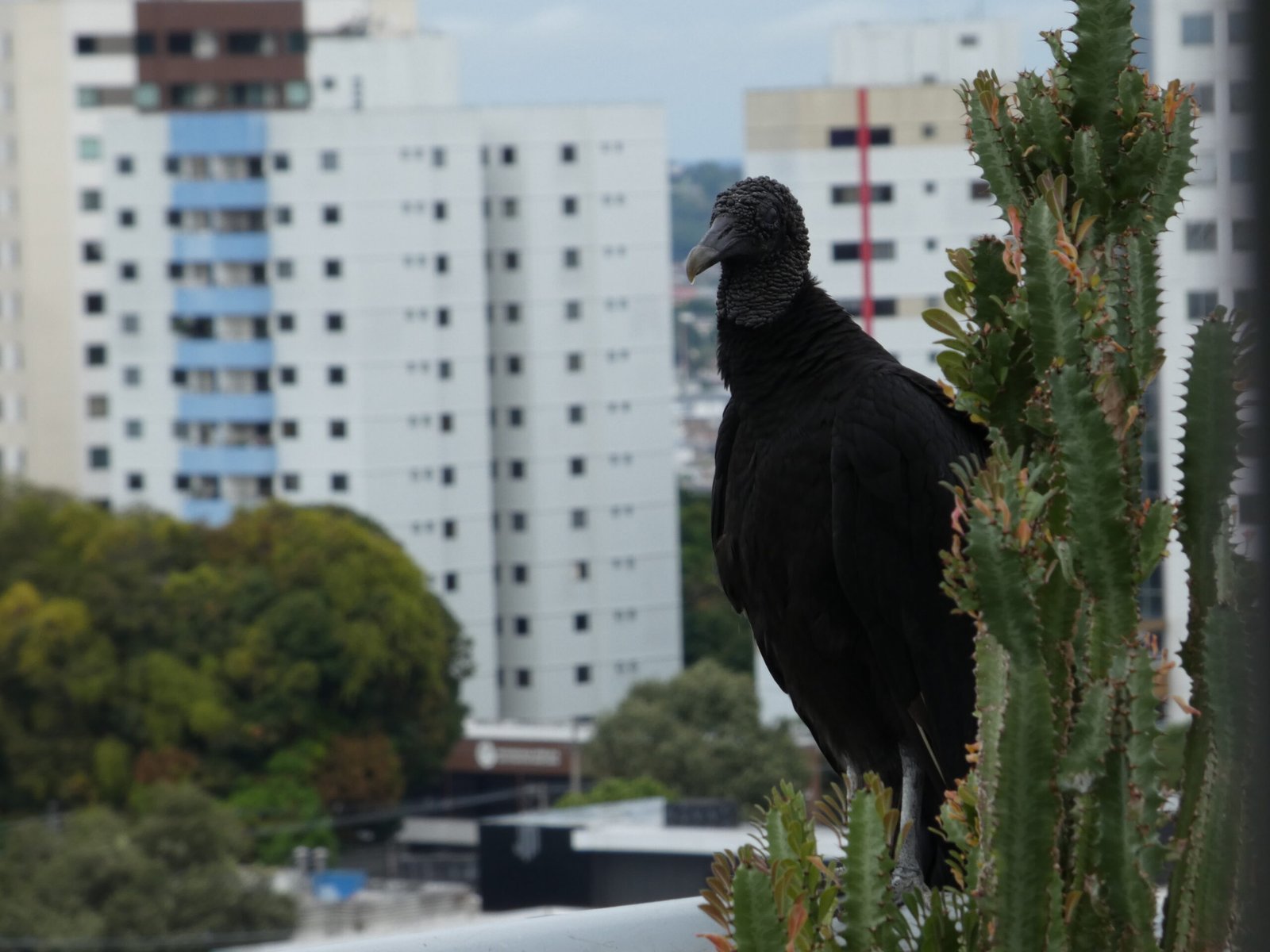
It was a really productive day, even though we didn’t do anything special. The kids went to the gym and swam in the hotel pool, we got the laundry done, the bathroom door and one of the air conditioners were repaired, and we even made it to the nearby mall for a meal. We also did some birdwatching on the balcony of our apartment, since a relative of the raven came to lurk there early in the evening. Apparently, the same birds were hanging around the pool as well. I wonder if they were waiting for a little snack?
Maintenance workers visited our apartment several times. Here, they are repairing a squeaky air conditioner.
The Manauara shopping center was surprisingly large.
Laundry day. Being frugal vs. comfort.
I heard there might be a little something to eat here.