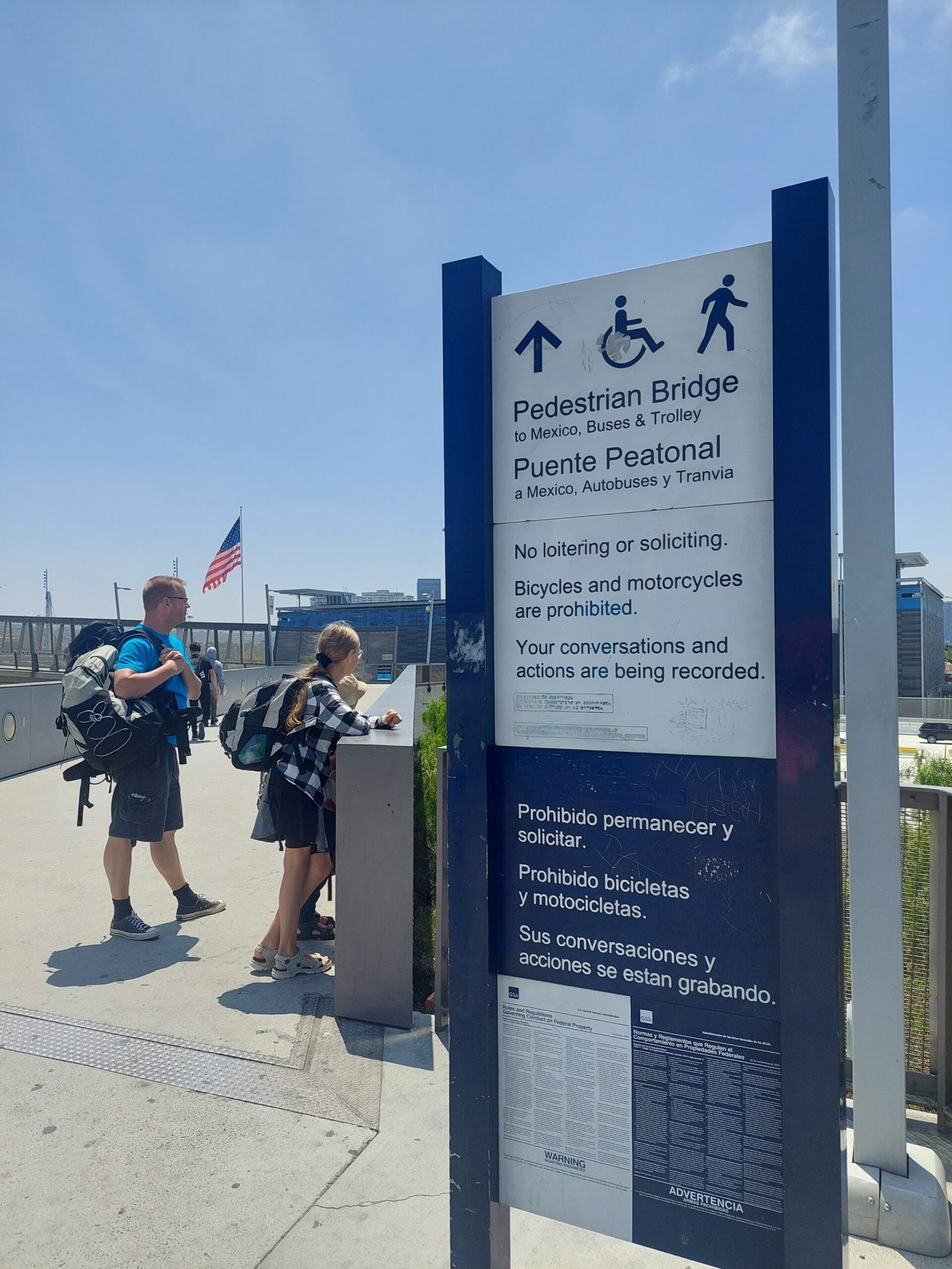
The drive from San Diego to the Mexican border took only 25min. We couldn’t take the rental car across the border, and driving in Mexico didn’t sound very tempting anyway, so we parked our car in one of the long-term parks near the border, and walked to the Mexican border.
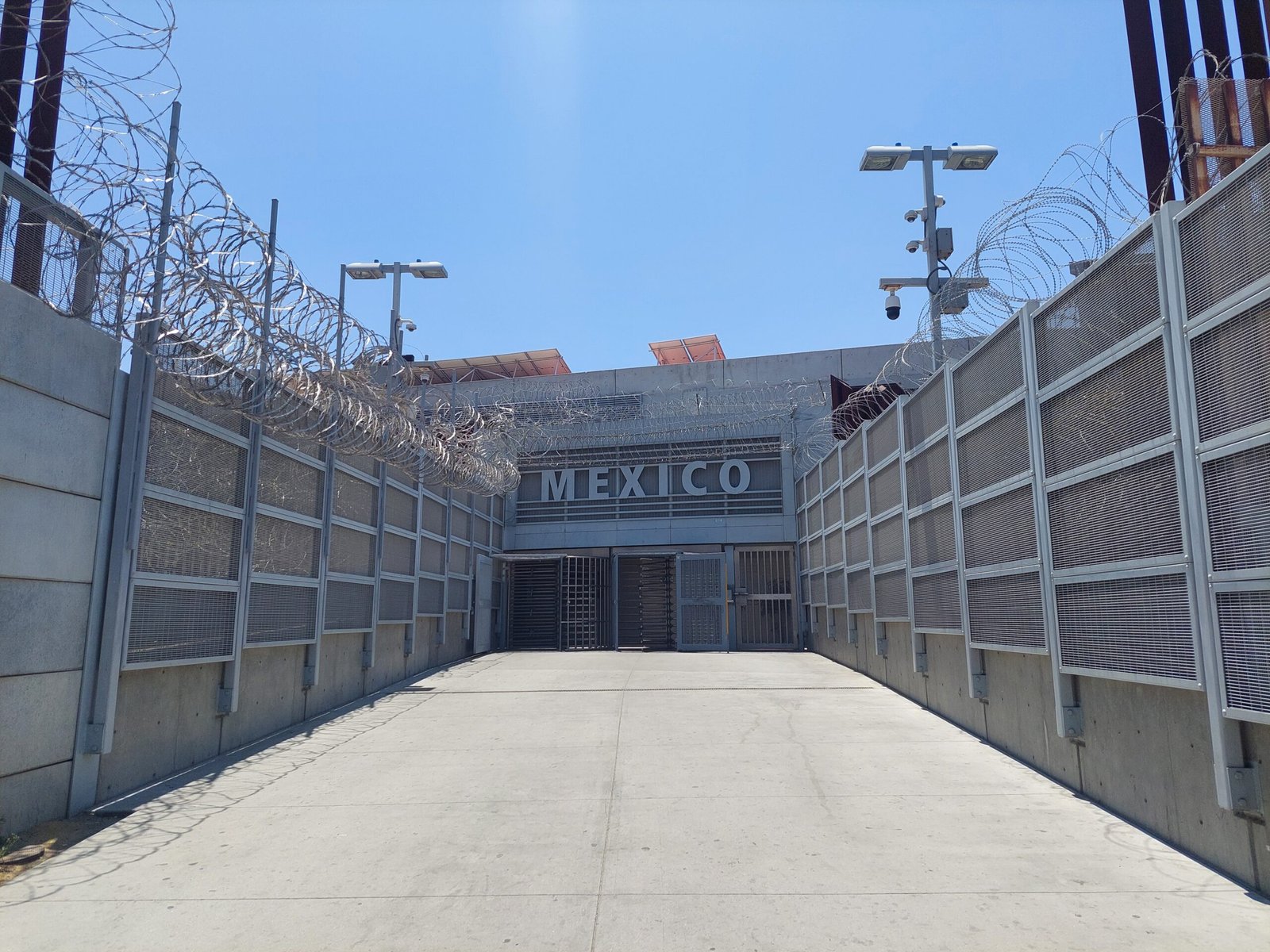
Crossing the border on foot was really easy. First, we walked along a footbridge that lead to a gate. Above the gate there was a big “Mexico” sign. We walked through the gate into a building where the officers x-rayed our bags. After that we continued our walk outside. We thought we’d end up to a booth where we would show our passports, but no. Apparently that x-ray screening was the only official checkpoint on the way into Mexico. It seems like the Mexicans are not very interested in who comes across the border from the US side. The US border on the way back is a bit more strict, we were told.
Still on the US side of the border.
The entry to Mexico isn't exactly appealing.
Right at the border, there were a large number of taxis offering rides to those crossing the border. The taxi charged 15$ for the 3km ride to the hotel, which was clearly too much, but we didn’t want to argue about it, so we hopped in. As our accommodation is not a regular hotel, but more of an office hotel type of solution, our driver had a little trouble understanding where we were going at first. Fortunately, Jaana still speaks enough Spanish to explain where we wanted to go.
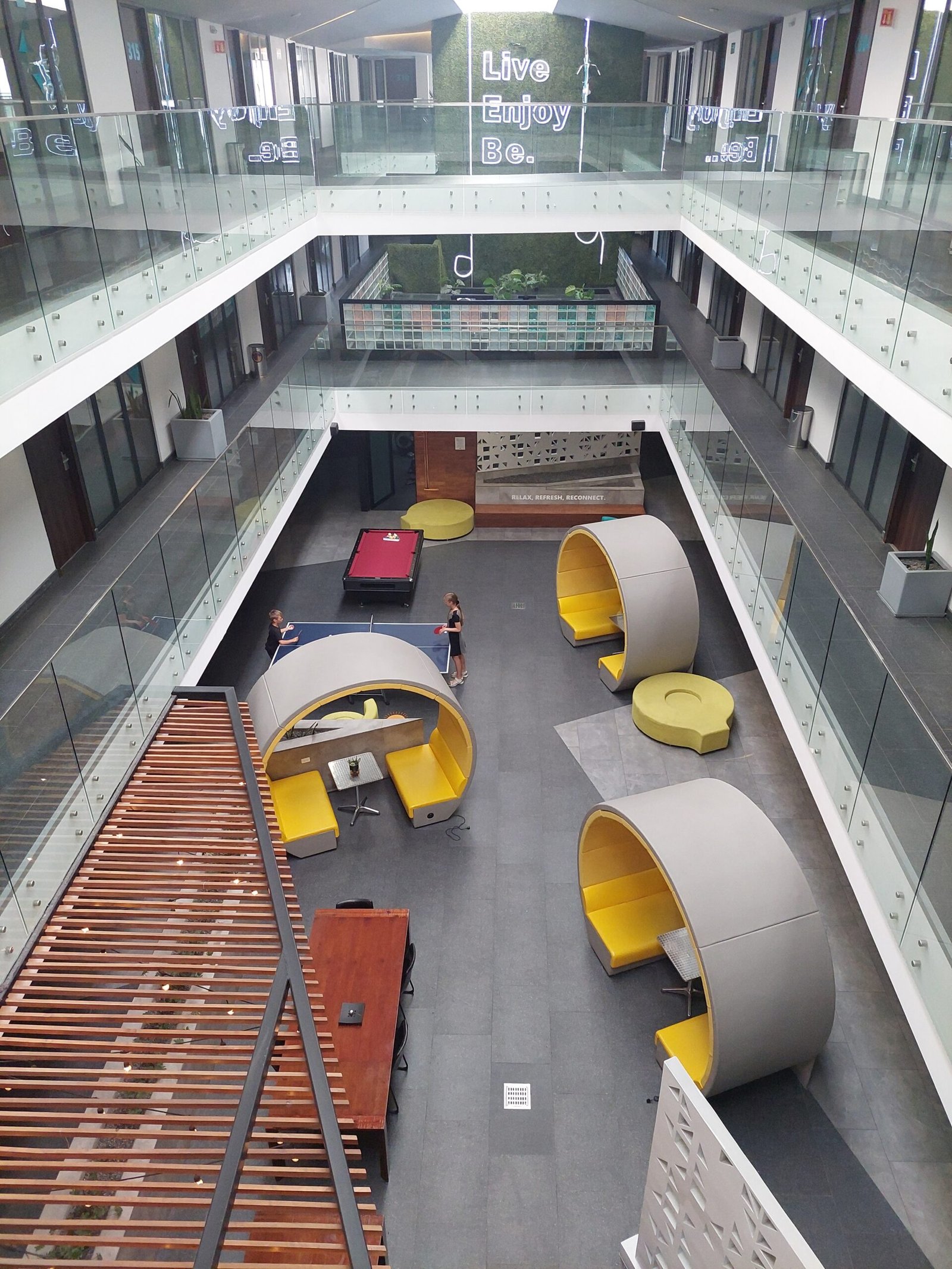
Our apartment on the fourth floor was huge (two living rooms, open kitchen, two bedrooms and two bathrooms). The apartment also had a balcony, which didn’t offer much of a view. In addition, the lobby in the middle of the apartment complex had a comfortable lounge area where the kids liked to play ping-pong and pool.
A tight match in progress.
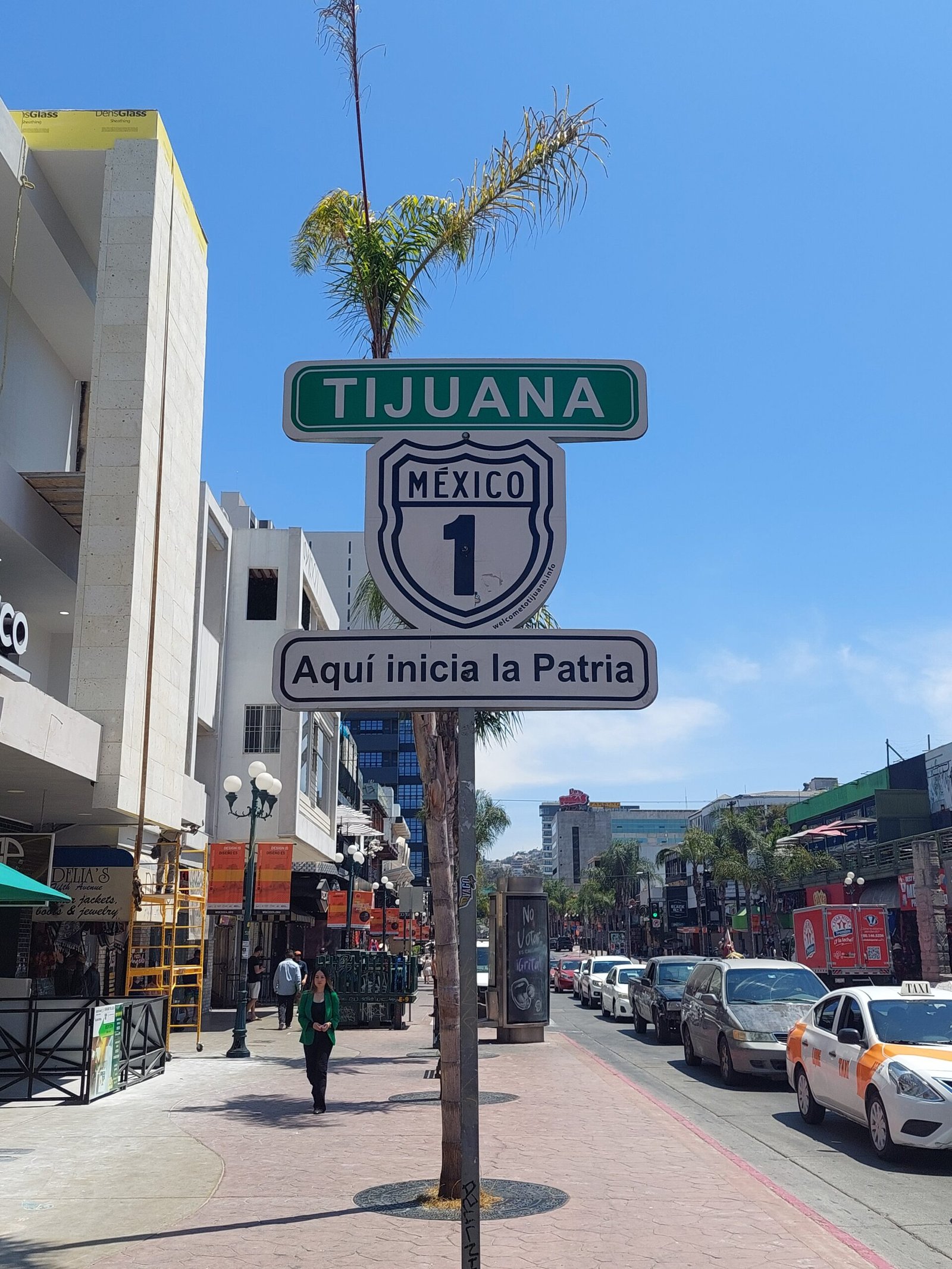
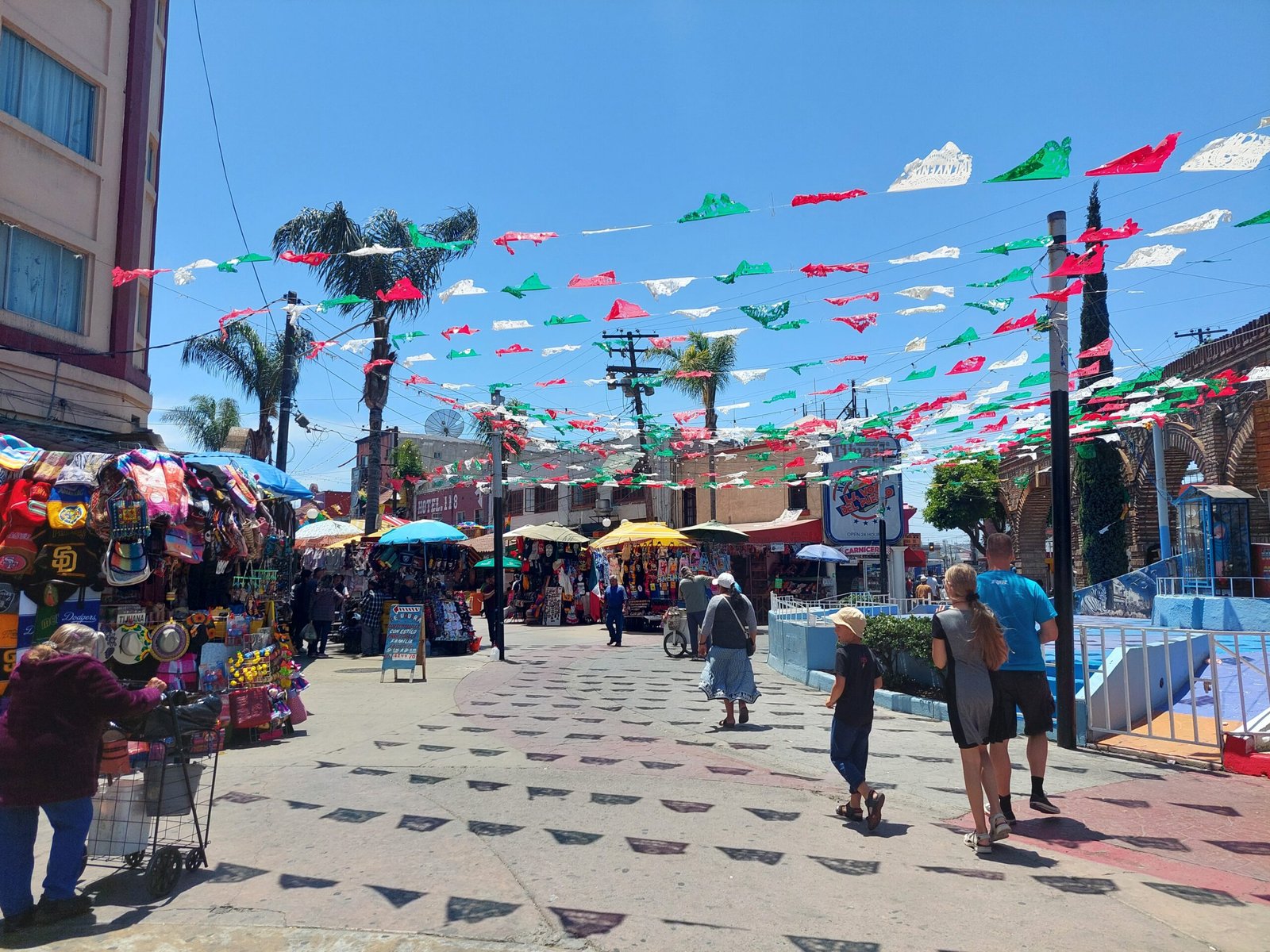
As our apartment had not yet been cleaned, we left our things at the reception and took a ride with Über towards the centre of Tijuana. This time the ride only cost six euros (120 pesos), so we really were overcharged when we got here. To be honest, there wasn’t really anything to see in the centre. It soon became clear that this city was not a sight to behold or a cultural cradle. Perhaps that also explained why we didn’t see many other tourists in the centre, apart from ourselves.
Mexico was a new destination for all of us.
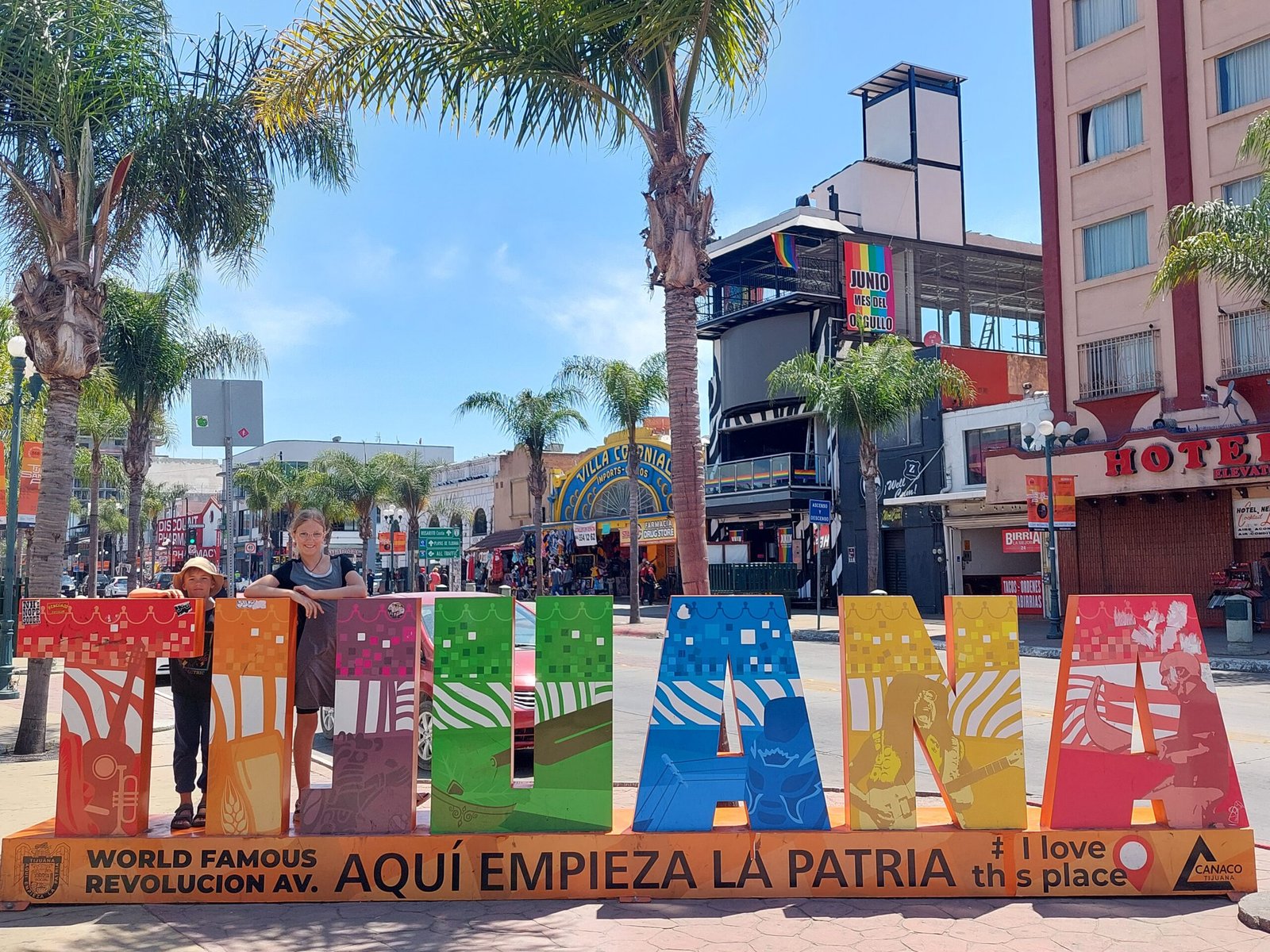
This was probably the only tourist attraction in Tijuana.
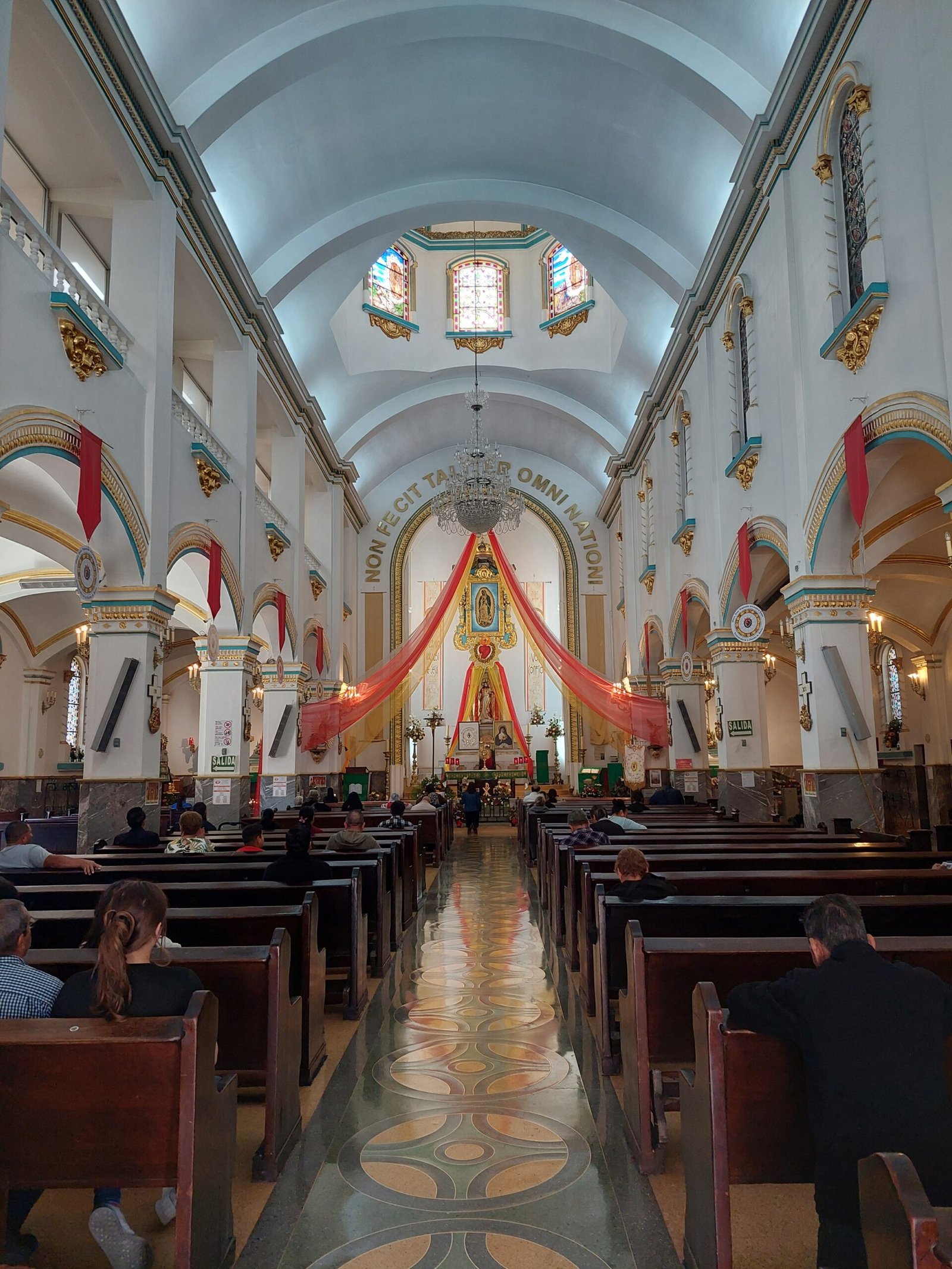
We took a peak into a local church. Almost 80% of Mexicans are catholics.
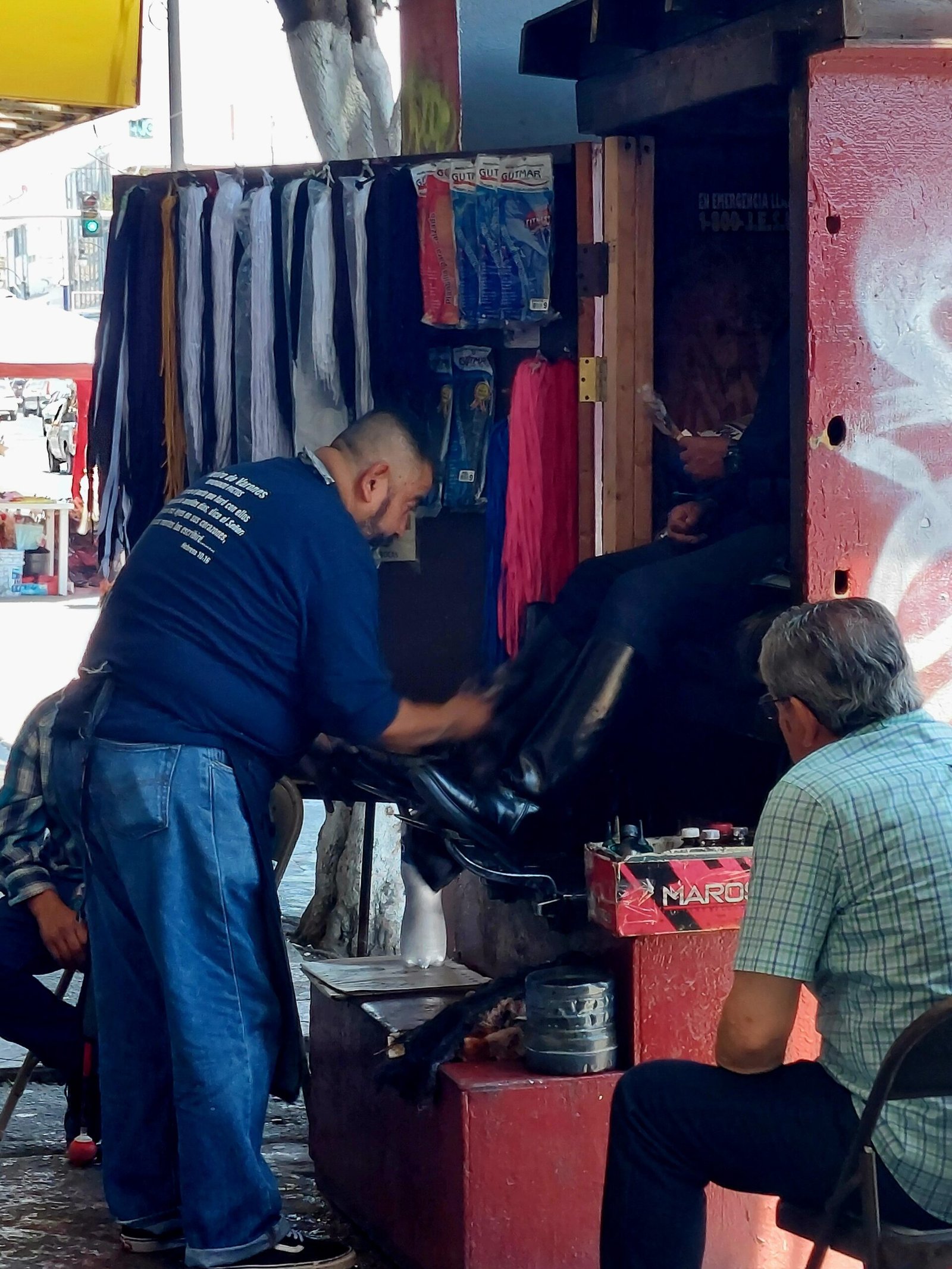
The streets were lines with all kinds of entrepeneurs. This booth was shining shoes.
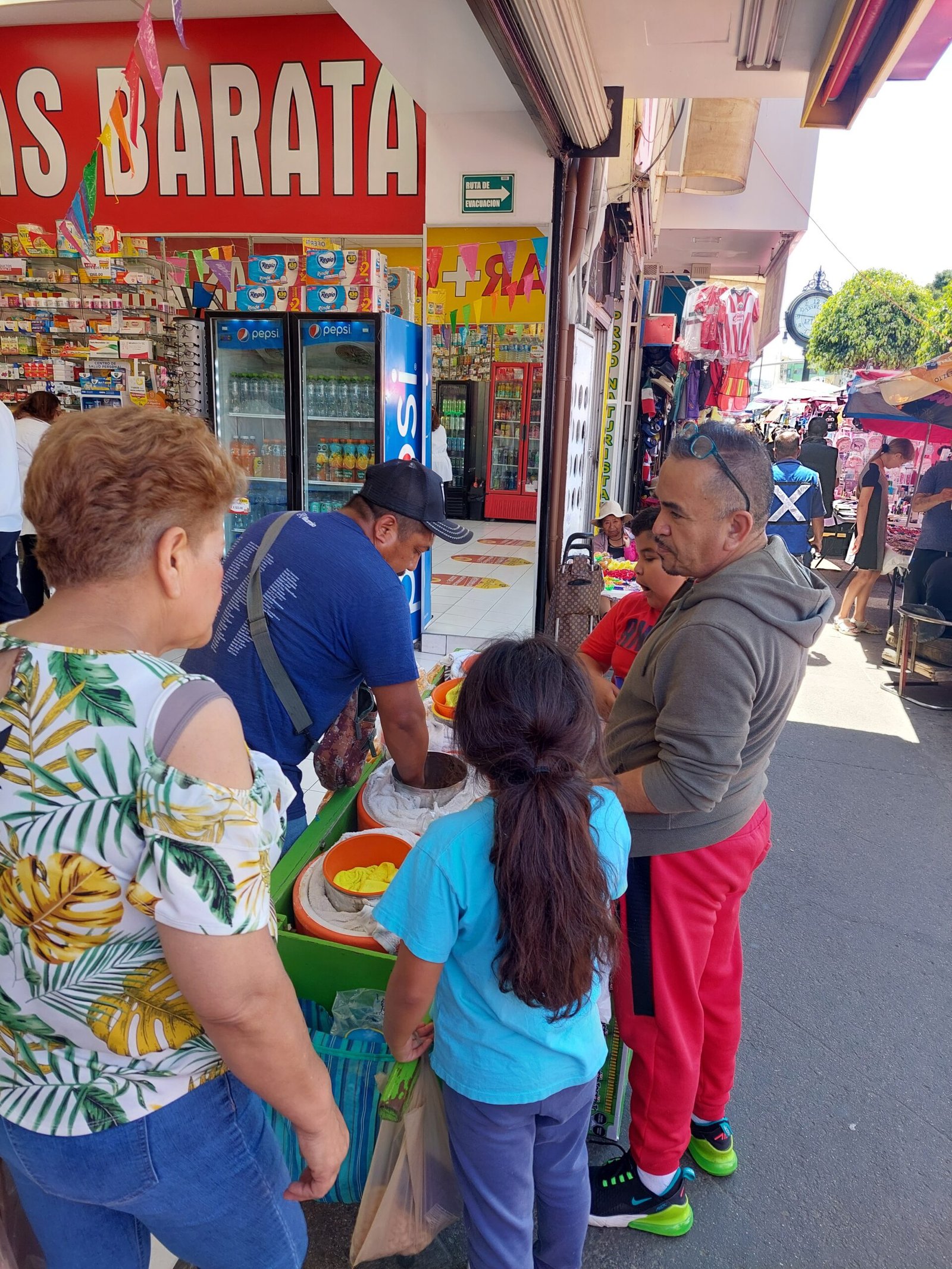
This gentleman was selling ice cream. Ronja is bargaining for jewellery in the background.
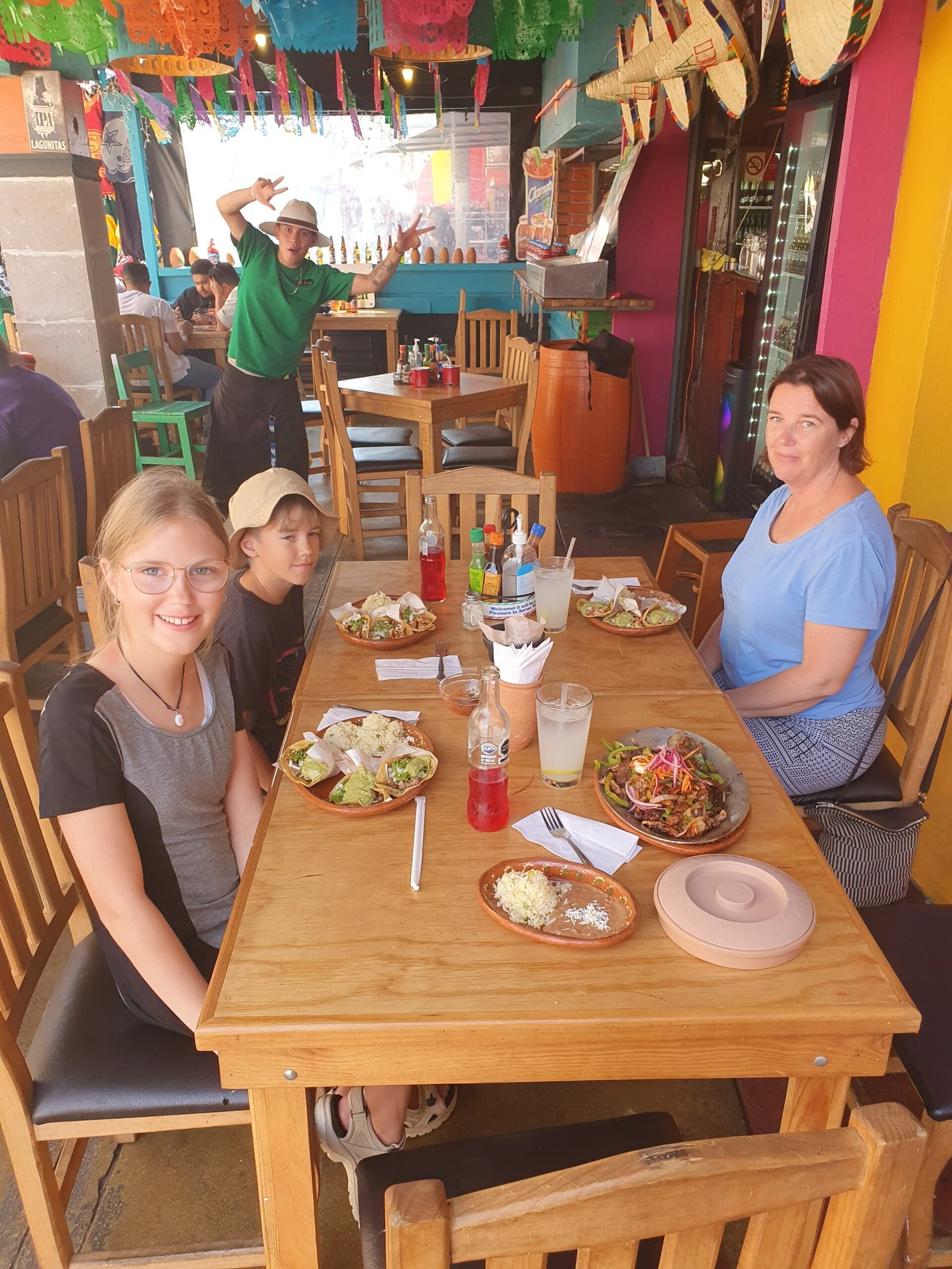
We walked for a while along the main street of the town, and at the door of every shop (even the pharmacy) we were invited in to see the selection of boutiques. We didn’t buy any tourist junk. Only Ronja bought herself a bracelet for three dollars. The local currency here is the Peso, but we don’t have any. Fortunately, at least here in Tijuana, the locals are happy to accept dollars. After our sightseeing walk, we went for Mexican food at a restaurant next to Plaza Santa Cecilia. The food was excellent. The tacos and tortilla sheets are made in the restaurant every day. The only downside was the mariachis who kept trying to perform to us, and we had to shoo them away from our table at regular intervals.
Plaza Santa Cecilia
Restaurant La Tradicion offered delicious food and cheerful service.
After our meal, we visited the local supermarket (which had a wide selection of tortilla sheets!) and took an Über ride back to our apartment for the rest of the day.
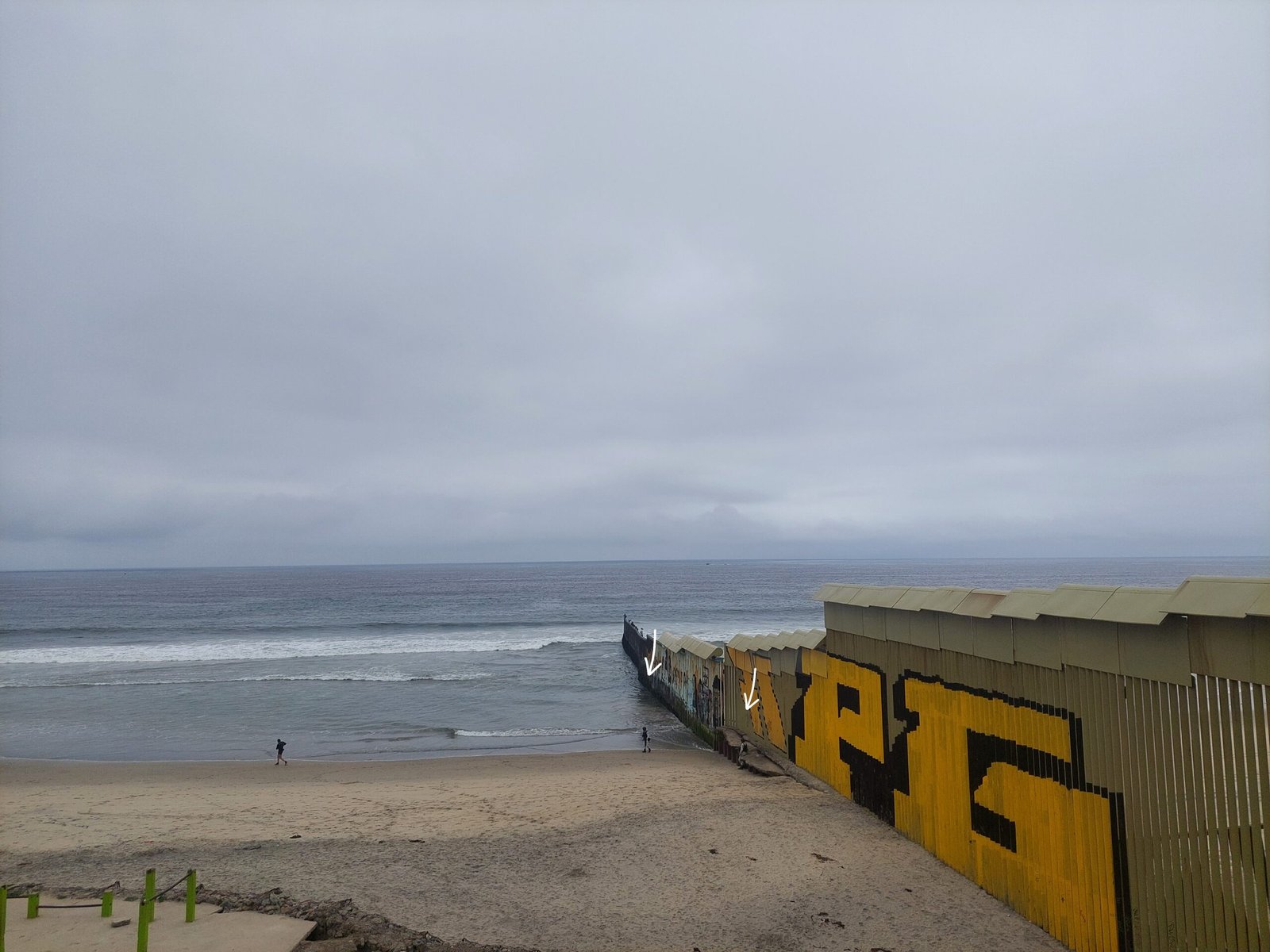
Tuesday was the only full day we had here in Mexico, so we decided to go on a full-day guided tour from Tijuana south to Baja California. We wanted to see if the area was more beautiful than Tijuana, and what there was to see. Our driver, Eric, came to pick us up at 9am. He had offered to come even earlier if we wanted to have breakfast tacos together before the trip. We declined this offer, and started at 9am. Before we drove out of Tijuana, we went to the northwest corner of Mexico to see where the US-Mexico border meets the Pacific Ocean. For those wanting to cross from Mexico to the US, swimming is not an option. Two soldiers armed with assault rifles patrolled the Mexican side of the wall. We assume that a similar reception awaits on the US side.
Swimming across the border is not a good idea as the area was patrolled by armed soldiers.
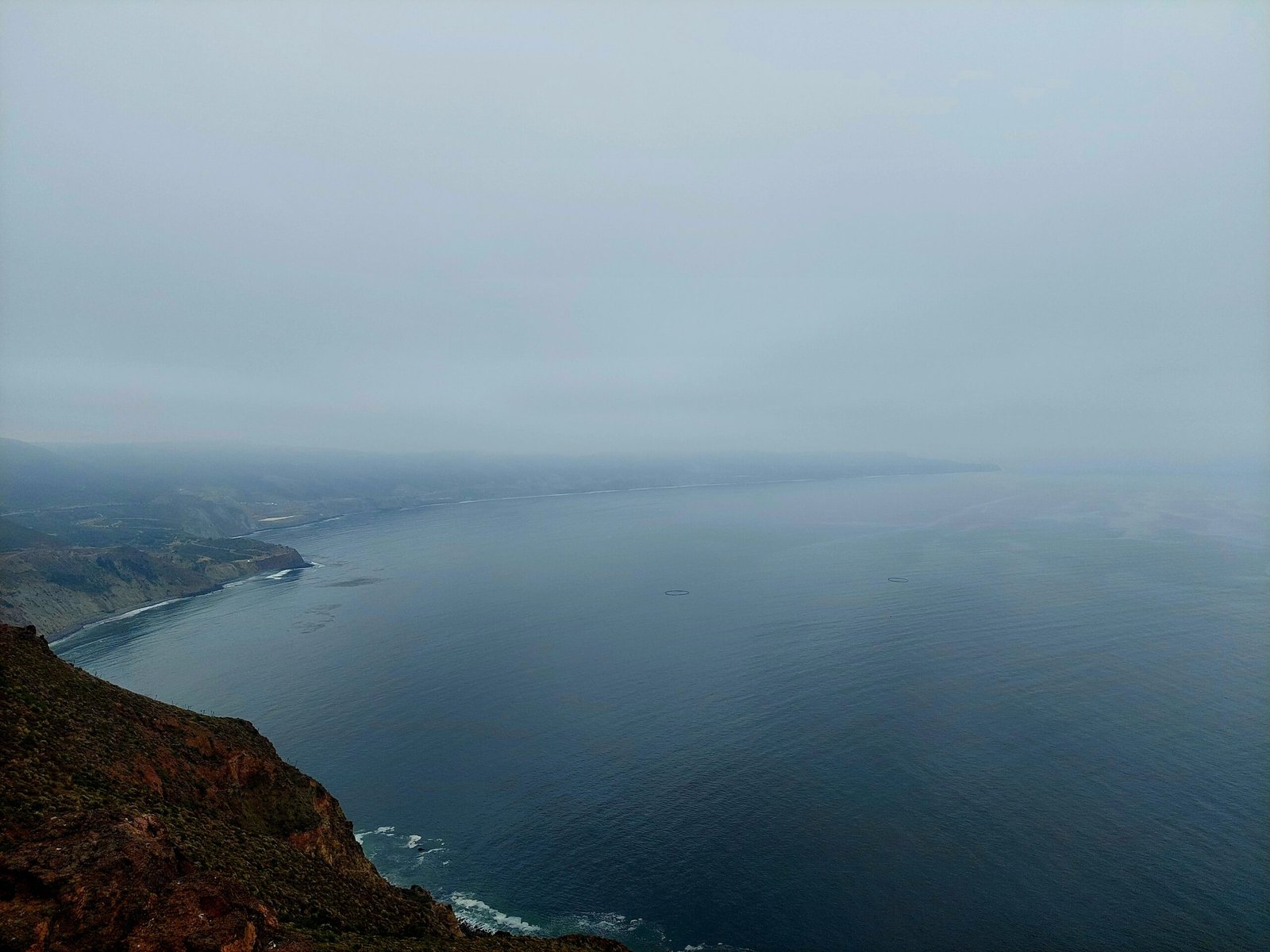
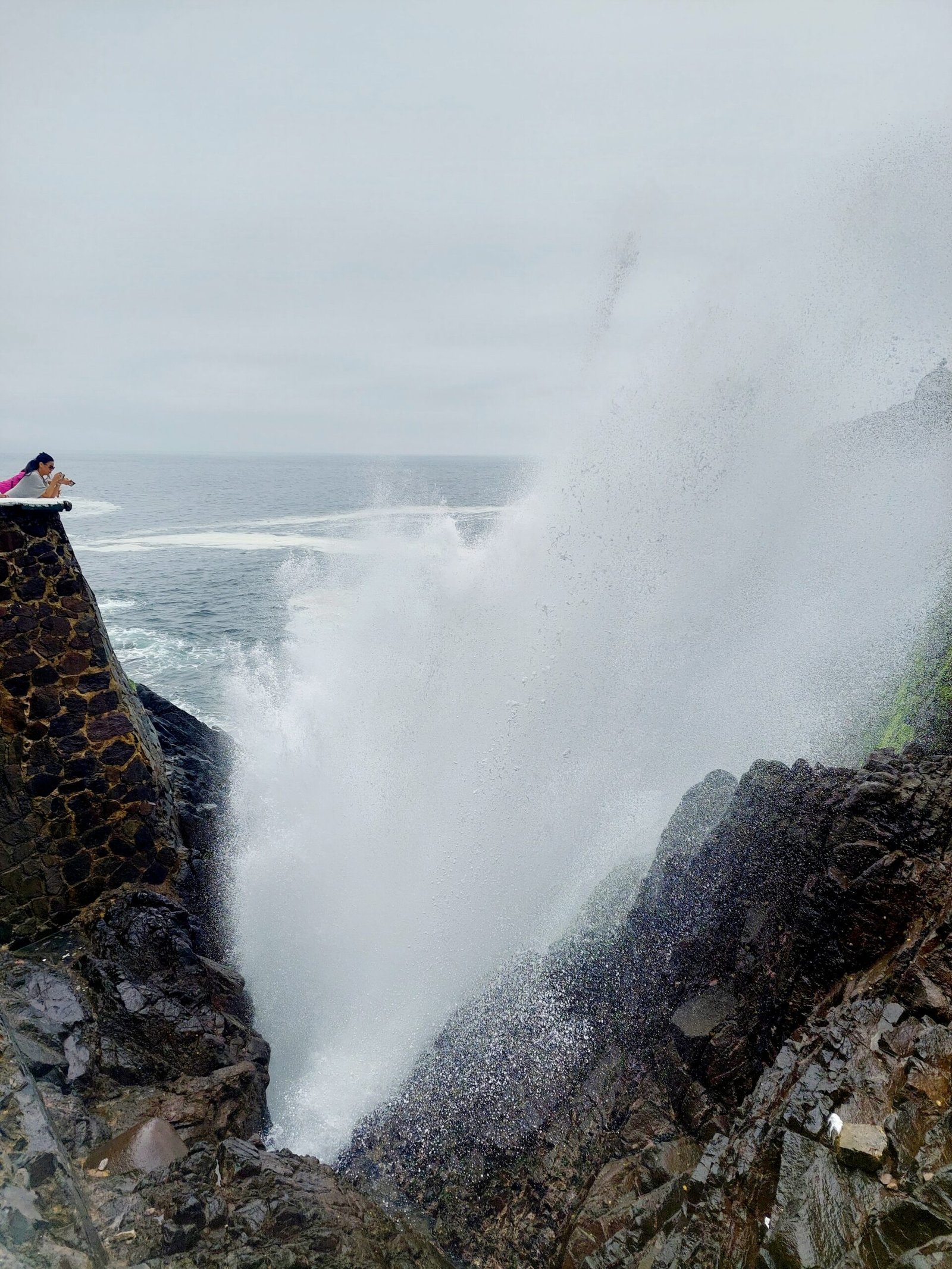
The furthest point of our trip was “La Bufadora”, a blowhole south of the town of Ensenada. Blowhole is a place, where water enters a cave from the sea, but does not come out the same way, but spurts out like a geyser through a narrow opening in the roof of the cave. Before arriving, however, we stopped to admire the view from the Mirador Salsipuedes. The morning was very cloudy and foggy, so the pictures didn’t come out very good, but on a sunny day the views are certainly spectacular. In addition to taking pictures, we also bought a small box of honey-covered pecans.
On a sunny day the views would have surely been great!
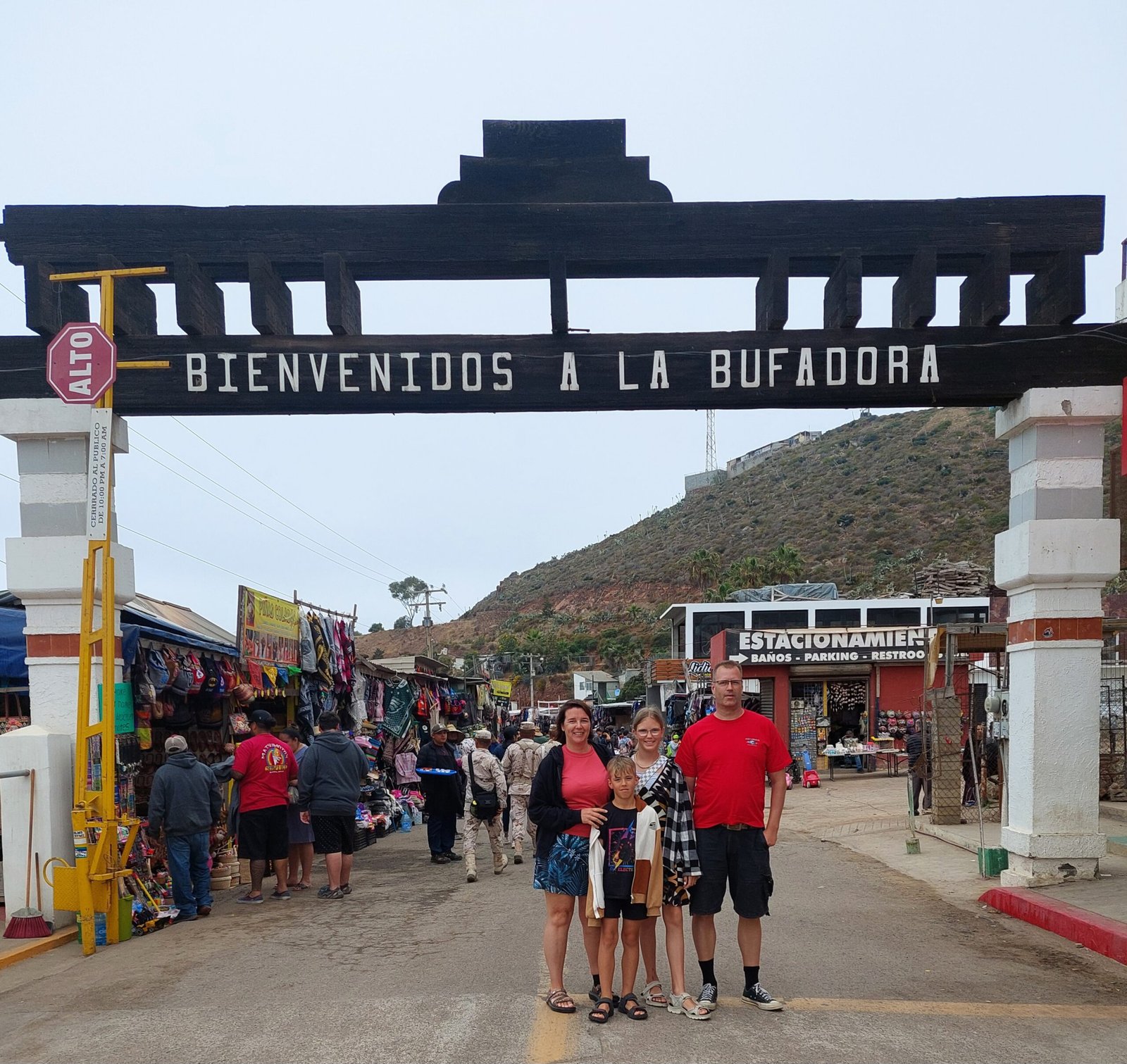
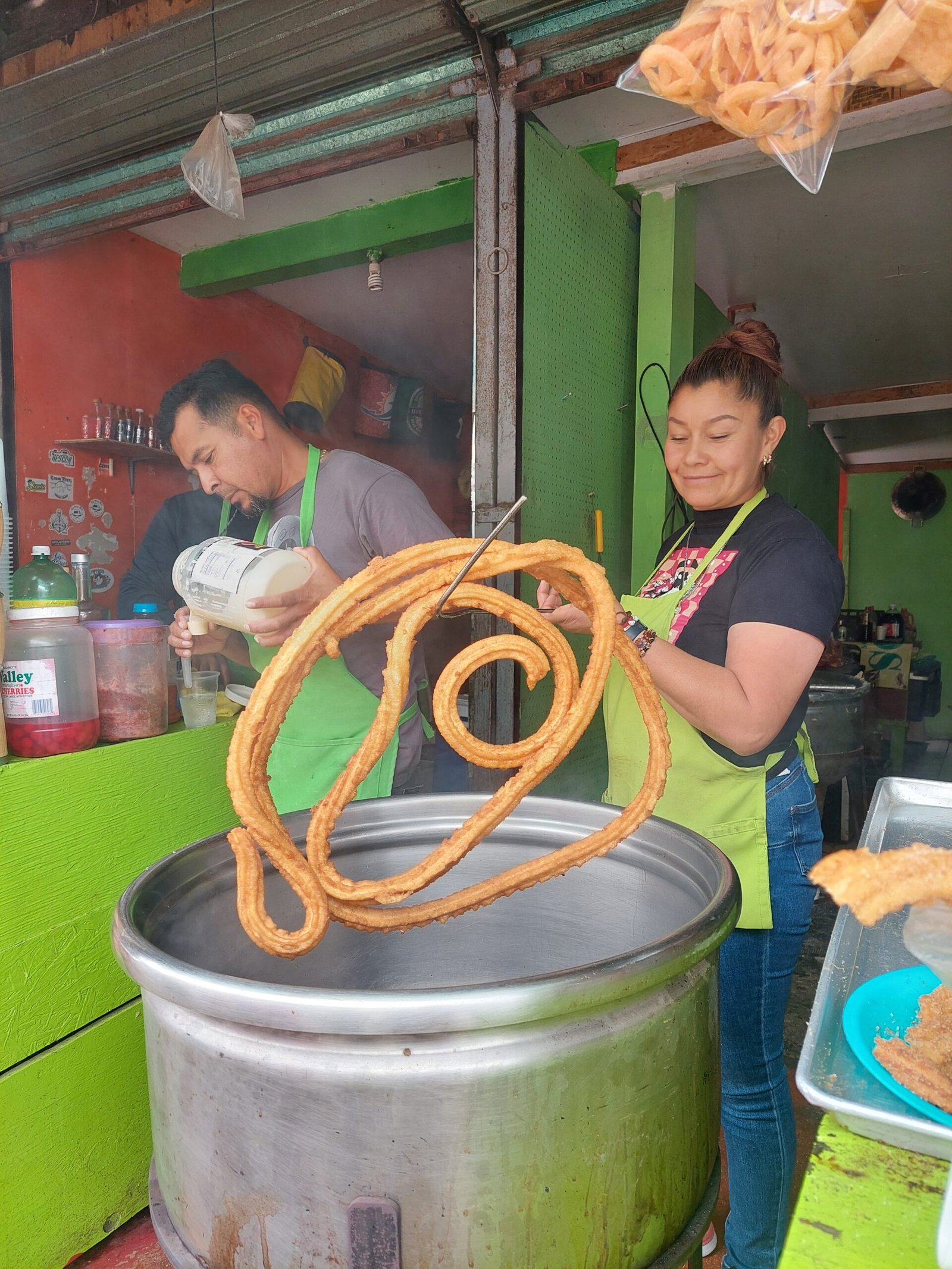
After a couple of hours of driving we arrived at La Bufadora. The area was crowded with souvenir vendors harassing the tourists there. We managed to avoid the vendors selling boots and ponchos, but when it came to the freshly-baked churros, we could no longer resist. We bought a bag of them for six dollars, and dipped them in condensed milk. They were really good, by the way! We weren’t the only ones there, because several busloads of cruise passengers from the port of Ensenada were there too.
The mandatory family portrait
We're getting some freshly made churros!
The amount of gushing water was dependent on the size of the incoming wave.
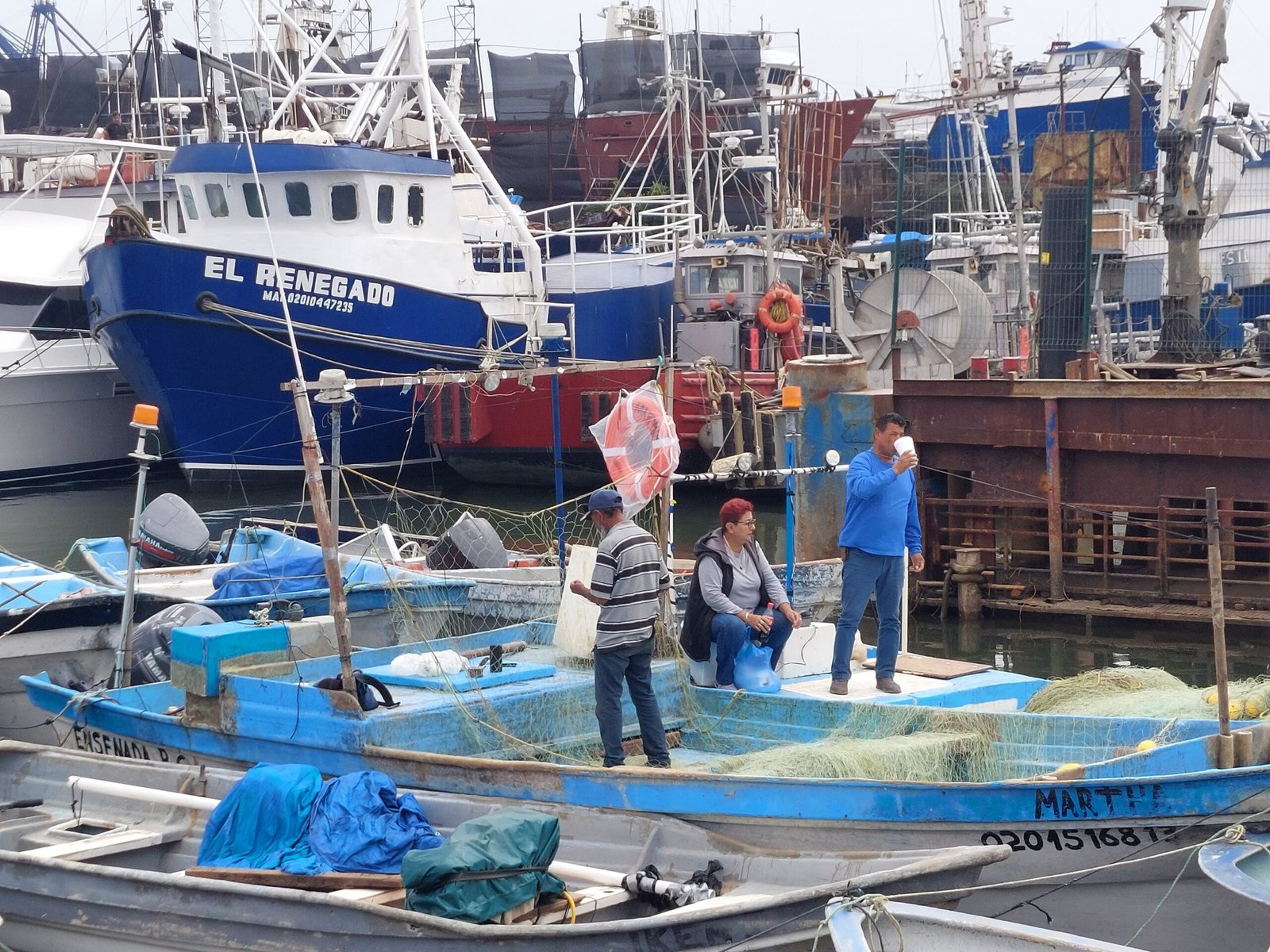
From La Bufadora we returned to the city of Ensenada, Mexico’s largest cargo port. We didn’t stop at the cargo port, but at the fishing port, where we had some really tasty fish and shrimp tacos. The restaurant didn’t look like much from the outside, but the food was incredibly good! The tacos were brought to the table without any toppings, and you got to choose your toppings from the bowls that were on the table. Some of the sauces were so hot that just a drop was enough to season the whole taco. After lunch, we wandered around the fish market for a while before continuing on to the Mexican wine region, Valle de Guadalupe.
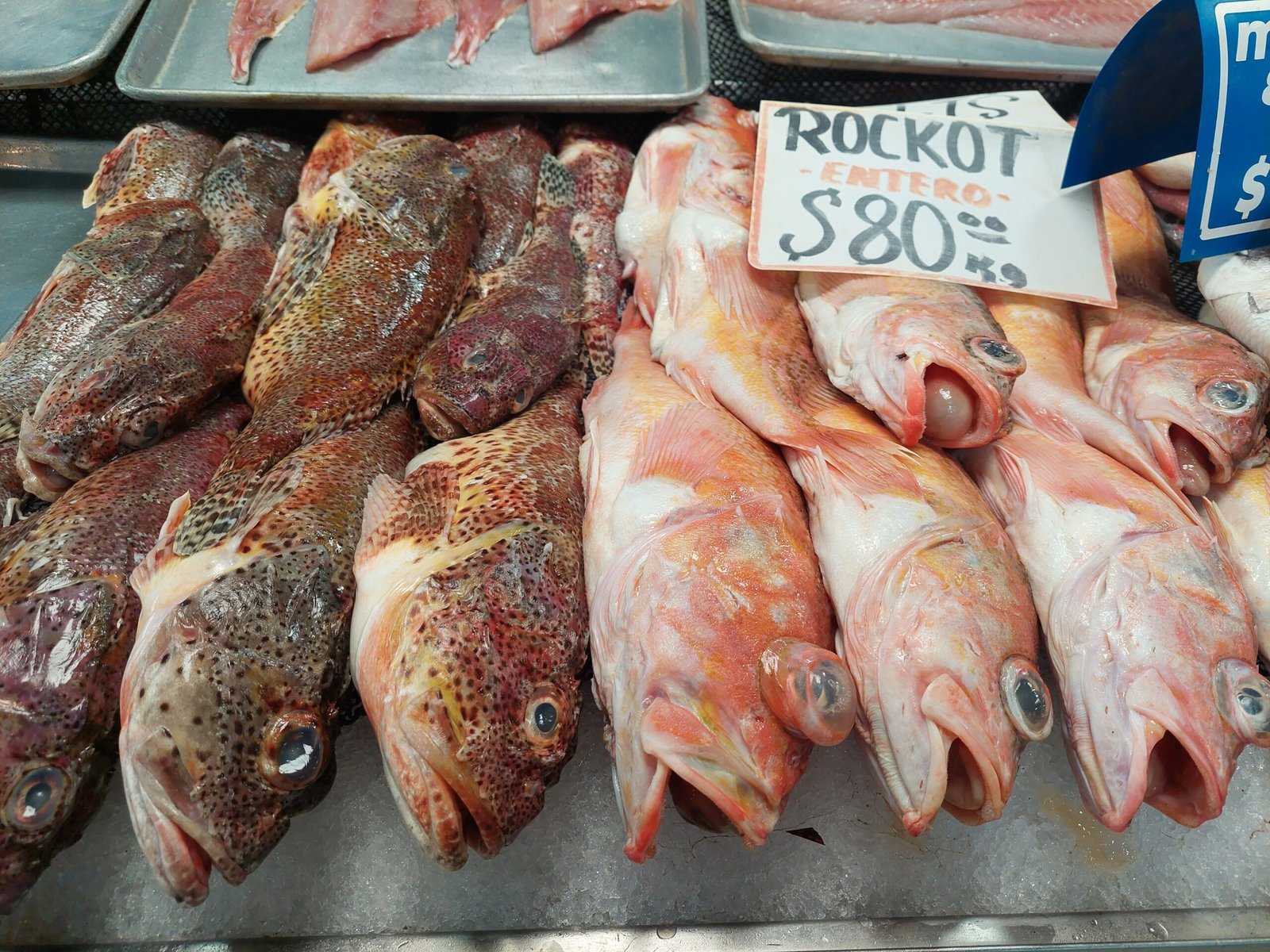
Fish...
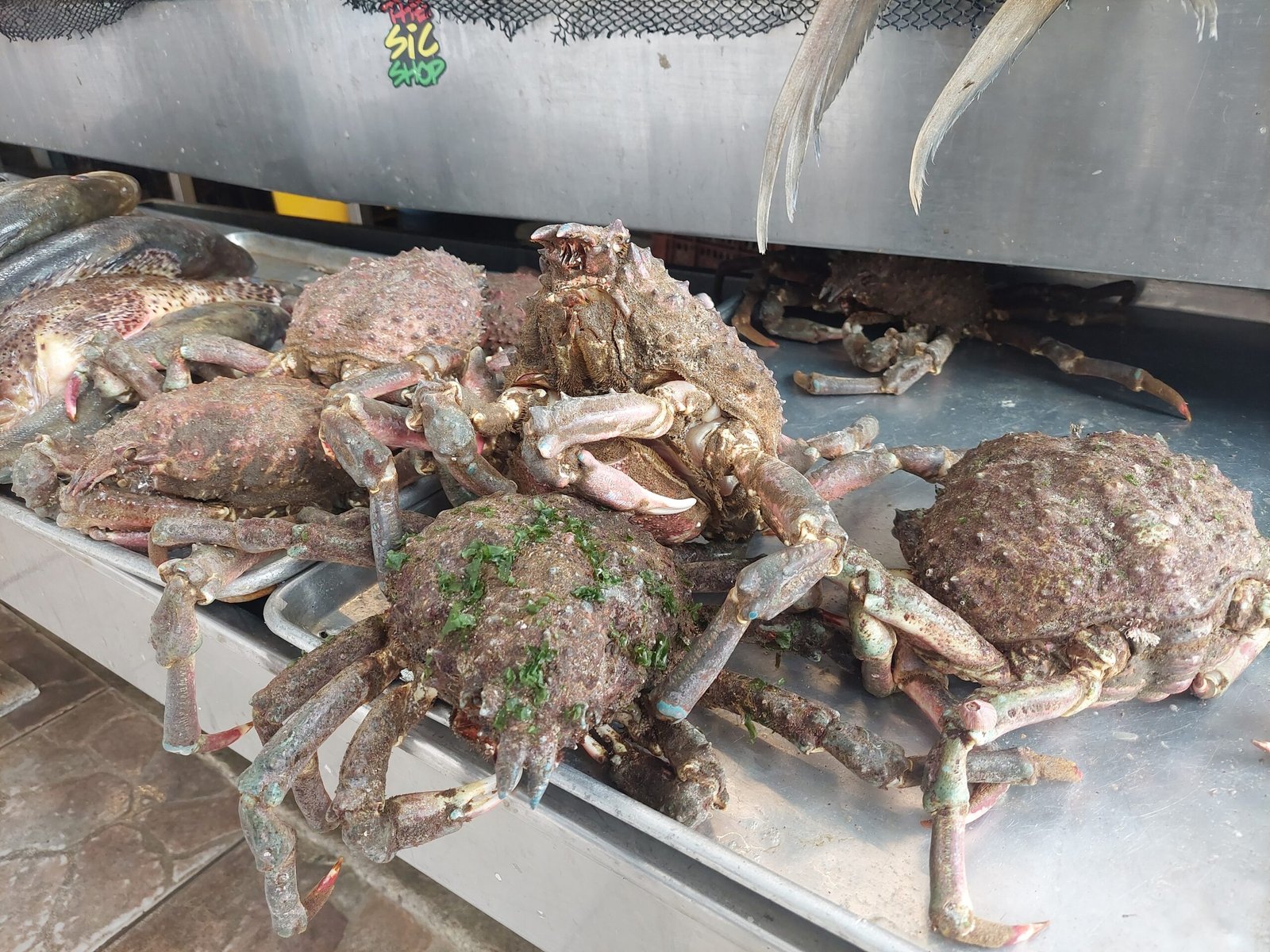
...crabs...
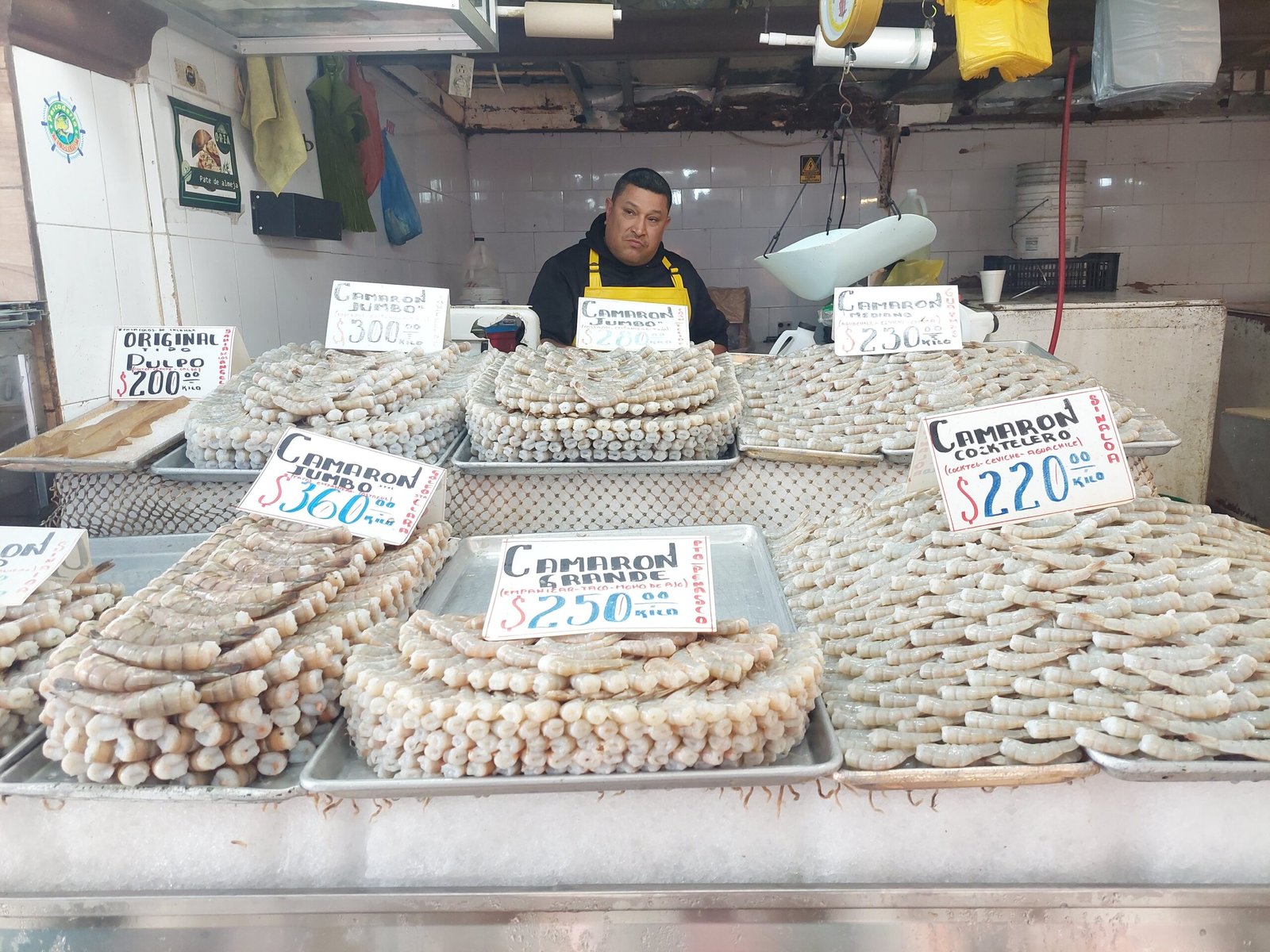
...and shrimp of various sizes
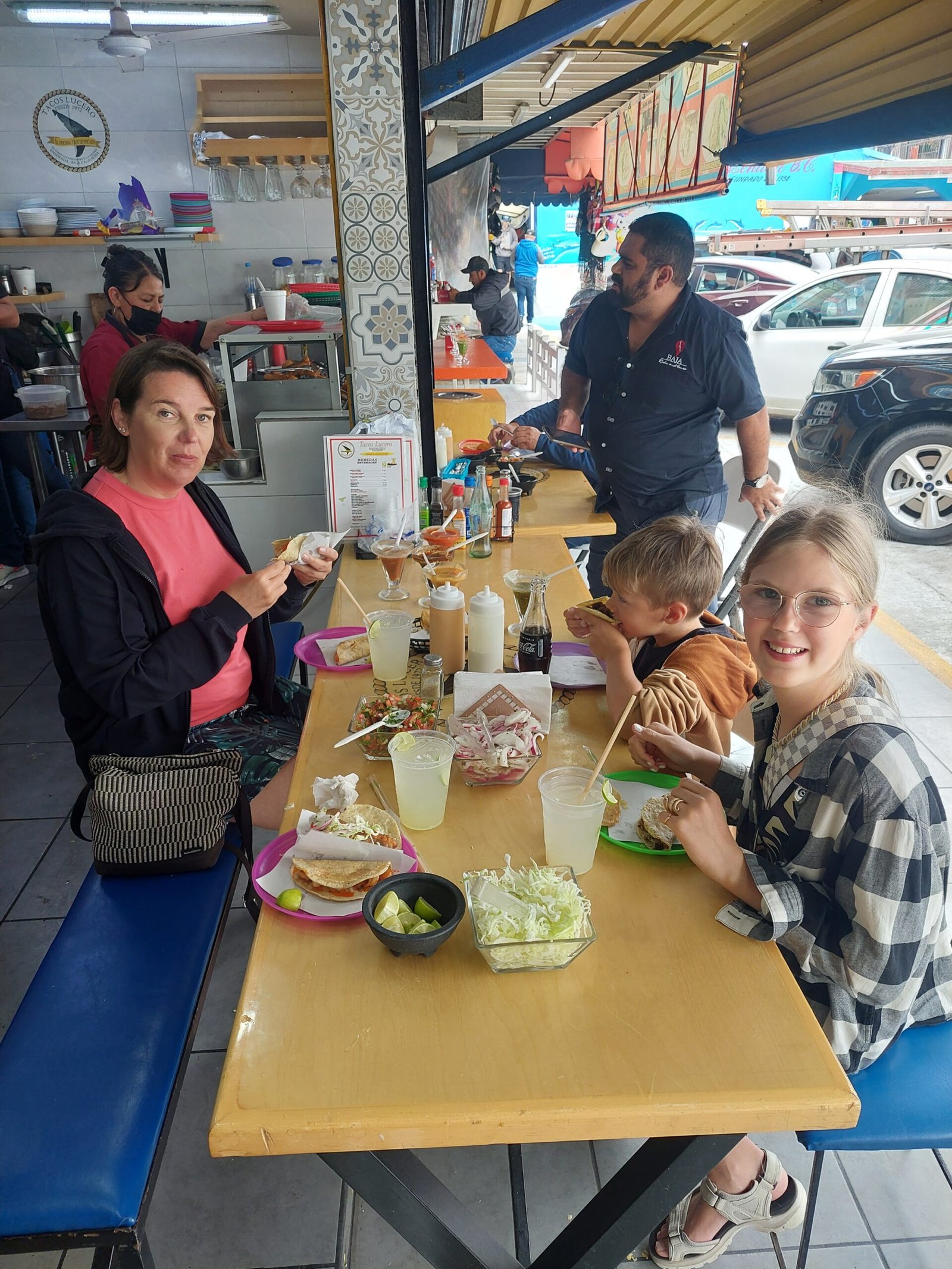
Local fish and shrimp tacos were cheap and delicious!
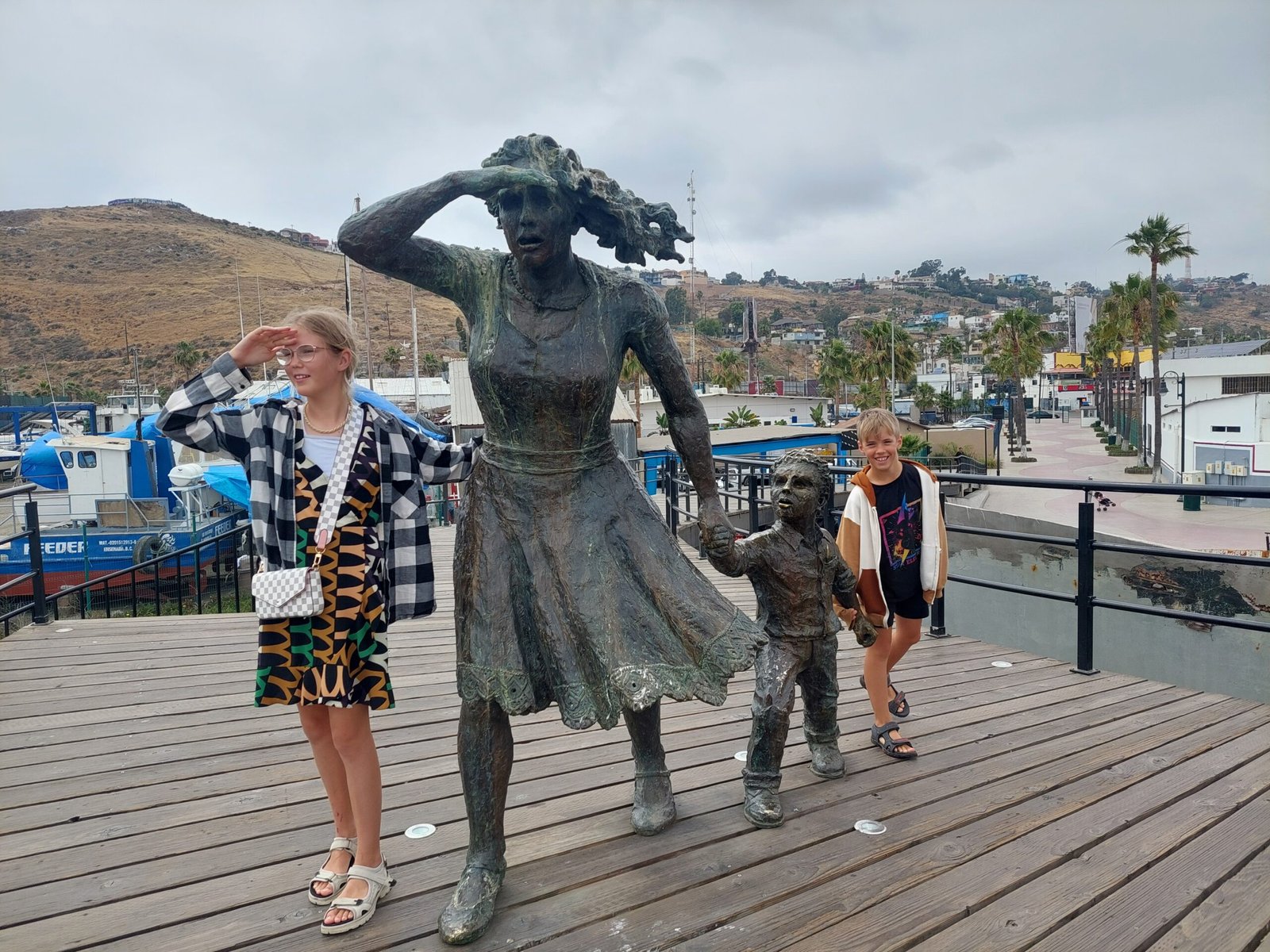
On the lookout for returning fishing boats
Local fishermen preparing their nets.
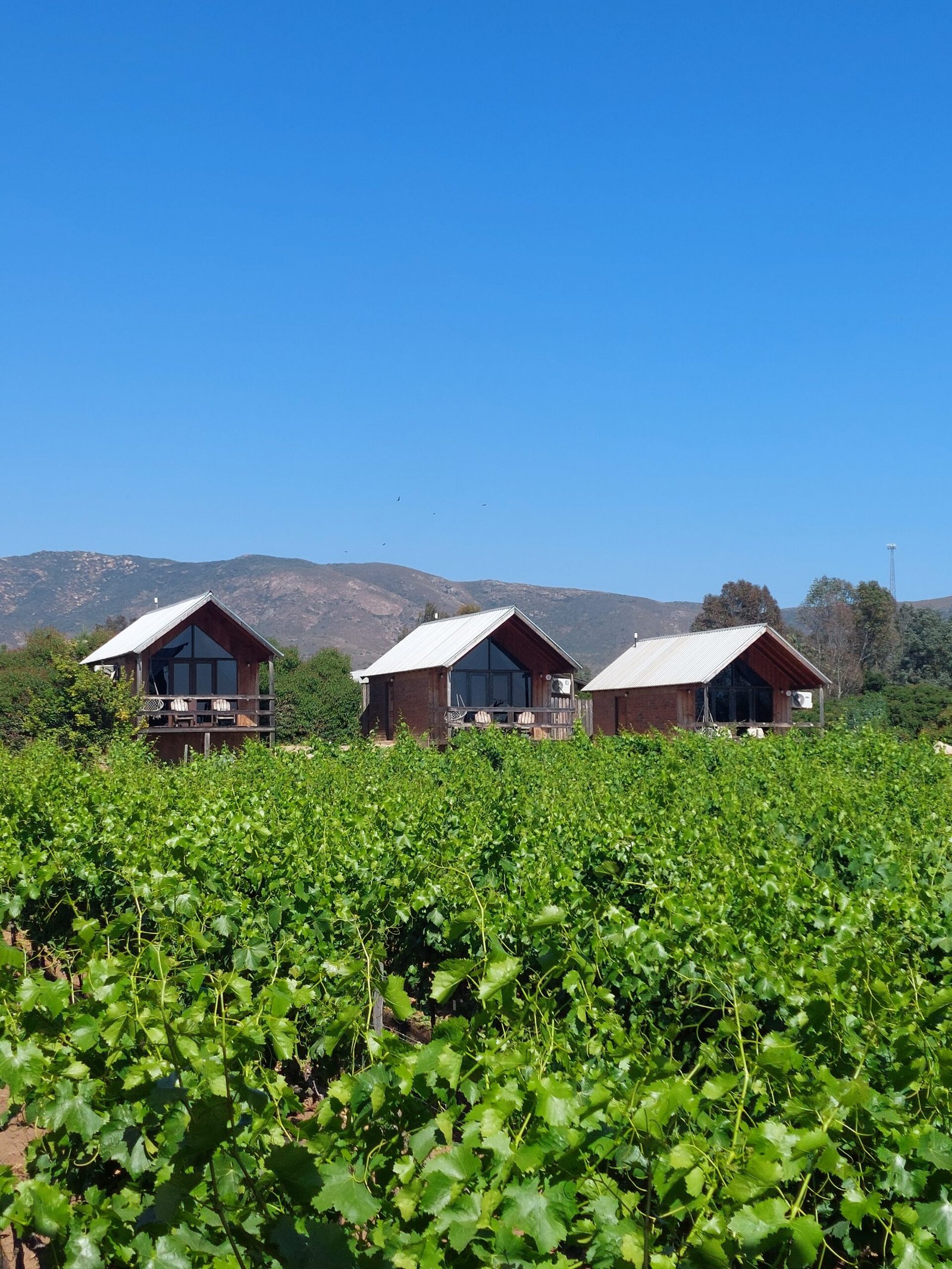
As we drove to the other side of the hills, the weather changed completely. The sun was shining from a cloudless sky and it was warmer. We stopped at one of the many wineries in the area to taste their wines. Tasting four wines cost 350 pesos, or about 17.50€. It would have been possible to dine there too, but as we were still full of fish tacos, we skipped the meal this time. It would also have been possible to stay overnight at the winery. Small cottages had been built next to the vineyards, which could be rented like hotel rooms. We didn’t ask how much it would have cost, but we suspect it would not have been cheap.
It wasn't harvest season yet, so we didn't see any grapes.
From the wine region we returned back to Tijuana. On the way we passed the Titanic and Pearl Harbour movies film site. (What you could see, were basically just huge water tanks where the films were shot.) There had been an attempt to turn the place into the Mexican equivalent of Universal Studios after the filming, but our guide said that the corrupt local police force was the reason the whole thing never really got going. Whether that’s true, we don’t know, but even today the local police are reportedly harassing people driving cars with American plates with bogus fines and giving them the option of either visiting the police station, or settling the matter with the police privately in cash.
In Tijuana, we drove through a slightly richer neighbourhood. To live there, you have to earn a little more than the average salary of the basic local worker, $20/day. Average house prices in that area are around half a million dollars.
Our tour lasted 10 hours in total. During that time, it became clear that this peninsula of Mexico is not the number one destination for a beach or cruise holiday. Apart from a couple of places, the scenery was not very nice, and the towns seemed quite ugly and dirty. People in Mexico are apparently quite poor, especially if they have not managed to get an education for a slightly better-paid profession. There are a lot of homeless people on the streets, and the streets are full of street vendors of various kinds. No wonder the people from here are seeking a better life in the USA, both legally and illegally, every day.
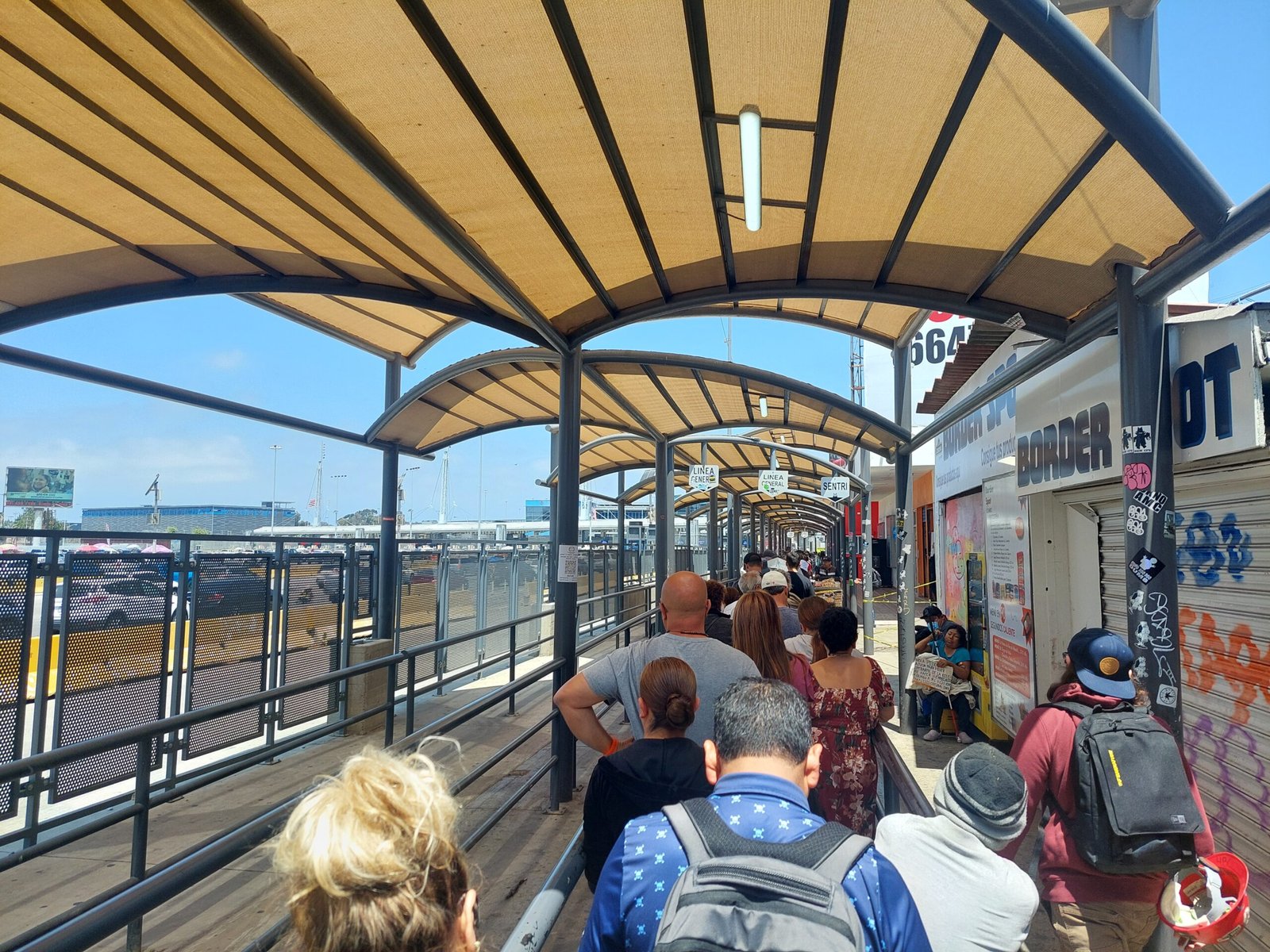
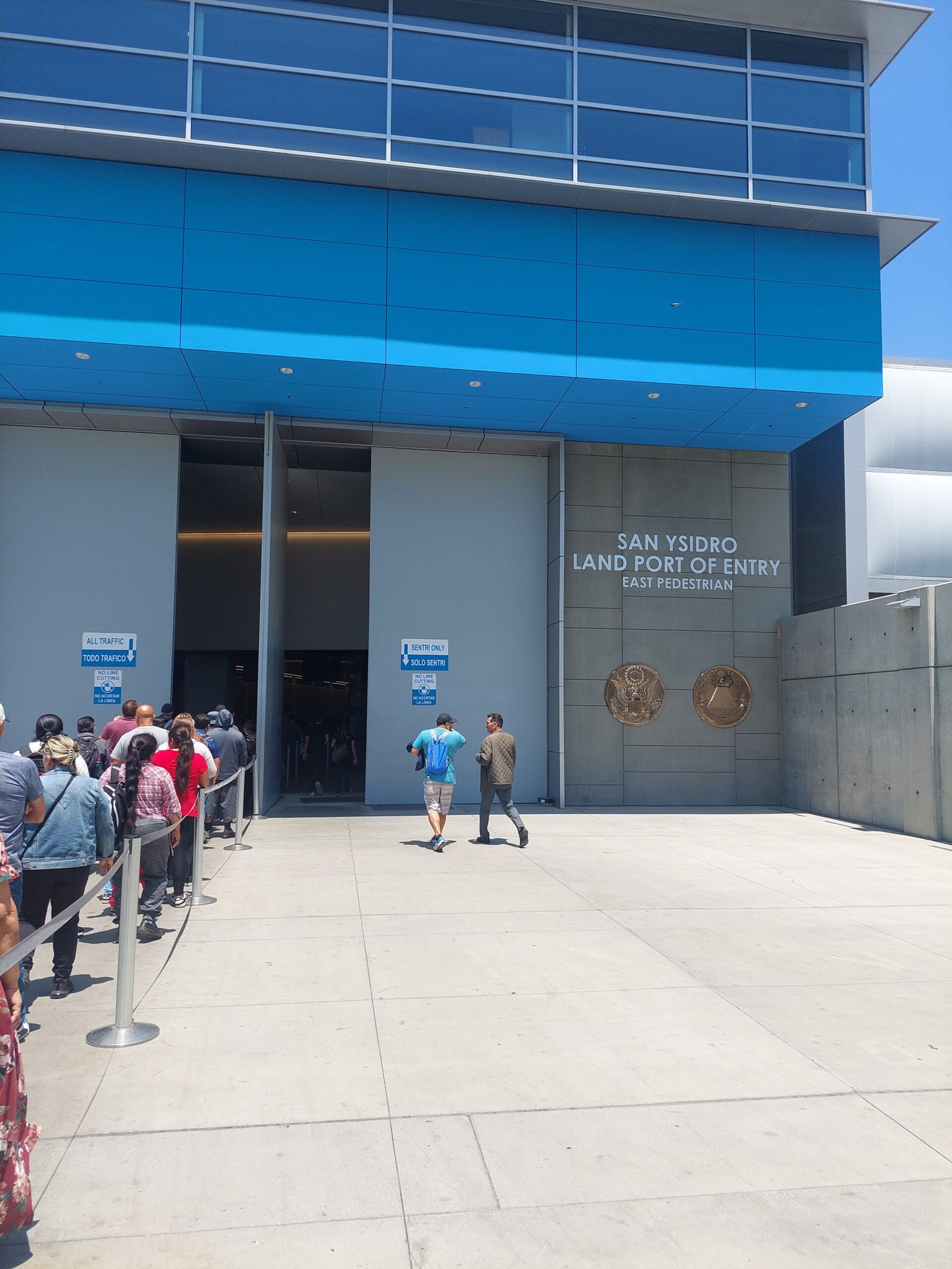
We returned from Tijuana to San Diego the same way we had arrived. This time there was more queuing at the eastern pedestrian crossing, and we had to flash our passports a couple of times at the American border guards. Otherwise, it was relatively quick.
Queuing to get back to USA.
Border crossing would have been quite a lot quicker with a SENTRI document (The Secure Electronic Network for Travelers Rapid Inspection).
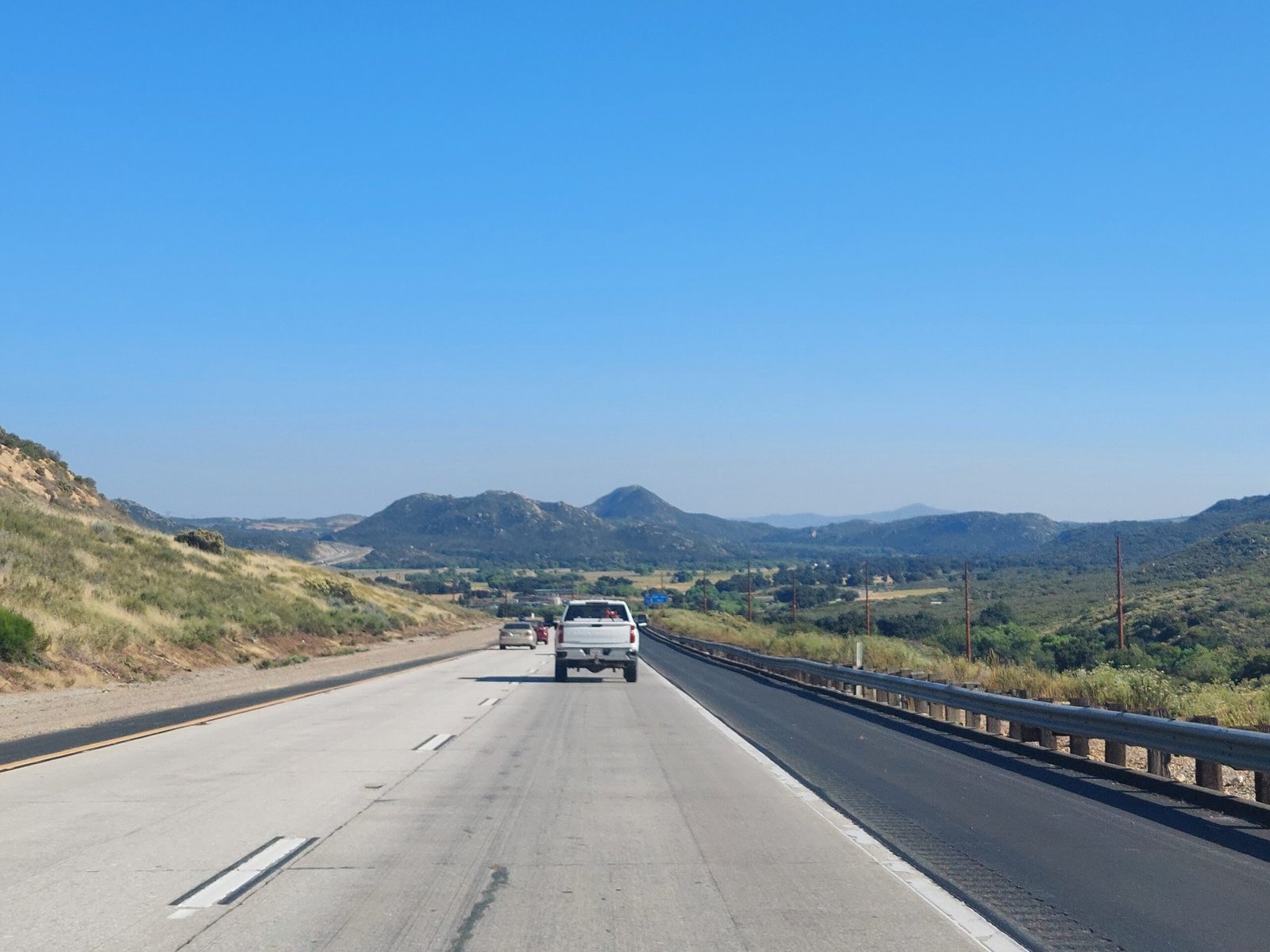
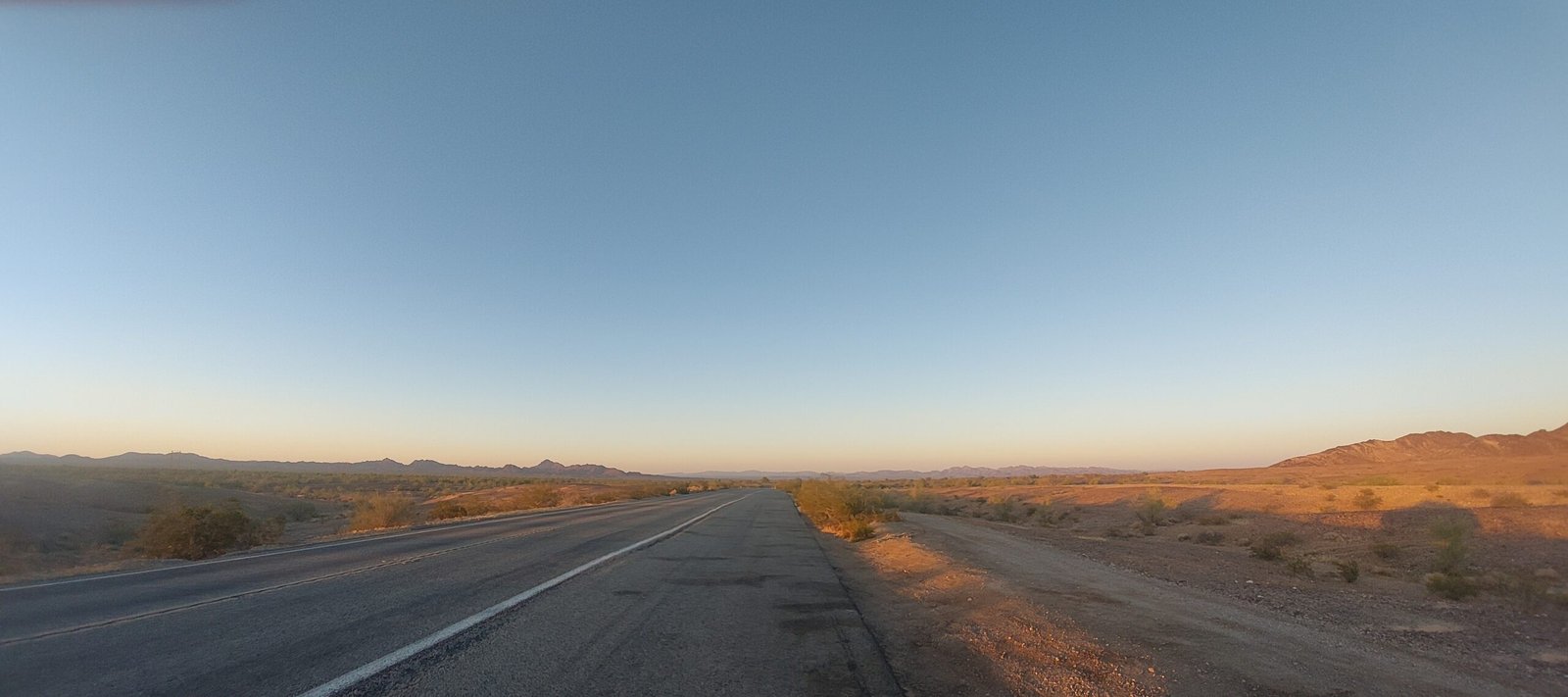
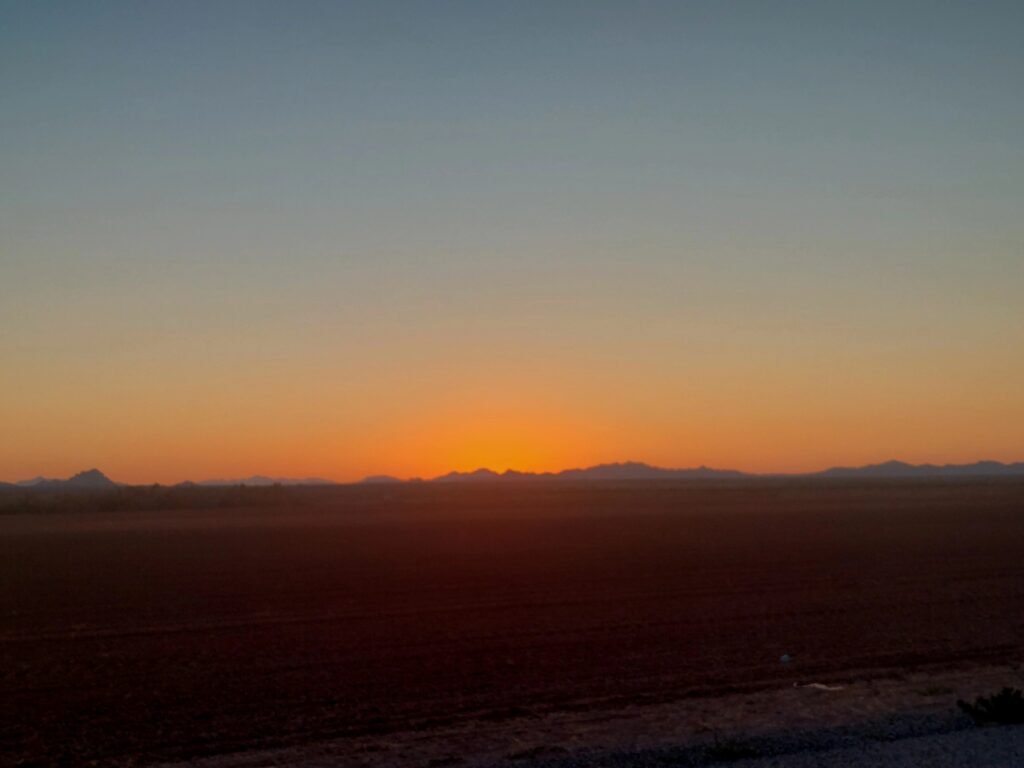
Once we got back to the US side, we made a quick stop at the outlet complex near the border. We had intended to just take a quick look to see what we could find there, but Jaana and Ronja in particular were stocking up on reasonably priced clothes. After the shopping spree, we started driving towards Grand Canyon. As the journey there was a bit too long in one drive, we decided to stop about halfway in a small town called Blythe. The drive there also took 3.5h. Our journey was a bit slower, though, as we had to stop for lunch first, and then at regular intervals to take pictures of the scenery.
In the beginning the scenery was quite hilly and dry.
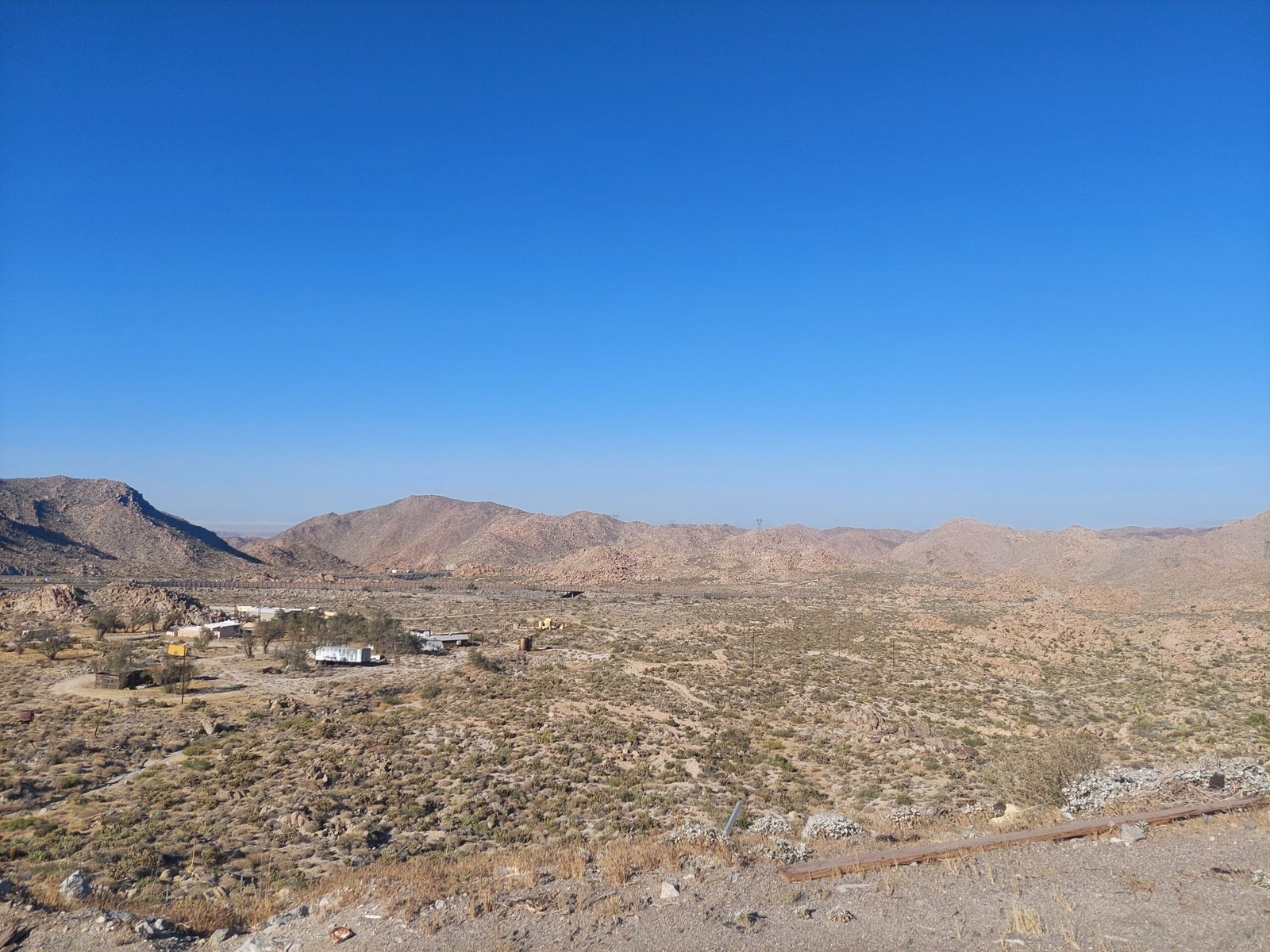
A bit later, dry changed to outright rocky.
The motorway ran close to the Mexican border, so once we even had to stop at a border patrol checkpoint. However, neither we nor our car were searched there. One border guard just looked at our car and wished us a good day. Apparently, we were such a reliable-looking bunch that it was not worth spending any more time on us.
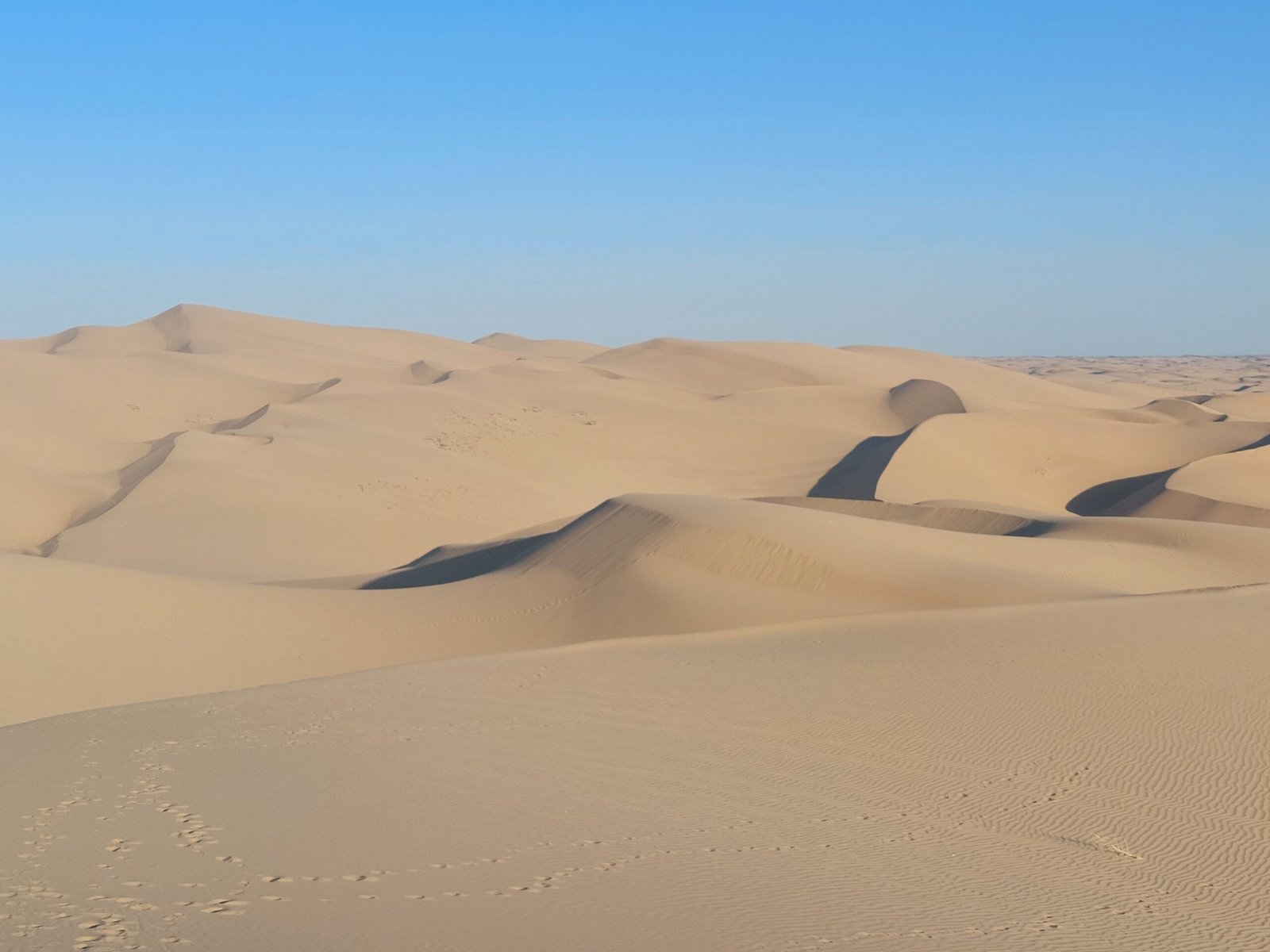
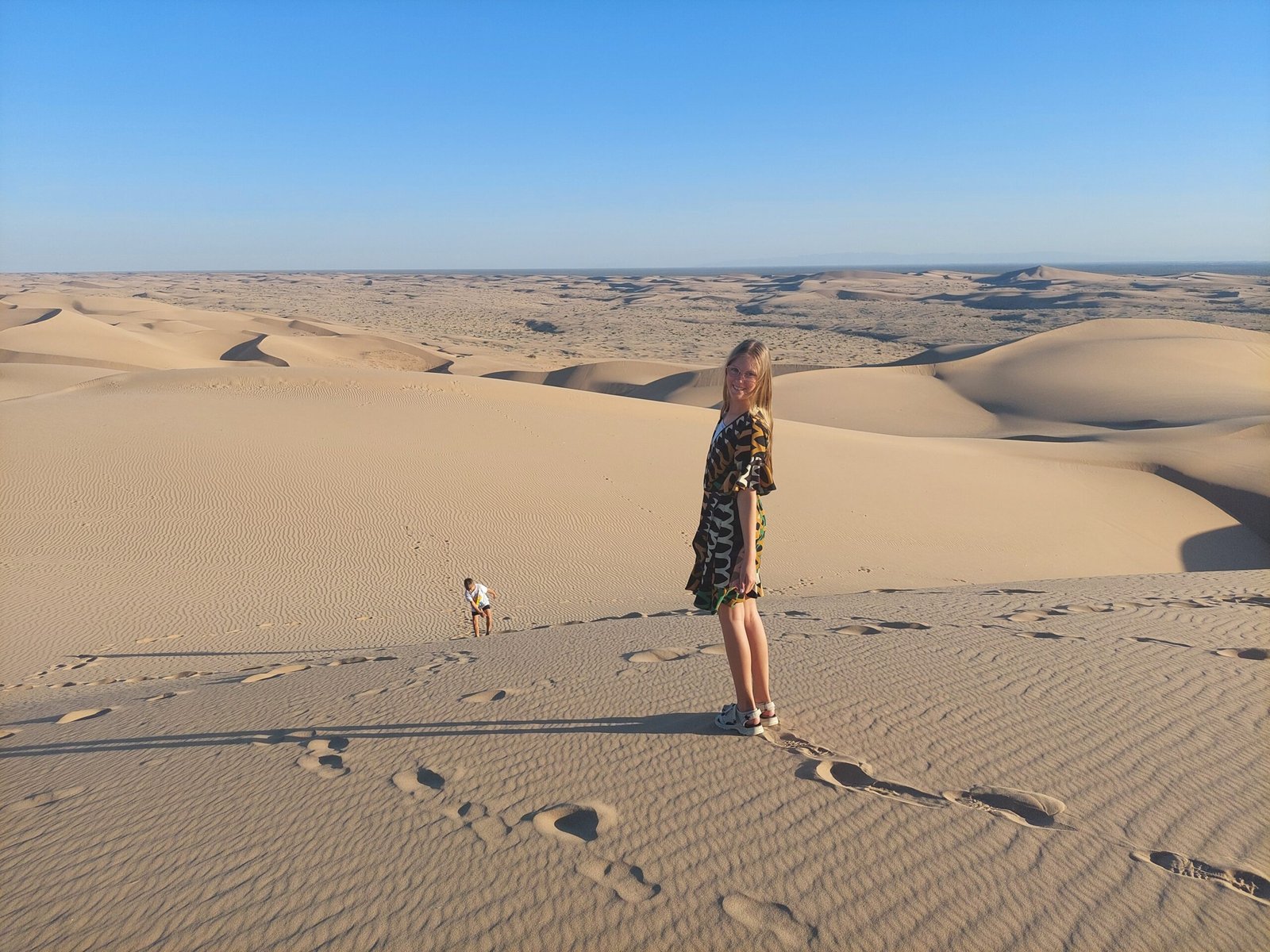
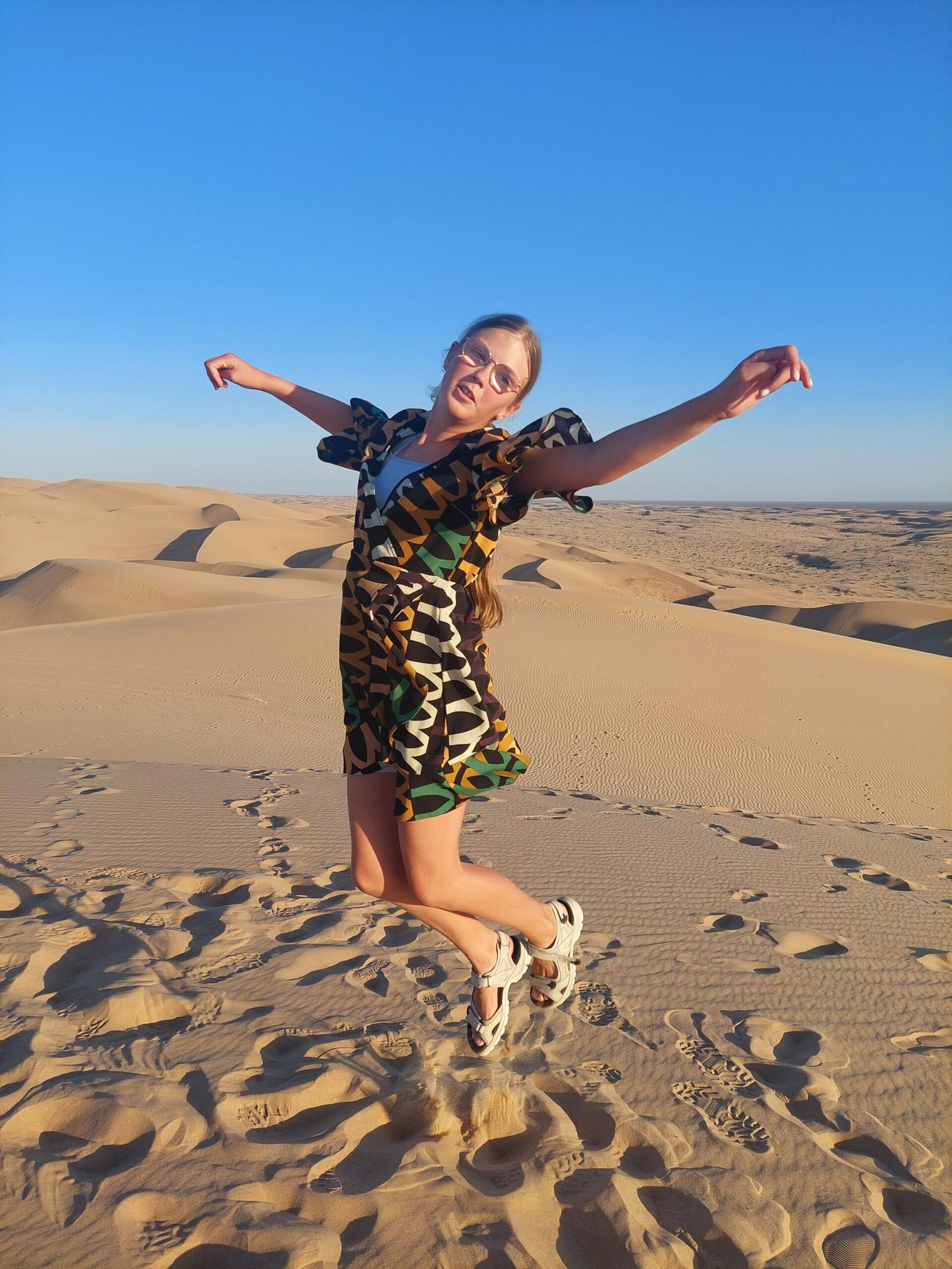
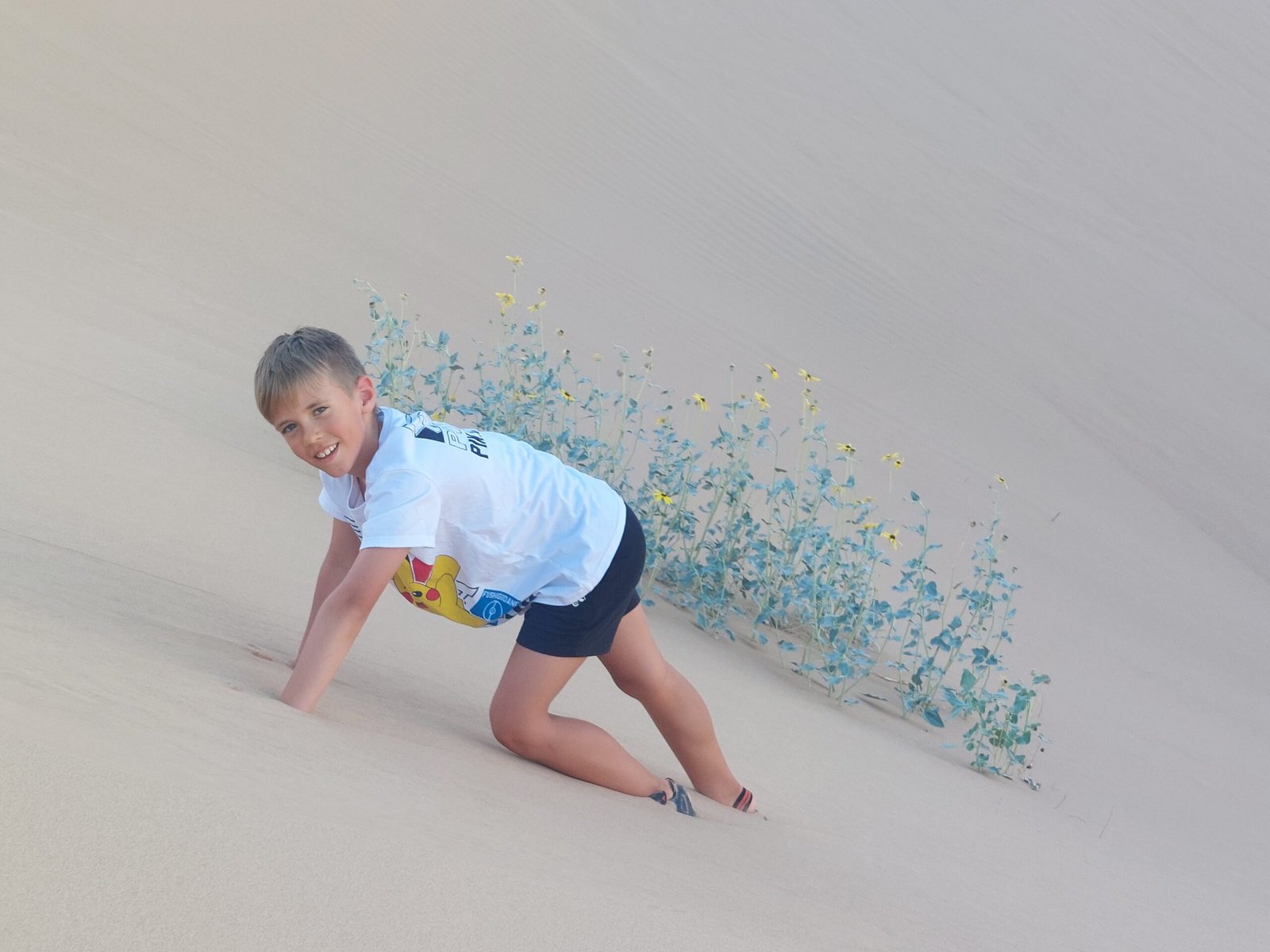
The scenery along the way was really varied. At first we drove in a very hilly and rather dry landscape, which reminded us very much of the landscape in the Alicante area. Then we moved on to even drier terrain, as there were only rocky hills all around us. Finally, we suddenly found ourselves on sand dunes. We had to make a longer stop there, because the place was so special. After climbing the dunes for a while, we realised that we were not Bedouin and returned to the car, where the thermometer showed a modest 104F, equivalent to 40C. No wonder we were all hot and thirsty!
In the end it looked like we would be approaching the Saharan desert.
The dunes at Osborne Park
Jumping on the soft dunes was sweaty business.
Risto always chose the steepest option.
After 8pm we arrived in the small town of Blythe and stayed for one night in a local motel. It turned out to be a surprisingly nice place with a swimming pool, and the whole gang went for a swim in the warm pool at the end of a long day.