In Christchurch, we stayed in a hostel called Urbanz, a short walk away from the city centre. As our first full day there was sunny, we decided to explore the city centre and later take a ride on the Christchurch Gondola, which was located outside the city, near the small port town of Lyttelton.
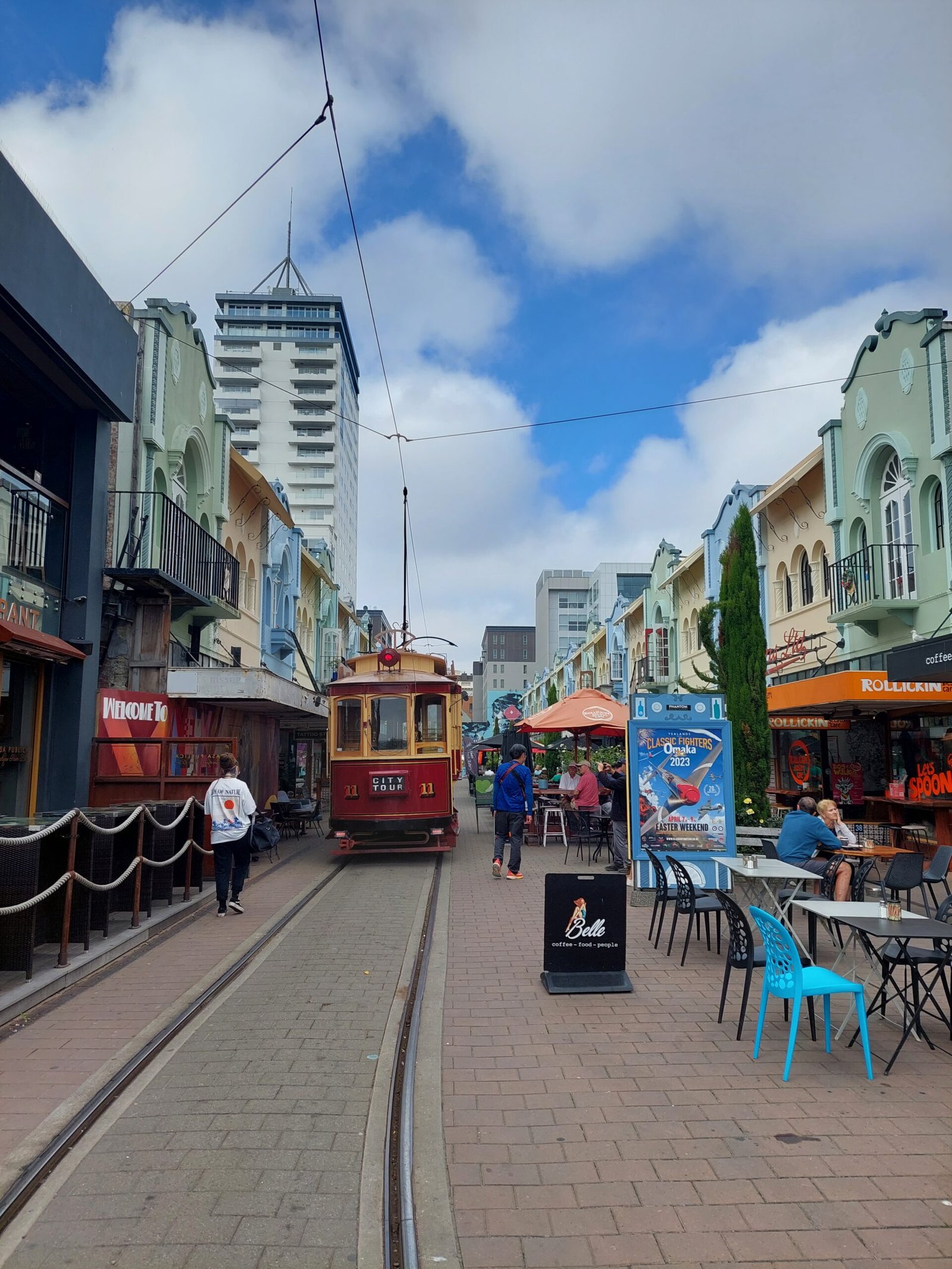
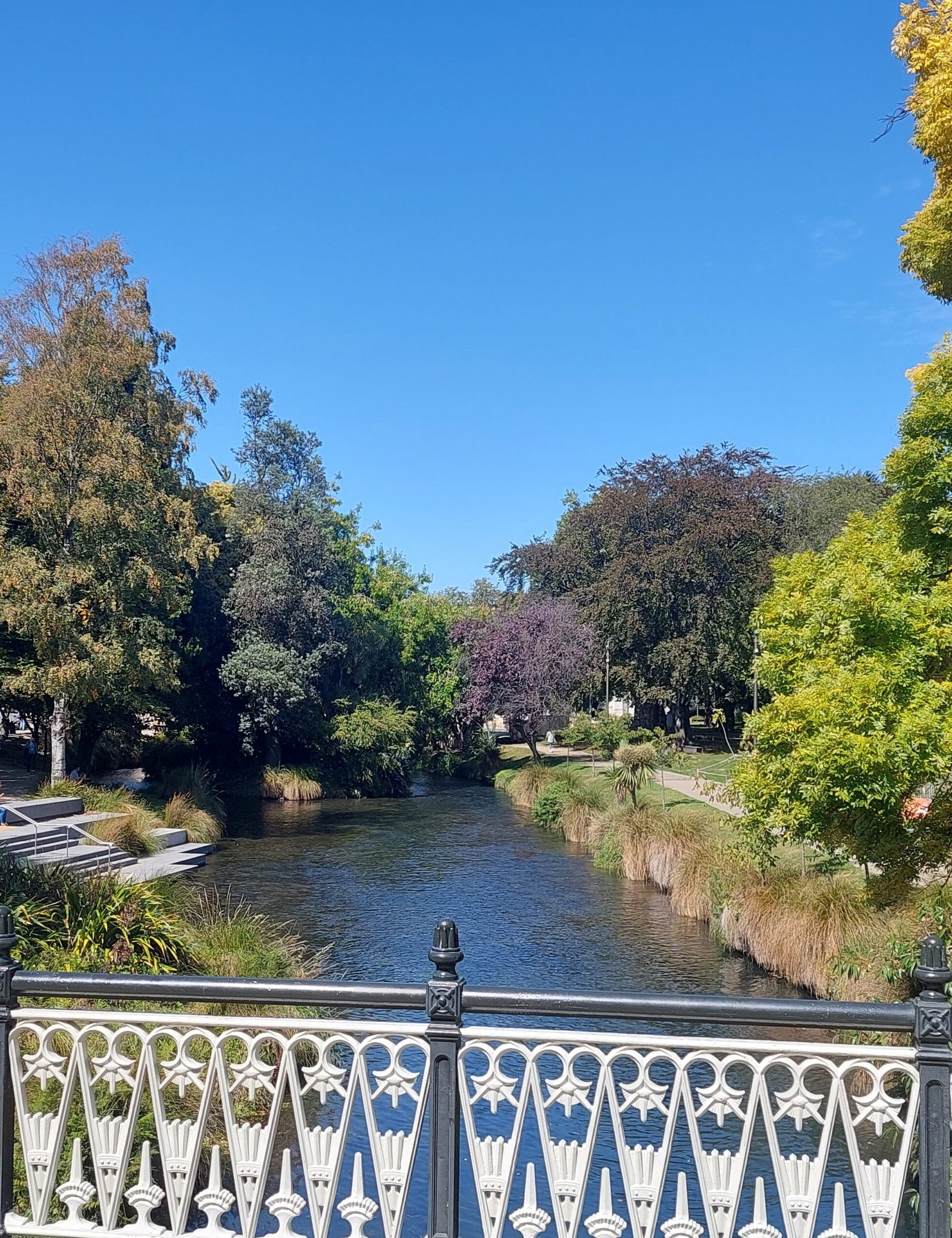
We hopped on an old-fashioned tram to check out the centre of Christchurch. This 80+ year old tram took us around the city streets for about half an hour. We saw many historical buildings and a beautiful riverside area with numerous terrace restaurants. When the tour was over, we headed for the local bus station, as the gondola station was far from the city centre.
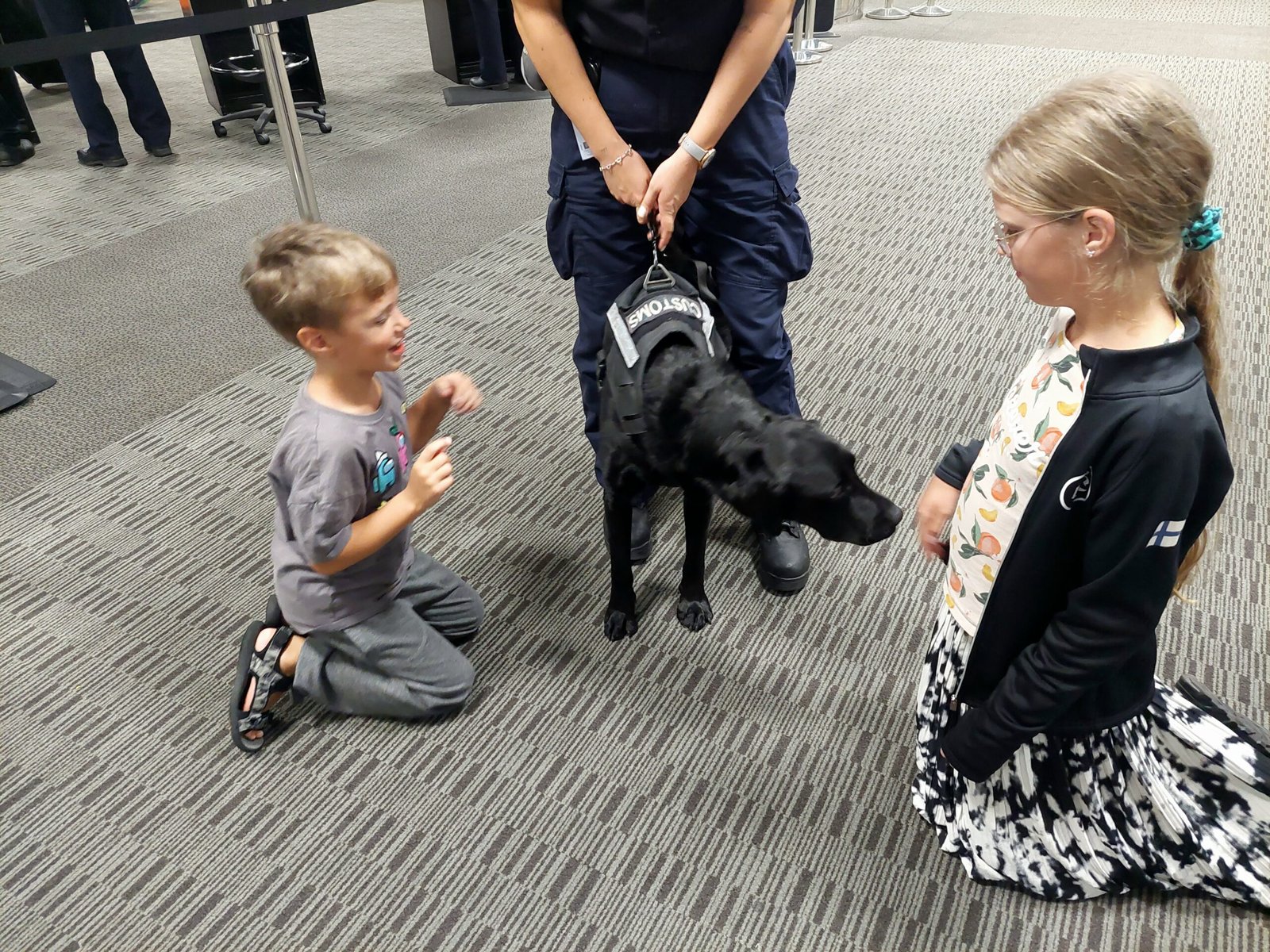
At the airport, the children were given special permission to meet a drug-sniffing dog at work.
We explored the city center riding this historic tram.
Scenery from the tram ride.
The bus station was easy to find, but finding the right bus was surprisingly difficult. We had been told that we could get there on bus number 28. We waited for the next bus to arrive, and when it did, after a twenty minute wait, we were told that we had got on the wrong bus. The number was correct, but we should have been on a bus going to the opposite direction. Well, we jumped off the bus and waited for another one. The lady who sold us the tickets at the tourist information office had forgotten to mention that the bus station was the halfway point of the route, not the end of the route as we had initially assumed.
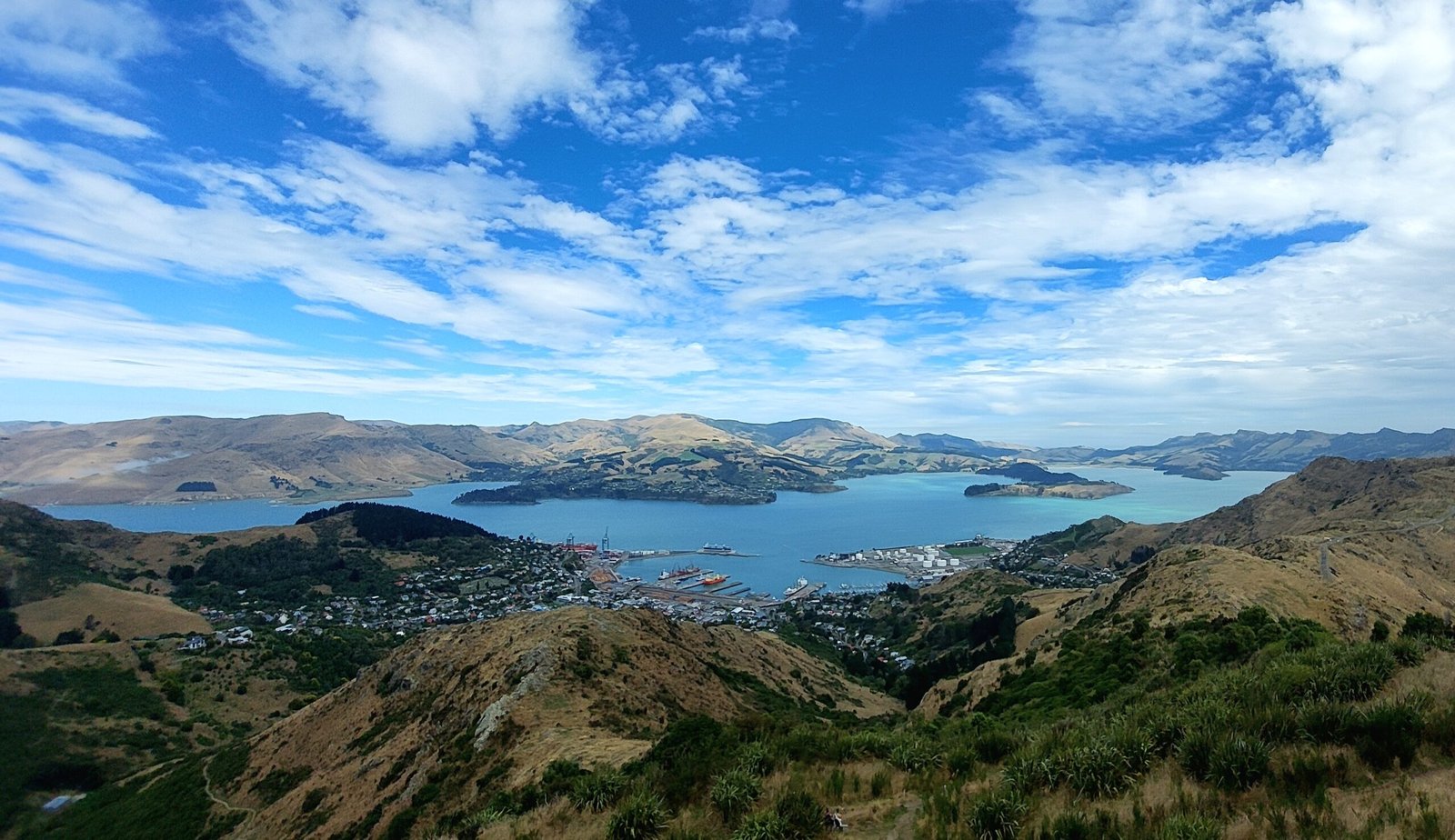
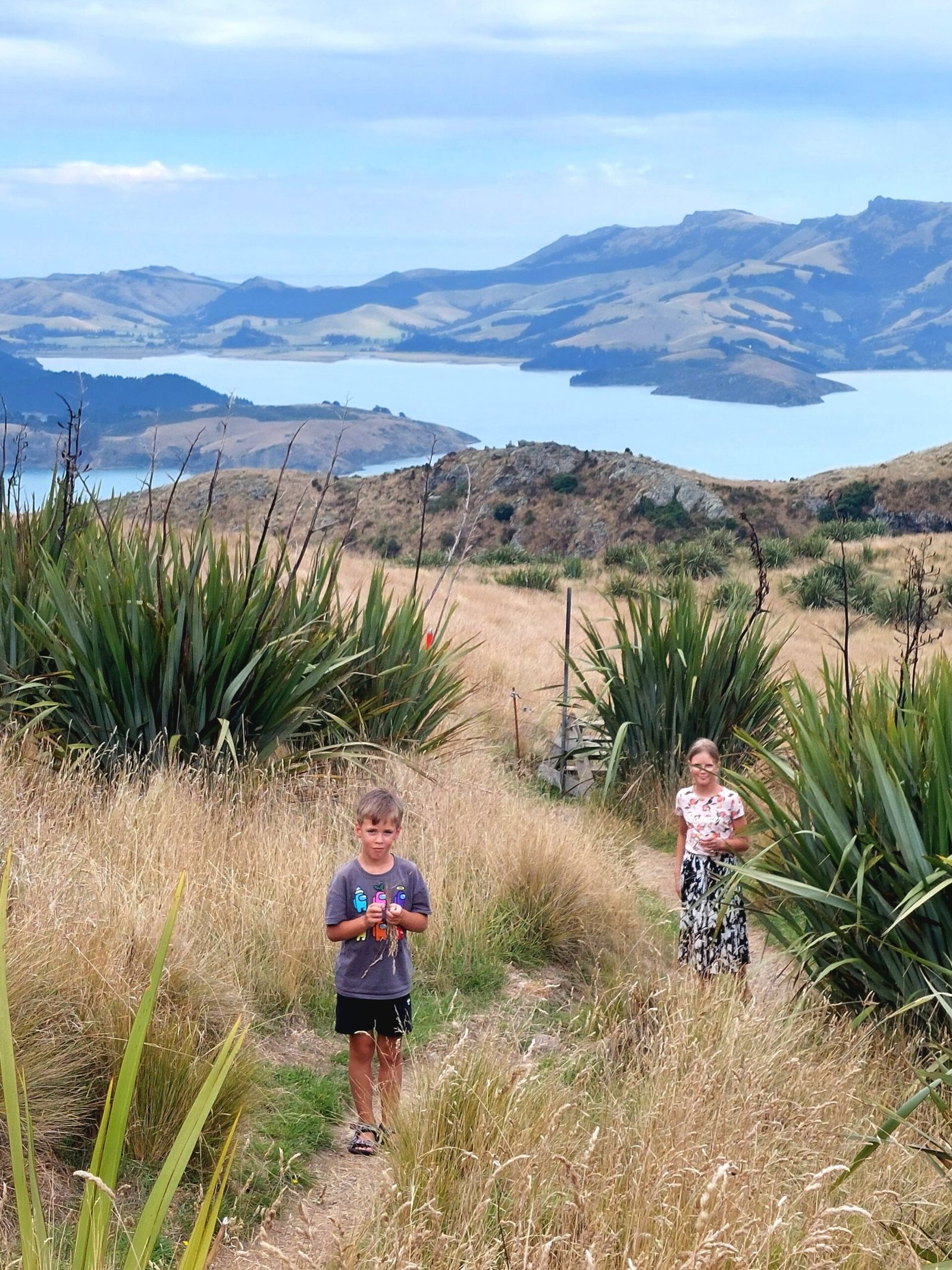
The bus ride to the gondola took half an hour. There was no queue at the station, so we could jump straight on the almost 900m long gondola ride. The upper station was 445m above sea level. The view from the observation deck was beautiful. As the weather was still good, and we had some time before the last ride back to the lower station, we decided to go for a walk on the nature trails criss-crossing the top of the hill. After a short walk we took the gondola back.
The tiny port town of Lyttelton, seen from the gondola station at the top.
Nature trail
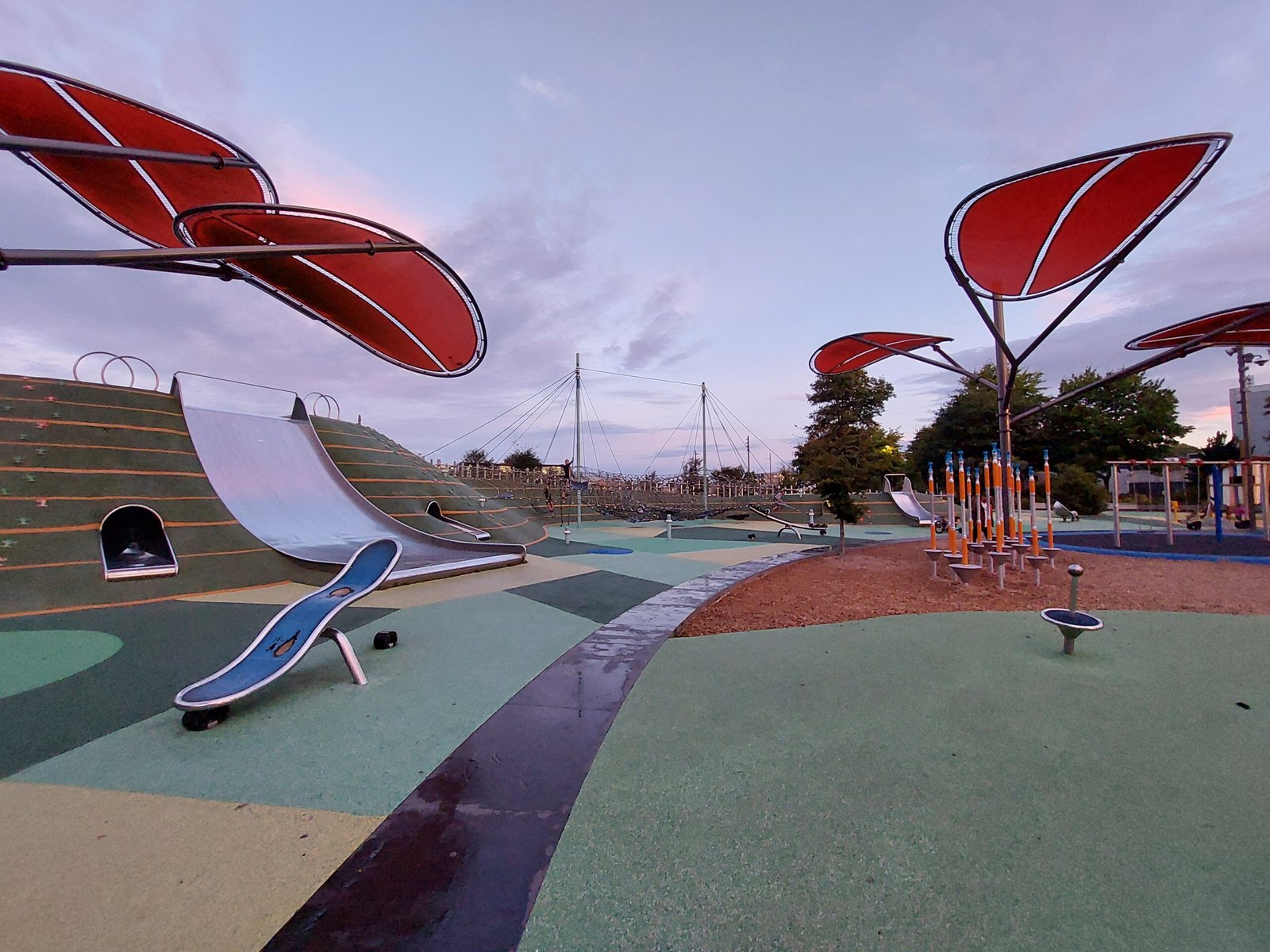
In the evening, the children went to the playground opposite the hostel. It was one of the nicest playgrounds we have ever seen. There were plenty of climbing and sliding options. There were also trampolines, a water play area, a zip line, various swings and an area for smaller children to play in the sand. The sweaty children returned to the hostel in the evening. They said they had had a great time.
We found a great playground right next door.
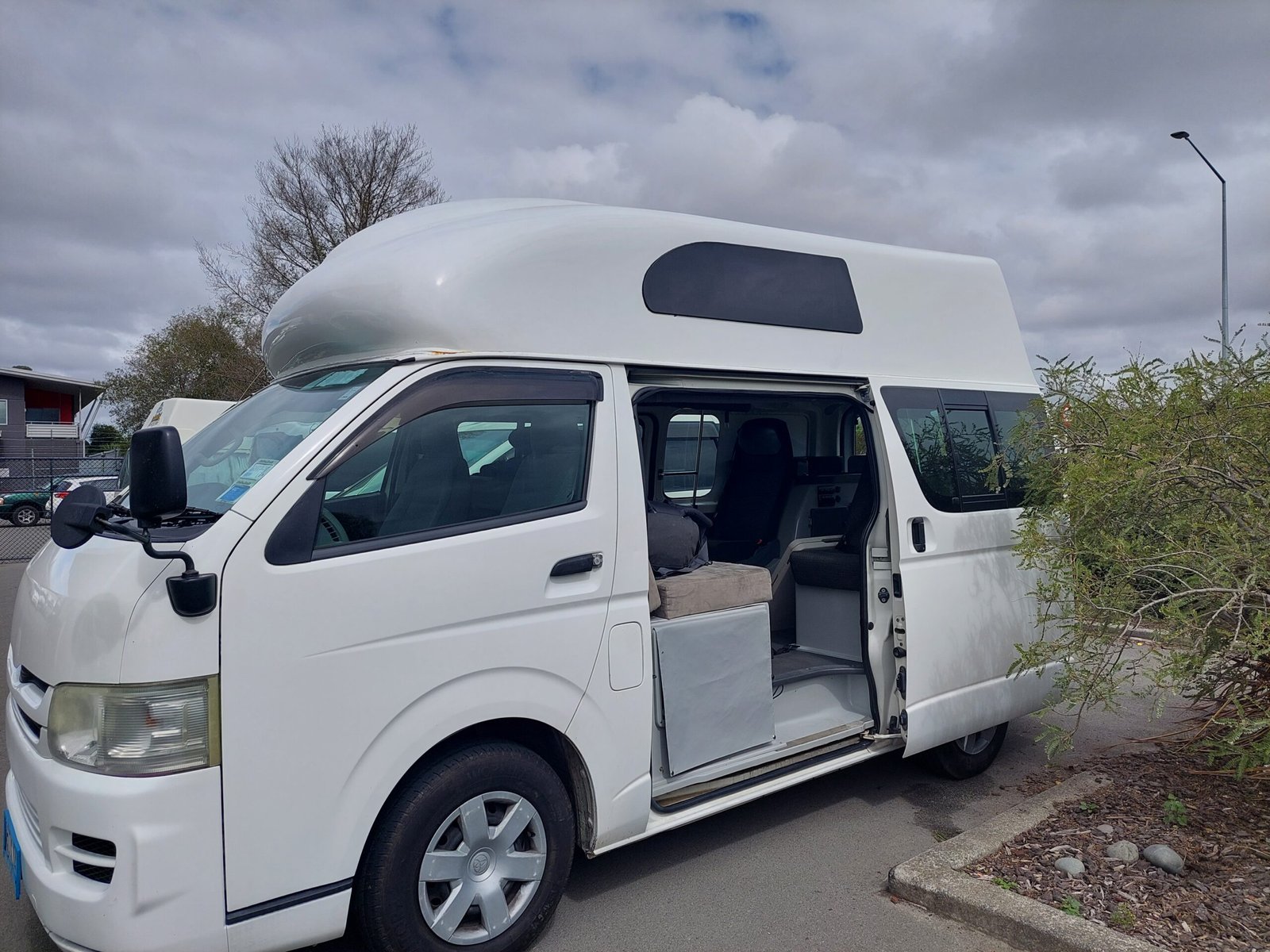
On Saturday morning we went to pick up the campervan we had booked from the Lucky Campers rental shop near the airport. Our campervan was modified from a Toyota Hiace and the model was called Lucky Rover. There wasn’t much storage space, but we still managed to fit all four of our backpacks into the storage box under one of the seats in the back. This did, however, require us to empty all our backpacks, and put the empty ones in the box on the bottom. The contents of the backpacks, which already were separated to various smaller plastic bags, were stacked on top according to how frequently they would be needed.
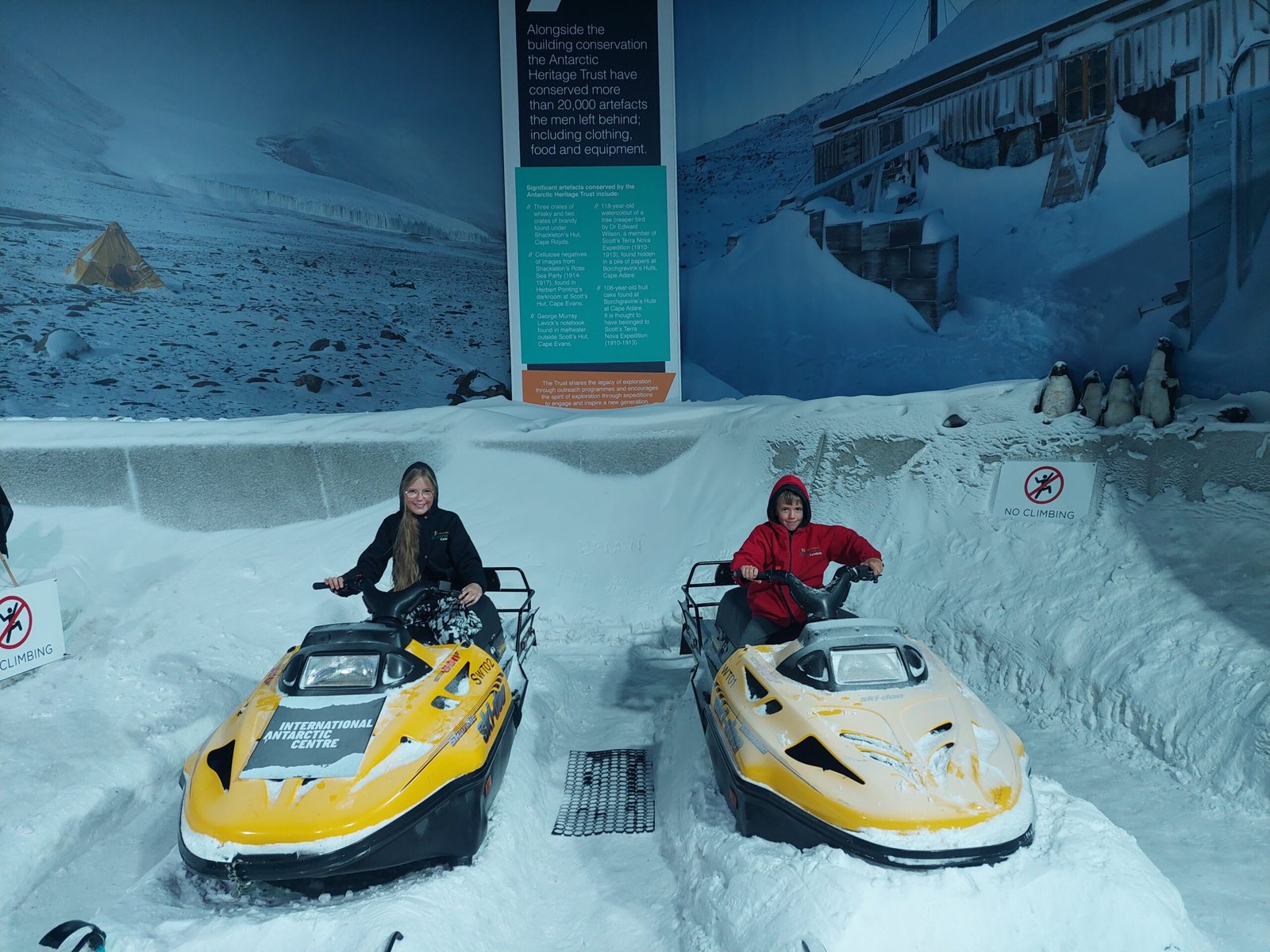
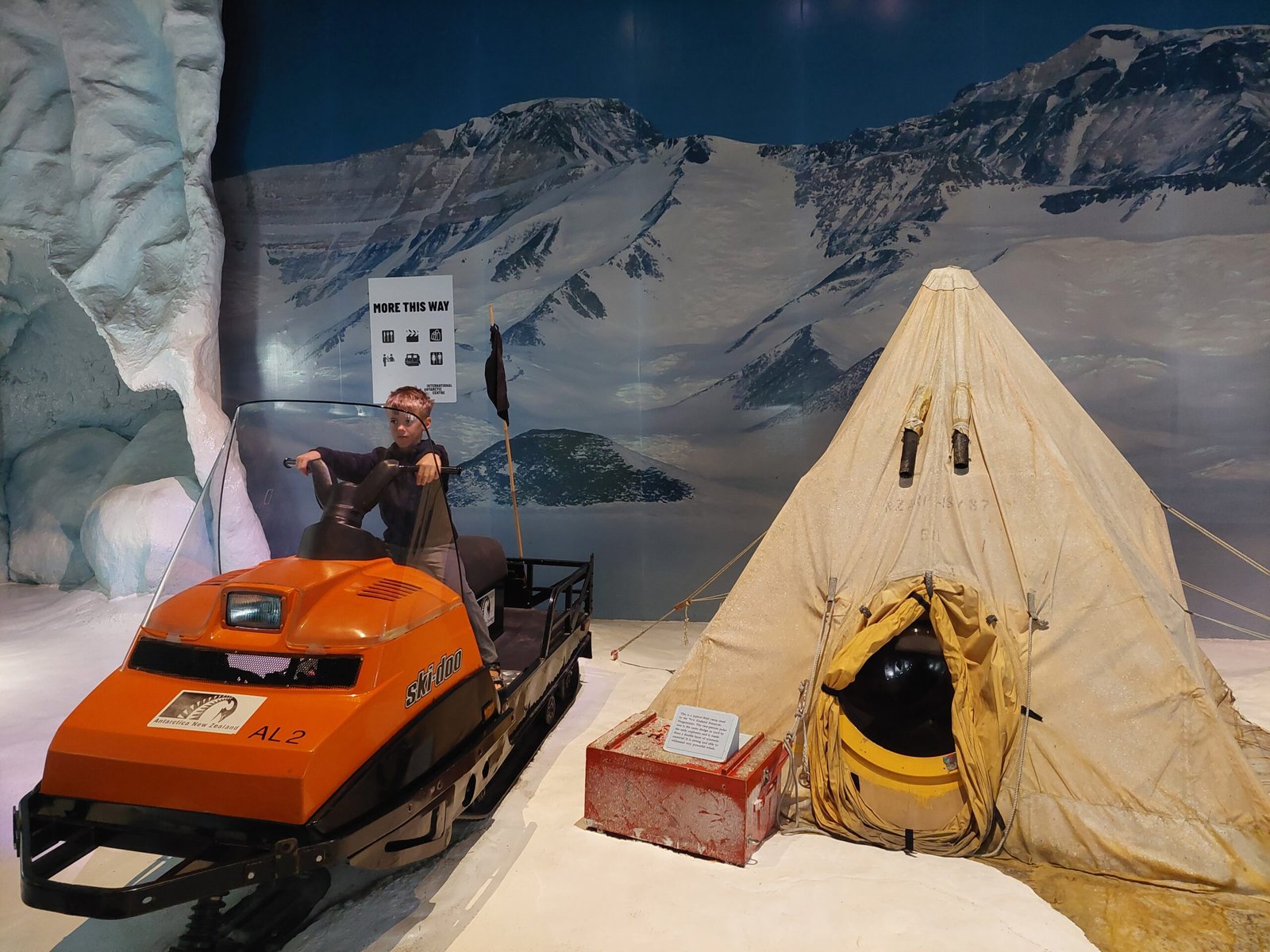
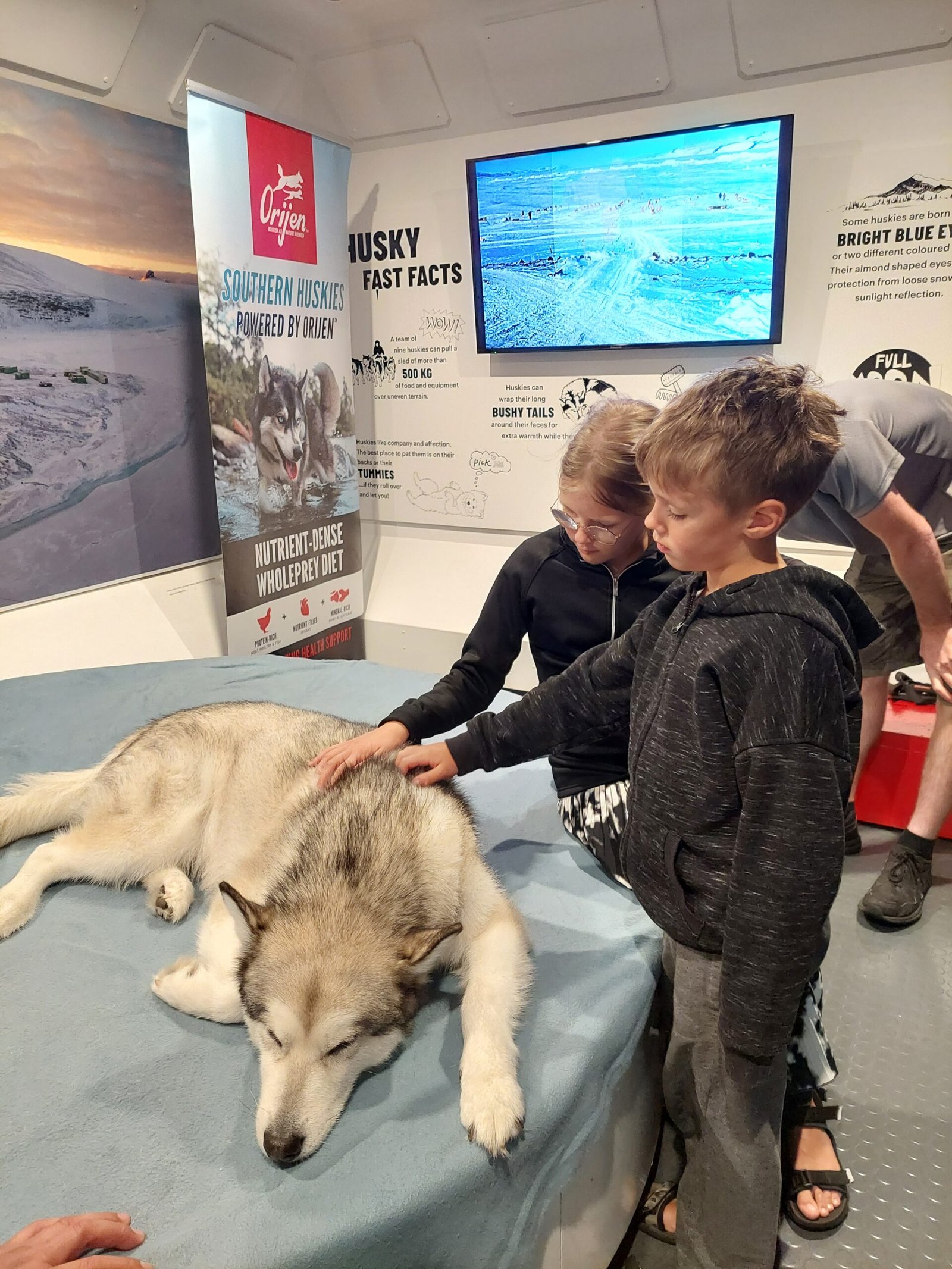
Before we really got going, we wanted to stop at the International Antarctic Center, which is an exhibition of Antarctic nature, expeditions and research. We made an excursion to Antarctica in the form of a 4D film and tried out the Arctic snowstorm simulator. Not much different from the usual windy winter days in Finland. It was cold, but that’s just a matter of dressing up properly. Risto (and also Ronja) spent a lot of time petting the huge husky dogs that were there. The owner told us that he only had “a few” dogs, as he only had 12 of them. Perhaps in dog sled terms that is a small number, but it still seemed like a lot to us. We also saw small blue penguins at the centre. They’re all there because they have a disability of some sort. One had been bitten by a shark, another by a dog. A third had a paralysed flipper, a fourth was partially blind and a fifth was afraid of water, which is arguably pretty bad for a penguin…
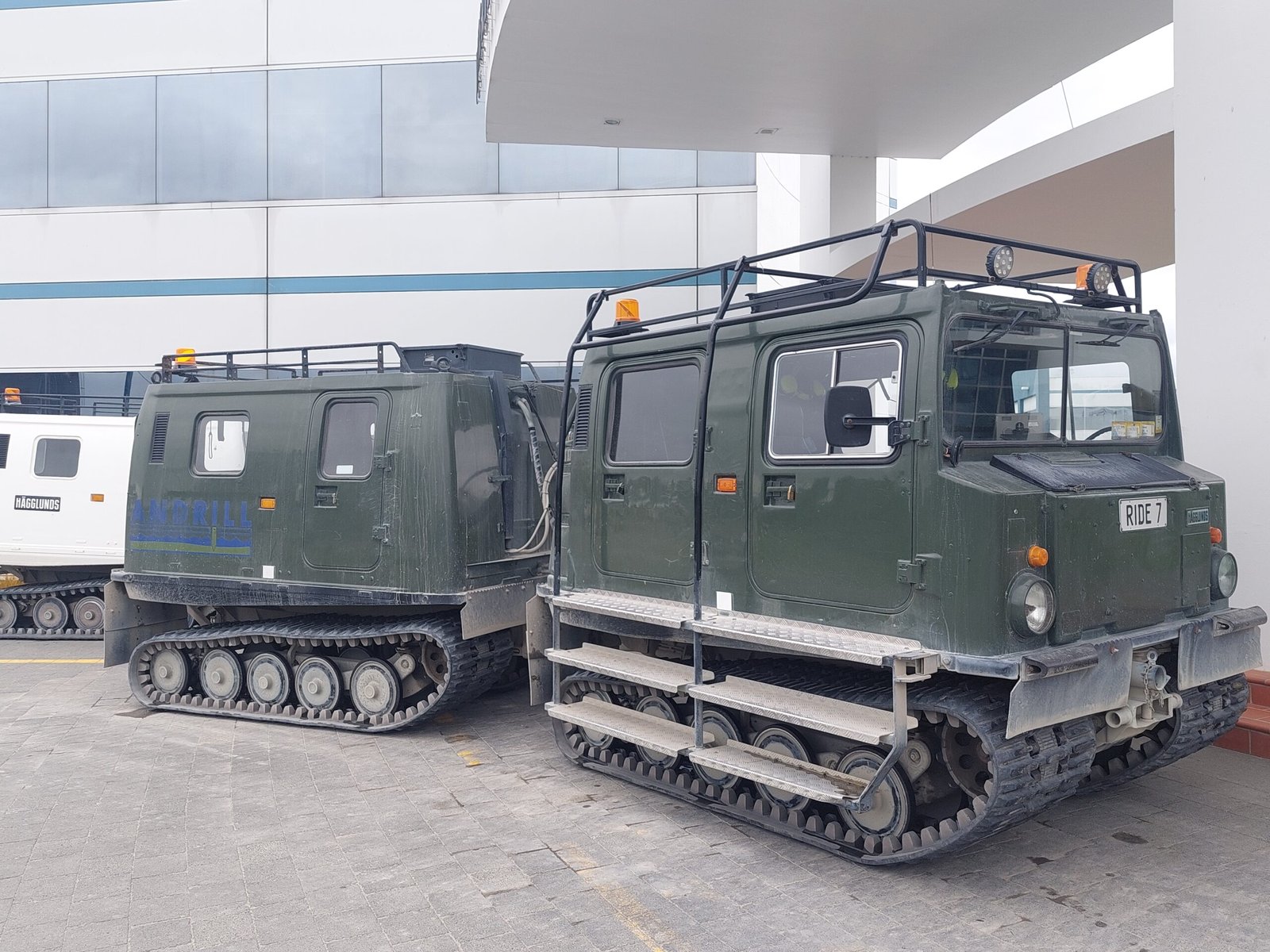
The most exciting experience was probably the 10 minute ride in a Hägglund along the obstacle course. The track is designed to show people what kind of conditions this vehicle can cope with. Hägglunds are used on Antarctica to transport supplies and people. They are not the most comfortable or quiet vehicles, but they can cope with incredible inclines and declines, over-metre-wide cravasses, really bumpy terrain and even water obstacles.
Our trusty vehicle for the next six weeks
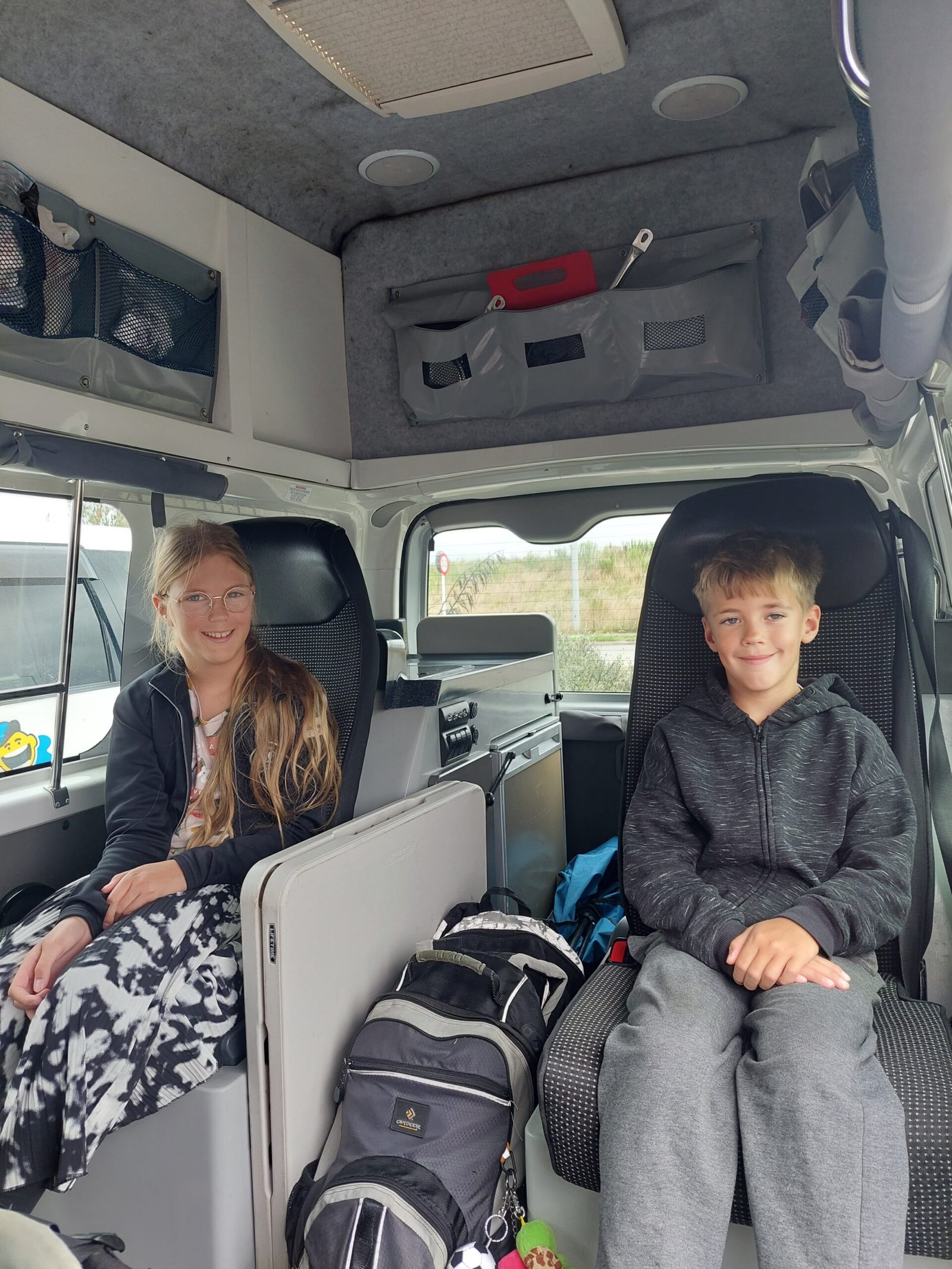
Two happy campers
Heading for a snowstorm!
These tents were actually used for polar expeditions.
Befriend a husky
Hägglund pushes through the wind and snow
When the Antarctic Center closed, we had to move on. We had booked accommodation in a small town called Timaru, as it was about halfway up Mt. Cook. This campground was really well equipped. The kids even had time to play in the playground for a while before it started to rain. This late summer/early fall rain in New Zealand was something Jaana and Marko were already familiar with from their previous trip to New Zealand. Back then, however, it was pouring down so hard that roads were blocked by the water and people were surrounded in their homes. Let’s hope that this trip won’t be quite on the same scale! The local Pak’n’Save supermarket was conveniently located next to the campsite, so we stopped to stock the fridge in the campervan. Later we had dinner, and at the children’s request, we enjoyed some treats to celebrate the fact that we had been on the road for exactly 2 months and that it was our first night in the campervan.
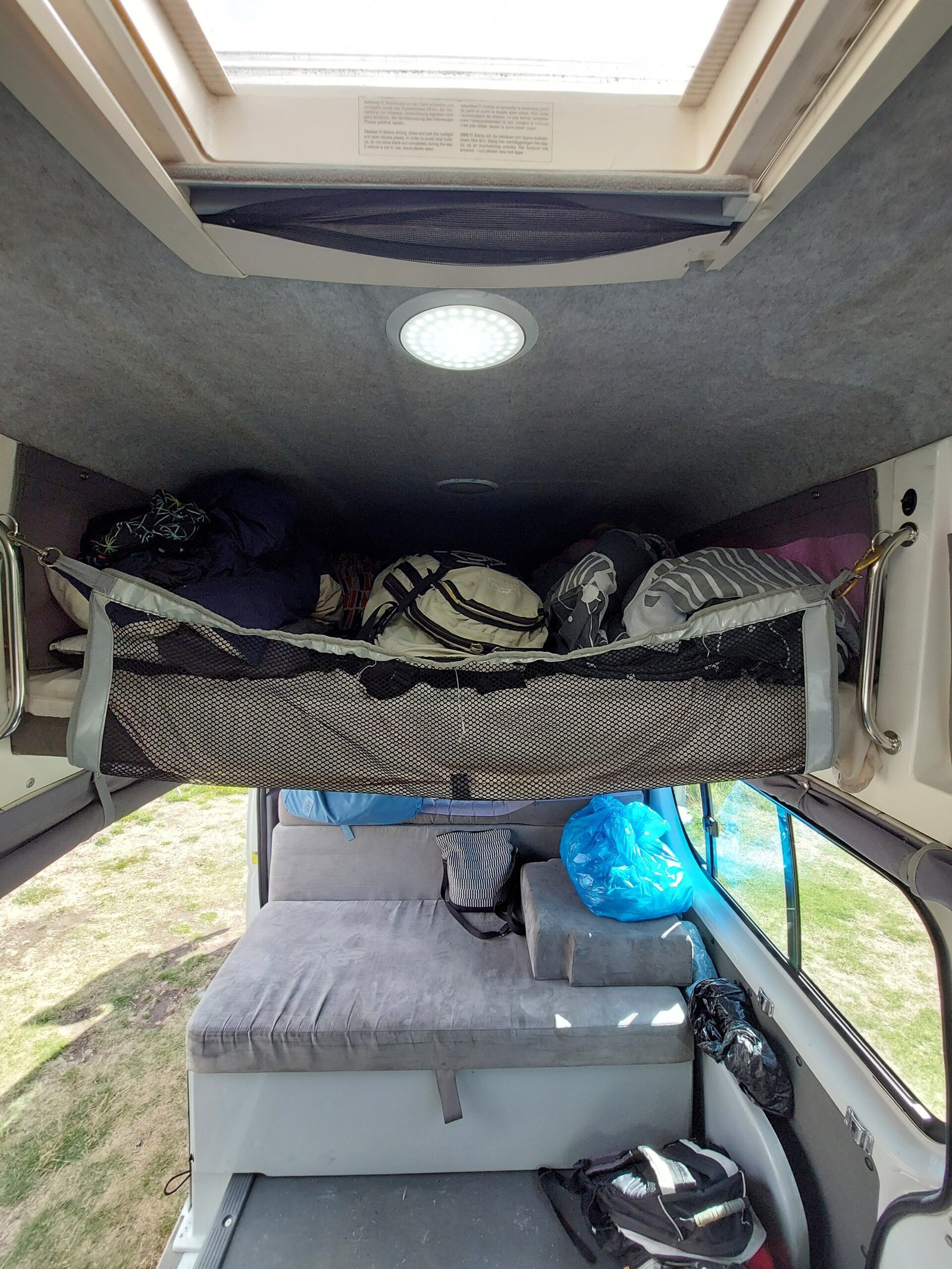
After the celebrations, it was time for the first bed-making project. It became clear very quickly that we probably wouldn’t be moving the kids’ top bed back into a more compact package during the day, because it was very hard to make the bed in such a small space. It was just easier to leave the bed open all the time. It also gives us extra storage space for the rest of our bags we couldn’t fit in the small storage box.
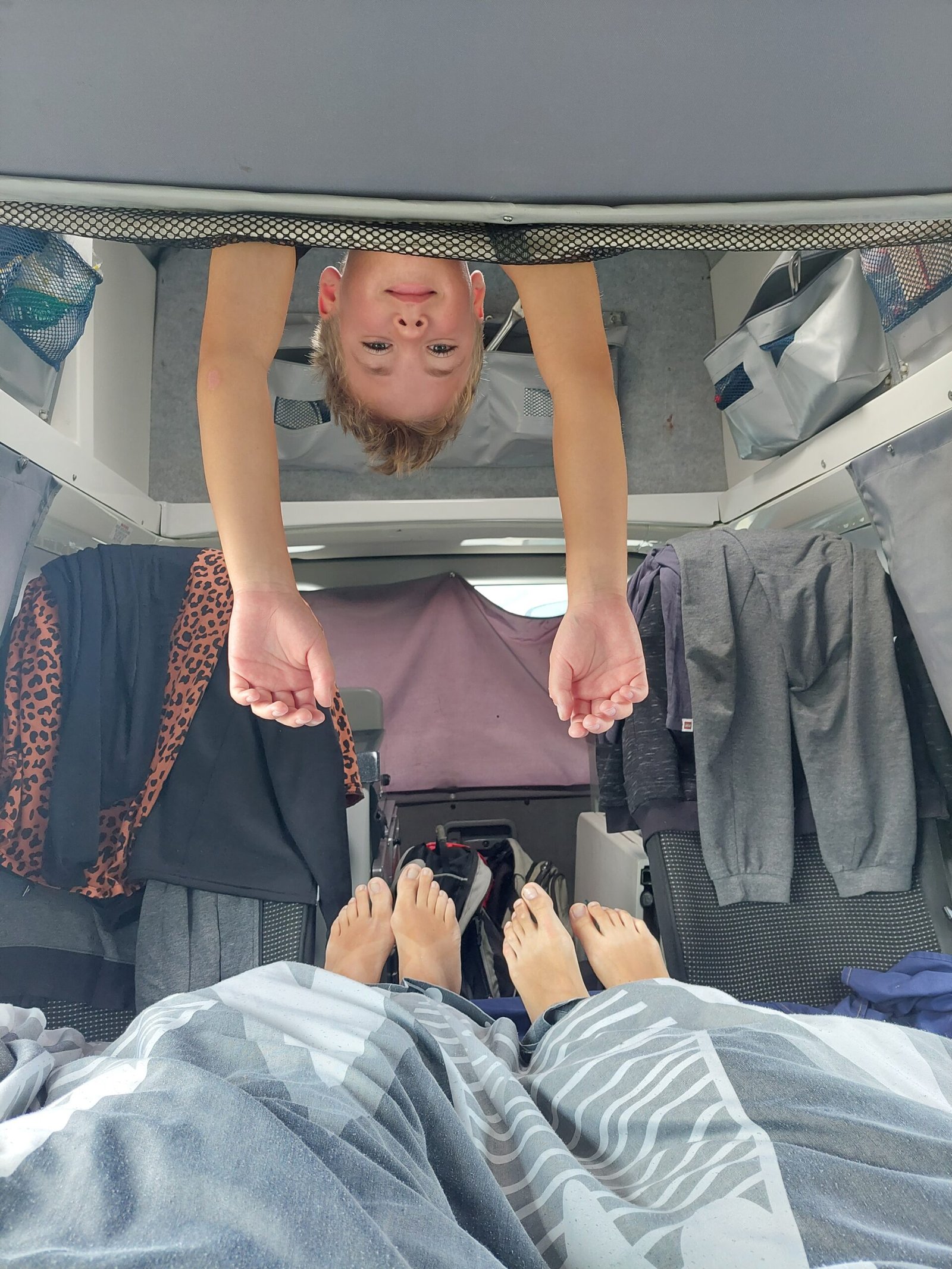
The other bed, on the other hand, is made from the storage box and a few extra mattresses to the mid-section of the campervan. The pillows are towards the front of the car when sleeping, and the feet on the children’s benches where they sit during the journey. There is a small extra block to put in between the children’s benches, so that the second bed also forms (or at least almost forms) a rectangle. With the rain drizzling on the roof of the campervan, we all went to bed, and woke up to the alarm at 9:00am.
The children's upper bunk serves as storage space during the day.
The lower bunk can be spread out across the entire rear of the vehicle, all the way to the kitchen area.
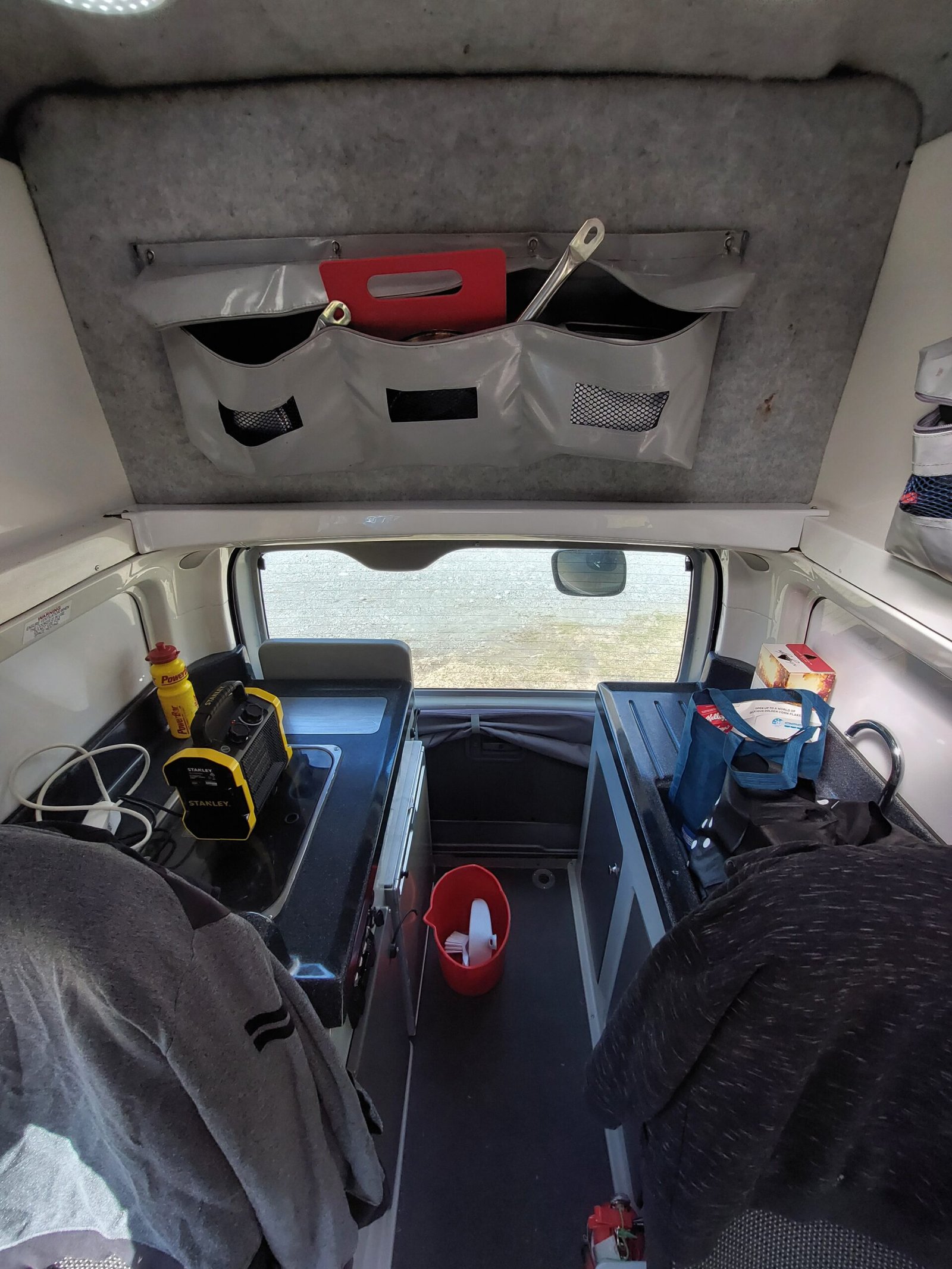
We haven't tested the rear kitchen in real life yet. The heater we just bought is on top of the stove.
From Timaru we continued our journey towards Mt. Cook. Although first we stopped for groceries again, as we had heard that our campsite would be a 30min drive away from the nearest grocery store. It was easier to do the shopping in advance, since there was room in the fridge. Next stop was the local hardware store, as we hadn’t rented a heater for our campervan at all. A heater is definitely needed at night. For example at Mt. Cook region, the temperature drops very close to zero at night. The cheapest heater we could find was not available, as it would have taken 24 hours to dig it out of the storage room. So we ended up buying the cheapest unit available in the shop at the time, which cost 99NZ$ (just under 60€). Hopefully, for that price we got a slightly quieter heater that could be kept on during the nights too. The cheapest one is really loud. We know, because Marko and Jaana had one of those on their last trip to New Zealand. Once the heater was purchased, there was a third stop to make – the ATM. For some reason, our Finnish bank cards have not been working properly in many places we have visited. So, just in case, we decided to withdraw some money for situations like this.
After all the necessary things were taken care of, we were finally on our way towards Mt. Cook and the Glentanner campsite. We had booked a powered site for two nights there. We didn’t want to do freecamping, as we were sure that the heater would be necessary at these altitudes. We were right, because when we arrived, the mountain peaks were white with snow and the air was crispy, even though it was still daytime.
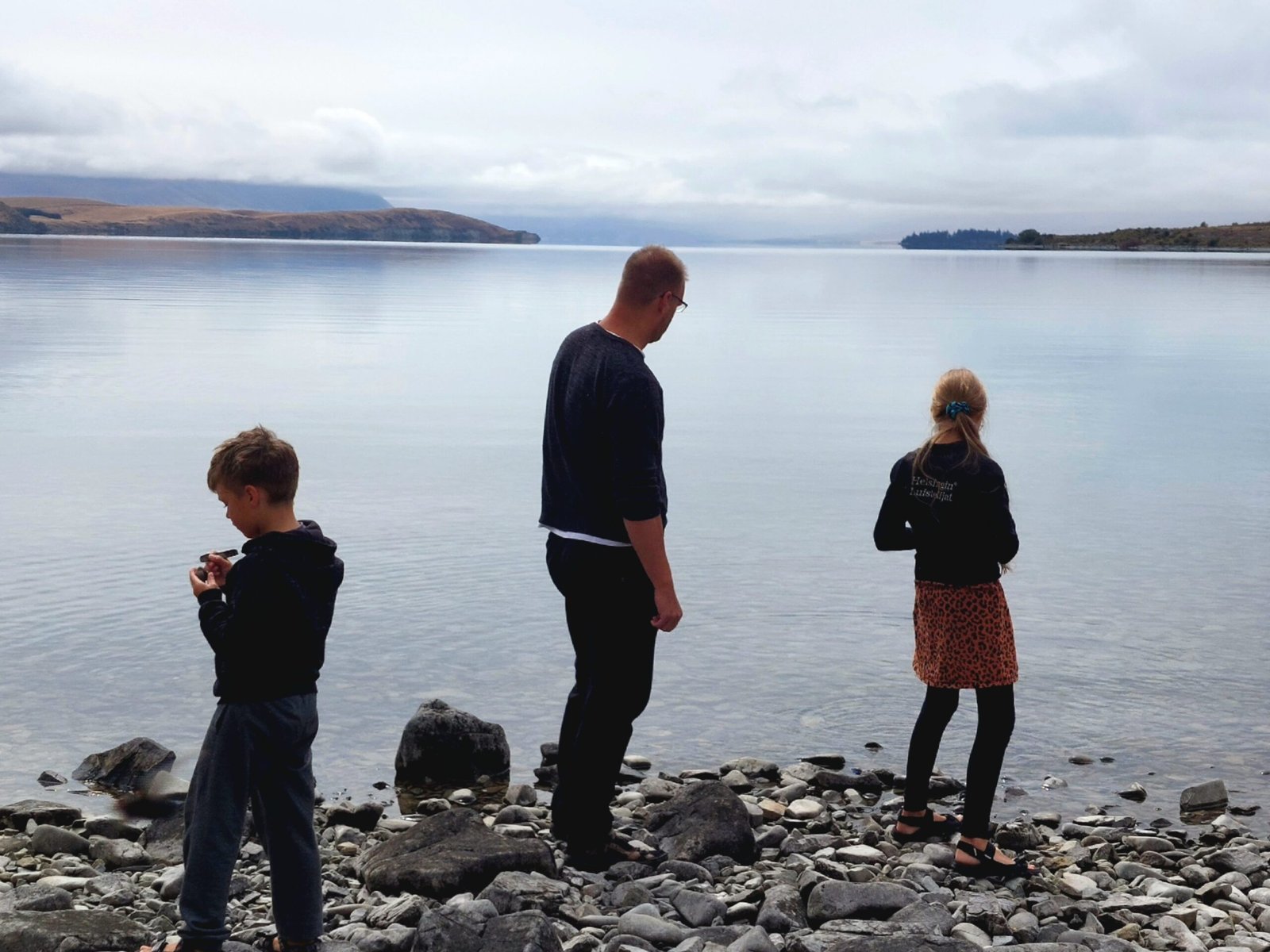
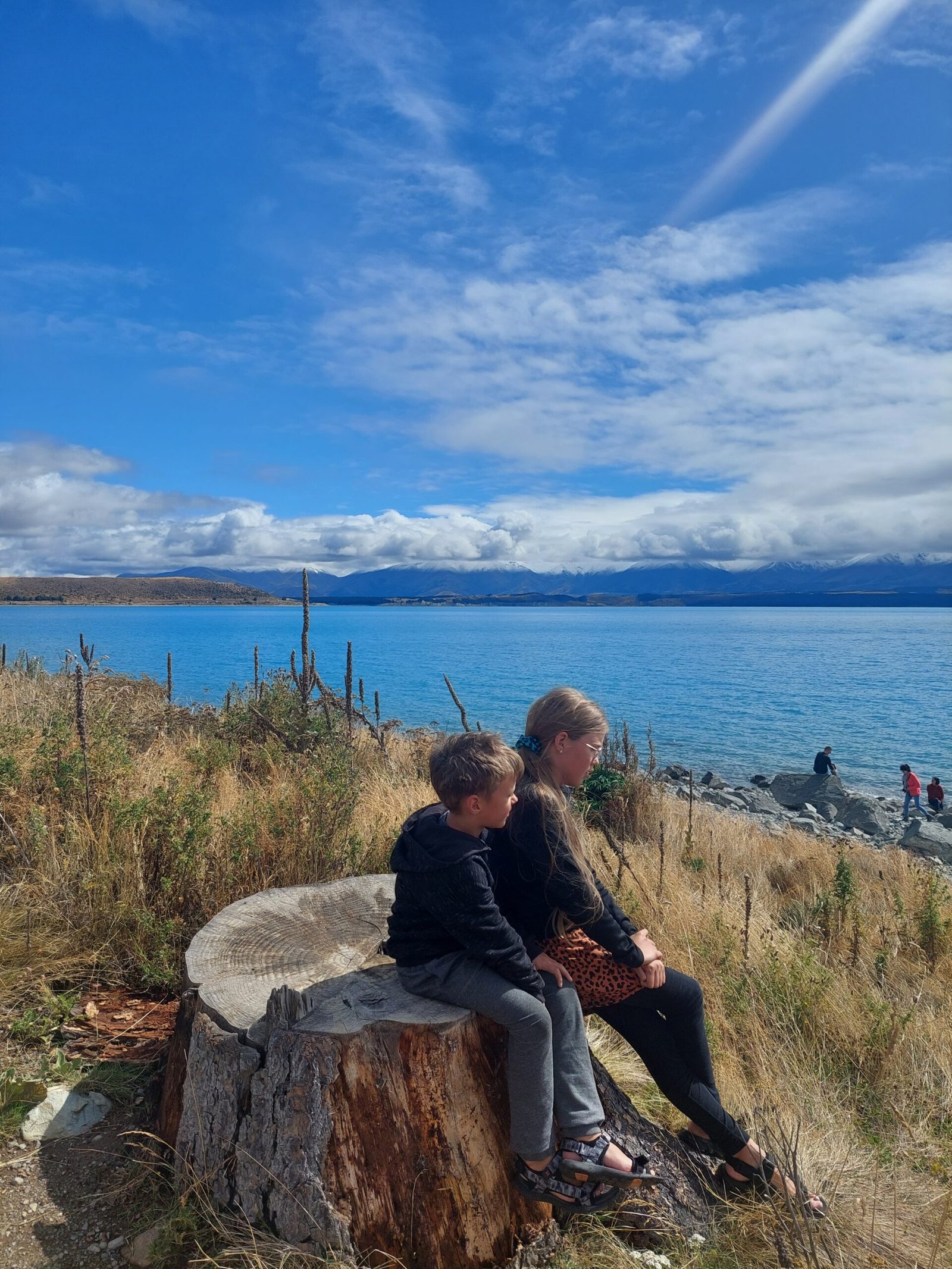
On the way we had to stop to admire the scenery. The first stop was at Lake Tekapo, the second at Lake Pukaki. From this latter stop, we could almost see our own campsite, which was on the opposite side of the lake. Once we got to Glentanner Park, all we did was cook dinner on a really slow cooker. Finally the bangers and mash was ready. After dinner we went back to the campervan and to bed.
A short break on the shore of Lake Tekapo
Next stop: Lake Pukaki
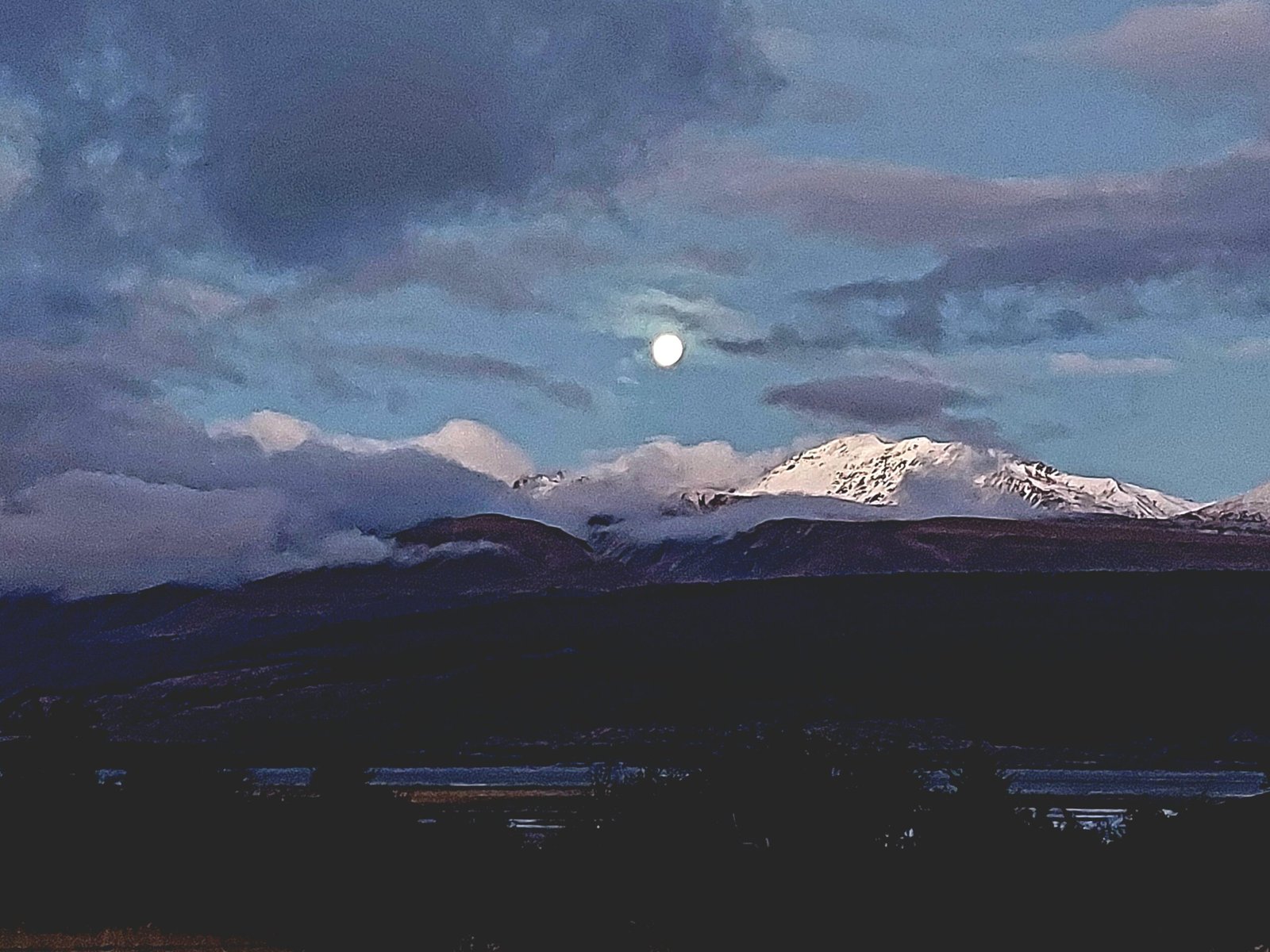
There was a magnificent moonlight in the evening.
The night was nice and warm, as the heater we had bought worked well. It even had a function that automatically stopped the heater when the indoor temperature was warm enough. The machine started up again when it sensed the temperature had dropped. So the heater did not run all night, and even if it had been running the whole night, the noise was not disturbingly loud.
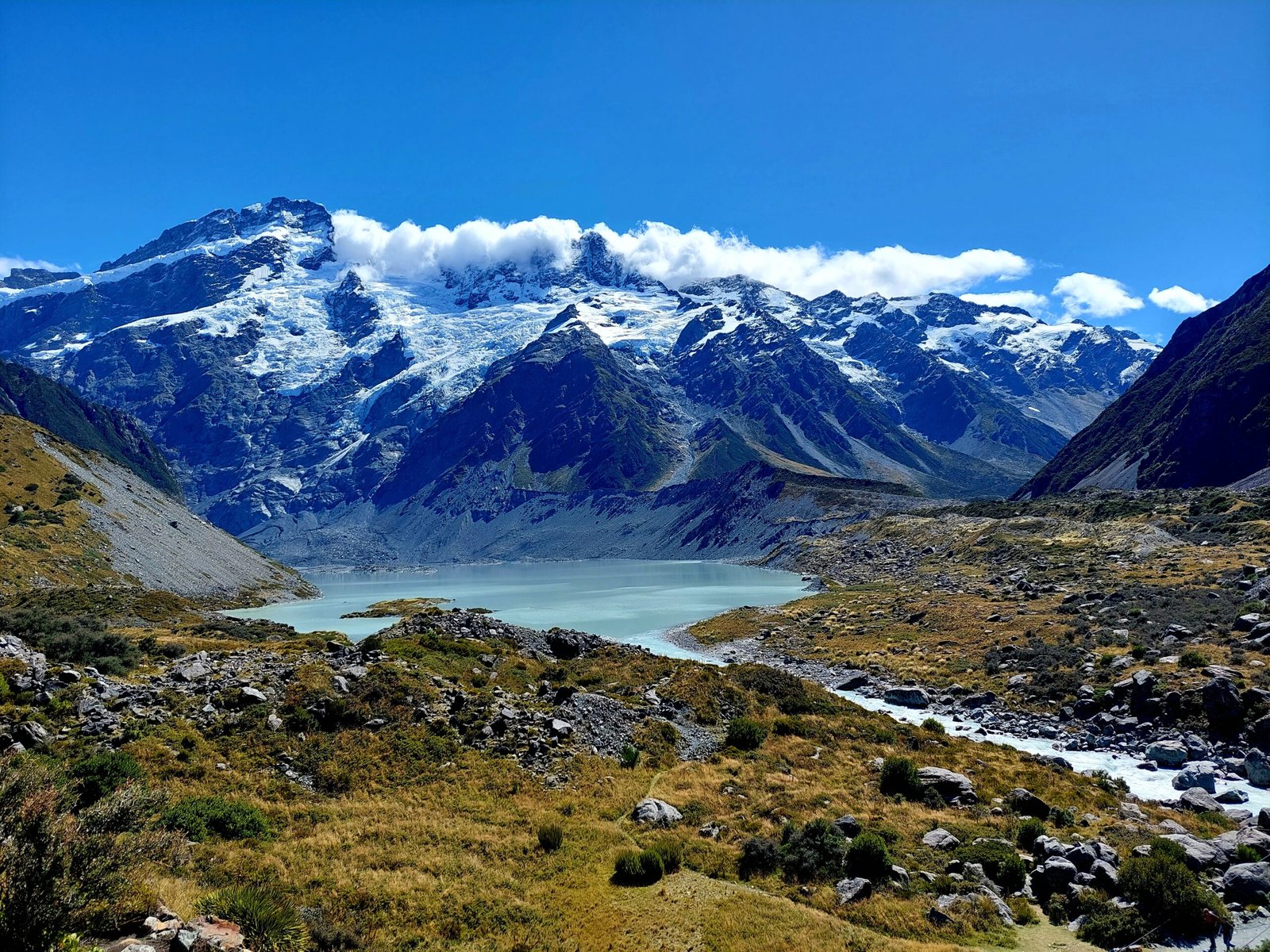
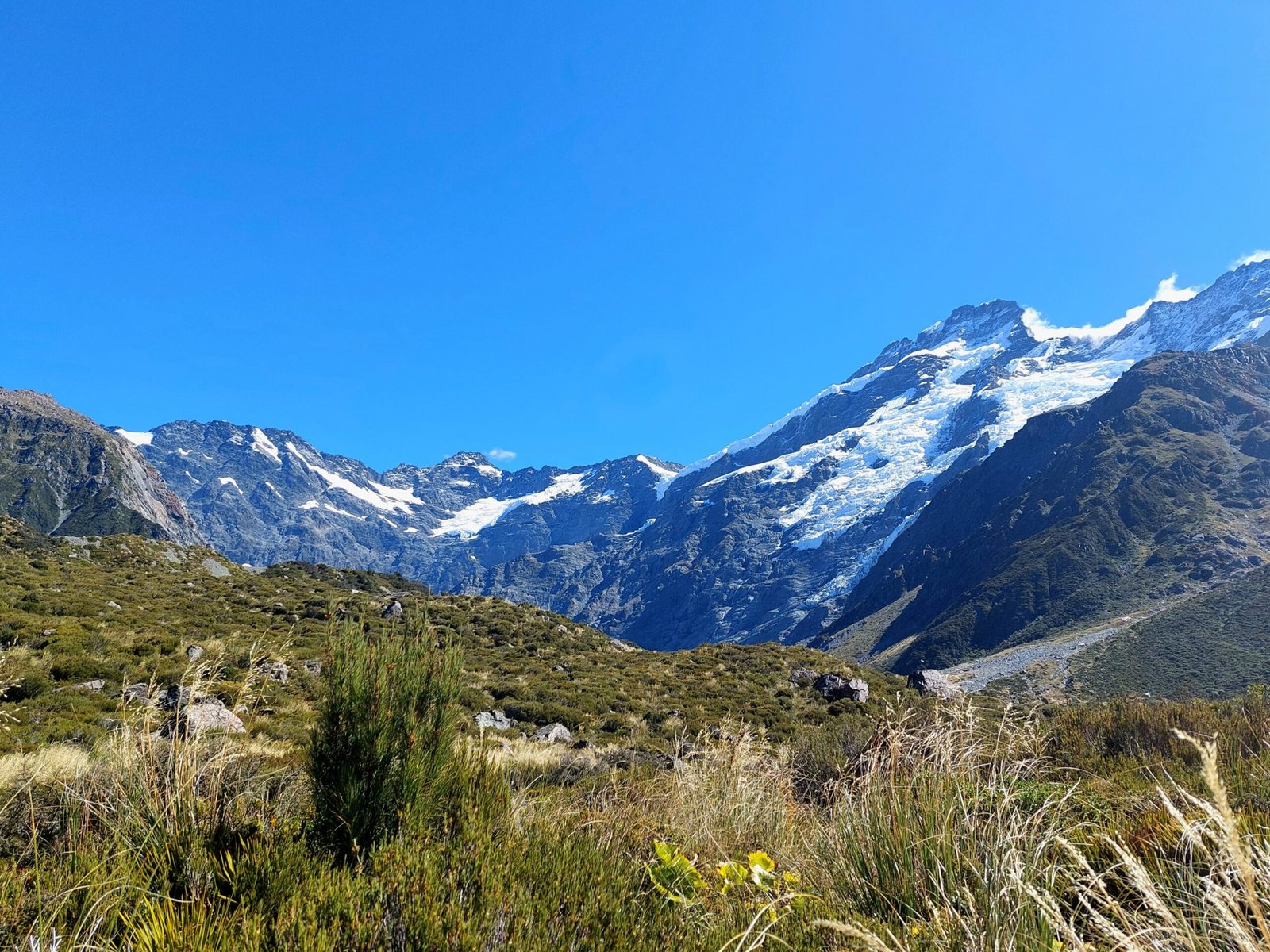
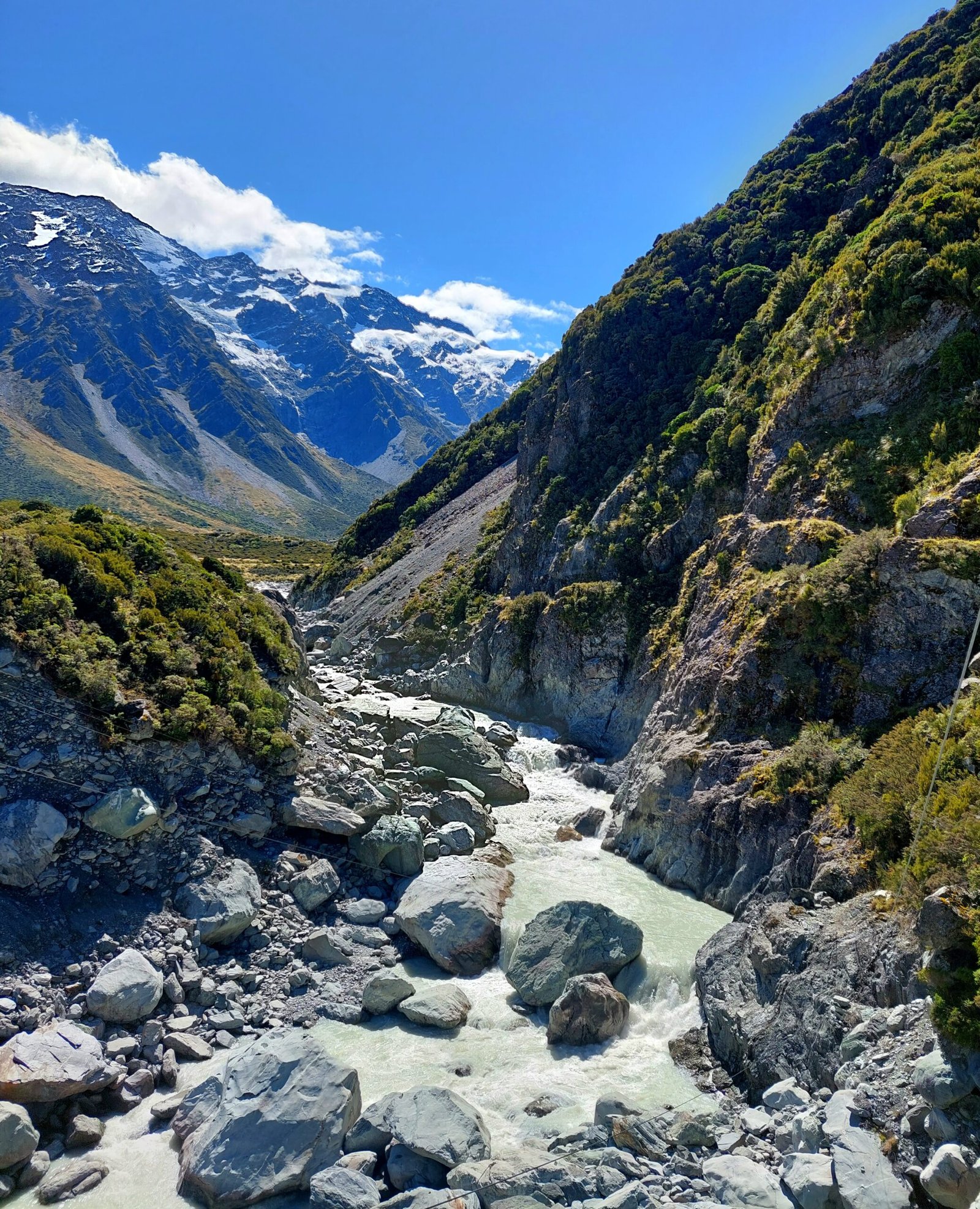
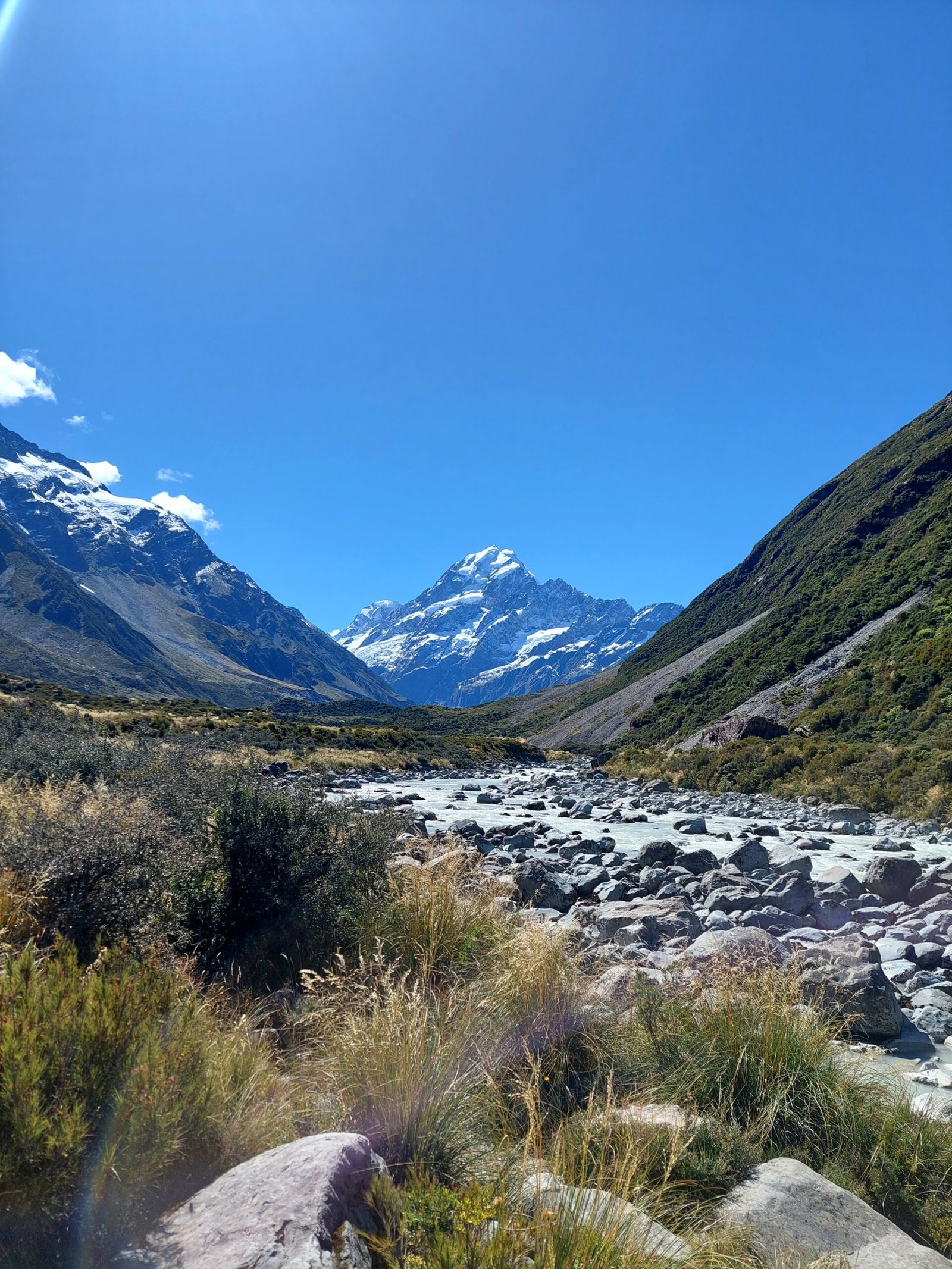
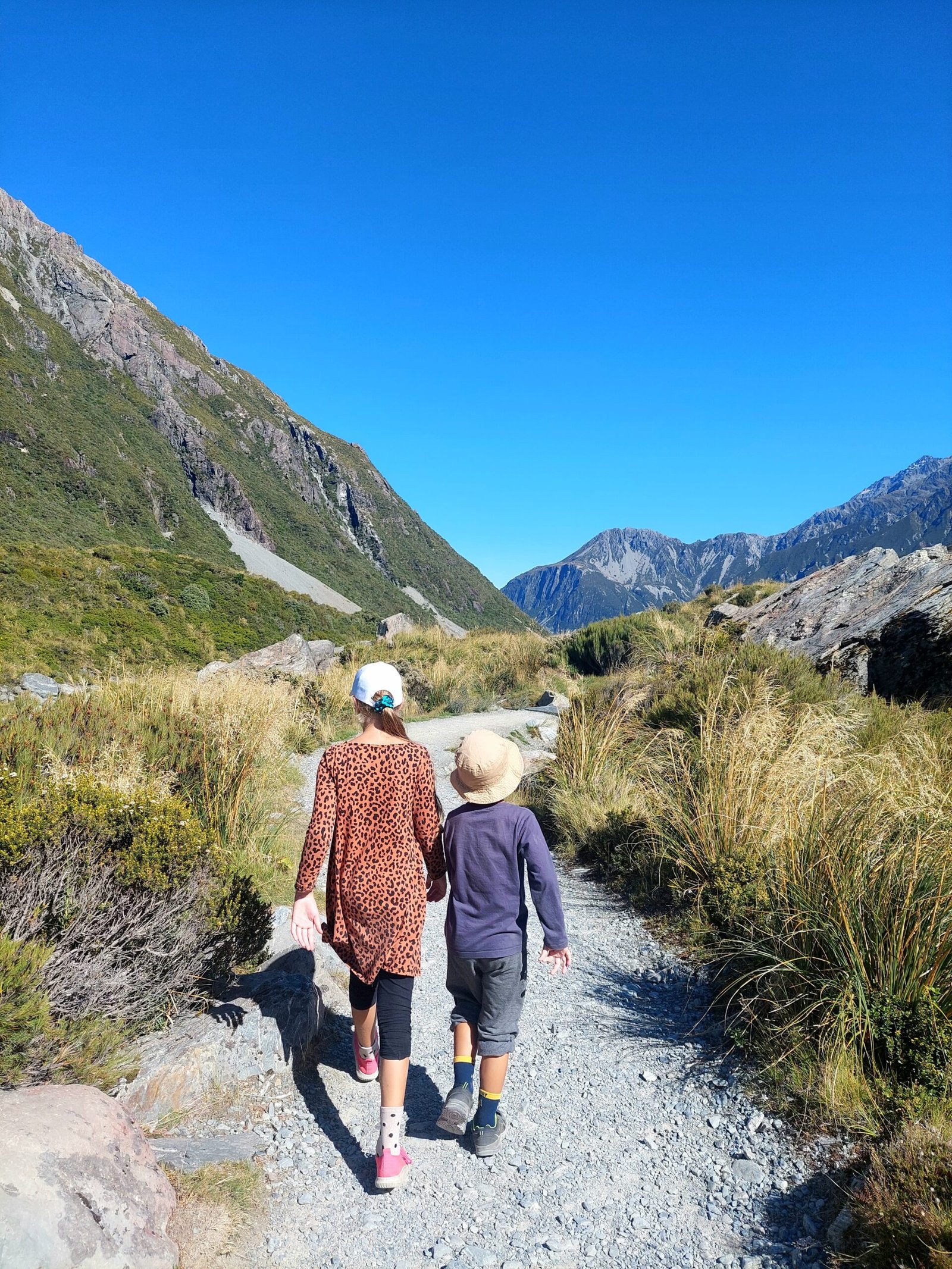
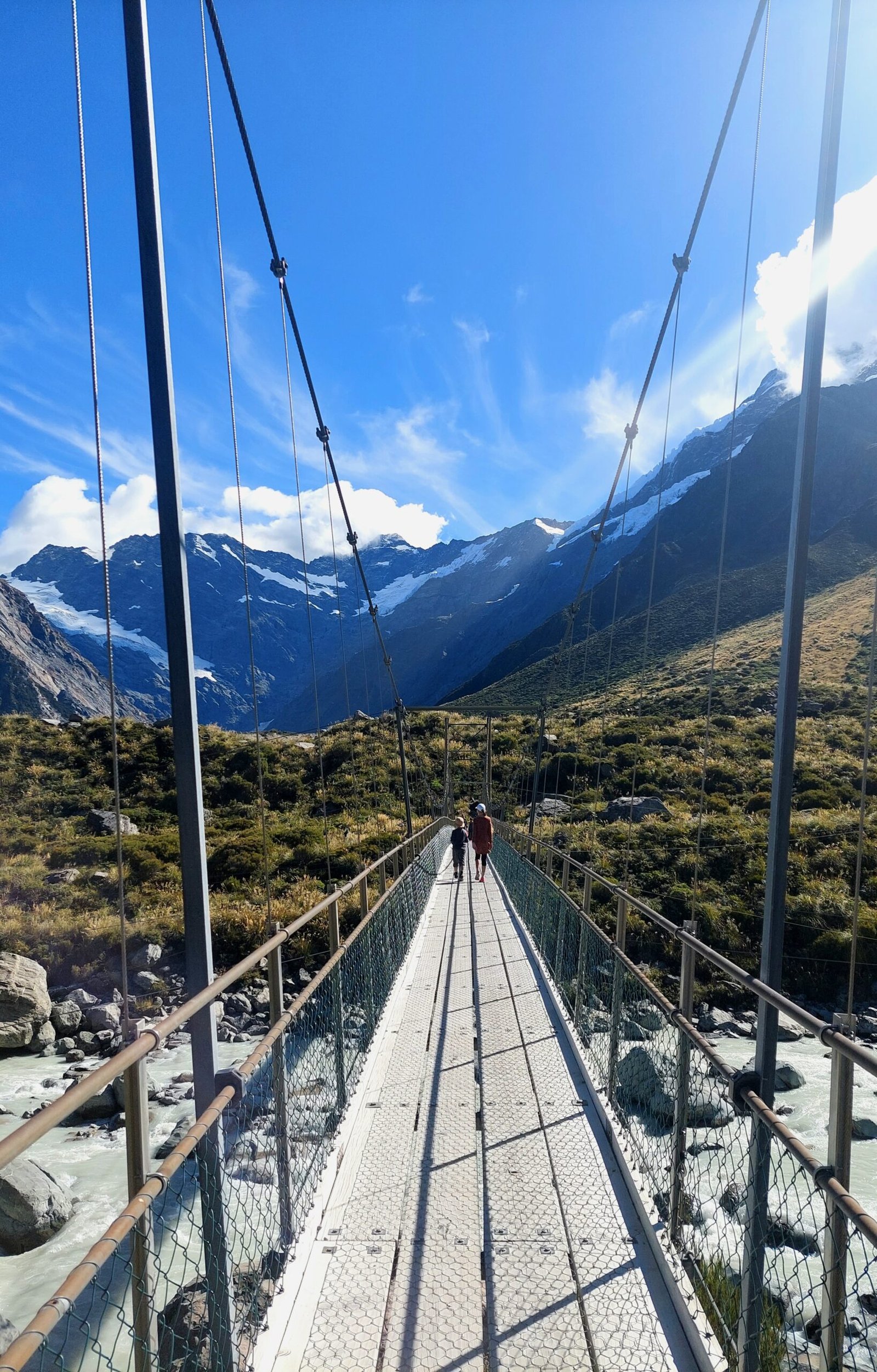
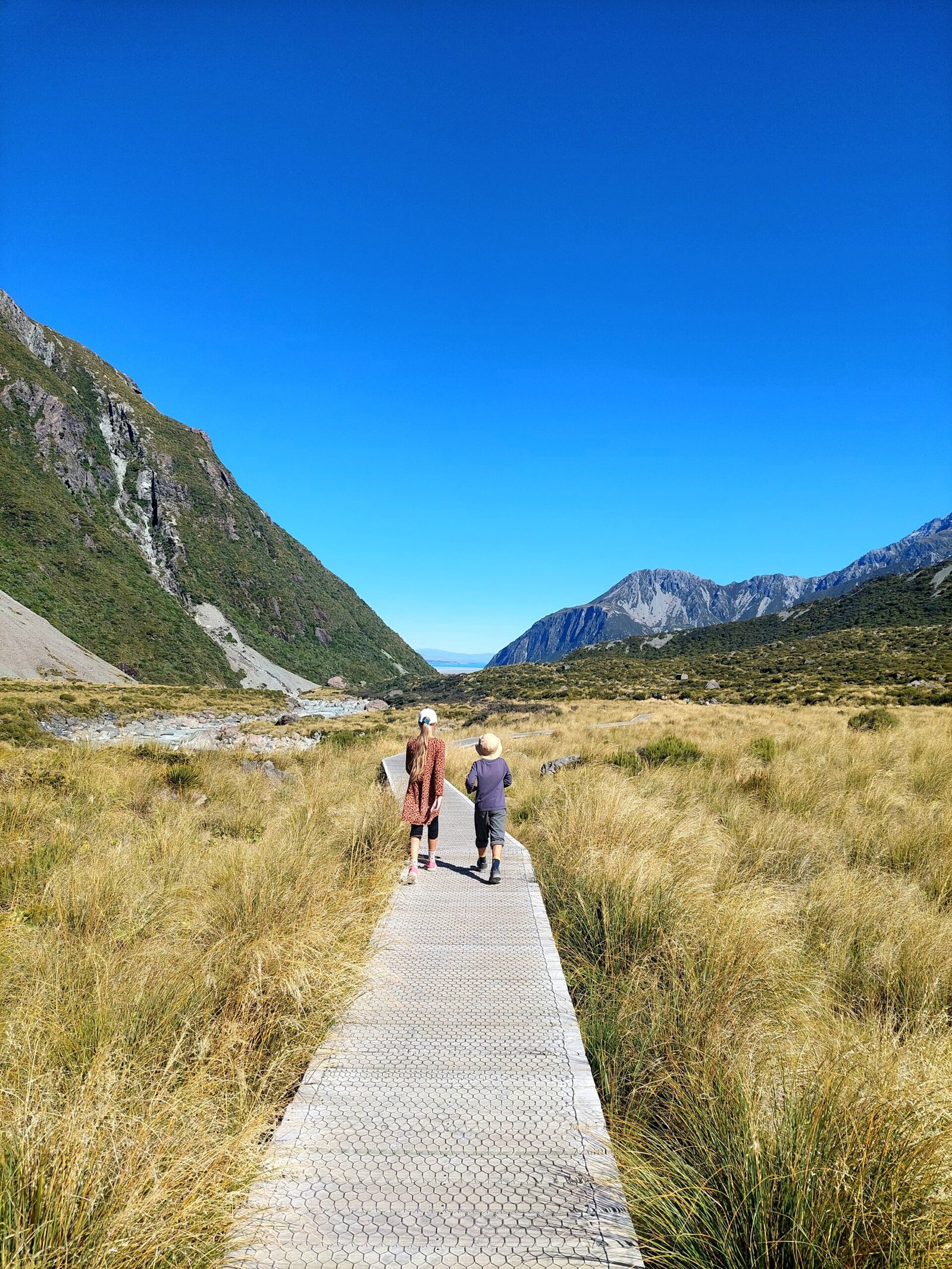
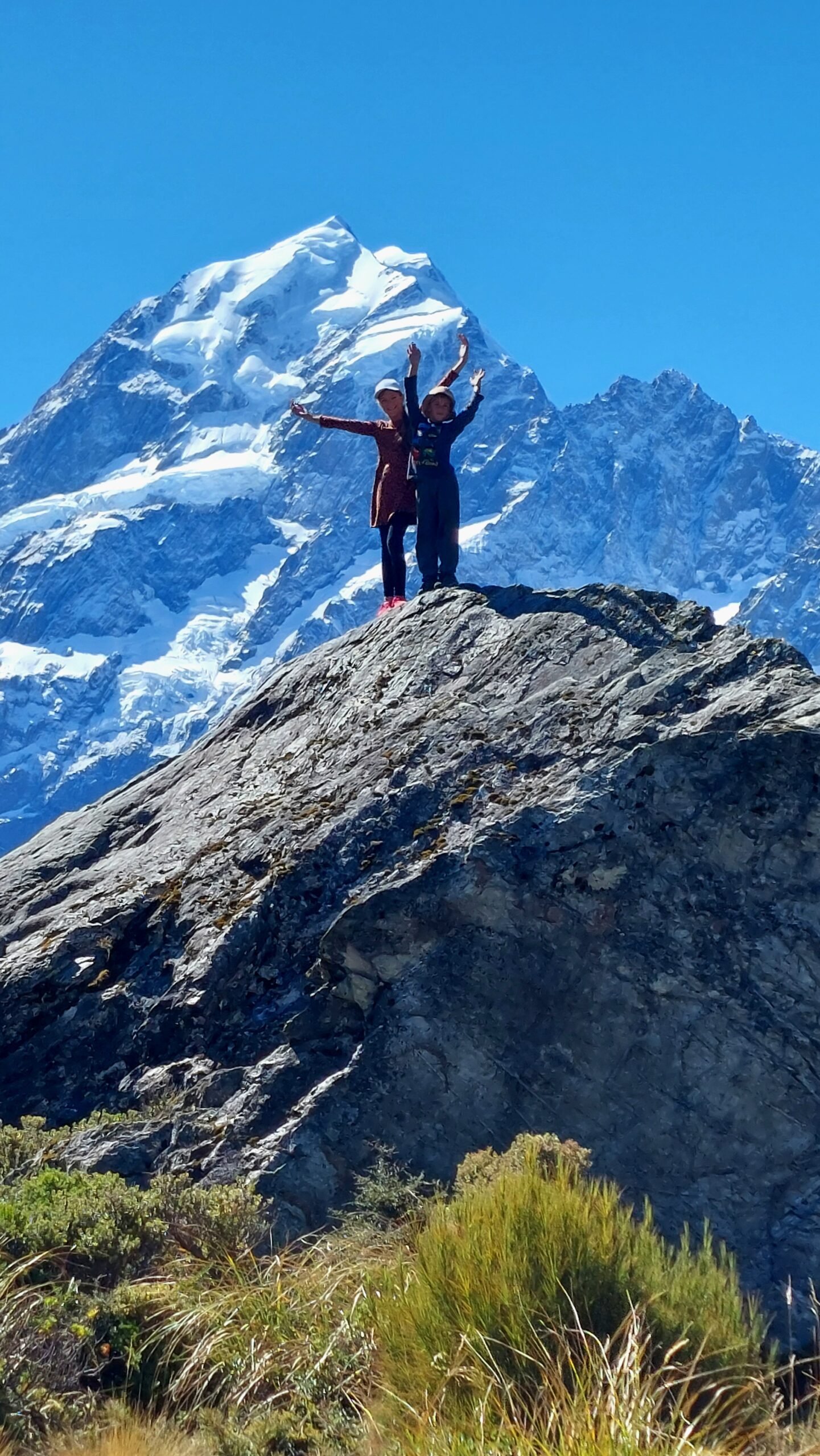
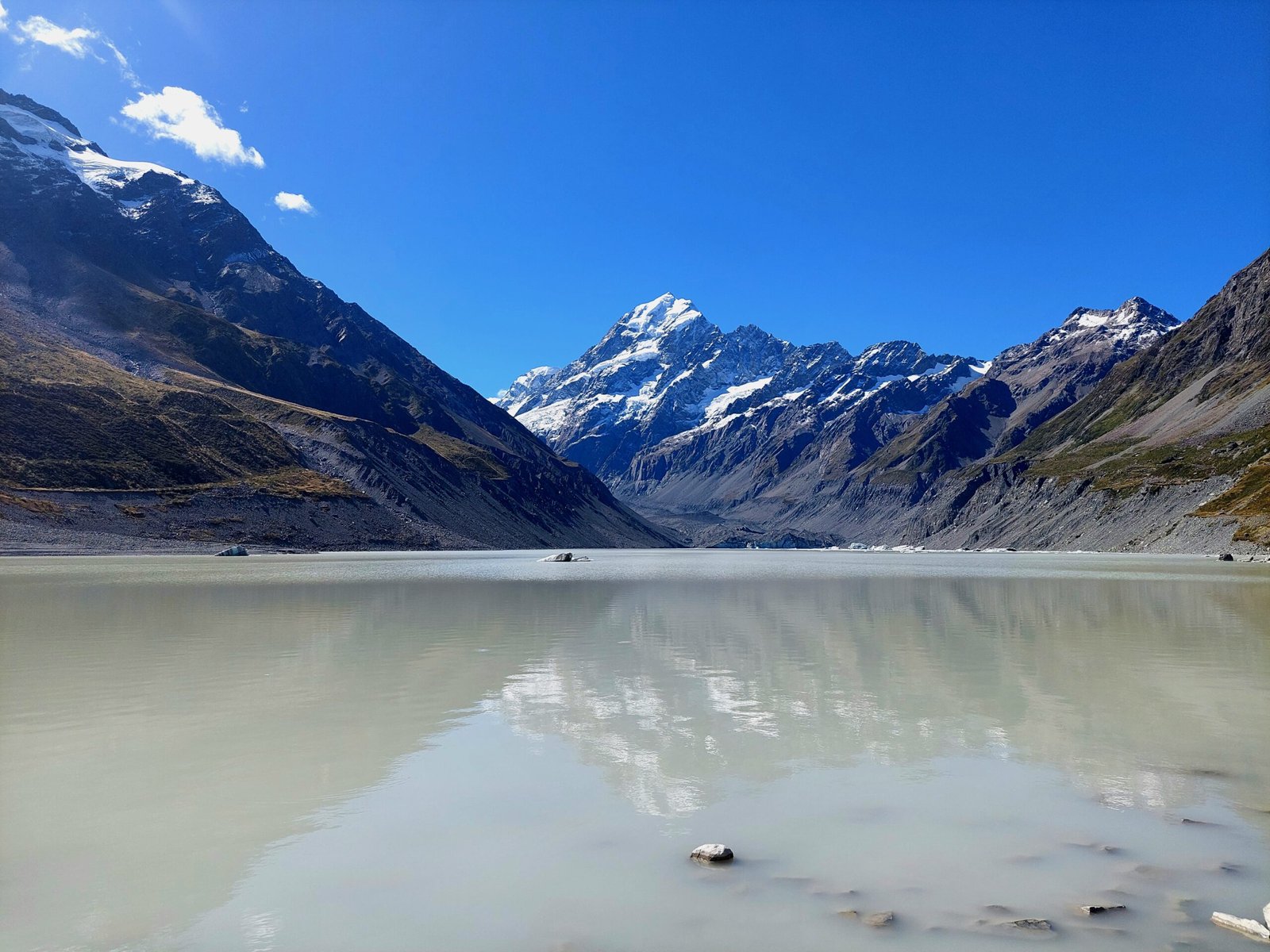
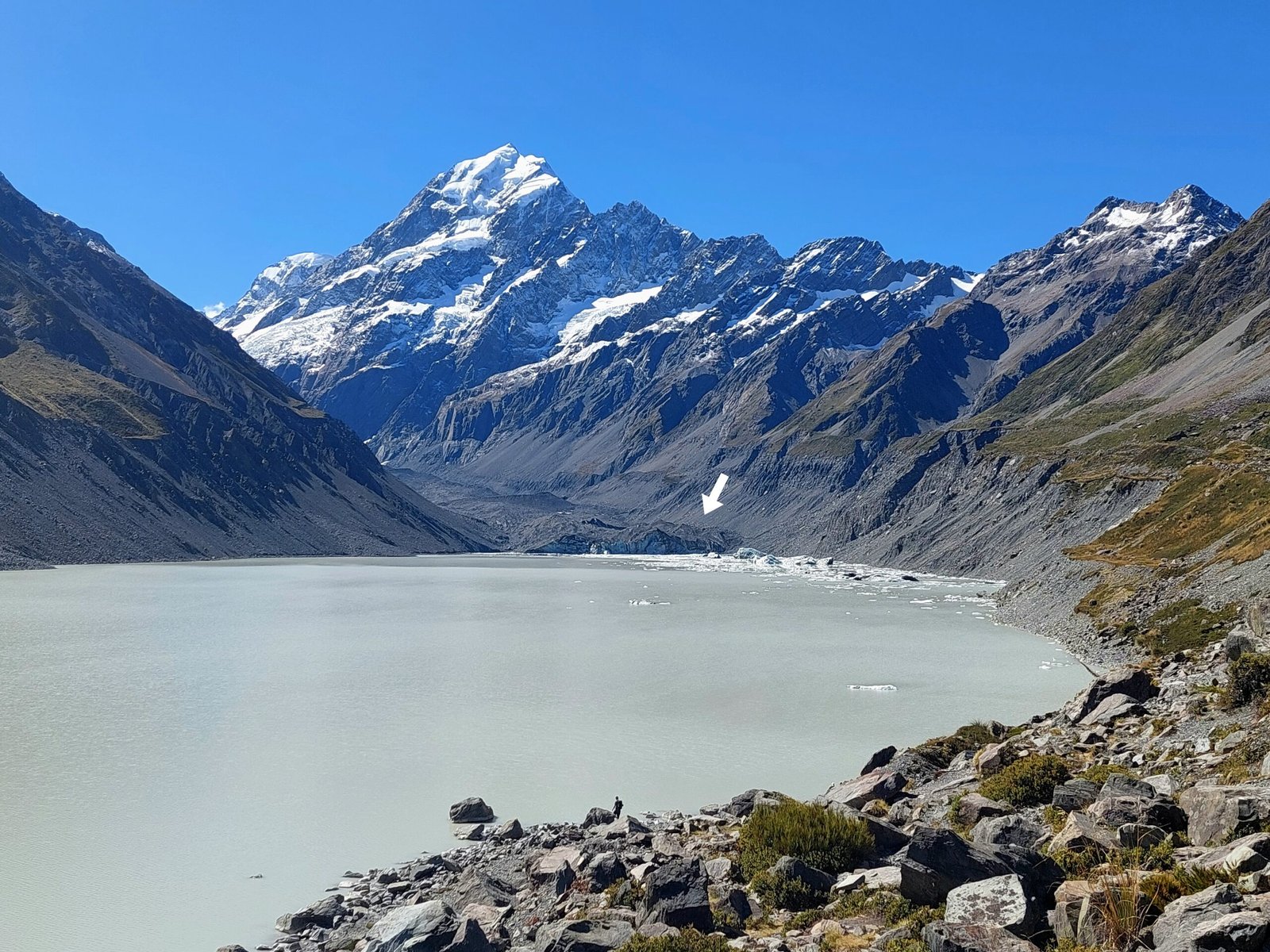
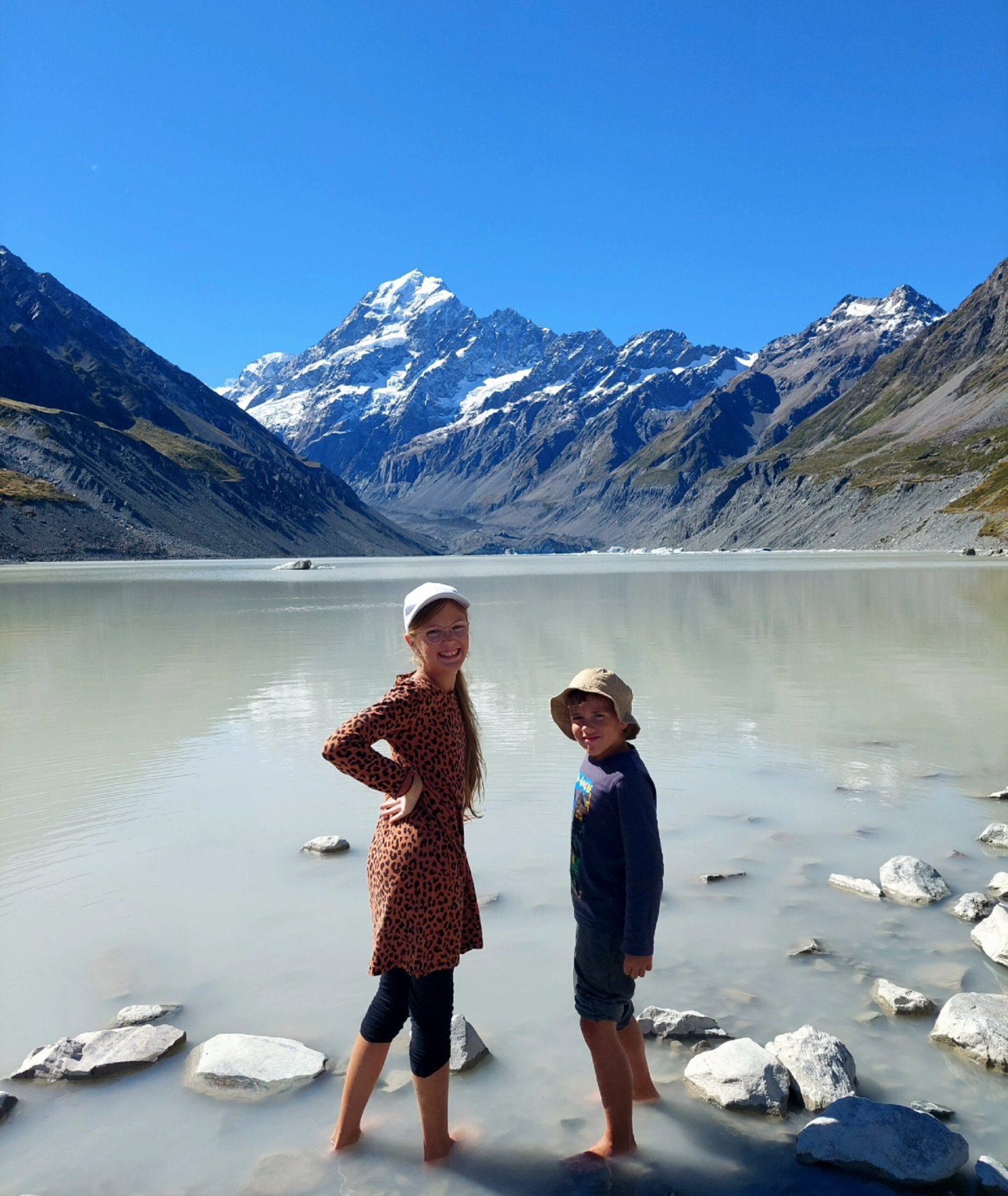
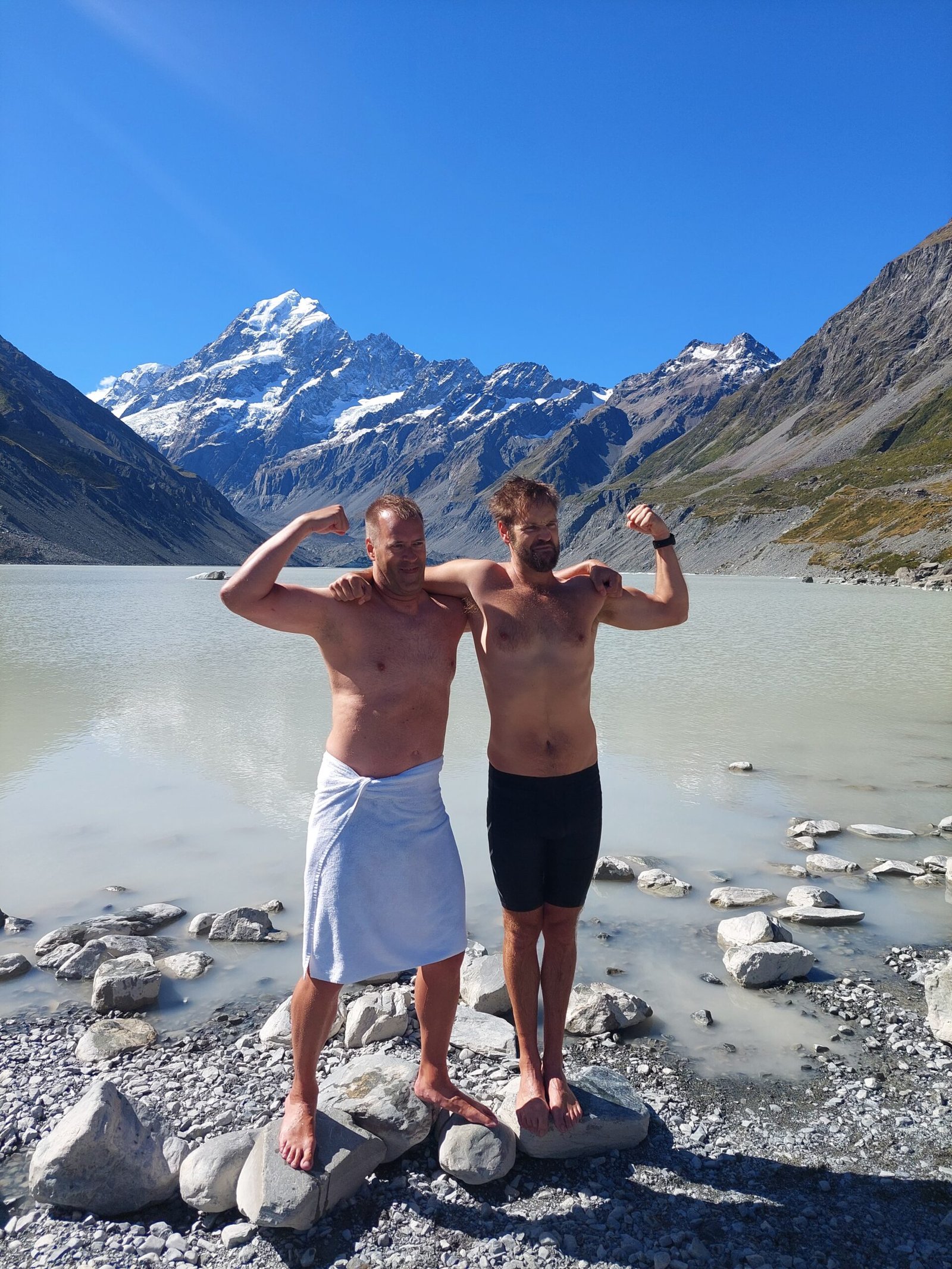
After breakfast, we headed to the White Horse campsite, as that was a starting point of numerous hiking trails to Mt. Cook National Park. We chose the Hooker Valley track, which was about 10km long. During the hike we crossed three suspension bridges. At the end of the trail, we were greeted by a glacier and an ice-cold mountain lake below it. The water was only three degrees, but following the example of an Australian dude, Marko decided to take a dip anyway.
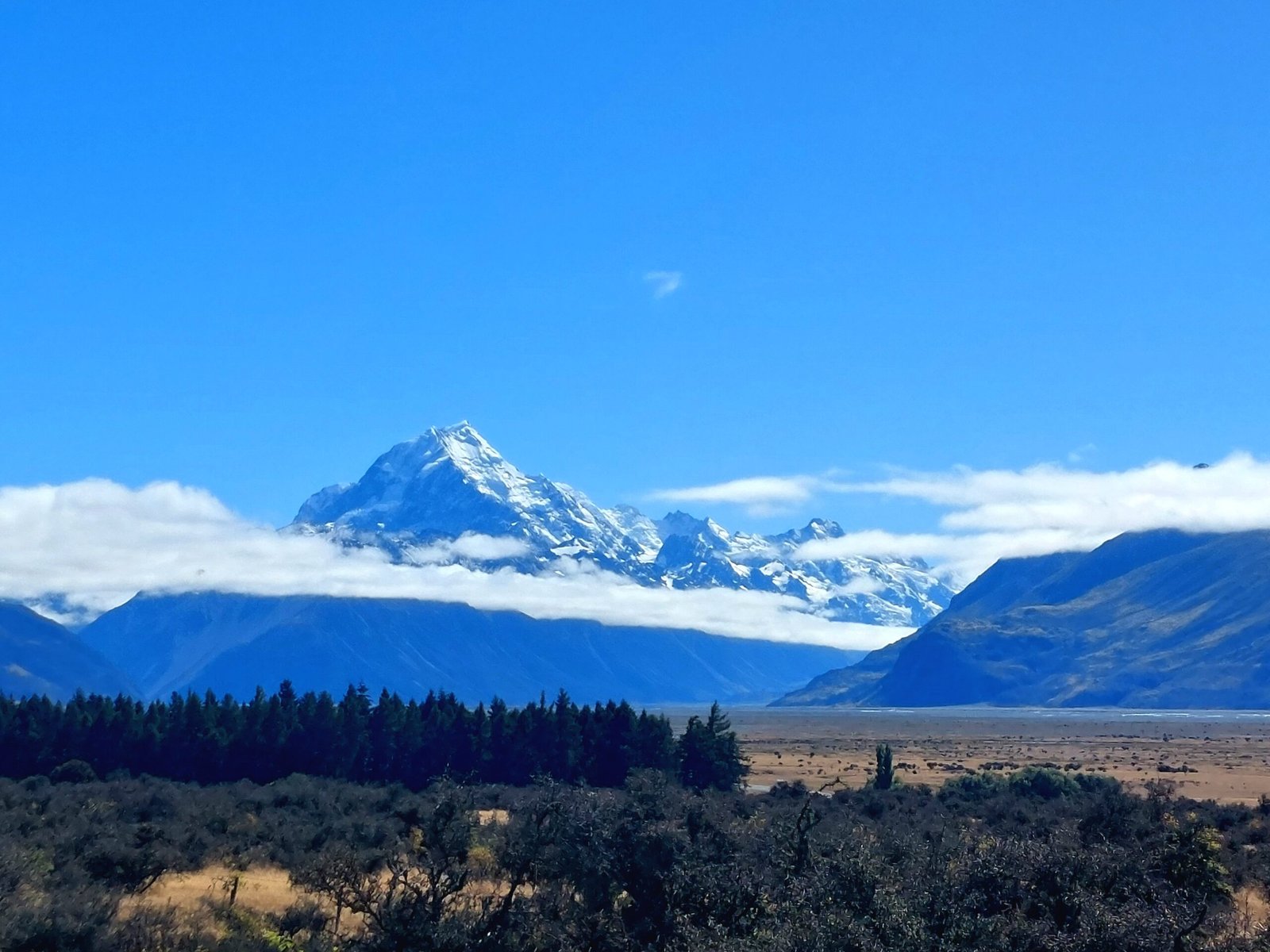
Mt. Cook is also clearly visible from our campsite.
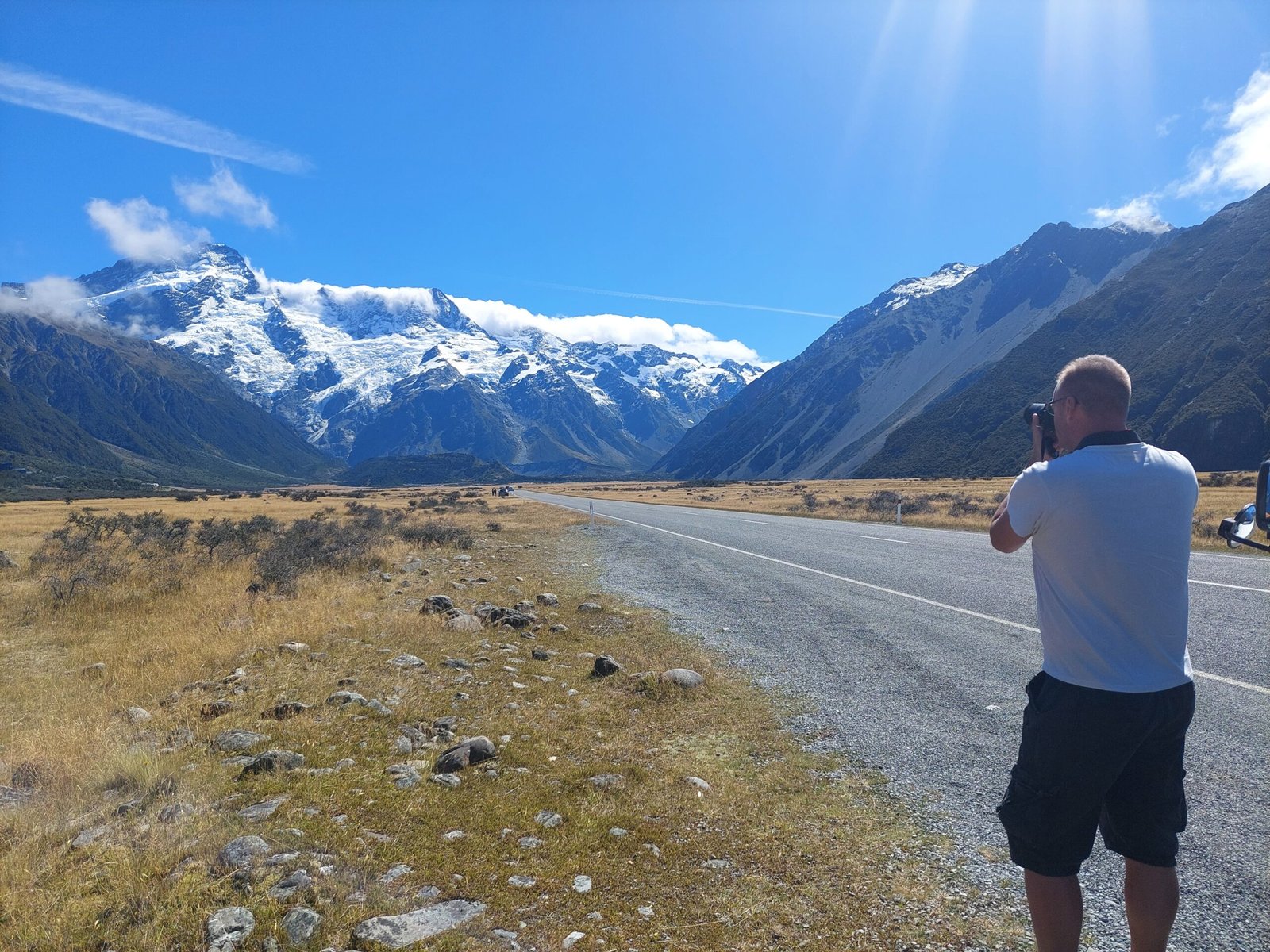
We had to stop again along the way to take pictures.
An amazing pair of siblings and travel companions
Hooker lake
The arrow points to the edge of the glacier. It's just not clearly visible under the layer of gravel covering it.
These two just dipped their toes in.
These two went for a proper swim.
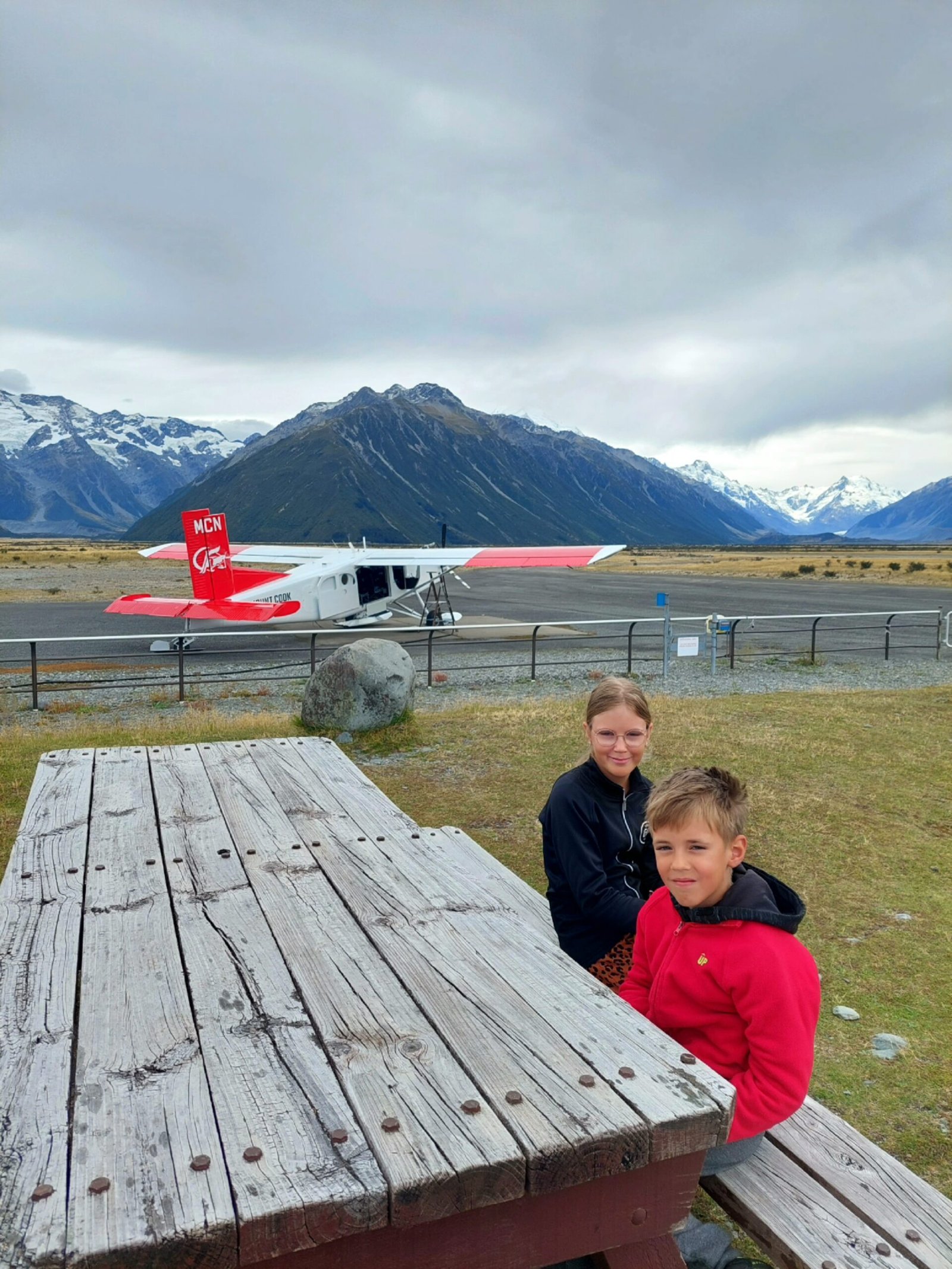
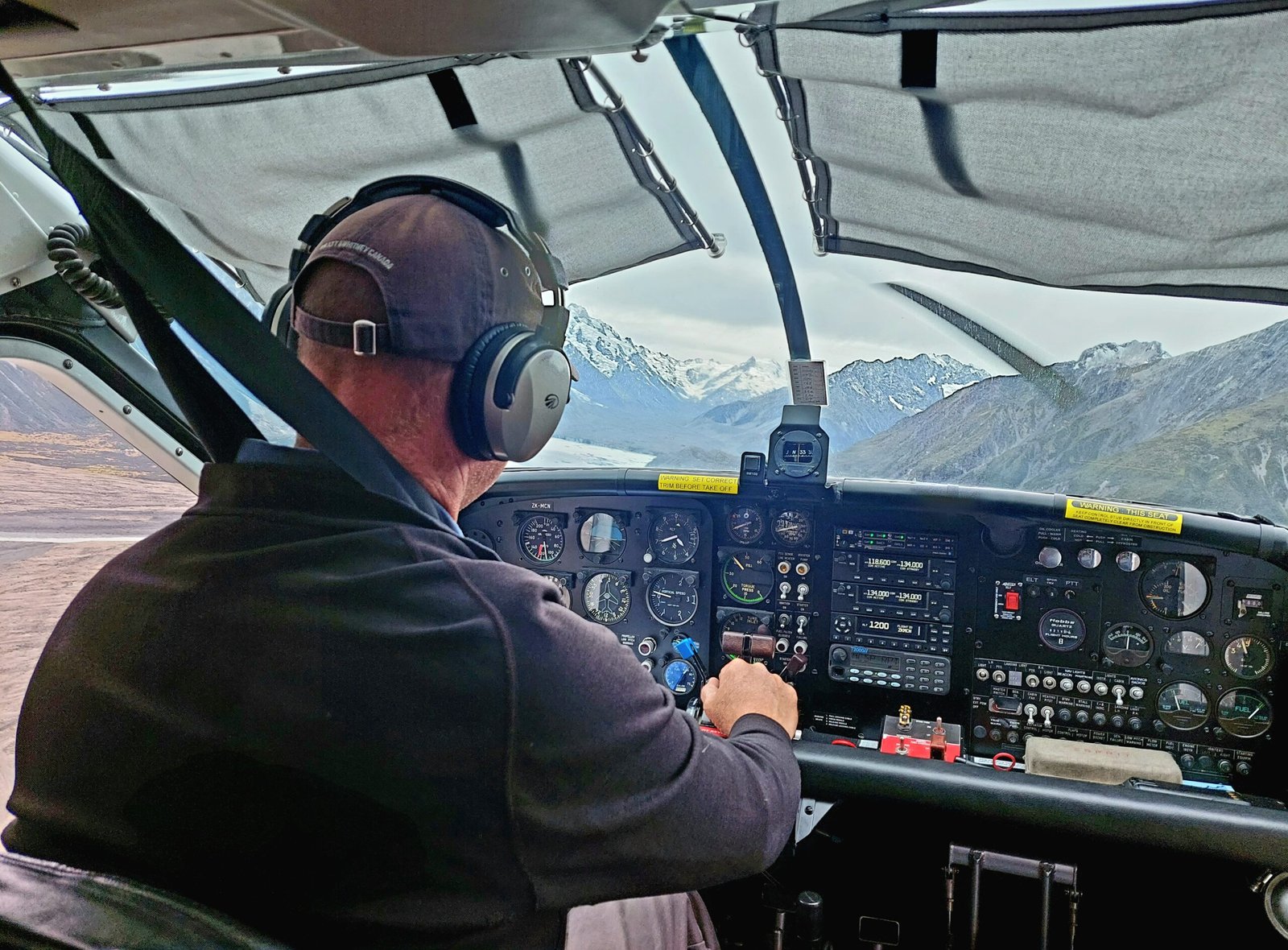
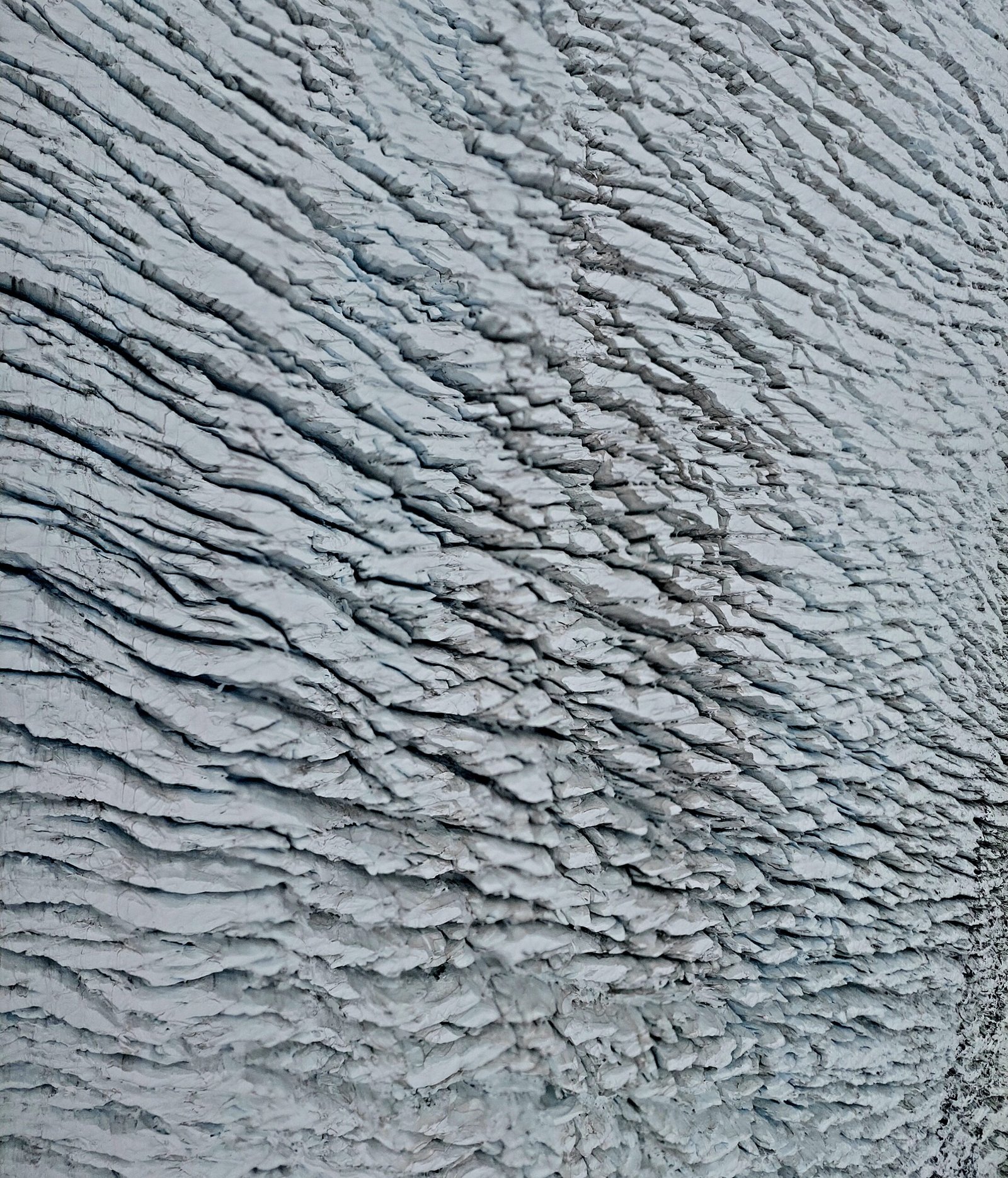
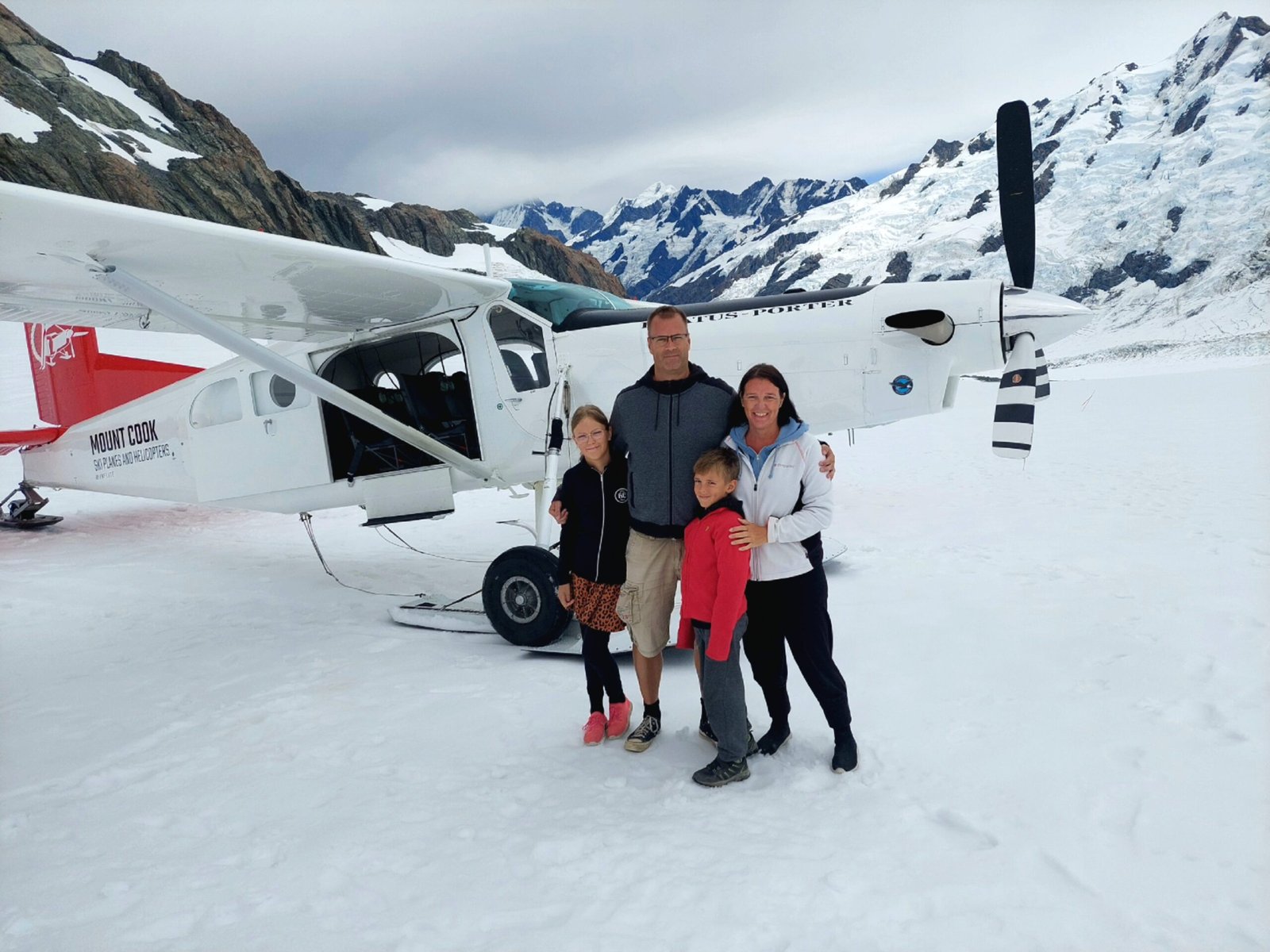
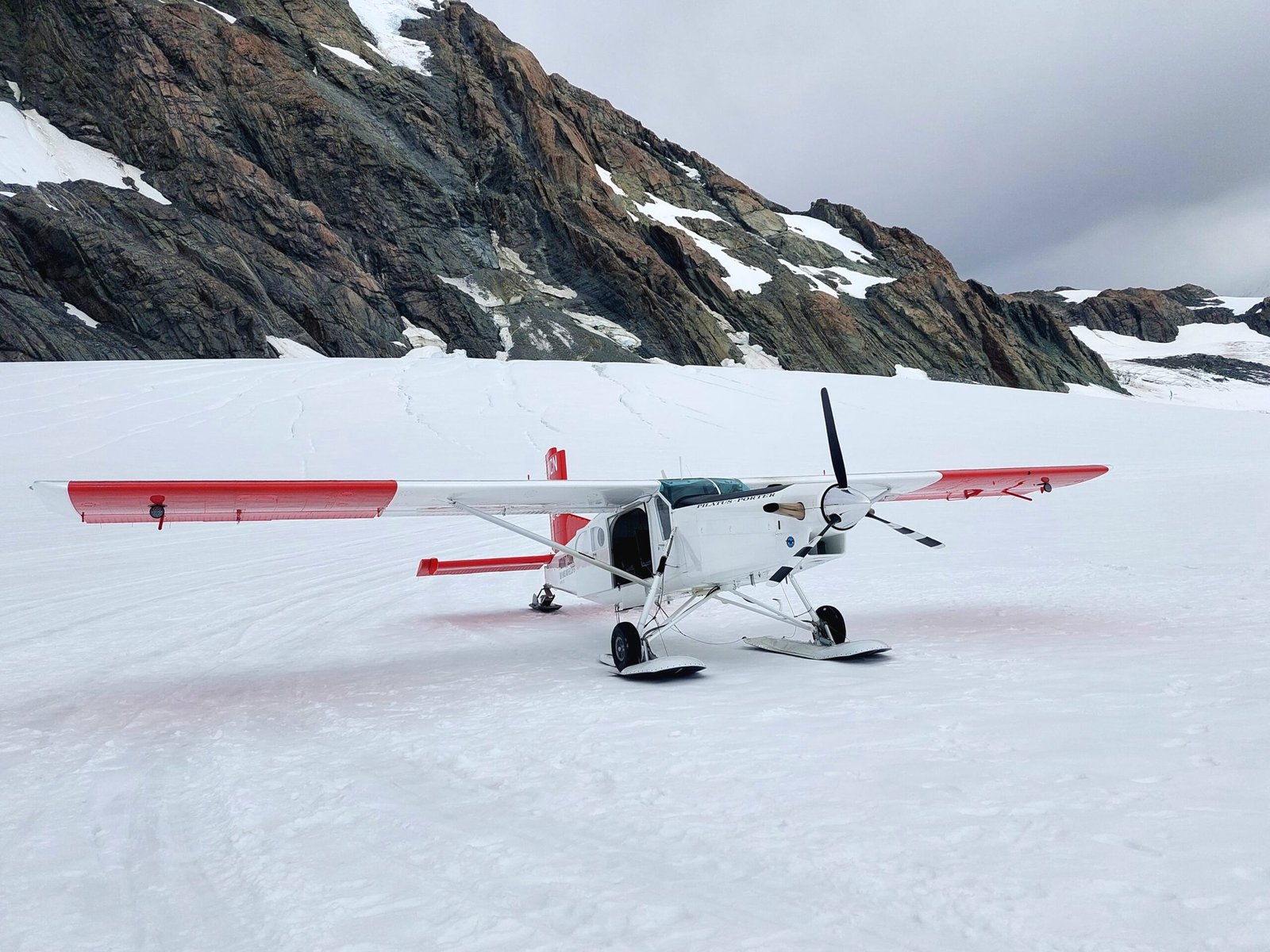
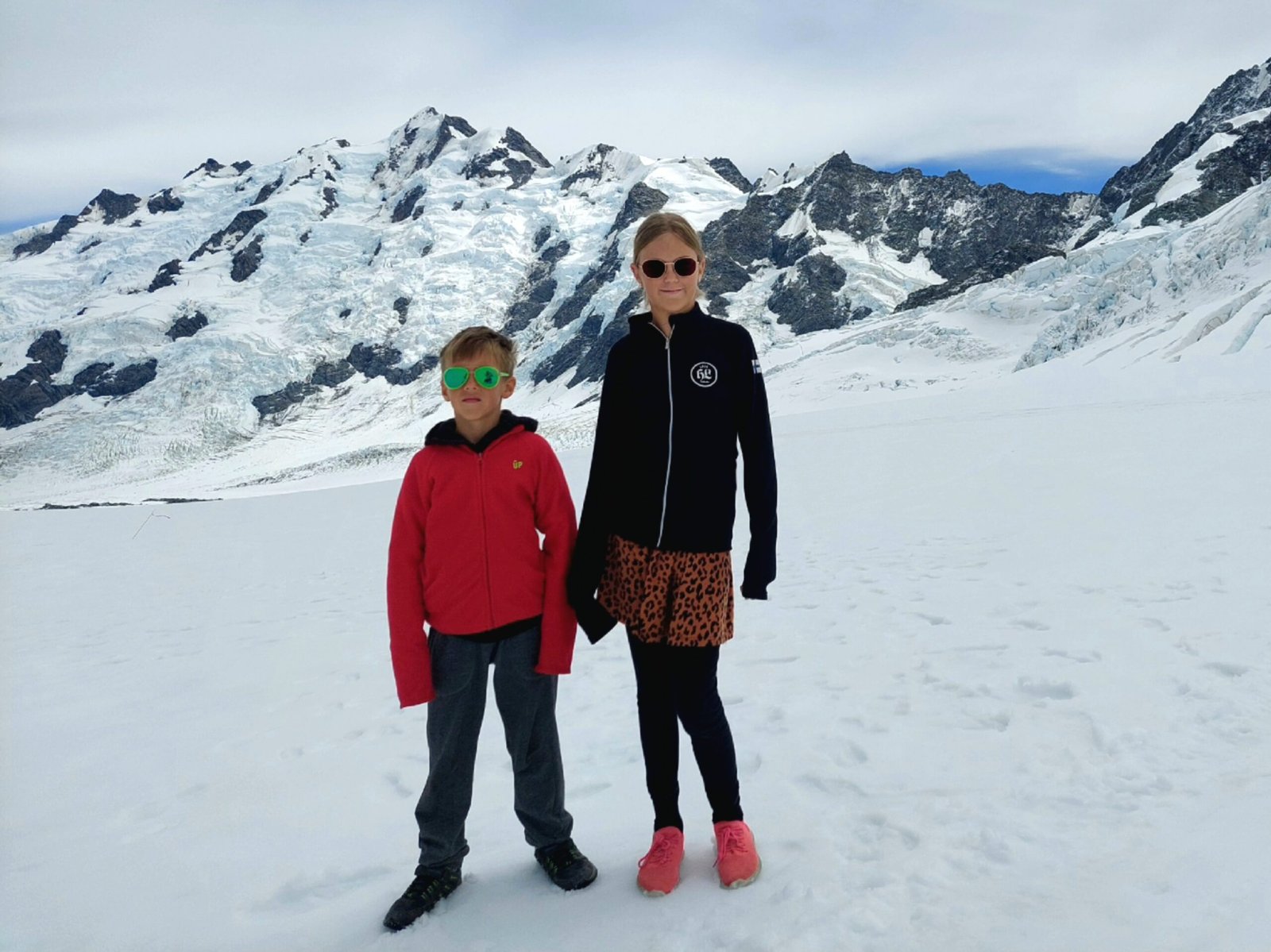
On Tuesday, we were back to school again. The children worked hard for an hour or so, and then it was time for a recess. We had booked a visit to the Tasman Glacier. (We had to offer the kids snow play during recess, otherwise it would have been totally unfair, because their classmates get to play outside in the snow all the time.) We hopped on a small propeller plane and landed on the glacier at the altitude of approximately two kilometers. The glacier is the longest in New Zealand (about 24km) and there was 400m of ice underneath us at the landing point. Our plane is apparently the only one in the southern hemisphere to land on skis on a glacier, or anywhere else for that matter. We landed on a really steep slope on the glacier. There were two reasons for that. Firstly, the plane slows down quickly and won’t hit the mountains. Secondly at this time of the year there are hardly any landing sites on the glacier without huge crevasses.
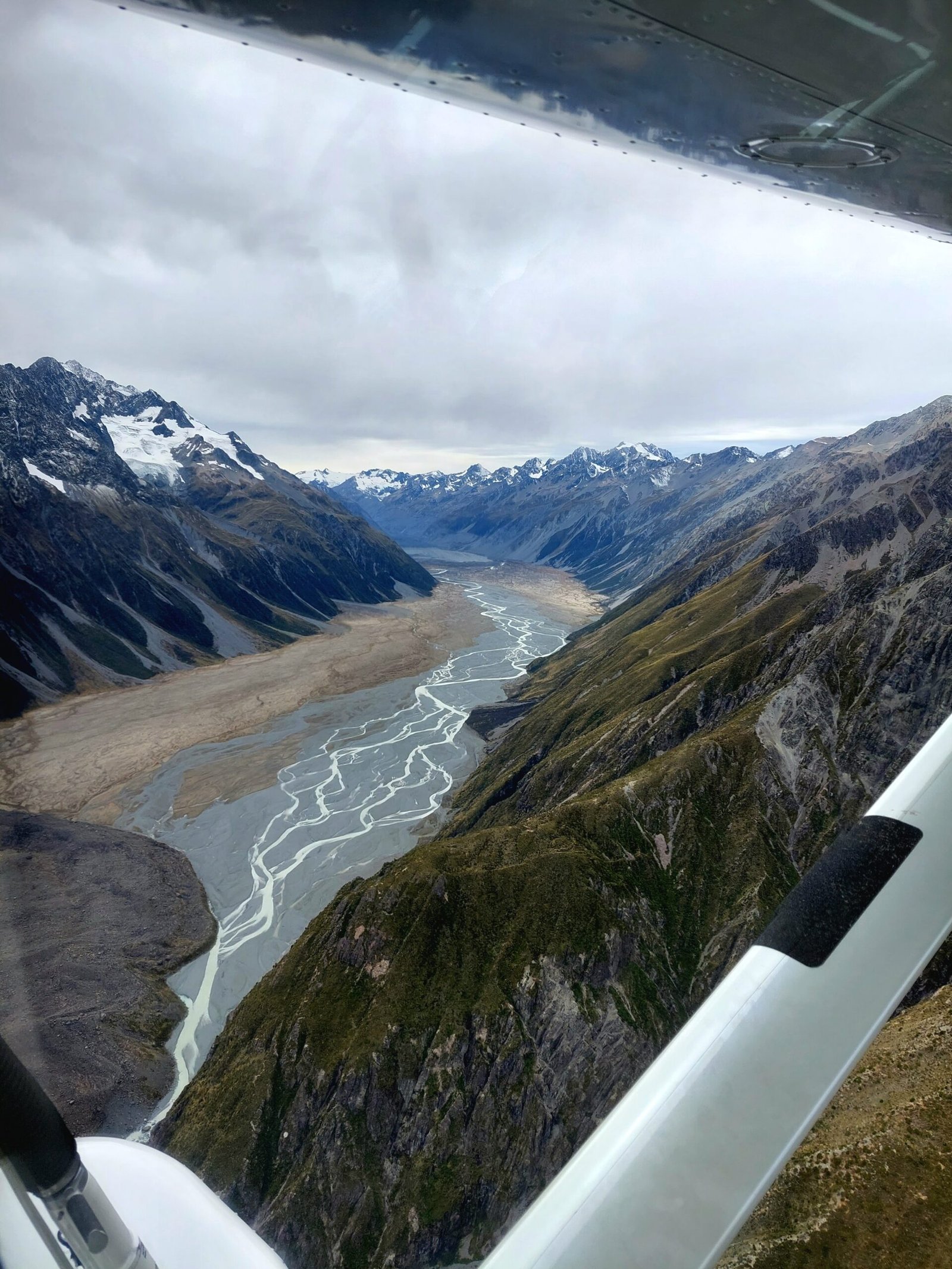
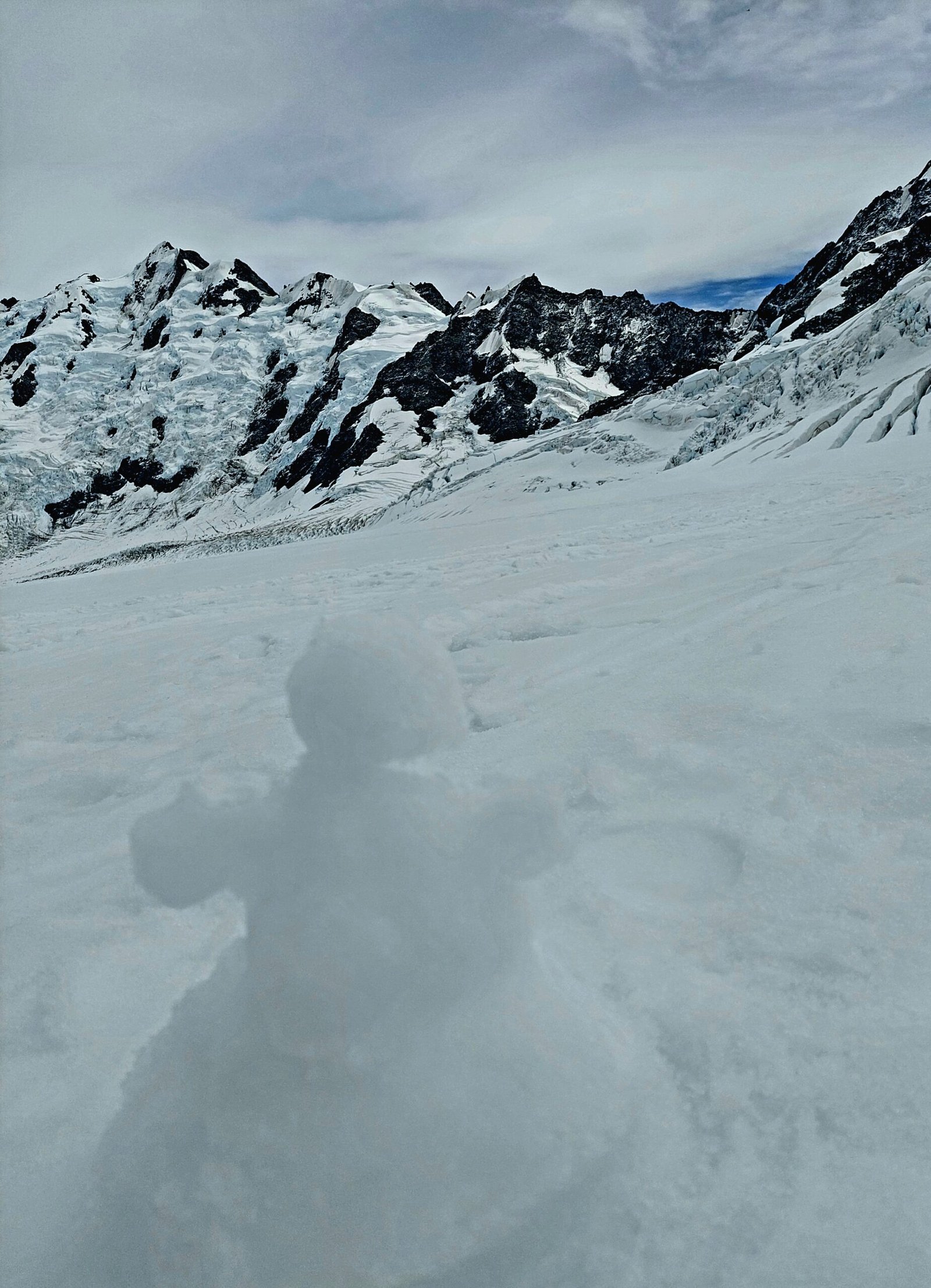
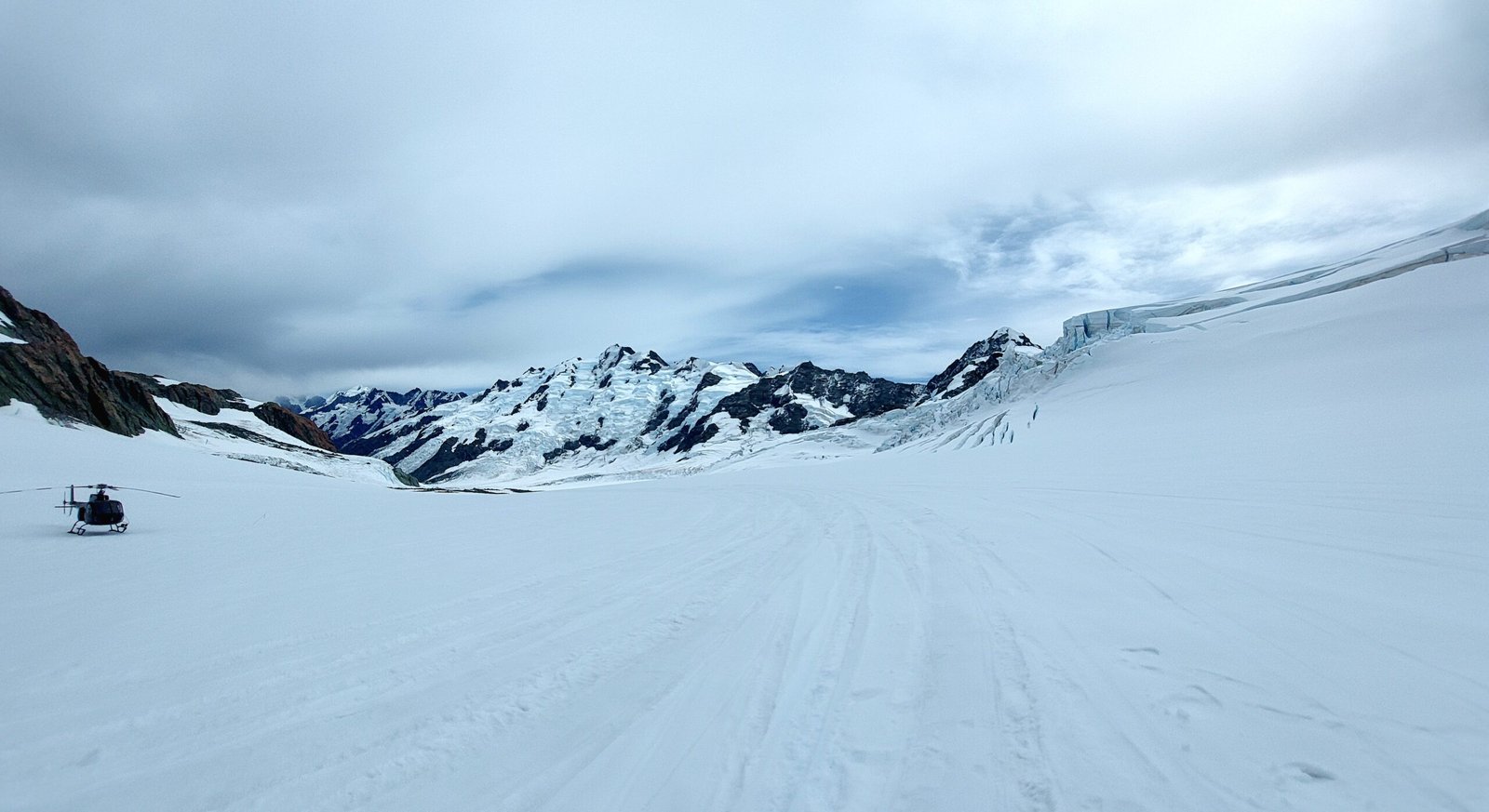
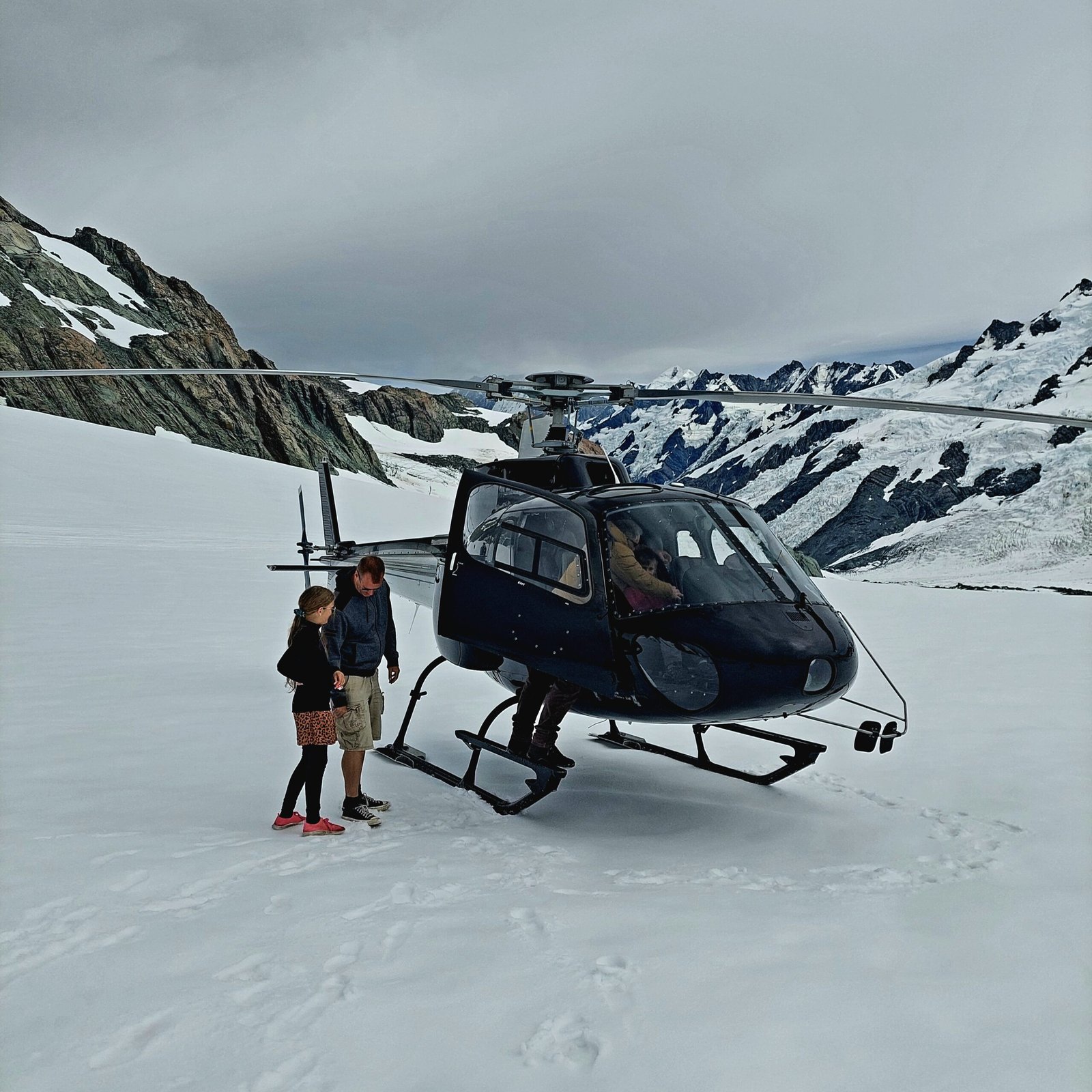
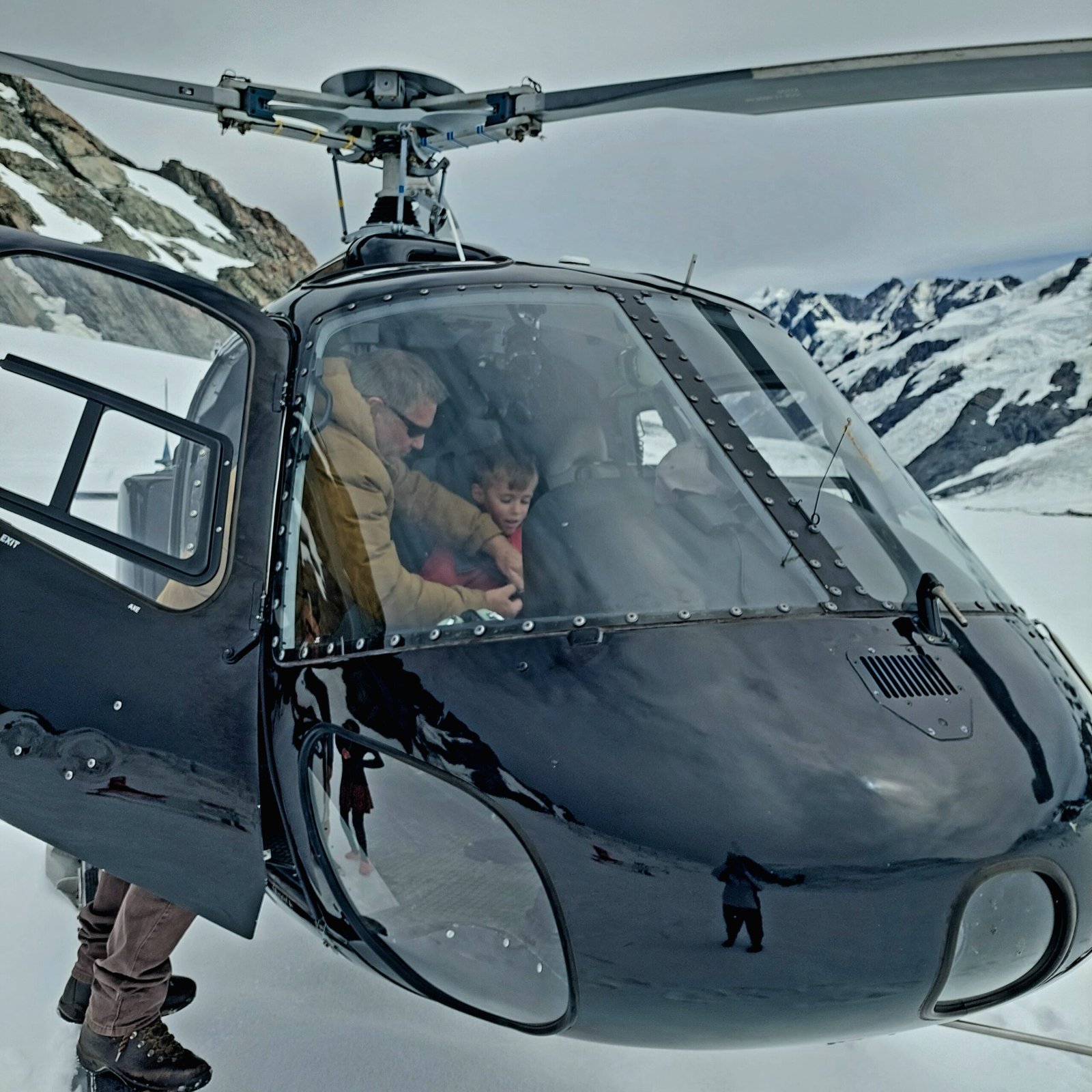
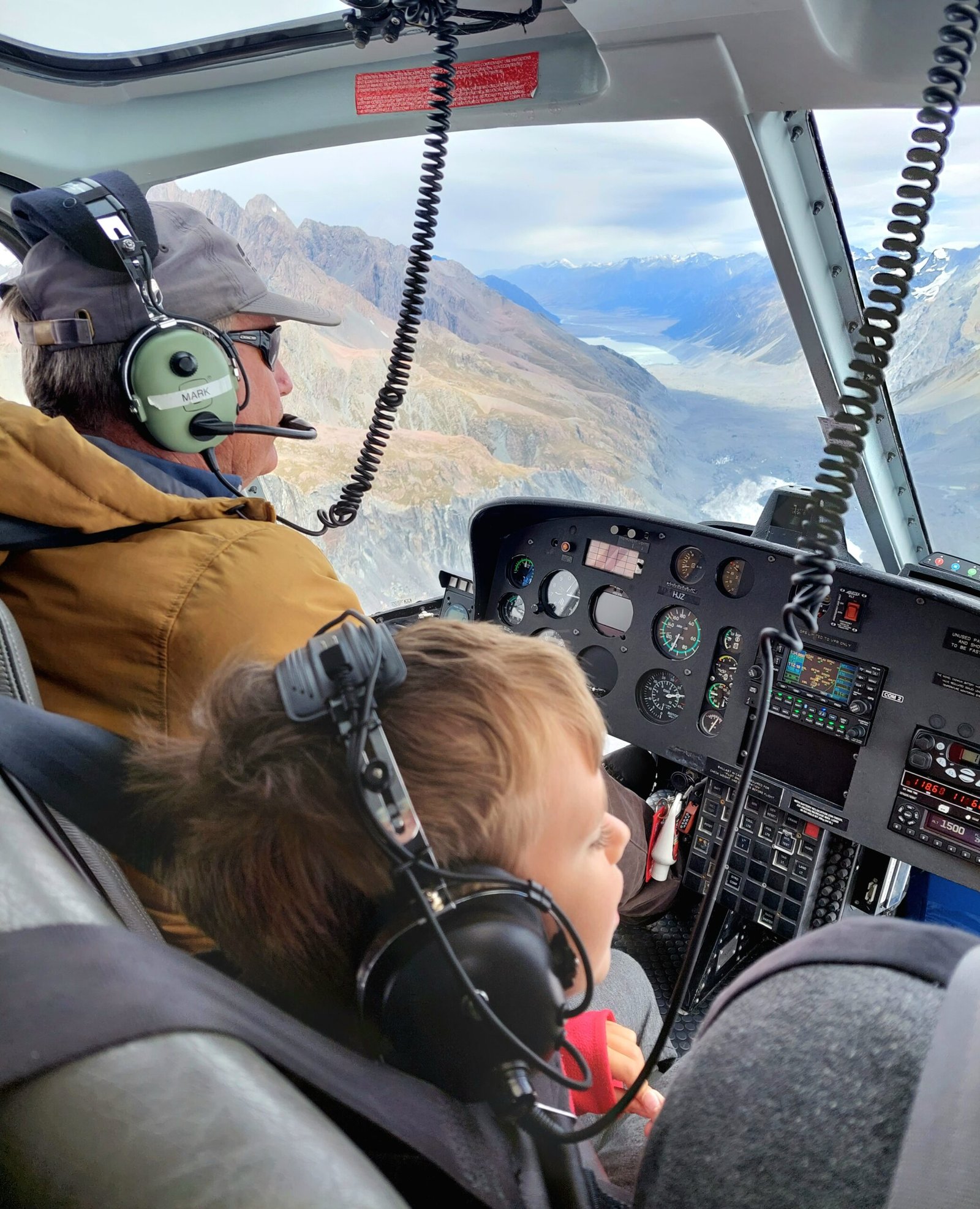
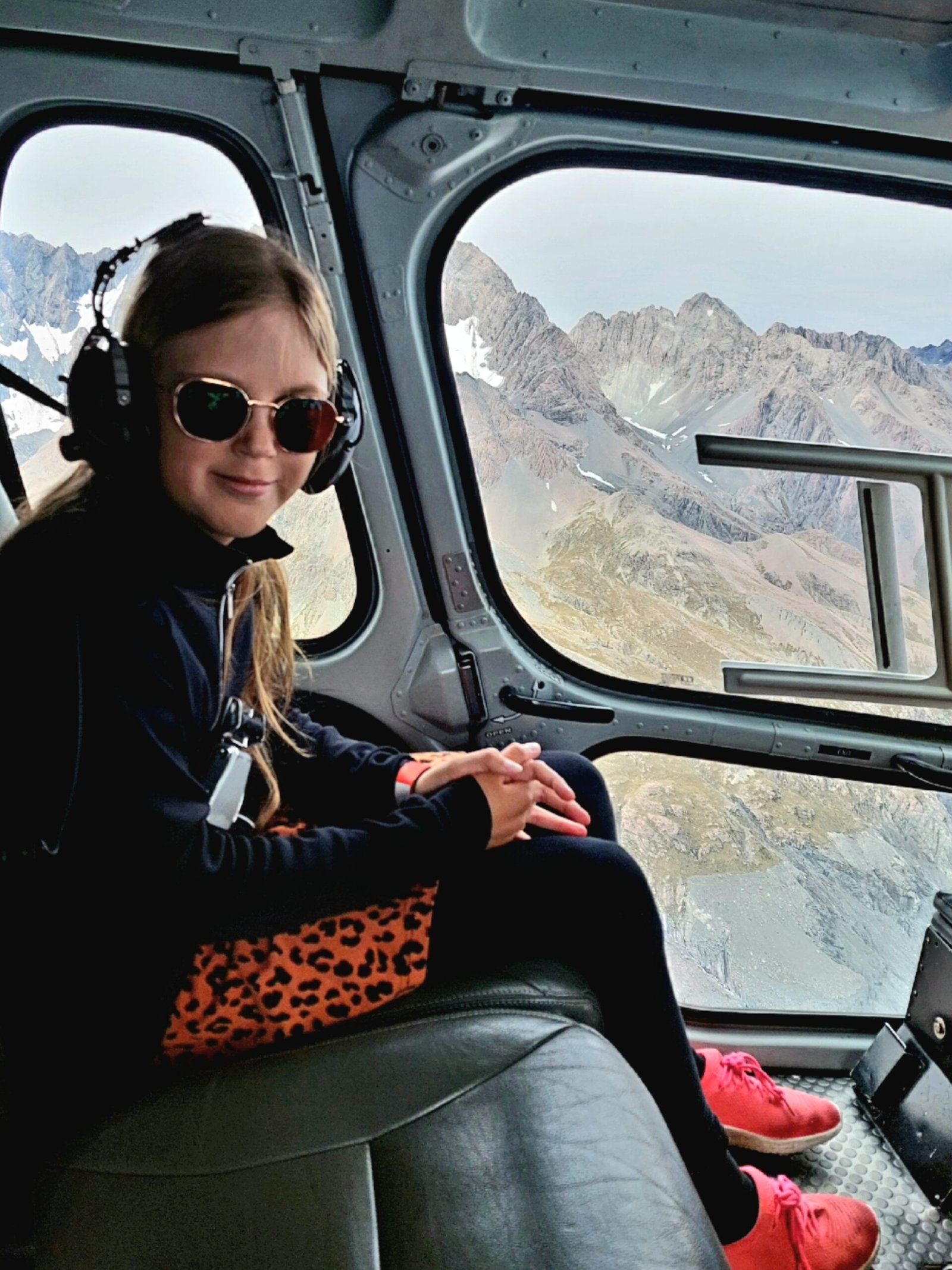
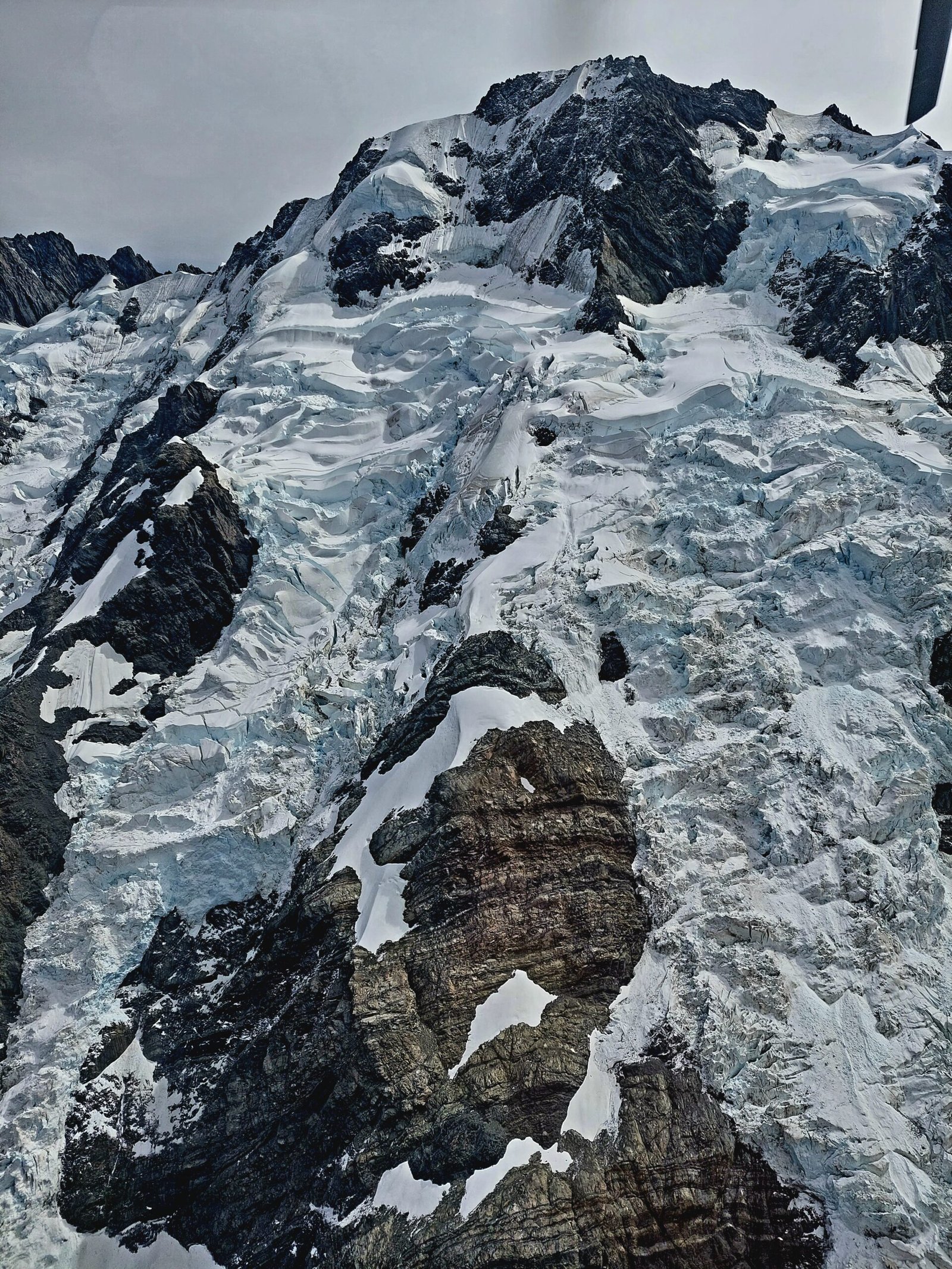
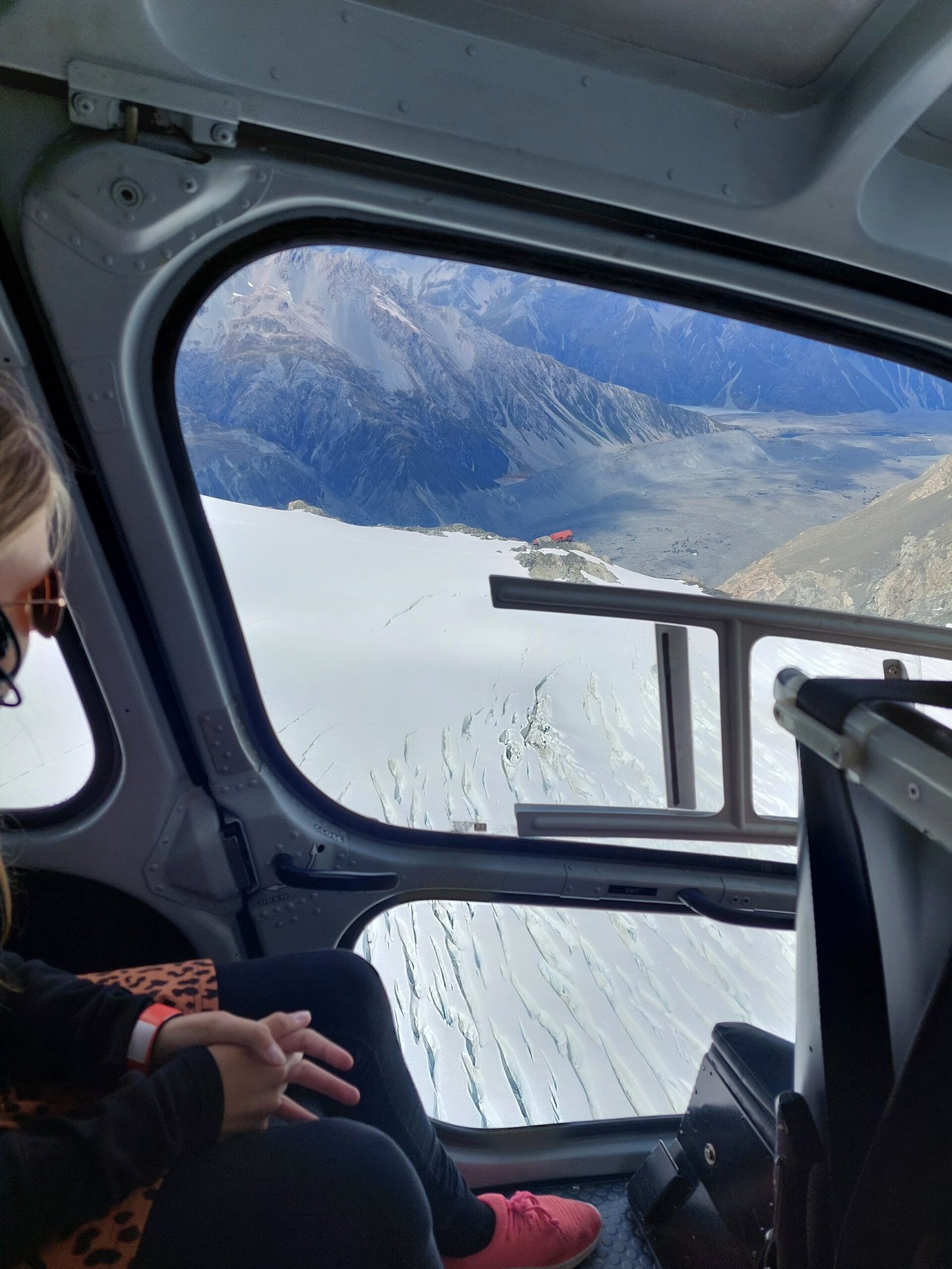
We admired the scenery on the glacier for a while, and the children even built a tiny snowman there. Then we continued back on a helicopter. Risto and Marko got the front seats next to the pilot. Jaana and Ronja sat in the back. We flew right past the peak of Mt. Cook (3724m) and continued into the valley through a small pass between two mountain peaks. The scenery was once again absolutely stunning! New Zealand is indeed a beautiful country.
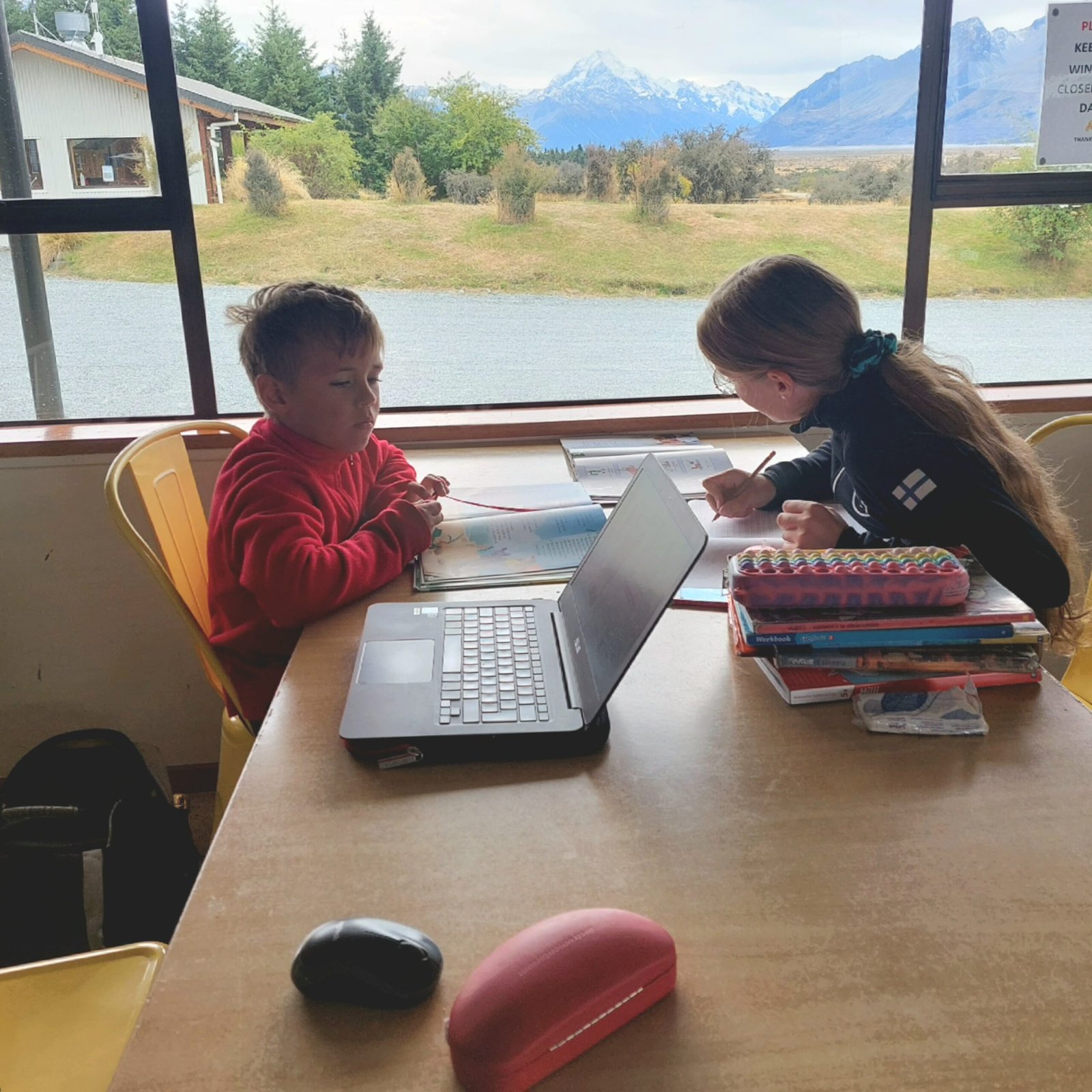
Schoolwork with Mt. Cook in the background
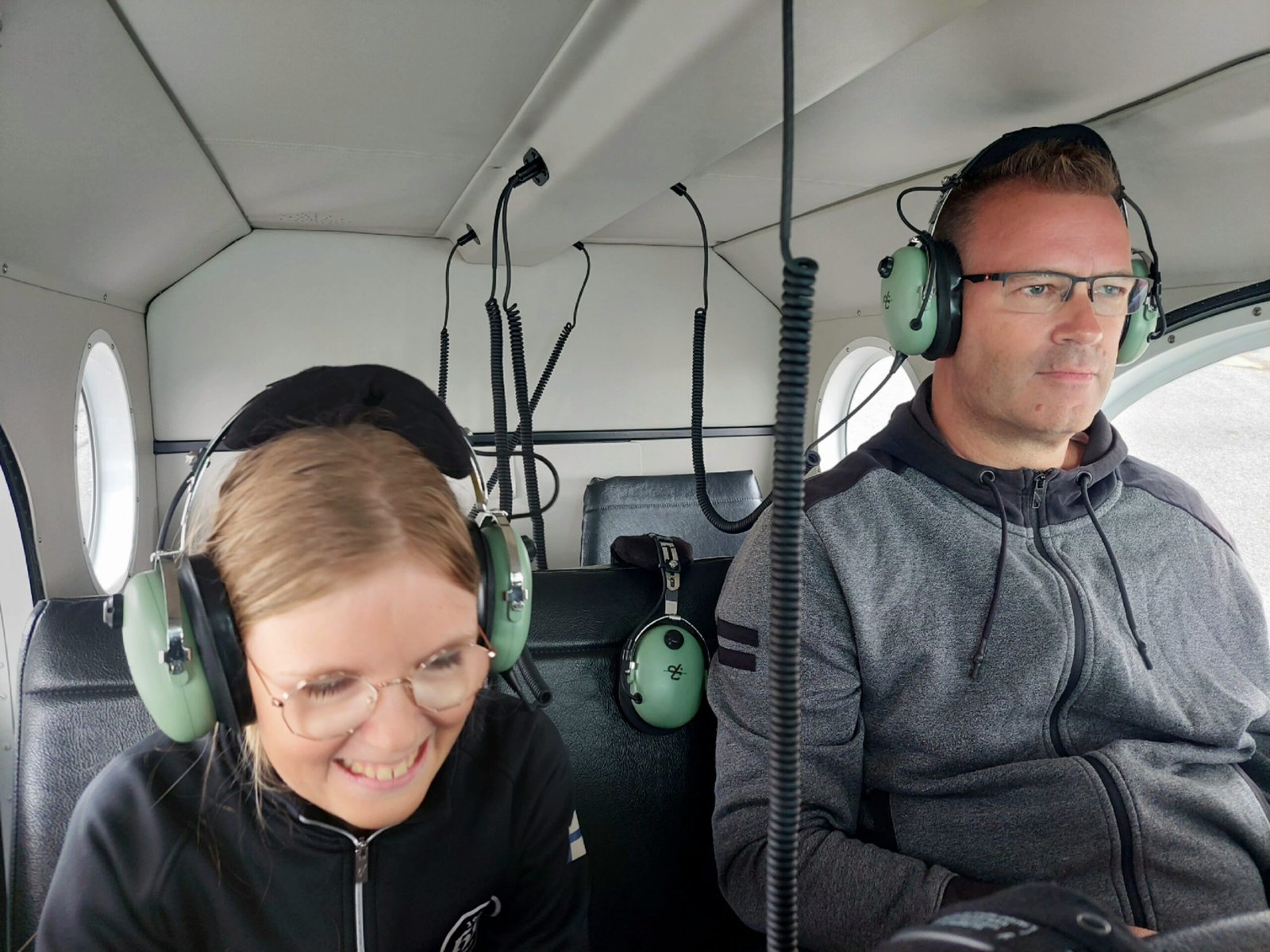
I think they're both a little nervous.
Now even Ronja is smiling.
Our pilot Dan is the only person who flies a ski-equipped plane in the southern hemisphere.
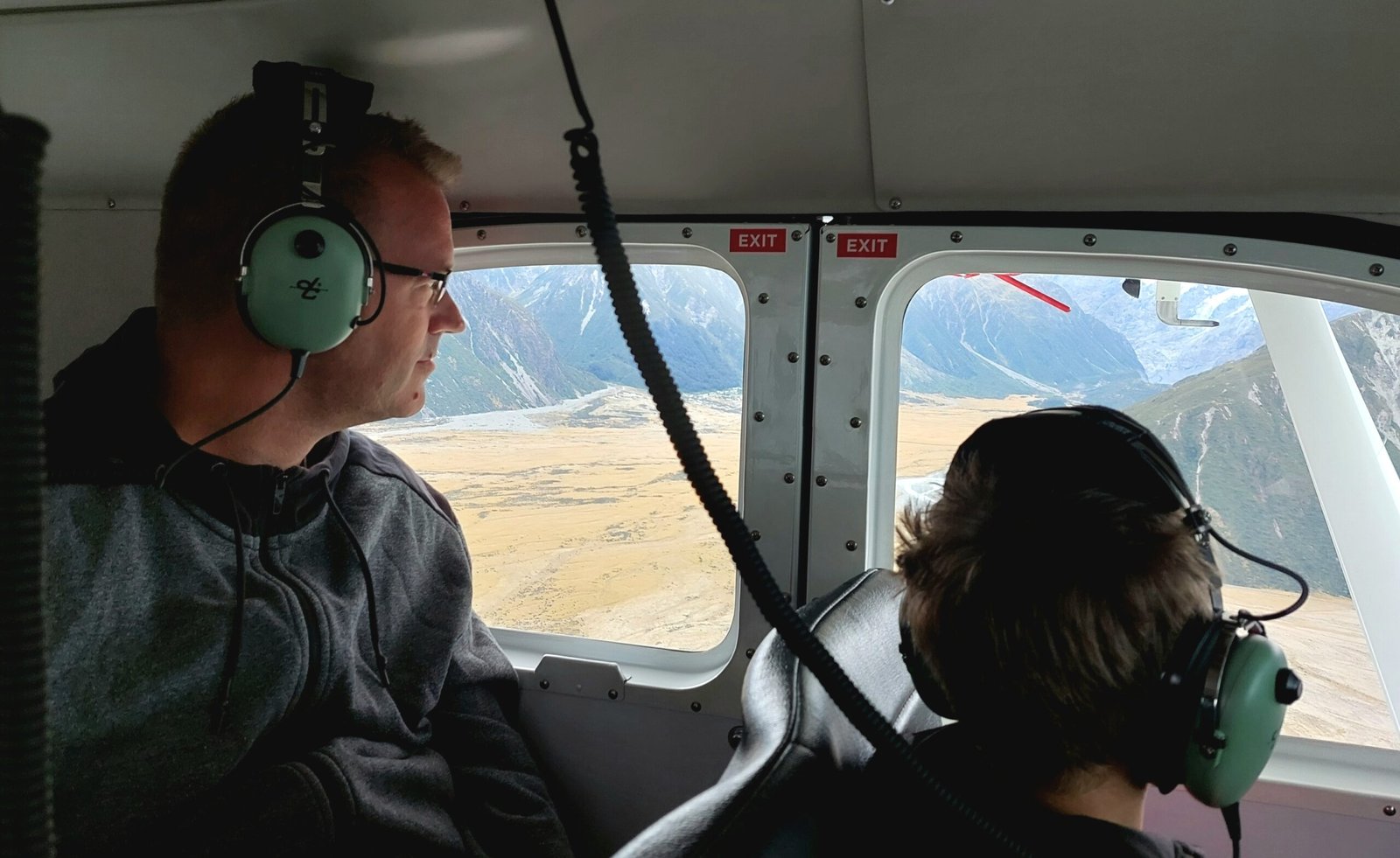
The scenery from a bird's eye view was truly rugged.
Due to the crevasses, it is not possible to land a small plane everywhere.
On the Tasman Glacier
How about building a snowman?
The ride back to the valley is about to leave.
The younger flight captain is being strapped into his seatbelt.
There it is – the peak of Mt. Cook.
That red-roofed building is a ski lodge, which can apparently only be reached by plane or helicopter.