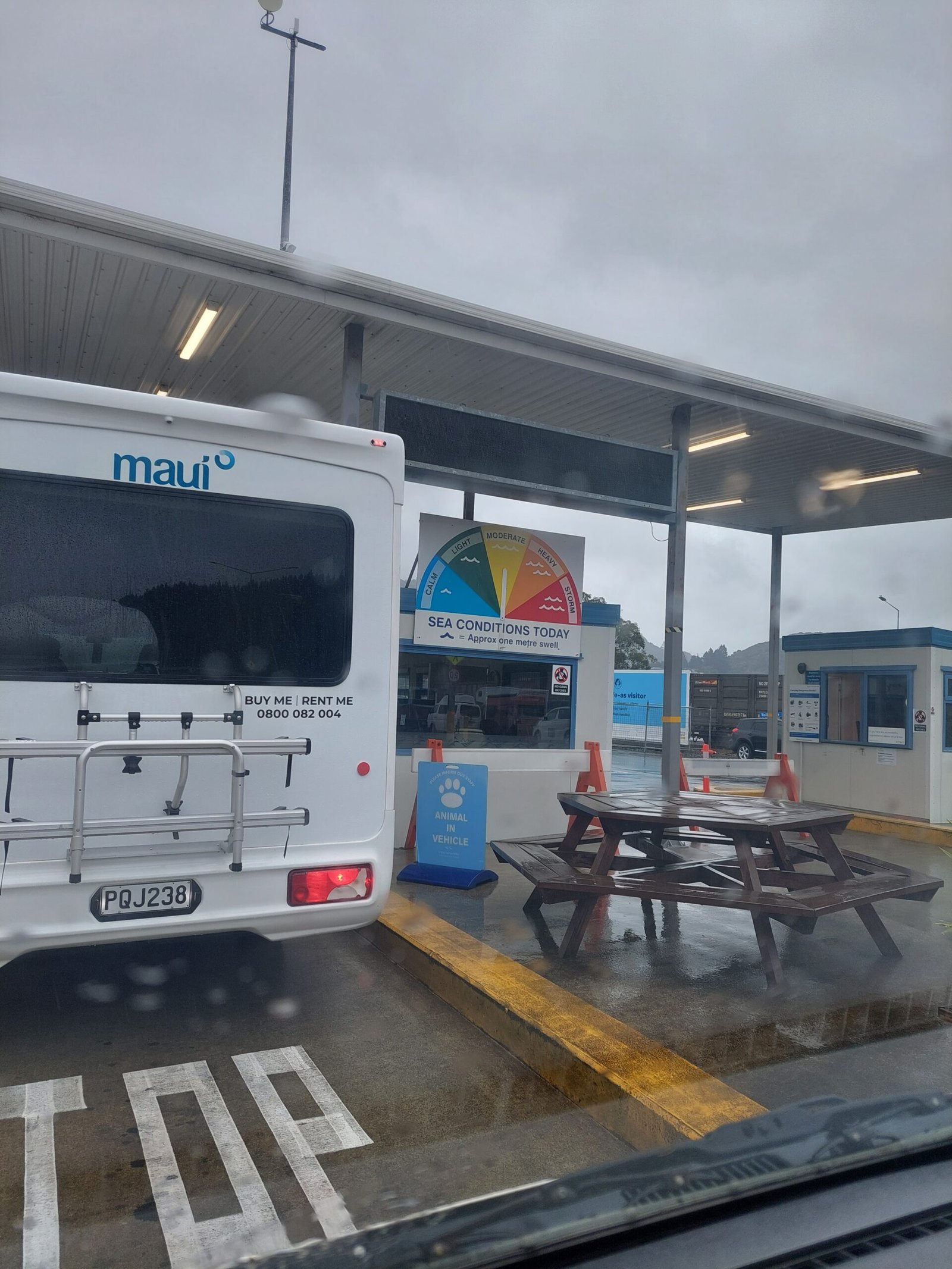
On Saturday we started to drive towards the small town of Picton. The ferry service that had been rescheduled already once had not been cancelled again, so the plan was to move from the South Island to the North Island. We arrived well before the ferry’s departure time only to hear that it was late. And it wasn’t an April Fool’s. Well, better that than a completely cancelled ferry connection. We had about three hours to kill. We were told that we could park the car in the queue after check-in and go to town, if we wanted to. Since it was raining, we decided to stay in the car at the port and wait. There we would stay dry, and there was food in the fridge if we needed it. A couple in the car in front of us also decided to stay in the harbour, and started cooking in their campervan while waiting in the queue.
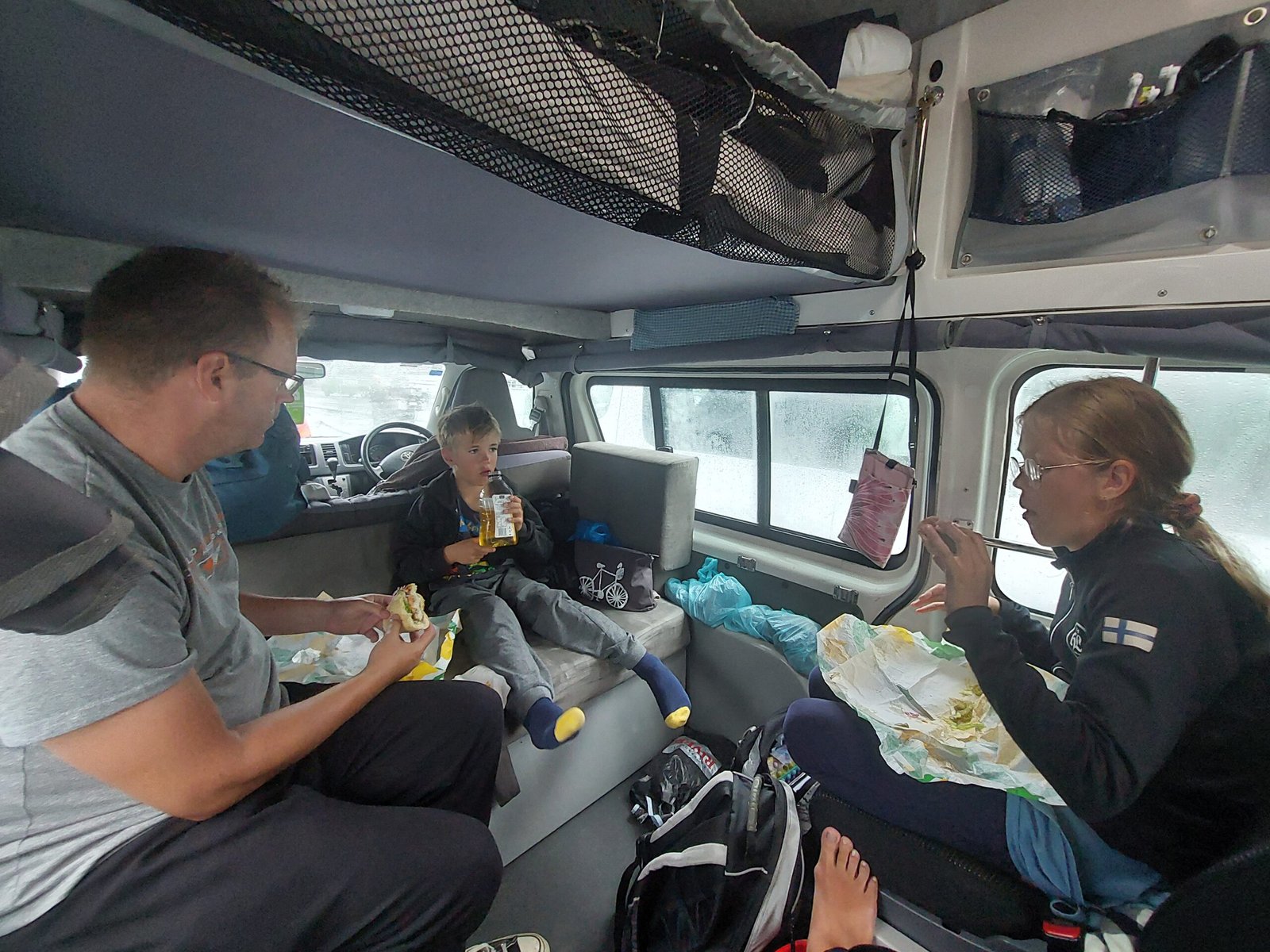
Eventually Marko got tired of waiting in the car and, despite the rain, went for a short walk to Picton. He returned with a packet of margarine and a bottle of apple juice. But most importantly, he had spotted a Subway just around the corner. So the kids and I placed an order, and we sent Marko out into the rain again. We had time to eat our baguettes before the queue finally started moving slowly into the ferry.
Despite the rainy weather, the swell was only moderate.
Subway lunch while queueing.
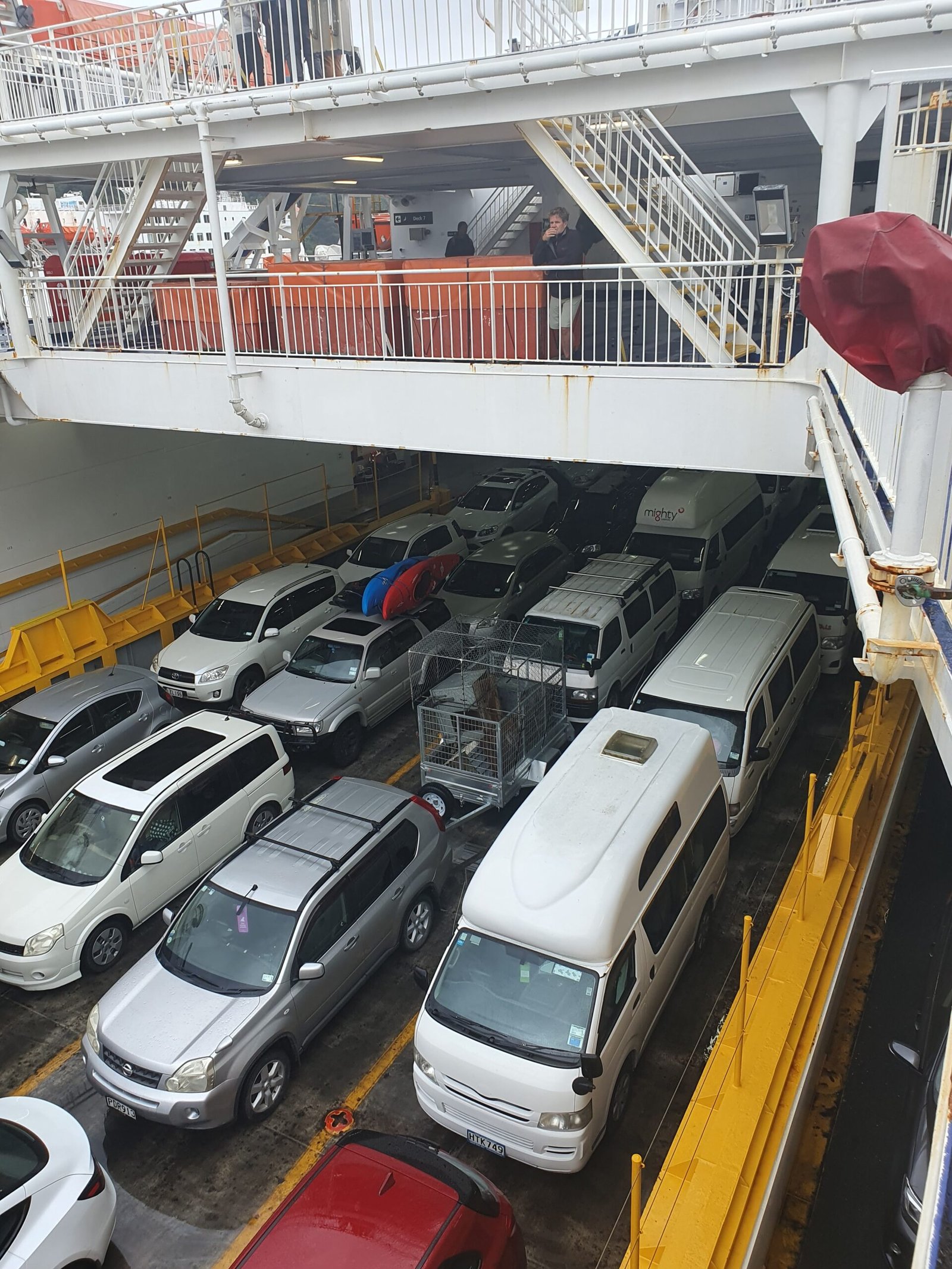
There's our trusty chariot waiting in line for the ferry to leave.
Once we got the campervan parked, we started to look for seats inside. The ferry was already pretty full, but we still managed to find a few more seats for our family. The kids spent the whole trip in the playroom watching cartoons, while us adults sat on the comfy armchairs near the playroom.
The ferry didn’t arrive in port until 8pm, so it was dark before we finally found our way to the campsite. We had to make a few extra turns on the way, as navigating in a big city with an offline map is not as easy as in small towns. Apparently the offline map doesn’t show every single intersection and roundabout lane, so a couple of times we got a bit lost. Fortunately, on both occasions the mistake was easy to fix, and we only drove a couple of extra kilometers.
When we arrived at the campsite, the reception had already closed. Marko found a box with an envelope addressed to us next to the reception door. There was the gate code, and the number of our parking space. In the evening, while setting the alarm clock, we discovered that it was the daylight saving time in New Zealand. Because we are on the other side of the equator, and everything here is backwards, New Zealand goes back an hour for wintertime. It’s the exact opposite of Finland. So now the time difference with Finland is only nine hours.
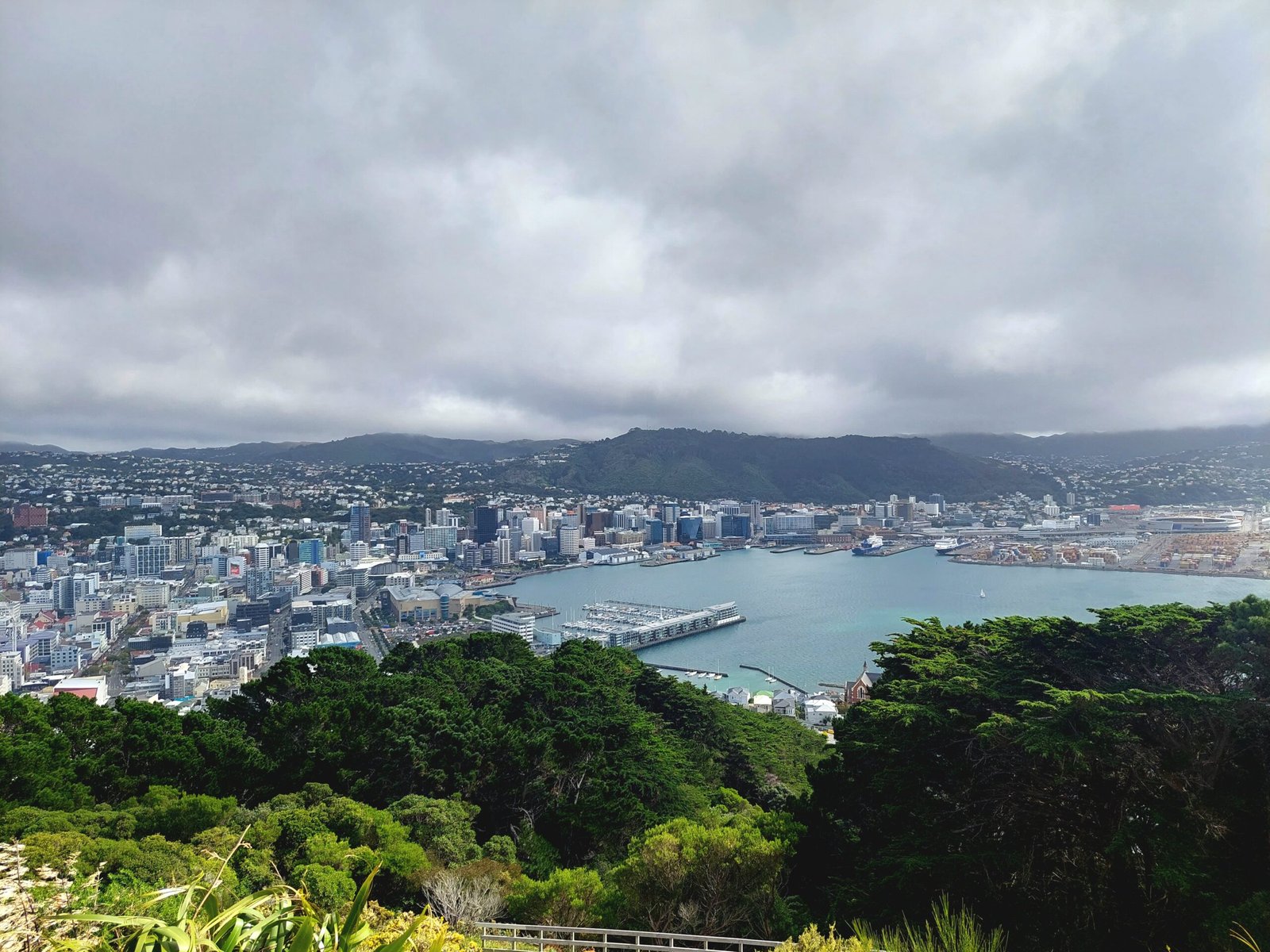
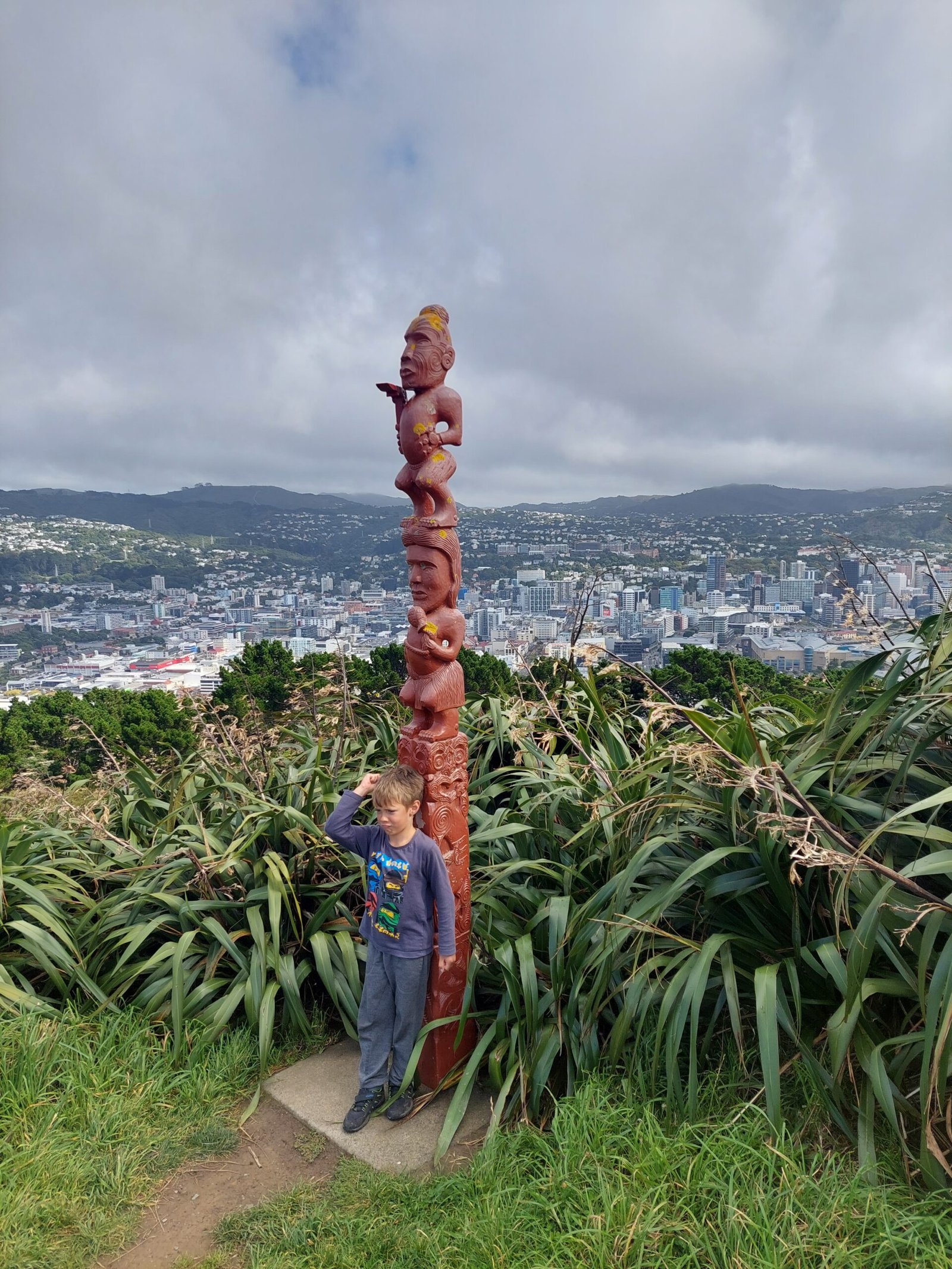
A view of Wellington city centre from the Mt. Victoria Lookout.
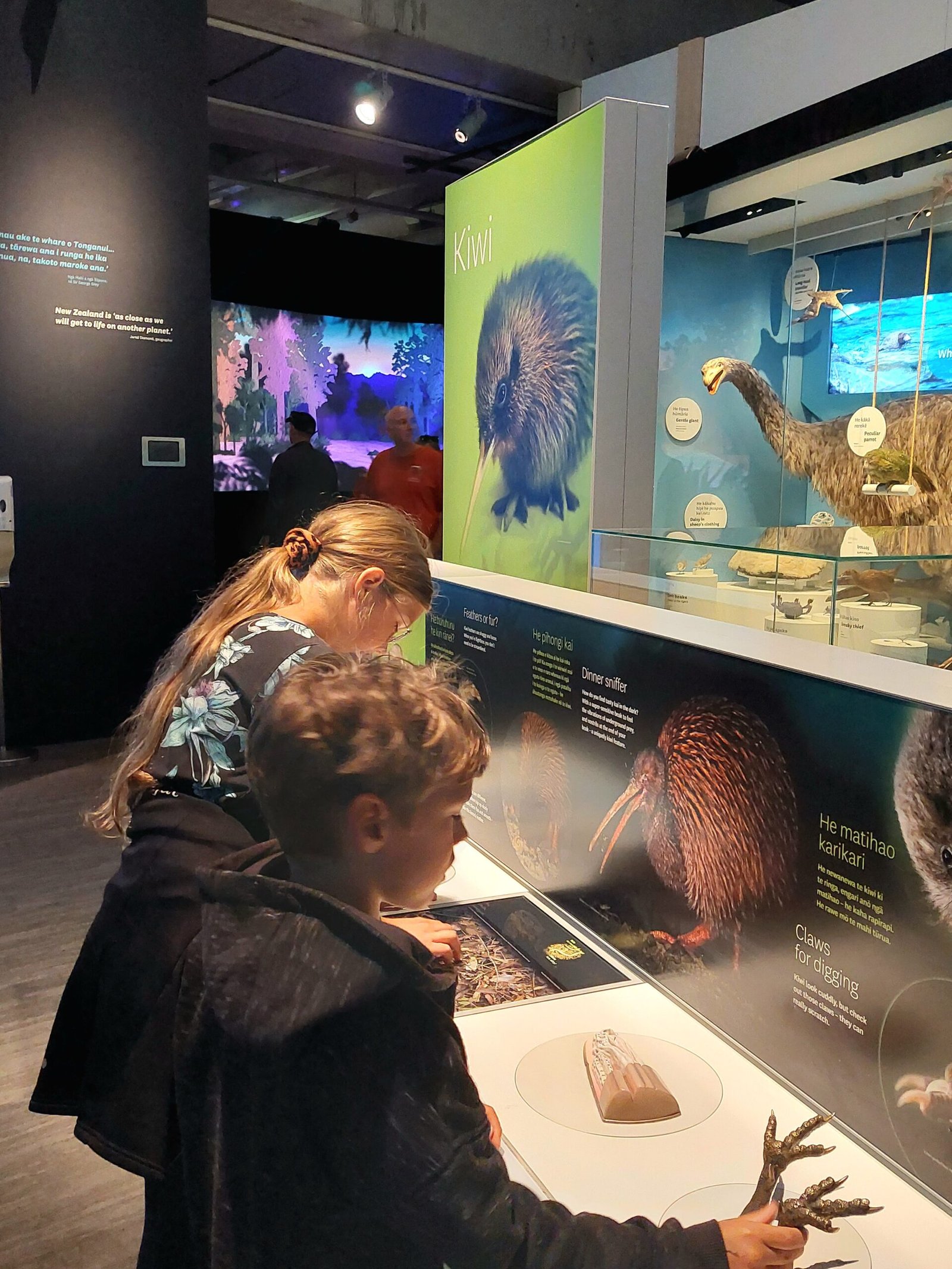
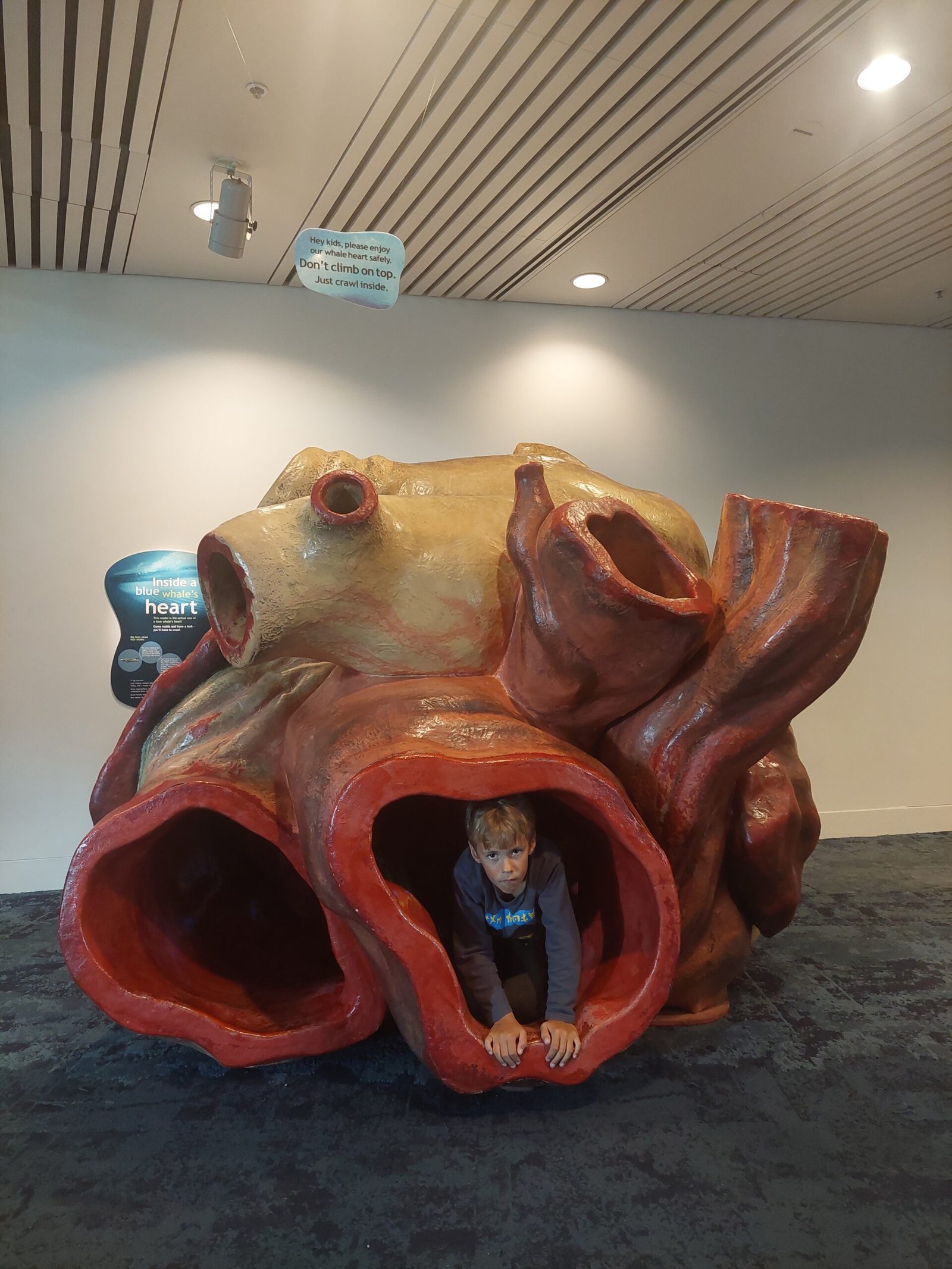
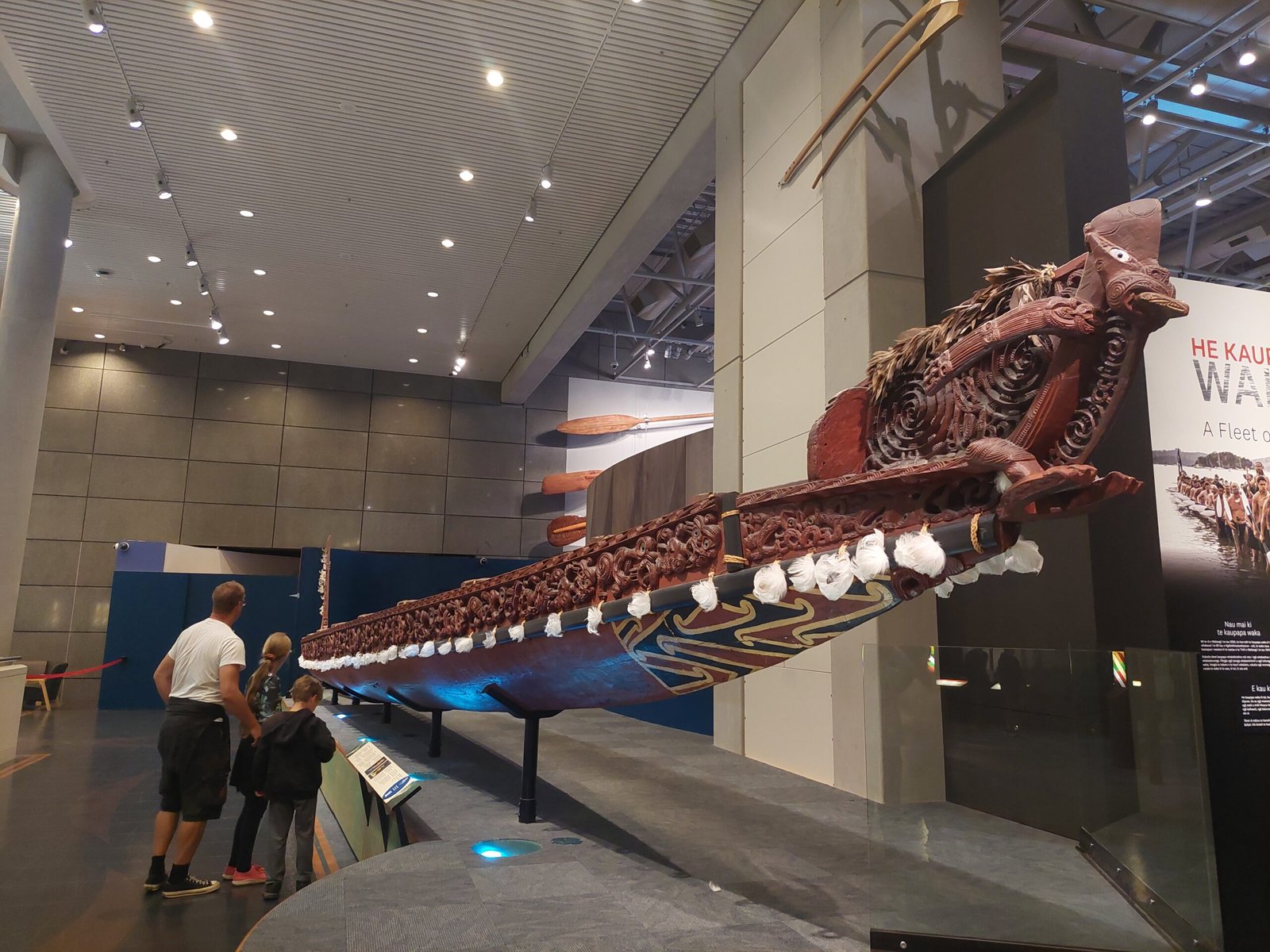
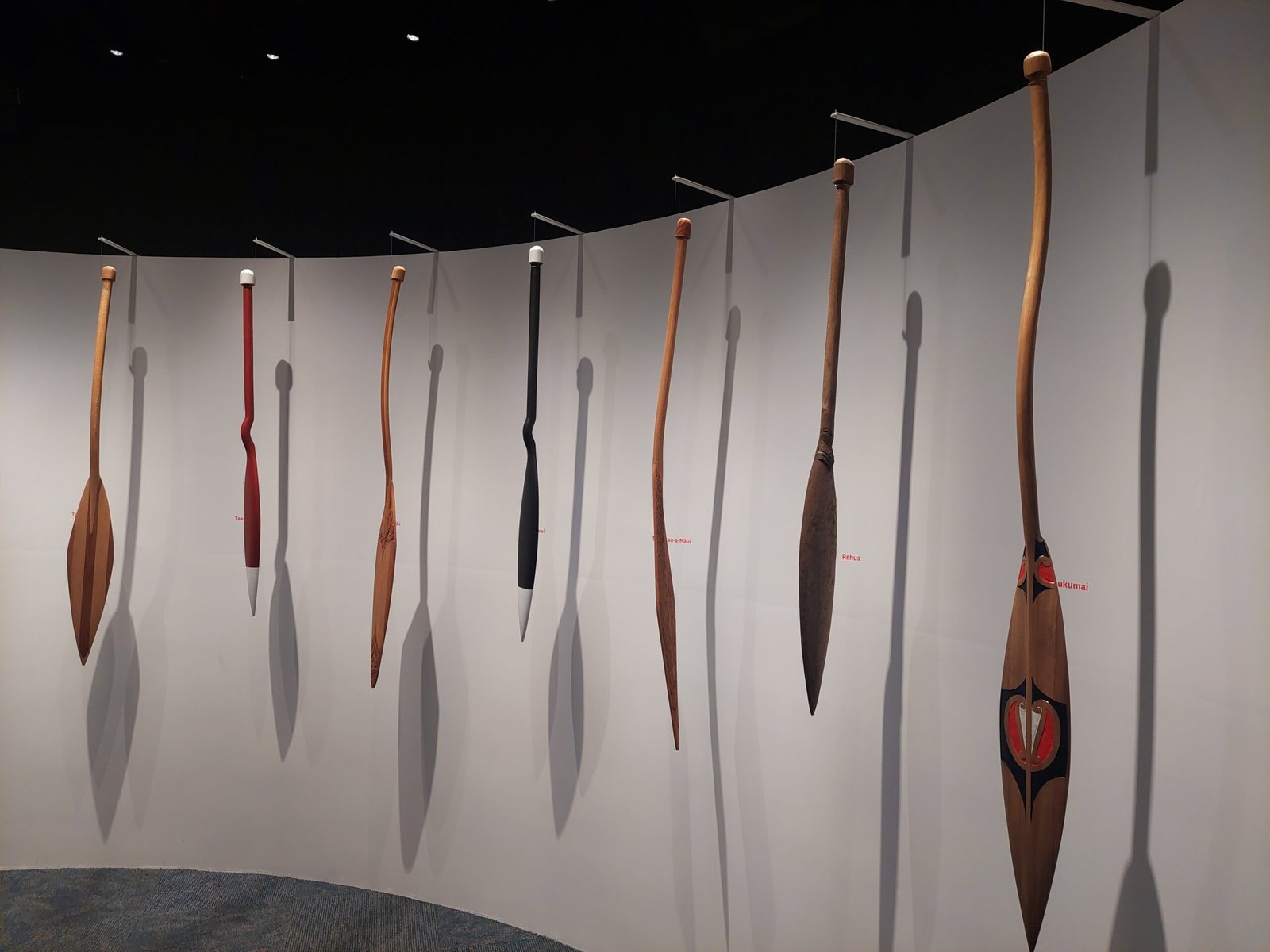
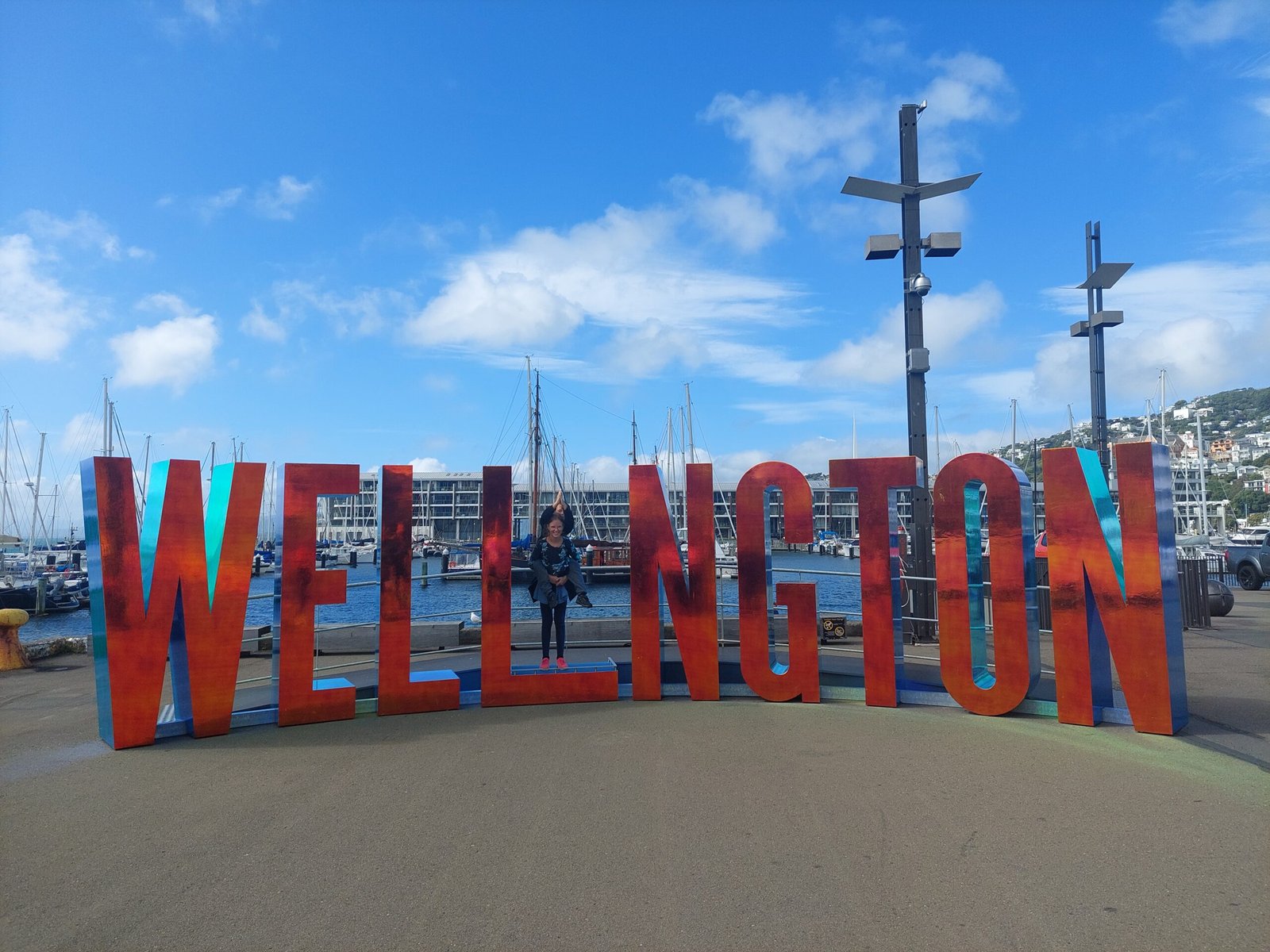
After breakfast, we drove to the Mt. Victoria Lookout, near the centre of Wellington. After that we planned to make a quick stop in the city centre, and then continue our journey. The views from the top of the hill were great, but a little cloudy. From the top of the hill, we noticed that there seemed to be some sort of market going on near the marina. After returning from the lookout, we drove to the marina to see what it was all about. First we went to visit New Zealand’s number one museum, Te Papa. Our original intention was just to go to the toilet there, but since the exhibitions were free, we decided to take the kids to the museum as well. Marko and Jaana had been to Te Papa on their previous visit to New Zealand, but didn’t remember how great it was! Kids don’t usually get excited about museum visits, but they loved Te Papa. All the exhibits we visited were really interactive. You could touch and try almost everything yourself.
"What's there to see? Nothing. I'm not going all the way up there."
Learning about Kiwis in the natural history exhibit.
This eagle once preyed on small children.
The way to the (life-size) blue whale's heart is through blood vessels.
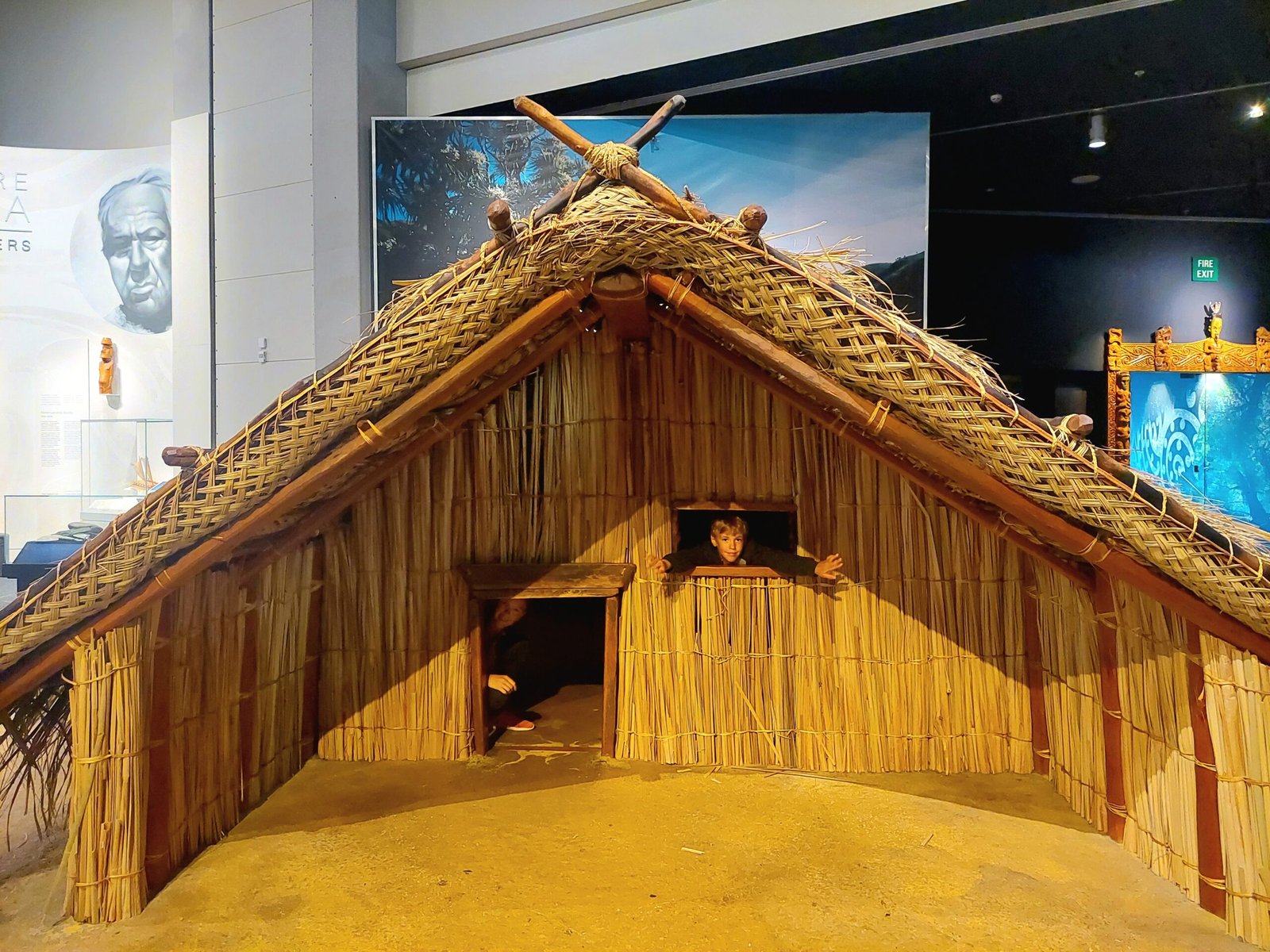
Exploring the Maori exhibit.
After the museum visit, we continued to the marina. Since we were getting hungry we bought spring rolls, pork dumplings and chicken and meat rolls from a Cambodian food stall at the Sunday food market. For dessert, Jaana and the kids bought some Dutch pancakes. Stomachs full, we finally got to continue our journey towards our next stop, Rotorua. It was a 5,5h drive, so with one stop in Taupo, we arrived at 8:30 in the evening. Since we were in the wintertime now, we drove the last couple of hours in the darkness. Fortunately, our car has pretty good lights.
We knew we had arrived in Rotorua when we started to smell a rotten egg. Rotorua is a very active geothermal area, so the smell of sulphur is unfortunately unavoidable there. Fortunately, our campsite was far enough from the most active geothermal areas, as the air was quite fresh there.
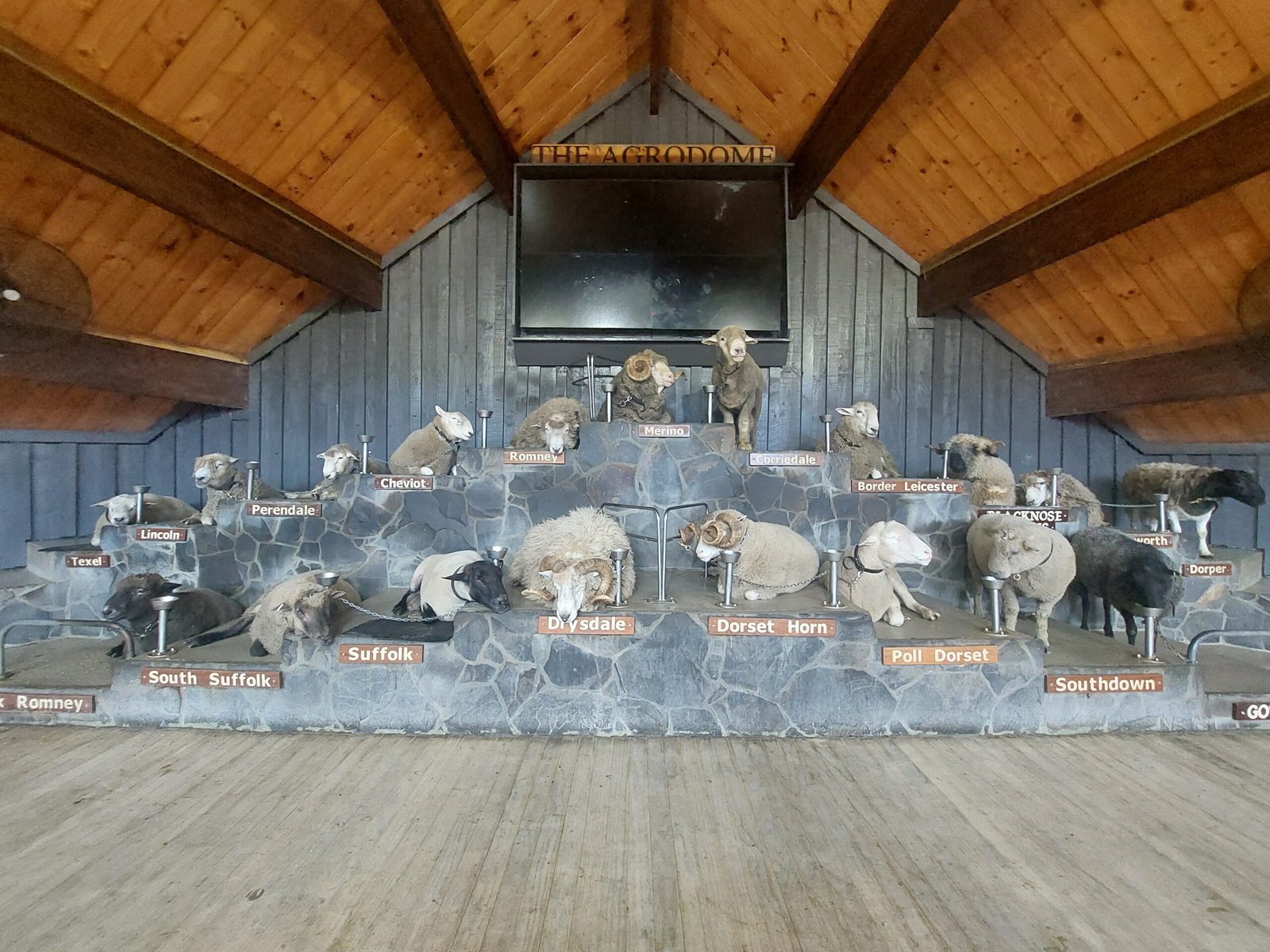
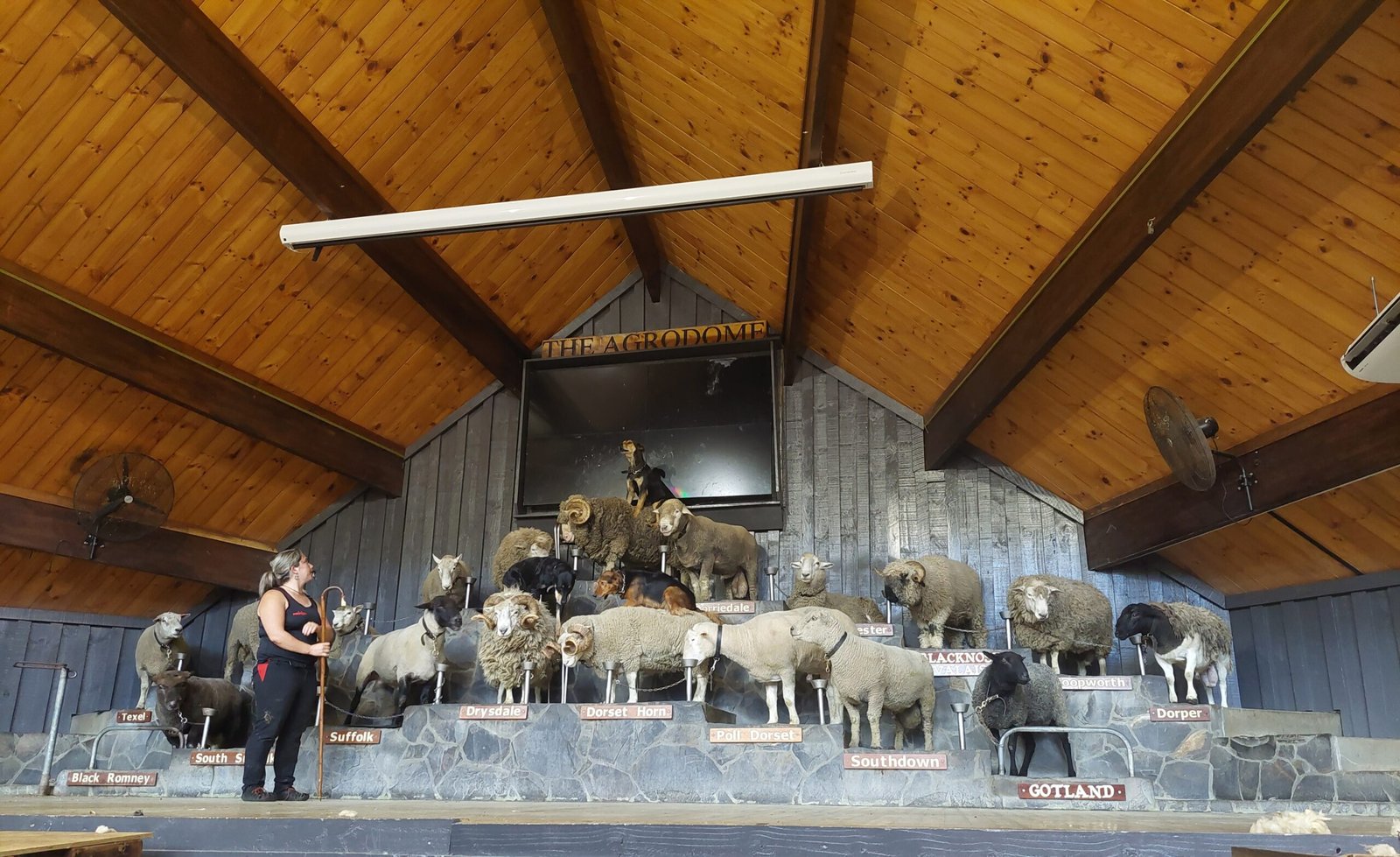
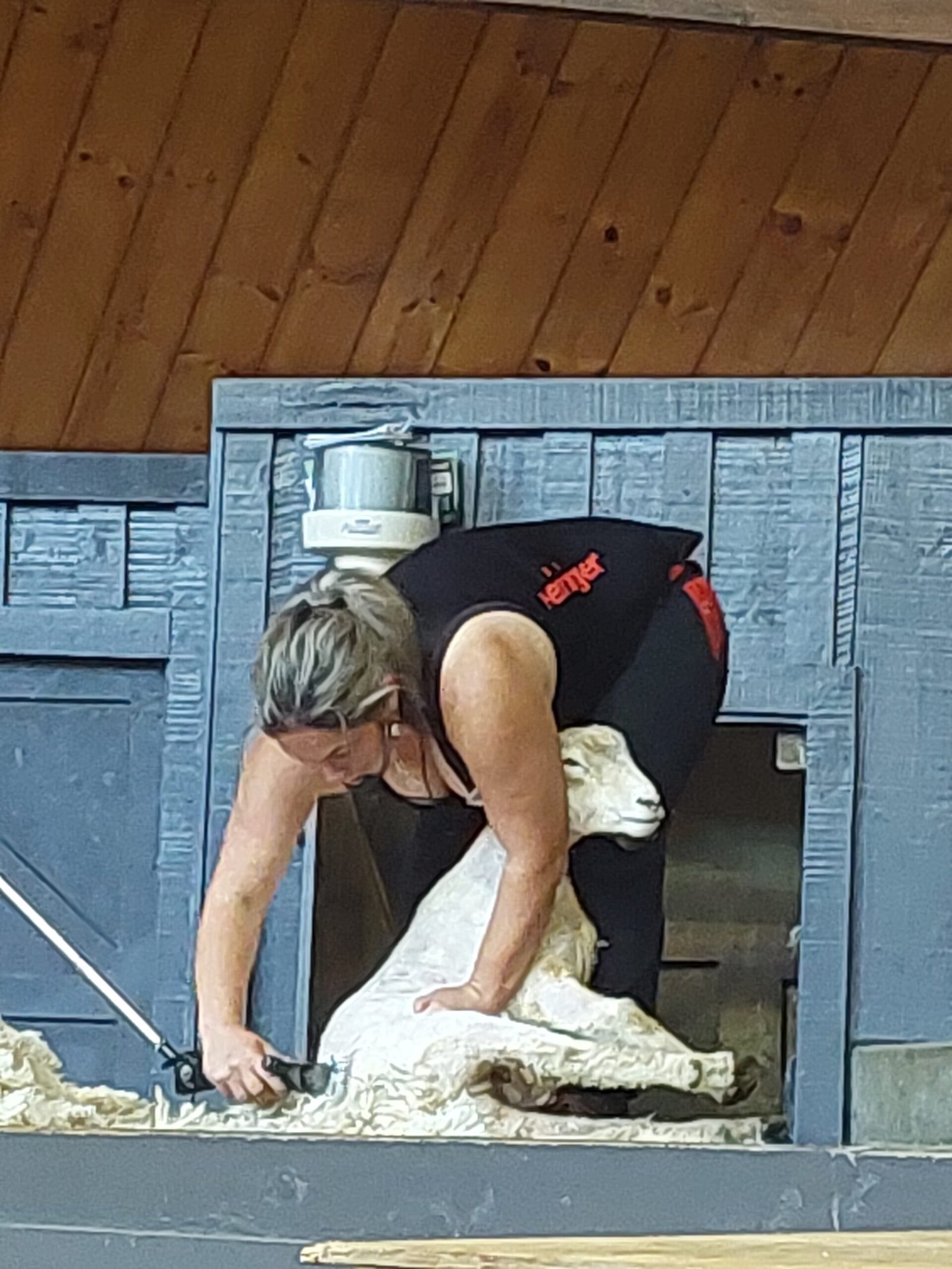
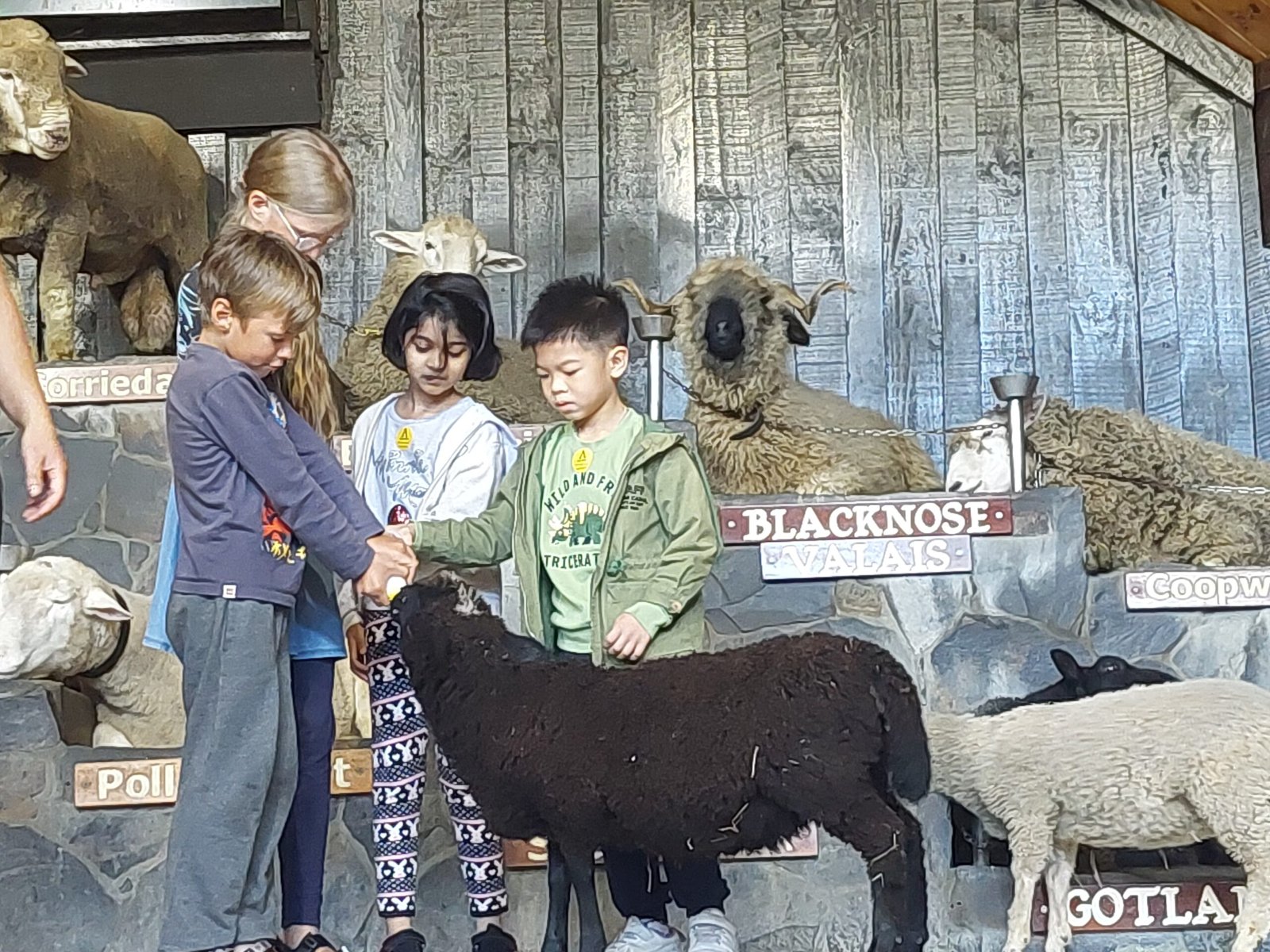
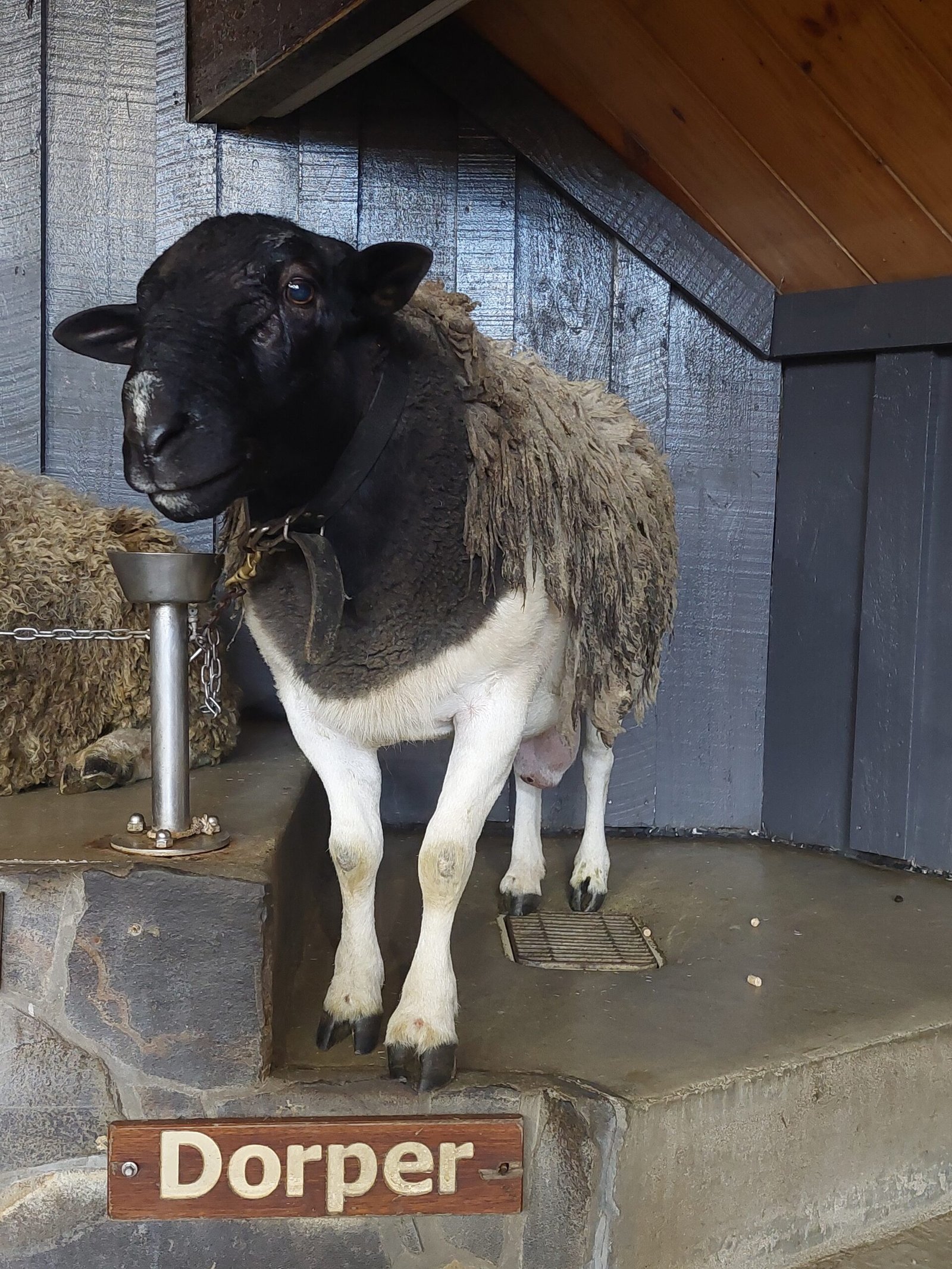
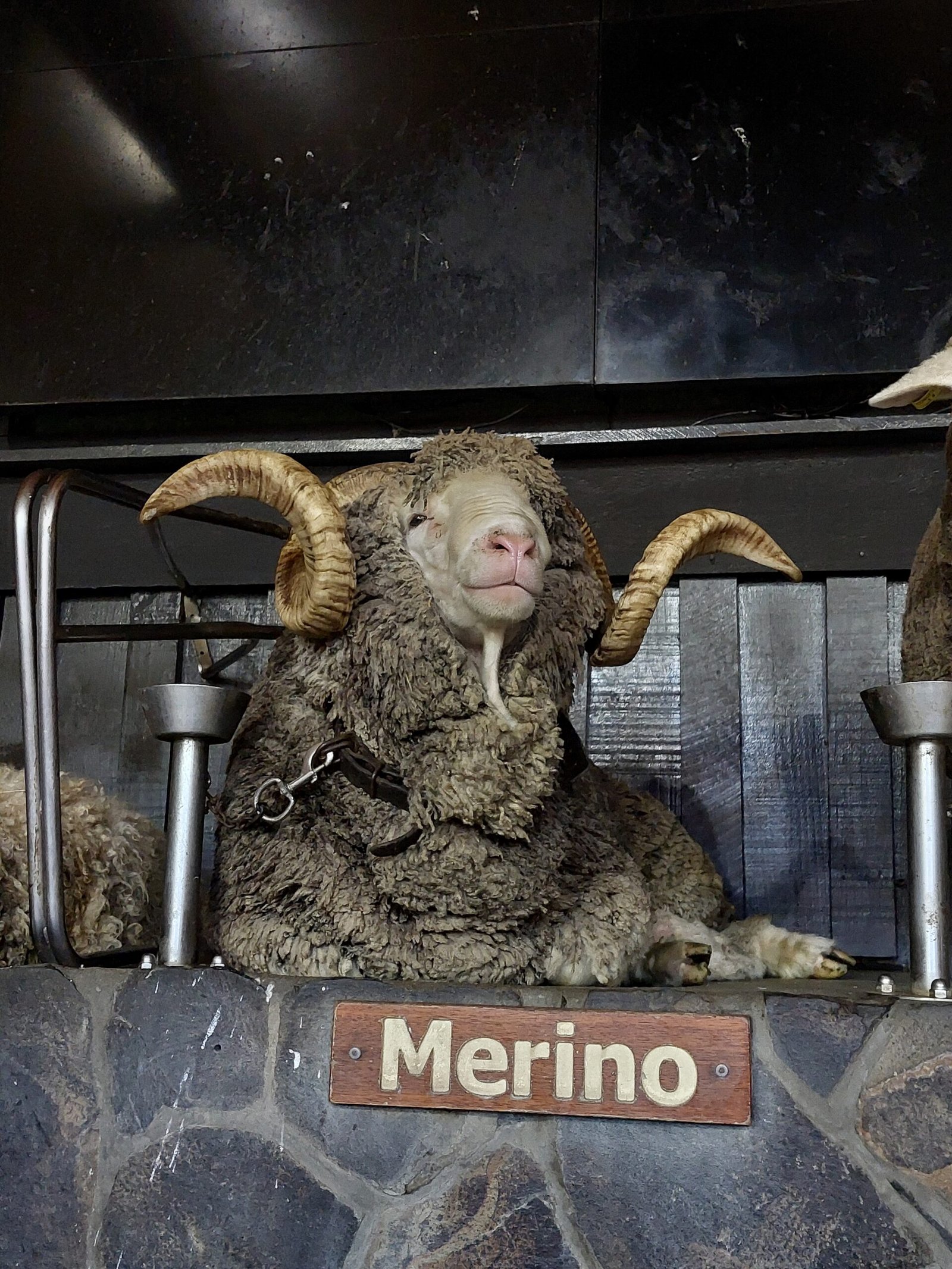
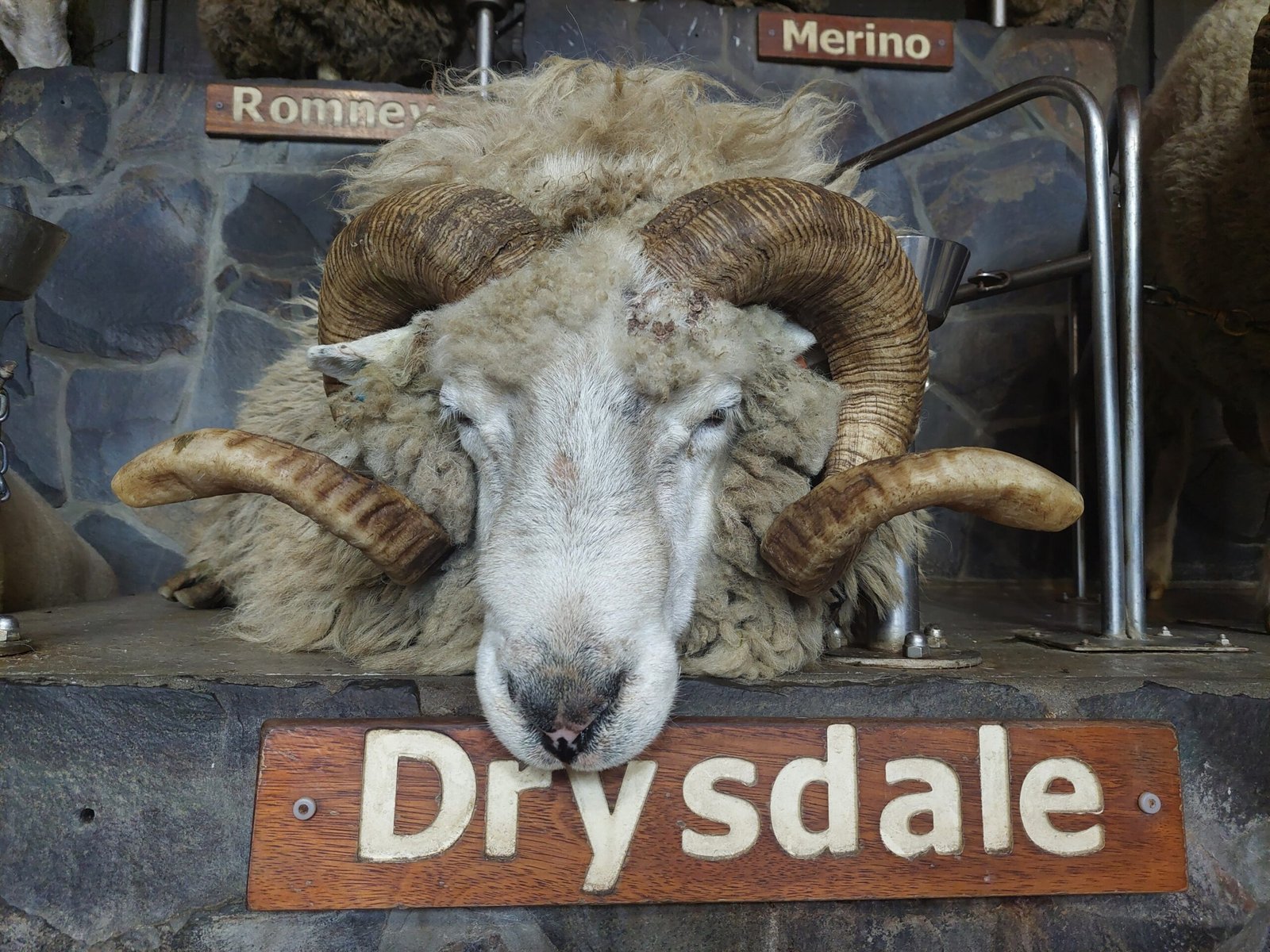
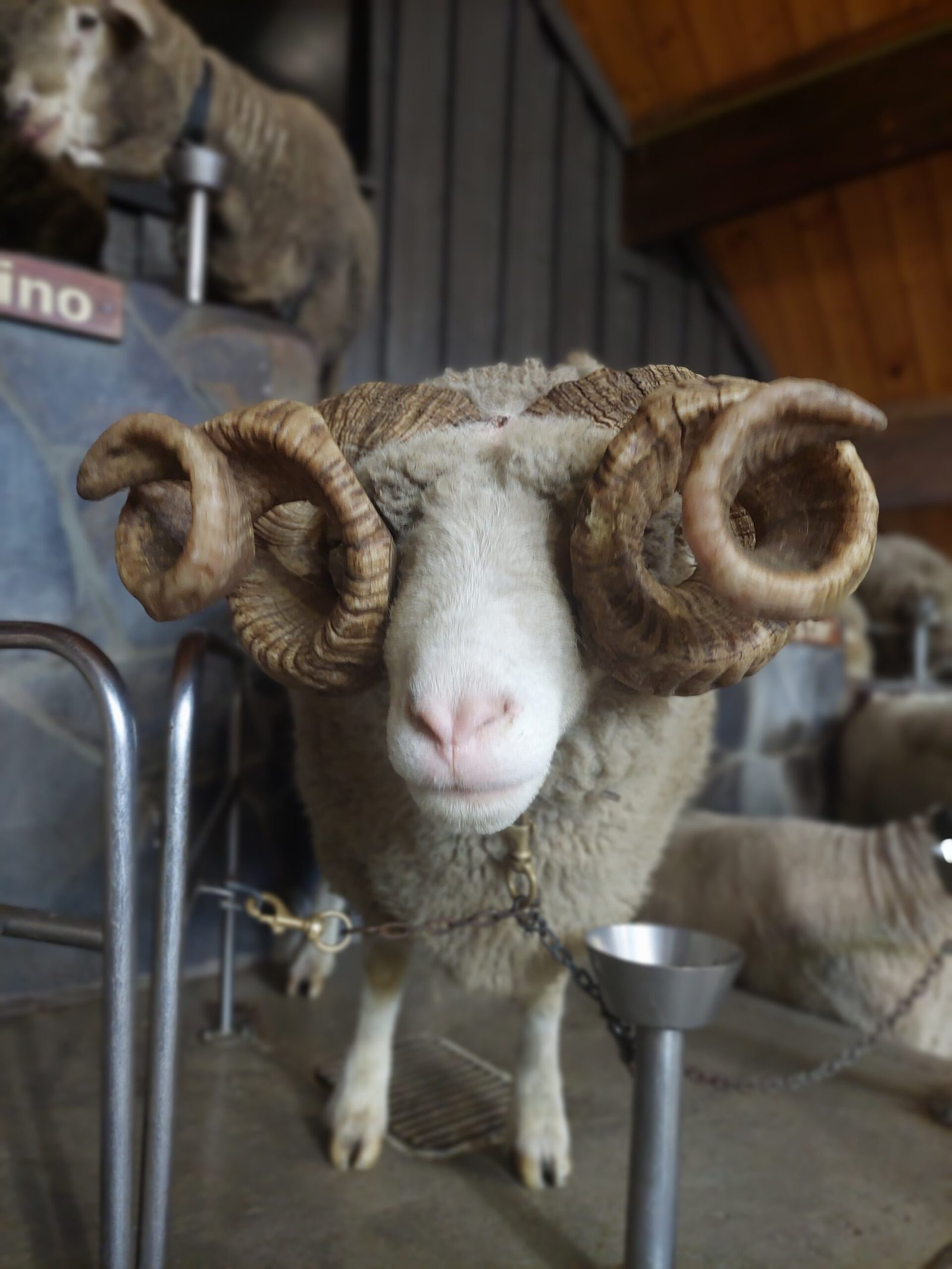
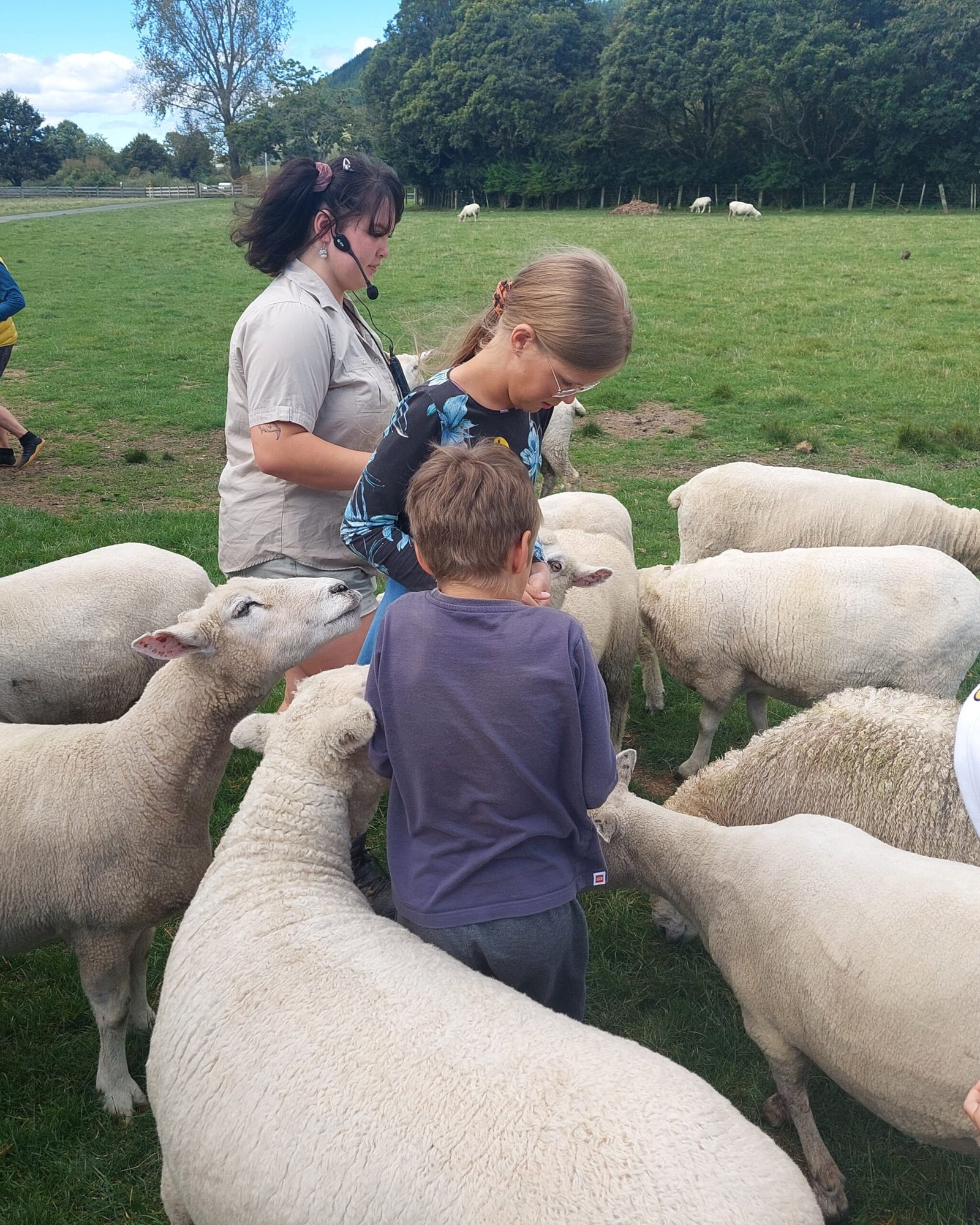
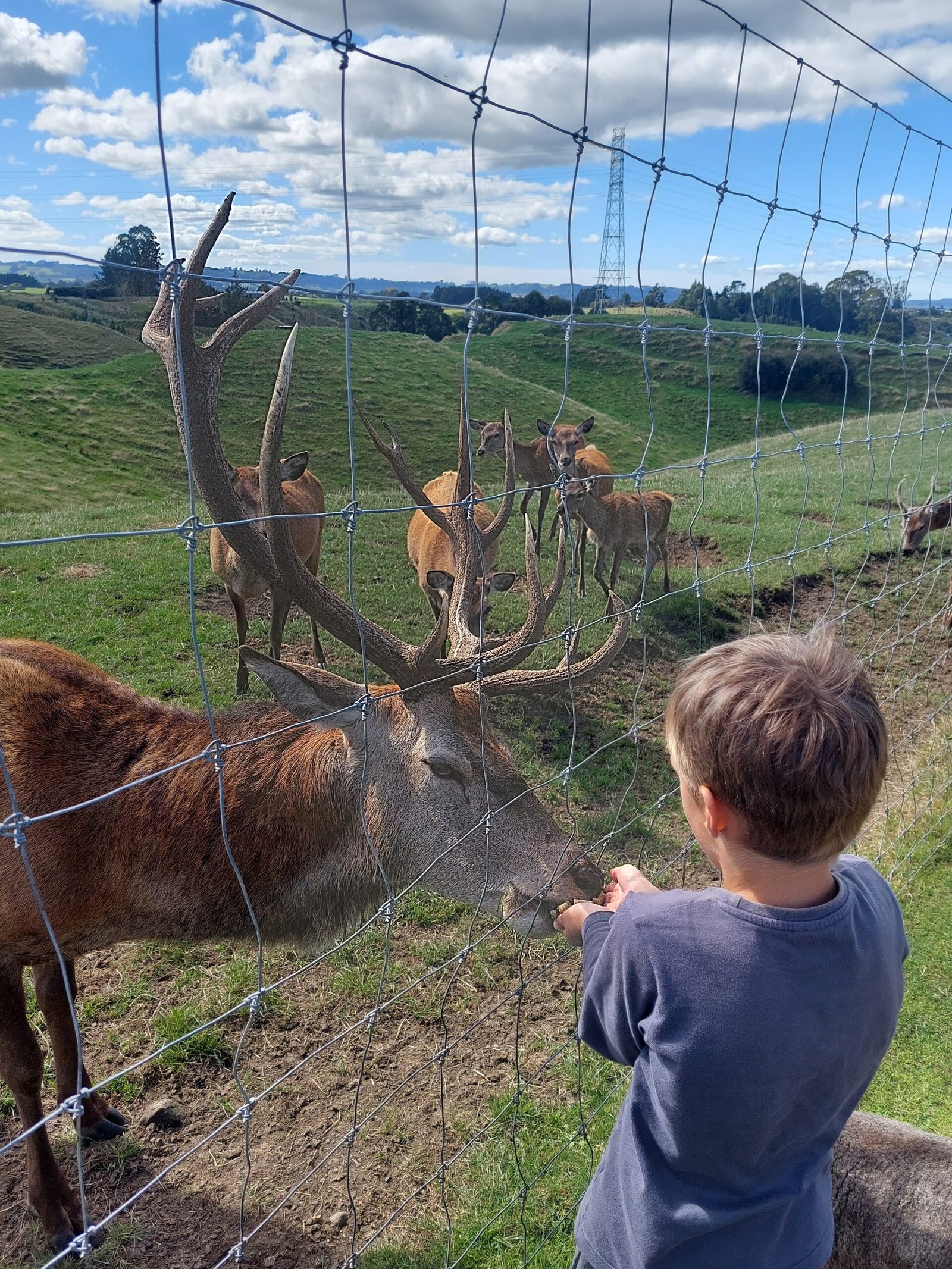
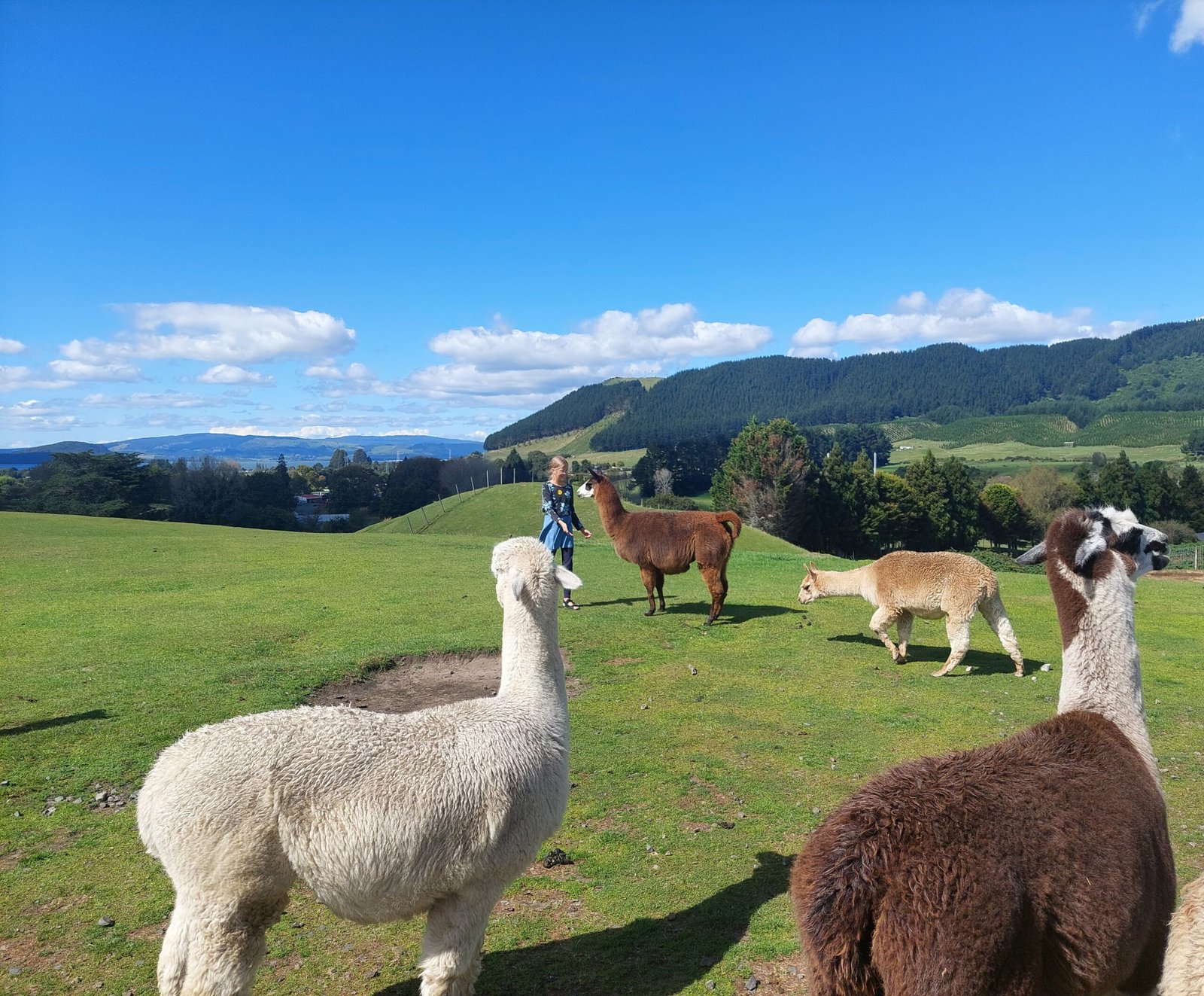
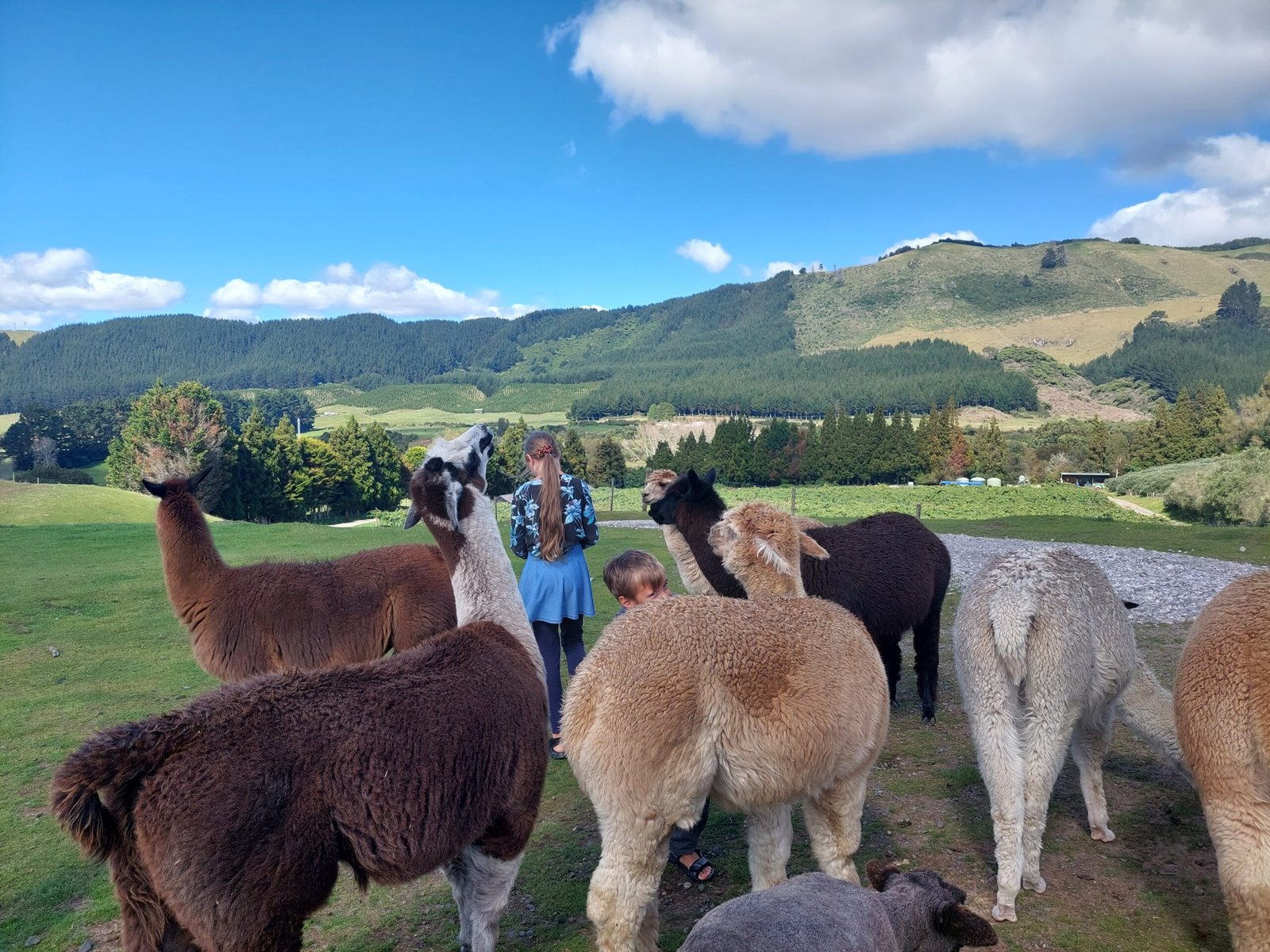
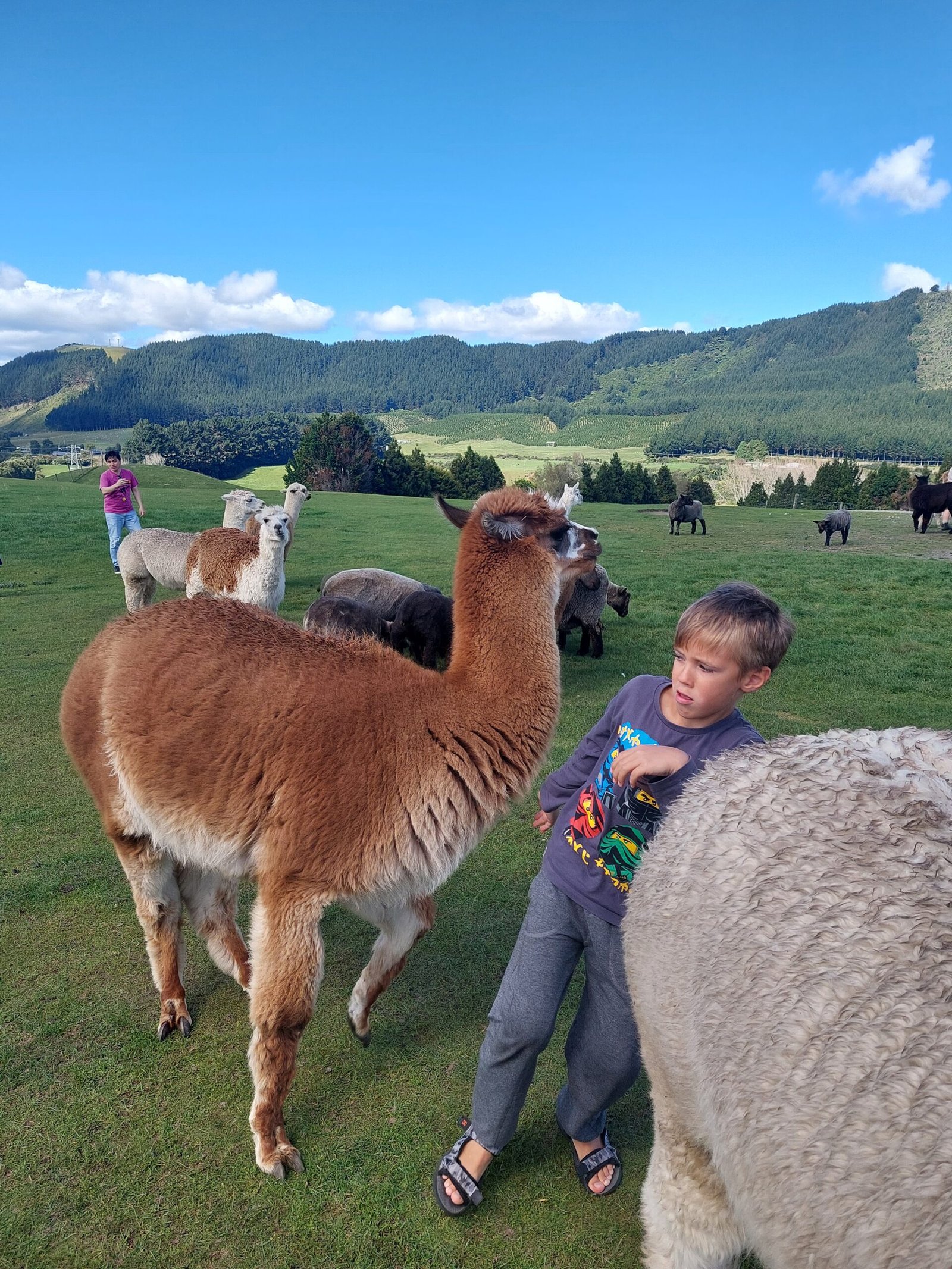
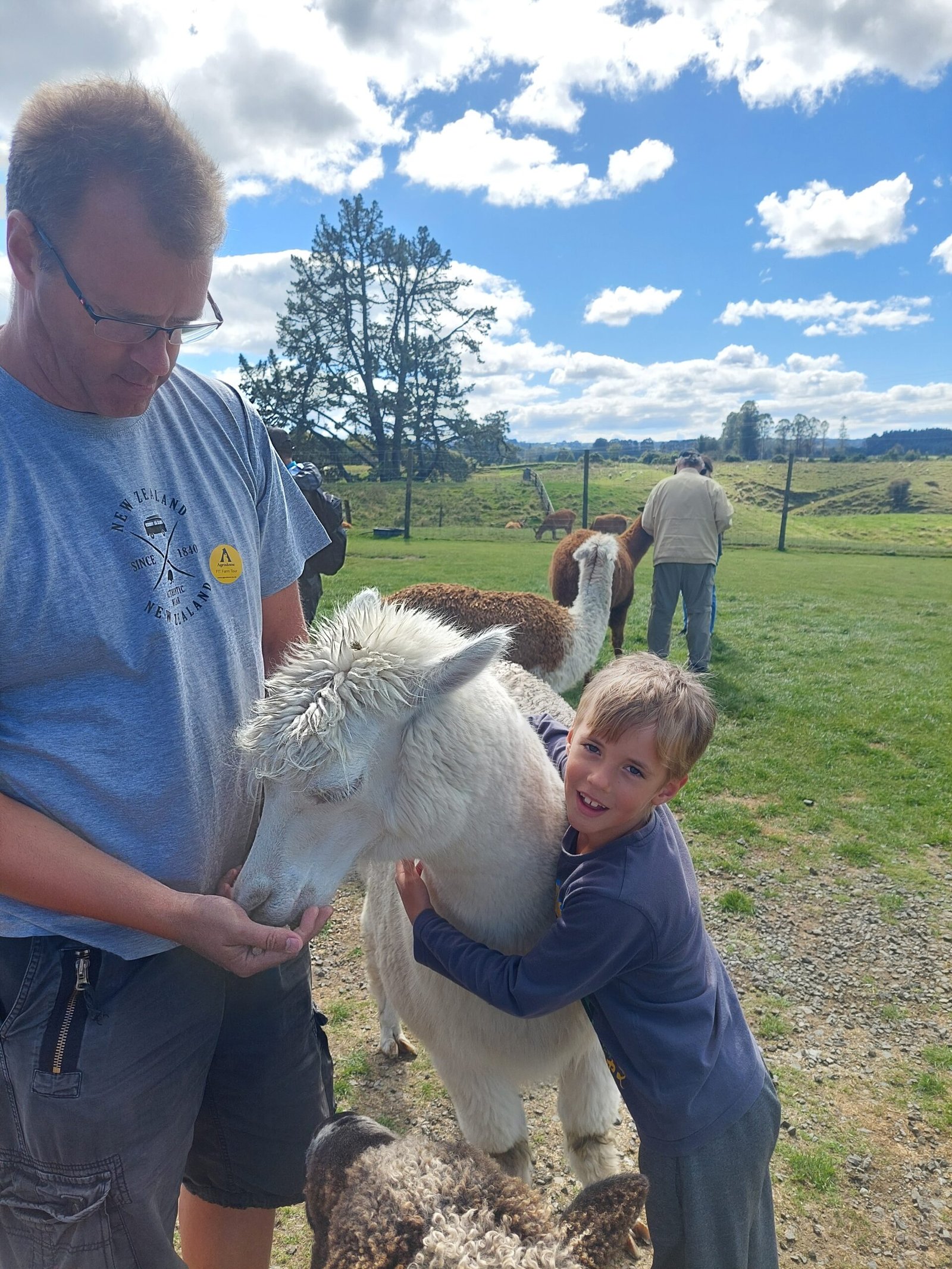
On our first day in Rotorua we went to visit a farm called Agrodome. There we watched a show where we were introduced to different breeds of sheep, sheep shearing (did you know that the world record for shearing is 13 seconds!) and shepherd dogs. The children also got to feed little lambs, while some adults got to milk a cow. After the show, we were taken on a tour to the farm fields, where we got to feed more sheep and some alpacas too.
A comprehensive overview of the different breeds of sheep.
Sheepdogs can also apparently ride sheep.
Sheep shaving is still a handicraft.
Children feeding children.
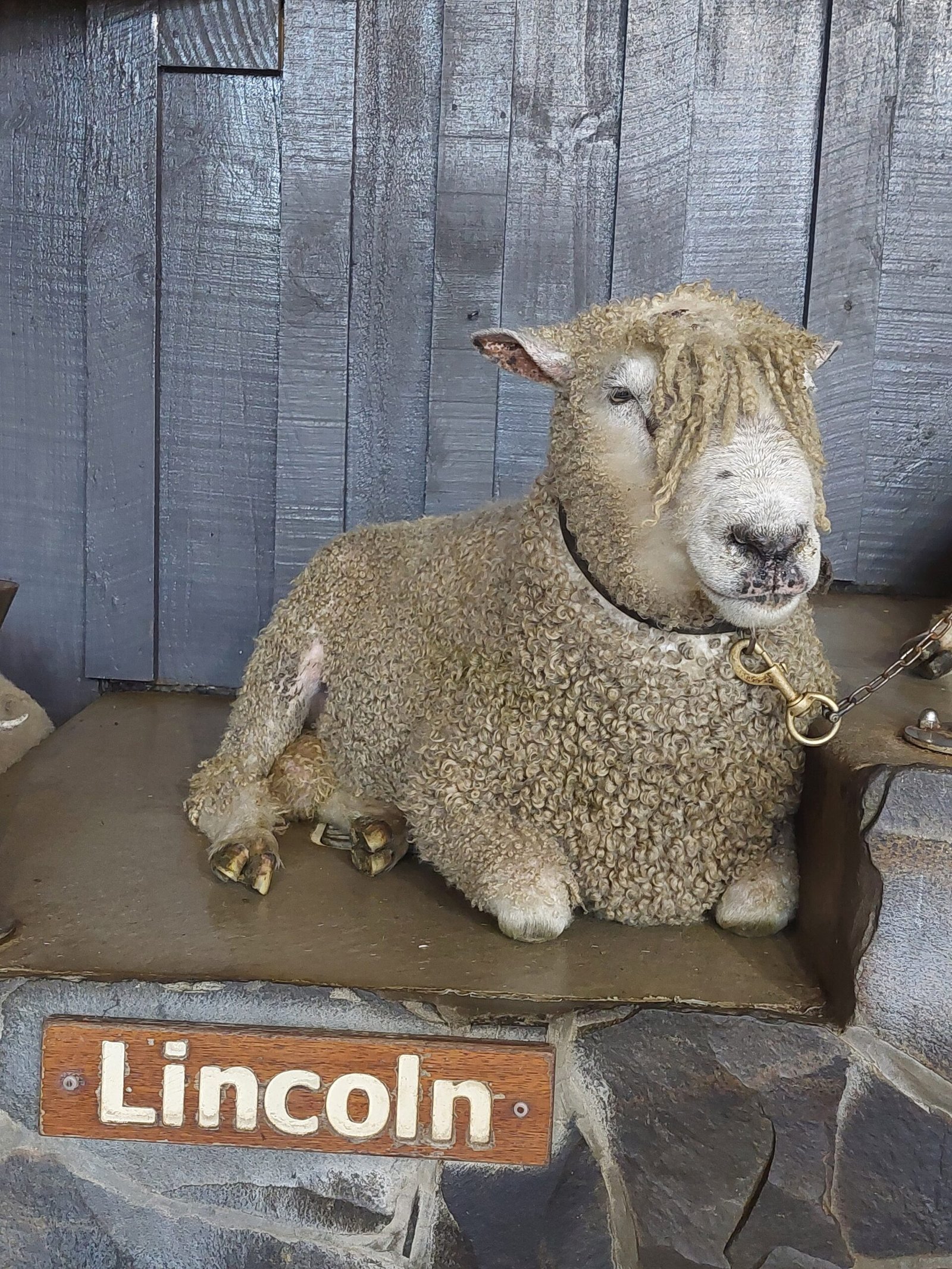
This guy was dubbed as looking like Trump when his "hair" was combed to the side.
These sheep were hungry.
They also raised deer on the farm.
Alpaca whisperers R & R Aho
This alpaca tried to whisper in Risto's ear.
The whole programme at the farm was really well organised. The hour-long show contained just the right amount of humour and lots of information. We now know that there are about 28 000 000 sheep in New Zealand, six for every local. We can also tell the difference between a few sheep breeds. We also learnt that the dorper breed of sheep, which originates from South Africa, doesn’t need to be sheared at all as it sheds its own hair every year. Merino sheep get a haircut once a year, other breeds a couple of times a year.
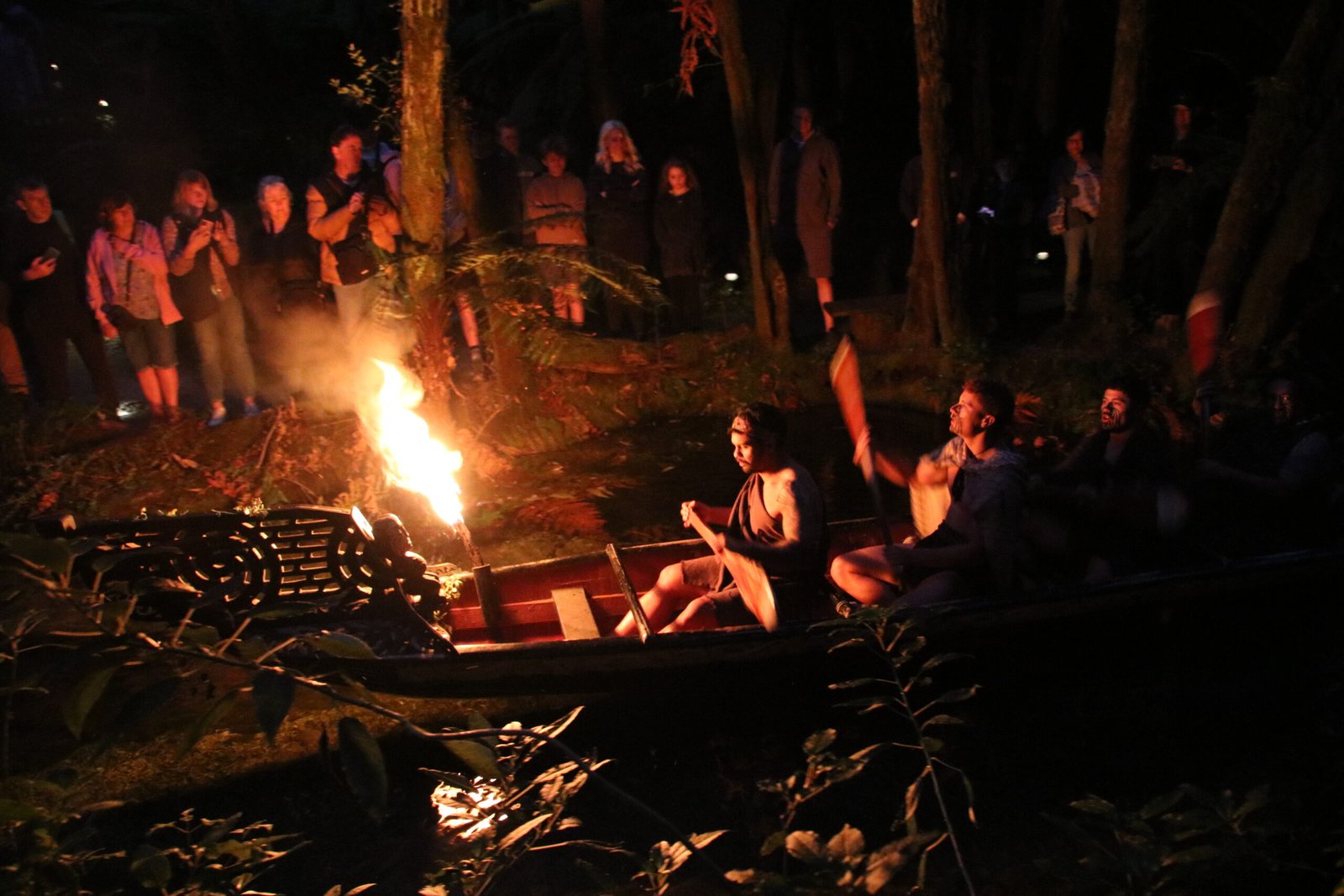
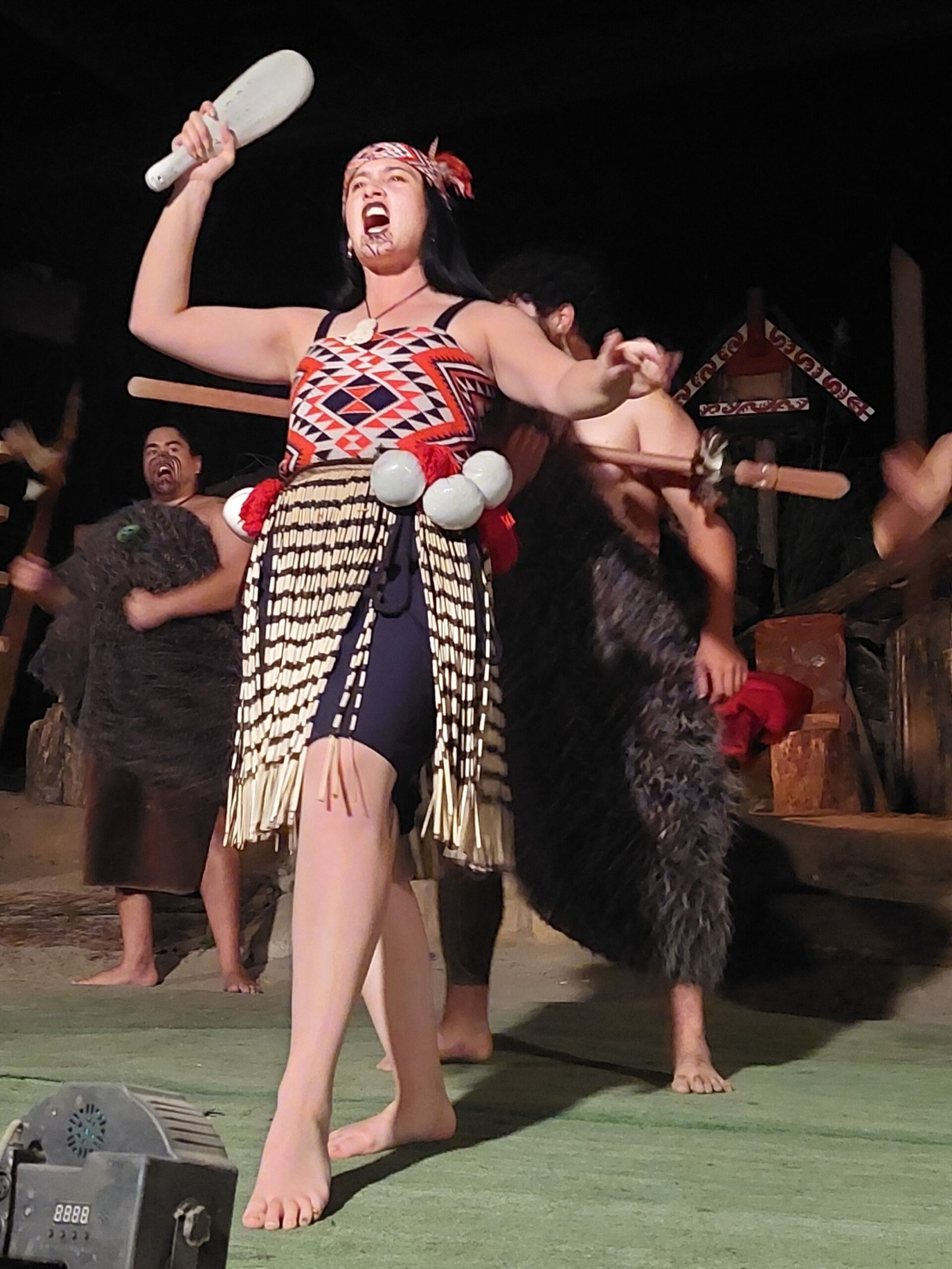
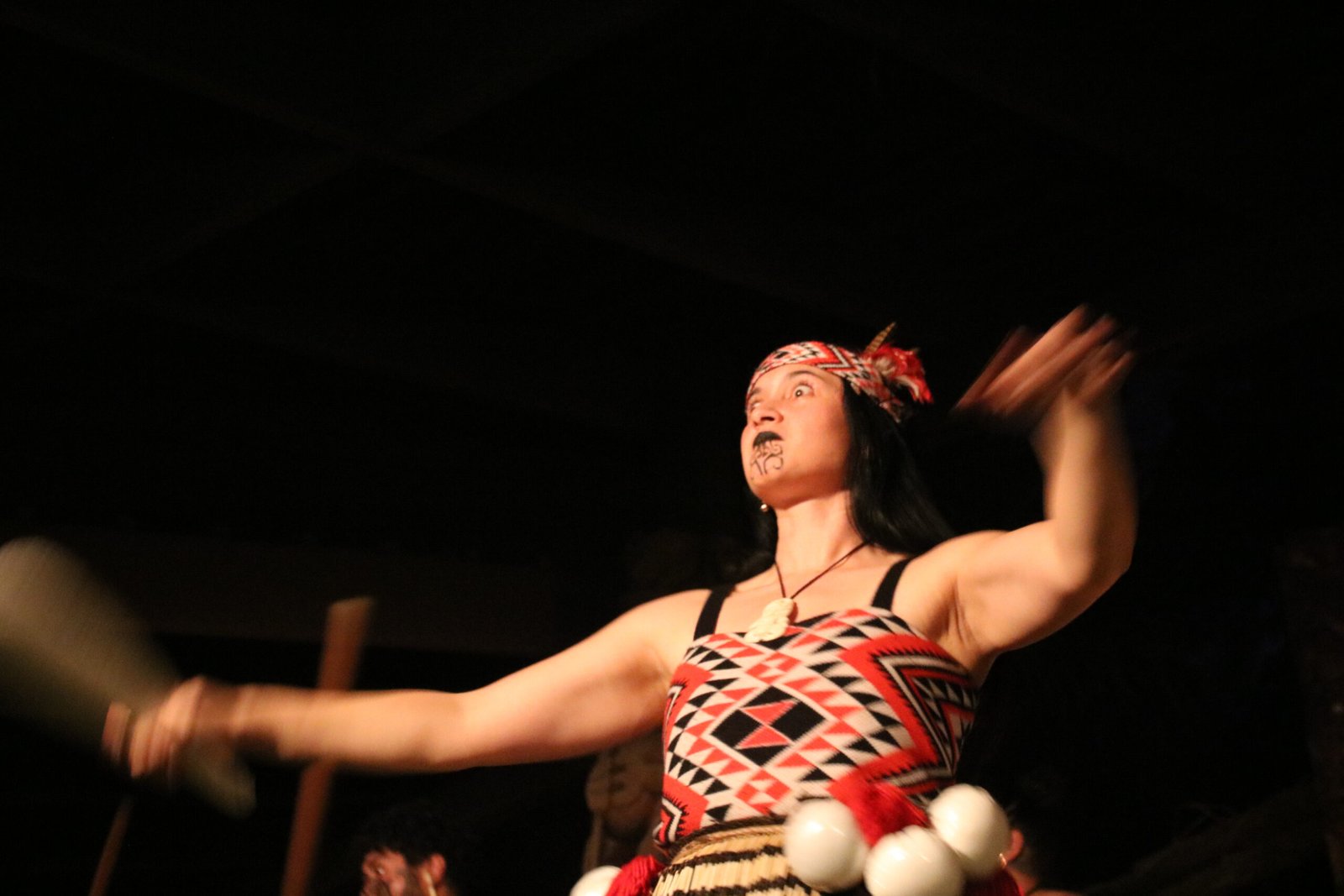
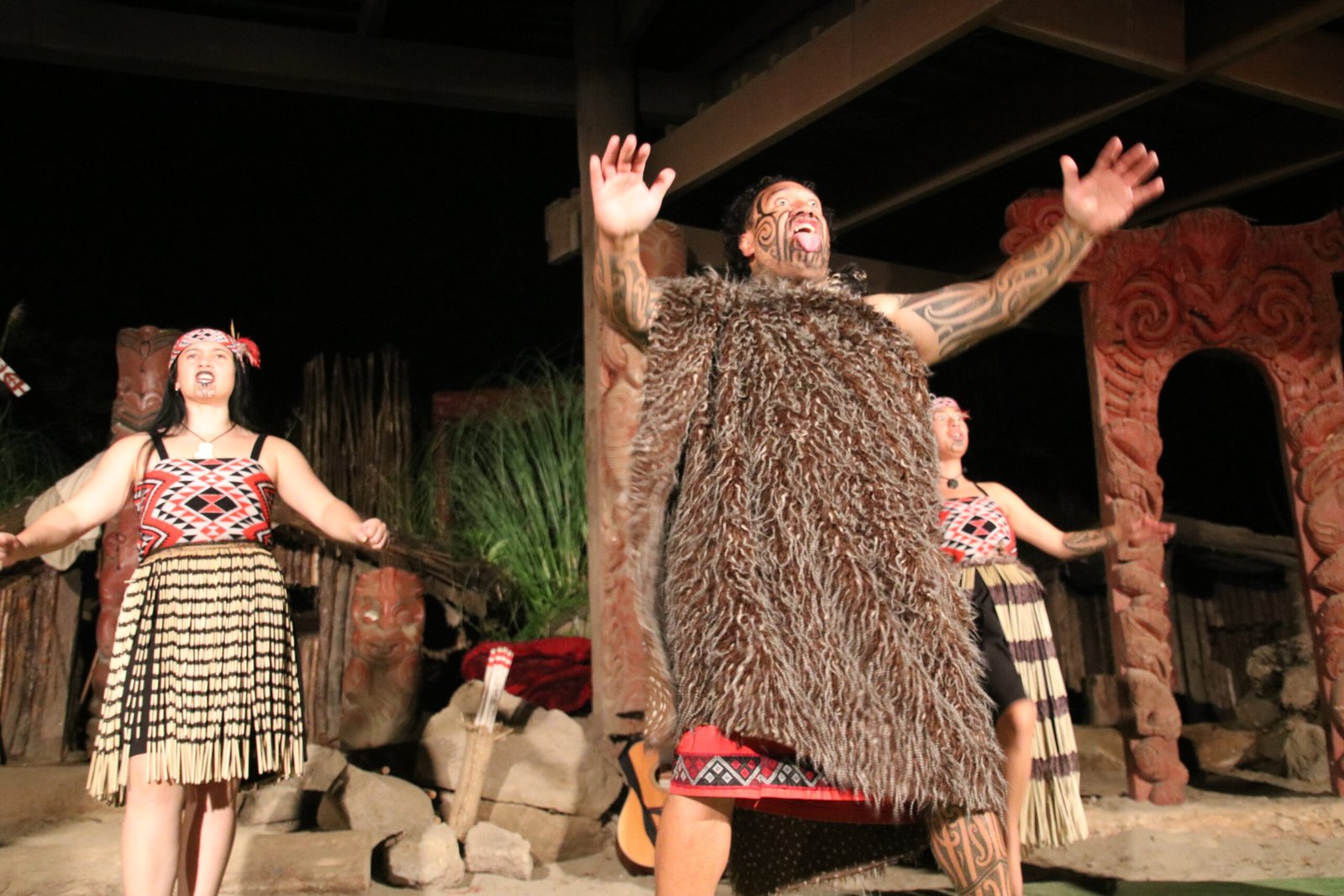
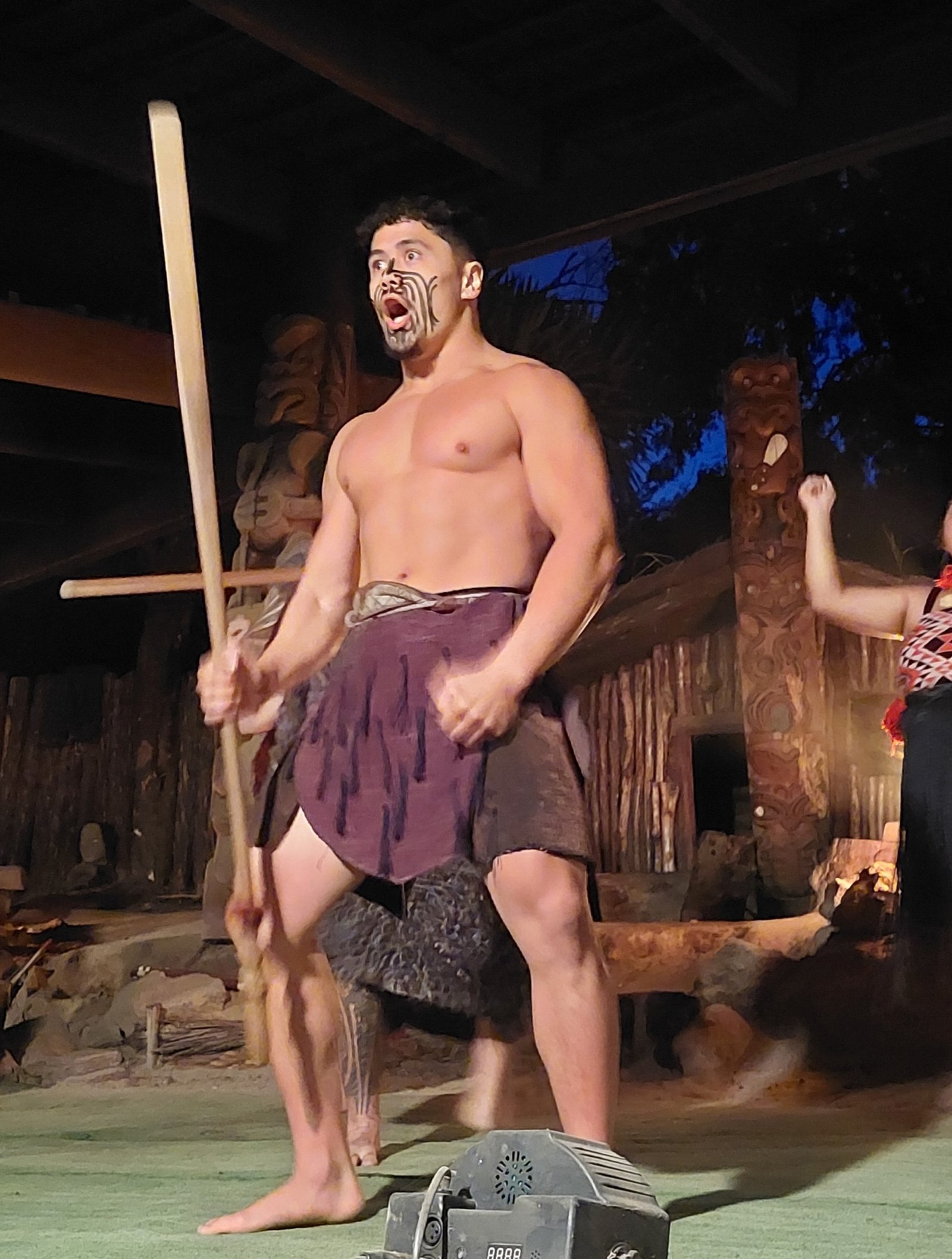
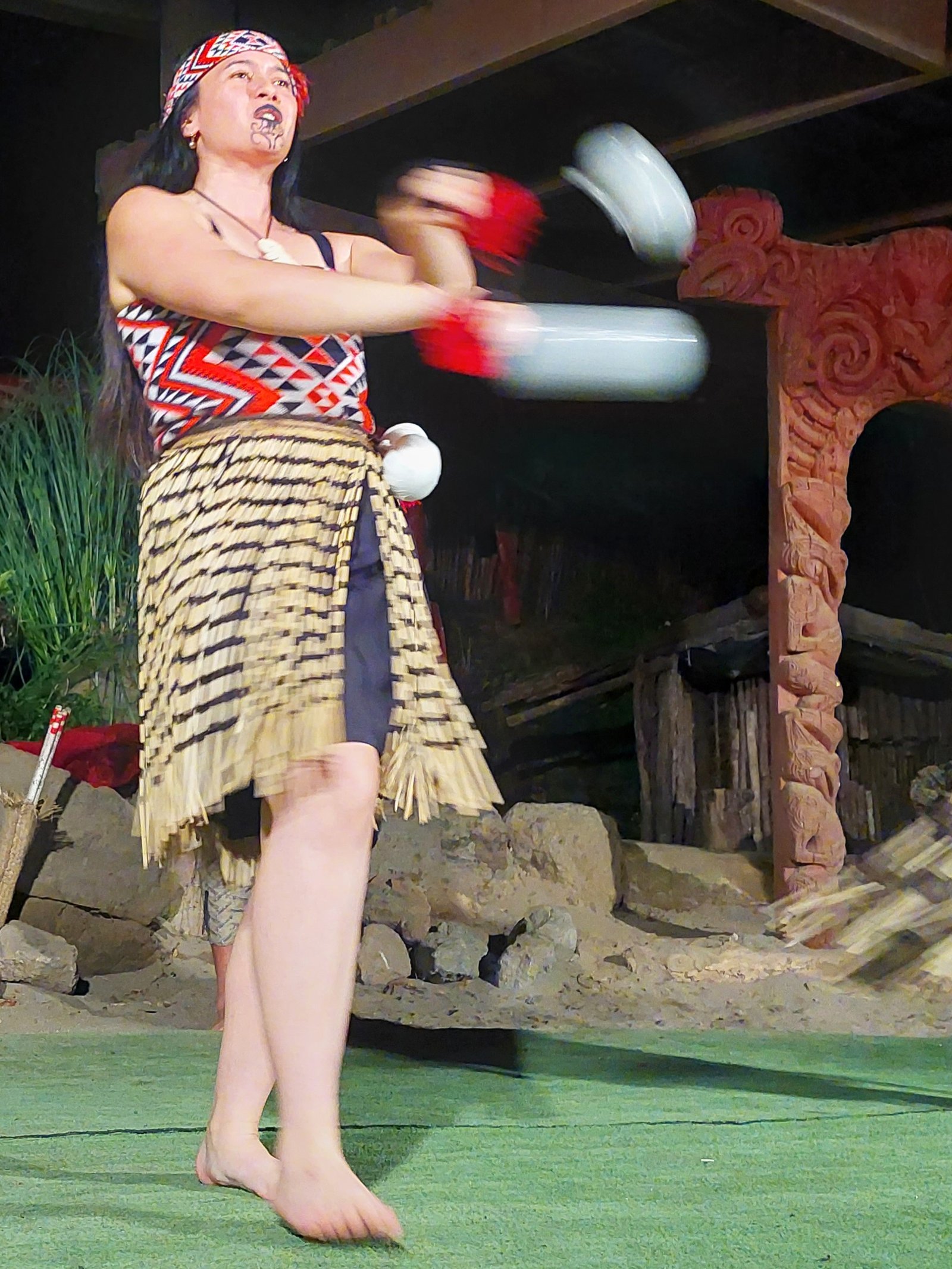
From the farm we went to the playground and to have something to eat in the centre of Rotorua. From the city centre we went to the Mitai Maori village for the evening. It was a three hour visit, during which we watched the Maori men arrive by canoe (waka) along the river. Afterwards we participated in a meeting ceremony where the tribal chiefs offer each other a peace offering (leaf, feather, etc.) which the other chief must politely accept. During this ceremony, tribal members intimidate each other by shouting, threatening with spears, rolling their eyes and showing their tongues. It is important not to laugh or show fear of another tribe during the ceremony.
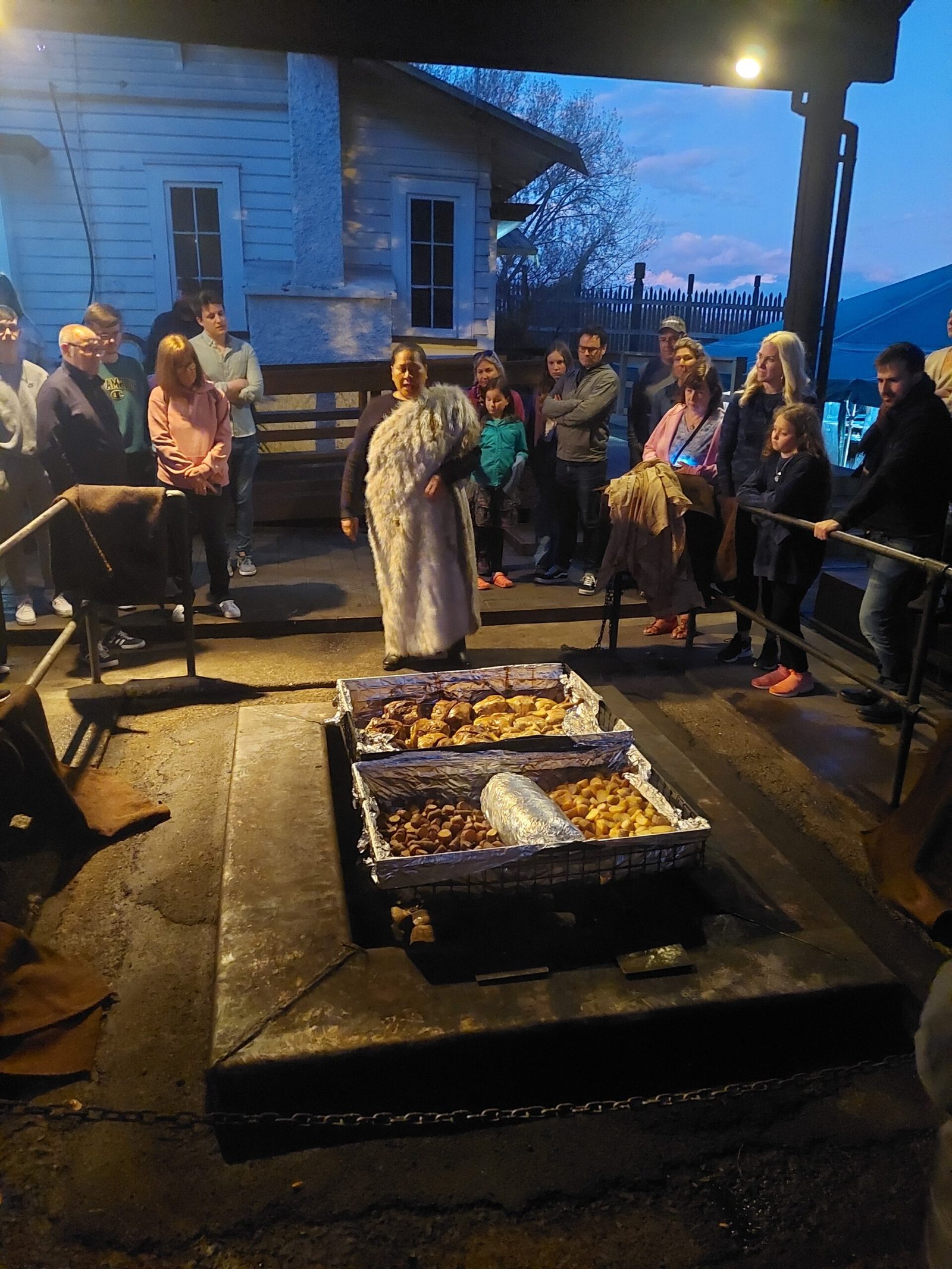
A hangi made in an earth oven.
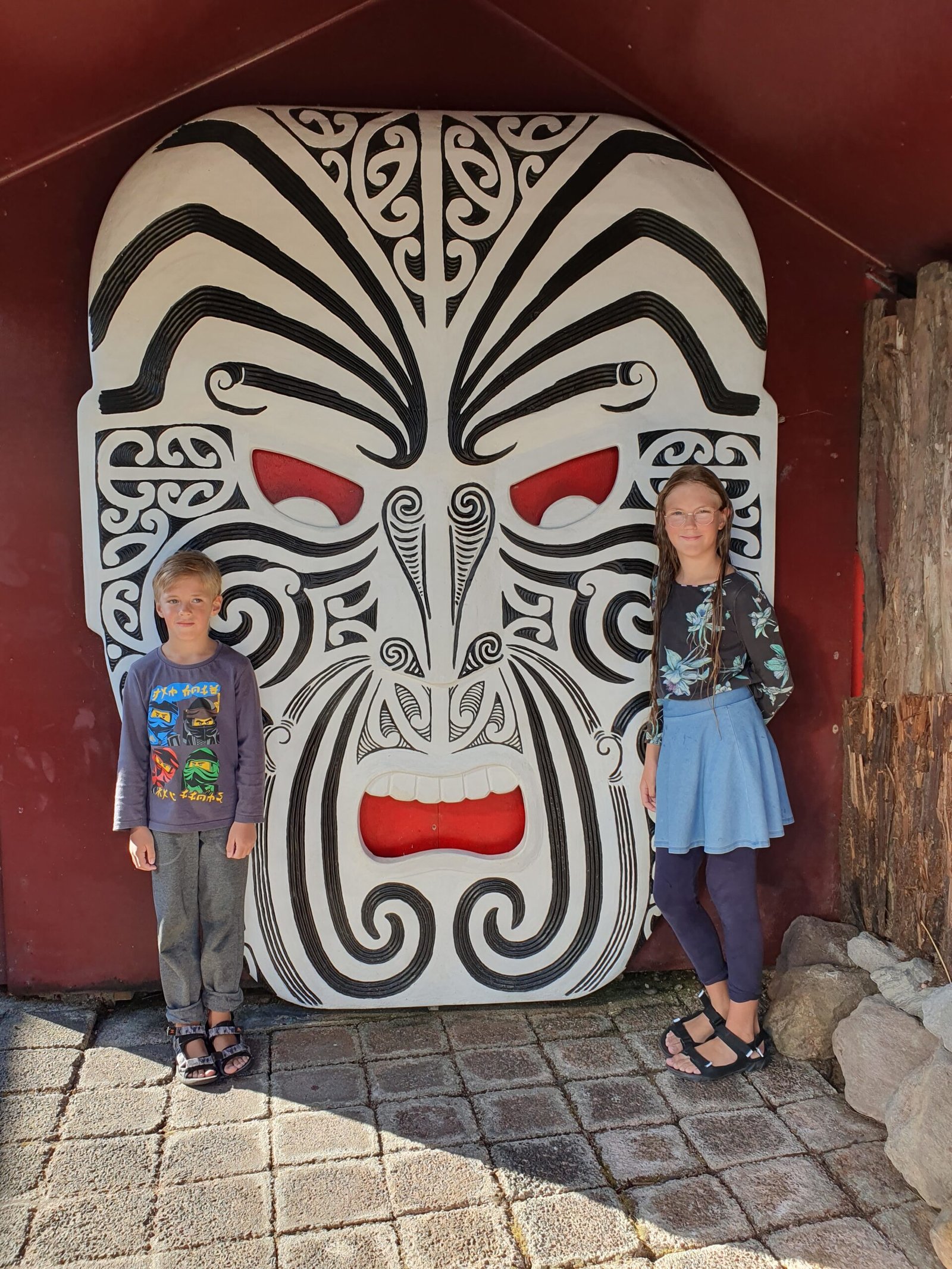
Big eyes and scary expressions are part of the greeting ceremony.
Tattoos are made on the face gradually according to personal achievements.
Not all Maoris actually tattoo their faces anymore, as they are often criticised for their tattoos.
When the ceremony was over, we were told about Maori culture and were shown various traditional songs and dances. After the performance, we had the traditional festive meal, hangi. This meal is prepared in a pit oven and cooked for several hours. The meal usually consists of lamb, chicken (because a local species of pigeon is no longer allowed to be hunted), pork, fish and vegetables. Traditionally, the Maori do not season their food much as spices were scarcely available in the old days.
During the meal we were told that there are around 600 000 Maori today, and there are many different tribes. It is difficult to say exactly how many tribes there are, as tribes are still divided into families, which can also be considered as separate tribes. Every tribe has a chief, and next chief is always the eldest son of the current chief. However, our host told us that when the chief of their tribe passed away, the eldest son didn’t want to become a chief. Instead a council of elders has been leading their tribe for several years now. Apparently this system has worked very well too.
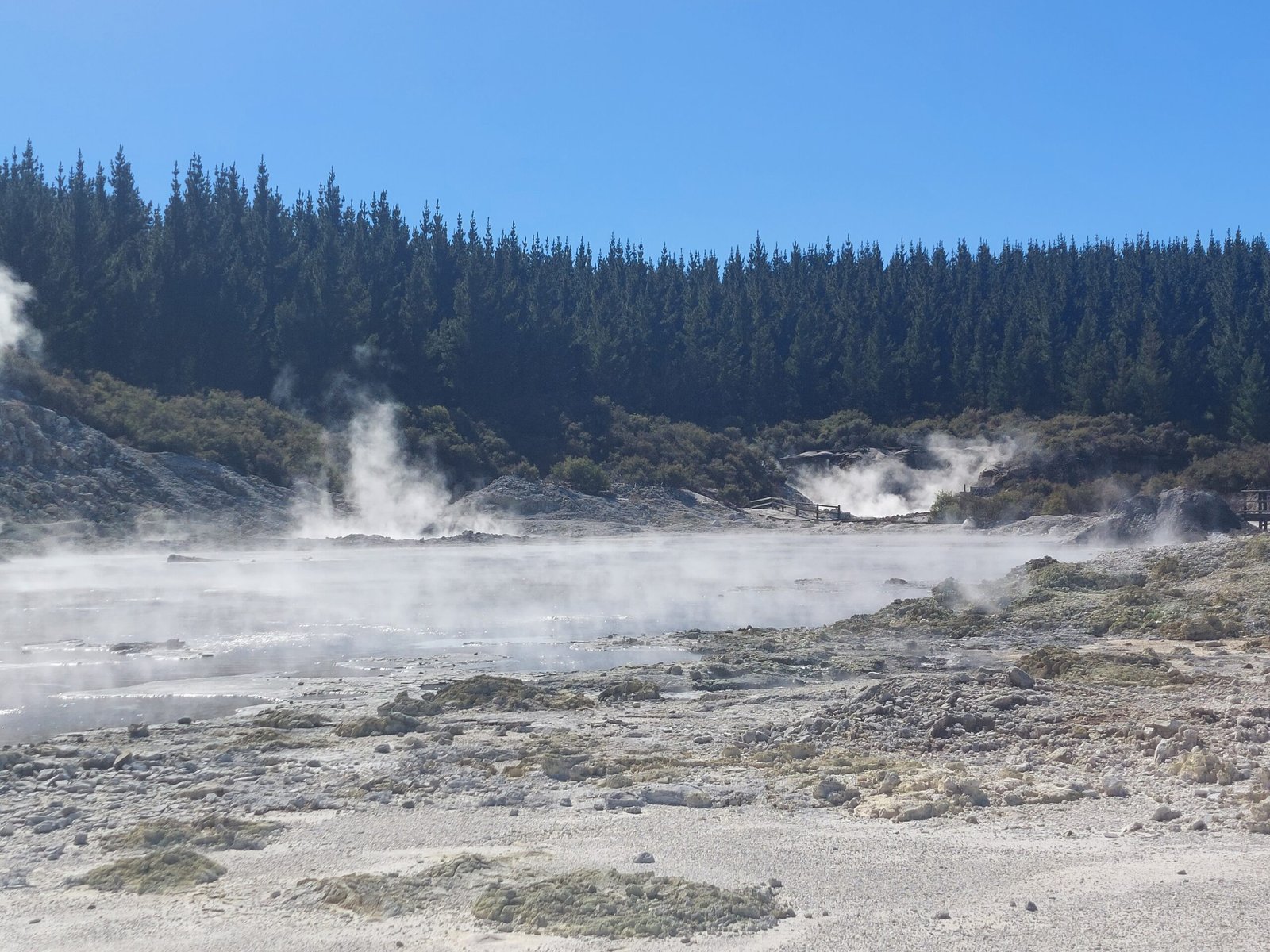
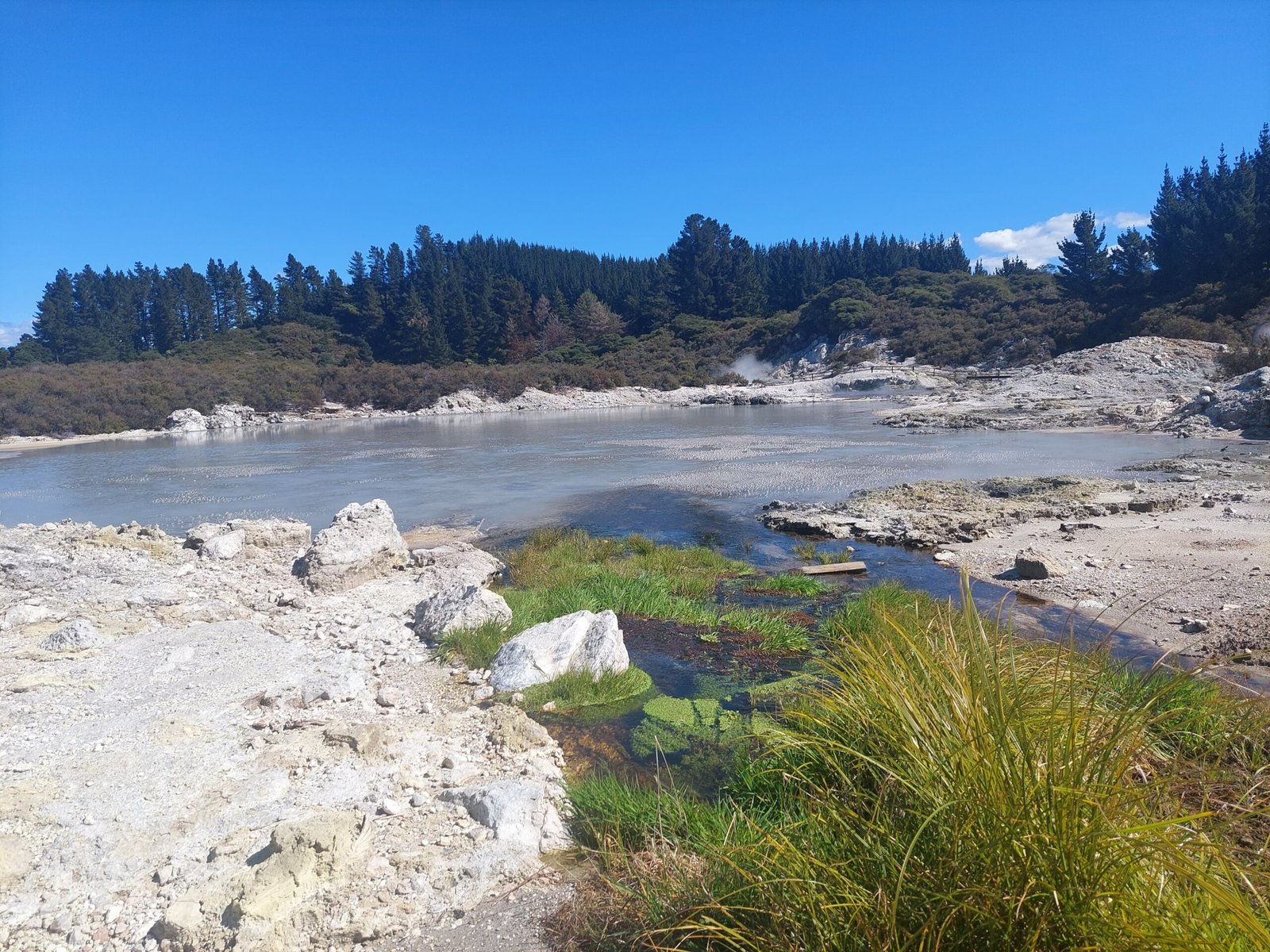
Hell's Gate
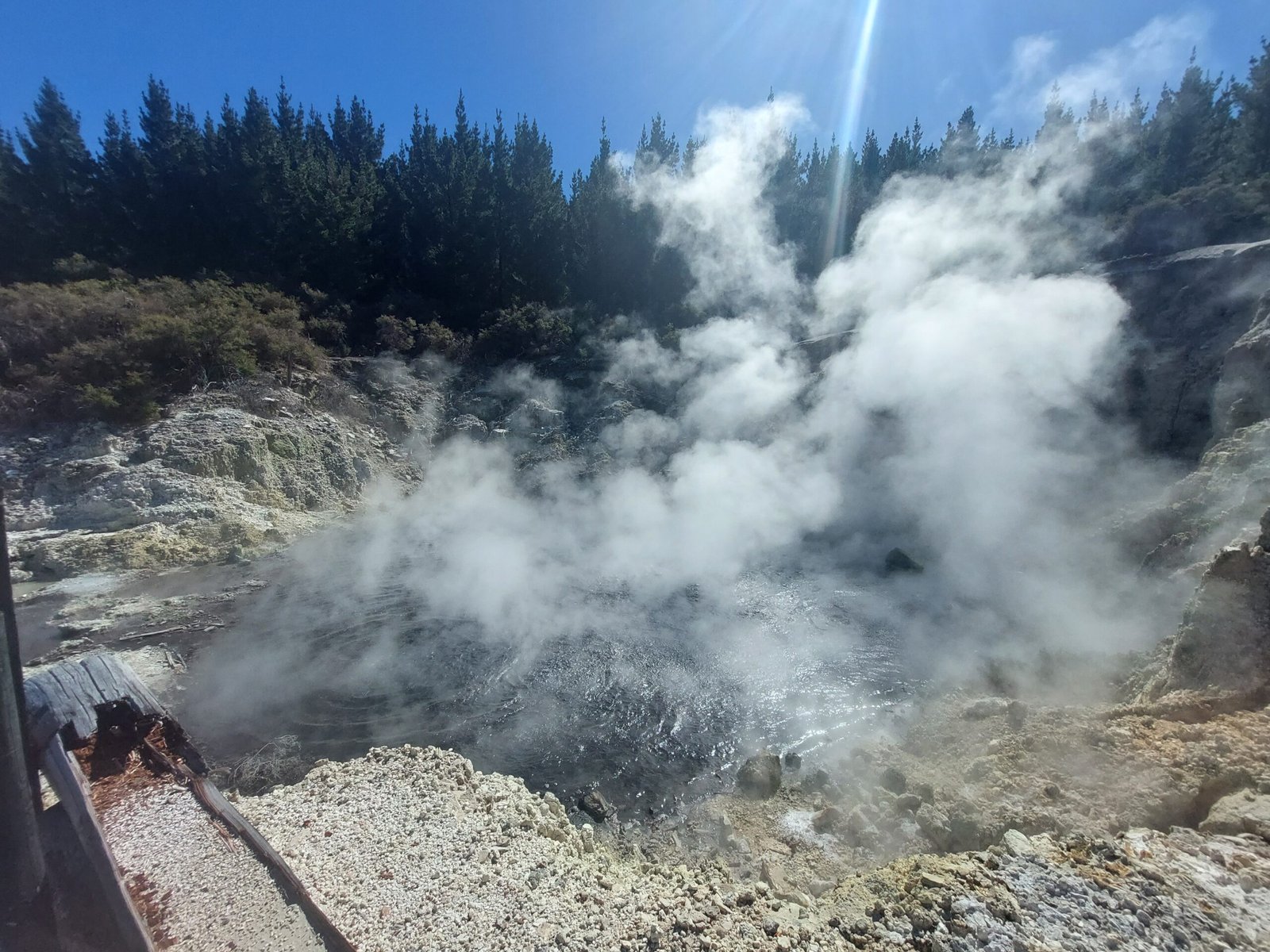
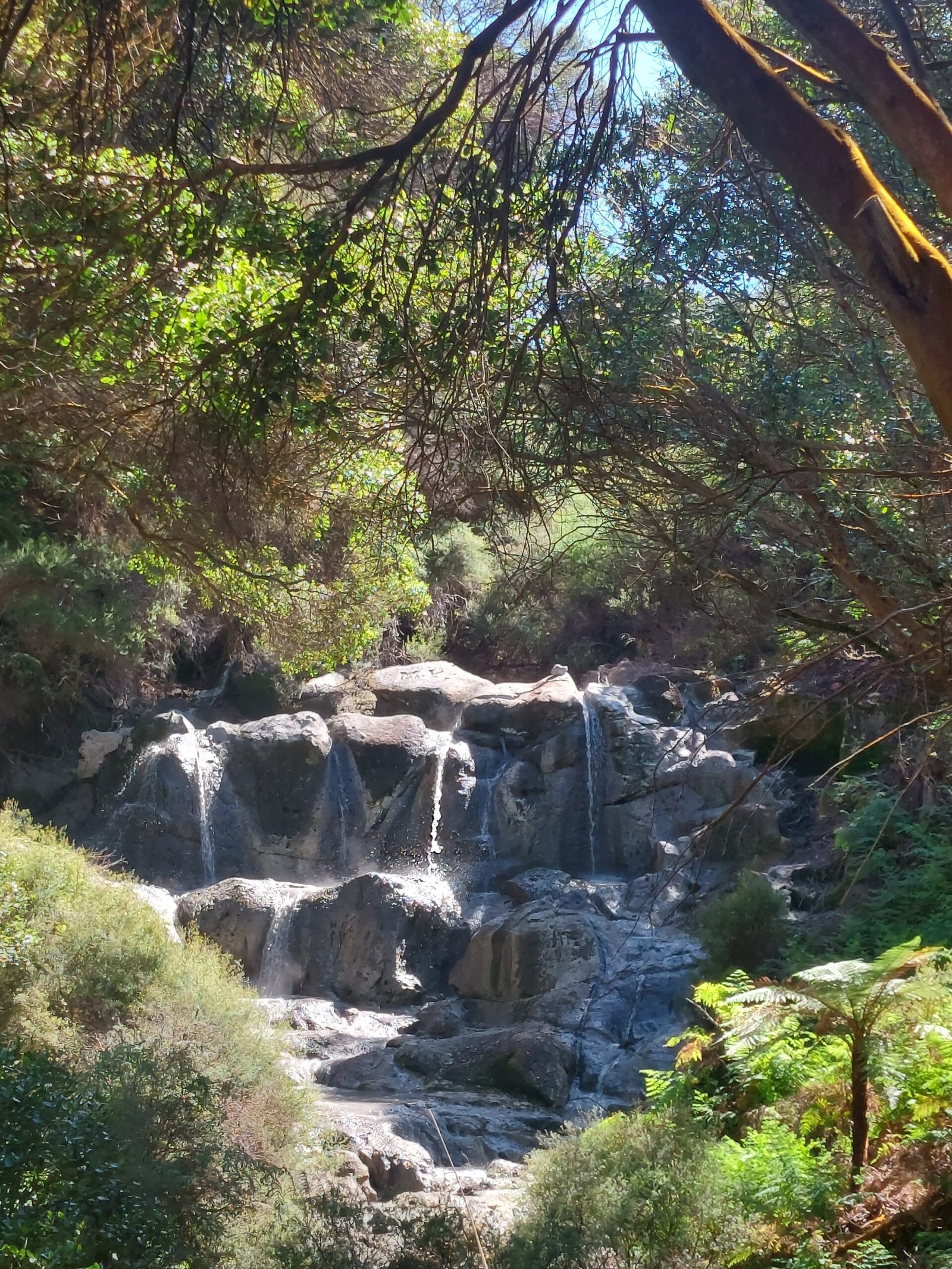
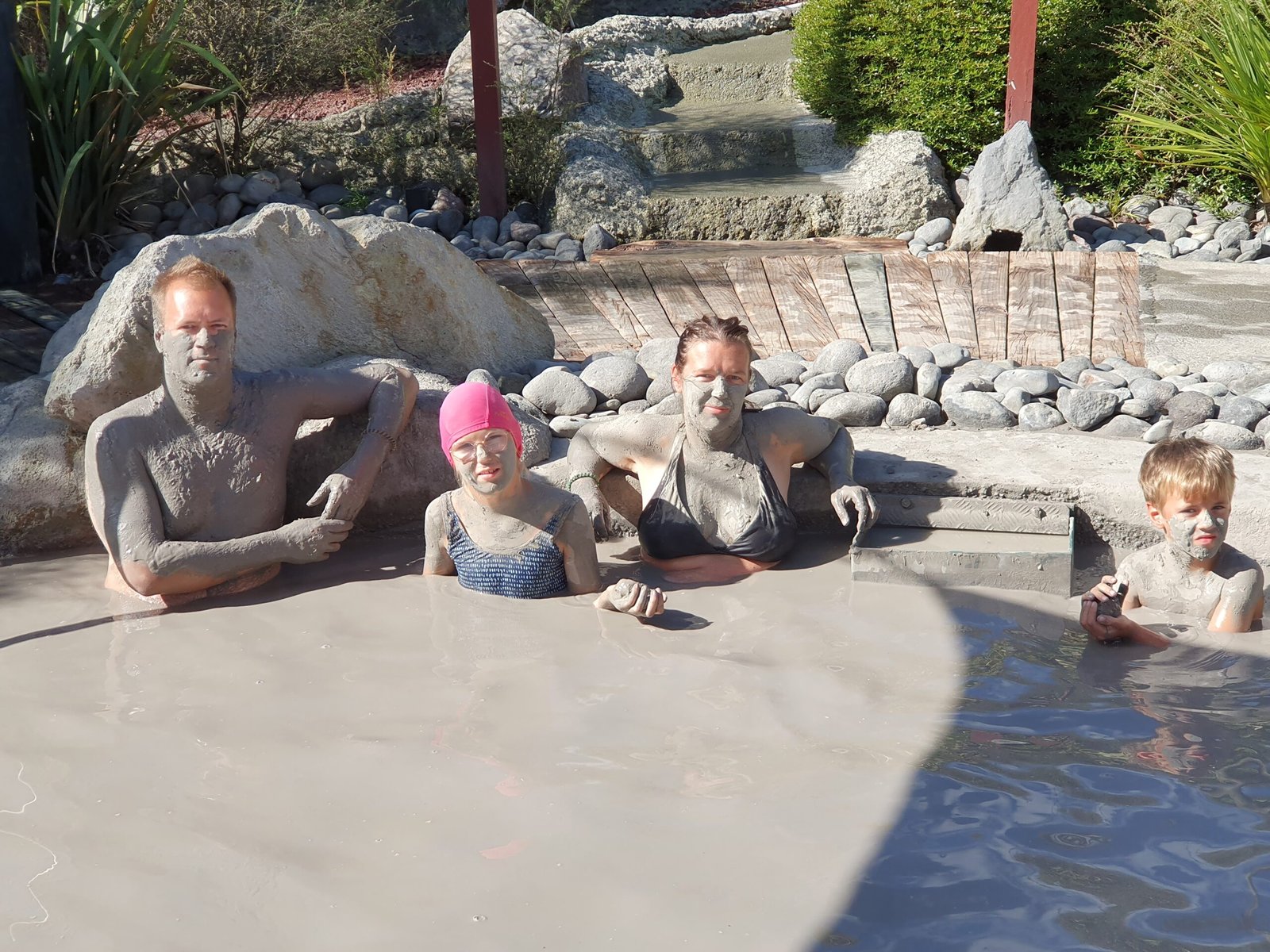
The next day we visited the outskirts of hell. We went for a mud bath at a place called Hell’s Gate. Before the mud baths, we took a walking tour in the geothermal area surrounding the place. We saw a lot of different bubbling and steaming mud and water holes. The smell of sulphur in the area was really strong. We didn’t even think about stepping out from the marked trail, as in some places there was only a very thin layer of ground covering the bubbling mud holes. It would not have been nice to fall through into the boiling hot mud. However, later we got to experience what the bubbling mud felt like, as the mud for the mud baths came from one of these mud holes.
The scenery was pretty bleak.
Fresh water flowed from this stream into the sulphurous water, because the grass grew in it.
The water in this waterfall was +40C.
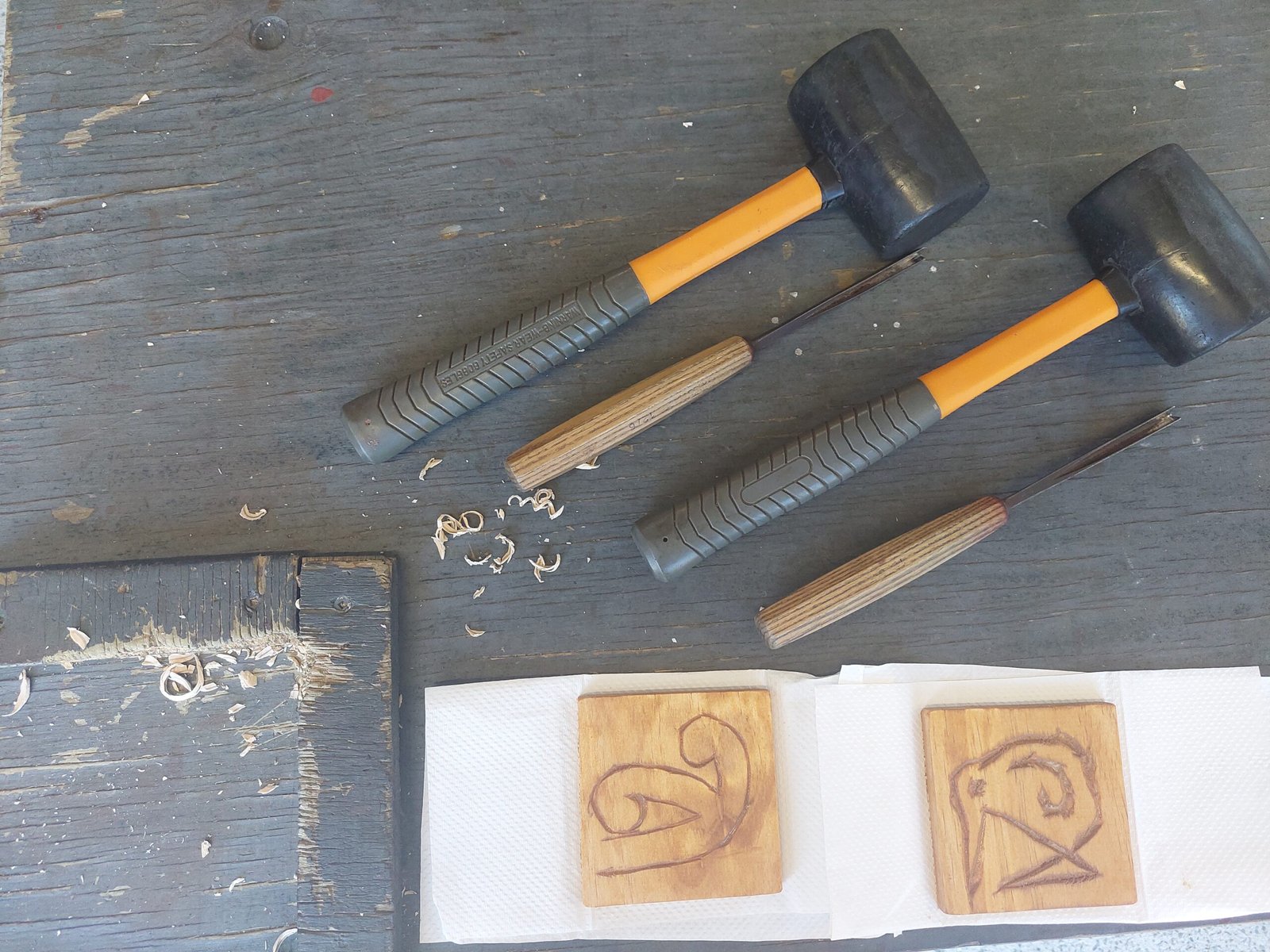
At the end of the walk, the kids got to chisel some Maori patterns. Risto chose a kiwi (determination), while Ronja chose a pattern representing care and nurturing.
You could stay in the mud baths only for 20 minutes, as the muddy water in the pools had lots of acids in it. While sitting in the pools you could apply the mud to your skin. Not above the eyes, though. This was apparently because the acid in the mud could have irritated the eyes if it got into them.
After the mud bath, we went to wash most of the mud off our skin and then went to other hot spring pools. In these pools we were not allowed to put our heads under the water, as the water had acids in it too. After bathing, we had to put all our bathing suits and towels in the washing machine, as the smell of sulphur stuck onto them quite firmly.
We had originally planned to continue the next day to Coromandel, but decided it was better to stay in Rotorua. We would have had time to spend only one night in Coromandel before we had to drive to Auckland to return the campervan.
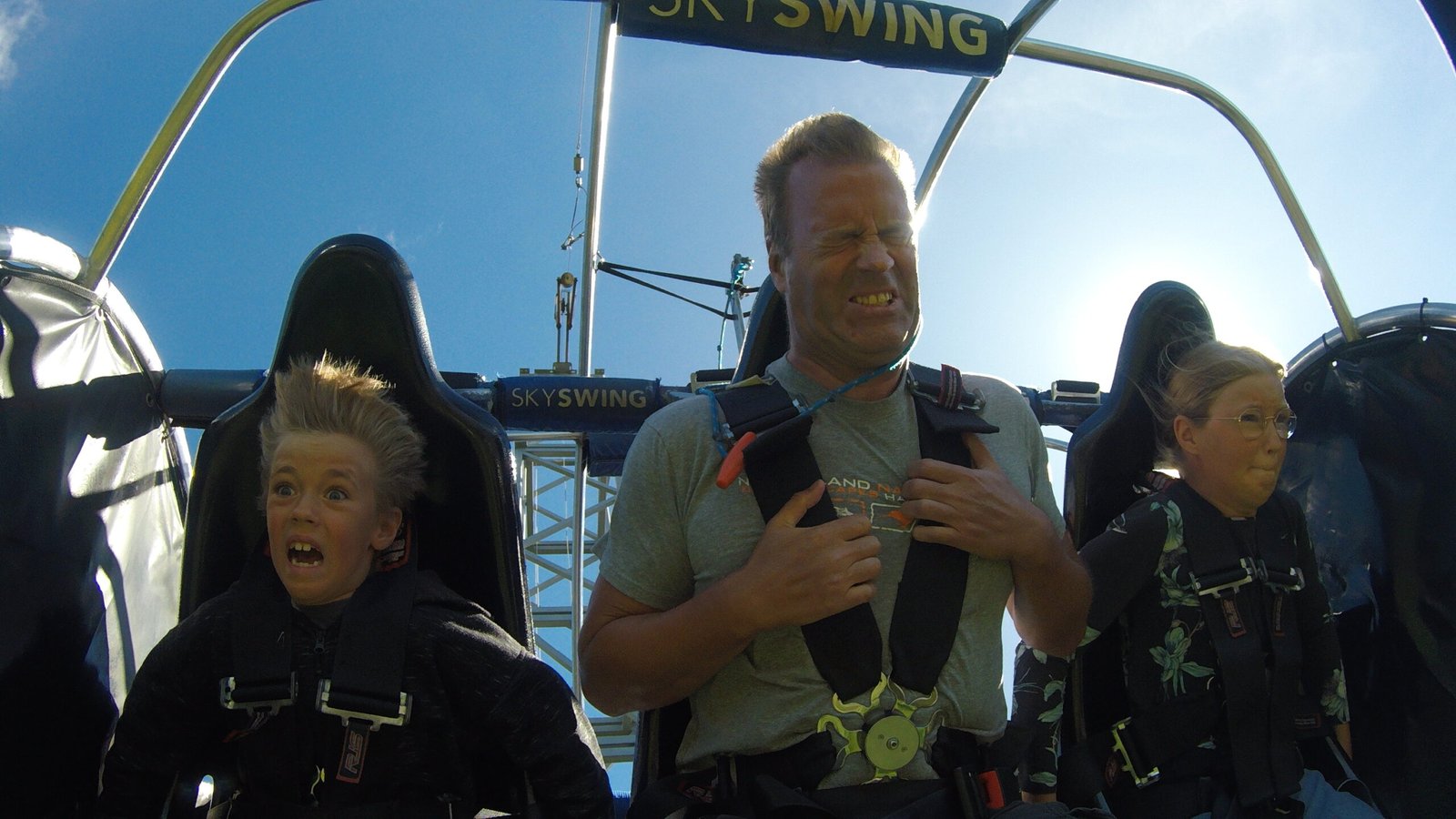
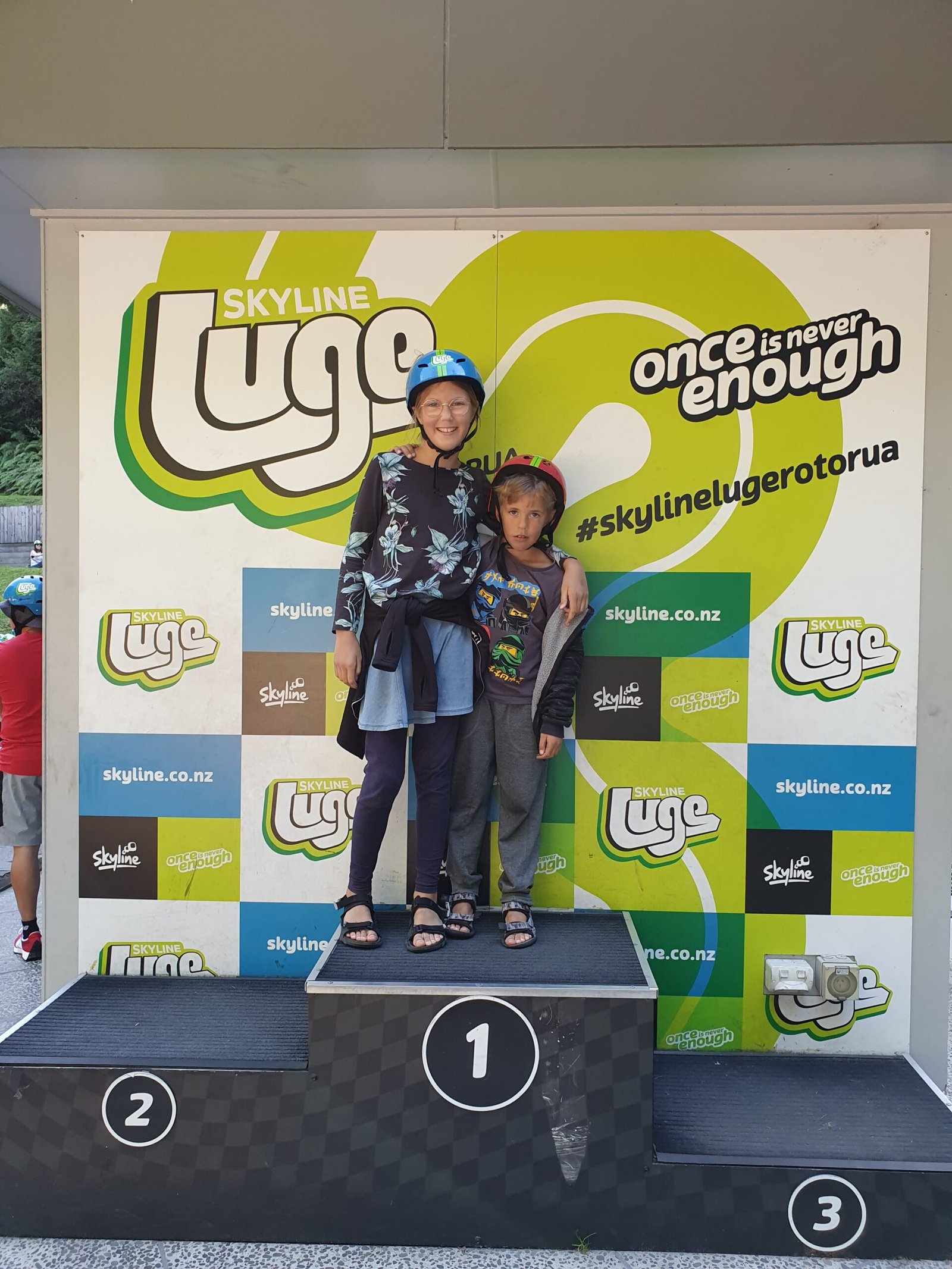
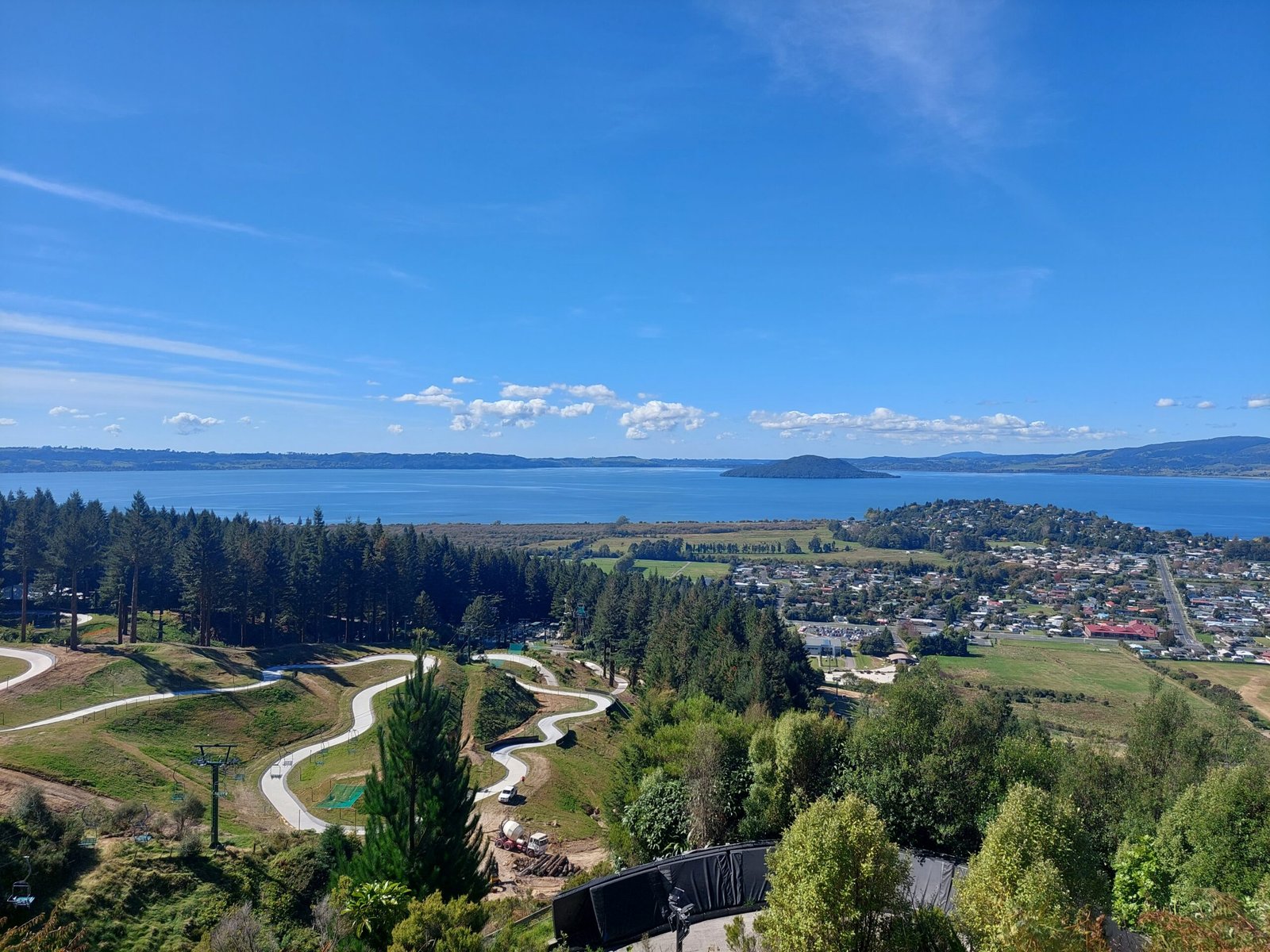
On our last day in Rotorua, we went for a ride on the Skyline Gondola. Marko and the kids also went riding on a luge and to the Sky Swing. The swing was first pulled up to a height of 50 metres and then let free-fall downwards. The swing accelerated to 150km/h in two seconds. The video of this swing ride is absolutely hilarious. Jaana skipped this activity, having injured her thigh a few days earlier while climbing in the playground. (Apparently, at this age, you shouldn’t try to do the same tricks that kids do.). Maybe Jaana could have gone to the swing without hurting her leg even more, but since it could only hold three people at a time, Marko had the honour of going on it with the kids. While Marko and the kids were riding the luge, Jaana was enjoying a cappuccino on the restaurant terrace. Not a bad option either.
We couldn't upload the complete video here, but this photo shows how much fun everyone had (at least at first). A truly epic Kodak moment!