Oahu is the third largest of the Hawaiian islands. It is home to about 1 million permanent residents. It will probably come as no surprise to anyone that Oahu’s main industry is tourism. Every year, about five million tourists visit the island, mainly from other US states and Japan.
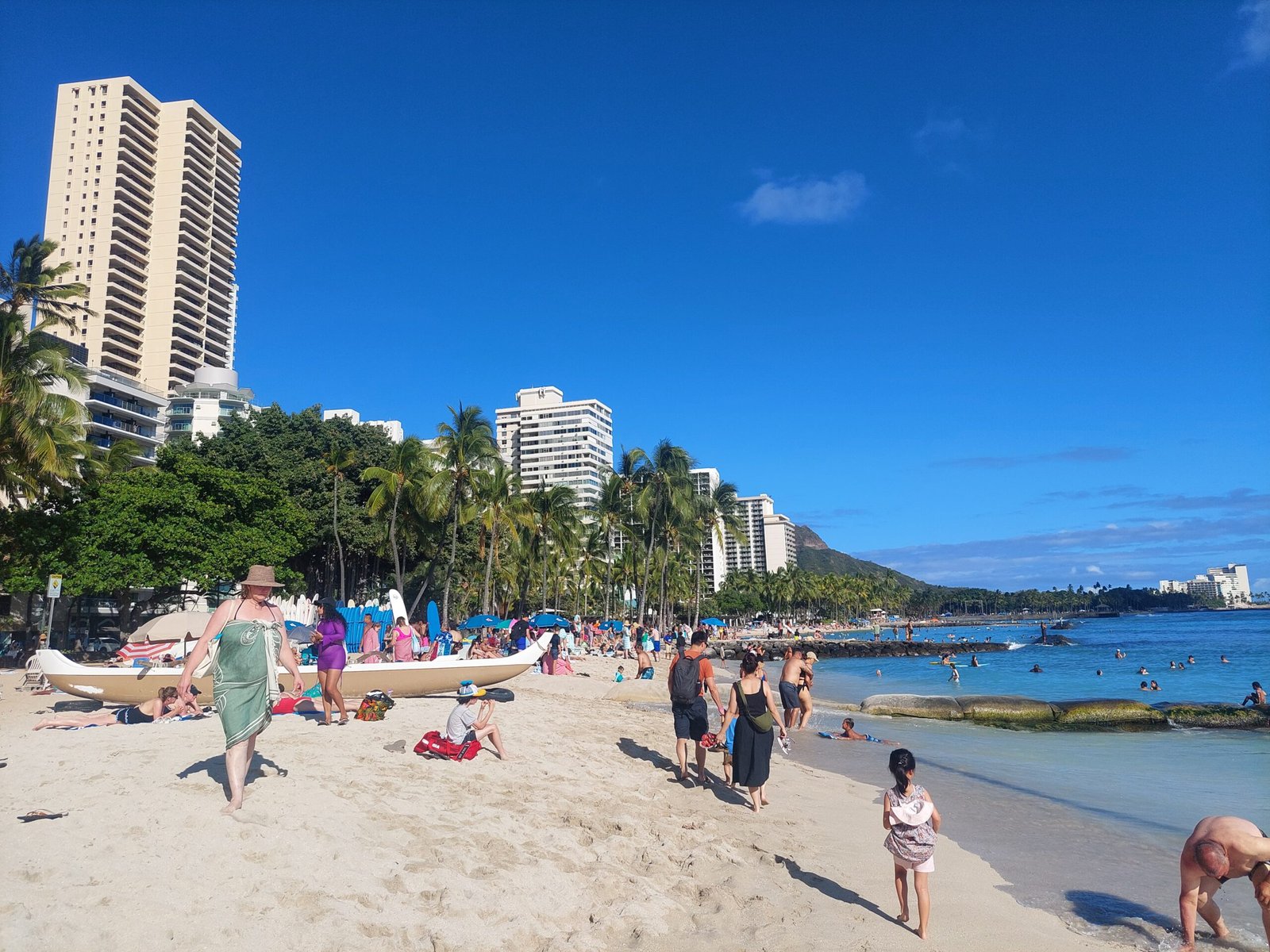
On the first day, we decided to immediately explore Honolulu’s famous Waikiki Beach, which is lined with several relatively expensive resorts. Our apartment had everything we needed for a day at the beach, so we packed our bathing suits, a cooler with snacks, beach chairs and a couple of surfboards for the kids. These surfboards were a shorter model that you lay on your belly and slide along the crest of the wave. There were also a couple of shovels for playing in the sand.
The drive to Waikiki Beach was not very long, maybe twenty minutes. What made getting to the beach a challenge was that there was hardly any parking along the beach boulevard. Day parking there was $50/day for resort residents as well, so we wouldn’t have been attracted by those prices anyway. So we drove right up the beach road and parked our car in the lot next to the Honolulu Zoo, where we could park for four hours for $6.
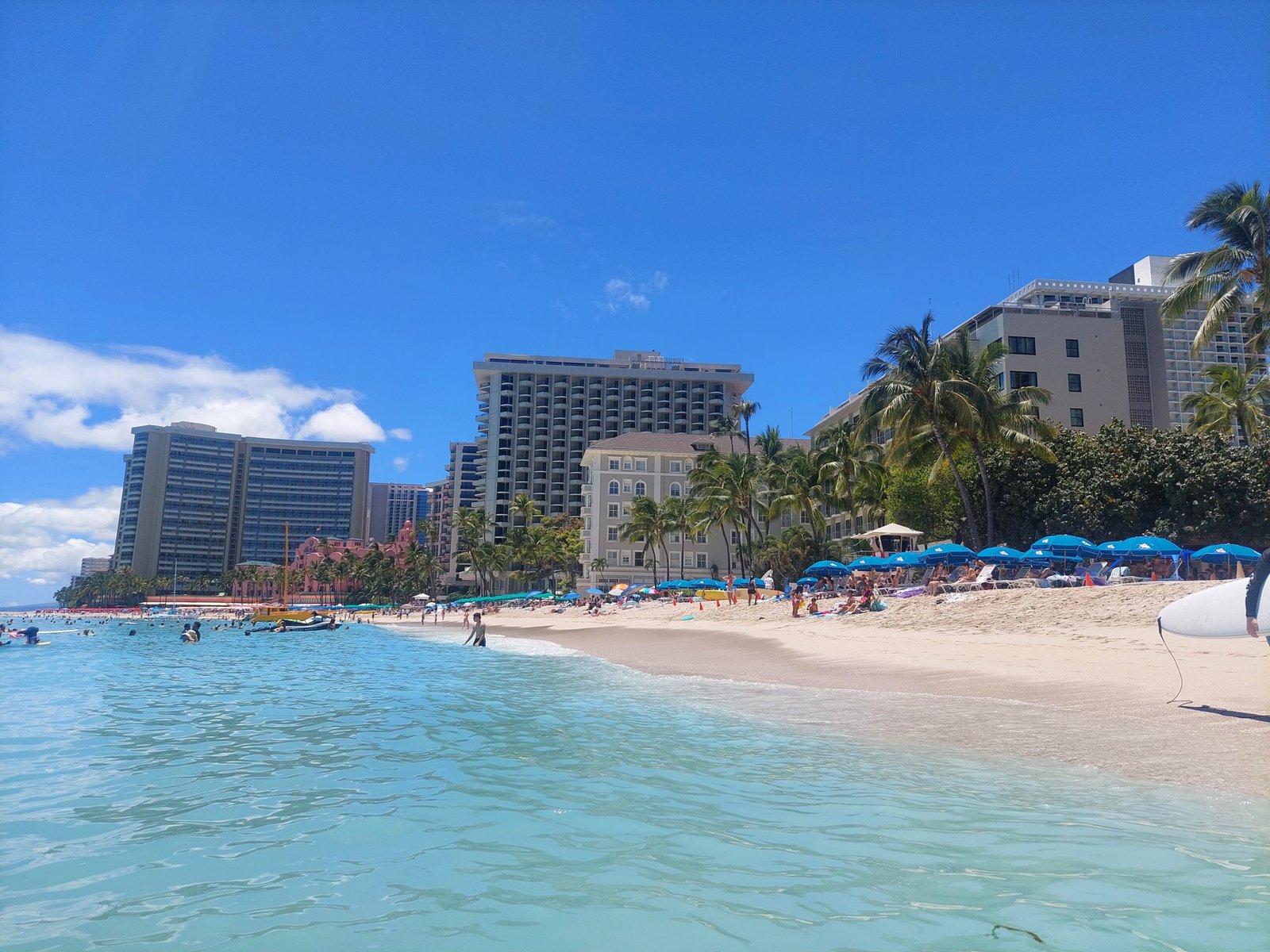
Waikiki Beach is a long strip of beach in front of the hotel area. It's not a scenic nature spot, but it's a safe place for children to swim.
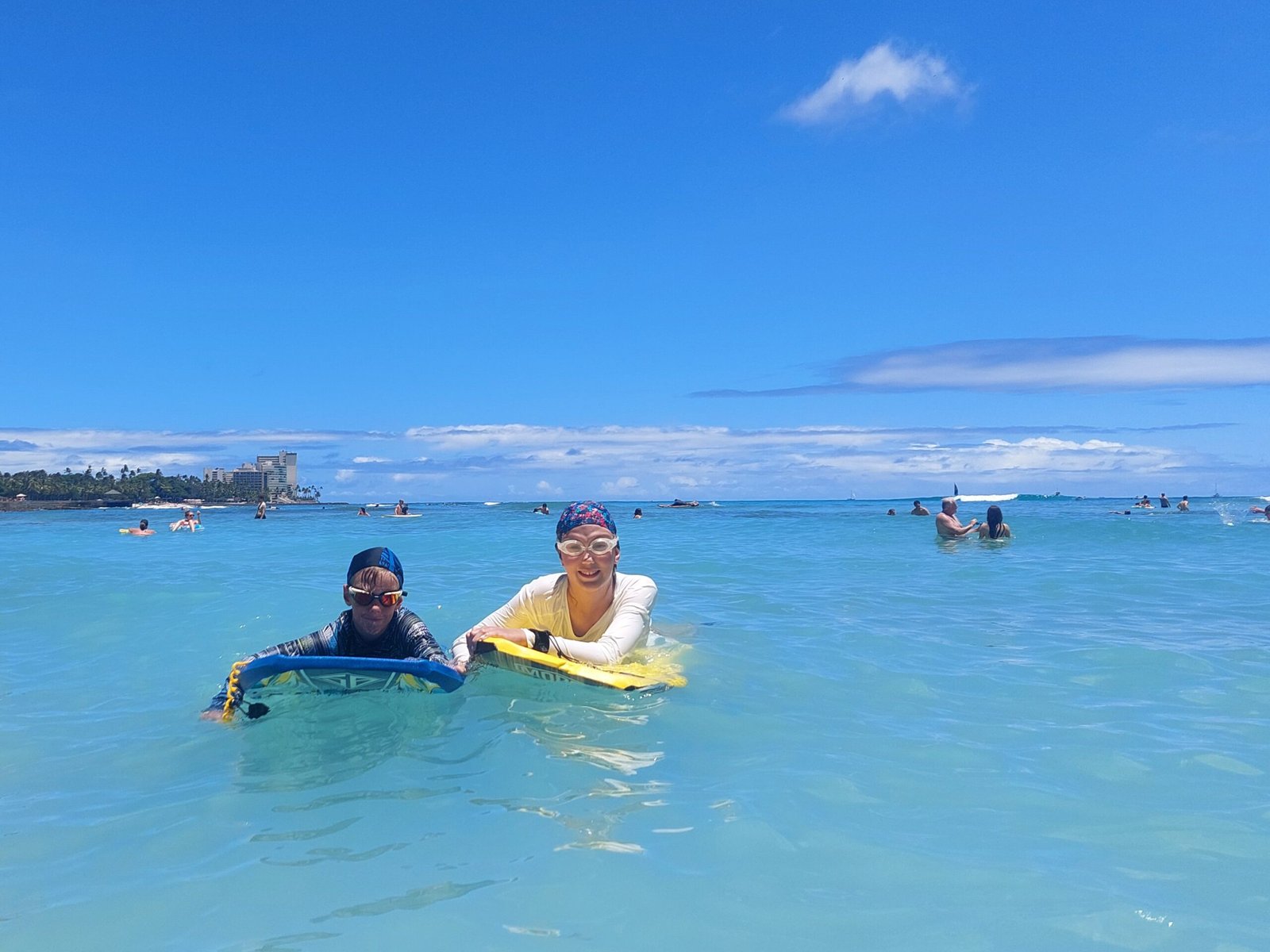
Luckily, our beach chairs were the kind you could carry on your back, so we didn’t mind having to walk some distance back along the beach to find a suitable shady spot under the palm trees. We also had to get to a part of the beach where there was no breakwater, otherwise the children would not have been able to play in the waves on their body boards.
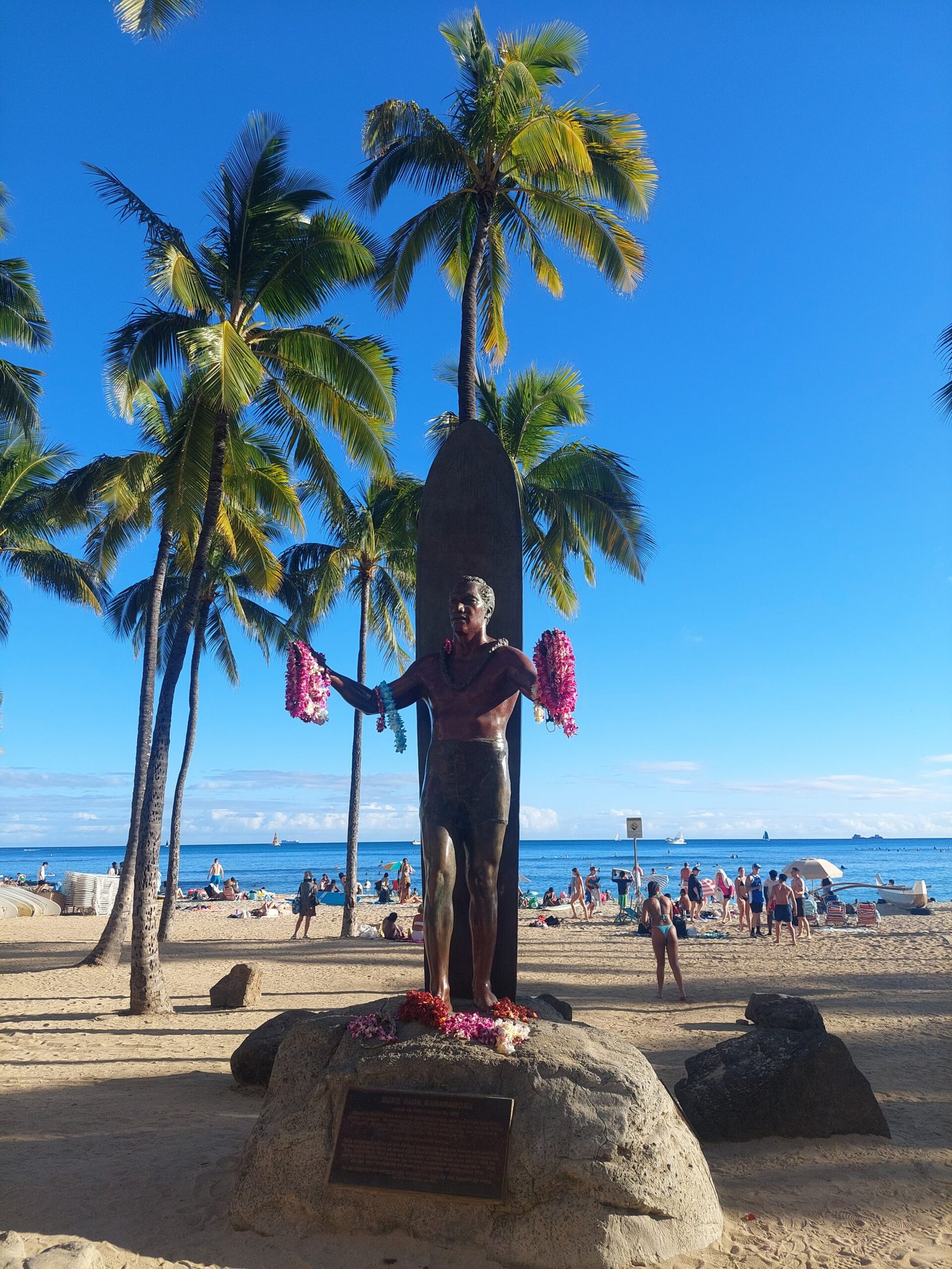
We set up camp right at the beginning of Waikiki Beach in front of the statue of Duke Kahanamoku. Duke Kahanamoku is the “father” of modern surfing, having learned to surf on Waikiki Beach himself. He later taught new enthusiastic surfers there. Apparently, this guy is something of a legend in the surfing community. The name didn’t mean anything to us.
Here's Duke Kahanamoku holding lei's.
We spent the whole day on the Waikiki beach and Marko had to go feed more dollars to the parking meter. Waikiki is a beach for swimmers and surfers. As the seabed is nothing but white sand, snorkeling is best done on some of the other beaches of Oahu. There were many entrepreneurs on the beach offering surfing lessons. A one-hour lesson would have cost around $100/person, so we skipped the lessons this time, content to surf our own style in the warm water.
Everyone could surely find a suitable surfboard here.
But we stuck with the shorter body boards.
Waikiki Beach has suffered from erosion, so sand had to be brought in from other parts of the US.
A plus at the beach was that there were several shower points, so you could rinse off the salty sea water after swimming. As the beach was right in the heart of the city, there were plenty of other facilities, from toilets to shops and restaurants. There was also a police station next to the beach, so it seemed quite safe. A lot of people who came to the beach left all their belongings and valuables on the beach, and went swimming together. We didn’t do that, and one of us was always watching over our stuff while the others were swimming.
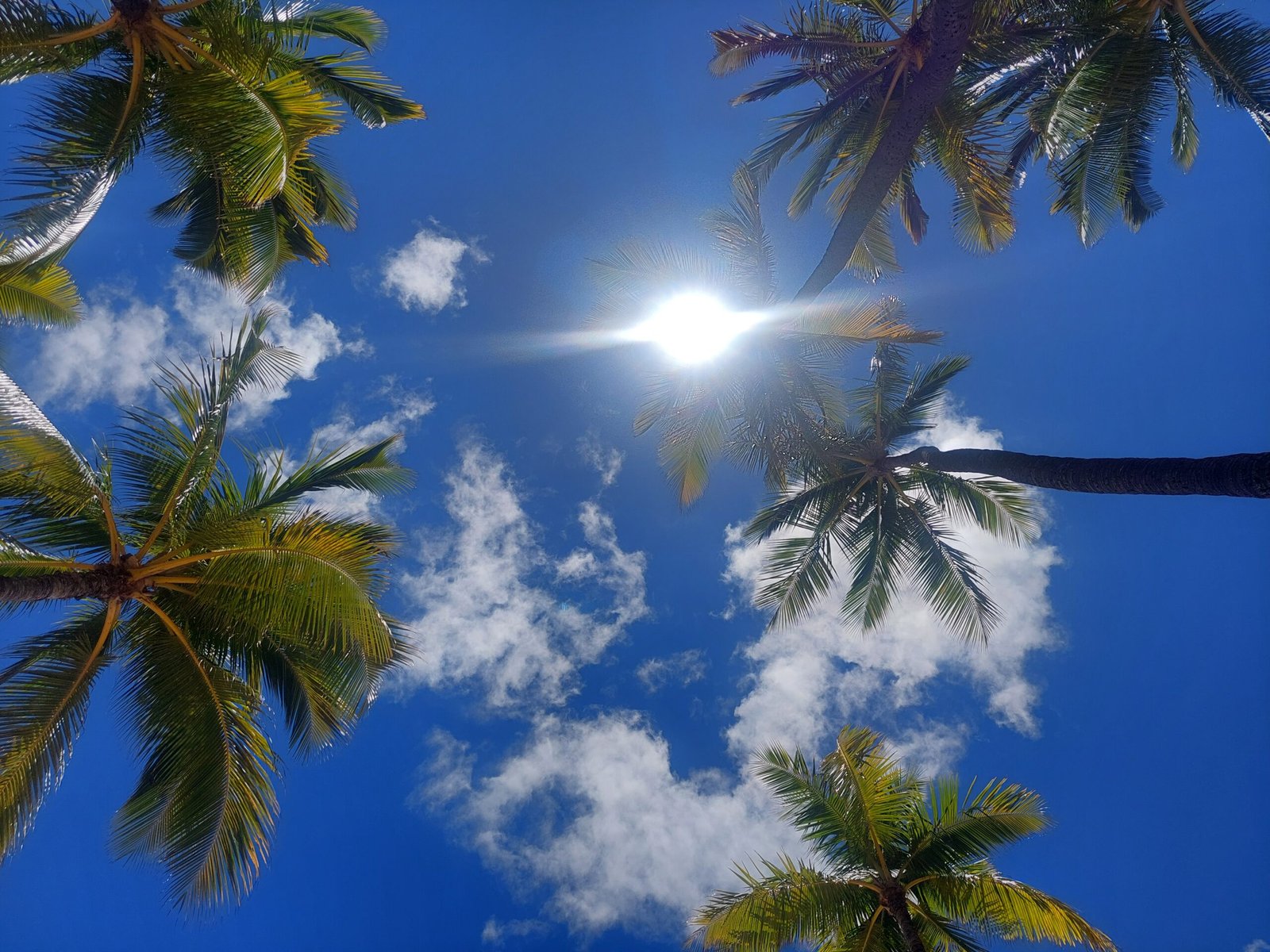
The day at the beach was spent comfortably in the shade of the palm trees.
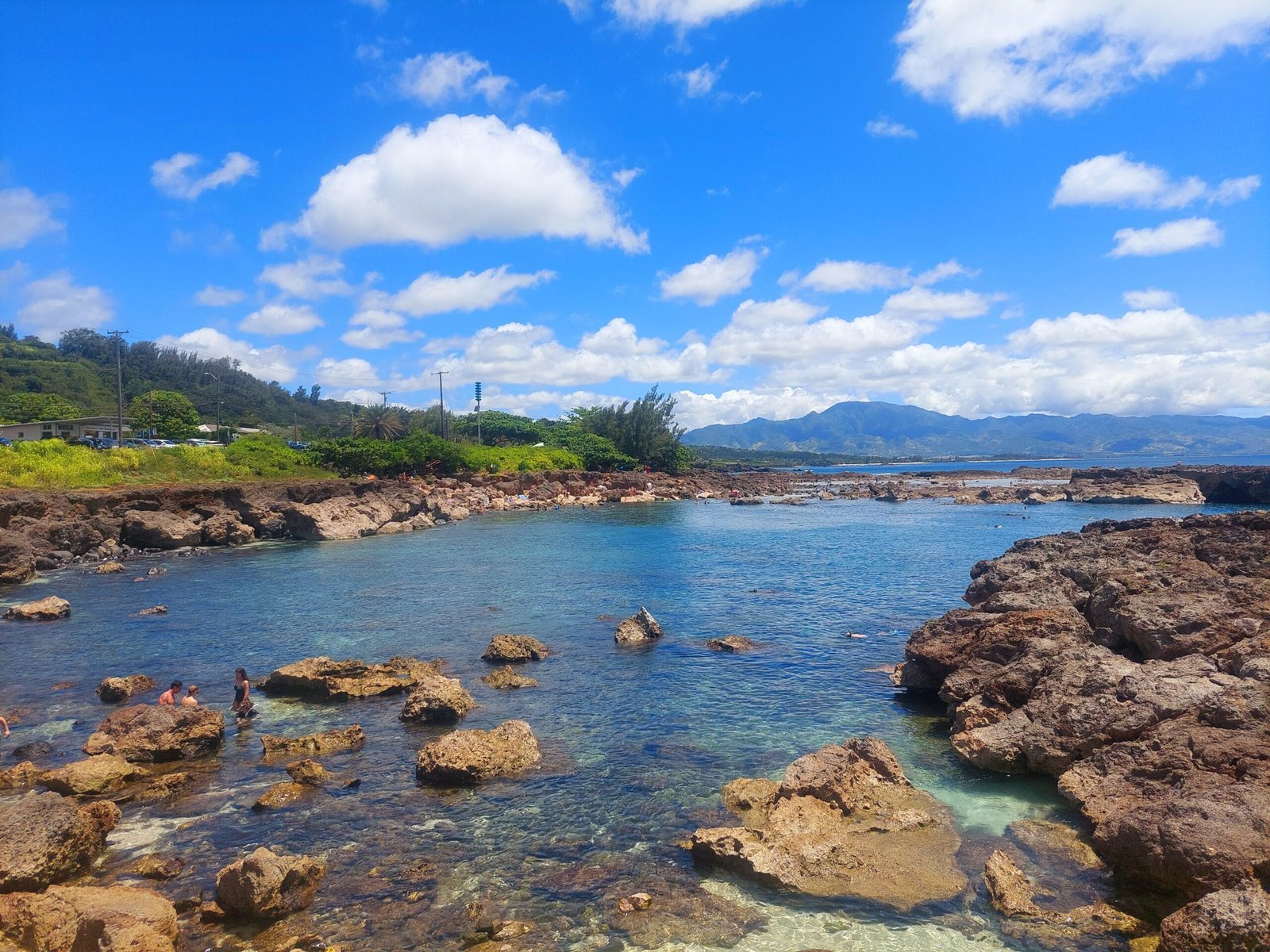
For the next day, we chose Shark’s Cove, one of the most popular snorkelling spots on Oahu. This beach was a little further away, about a 50min drive from our apartment. It was worth the drive, though, as there were lots of colourful, big fish. Shark’s Cove is a rocky cove where the tide also forms pools where you can see fish by wading in. This makes the beach well suited to those without swimming skills. The only drawback is that the beach is not easily accessible. It is not a sandy beach, the whole place is lava rock. The rocks are extremely sharp and uneven, so you had to be very careful to get to the water without getting cut. Luckily we all had our swimming shoes with us. Without them, it would have been impossible to walk on the rocks at all.
Shark's Cove didn't look like much of a snorkelling spot at first.
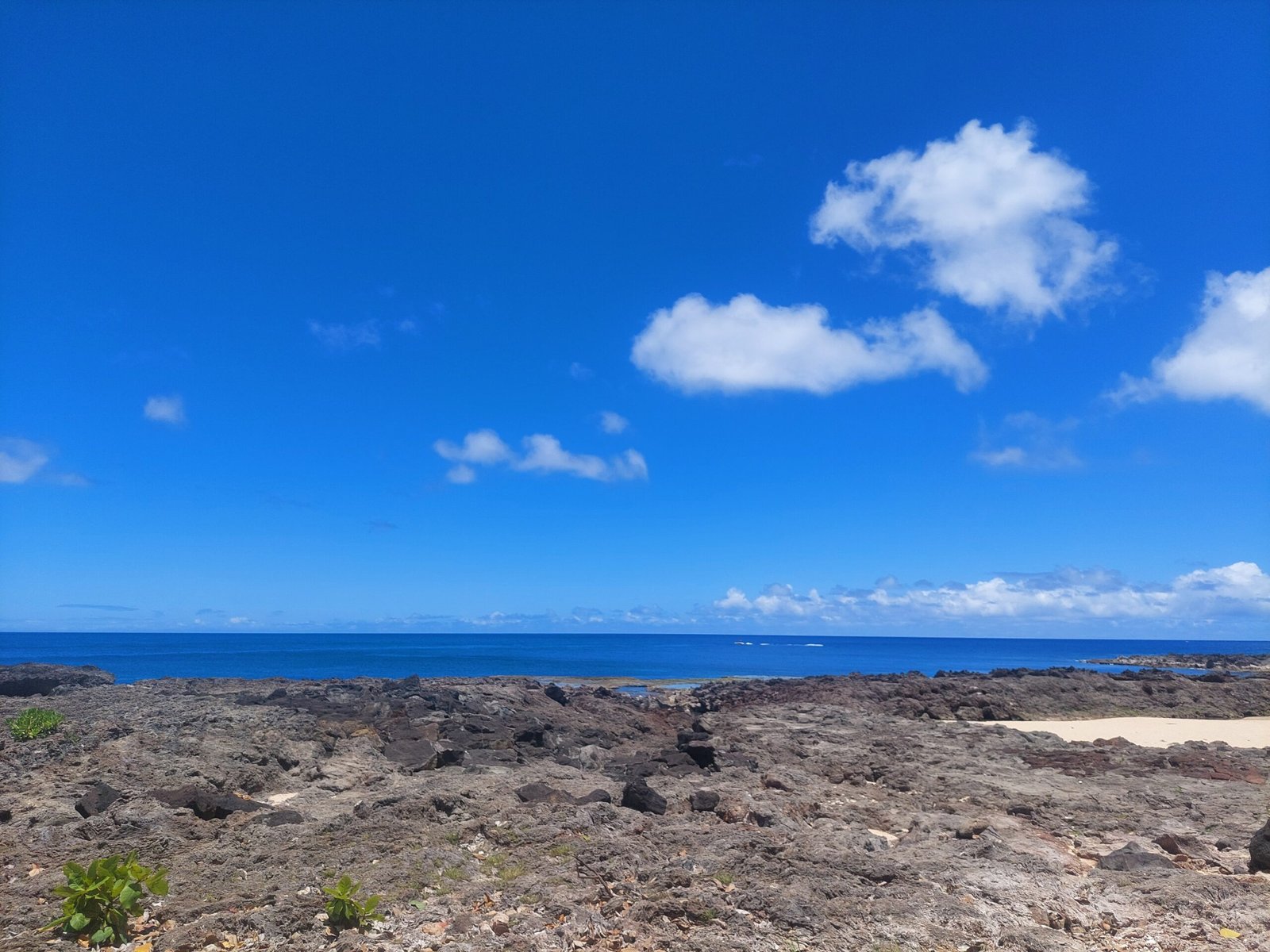
The whole beach was basically sharp lava rock.
Once in the water, snorkelling was easy. The small cove wasn’t as shallow as it first looked and you didn’t have to constantly be on the lookout for rocks with huge numbers of sea urchins living in their burrows. As the waves moved backwards and forwards, it was easy to float on the surface and observe marine life. We saw a huge variety of fish species. Some of them were familiar to us from previous snorkelling trips, but many were completely new to us. We have no idea what their species names are, though. We classified the fish mainly by colour and size: big yellow fish, big spotted fish, big blue fish, small black and orange fish, etc. We also managed to see a turtle on one snorkelling trip.
The water was clear, and visibility was good. Even the fish deeper down were easy to see from the surface.
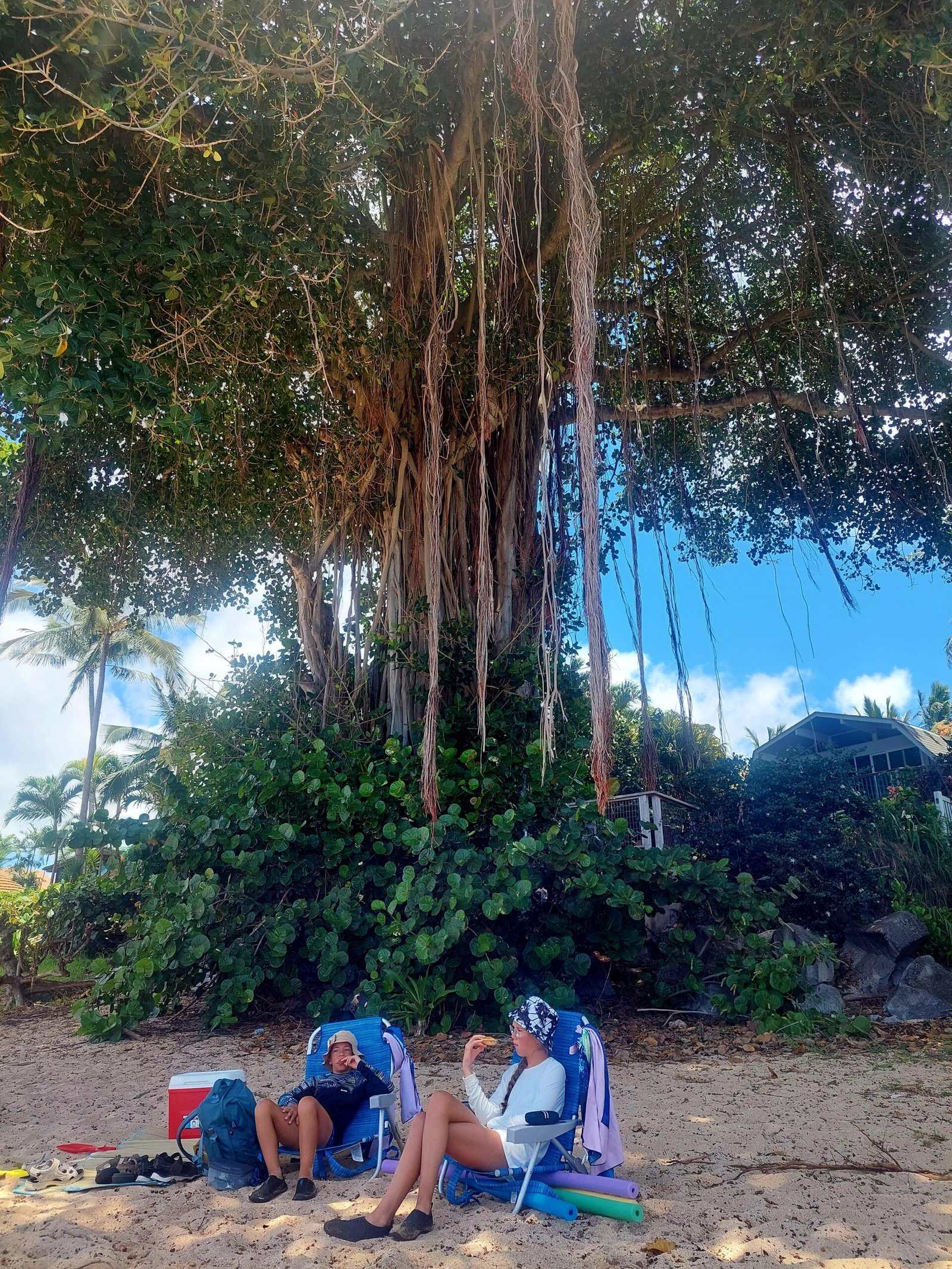
There was a small strip of sand on the beach where we set up camp in the shade of a large tree. The spot was otherwise good, but unfortunately the flies also liked the shade.
On the way back, we stopped at the Dole pineapple plantation, as it happened to be on our way home. We had initially thought we would just stop at the entrance to take a quick photo, and then continue on immediately afterwards, as we didn’t think we would be able to visit the farm. When we parked in the yard, however, we discovered we were wrong. The place was quite a tourist trap. There was all sorts of things to do, and of course, shopping for the tourists visiting. The kids would have loved to go on a tour of the maze on the farm, but (luckily) we didn’t get there as we had only arrived shortly before it closed.
This building was basically a large souvenir shop.
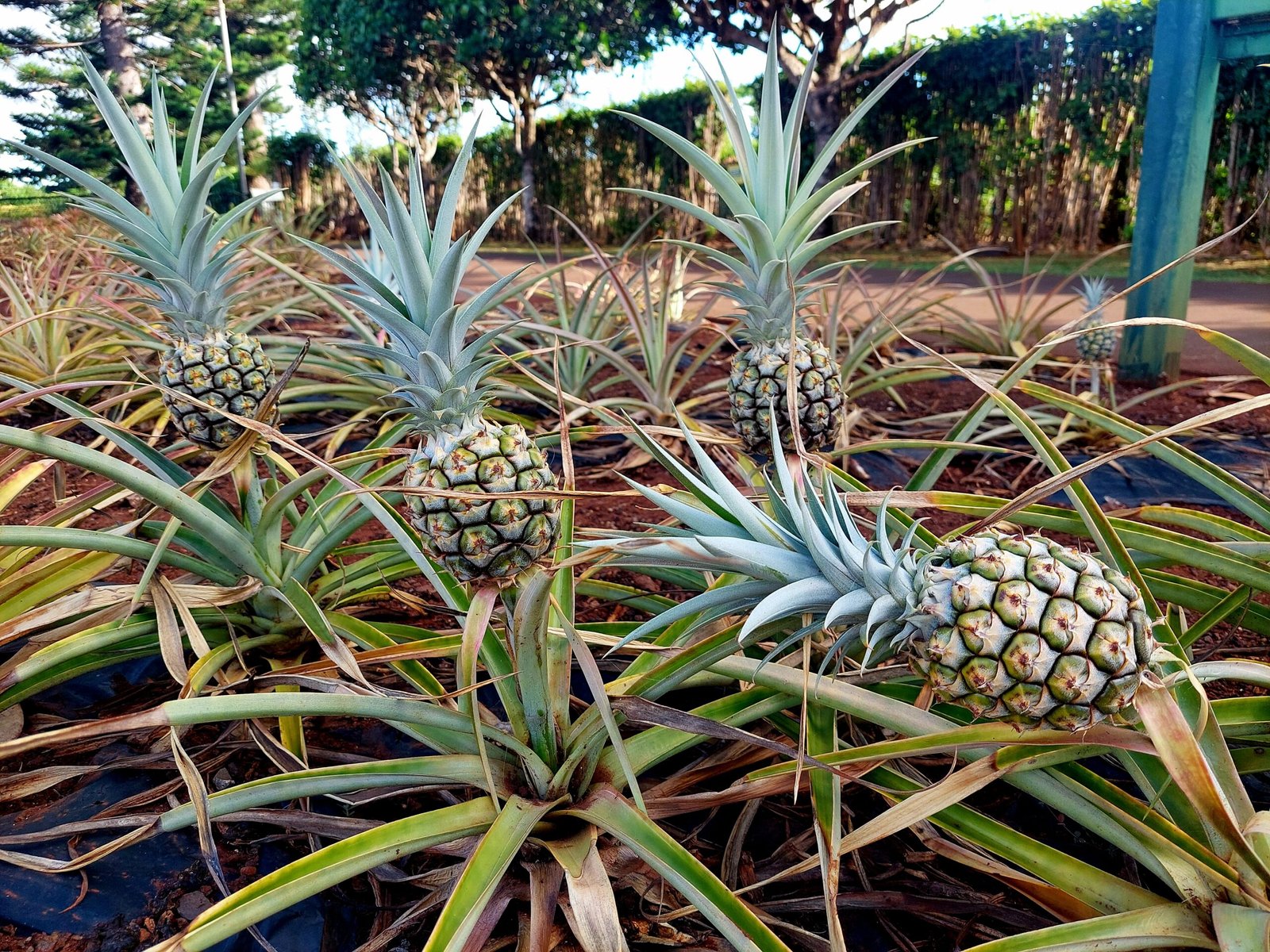
There are quite a few pineapples growing in the field.
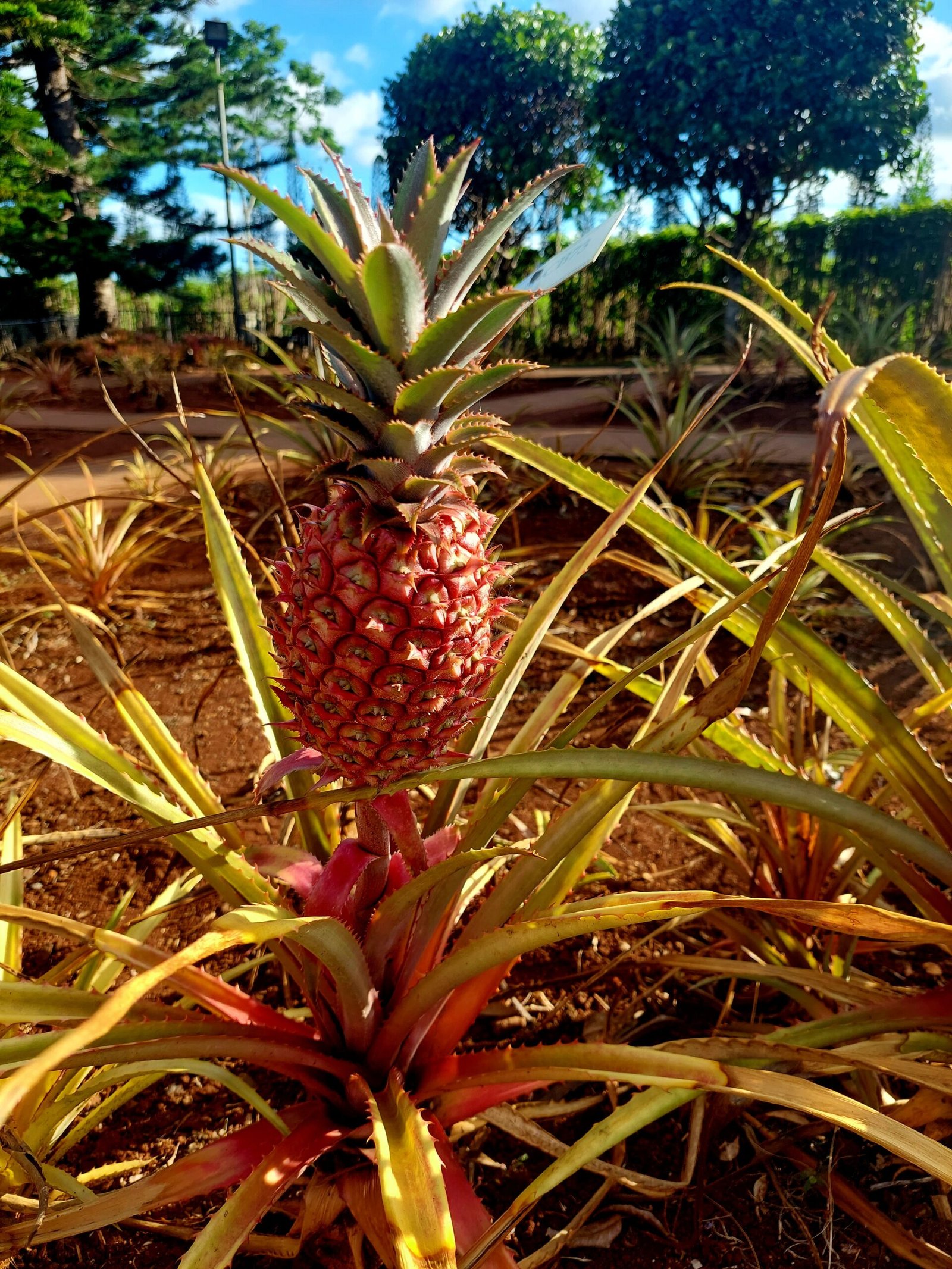
There are several varieties of pineapples. Here is the most famous one.
This one was much redder in colour.
However, we decided to hop on the Pinapple Express train, which took us for a ride (for a fee, of course) to the plantation. During the ride, we were told about the history of the pineapple, and how Dole’s plantation has evolved over the years. Perhaps the most surprising piece of information was that the pineapples are still planted and harvested by hand. Of course, there is some machinery to help, but for the most part it is done manually. It is said that the best pineapple planters can plant 10 000 pineapples a day. At regular intervals on the train journey, a CD of some local performer was also advertised, with music playing in the background throughout the journey. Maybe it wasn’t quite worth the $50 or so it cost us to take the train, but you never really knew in advance.
The last train of the evening was not very crowded.
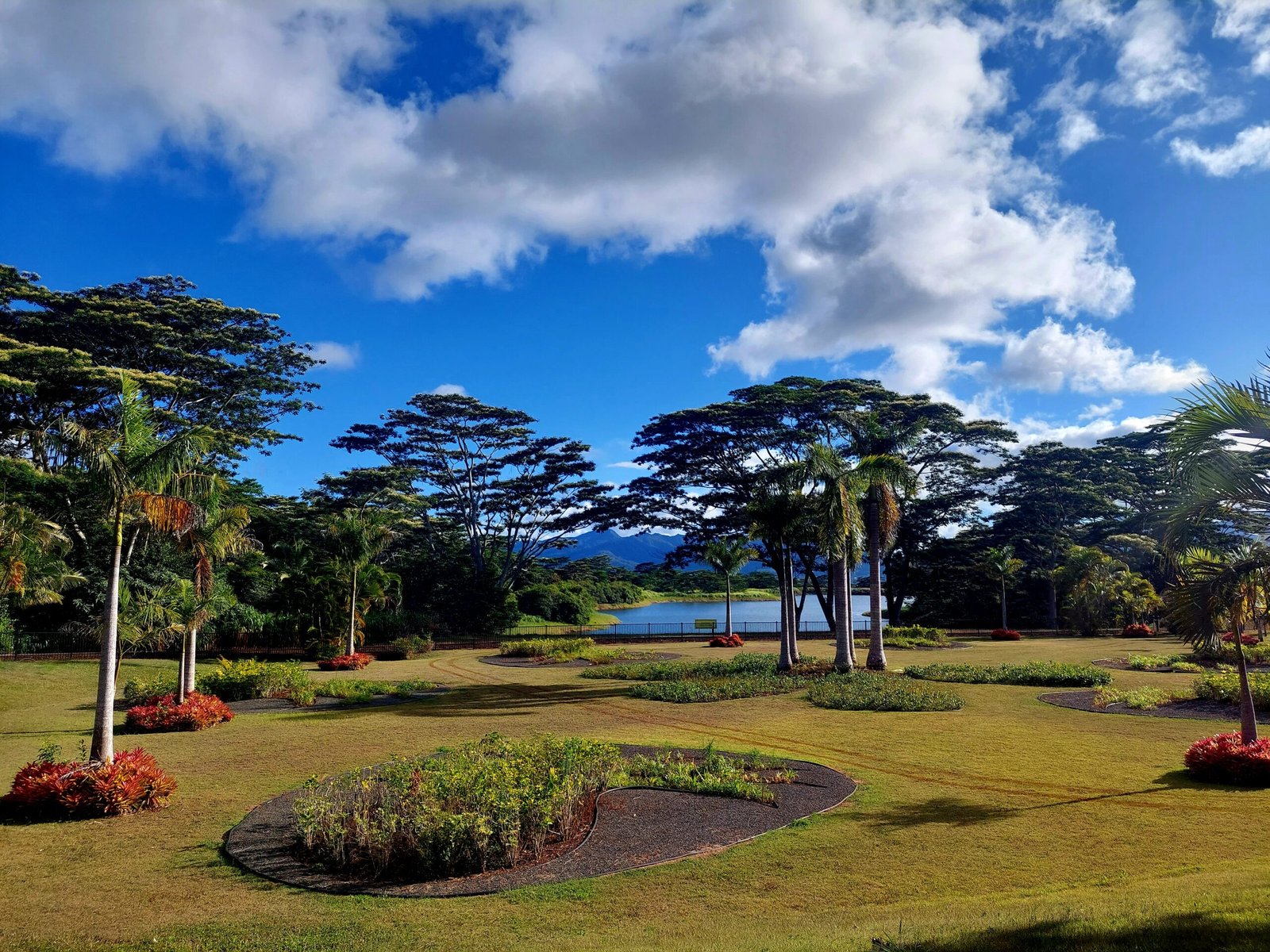
The farm has its own reservoir, which is used to irrigate the pineapple fields.
On Friday, Jaana got up before 7am in an attempt to get tickets to Hanauma Bay Nature Reserve. We had wanted to go snorkelling there, as it is apparently the best snorkelling spot on the island. Tickets are made available 48h in advance, so we set our sights on tickets for Sunday. Unfortunately, the reservation system was pretty bad, and every time Jaana got around to booking tickets, they were already gone by the time Jaana hit the “Place your Order” button. Unfortunately, we missed this cratered cove and coral reef, but that’s a good reason to return to Hawaii sometime in the future.
We decided to take a day off from snorkelling on Friday, and go for a short hike. The kids weren’t necessarily thrilled with this information, but still went along with us, with some gentle pressure from the adults, towards Diamond Head Crater at the end of Waikiki Beach. Much to the kids’ relief, we were told at the parking lot gate that we had to have a ticket to get to the top of the crater. Tickets for the day were not available anymore, so we turned back and headed for Pearl Harbour instead.
Pearl Harbour is the headquarters of the US Pacific Fleet. In addition to being a military base, it is also a museum and memorial to the attack on Pearl Harbour. In 1941, Japan launched a surprise attack on this military base which killed 2,403 people and caused the United States to join World War II.
The centrepiece of the exhibition is the wreck of the 185-metre-long battleship USS Arizona, which sank in the harbour. To see it you have to take a small connecting boat to a memorial built above the wreck. The memorial is a very popular place to visit among Americans, and it’s definitely worth buying tickets in advance to get there. As we were less affected by the events at Pearl Harbour than the Americans, we skipped the visit to the memorial and concentrated on the free exhibits in the area and the paid visit to the USS Missouri.
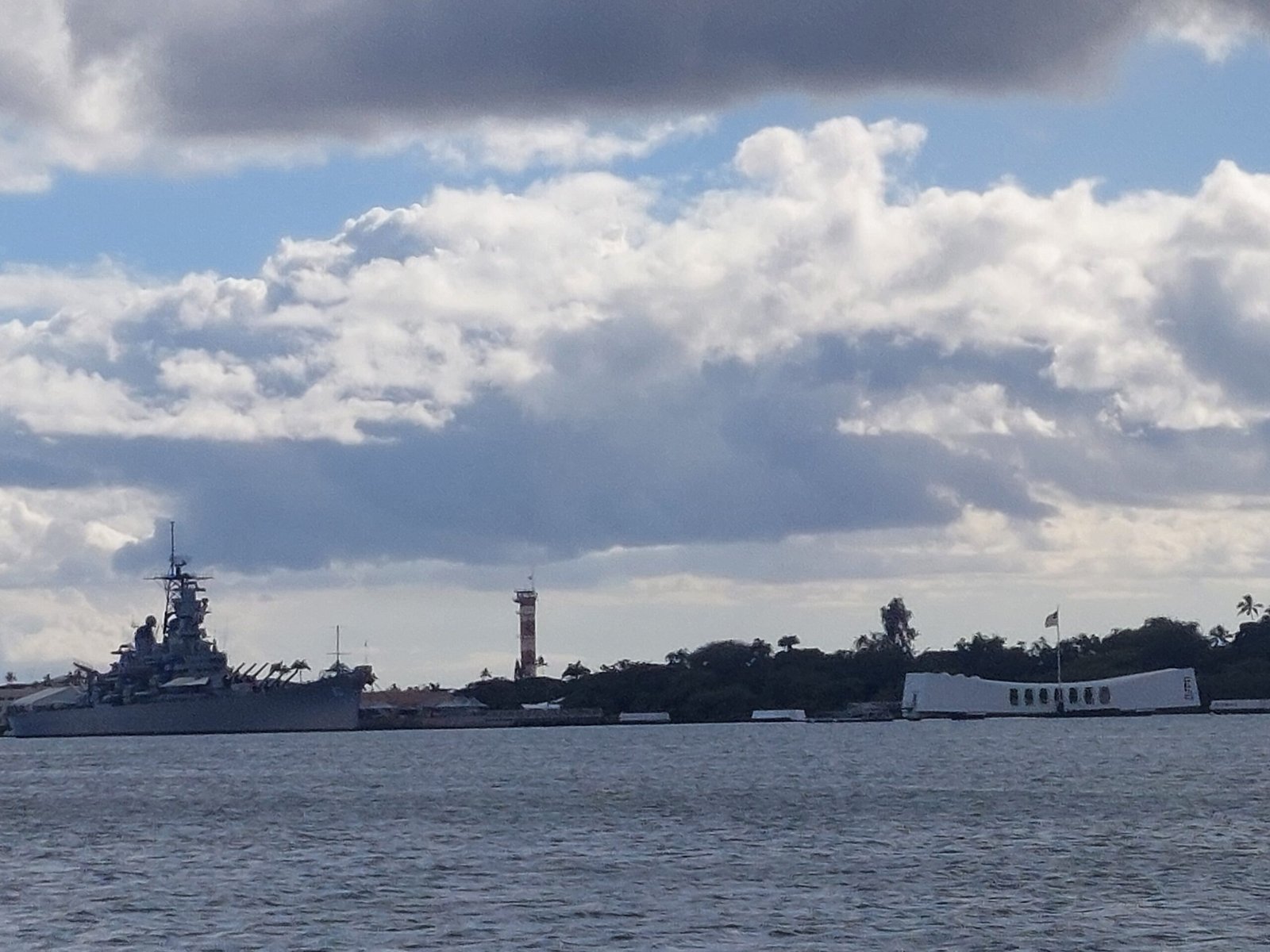
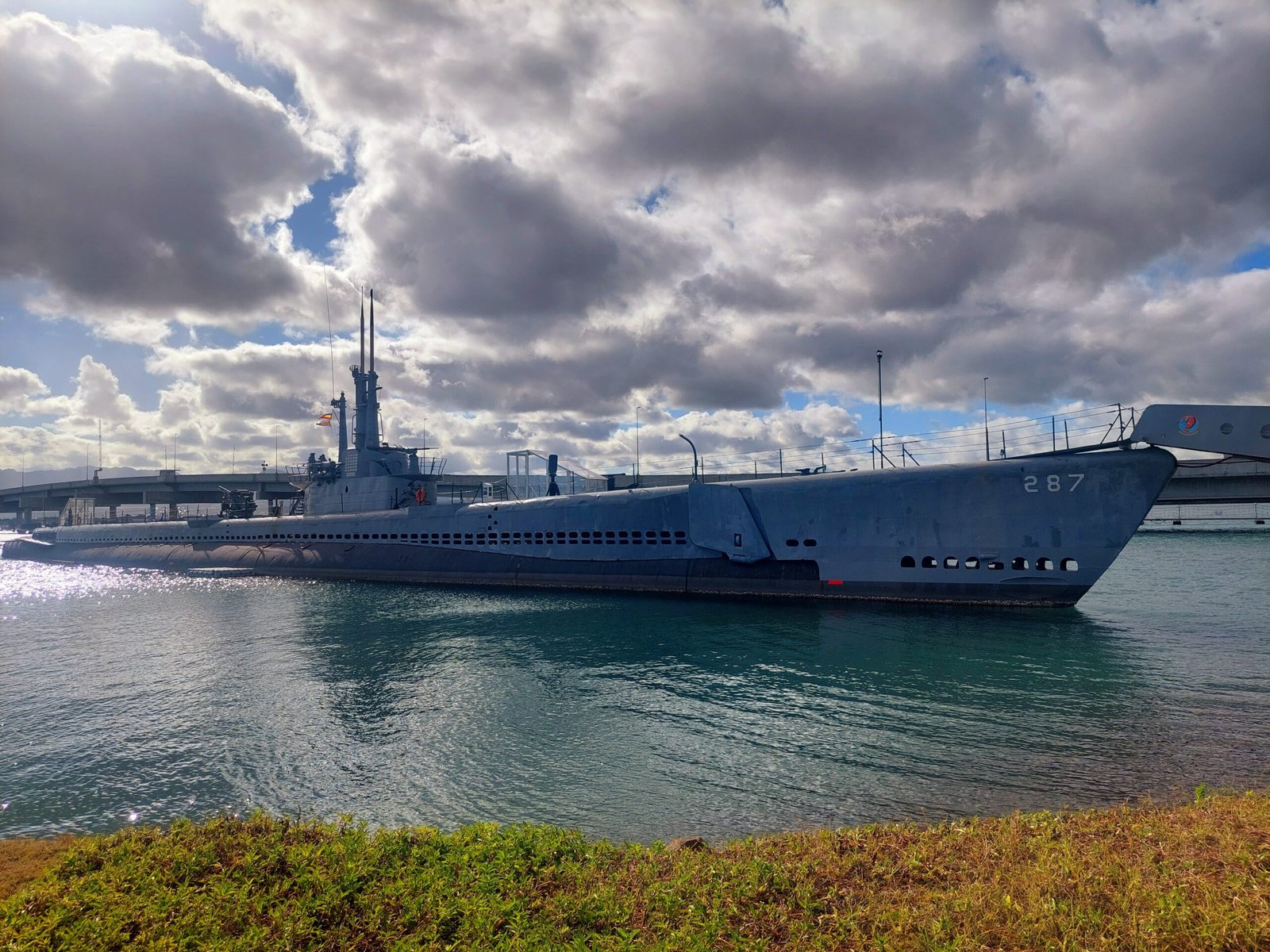
On the left, the USS Missouri and on the right, in front of her bow, the USS Arizona Memorial.
A miniature of the wreck of the USS Arizona shows how the memorial sits on top of the ship.
One of the three anchors of the USS Arizona has been raised from the seabed for visitors to see. This anchor weighs a manly 8884kg.
The USS Missouri, 270 metres long and 32 metres wide, took part in the battles of Iwo Jima in World War II, and General Douglas MacArthur received the surrender of the Japanese Emperor on the deck off Tokyo on 2 September 1945. Signing of the treaty ended World War II. When the ship was built, its dimensions, and in particular its width, were directly dependent on the width of the Panama Canal at the time, 32.5m. This allowed the ship to be maneuvered through the canal, so that it did not suffer the same fate as the Evergreen on the Suez in more recent times.
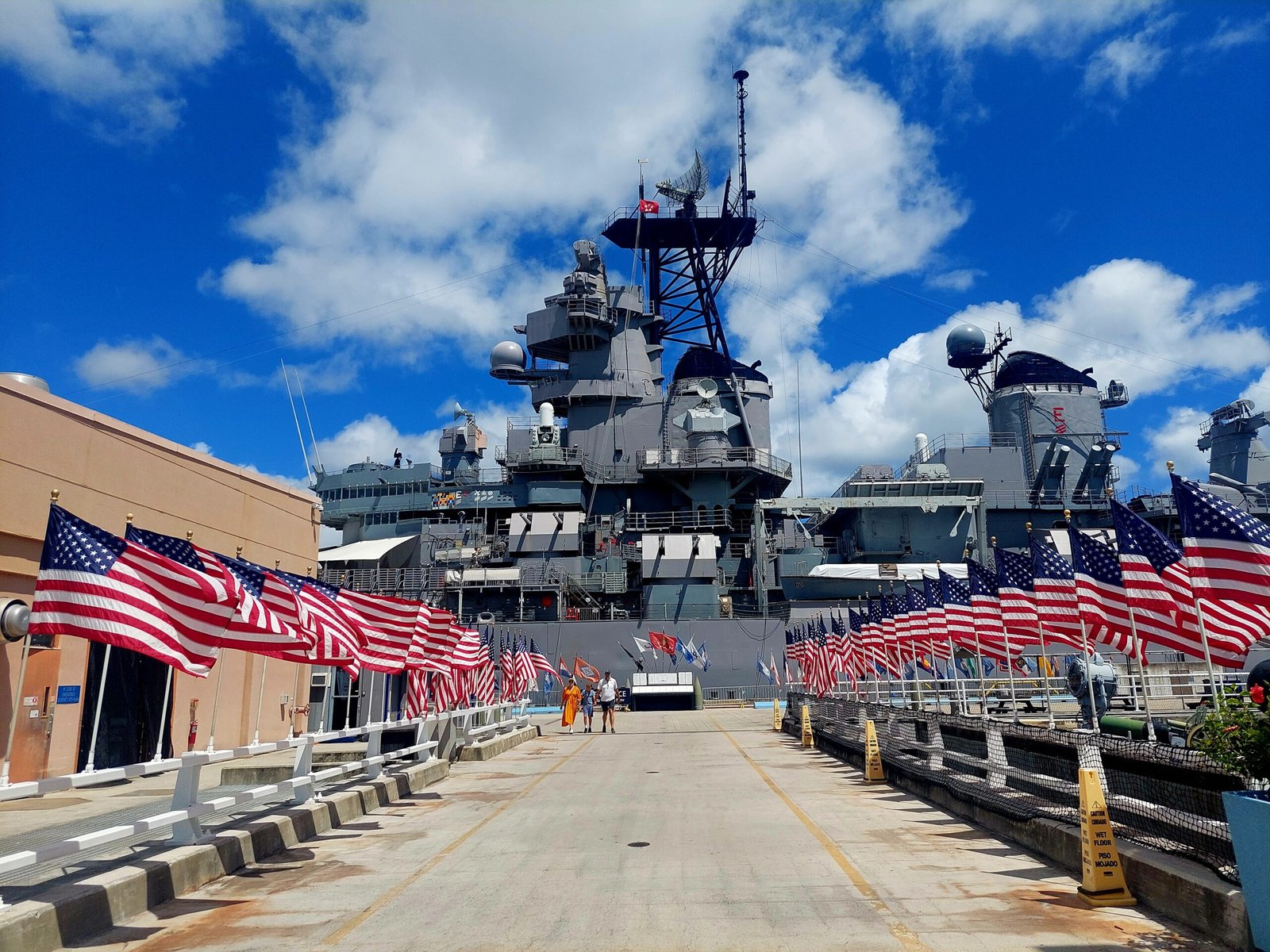
The alleyway to reach the ship was lined with American flags.
A free shuttle bus took visitors from Pearl Harbor to the USS Missouri. The ship was located on Ford Island, which was reached by crossing a bridge. As this was the entrance to an active military base, the bus was stopped before entering the island. Apparently, normally the bus driver just checks in at this point and continues on his way, but this time two police officers boarded the bus. They said it was a random anti-terrorist check and everyone had to show their IDs. Of course, most didn’t have them (including Jaana and the kids), because you are not allowed to take any bags, not even handbags, to the Pearl Harbour Memorial Site. So Jaana had left her own handbag in the car (there was a paid bag park in the area), and had only taken her phone. Many other travellers had done the same.
It was actually quite incredible that we found ourselves in this situation. Nowhere does it say when you buy tickets that you have to go through an active military base to get on board. Understandably, people moving around there have to carry ID, but none of us were getting off the bus before boarding the ship. Apparently this random check, and the requirement for ID, came as a surprise even to the bus driver, because she was very confused and asked what this was all about. After a moment of confusion, the police told the driver that, in principle, they should refuse entry to all undocumented persons. However, we were allowed to continue our journey, and eventually made it to the deck of the USS Missouri.
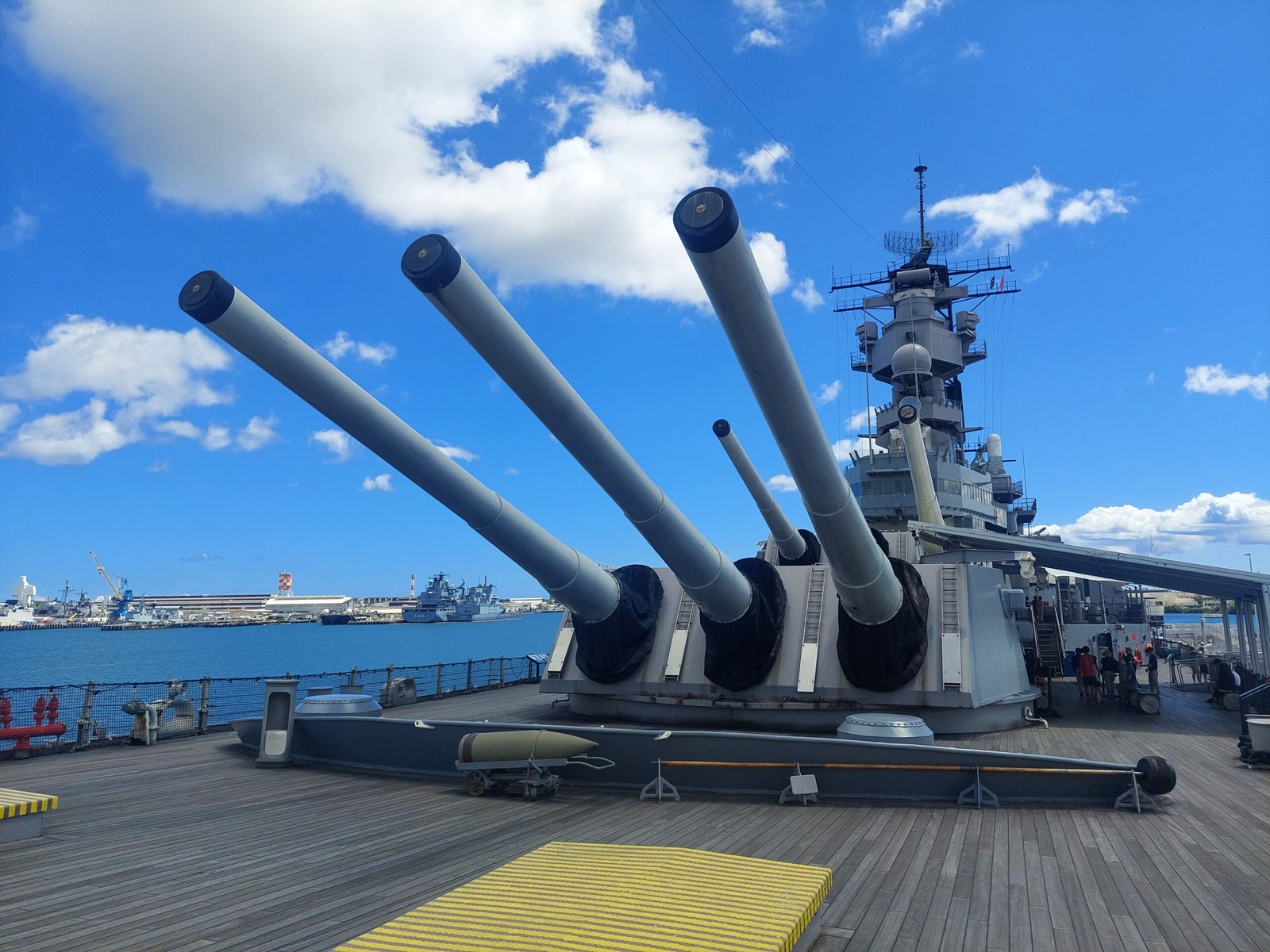
The ship's guns were capable of firing accurately at their target from a range of 40km. However, the firing had to be done sideways, otherwise the flames from the cannon would have burnt the entire front of the ship.
A free 30min guided tour was just about to start on board, and we were just in time to join in. As we had arrived just a couple of hours before the closing time, there was no rush anymore. After the guided tour on deck, we were still able to explore the ship’s labyrinthine corridors on our own. Fortunately, the route inside the ship was very well signposted, so you couldn’t get lost. We wondered, however, if someone did happen to get lost in the bowels of the ship, how on earth the staff could ensure that all the tourists who had visited the ship were safely off by closing time.
Many of the ship's stairs were very steep. Here we descend below deck to the crew quarters.
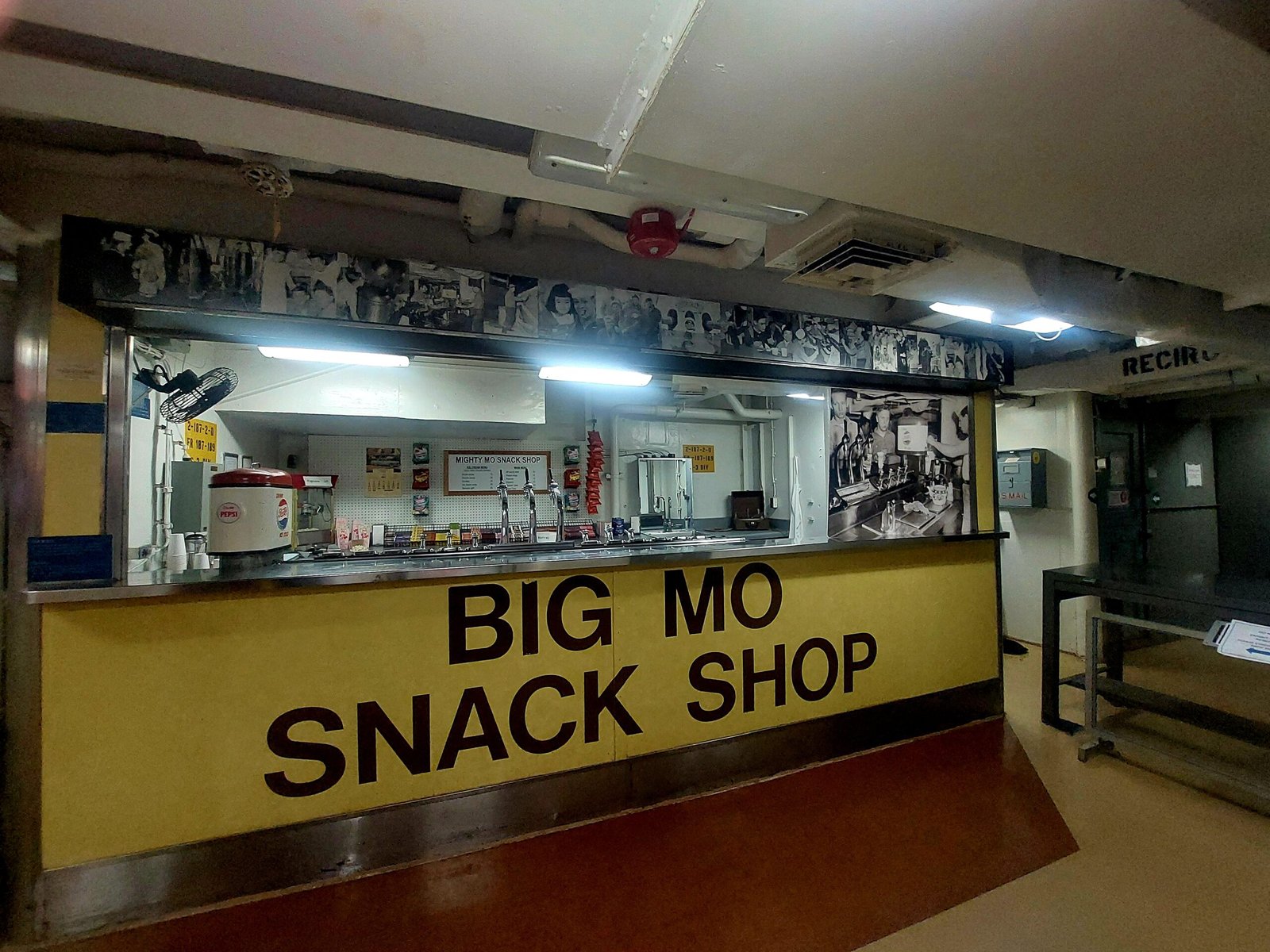
In addition to the dining facilities, the ship also had a kiosk.
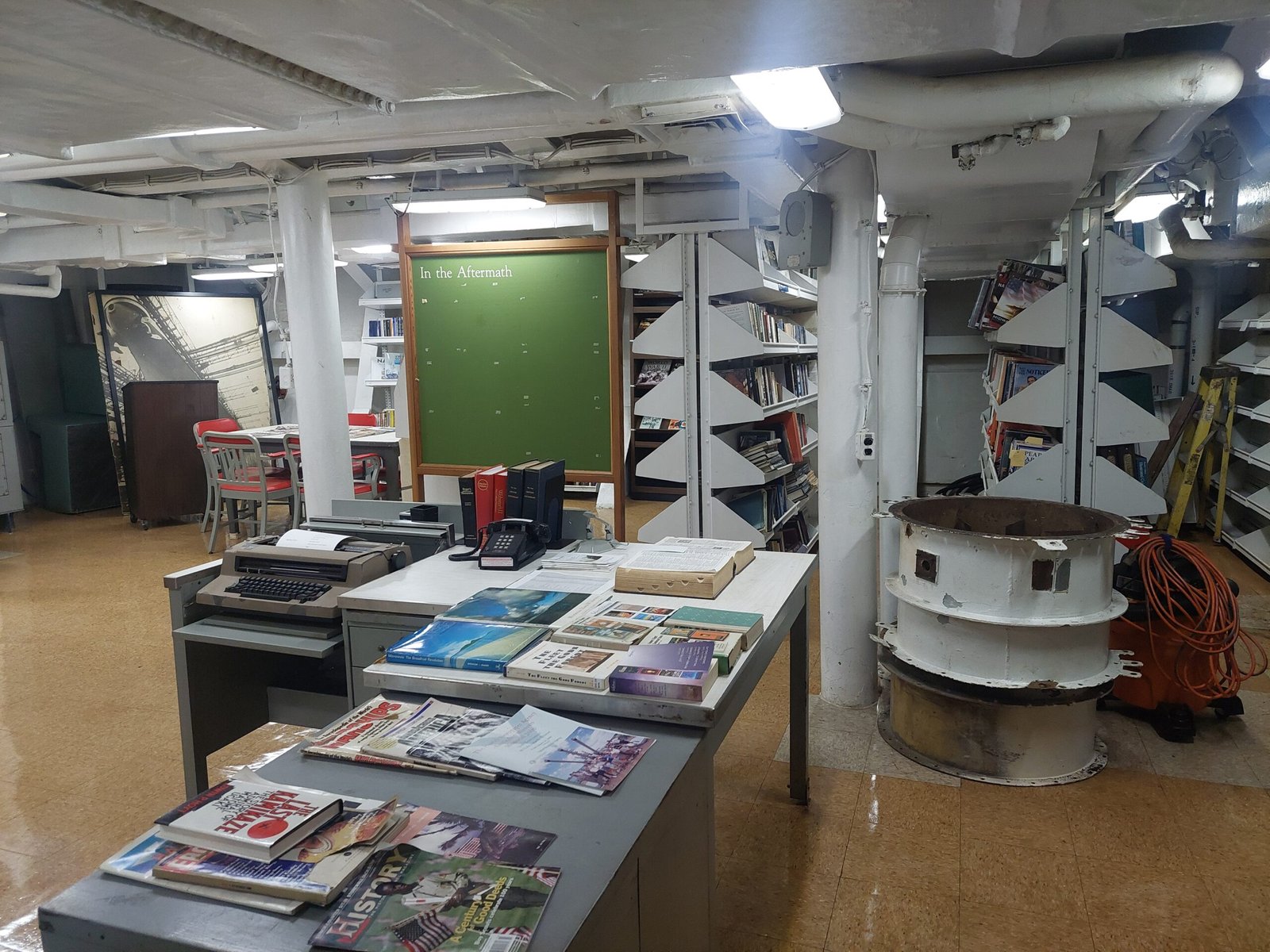
Library facilities were also available.
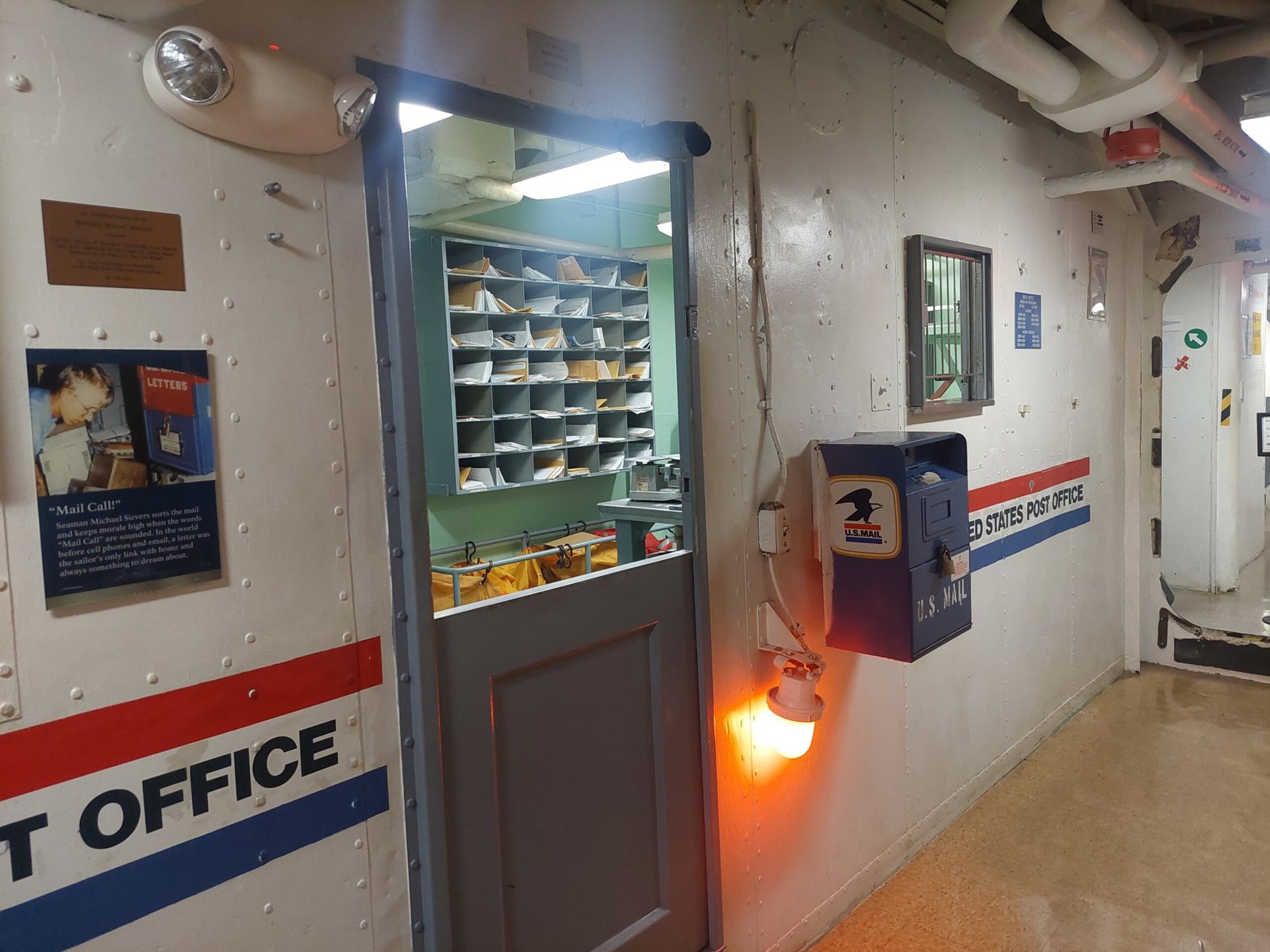
Mail was hardly delivered every day, except when ashore of course.
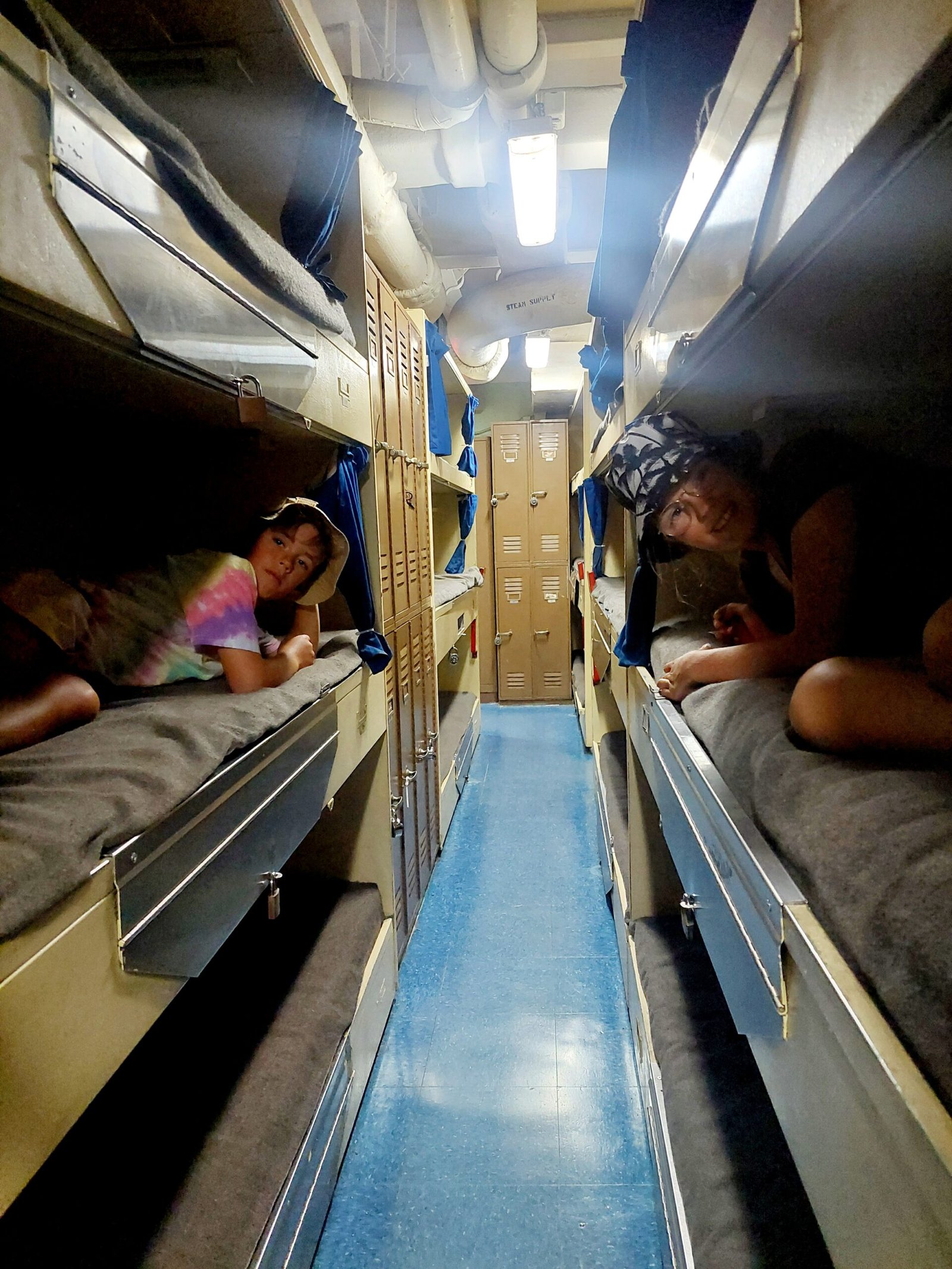
There was nothing to cheer about in the sleeping quarters for the basic crew.
At least some of the crew had designated cups. The cup was probably replaced if the rank changed, as that was also written on the side of the cup.
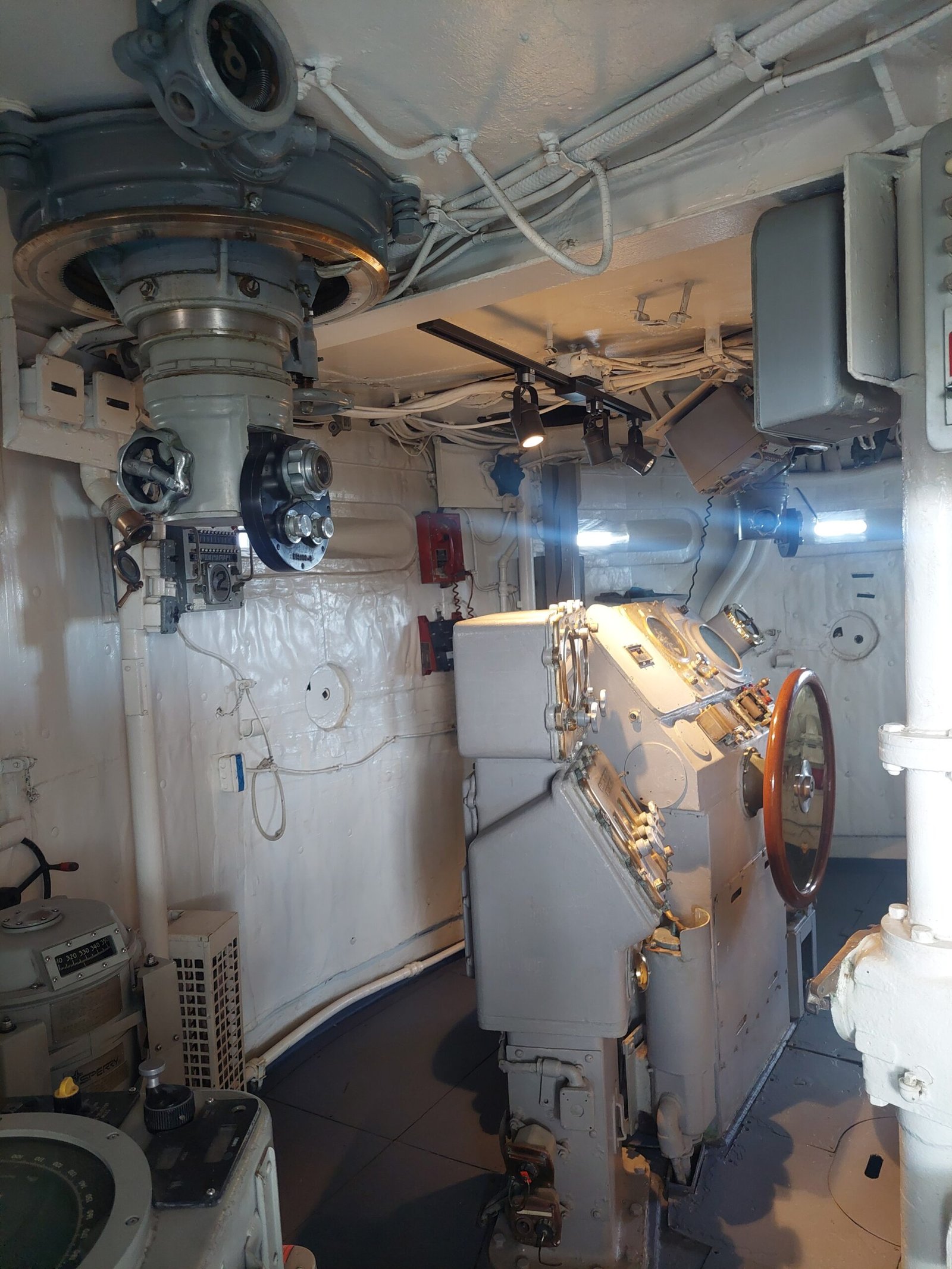
The ship was controlled from this small room.
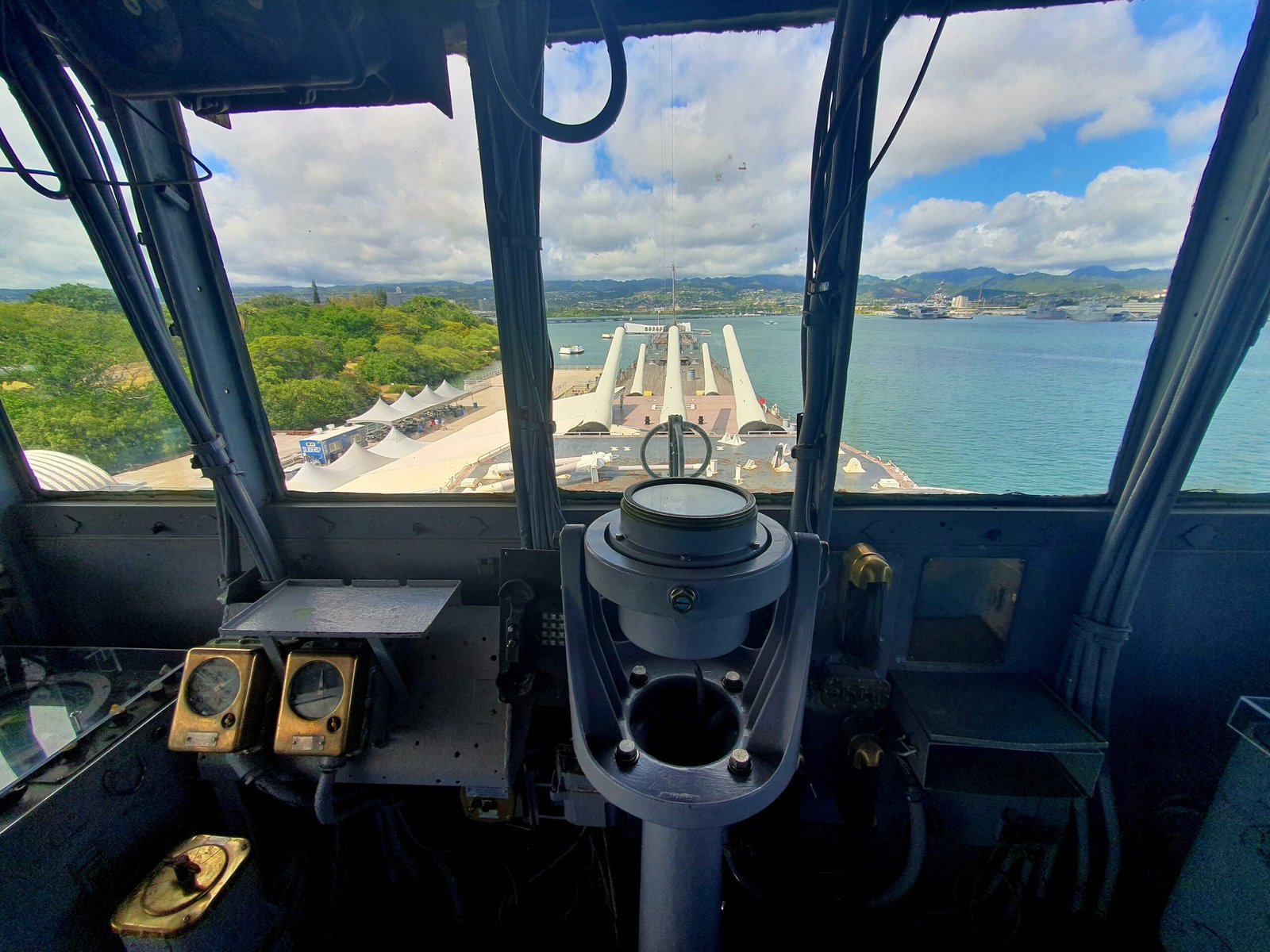
From the bridge, you could see for miles.
We took (probably) the second-to-last bus ride of the day back to the Visitor Center. There, the kids finished their Junior Ranger booklets, and so they snagged their third Junior Ranger badge of the trip. Risto has already asked when we are coming to America again, so that he can collect more badges. That should keep him busy for a while, as there are over 400 different nature reserves and national monuments involved in the Junior Ranger programme.
The USS Bowfin at the Visitor Center was also involved in WWII battles in the Pacific. Today, this ship also serves as a museum.
On Saturday, we set off to explore another new beach. This time we chose Lanikai Beach, located on the east coast, about 25min drive from our apartment. We decided to go there because Lanikai has been listed as one of the most beautiful beaches on Oahu for several years. The beach is located in a slightly more affluent residential area, and there is actually no parking at all. There might be a few quirky curbside spots, but for the most part, residents have put up “No Parking” signs all over the roadside. Apparently the place is so popular, especially during the holiday season, that local residents were already starting to have problems with cars on their own streets. So parking has been significantly restricted.
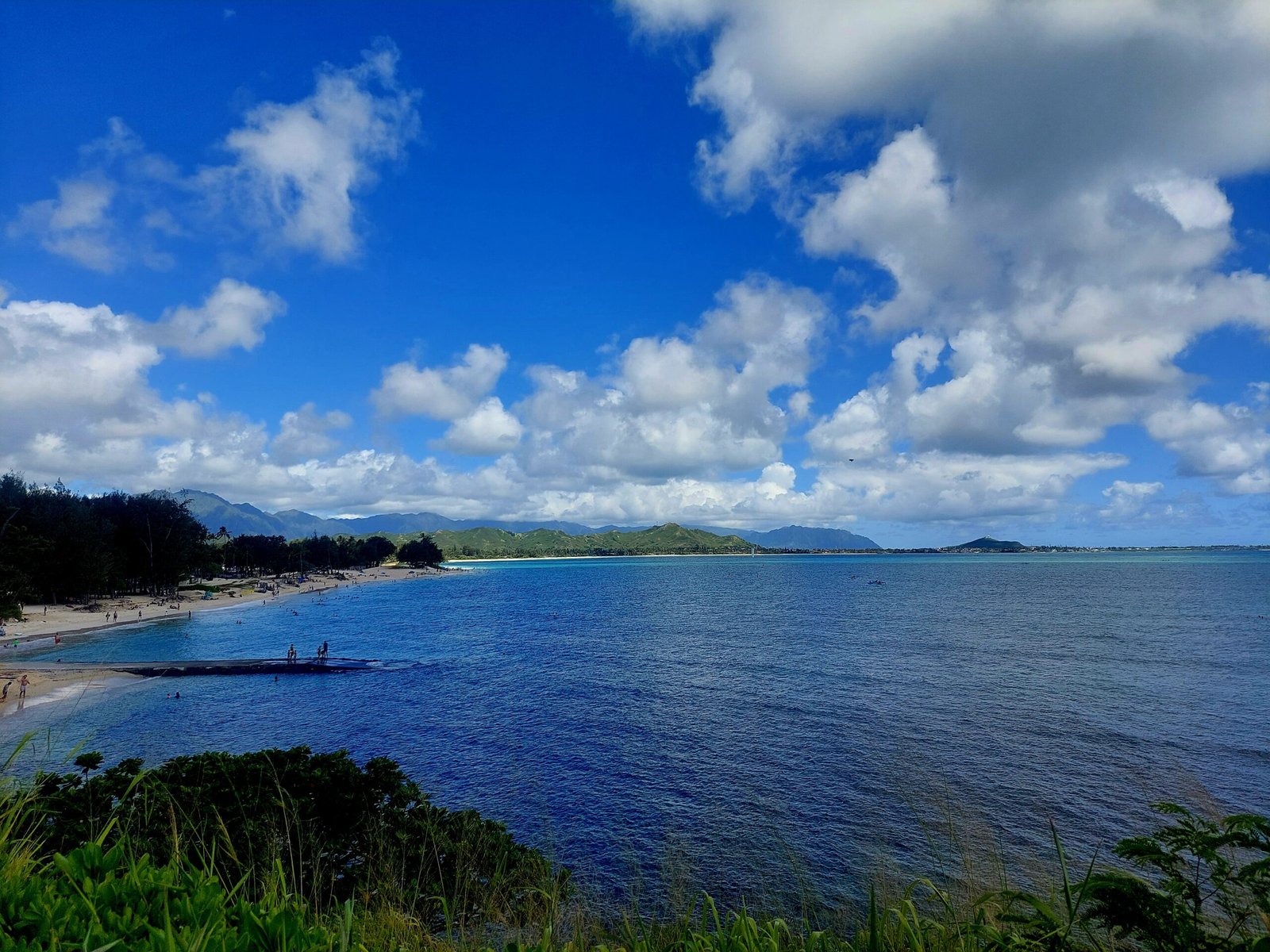
Kailua Beach is located next to Lanikai Beach.
Luckily, we knew about the lack of parking spaces in advance, and parked our car in the parking lot of Kailua Beach, next to the beach, and walked about 15-20min from there to Lanikai Beach. The beach was just the postcard-perfect white-sand prototype. It’s probably actually a really pretty place, but by the time we got there, there were already a lot of people there having a beach day. A beach dotted with parasols and beach towels is not necessarily a very pretty beach. However, Lanikai Beach was much less crowded than, say, Waikiki Beach. This was no doubt due to the fact that if you don’t live in the area, you have to have your own car to get there, or else you’d have to familiarise yourself with the local bus network.
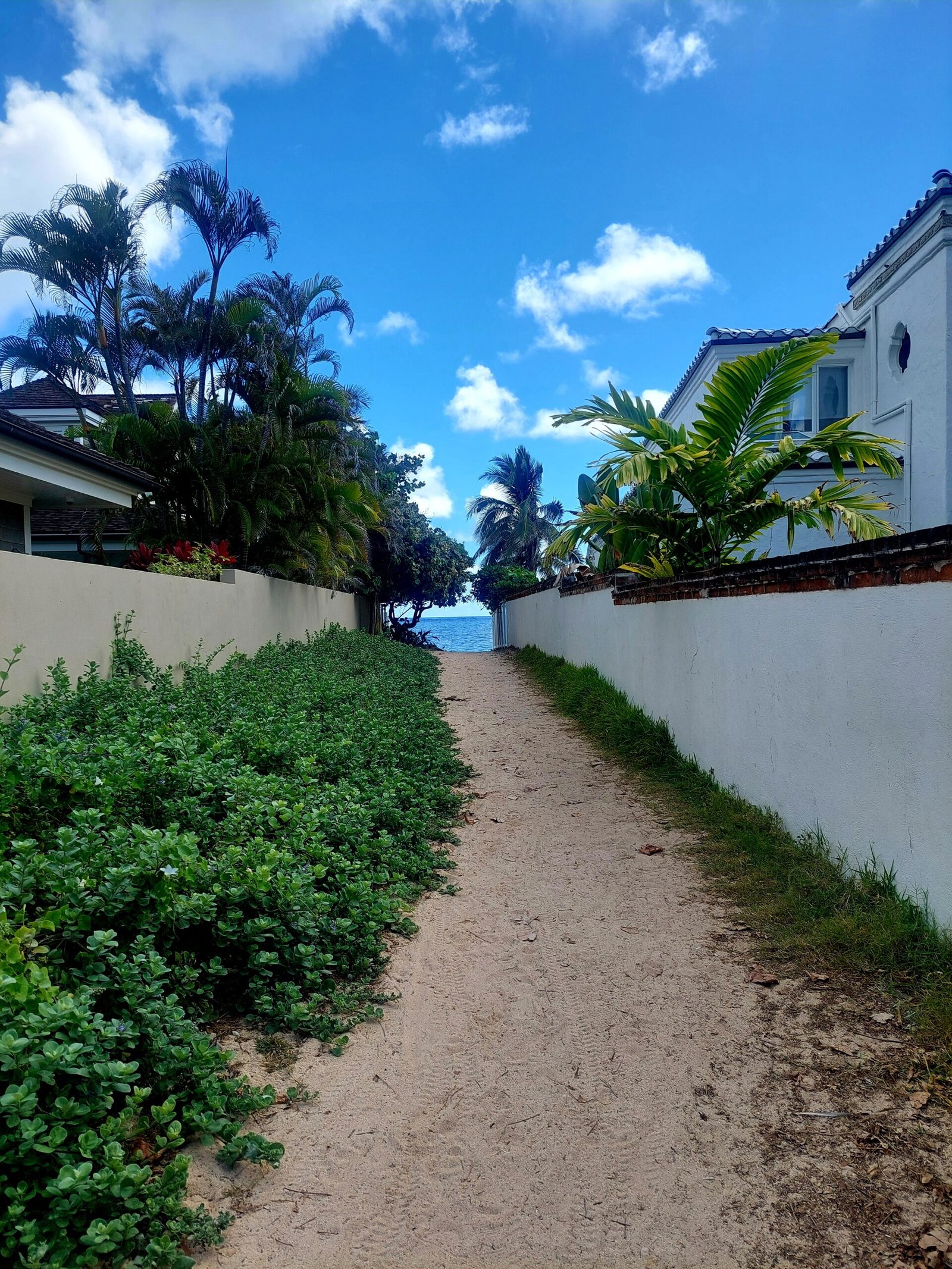
The beach is accessed by a narrow alley between residential buildings.
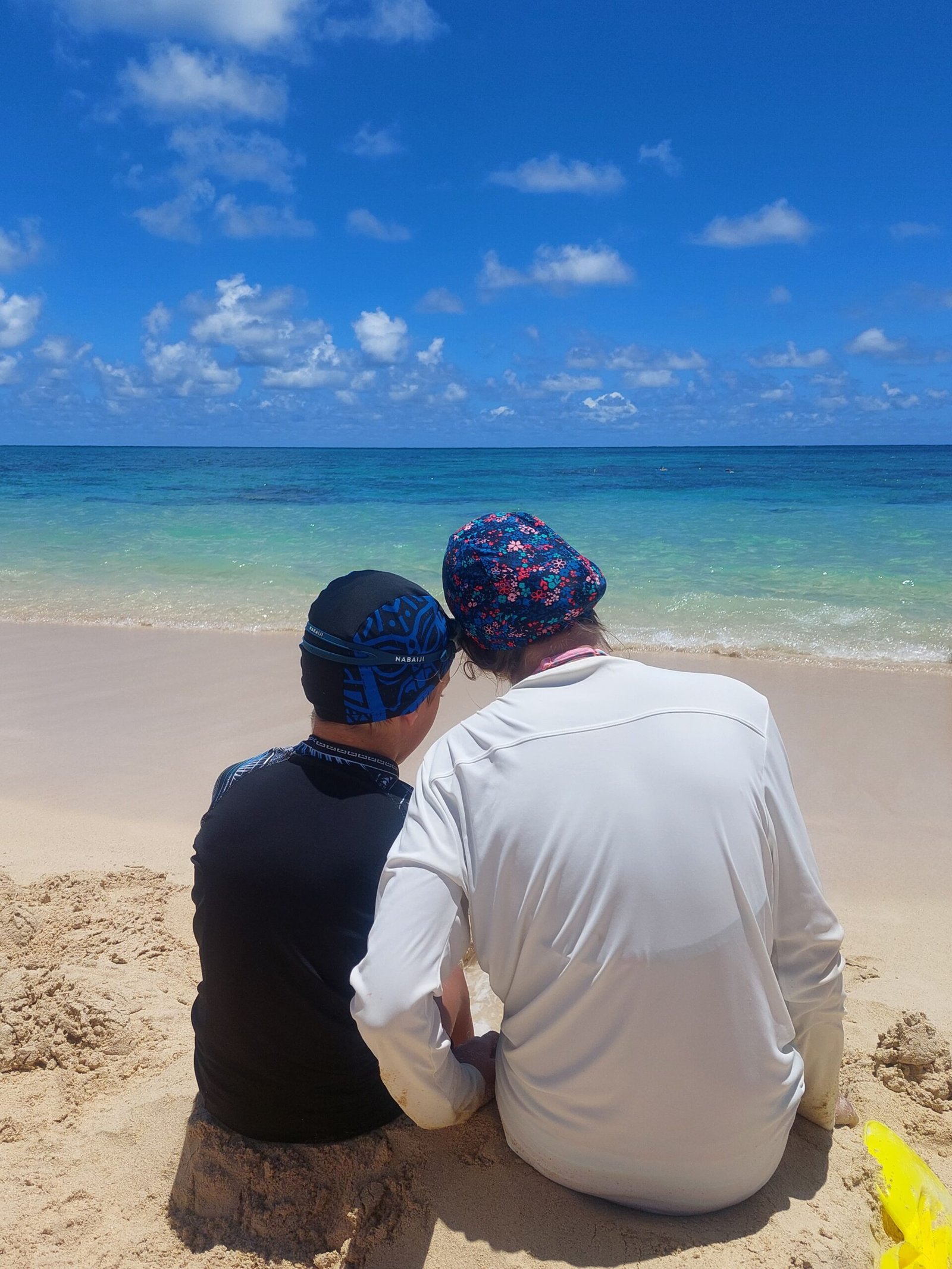
The water was unbelievably warm, much warmer than it was in Shark’s Cove the day before yesterday. The beach was also relatively shallow, and there was no big swell, so it was also very suitable for snorkelling. A coral reef started just off the beach, with lots of different colourful little fish swimming around. The fish were smaller than in Shark’s Cove, but it was nice to watch them in the water. We also saw two turtles swimming for a long time a little further out on the outer edge of the reef. Luckily for us, Finnish is quite a code language, so no one else understood when Marko returned to shore to tell us about the two turtles on the reef. We were able to watch them in peace for a long time. If we had shouted the word “turtle”, the whole beach would have been empty in a nanosecond, and all the people would have rushed into the water to admire the turtles. (This is what happened at Shark’s Cove when an American child shouted to his mother that he had seen a turtle.)
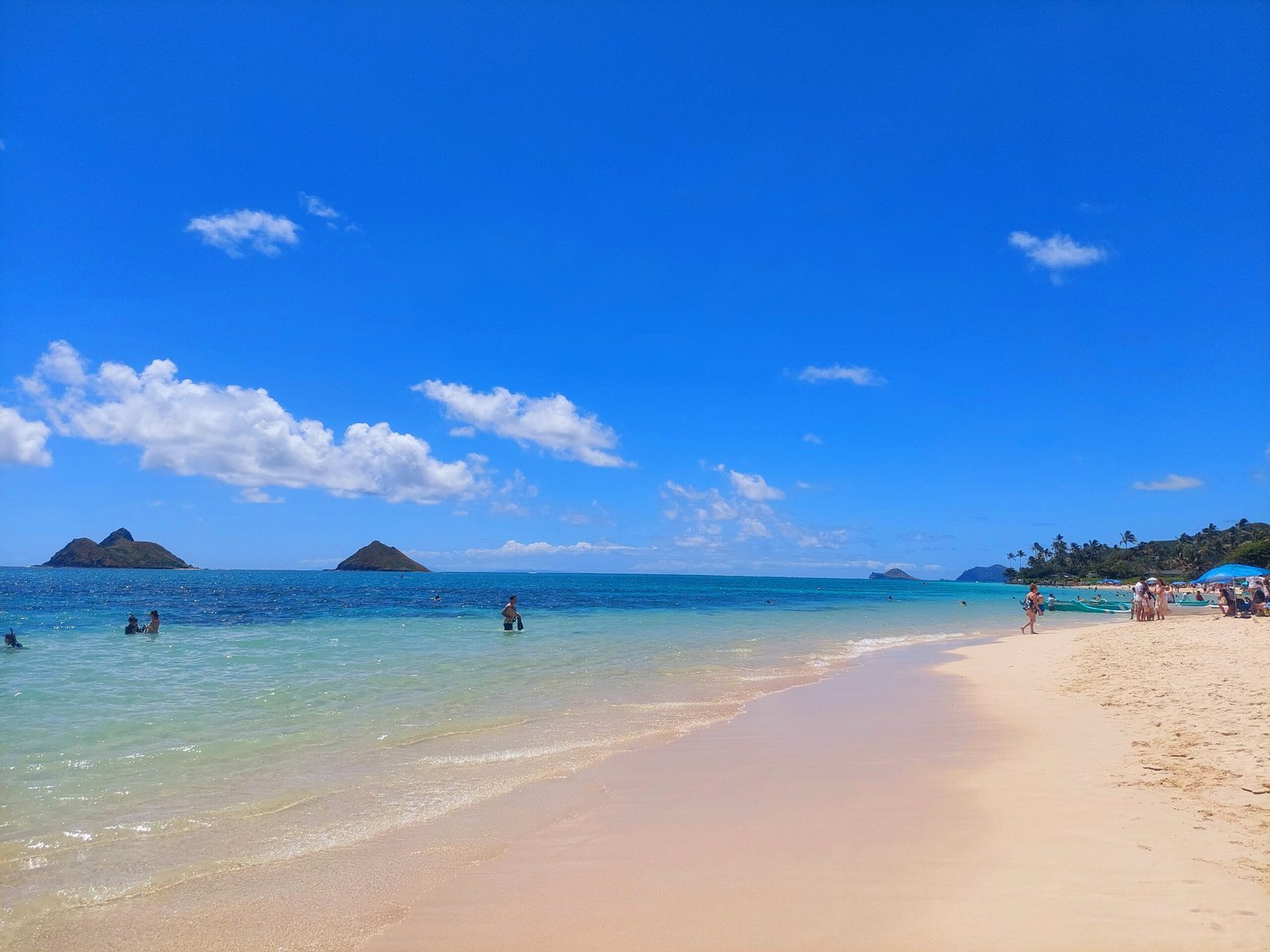
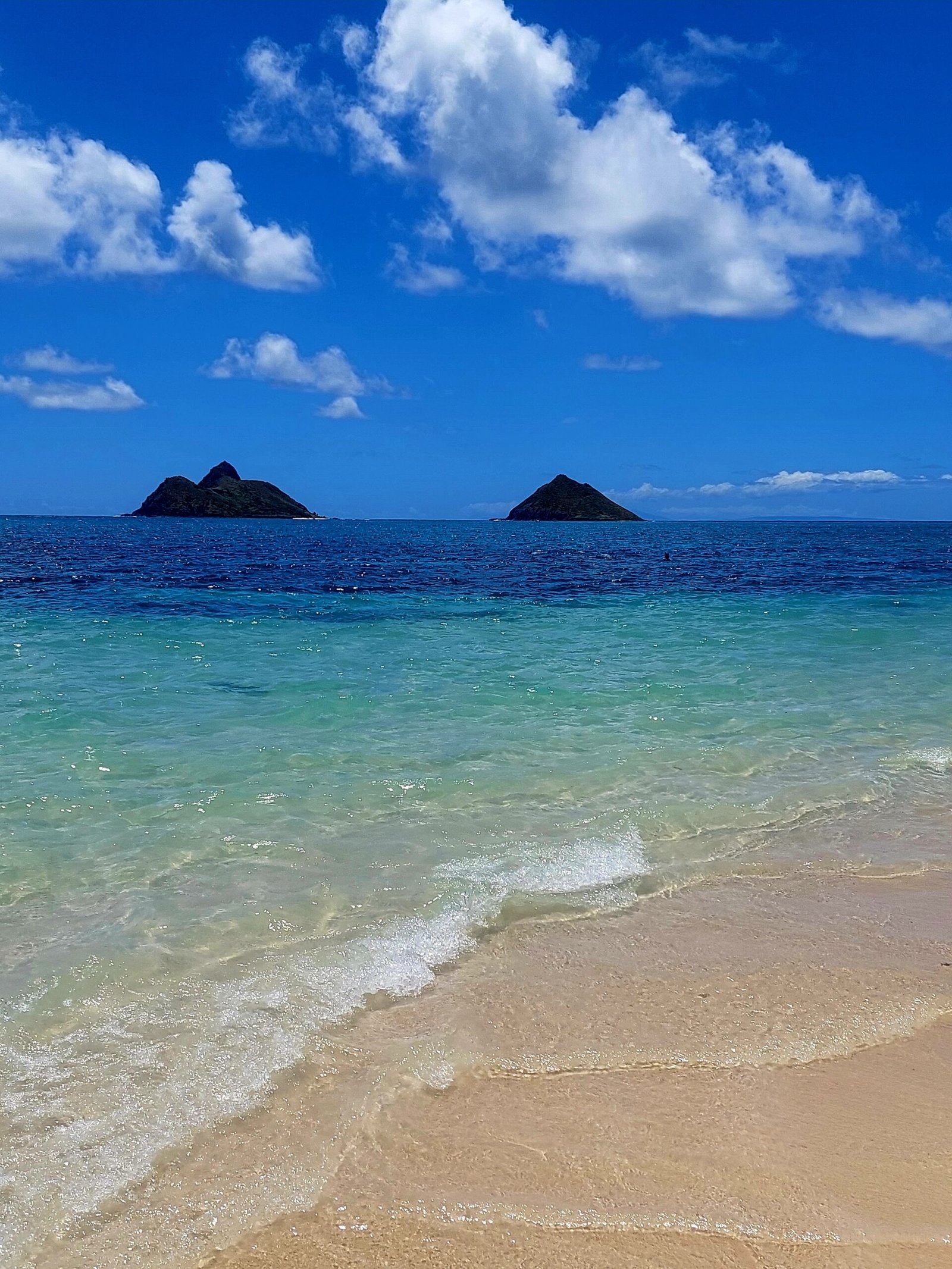
Lanikai Beach is undeniably quite beautiful.
From the beach you can paddle to the Mokulua Islands. We didn't go there.
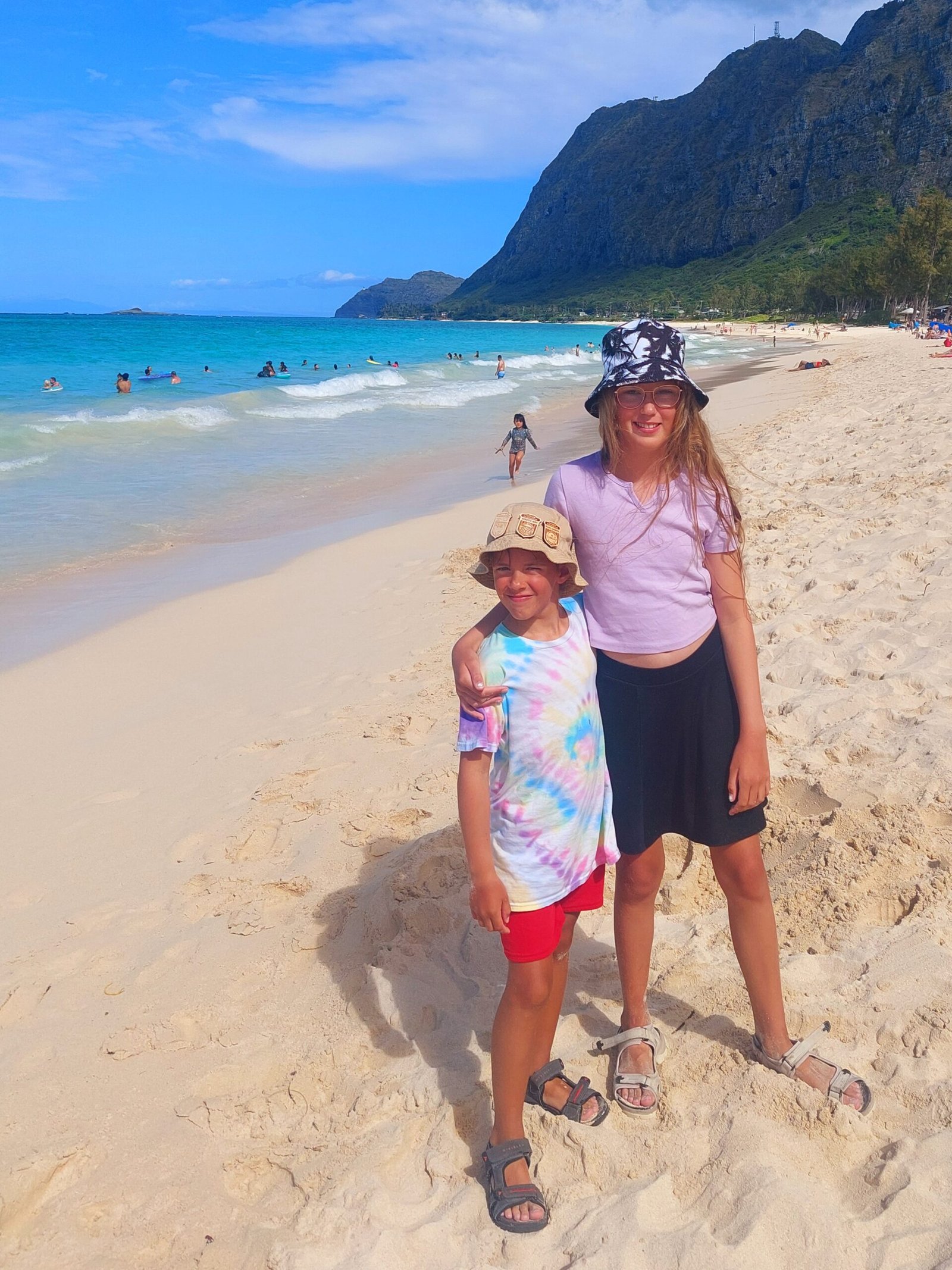
The siblings are still getting along with each other.
Because the beach was so nice for snorkelling, we stayed there a little longer than we had originally planned. So we were almost in a hurry to eat before we went to Waikiki Beach in the evening to see the free Hula dance show. The show takes place there twice a week, on Tuesdays and Saturdays. We went to see the show especially at Ronja’s request. After the hour-long show, she said she had really enjoyed the dances. She also thought that, at least in terms of hair length, she could have easily joined a hula dance group. Apparently, it is traditional for a dancer to have long hair. Although, at the very beginning, the dancers were men and boys, as it was not considered appropriate at the time to allow girls to dance.
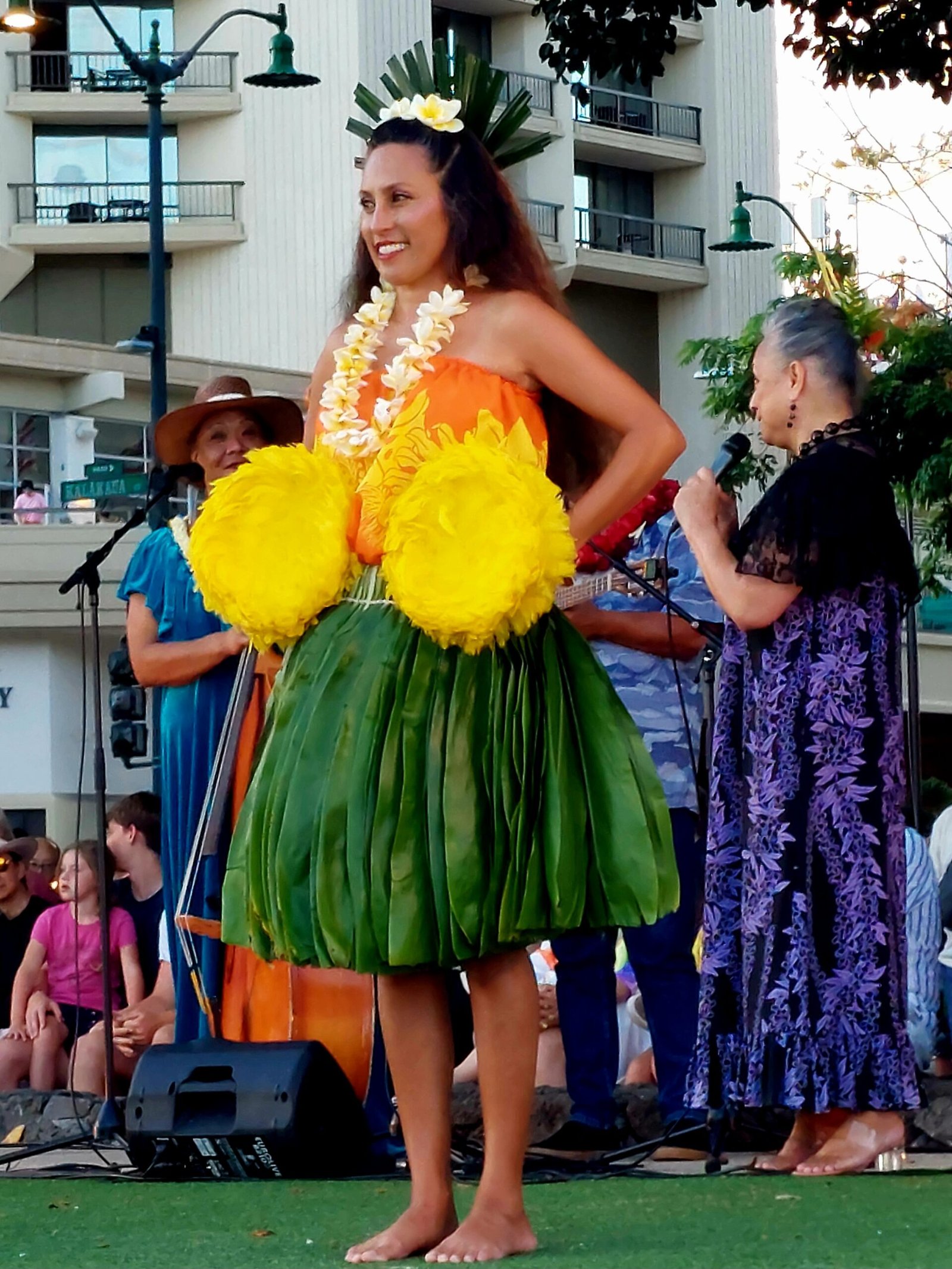
The skirt is made from banana leaves. It takes about 50 leaves to make one skirt.
All performers were students at the Hula dance school. Each hula tells a story. A teacher from the hula school interpreted the main points of the Hawaiian lyrics for the audience so that they could follow how the dancers’ movements reflected the events of the story.
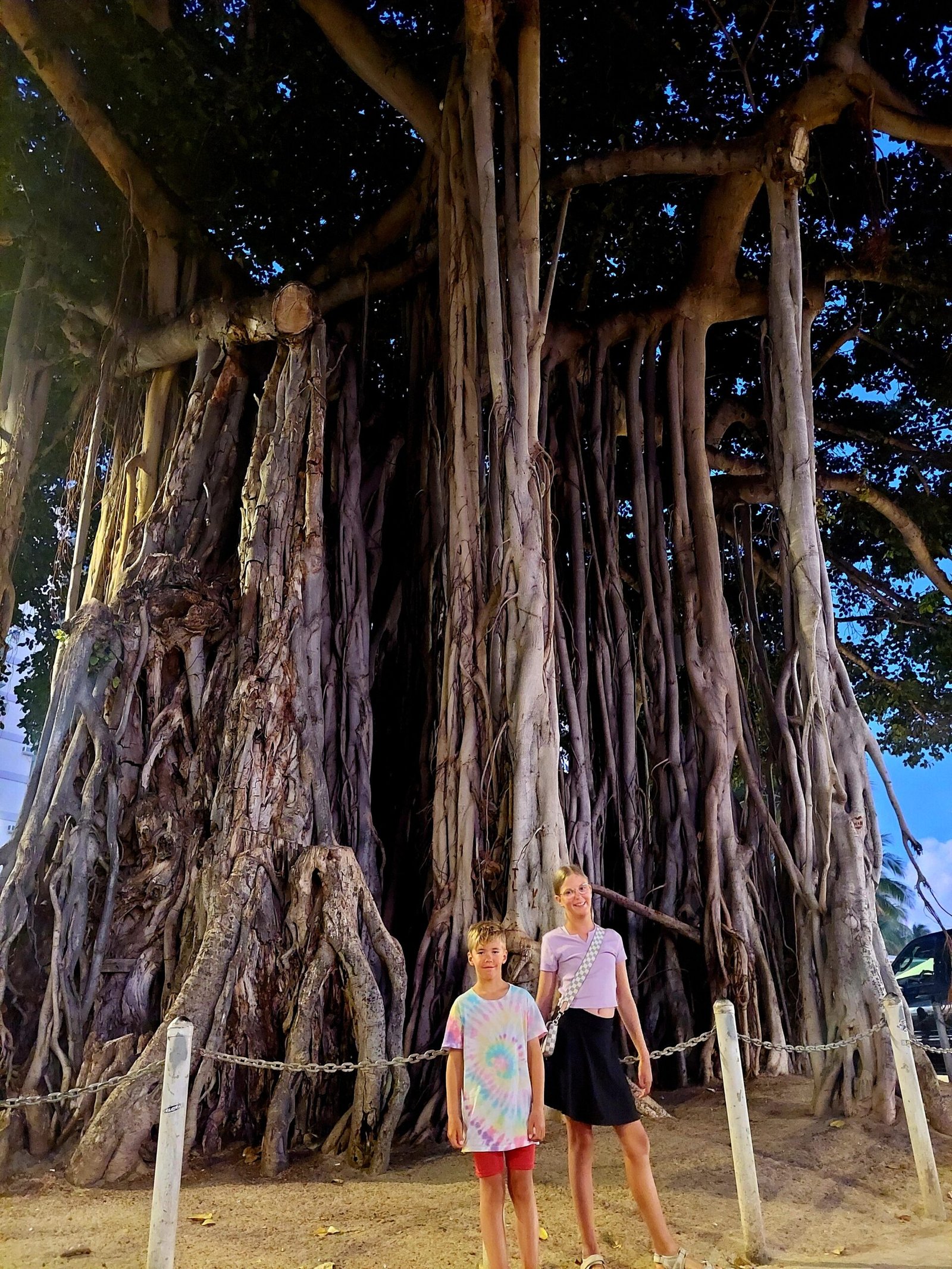
The hula performance was under this huge tree. The canopy of the tree was the roosting place of many small birds, judging by the chirping.
After the dance performance, we went for a short walk on the Waikiki beach boulevard. There would have been Louis Vuitton, Prada and Chanel on offer again, but we didn’t want to try our luck with the doormen with their earphones. So we settled for window shopping only. Some of the hotels also looked pretty swanky, so maybe there will be enough customers for these shops. The restaurants and shops on the street were very busy. Maybe not as much as in Las Vegas, but in some places it was quite crowded.
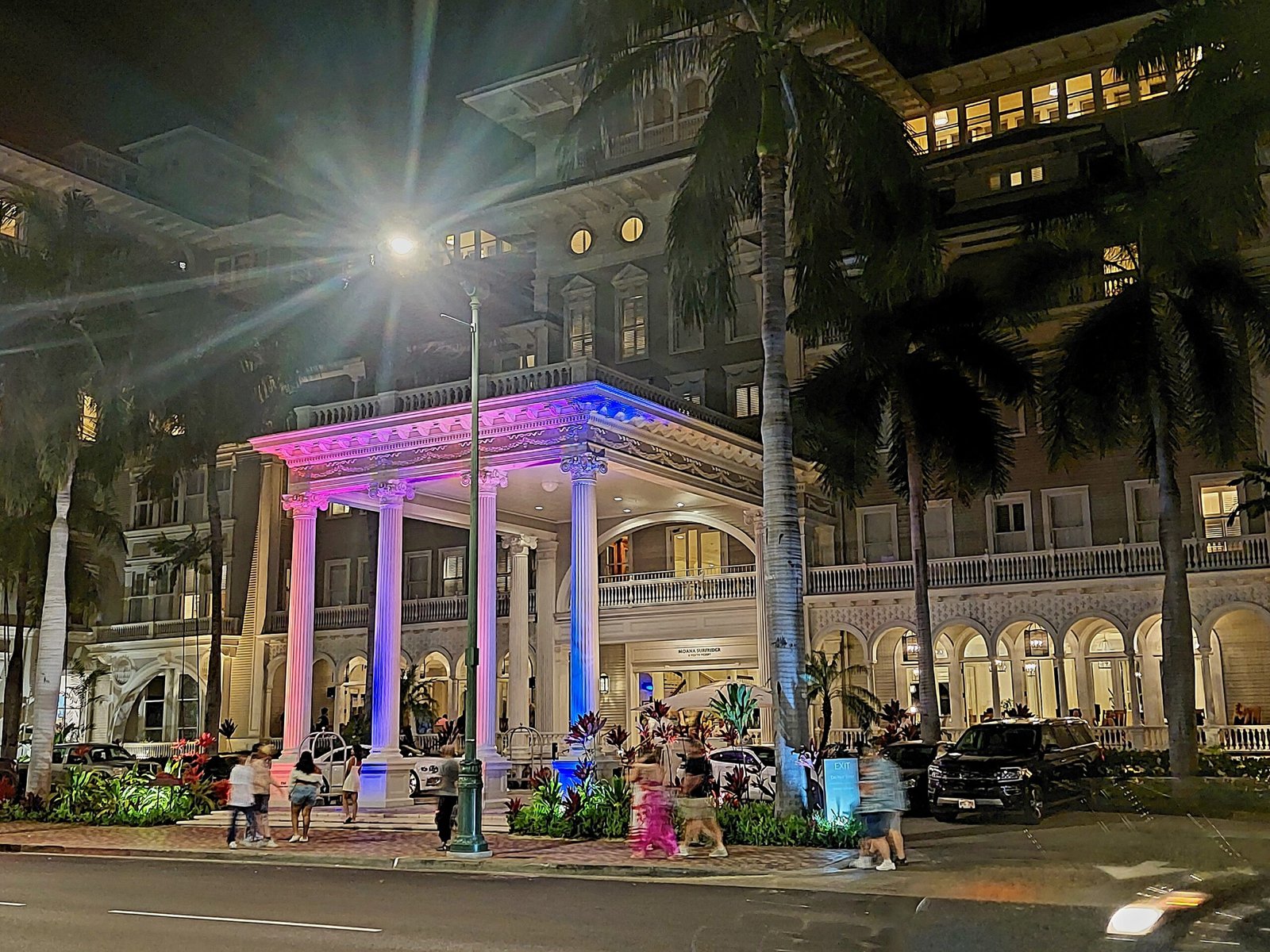
Funnily enough, we didn't stay overnight at the Moana Surfrider. One night here would cost our family about 950€.
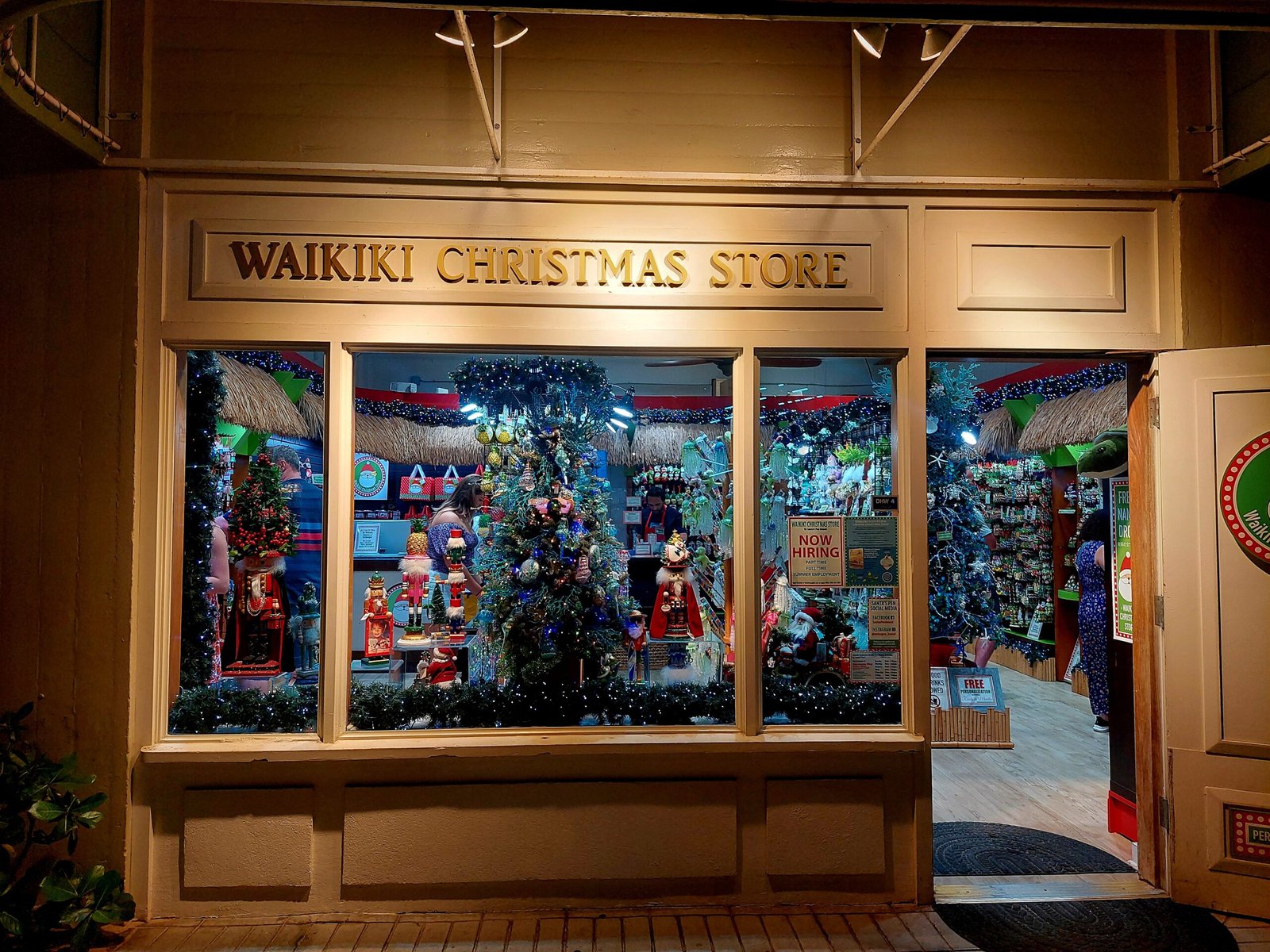
You could have got a summer job at the Christmas shop.
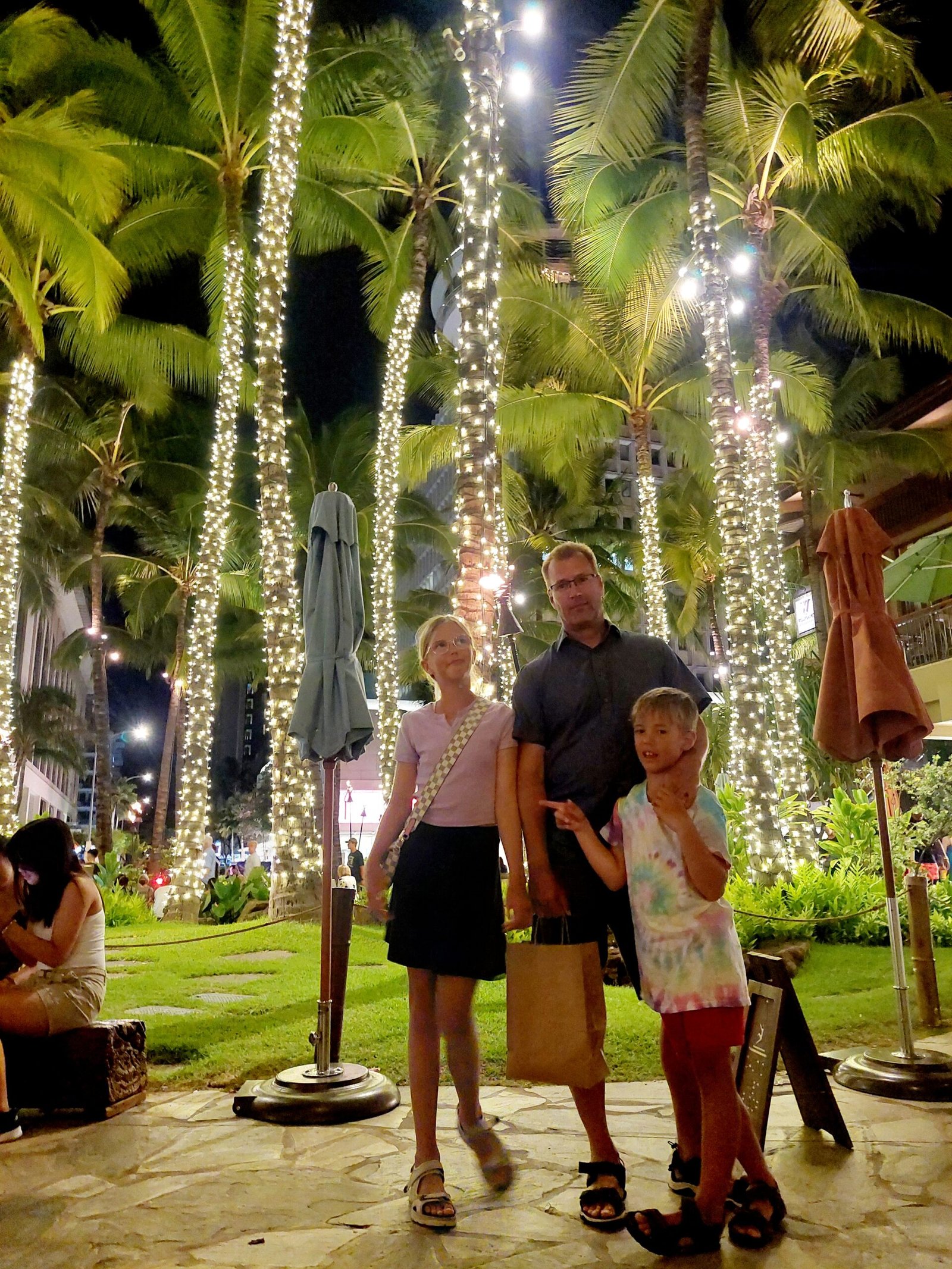
This was supposed to be a representative 'daddy and kids' potrait.
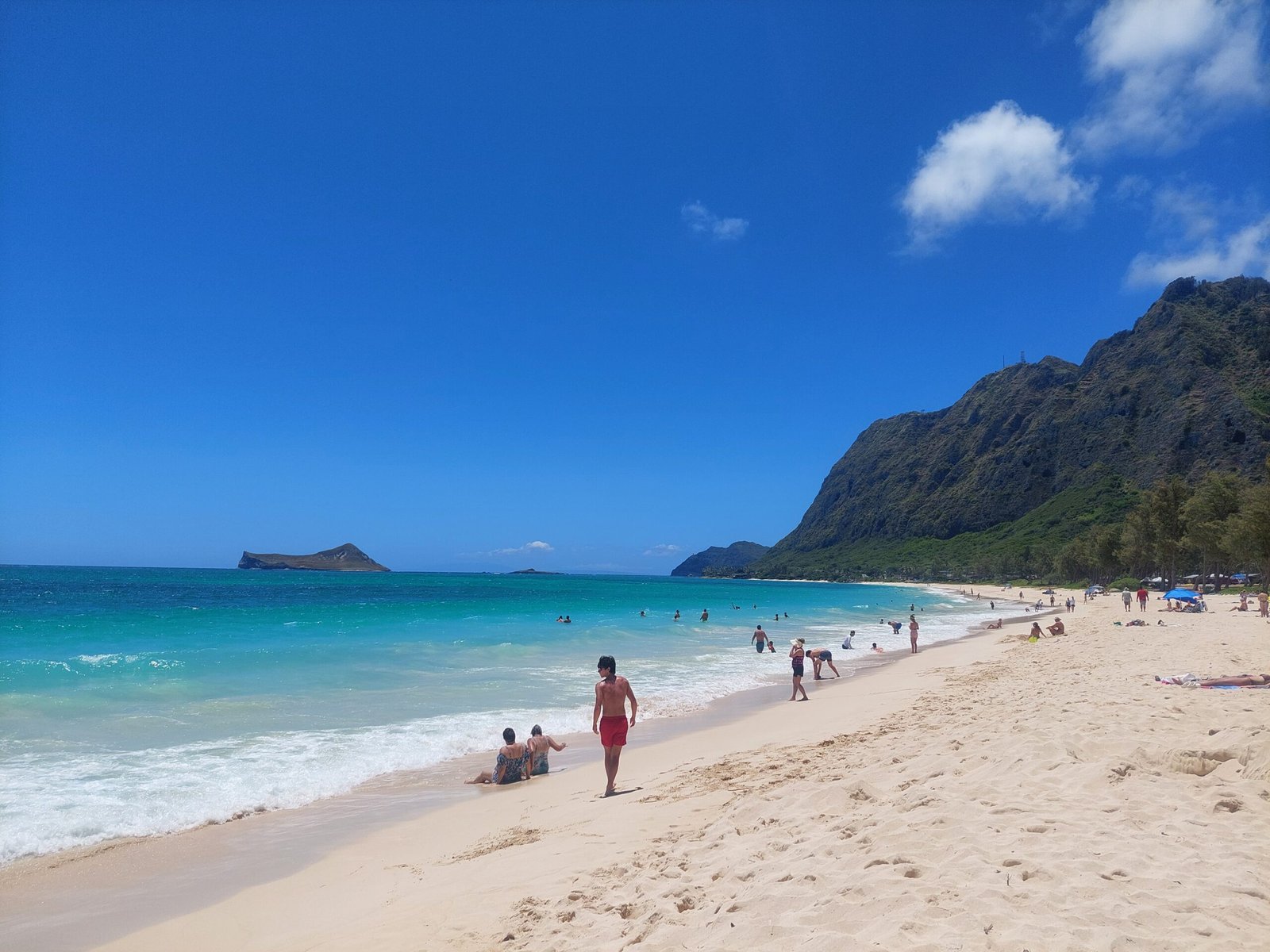
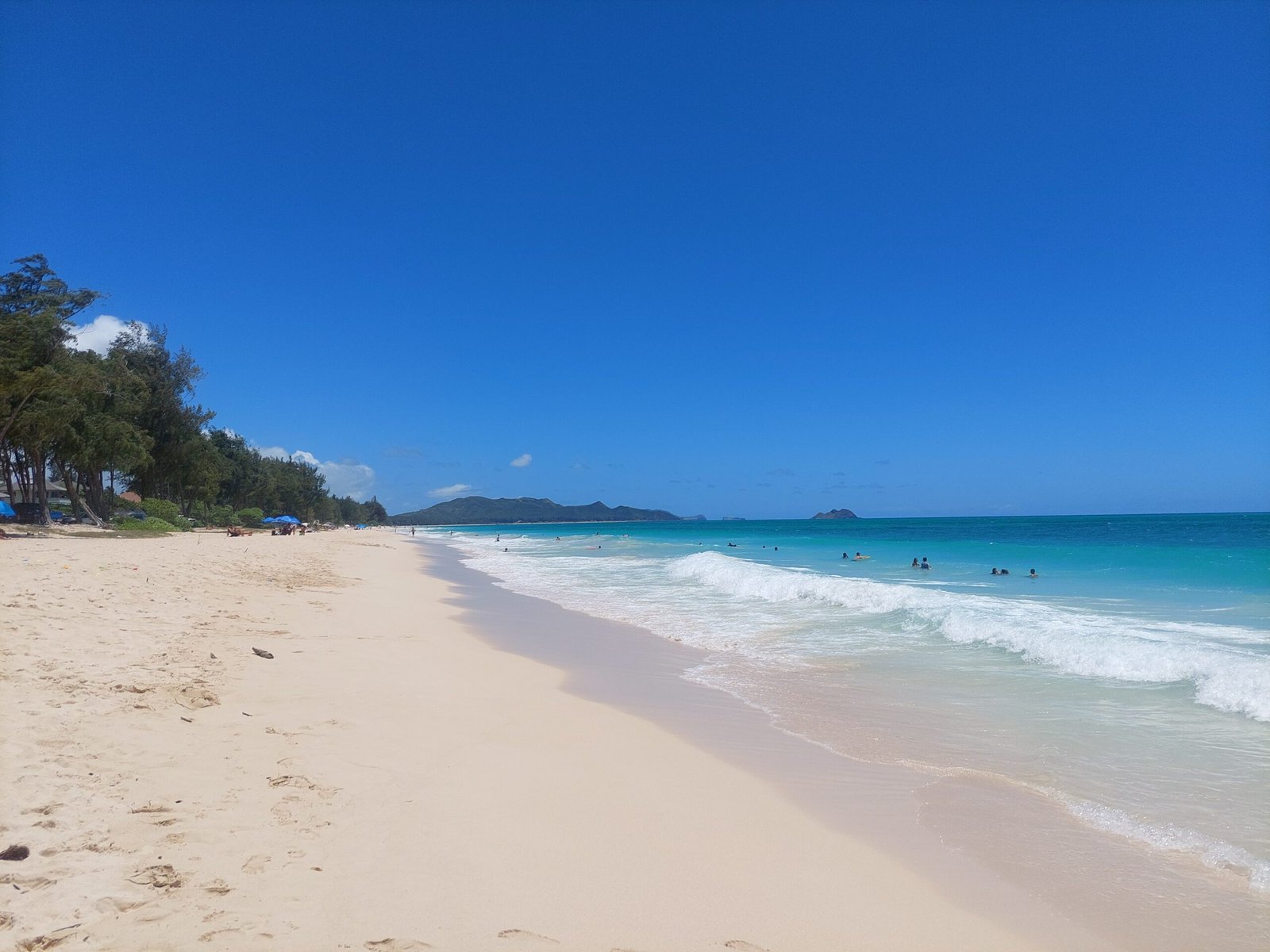
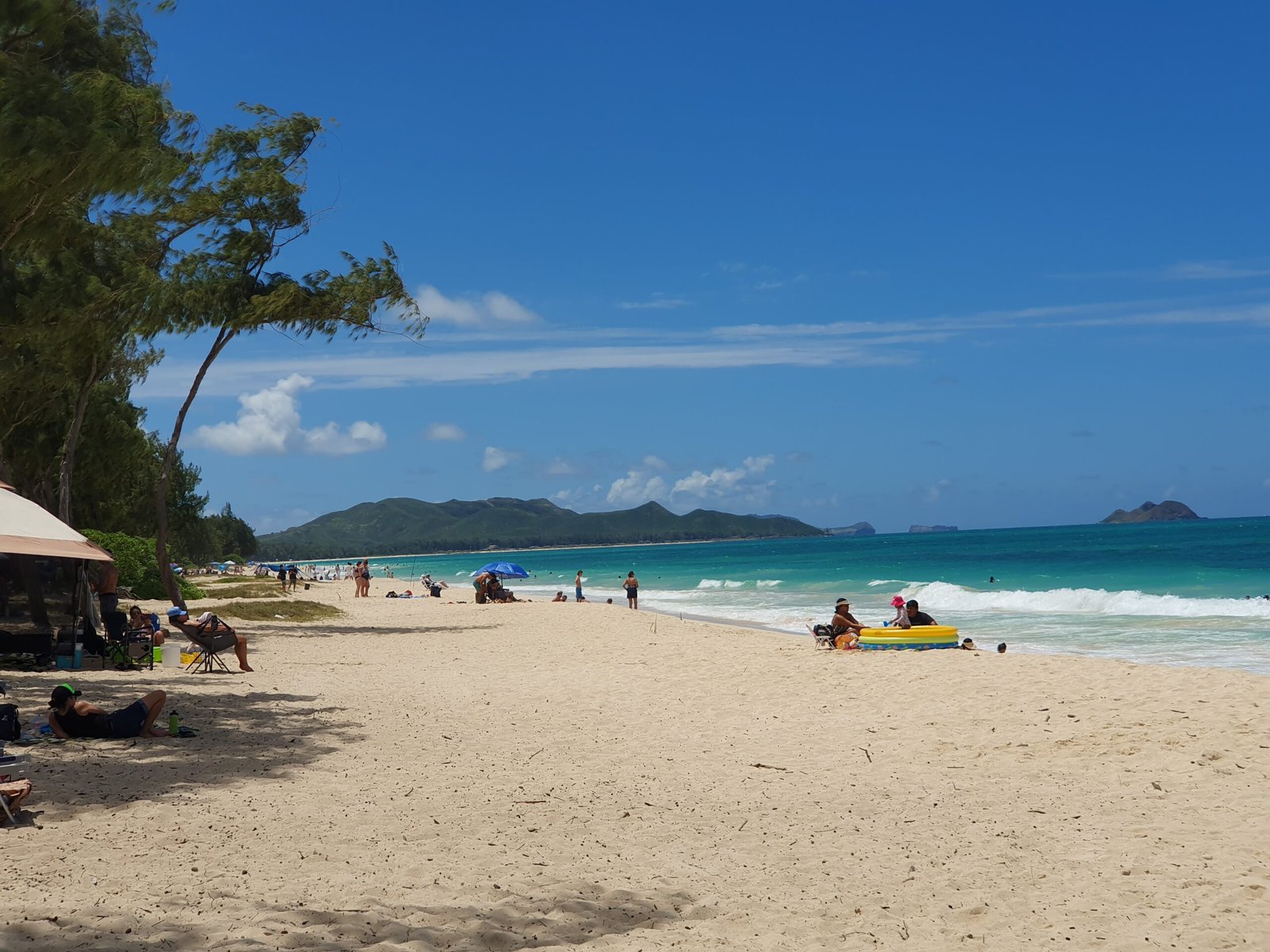
Sunday was also a beach day. This time the destination was Waimanalo Beach on the east coast of the island. It was a half hour drive, but as the island is relatively small, nothing here is too far away after all. This time there was a car park on the beach, so we didn’t have to carry our stuff very far. This 5 mile stretch of white sandy beach was stunning though. When we got there, we were met by several warning signs, but despite them, the beach was crowded, so we headed there too. The beach was lined with large trees, so it was a good place to spend a day at the beach. We thought we were well equipped, but we were certainly outdone by many. Some families had barbecues and beach chairs. One family had brought a covered playpen for their baby, and another family had brought an inflatable pool for their toddler, which they filled with seawater. Apparently they did not trust that their child would be able to play safely enough in the waves.
This beach had its own lifeguard. Nevertheless, you have to keep an eye out yourself also.
The beach was nice and not too crowded.
There was plenty of white sand as far as you could see.
On the left of the picture, someone is sitting on a beach chair. On the right someone is enjoying a personal wading pool filled with seawater.
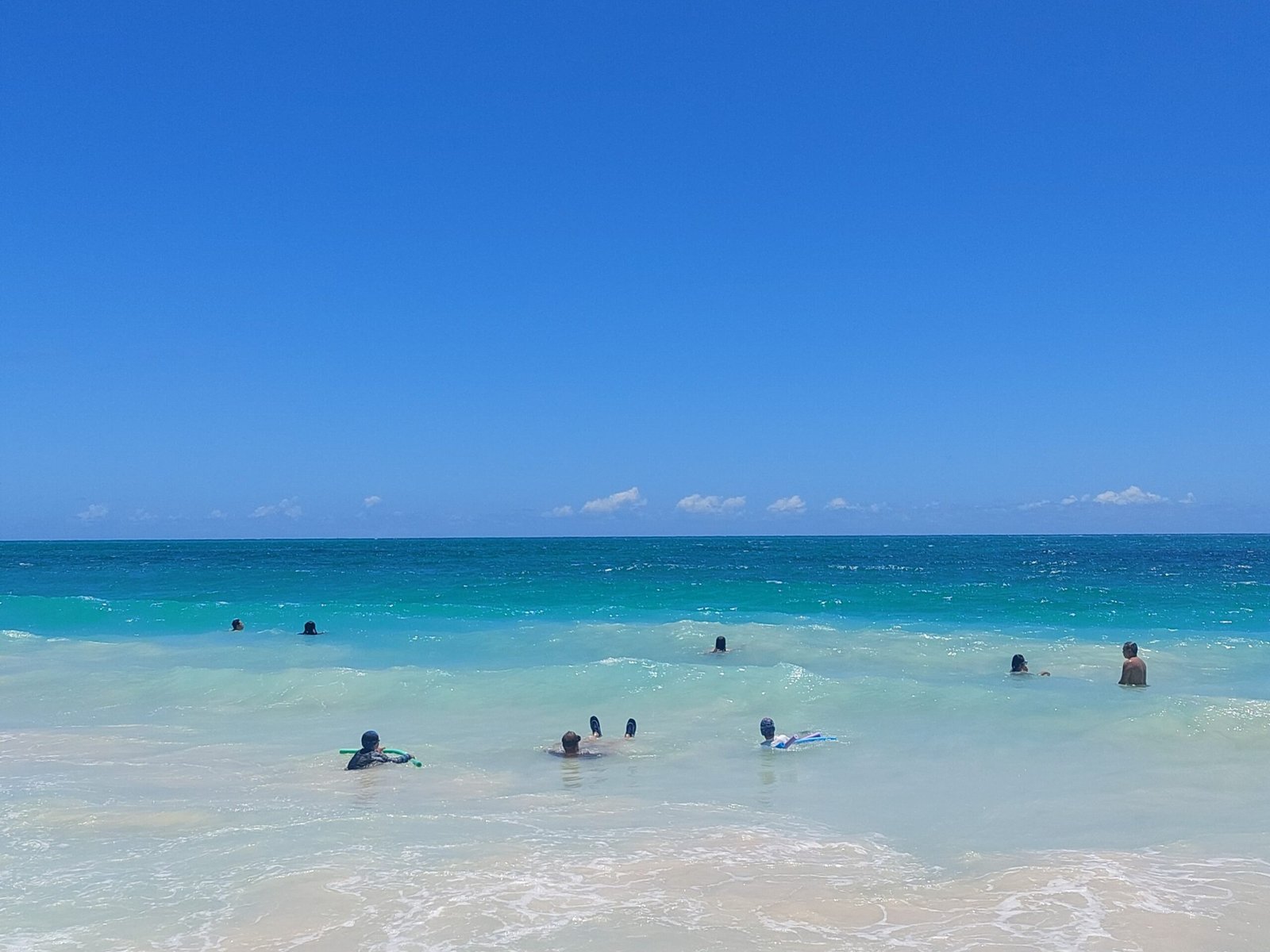
The waves on the beach were the biggest we had seen so far here in Hawaii. But apparently they were small compared to the winter season, when Waimanalo Beach is popular with surfers. We all played in the waves, and a few times the waves washed off swimcaps or goggles, but we caught them in time.
Marko and the kids went for a swim straight away.
There were supposed to be two children in this picture. But Risto had already dived into the waves.
"This is the best beach! These waves are so nice!"
As the day passed, we realised that the warning signs on the beach were not there for nothing. Of course, we had already seen the waves, and we always take warnings about sea currents seriously. A little later we also saw a Portuguese warship washed ashore and a moment later we saw another one. This species of polychaete stingray looks like a single mollusc, but it is not an individual, but a colony of several specialised polychaetes. Its tentacle burns, but fortunately the hit is rarely fatal to humans.
A Portuguese warship floats in the water with the help of its airbag. A beautifully coloured, but disgusting creature!
After our last day at the beach, we returned to the apartment to do some laundry and pack for our return flight the next day. The time here has certainly gone by incredibly fast.
Best travel companion ever
For Monday we had booked ourselves tickets to Diamond Head (Le’ahi in Hawaiian) National Park. So this time we weren’t turned back at the gate, but parked the car and started climbing up to the crater rim. We had read beforehand that the route was short (1.3km each way) but steep, and it was. On the way up, the sweat started pouring almost immediately. In addition to the steepness, the heat was increased by the fact that we started by climbing up along the inner rim of an old volcanic crater. There, the wind did not reach us much to cool us down. Much to the delight of the children, Diamond Head was also part of the Junior Ranger programme, so they had the chance to add another patch to their collections.
Halfway through, it was good to stop and take in the scenery for a while.
The top of the crater is 171m above sea level, so the views from the crater rim were worth all the sweat. You certainly didn’t have to walk alone on the trail, which was even a bit crowded in places. Climbing down was much easier. But even here you had to be careful and watch your step, as the upper part of the trail in particular is very uneven. When we got back to the bottom of the crater, we ate the sandwiches we had taken with us in the car before continuing on. There were a couple of mongooses eyeing our sandwiches, but we followed the park’s instructions and didn’t feed these guys, even though Risto thought they were very cute.
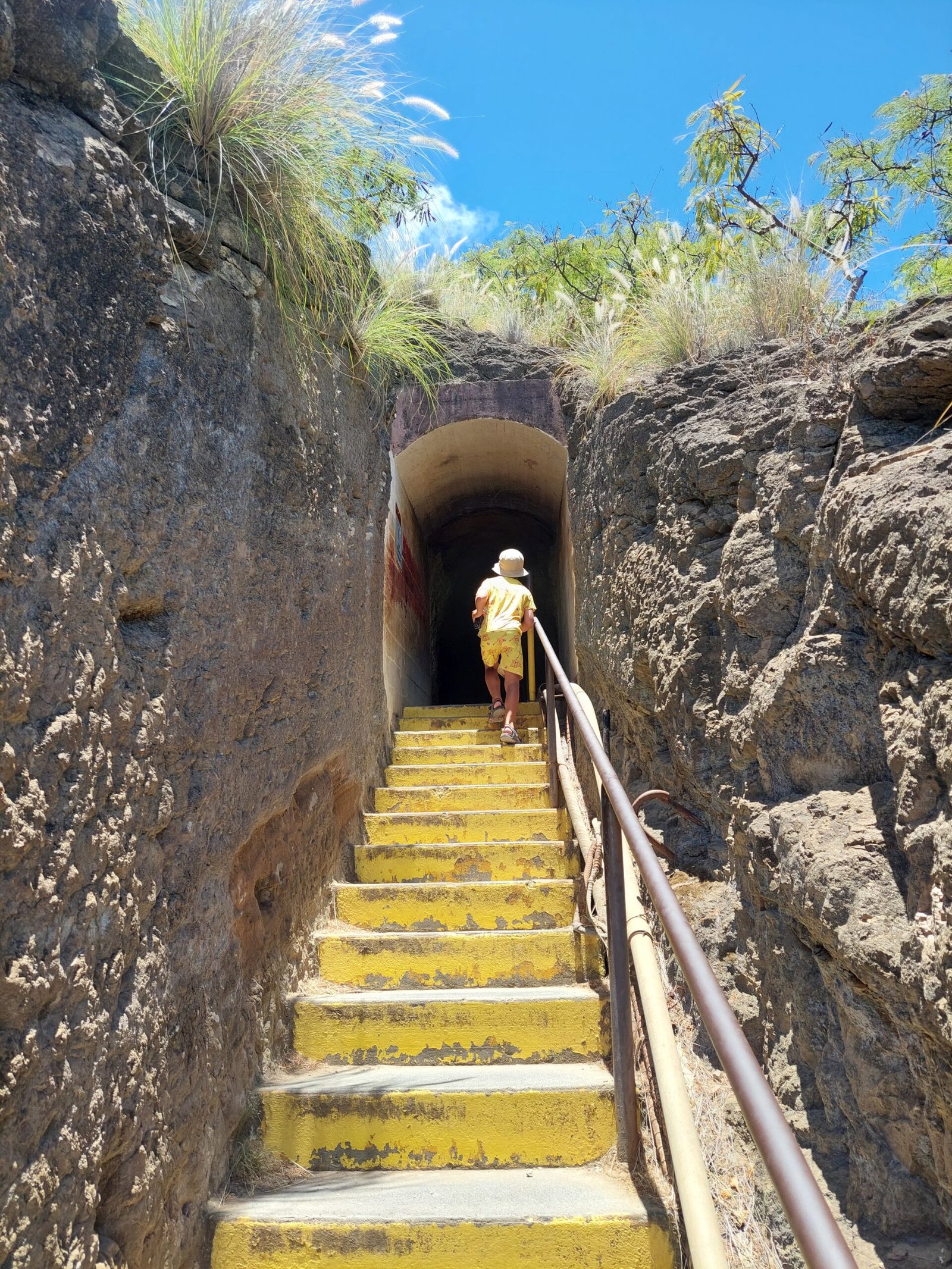
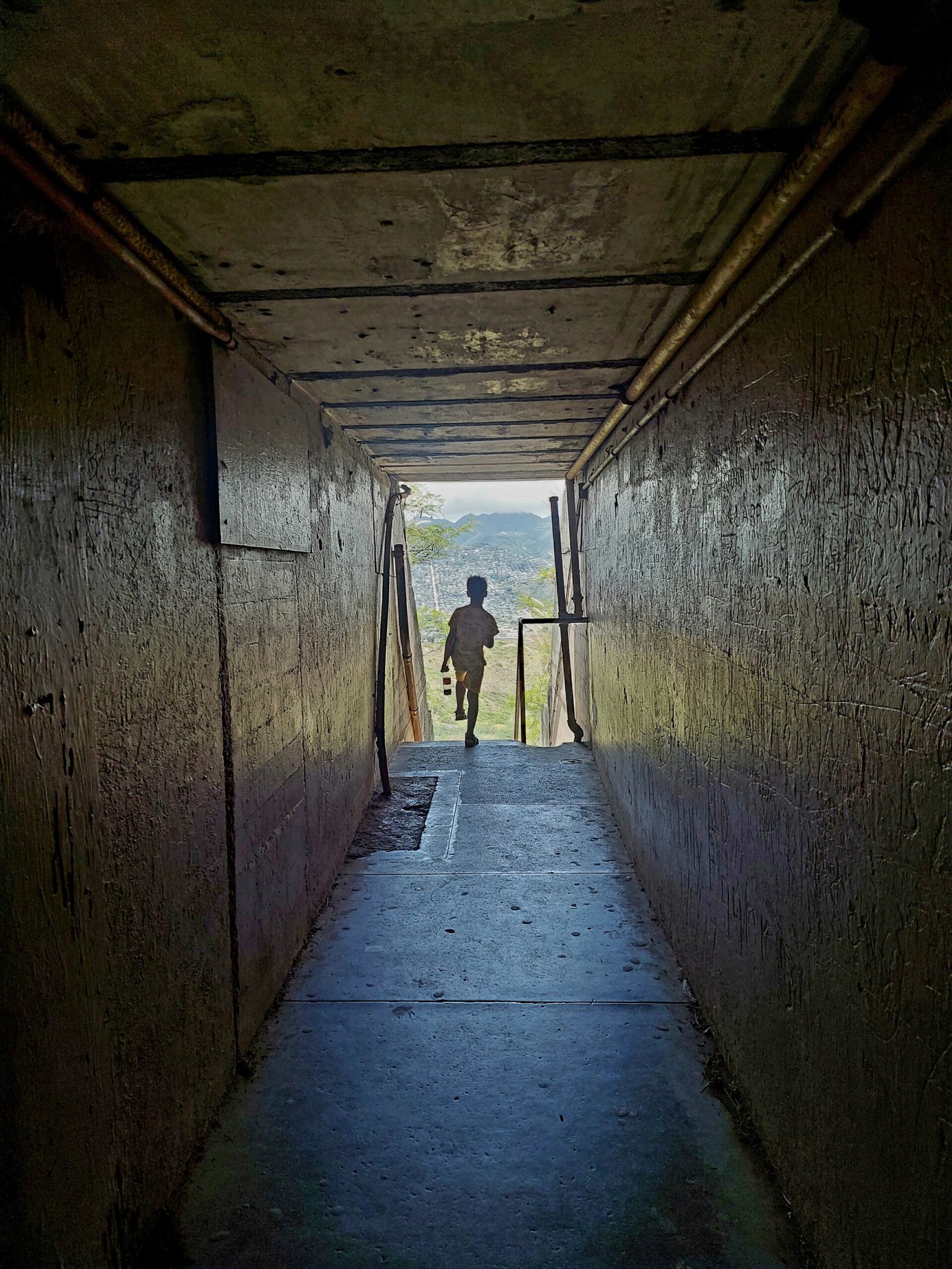
The end of the trail went through a tunnel.
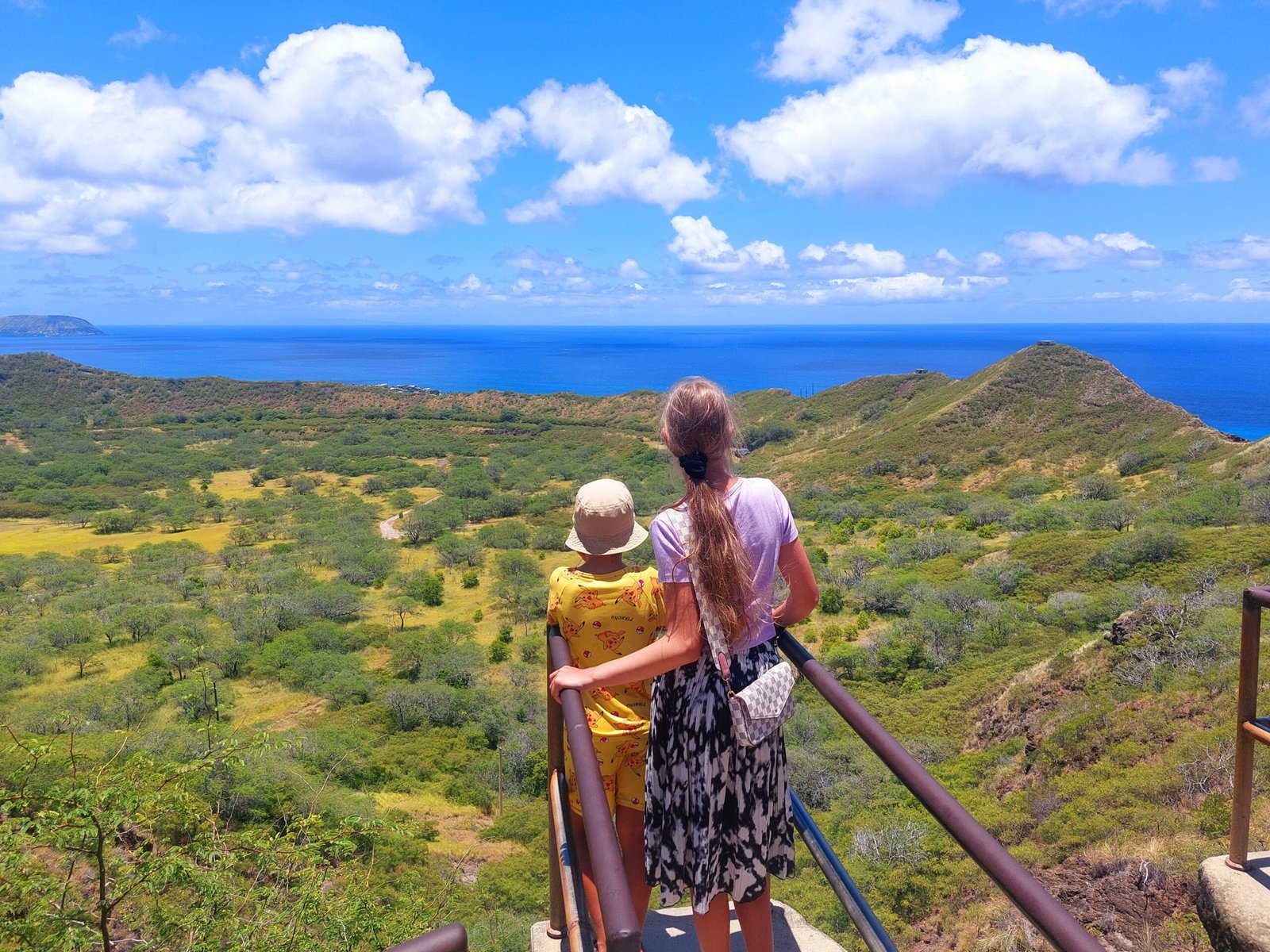
When you got to the end of the trail, you could clearly see that you were standing on the edge of an old volcanic crater.
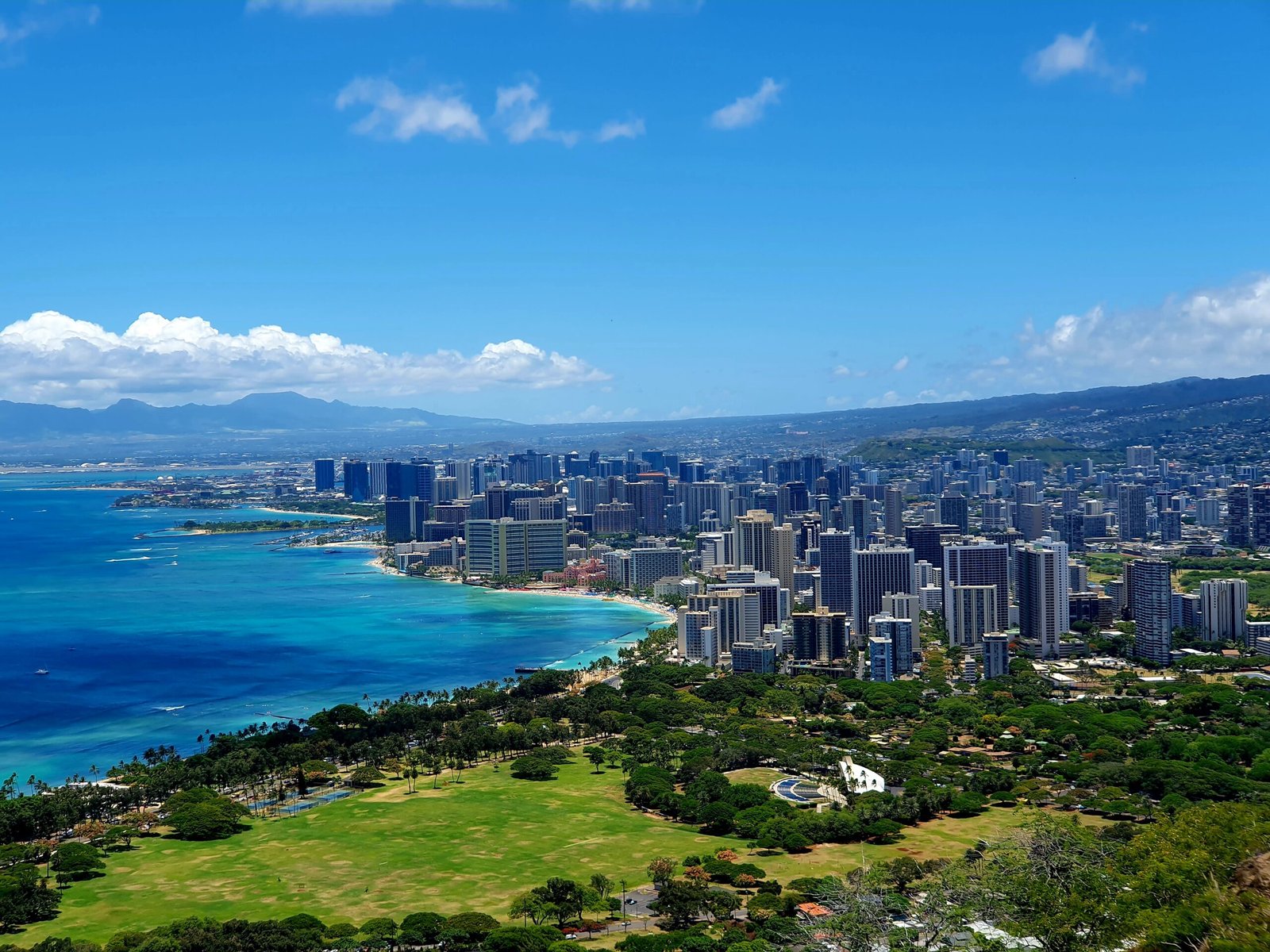
Honolulu Downtown and Waikiki Beach
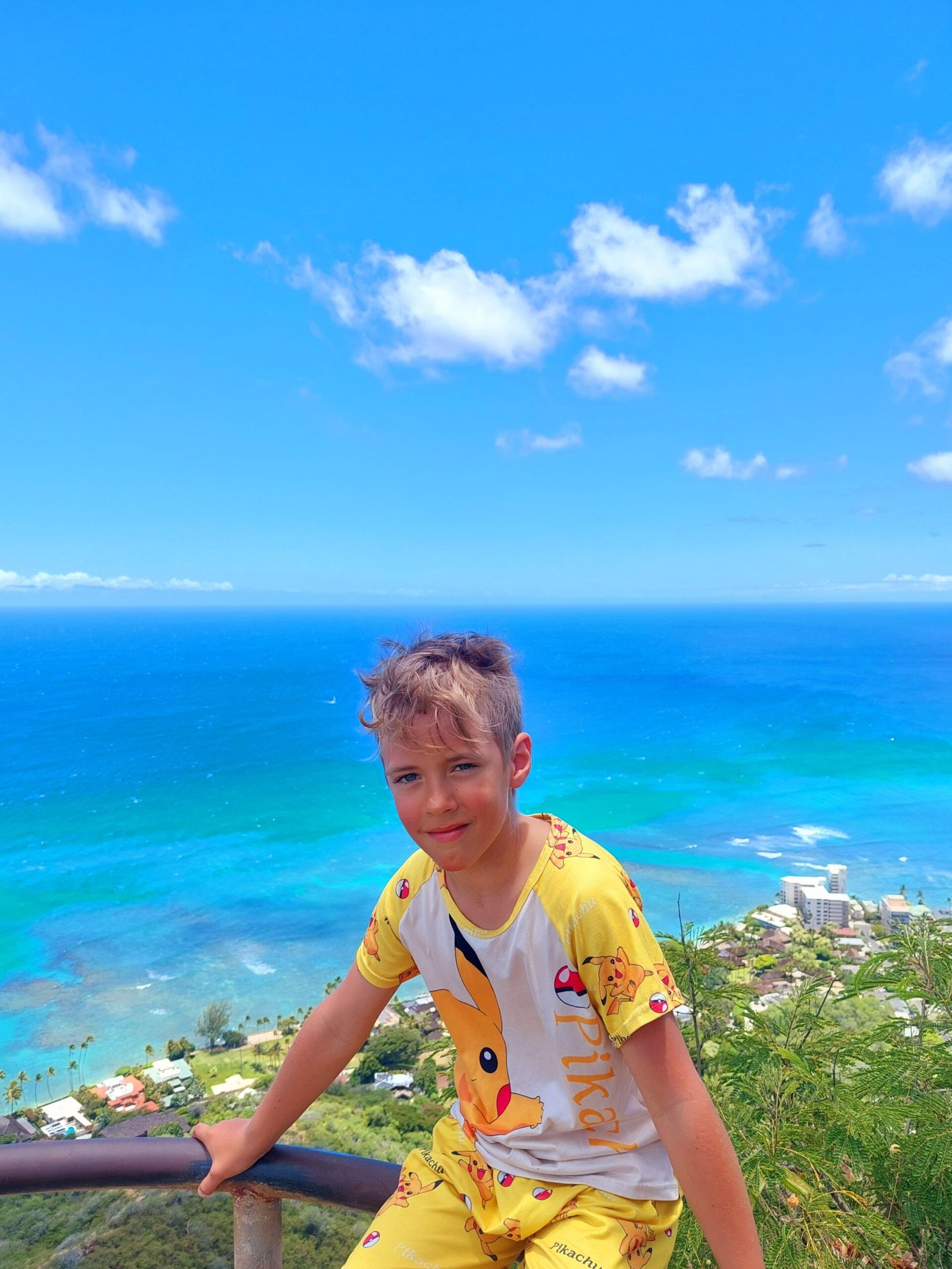
At the top, a cooling breeze was able to squeeze a small smile from Risto.
On the way back, we first descended a hundred steps in a bunker, then followed a tunnel to the inner rim of the crater.
We also took time to fill up Junior Ranger booklets and observe nature.
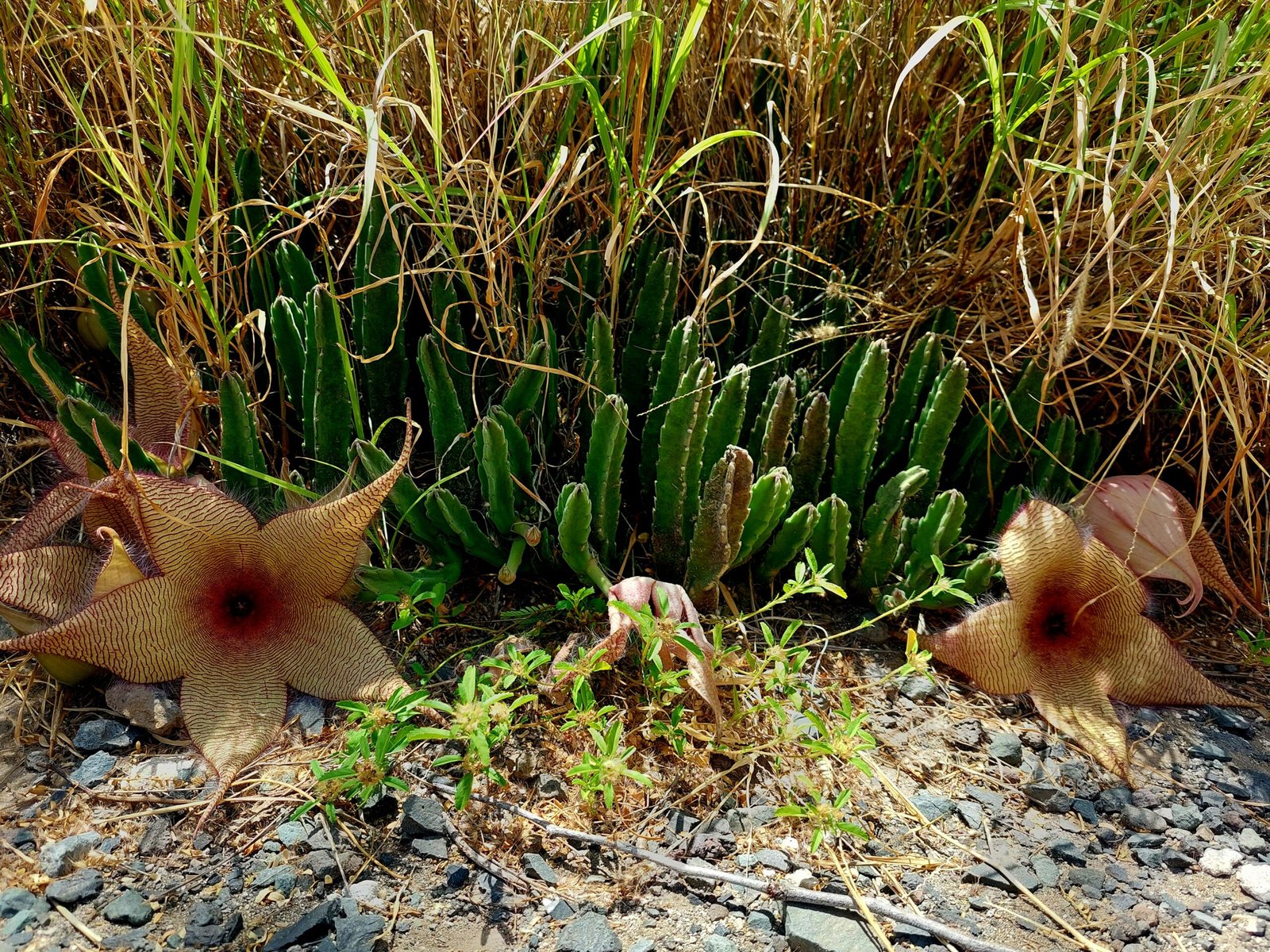
The cacti had unusual flowers.
A hungry, or at least greedy, mongoose.
Since we still had plenty of time before we had to return our rental car, we decided to go for a drive in Hanauma Bay. We wanted to see what kind of snorkeling spot we had missed. We knew that you can’t snorkel in the area on Mondays or Tuesdays, but we thought we could still drive there to see the scenery. Turns out we were wrong. A guard was waiting at the park gates to inform us that it was not possible to enter the park at all, and that it was not possible to visit the cove formed by the volcanic crater. So we dutifully turned back, and stopped immediately at a lookout on the other side of the road, with views in the other direction. There we overheard a local woman telling a friend how there was a fitness trail up nearby Koko Head hill, and how spectacular the views were from the top of the hill.
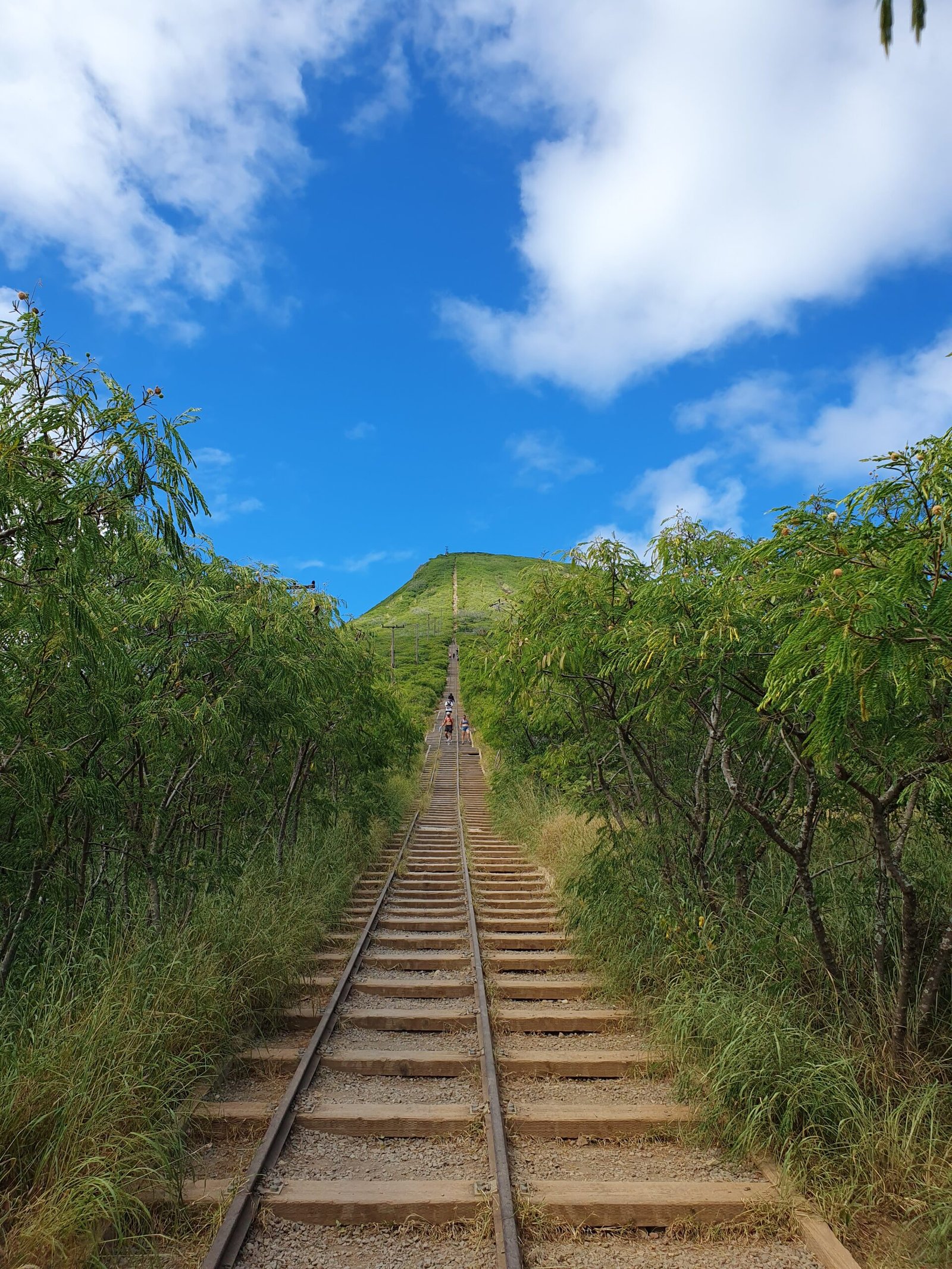
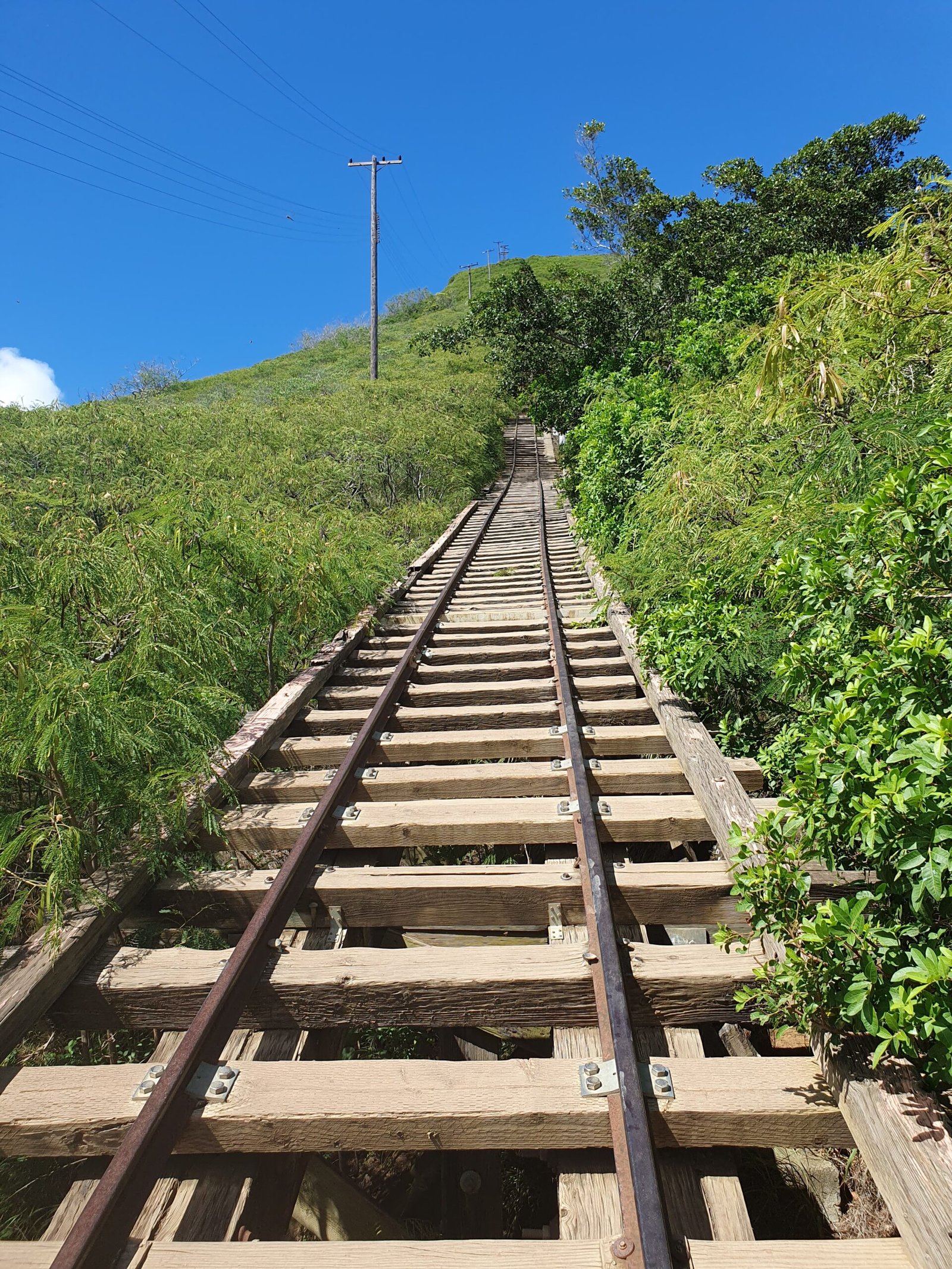
Marko was very excited about this information. Apparently he hadn’t sweated enough when he climbed Diamond Head. Jaana and the children were not at all interested in a much steeper sporting feat. So they stayed in a small playground at the bottom of the hill and waited for Marko, who, like many locals, decided to start climbing up the slope. During the Second World War, a carriage was said to have run to the top of the hill on rails, but today only the rails remain. The hill was climbed up and down along the crosspieces of the rails, and there were no handrails to take support from when trudging up.
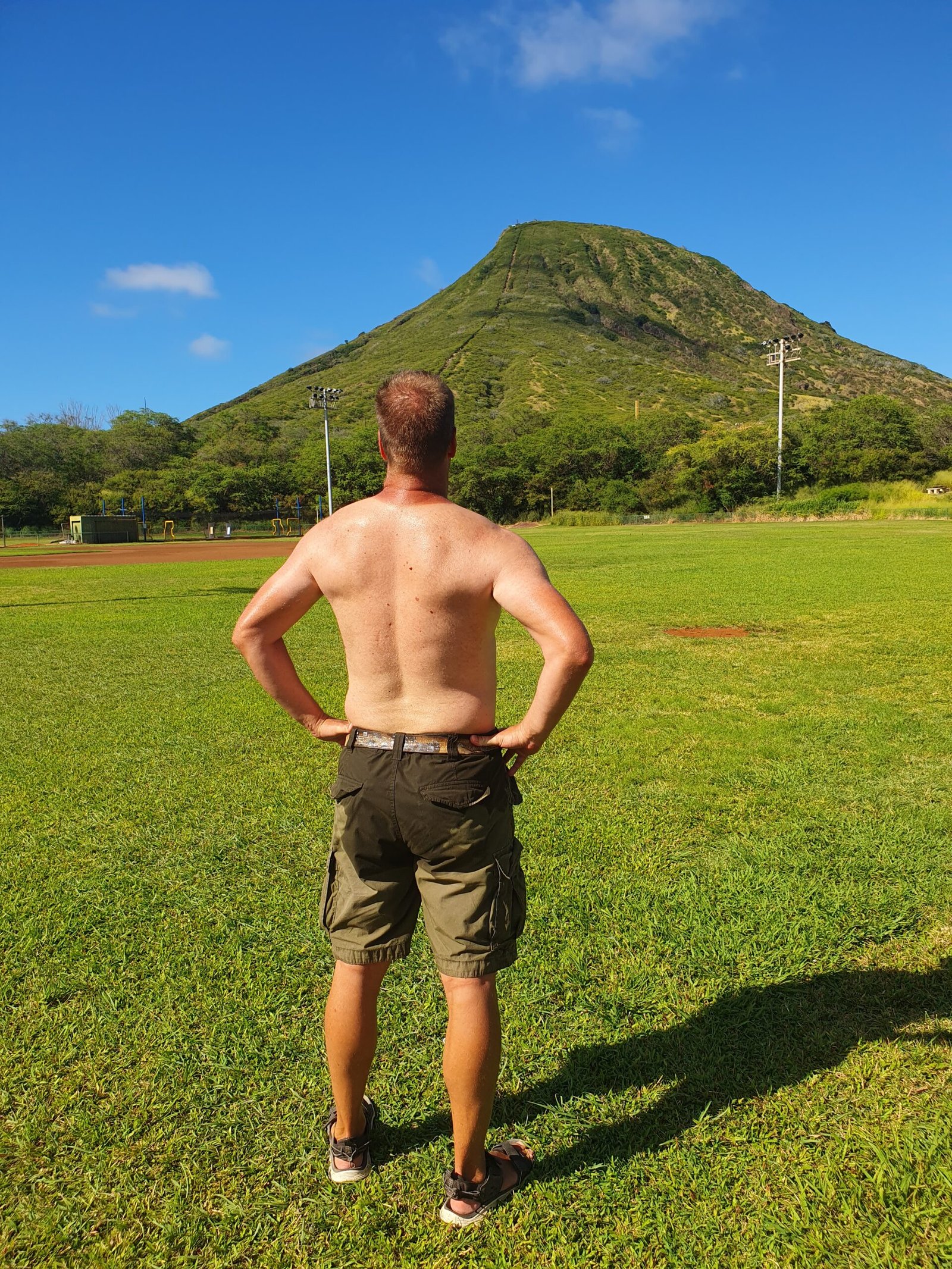
This is the hill Marko set out to conquer. There was a bit more to climb than in Paloheinä or Malminkartano.
The playground was shared with these 'cow storks'. (It would be interesting to know how such a crossbreed has been created...)
"So close, but so far away"
The route up was not unnecessarily winding, as it went straight up along the rails.
The scenery was stunning, and Marko could also see Hanauma Bay from the top of the hill. Little did the park ranger know how determined Marko was to see that snorkelling bay. The route was much sweatier than the Diamond Head route, so it was lucky that there were decent toilets at the bottom of the hill. There, Marko could wash off the worst of his sweat in the sink and change all clothes, so as not to scare away the passengers on the plane with his foul smell.
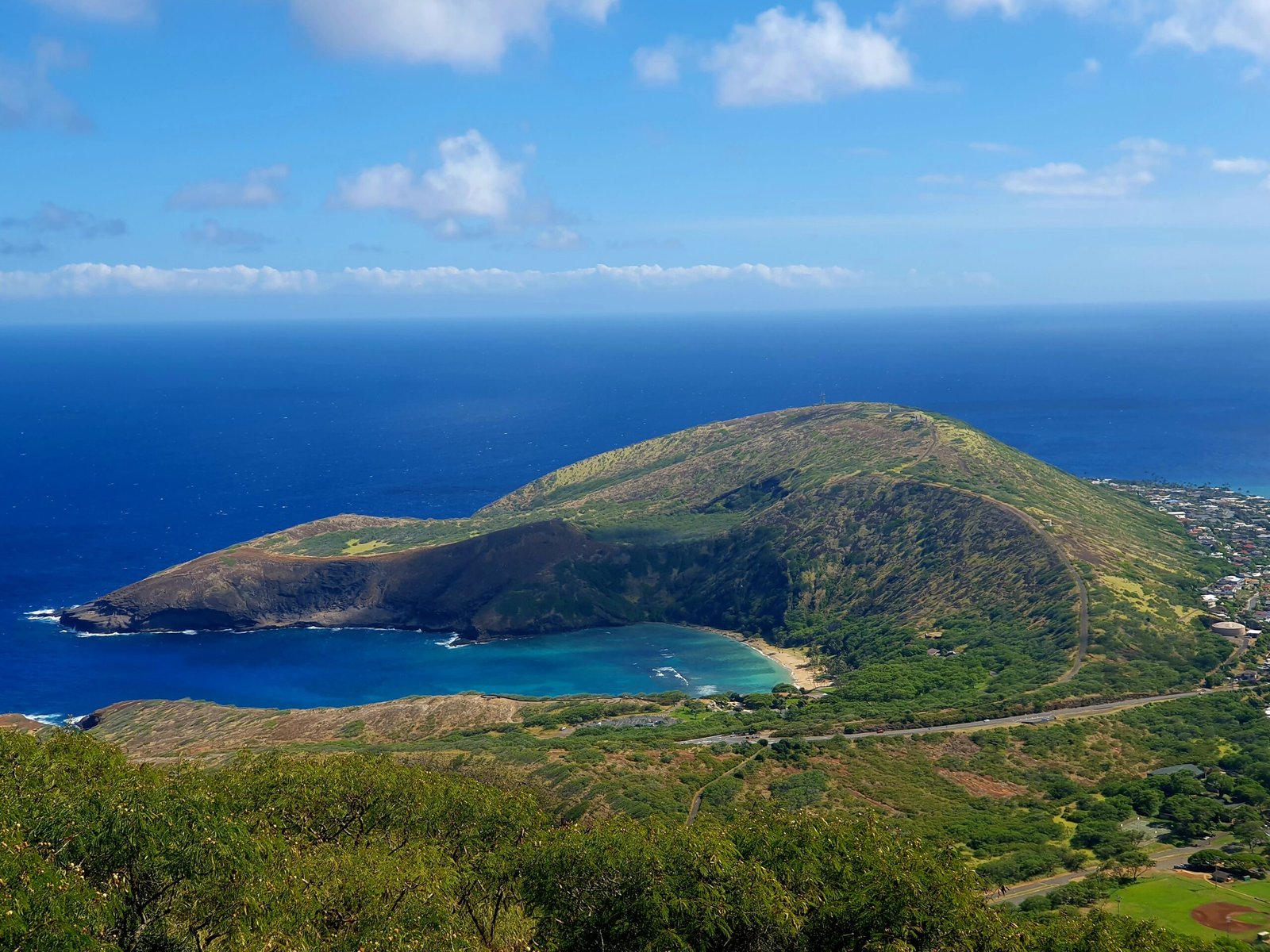
A glimpse at Hanauma Bay. It would surely have been a great place to snorkel.
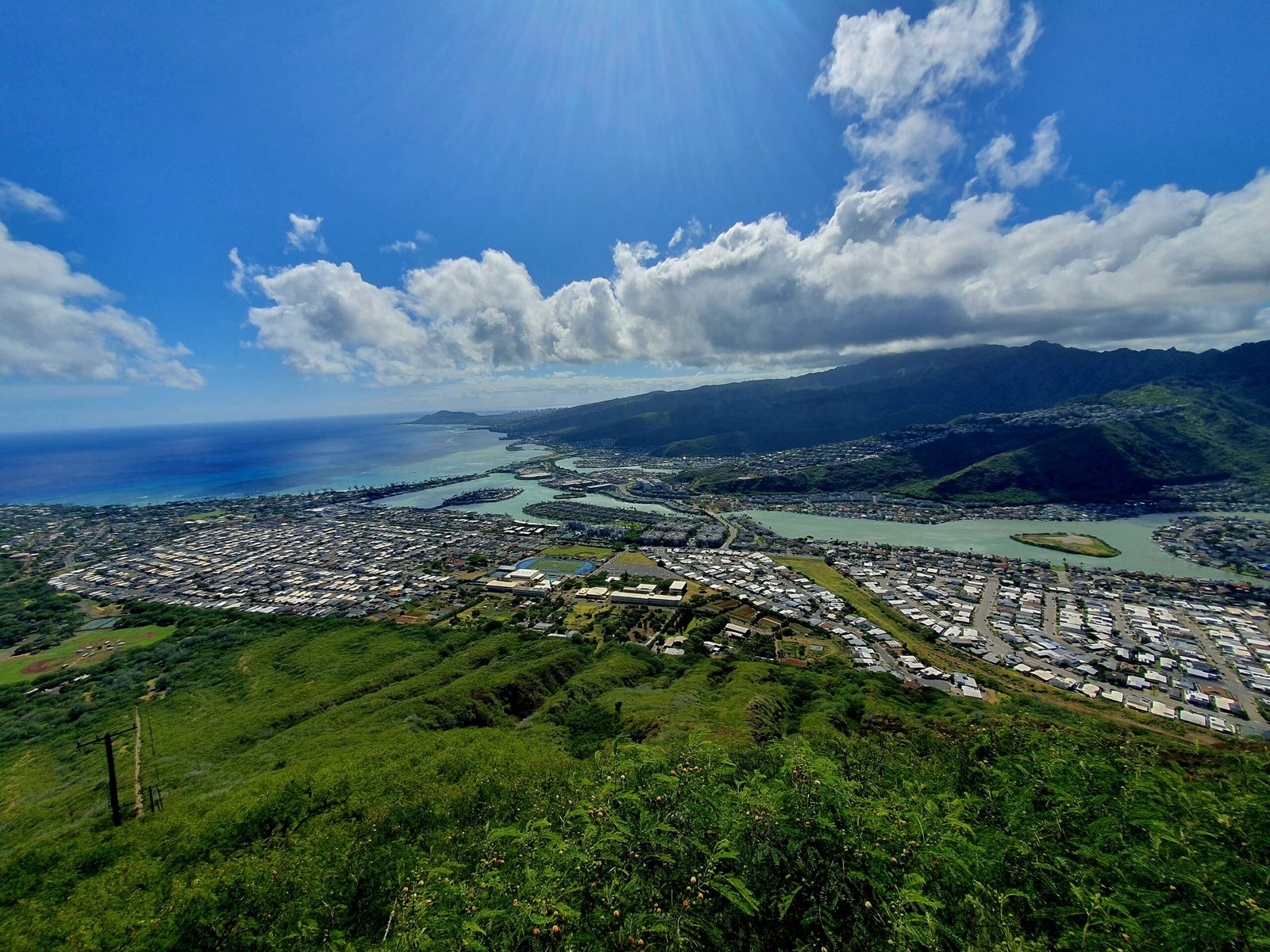
The view from the top of Koko Head in the opposite direction.
Marko said the hill top was so high that the air condensed on his back and shorts.
After an afternoon of physical activities, we went for a quick bite to eat at the food court of the Waikiki beachfront shopping centre. Dining there was quick, and relatively cheap compared to the nicer restaurants on the promenade, which were already crowded and clearly more expensive. After our meal, we said goodbye to Honolulu, and drove back to the airport. Our flight didn’t leave until 23:00, so the idea was to catch some sleep on the flight. Only Risto followed this plan. Immediately after take-off, he announced that he was going to sleep now, and about two minutes later, he was fast asleep for most of the flight. Jaana also managed to sleep for a few hours, but Marko and Ronja probably didn’t sleep at all. So Hawaii was left behind, and we arrived back in Los Angeles at 7am.
At the airport, you could have bought a lei for your neck on the way out.
Our hotel had a free airport shuttle, so we made our way to the bus stop to wait for the right vehicle. There was a steady stream of buses from different hotels and car parks, but we had to wait quite a while for ours. When it finally arrived, the bus happily whizzed by. The driver apparently didn’t remember to check if there were any passengers coming from terminal number seven. Well, there was nothing to do but wait for the next bus, which arrived about 30min later. This driver spotted us, and picked us up.
Check-in at the hotel was not until 3pm, but we were put on a waiting list for an earlier check-in. It seemed that there were two names on the list before us, so we thought we would have a good chance of getting a hotel room a little earlier. Another pleasant surprise was that we got to go to the hotel for breakfast, as there was still 20min left of breakfast time. After breakfast we were all just brutally tired. Marko and the kids went to the patio couches in the courtyard to curl up, and Jaana stayed in the armchair in the lobby. We all fell asleep in our seats pretty quickly. When Jaana woke up sometime before 10, after about 30min of sleep, the hotel staff came to ask if the man lying on the sofa in the courtyard was my husband. I replied yes, and the staff chuckled that they had now been watching us sleep for some time, and thought it best to give us a hotel room right now so we could go back to sleep there. So I went to wake Marko and the kids, and we were able to check into the hotel room. One of the fellow passengers said, laughing, that we might as well do an ad promoting the Marriott Hotel as a good place to sleep.
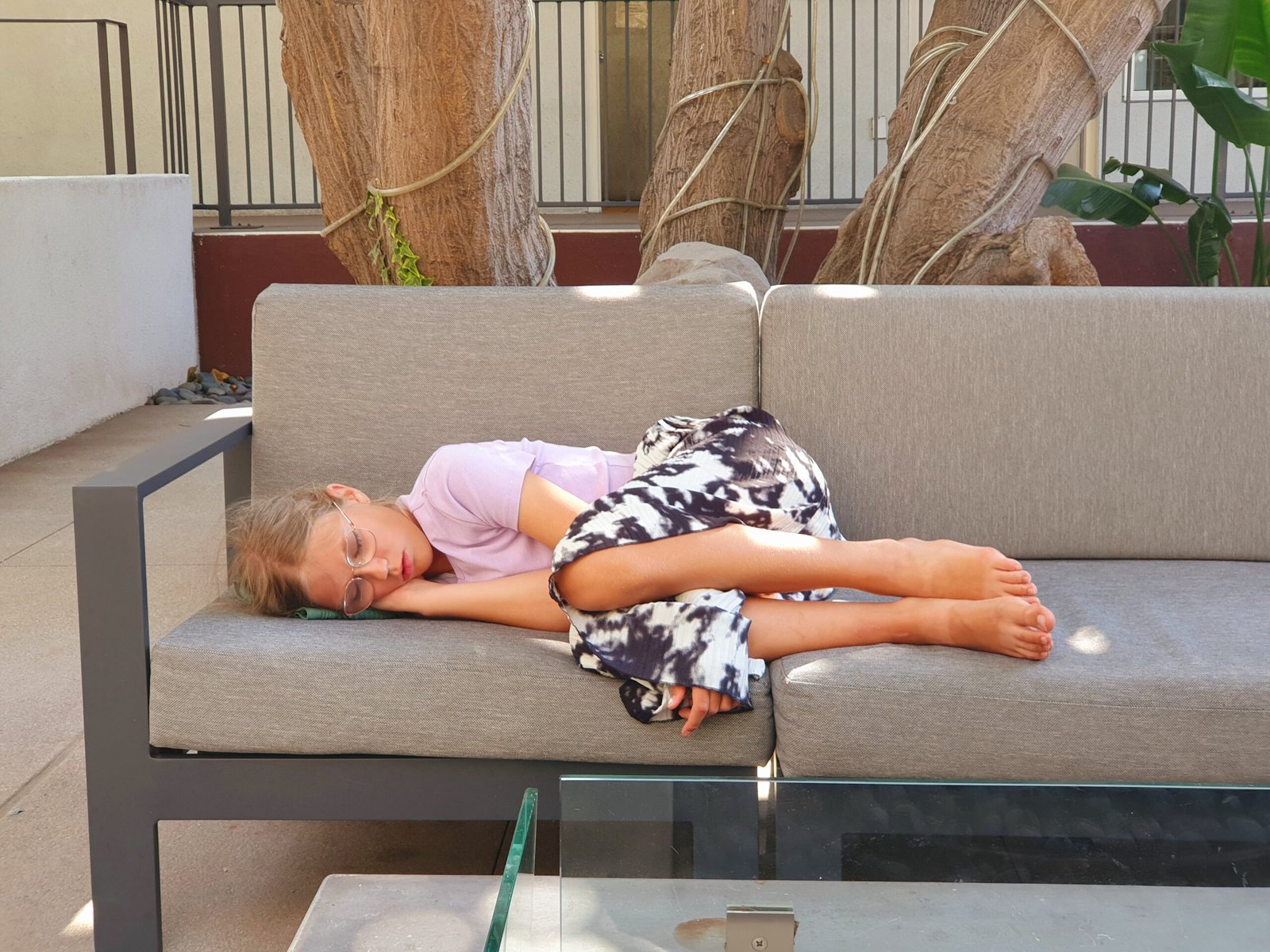
Ronja passed out on the sofa as quickly as Risto in the airplane. Some people just don't like sleeping in a sitting position.
We took a few hours nap, and then, feeling a little more refreshed, we set off in the afternoon to find somewhere to have dinner. Fortunately, there was a small shopping mall across the road, so it was easy to find a place to eat.
At the beginning of the trip, we had visited all the sights we were most interested in Los Angeles, so we had no burning need for sightseeing. On our last full day, we took an Uber to the Westfield Century City shopping mall. On this trip we spotted our tenth Tesla Cybertruck. Jaana thinks it’s the ugliest thing on the road, but Marko and Risto think it’s an awesome tin can! After a bit of clothes shopping and lunch, we returned to the hotel, appropriately enough in a Tesla Model Y. Jaana and Ronja went across the road to the Salvation Army shop and returned with a bag full of purchases.
And so is this month-long road trip almost over. A lot has been seen and experienced. A very successful holiday trip all in all!