After Queenstown we spent a couple of nights with our friends near Wanaka. We knew Andi and Grant from our Trans Africa trip 13 years ago. They were our tour leader and the driver back then. It was great to meet them again after thirteen years.
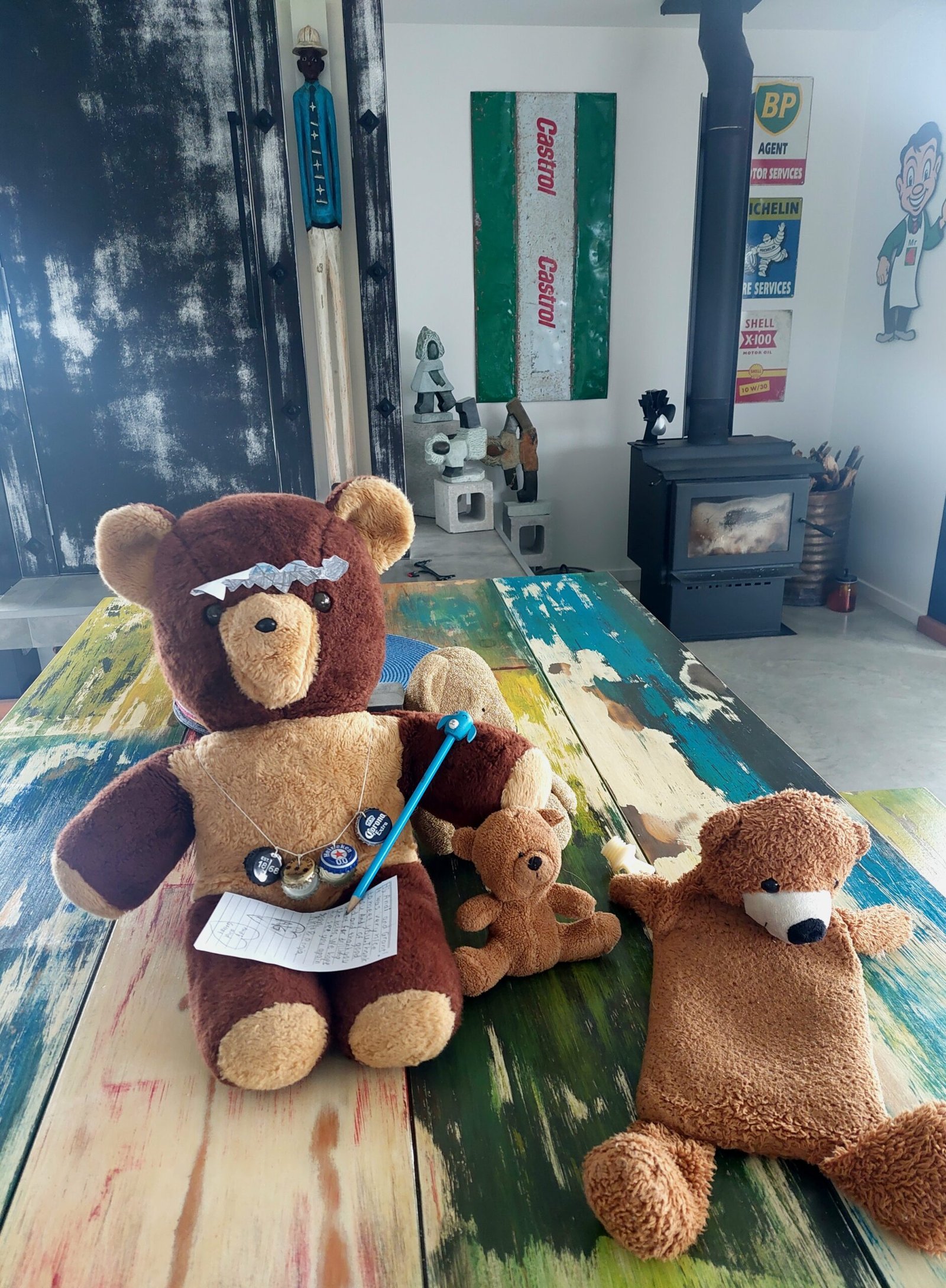
Andi and Grant's soft toy collection (only a fraction here) was a favourite with children. Risto made a necklace for Big Ted out of bottle tops.
On Tuesday, when Andi and Grant went back to work, we continued our trip. We booked accommodation at Fox Glacier Top 10 campground for a couple of nights. It was a little over three hours drive, but because we stopped along the way to take photos, we didn’t get there until just before sunset. Another reason for our late arrival was that we stopped first at the Puzzling World in Wanaka to tackle the big maze there. Marko and Jaana had already been there on their previous visit, but neither of them completed the maze back then.
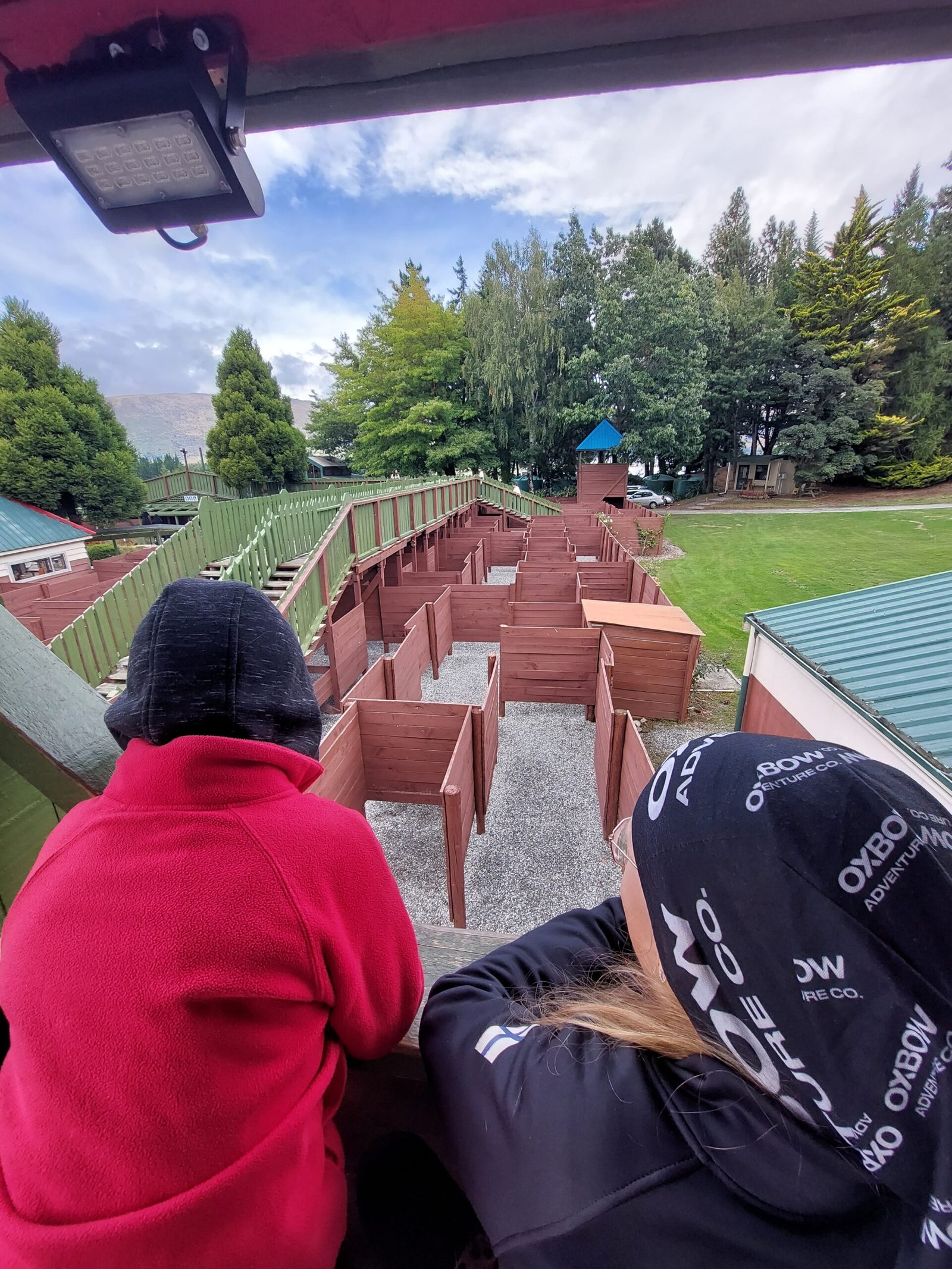
To complete the maze you need to find the four cornering towers first. After that you have to find a way out of the maze too. If you want a challenge, you can try finding the towers in a certain order. Last time Jaana found the way to all four corner towers, but to get out she had to use the “emergency exit”. Marko didn’t even get that far, but stopped when he couldn’t find all the towers. This time, as a team of four, we found all four towers, and even found a way out. It took us about 50min to complete the maze. The maze has a total of 1.5km of paths, and most people end up walking 3-5km and spending around 30-60min in it. So we think we did pretty well. Teamwork rules!
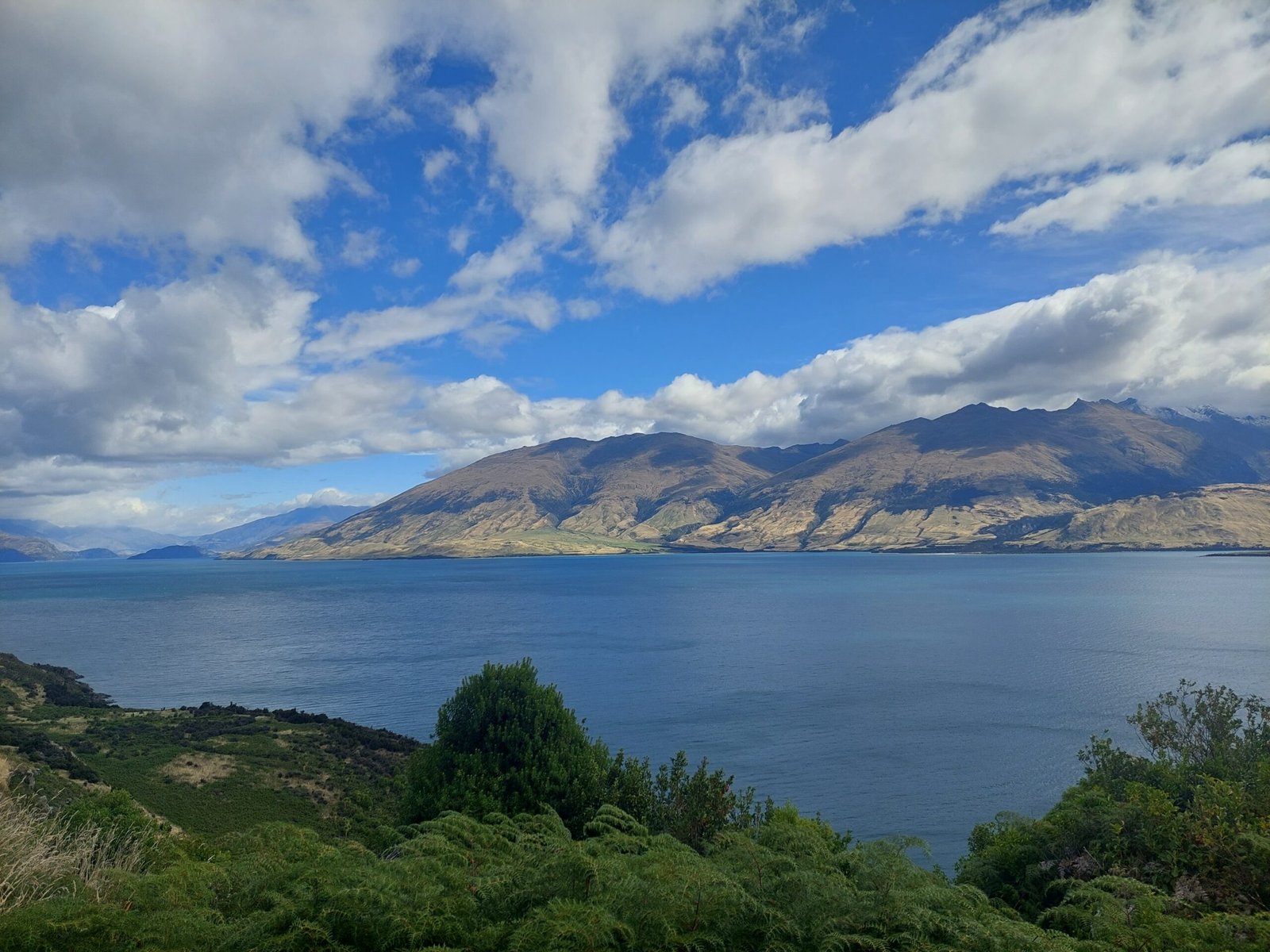
The road to Hokitika ran partly along the shores of Lake Wanaka.
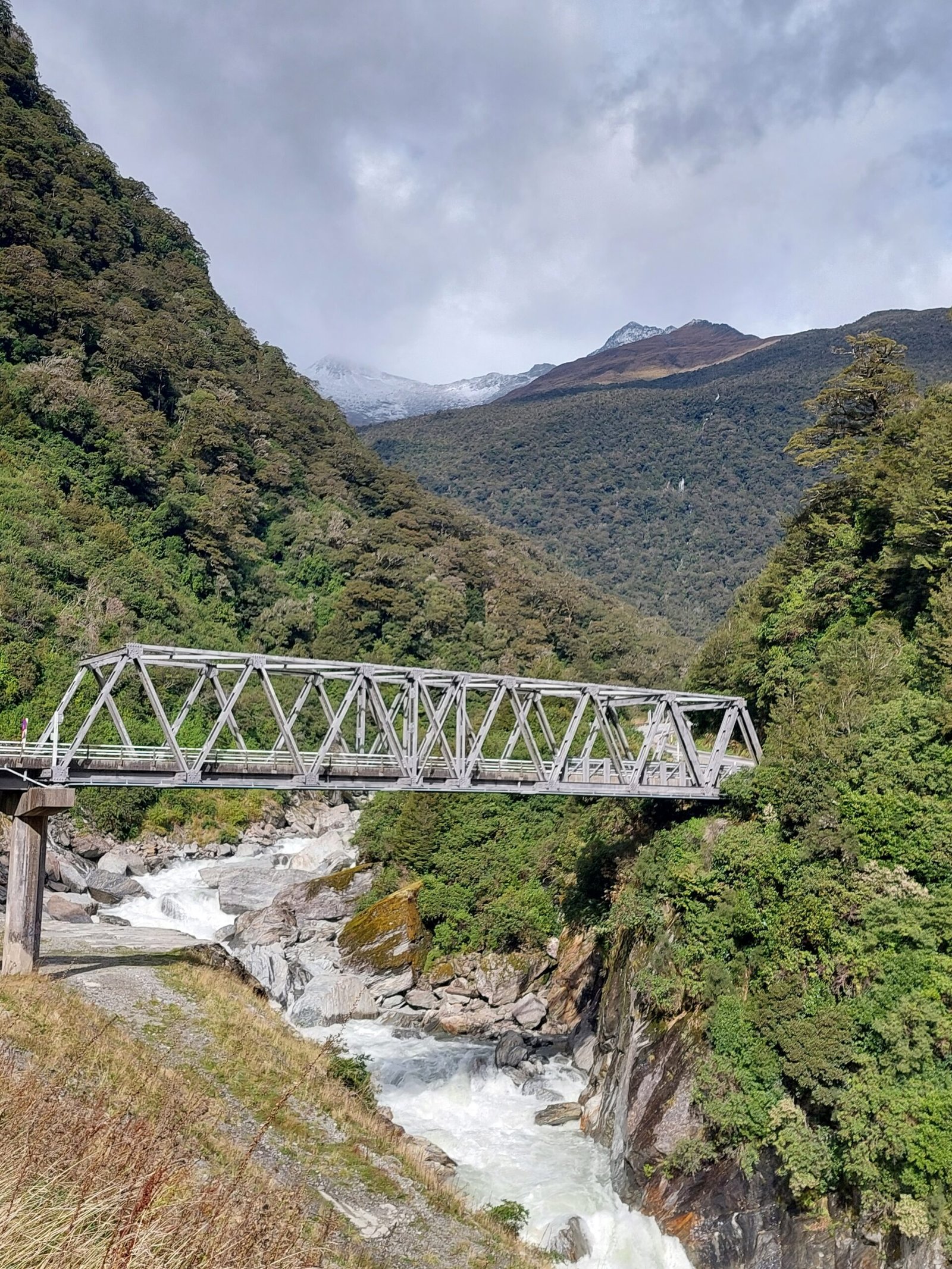
We also drove through Haast Pass. Beautiful scenery, and winding roads.
From the Puzzling World towers, the route through the labyrinth could not be figured out, as the bridge deliberately obscured the view.
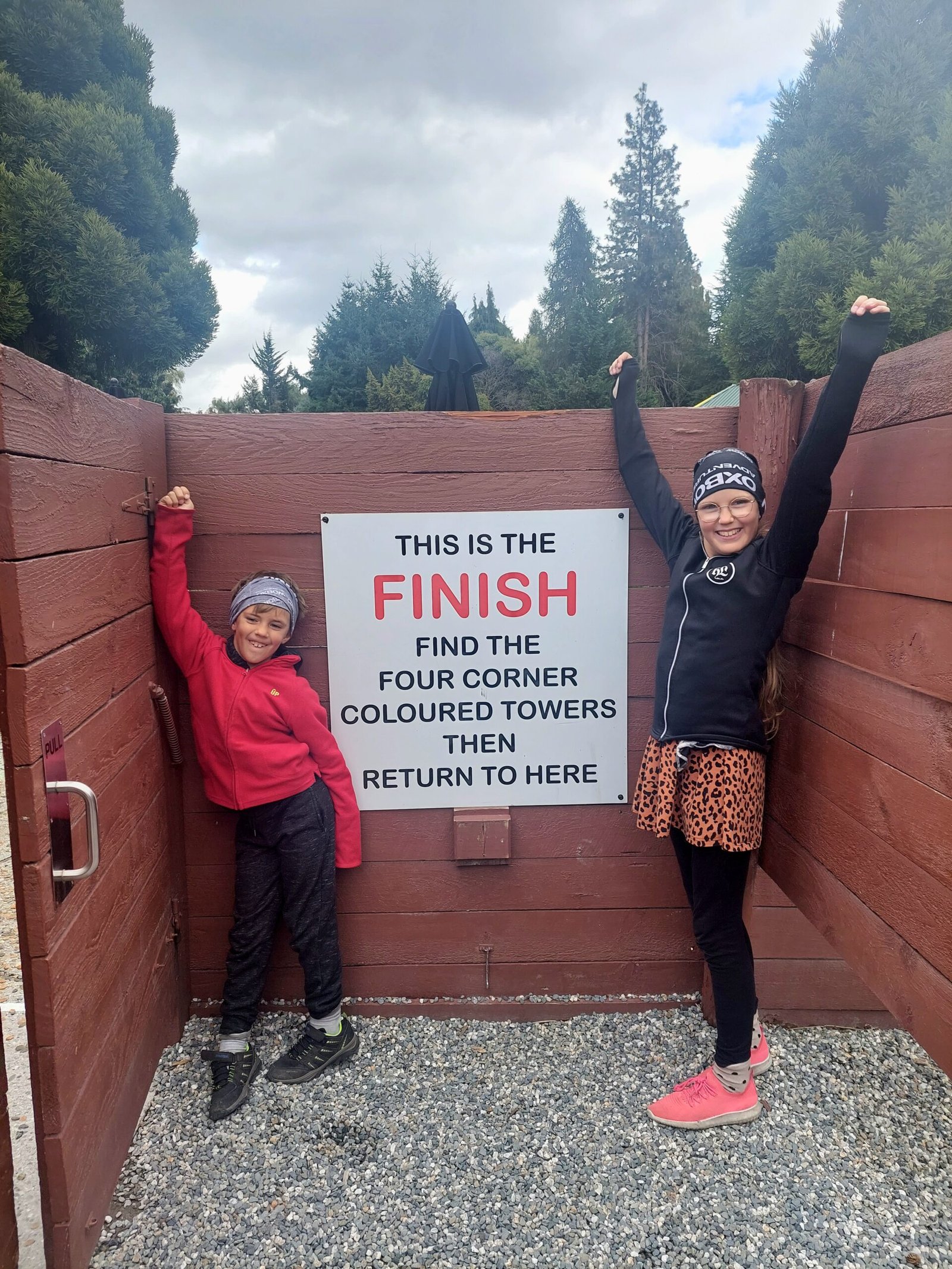
We made it!
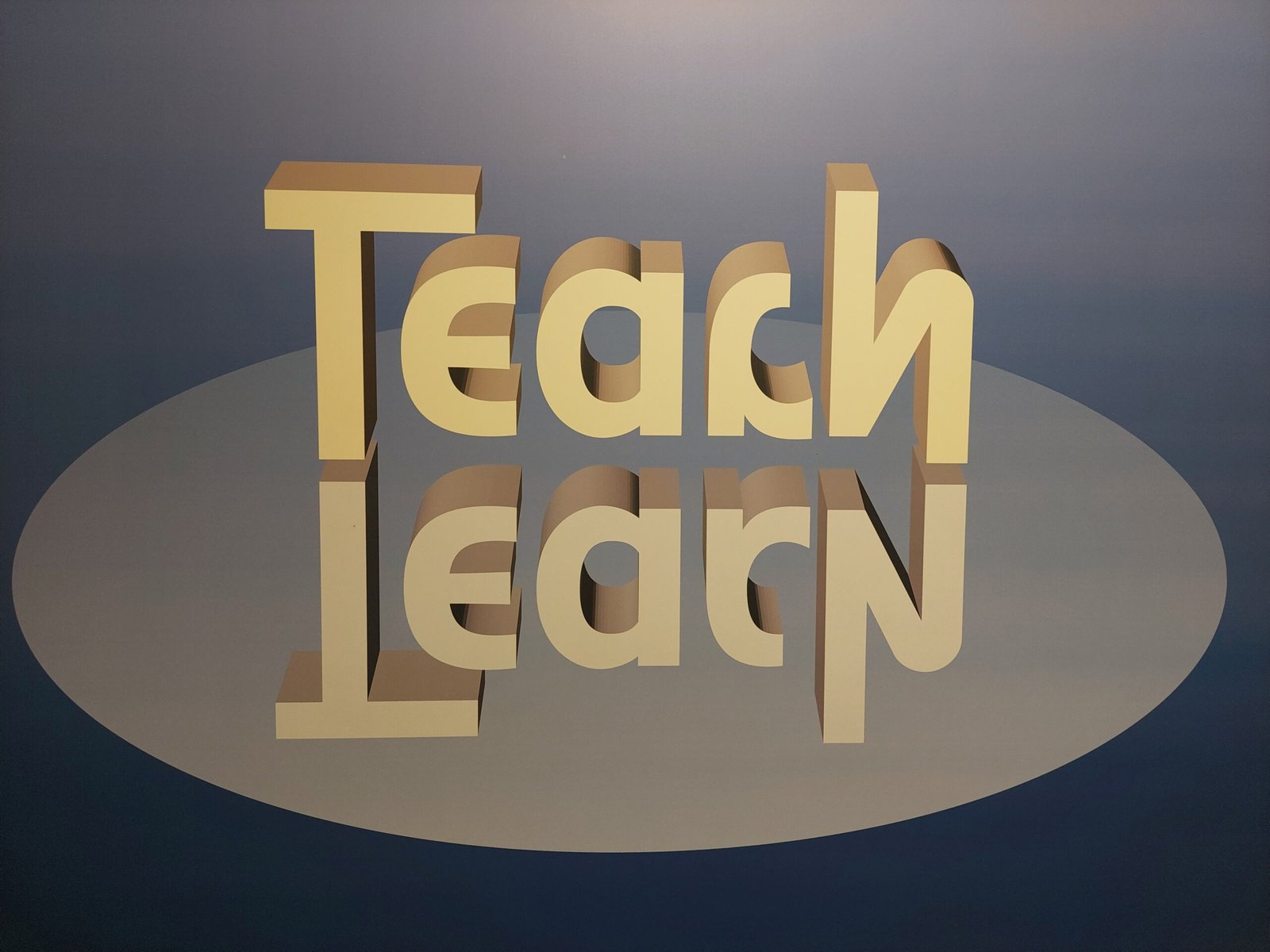
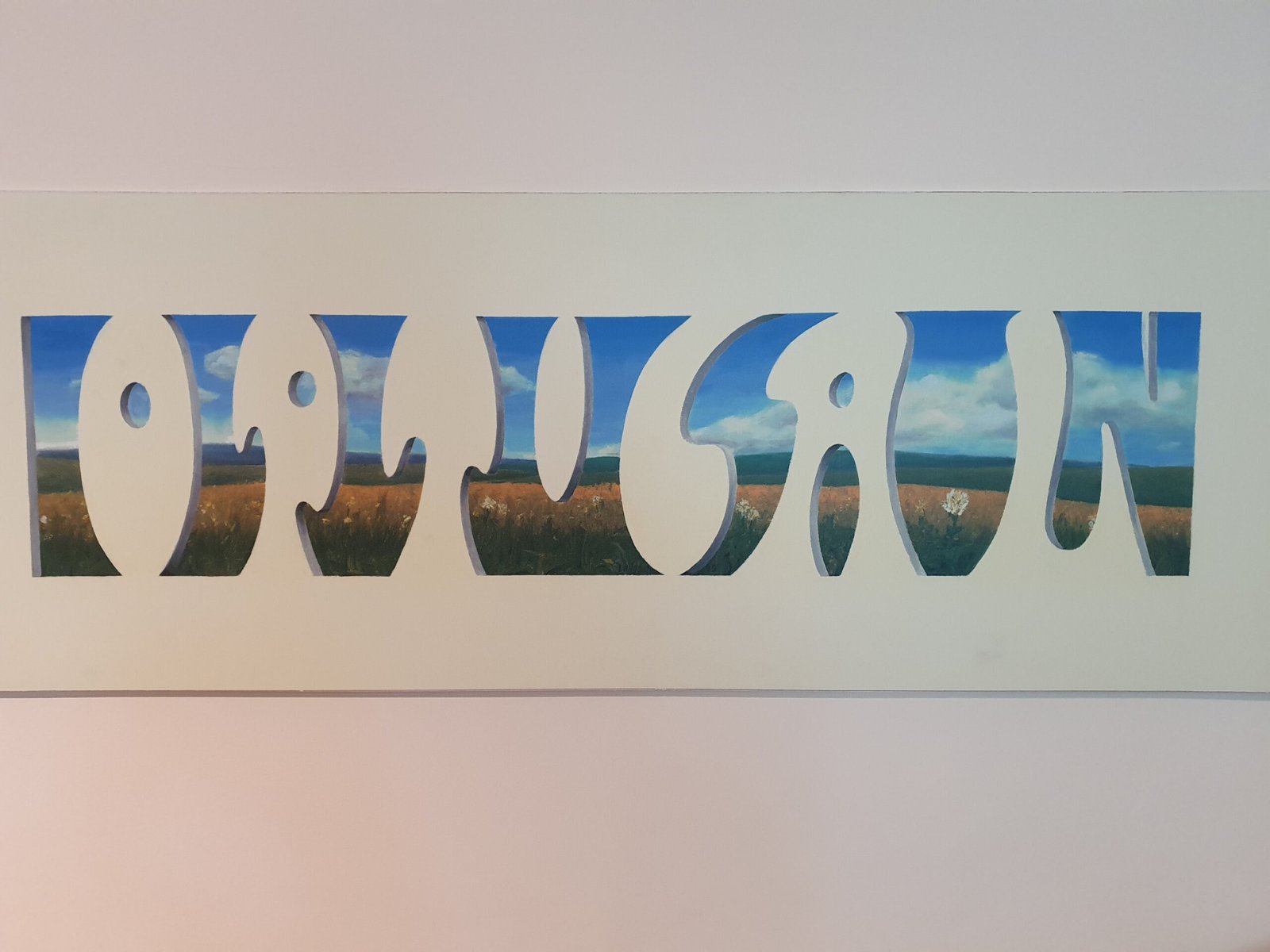
There were also some ingenious ambigrams on display.
An ambigram is a word that can be read in more than one way, or from different directions.
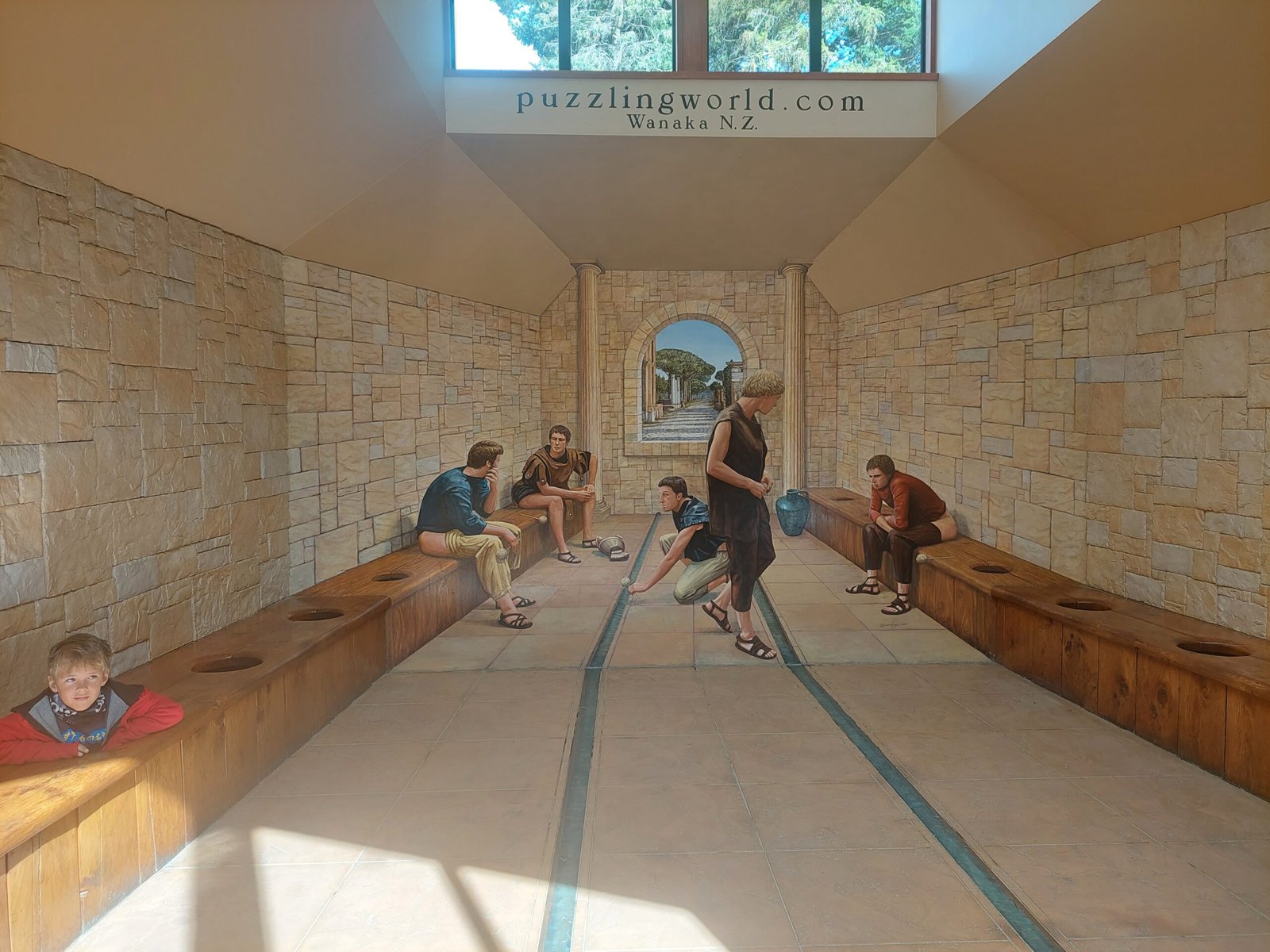
Risto went to the toilet.
The Finnish national team's new ski jumpers are practising the correct position.
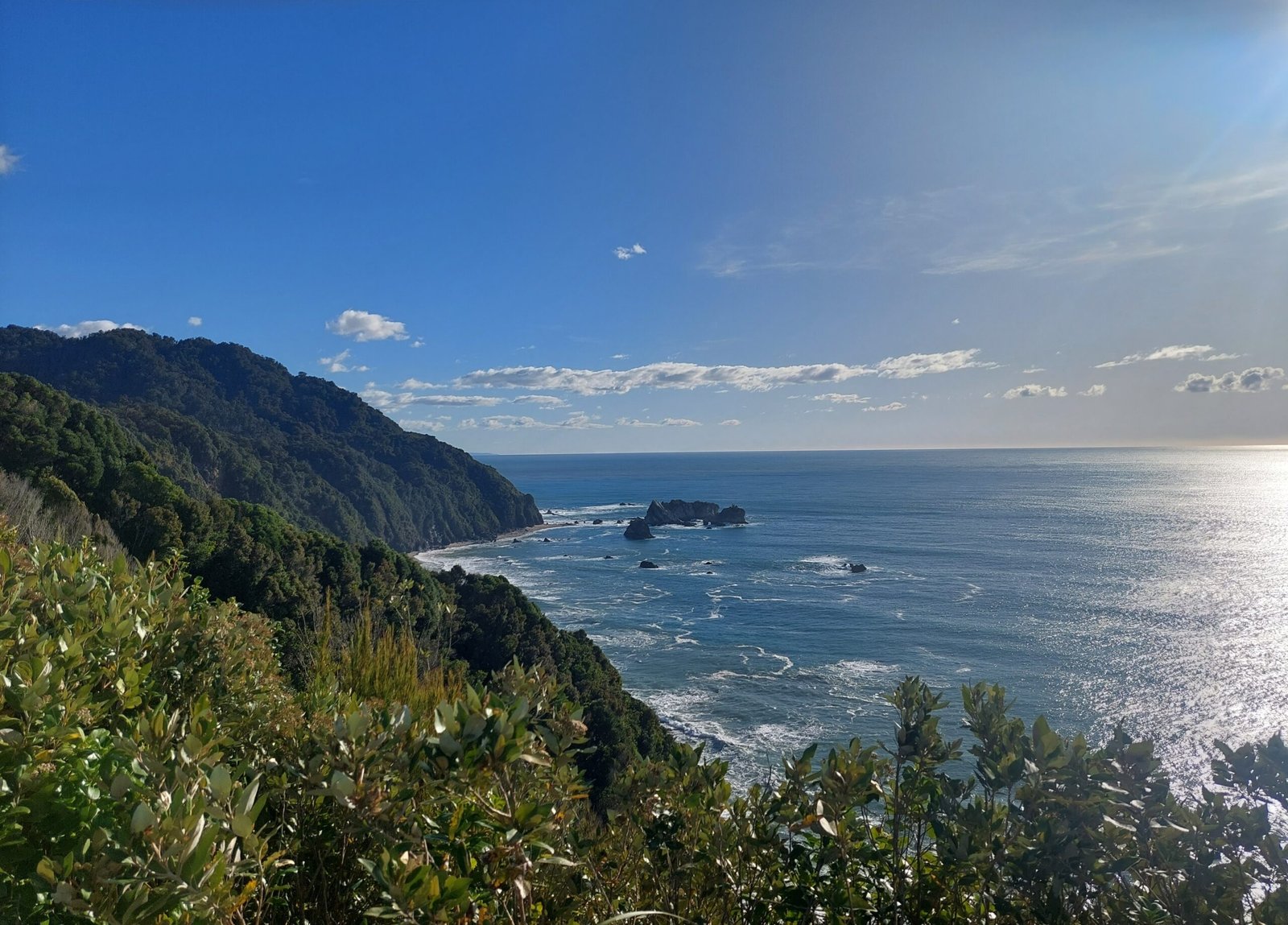
Eventually the road brought us to the west coast.
The campsite had a great view of the mountains surrounding it. However, we didn’t have much time to admire them in the evening, as the sun started to set almost as soon as we arrived. In the morning the sky was blue, so we woke up in a beautiful scenery after a very cold night. Luckily we have the heater!
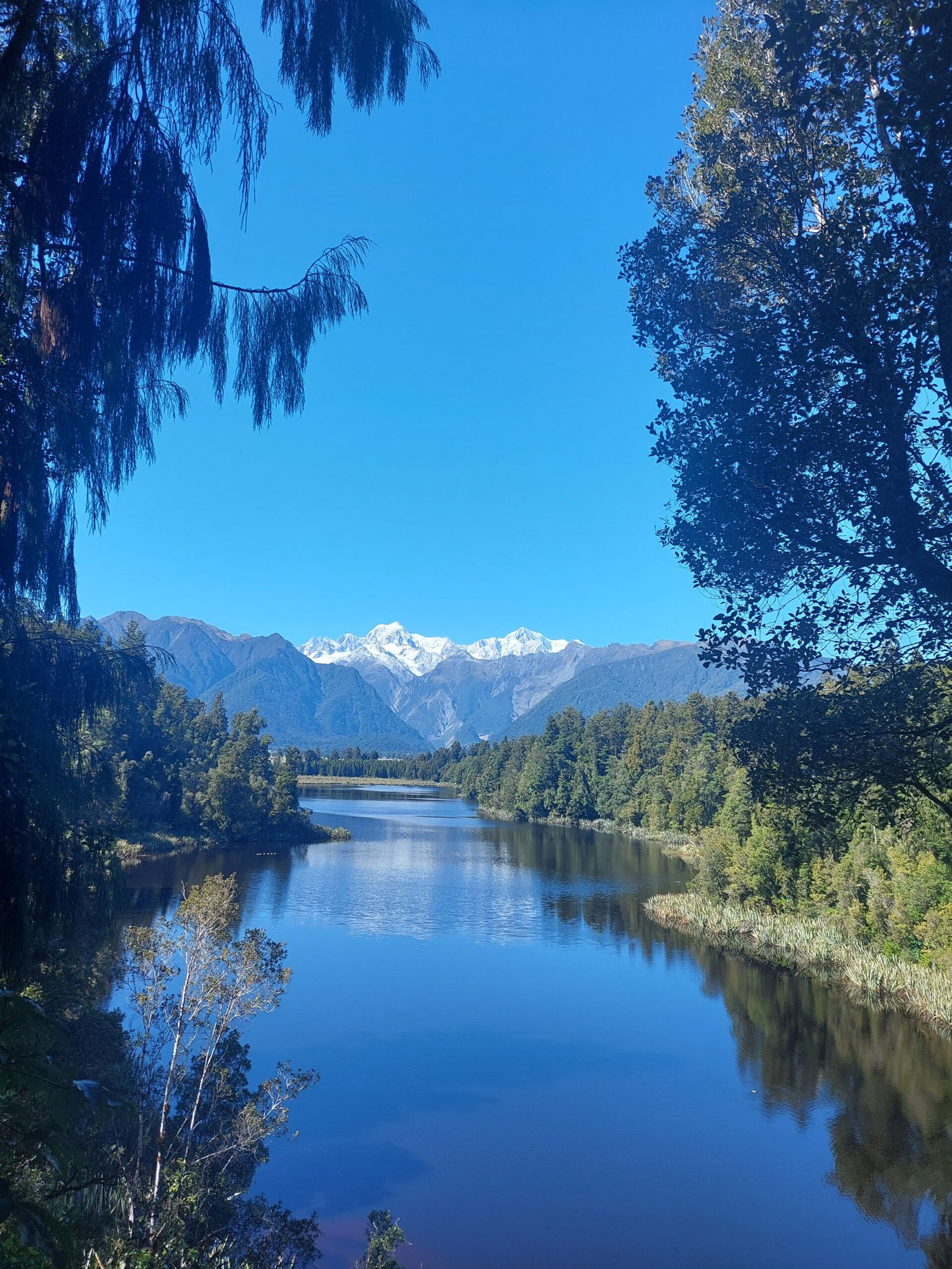
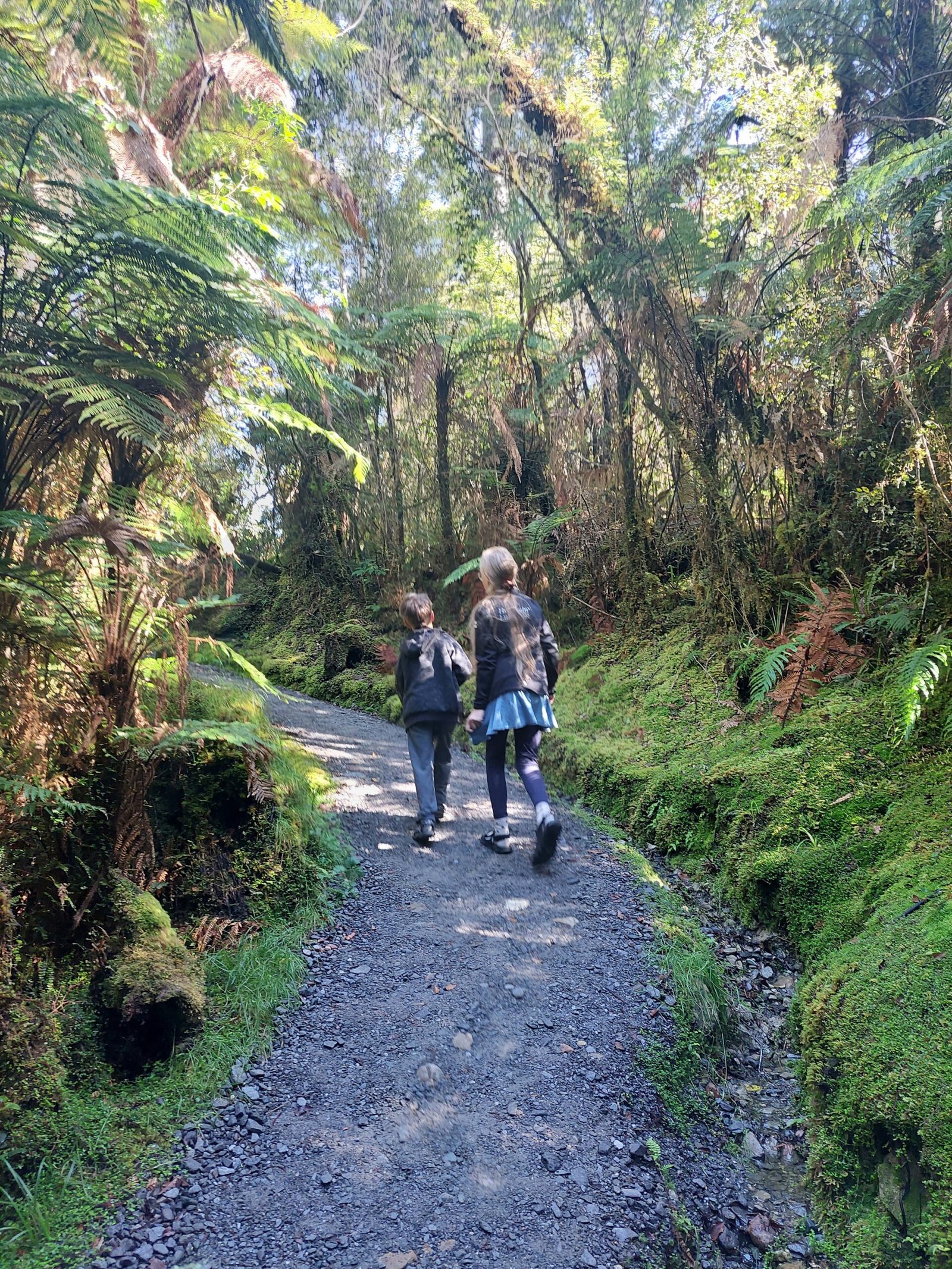
Since the weather was so nice, we decided to go on one of the walking trails in the area. This trail was a round trip on Lake Matheson. The route was about 5km long, and it took us 1,5h to walk it, including photo stops. Once again, the scenery was truly spectacular. We took several photos of the surrounding mountains, peaks covered with snow. The children were very surprised that one of the peaks was Mt. Cook. We explained that this time we had ended up on the opposite side of the same mountain range. Flying to Glentanner campground, where we stayed when visiting Mt. Cook, would only take a short while. But driving to the other side of the mountain range involves a quite serious loop.
The snow peak on the right is Mt. Cook.
The walking trail around Lake Matheson was well maintained, as all trails here seem to be. Mainly we walked in a forest, but occasionally we ended up admiring the scenery on the shore of the lake too. While standing on one of the piers, we also saw a curious eel, which came to check out the tourists. It was a longfin eel, apparently one of the largest eel species in the world. Some individuals can grow up to two metres long and weigh up to 25kg. This one we saw wasn’t quite as big, but I wouldn’t go swimming in that lake with it.
During our walk we also saw a lot of different local bird species, as well as vegetation. The children had a piece of paper with them to write down things to spot during their walk. This way, the walk didn’t feel boring and they observed the nature around them in a completely different way. The children invented this “entertainment” all by themselves. Smart kids.
"Find five mushrooms."
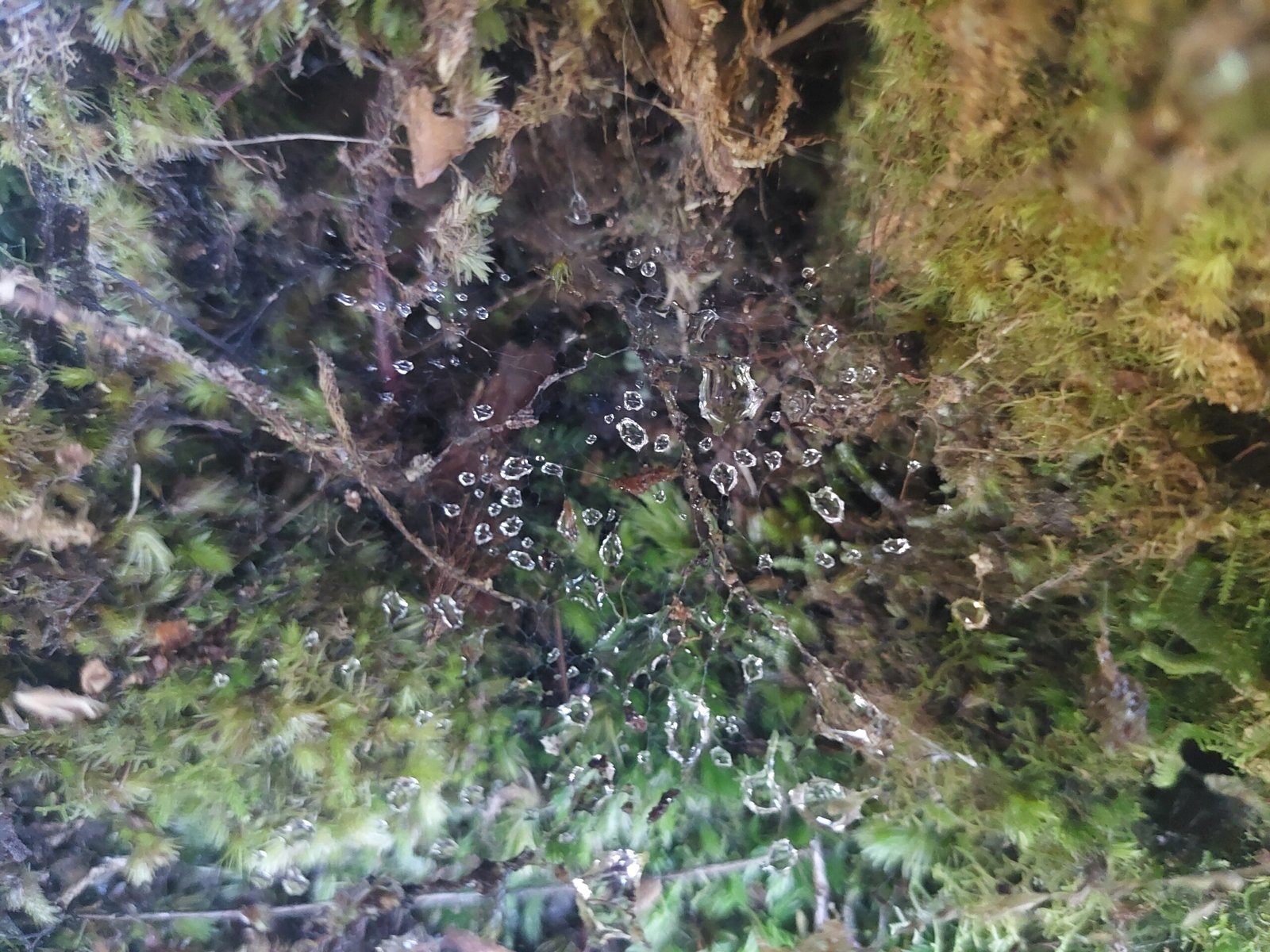
"Find the spider's web."
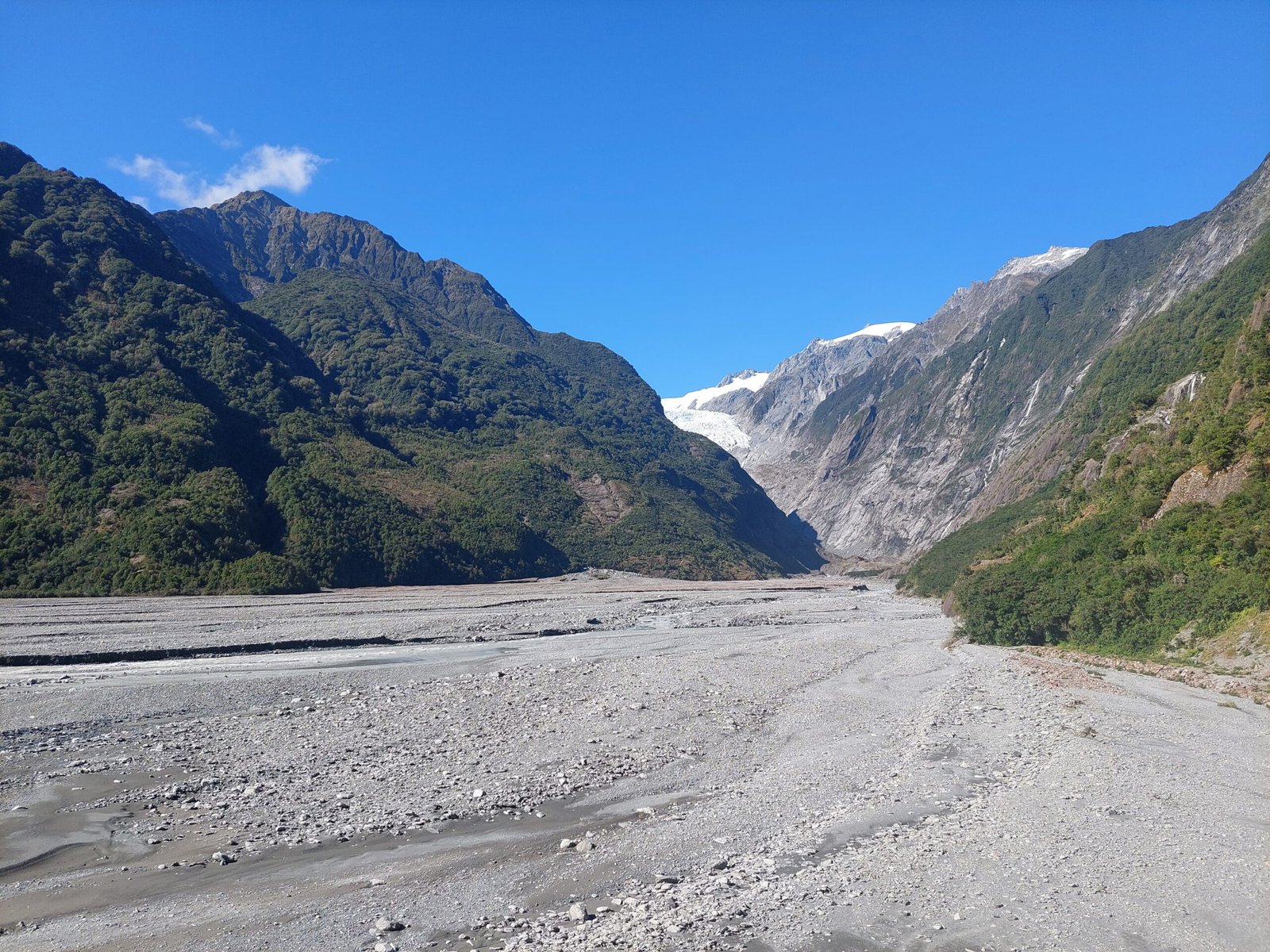
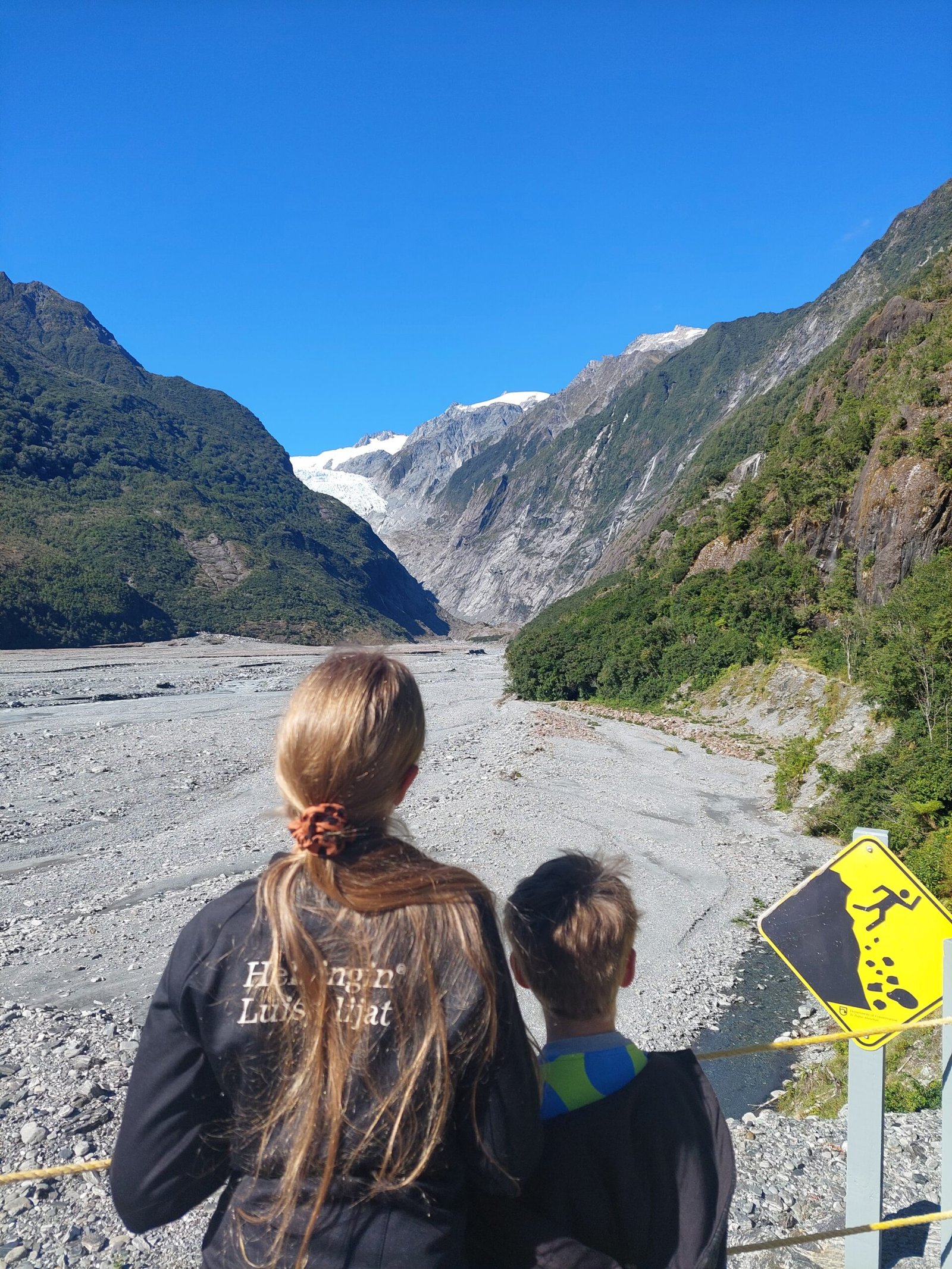
On Thursday, the journey continued towards Hokitika. At first we stopped at the Franz Josef Glacier, though, because it was on the way. Since Jaana and Marko’s previous visit, the glacier had retreated a lot. There was no longer any chance of getting even close to the glacier on foot. The only way to walk on the glacier would be to land there by helicopter. Here you can see very clearly what climate change is doing. There was also a marker on the observation deck indicating where the glacier had reached in 1908. Since then, the glacier had retreated several hundred metres. We’ll see how long it will be before the entire glacier no longer exists at all.
New Zealand's glaciers are shrinking at an alarming rate.
In 1908, the glacier had extended to where the children are standing.
We drove towards Hokitika in sunny weather. The road was really winding, as we were driving in the mountains for a large part of the time. The bumpy road and the constant uphills slowed us down so much that on several occasions we were doing 30km/h on a road where we could have been driving at 100km/h. Our Hiace has not been pimped up by Toyota’s sports car department. It’s just a plain Hiace, not a Hiace GT-R, but it has faithfully carried us for almost three weeks now.
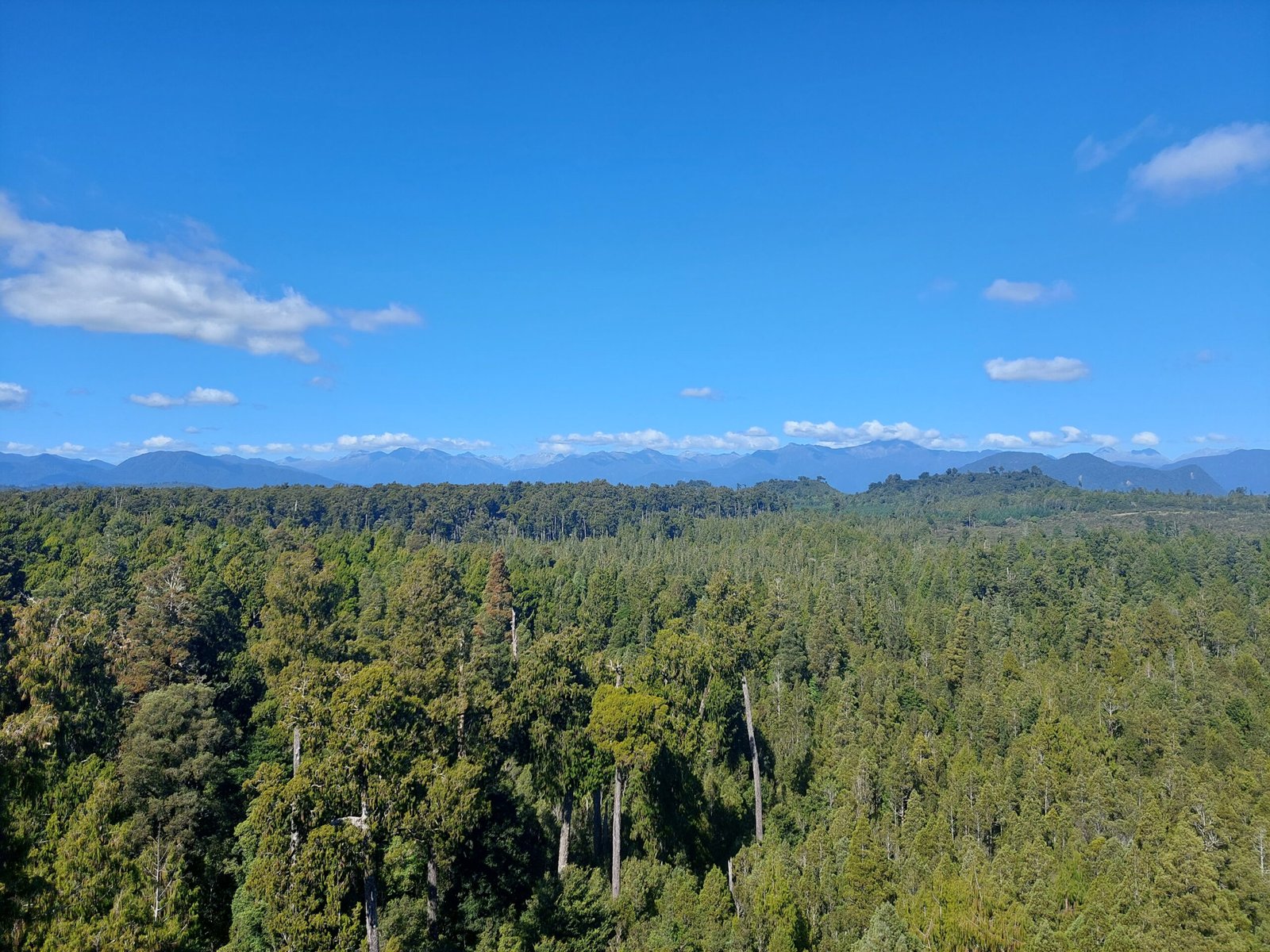
Just before arriving in Hokitika, we stopped at The West Coast Tree Top Walk. In addition to walking in the treetops, there would have been an over 400m long zipline too, but we skipped it this time. It would have been incredibly expensive regarding how short the slide was time-wise.
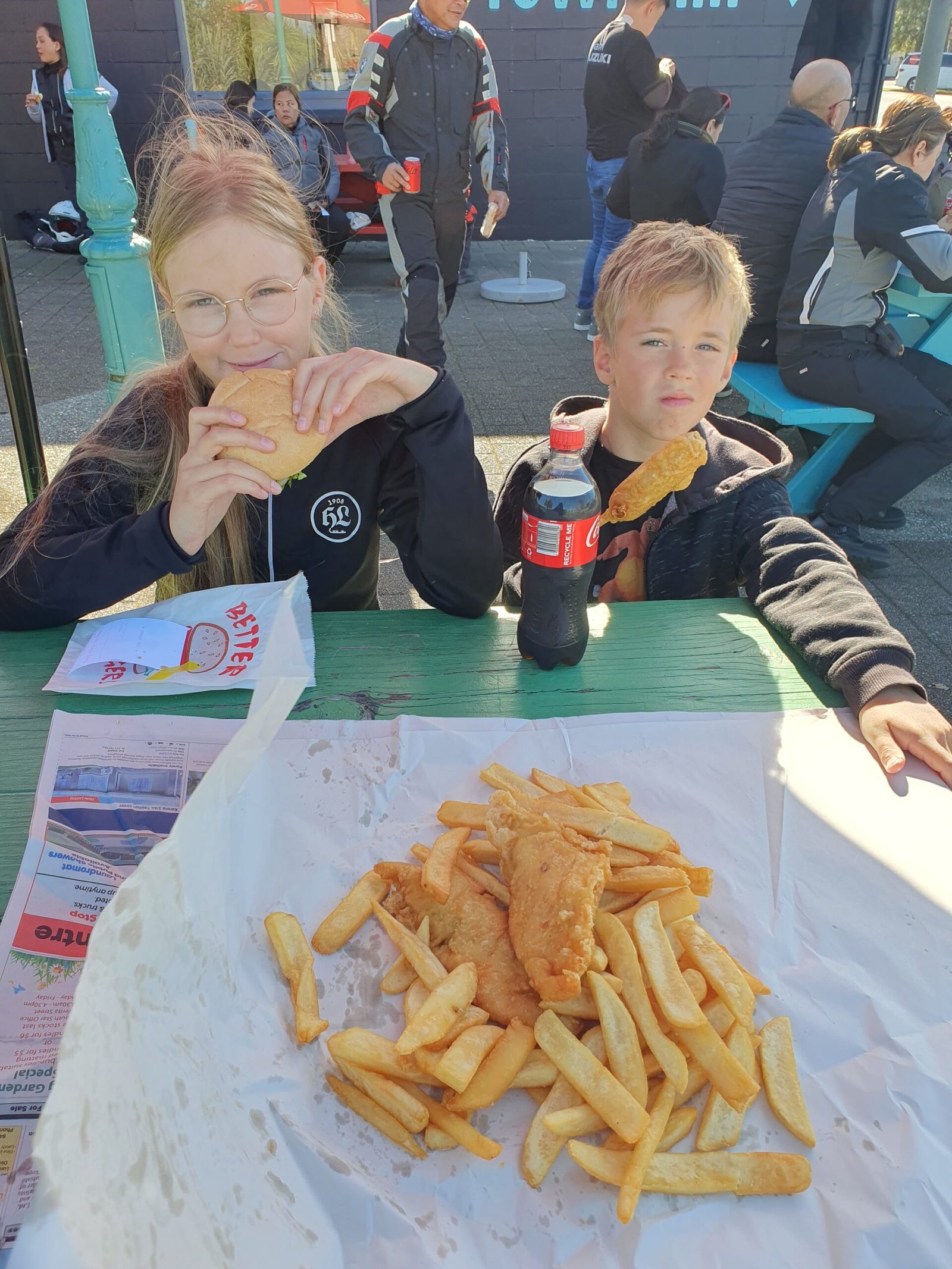
By the time we arrived at Hokitika we were already terribly hungry, as we hadn’t eaten anything since breakfast, and it was almost four o’clock. We hadn’t checked how big the town was, but we soon realised that it was quite small, just under 3000 inhabitants. So there weren’t that many restaurant options for hungry tourists. Luckily the fish and chips shop in the centre was open. And there we had probably one of the best fish and chips ever!
So from this vantage point, birds watch the world every day. Not bad!
Best fish and chips ever!
Just as we were eating, a train passed us from behind the dining tables.
On Thursday morning we went to the local swimming pool. It wasn’t a big one, but as we were practically the only customers there for most of the time, it didn’t make much difference. The kids had a great time at the pool playing with different floaters. Marko and Jaana, in addition to swimming, enjoyed the hot tub, where under 16 year olds weren’t allowed to come. What was the reason for that, we don’t know.
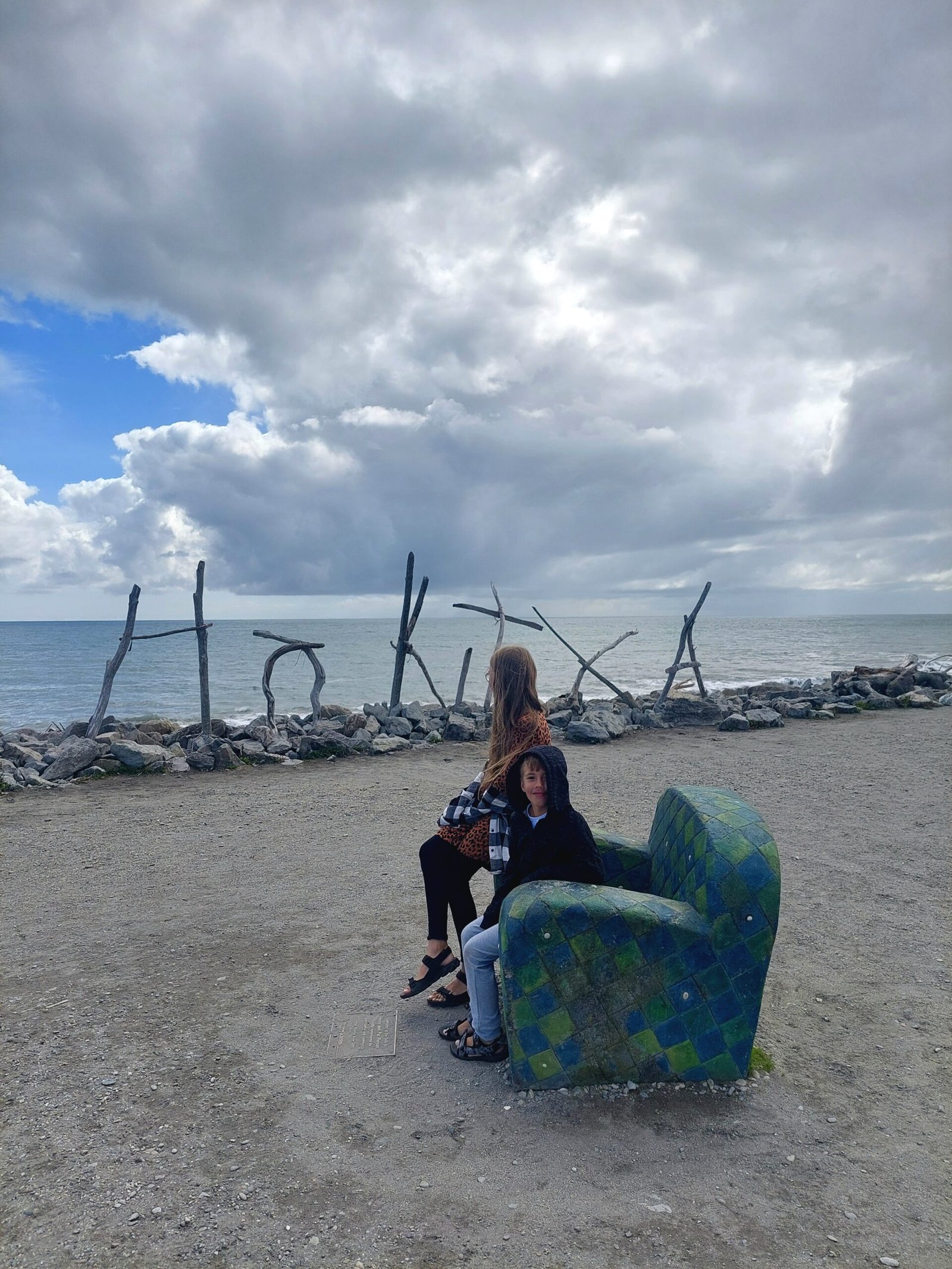
After the swimming trip, we made a quick visit to Hokitika beach and its famous driftwood nameplate.
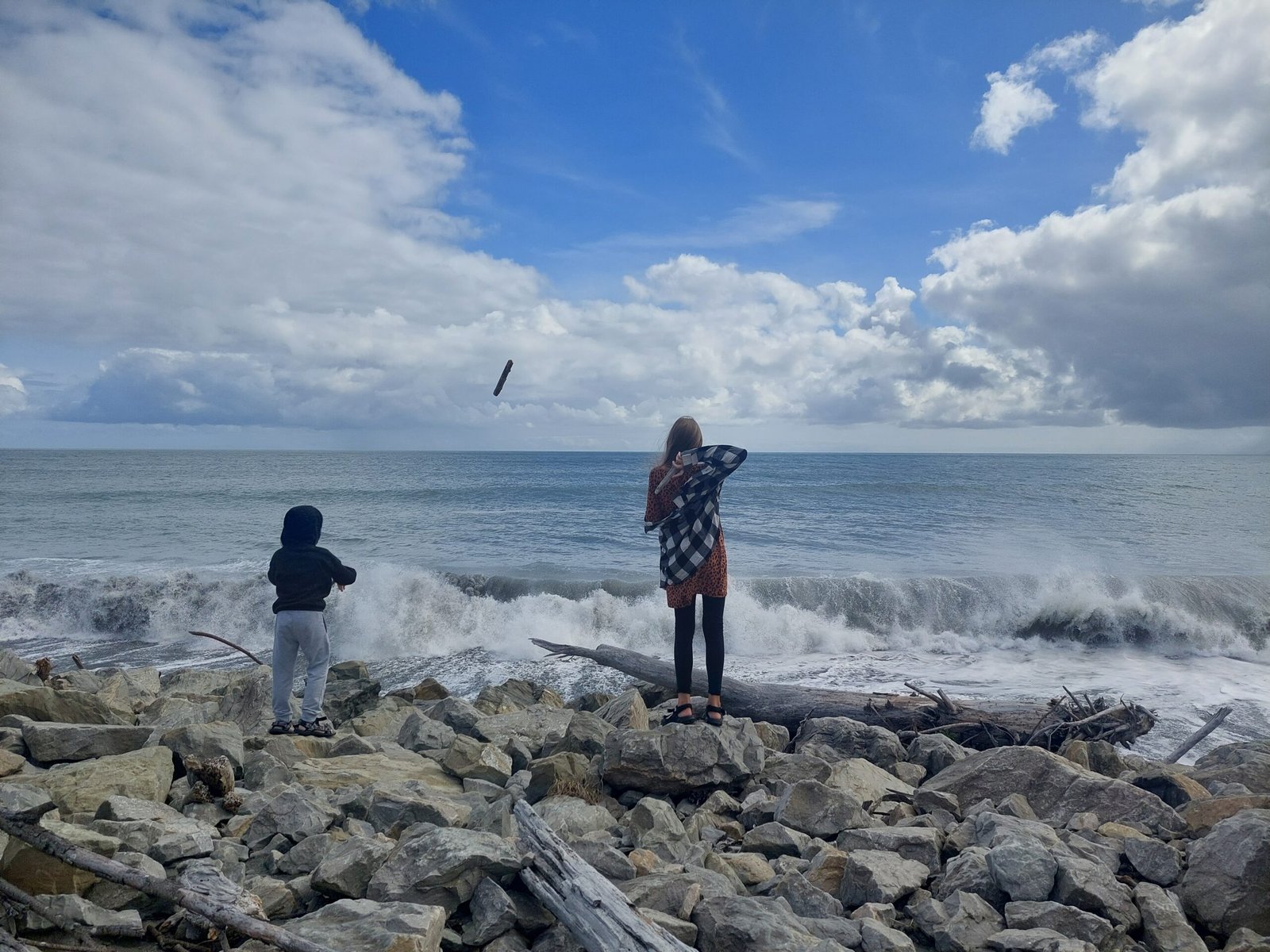
Throwing sticks and stones in the water seems to be a favourite pastime for both kids.
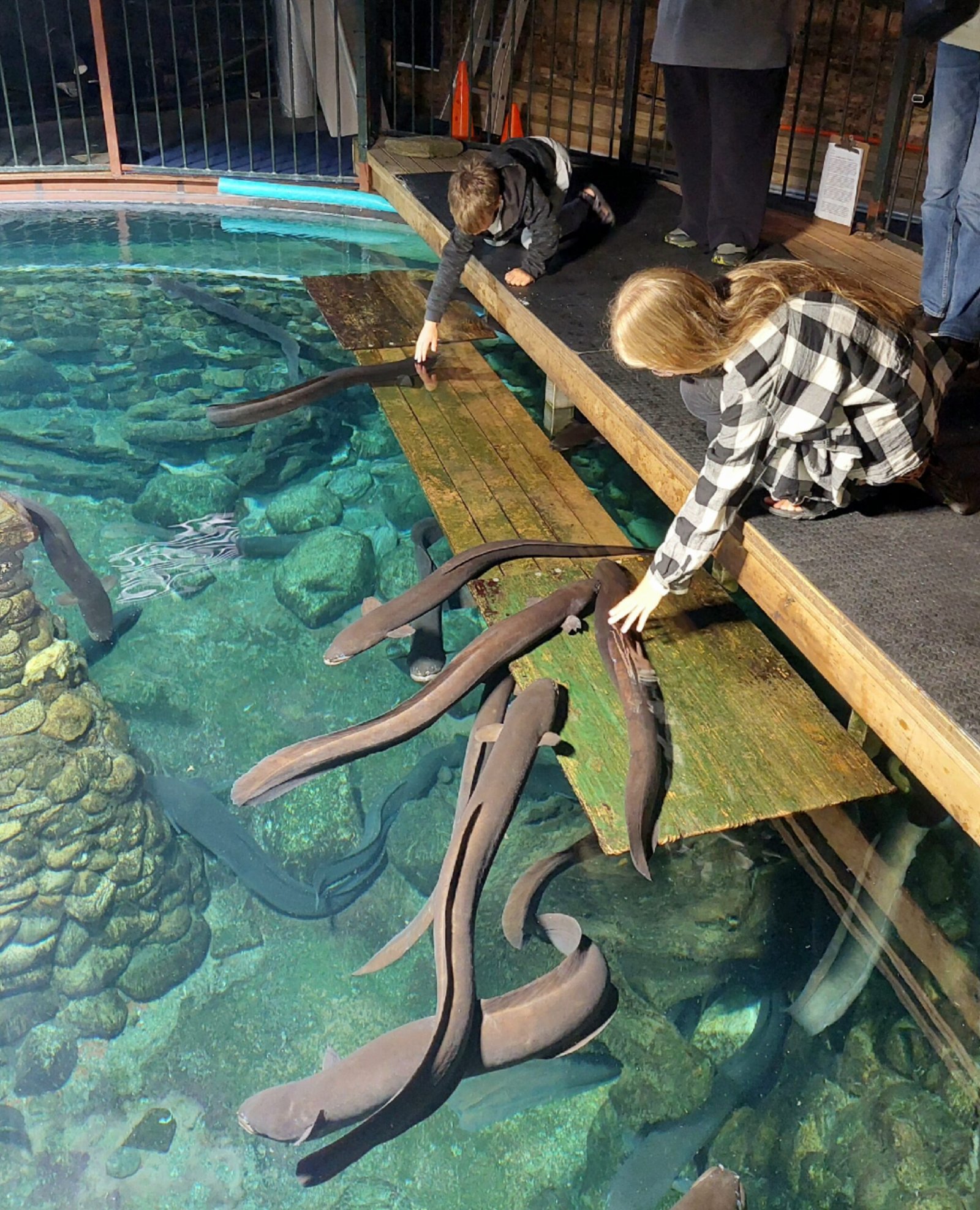
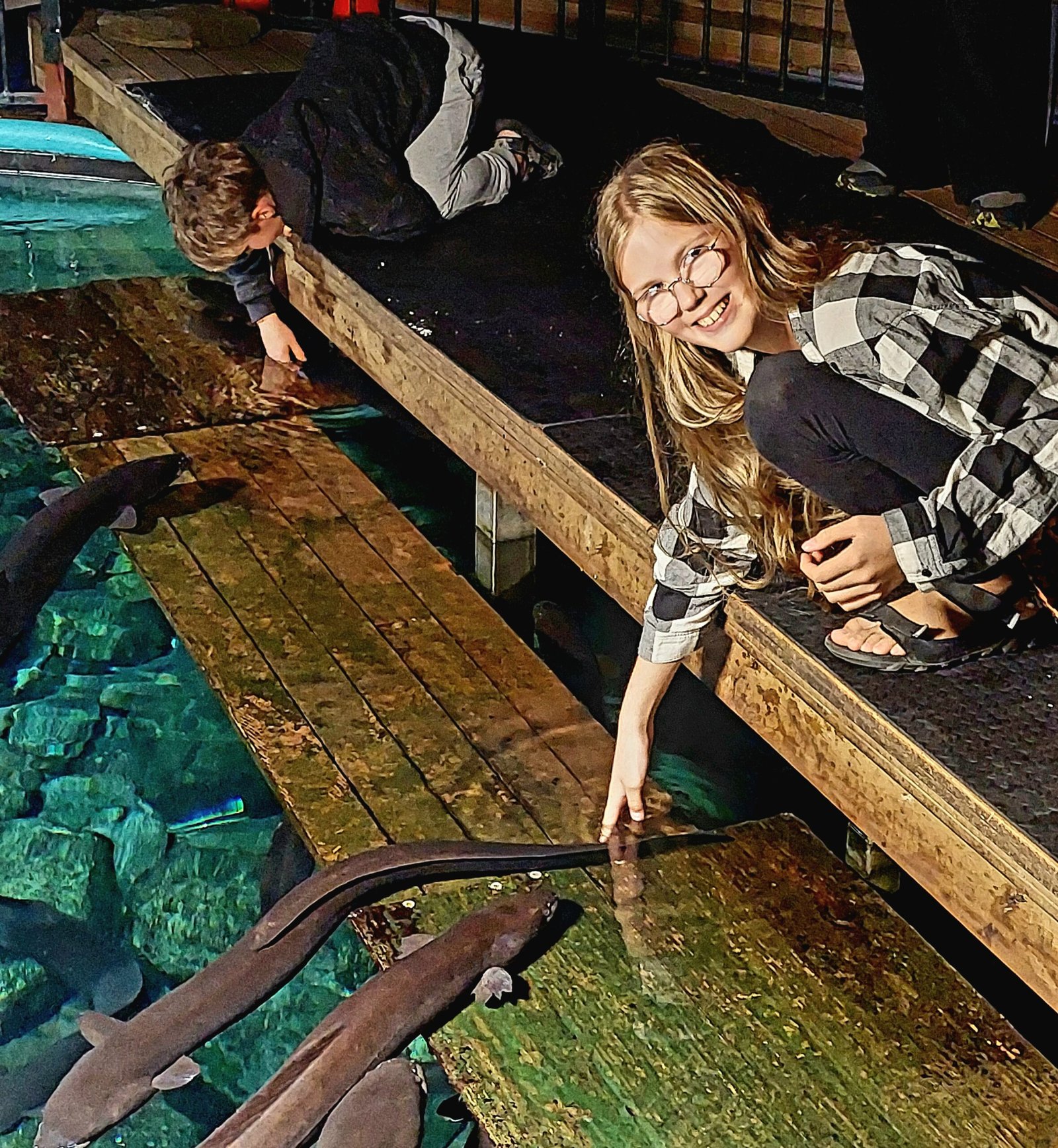
After the obligatory photo, we went to see if we could feed the eels at the National Kiwi Center. In the center there were kiwis too, but we were still more interested in the eels. These eels were the same species as the one we had previously seen in the wild. We could feed the eels pieces of meat with tweezers. Normally they are fed an omelette on Thursdays, but as no one had had time to prepare it, they were given some other protein-rich food instead. Risto naturally rushed to the eels first and immediately started feeding them. Ronja was more sceptical about these creatures. When feeding eels with short tongs didn’t seem to work for her, the worker gave her a stick that looked like the ones you use to pick trash. This way she didn’t have to worry about eels getting greedy and grabbing her fingers too.
When the eels had had enough, you could stay and stroke them. It should come as no surprise to anyone that Risto was again the first one with his paw in the water. The eel’s skin had a very special feel to it. We had all been expecting something between a snake and a fish, but their skin felt more like you had stuck your hand into some mucous membrane.
You could also fish for crabs with small fishing rods. Of course, we had to try it. Risto was by far the best at this as well, with a catch of five big crabs. Jaana managed to catch three and Ronja one. However, Ronja was the first to catch a crab from the pond. Marko did not have much luck with crabs, but he also managed to catch a small crab pupa in the very last metres. After the catch was photographed, the crabs were released back into their small pond.
The two bigger ones are Risto's. Marko's catch must have been severely undersized...
We also visited a local glassware shop to see the work of a glassblower. This time, however, he was not making glassware by blowing, but using a different technique to make blue glass mushrooms. How cleverly this man made mushrooms from hot glass! Unfortunately, we were not able to photograph his work.
We had parked the car near the fish and chip kiosk we had visited on the previous day. Somehow we were drawn back to it for another round of heavenly fish food to take back to the campground.