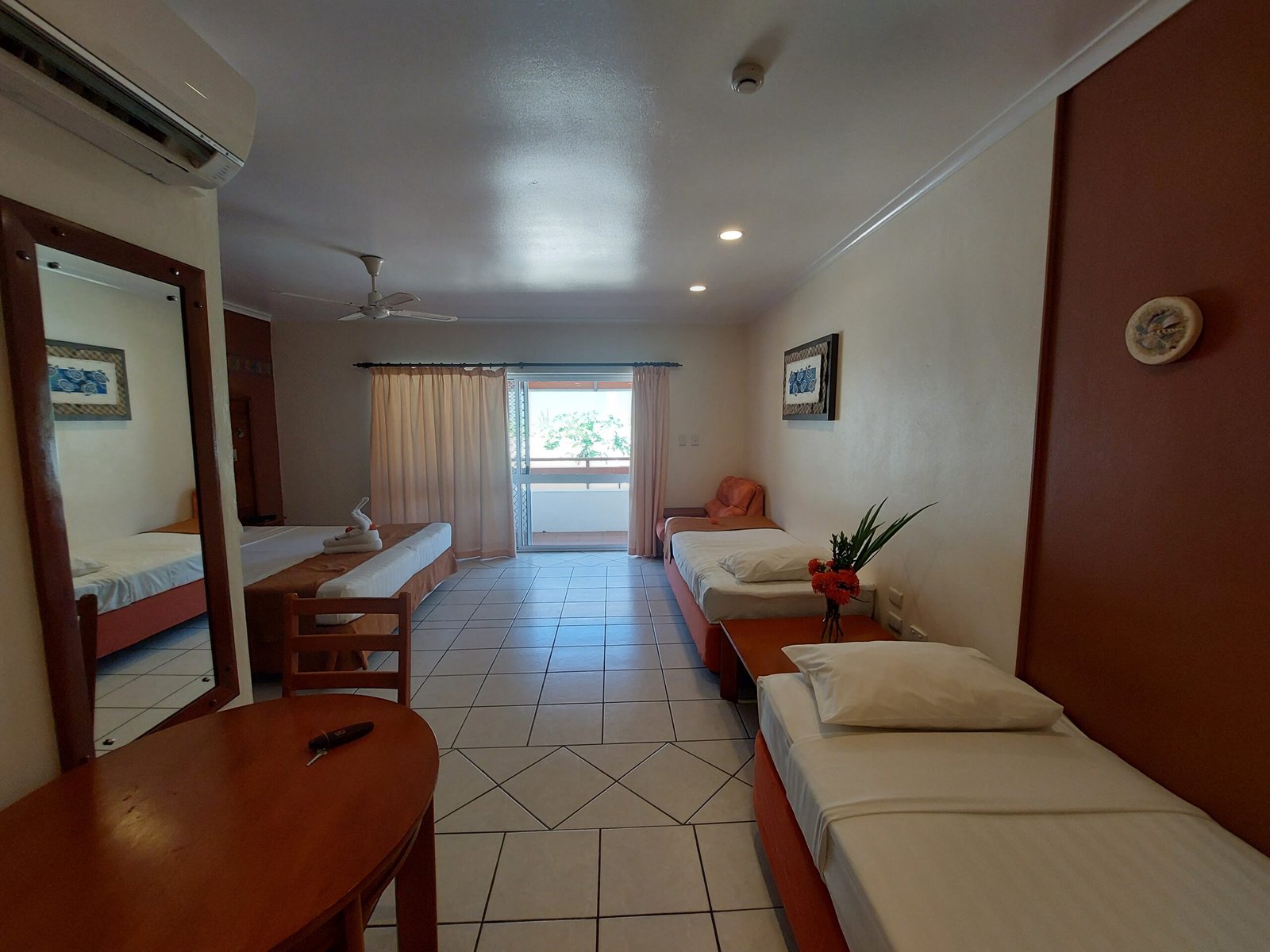
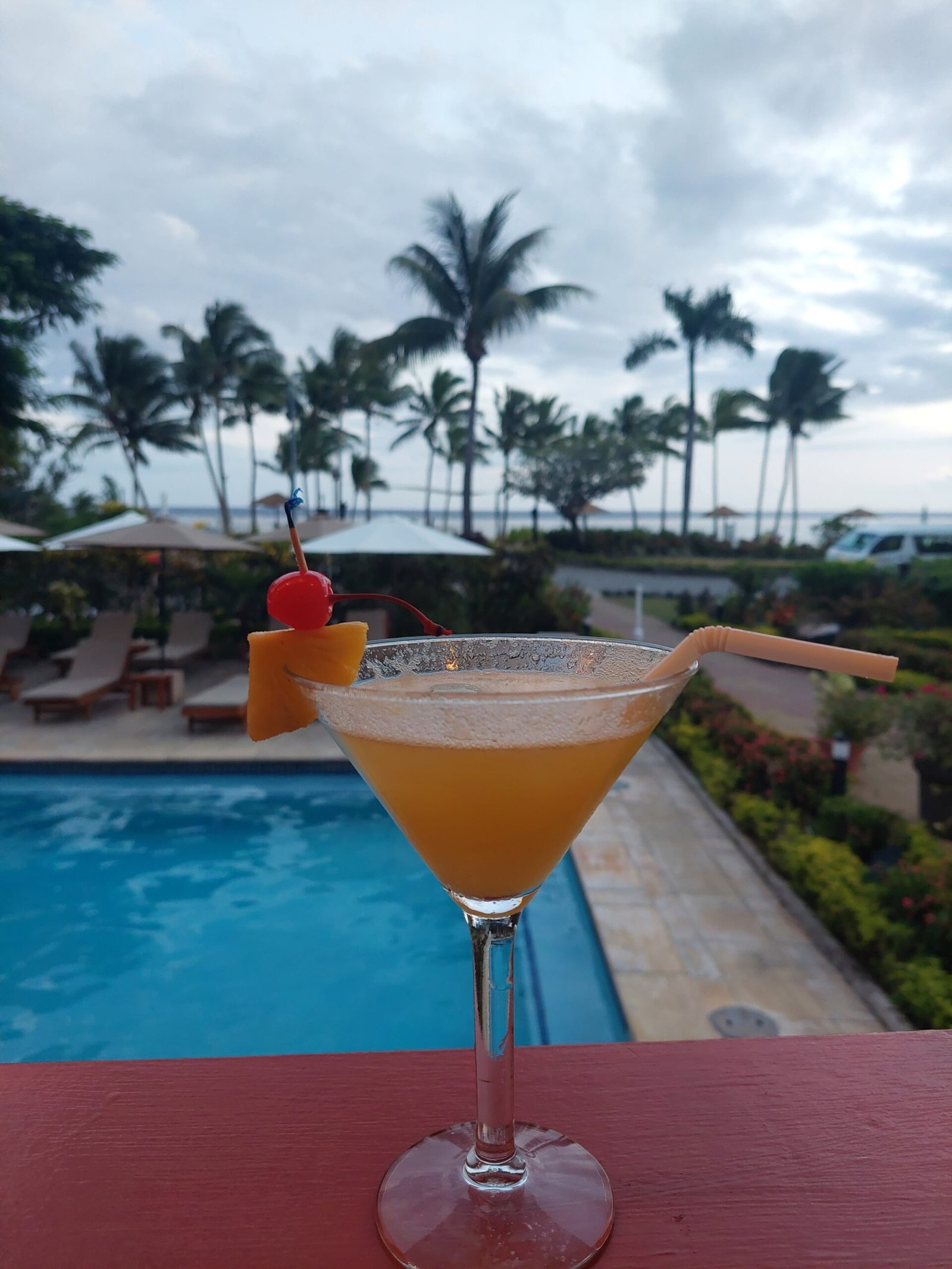
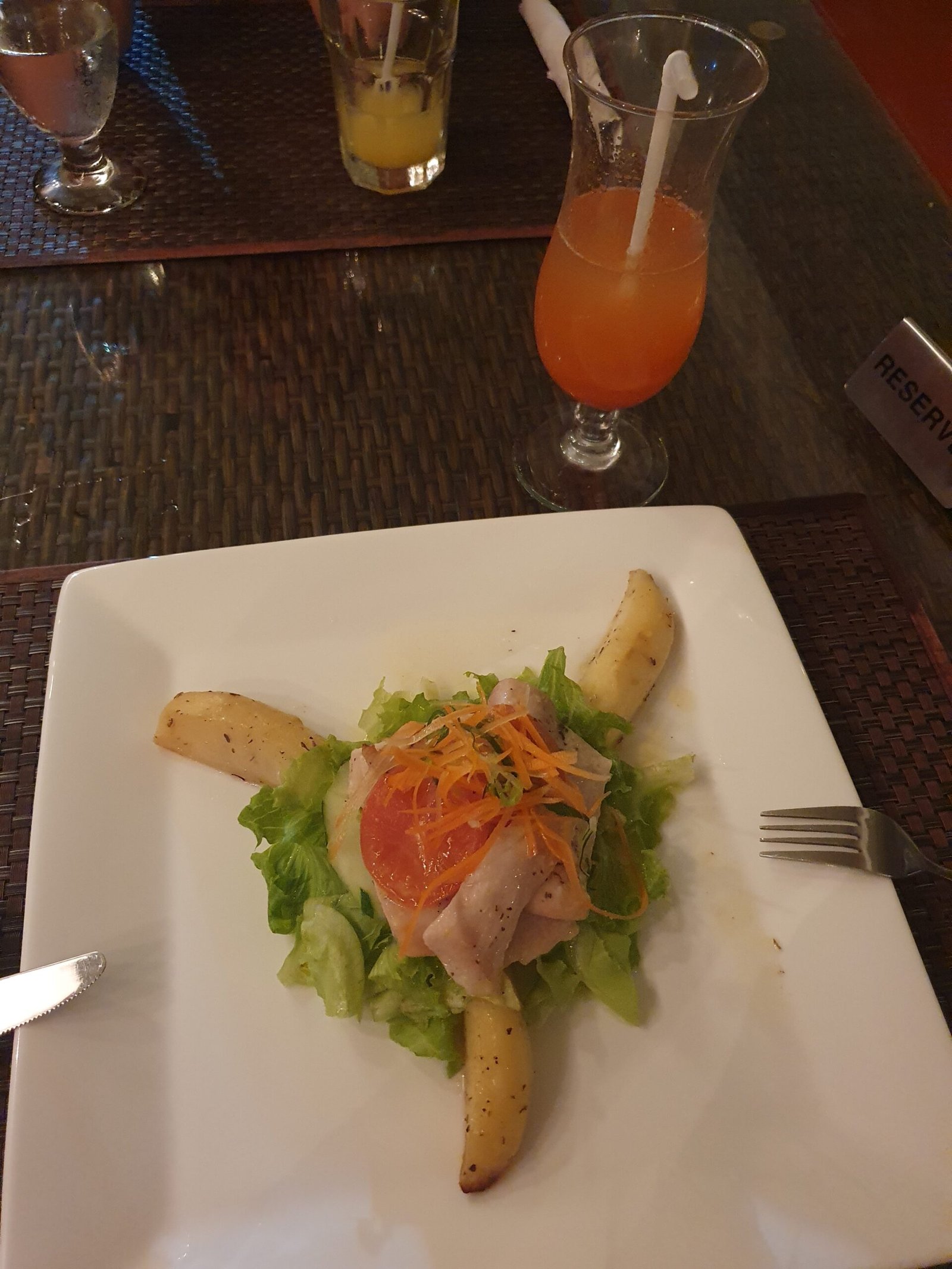
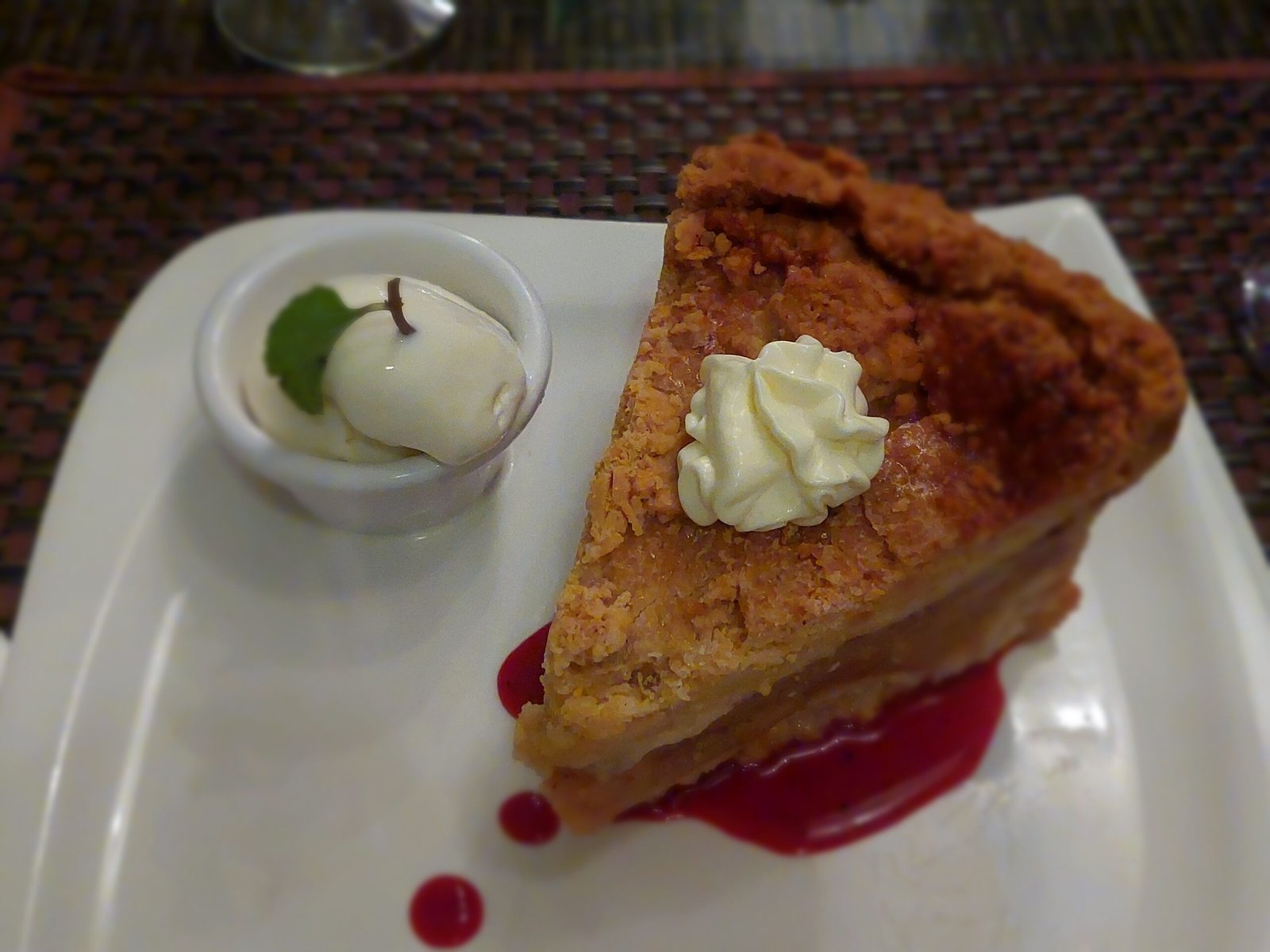
In the afternoon, we moved from the Warwick hotel to our next hotel. Bedarra Beach Inn was considerably smaller than Warwick, with only 25 hotel rooms. However, the rooms were much larger than in Warwick. At first glance, the place seemed very nice. We didn’t go snorkelling again in the afternoon, but spent some time at the hotel pool. In addition, the kids did school work for a few hours. We had dinner in the hotel’s own restaurant. The mahi mahi fish that we adults ordered for dinner was delicious. The homemade apple pie that Jaana ordered for dessert was huge.
Our spacious room in Bedarra
Dinner consisted of a variety of delicacies.
Mahi mahi fish
A huge slice of apple pie with vanilla ice cream.
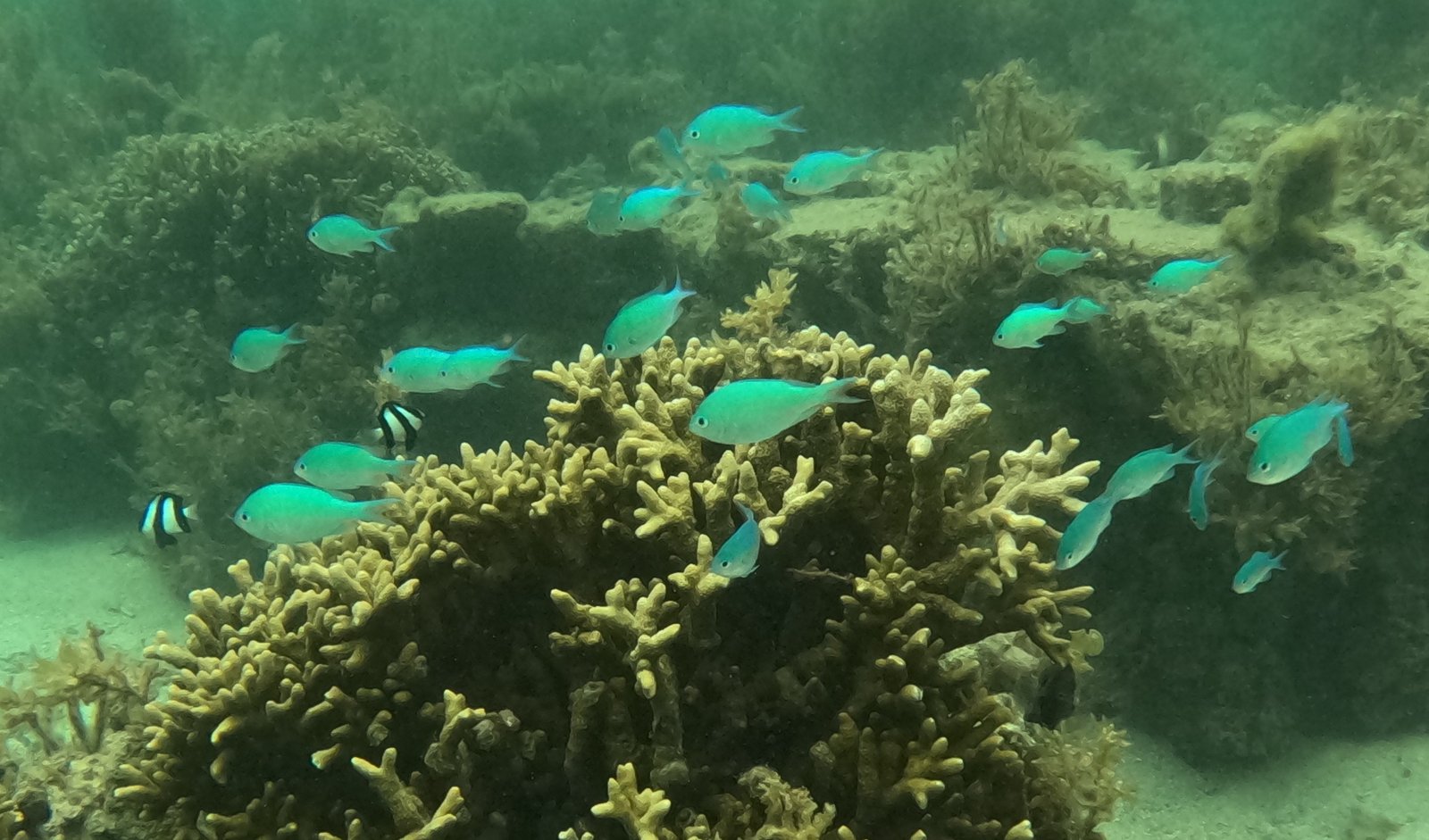
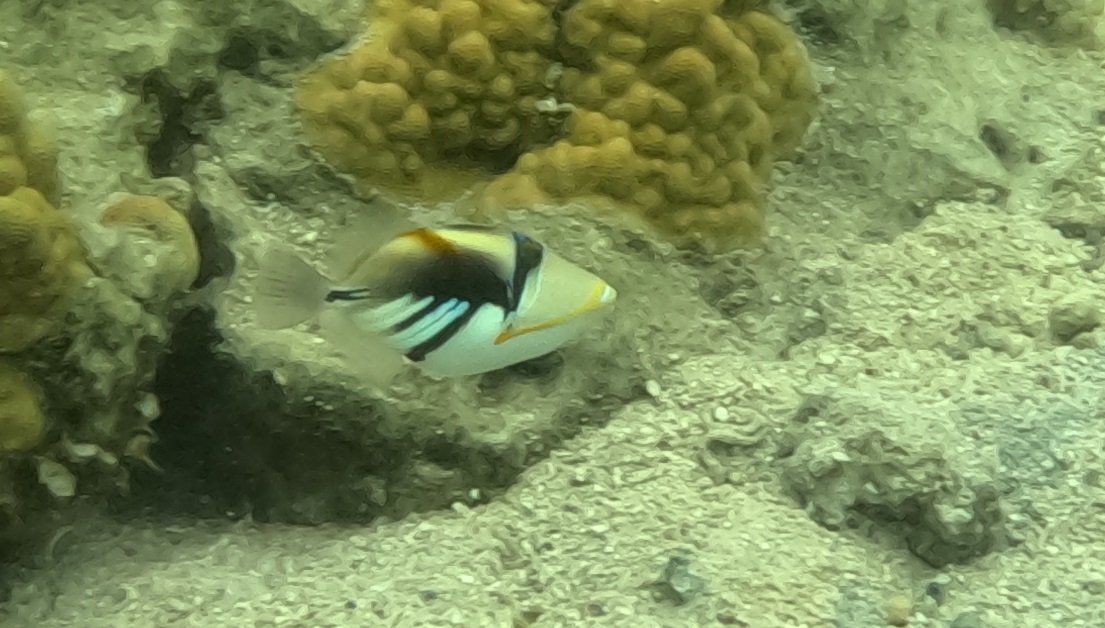
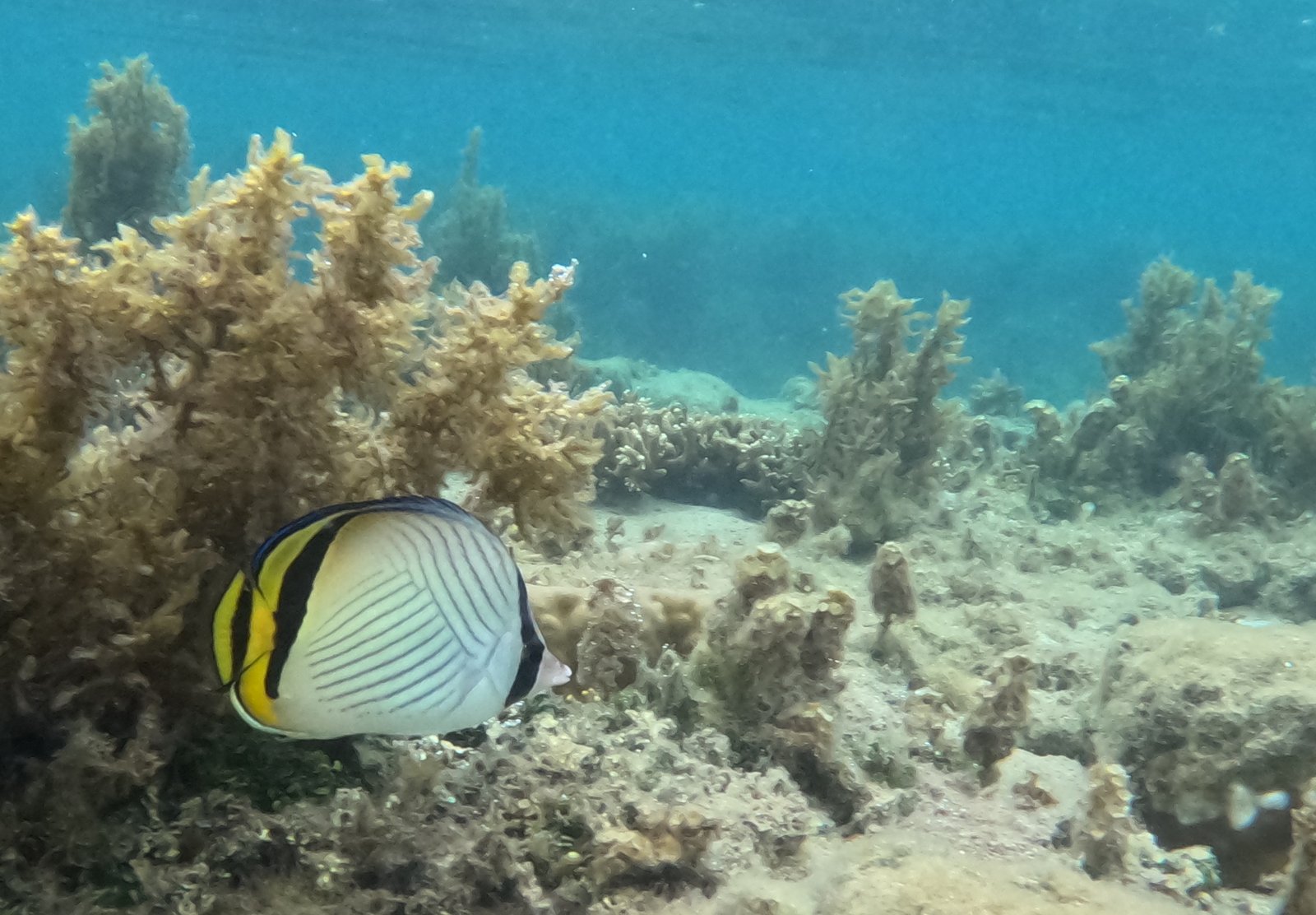
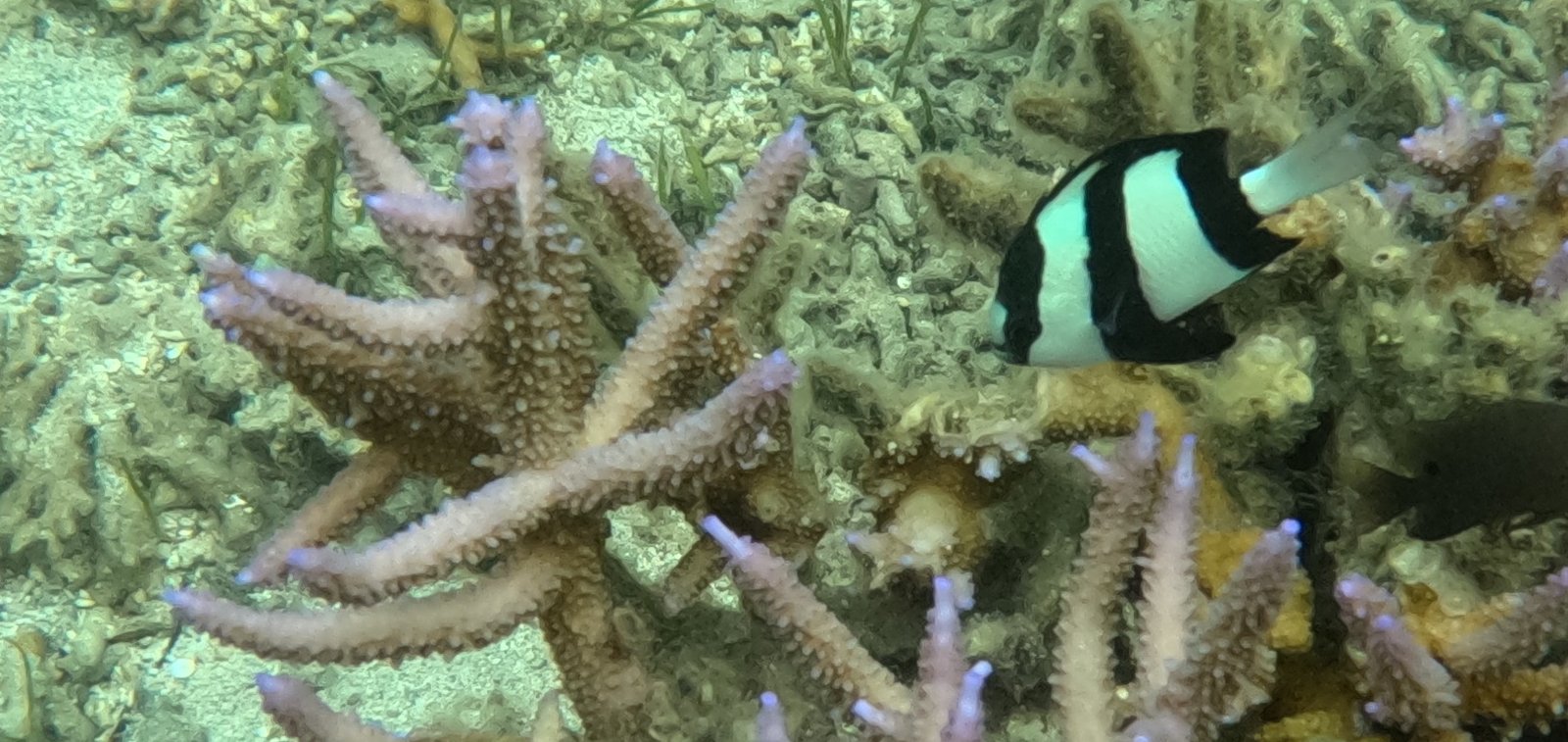
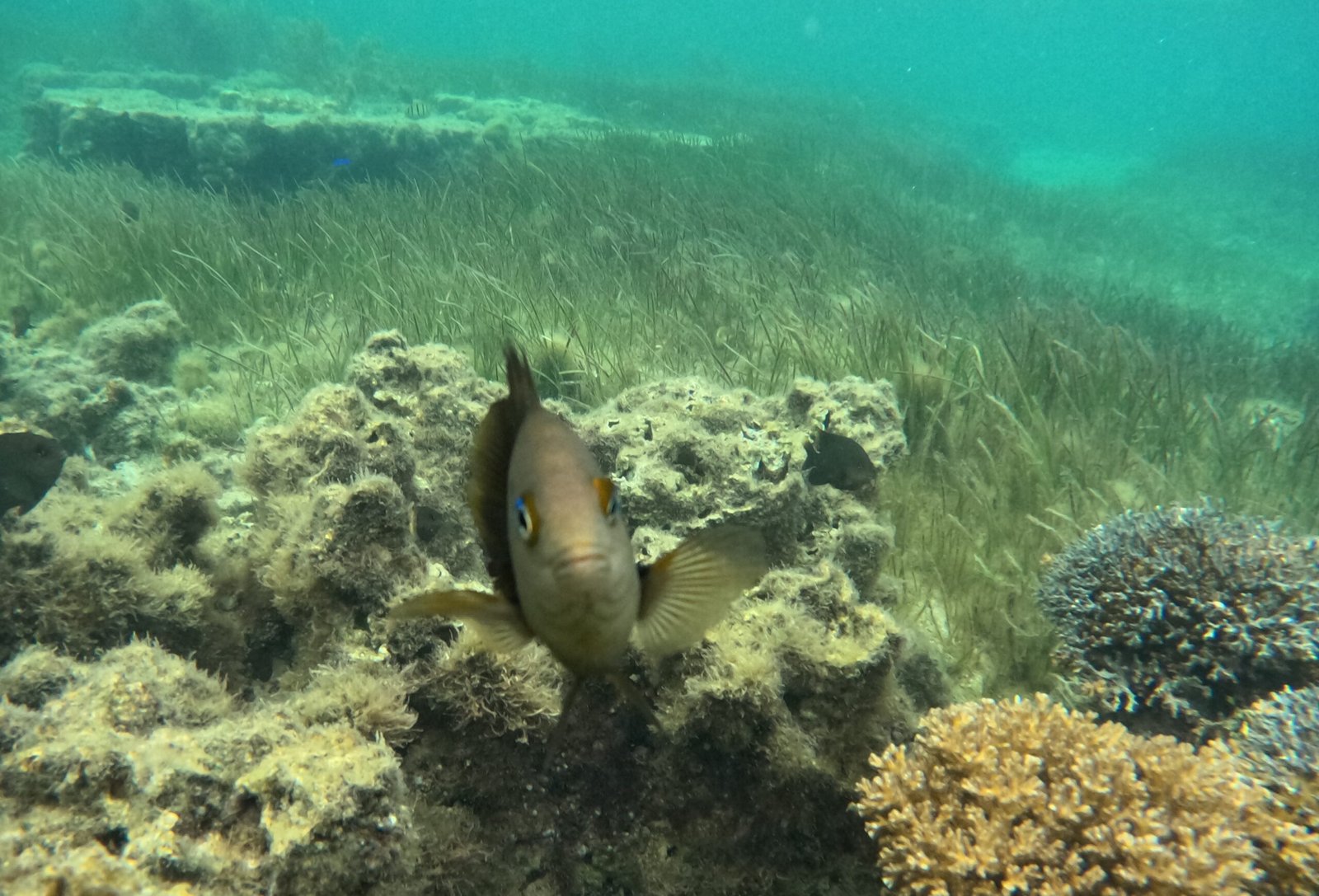
After breakfast, we went to get our snorkelling gear and headed to the beach on the other side of the road. The coral was still pretty colourless, but there were lots of different species of fish. The seabed was also full of long creatures resembling sea cucumbers. In English it is called Medusa worm. They are harmless, but many people mistake them for sea snakes, which also live here. The reef was really shallow, and again there were really strong currents in places. Sometimes you really had to use your flippers to get to where you wanted to. On the other hand, it was easy to float along with the currents. After a long snorkelling session, the kids wanted to go for a swim in the pool too. On the other hand, there’s not much else to do here apart from swimming, snorkelling and kayaking.
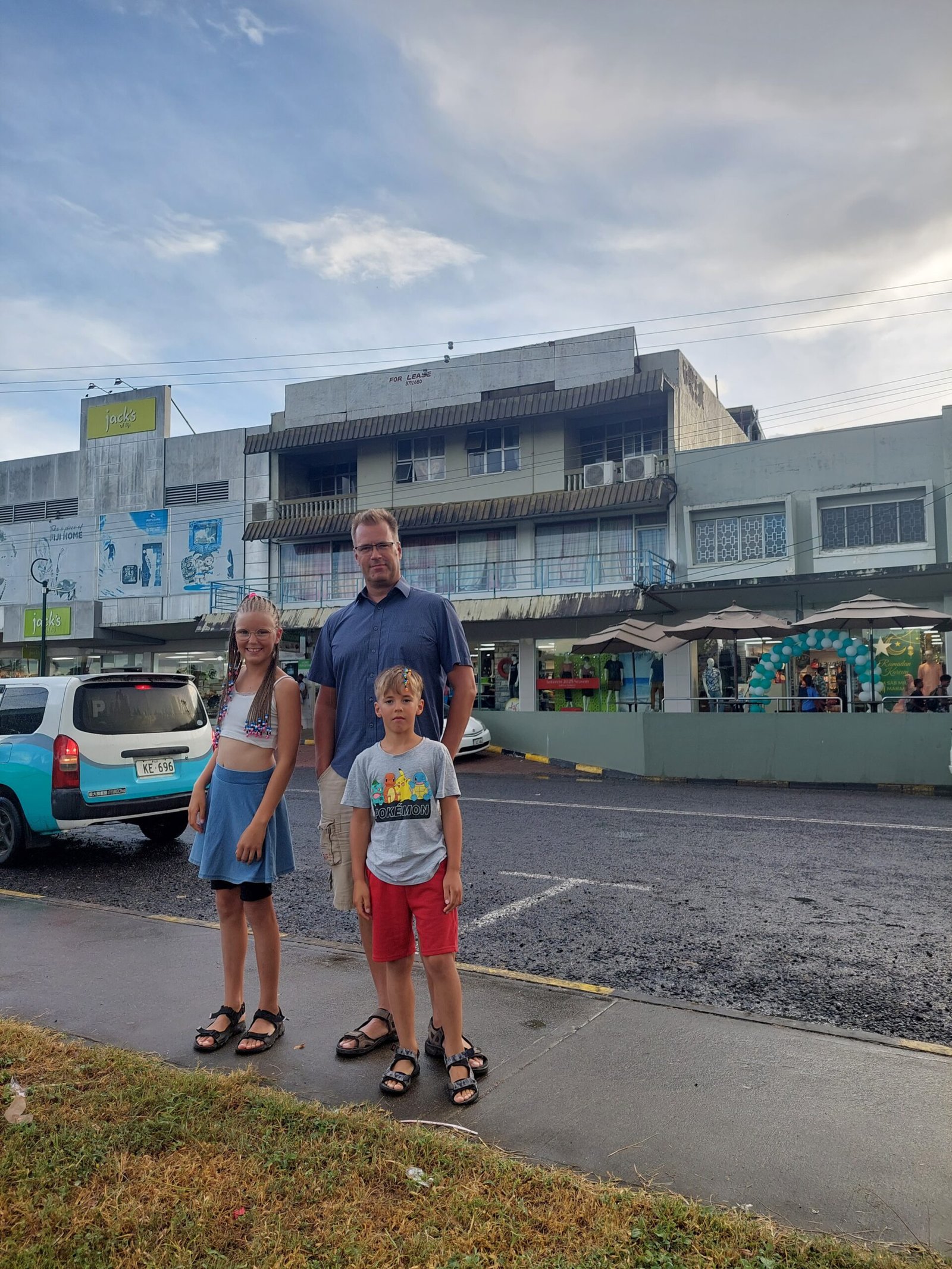
On Friday we decided to see what the nearest town of Sigatoka was like. It was seven kilometres from our hotel, so it wasn’t worth walking there in these temperatures. There was a bus that went past the hotel, but as the schedule was a bit “Fiji time”, we thought it was best to take a taxi. The town of Sigatoka is not very big, only 12,000 inhabitants, but it still is the 8th biggest city in Fiji. There wasn’t really much to see in the town, though. The colourful Hare Krishna temple high on a hilltop is probably the biggest attraction. We didn’t go there, though, but just walked along the few main streets. It didn’t take us more than half an hour, although we walked very slowly, and greeted almost every local we met, who shouted “Bula!” at us.
The town of Sigatoka is located on the Sigatoka River. There are two bridges crossing the river. The older one had some small gap issues though...
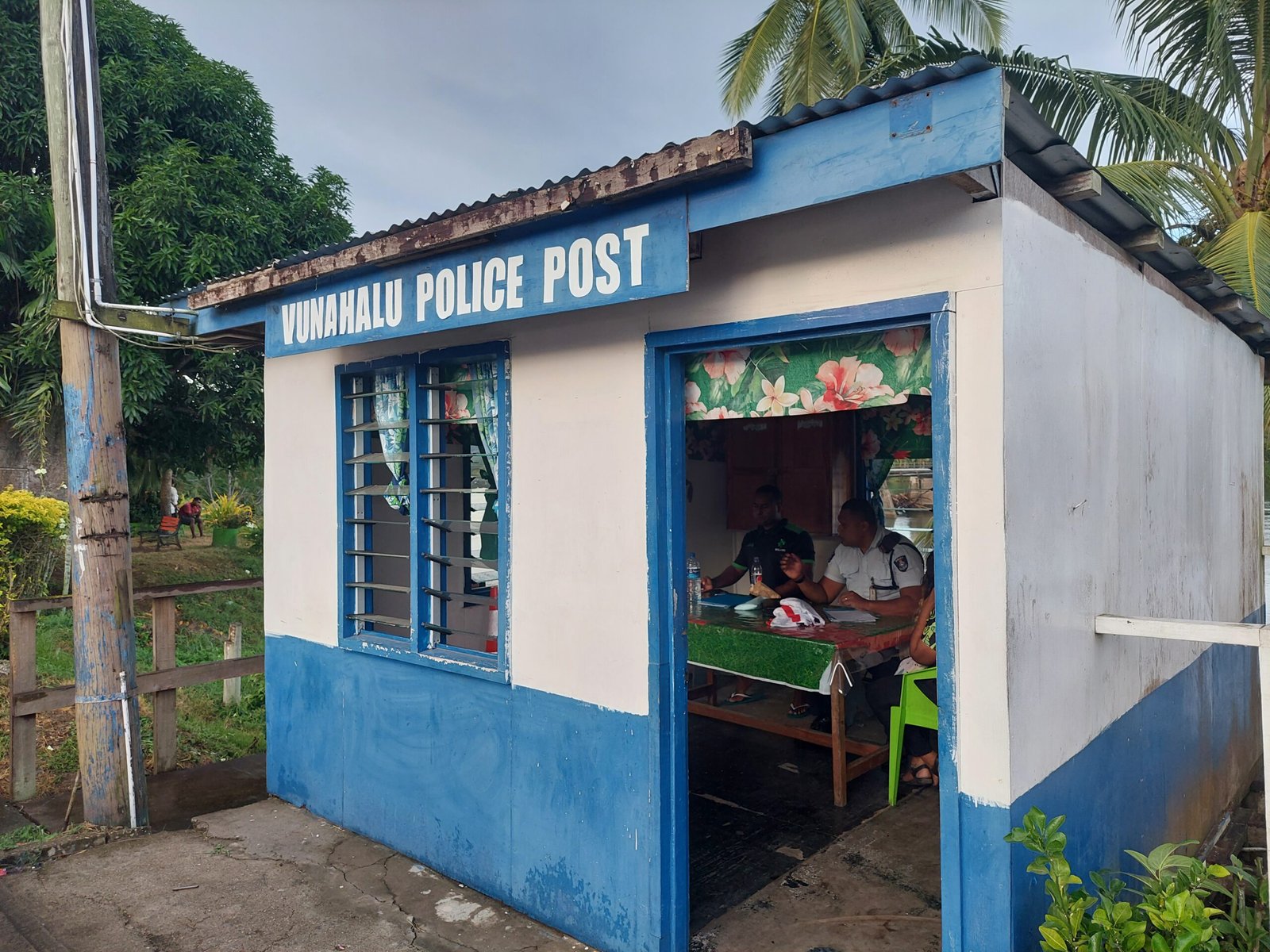
From here, law and order are maintained in the town.
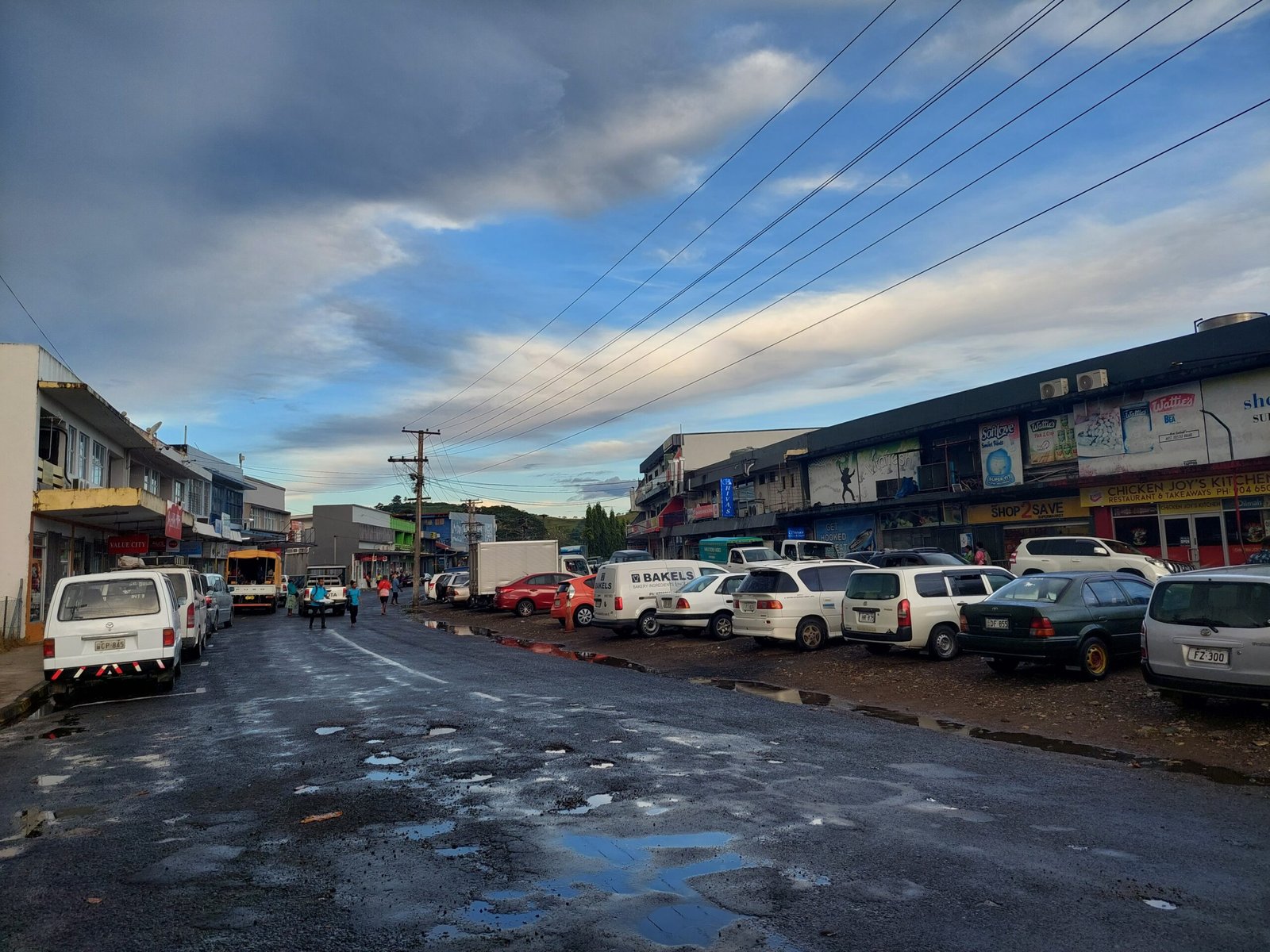
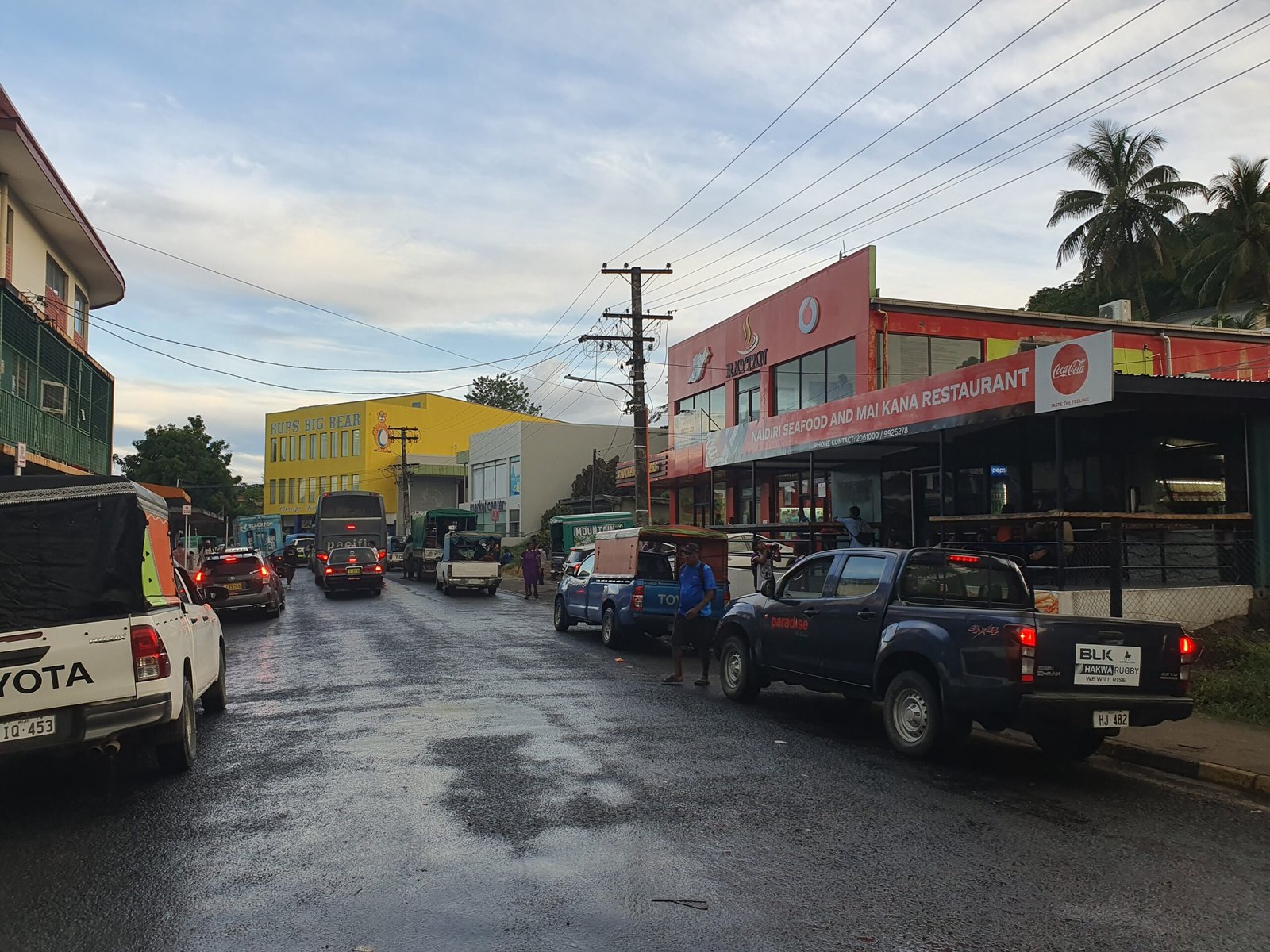
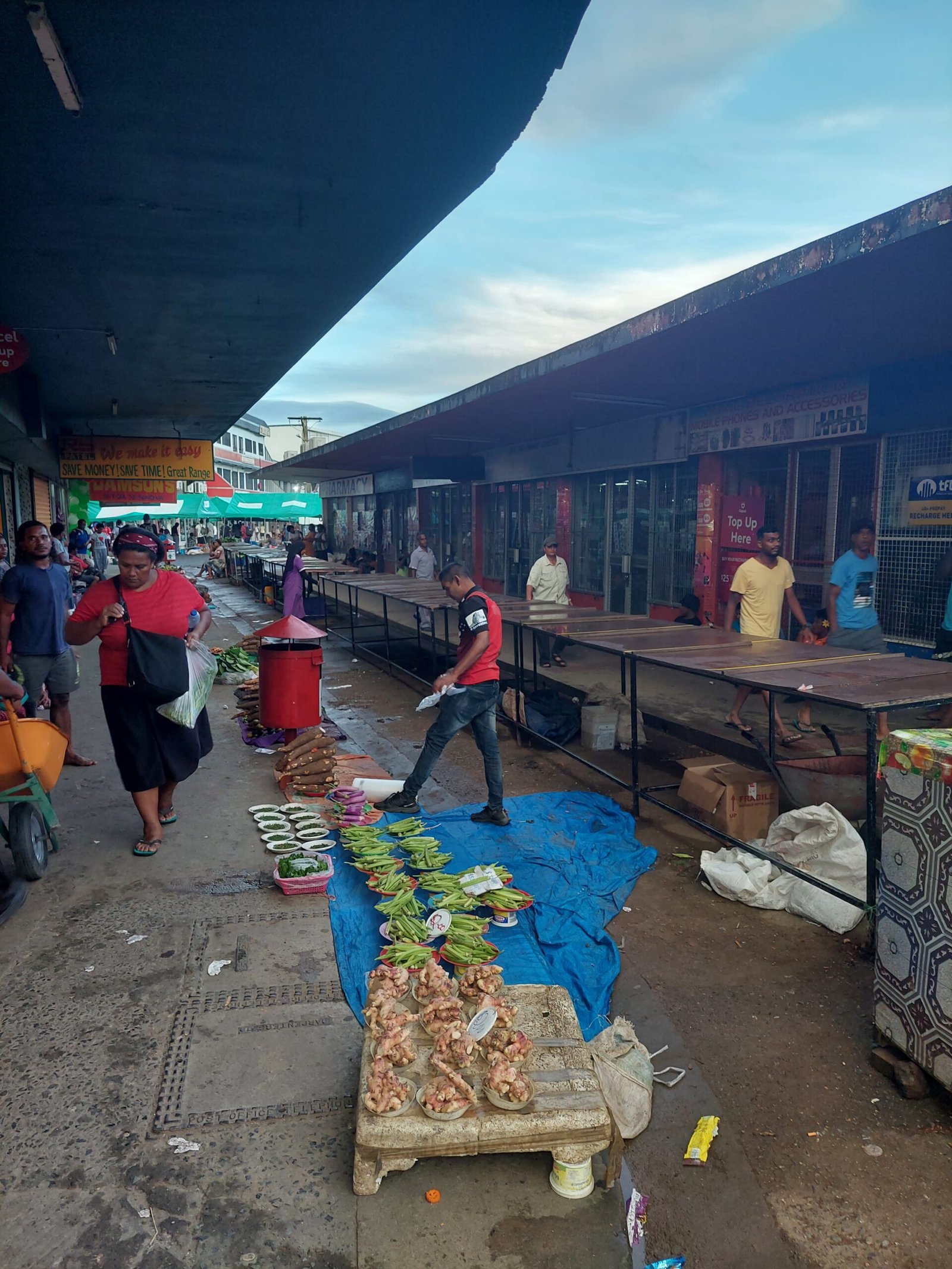
The main street in Sigatoka.
Local buses are a little different from those in Helsinki.
Three larger side streets branched off from the main street. That was basically the whole village.
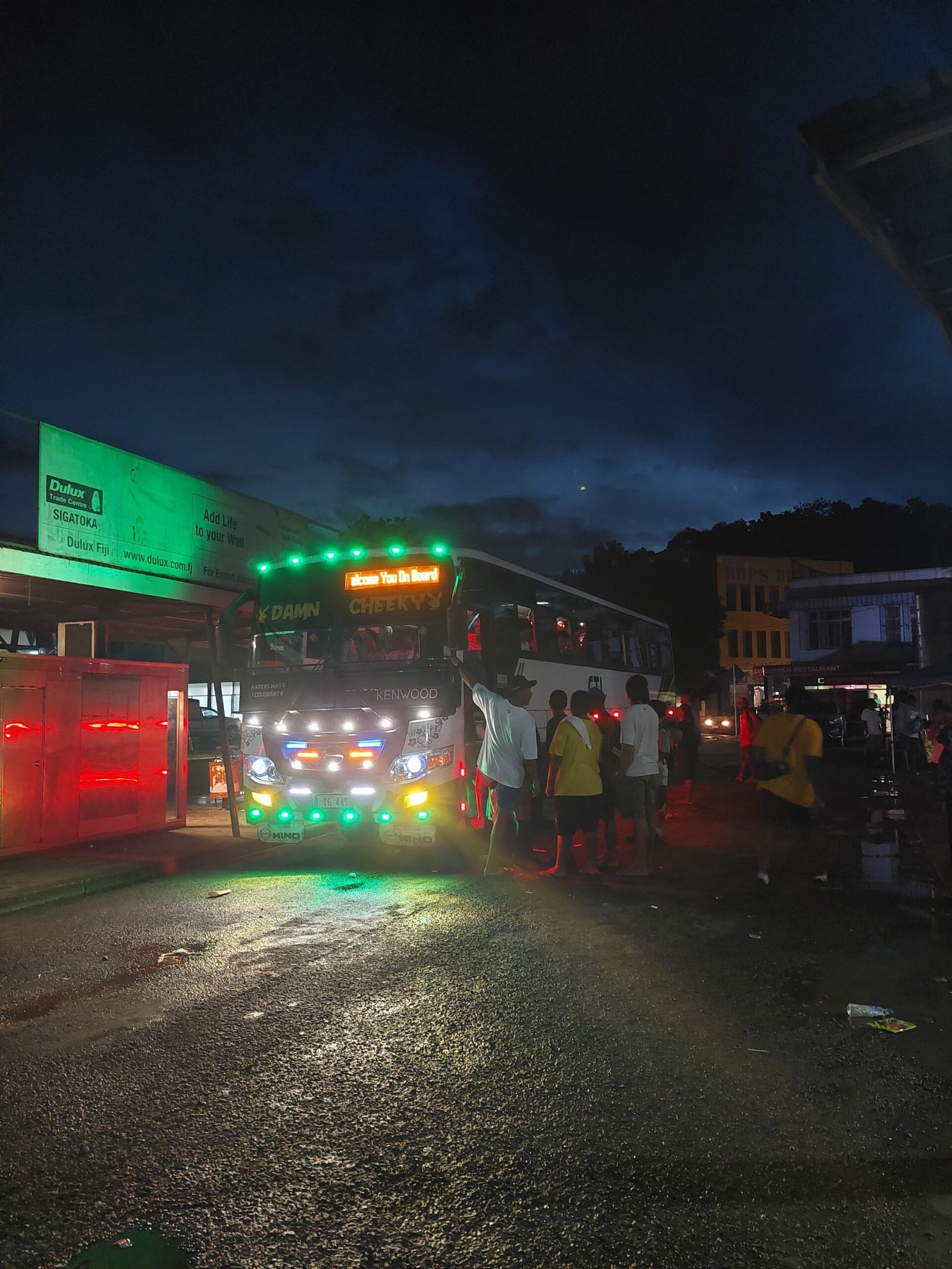
This long-distance bus had some pretty cool lights.
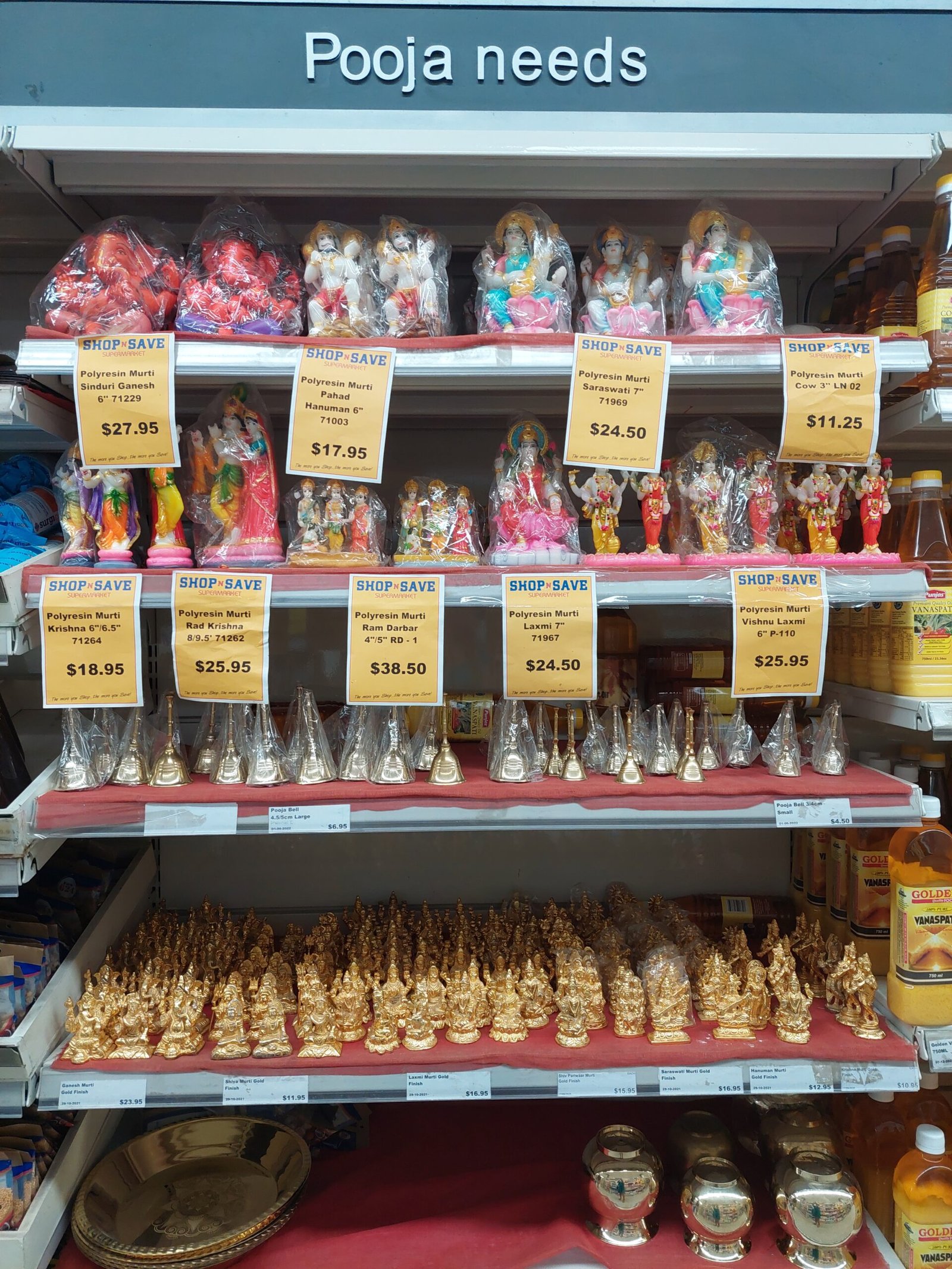
When we arrived in Sigatoka after five, many shops were already closing their doors. However, we found a supermarket that was open until 8 o’clock. The selection was rather exotic. There was everything from the groceries to items for worshipping Hindu gods. Apparently there is also a large Indian population in Fiji, or at least in this area there has to be. In addition to the products on sale, we also spotted quite a few cockroaches in the shop. Fortunately, everything we bought (apart from apples) was tightly packed, and thus protected from bugs.
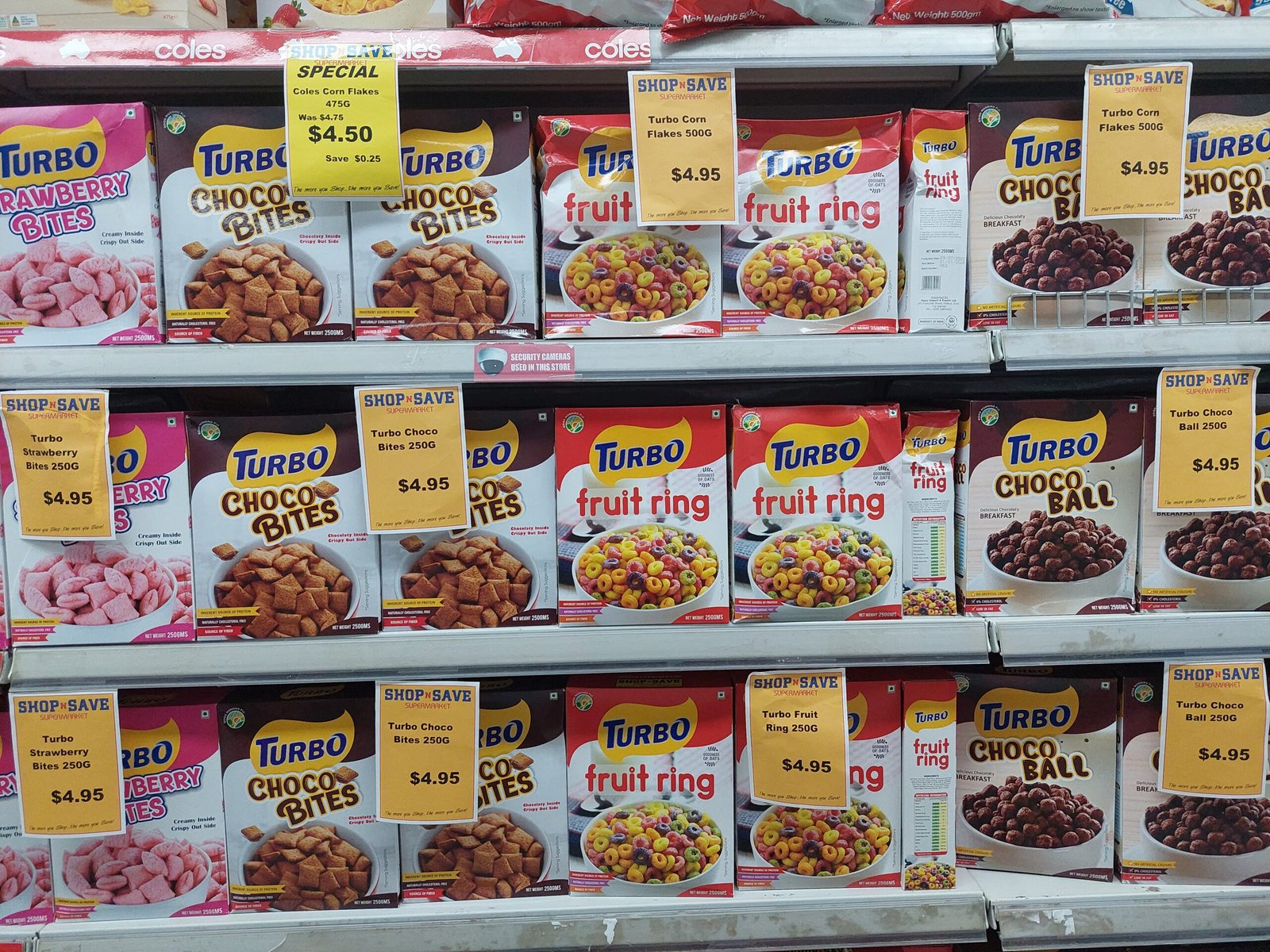
Would you like some E-code flavored cereal?
You can easily set up a home altar with items from the store.
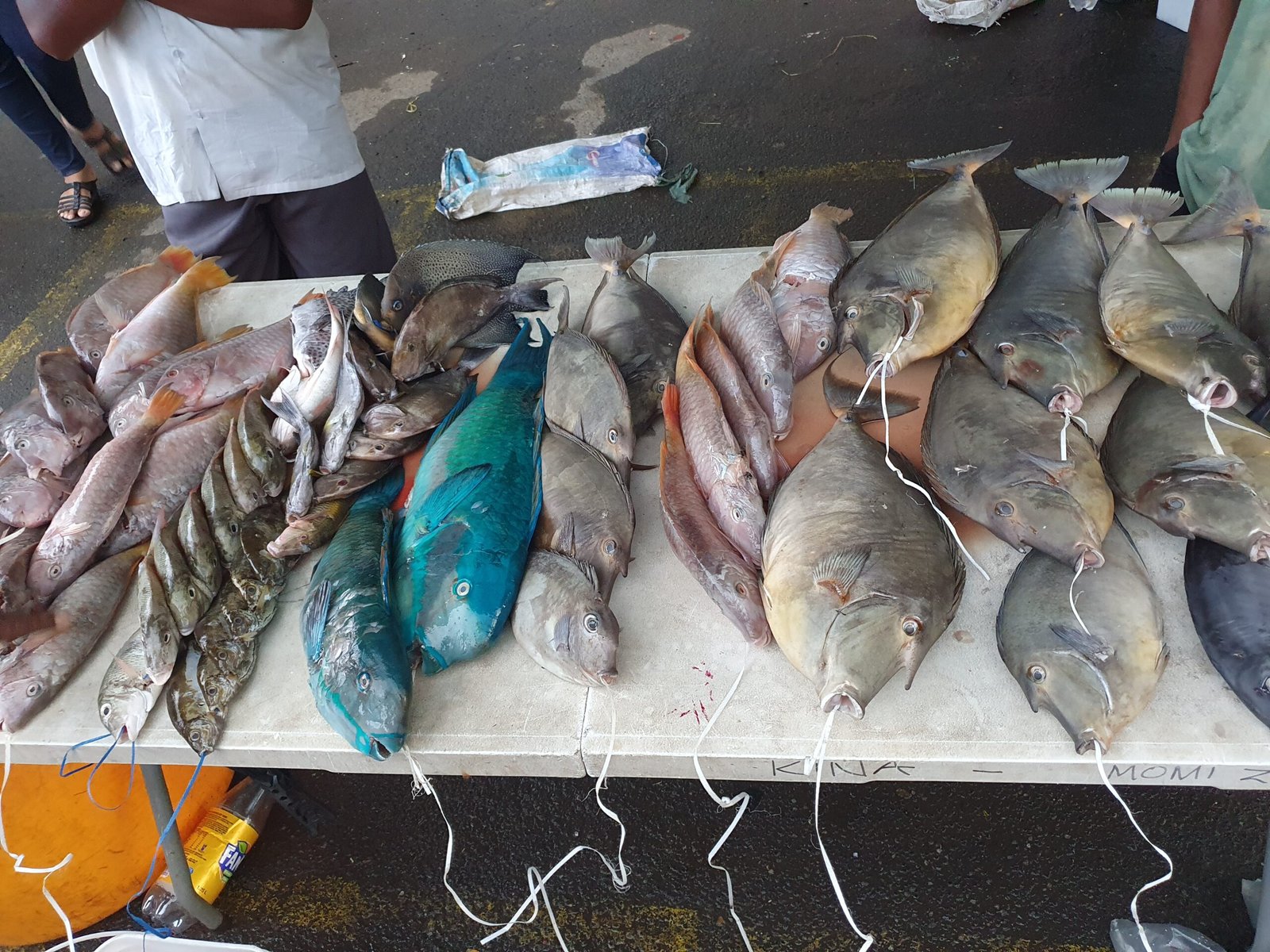
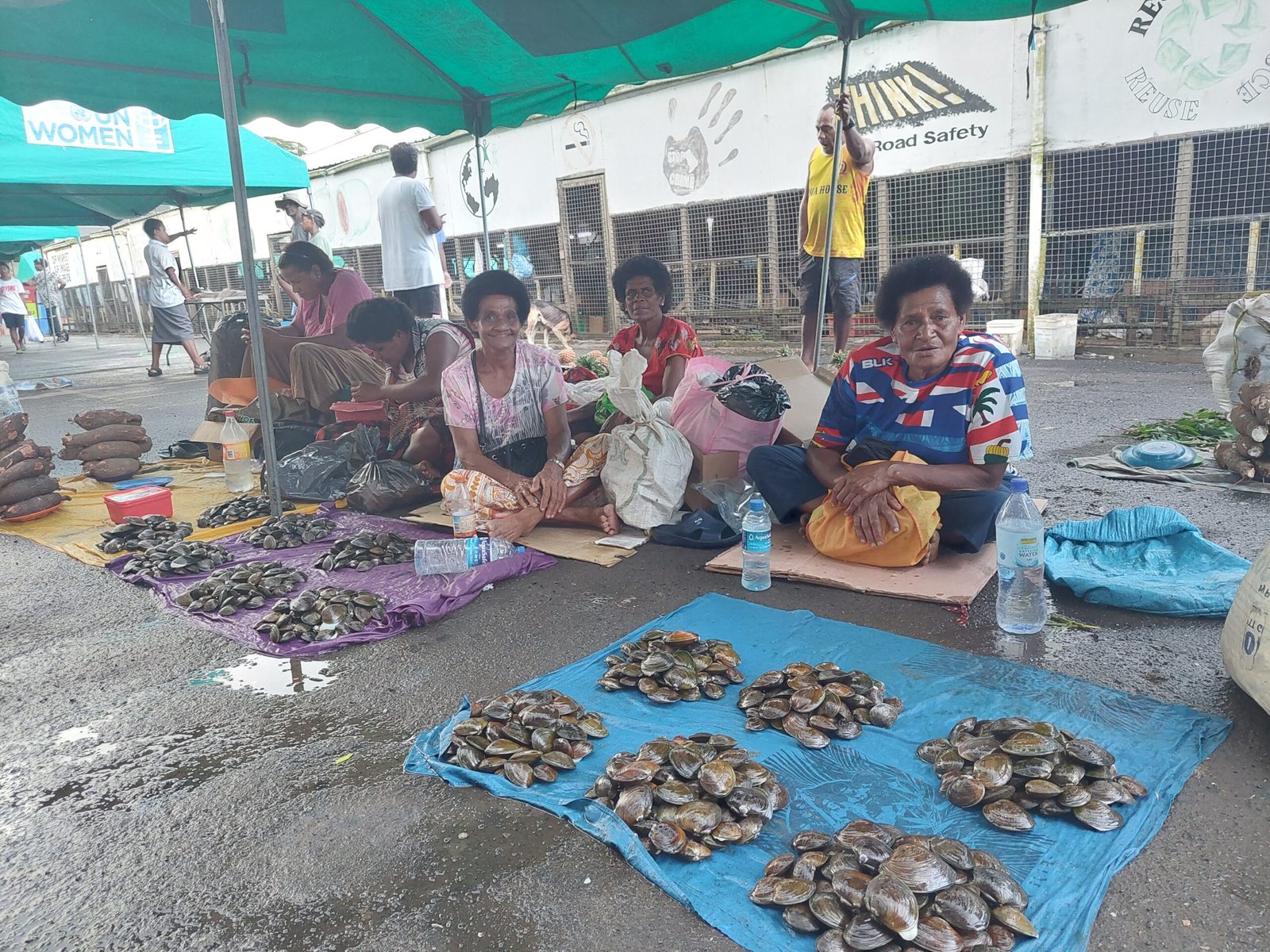
If you couldn't find what you needed in the store, you could continue shopping at the local market.
We didn't buy these shells.
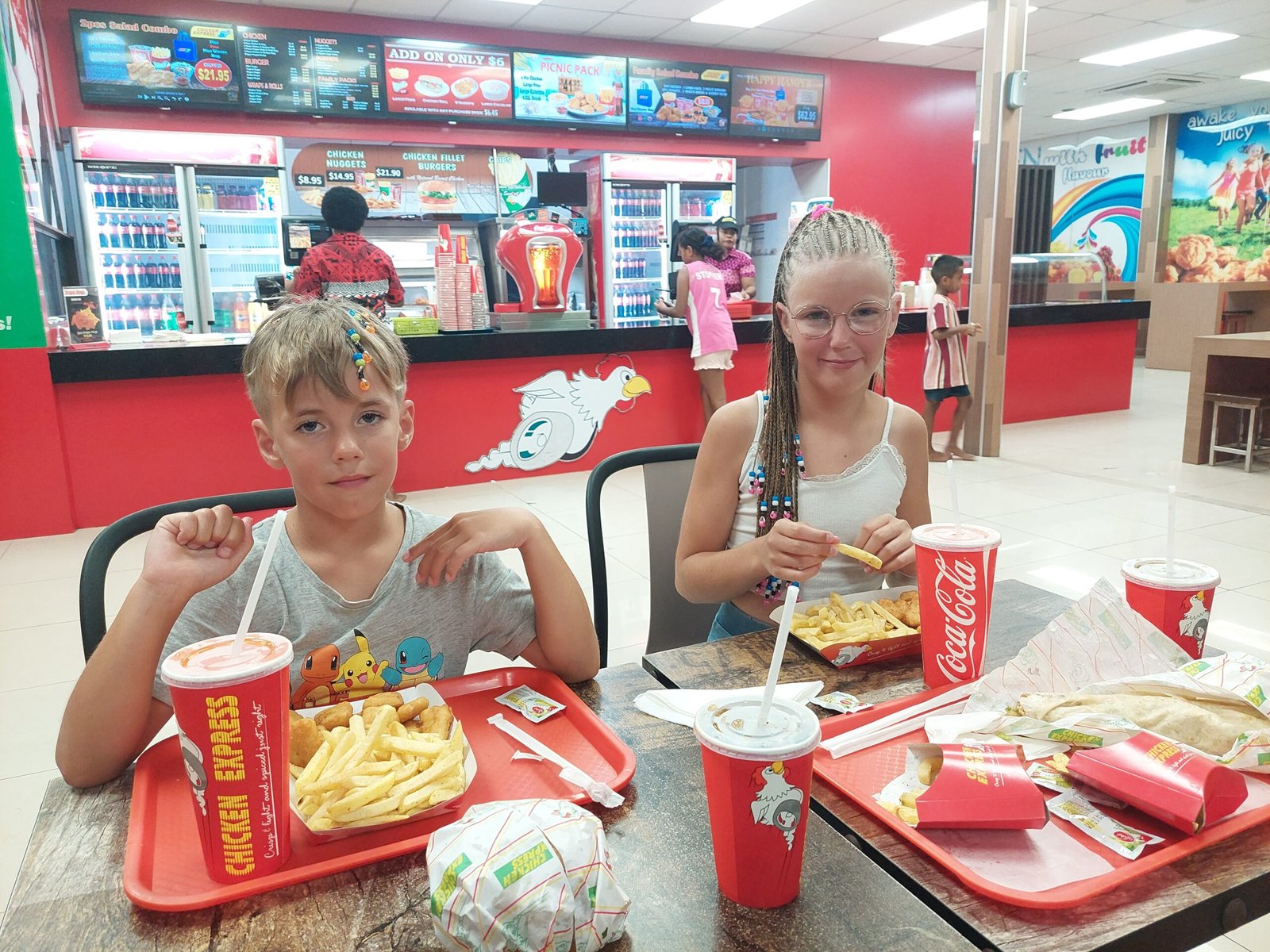
We had thought that there would be several restaurants in town, but despite our efforts, we found only a fast food restaurant for our dinner. A couple of restaurants advertised themselves as wine and dine places, but a quick glance inside made it clear that we would not be dining there. So we ended up at Chicken Express, where they actually used real chicken in their meals, not ground-up mush.
Despite its name, the place was not really a fast food restaurant. You had to wait quite a while for your food. Fiji Time.
We had booked the same taxi driver to pick us up at 8pm, but the driver didn’t show up. Several locals passed us by, asking if we needed a lift. When we told them we were waiting for a ride to the Bedarra Beach Inn, some locals decided to find out where our driver was. We were soon told that the driver would be there shortly. “Shortly” was perhaps a bit of an exaggeration, or perhaps just the Fiji time -version of the story, but eventually at about 8:30 our taxi driver arrived, and took us back to the hotel.
For Saturday we had booked an excursion called Jewel of Fiji. At 8am we were supposed to be picked up to local village to learn about Fijian culture. At 8:20am we went to ask why we hadn’t been picked up yet. The hotel reception called the company organising the tour, and found out that the van was already full. Uh-huh. So they were just going to leave us waiting in the hotel yard all day, right? Fortunately, another ride was arranged through our hotel, and we were able to leave only about 30 minutes late.
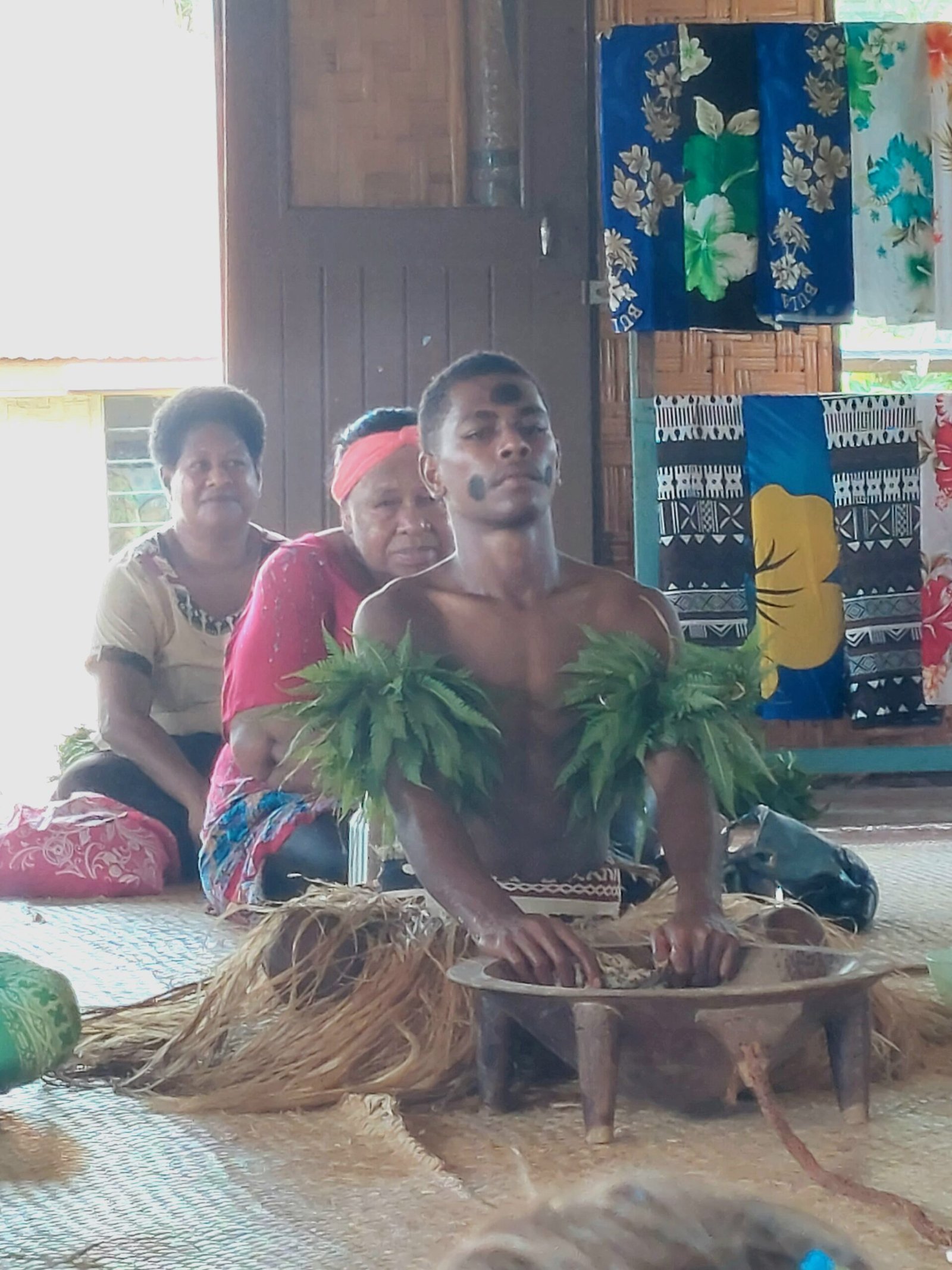
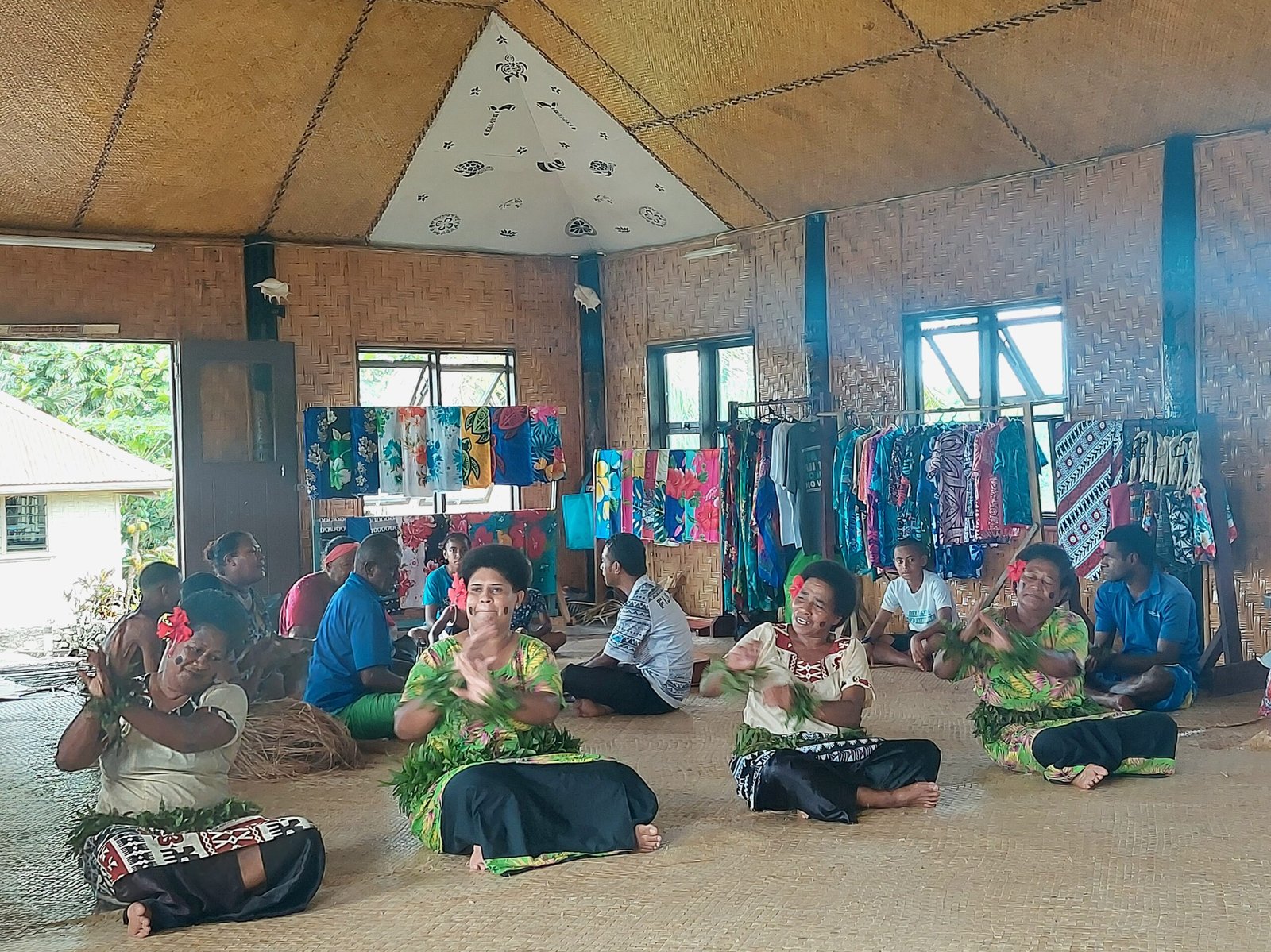
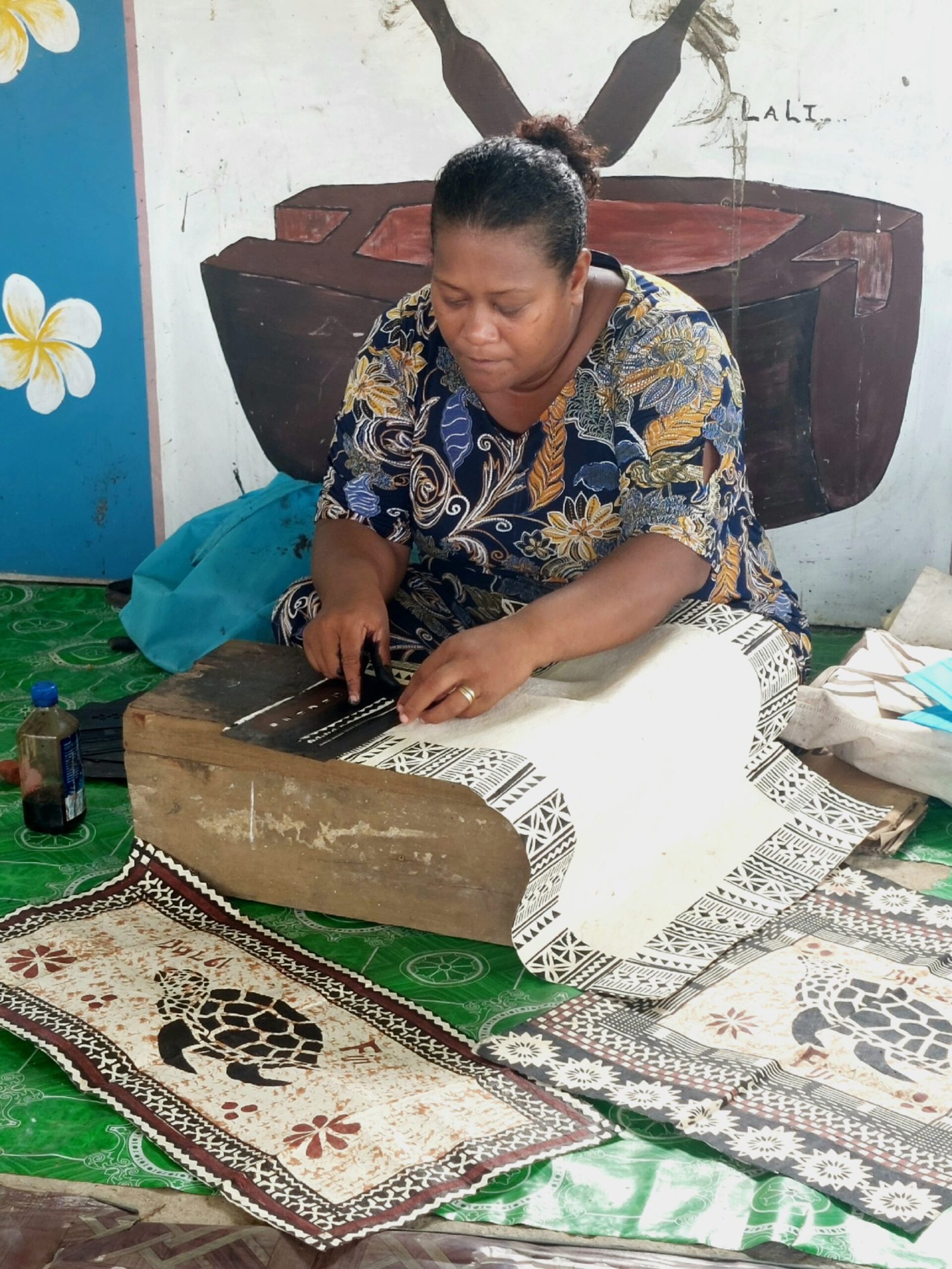
The drive was surprisingly long. Around ten o’clock we arrived in the village, where we were greeted by a traditional kava ceremony. Afterwards, we watched some local songs and dances, in which we were able to participate too. While our food was being prepared, we went to see how to weave baskets from palm leaves, and how a coconut could be split in two using just a small stone. An environmentally friendly basket made from only one palm leaf lasts for 8-10 weeks. The leaves of another type of palm tree were used to weave carpets. However, these leaves had to be boiled and dried before they could be used for weaving. These carpets can last up to ten years.
A drink waits for its drinker in a kava bowl.
Kava is drunk from a cup made from a coconut shell.
Here, we are being sung a welcome song.
The dye used for batik is obtained from the roots of a peppery plant and clay.
A skilled craftsman can weave a fine basket from a single palm branch.
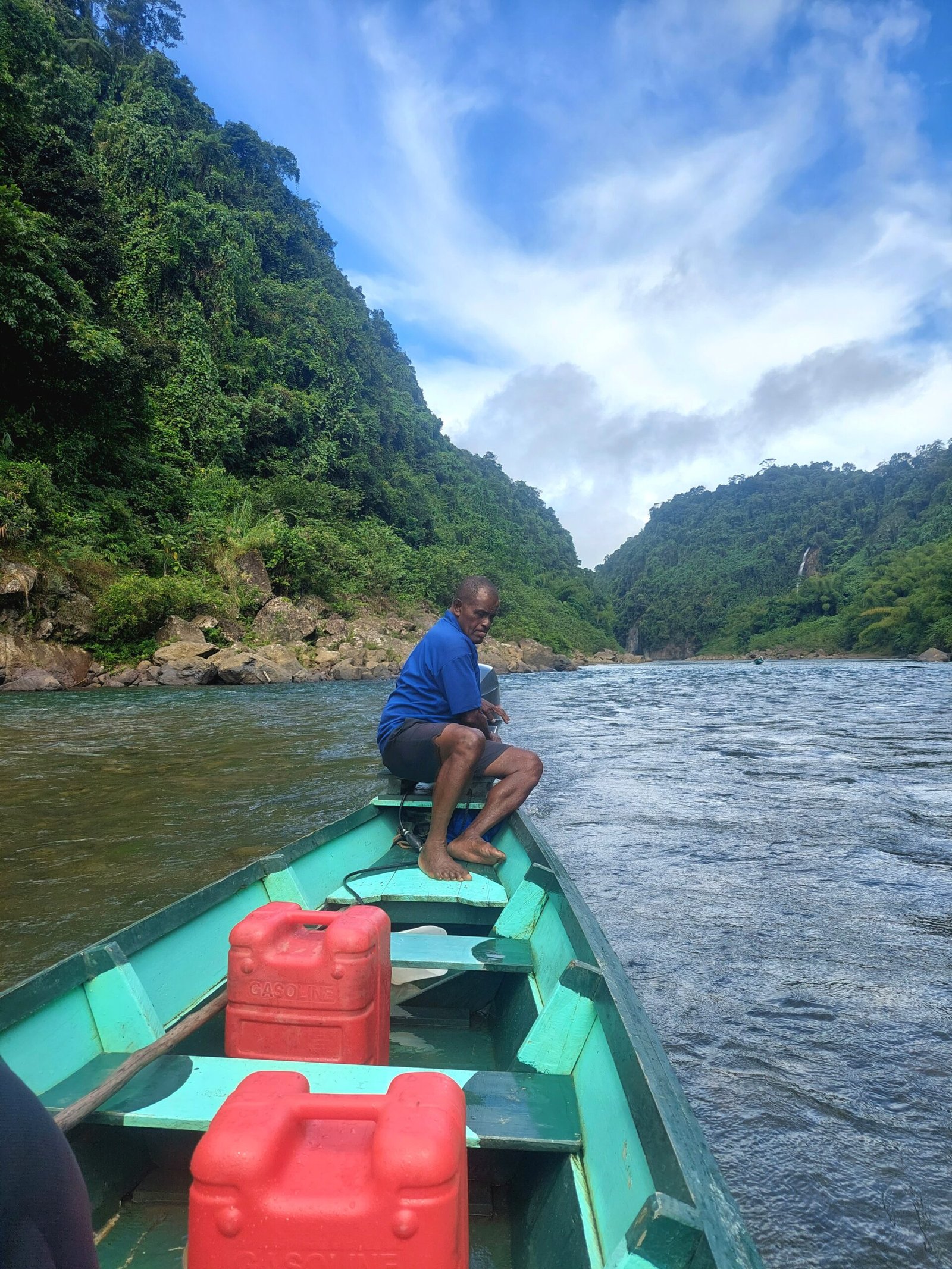
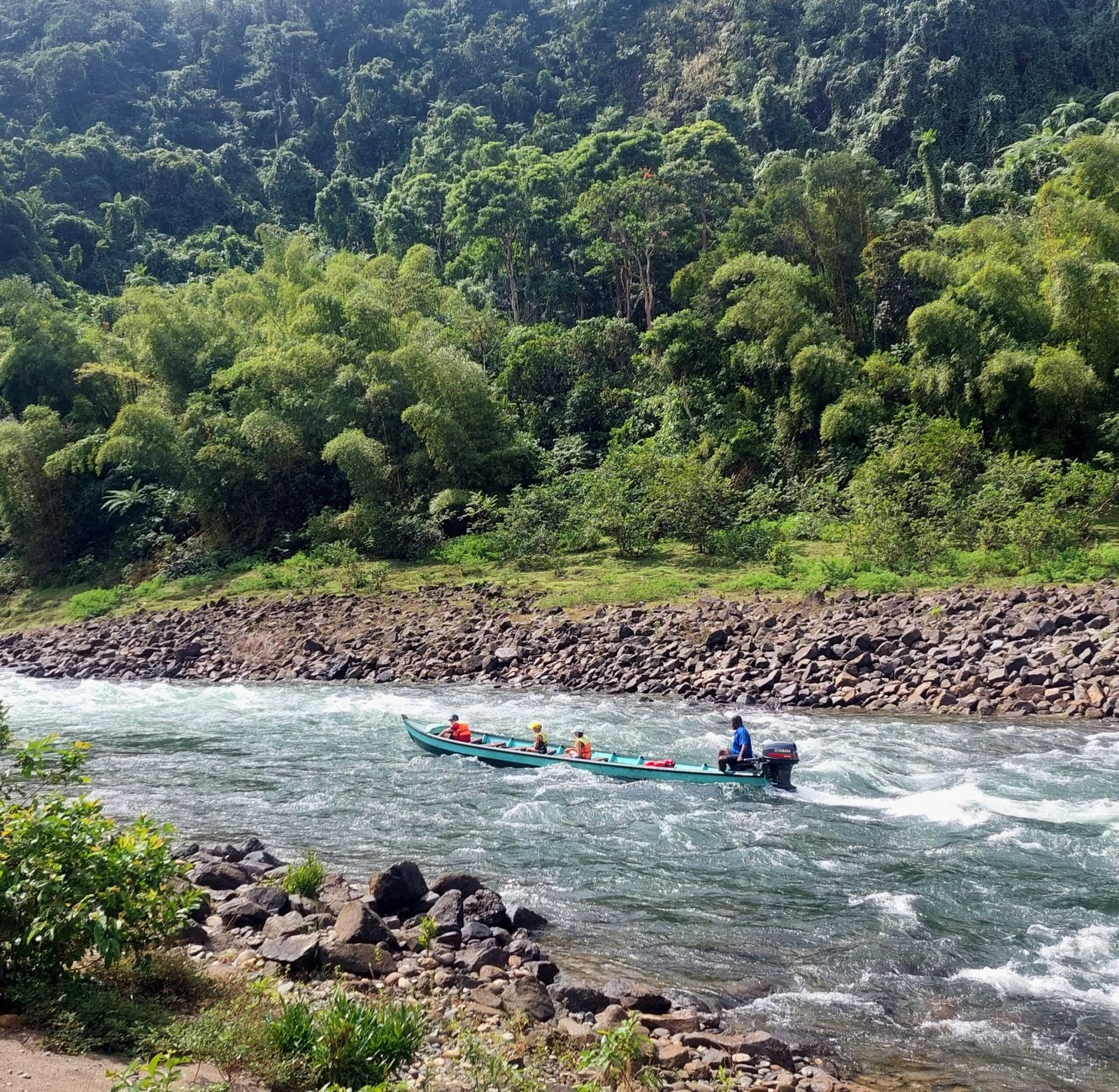
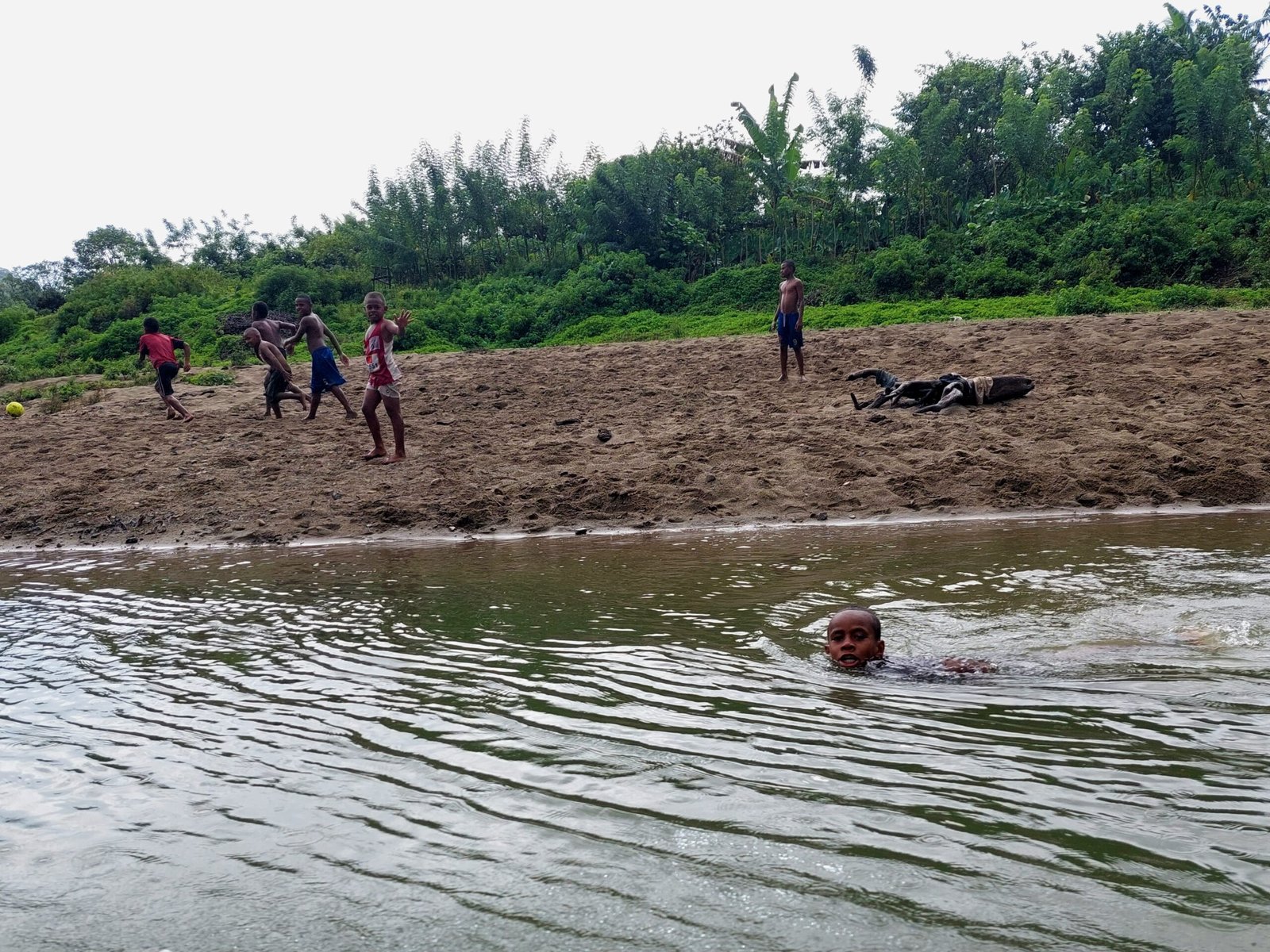
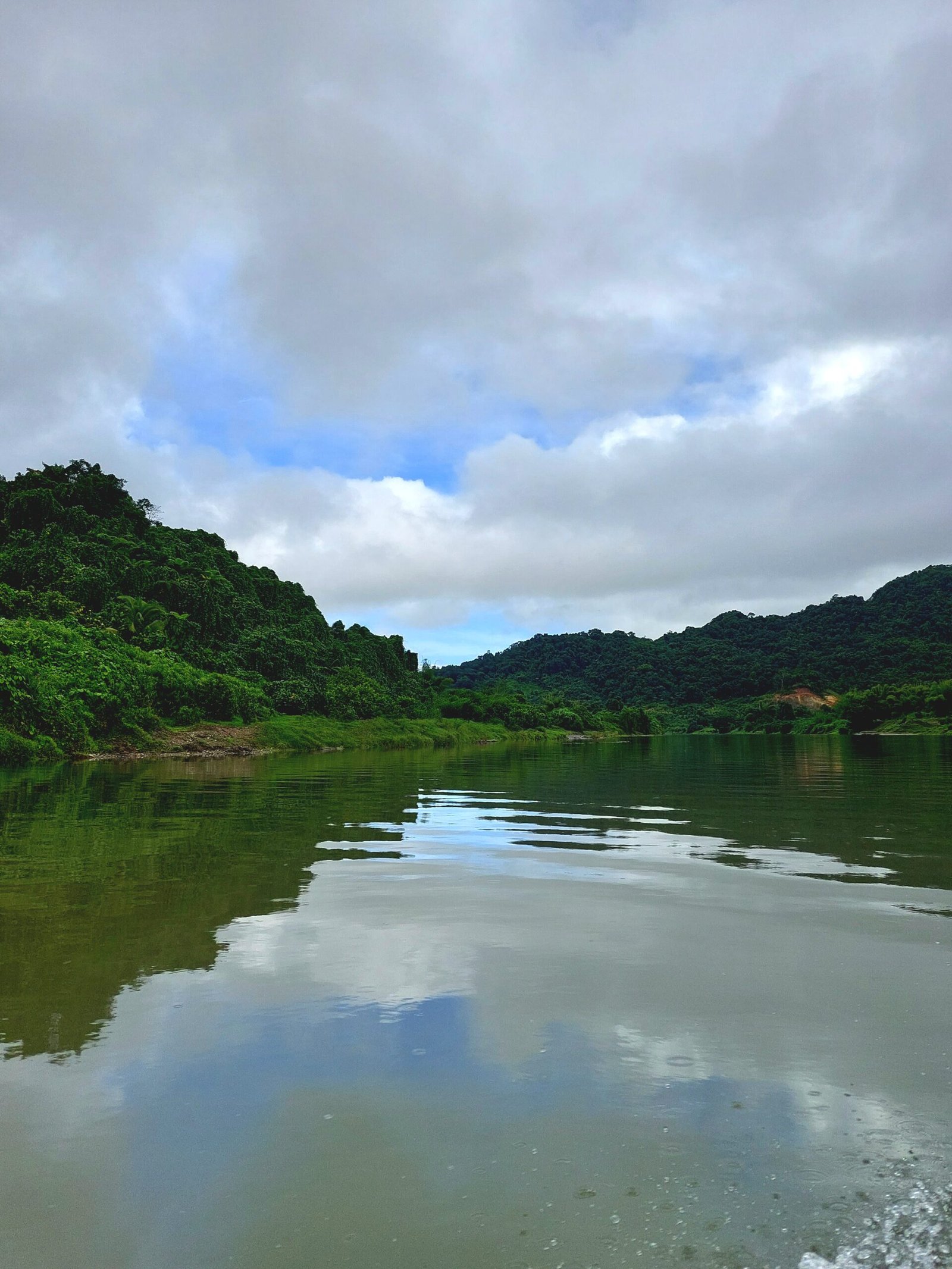
After a delicious lunch, we set off on a boat towards the waterfalls in a heavy downpour. The rain didn’t matter as we were all wearing nothing but our swim suits. The rain was also really warm. As we cruised along the river, we saw locals playing, fishing, swimming and herding their cows along the river banks. We saw a couple of diggers in the river too. They were digging out stones and gravel from the riverbed for a new section of road somewhere nearby.
We traveled along the Navua River in a narrow motorized wooden boat. The rain stopped and the sun quickly dried the travelers.
As the water was shallow, only children were allowed to stay on the boat at the rapids. The adults had to walk along the riverside for a while.
Fiji's version of the painting "Boys Playing on the Beach."
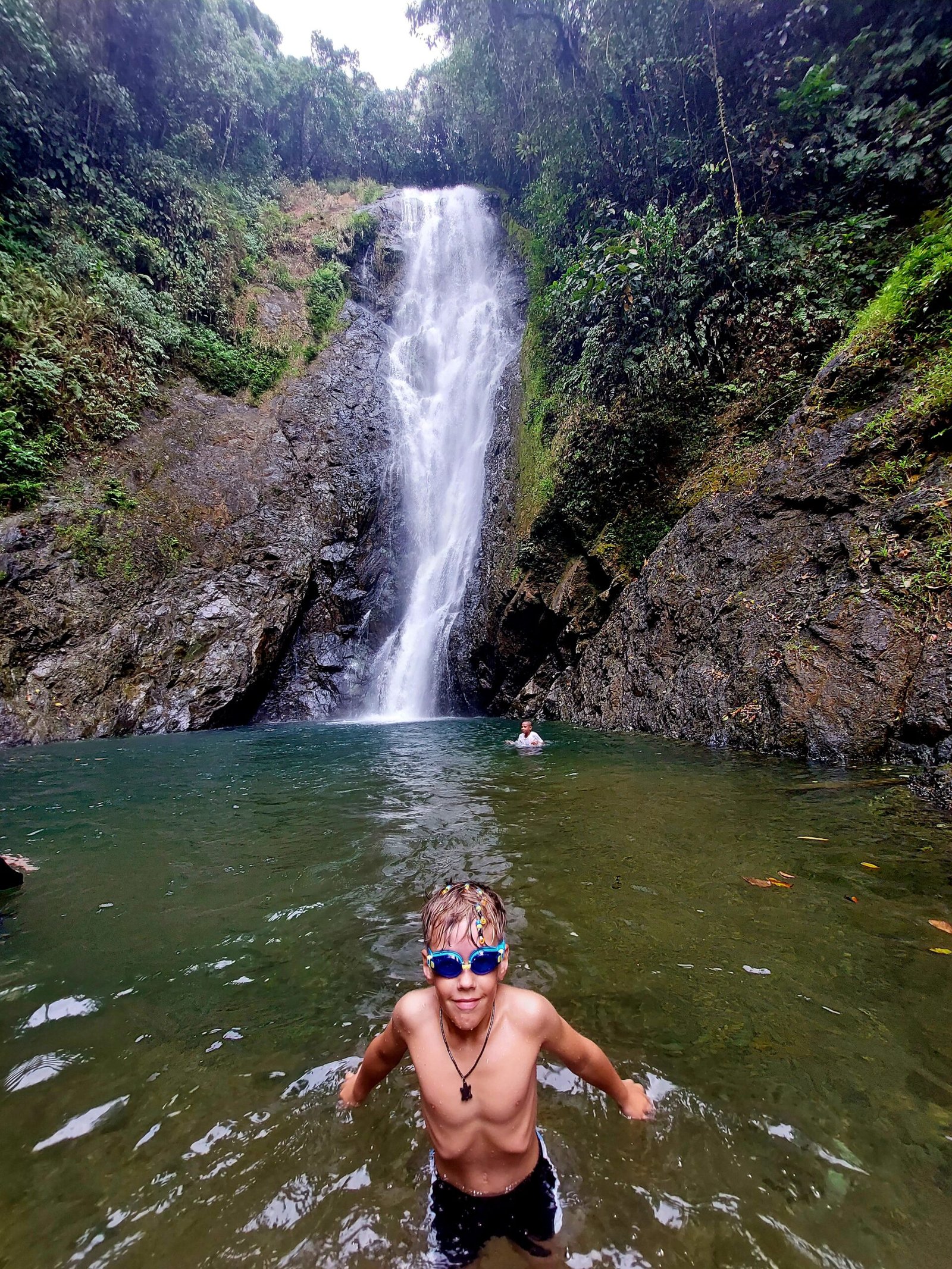
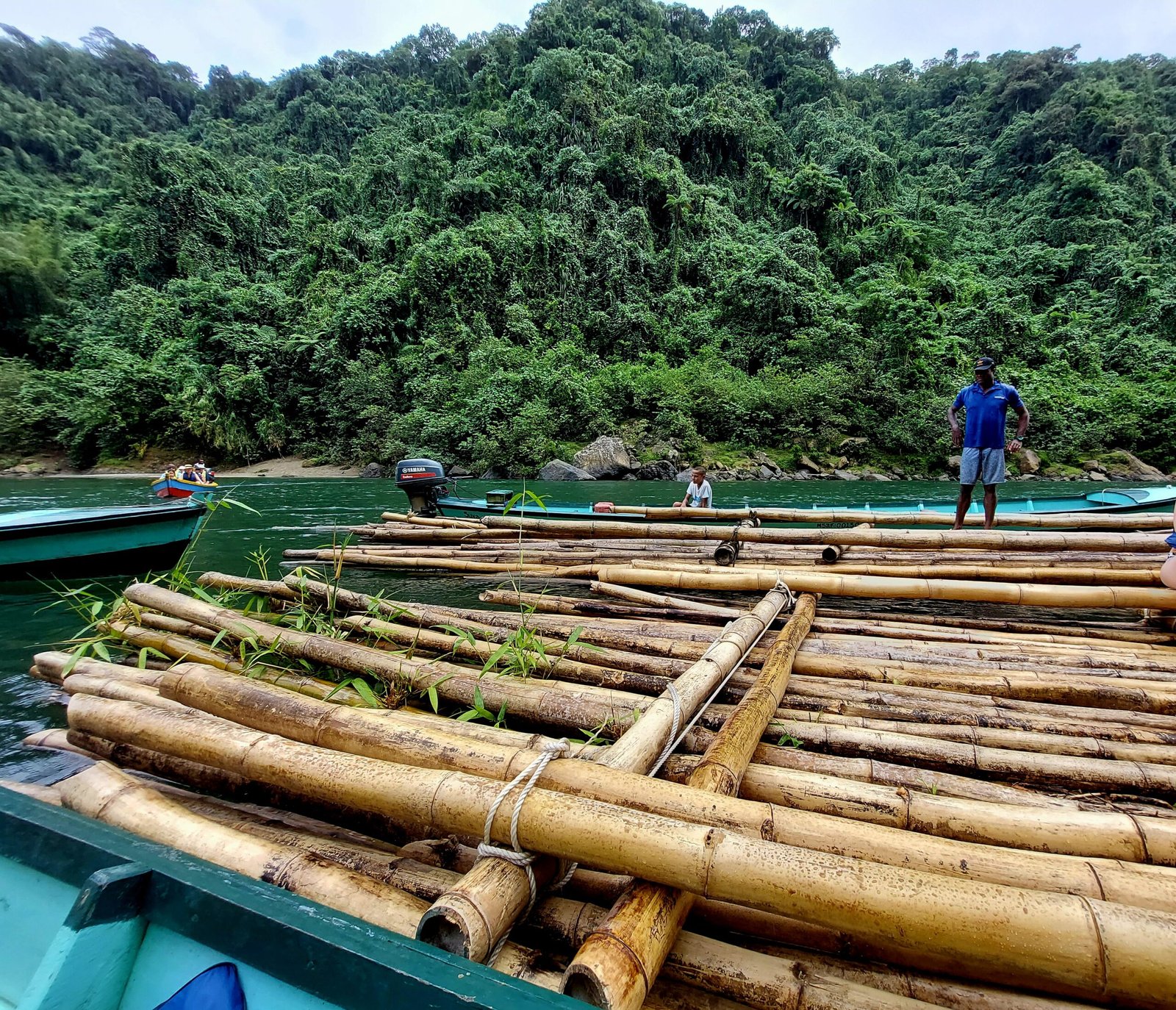
The water in the waterfall was cooler than in the sea, but it was still good for swimming. The waterfall was quite high, and the masses of water rushing down from it had dug the pond below the waterfall very deep. The local boys who were with us were jumping into the pond from the edges of the waterfall, so it must have been several metres deep. On the way back we got to experience what it was like to travel on a bamboo raft. As the raft was moving at its own slow “Fiji time” pace, after about fifteen minutes of floating we jumped back into the boats and headed back to the village. A ride back to the hotel was waiting for us there.
Marko and Risto are showering under the waterfall, while Ronja is on her way there.
"Mom, this water is COLD!"
The bamboo raft was not the most stable model.
Our Kon-Tiki leaked a bit, but stayed afloat nonetheless.
On our way back, we passed several small villages along the main road. As the doors and windows of the houses were wide open, it was easy to see inside. These homes were very simple. When living in nice, well-maintained hotels and resorts, it’s easy to forget the reality of life for many locals here. Apparently almost a quarter of Fijians live below the national poverty line. That it a lot, I would say.