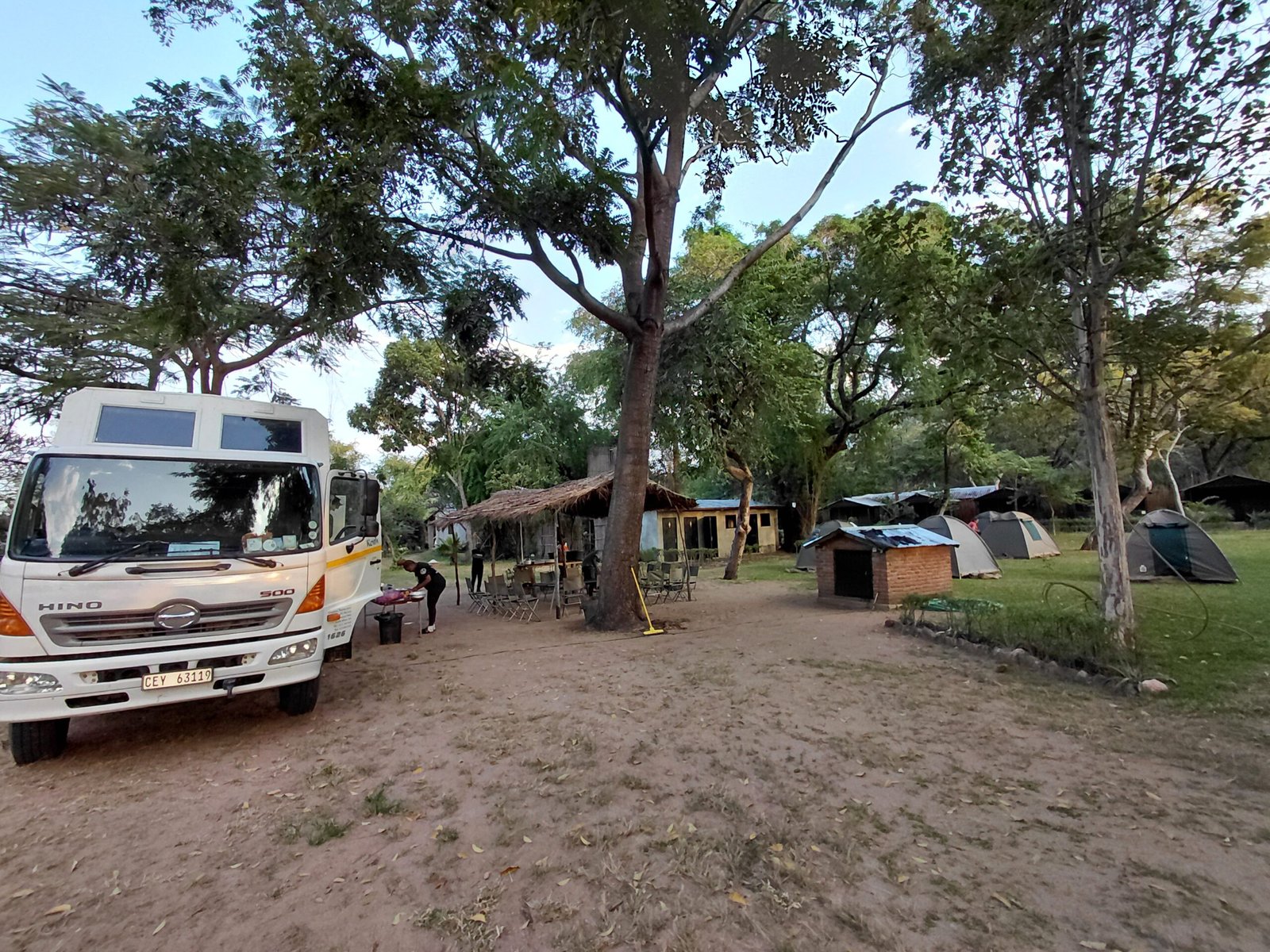
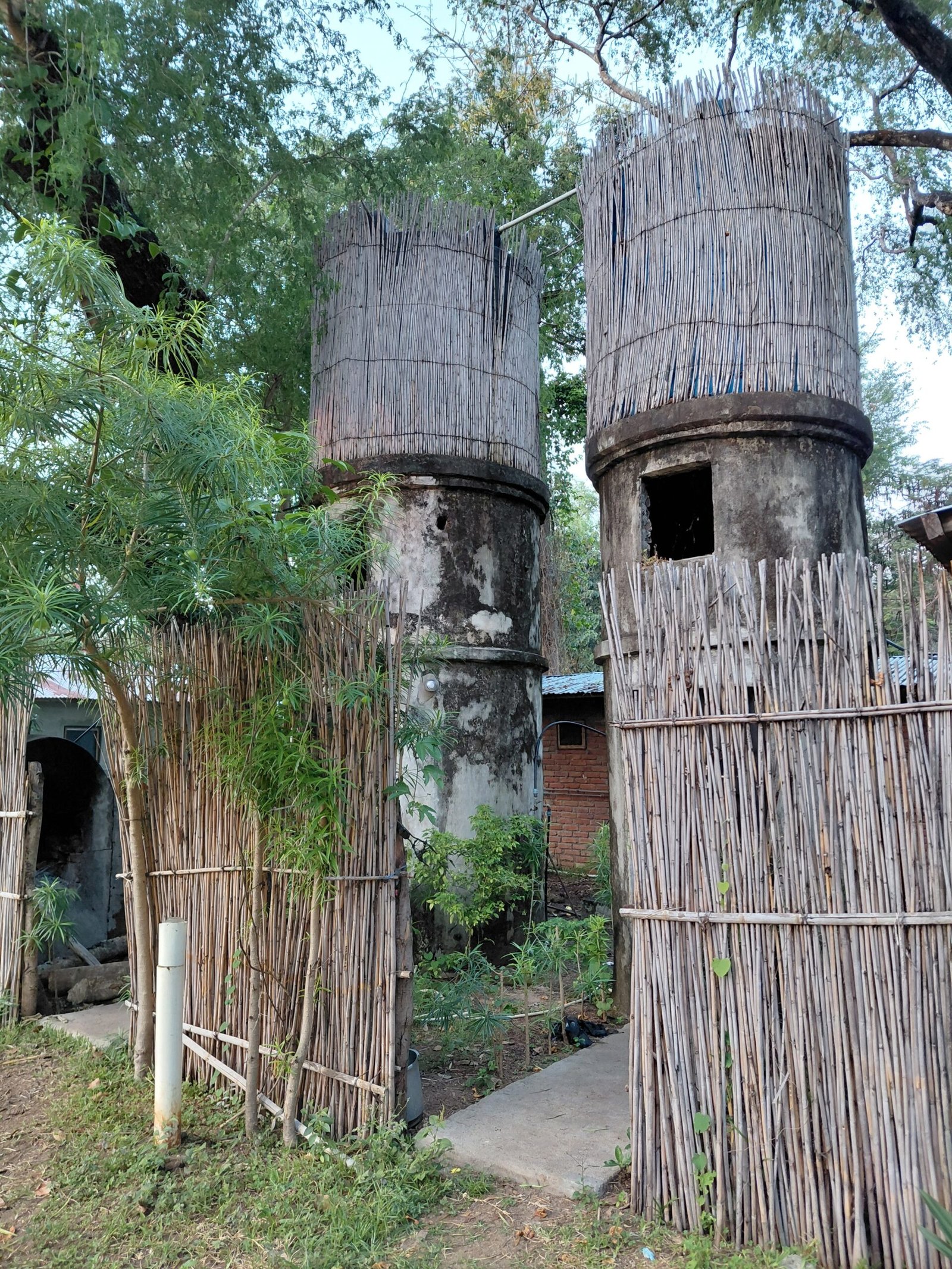
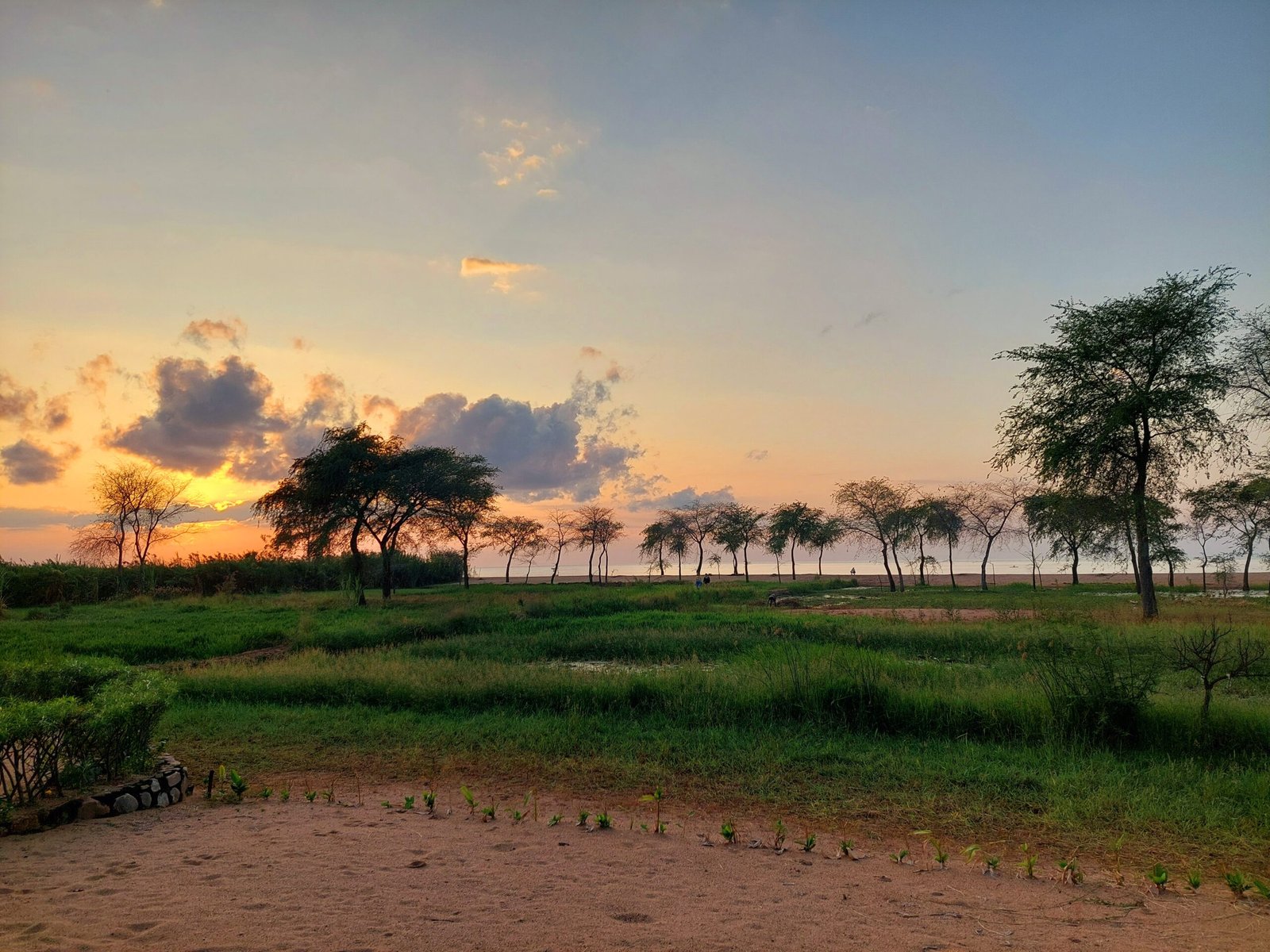
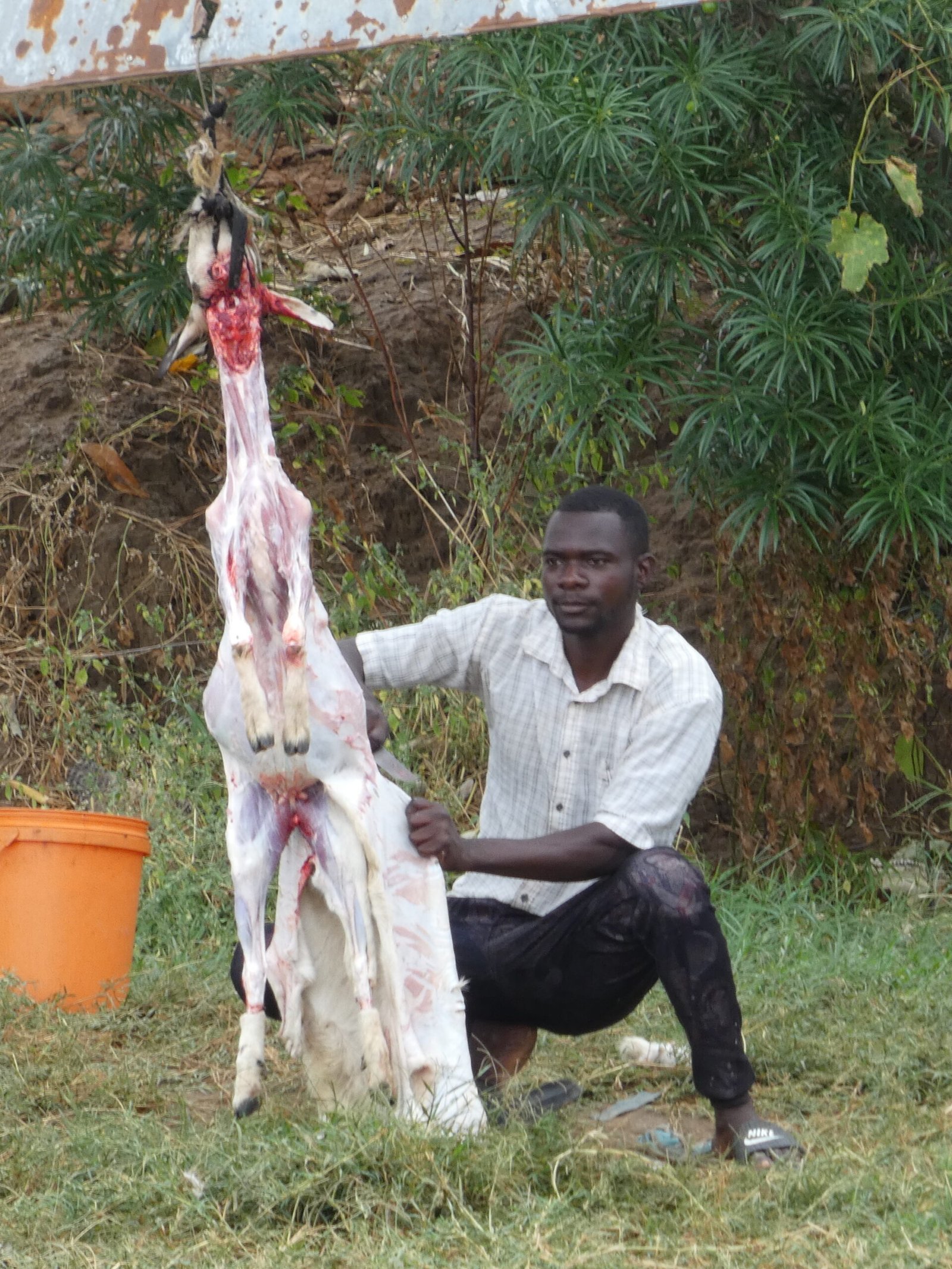
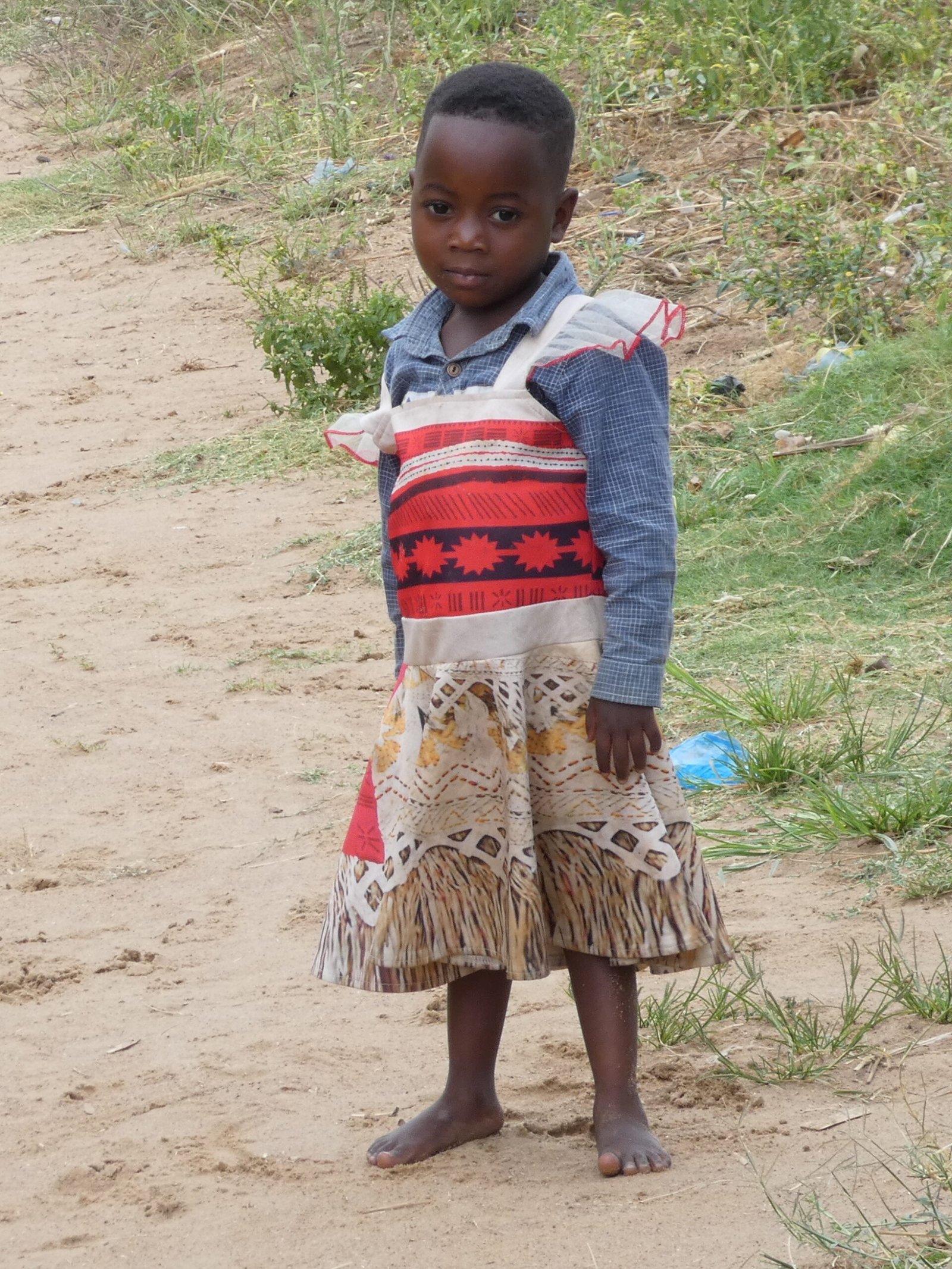
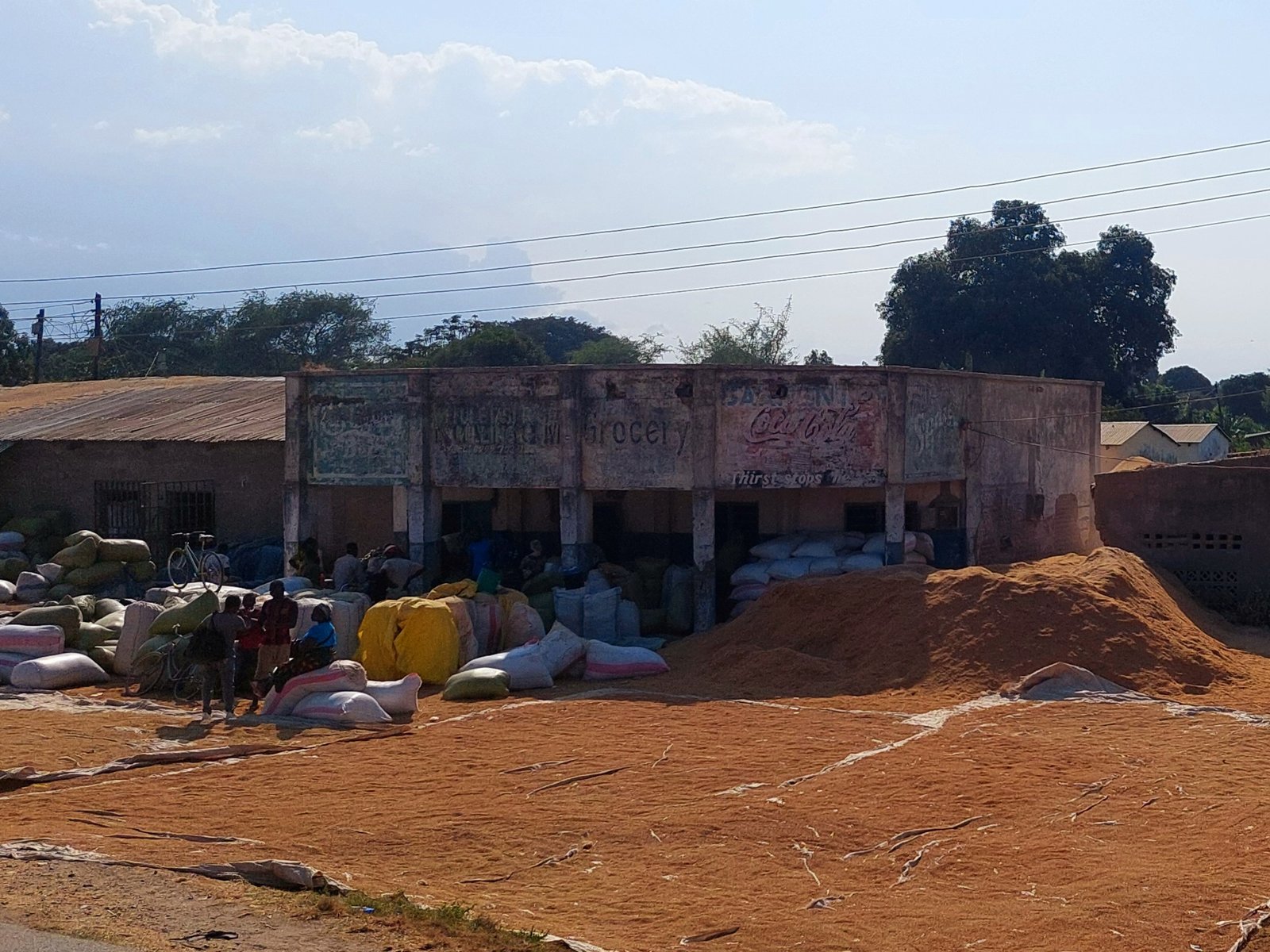
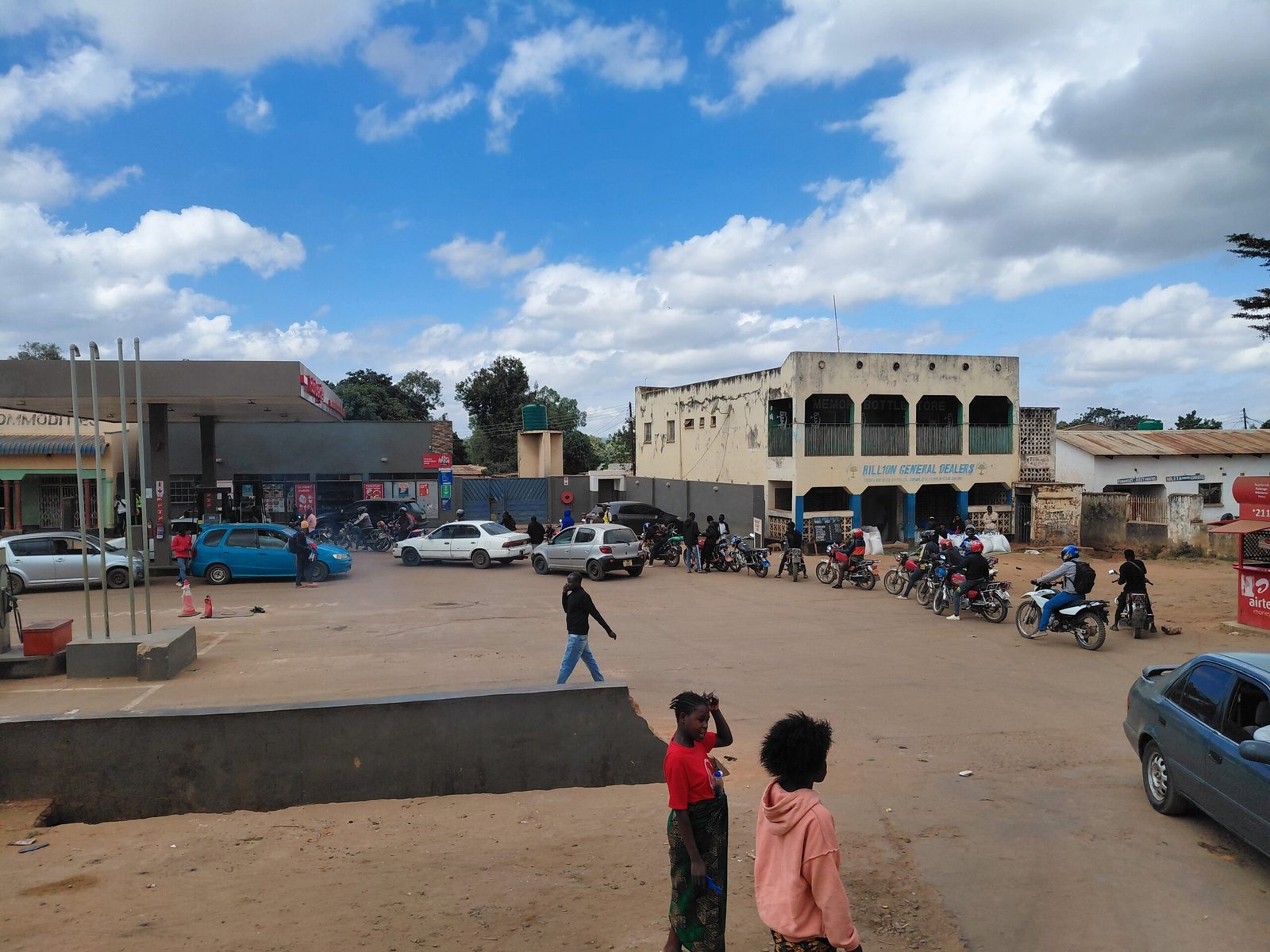
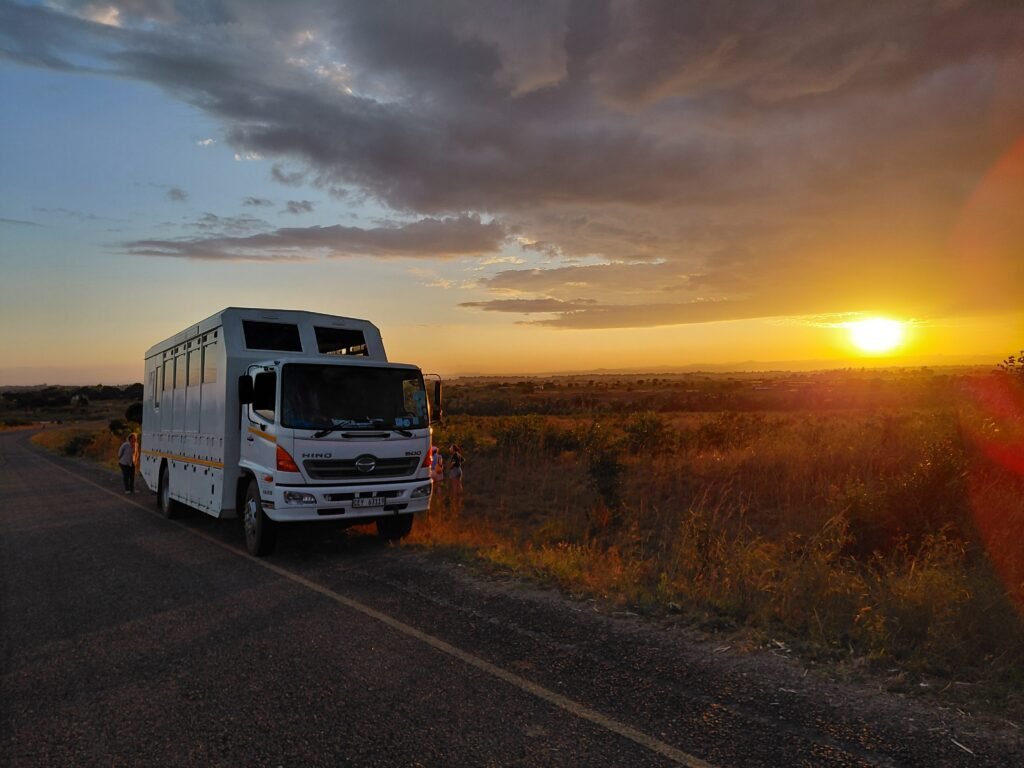
After crossing the Malawi border, we cruised at a very slow pace towards our next overnight stop in the village of Ngala. We knew it would be a long and bumpy journey, but I guess none of us were prepared for how long the journey would end up taking. After 14,5h we arrived at Ngala Beach Lodge. As it was getting late, we had dinner at the on-site restaurant. Meanwhile, Gift and Casper pitched our tent. We were the only ones camping this time, as everyone else had decided to opt for room accommodation due to the earlier rain. We also considered this option for a while, but as the rain had stopped, we decided to continue camping.
When we got into our tents to sleep, the heavy rain started and continued most of the night. We had been in our tents for maybe ten minutes when the kids announced that their tent was leaking. We had already taped up potential leak points with packing tape beforehand (no duct tape to be found), but still water poured in a trickle onto the floor of the children’s tent. We had spotted an empty canteen in the shower building earlier, so we went to set up two new dry tents there. The tents had to be erected there because there were cockroaches and mosquitos. Sleeping on mattresses alone, you could have quickly had more than one sleeping buddy in your sleeping bag. We did a quick transfer of mattresses and belongings to drier tents, and finally, at around eleven in the evening, we were able to go to bed. As the adult tent had not leaked at all by then, Marko decided to stay in the tent on the beach for the night. After all, he would be able to move to a dry tent if the adult tent started to leak like a sieve during the night. TIA – This is Africa – the children thought as they finally got into their sleeping bags.
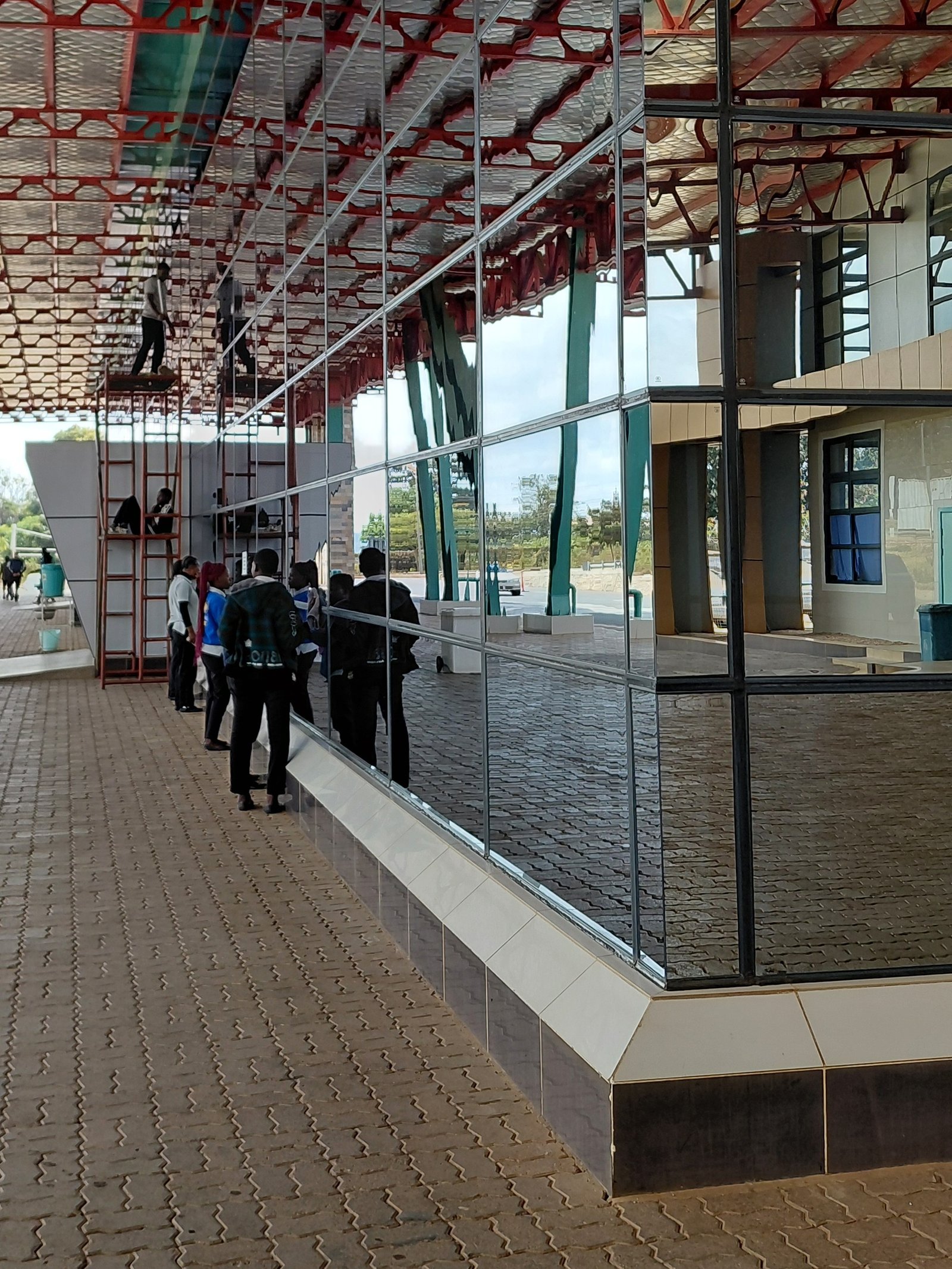
A large group of employees were polishing the windows of the Malawi border post.
The border post was somewhat chaotic.
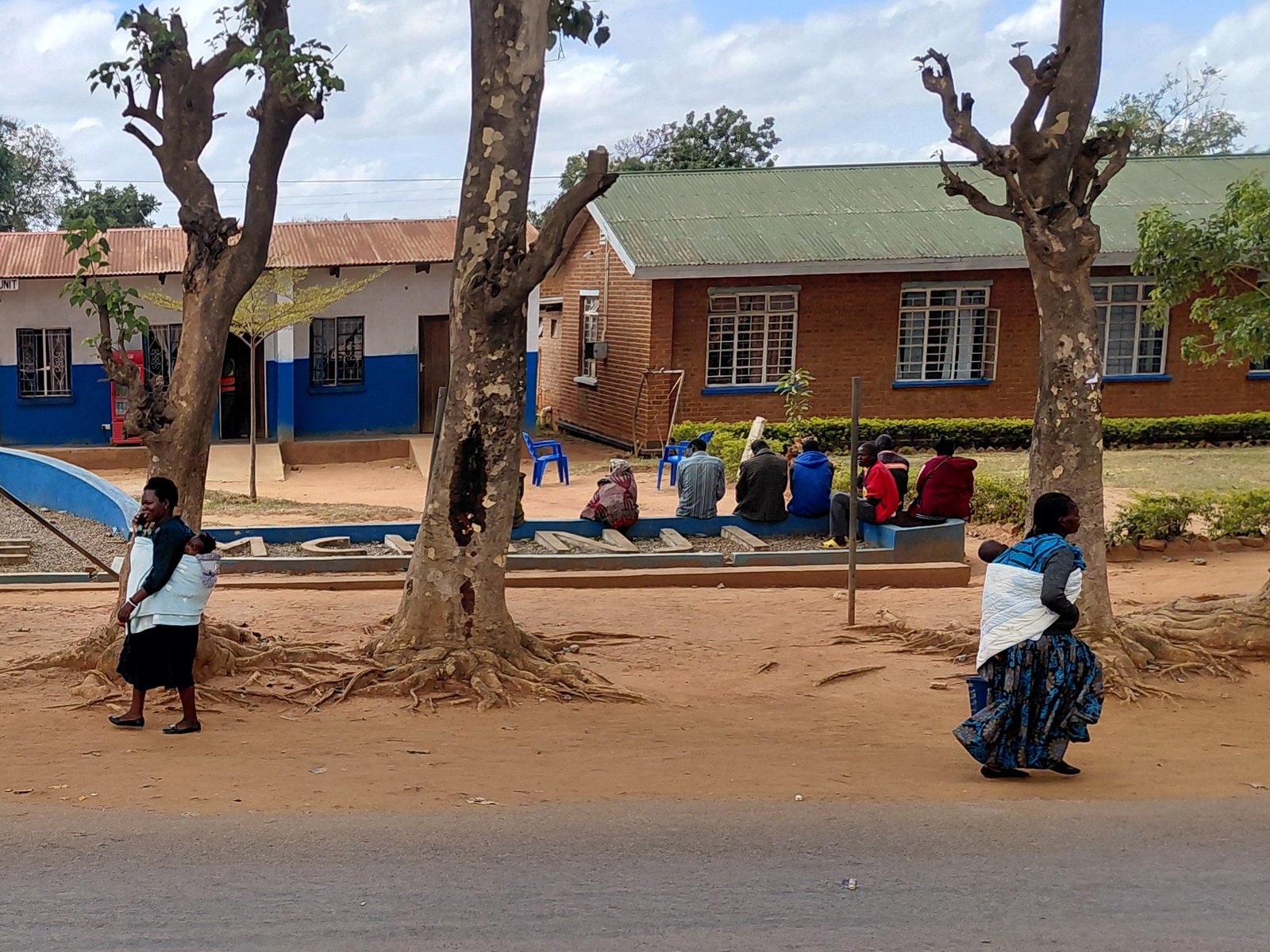
The local police station and hospital were next to each other. The waiting lounge for both appeared to be located outside.
On this stretch, in addition to the road conditions, tsetse flies were a challenge, so the car windows had to be kept closed despite the heat.
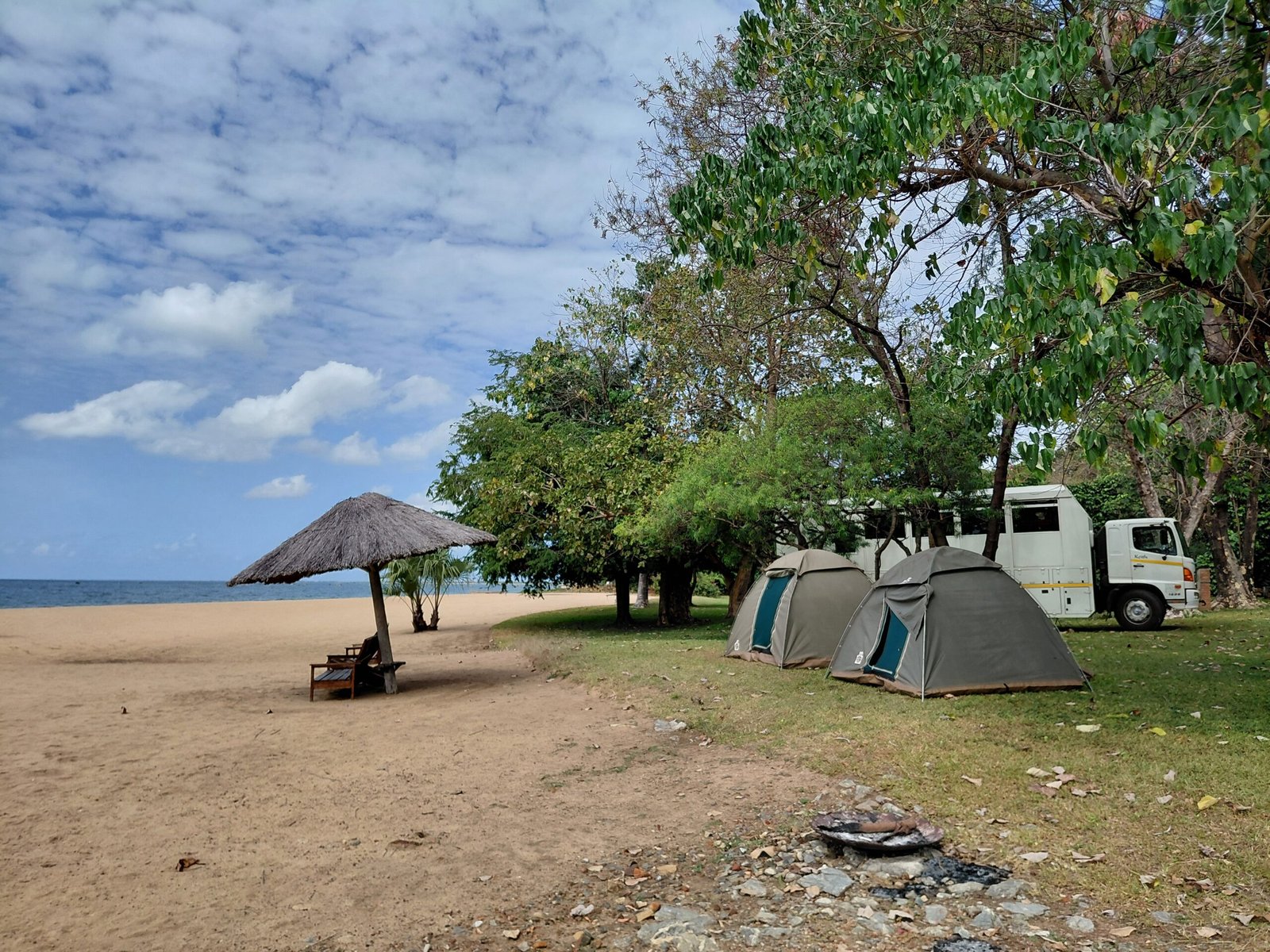
In good weather we had absolutely A-grade camping spots.
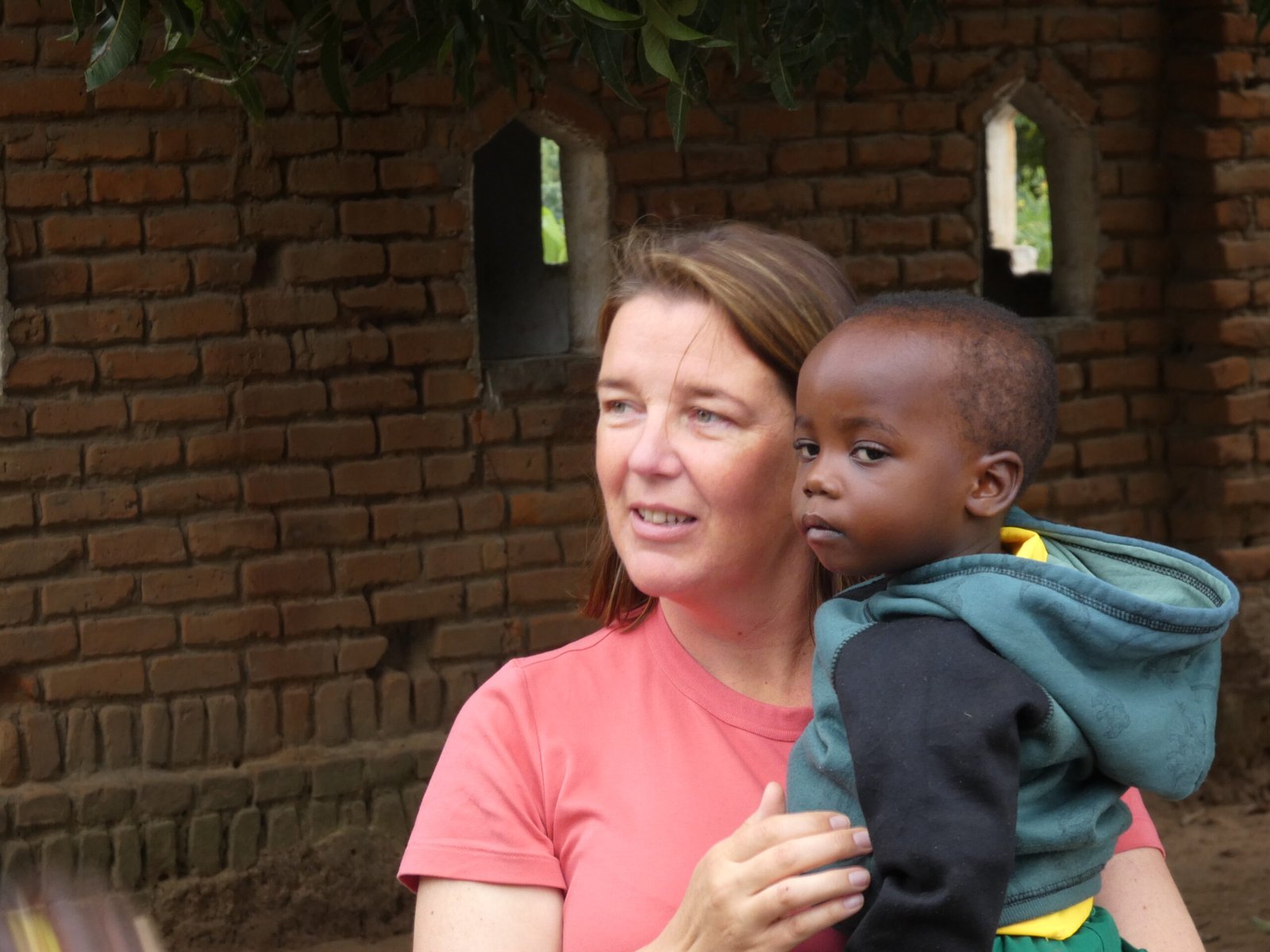
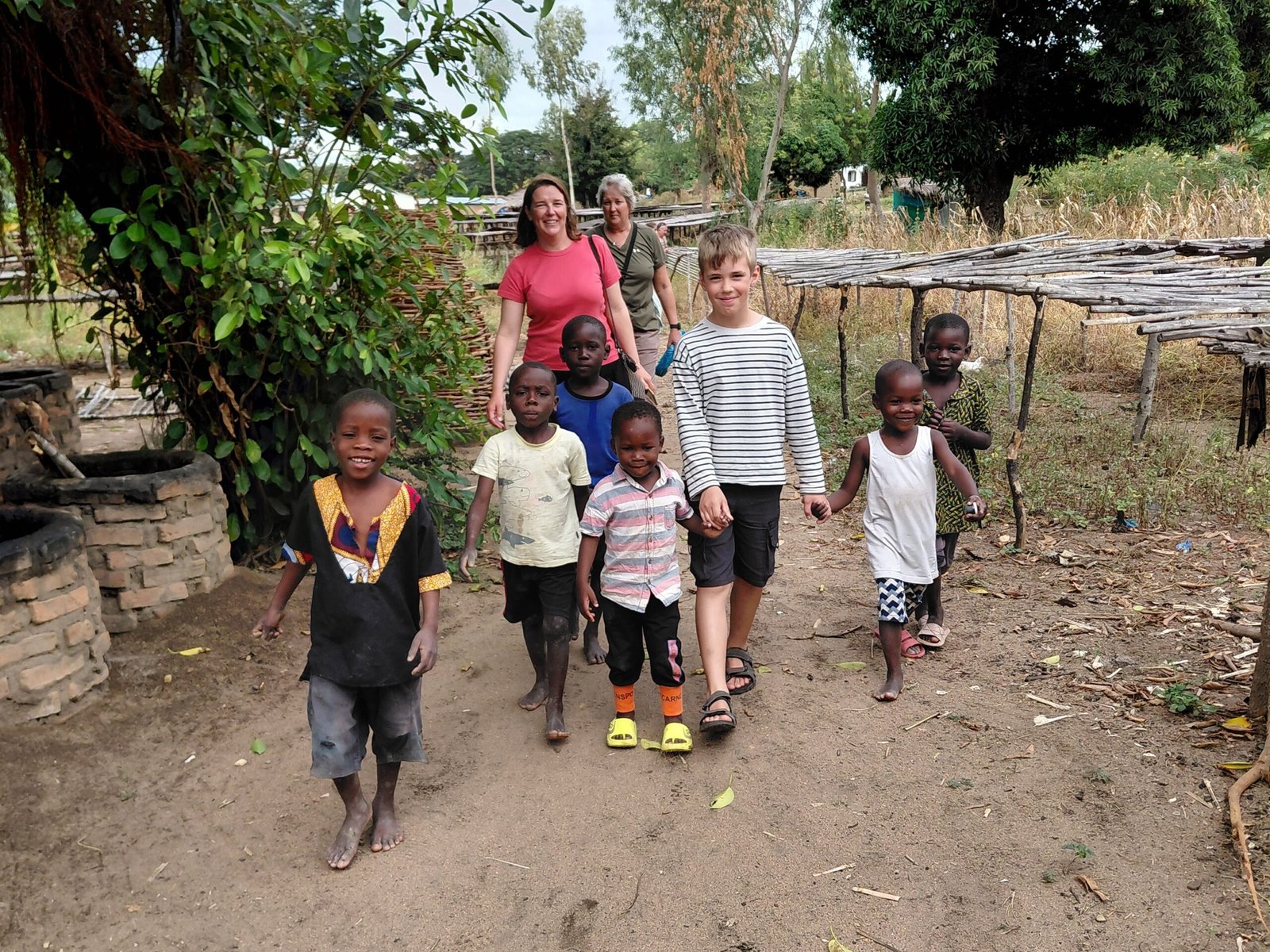
In the morning we had a little longer sleep, and at 9am we set off to explore the village of Ngala with a local guide. The tour lasted about three hours and included a visit to a local home, a kindergarten, a school, a health center and finally a visit to fishermen on the beach. Ronja and Risto gave the children they met in the village a couple of soft toys crocheted by Ronja as a present. One was given to a little girl walking along the village road and the other to a little boy who was with his mother in the maternity ward of the health center.
It was a very interesting visit to the village. Our guide, who himself lives in the village of Ngala (population 6,000 people), told us what life in the village is like. First we visited the home of the guide’s brother, then we went to the local kindergarten. Three years ago there was no kindergarten in the village, but now there is one from 7:30am to 3:30pm. The children are served porridge during the day and are taught basic English. This should support them in their studies when they start school at the age of six. The kindergarten was basically a single room hut. In the event of rain, they said it is a bit cramped as they all move indoors for shelter from the rain.
Ngala Village
Local clothes shop
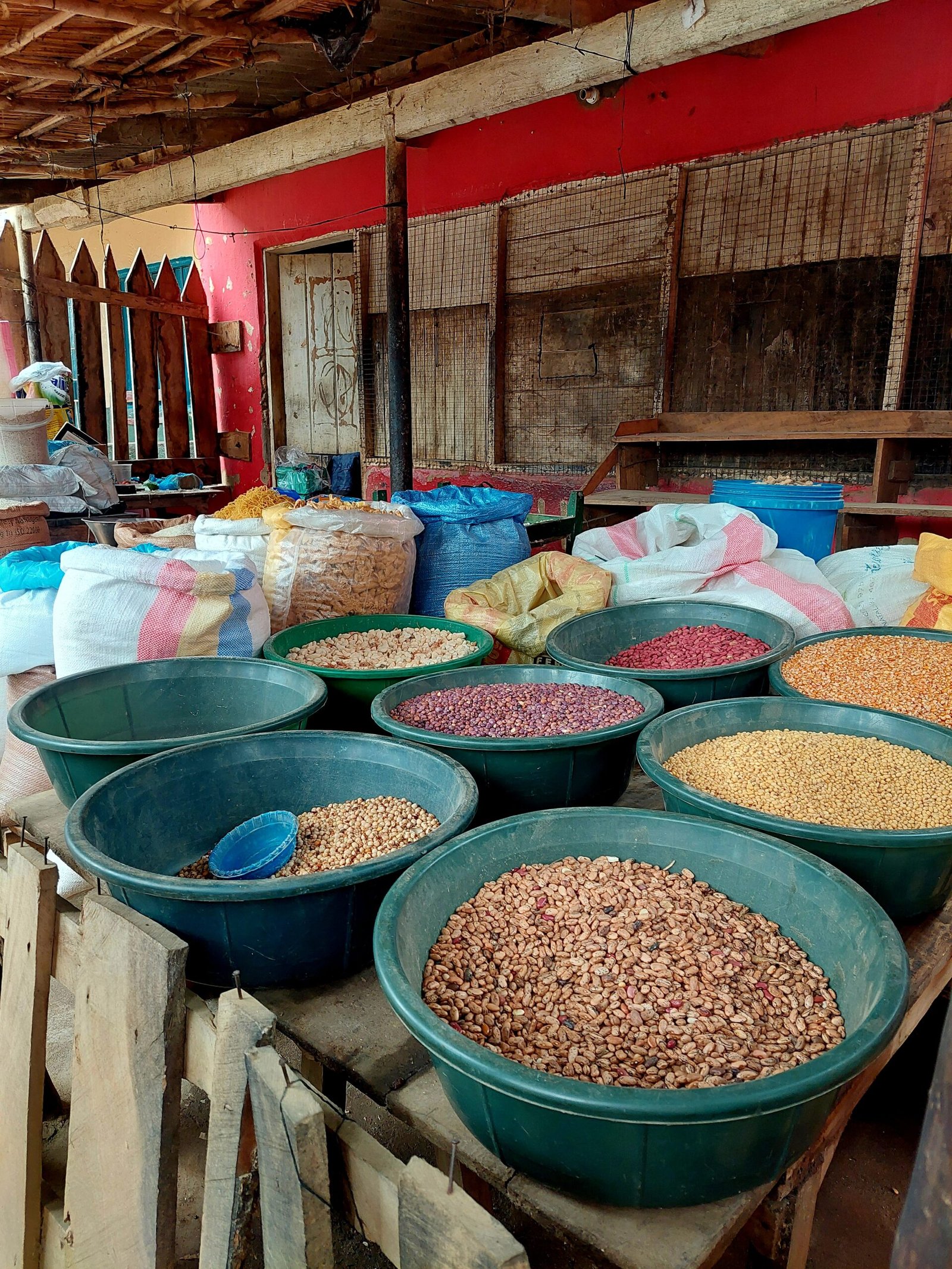
Village market
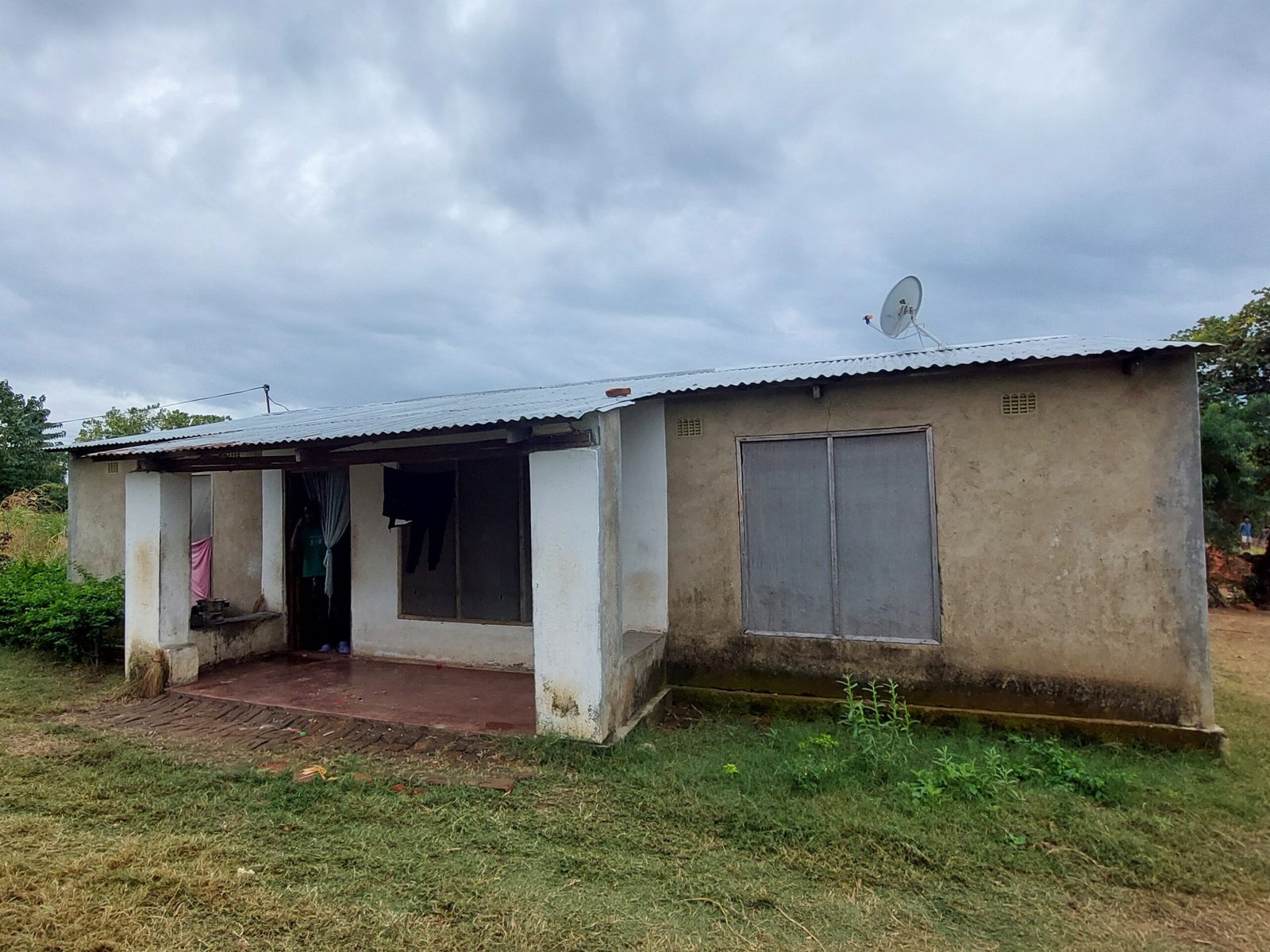
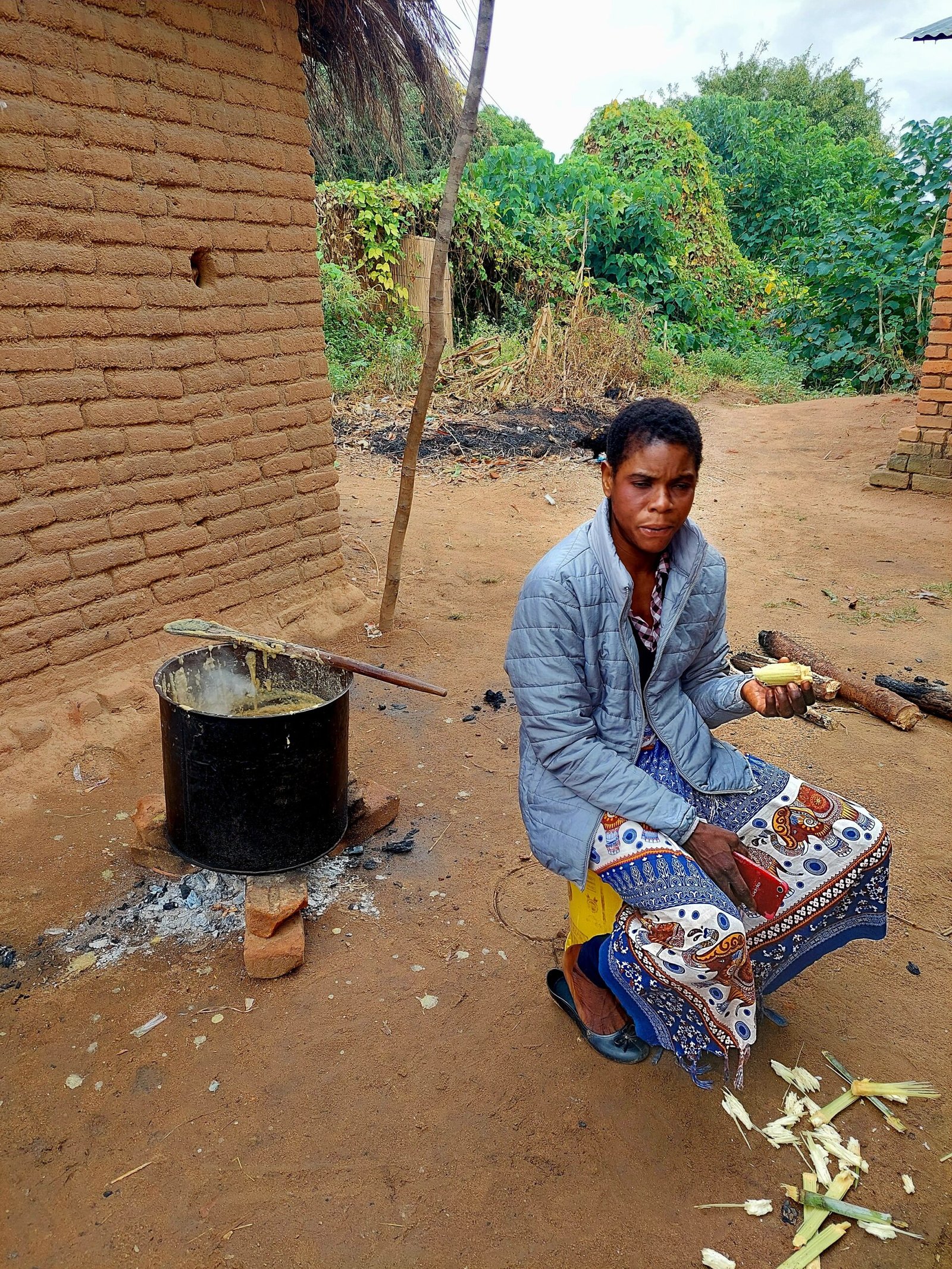
Here we visited a local home.
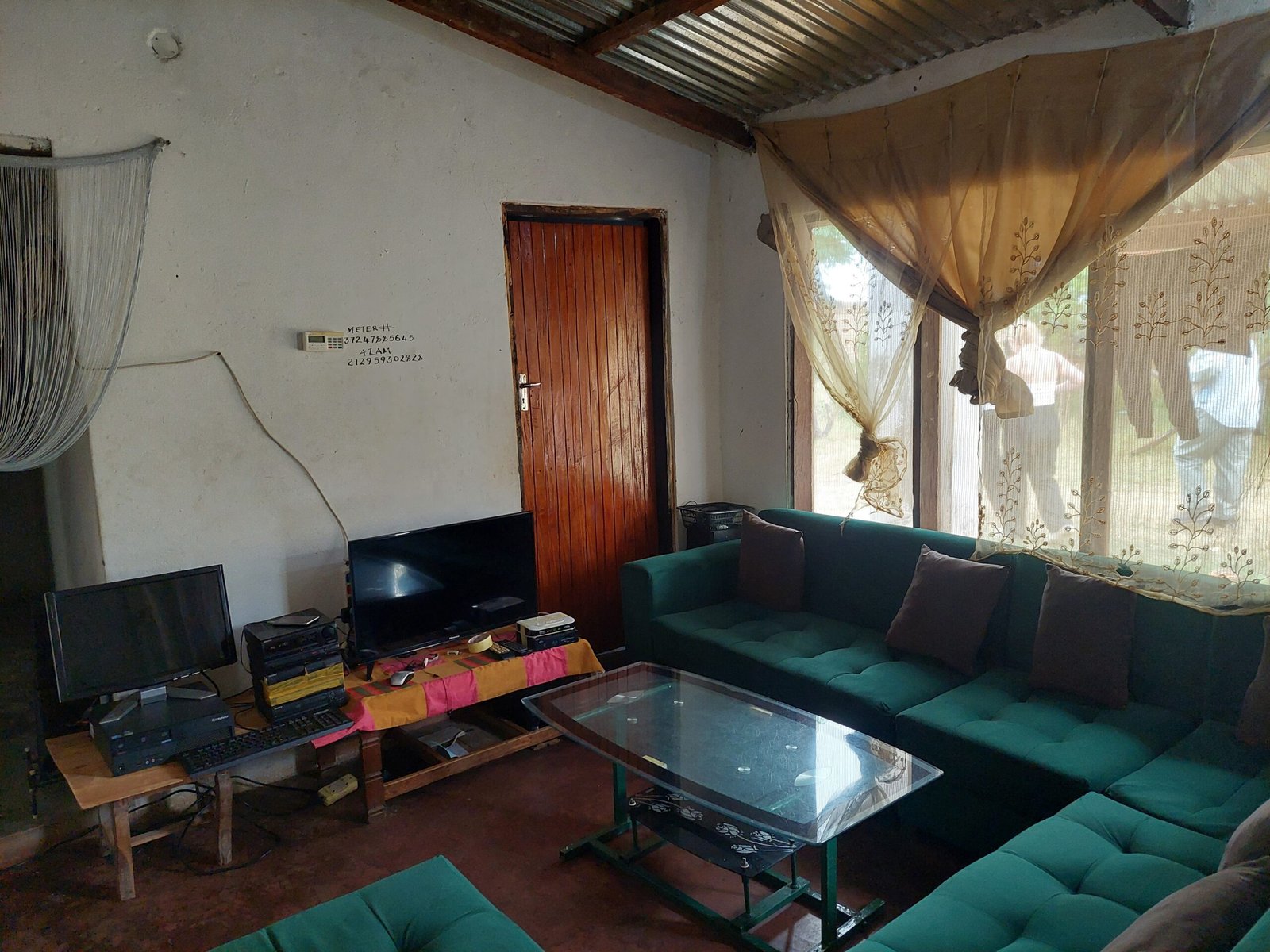
The living room had a comfortable sofa and an entertainment system.
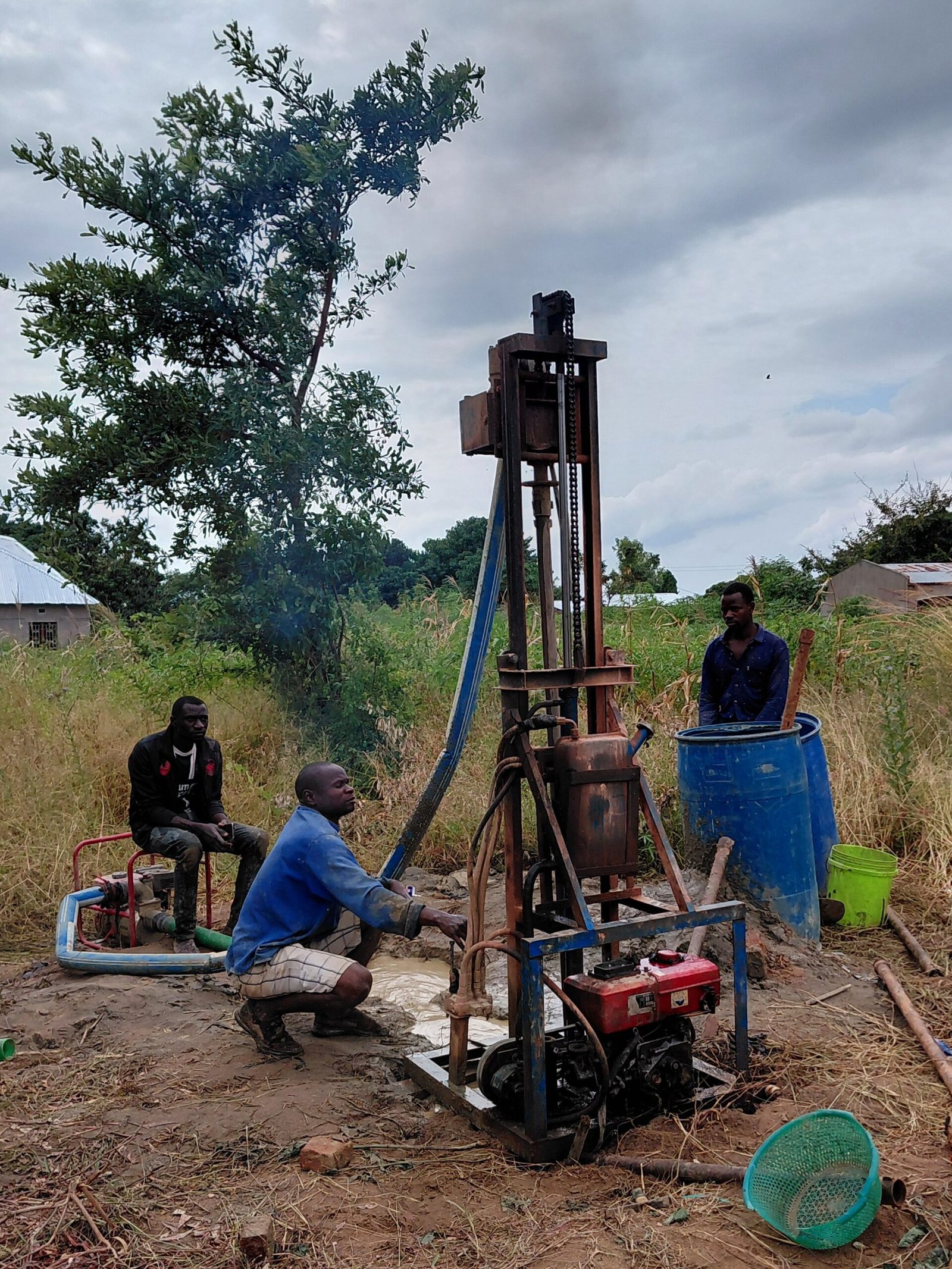
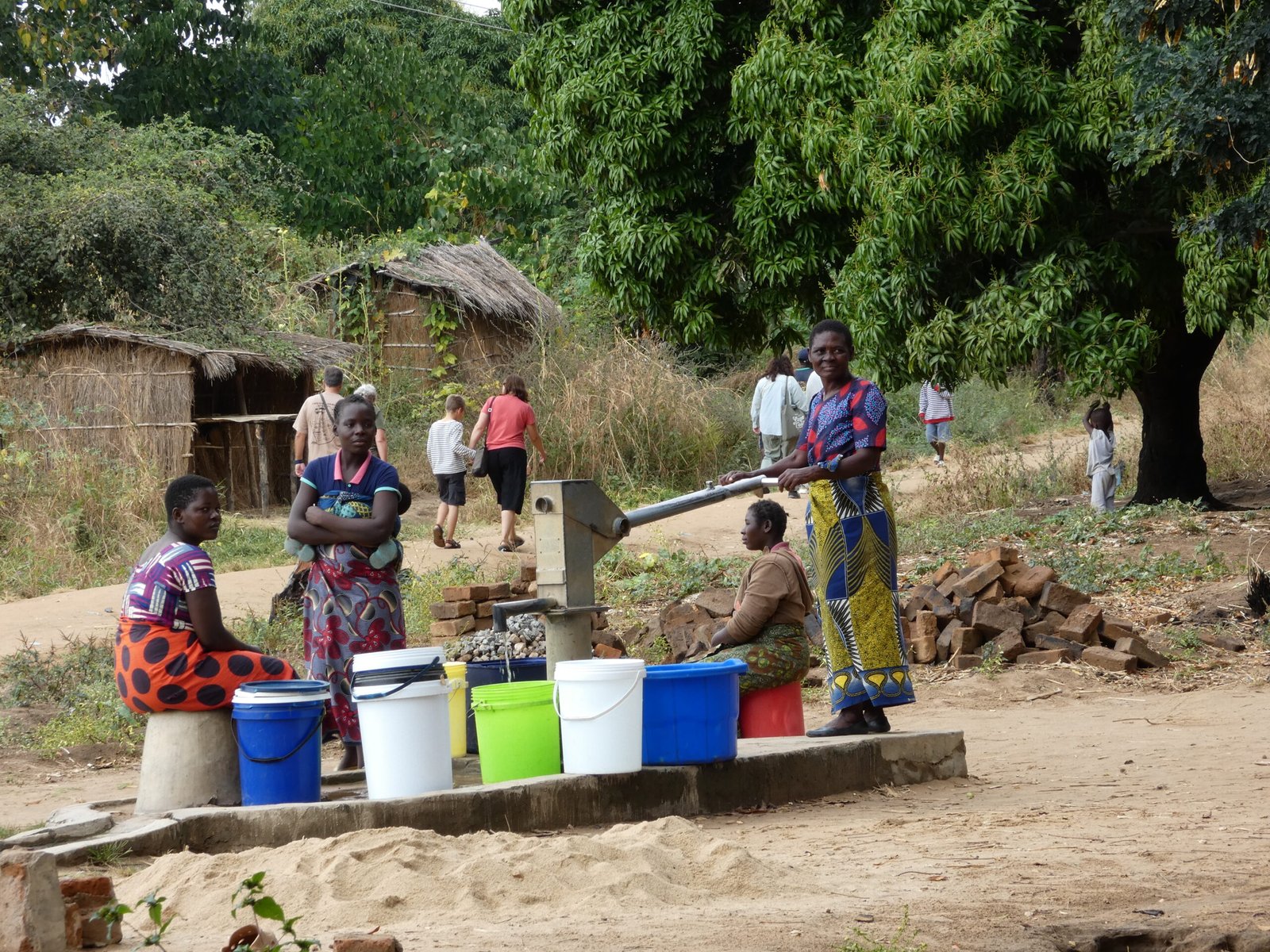
A borehole was built behind the house. Lack of clean drinking water is a major problem and cause of disease in Malawi.
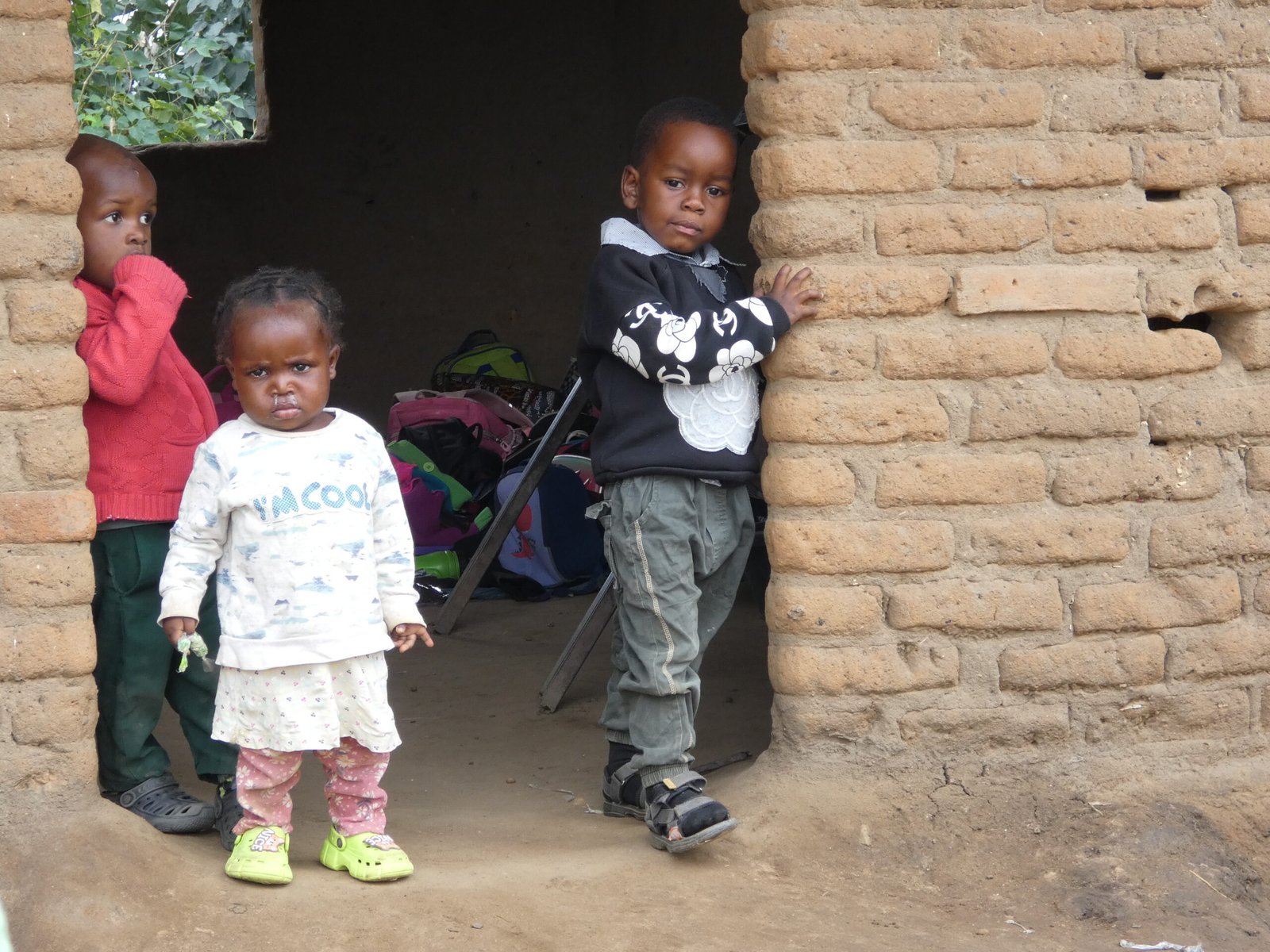
The kindergarten facilities were not very large. It was a place for naps as well as for learning English.
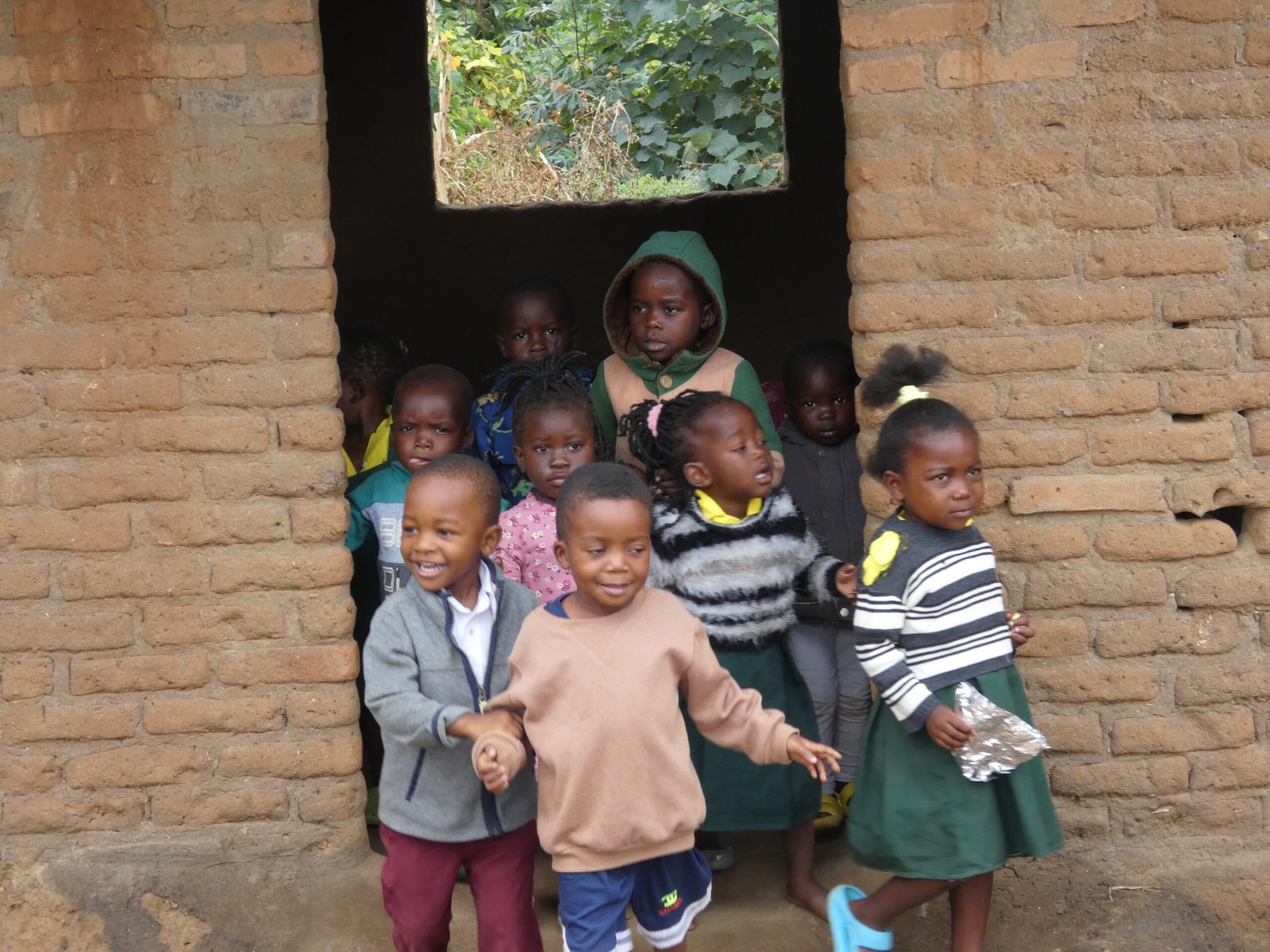
Still, quite a number of children came out of there.
The children were served porridge once a day.
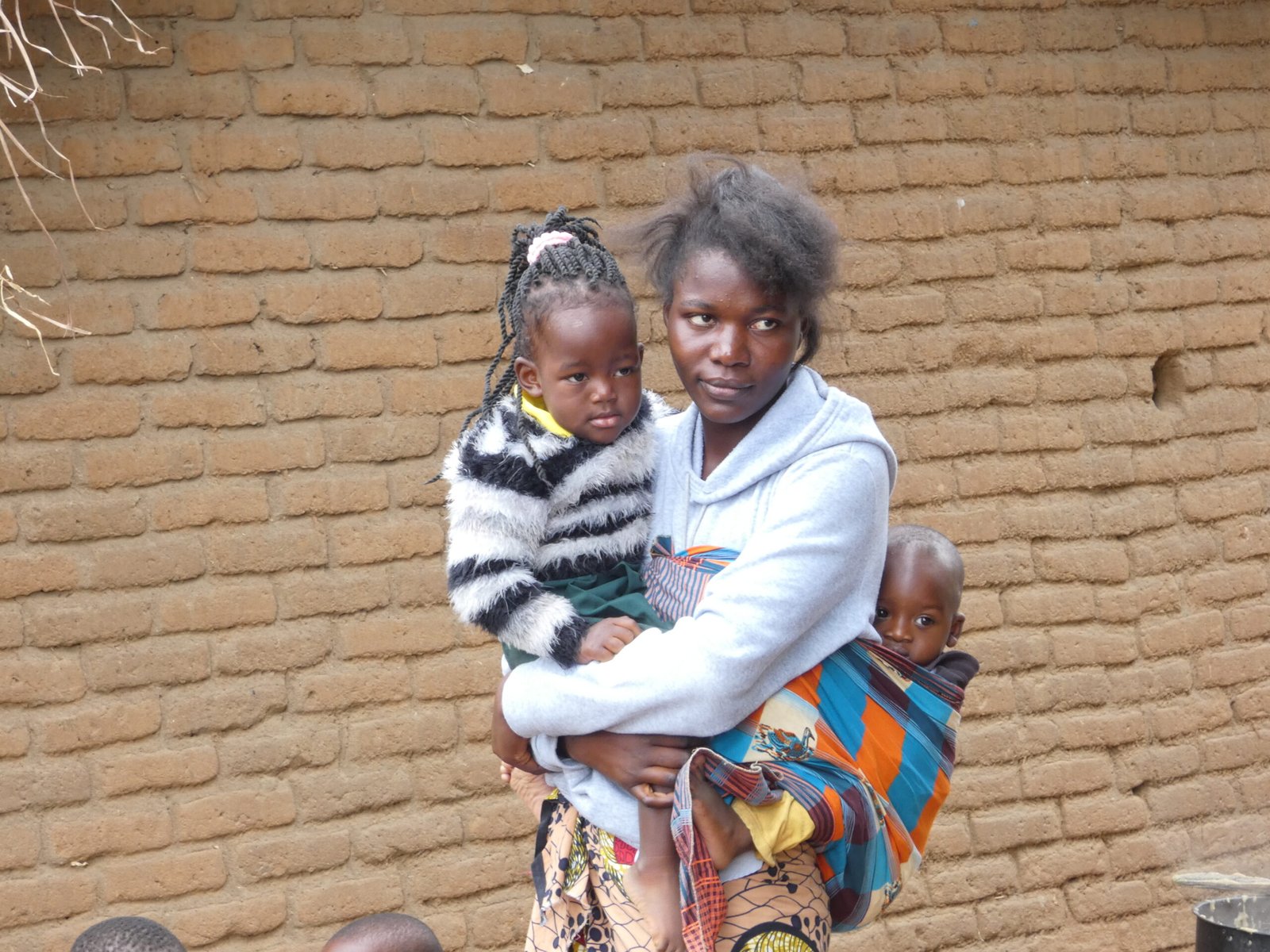
The youngest kindergarten children were still carried in slings.
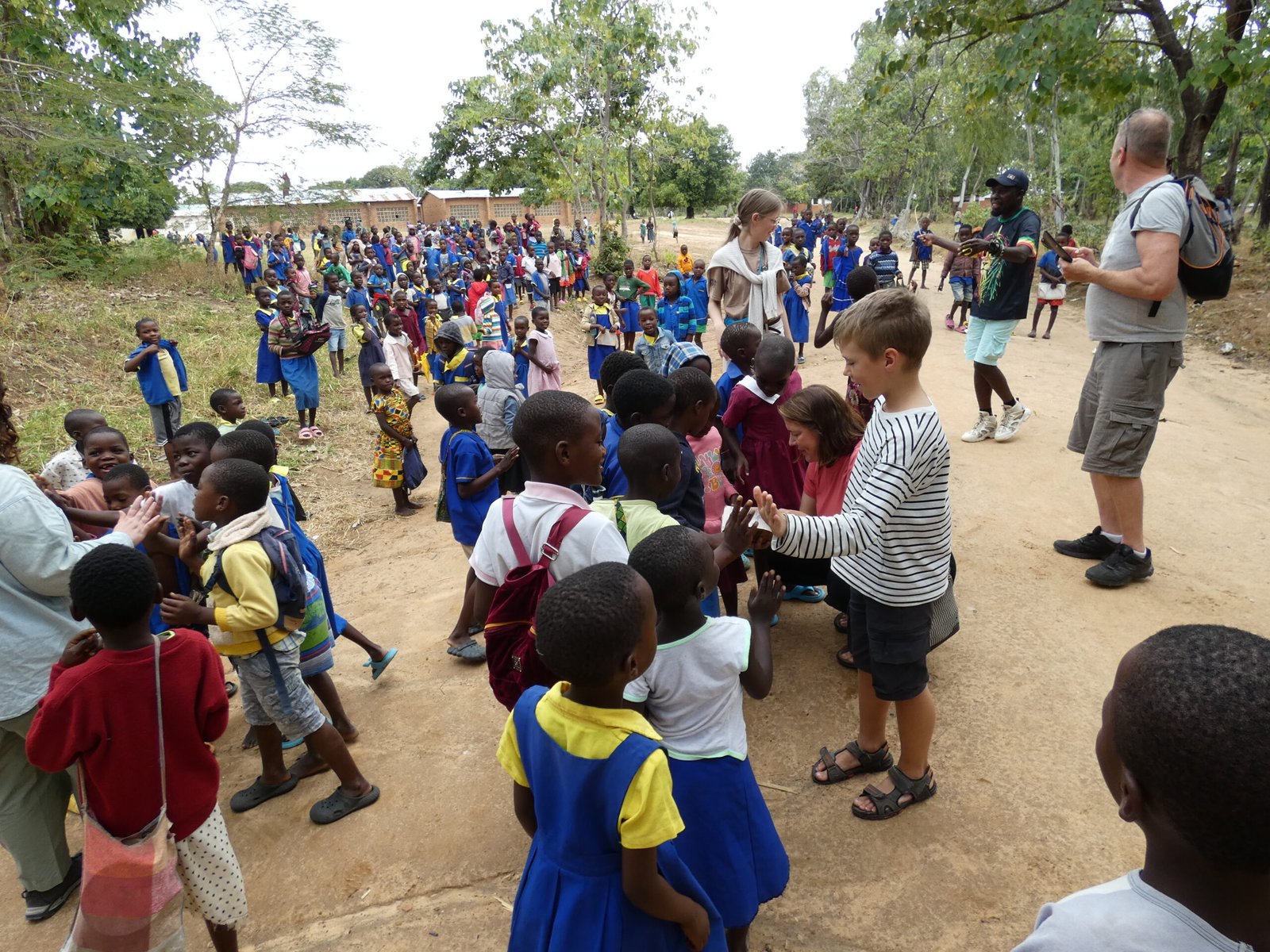
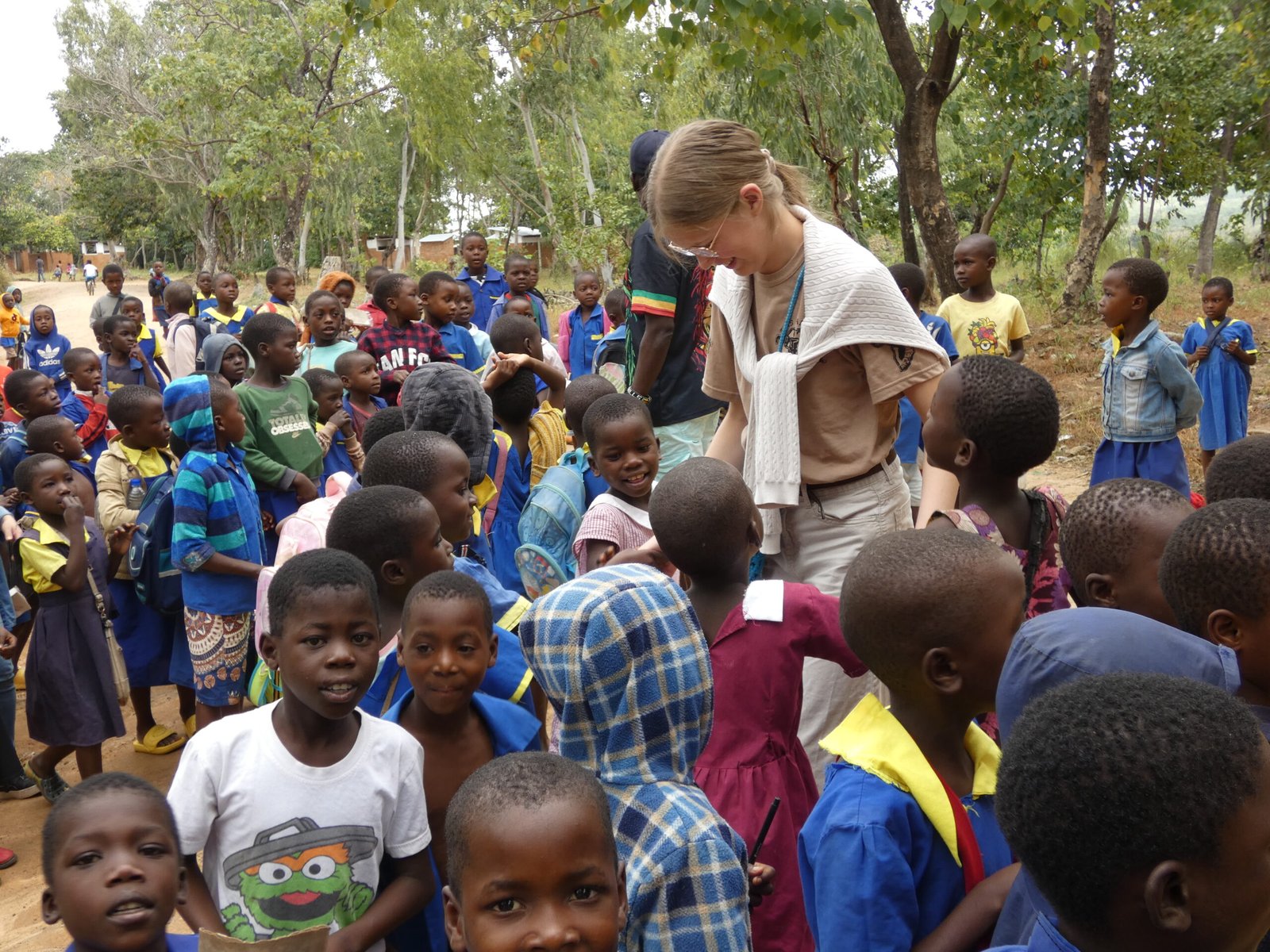
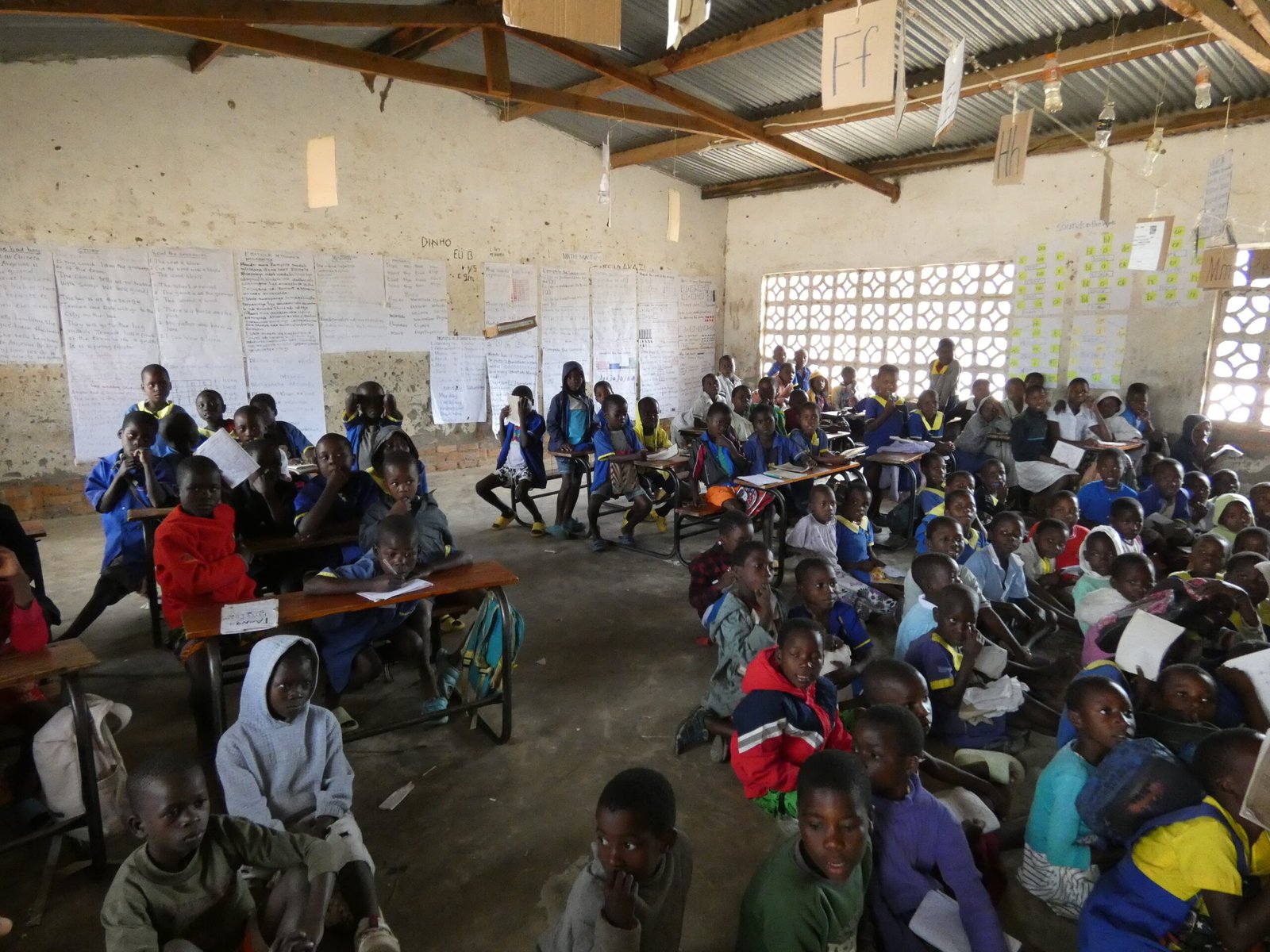
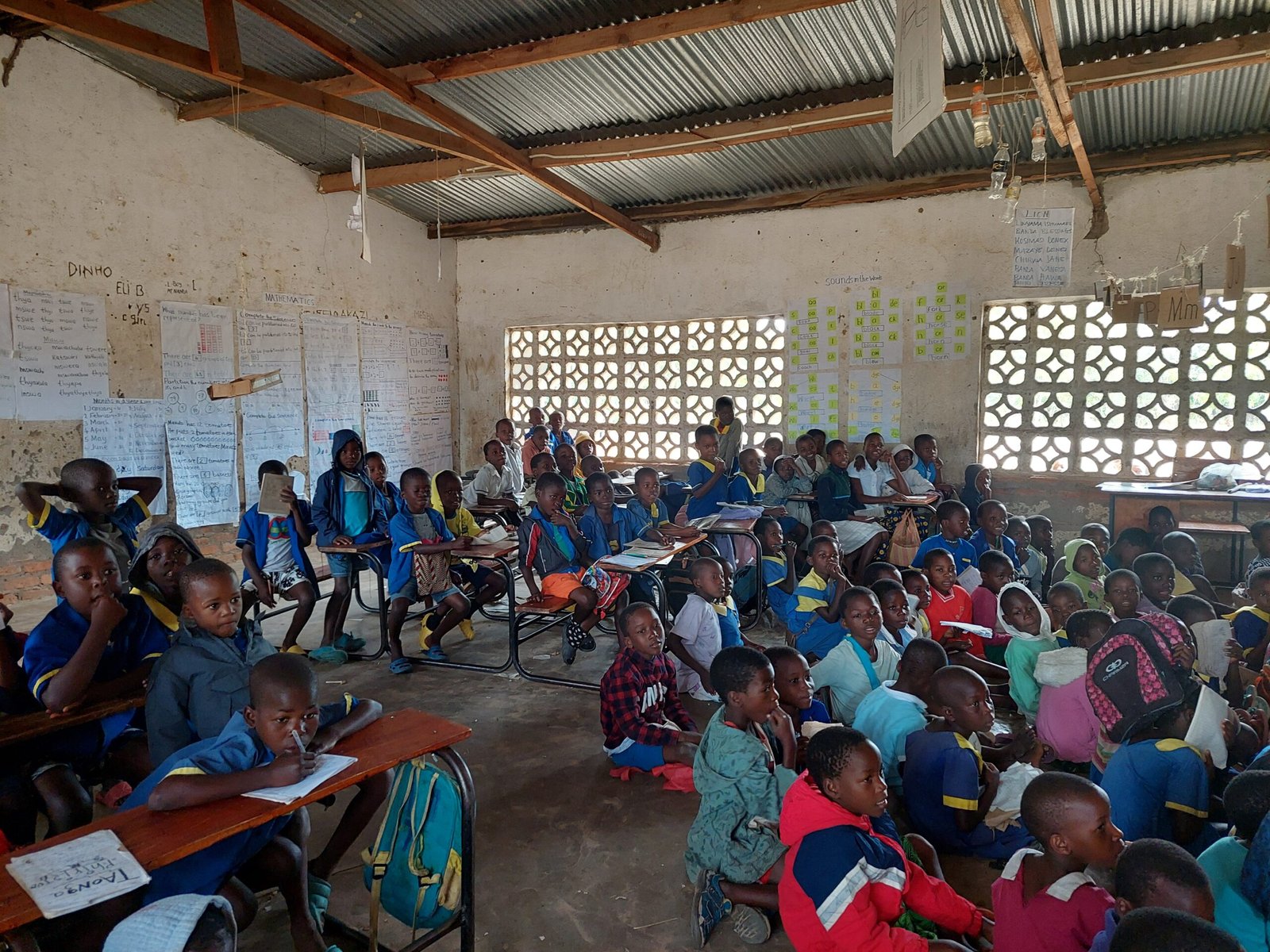
After kindergarten, we visited the school in Ngala, which has about 2000 pupils. There are only 15 teachers, so you can get an idea of what class sizes are like here. A Finnish class of 27 pupils seems quite reasonable in this scale. There weren’t even enough seats in the classroom for everyone, with many of the children sitting on the floor. All of us who went on the village visit had bought pens and notebooks from the supermarket in Zambia, which we donated to the school. Alex and Jamie had also bought a football, which the school headmaster was particularly pleased about. Both at the kindergarten and the school, the children were very enthusiastic to come and greet us. Even though there was not much of a common language, the children waved at us happily and came to give us high fives and hugs.
Schoolchildren literally flooded out through both doors and windows.
The classroom had a close-knit atmosphere.
Not all families can afford school uniforms. Yet no one is turned away.
This man was a second grade teacher at the school.
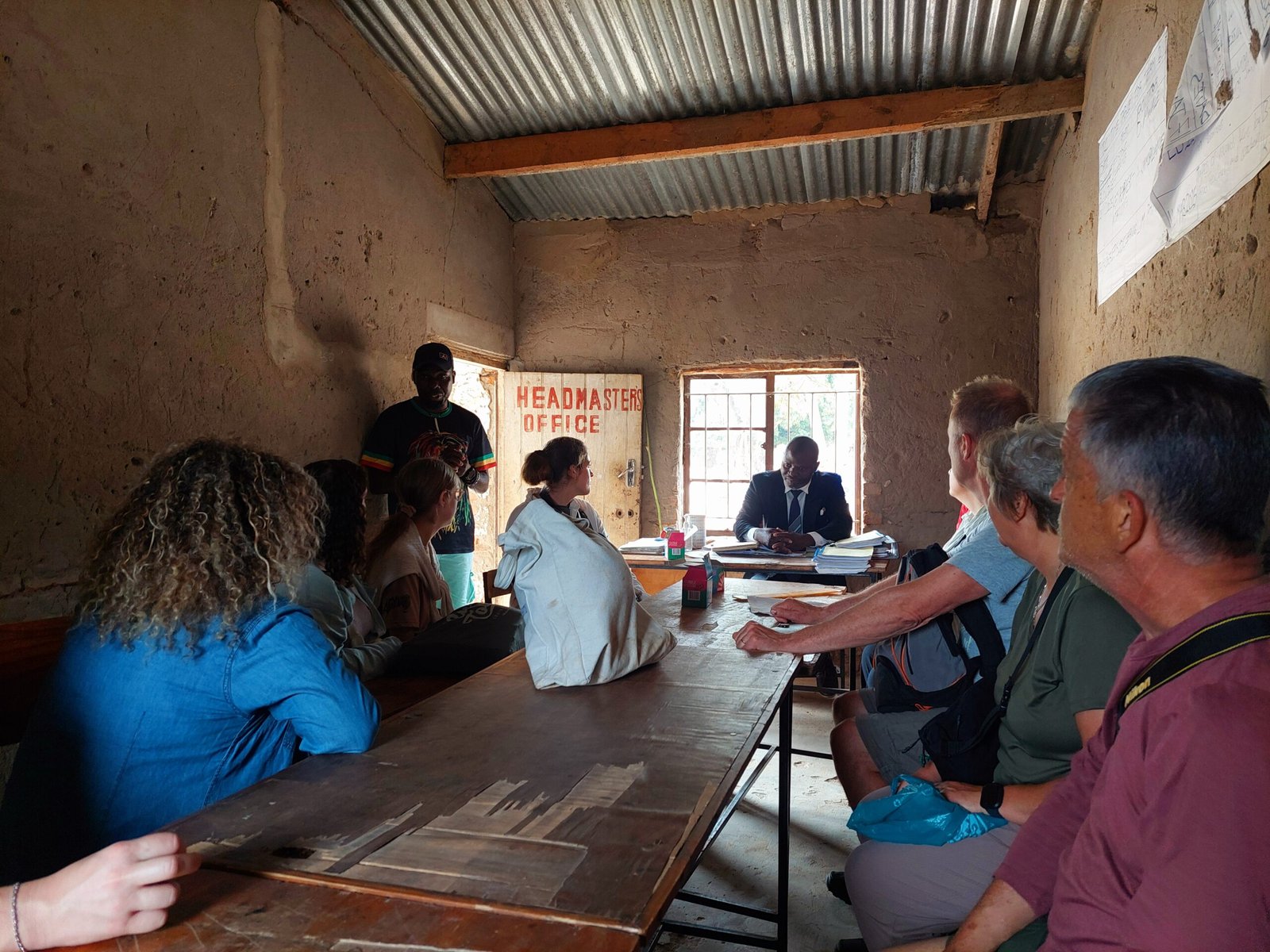
We also visited the school principal in his office.
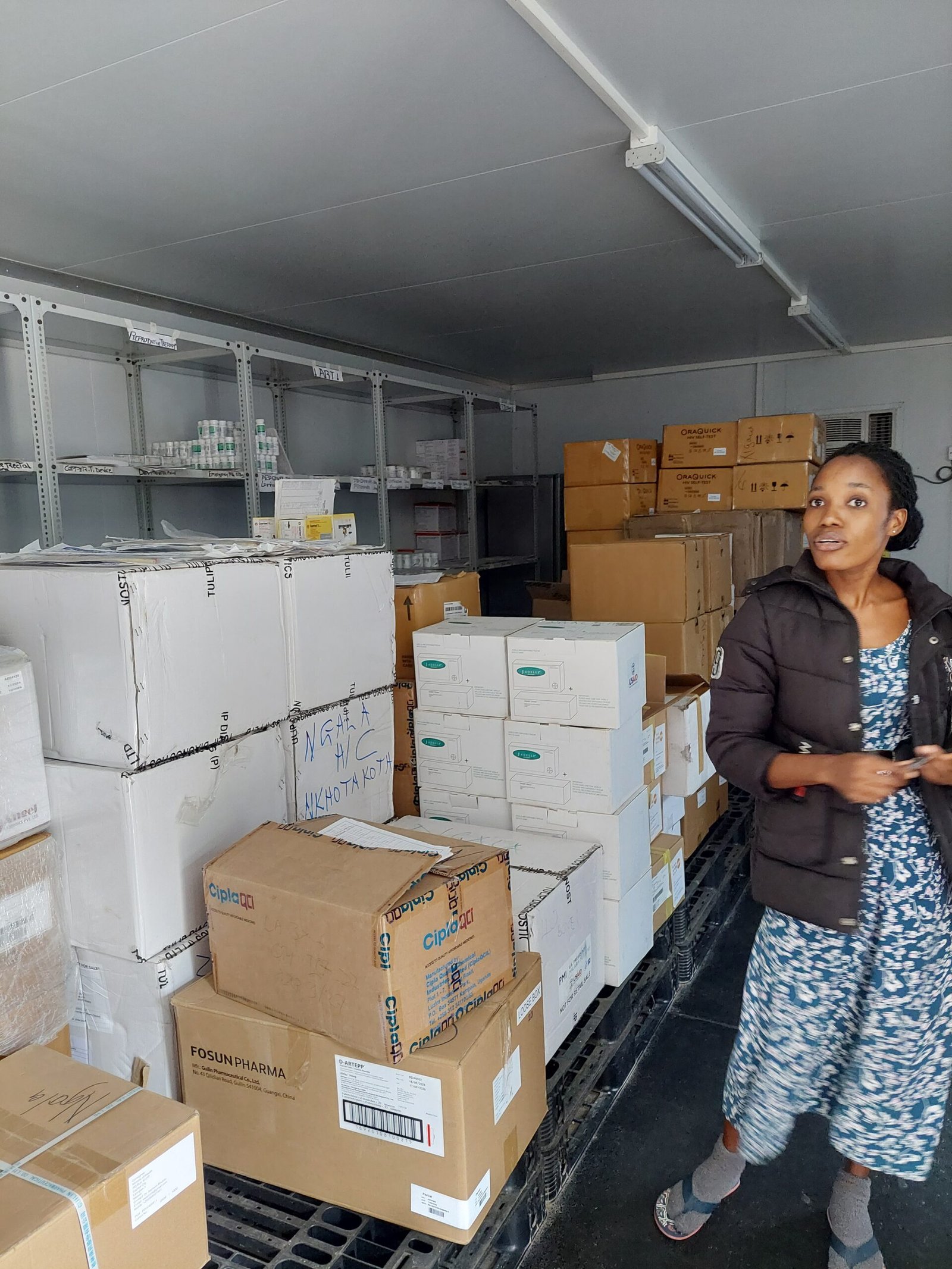
At the local health center, we were guided by one of the local nurses. She gave us a brief tour of the maternity ward and the storage building where they kept their medicines. The shelves were not exactly overflowing with medicines, but there were still enough of the malaria and HIV drugs that had been purchased with USAid funding. This aid has apparently just recently been withdrawn, at least for Malawi, so it remains to be seen how things will turn out in a few years’ time when the drugs run out. Malawi is said to produce nothing but painkillers and some antibiotics domestically. Everything else is imported. In Malawi, malaria and HIV are the main causes of mortality, so the future does not look very good in that respect.
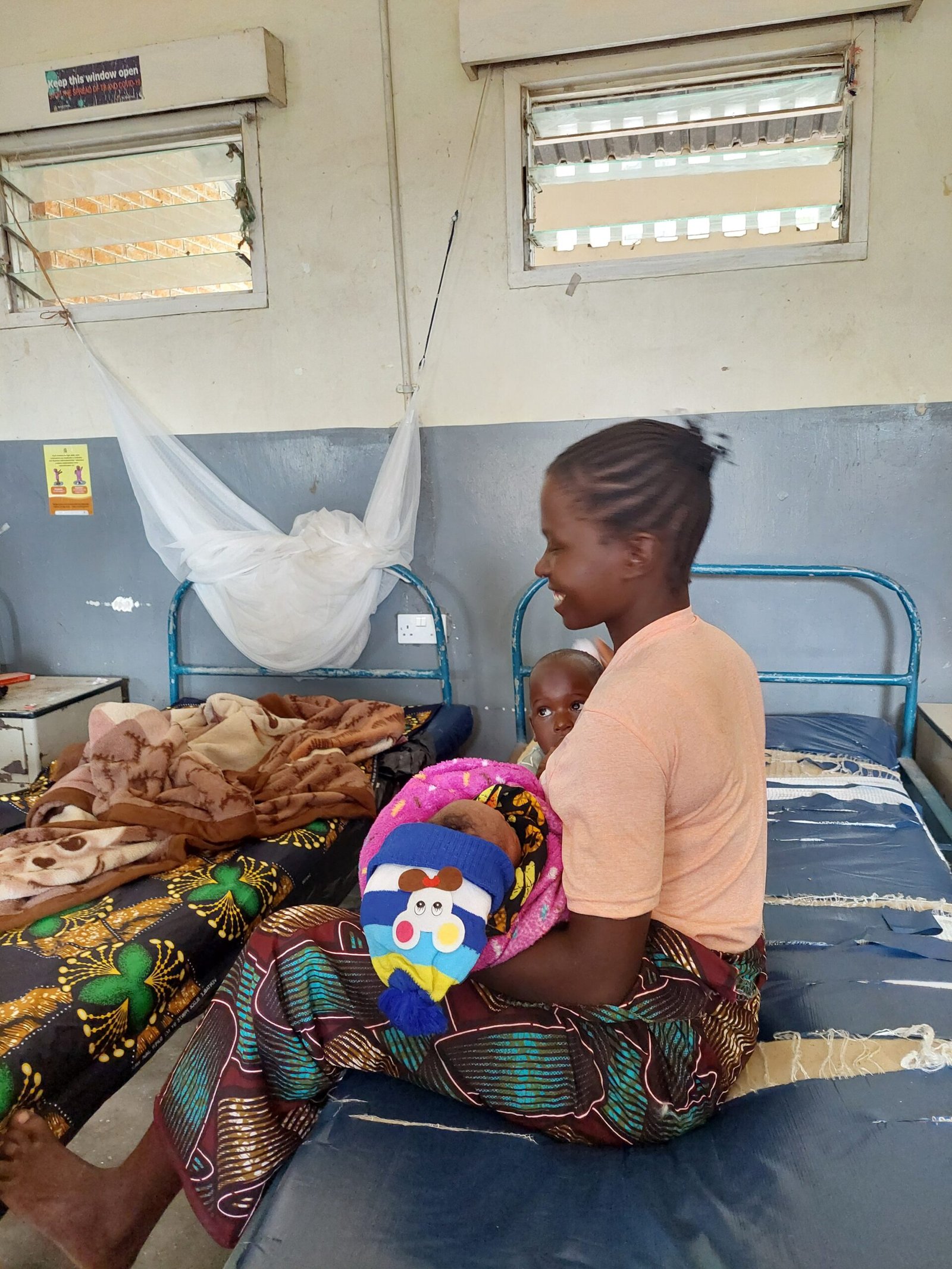
Mothers spend three days in the maternity ward. This baby's big brother received an octopus from Ronja as a present.
The pharmaceutical stock of the health center.
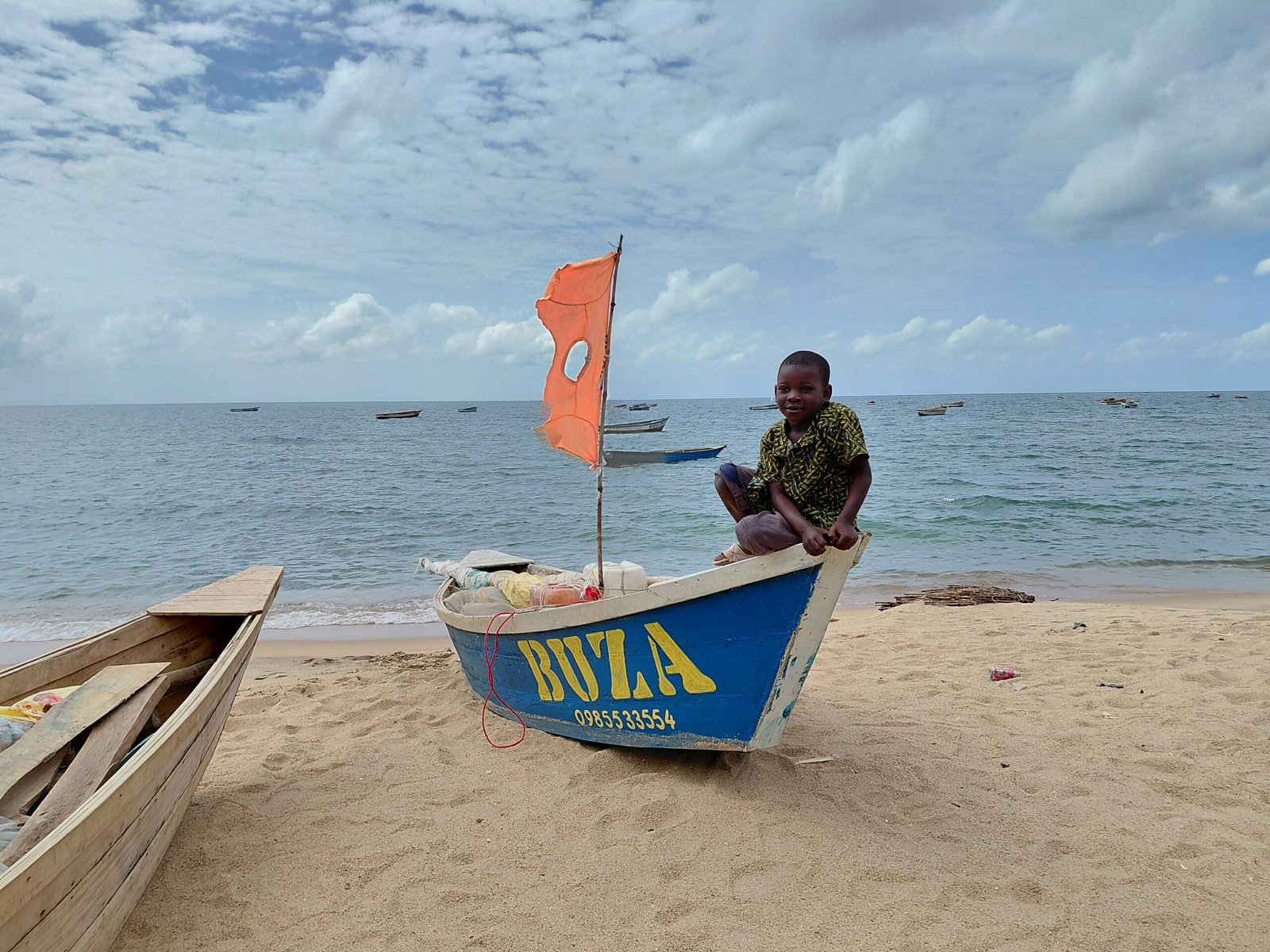
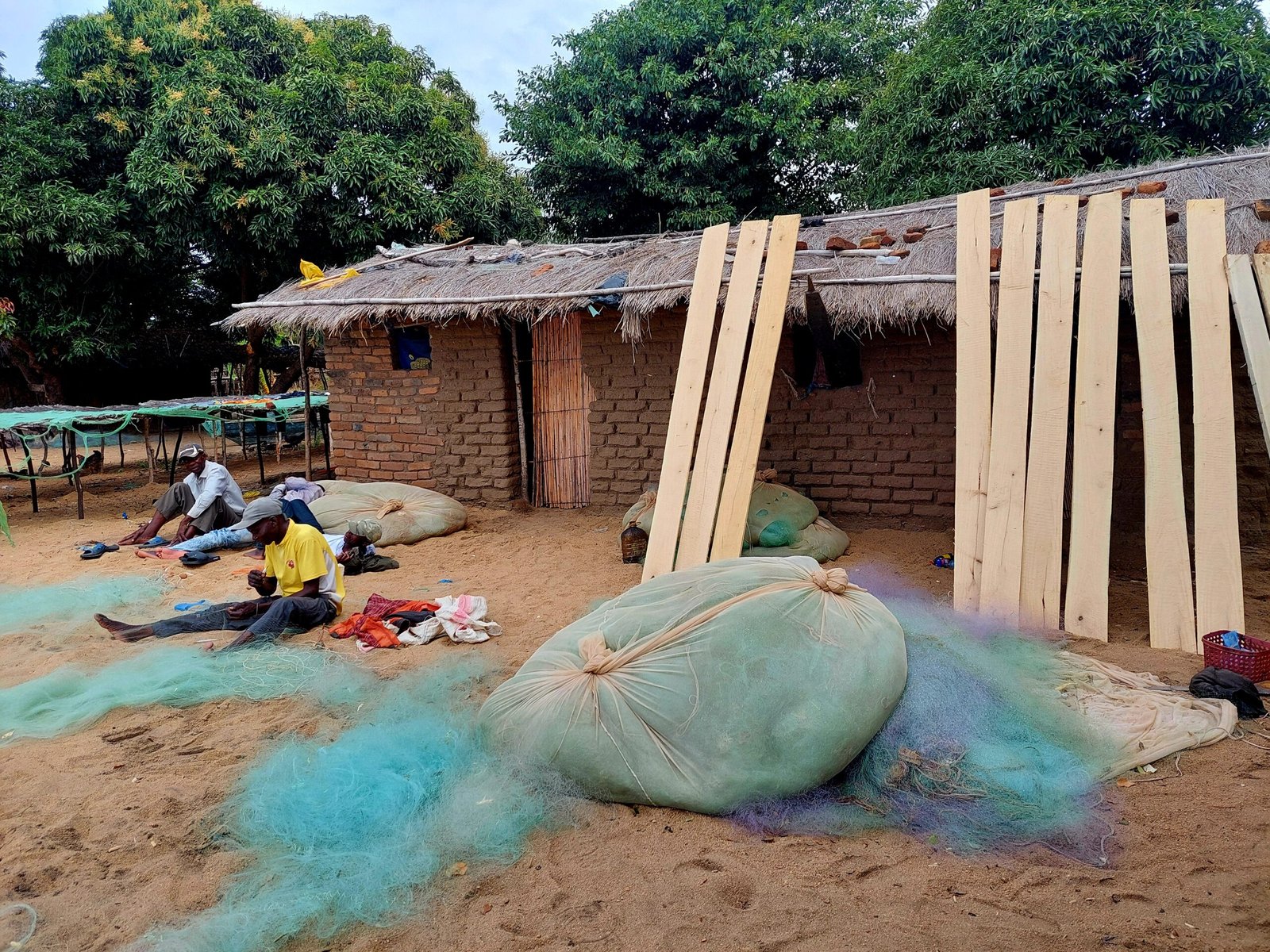
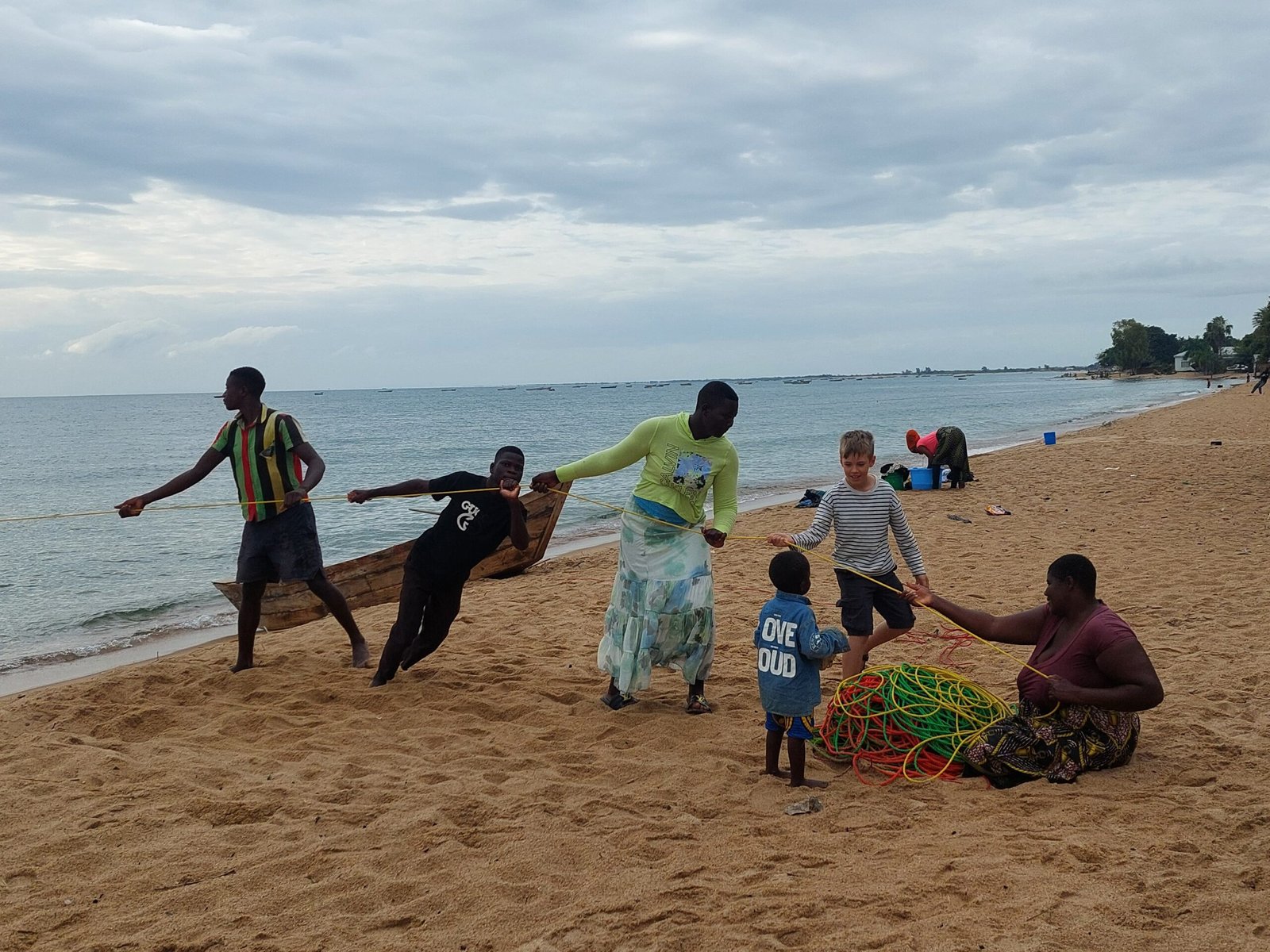
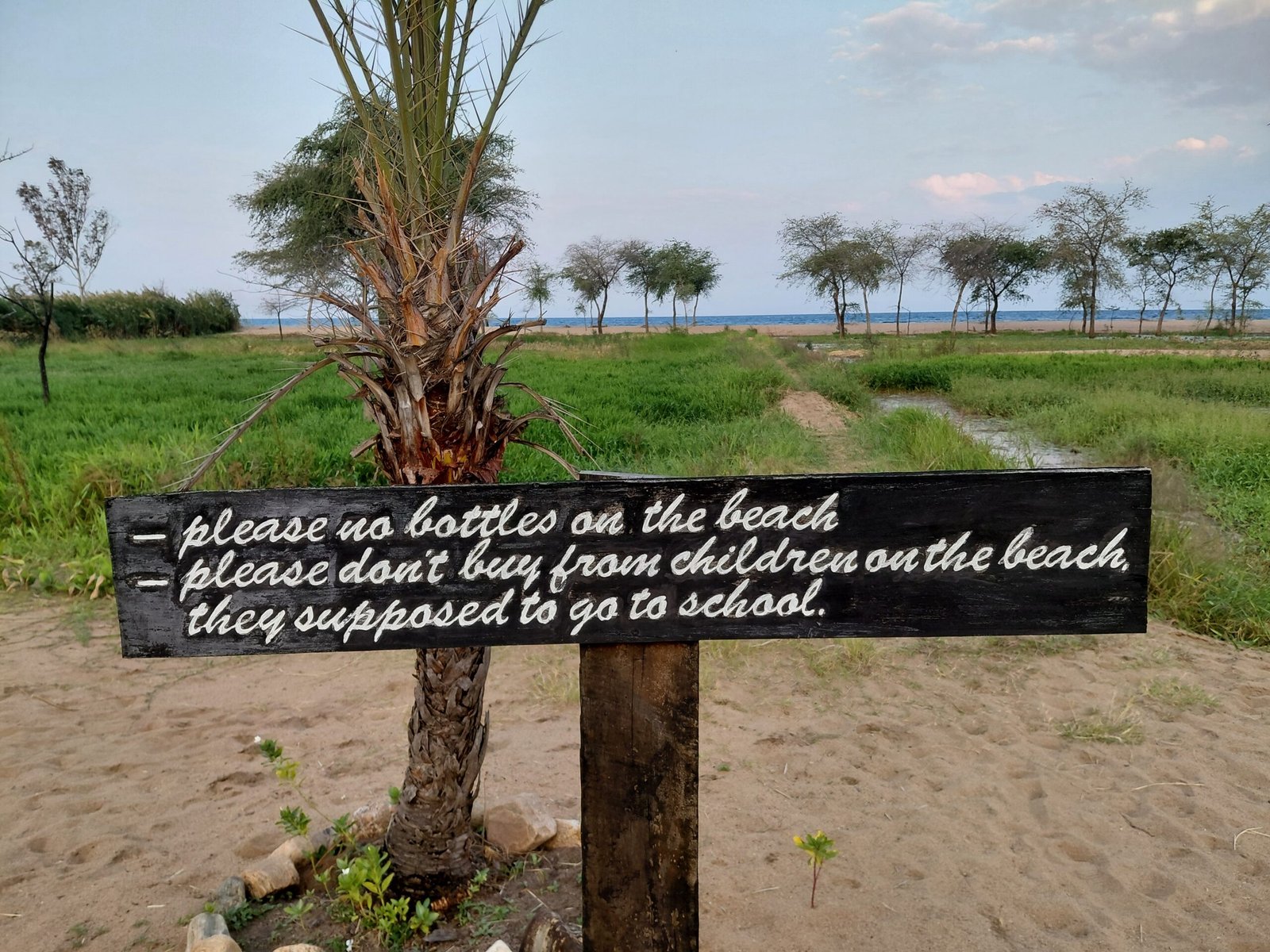
The walk ended at the beach, where local fishermen had just pulled their nets out of the water. Their catch wasn’t very big, but they had managed to catch a bunch of small fish.
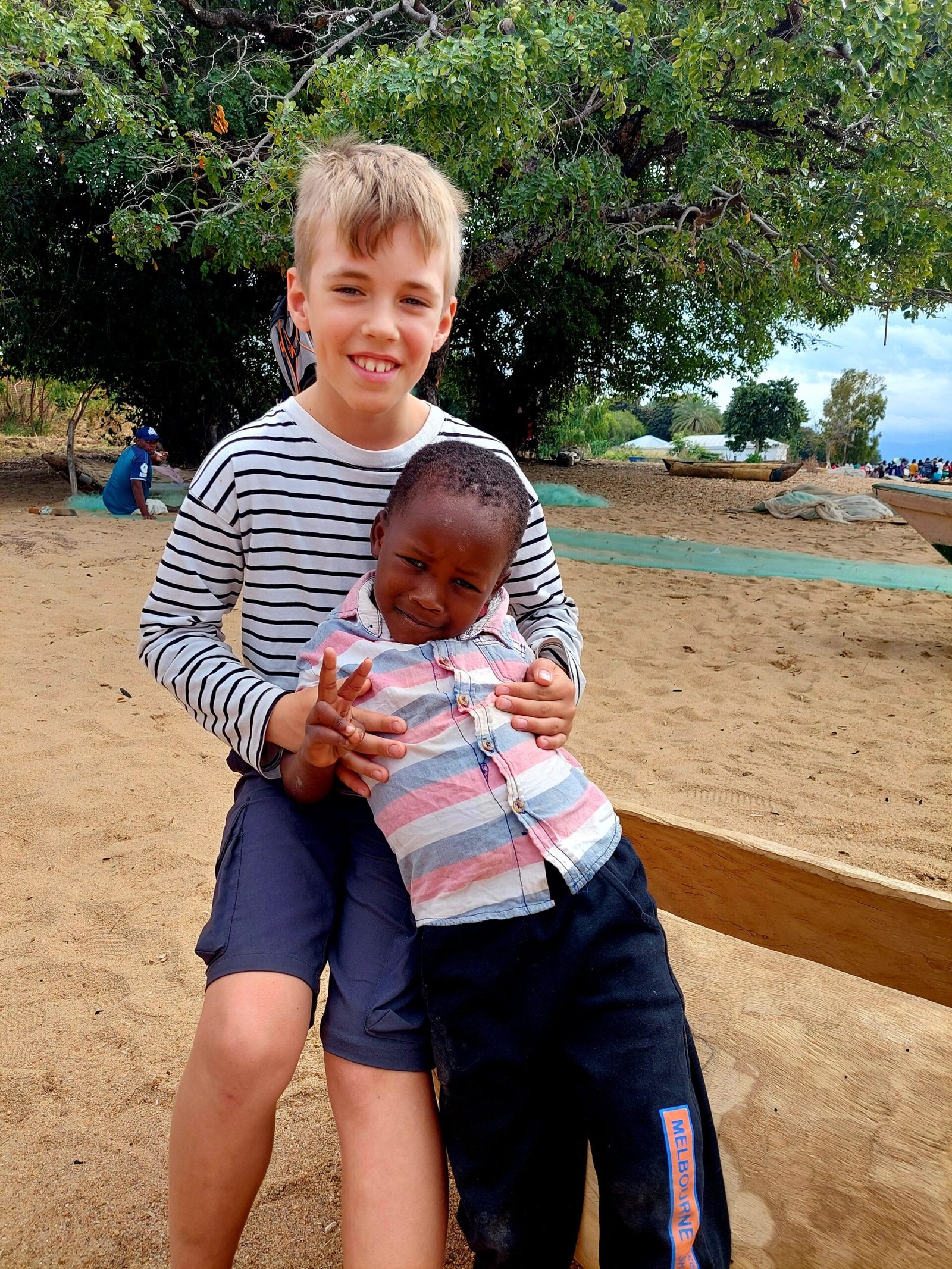
The fishermen's children immediately came to greet us.
There's plenty to do to clear the nets.
The catch of the day was not a big one.
Even Risto got to help with the fishing.
We had the rest of the afternoon free. Marko and Risto went with Edvin and his father to paddle on Lake Malawi, but Jaana and Ronja wanted to stay at the campsite and just rest. It would have been lovely to go swimming in Lake Malawi, as it was another very warm day, but unfortunately there is a parasite lurking in the lake that causes bilharzia. So we skipped the swimming trip.
In the evening we enjoyed local delicacies for dinner, which a couple of villagers from Ngala came to cook for us. The meat stew was very tasty, but the cassava and the local mashed potatoes were pretty tasteless. Fortunately, we had plenty of meat stew broth on our plate to flavour even these side dishes.
Thursday morning we had another early wake-up call, as our next destination was the village of Chitimba and the campsite there. It was only a little less than 300km, but it still took about 9h with lunch and toilet stops. The roads in Malawi are in poor condition, so travelling is very slow.
Apart from having no money to repair the roads, life here is pretty poor in other respects also. Malawi has no natural wealth to boost its economy. The main livelihoods are farming and fishing, and people live very simple lives. Even fishing is a bit of a risky business, as most of the fishermen can’t even swim. Nevertheless, they go fishing without life jackets because they cannot afford them. Lake Malawi is 700m deep and the second largest lake in Africa, so there is not much chance of being rescued if you end up in trouble without swimming skills.
The sunrise over Lake Malawi was a beautiful sight.
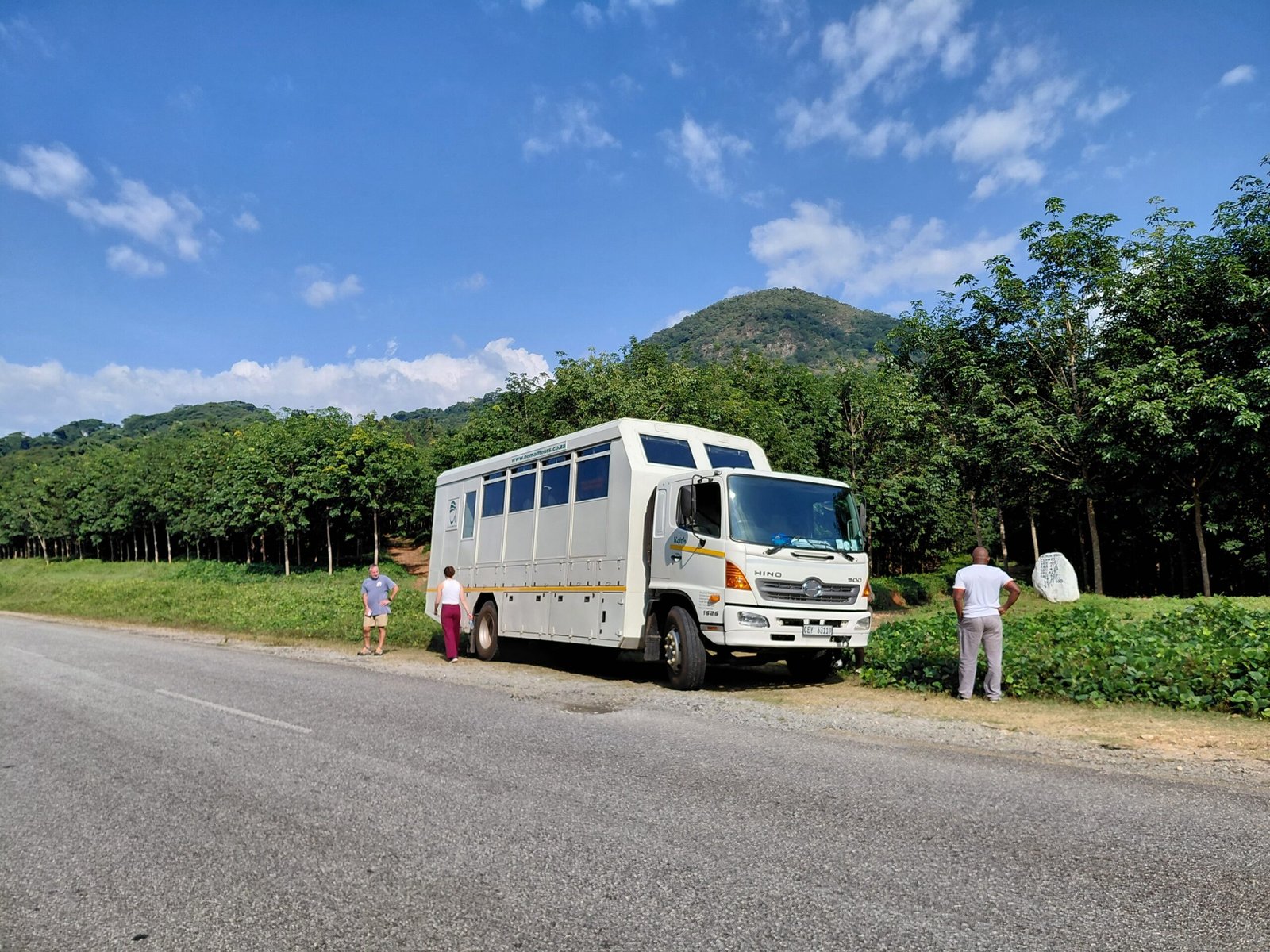
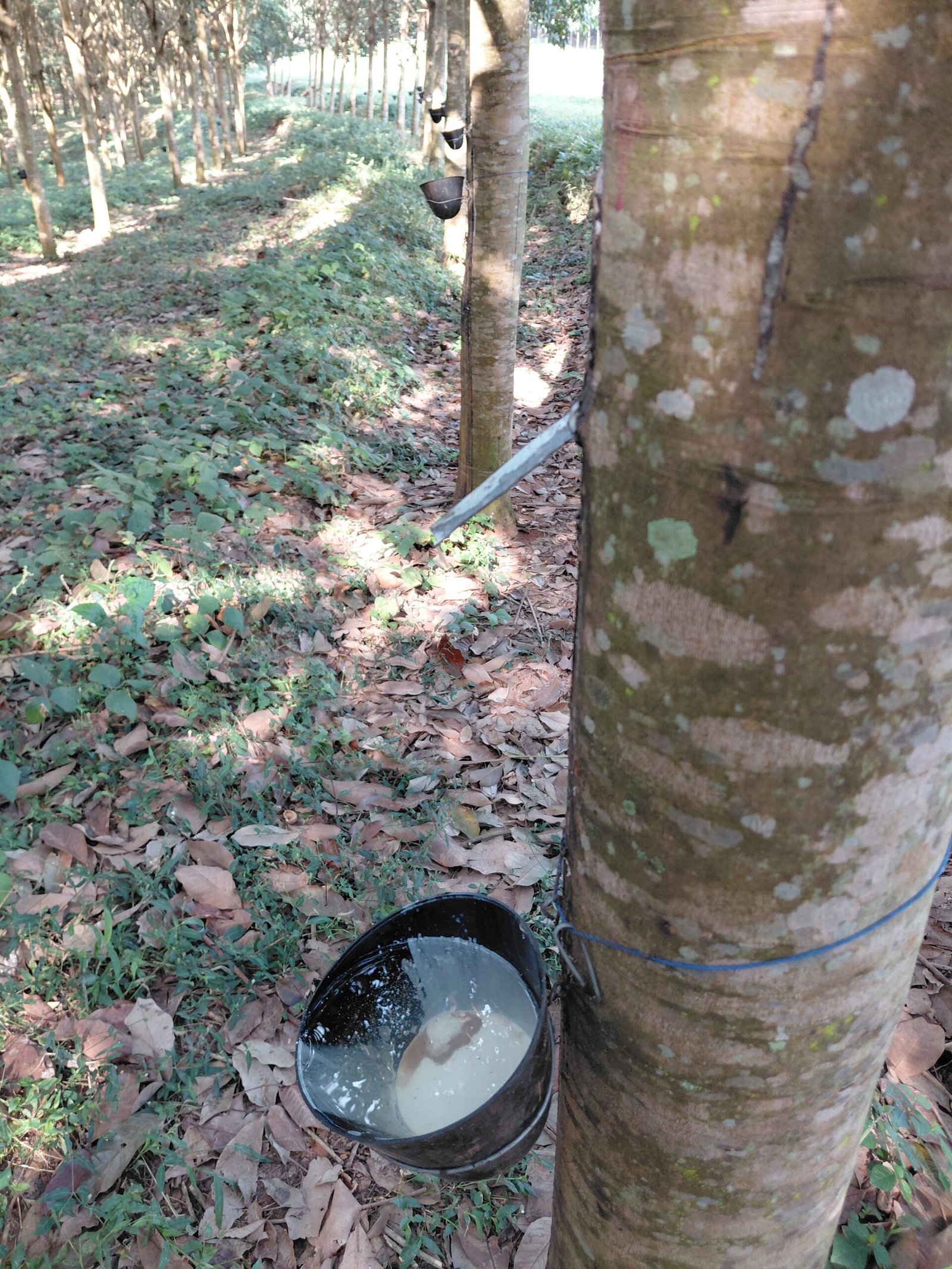
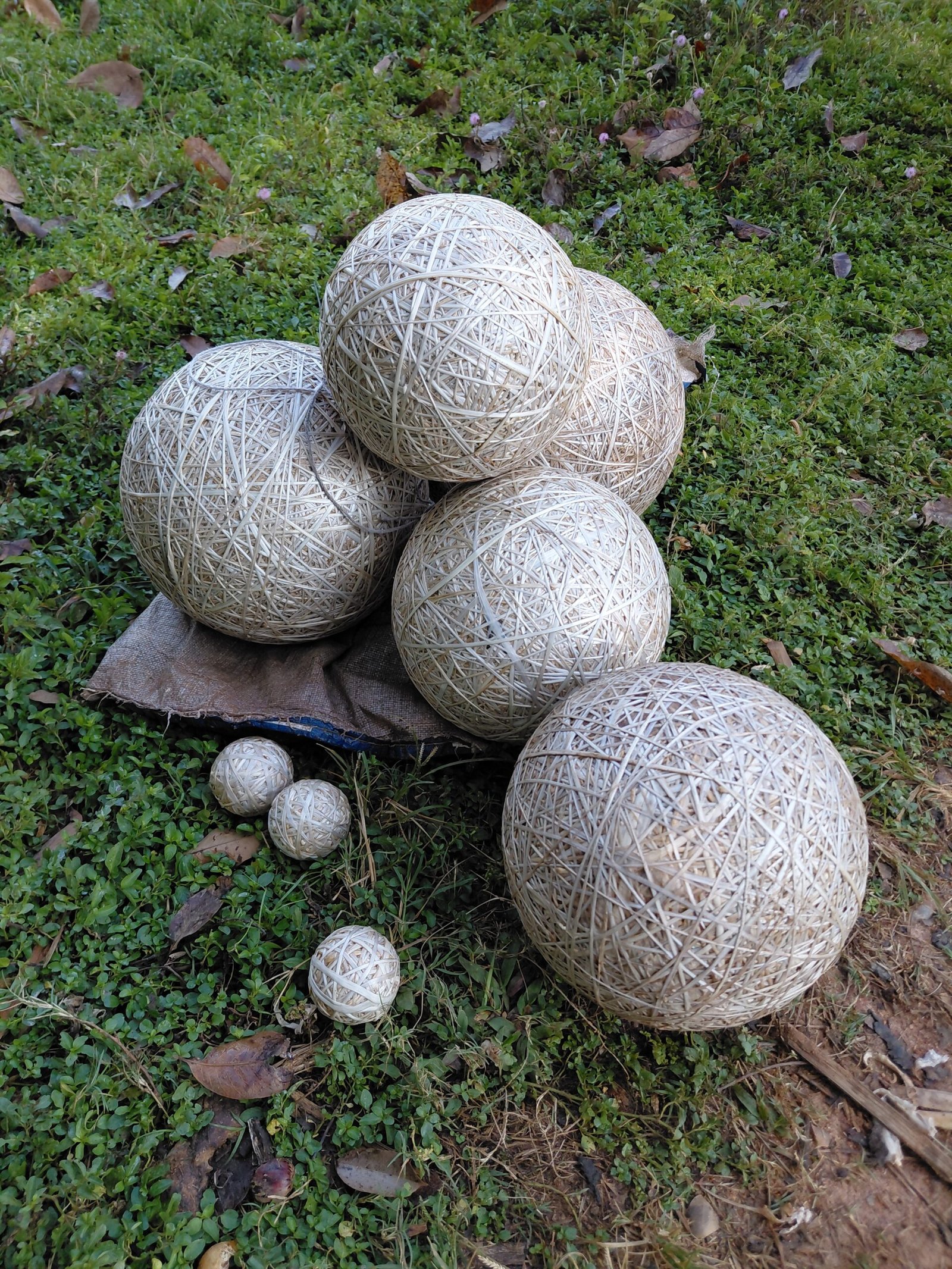
On the way, we stopped for a moment to see the rubber trees.
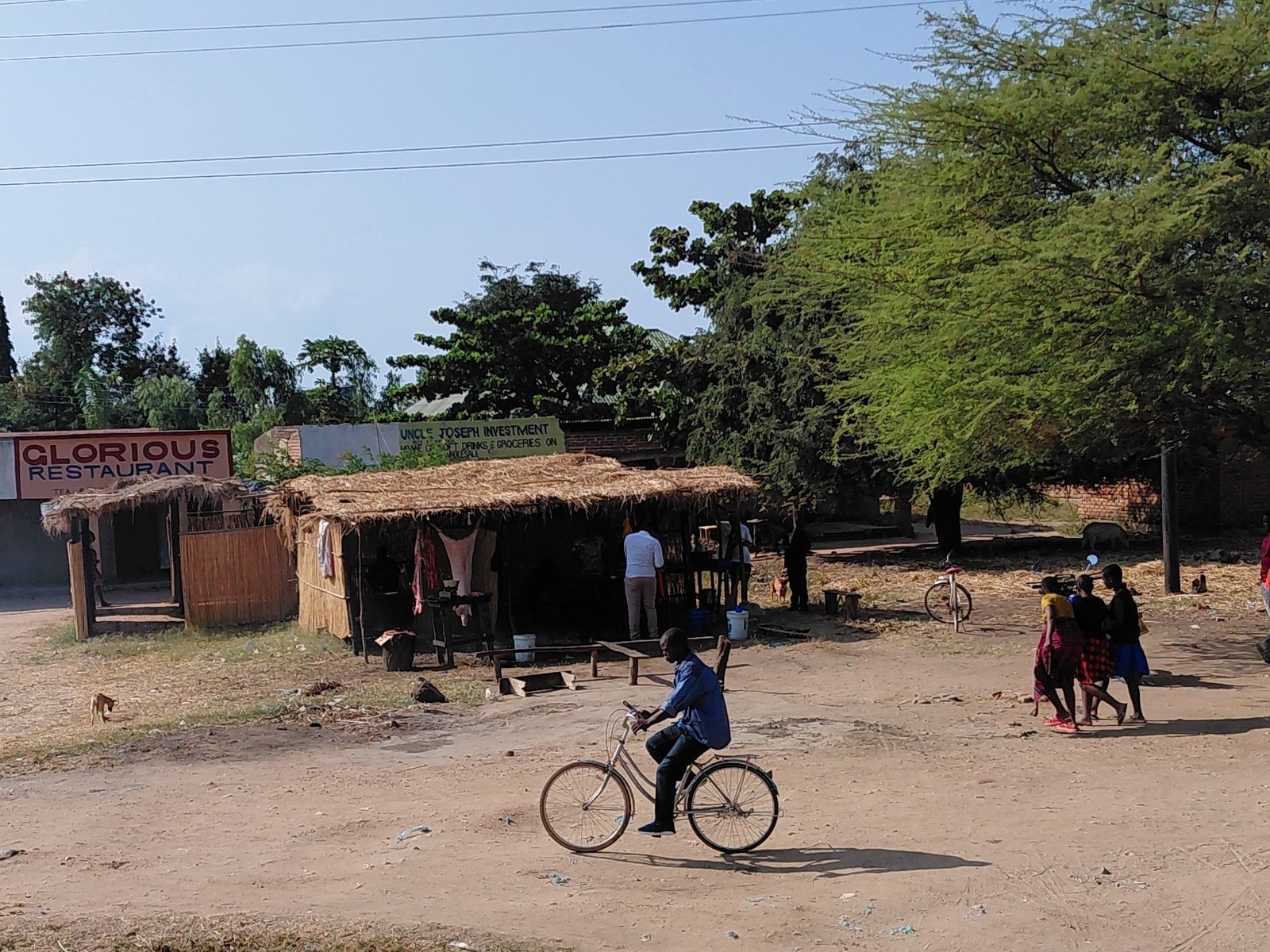
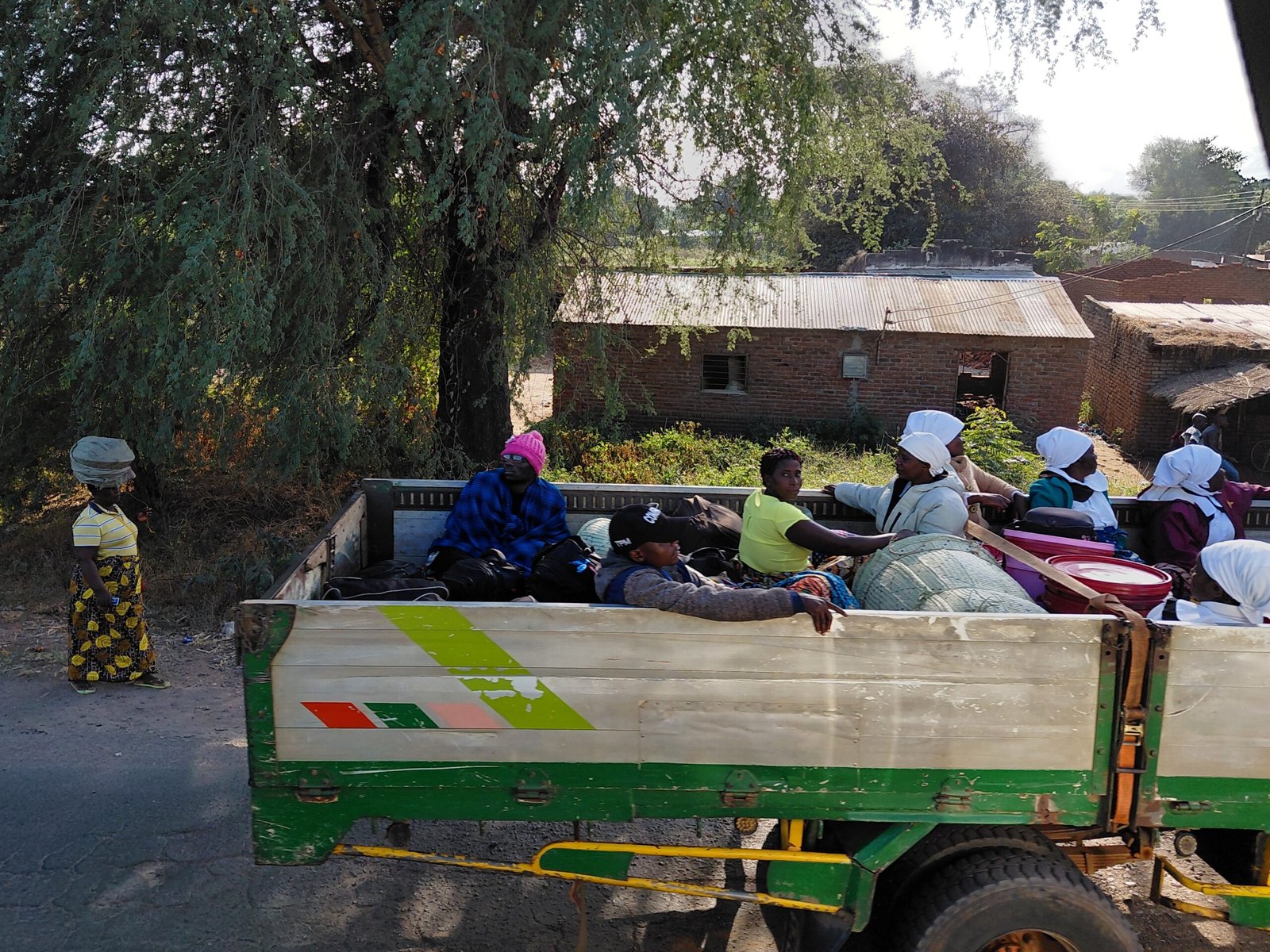
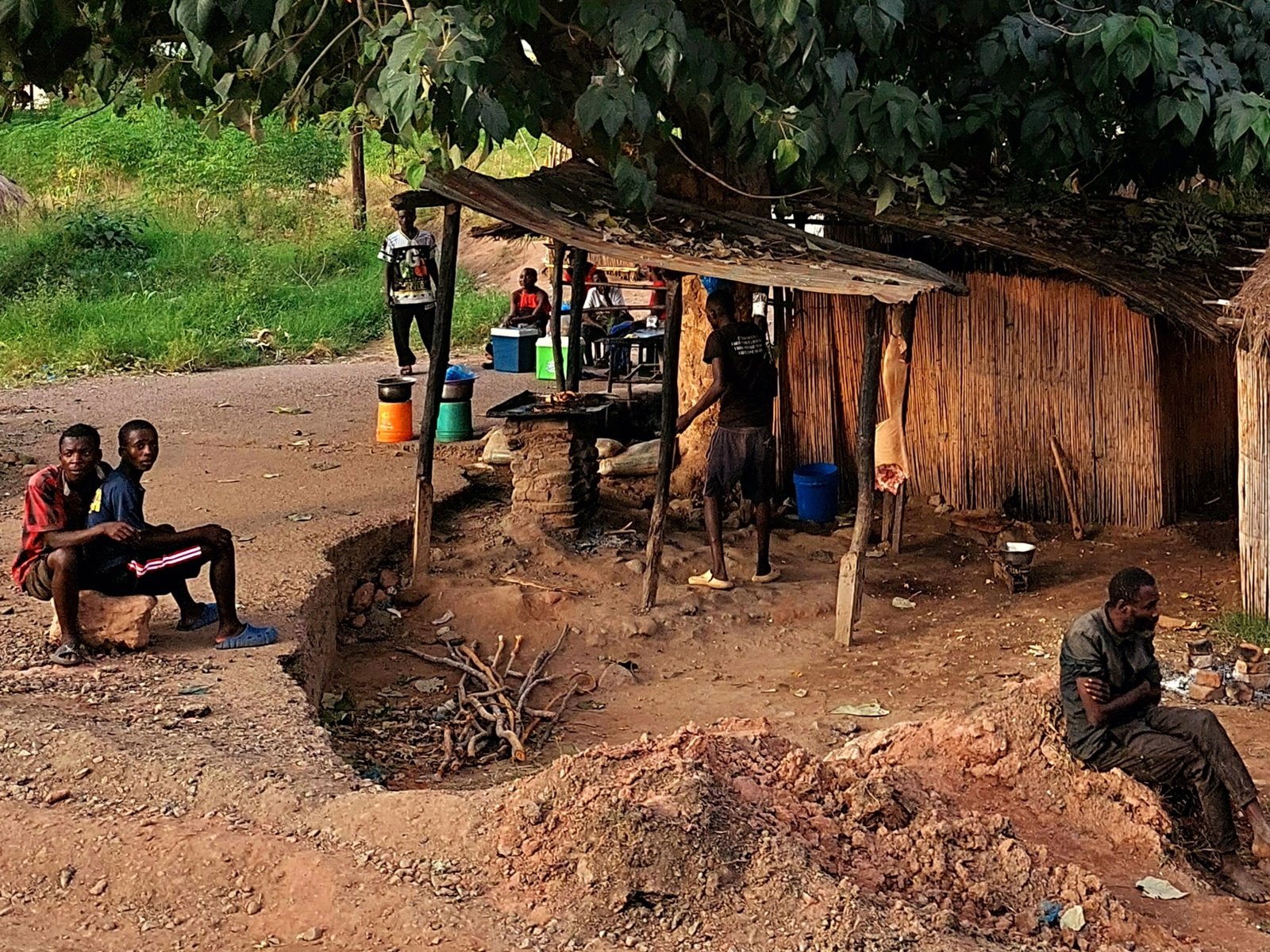
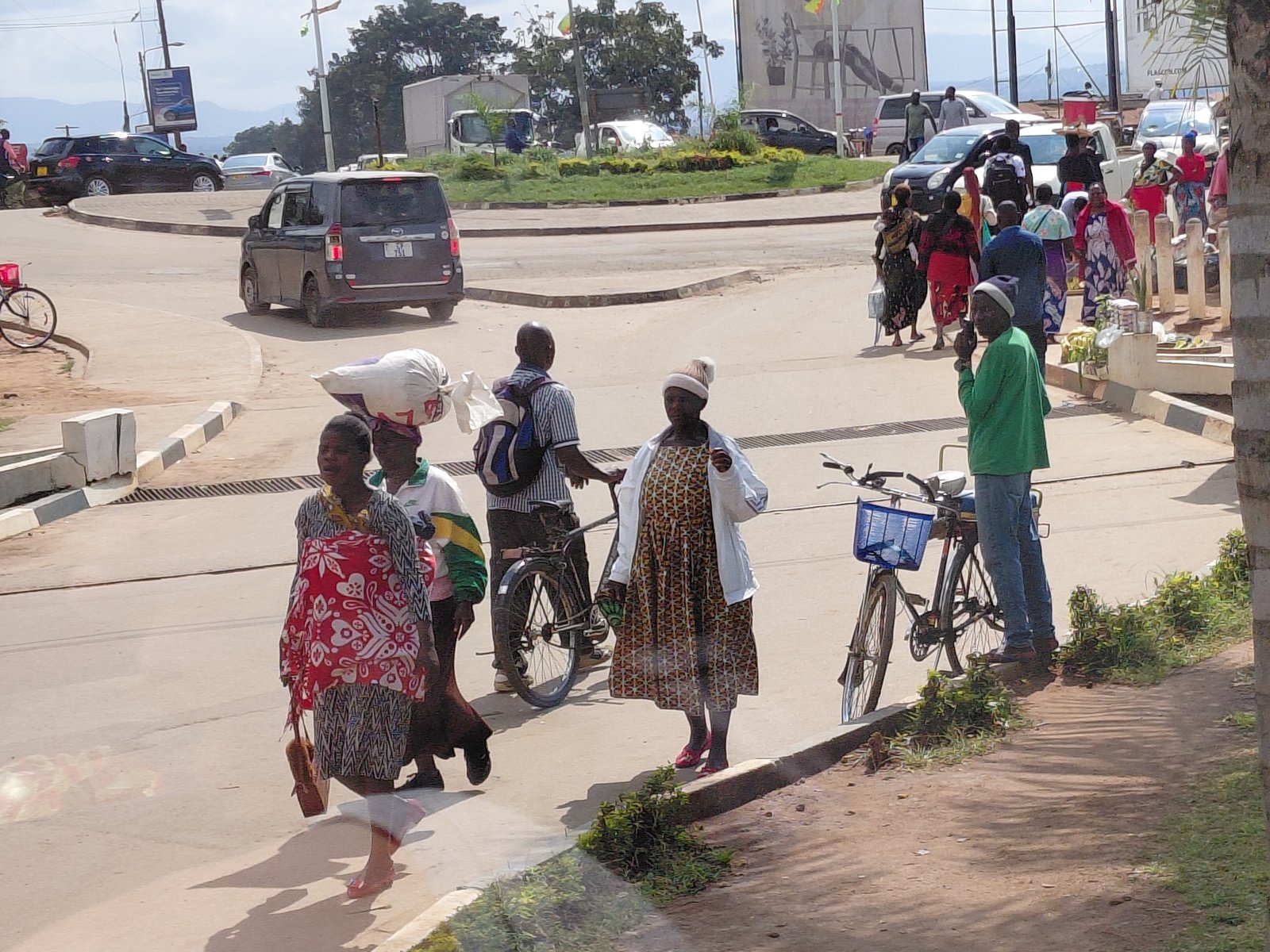
Sights along the way.
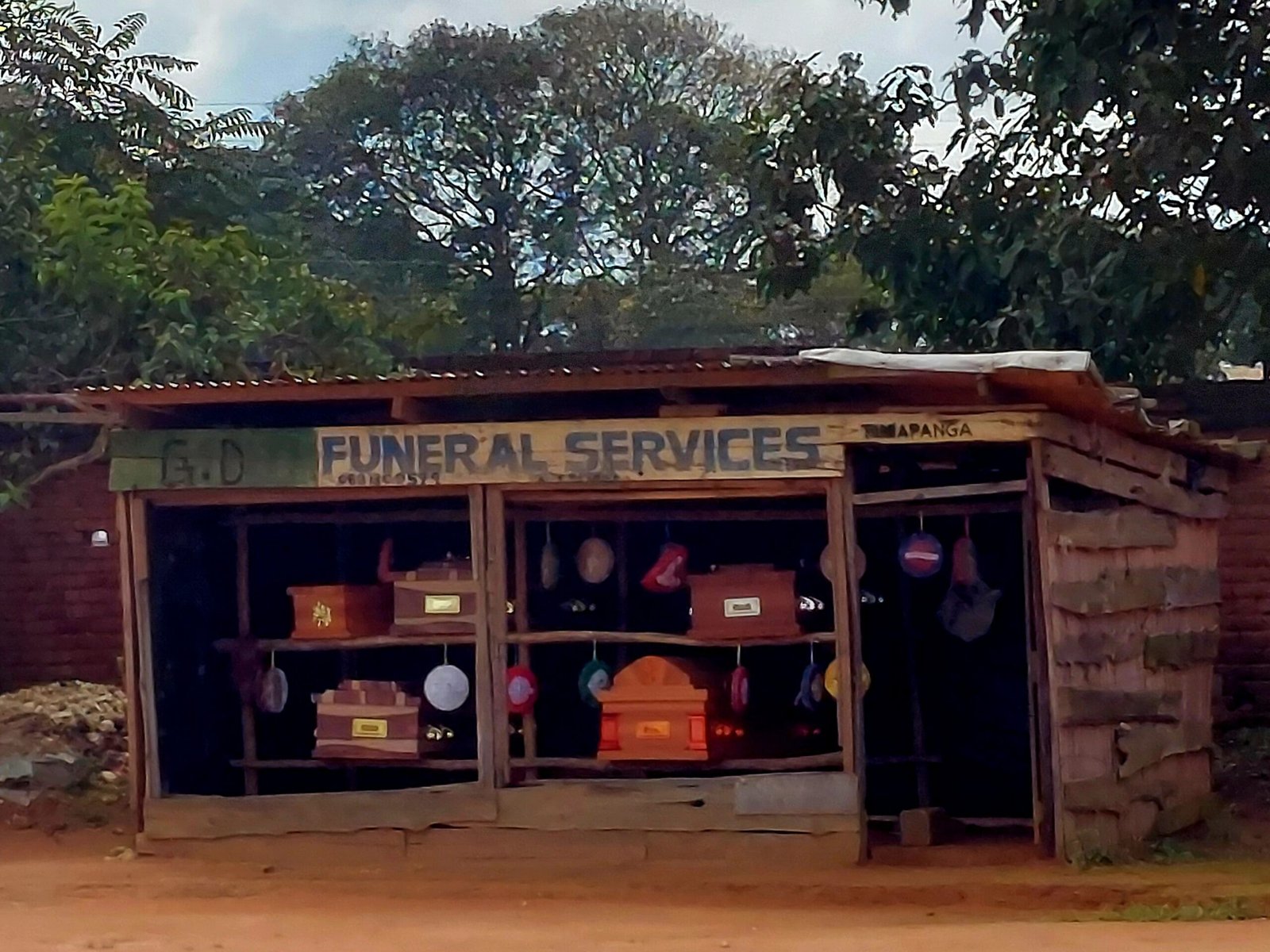
Coffins can also be bought from a roadside stall.
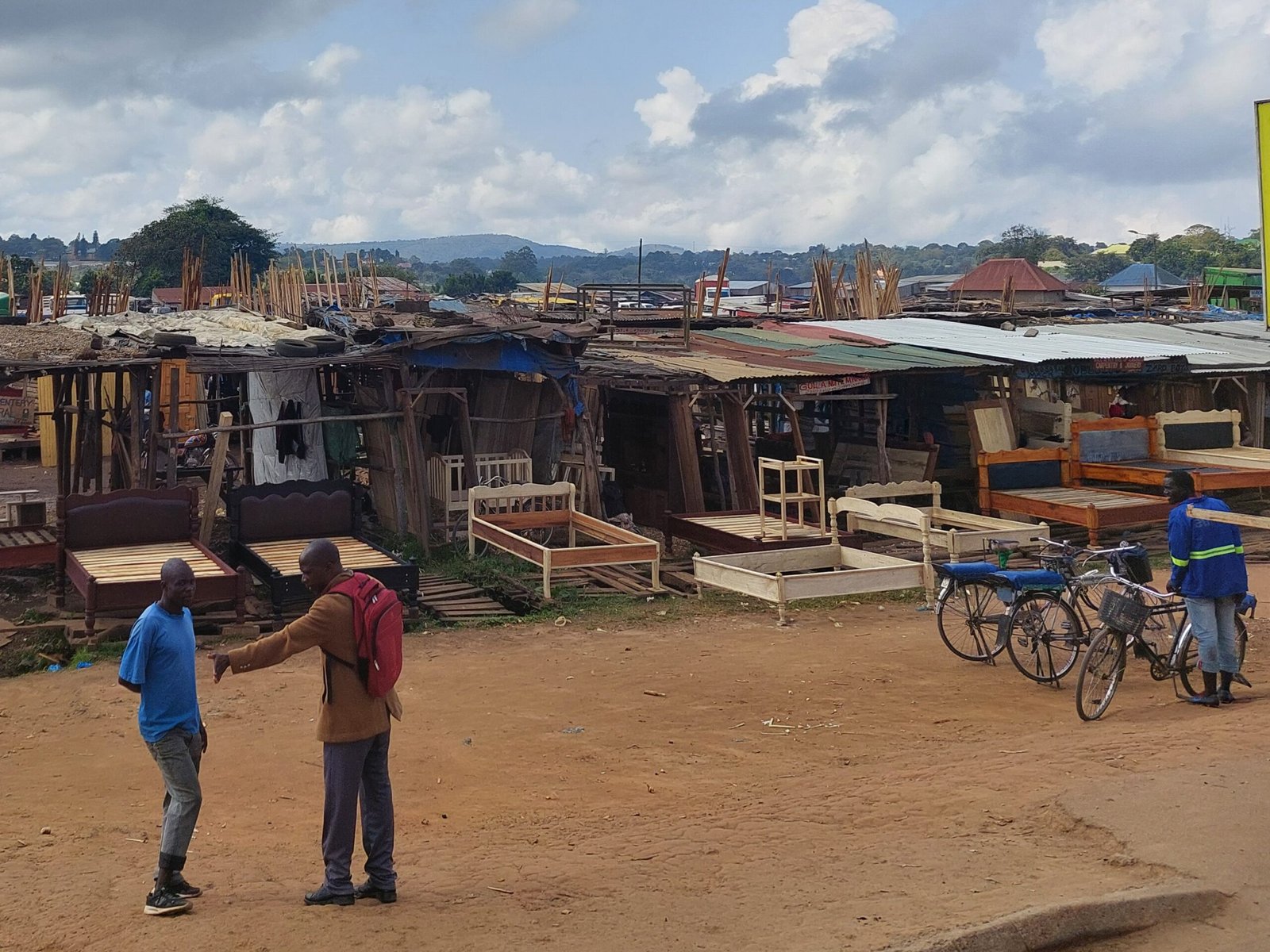
Or perhaps you need a new bed?
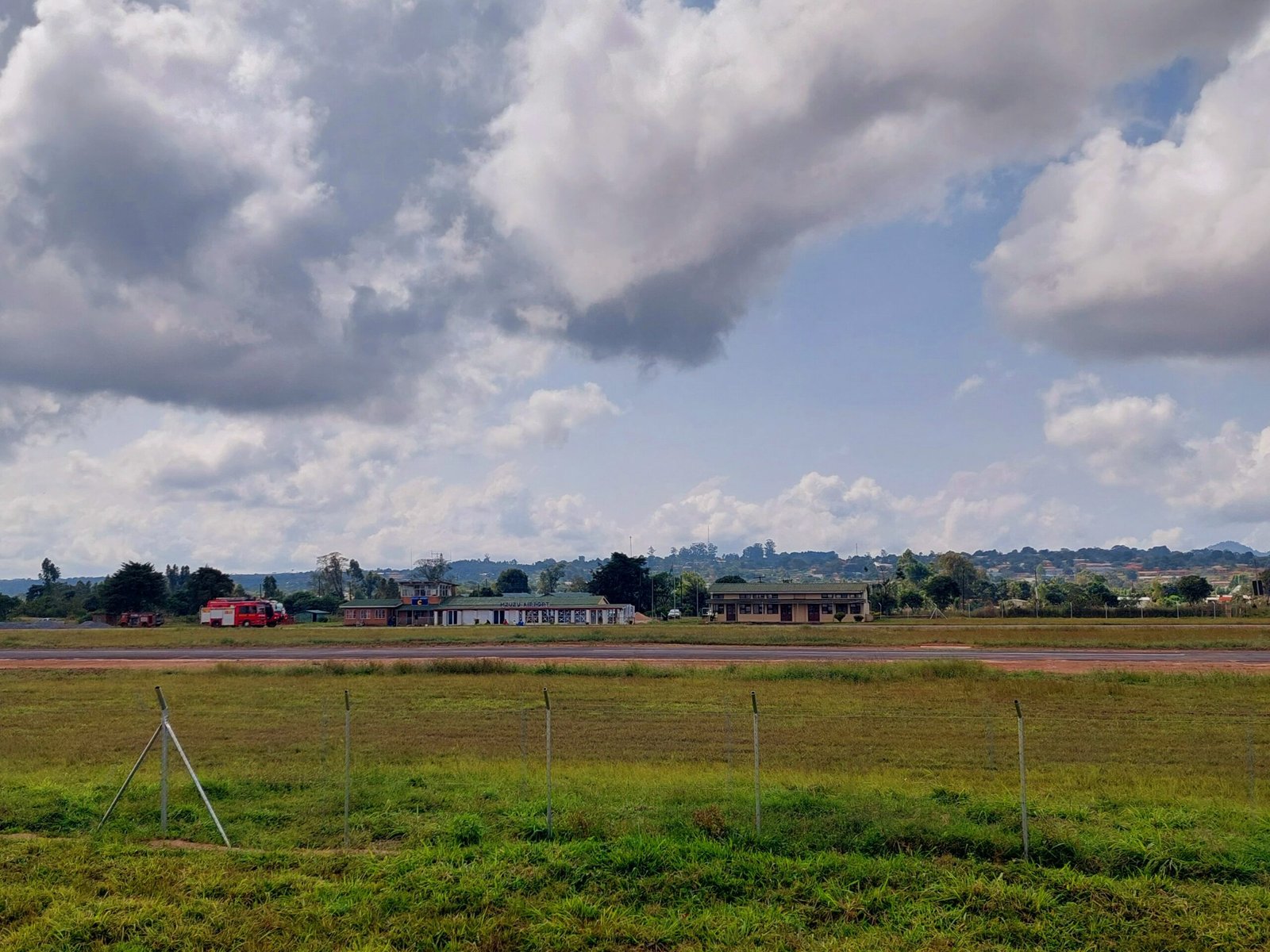
We're assuming this isn't an international airport.
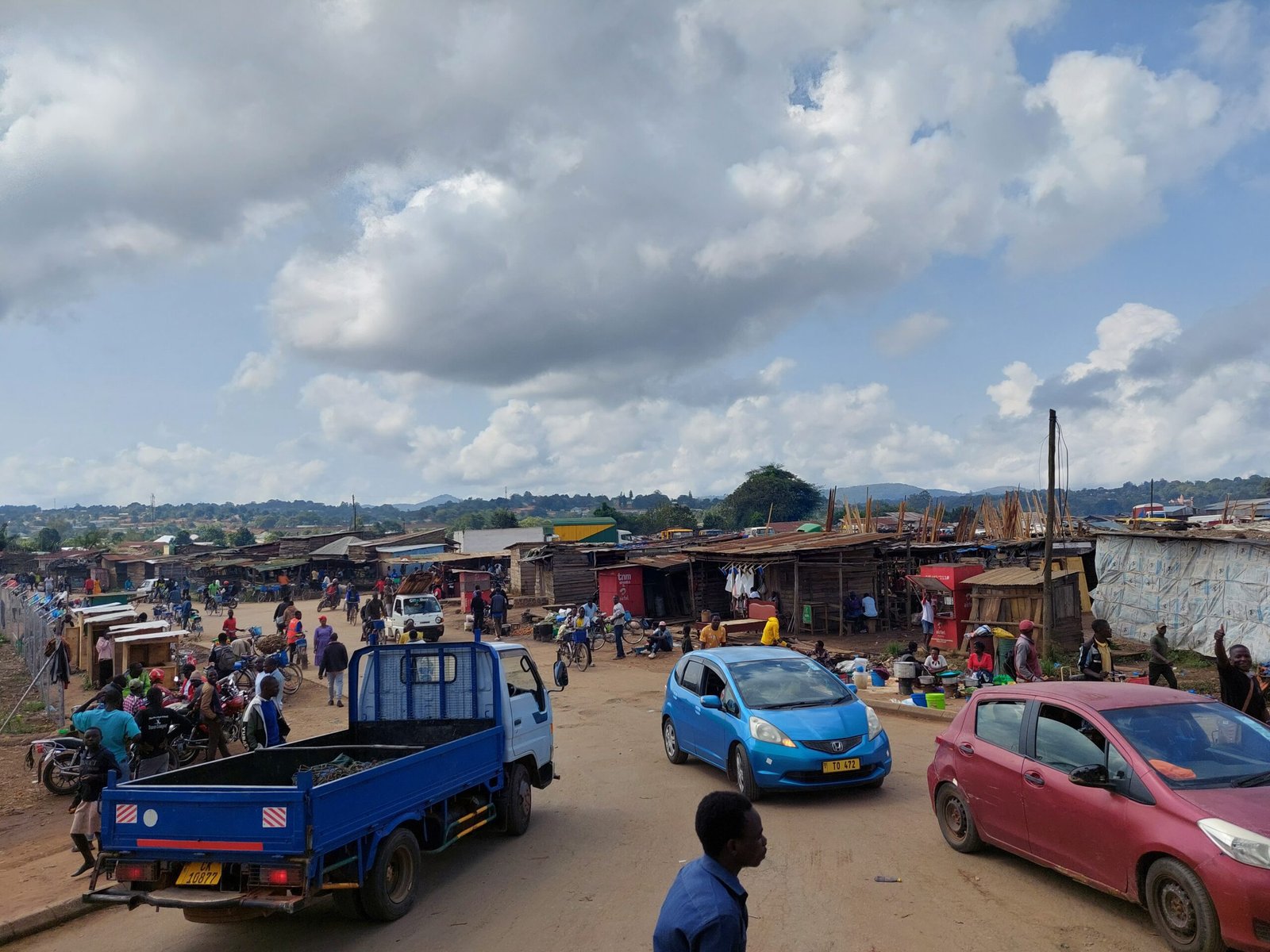
The marketplace next to the airport was bustling.
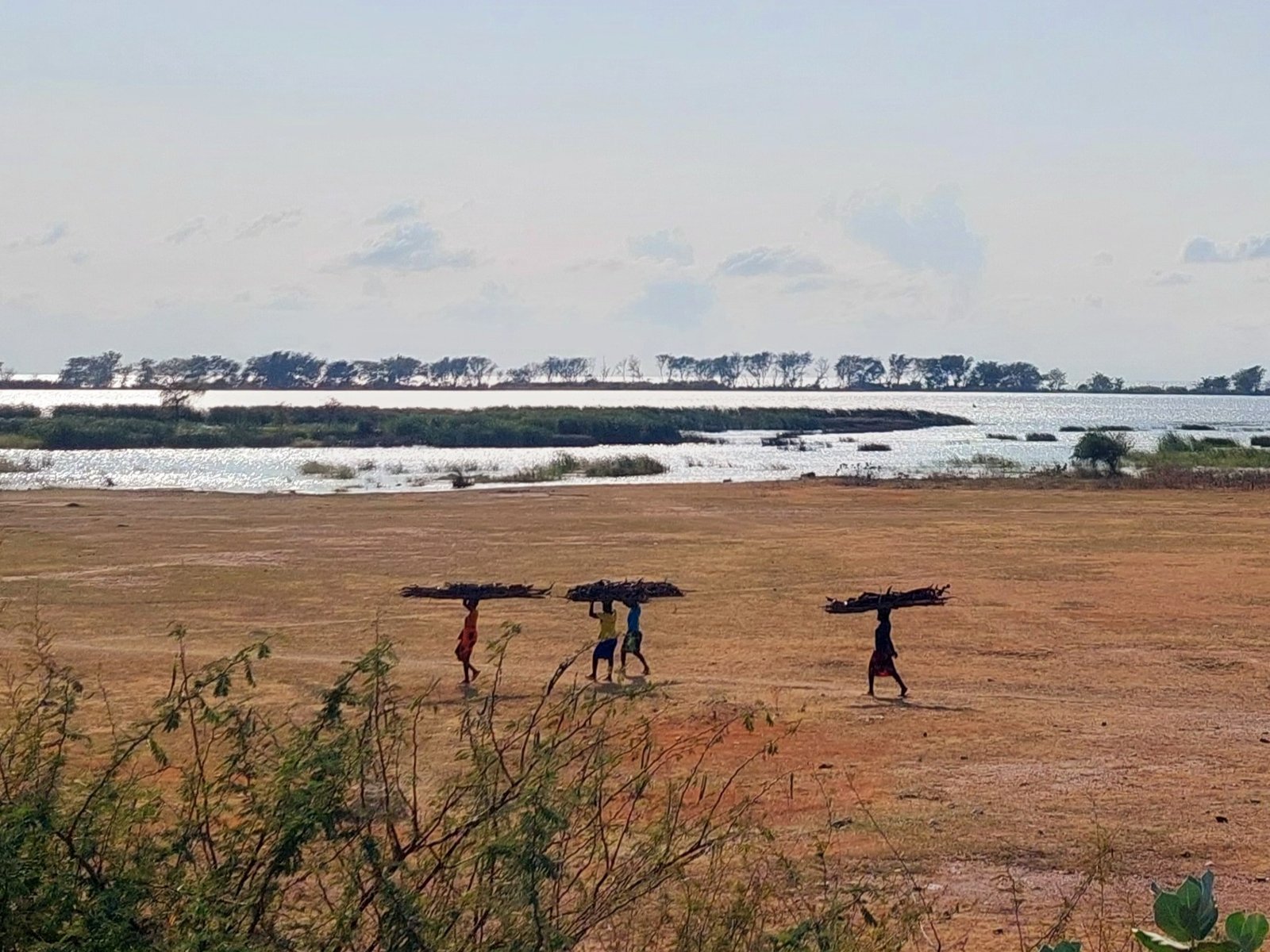
Lake Malawi is the ninth largest lake in the world.
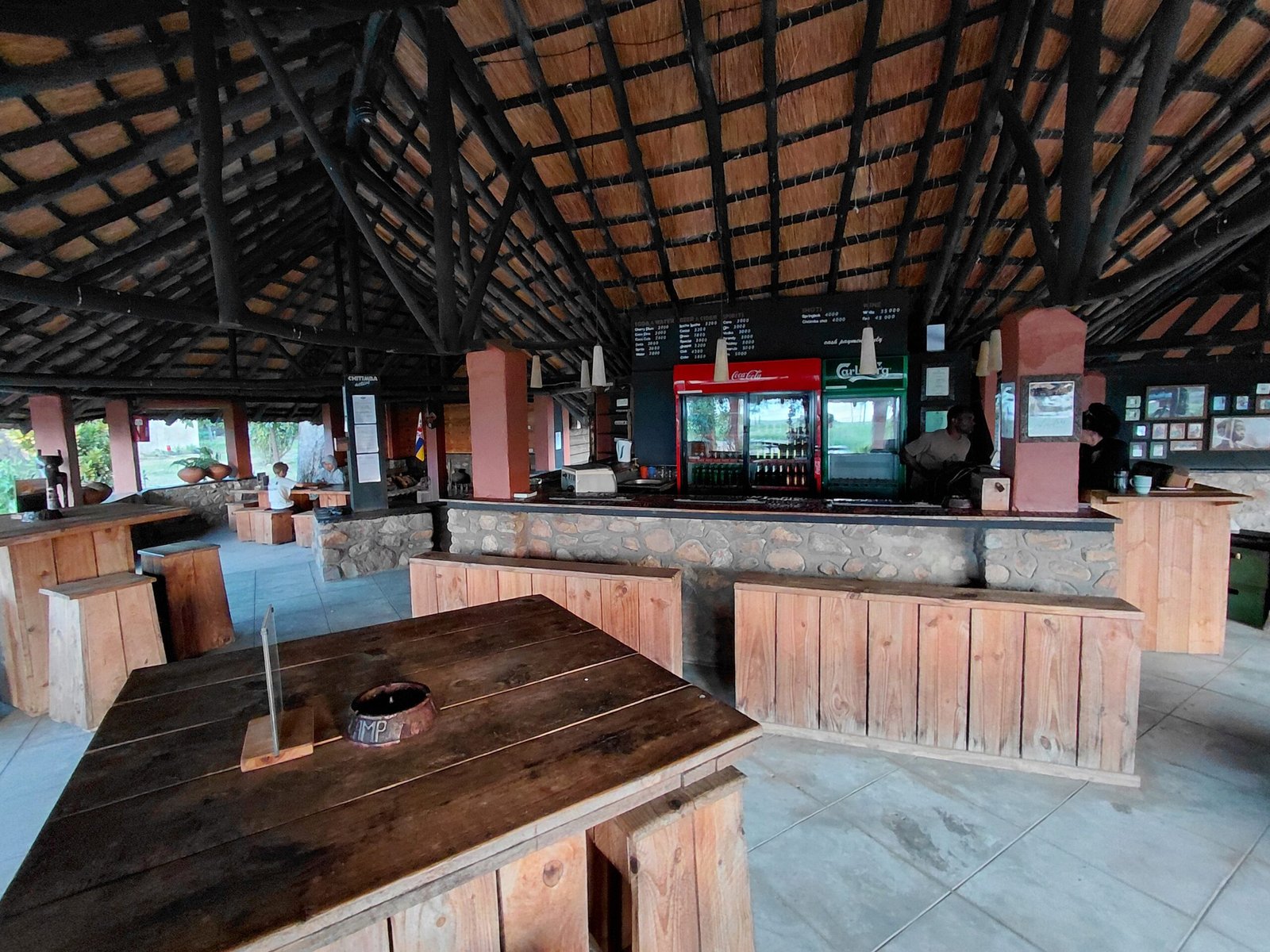
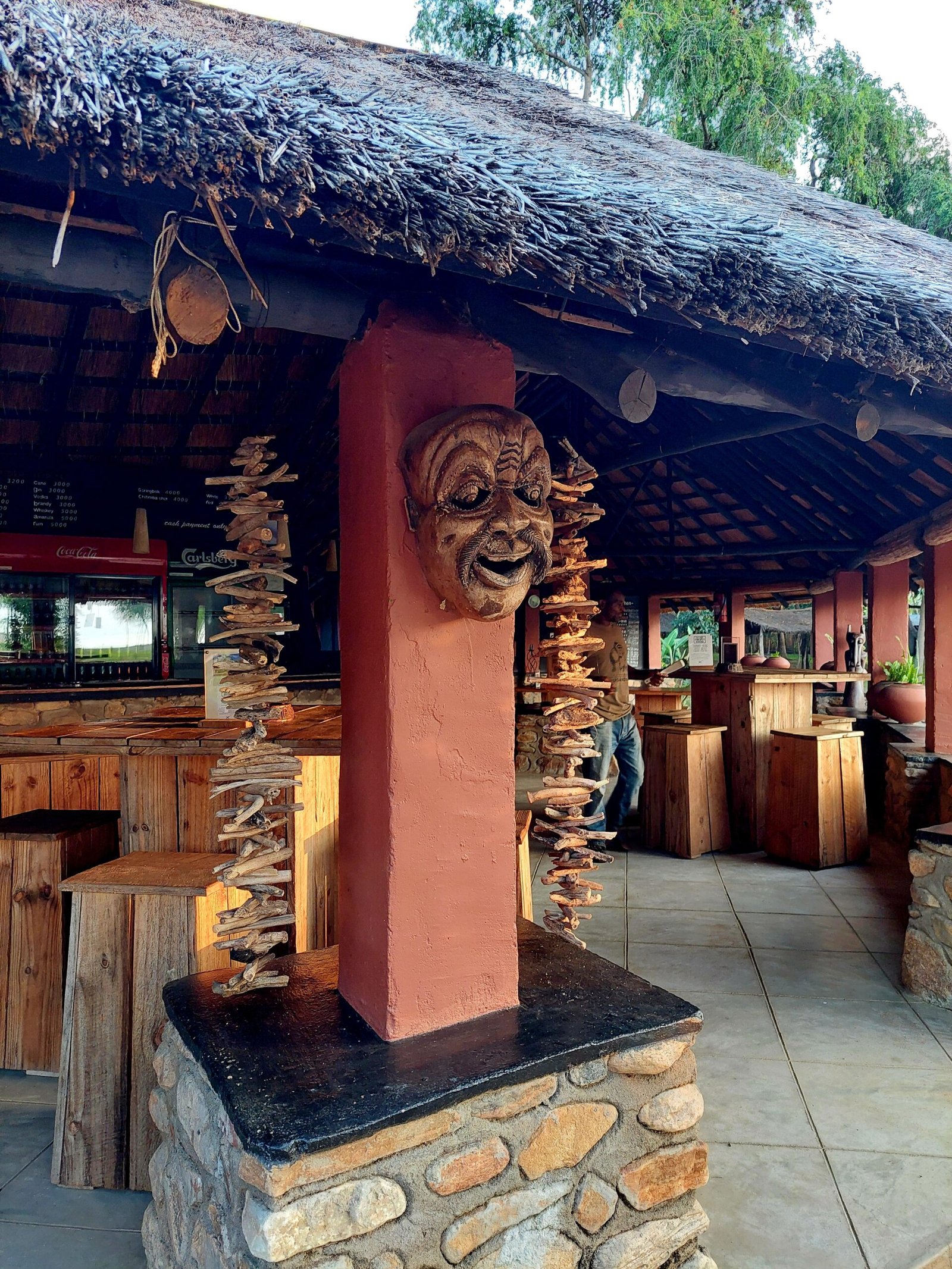
It would have been nice to spend a little longer at the Chitimba campsite, as the manager, a Dutch man, was a very interesting guy. Jaana and Marko chatted with him for a long time in the evening before going to bed. 18 years ago, the man had got fed up with the busy western lifestyle and decided to go to Africa with his wife to run an accommodation business. Originally they had their eye on a place in Zambia, but then they had heard of a campsite for sale in Malawi and bought it. The place had been in a shambles, so they tore it all down to the bare bones and rebuilt everything. The husband’s former profession as a furniture designer certainly helped. In addition to designing furniture, the owner had been a guitar tuner for various bands, but the guitar work had given way to photography. Nowadays, in addition to his accommodation business, he is a photographer, and gives 20% of the proceeds from the photographs he sells to the local people who feature in his pictures. He had also built a school in the mountains a little further away, with 1,000 students and six teachers. He also seemed to have his heart in the right place, letting his workers grow rice to feed themselves on the campsite’s land. We assume he also paid them a little more than the Malawian minimum wage of €1/day.
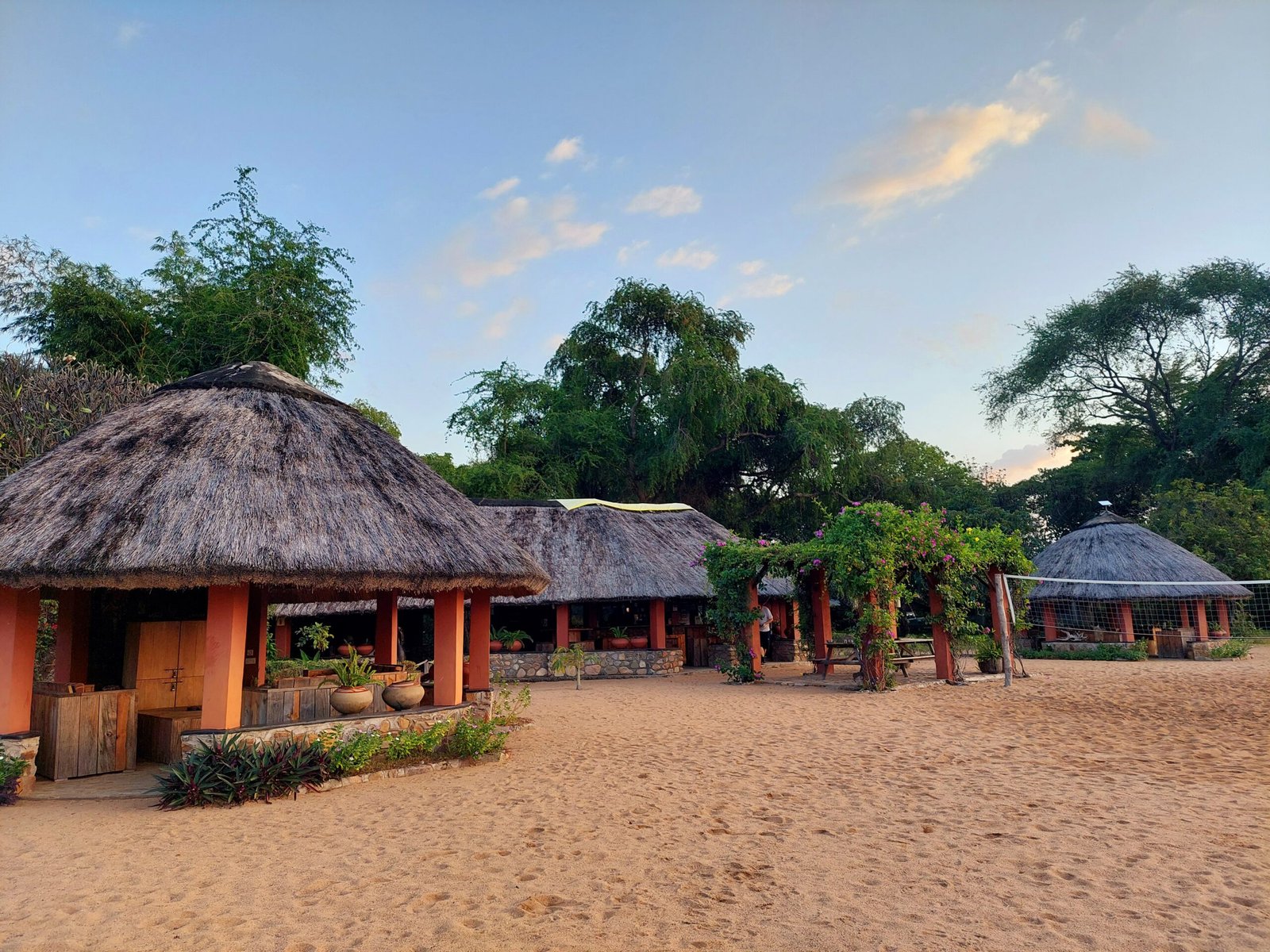
Chitimba Beach Lodge
This is the campsite's "donkey boiler", or hot water system.
This is what happens when the truck door is left open in the evening... A clear case for some Doom mosquito spray!
Between the campsite and the beach, workers were allowed to grow their own rice.
Not all children in Malawi still get to go to school.
On Friday, we left at 6:30 am to continue our journey towards the Malawi-Tanzania border. Before the border we had to get rid of all plastic bags, as in Tanzania plastic bags are prohibited. We didn’t quite follow this rule, though, as we had packed all our clothes in plastic bags in our backpacks. We didn’t throw the laundry and shoe bags away, but did get rid of the other plastic bags. At the border, we were a little nervous about what would happen if the officials started to rummage through our rucksacks, but fortunately this did not happen.
Sights along the way
We have seen several of these open-air billiard halls.