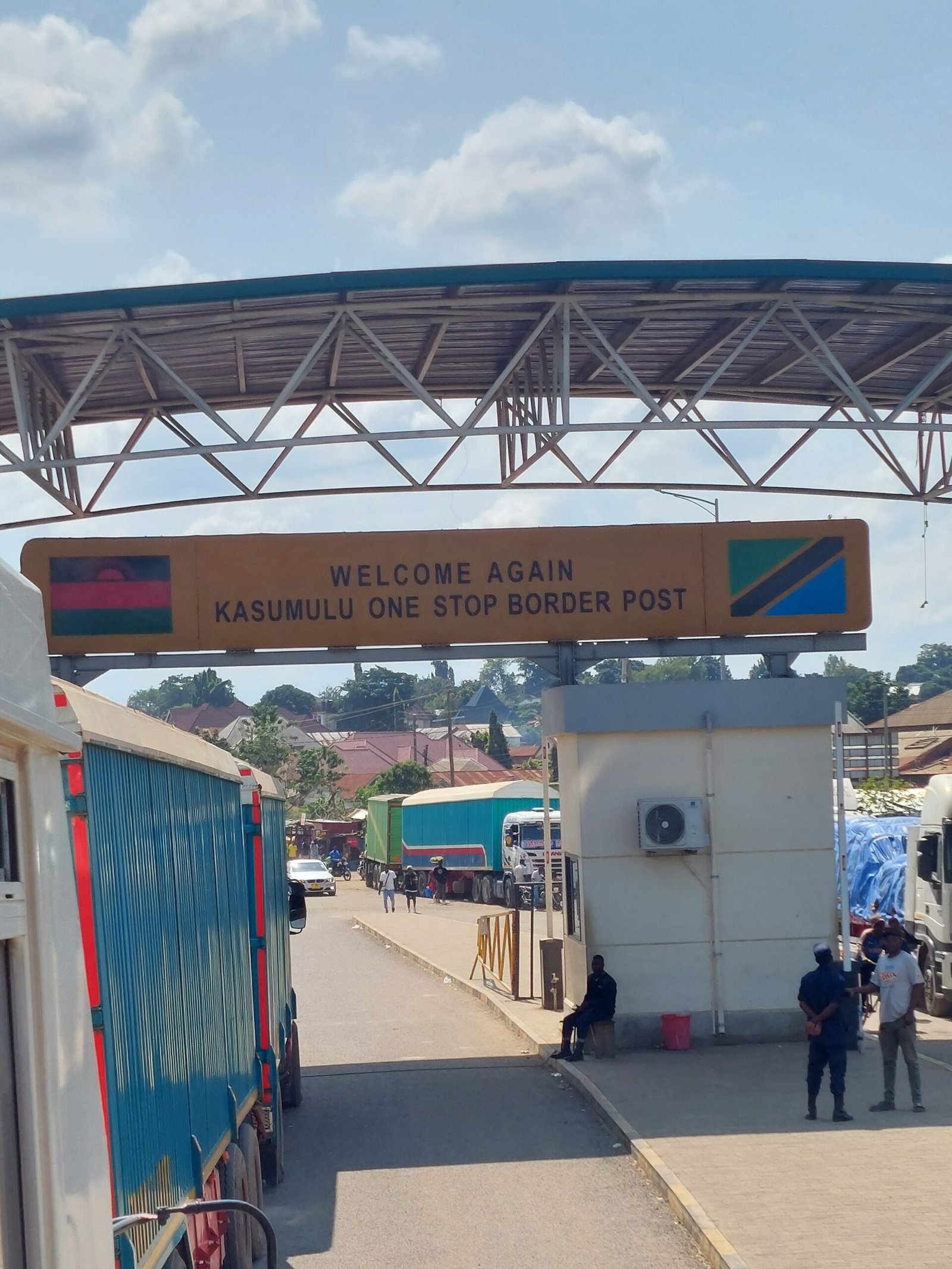
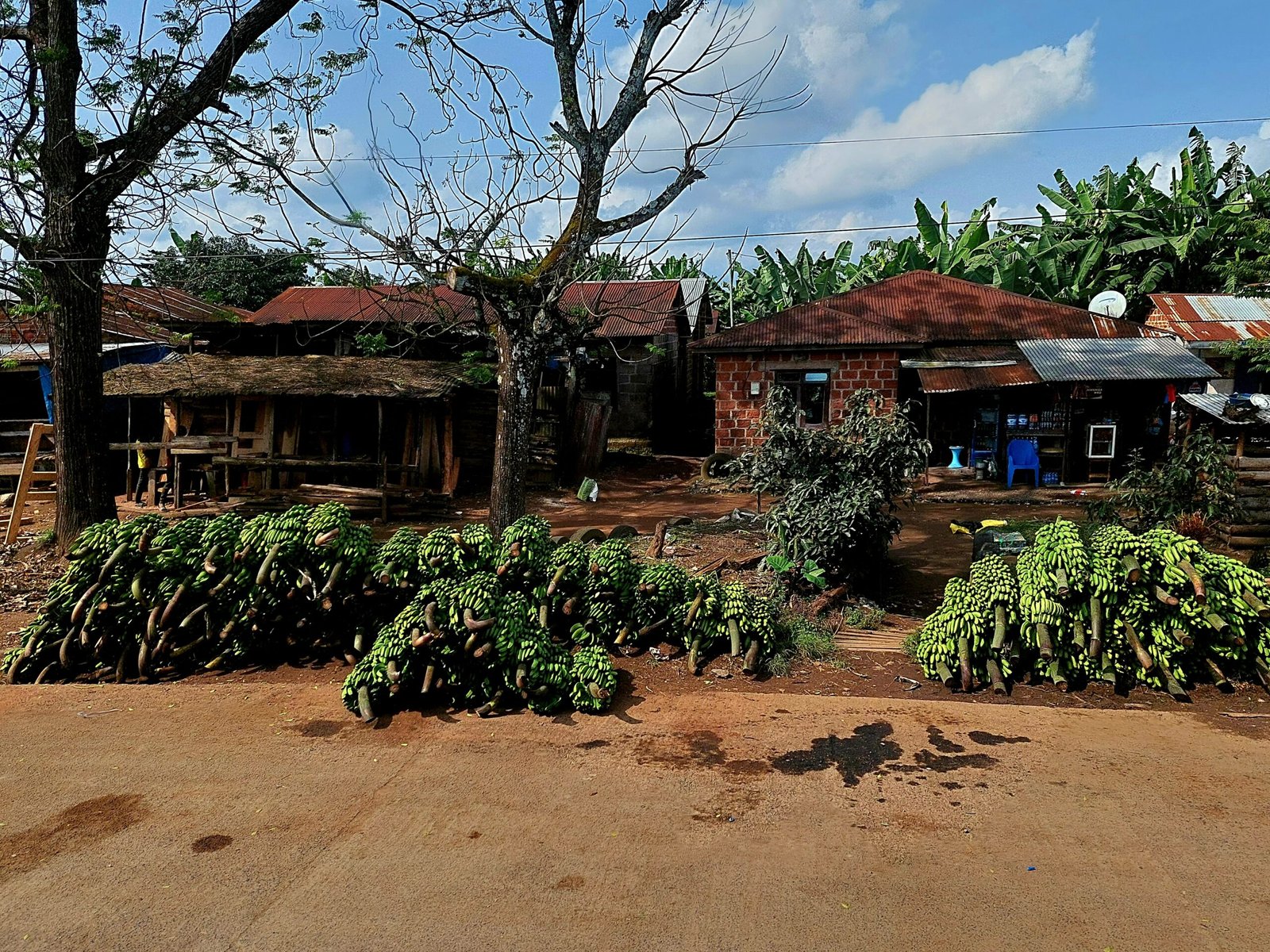
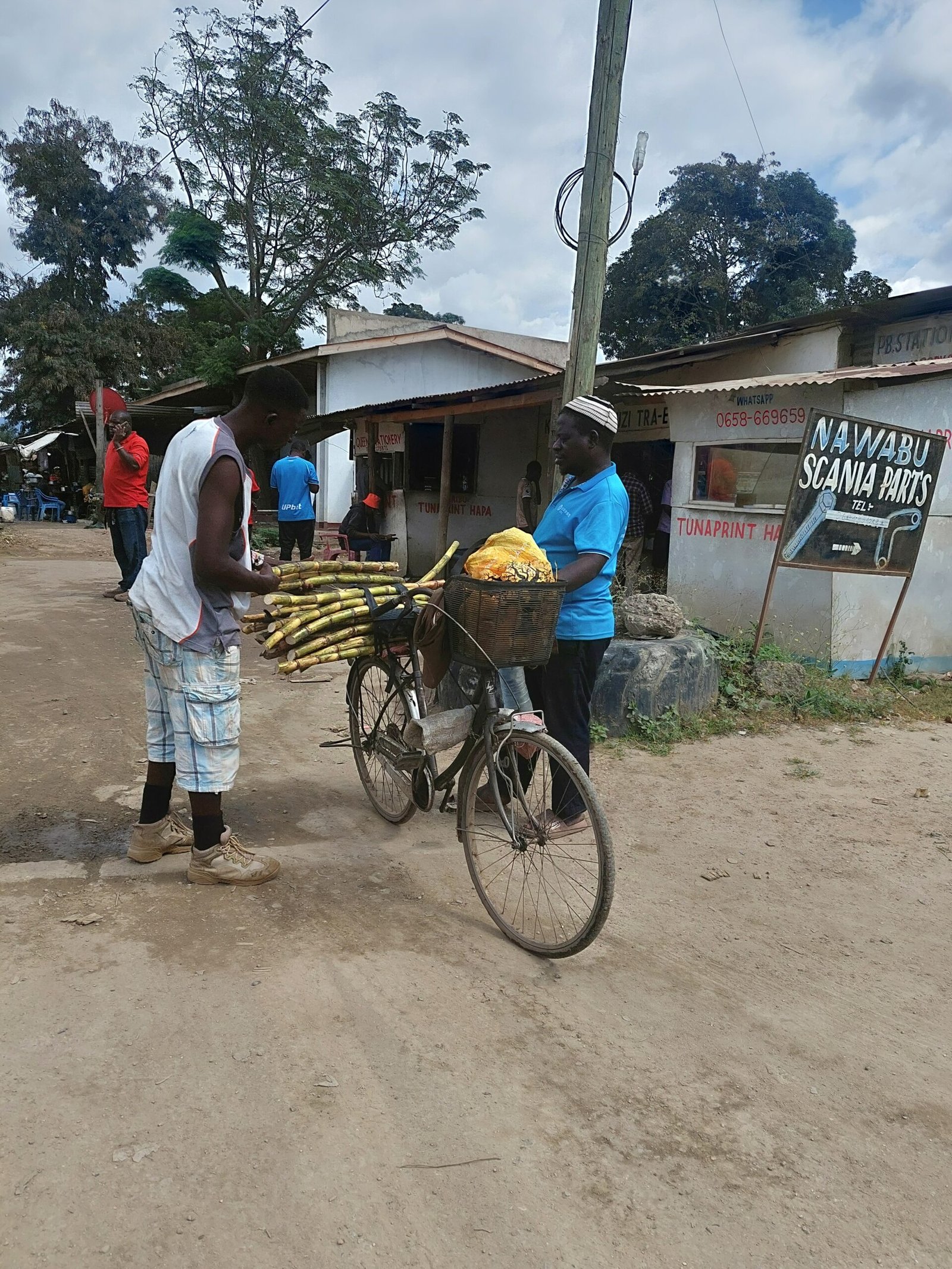
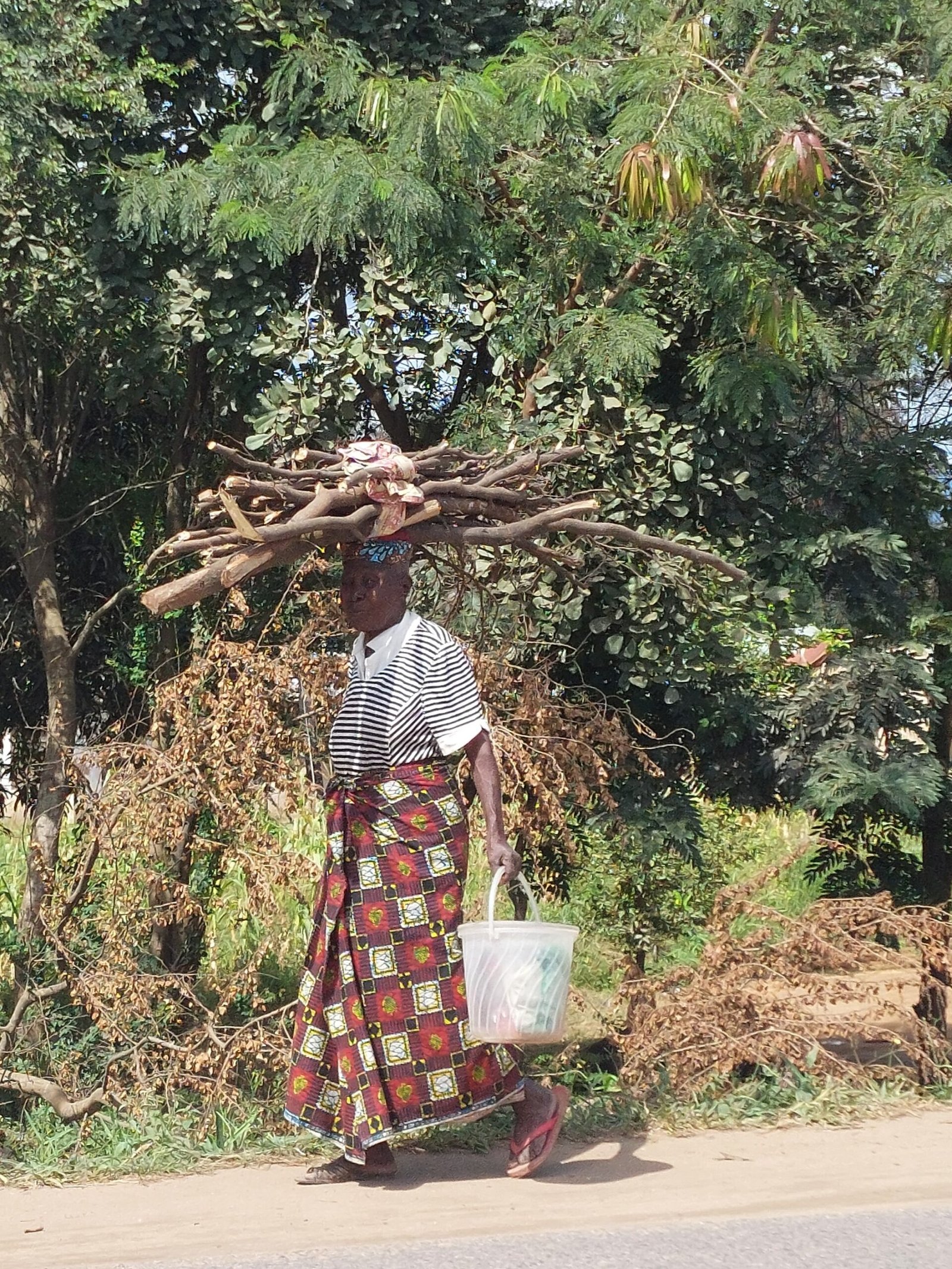
The Tanzanian border formalities took quite a long time. Some of us did not have visas bought in advance, so it took some time to get them. In addition, the border officials were generally just quite slow-moving, so for the rest of us, checking passports and going through e-visas took time and time again. The whole thing took nearly two hours, but eventually we were all ready to move on. From the border we continued through several small villages towards the coffee plantation of Utengule. From the style of the buildings, you could tell immediately that we had arrived in a new country. All the houses we saw had extremely high roofs. According to Gift, this was because the tin roofs heat up very much in the sun, heating the houses too much. When the roof is higher, it’s not such a problem. As the journey was again very slow, we arrived at our destination after dark. Fortunately, this time we didn’t have to pitch tents, as we all stayed neatly indoors for the night. The accommodated travellers stayed in hotel rooms in the main building and the rest of us had two large bungalows reserved for us. Our bungalow had three bedrooms, so we were joined for the night by the Americans Meg and Gabby.
Welcome to Tanzania!
The boys doing the dishes during the lunch break.
Tanzanian roof architecture
The road to the coffee plantation went through the mountains.
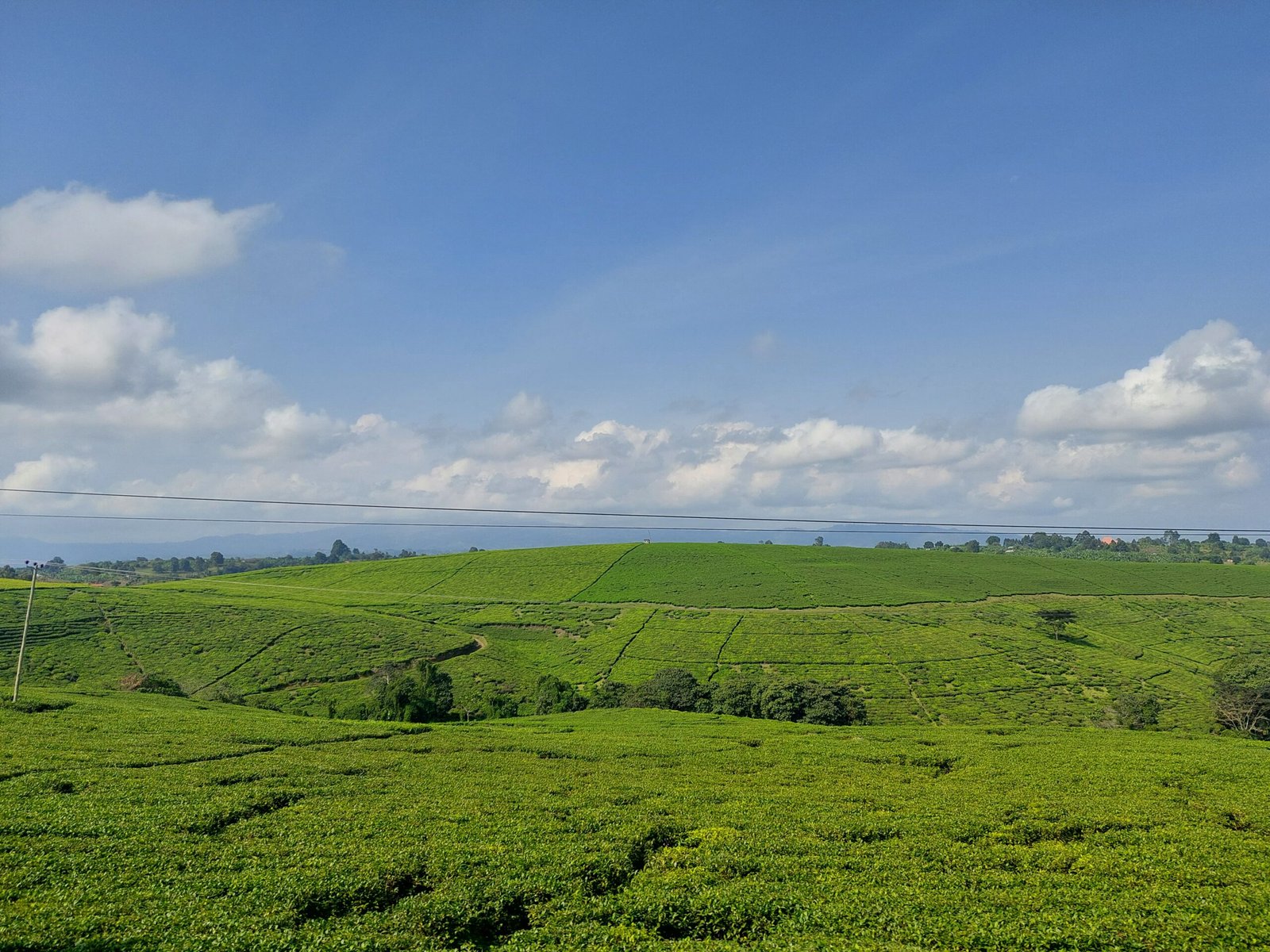
In addition to coffee, tea is also grown in the area.
We could have gladly stayed another night in these landscapes.
The adult master bedroom looked like this.
The children got a bunk bed.
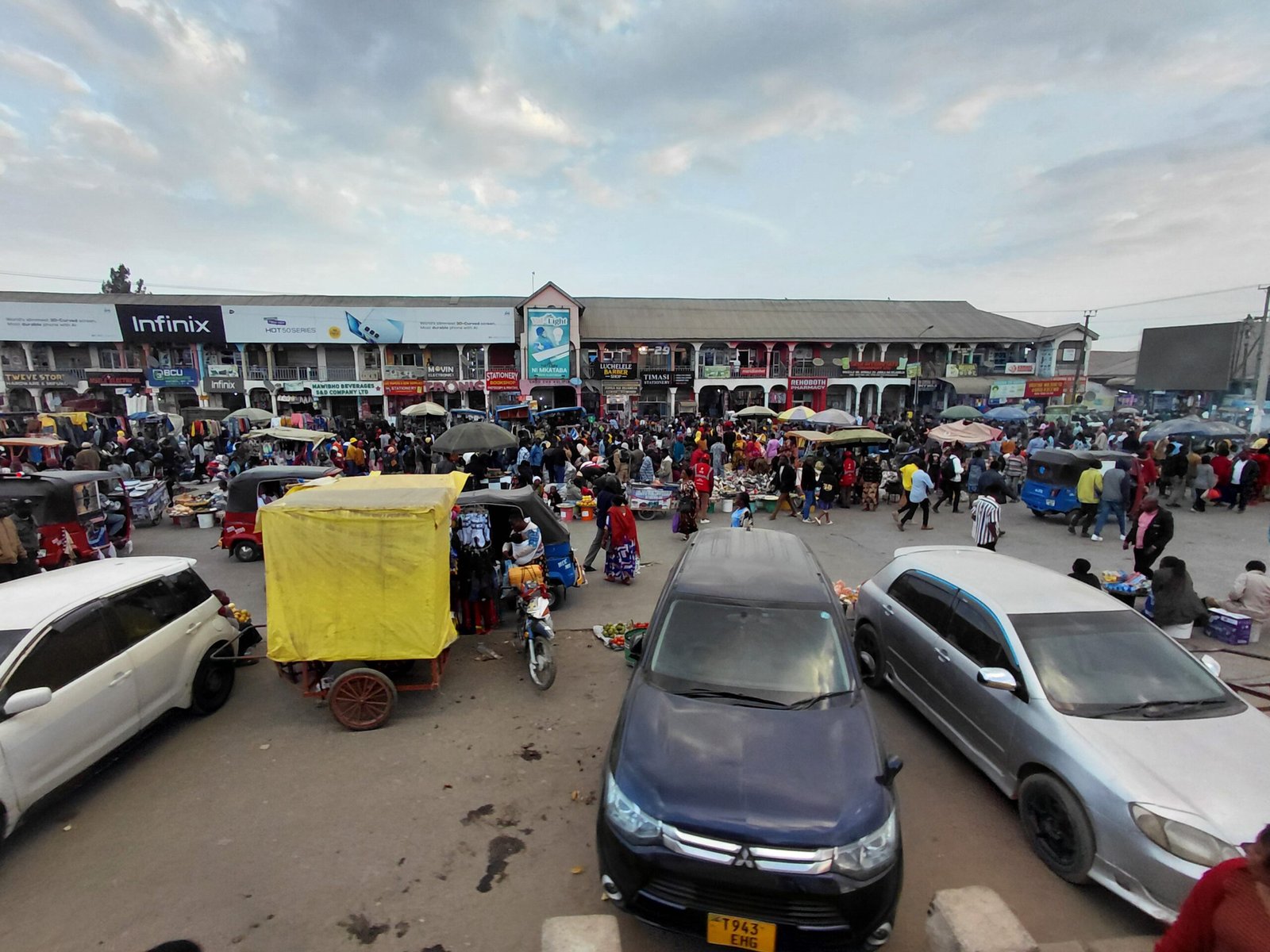
Utengule was just outside the town of Mbeya, and to get there we had to drive through the whole town. As it is the only road in the region that connects Dar es Salaam with Zambia and Congo, among others, there is a huge amount of truck traffic on the road in both directions. Add to that Mbeya’s own traffic and our average speed was about 18km/h. It took us two hours to drive around the city. Although the slow progress was probably annoying for all travellers, on the other hand it was really interesting to watch the local life on a Friday night from the truck windows.
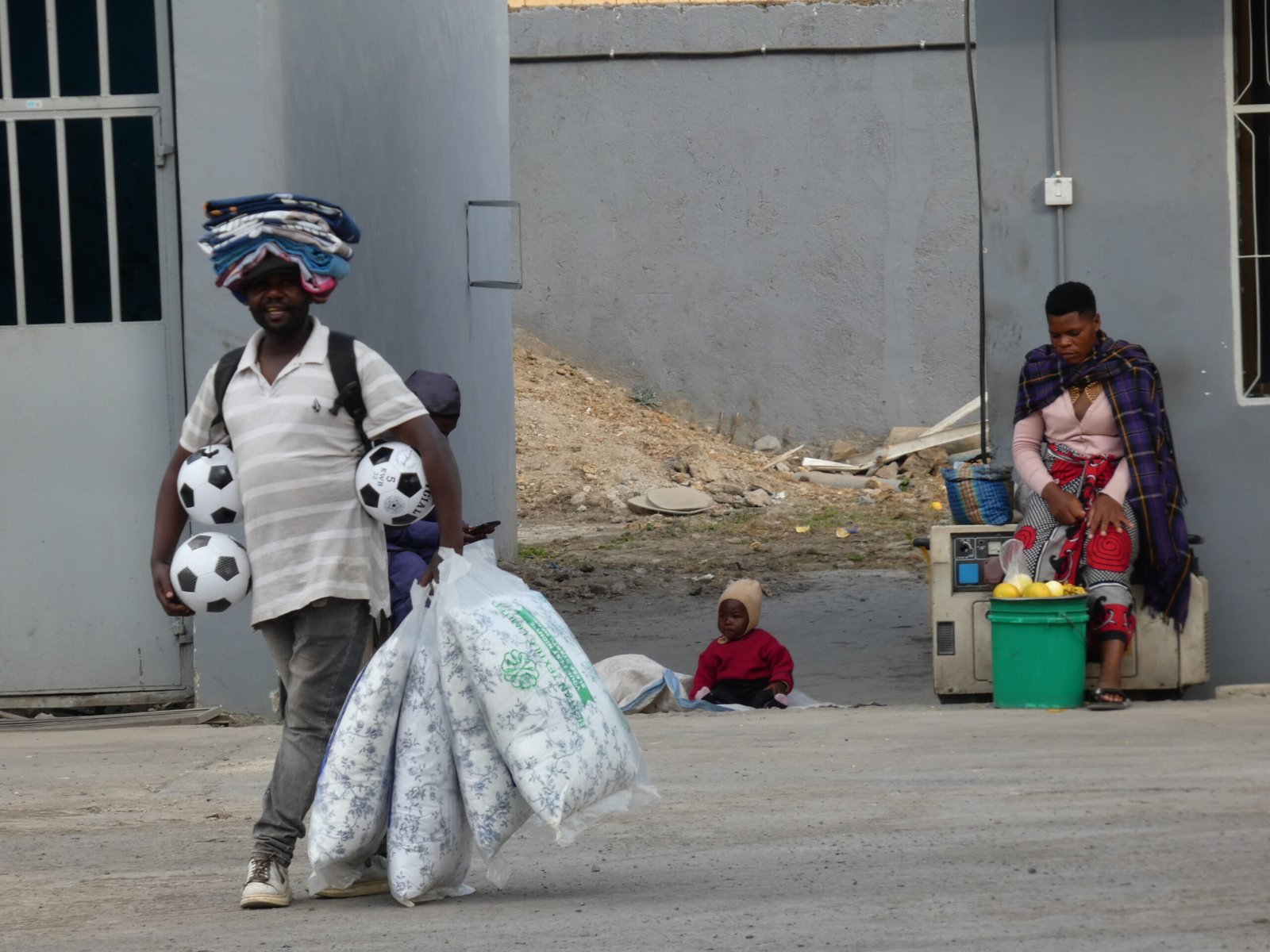
Friday night shopping rush in Mbeya.
According to all safety regulations, you think?
Lead car of a funeral convoy, with pop blaring out of it. The motorcycles followed, and finally the coffin.
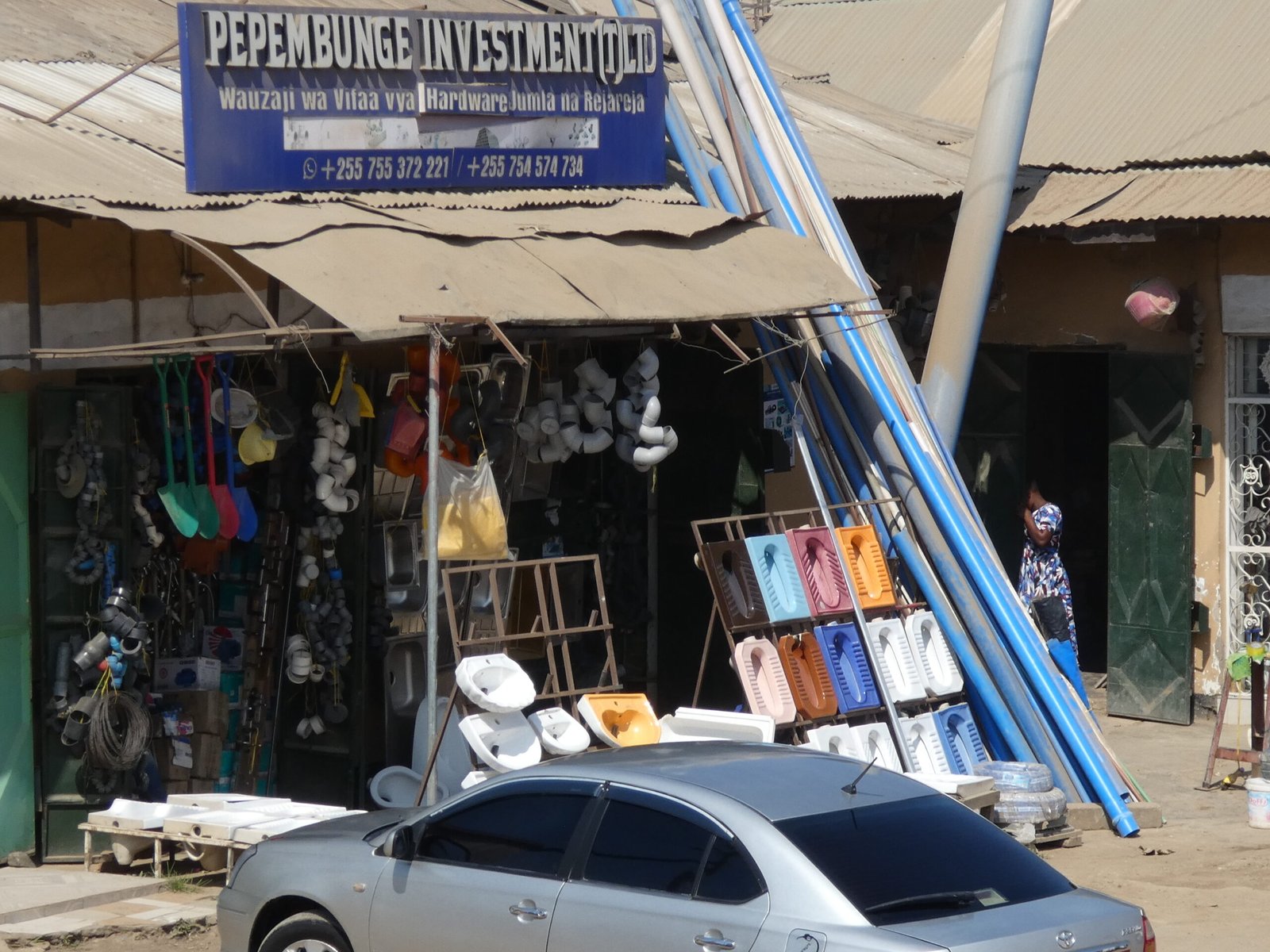
A squat toilet, anyone?
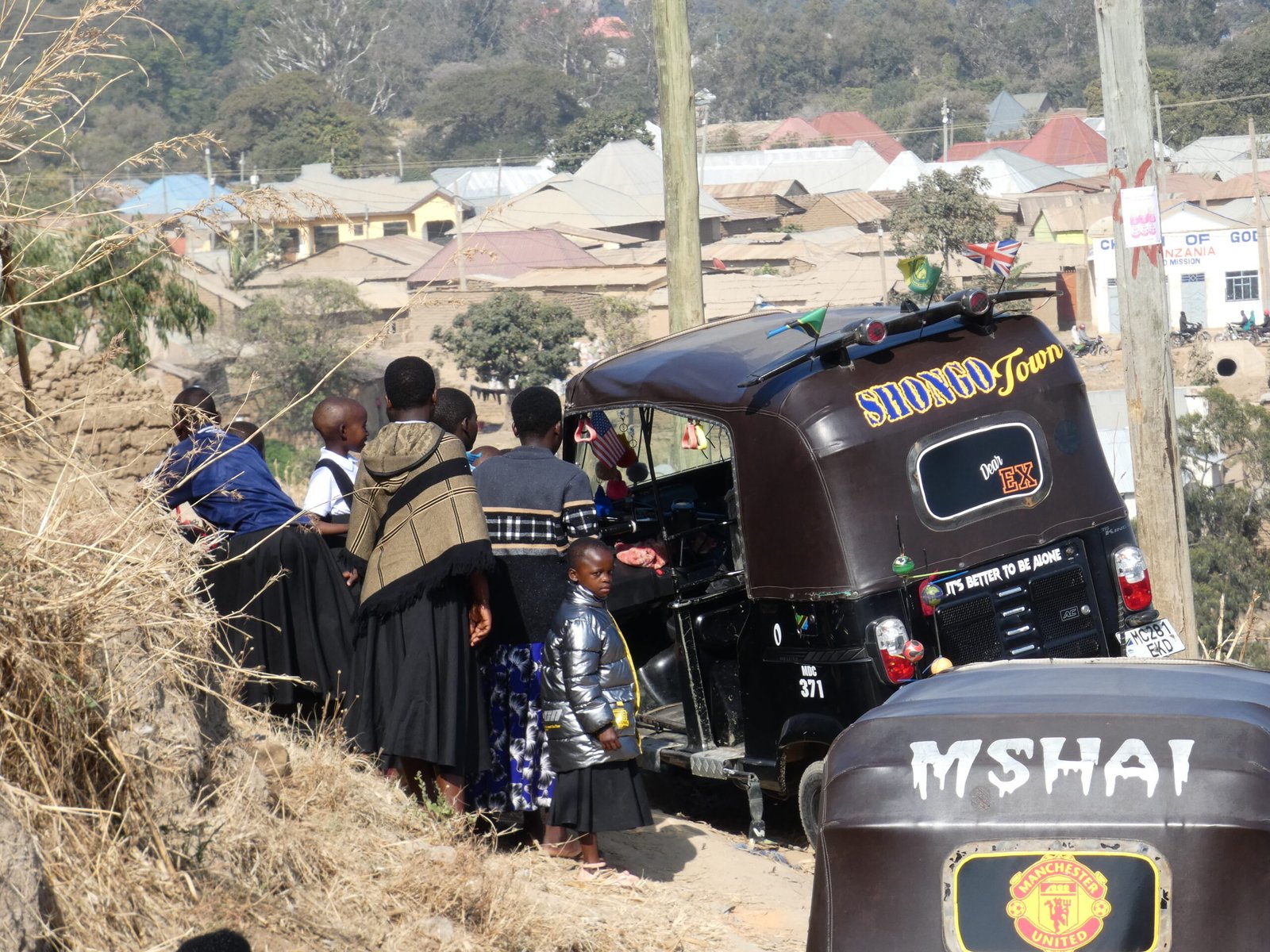
Tuktuks are the most common mode of transport around here. They are driven to the most amazing places, sometimes with good and sometimes with bad results. This tuktuk got stuck on a bumpy hill, and 10 passengers got out.
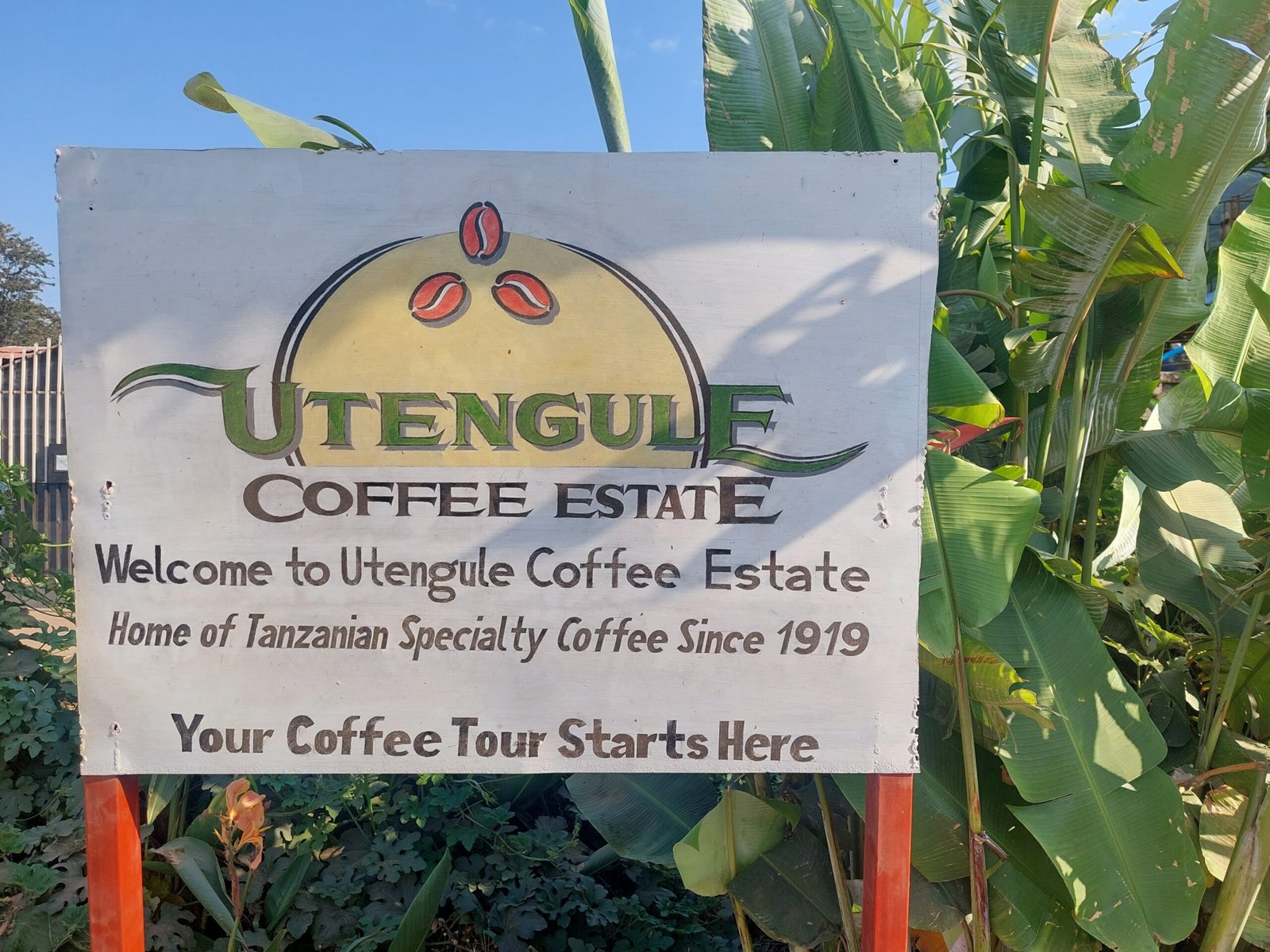
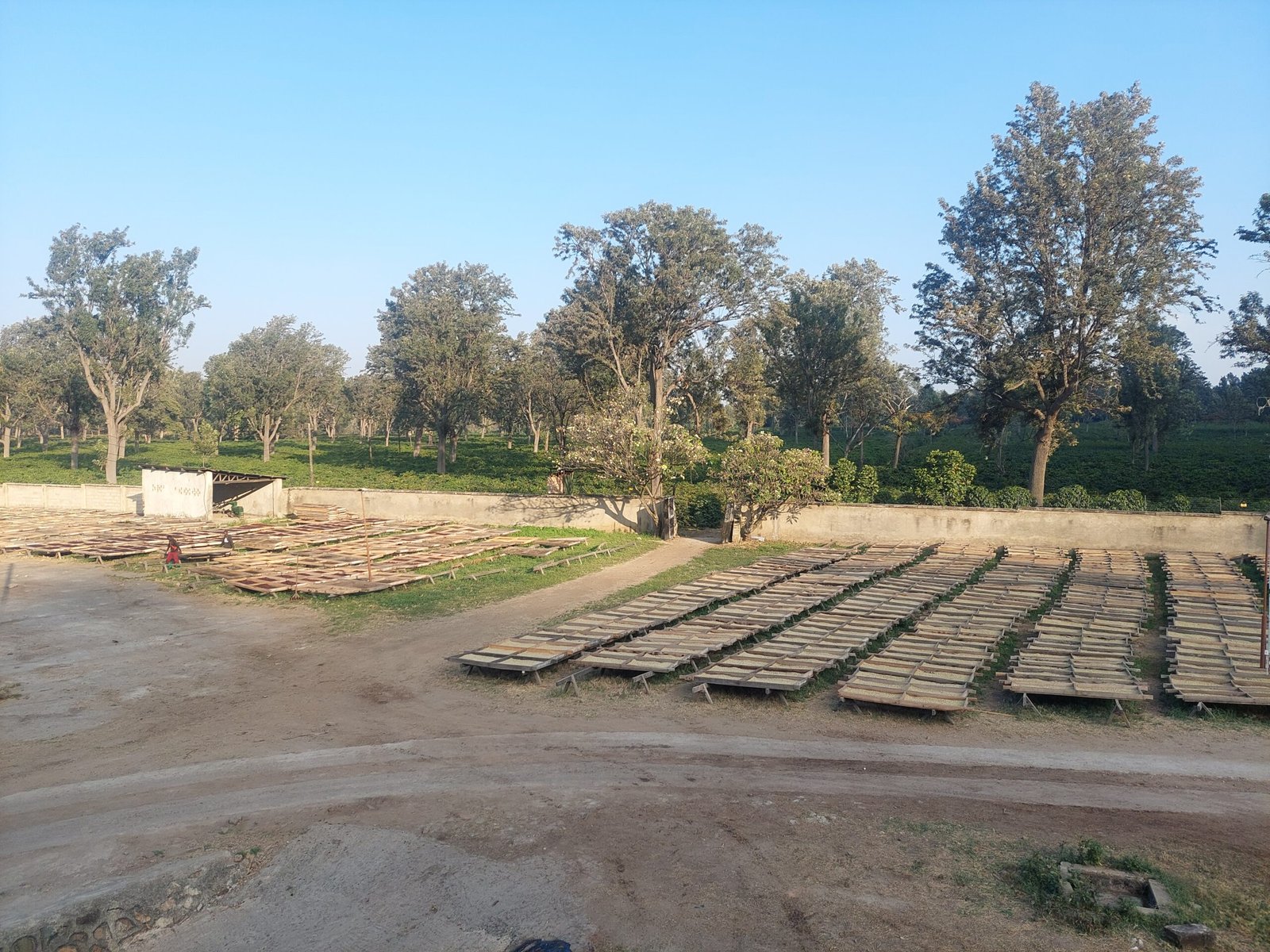
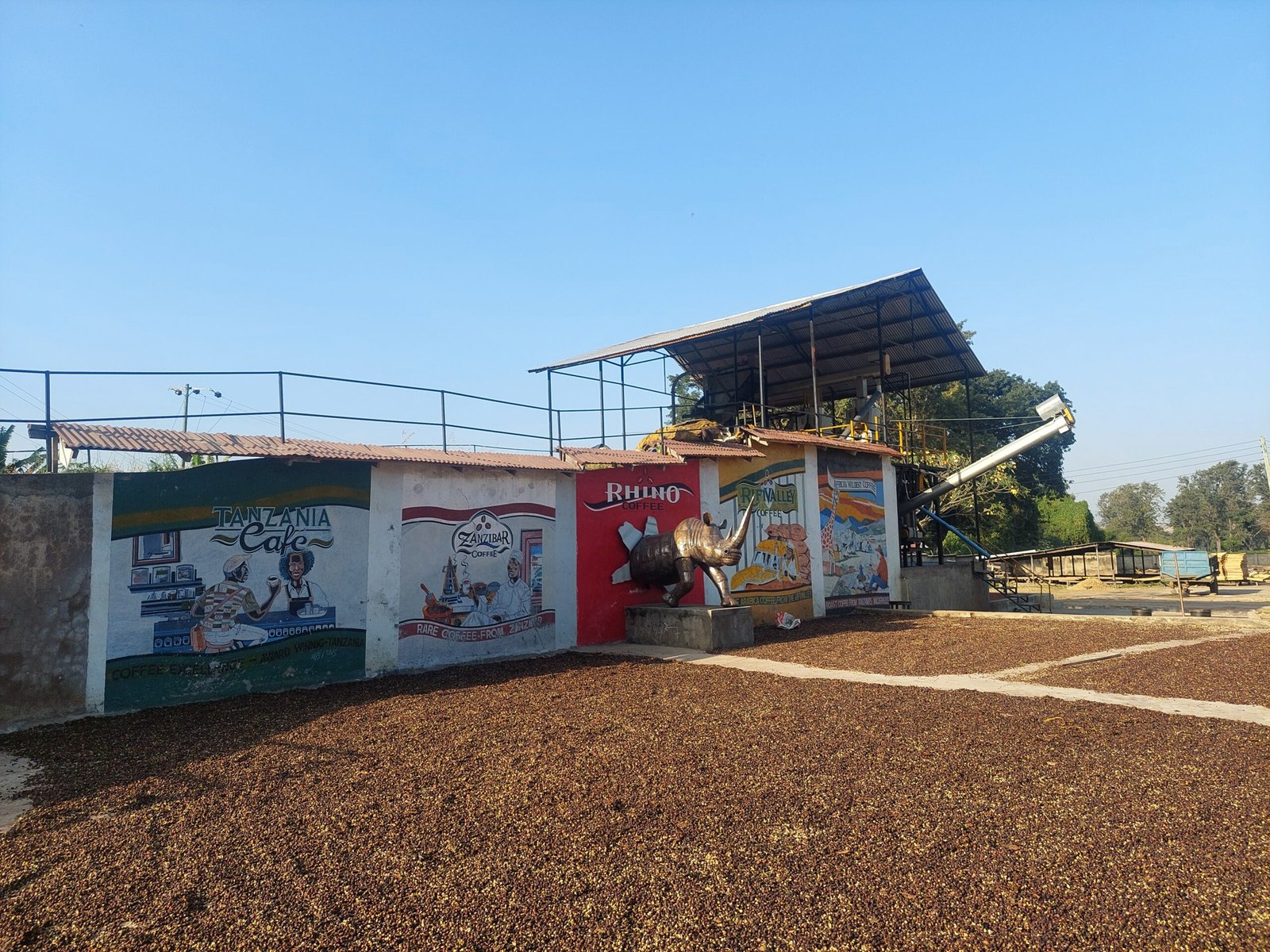
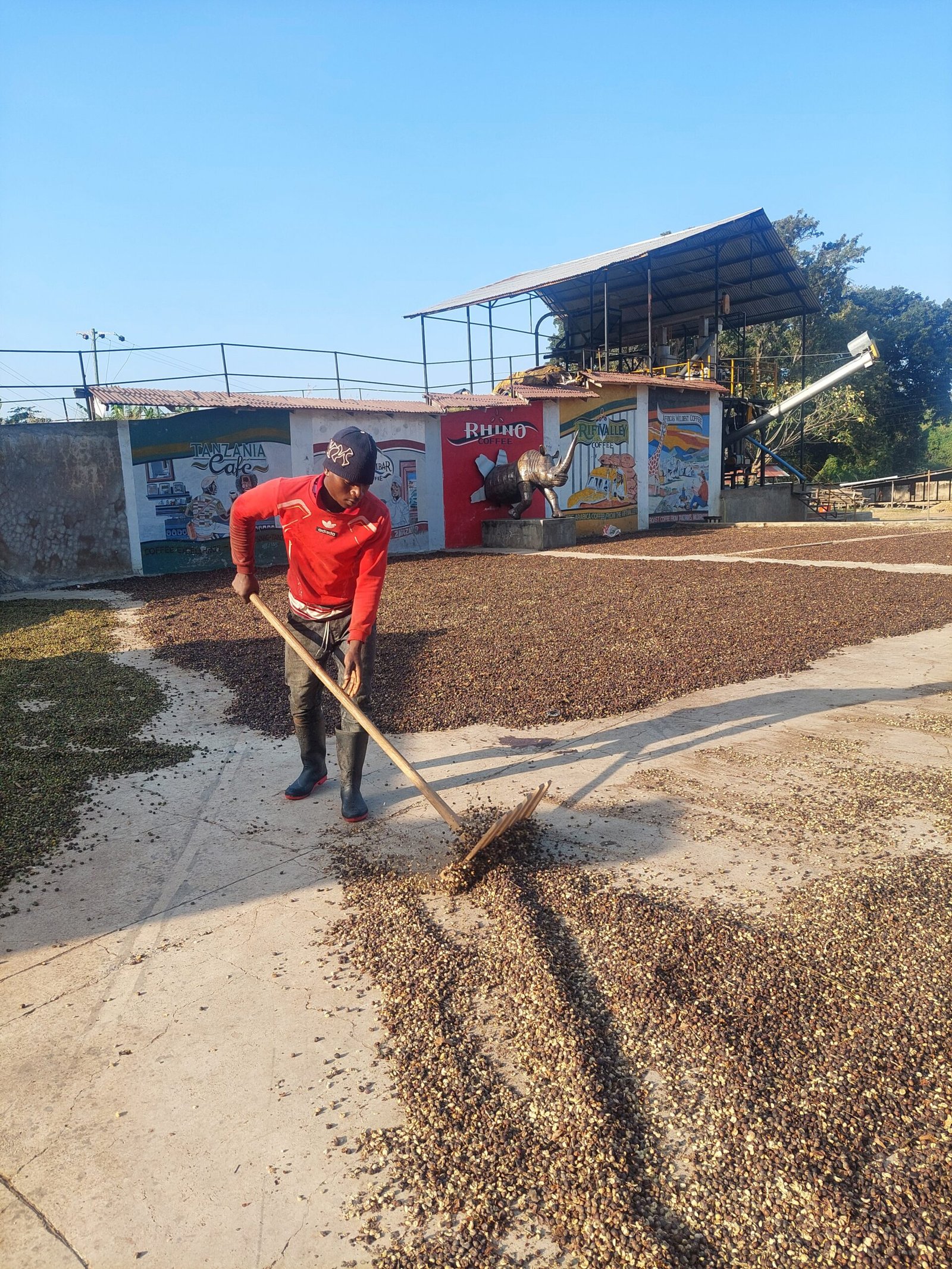
On Saturday morning, we had a tour of the actual coffee plantation. At least Jaana had imagined to see a big factory with a coffee plantation, but in reality the work is largely done by hand. The coffee is planted, picked and dried by hand. Only the cleaning and hulling of the coffee beans is done by machine. On this farm, the coffee beans are not ground by the farm itself, but are transported elsewhere to be ground. The coffee bushes were abundant and the previous year the farm produced 199 tonnes of coffee. One coffee bush (although they were the size of a tree) will produce coffee for almost 100 years. The oldest bushes on this coffee farm were over 80 years old.
Coffee beans are dried under the sky. If it rains, the beans must be quickly moved to shelter from the rain.
Dry beans waiting for further processing.
This was the only machine in the coffee plantation. The rest of the work was done by hand.
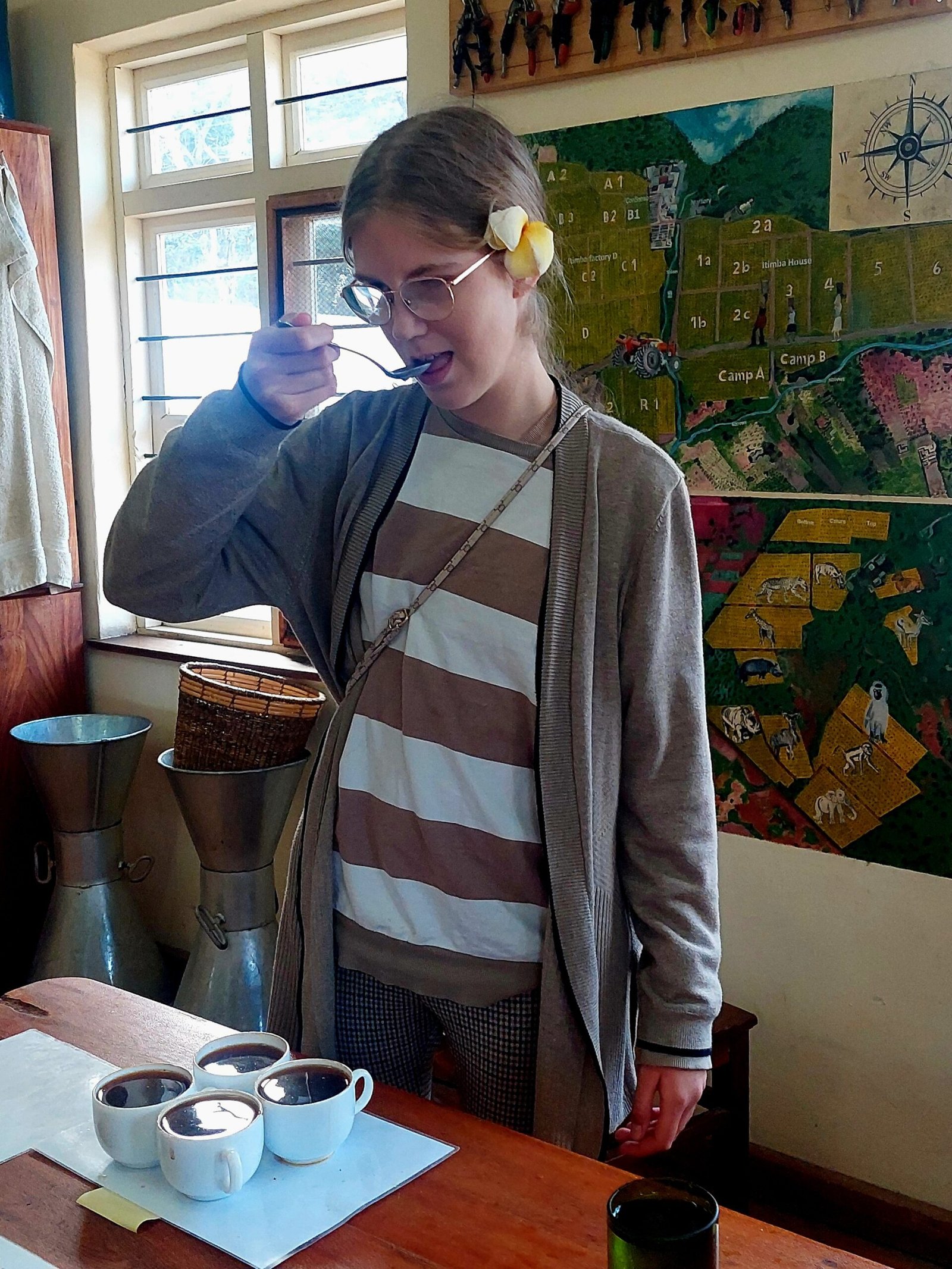
Finally, we got to taste the coffee.
From the coffee plantation, the journey continued up the mountain to a campsite called Old Farmhouse. We didn’t get there until evening because the road was narrow and full of slow trucks. We also had to stop a few times at weigh stations. Apparently all lorries have a maximum weight which they are not allowed to exceed when driving on the road. If the weight is exceeded, the driver has to pay a fine. Our truck weighed almost exactly 10 tonnes with its occupants and was nowhere near the maximum weight, so usually Gift just jumped out of the truck and showed a slip from an earlier weigh station, which already shows the weight of the truck, so we don’t get stuck in the queue of lorries.
At the Old Farmhouse we had dinner booked on the house, so luckily in the evening we didn’t have to worry about any more dishes after dinner. As the Old Farmhouse was situated at an altitude of almost two kilometres, the blankets we had bought in Namibia came in handy again. The temperature dropped back down to near zero during the night. However, this should be the last time that blankets are needed, as the night temperatures for the rest of the trip should be warmer. On the other hand, I don’t think we have too many more nights of camping left, as the whole group will be staying in rooms in several places in the future.
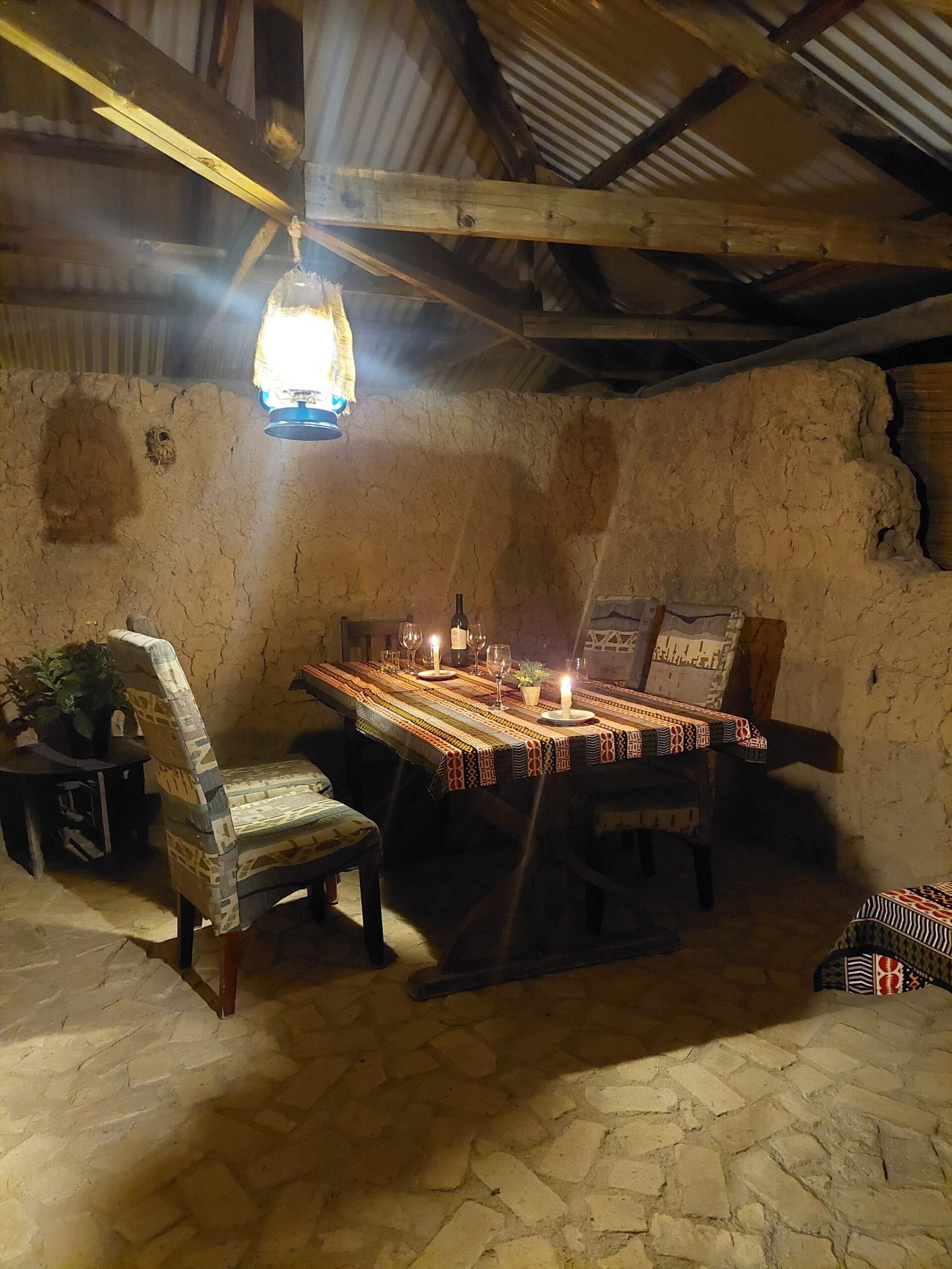
The Old Farmhouse restaurant was very atmospheric.
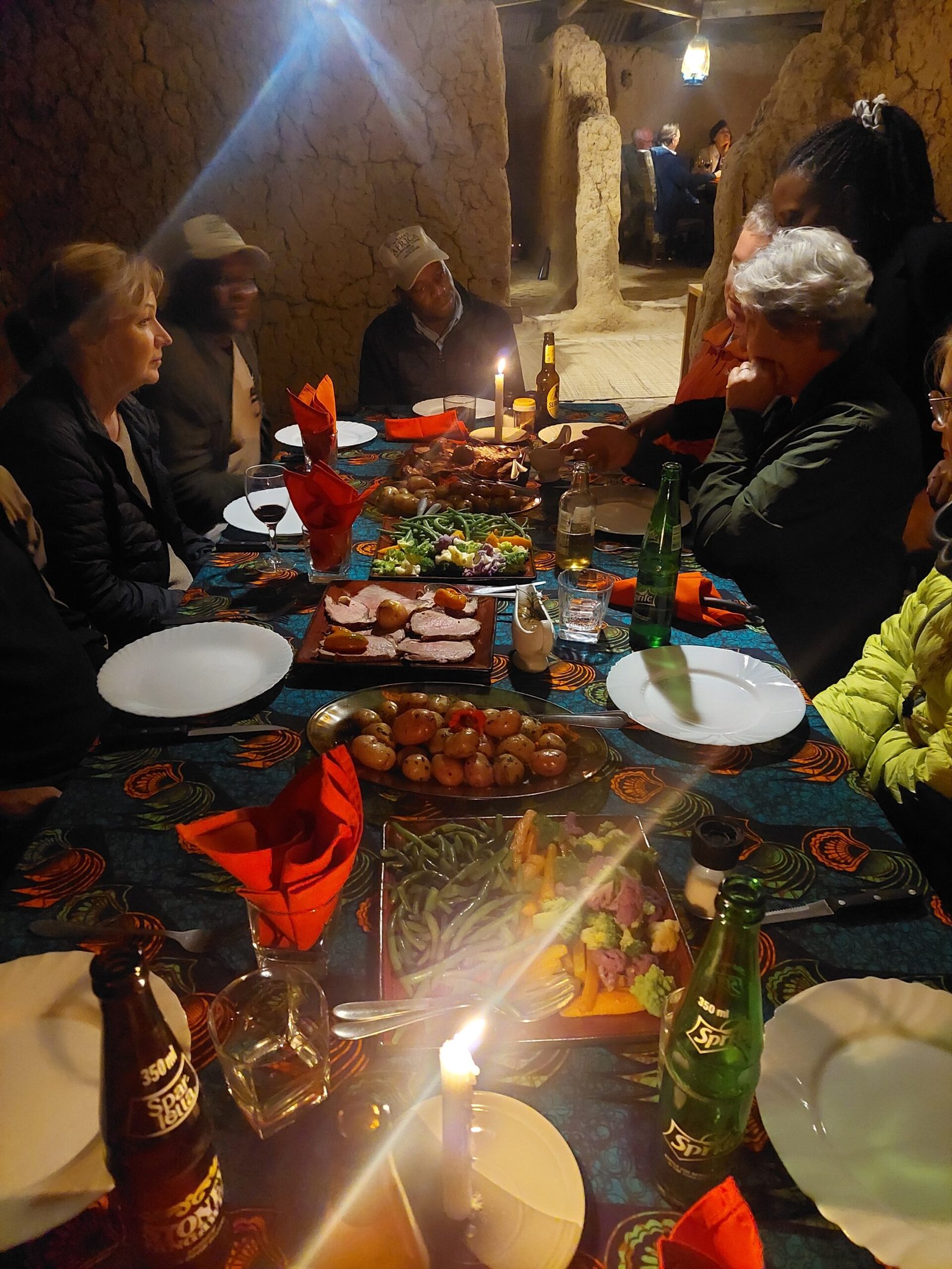
The food was also delicious. The signature drink was Amarula cocoa, which many adults enjoyed for dessert.
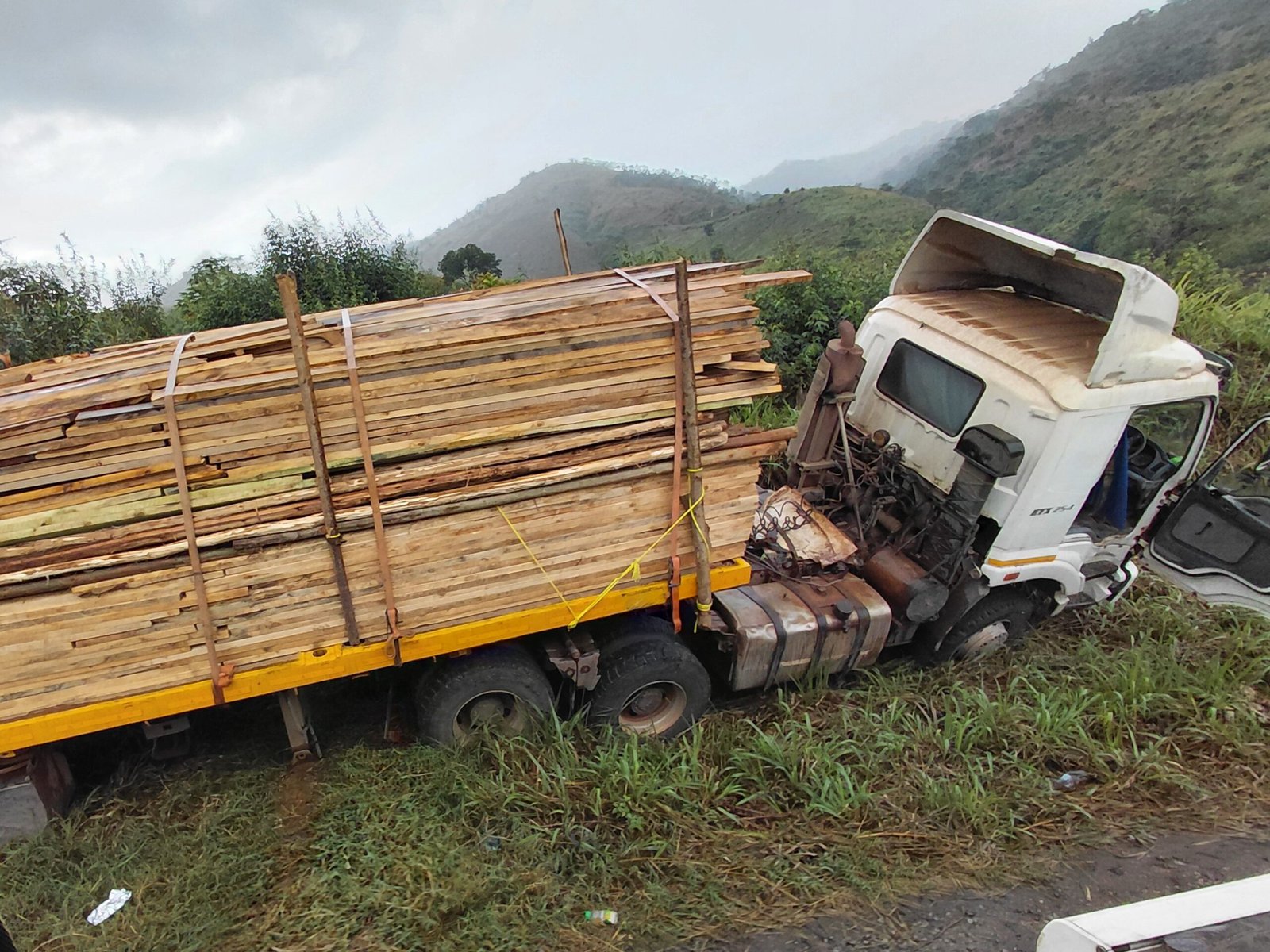
In the morning we continued our journey to the next place through the Udzungwa mountain range. The road was basically in good condition, but as we were in the mountains, fully loaded trucks were driving very slowly up and down the hills. Eventually, the journey came to a complete halt as one of the trucks had fell over in the middle of the narrow road. With no one to direct traffic, the situation was completely gridlocked for a while. Eventually, the queue started to slowly move, and we were able to continue our journey down into the valley. At some point, Jaana started to count the stuck trucks on the opposite lane, as the queue of trucks seemed to continue endlessly down into the valley. By the time the queue ended, Jaana had reached just over five hundred in the count. Those deliveries might arrive somewhat late from the original schedule…
This truck interrupted our journey for a while.
And this guy is not going to get his load moving anytime soon either.
There was a queue in both directions.
Never have we seen so many trucks in one place!
Some drivers drove with the power of Jesus.
Others relied on a different kind of a bearded personality.
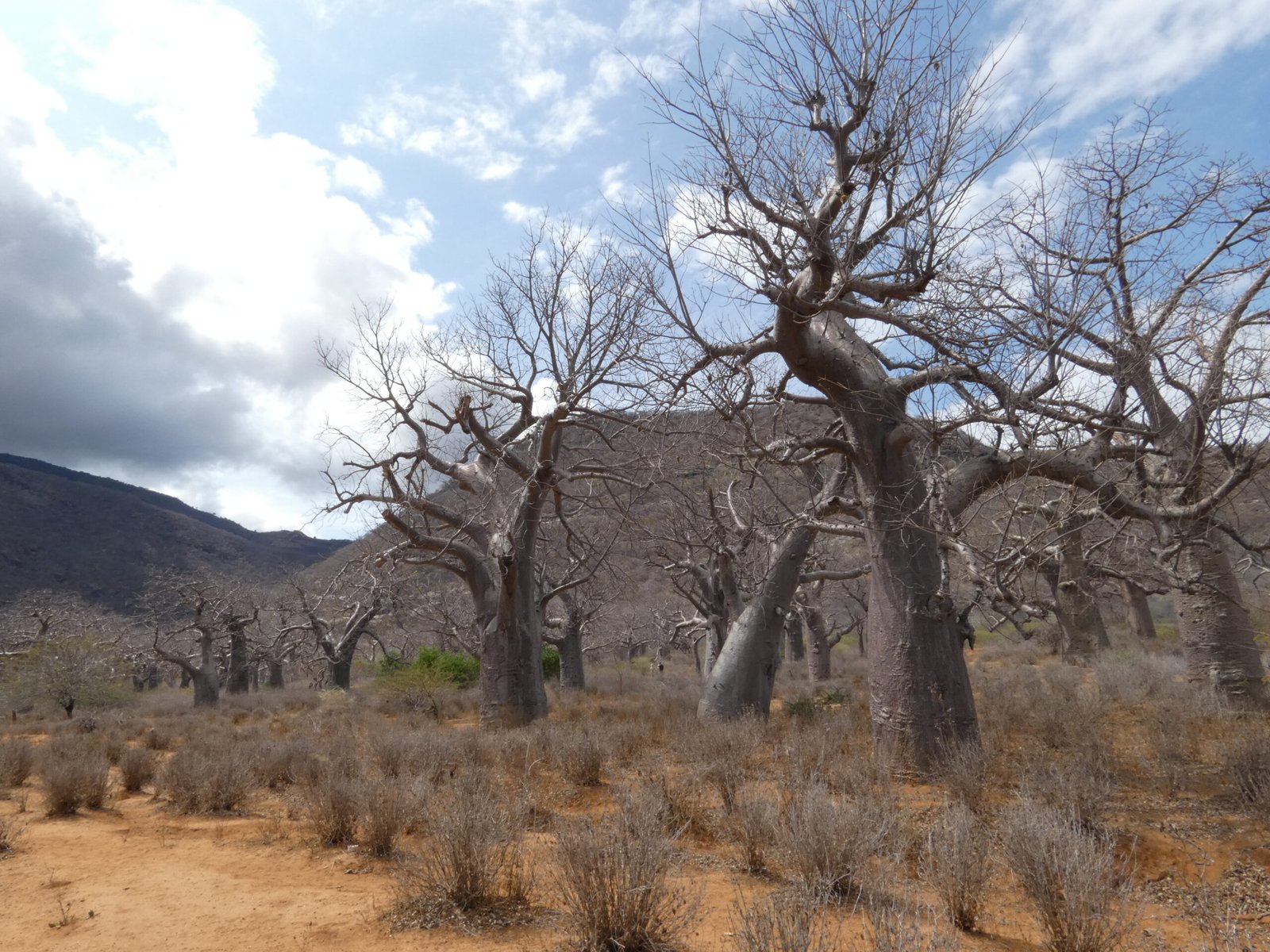
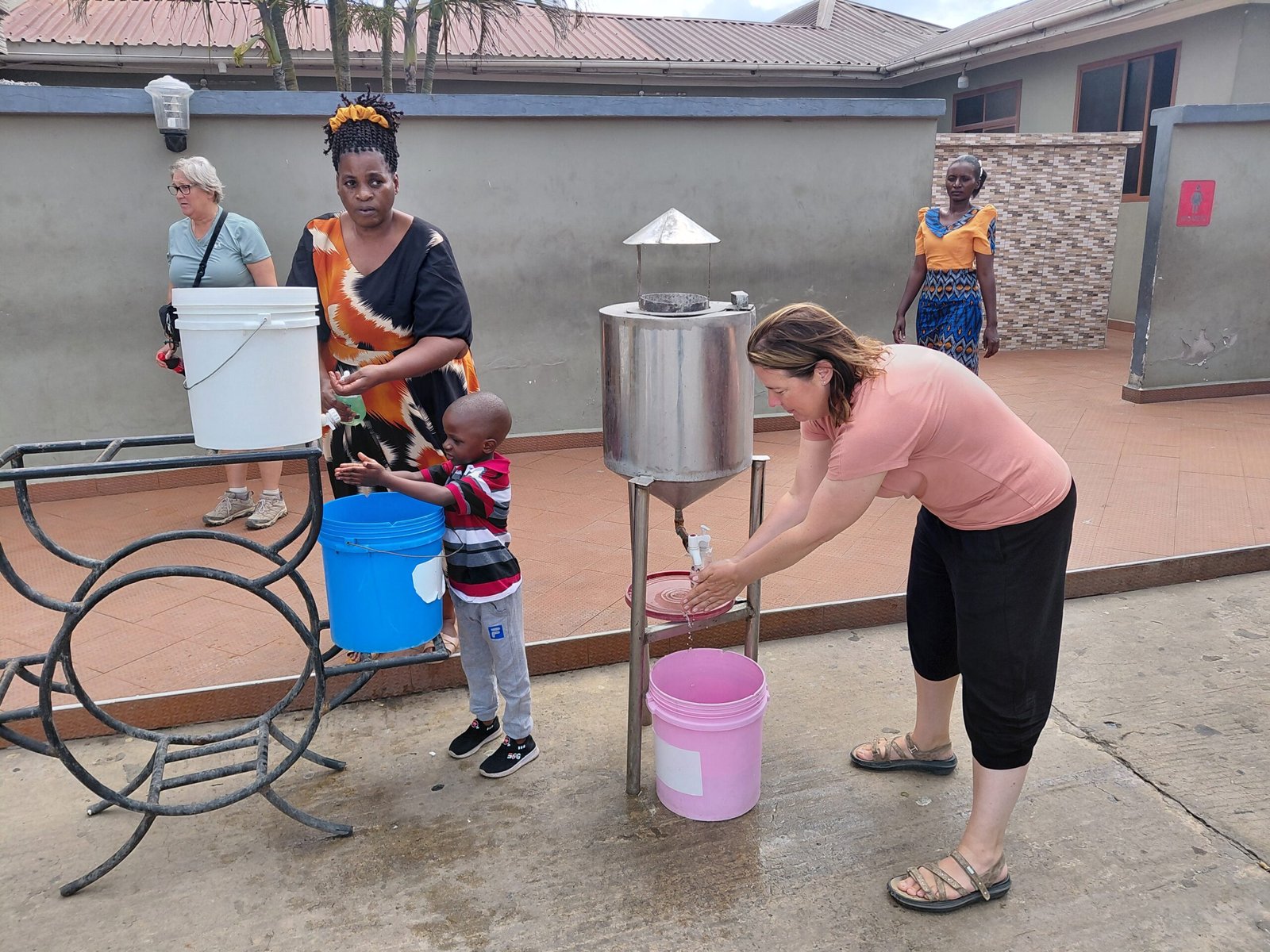
We arrived at Mikumi village sometime around 2pm, having also stopped for a moment to admire the baobab trees growing in the valley, in addition to a toilet stop. Baobab trees do not grow annual rings at all, but have a very spongy and watery interior. Elephants know this too. In the dry season, they break the bark of the tree and eat the spongy interior to quench their thirst. The toilet stop this time also deserves its own special mention in the blog, as we were able to spot almost all the things that belong to the second African “Big Five” in one place: a real toilet that flushes, toilet paper, and water for washing our hands. Only soap and hot water were missing from this five.
Baobab trees are found not only in Africa but also in Australia.
Baobab trees can be up to 7m in diameter. So these trees were still relatively small.
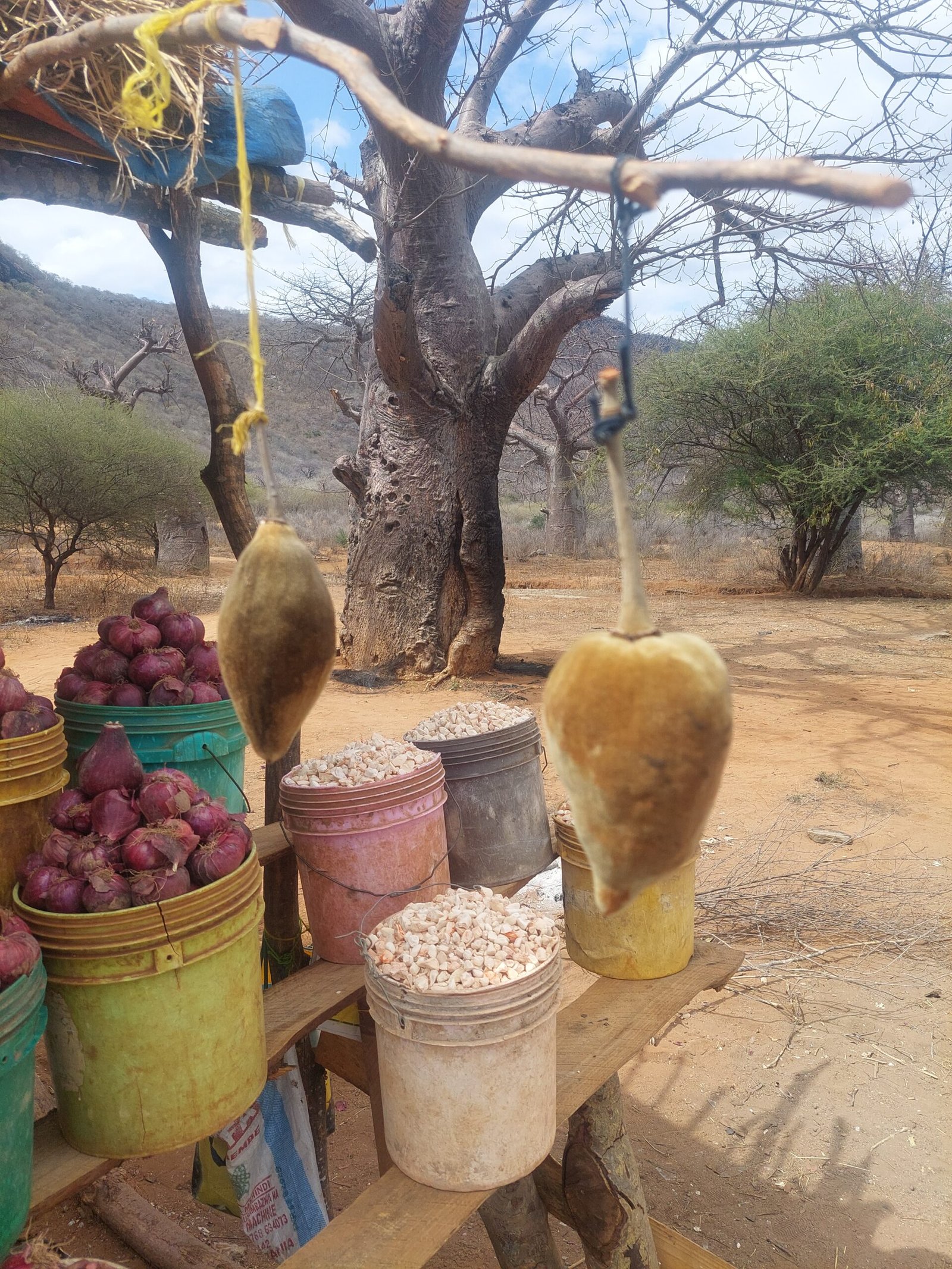
The fruit of the baobab tree are edible. They contain up to six times as much vitamin C as oranges.
In addition to the Baobab trees, we spotted Masai women dressed in their best.
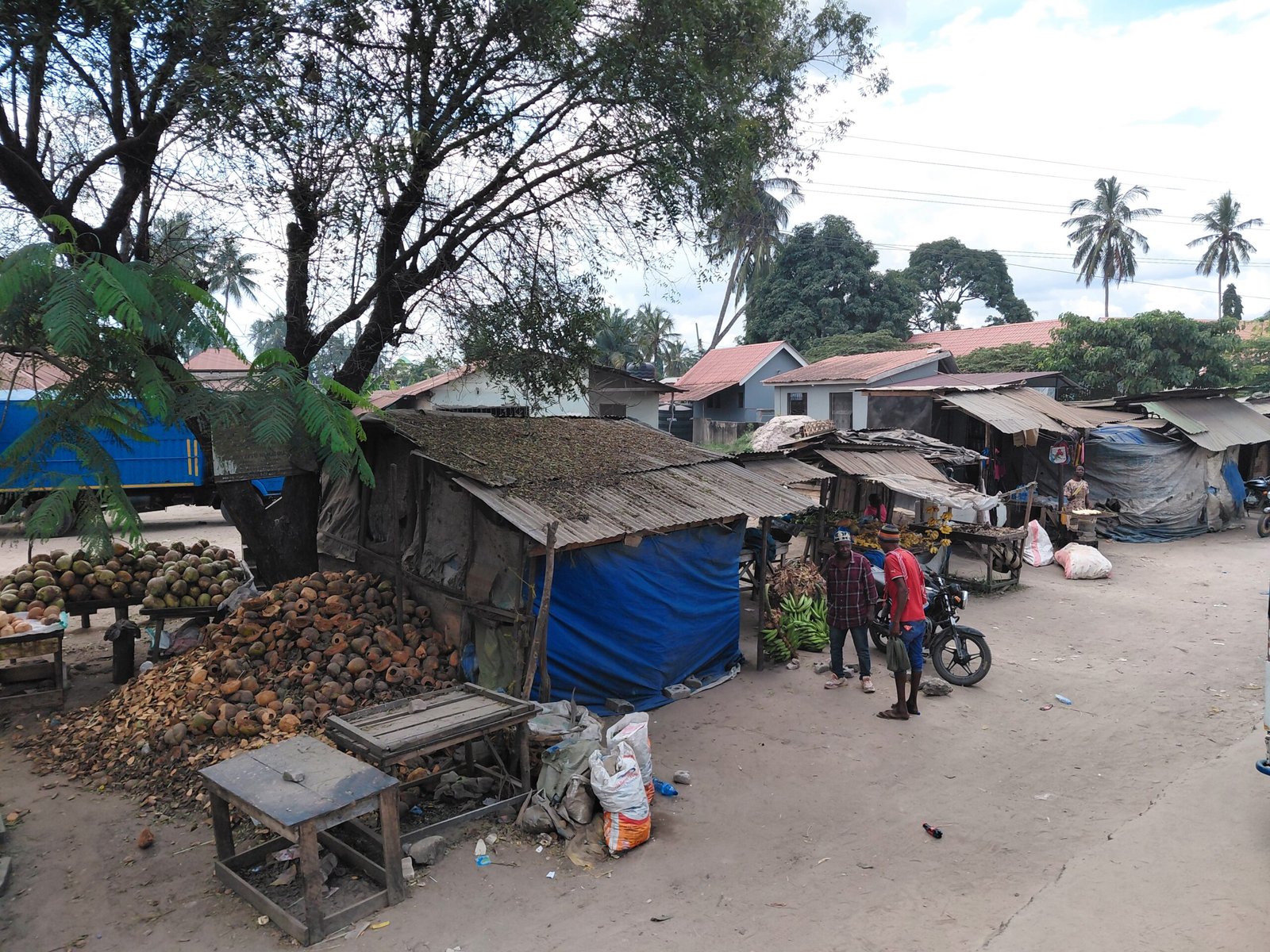
This Masai boy was selling vegetables at the petrol station.
On the way to Mikumi
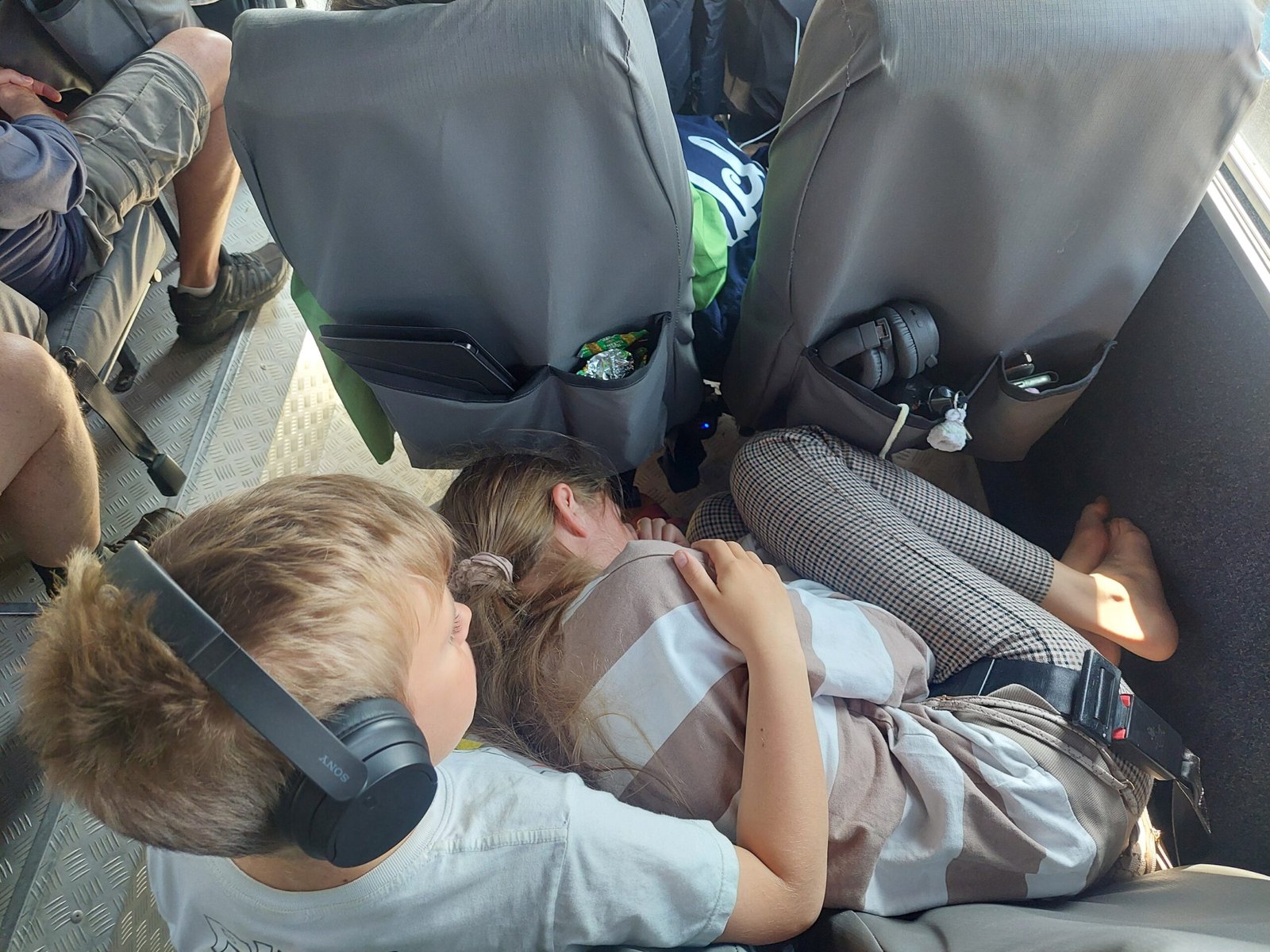
Sometimes travelling can be tiring.
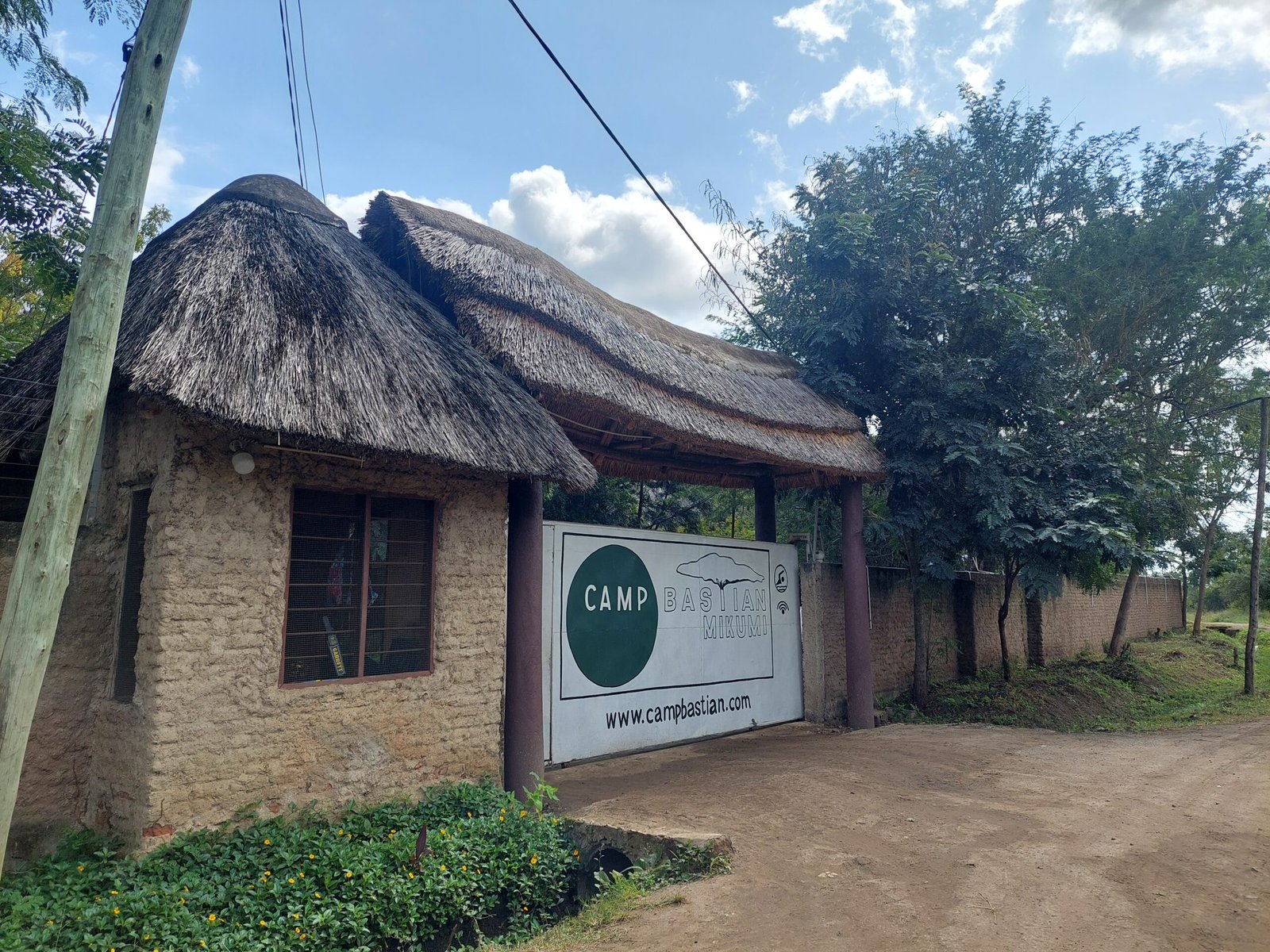
As the weather was a bit rainy, we asked in Mikumi if we could upgrade to a room for the next two nights instead of camping. Luckily, a room was found, so we were able to sleep neatly indoors for the next couple of nights. It wasn’t a cheap room, but after a bit of haggling we got a room for 105€/night. For that price the room had a hot shower and comfortable beds, but unfortunately there were no window glasses. The mosquito net did little to muffle the laughter of our Chilean travelling companion from the bar next door, or the loud chatter of the guests leaving for a game drive at 6am.
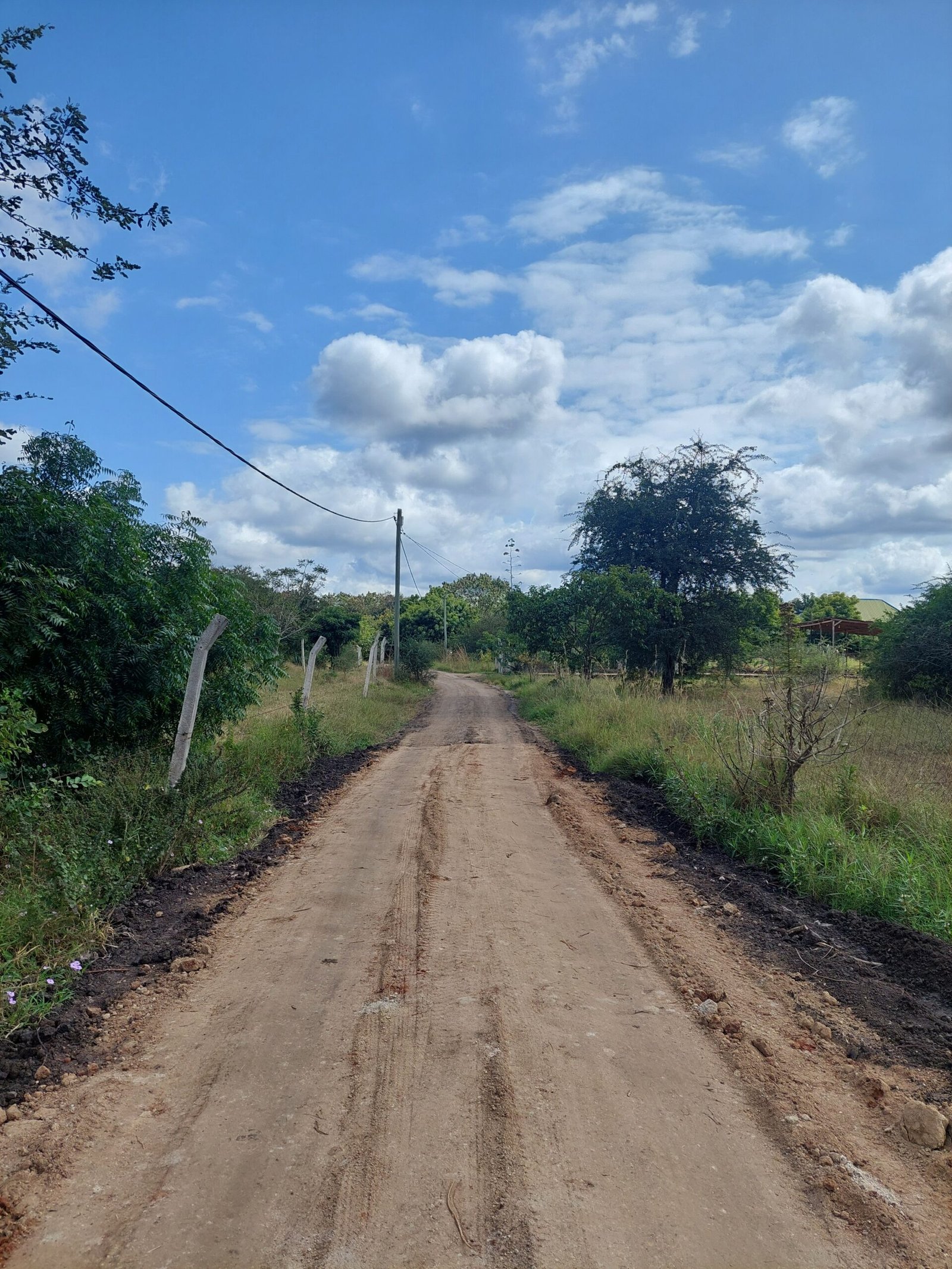
You wouldn't immediately guess that there is a holiday resort at the end of this road.
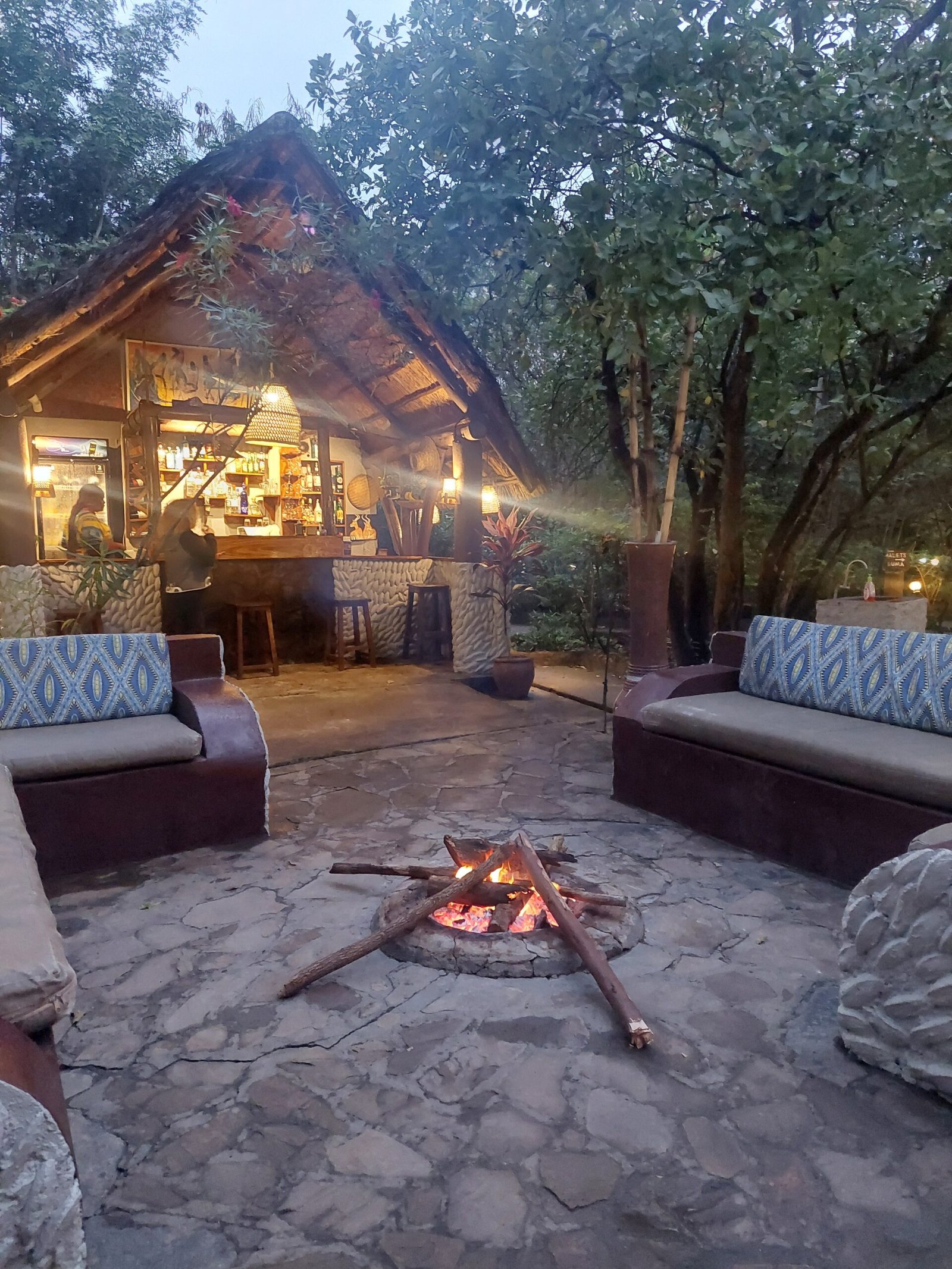
The open-air bar where we stayed was the only place where wifi worked, if it worked.
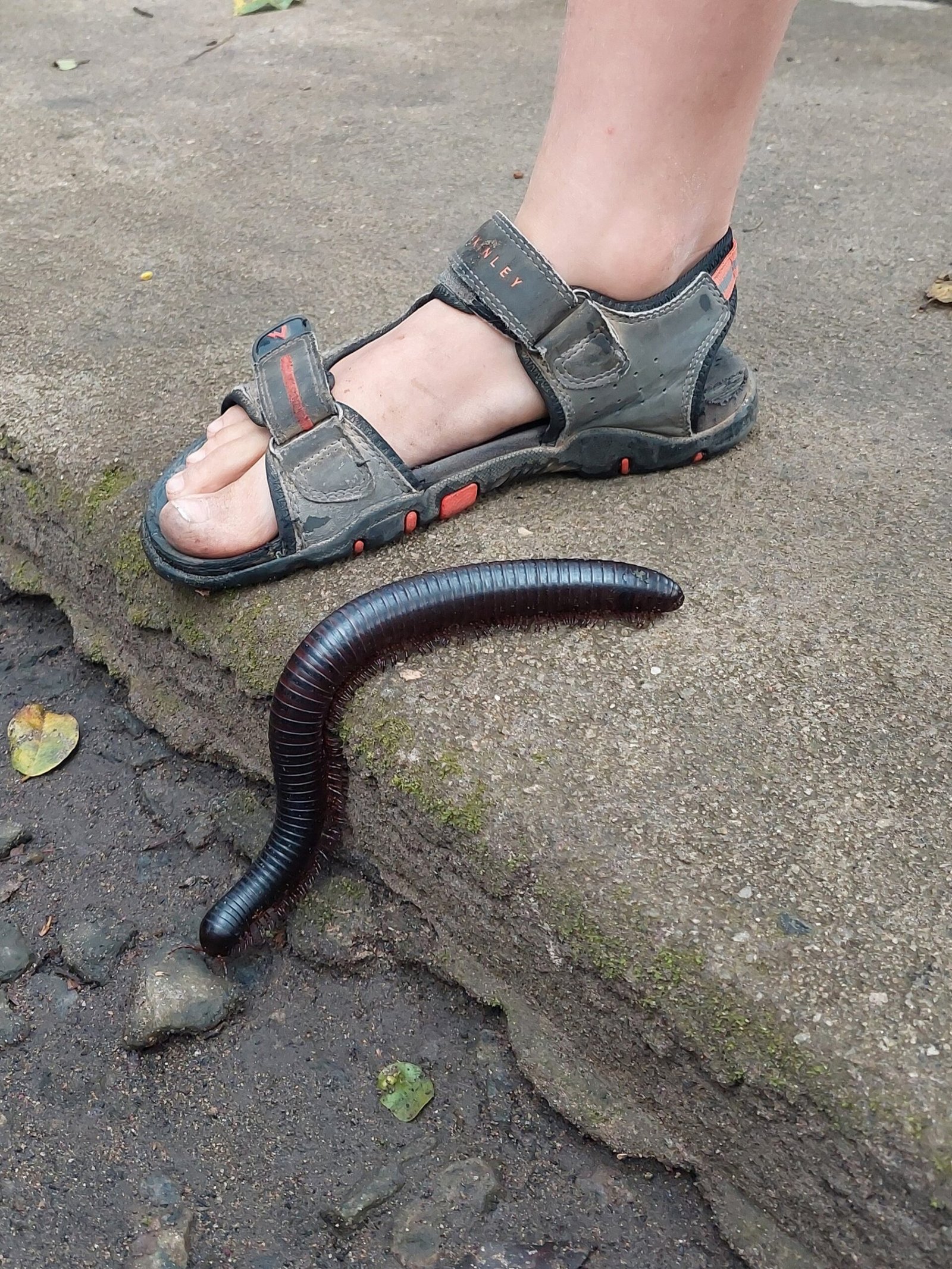
This guy luckily stayed outside the door of our cabin.
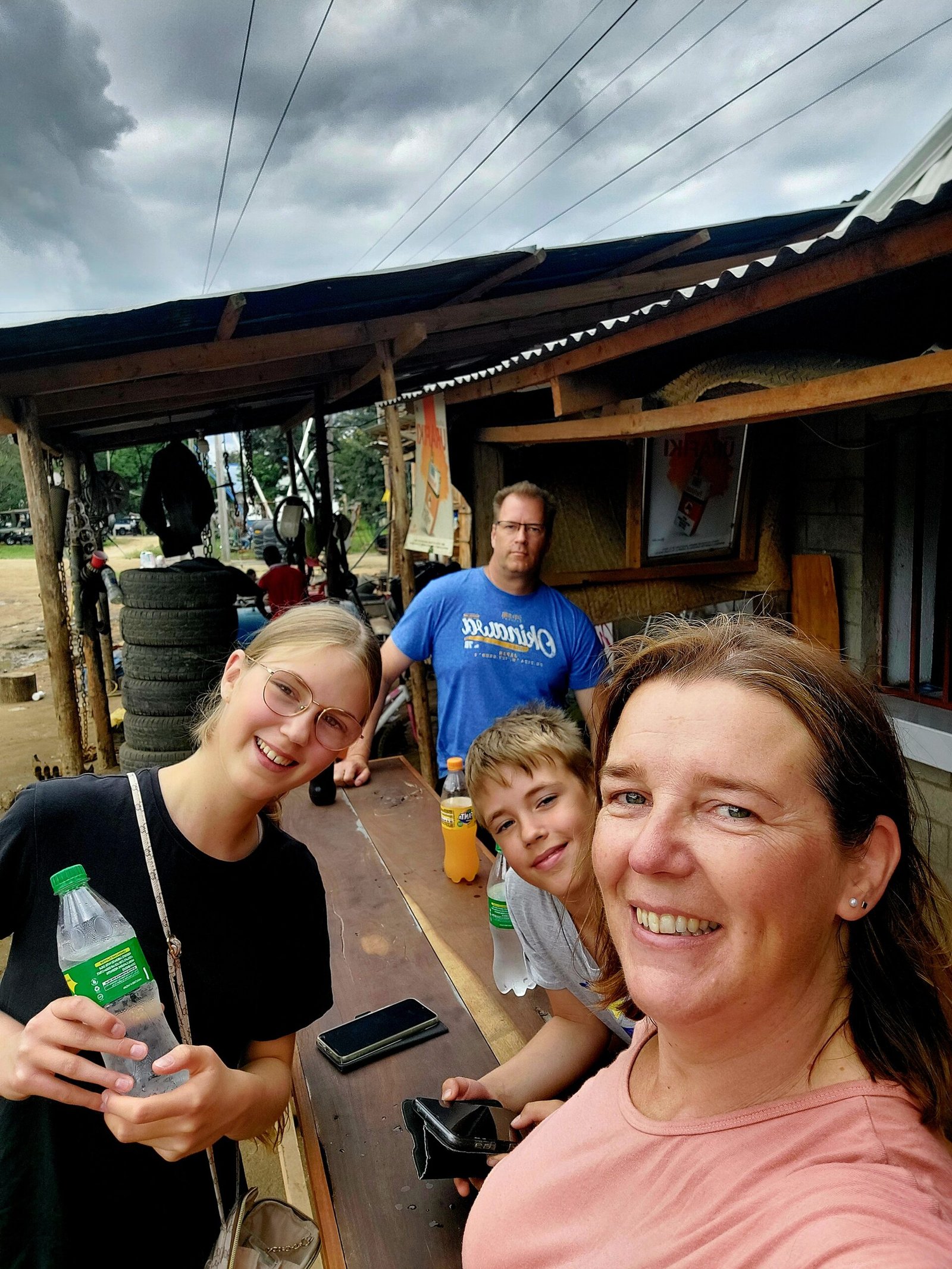
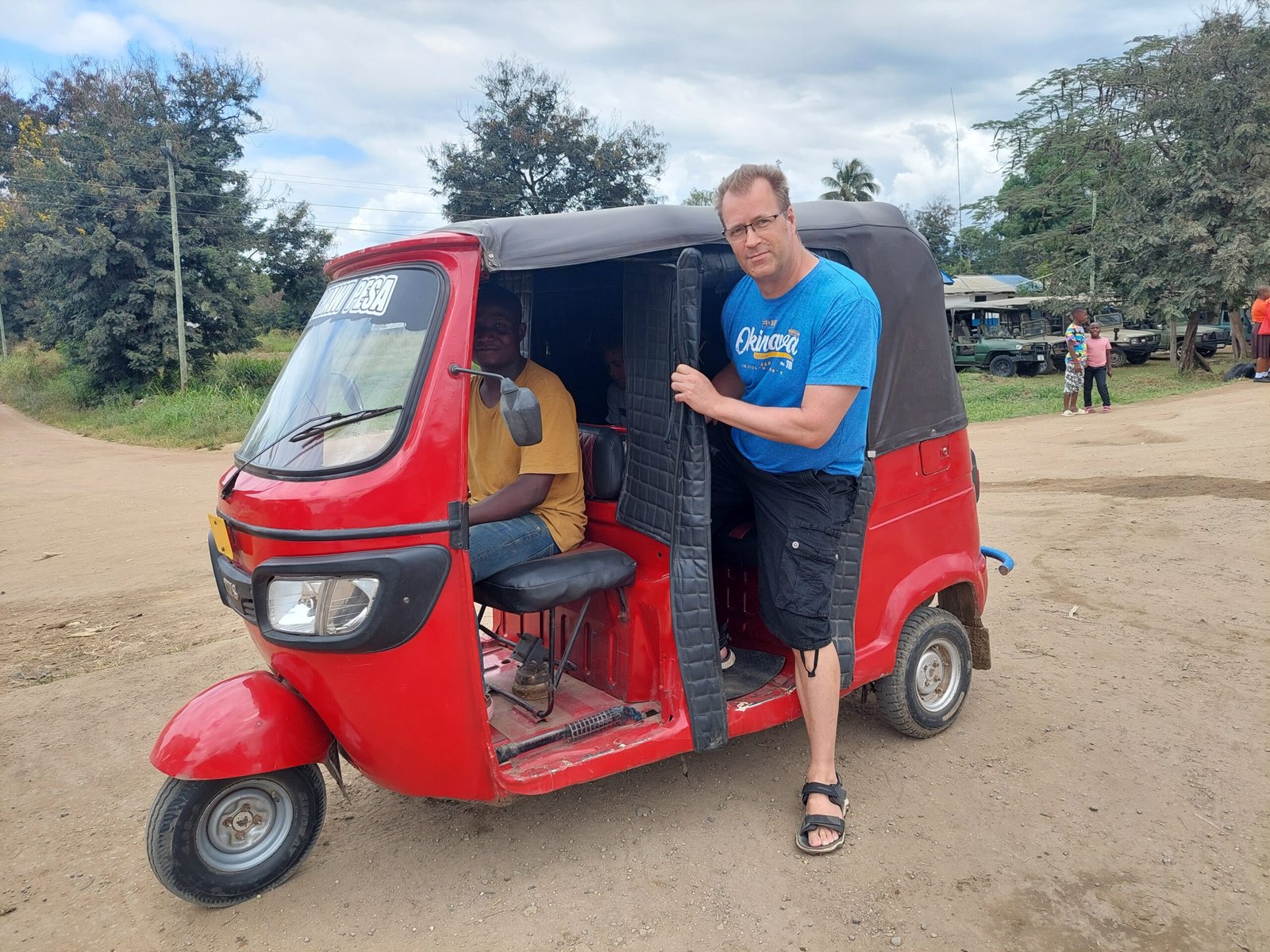
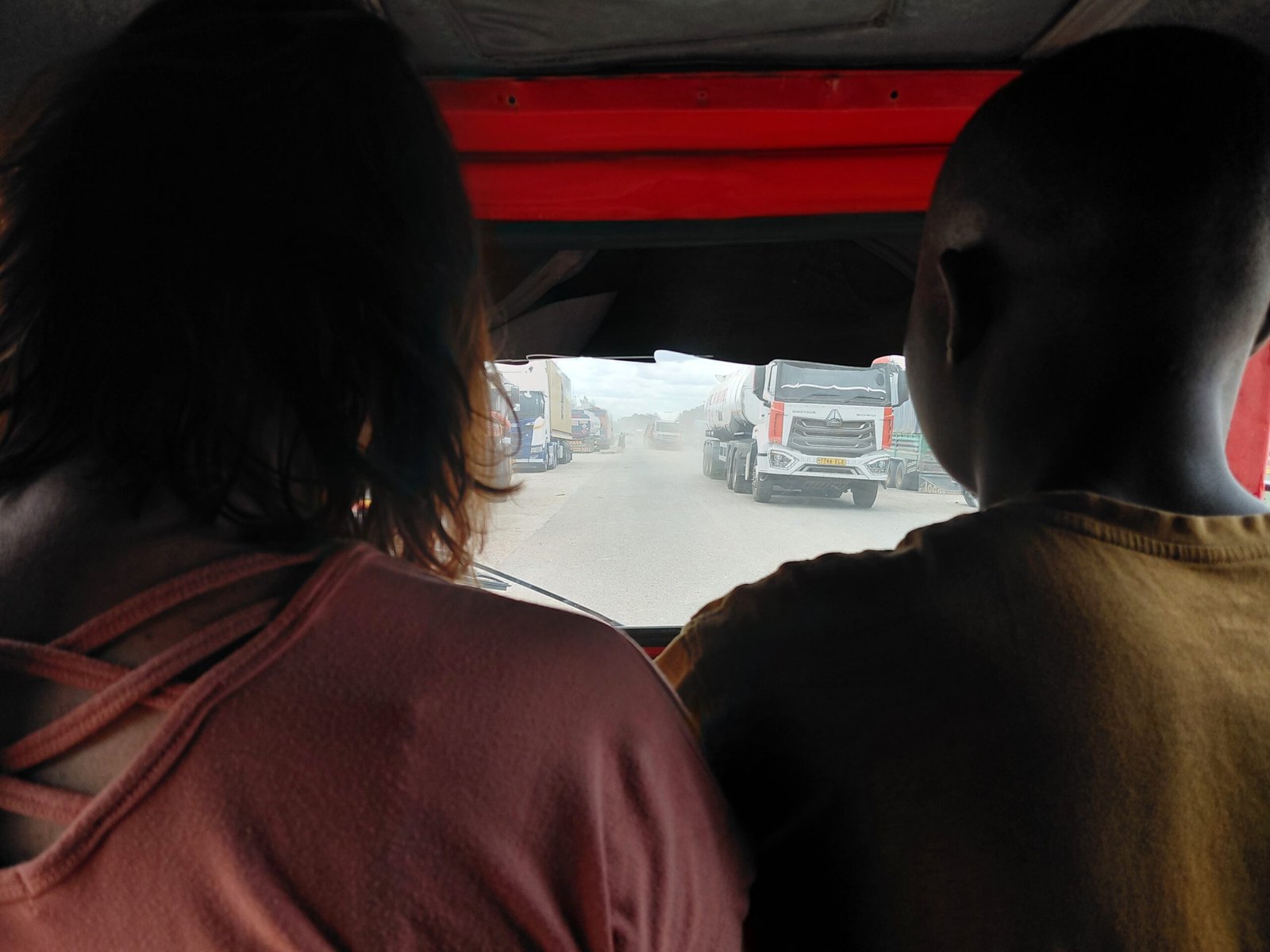
On Monday we slept in, as breakfast was not served until 9am. After breakfast, we went for a walk around Mikumi “town”, which is really just a concentration of small bars and restaurants for the truckers who stop there. We found a small bar with a working fridge, so we sat down on its terrace to enjoy a cold drink. The words “bar” and “terrace” sound a bit too fancy in this context, but the place advertised itself as “Halfway House”. We were the only white people in the village of Mikumi, so naturally we attracted a bit of attention sitting on the terrace. Not bothering to walk back, we grabbed a local tuktuk, which took the four of us back to Camp Bastian for 3000 shillings, or one euro. It was certainly not an expensive ride! Of course, it was only a good two kilometres.
Strolling the streets of Mikumi.
You could have bought lunch at this restaurant too. We skipped it.
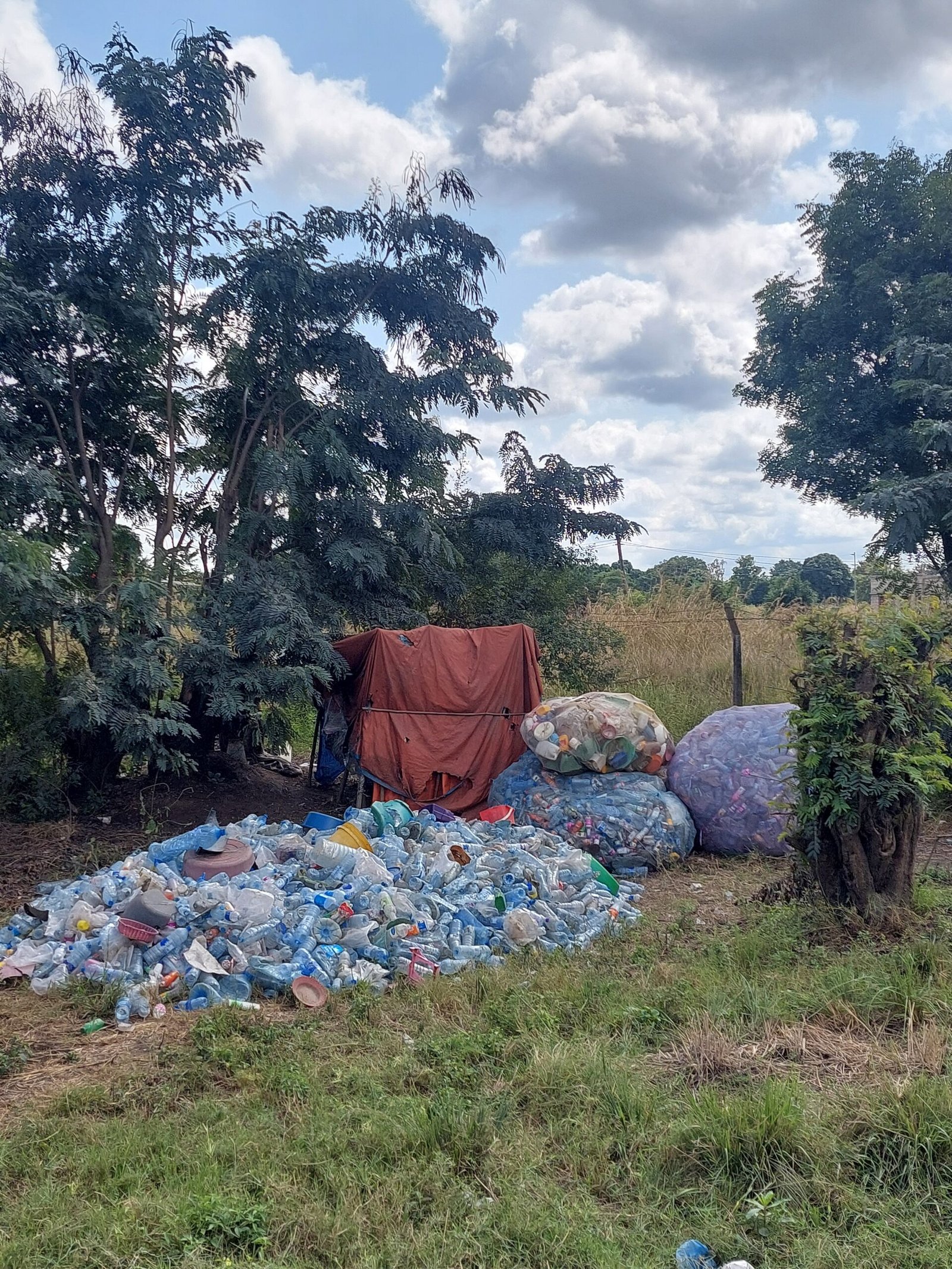
There is at least some recycling of plastic bottles here.
Mikumi Half Way House
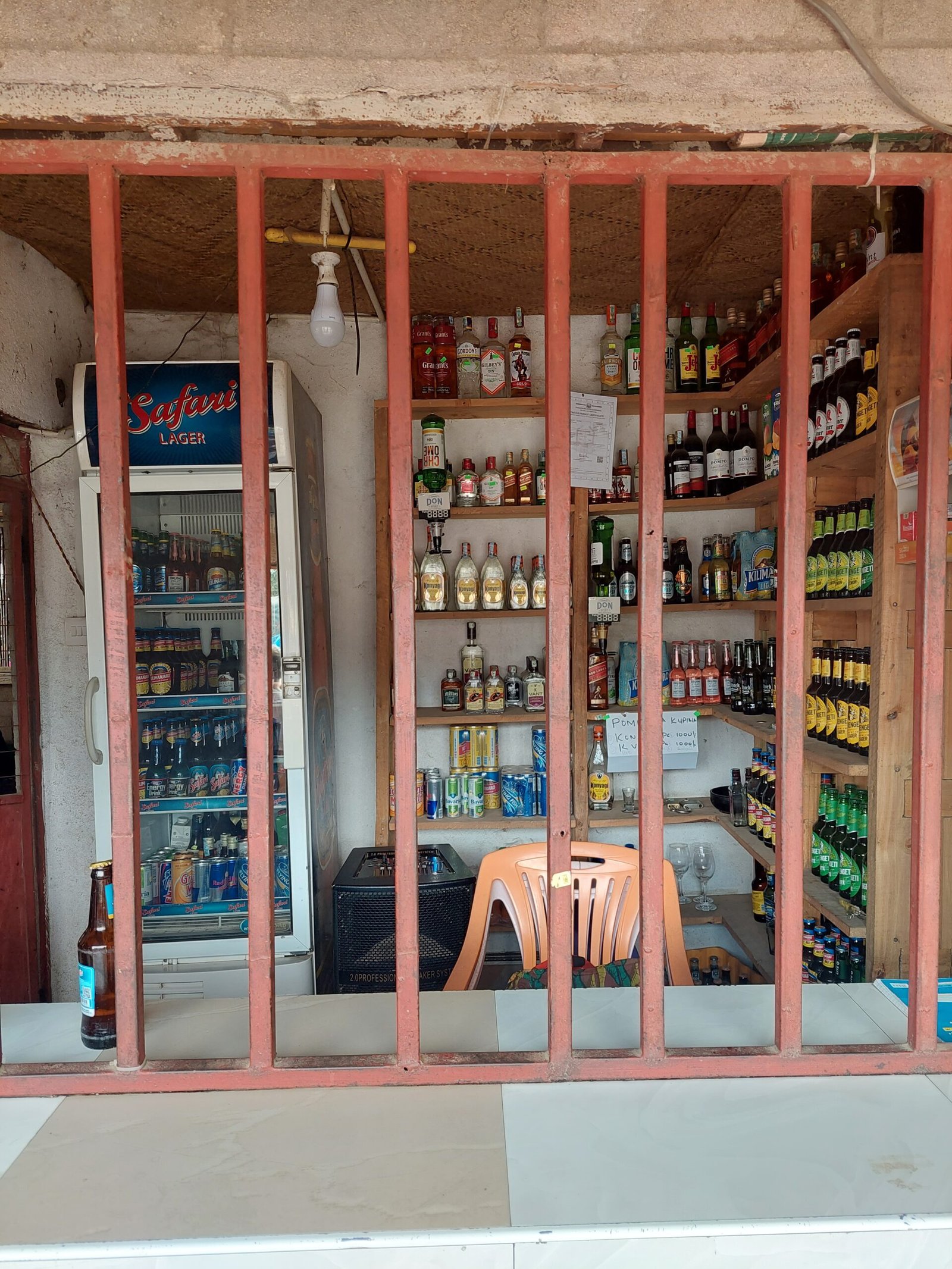
You could admire the bar's offerings from behind the bars.
Cheers!
Marko and the miracle of fitting in!
Jaana got to sit in the front seat.
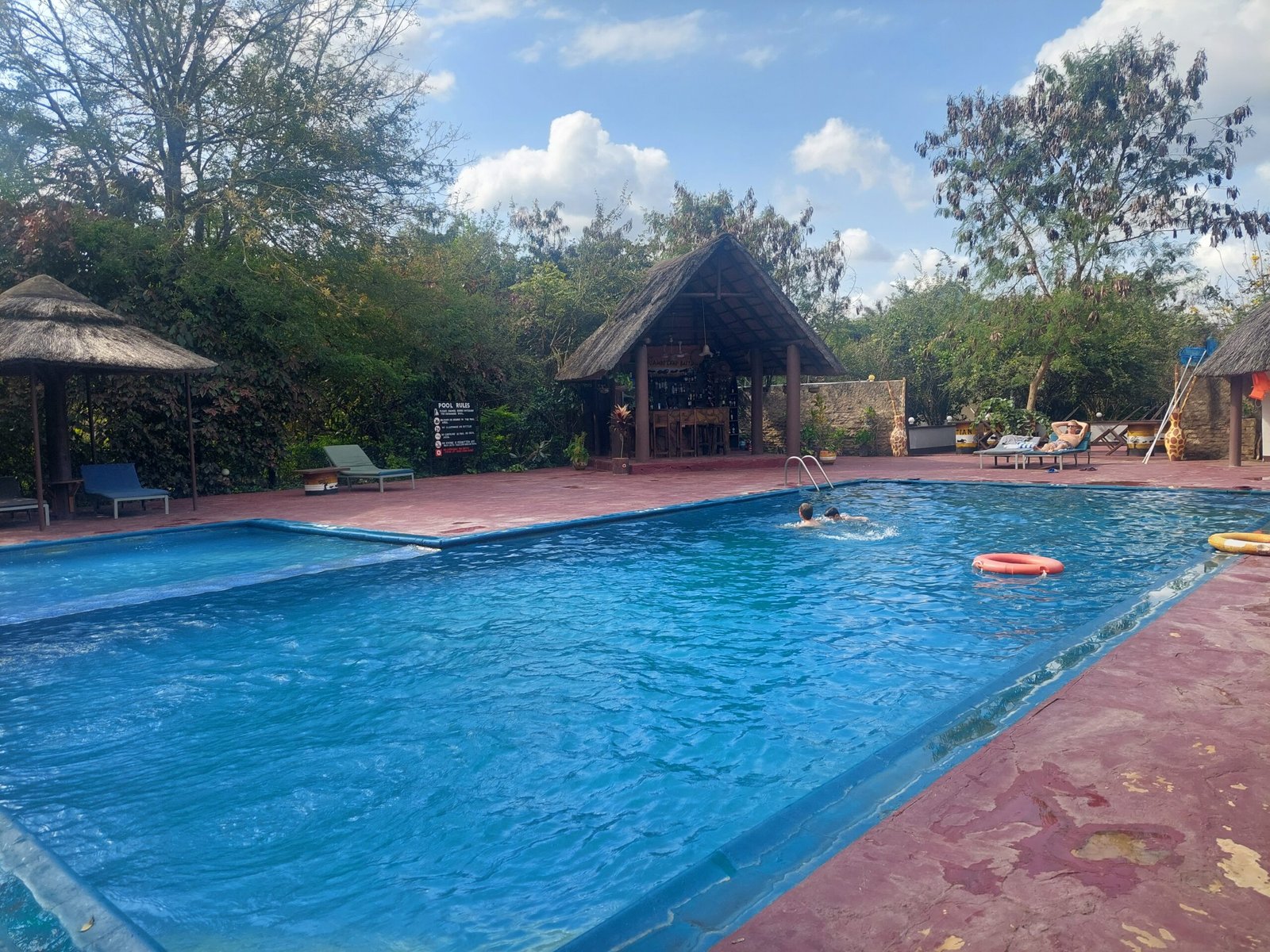
In the afternoon we intended to update the blog, but the local wifi connection decided otherwise for us. So we just hung out at the campsite and gathered strength for the early wakeup next morning. Risto was the most active of us and took a dip with Edvin in the local swimming pool.
Risto and Edvin tested the swimming pool at Camp Bastian. It was reportedly warm.
In the morning we started our journey towards Dar es Salaam. The distance between Mikumi and Dar was very short by our standards, taking just over six hours. We had time to stop for lunch on the way, once again at an idyllic petrol station. Although these lunch places are not exactly scenic, they have the advantage that they often have a real toilet, or at least a hole in the floor. In fact, we have had far fewer bushy bushy breaks lately than on our first leg of the journey from South Africa to Zimbabwe. Often Gift and Casper will spot us a petrol station with at least a reasonably clean toilet. On this leg of the trip, we also found a café during one toilet stop, and we bought practically all of their donuts and brownies. This stop also added a lot to our journey time, as the café employee was woefully slow at customer service. Add to that a non-working card terminal and a lack of change, and you can guess what happens. Our ten-minute bathroom break turned into a three-quarter coffee break.
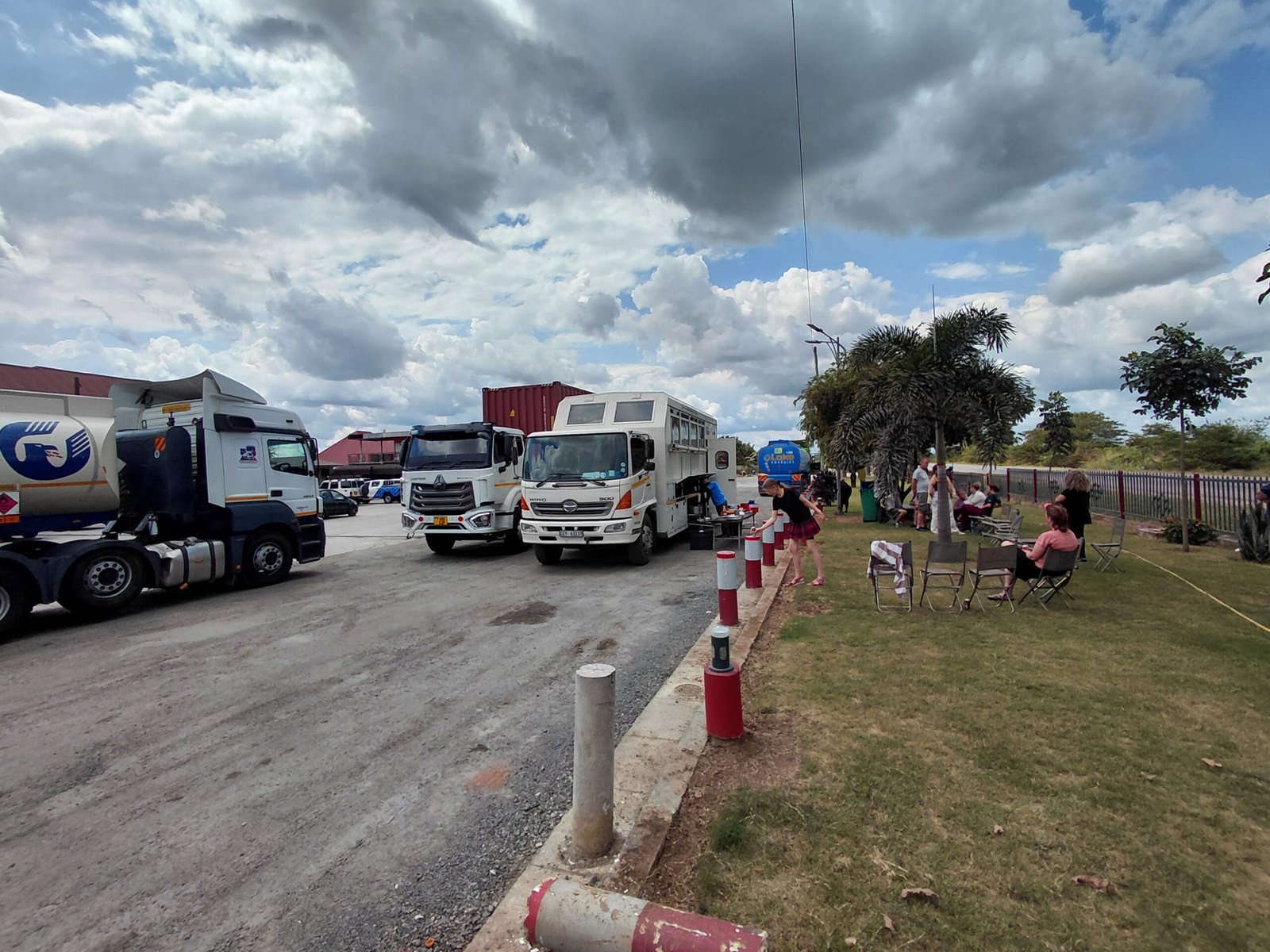
Lunch break at the petrol station.
The driver also needs refueling between journeys.
This petrol station had the other African big five, including warm hand wash!
Despite the long coffee break, we arrived in Dar es Salaam during sunlight. We had originally planned to take a guided city tour, but since it was getting late, we decided to skip it. The museum and fish market included in the tour would be closed anyway. There would have been only a few churches left to see, so we decided to do a self-guided tour as soon as we got settled in.
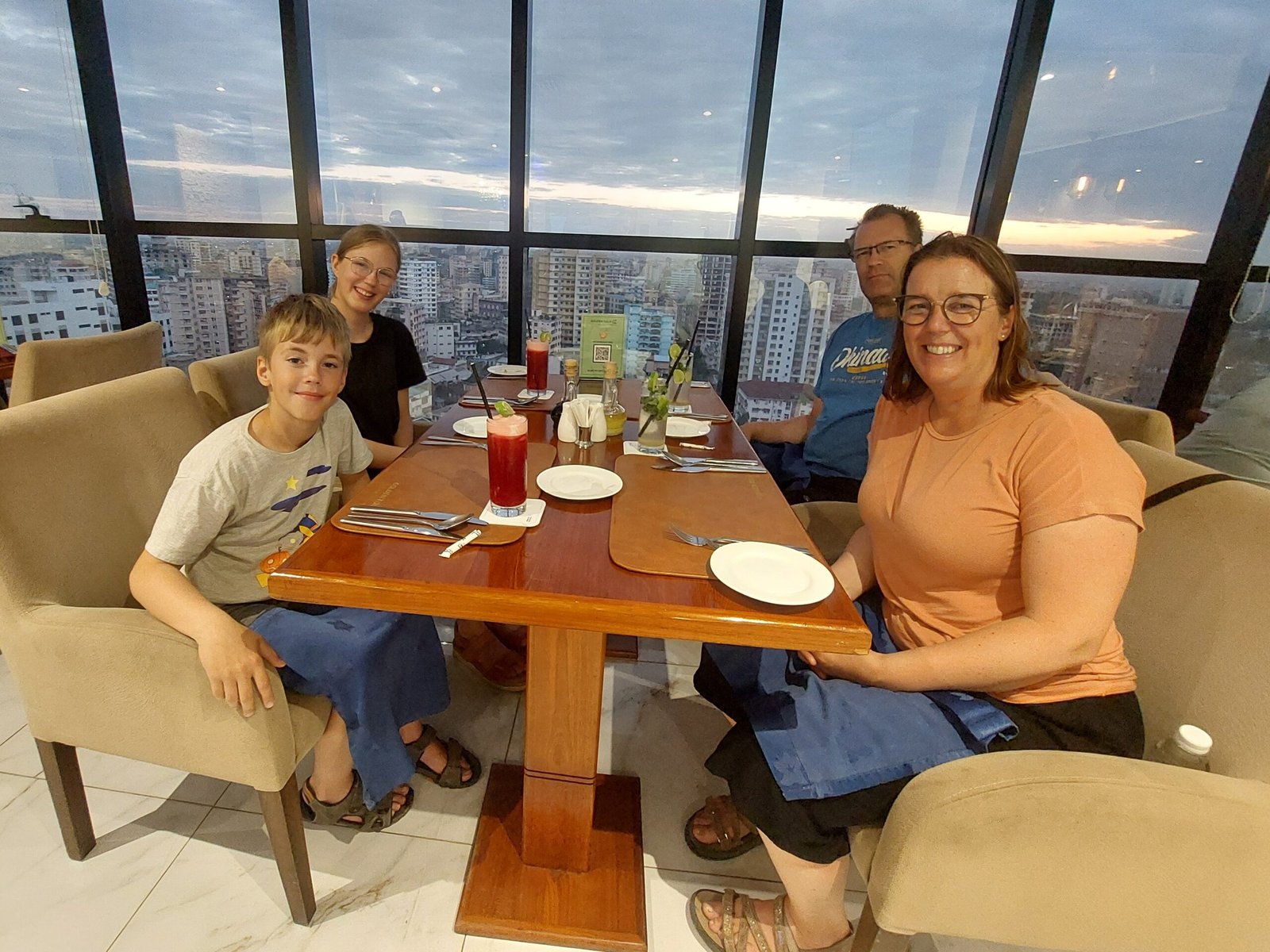
Very quickly it turned out that there wasn’t much to see in the city. After an hour of exploring the area around the ferry harbour, we returned to our Golden Tulip hotel for dinner. The restaurant was on the top floor of the hotel, so it offered a great view over the city’s rooftops.
The small park near the ferry harbour was the only green space we saw, at least in this part of the city.
We saw at least four mosques during our short walking tour. In Tanzania, a third of the population is Muslim.
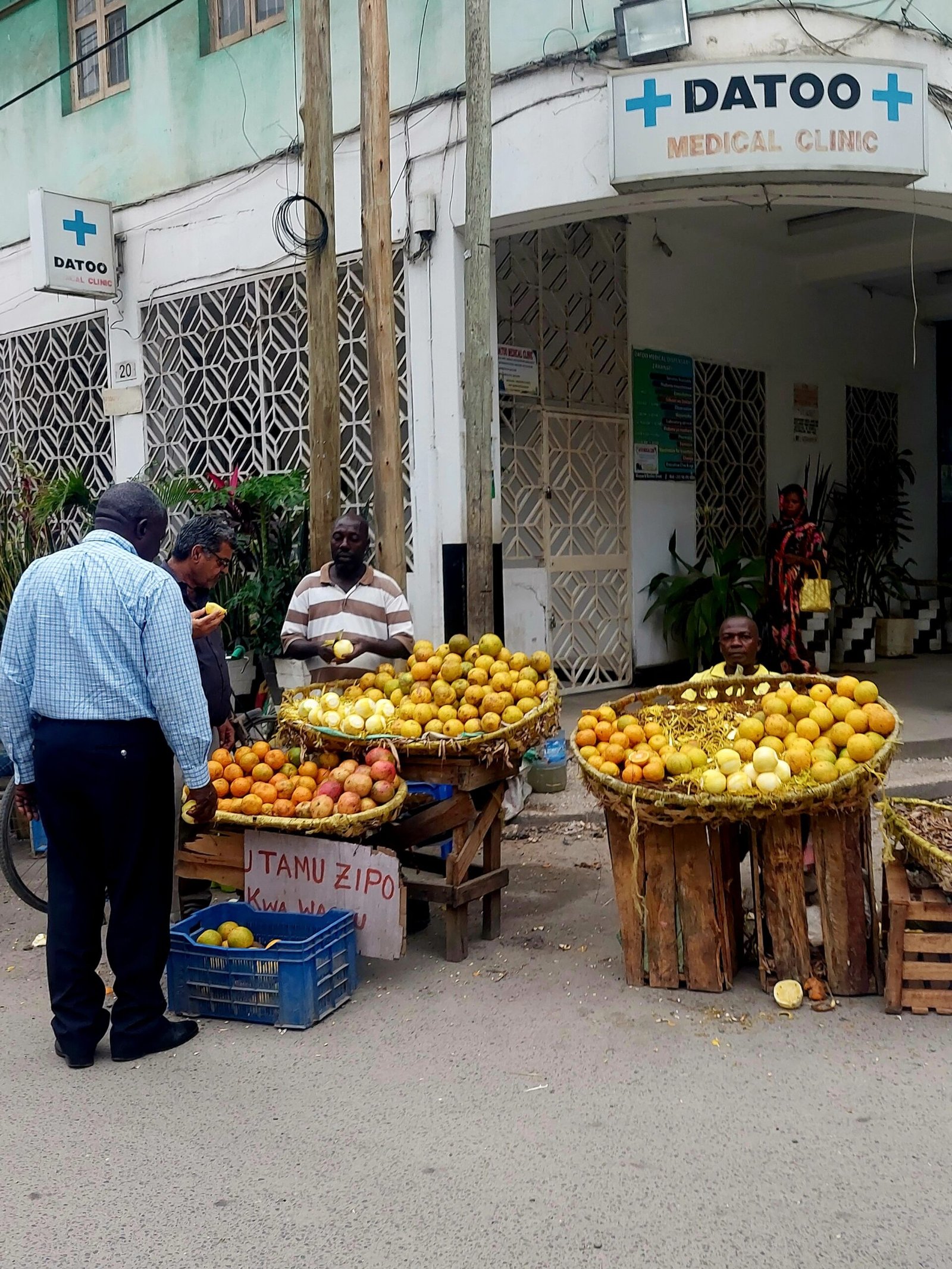
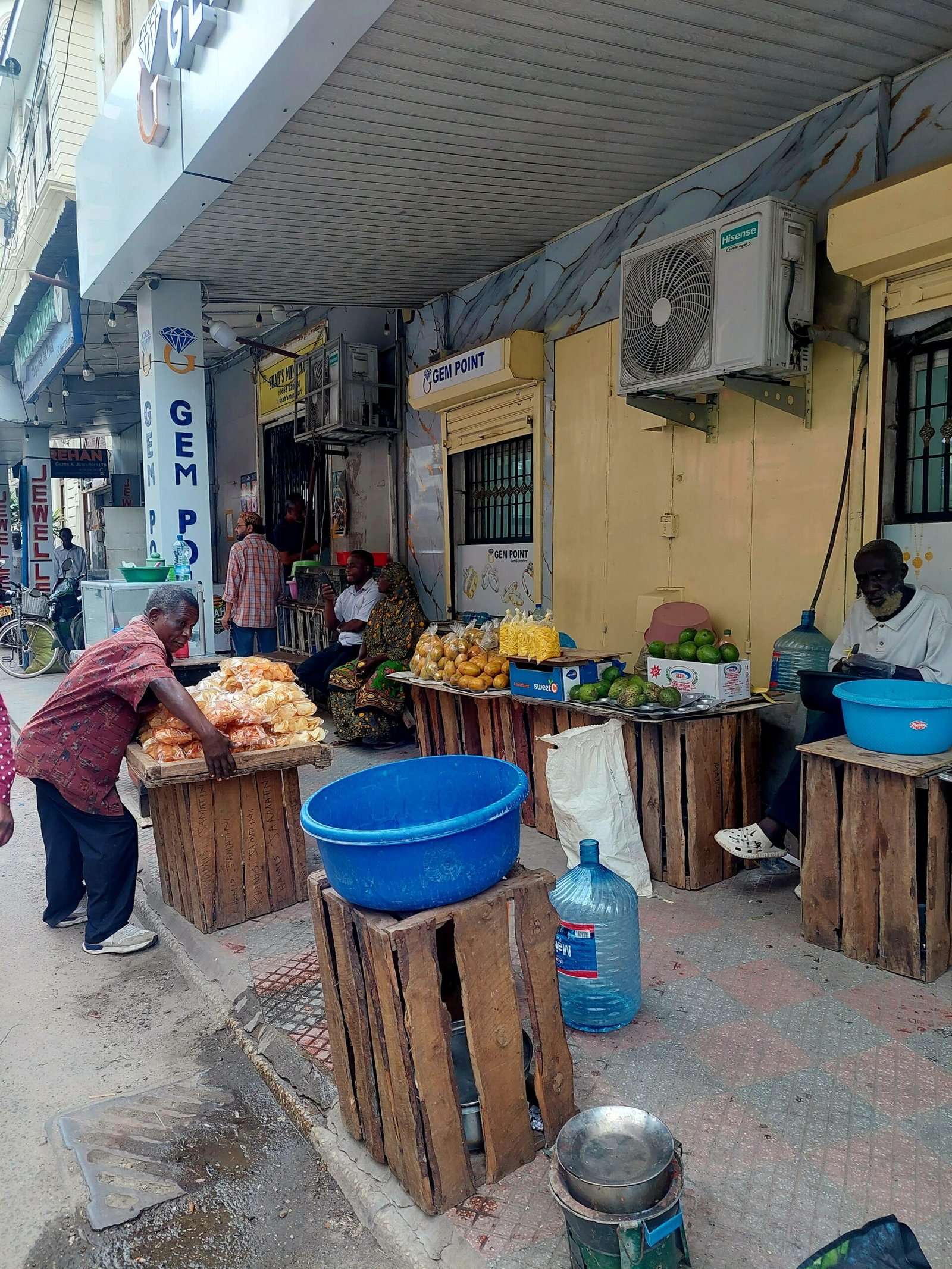
Street vendors in Dar es Salaam.
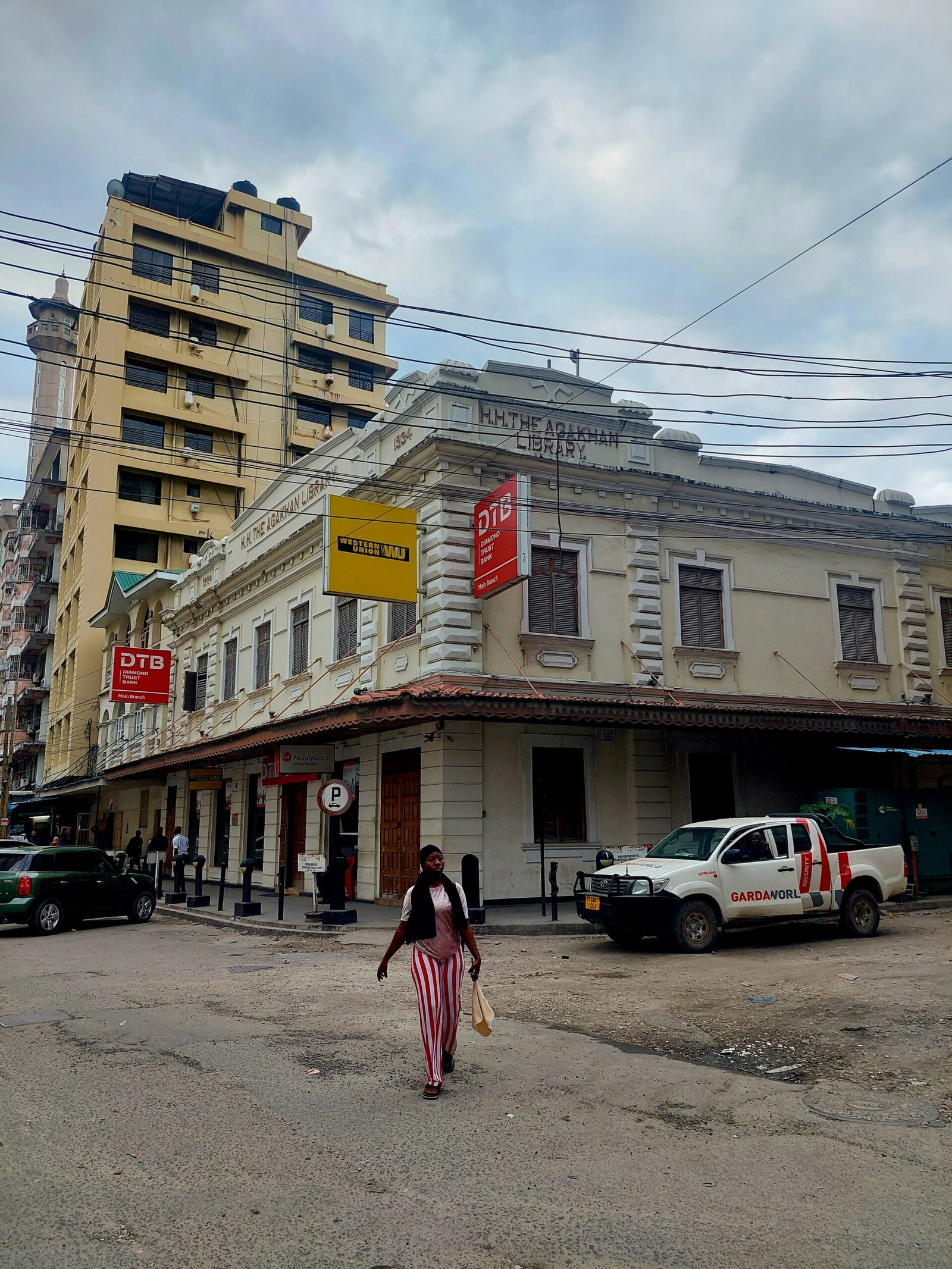
We were a little unclear whether this library was still in operation.
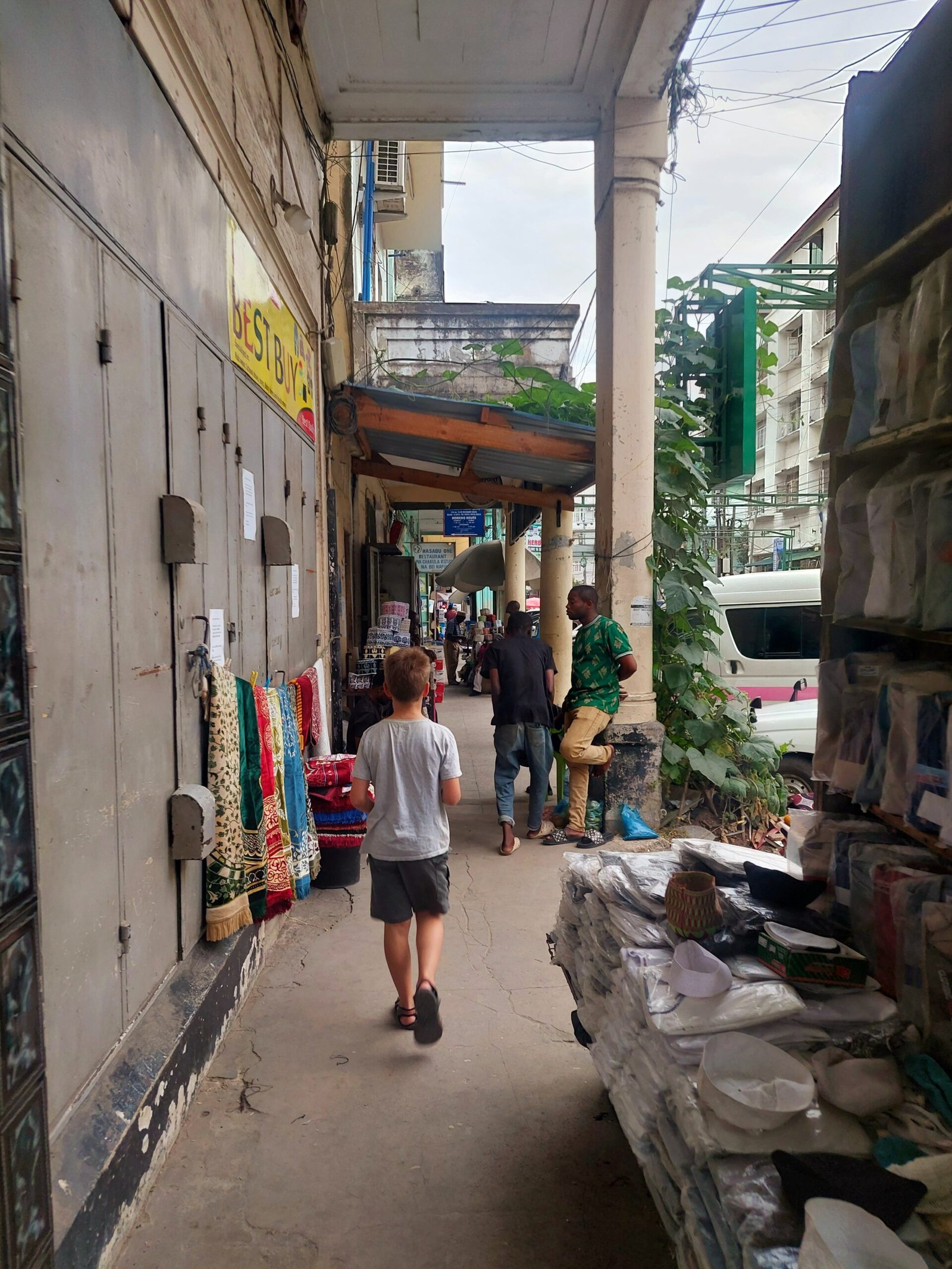
In this alley you could have bought, for example, men's hats.
We didn't dare to buy food from the street cafés like the locals.