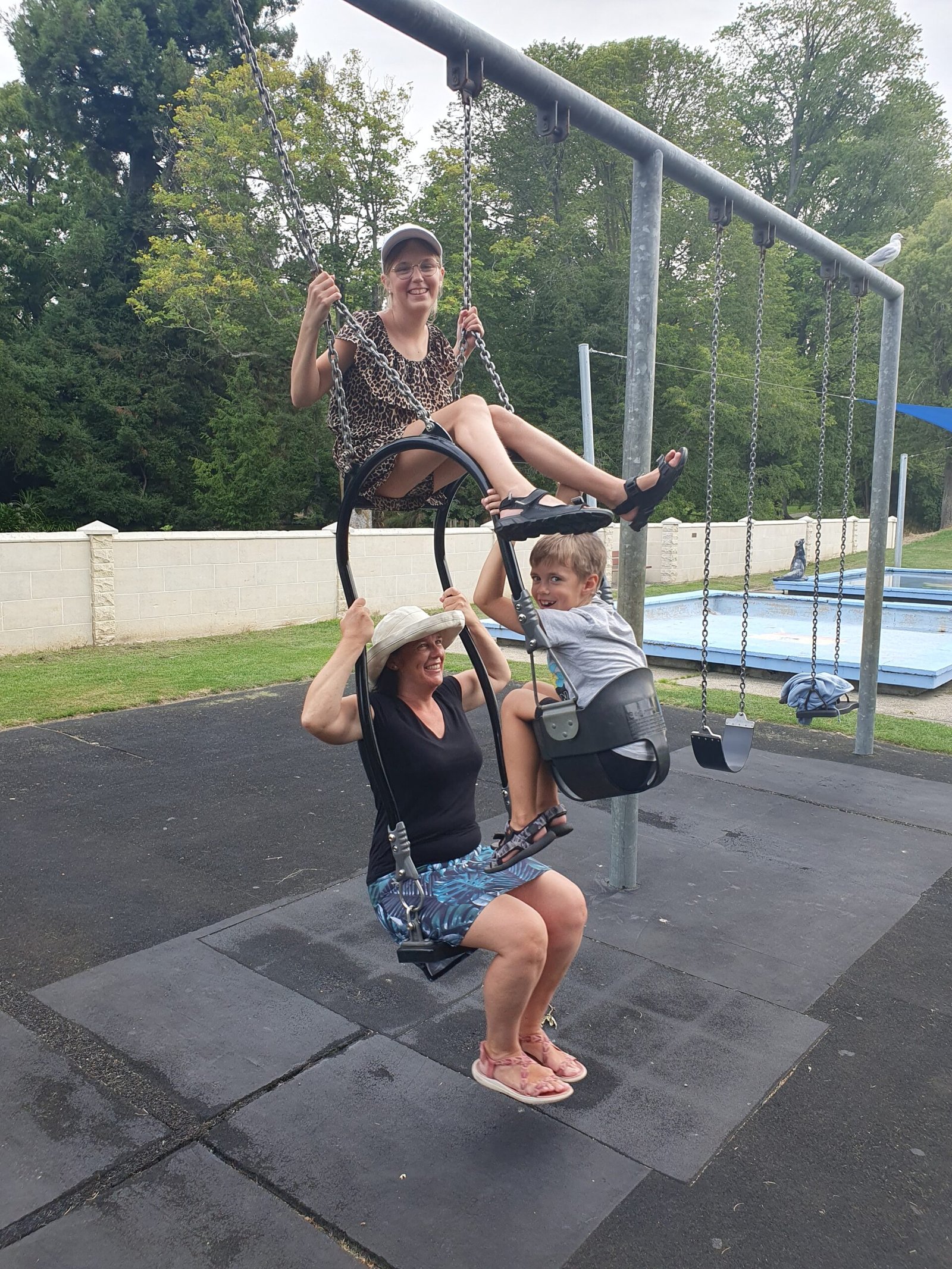
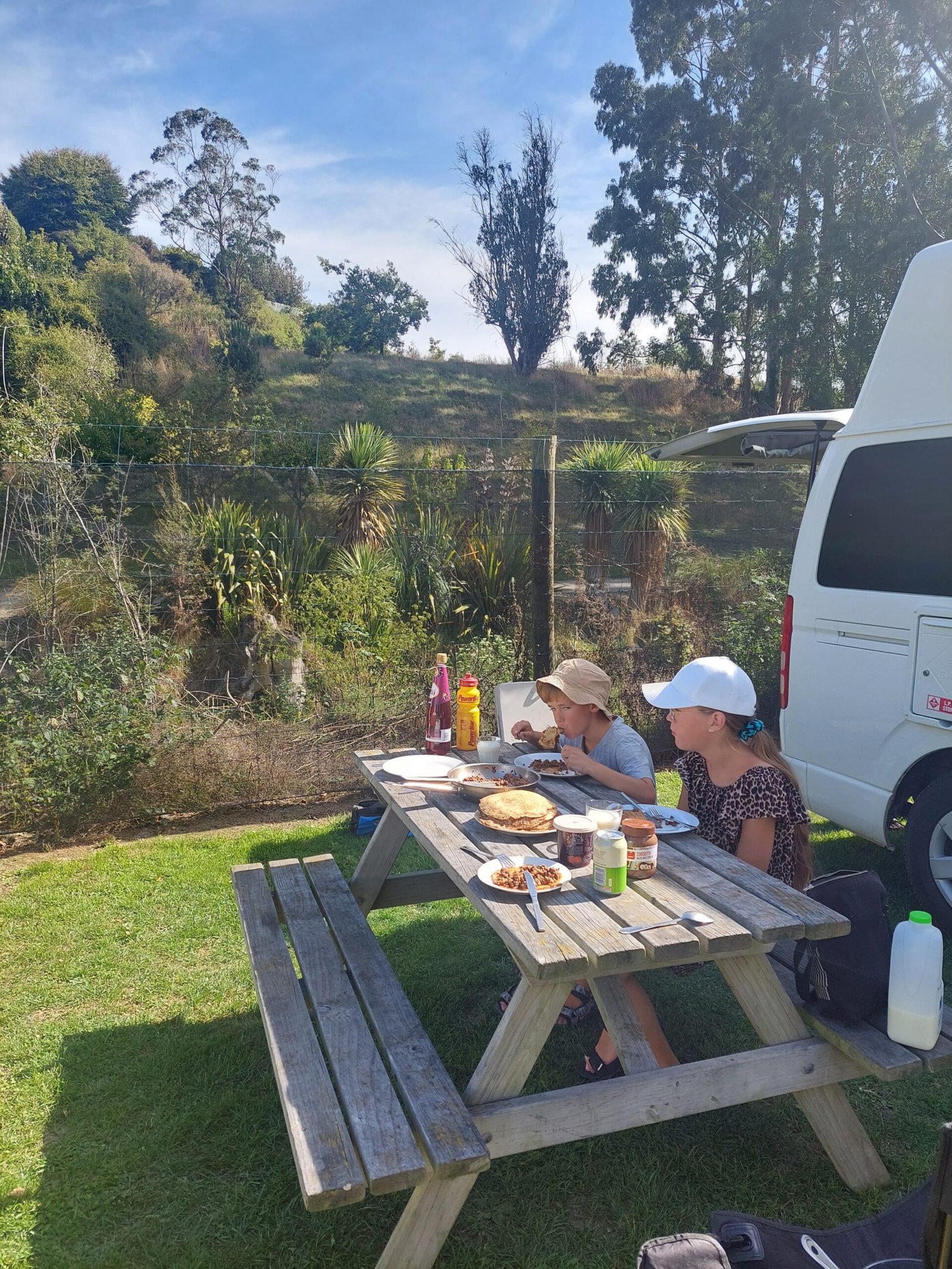
From Mt. Cook we continued our journey to the small town of Oamaru. The main reason for this stop was the colony of blue penguins that live there, which we wanted to see. Unfortunately, all the closer viewing areas were already booked, so we decided to postpone our visit to the penguins until the next day. Instead, the kids went to the playground next to the campsite, and after that we went for a short walk together in the city centre. The tour was short mainly because the city is small, with only about 14 000 inhabitants, so the downtown area is pretty small. Later we headed back to the campsite, and spent the rest of the hot day there. On kids’ request we made pancakes for dinner.
Family swing
The kids had to eat one pancake with minced meat filling before the children got the Nutella pancakes they wanted.
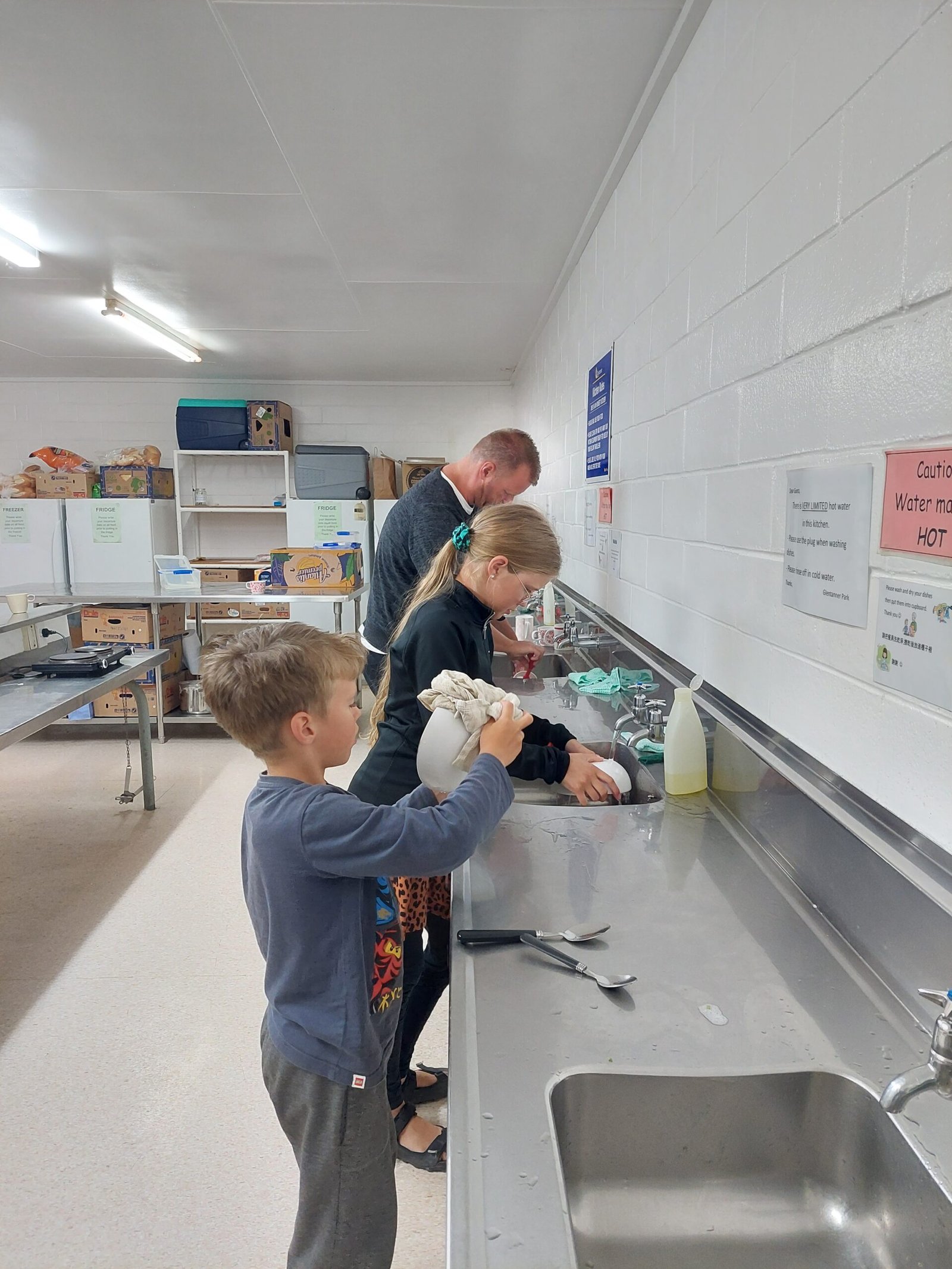
When it comes to doing dishes, there is a job for everyone: washing up, rinsing, drying or putting away the dishes.
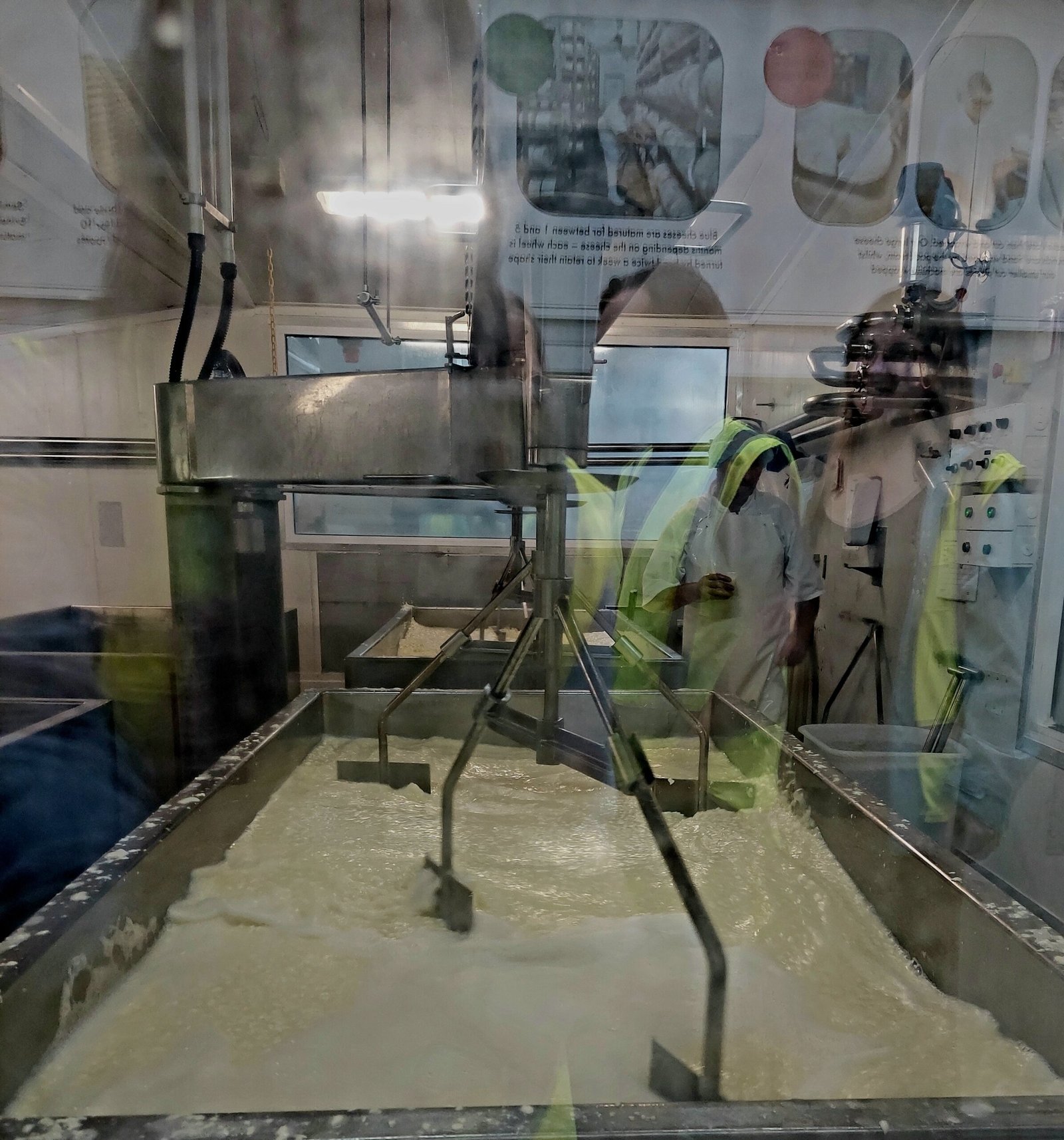
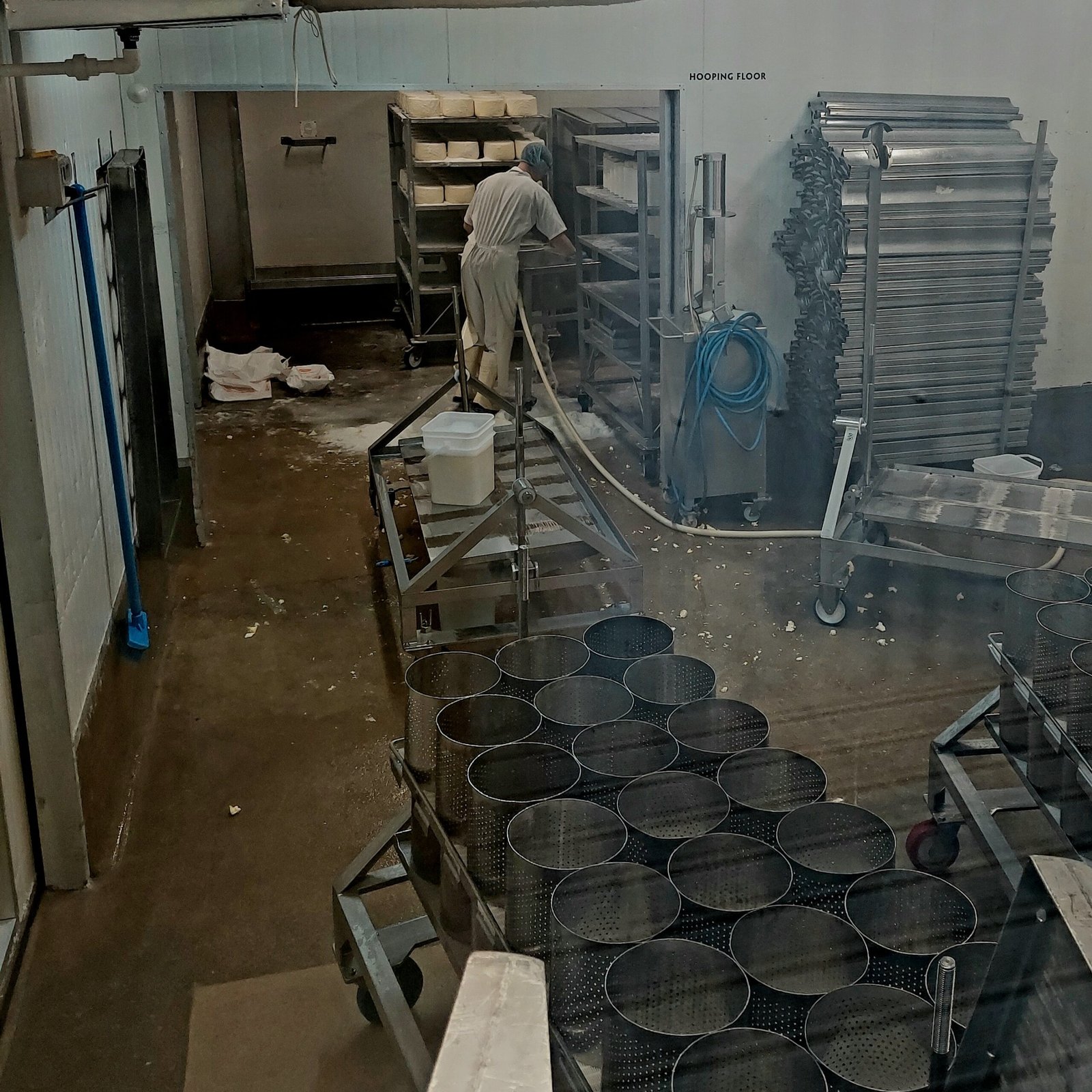
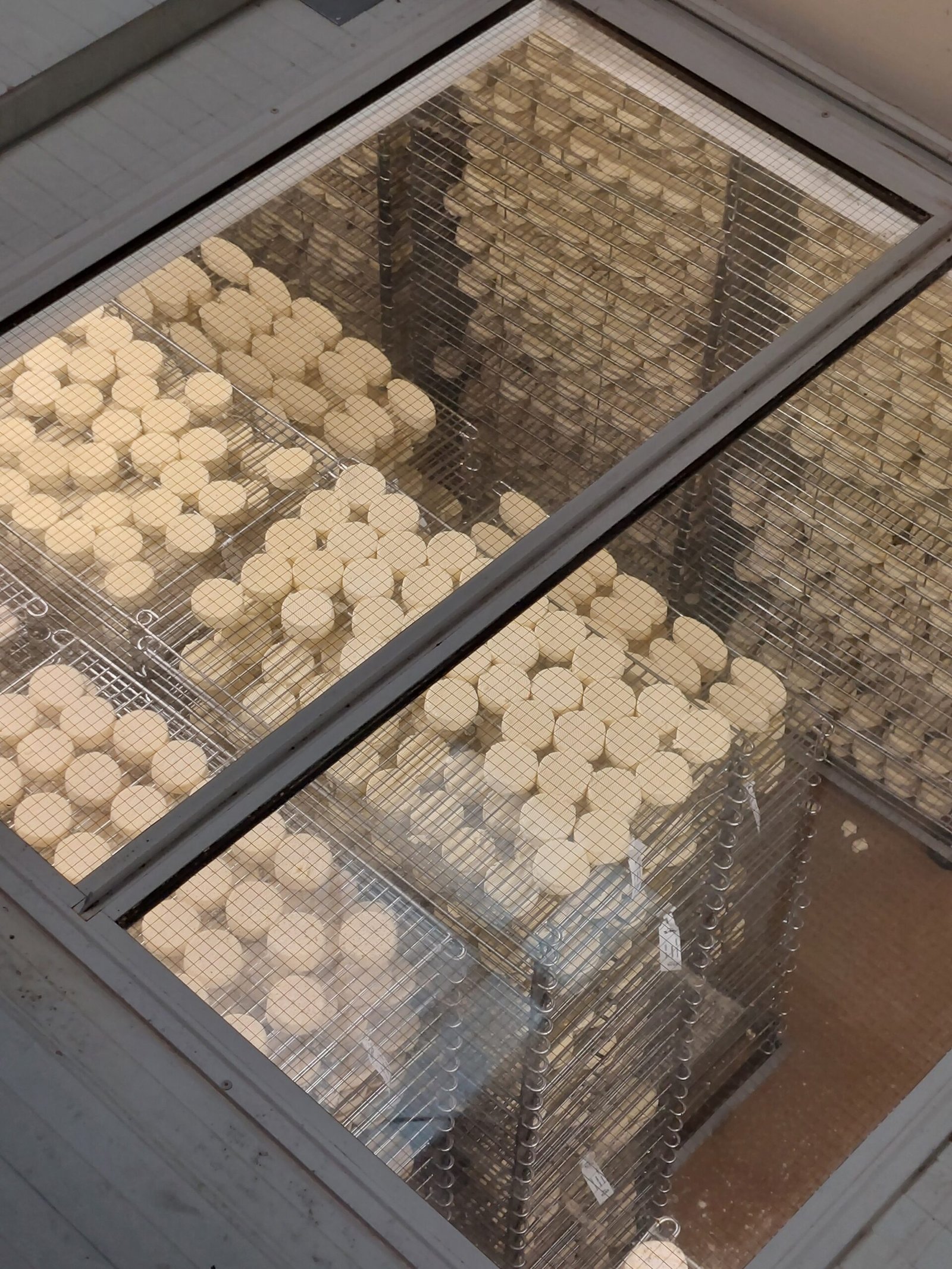
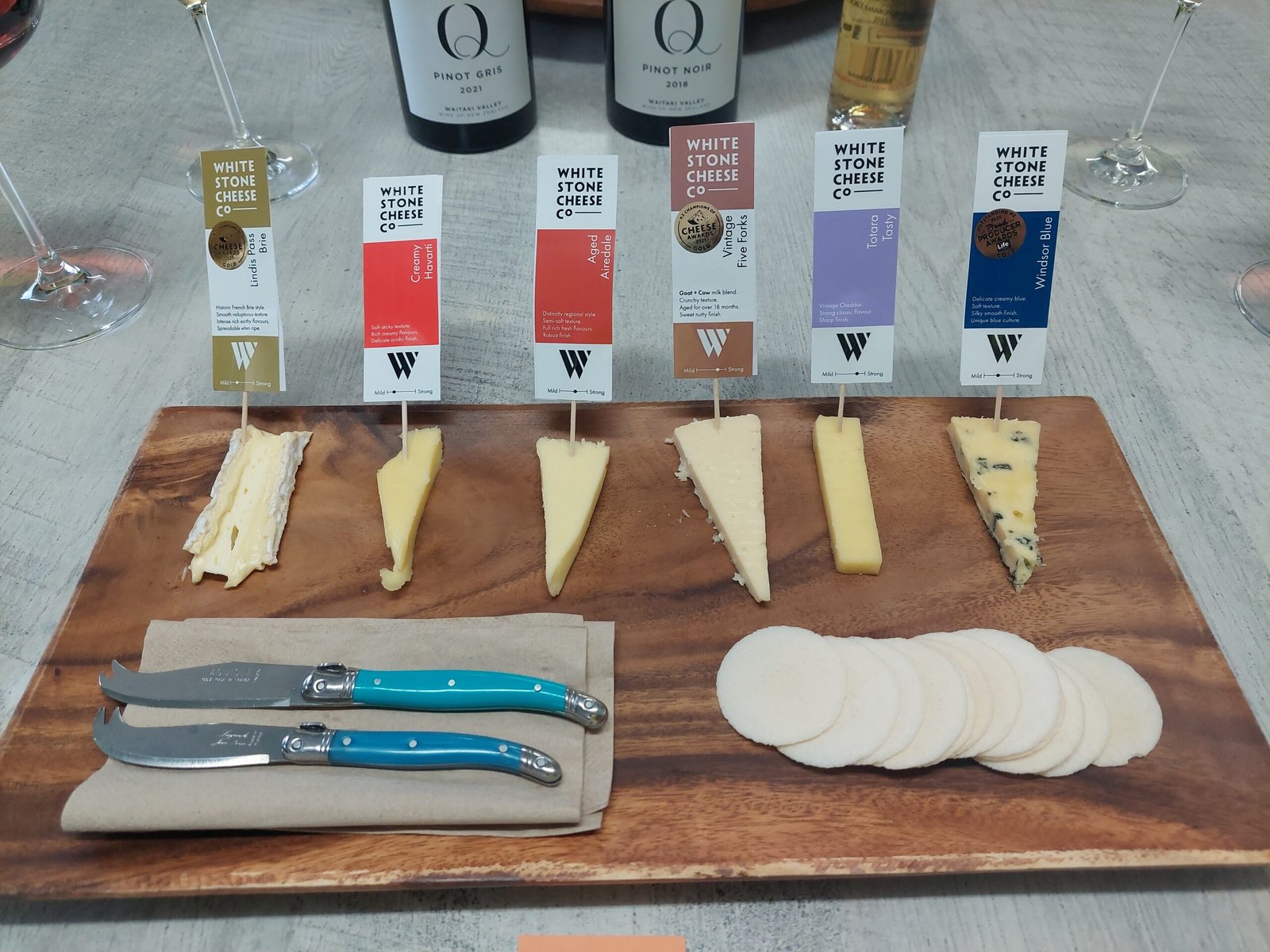
On Thursday, we went for a visit to the local cheese factory. White Stone Cheese Factory claims to be the most popular cheese factory in the country. They even had a newspaper article about it to show us. If it is true or not, we don’t know, but at least the cheeses we tasted there were all excellent. Before we got to the tasting stage though, we took a tour around the factory. We couldn’t get into the actual production areas for hygiene reasons but we could observe the process through large glass windows instead. During our visit, both Brie and Camembert cheeses were being made at the factory. When our guide found out that Risto didn’t like cheese at all, he did everything he could to convert the little man into a cheese lover. But the attempt failed. Risto still doesn’t like cheese.
Cheese curds being whisked
In the foreground are cheese curds. In the background the salt basin is being washed where the blue cheese curds were swirled before being stored for the first time.
Because Brie and Camembert look similar on the outside, they are made in different sizes and shapes to distinguish them from each other.
Yummy!
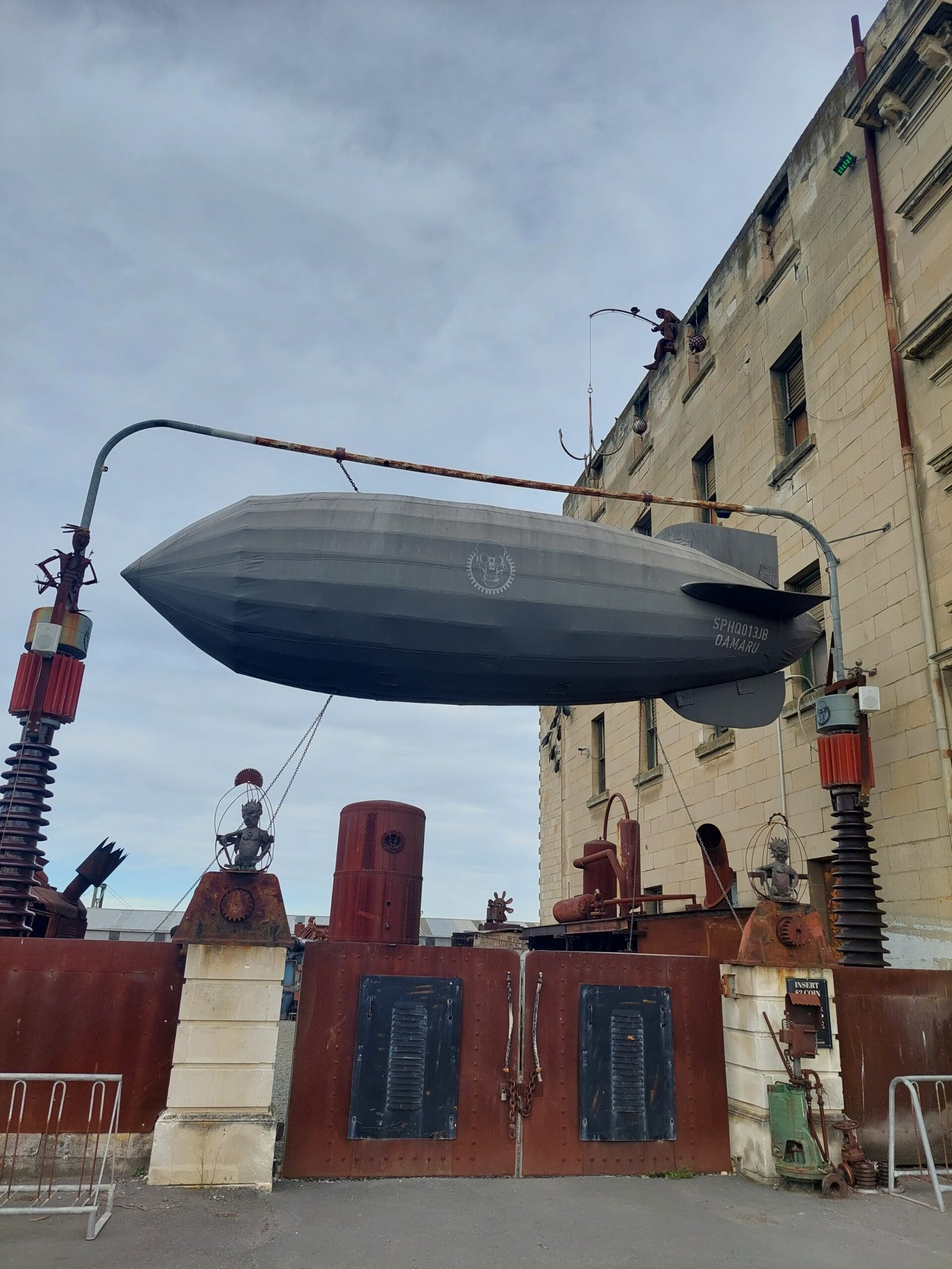
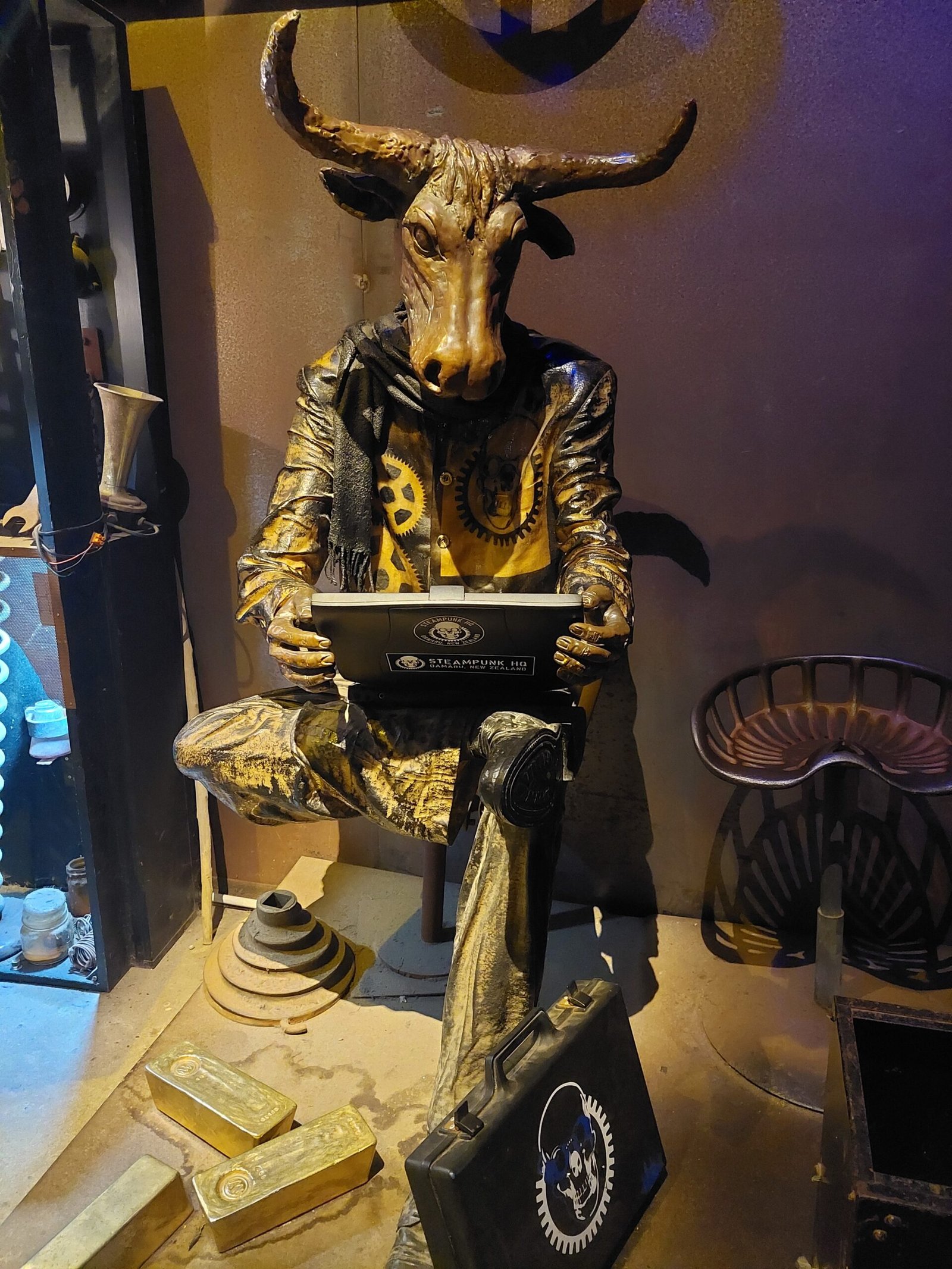
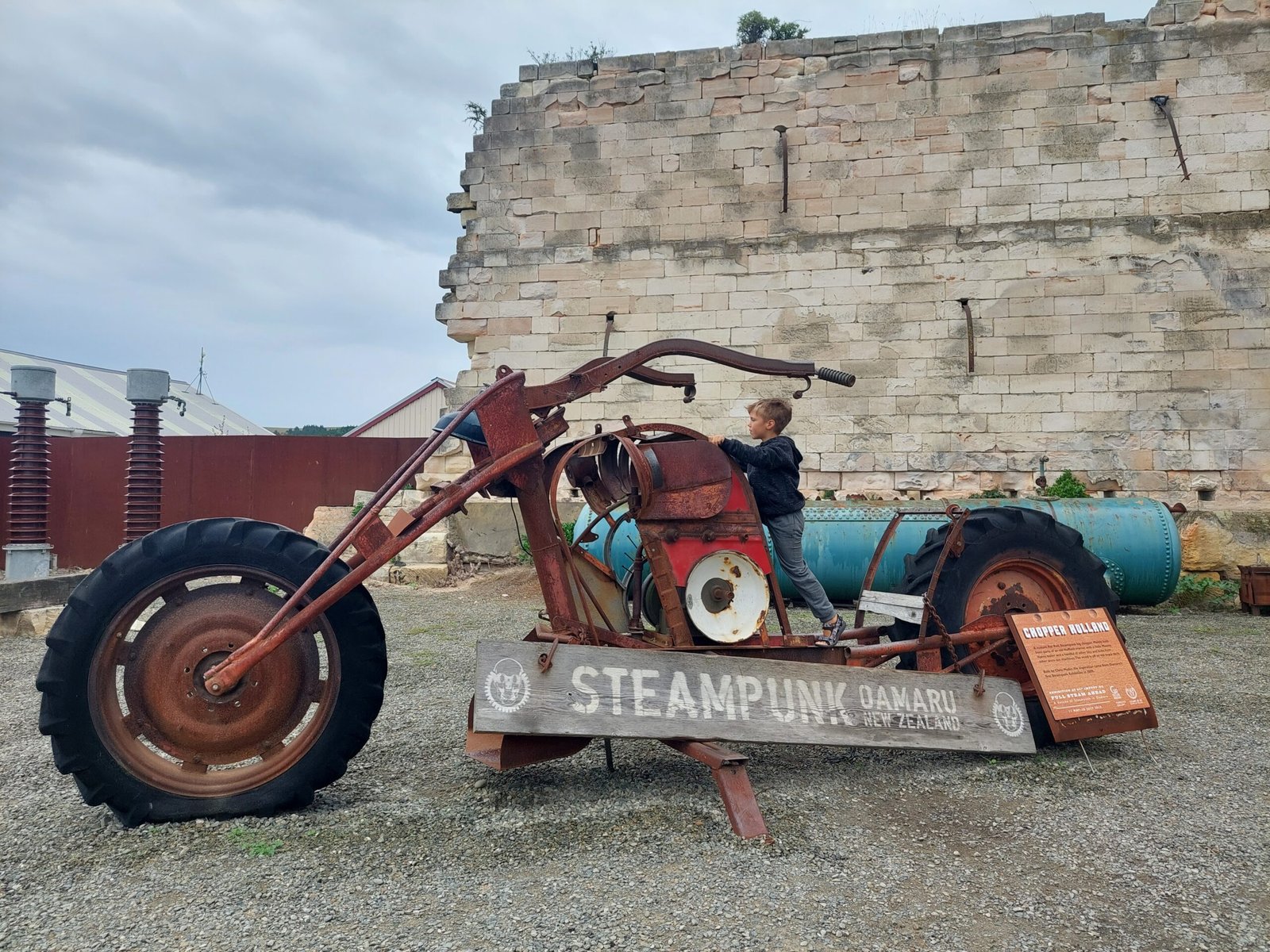
From the cheese factory we went to a museum called Steampunk HQ. Museum is the wrong name for the place, really, because it was such a strange place. It was some kind of combination of sci-fi culture and old steam-powered machines. We entered “a portal”, a 2,5 minute light show in a room lined with mirrors. It was really, really cool! The rest of the exhibition is a matter of opinion. One couple seemed to be chatting amongst themselves that the place looked more like a scrap yard than art. The kids at least had fun touching all the gadgets there. For once, a museum that allows you to touch, not just look.
Steampunk HQ
From the museum we drove to an aquatic centre near the campsite. It wasn’t huge, but we spent quite a while there nevertheless. A group of maybe pre-schoolers came to the children’s pool for a swimming lesson, and our kids played with them for a good while. At the end we dipped ourselves into the spa pools. You couldn’t stay there for very long, because they were really hot. So the lack of a sauna didn’t matter.
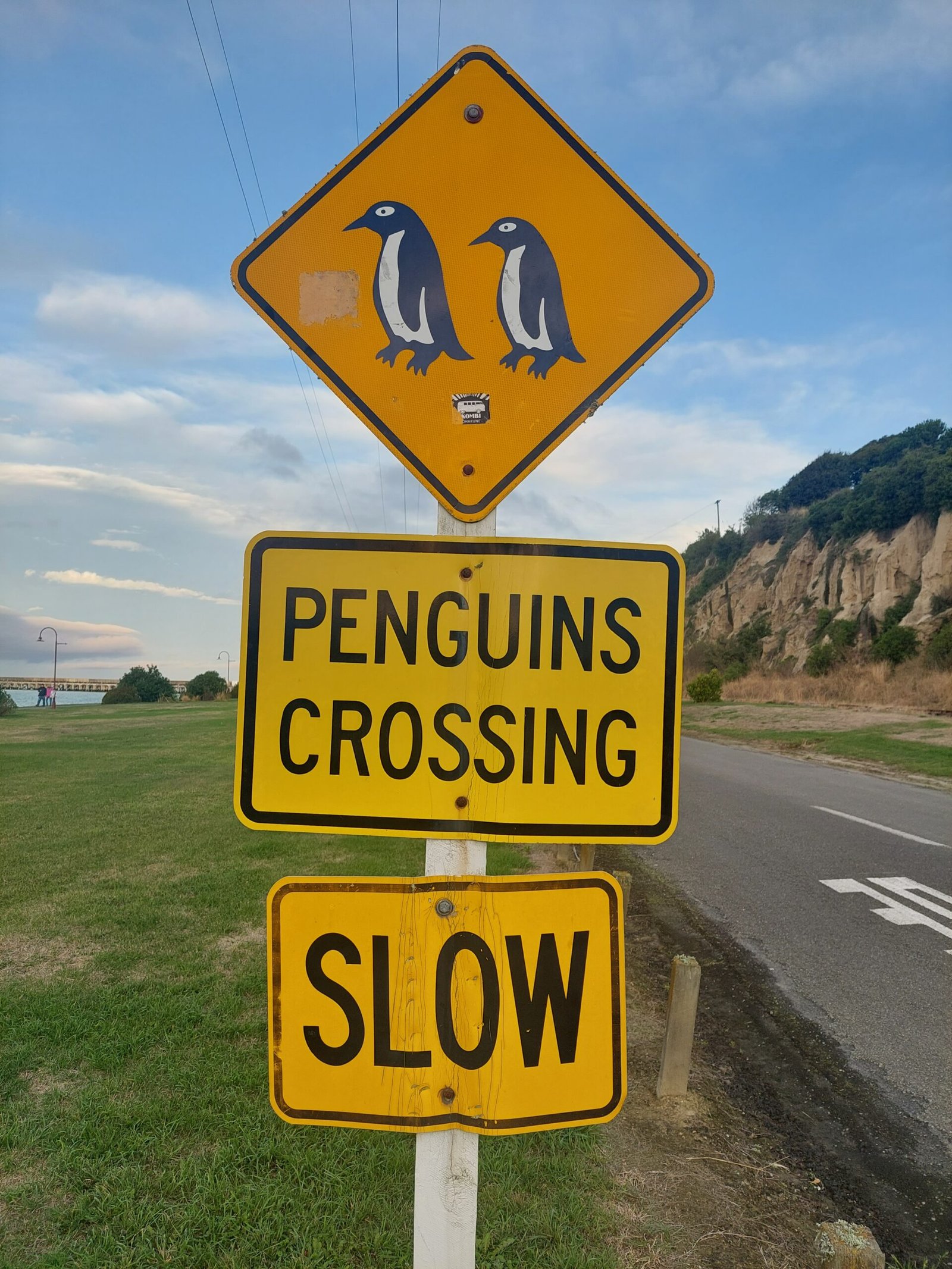
In the evening we went to see the blue penguins. They are the smallest of the 18 penguin species in the world. An adult penguin is only 30cm tall and weighs about a kilo. Except when they go through the moult. To do this, the penguins have to gain weight to survive without food for about 20 days in their nests, which is the time the moulting approximately takes. We saw some severely overweight penguins waddling clumsily from the sea towards their nests.
By the time we left the penguin colony, 102 penguins had come back from the sea. We didn’t count them, as it was the job of one of the workers at the site to count the penguins every night. It was after ten o’clock when we arrived back to the campsite. The penguins go out to fish in the morning around 5am, and don’t come back until the sun goes down. At this time of year that meant around 8 o’clock. So for almost two hours we had been sitting in the grand stand quietly watching as the penguins slowly emerged from the rough surf onto the rocks and back to their nests. Being quiet for that long is quite an achievement for both of our children!
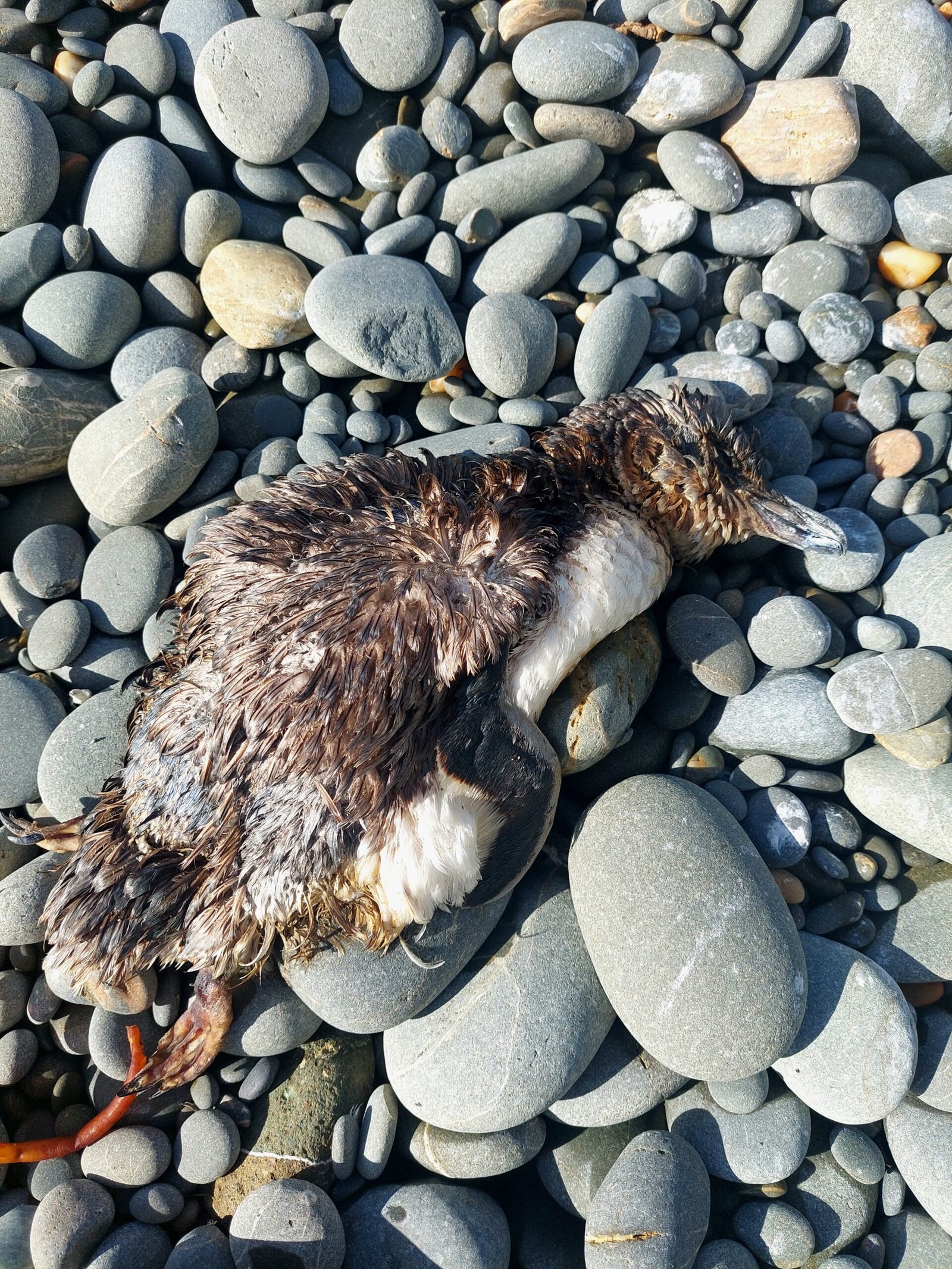
One out of three blue penguins die within the first year of life.
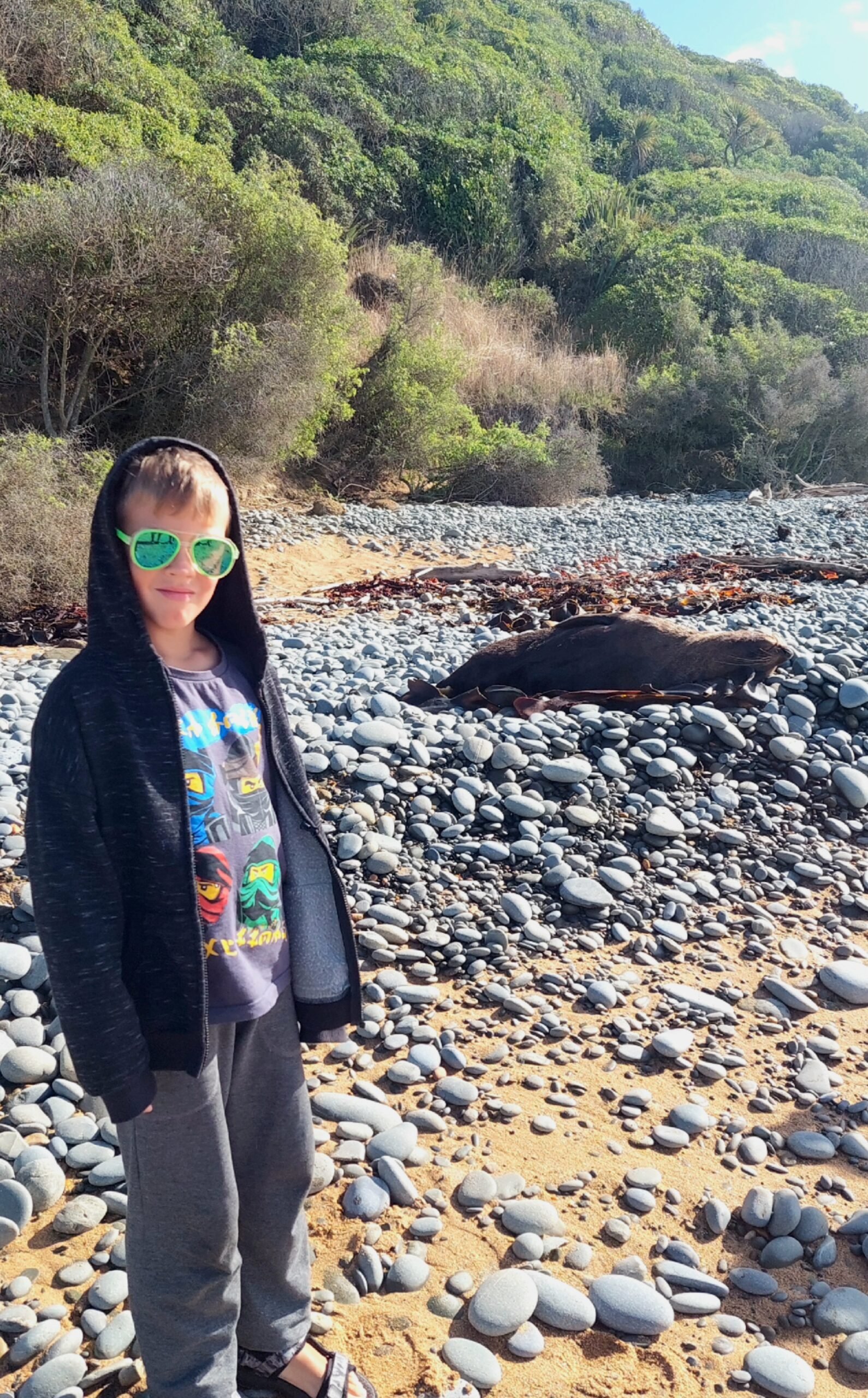
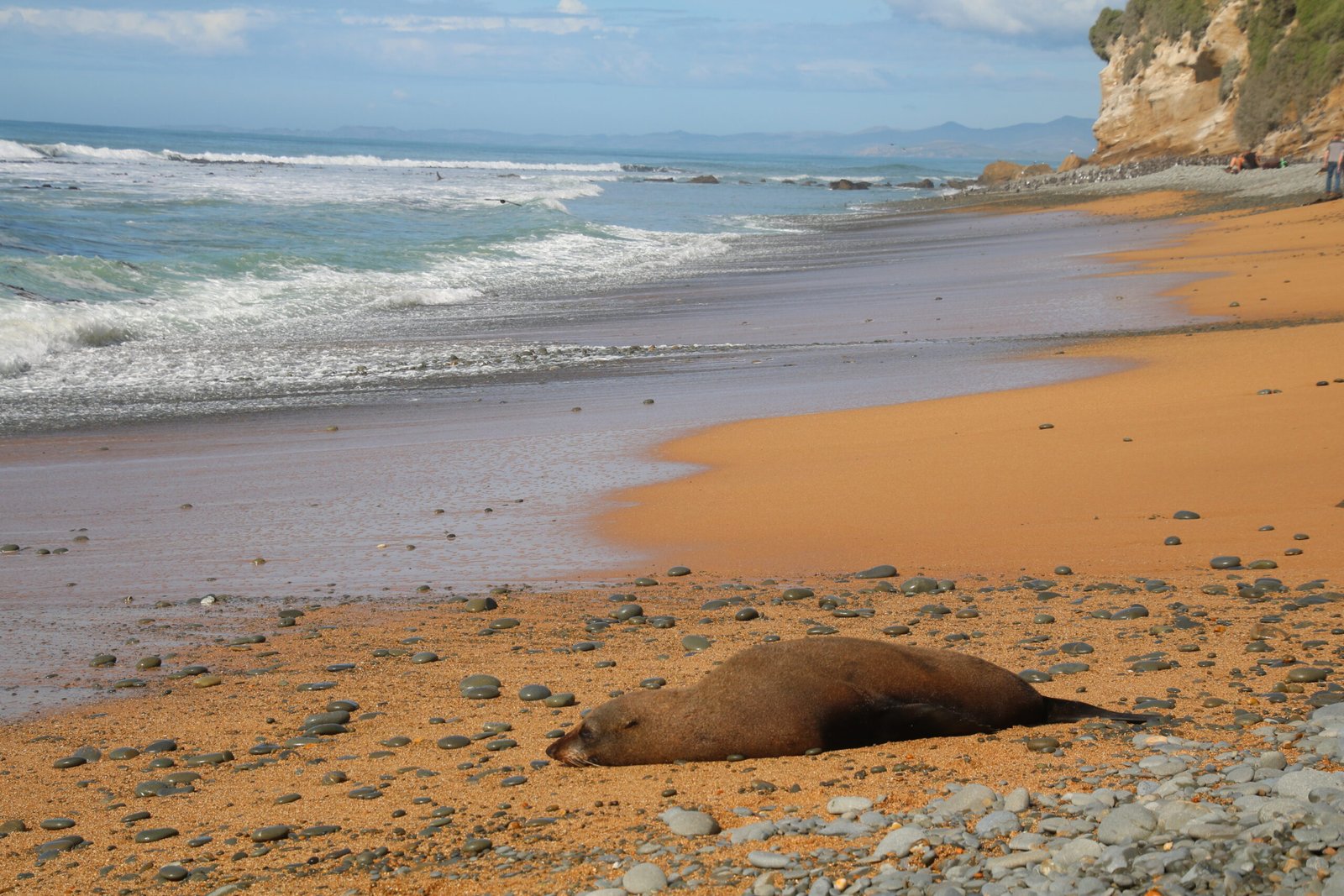
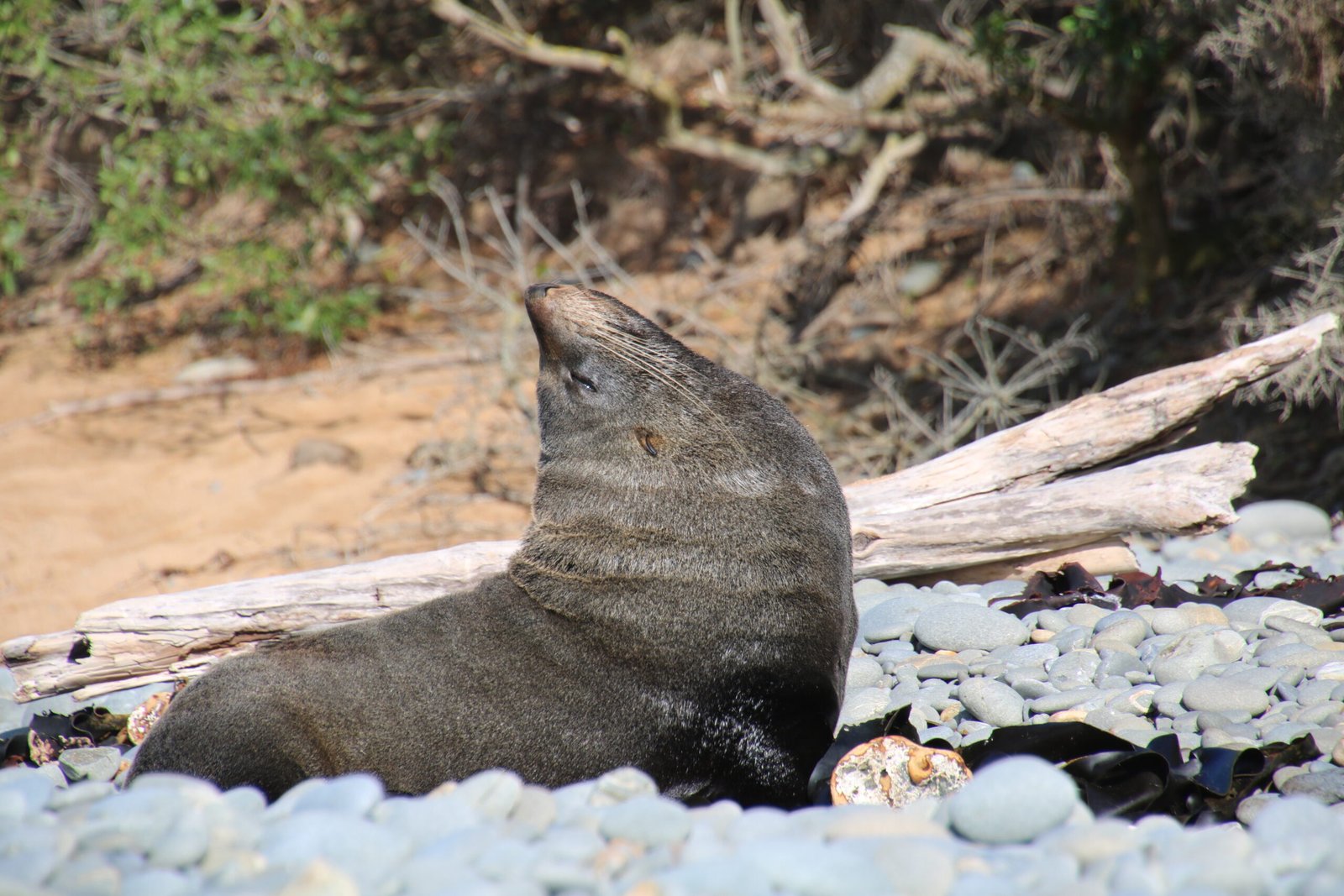
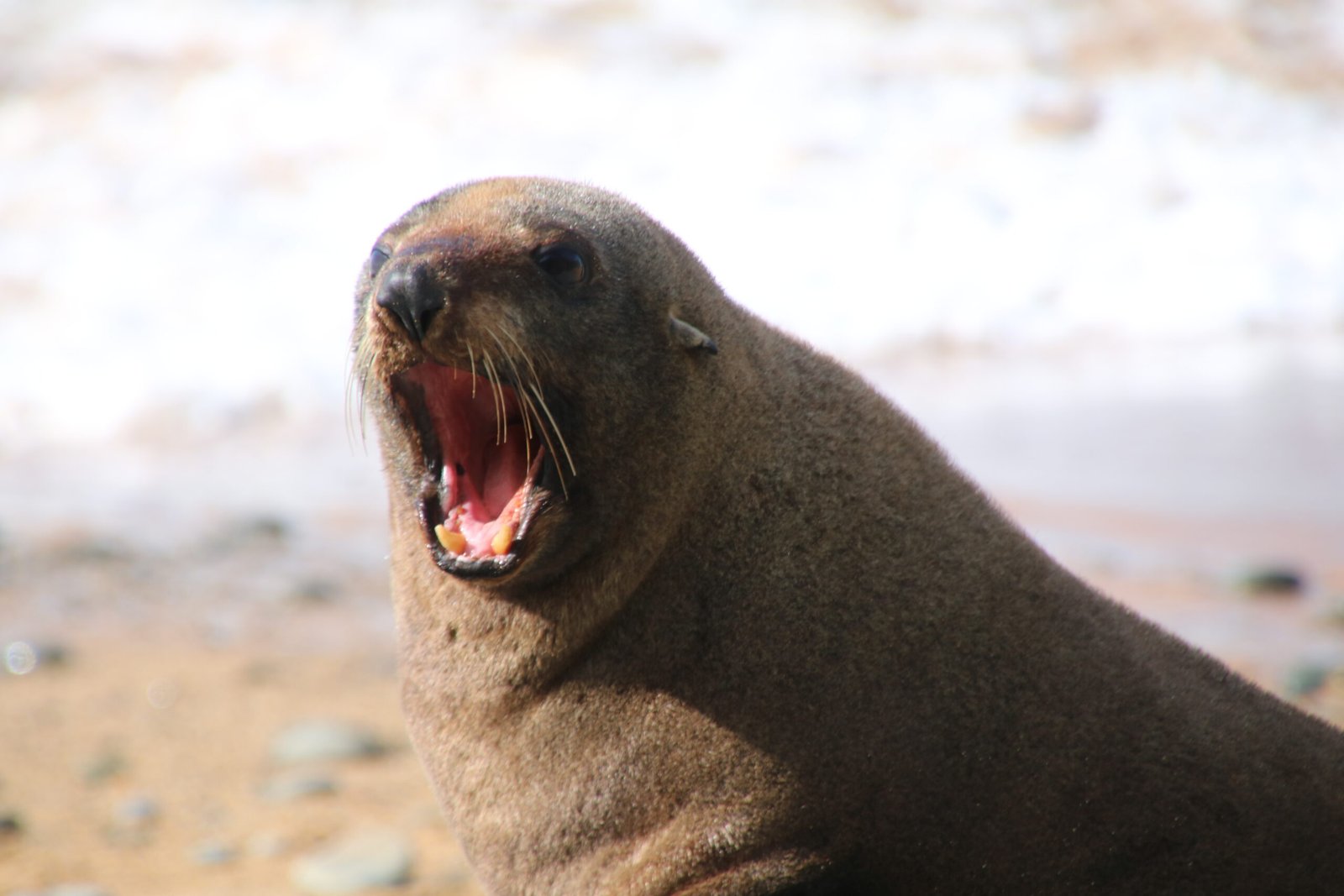
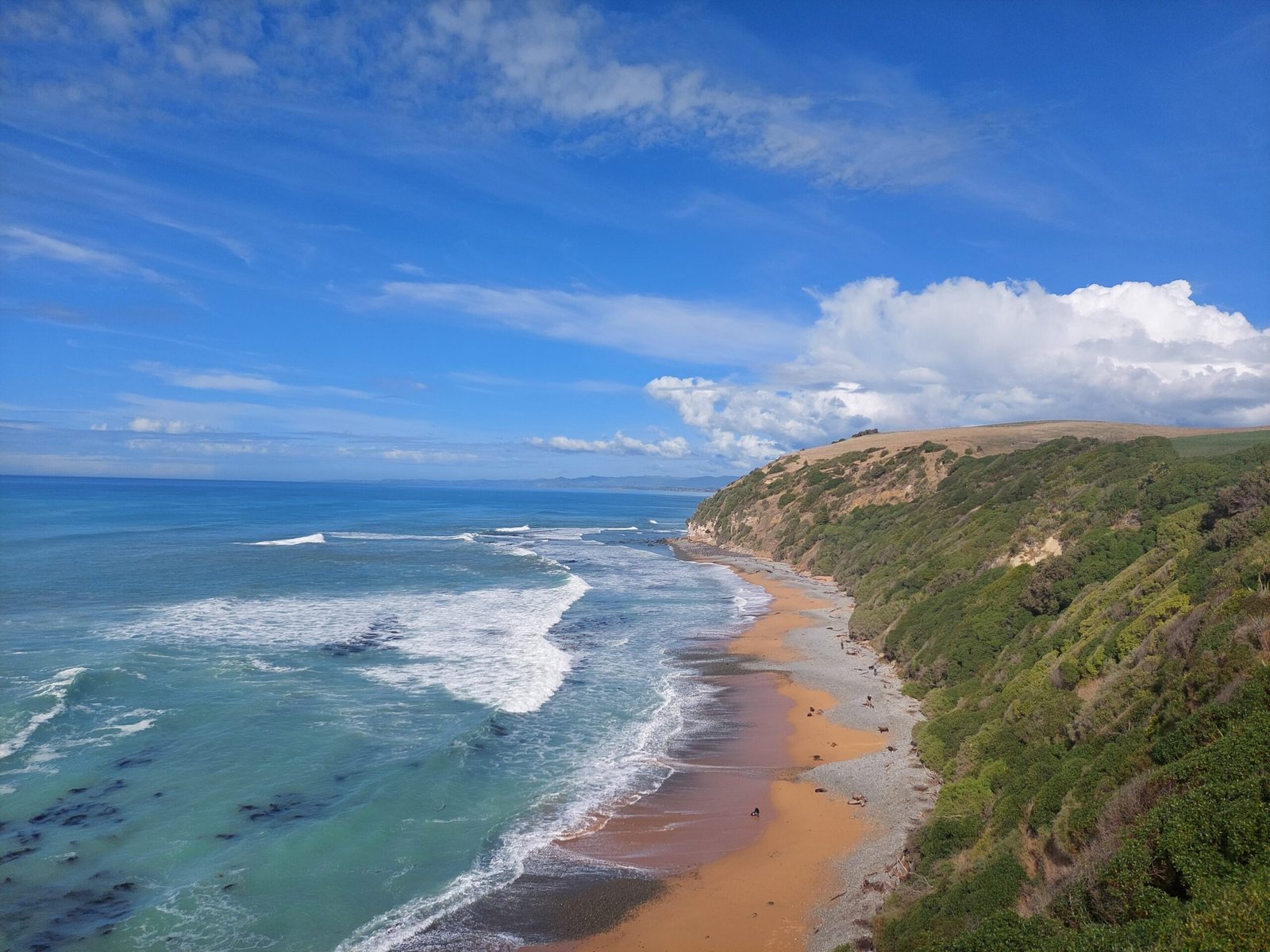
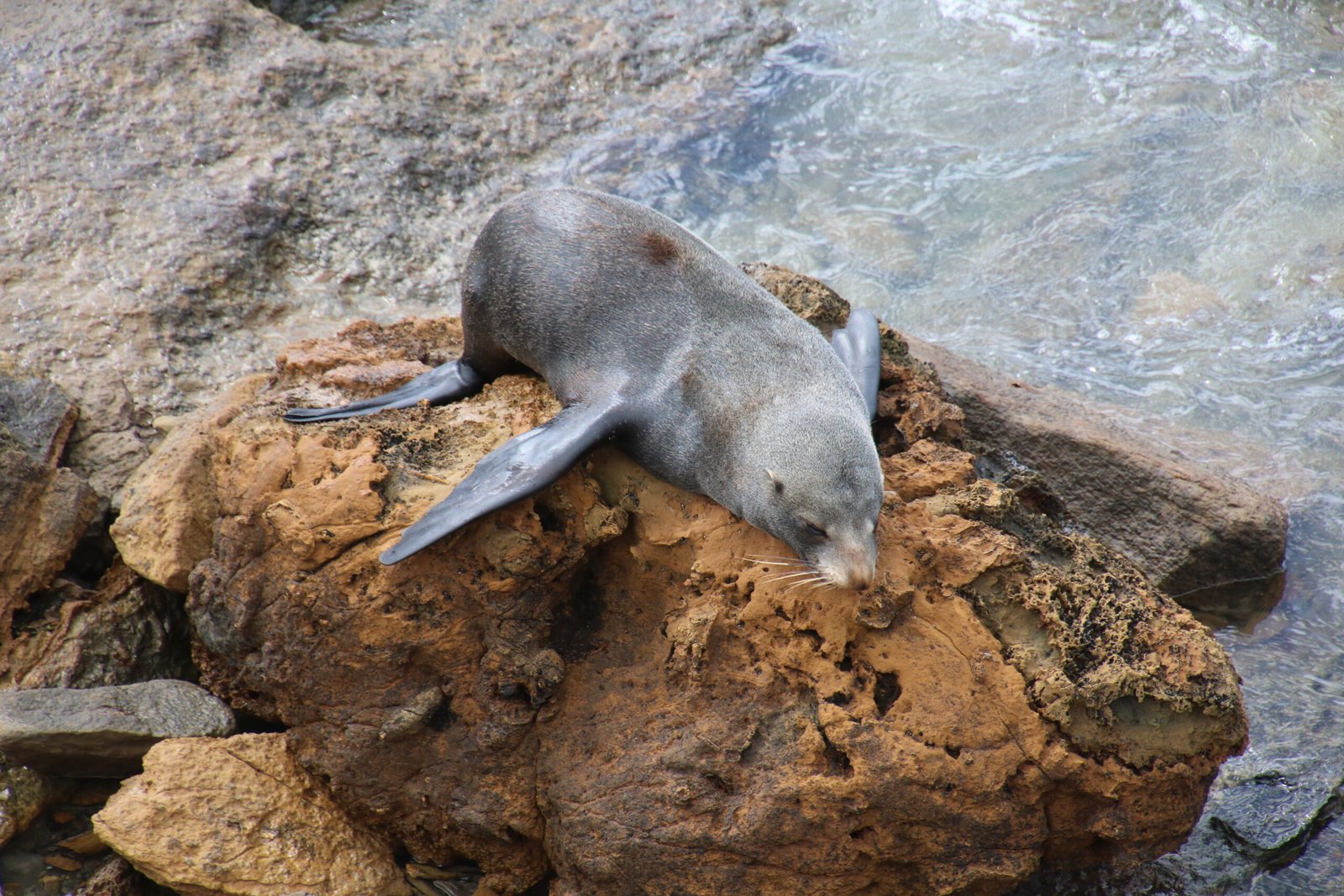
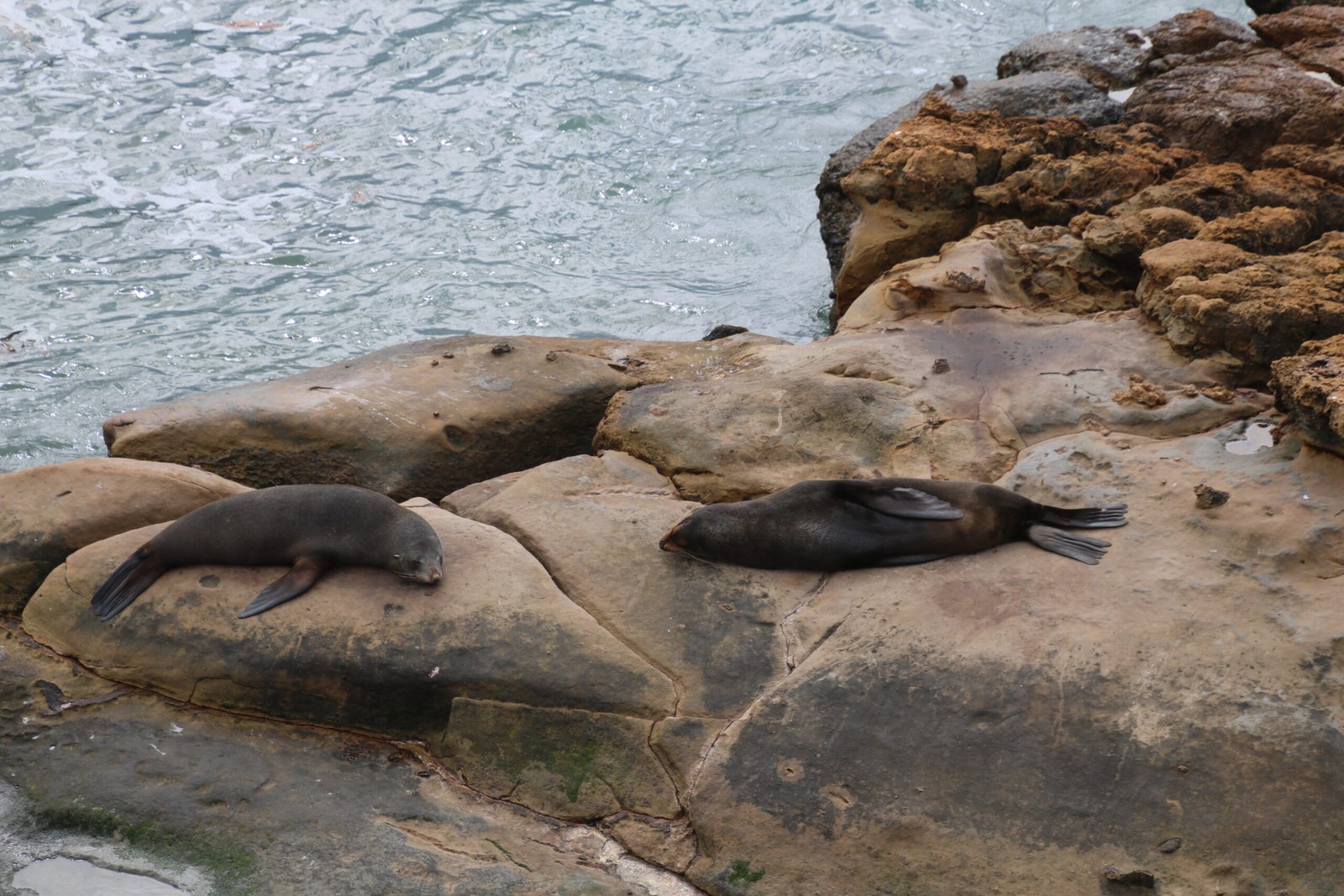
On Friday we set off for Dunedin. First we stopped at Bushy Beach near Oamaru to see the fur seals there. Rather clumsy creatures on land, but when swimming they seemed to move very smoothly. The children watched them for a while, but then they lost interest, because the fur seals mainly laid in the sun. Instead they collected empty paua shells and pretty rocks from the beach. There was also a small colony of yellow-eyed penguins on the same beach, but as we were there during the day, we didn’t see them. The penguins were out at sea looking for food.
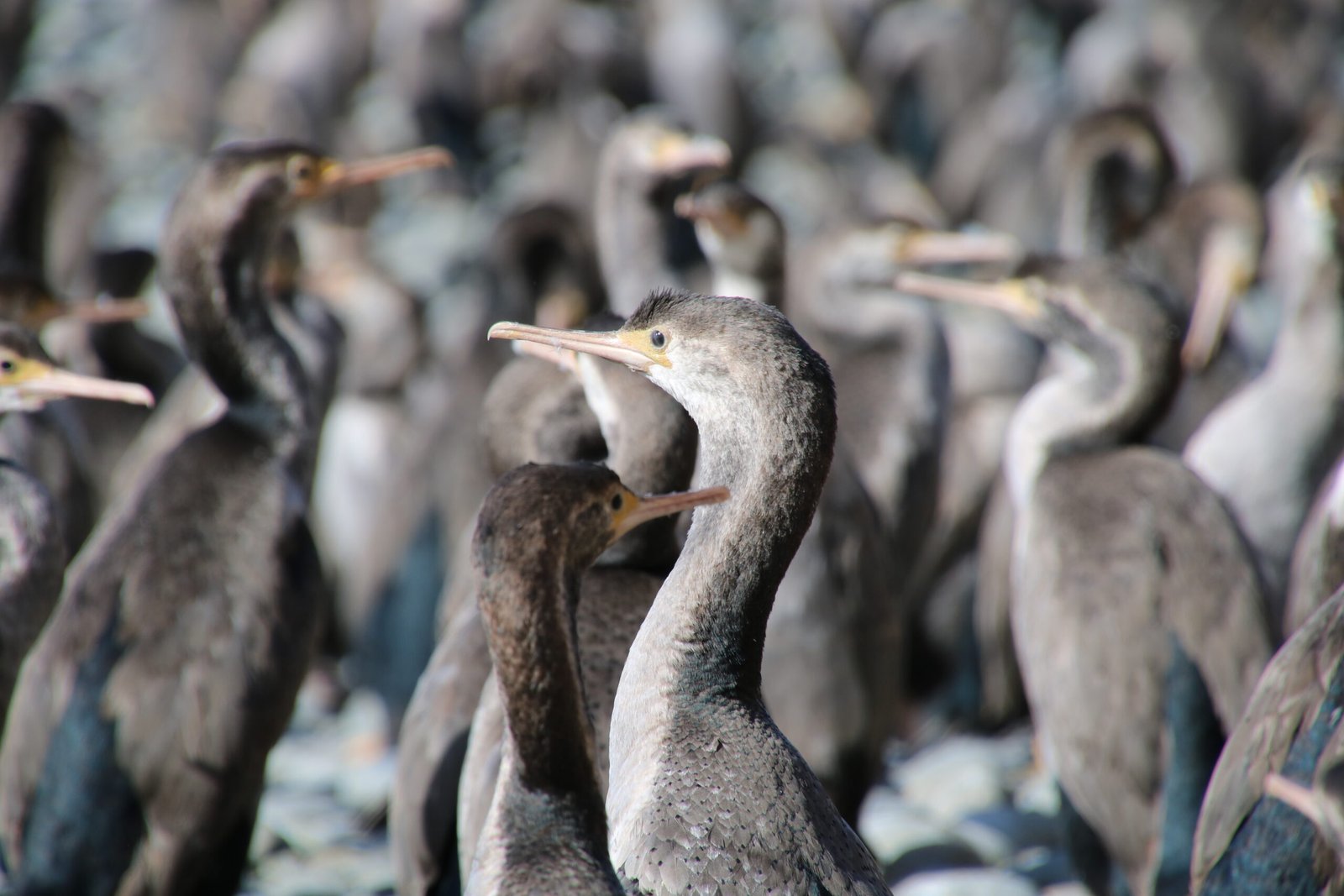
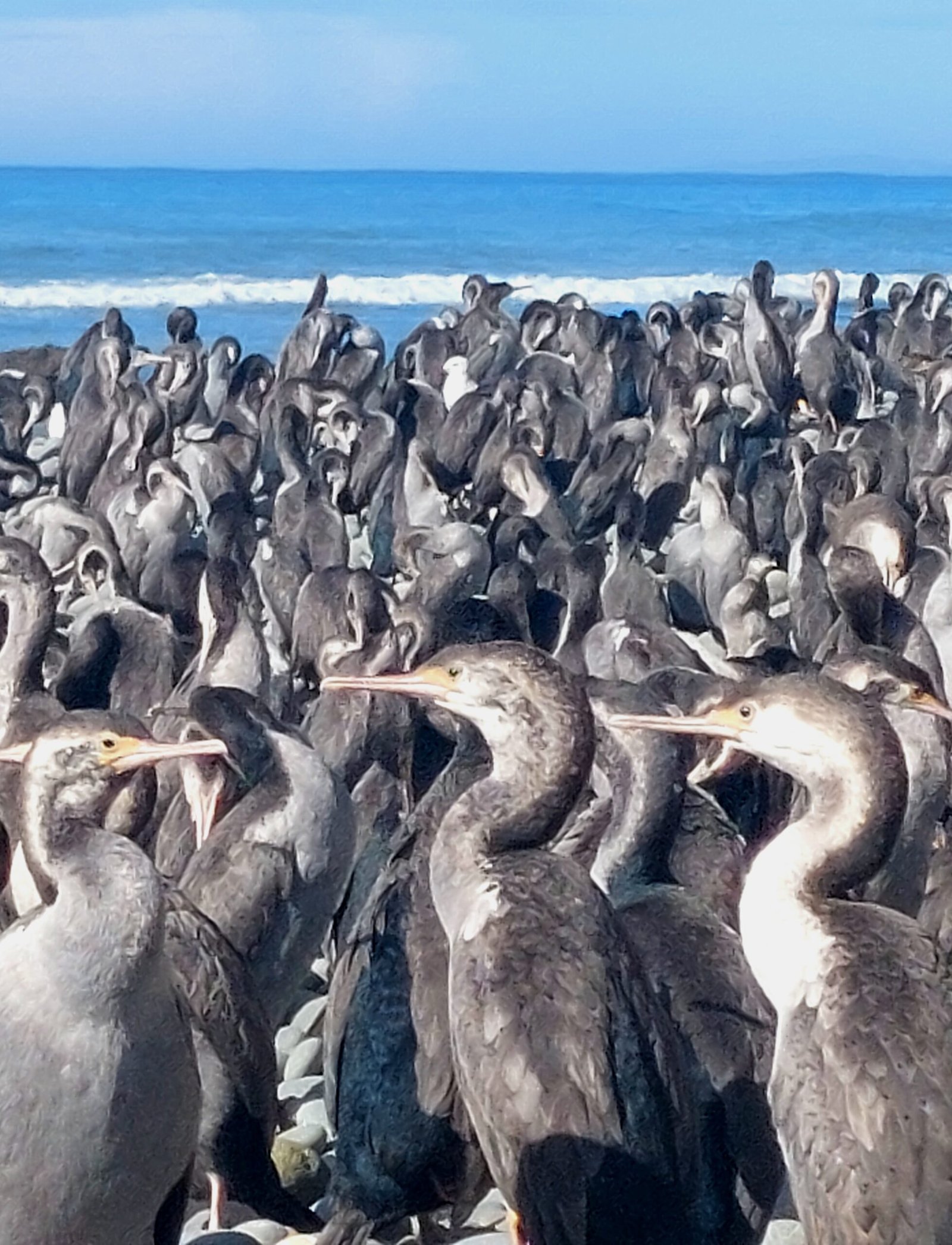
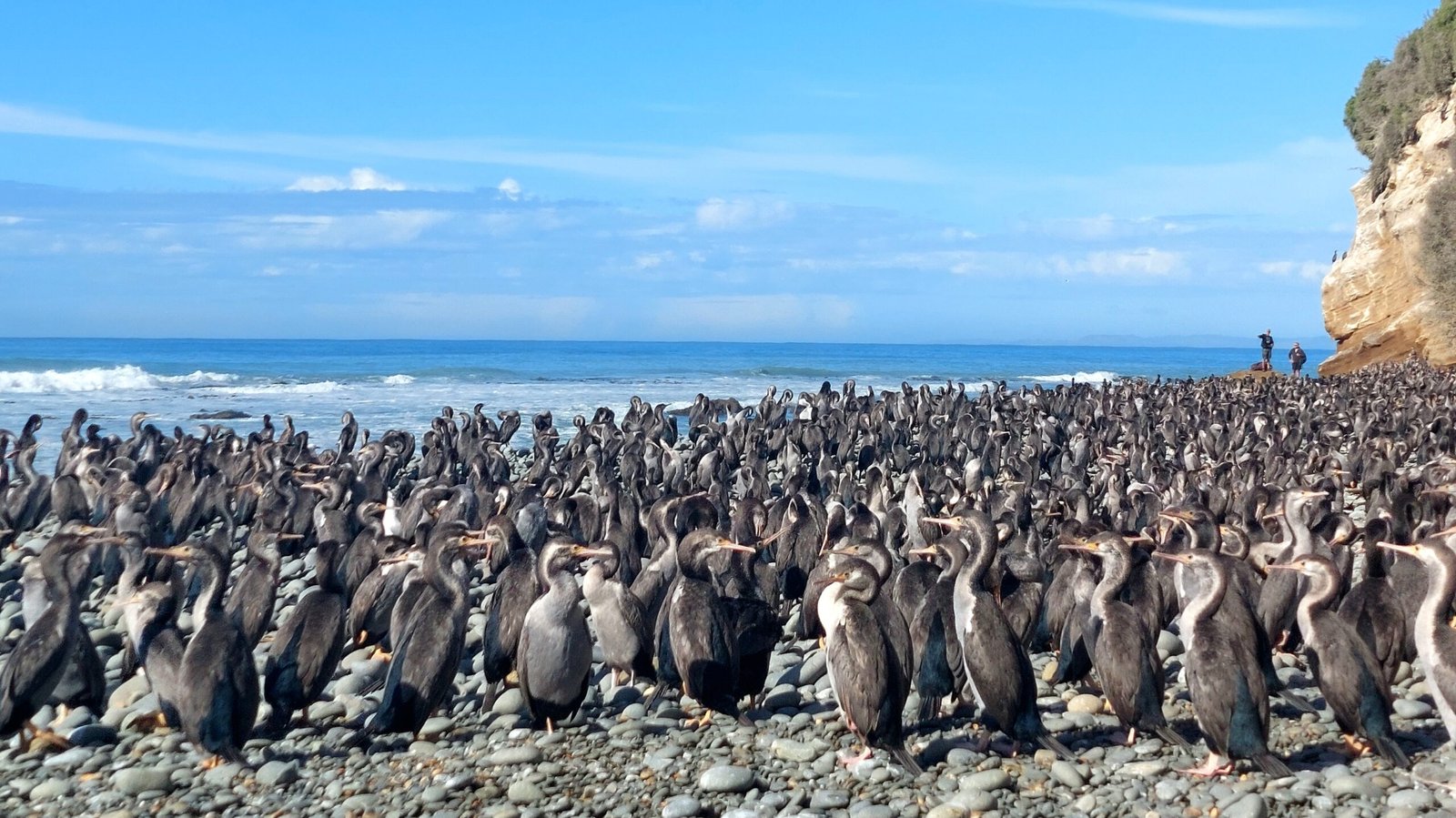
A colony of cormorants also lived on the same beach as the fur seals.
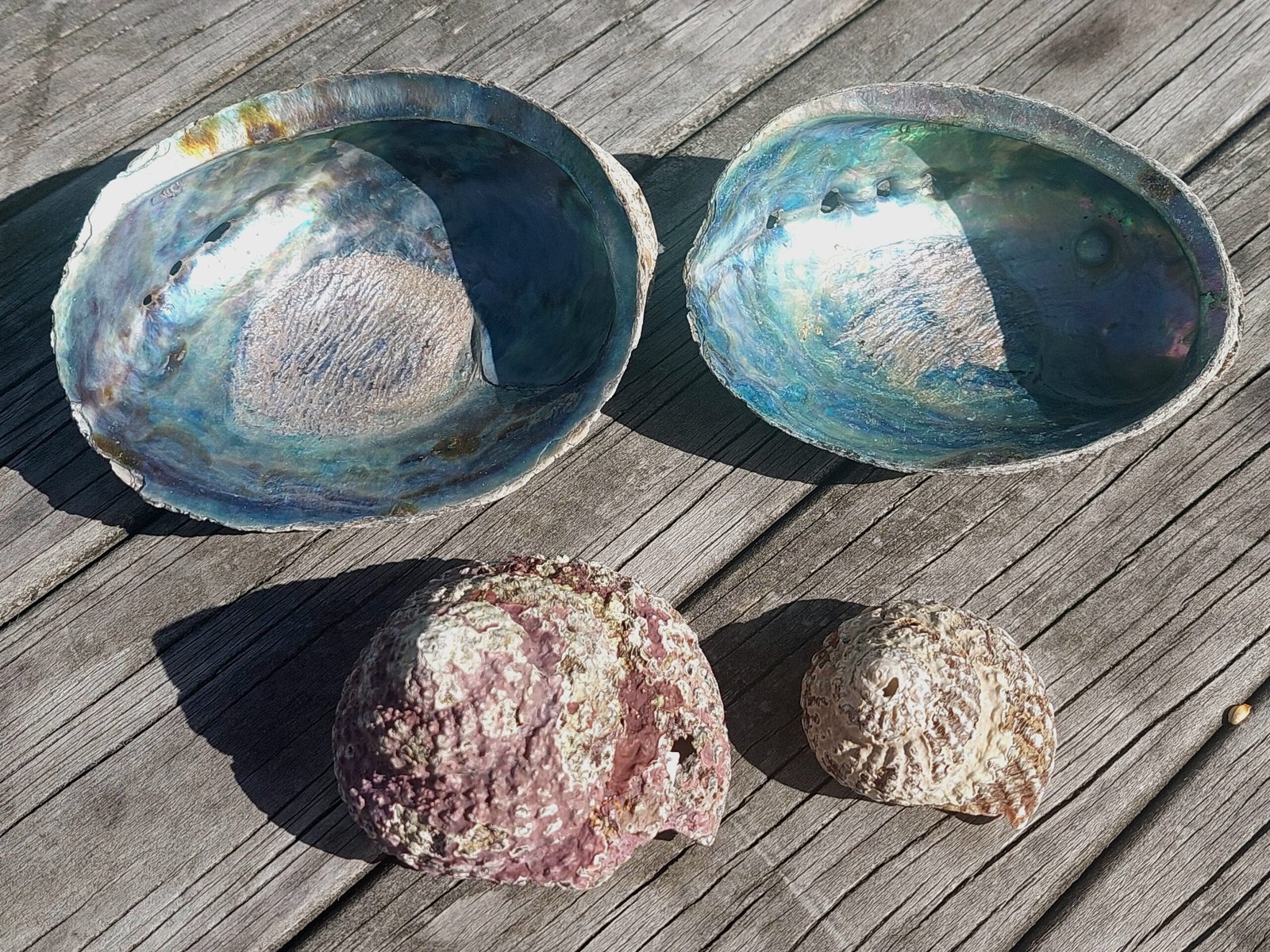
A couple of paua shells and mussels that the kids found on the beach.
Bushy Beach
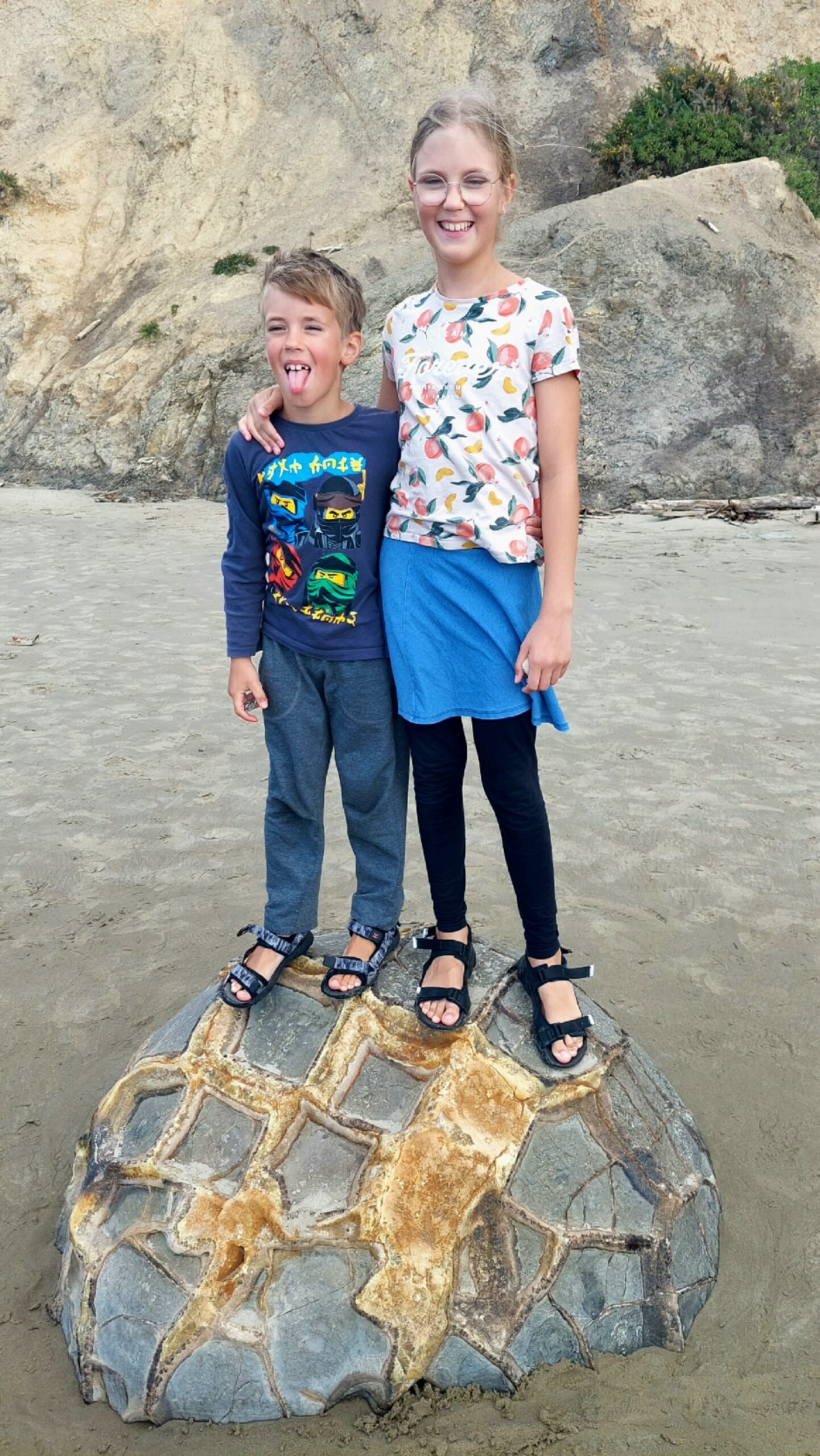
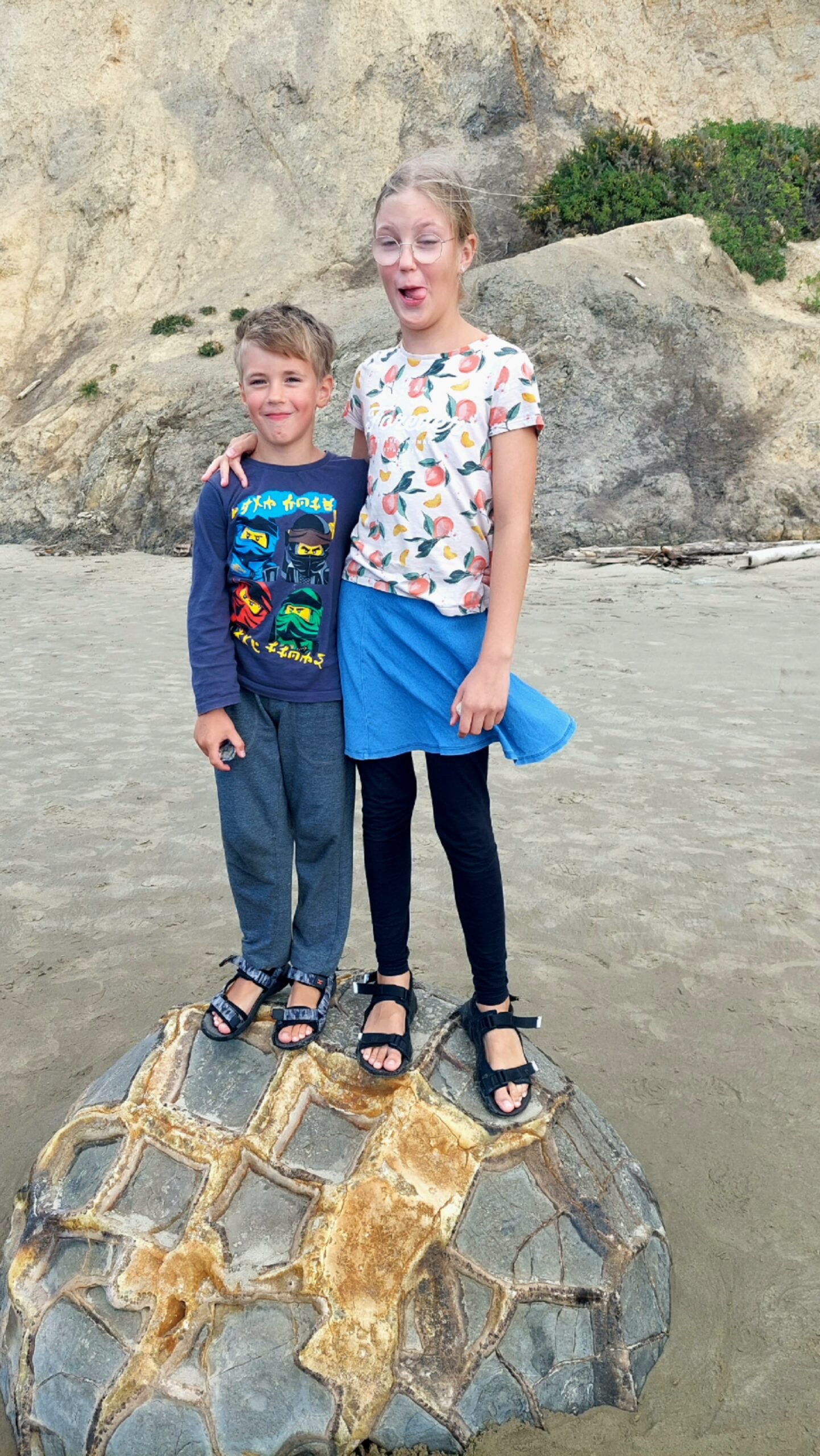
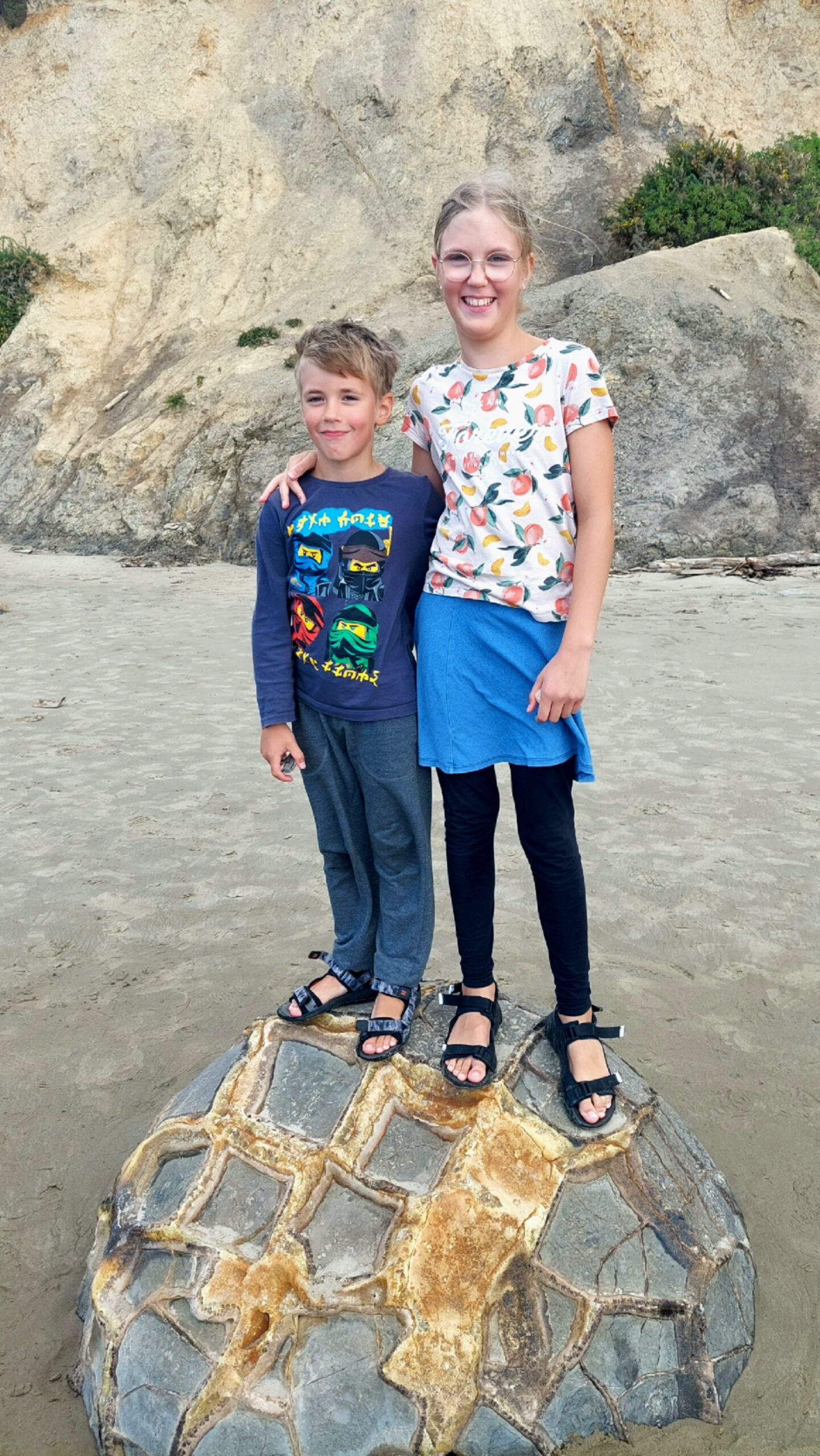
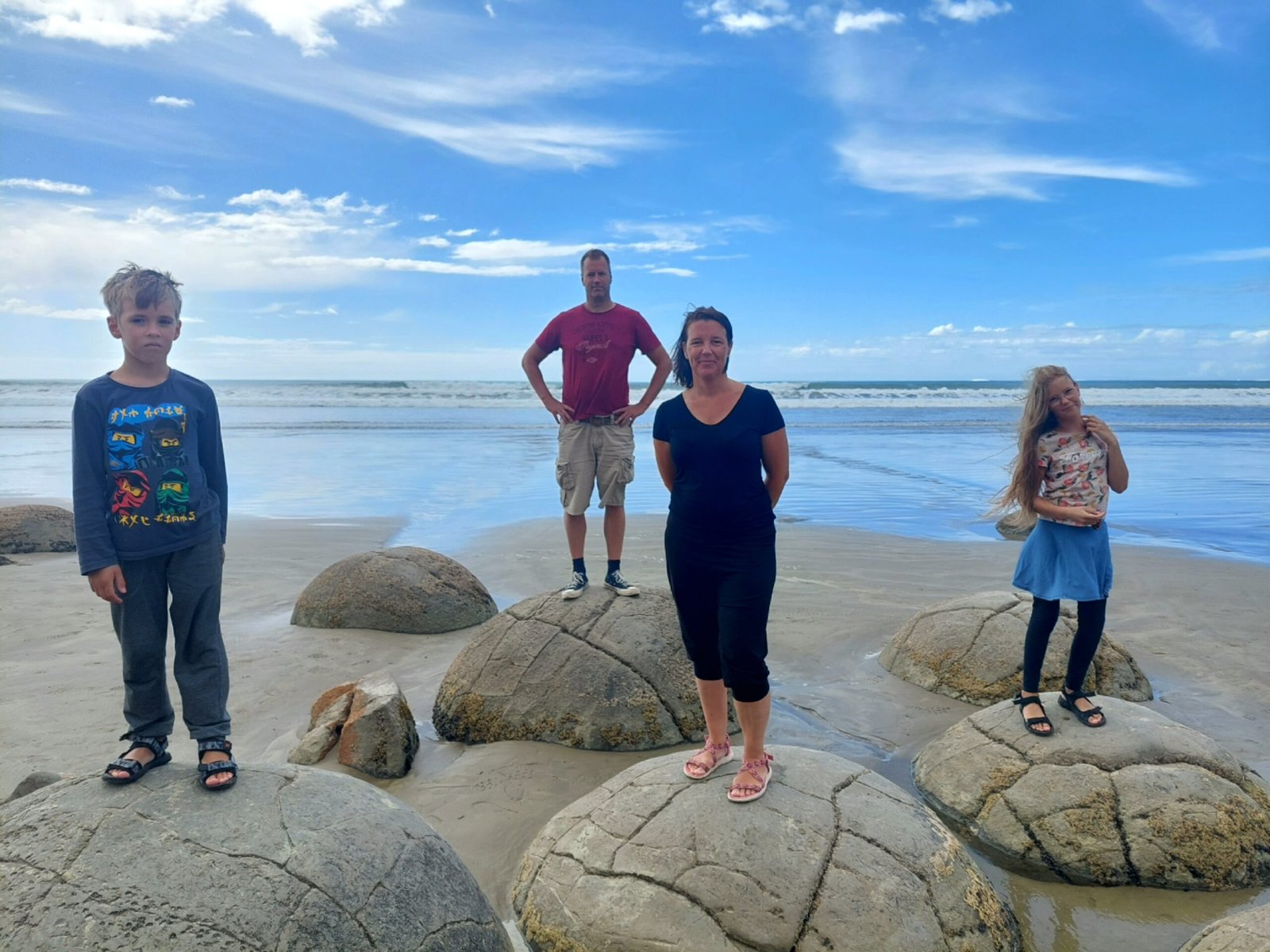
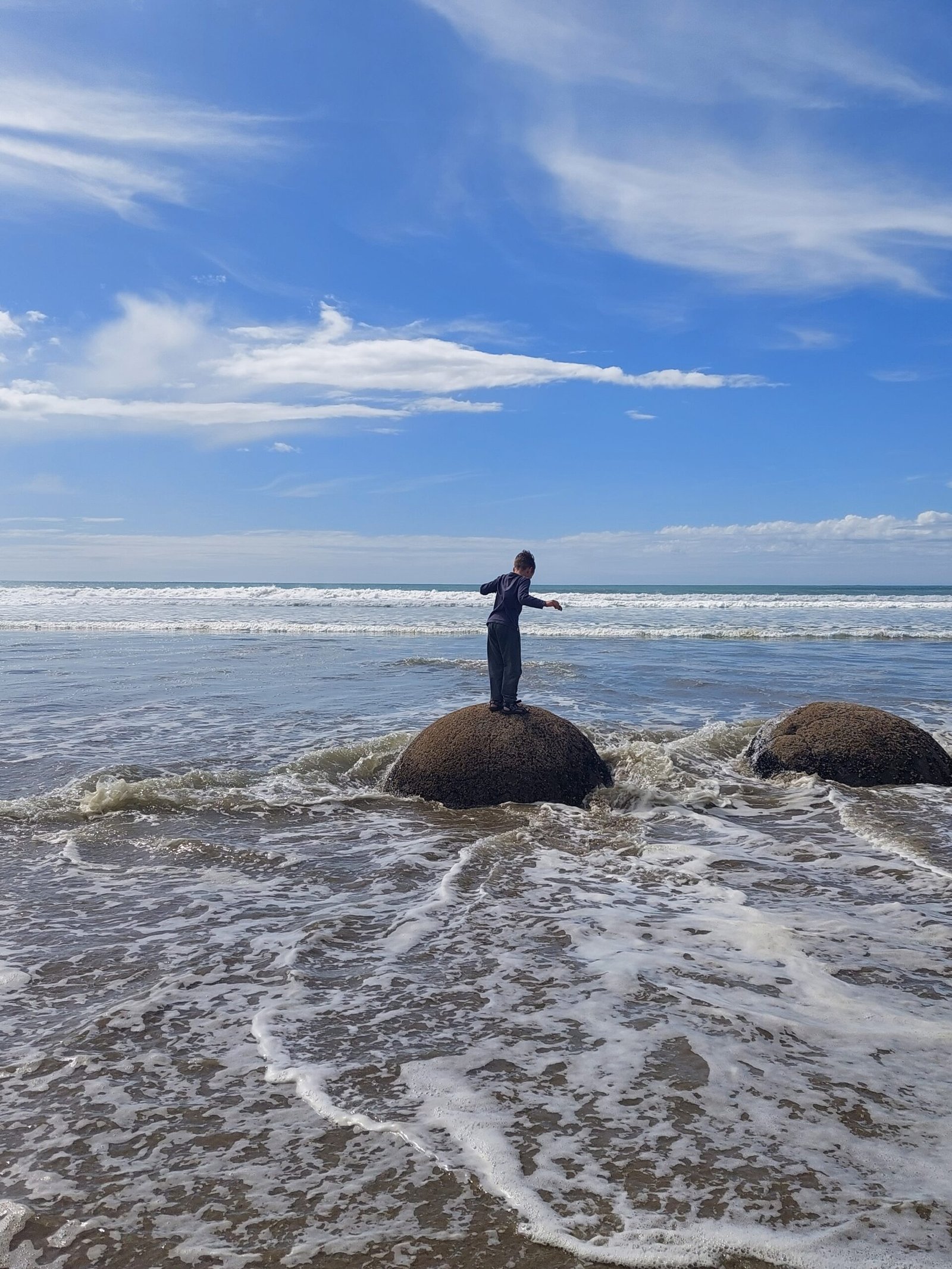
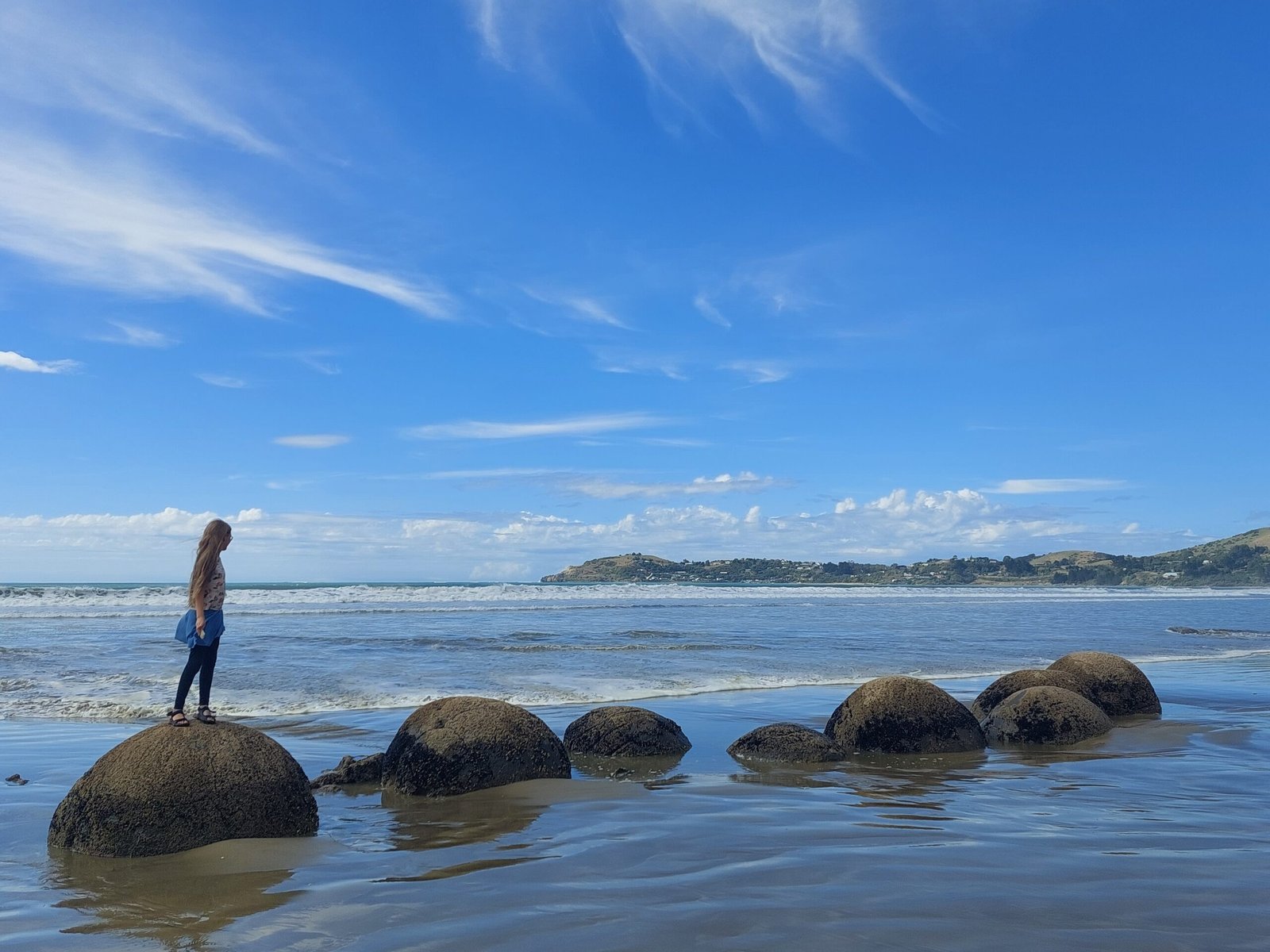
At our next stop, we realised that it had paid off to collect those paua shells from the beach, as three of them would have cost NZ$30 at the souvenir shop on Moeraki Boulder Beach. Moeraki Boulder Beach is famous for its rock formations. They either look like the back of a giant turtle or like dinosaur eggs half buried in the ground. So this was a pretty interesting stop too.
Just try to take some representative photos of these!
"It was already broken when I came!"
Risto was stranded by the sea.
The same happened to Ronja.
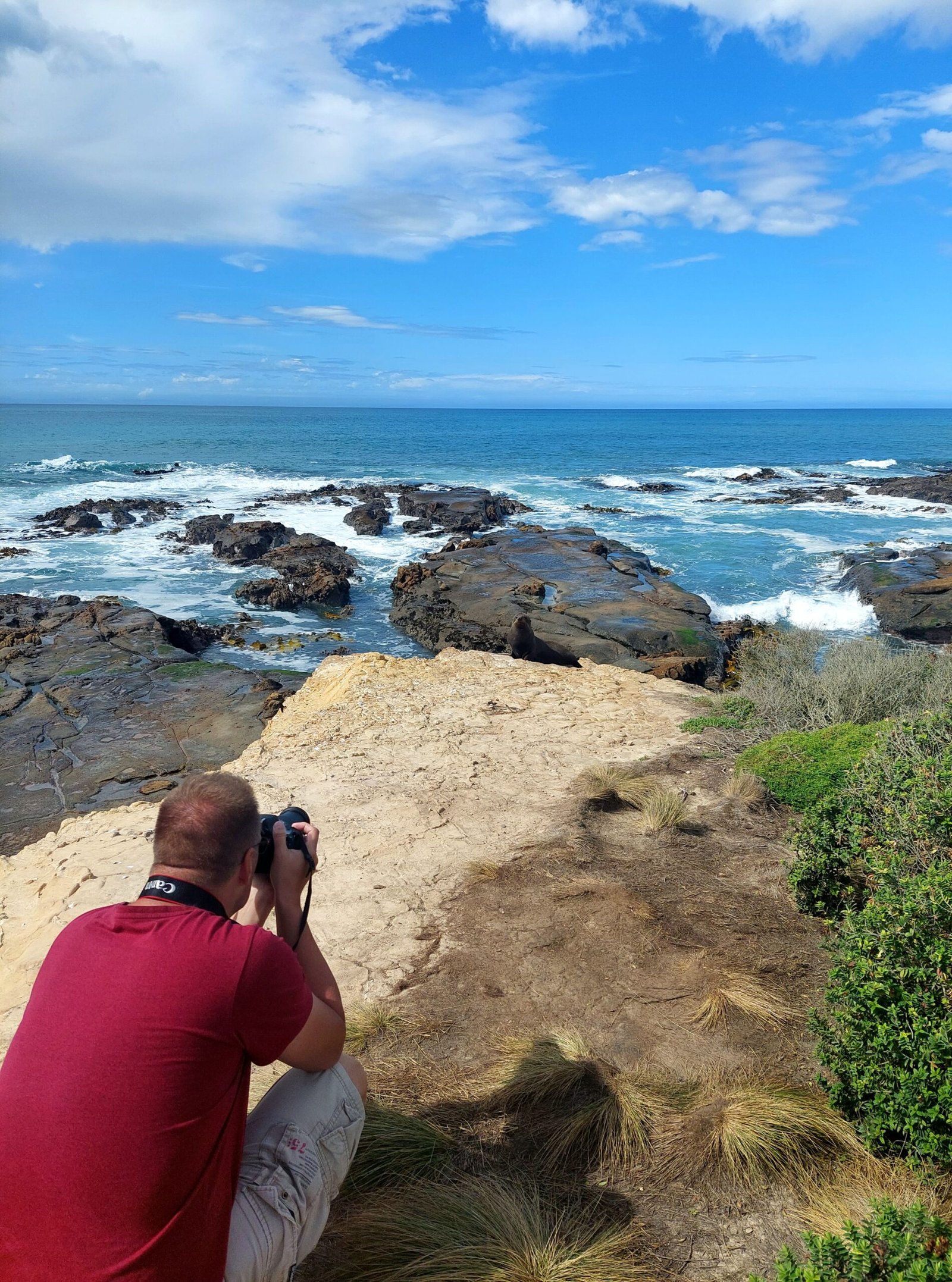
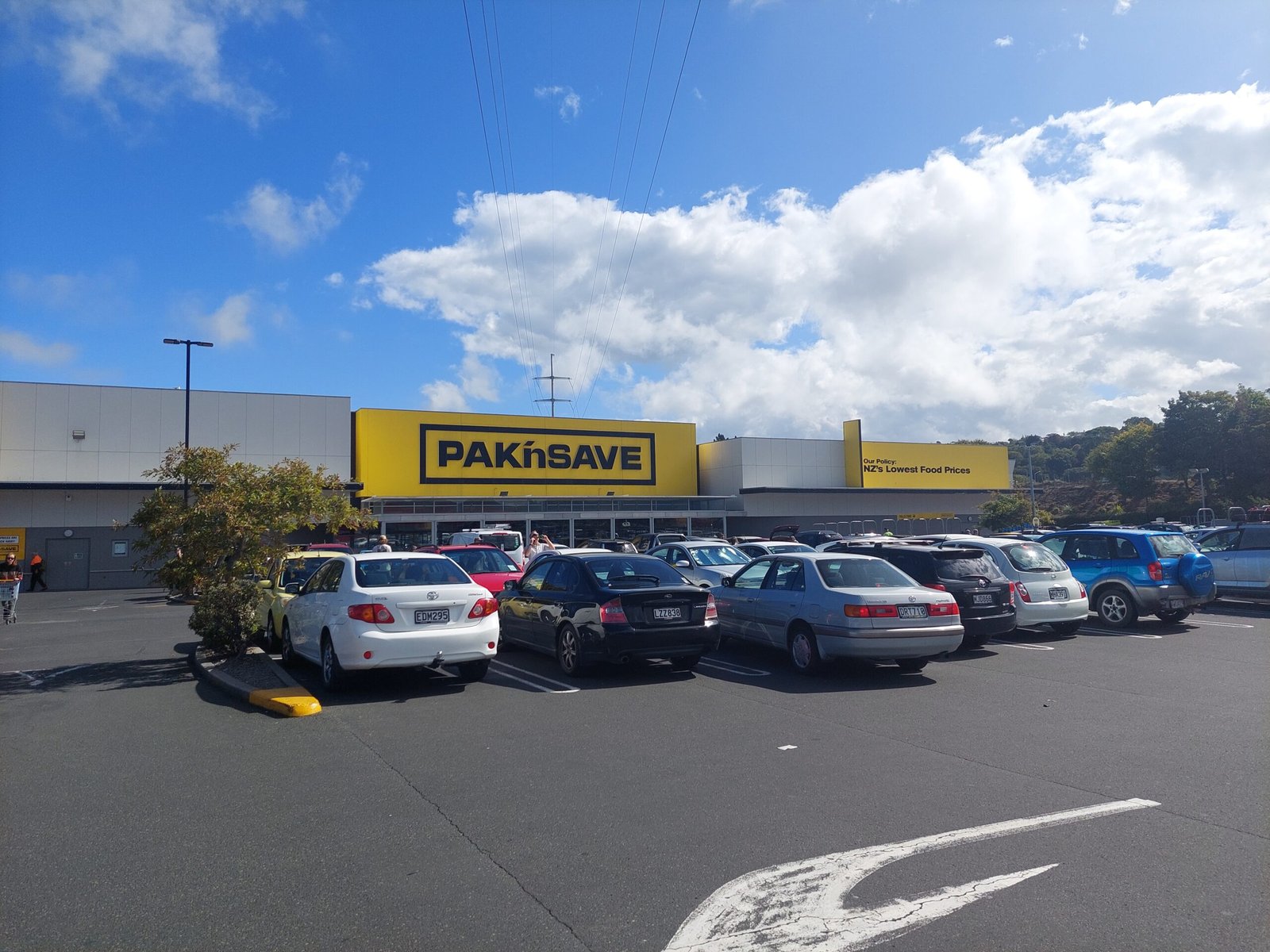
Our third stop was at a beach called Shag Point. This place is also famous for the fur seals that live there. At first it seemed like no one was home, but when we looked closer, there were fur seals lying on the brown rocks all over the place. They just weren’t easy to spot because of their brown colour. We watched them for a while and then drove another hour to the town of Dunedin. Before parking at the campsite, however, we stopped at a grocery store. We found a Pak’n’Save supermarket and now we’re well stocked again.
This one had managed to climb a high cliff. (And I'm not talking about the photographer.)
Our favourite food shop in New Zealand.
On Saturday morning we went to the Royal Albatross Centre near Dunedin. This is the only place where albatrosses come to nest on the mainland. Usually they nest on the small islands off the coast. Apparently the wind conditions are good for albatrosses, and around 1% of all the Royal Albatrosses have chosen to nest here.
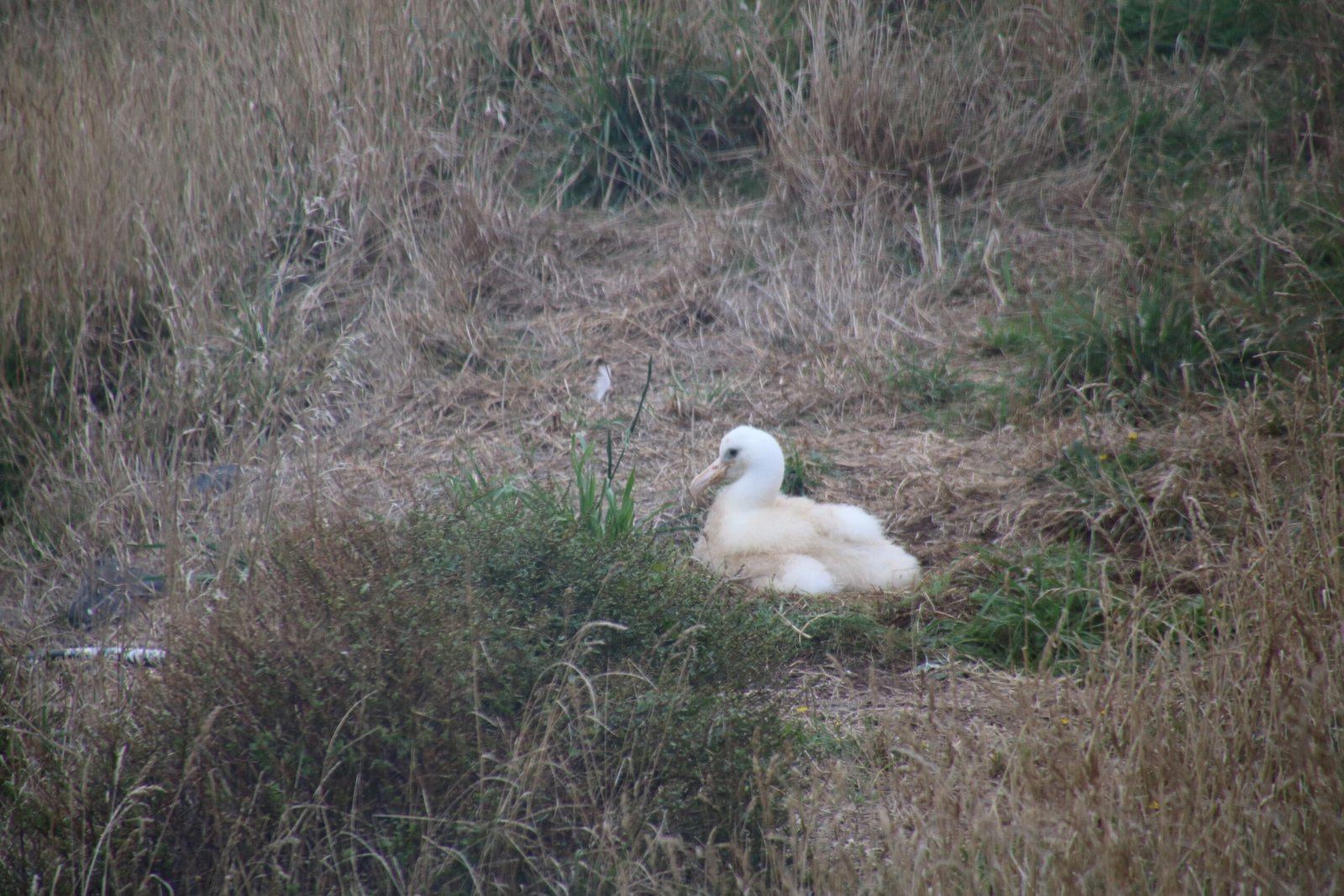
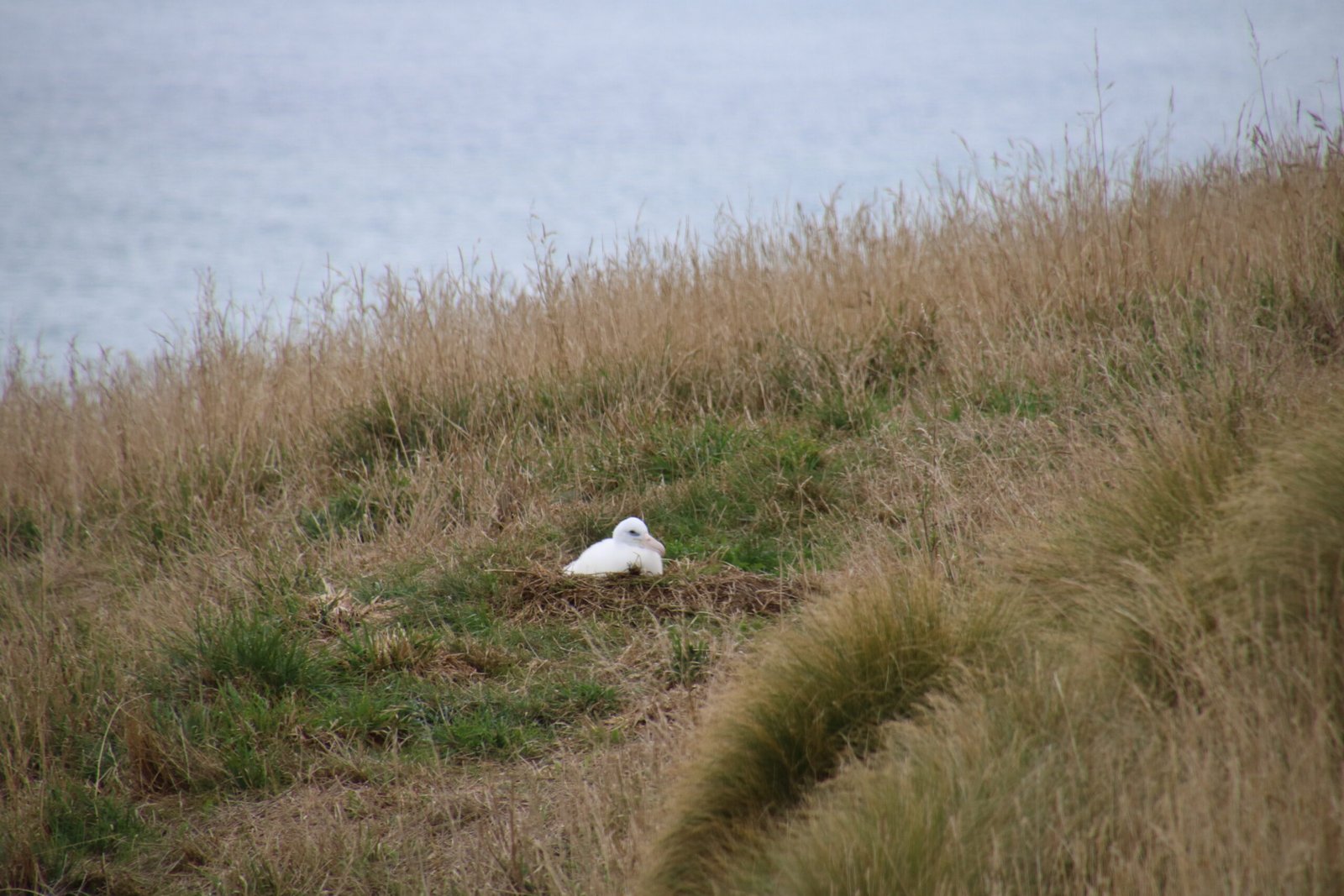
We were first shown a video about albatrosses and then went with our guide to a building on the top of a hill. There we could observe the birds more closely. Next to the building were four nests, each had one chick in them. Albatrosses only lay eggs every two years, and this year 36 albatross chicks had hatched in the centre. Originally there had been a few eggs more, but apparently someone had stolen some of them, as the natural predators do not steal eggs, but break and eat them immediately. Therefore, the case of these missing albatross eggs is even being investigated by the local police.
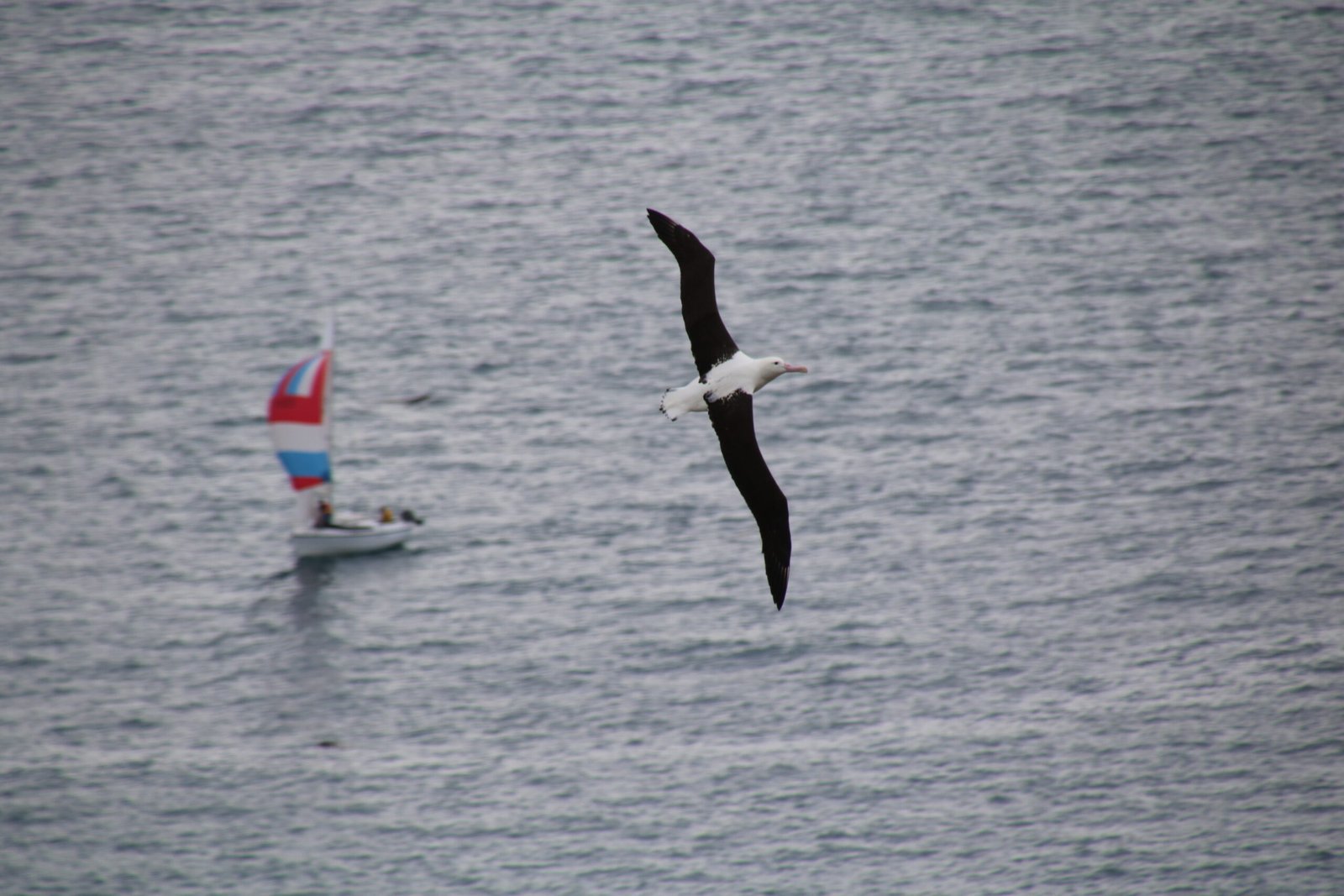
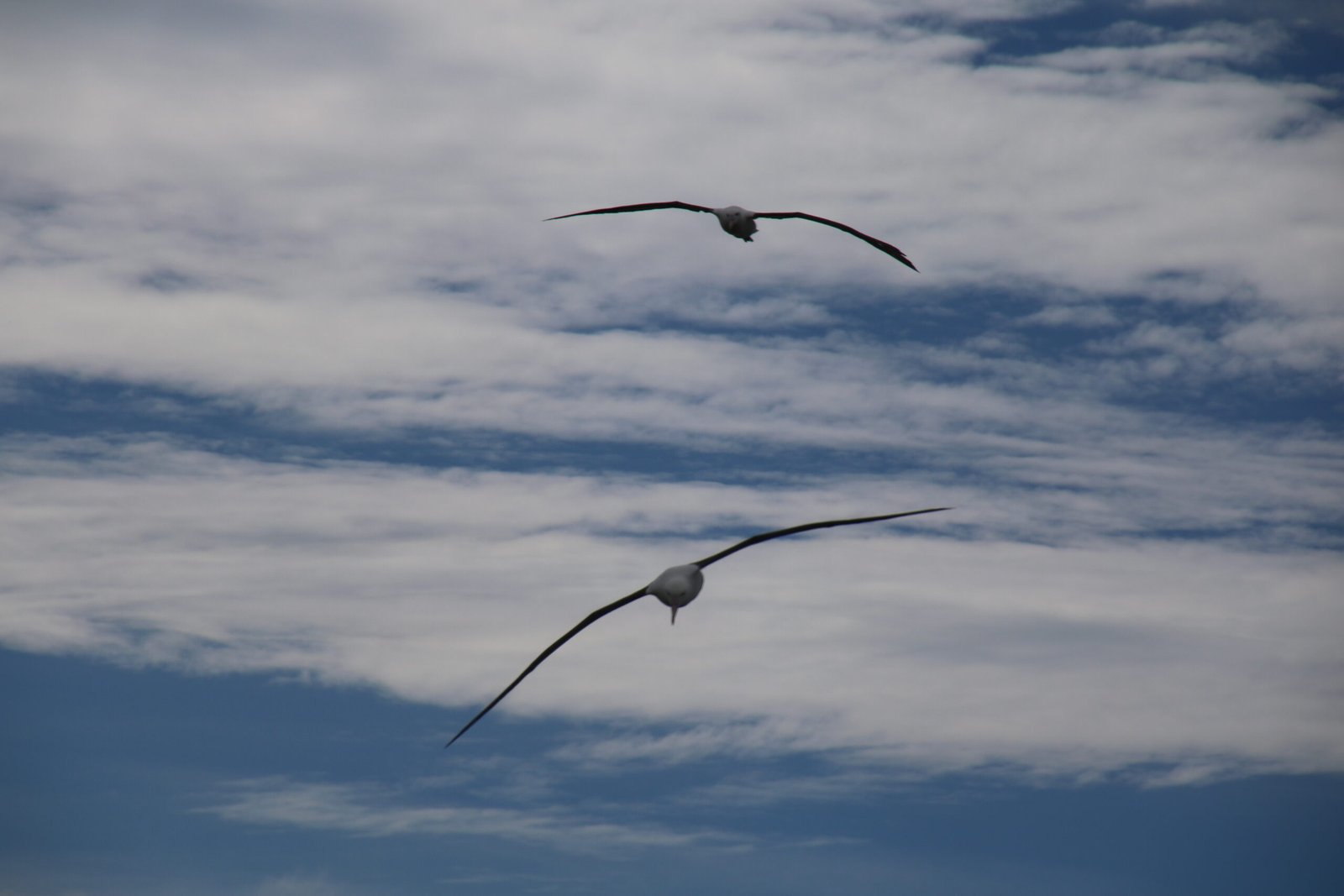
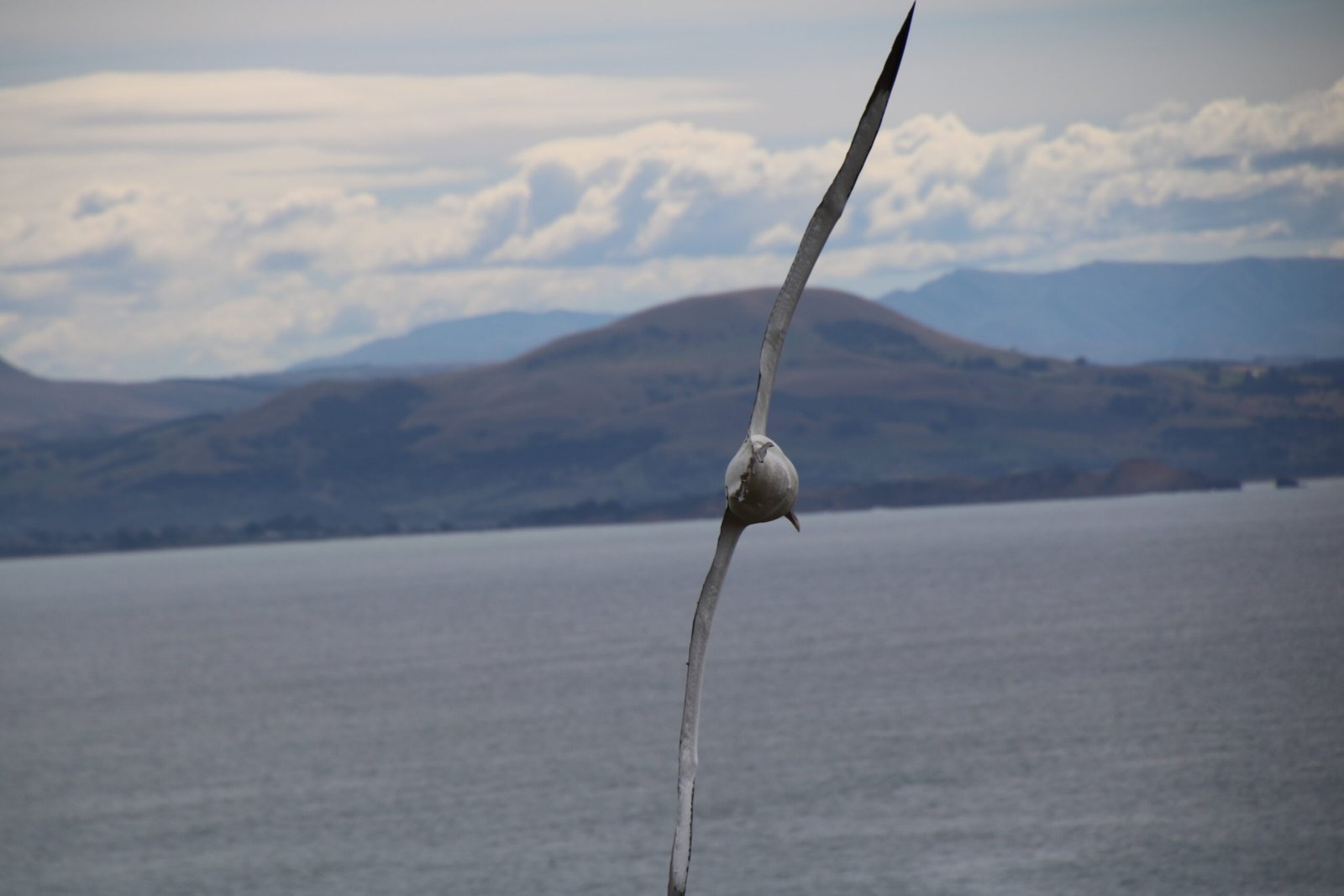
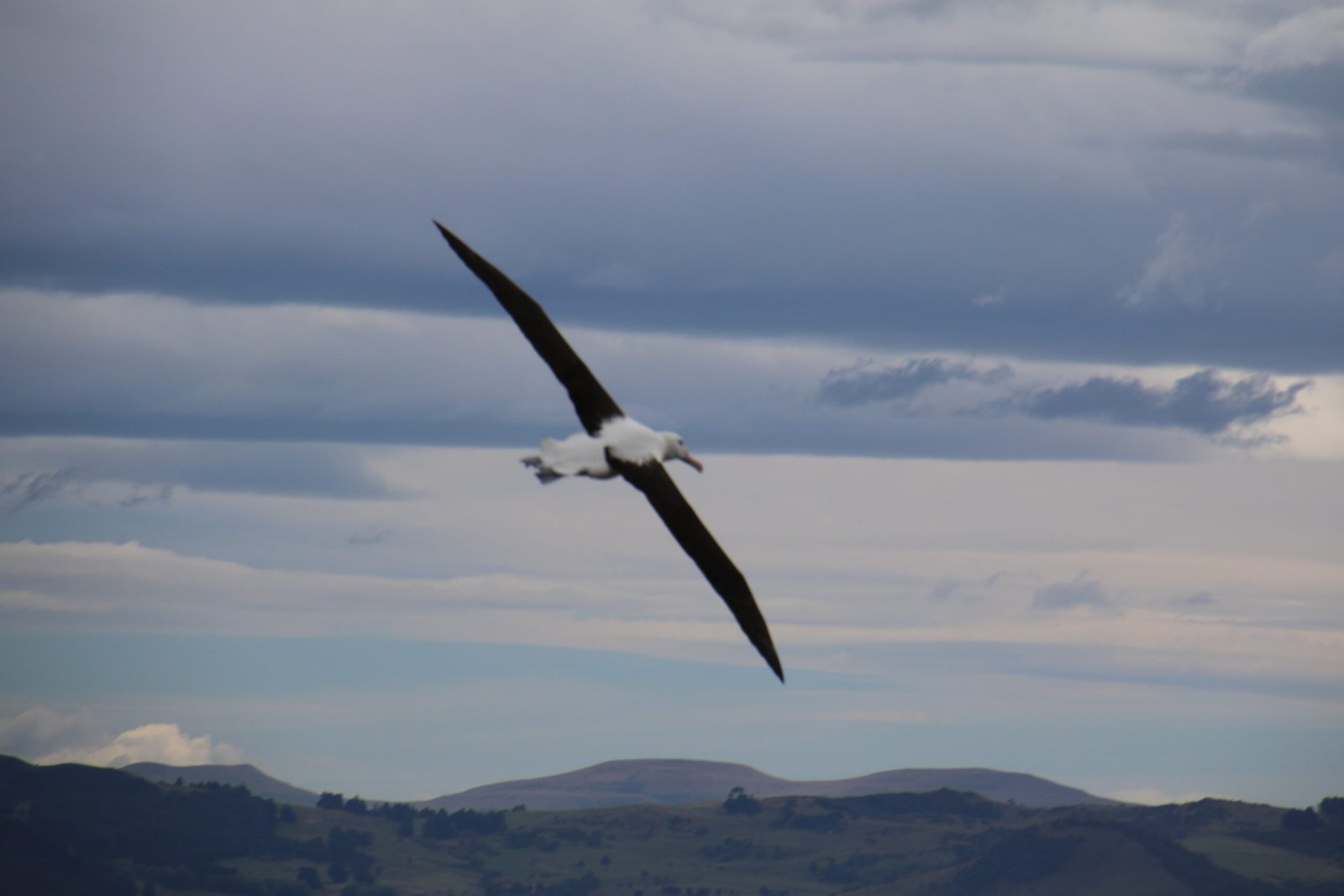
We also saw adult albatrosses gliding in front of the large glass windows of the observatory. At best we saw four albatrosses in the air at the same time. Their gliding across the sky was a truly impressive sight. We heard that after raising a chick, albatross parents take a year-long parental leave, during which they live alone at sea. So for a year they don’t set foot on dry land at all. Apparently, raising albatross chicks is hard work if the parents need such a lot of time alone before the next chick! At least you have to be constantly on the lookout for food, as the chicks gain weight up to 500 grams per week.
We saw four fluffy chicks.
When a chick grows up, both parents have to spend the day foraging for food. So the chick spends that time alone in its nest.
An adult albatross has a wingspan of 3m.
If seeing the albatrosses was amazing, the drive to the centre also provided spectacular scenery. The road was so narrow in places that you could barely fit two cars side by side. The road was also very winding and with lots of uphills and downhilla. At the beginning of this road there was a traffic sign saying that the road was not suitable for large vehicles. That was absolutely true!
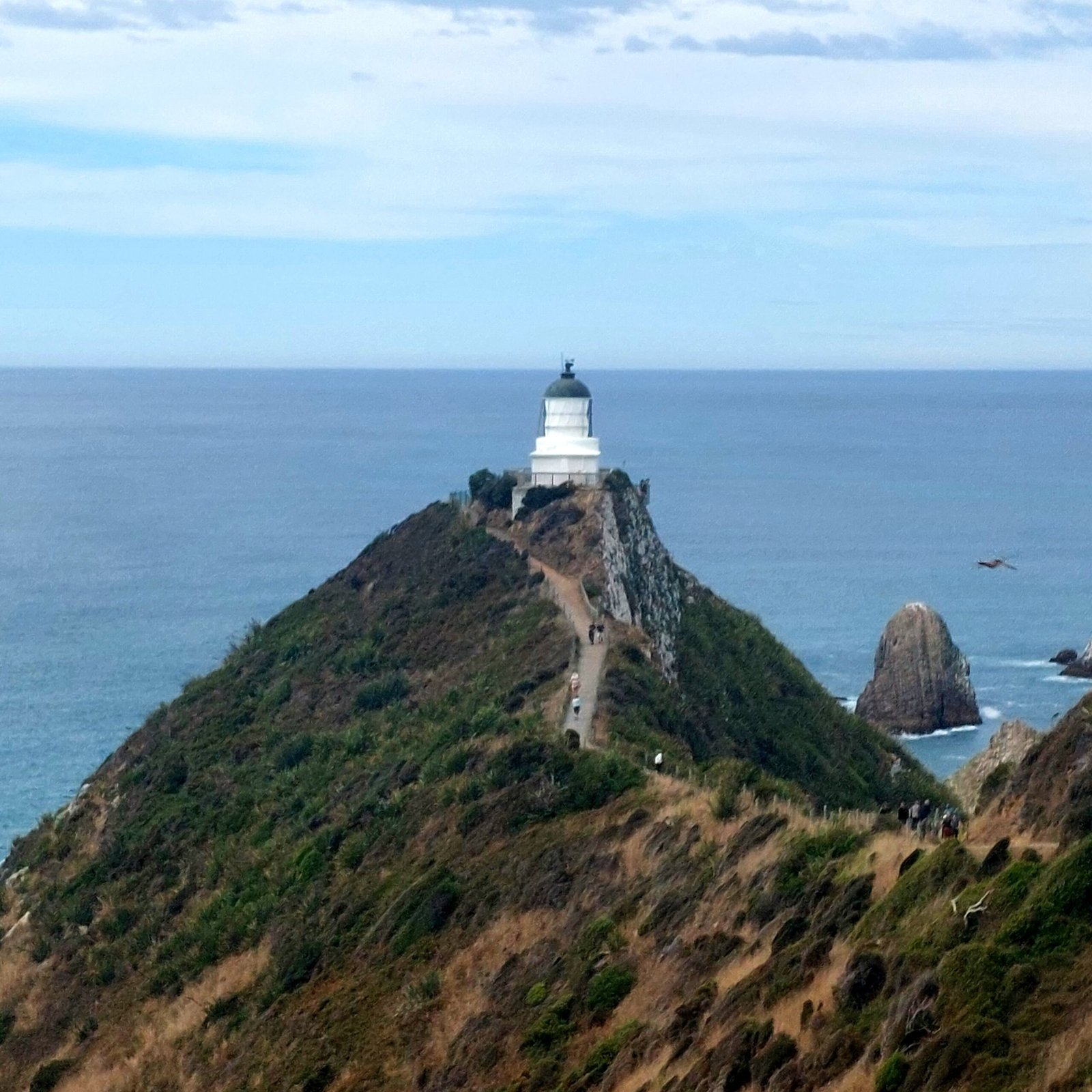
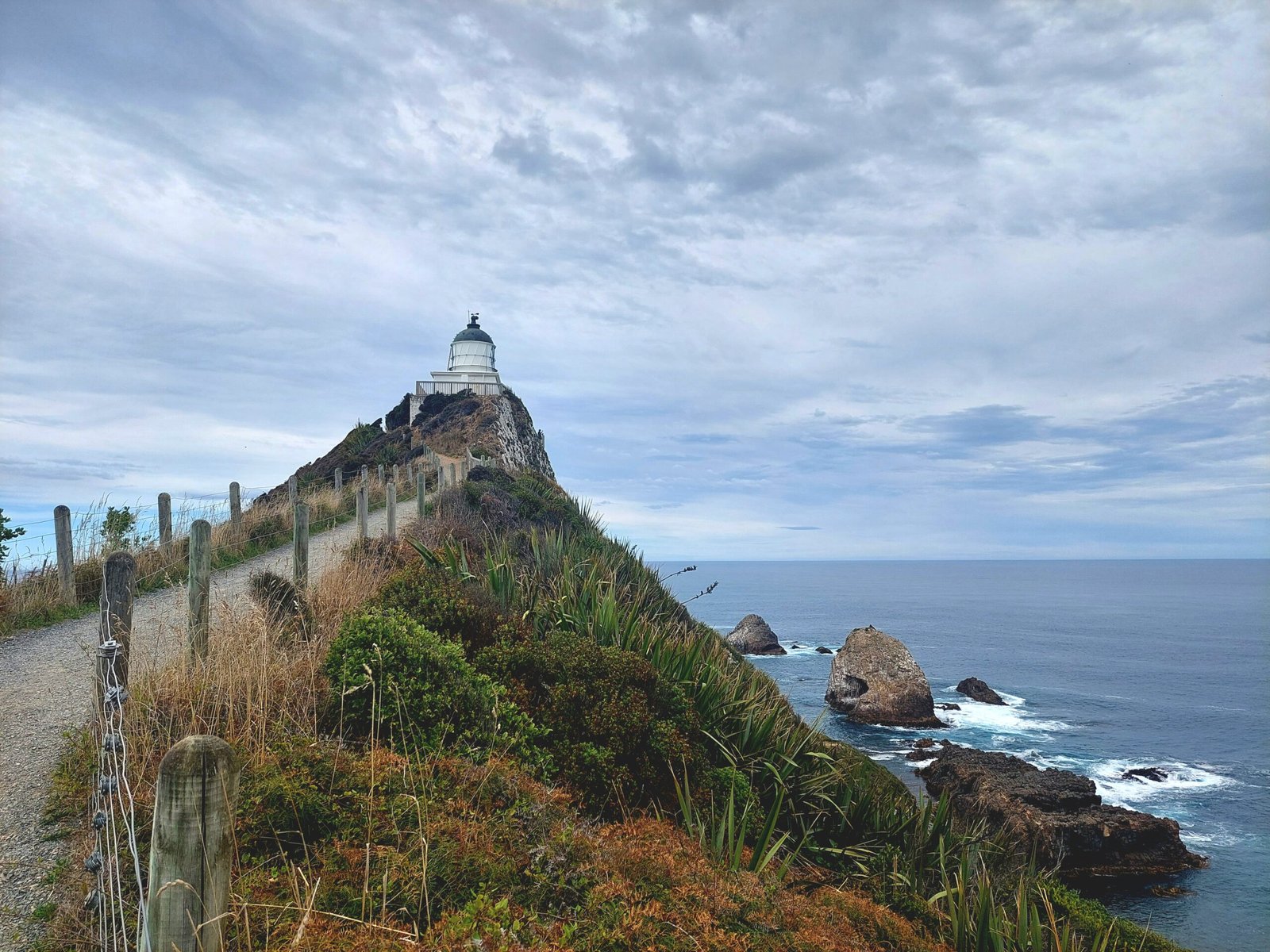
From Dunedin we continued our journey to Invercargill. The journey was a little longer, but with a two-stop tactic we made the trip in just over five hours. The first stop was at Nugget Point Lighthouse. We drove there partly along the Southern Scenic Road. The lighthouse is one of the oldest in New Zealand and is perched high on a promontory. You couldn’t get all the way to the lighthouse by car, so we had to leave the car in the car park at the bottom, and walk the last kilometre. There were hardly any railings along the walk, although there was a vertical drop from the path down to the water. However, we all made it to the lighthouse and back in one piece.
A narrow sandy path led to the lighthouse at Nugget Point.
The second stop was meant to be at a café on the beach, as we were getting hungry. Unfortunately, the place was just closing when we arrived, so we had no choice but to set up the camping gear in the parking lot and make some sandwiches. After this stop, we drove the rest of the way to a small campsite right in the centre of Invercargill, where we spent the next night.
In the evening it started to drizzle. After a while, the drizzling turned into a downpour. One of the seals on the side door has been loose throughout our journey, and it hadn’t been a problem before. But now, due to the downpour, water was dripping inside our car. We only noticed this when we were about to spread out the adults’ bed for night. A large section of the mattress on the side where Marko was supposed to sleep was really wet. Marko and the kids went to the kitchen to eat supper, and Jaana stayed in the campervan to blow hot air onto the mattress with our portable heater. This drying process took about half an hour. The temperature in the campervan was pretty much like being in a sauna, but we did get the mattress almost dry. Only the other end of the mattress was still damp. Marko went to sleep on “Jaana’s side” of the mattress, which was completely dry. Jaana, being shorter, could sleep on the dry part of “Marko’s side” of the mattress. On our next shopping trip, we’ll have to try to find some double-sided tape to get the seal in place.