Iguazu Falls 3.7. – 7.7.2026

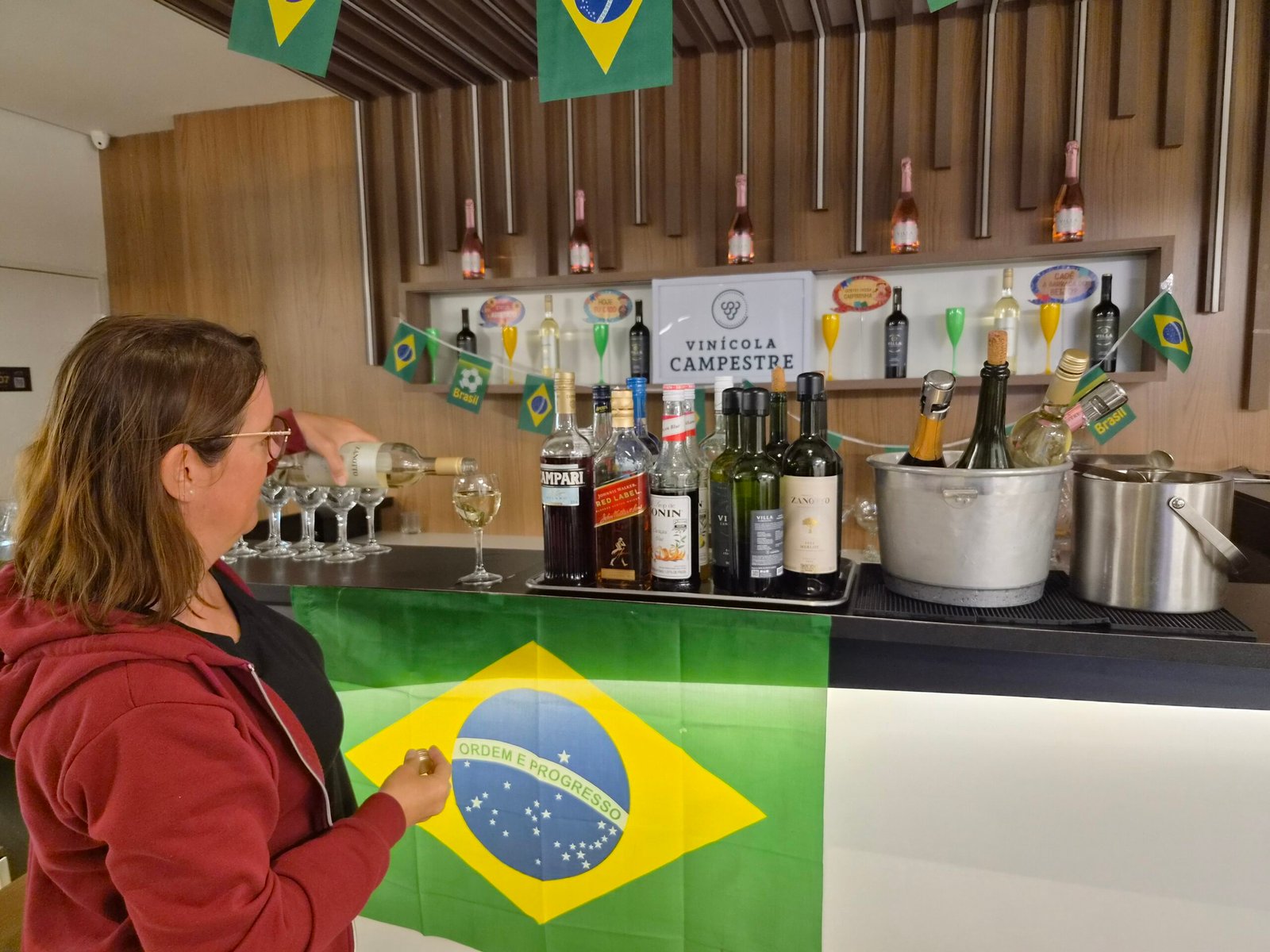
On Friday, we traveled from Cuiabá to the Iguazu Falls on the border between Brazil and Argentina. Once again, we had a layover at the now-familiar Viracopos airport, where we checked out the amenities at the third lounge we hadn’t visited there yet. This lounge turned out to be the best of all in terms of both food and ambiance. It’s a good thing we got to visit that one, too.

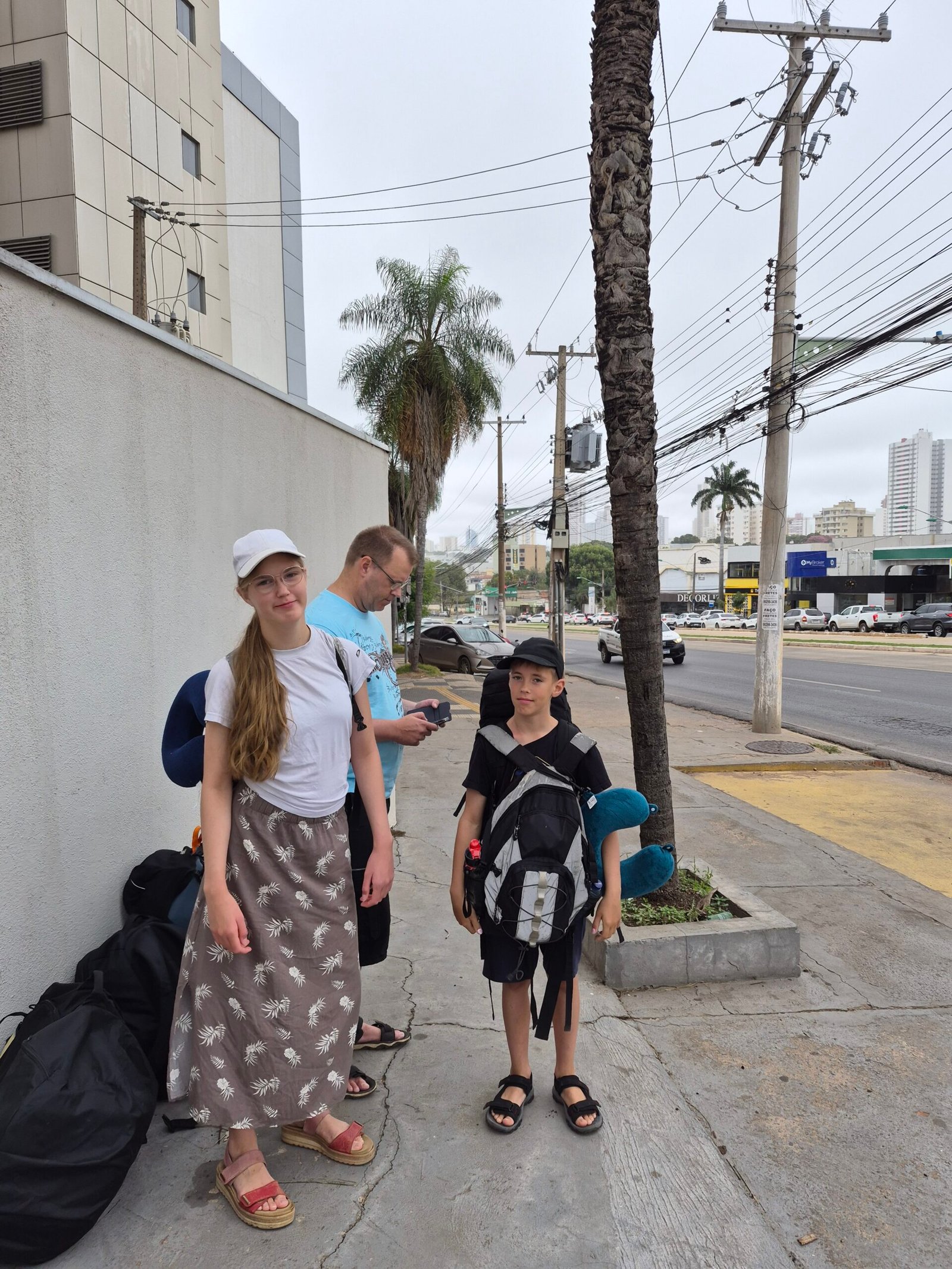
Heading to the airport, with an Uber on the way.
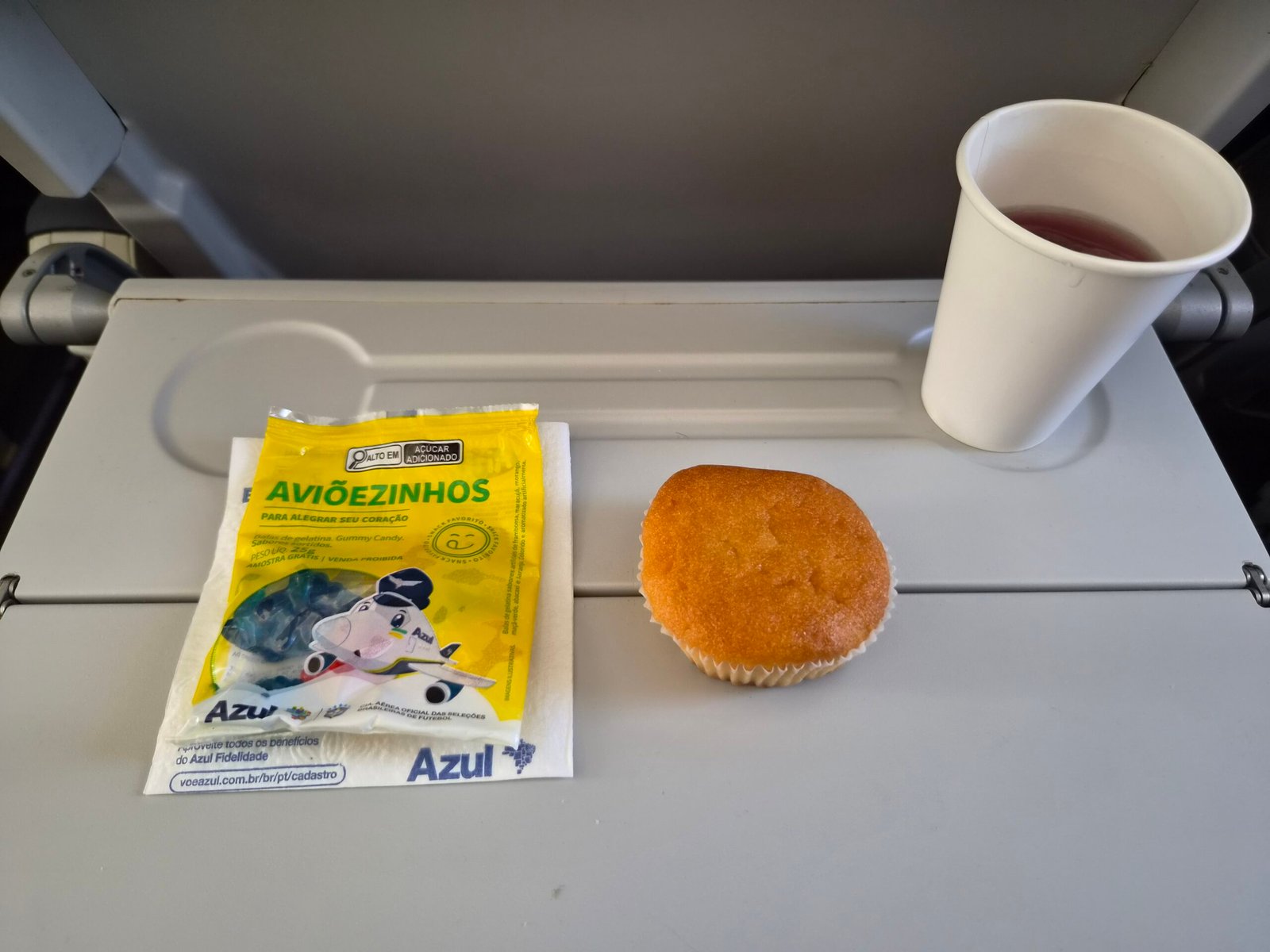
We didn't fly business class, but we got airplane-shaped gummy bears, an orange muffin, and grape juice again.
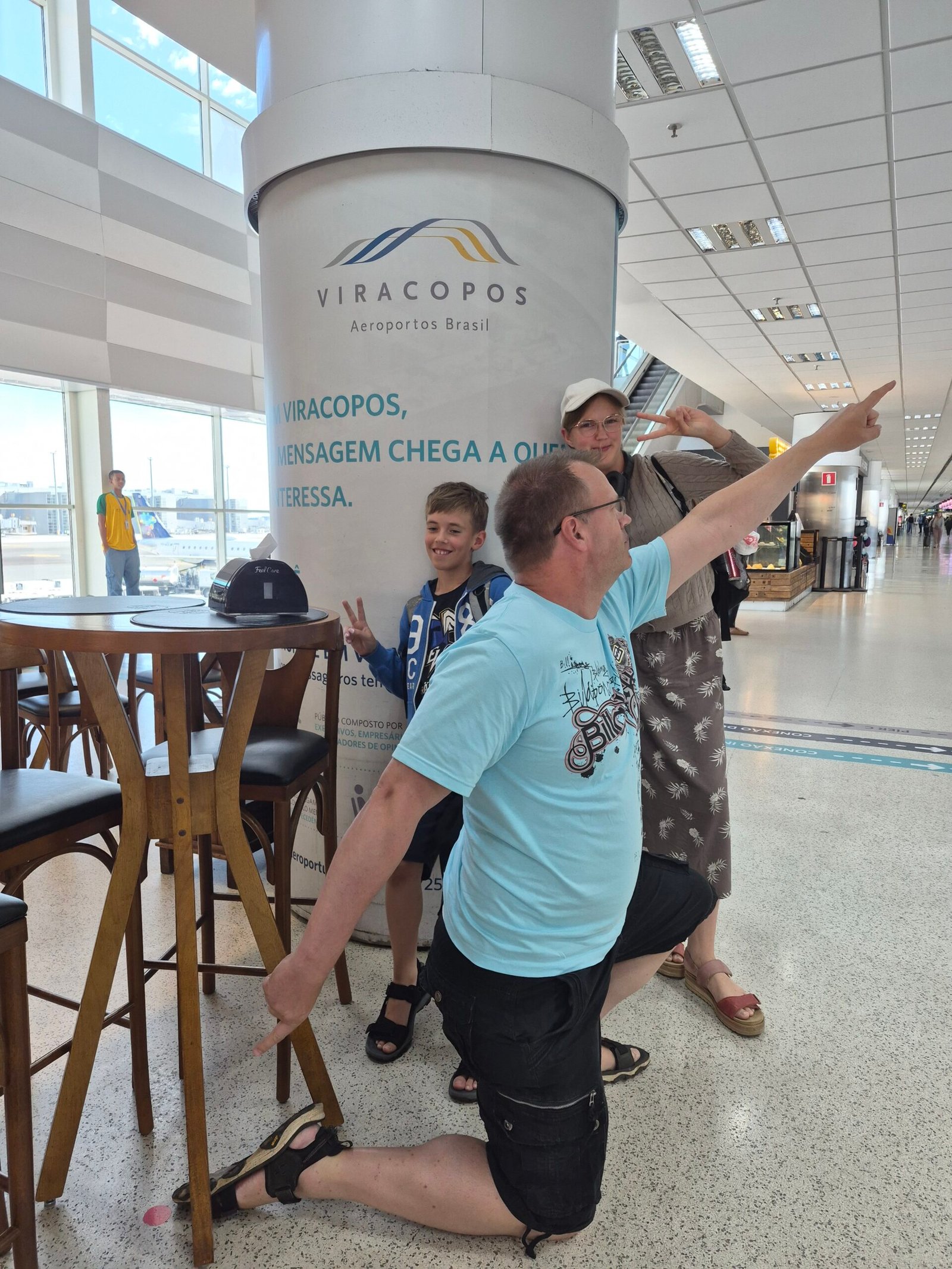
At Viracopos airport - third time's the charm.
Well, well, self-service!

We arrived at the Iguazu airport after dark, and as usual, we took an Uber to our accommodations. We had booked a stay at a place called Yolanda’s Guesthouse for our first two nights. There, we had a large two-bedroom apartment that could actually have accommodated at least seven people. So we had plenty of space. The owner spoke English, so check-in went very smoothly. He gave us some great tips on both grocery stores and restaurants. Marko and Jaana set out to try out the grocery store tip right away, since the apartment’s fridge was, of course, completely empty.

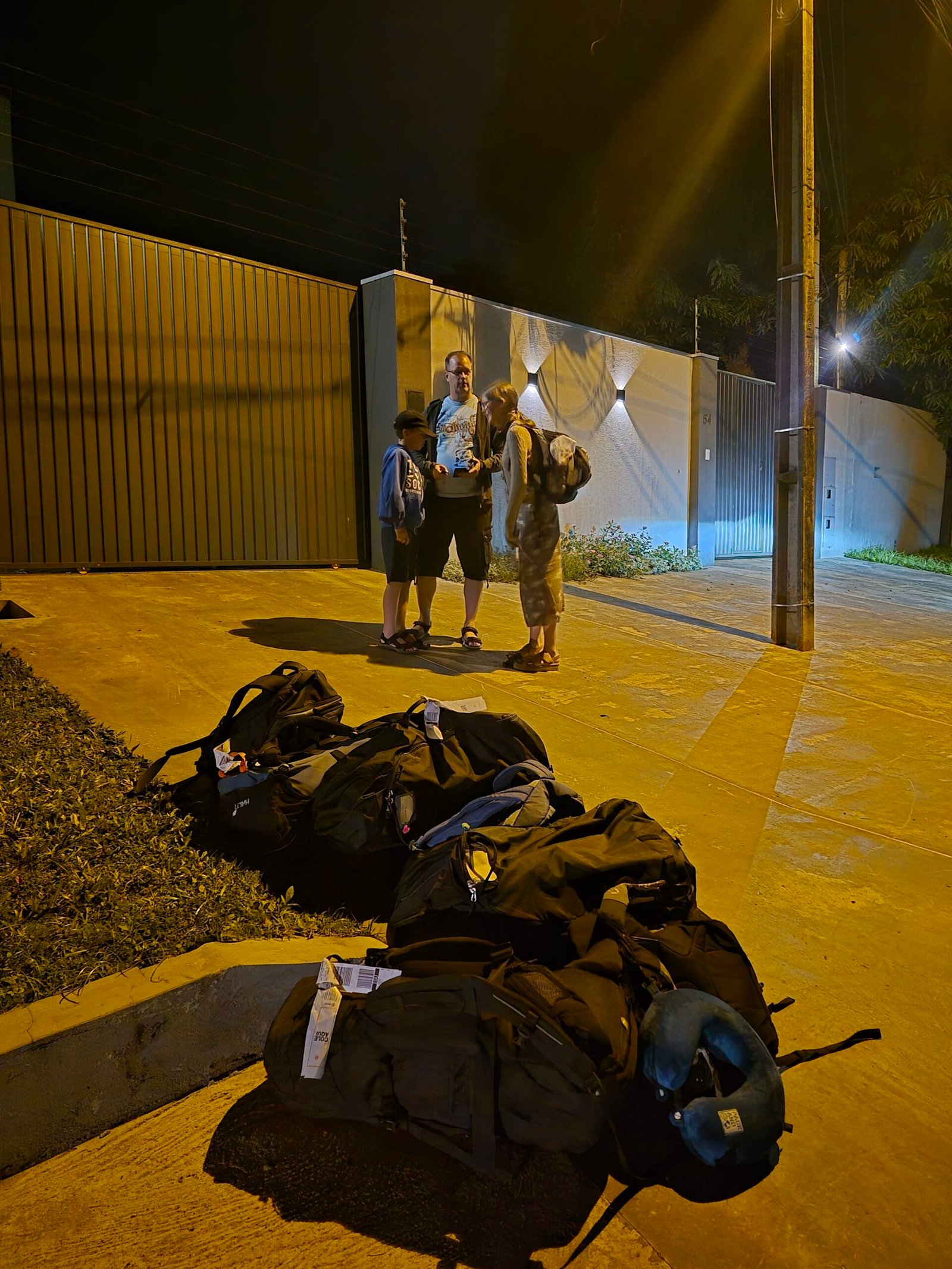
In the dark, it can sometimes be a little tricky to find the right apartment's gate. Here, we found the key in the slot and were able to open the gate.

We found a grocery store, Super Muffato, just under a kilometer away on foot. It had a really extensive selection of products, so we were able to easily pick up everything we needed for breakfast and evenings. Since we’d flown closer to southern Brazil, by the time the sun went down that evening, we had to put on long pants and a jacket before heading out to the store. This was actually a welcome change from the heat of the Amazon and the Pantanal. It was also pretty cool inside the apartment. We fiddled with the air conditioners in both bedrooms for a while, but we couldn’t get any warm air out of them, even though the remote control displayed promising numbers. So we just doubled down on blankets to avoid waking up with frost on our noses in the morning.

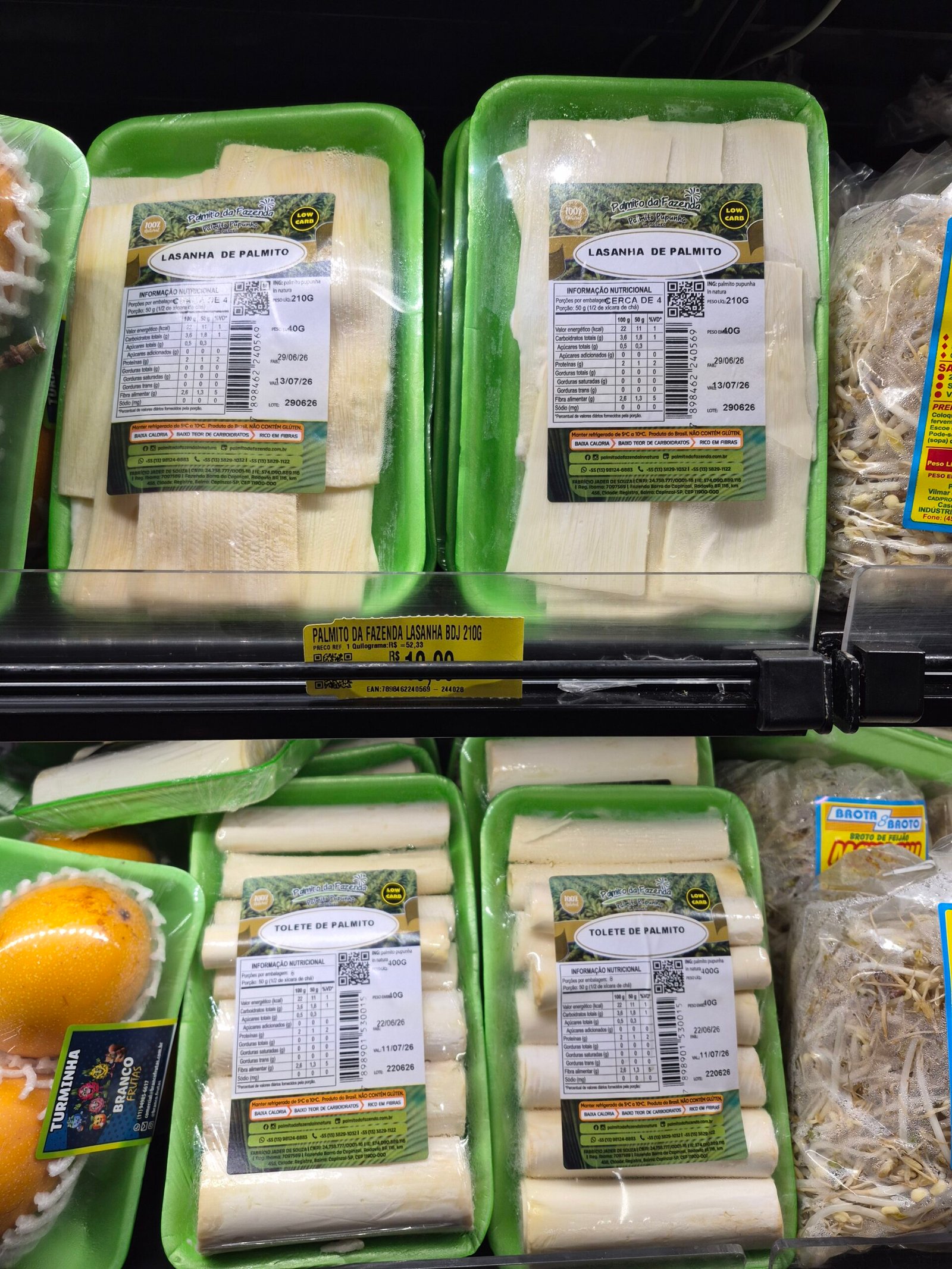
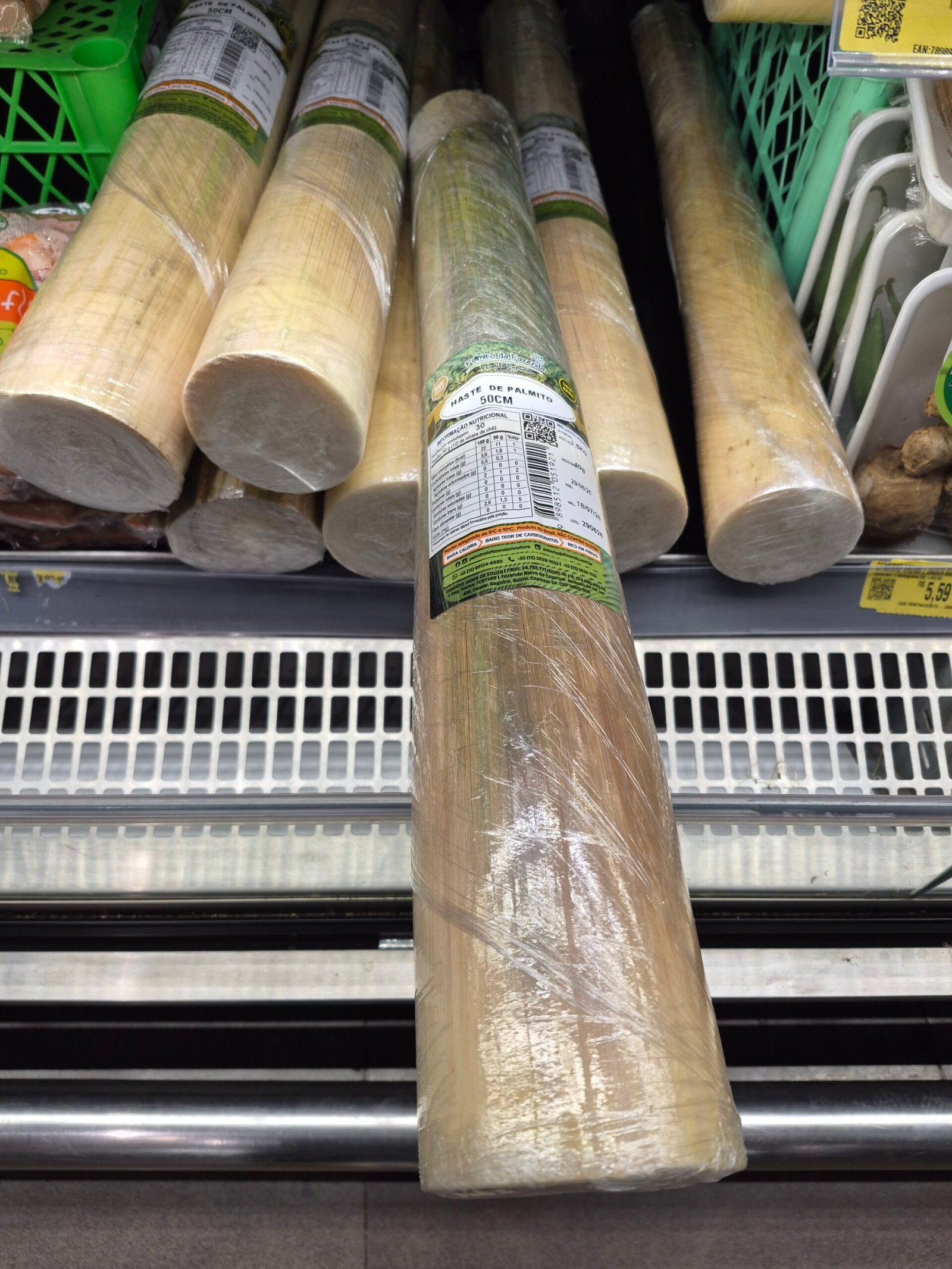
In addition to yogurt, the store carried palm products in many different forms.
I wonder what else this log could be used for besides firewood?
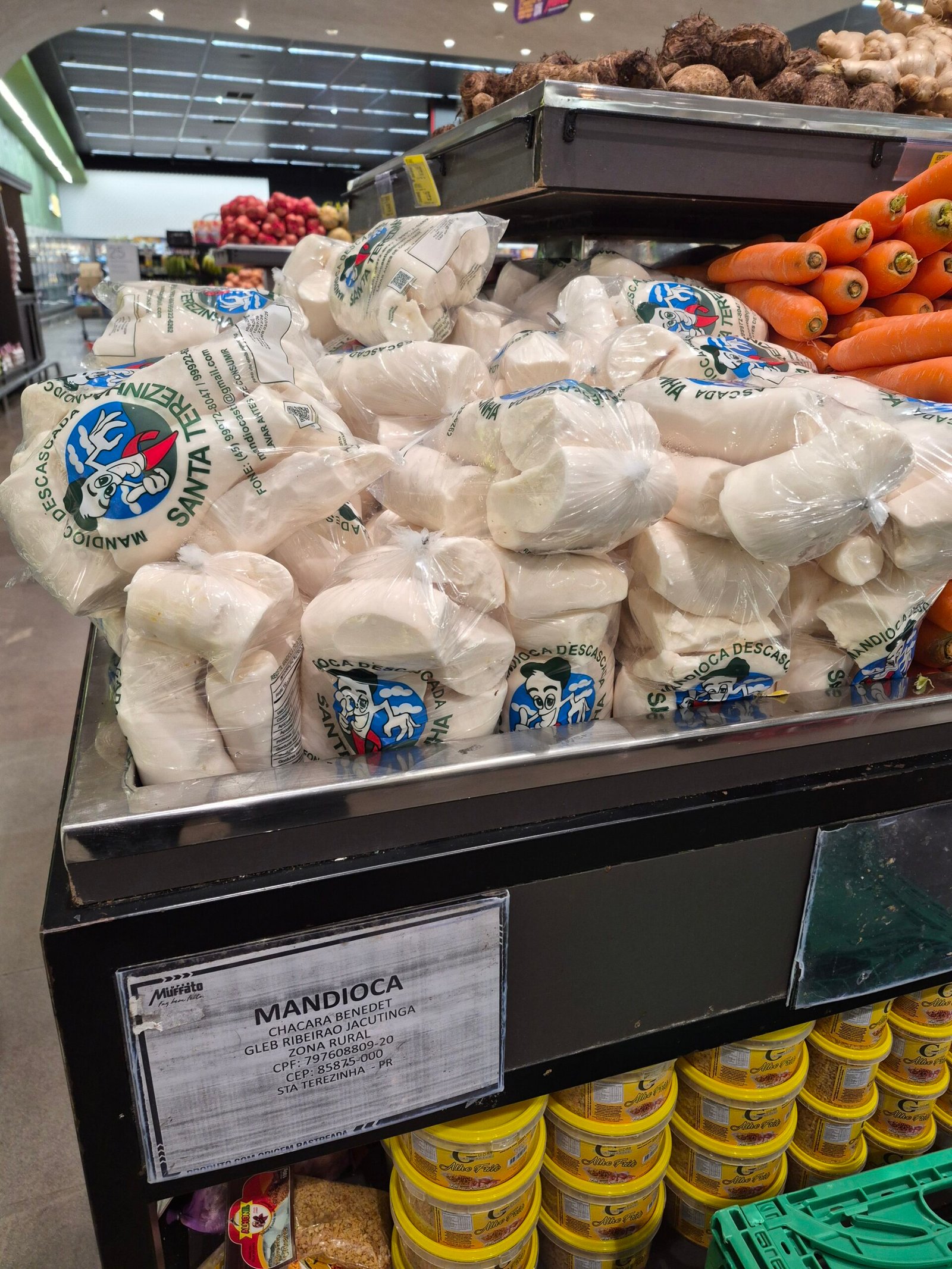
Cassava was also available. We didn't buy any.

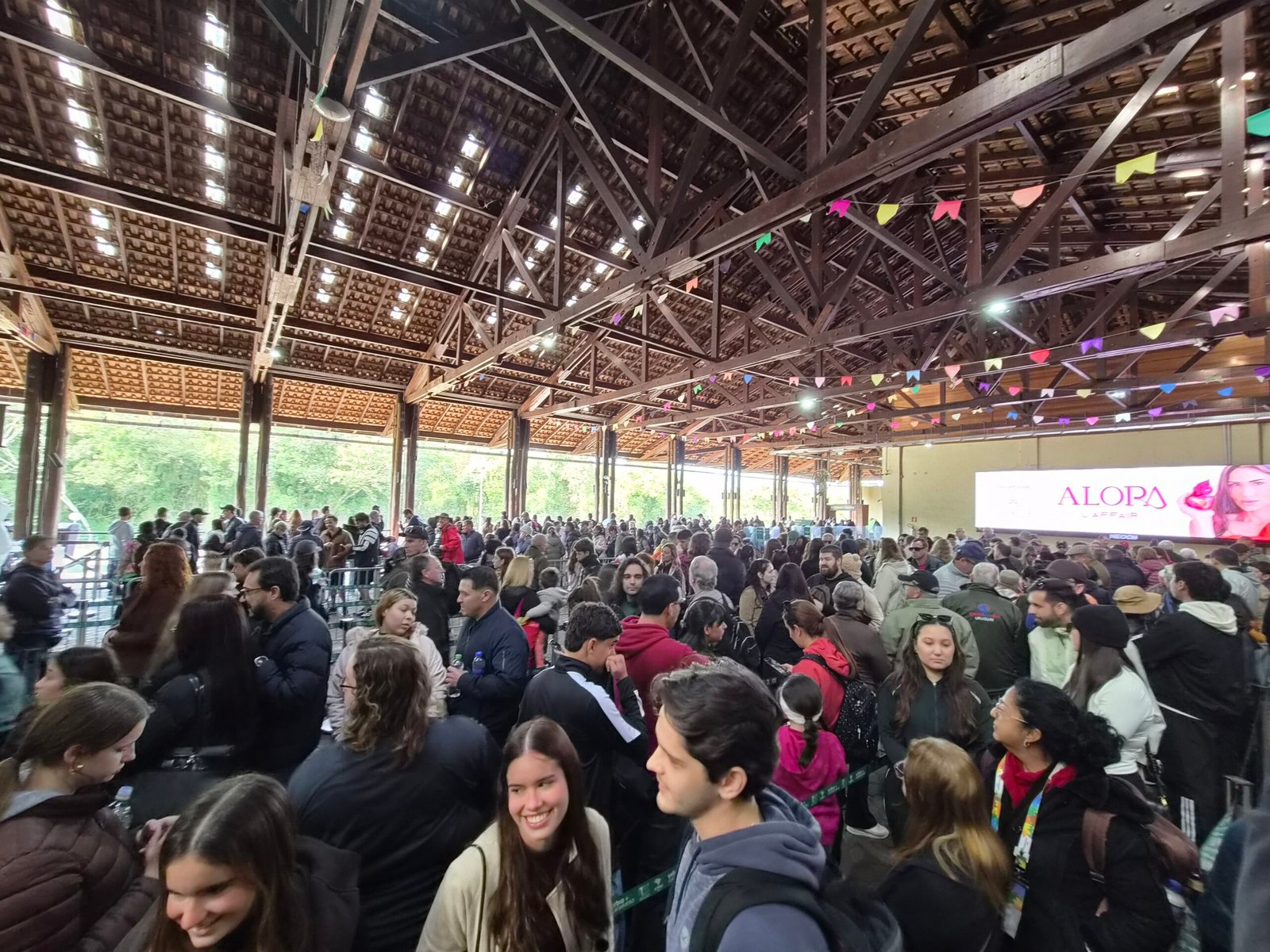
On Saturday, we set out to see the Iguazu Falls from the Brazilian side. The night before, we had looked it up online and found that the Brazilian side, in particular, can easily be explored without a guide. So we bought tickets to the national park online for an 11:00 entrance and hopped into an Uber half an hour earlier. When we arrived, there were already a lot of people in the bus line, but the whole operation was so well organized that we didn’t have to wait very long. New shuttle buses arrived almost as soon as the previous one filled up.

There were a couple of other people in the bus line. I wonder what this is like during peak season?

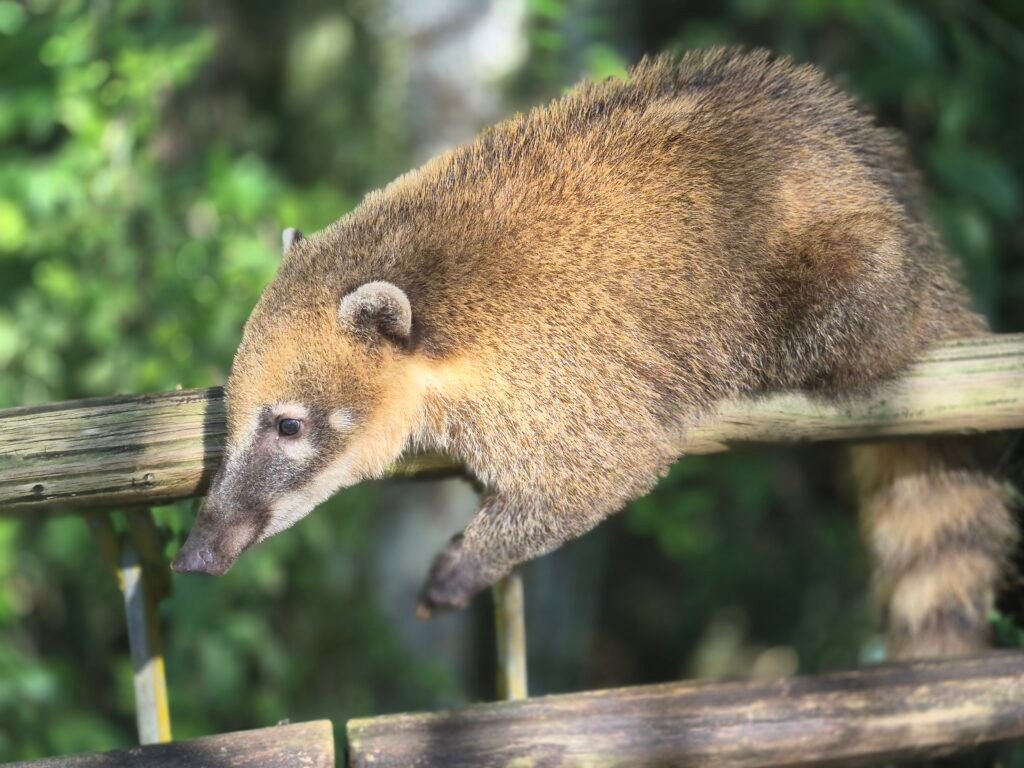
We got off the bus at its final stop and set out on foot along a paved path about 1.5 kilometers long, right to the base of the falls on the Brazilian side. There were plenty of other people out and about, but it was outright crowded in only a few places. In addition to people, there were also red-nosed coatis roaming the edge of the falls. Signs specifically warned us about them, because even though they looked very cute, they might bite a tourist who tried to pet them. So we wisely left the animals alone and focused on admiring the falls.

Cute, but dangerous.
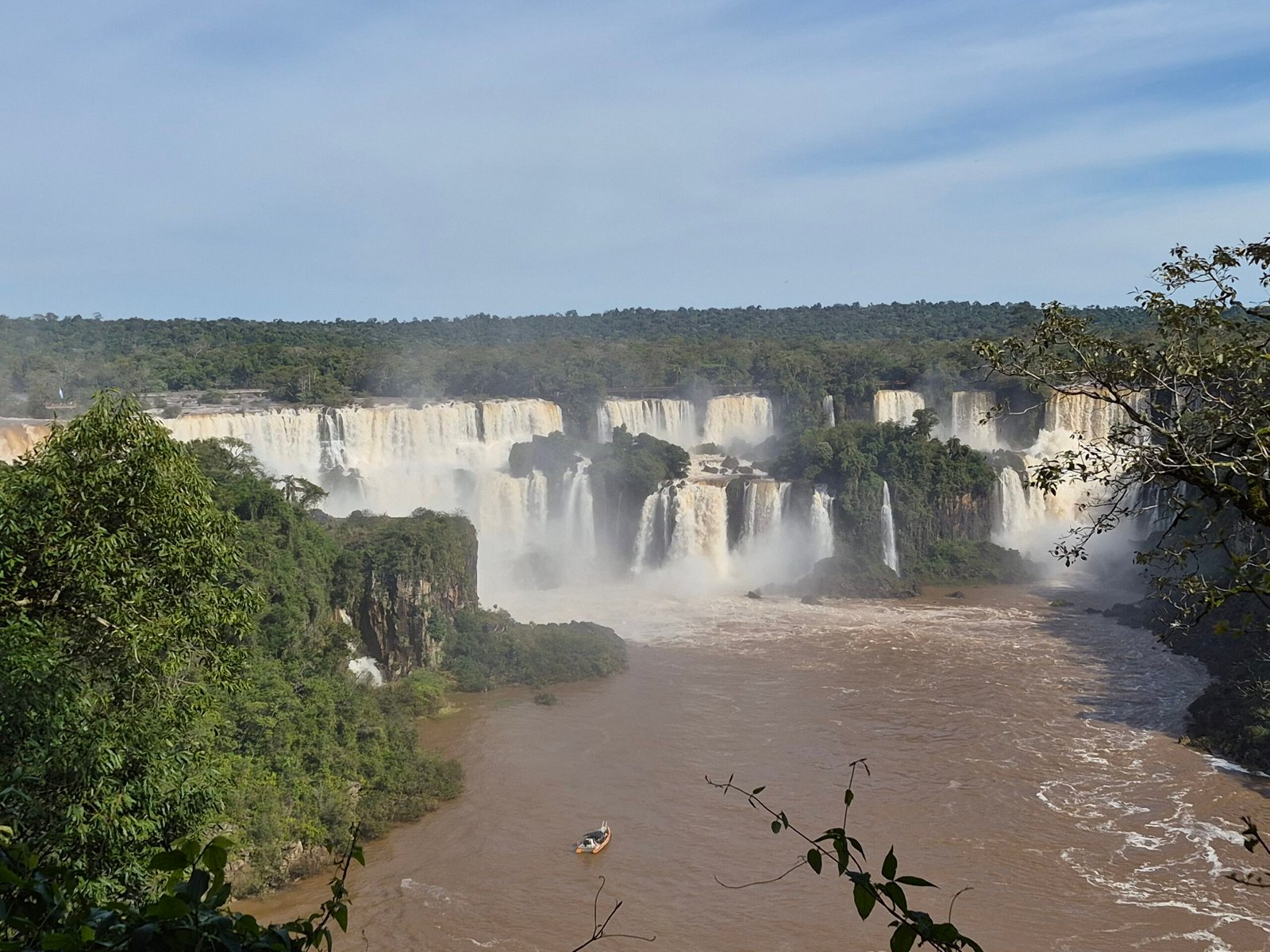
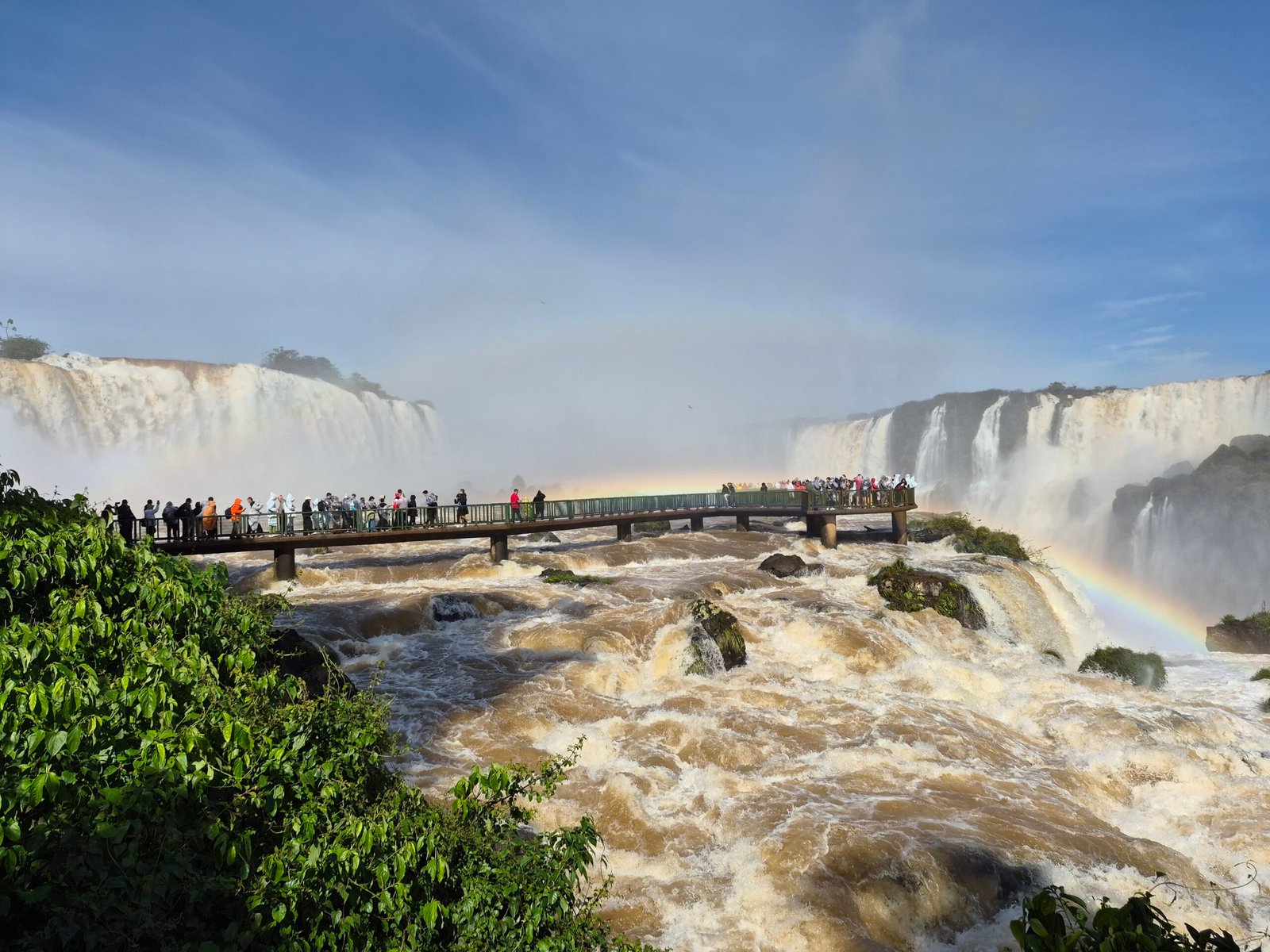
The first view of the waterfalls.

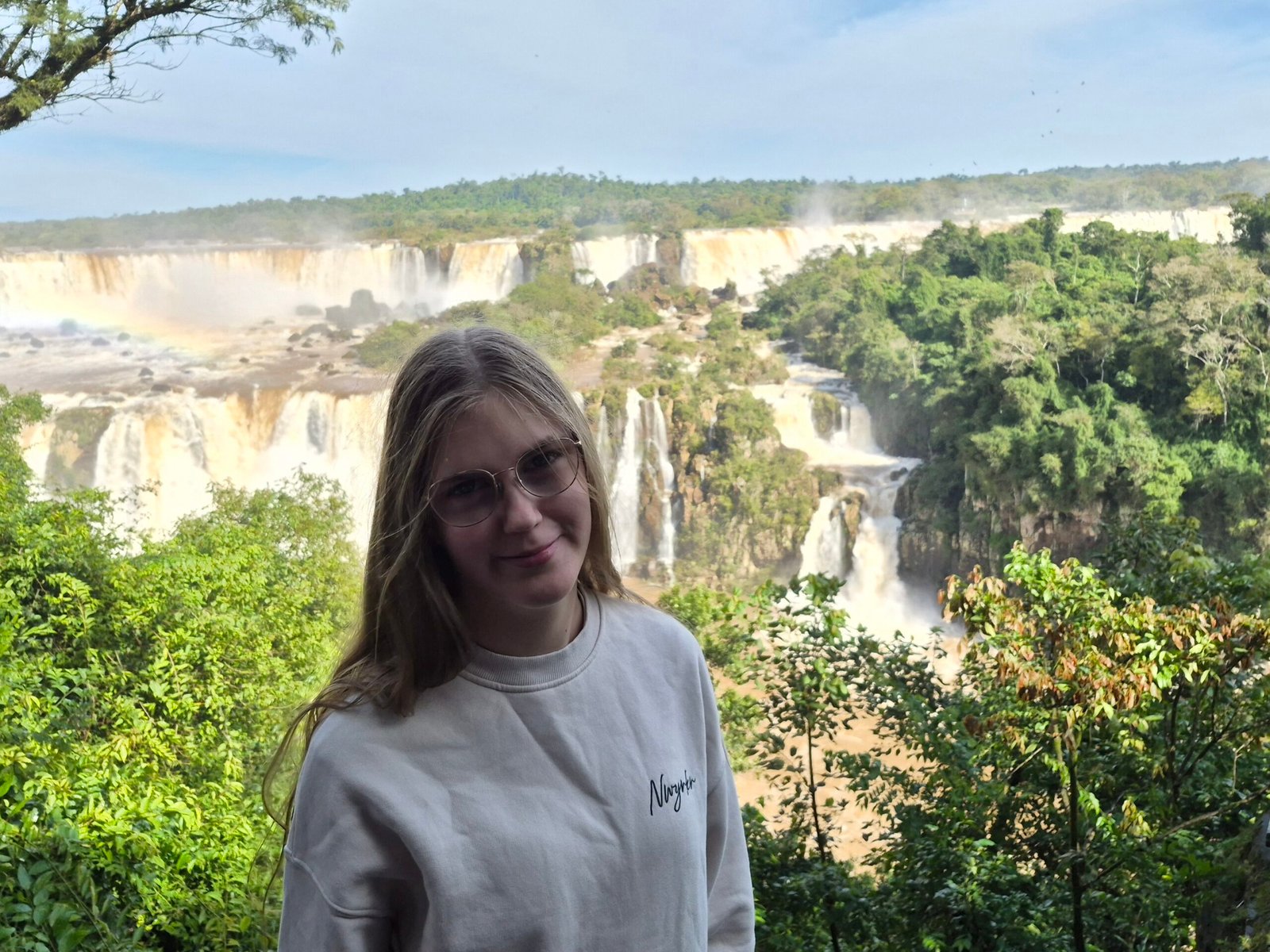
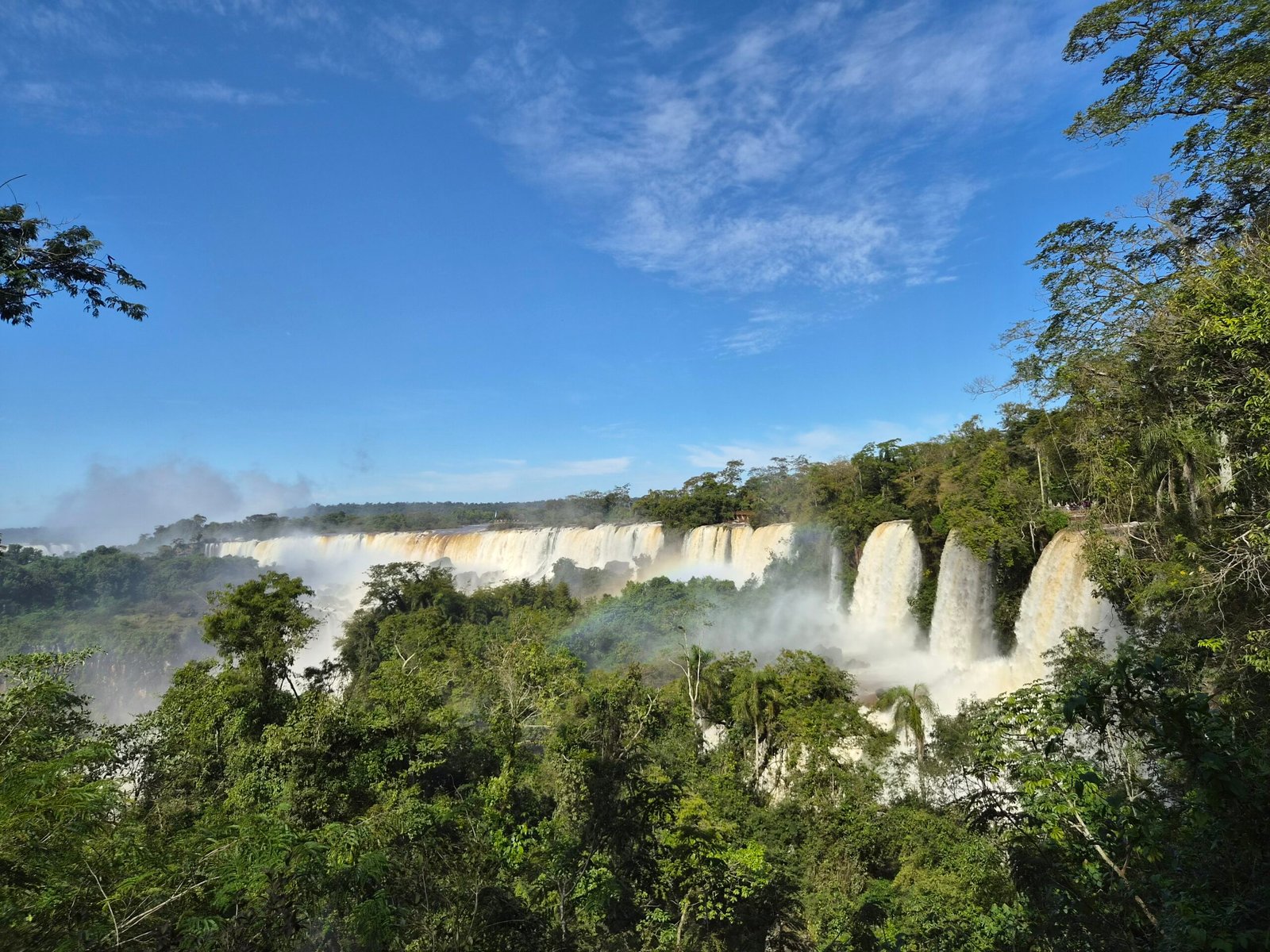
There’s certainly plenty to see at the falls! There are a total of 275 waterfalls along a 2.7-kilometer stretch, and their heights range from 60 to 80 meters. Depending on how you count them, the Iguazu Falls are the third-largest waterfalls in the world. They take the top spot when considering water volume and total width. The widest single waterfall, on the other hand, is Victoria Falls, which we saw last year on our trip to Zimbabwe in Africa. At least Marko and Jaana agreed with us that the Iguazu Falls are more beautiful than Victoria Falls or Niagara Falls, which they’ve also seen before. Even the kids remarked, “These are really cool,” so I guess they liked them, too.

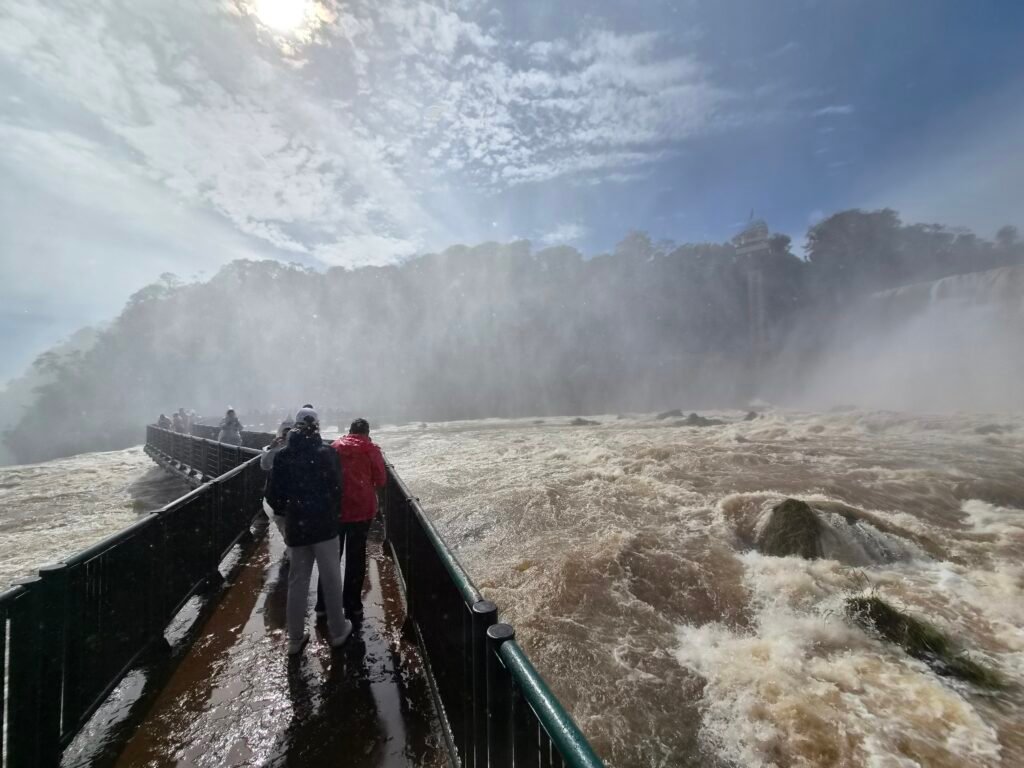
For a long time, we were able to admire the waterfalls without getting splashed, but at the end of the walking trail, right below the falls, things got pretty wet. Luckily, we had raincoats with us just for this. However, since the raincoats only reached our hips, all of our pants were wet by the time we got back to the bus stop to wait for the ride back to the visitor center gates.

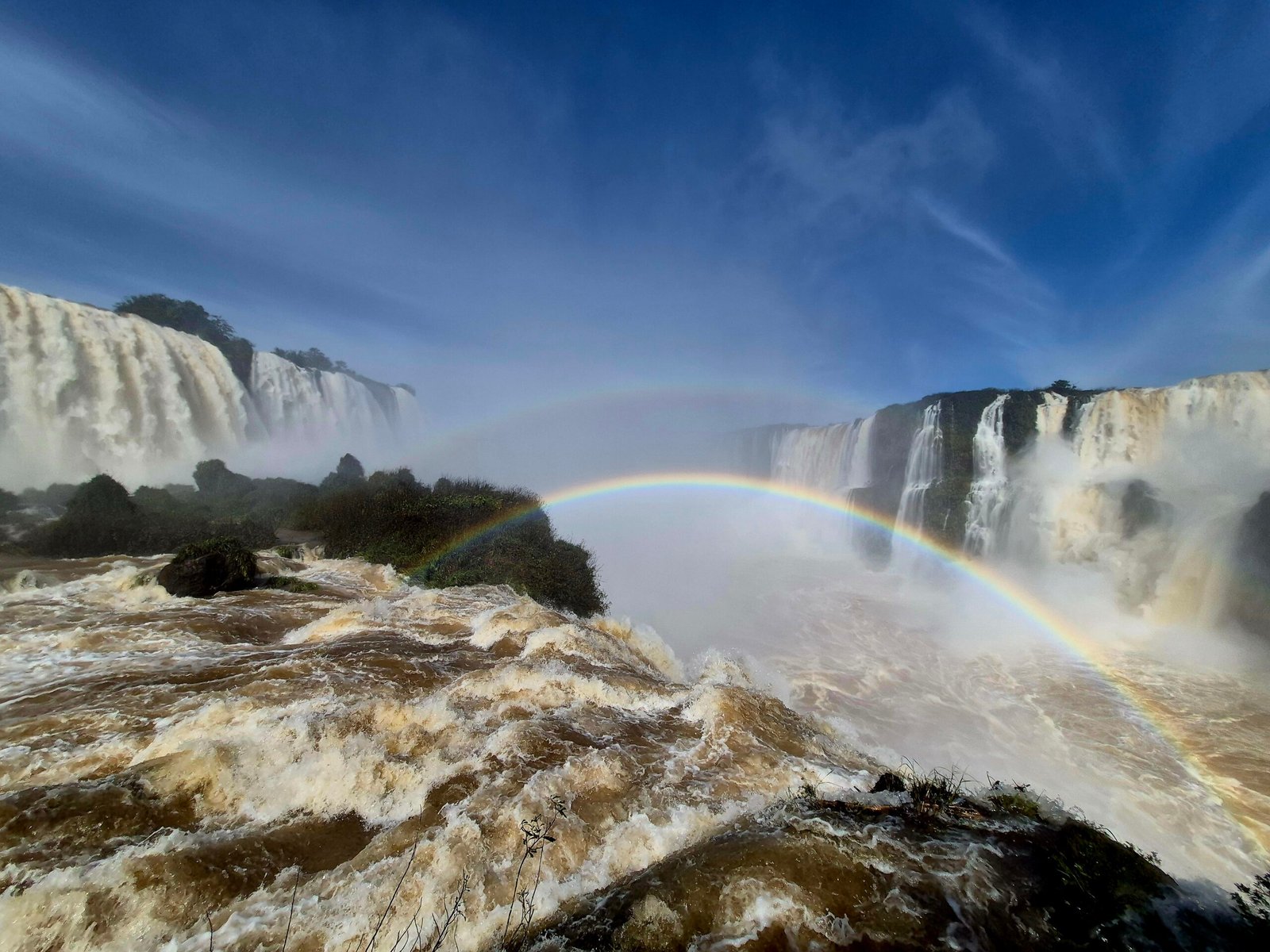
"The Devil's Throat" was a place where you were sure to get wet.

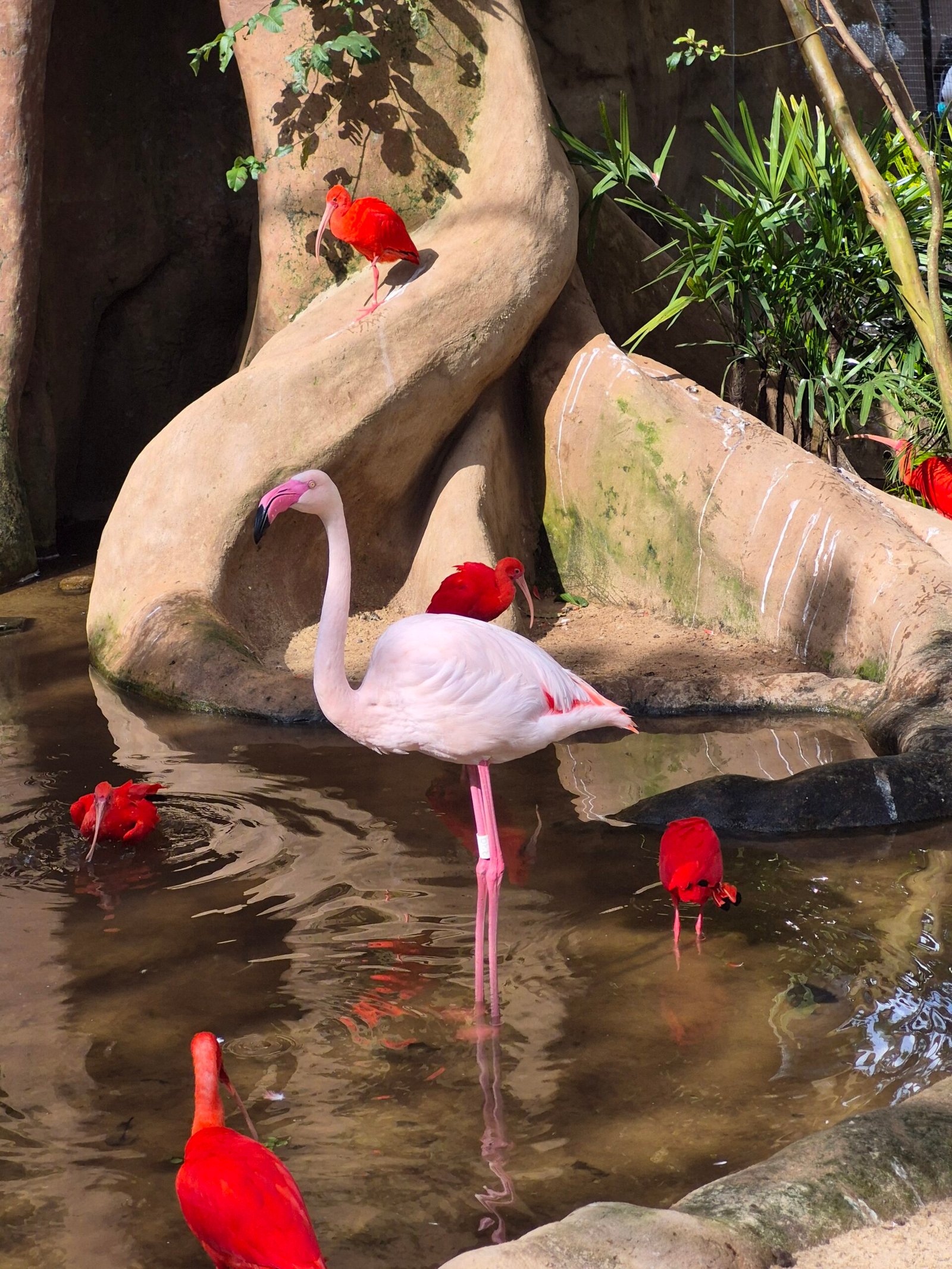
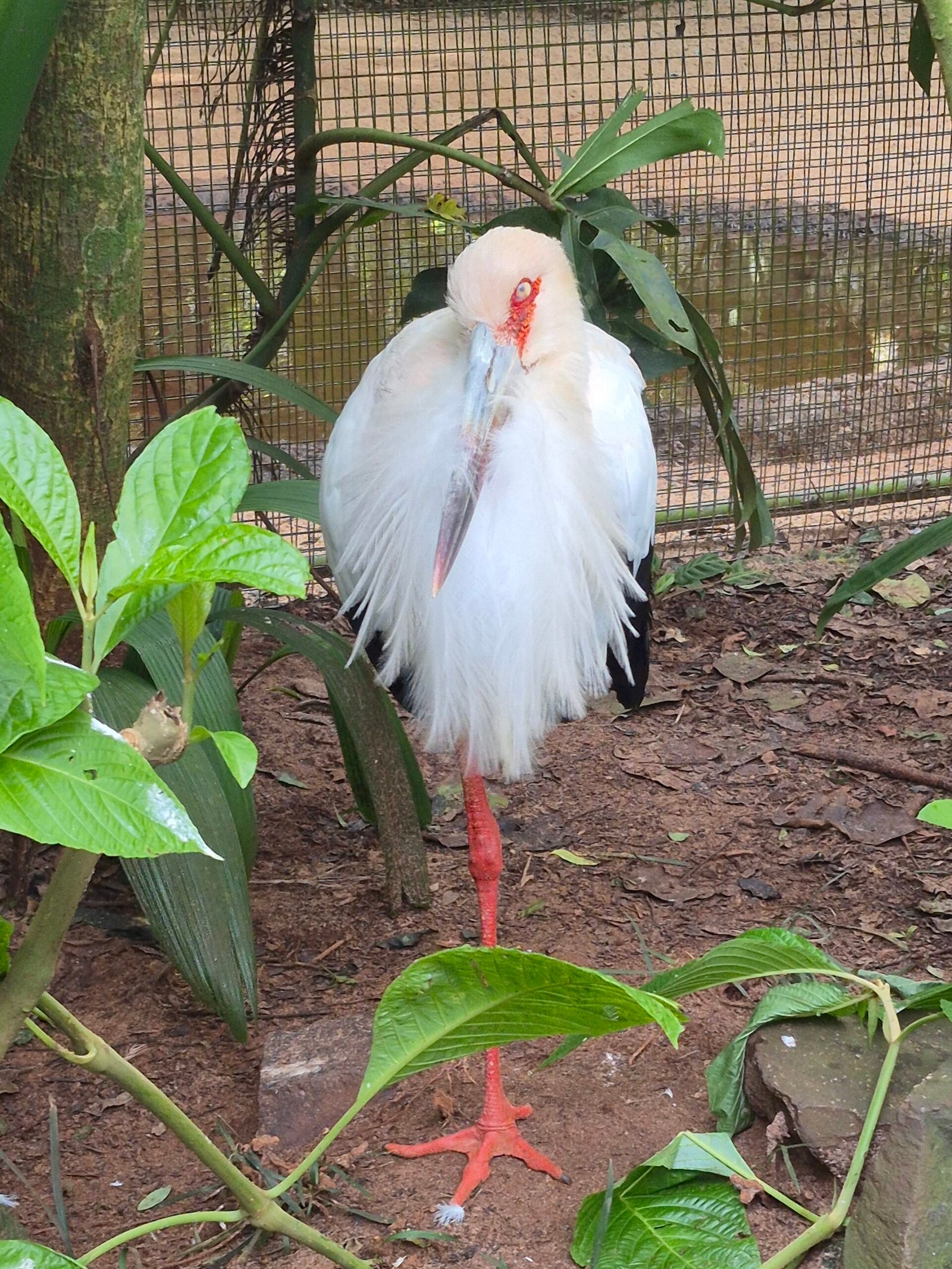
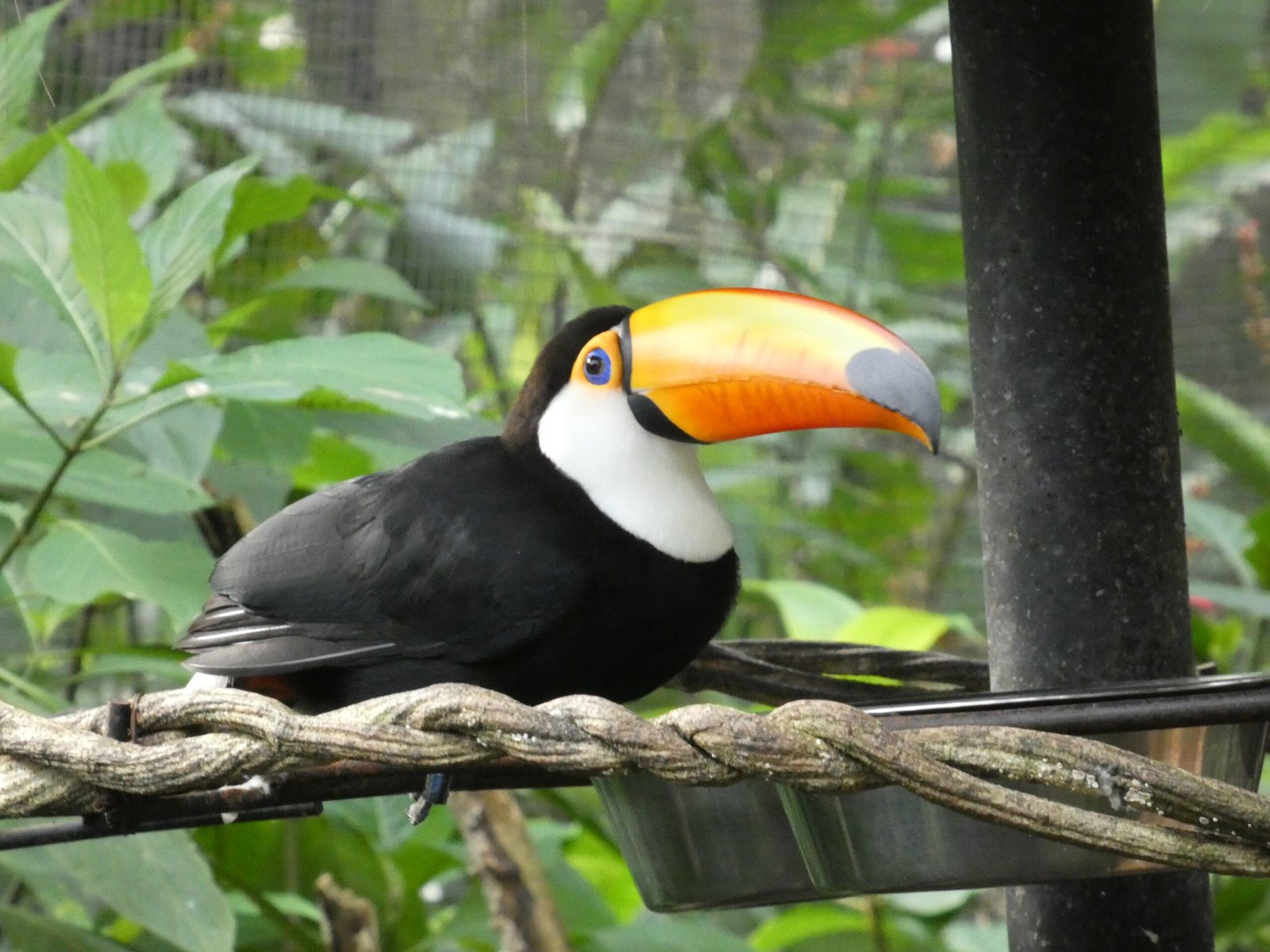
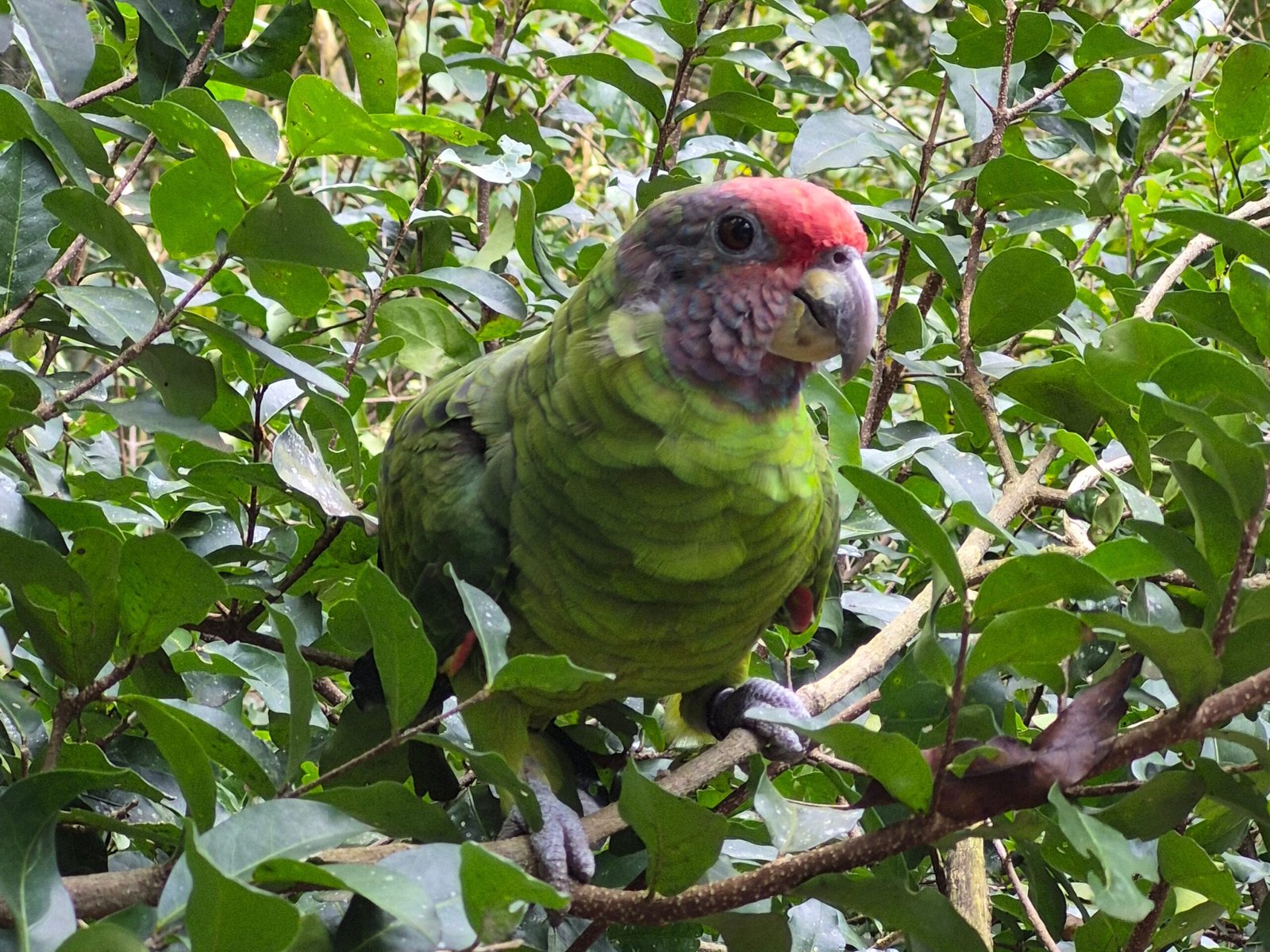
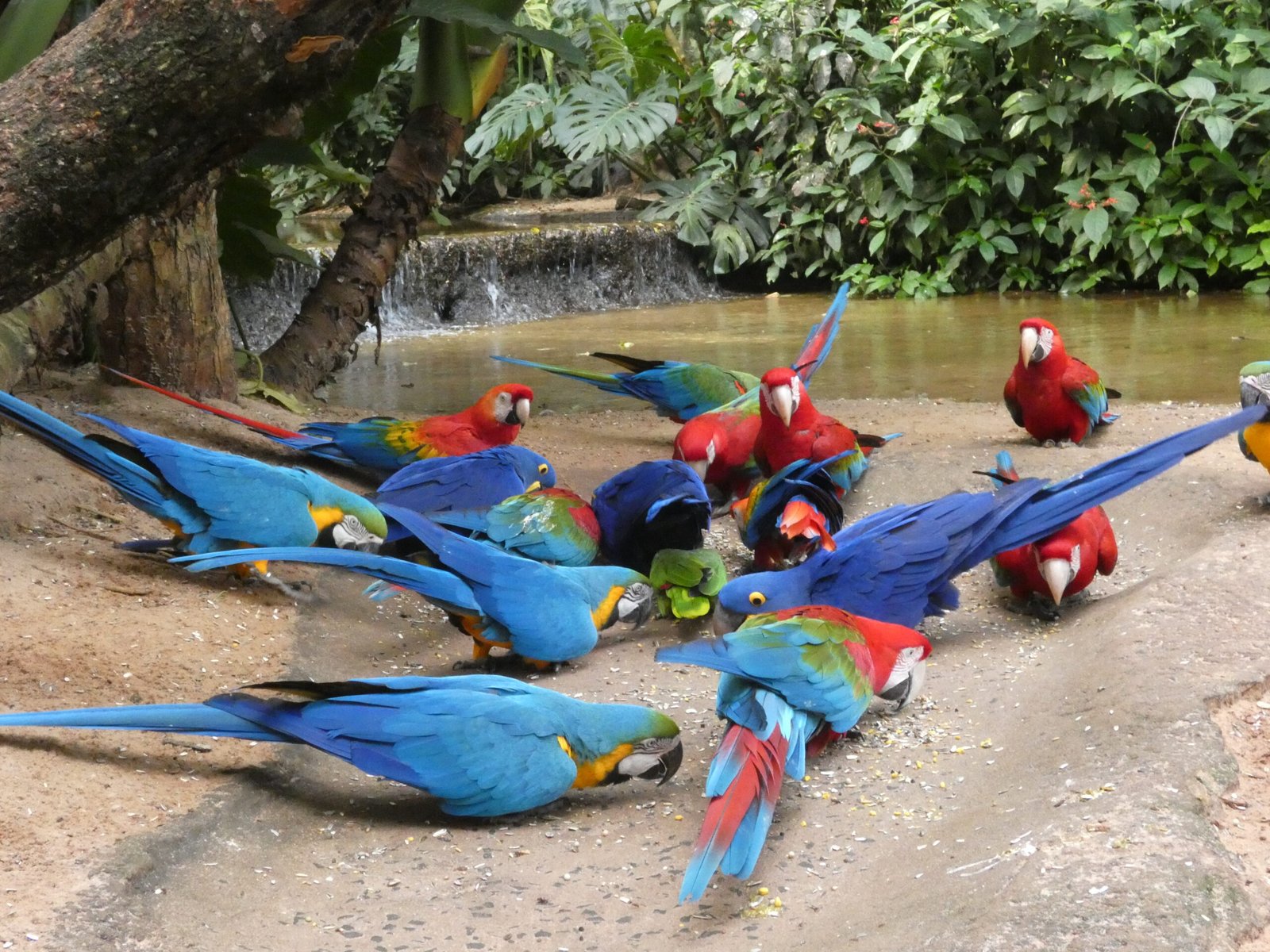
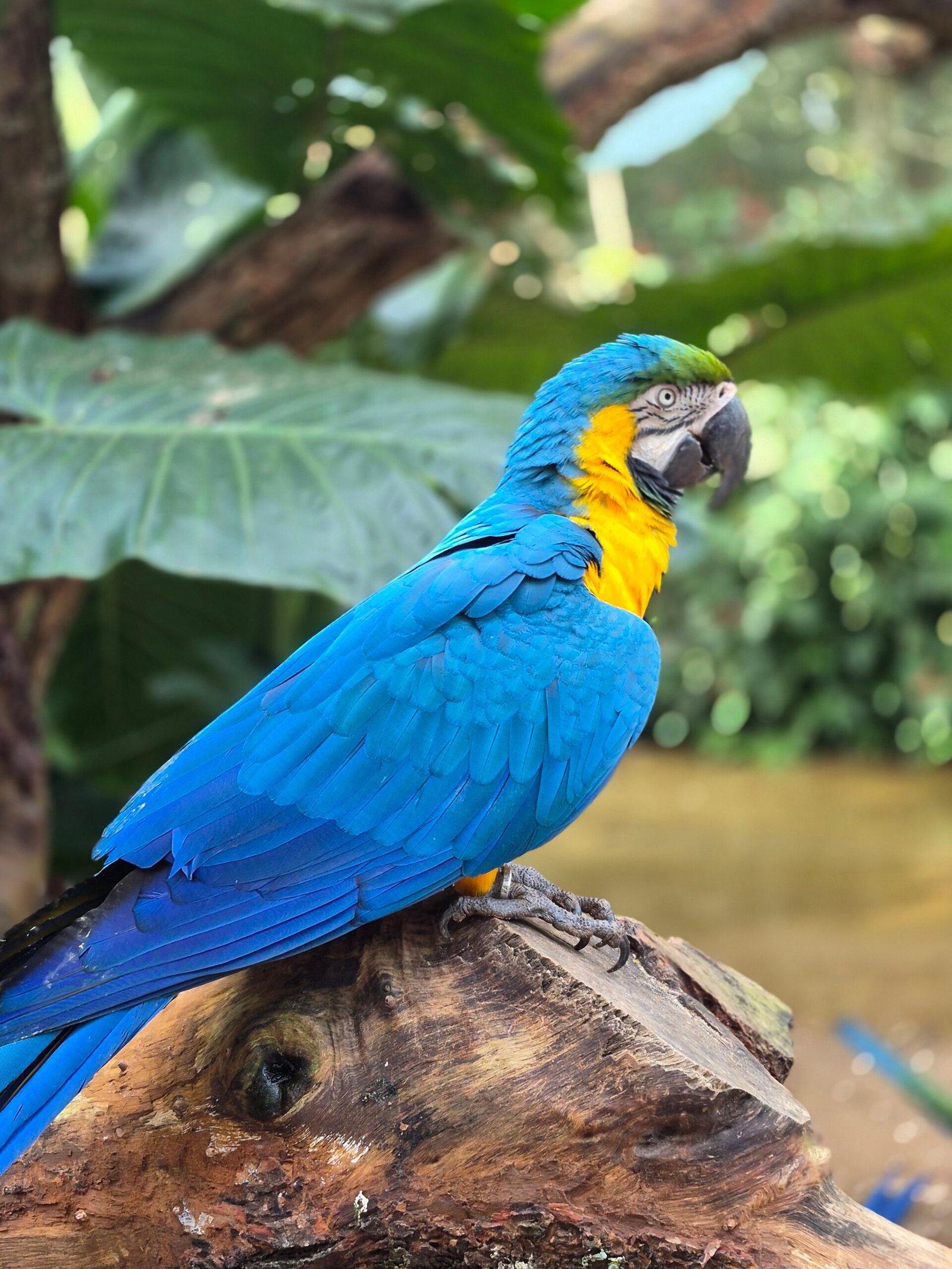
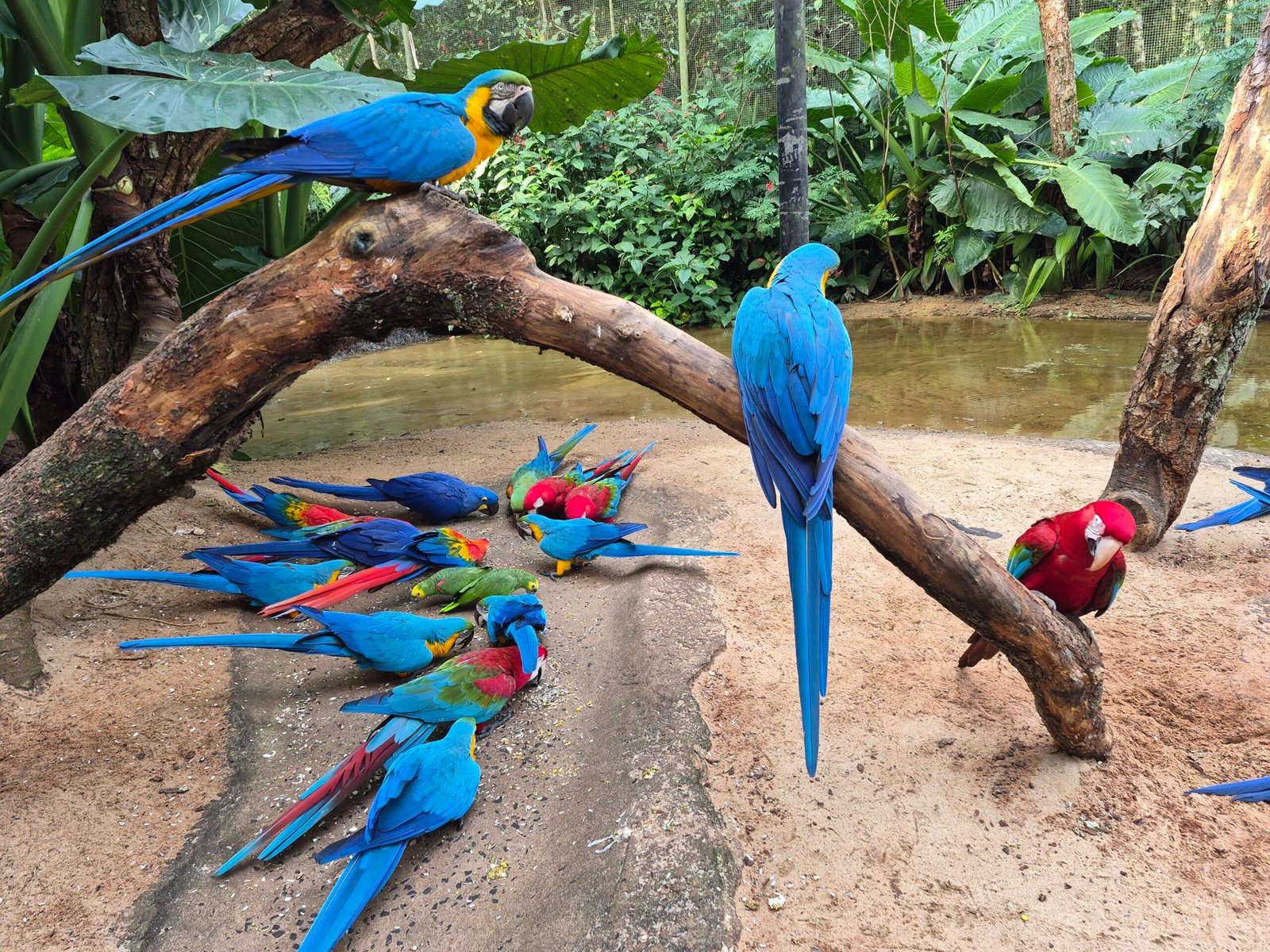
We had a quick snack at the visitor center café, and then continued across the road to the bird park, which had received a lot of praise on various websites. The praise was well-deserved, as the park was large and clearly marked with trails. Most of the time, it felt as if we were in a giant birdcage where the local birds were free to fly around. We saw a wide variety of exotic birds, of which the toucans and the colorful macaws were perhaps the most impressive.

At the gate, we were greeted by this colorful flock of birds.
We also met the bird world's Santa Claus.
The parakeets were surprisingly large. “Rio!” one child shouted upon seeing the blue parakeet.
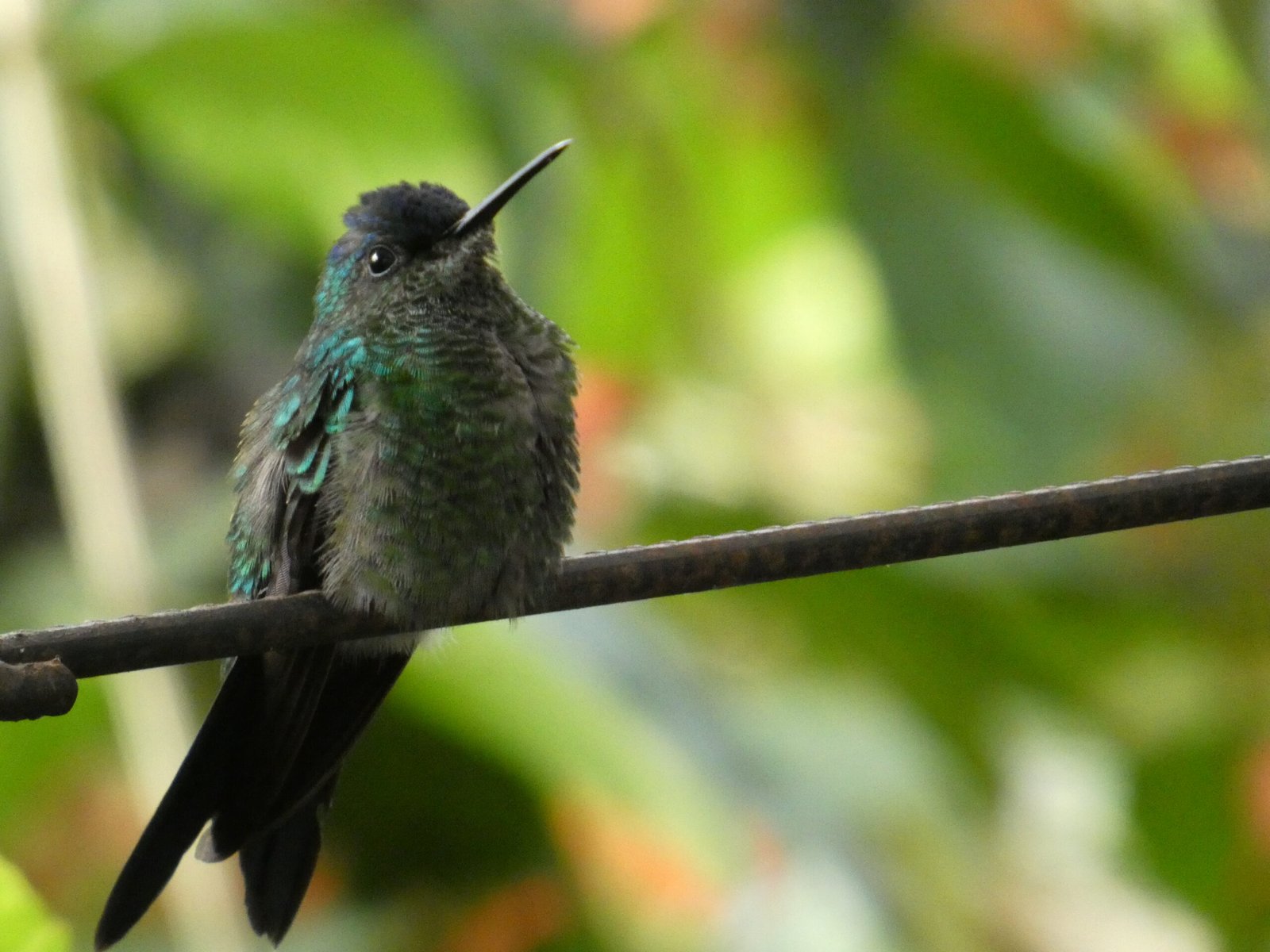
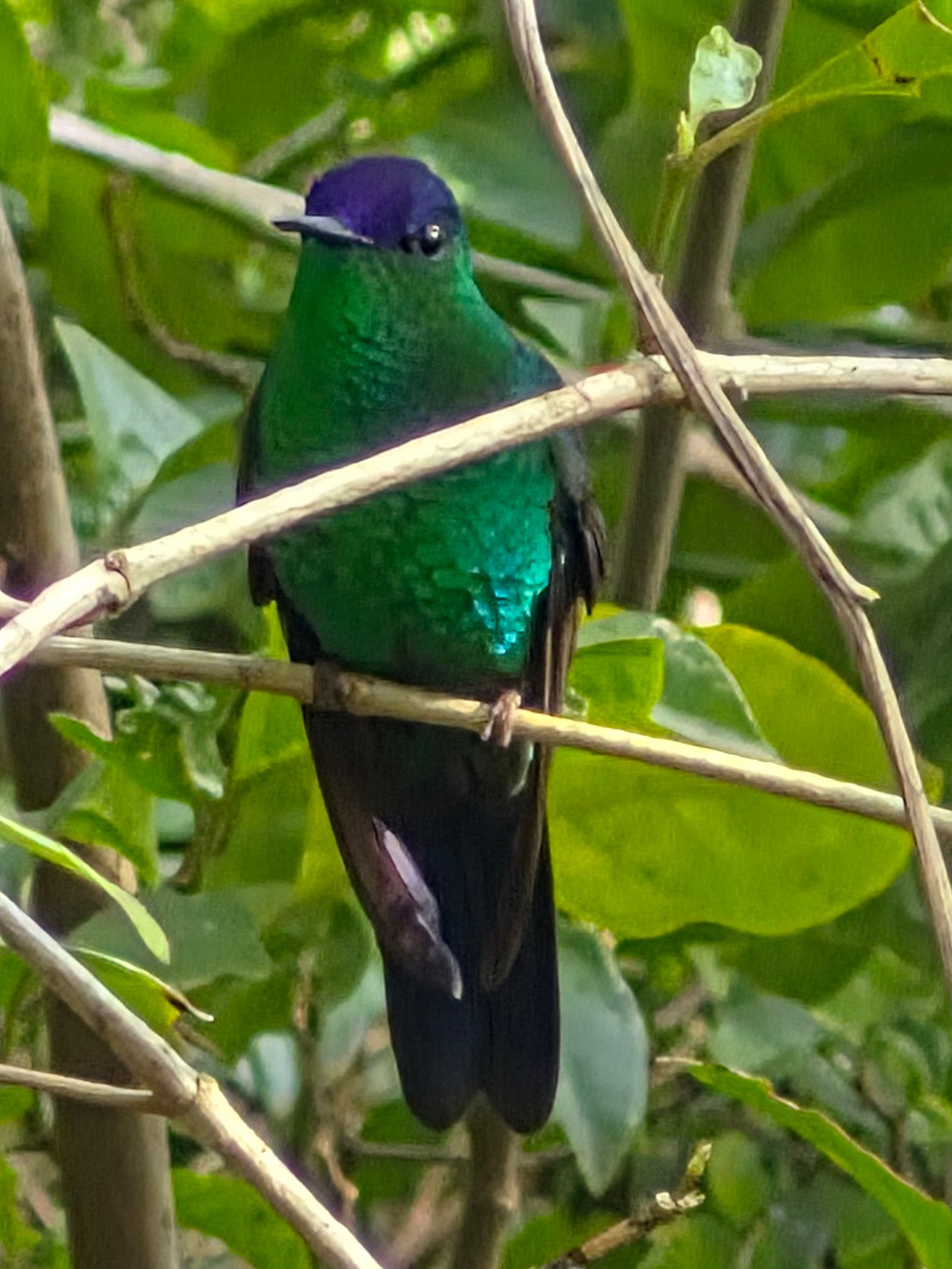
The hummingbirds, on the other hand, were the smallest of the birds we saw.
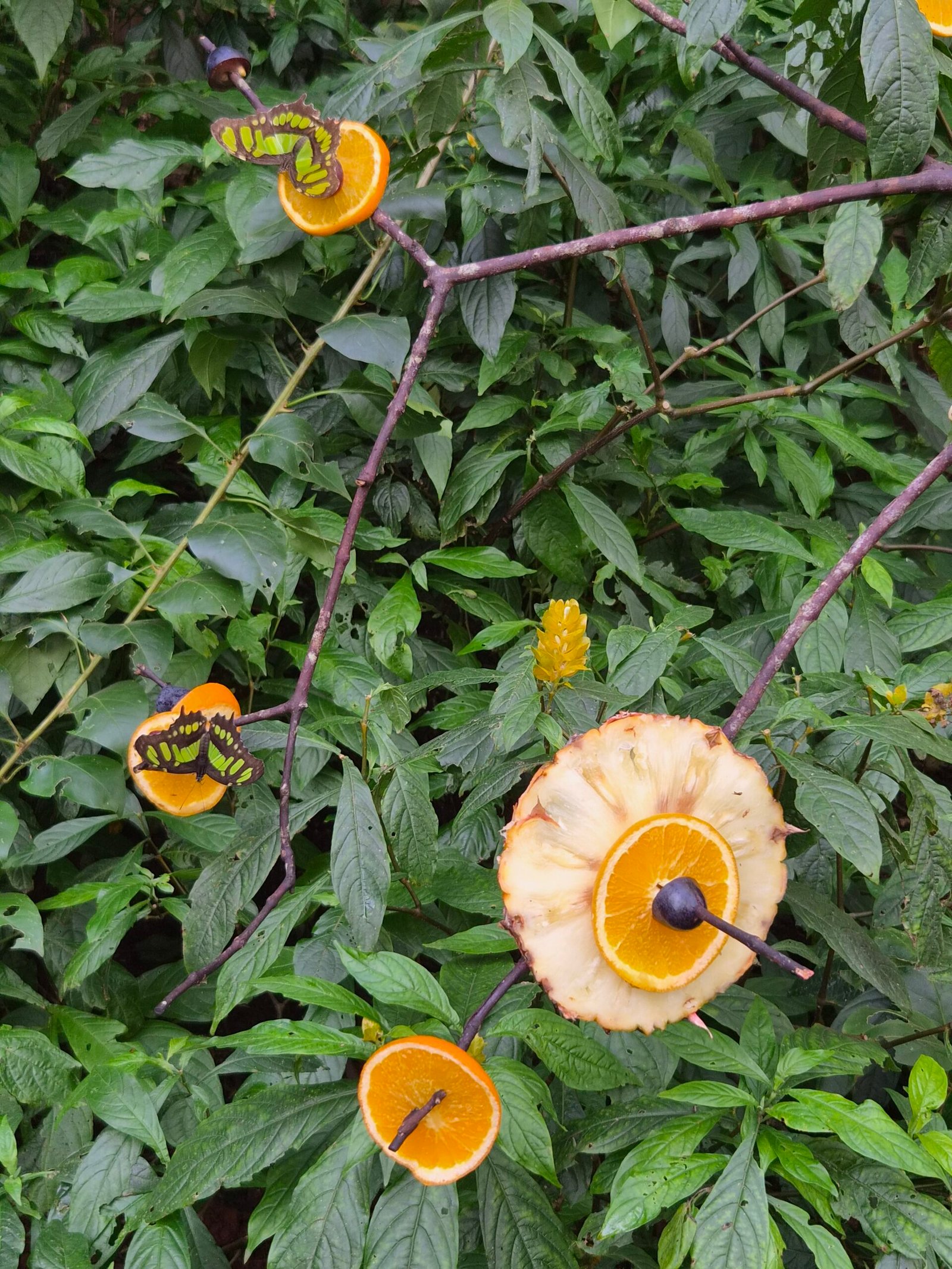
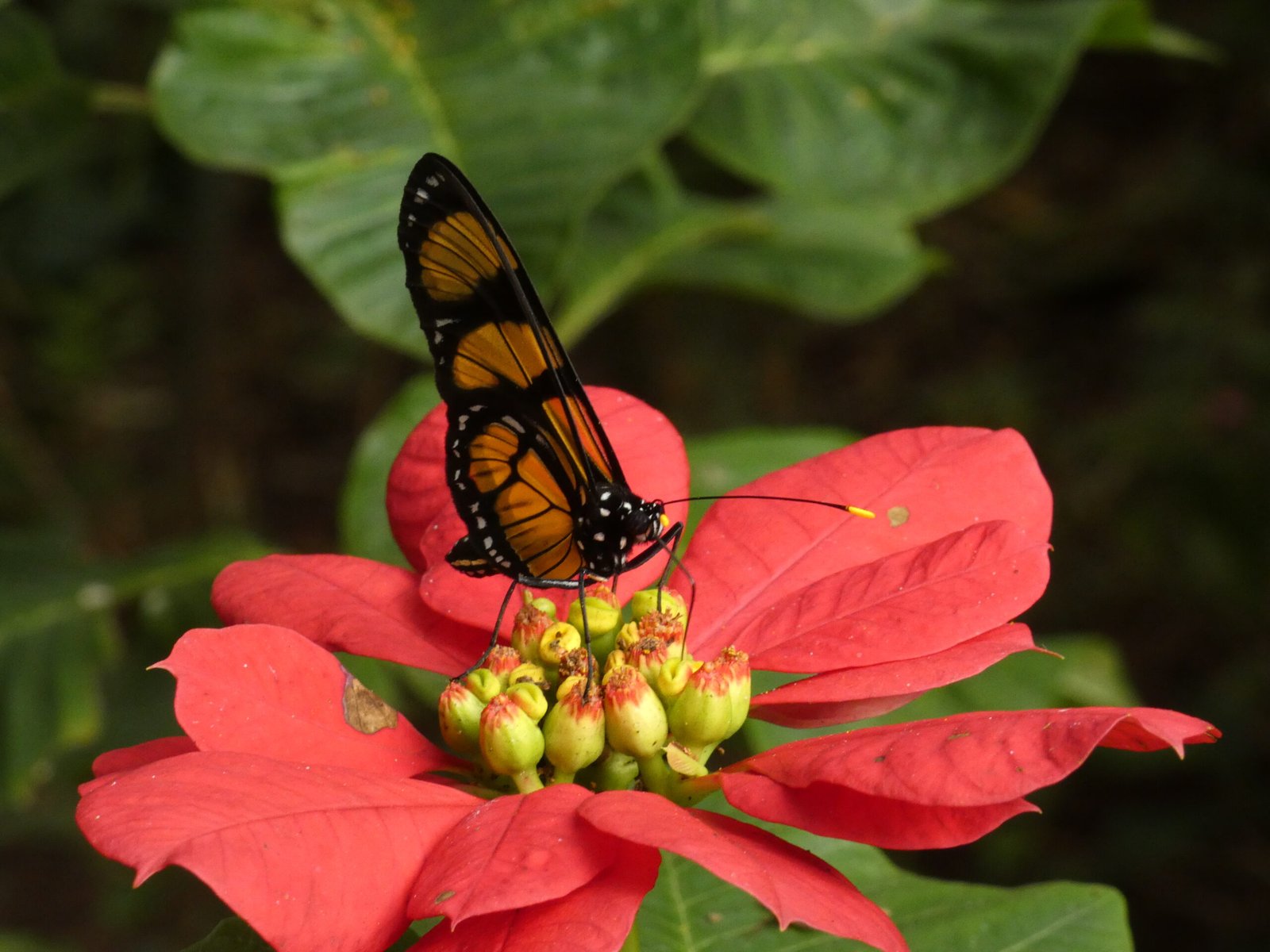
A separate buffet table had been set up for the butterflies
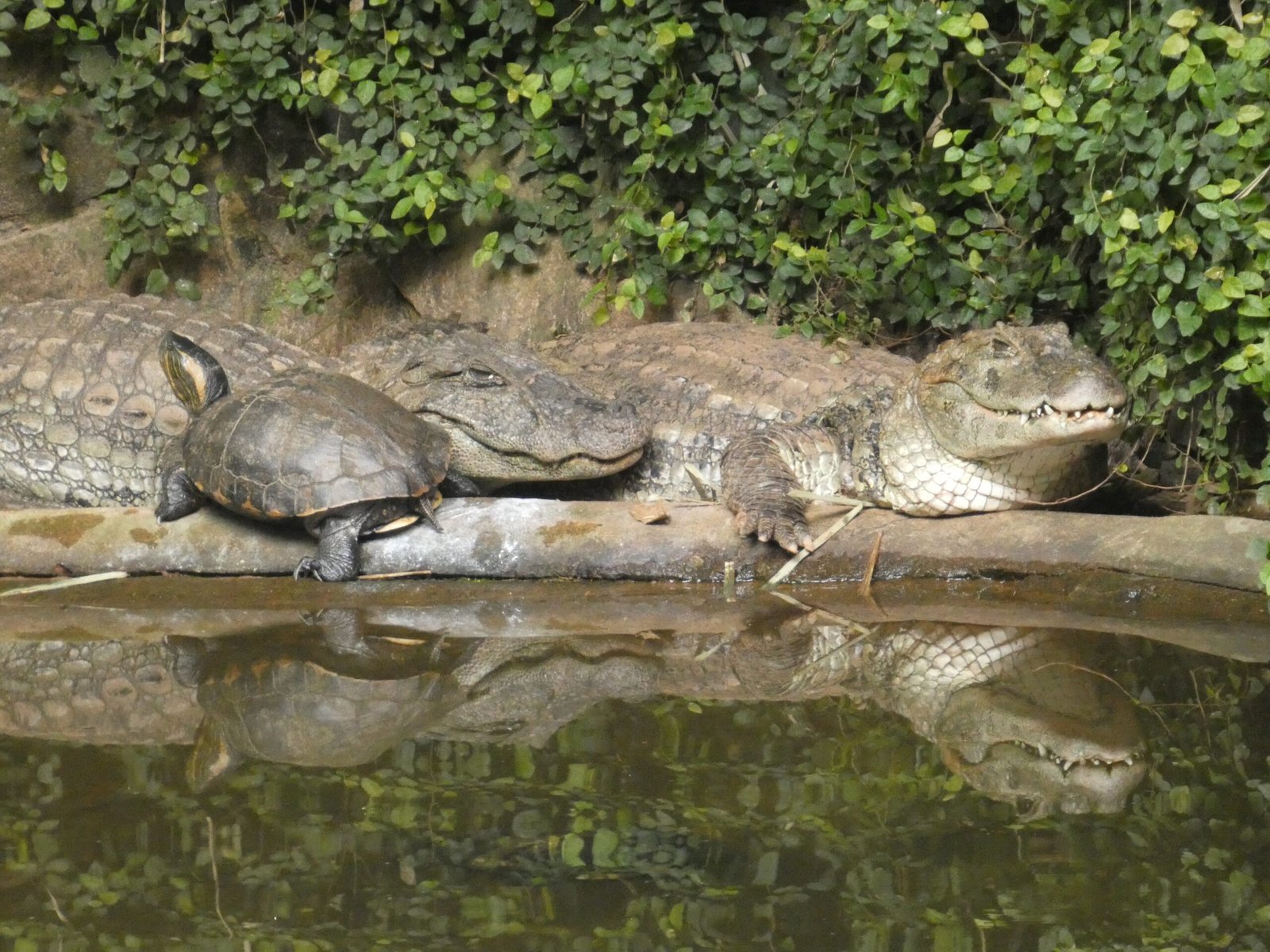
This turtle had impressive self-confidence

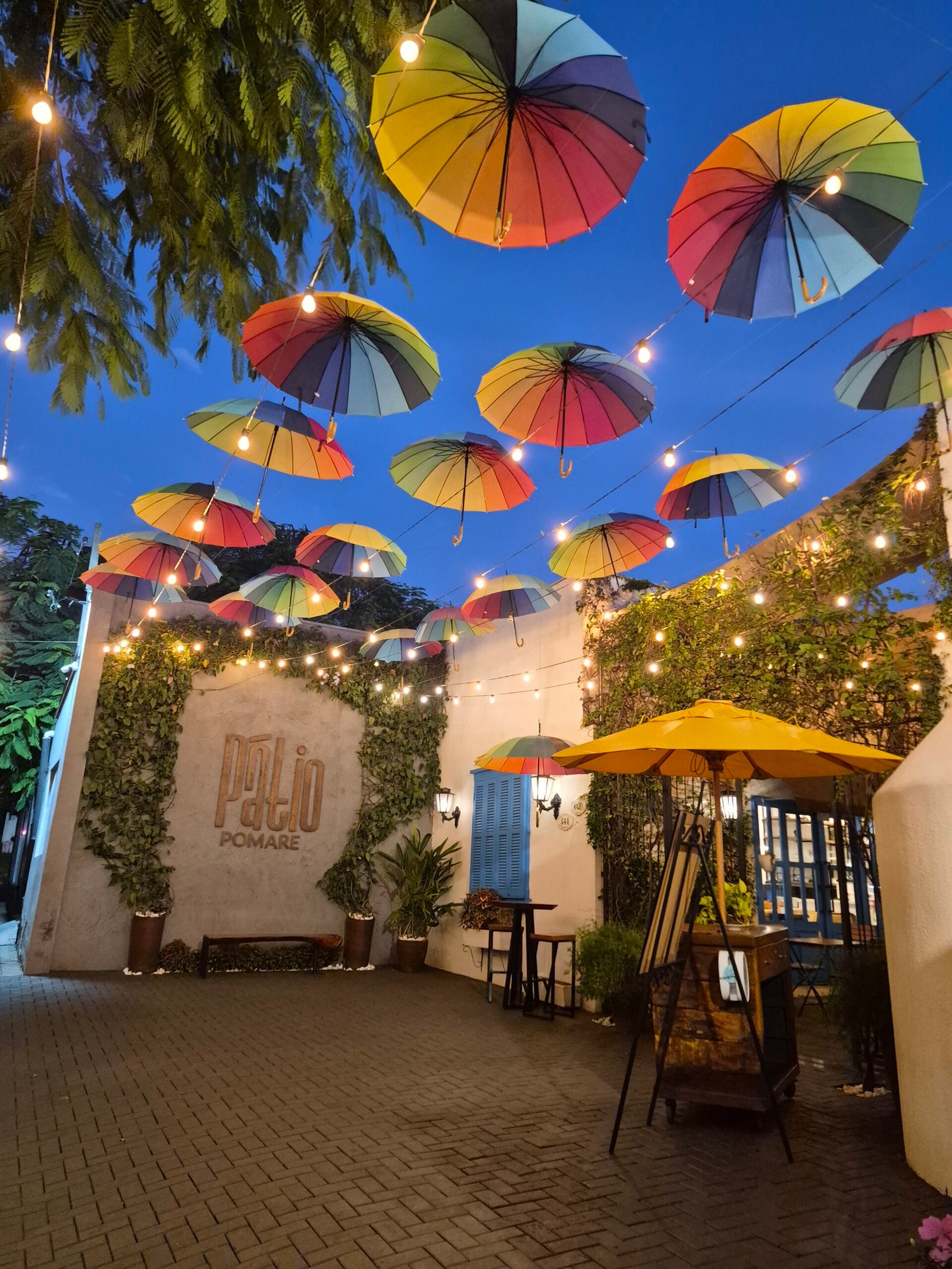
That evening, we went out for dinner at a restaurant recommended by the owner of our lodging, just a couple hundred meters from our apartment. Patio Pomare was cozy, and the food there was truly delicious. The service was also friendly and quick. This was definitely a restaurant we’d be happy to return to for another meal. That evening, we still had to pack our backpacks, since we were leaving first thing in the morning at seven o’clock for the waterfalls on the Argentine side, and in the afternoon we’d be moving to a different place to stay here in Iguazu. We’d booked a slightly cheaper apartment at first, since the plan was to spend these days visiting the falls and not really do much more than sleep at the apartment. For the next two days, we had booked a slightly more expensive resort-style place where we could spend more time and make better use of the resort’s amenities.

This restaurant had a cozy atmosphere and delicious food.

On Sunday, it was time to visit the falls on the Argentine side. We headed there led by our guide, Gilnei. We had booked a guided tour of the falls because crossing the border into Argentina was easier with the help of a local. It was a very early morning, as we set out at 7:00 a.m. We wanted to arrive at the Argentine side of the falls in time for the first train-like tour at 8:30 a.m., so we could see the falls before the larger crowds arrived.

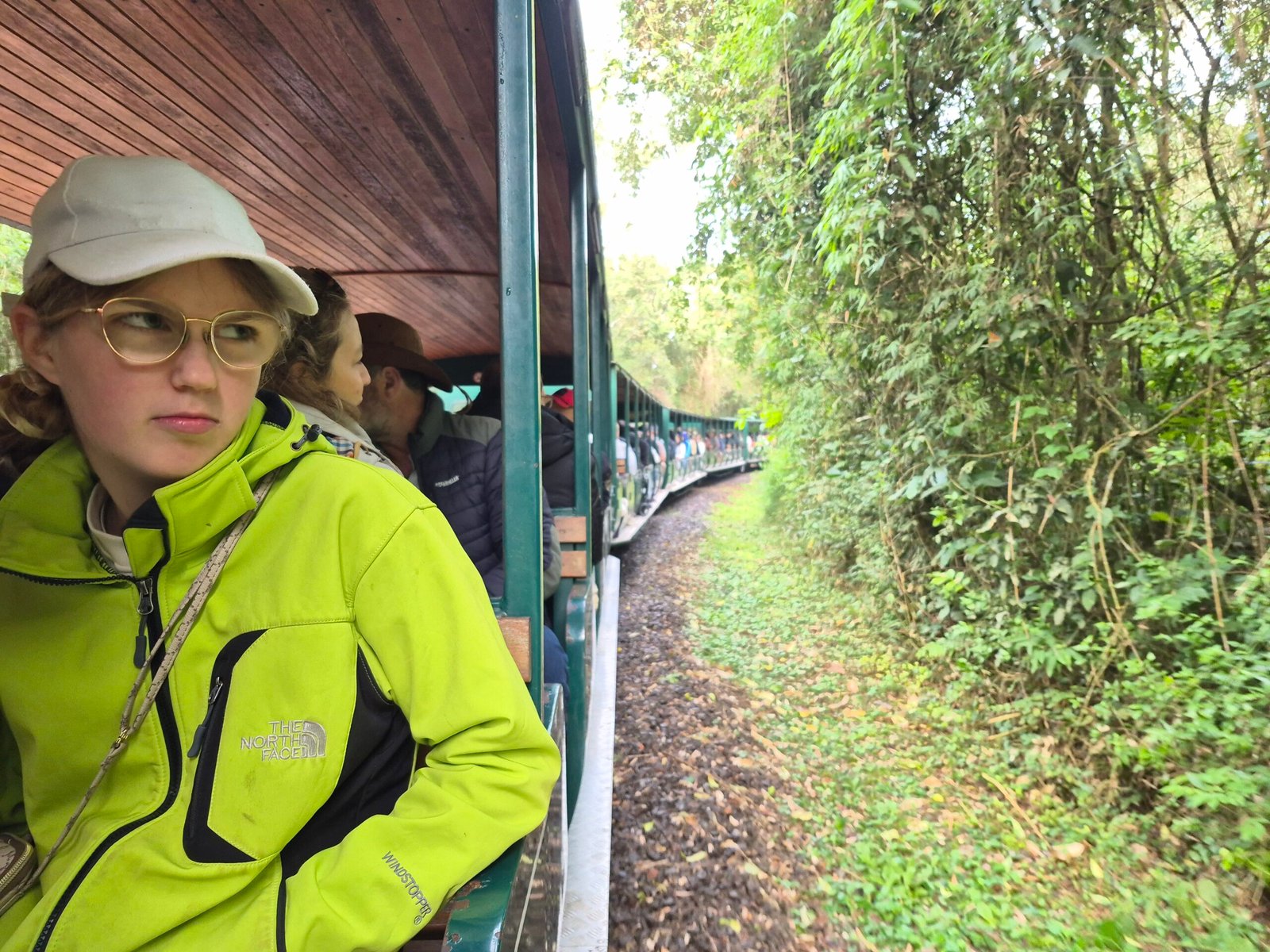
Crossing the border went smoothly. We didn’t even have to get out of the car. We rolled down the rear window just enough for the border official to peek into the back seat, and then we were on our way again. We’d been stuck in the line of cars at the border for so long that we couldn’t make it onto the first train from the first stop. Gilnei, however, knew a trick to fix this minor hiccup. From the terminal station, there was a shortcut about 600 meters long to the next stop, and according to Gilnei, the train always left a little space for passengers coming from the following stops. The train takes a bit of a detour at the start of its route, so we arrived at the next station a little before the train got there. Now we were magically able to board the train and chugged along for a quarter-hour to the point where the walking trails to the various waterfalls began. Even though the trip took about a quarter of an hour, we didn’t actually go very far on the train, since its maximum allowed speed on the route was 5 km/h. It probably wouldn’t have gone any faster anyway.

"Once again, I've been dragged out here to the woods early in the morning. What kind of vacation is this, I ask you!"

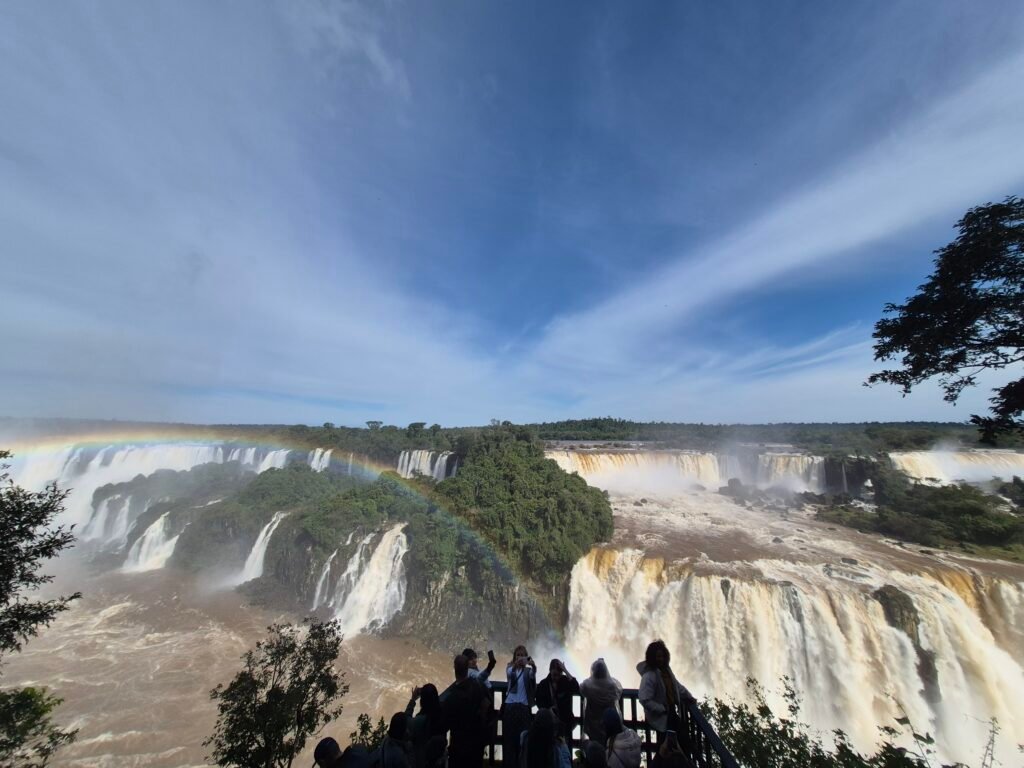
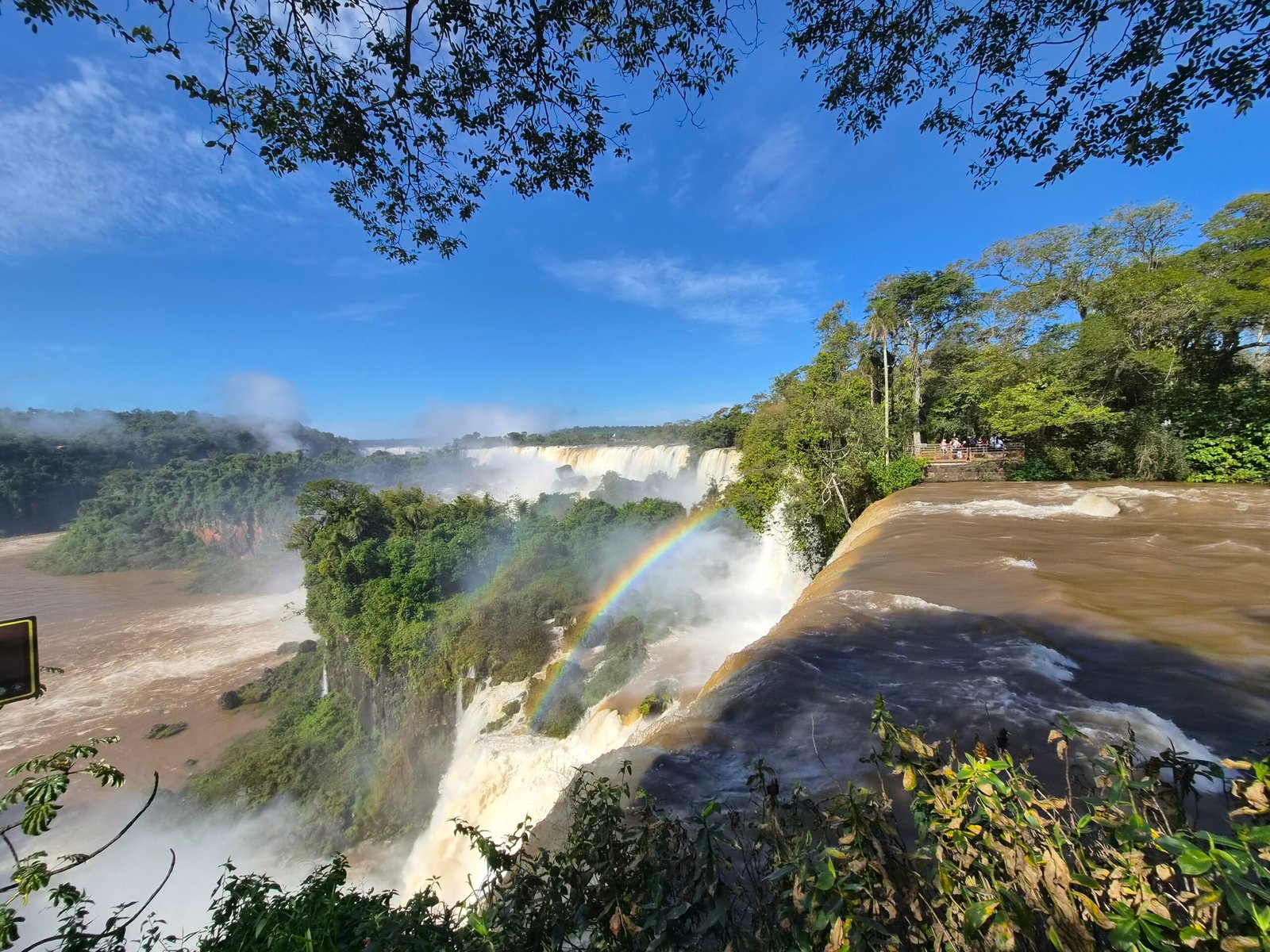
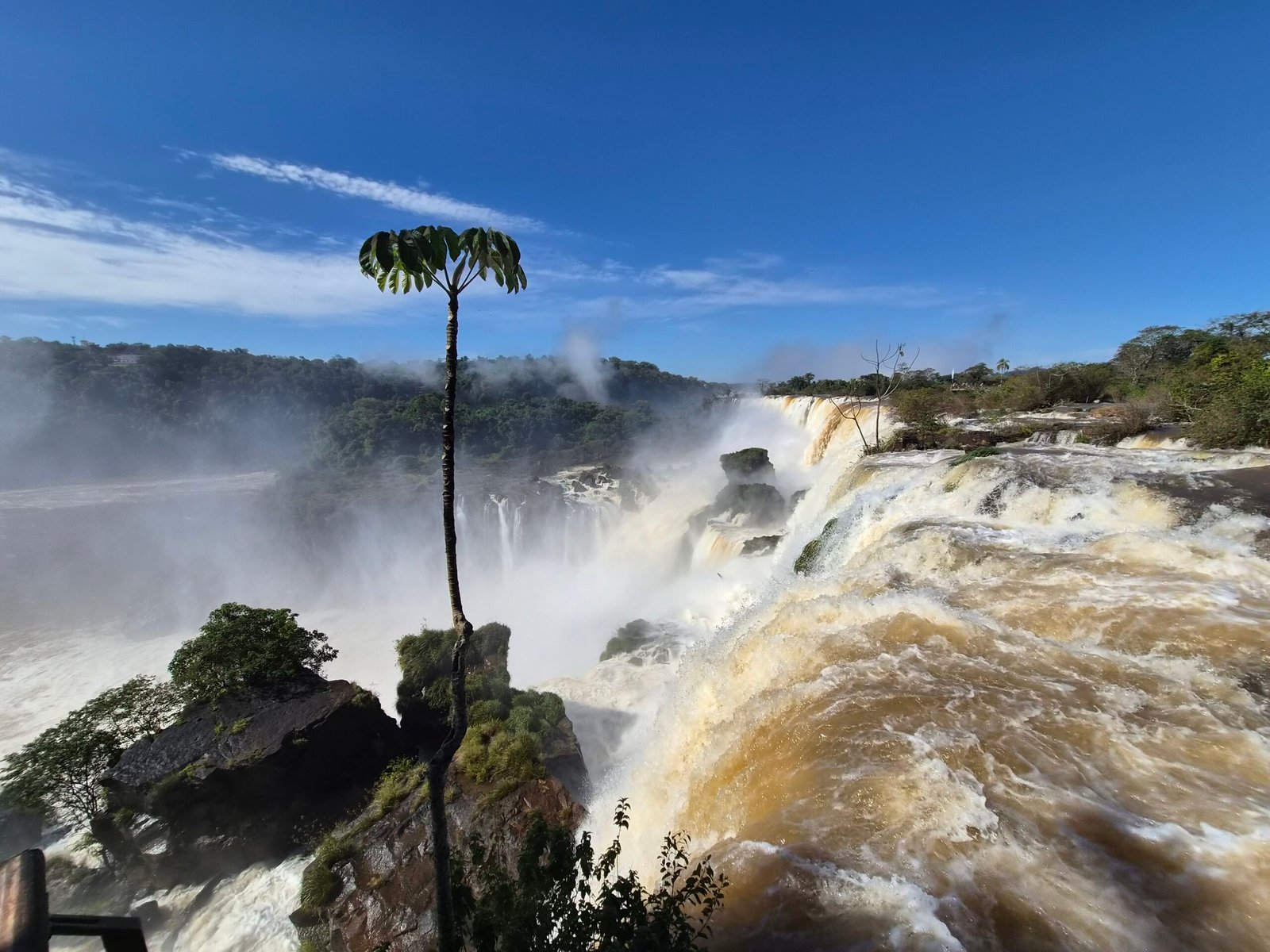
Gilnei said that the first walking trail over the falls had been completely closed to tourists a few days ago because the water volume at the falls was six times higher than under normal conditions. Even on the day of our visit, 4.7 million liters of water per second were continuously cascading down the falls. That’s a lot of water, let me tell you! That’s nothing, though, compared to those times when the water surging toward the falls in the river has completely swept away the metal walking paths. At its worst, the river’s surface has been two meters above the walking paths. At least now there was a gap of at least one meter between us and the river.

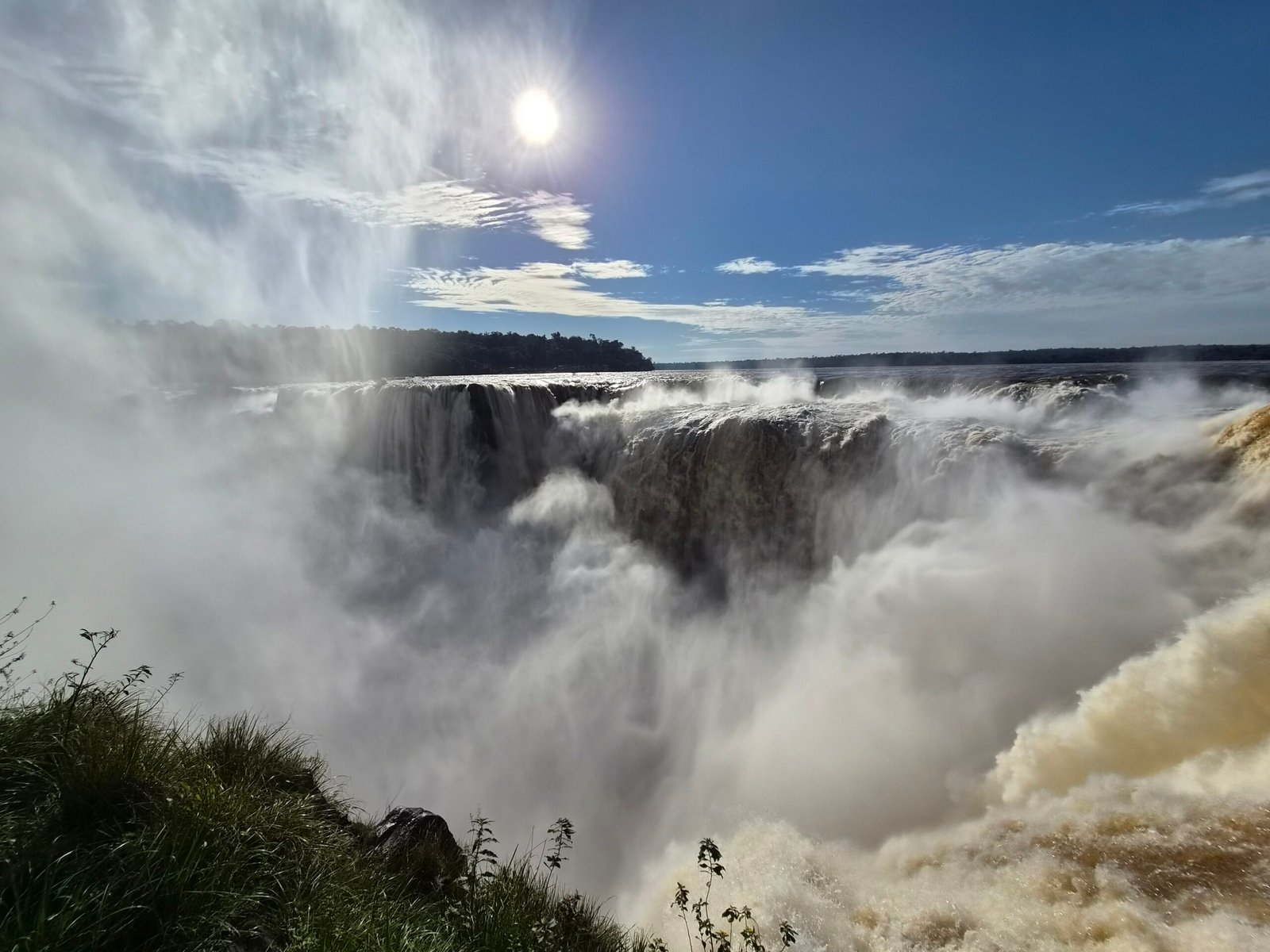
On the Argentine side, you didn't get so wet while admiring the falls. This photo shows the Devil's Throat as seen from above.
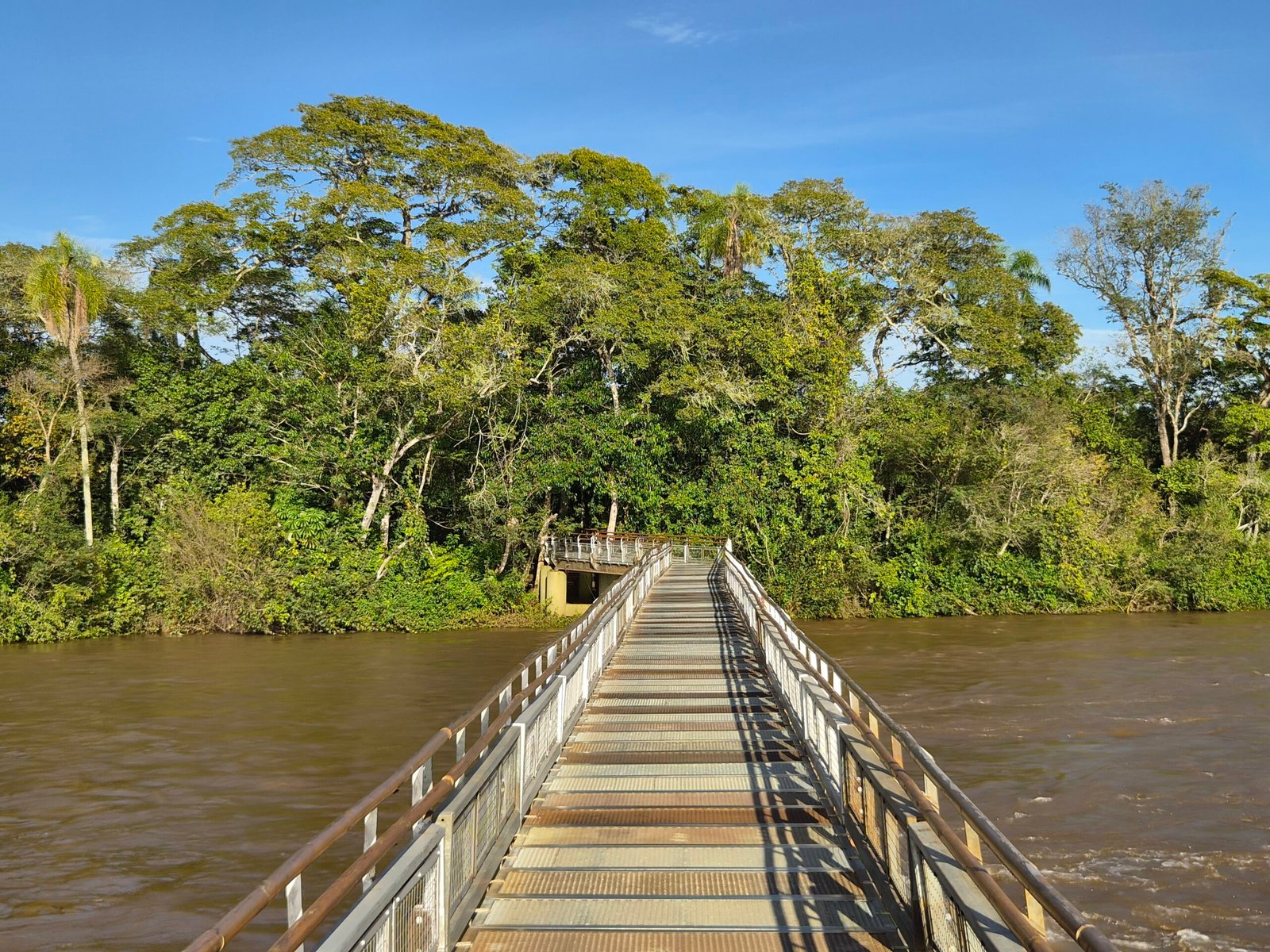
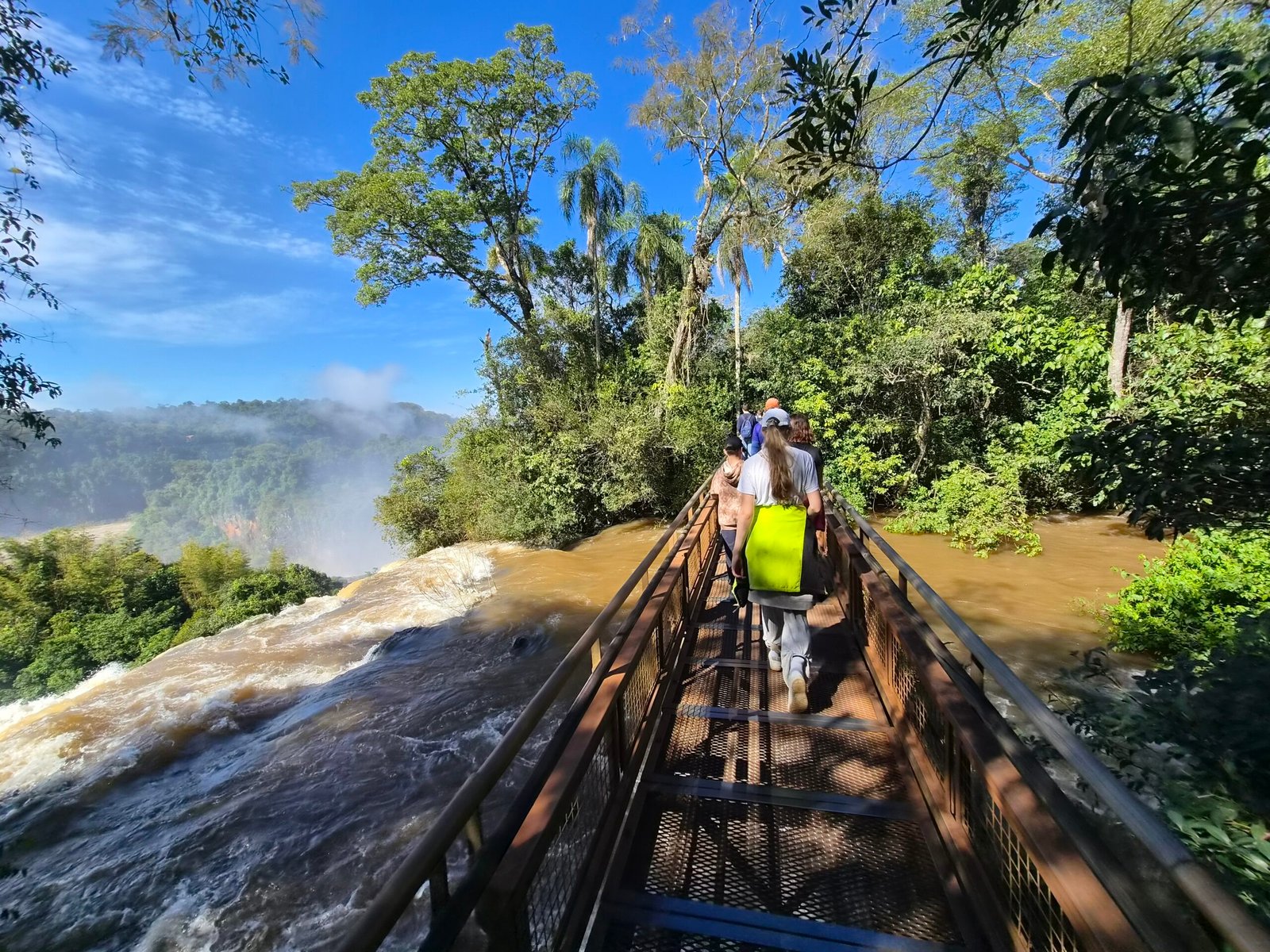
The journey to the top of the Devil's Throat took us along a 1,100-meter-long metal footbridge.
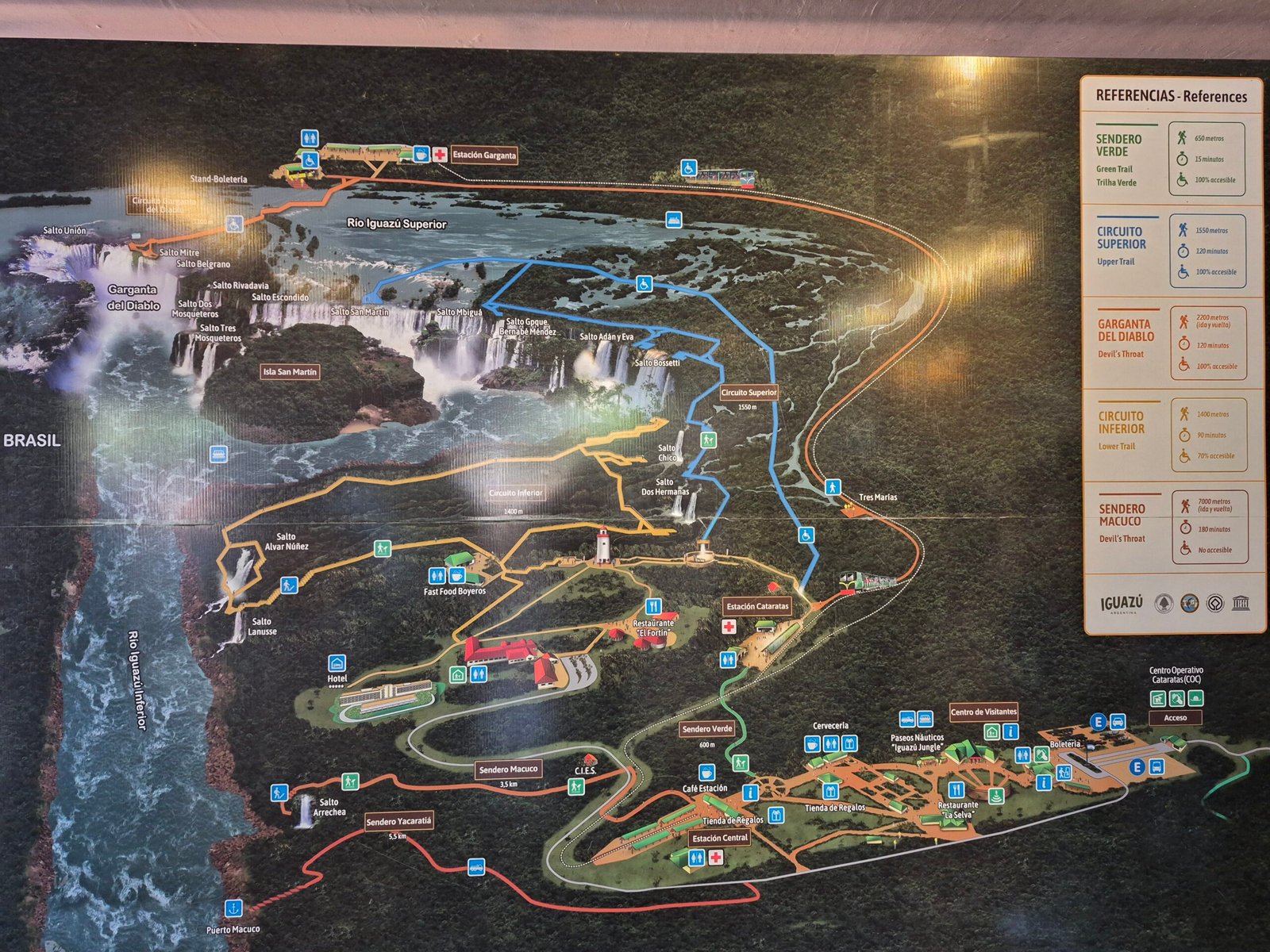
Here's a map of the route network on the Argentine side. We explored every trail, so we ended up covering a surprisingly large number of kilometers.

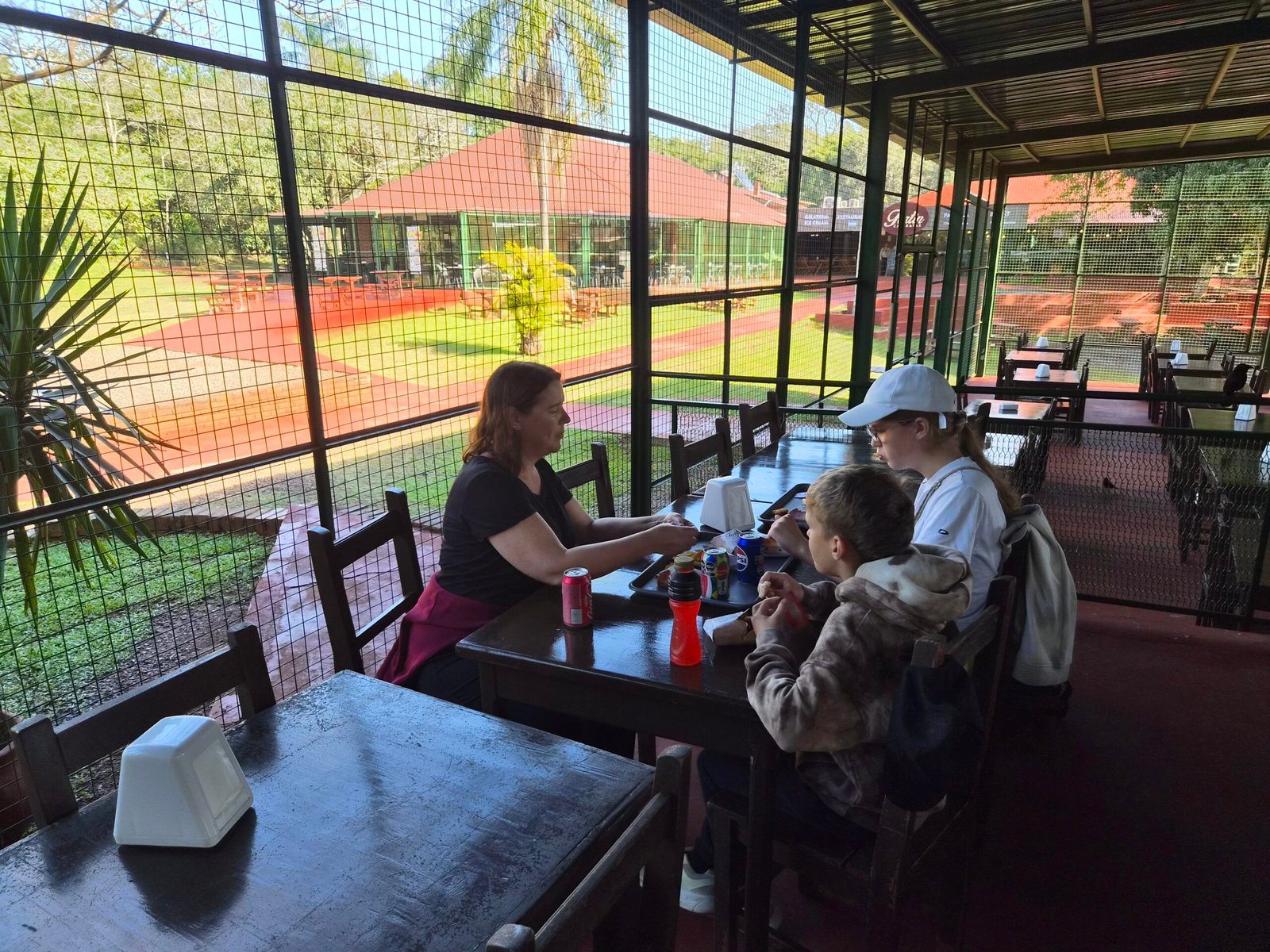
Next, we followed a route somewhat similar to the one we had taken on the Brazilian side the previous day. During this “lower trail,” we got close to, among other things, the Two Sisters Falls and a couple of other smaller waterfalls. We also saw stunning panoramic views of the main falls, but this time from the Argentine side. After the lower trail, we took a third trail, which took us back up above the falls, though to a slightly different spot than before. All in all, we walked a total of about 7.5 kilometers throughout the day, but fortunately, it wasn’t terribly hot. We still needed hoodies in the morning, but in the afternoon, a T-shirt was more than enough. To our surprise, on this side of the falls we didn’t get wet at all. We did have rain gear with us in case of splashes, but this time we didn’t need it. During the day, we also had a small snack in the park, since we’d had breakfast already at six o’clock. At the café, the people were, unusually, inside the cages, and the animals of the nature park were outside the cages. The cages were definitely necessary, because the greedy monkeys (of which we saw an unusually large number that day) and the coatis would otherwise have snatched our snacks right off our plates.

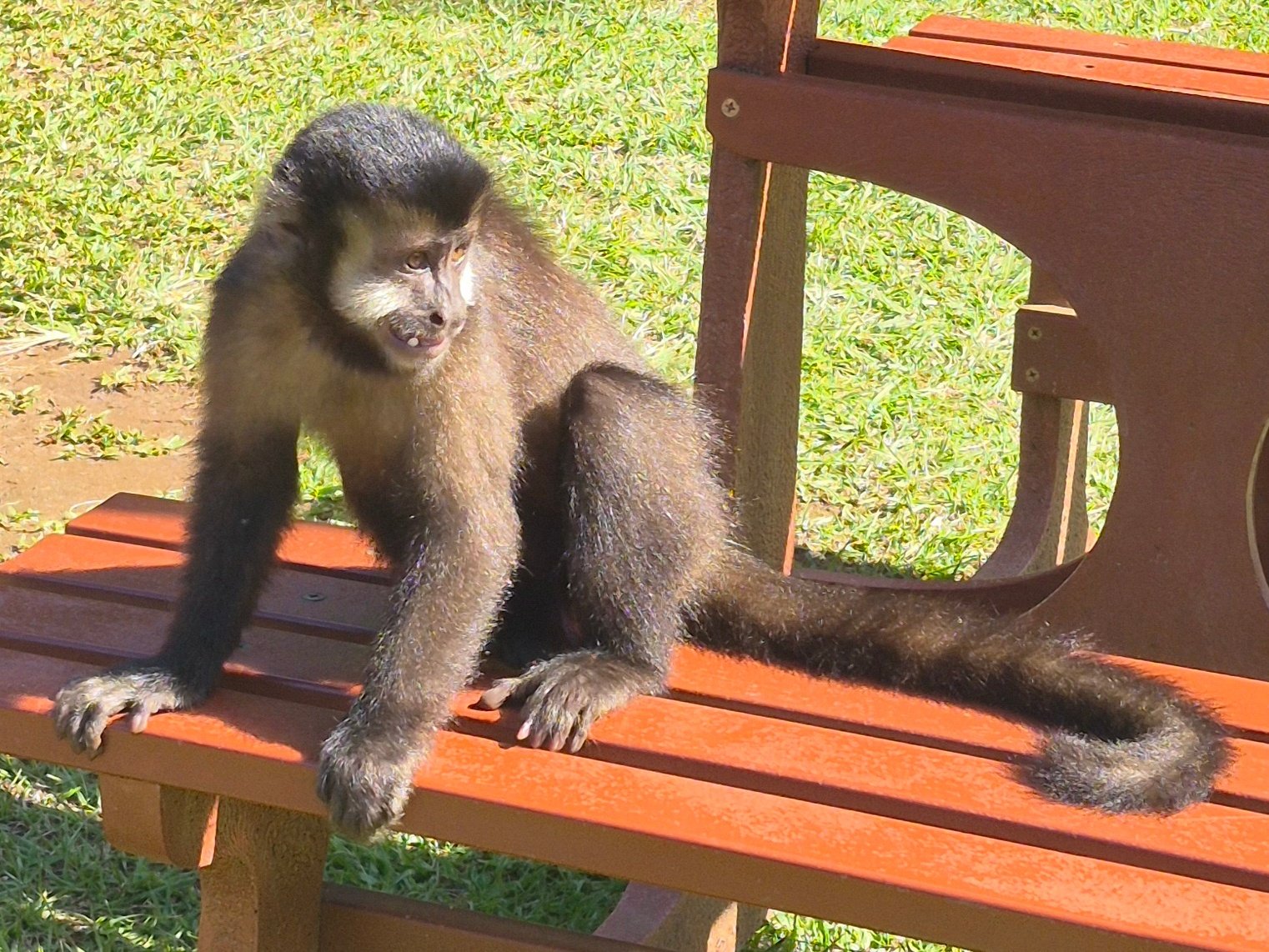
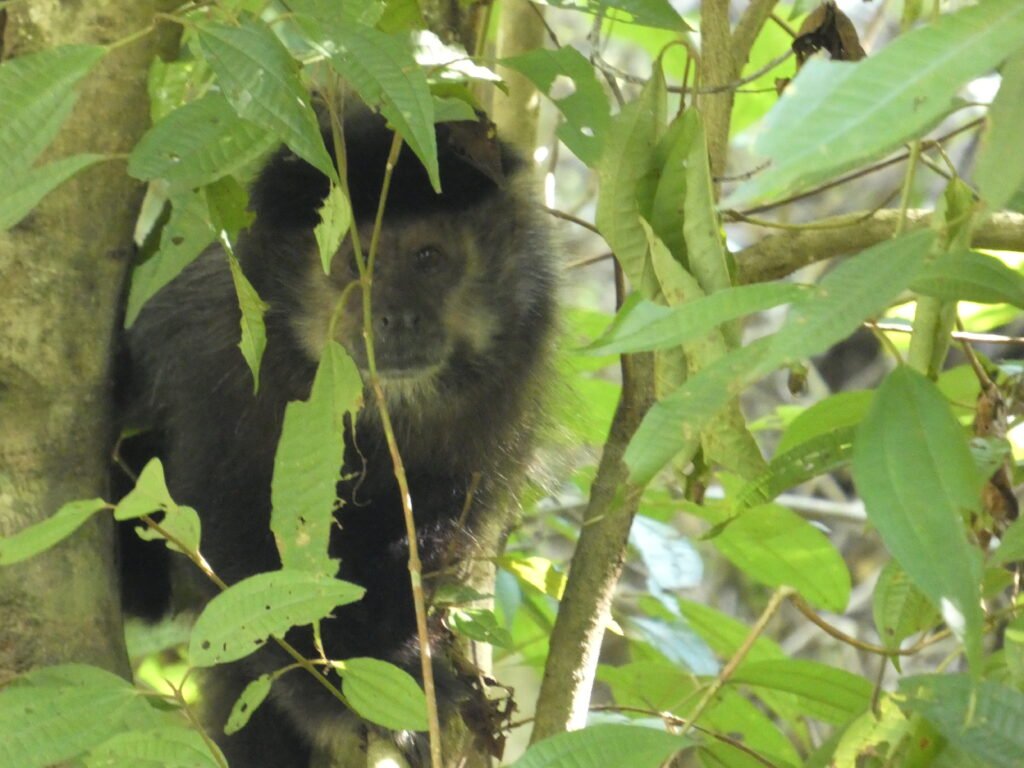
In addition to the waterfalls, we also saw a lot of monkeys.
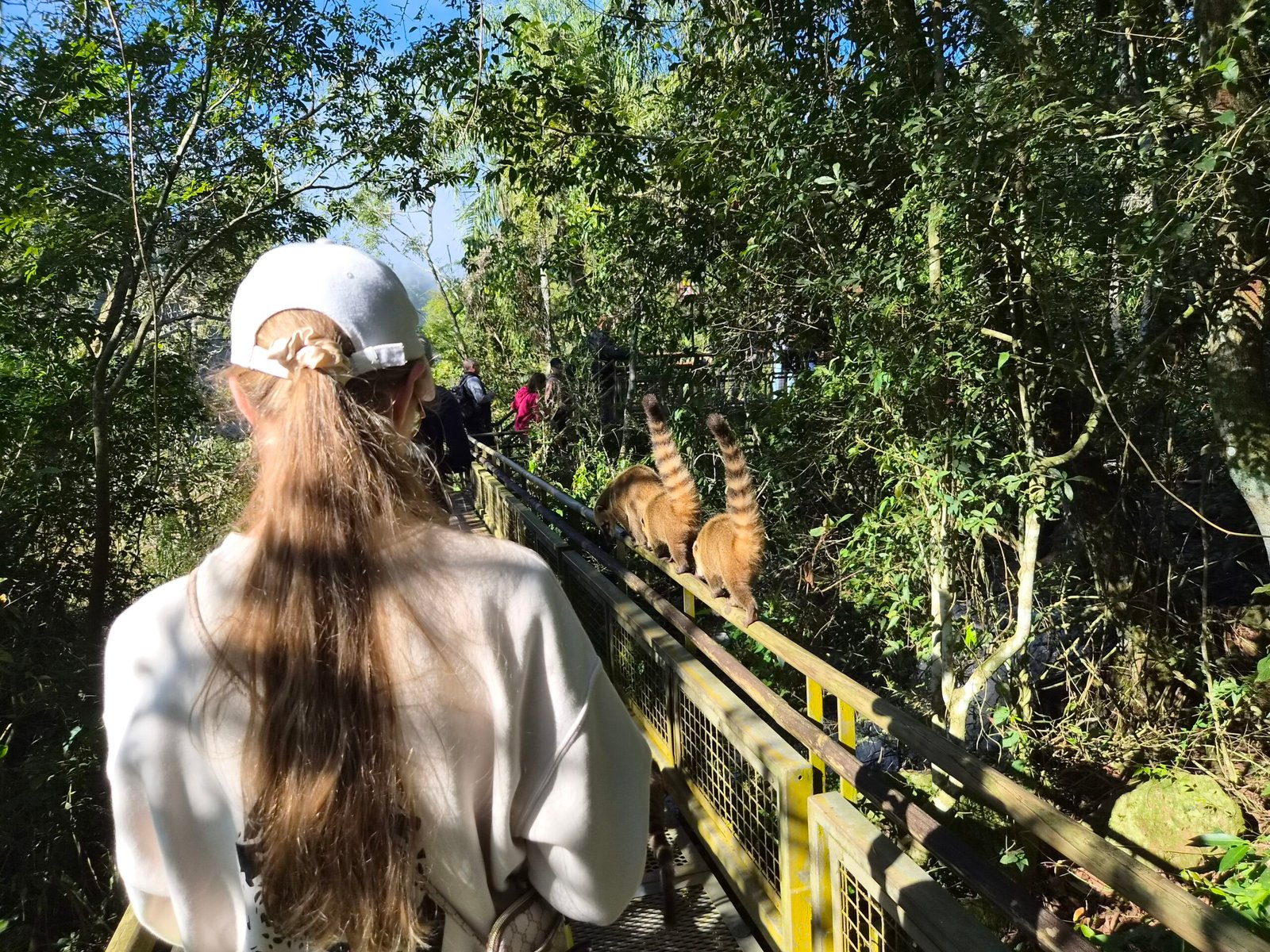
We also saw more coatis using metal bridges to move from one place to another, just like people do.
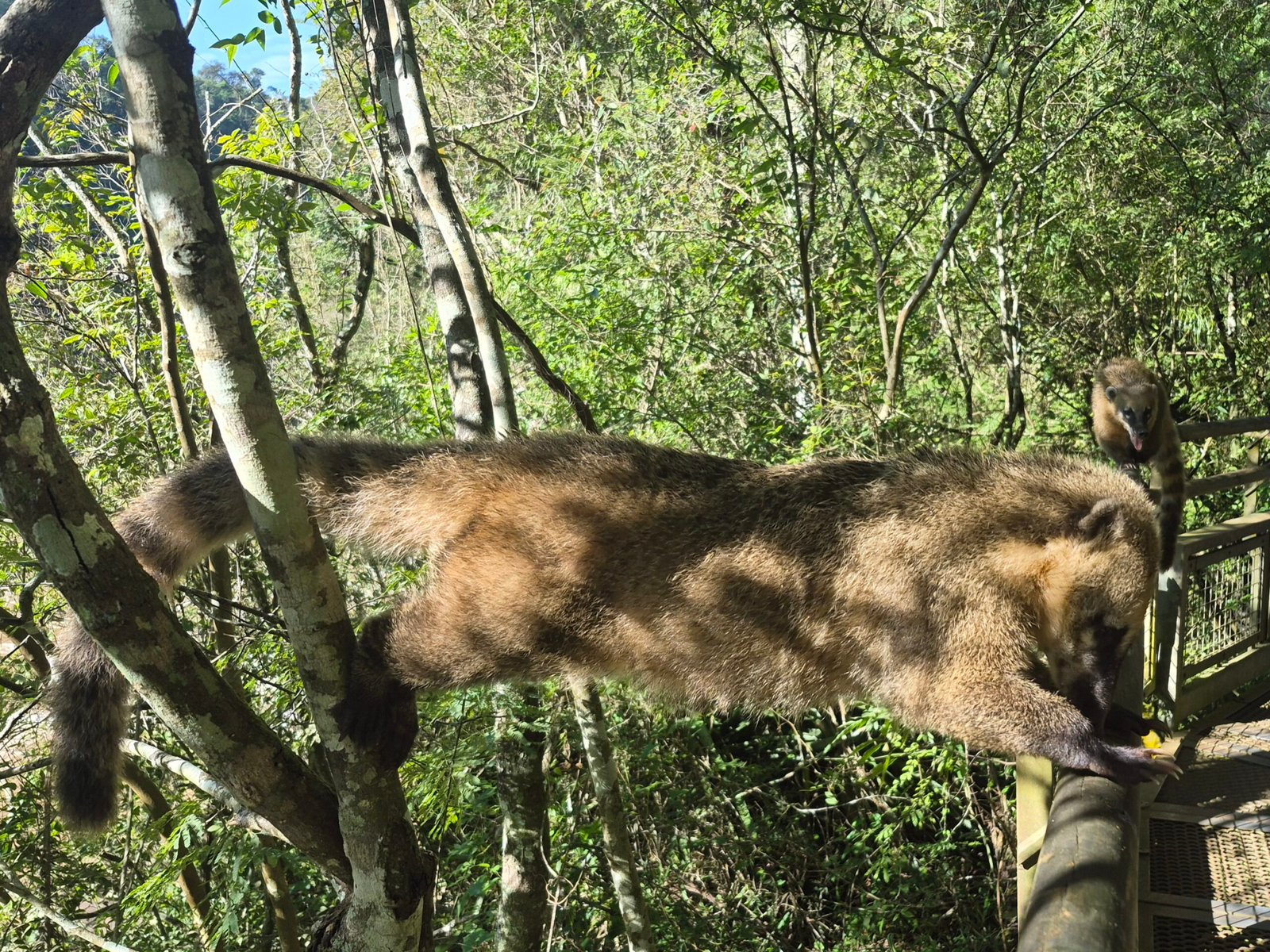
One of them was planking as a morning exercise.
This time, the people had been put in a cage.
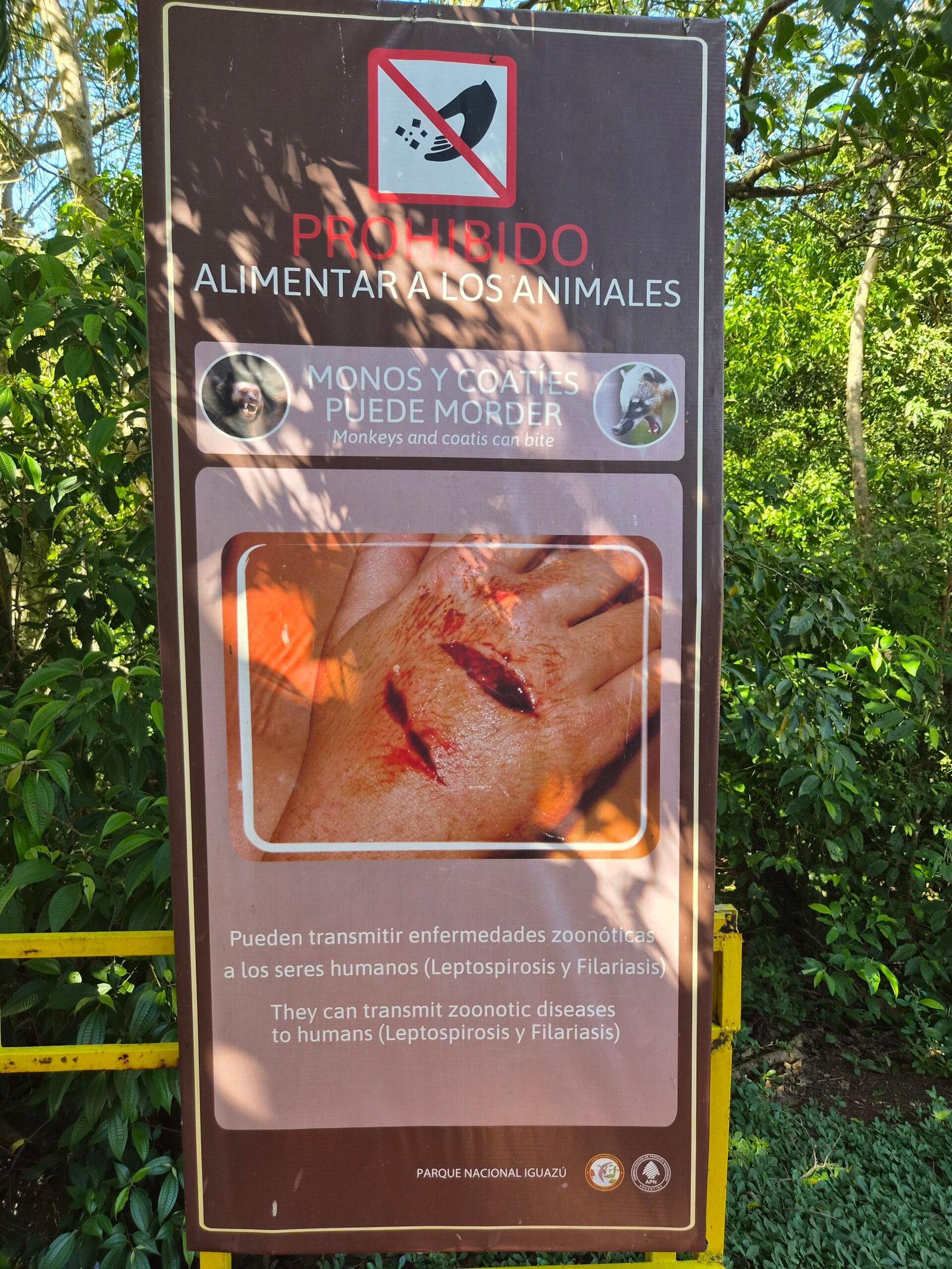
A rather graphic and effective reminder to leave the wild animals alone.

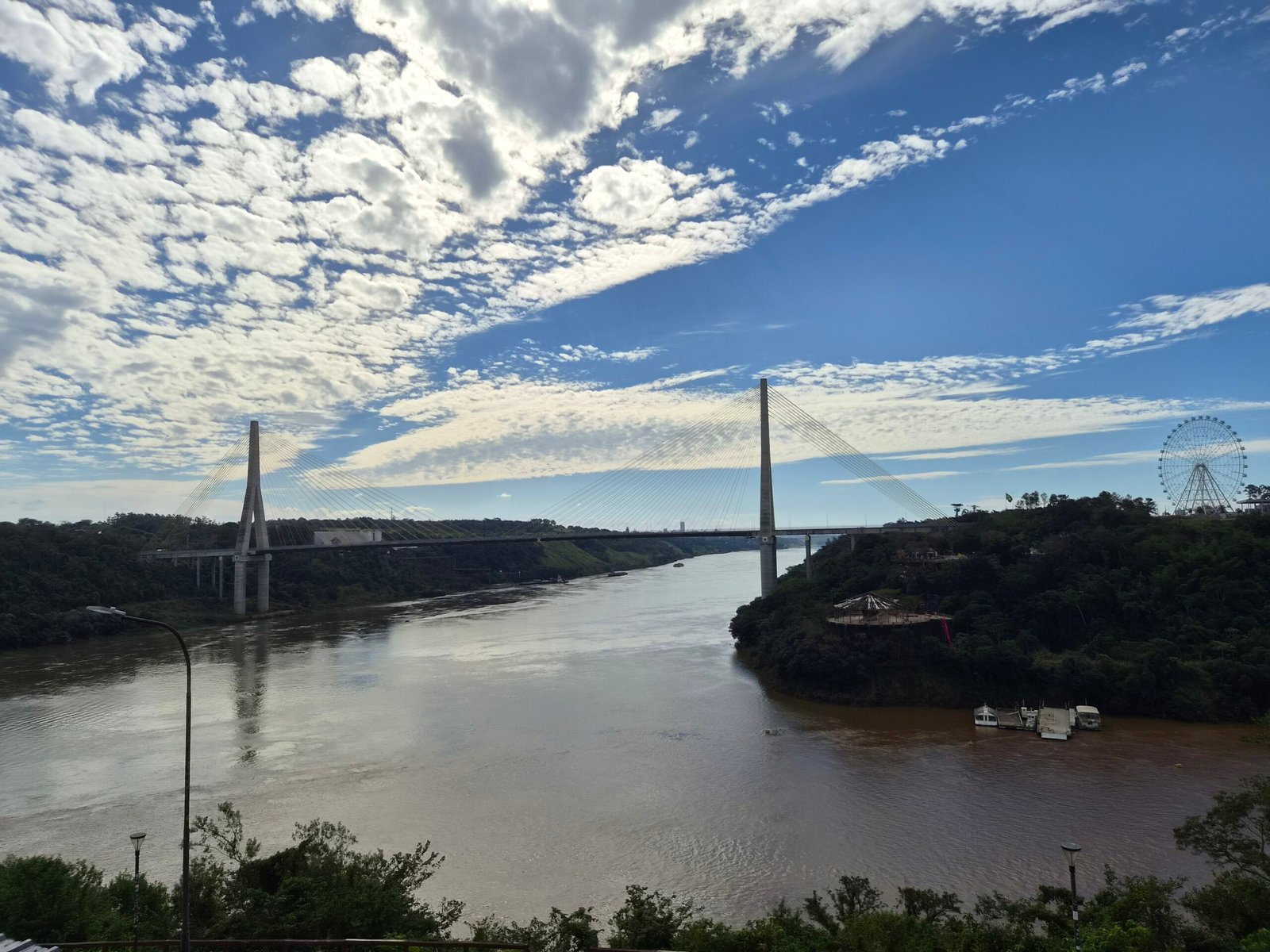
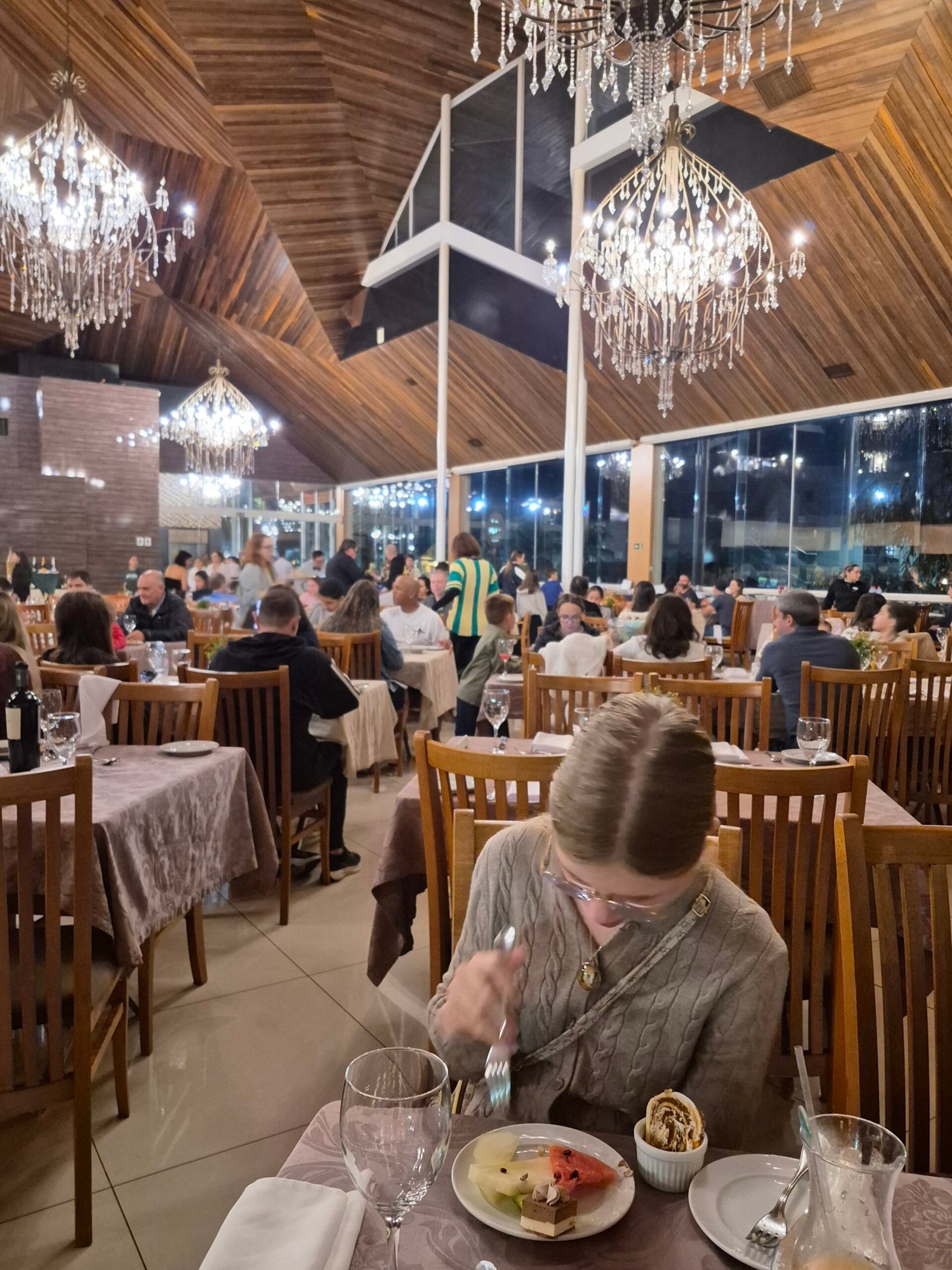
After leaving the park, we made a detour to the spot where the borders of three countries meet. At the confluence of the Iguazu and Paraná Rivers, you can see Brazil from one direction, Argentina from another, and Paraguay from a third. After this stop, we returned to our apartment, picked up our belongings from storage, and continued our journey with Gilnei to our next lodging in the city of Foz do Iguazu. Marko and the kids went swimming in our hotel’s indoor pools (the outdoor pools aren’t warm enough for swimming at this time of year, even if it’s warm during the day), and in the evening we enjoyed a buffet dinner at the hotel restaurant. It was wonderful to go to bed that night, knowing that the alarm clock wouldn’t go off until nine in the morning to signal that it was time to head out for breakfast.

At the border of three countries. We are standing in Argentina; on the left bank of the river is Brazil, and on the right is Paraguay.

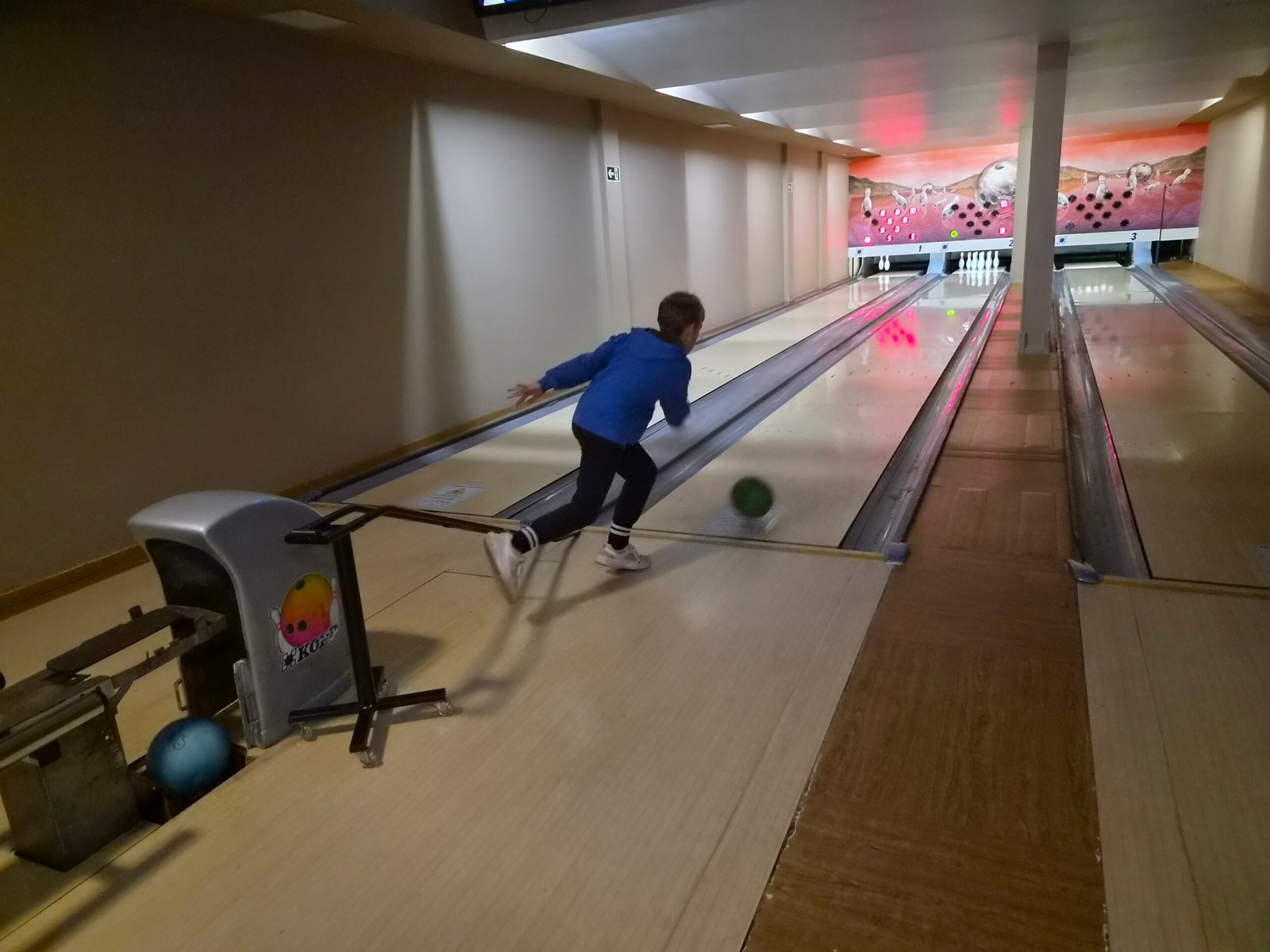
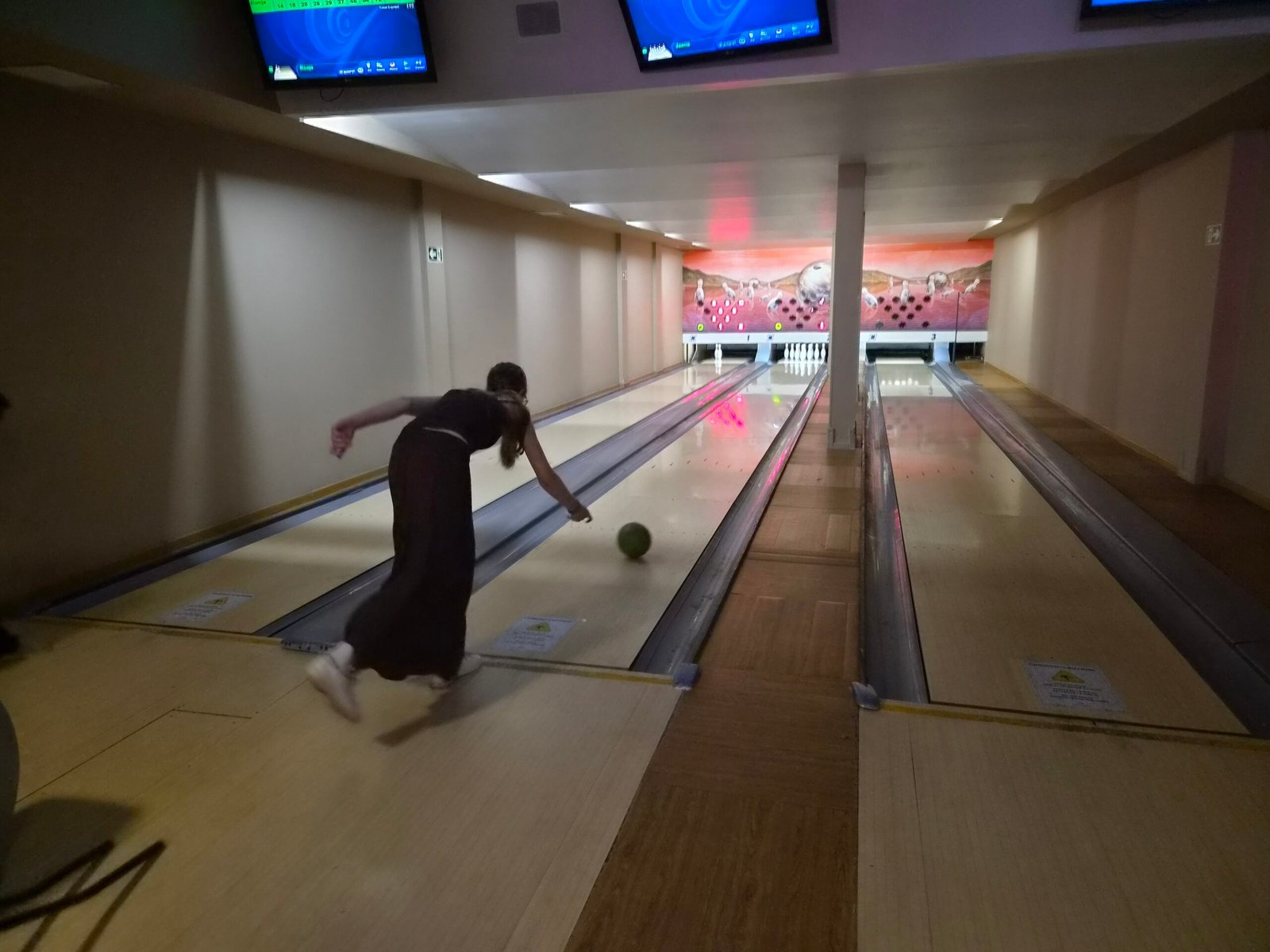
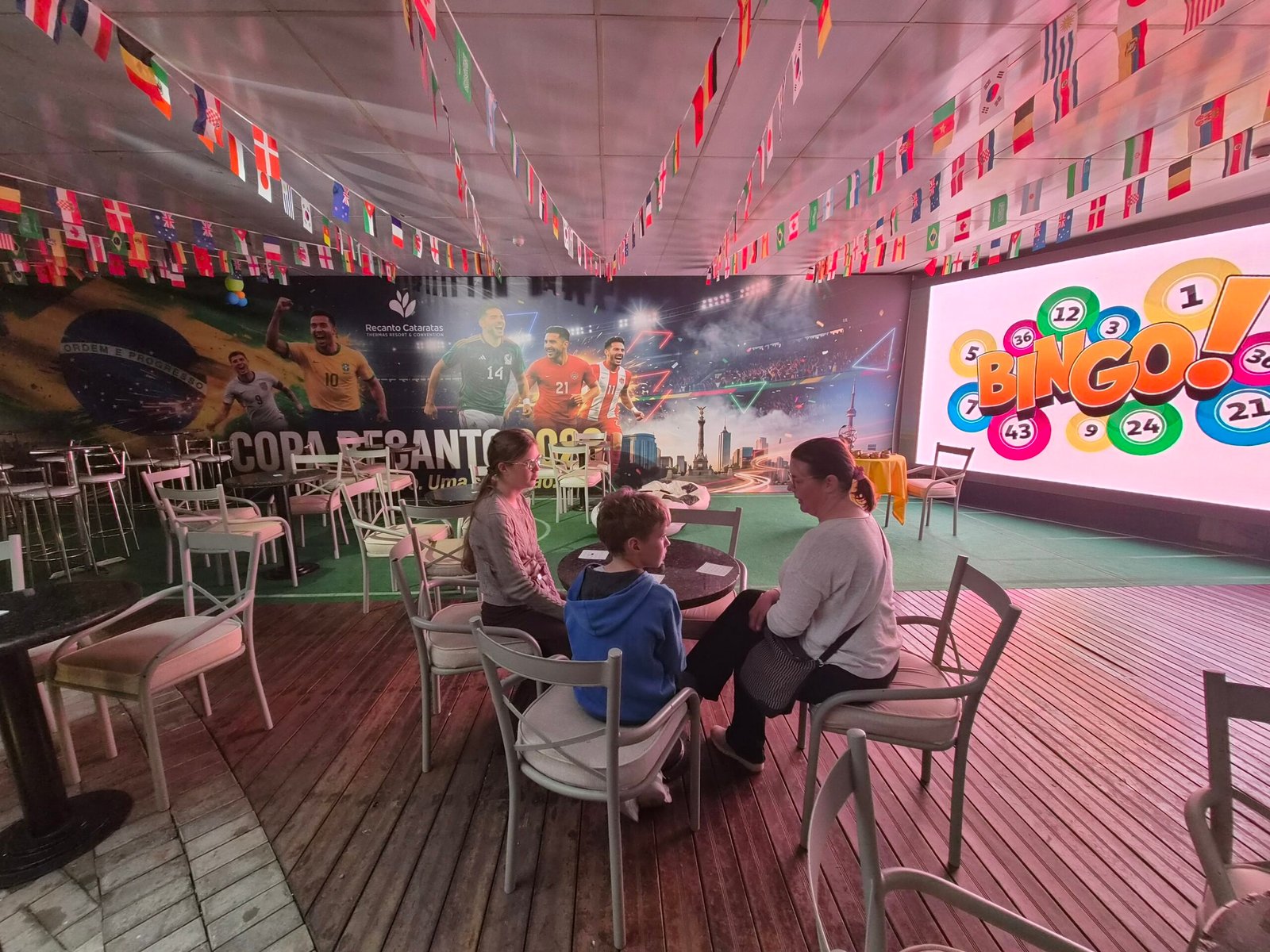
Monday was our day off. We woke up late, had a buffet breakfast, and bowled a few games (Jaana vs. Marko: 0-3, Ronja vs. Risto: 1-2). The scorekeeping machine, though, kept tallying the scores however it pleased, so we didn’t get any very official results. We also took part in our resort’s bingo game, but we missed out on the prizes. In the afternoon, we took an Uber to the nearest shopping center for a meal, and then headed back to go swimming and hit the sauna. The day before, while swimming, Marko had spotted a deal he couldn’t resist: a 2-liter blender-like jug with a spout, filled with caipirinha, for only 99 reals (about 16–17 euros). Since Jaana was with us at the pool this time, the adults decided to order one. Drinking that whole thing by yourself would be quite a manly feat, even though the pitcher had plenty of ice mixed in with the drink. Between the two of us, we managed it easily. At first, there were lots of screaming little Portuguese-speaking kids playing hide-and-seek in the warm (about +32–+34°C) water of the pool, but the other hotel guests gradually left the pool for dinner, so in the end, our family of four had the entire pool area and two saunas all to ourselves. It was pure bliss floating in the hot tub while sipping our drinks. The kids, however, felt a bit left out, since no drinks were ordered for them at all. (They did get some soda from the room’s minibar, though, when we finally managed to return to our room after a few hours of splashing around.) “The tank’s empty,” Risto remarked when he saw that we adults had finished our drinks and were finally ready to head back to our room.

It's a close game right now.
We didn't win the ham - or anything else, for that matter - at bingo. Things were looking good at first, but at the last minute, a bunch of opponents appeared out of nowhere to ruin our sure win.
The buffet restaurant had a capacity of 750 people.

During our entire stay here at our resort (or anywhere else in the city, for that matter), we haven’t really seen any European tourists, which does seem a bit strange. Even the guests at our resort, apart from us, seem to speak only Portuguese or Spanish. Perhaps many European tourists come here during the local summer, since right now the day and night temperatures aren’t necessarily very favorable, at least not for sunbathing. The abundance of local tourists, on the other hand, can be explained by the fact that just across the border in Paraguay lies a veritable tax-free shopper’s paradise. Every Brazilian is allowed to purchase €500 worth of goods tax-free from the Paraguayan side each month, but in reality, hardly anyone enforces this rule. There are random checks at the border, so perhaps one in ten cars, along with their luggage, gets inspected. Even at our resort, people have arrived by taxi carrying enormous amounts of shopping bags originating from the other side of the border.

We bought bus tickets beforehand online for our trip to Asunción on Tuesday. In theory, it was supposed to be a simple process, but the first website (the NSA bus company’s own) asked for all sorts of information when purchasing the tickets. This resulted in the time window reserved for the purchase closing before we could complete the payment on our first attempt. On our second attempt, the card payment was declined for one reason or another. On the third try, we used a different website, where we finally managed to buy four seats on a bus heading to Asunción, the capital of Paraguay, at a 10% price premium. But at least we got them!

We had booked a ride to the bus station on the Paraguayan side through the same company that had organized our Iguazu Falls tour the previous day, since crossing the border on our own might have been a bit of a hassle, especially with half our earthly belongings in tow. You can’t use Uber for cross-border trips, so that option was out of the question anyway, just as it had been for the falls on the Argentine side. A company representative told us that even though our bus wasn’t leaving until 14:00, we should start the border crossing process before 11:00, since on the bridge leading to the border, the wait to cross could be as long as two hours at worst. He also sent us a link to a live feed from the border, and sure enough, a considerable stream of vehicles was slowly inching forward on the bridge. Since we didn’t have any better information about how long the border crossing would take, we took his word for it and booked a ride to pick us up at 10:45.
Leave a Reply

Your email address will not be published. Required fields are marked *